Florence
Santa Croce
The neighbourhood east of the Signoria, anchored by the basilica with its famous tombs. Less crowded than the Duomo district, with better restaurants and the leather school behind the church.
About Santa Croce
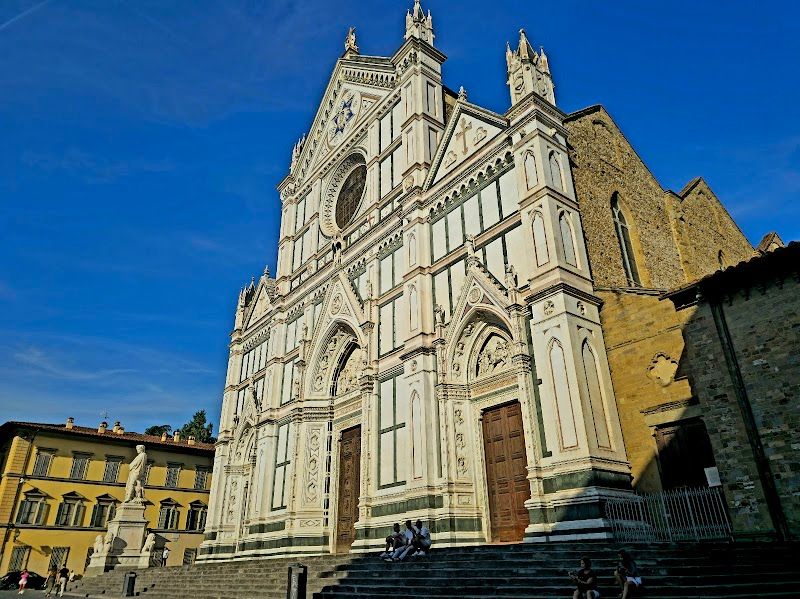
Basilica di Santa Croce (EUR 8) is where Florence buries its celebrities: Michelangelo's tomb (the three weeping figures are by Vasari), Galileo's tomb, Machiavelli's tomb, and a cenotaph for Dante (he died in Ravenna and refused to come home). The Bardi and Peruzzi chapels have frescoes by Giotto from the 1320s that are among the most important paintings in Western art - figures with weight and mass in real architectural space, the beginning of pictorial perspective. The Pazzi Chapel (in the cloister, by Brunelleschi) is a small masterpiece of Renaissance proportion. The leather school (Scuola del Cuoio, free to enter, behind the church, through the sacristy or the Borgo dei Greci entrance) has craftspeople making bags and belts by hand - they have been teaching the trade here since 1950. Piazza Santa Croce is where calcio storico (the violent historic football game in historical costume) is played in June.
Things to Do
Top experiences in Santa Croce
Piazzale Michelangelo
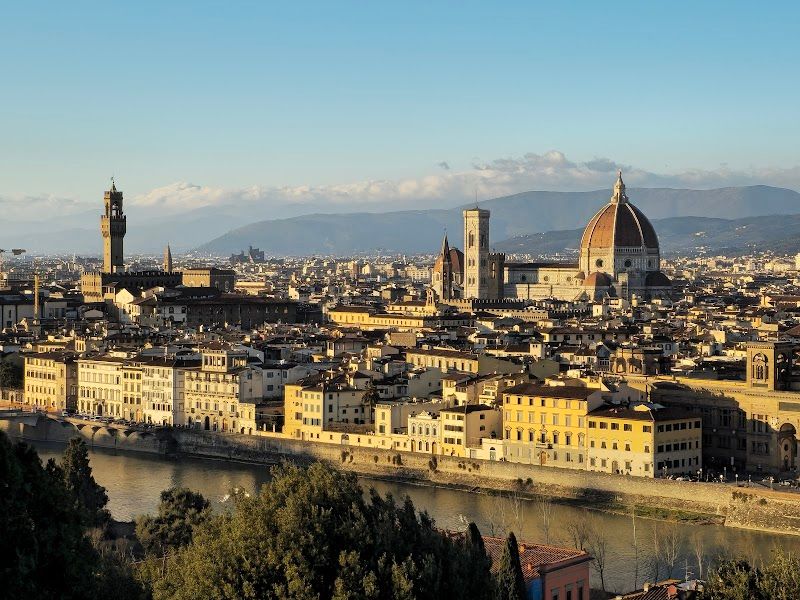
Piazzale Michelangelo sits 100 meters above Florence's red rooftops, delivering the city's most famous panoramic view without the crowds or entry fees of the Duomo. You'll see the entire historic center spread below: Brunelleschi's dome, the Arno snaking through ancient bridges, and the Tuscan hills rolling toward Fiesole. At the center stands a bronze copy of Michelangelo's David, though honestly, you're here for the vista, not the sculpture. The experience changes completely depending when you visit. Mornings feel peaceful with soft light perfect for photos, while sunset transforms the piazzale into an outdoor party. Locals arrive with wine bottles and claim spots on the stone steps, turning the viewpoint into Florence's most scenic aperitivo spot. The atmosphere gets festive but never rowdy, just dozens of people quietly watching the city glow golden as the sun drops behind the hills. Most guides don't mention that the walk up is actually pleasant, not punishing. The 15-minute climb from Piazza Ferrucci through the rose garden beats taking the bus, which drops you at the back entrance. Skip the overpriced bar on site and grab a €8-12 bottle from any enoteca below. The real insider move: visit twice, once for morning photos when it's empty, once for sunset when it's magical.
Basilica di Santa Croce
Santa Croce is the largest Franciscan church in the world and the burial place of Florence's most famous citizens. Michelangelo is buried here (the tomb with the three weeping figures by Vasari), along with Galileo, Machiavelli, and Dante (cenotaph only - he died in Ravenna and they never returned the body). The Bardi and Peruzzi chapels have frescoes by Giotto that are considered the beginning of Western pictorial space - the figures have weight and occupy real architectural settings in ways that pre-Giotto art does not. The Pazzi Chapel (in the cloister, by Brunelleschi) is a perfect small Renaissance structure. The leather school (Scuola del Cuoio) is behind the church, free to enter, open during business hours - watch craftspeople making bags, belts, and wallets by hand. EUR 8.
Mercato di Sant'Ambrogio
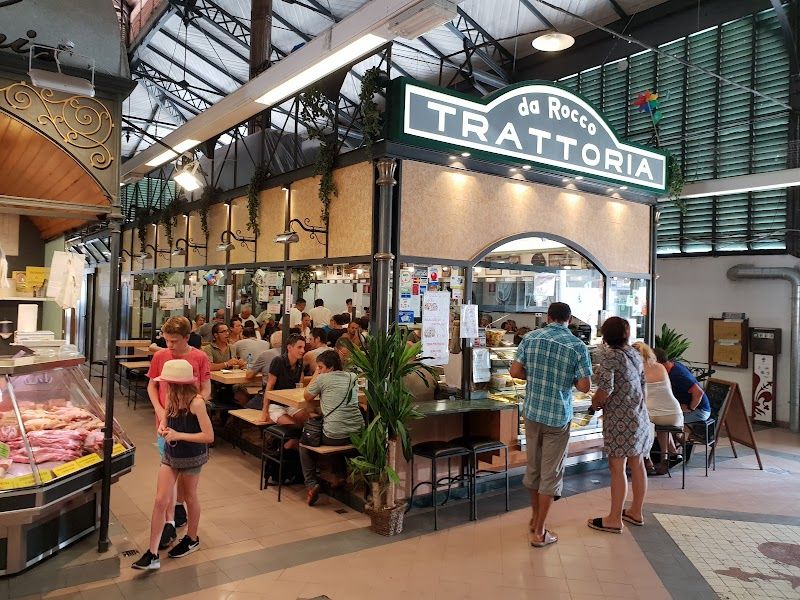
Sant'Ambrogio is Florence's most authentic neighborhood market, housed in a beautiful 19th-century iron and glass pavilion where actual Florentines do their daily shopping. Inside you'll find proper butchers selling Chianina beef for €35/kg, fishmongers with whole branzino for €18/kg, and produce vendors hawking seasonal vegetables at half the prices of tourist areas. The outdoor stalls wrap around the building selling everything from fresh flowers (€3 for a small bouquet) to knock-off handbags. The atmosphere feels completely removed from Florence's tourist circus. You'll hear rapid-fire Italian between vendors and customers, watch nonnas squeeze tomatoes with surgical precision, and see market workers downing espresso at the surrounding bars. The covered hall stays cool even in summer, while the outdoor section buzzes with energy as vendors call out prices and locals debate the merits of different melons. Most travel guides romanticize this place, but honestly, it's just a working market where tourists stick out like sore thumbs. The produce quality is excellent and cheap, but don't expect anyone to speak English or be patient with your halting Italian. Skip the outdoor clothing stalls (all cheap imports) and focus on the food vendors inside. Da Rocco bar does the best coffee for €1.20, and the trippaio (tripe cart) outside serves legitimate lampredotto sandwiches for €4.
Giardino delle Rose
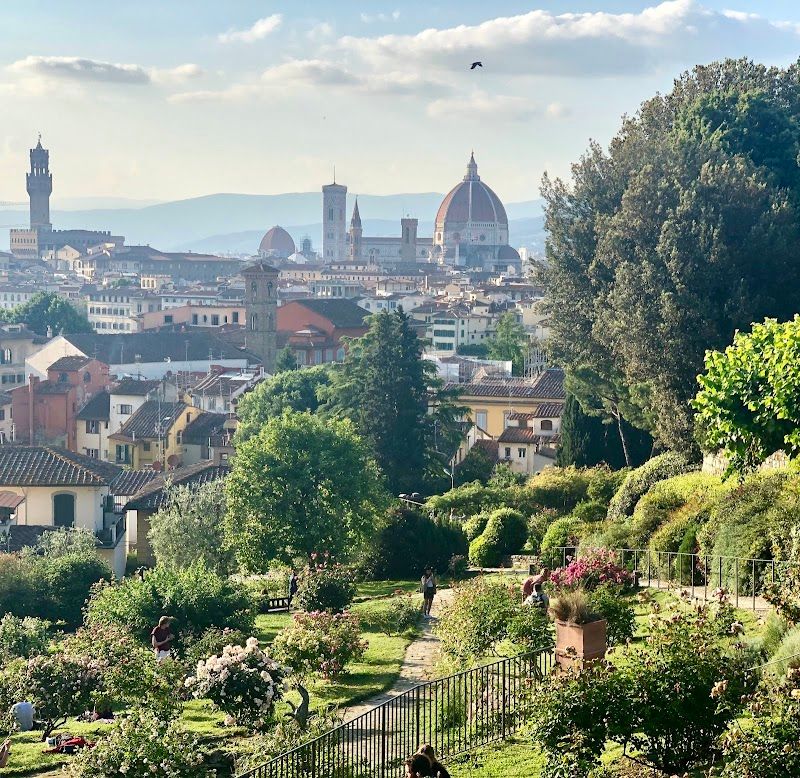
This free hillside garden sits perfectly positioned below Piazzale Michelangelo, showcasing over 400 rose varieties across terraced slopes that bloom spectacularly from May through June. You'll find yourself wandering between traditional European roses and an authentic Japanese garden section gifted by Kyoto, complete with zen stones, bamboo, and subtle water features. The views sweep across Florence's terracotta rooftops without the shoulder-to-shoulder crowds above. The terraced layout leads you naturally upward through different rose collections, each labeled with varieties you've probably never heard of alongside familiar favorites. The Japanese section feels genuinely transported from Kyoto, not like a theme park addition, with carefully placed stones and a small meditation area. In peak season the fragrance is almost overwhelming in the best possible way, and you'll constantly find yourself stopping for photos of the city framed by rose bushes. Most people rush through here as a quick stop before or after Piazzale Michelangelo, which is a mistake. Plan at least an hour if you're here during rose season, and bring snacks since there's nowhere to buy food nearby. The garden looks pretty bare from November through March, so time your visit accordingly. Entry is genuinely free with no catch, no donation pressure, and no closing gates.
Scuola del Cuoio
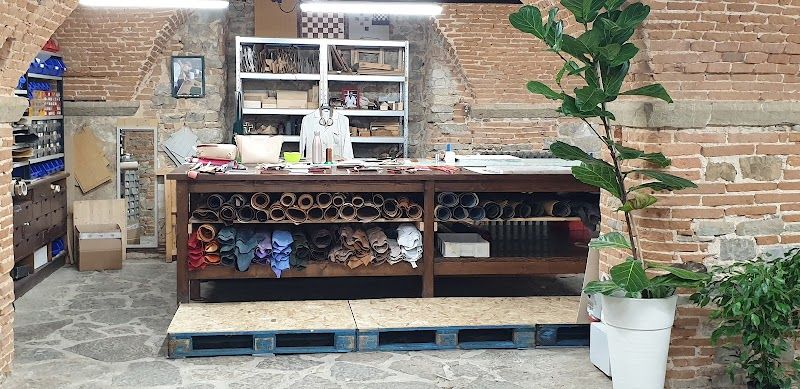
The Scuola del Cuoio sits in the former dormitory of Santa Croce's monastery, where Franciscan friars started teaching leather crafts to war orphans in 1950. You'll watch artisans hand-tooling wallets, bags, and belts using techniques unchanged for decades, while the smell of leather and tools fills the stone-walled workshops. Prices here beat Florence's tourist leather shops by 30-40%, and you can commission custom monogrammed pieces that take about a week. The workshop feels like stepping into a medieval guild where time stopped. Leather workers sit at wooden benches cutting, stamping, and stitching while tourists browse quietly around them. The monastery setting adds gravity to what could feel like a tourist trap elsewhere: high stone ceilings, simple wooden furniture, and the occasional friar walking through. You can handle the leather goods freely, and the artisans don't mind you watching their detailed work up close. Most guides oversell this as a major attraction when it's really a solid shopping stop with authentic atmosphere. The quality is genuine but limited to classic styles, nothing fashion-forward. Wallets start around 25 EUR, bags from 80 EUR, which beats Via del Corso prices significantly. Skip the overly touristy front section near Santa Croce's entrance and head straight to the active workshops in back where the real work happens.
Tuscany Chianti Day Trip by Car
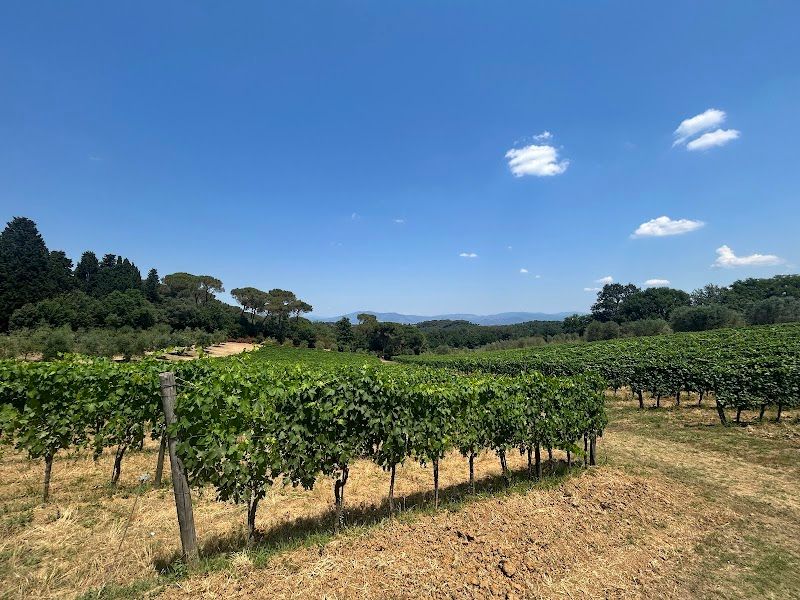
A day trip south of Florence through the Chianti wine region, one of the best day trips in Europe. The landscape is the point as much as the wine: cypress-lined roads, medieval villages on hilltops, vineyards in every direction. The main route runs from Florence through Greve in Chianti (the central wine town, with an enoteca and the Wednesday market), Panzano in Chianti (the butcher Dario Cecchini has become famous, his restaurant uses his own meat), Castellina in Chianti (medieval walls, wine shops), and Radda in Chianti. Estate tastings cost EUR 10-25 and include 3-6 wines with explanations. Lunch at a farmhouse agriturismo (EUR 25-40 per person with wine). Best with a rental car. Tour operators run day trips from Florence (EUR 90-140 per person).
Stefano Bemer
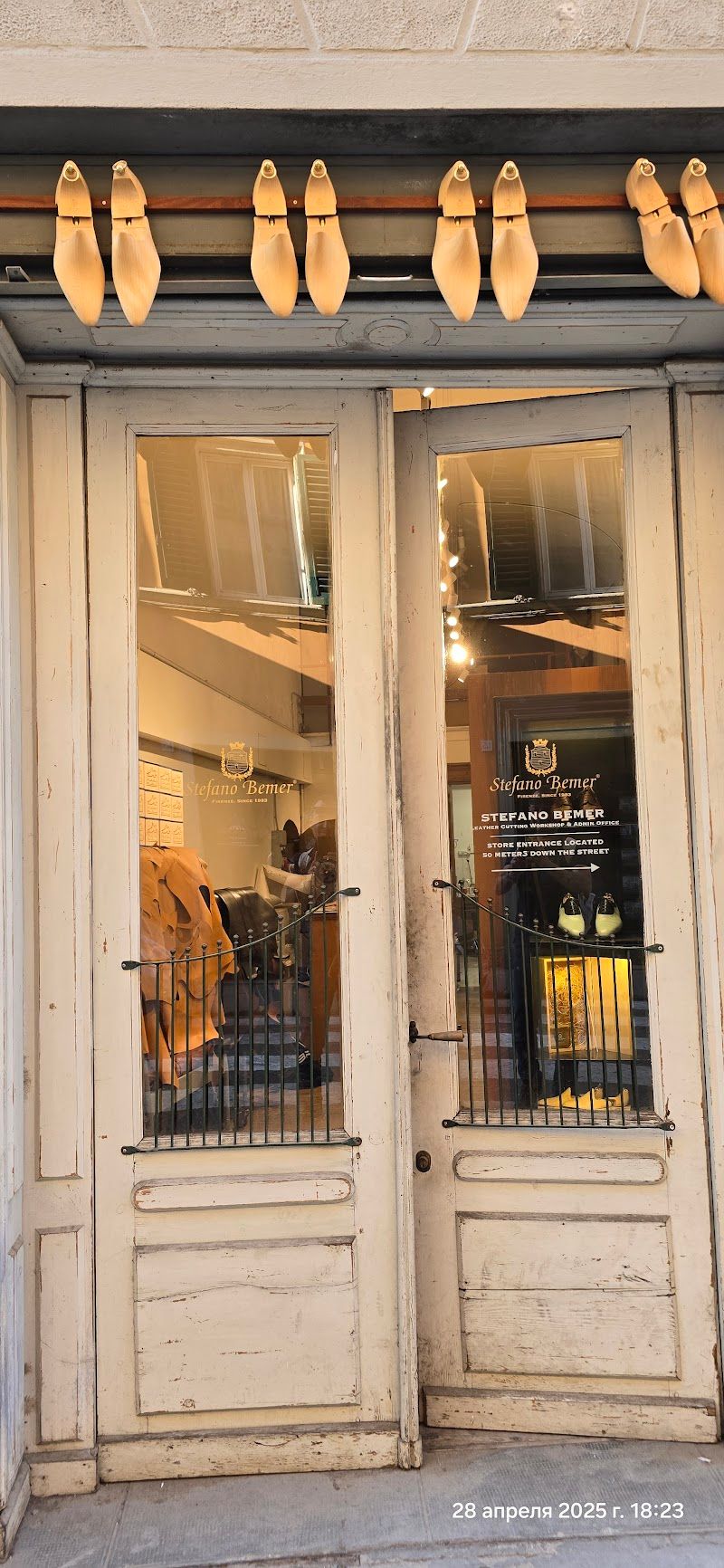
Stefano Bemer represents the pinnacle of Florentine shoemaking, where master craftsmen still hand-stitch every detail using techniques unchanged for centuries. You'll find shelves lined with lasts (wooden foot forms) carved for specific clients, drawers full of exotic leathers from alligator to ostrich, and workbenches where artisans spend eight hours a day on individual pairs. The ready-to-wear collection starts around €800, while bespoke orders begin at €3,500 and require multiple fittings over six months. Walking into the workshop feels like entering a Renaissance artist's studio. Leather shavings cover wooden floors, the air smells of glue and polish, and you'll hear the rhythmic tapping of hammers shaping soles. The craftsmen work at antique benches passed down through generations, each specializing in different stages: pattern cutting, lasting, welting, or finishing. They're surprisingly welcoming about explaining their process, especially if you show genuine interest rather than just snapping photos. Most visitors expect a fancy showroom but find a working atelier instead, which is exactly the point. The ready-to-wear shoes offer exceptional value compared to bespoke but still cost more than many Italian brands. Skip the visit if you're just browsing casually, this place rewards serious shoe enthusiasts who appreciate the difference between machine-stitched and hand-welted construction. Book ahead for bespoke consultations, but walk-ins can browse the workshop and ready-made collection freely.
Where to Eat
Restaurants and cafes in Santa Croce
Ristorante La Giostra
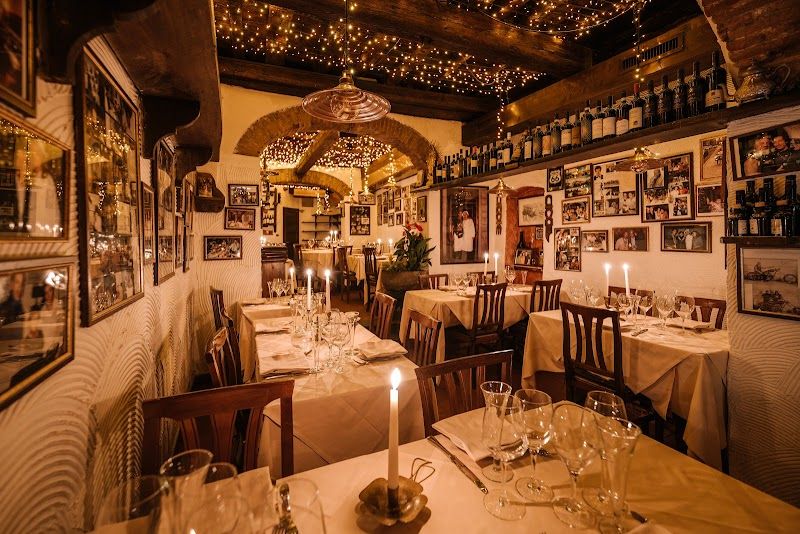
RestaurantRomantic restaurant run by a Habsburg prince serving refined Tuscan-Austrian fusion. Candlelit tables, classical music, and exceptional service. Famous for Sachertorte dessert alongside Tuscan classics. Dinner reservations required weeks ahead.
Osteria Antica Mescita San Niccolò
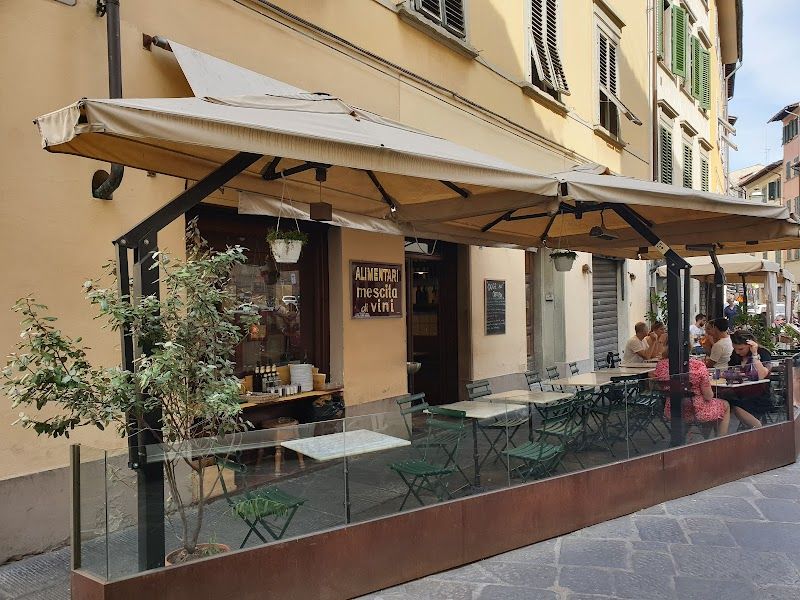
RestaurantNeighborhood osteria in San Niccolò serving traditional Tuscan dishes and natural wines. Tiny dining room, daily specials on chalkboard, and local crowd. Lunch and dinner, reservations recommended for dinner.
Le Vespe Cafe
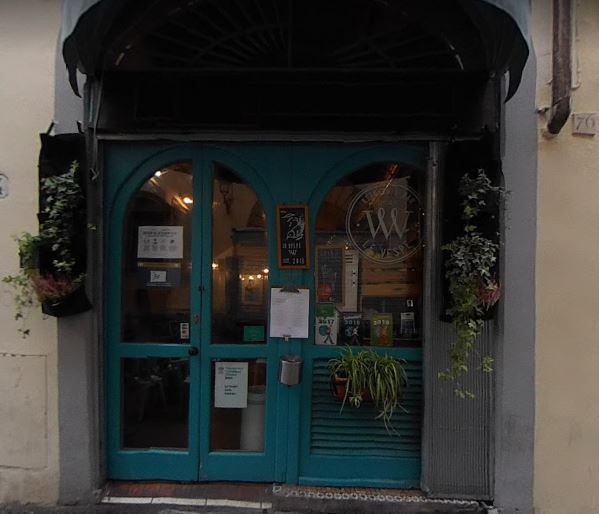
CafeVintage-style espresso bar in Santo Spirito decorated with antique Vespa scooters and 1960s Italian memorabilia. Serves excellent espresso for EUR 1.30 at the bar and homemade focaccia sandwiches. Popular with local students and artists from the nearby Oltrarno workshops.
Enoteca Pinchiorri
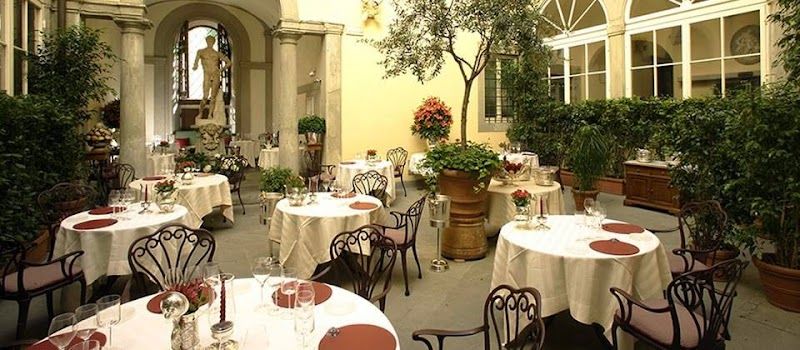
RestaurantThree-Michelin-star restaurant with one of Europe's finest wine cellars. Contemporary Italian haute cuisine in a Renaissance palazzo. Jacket required, tasting menus from €250, wine cellar visits available with reservation.
Cibreino
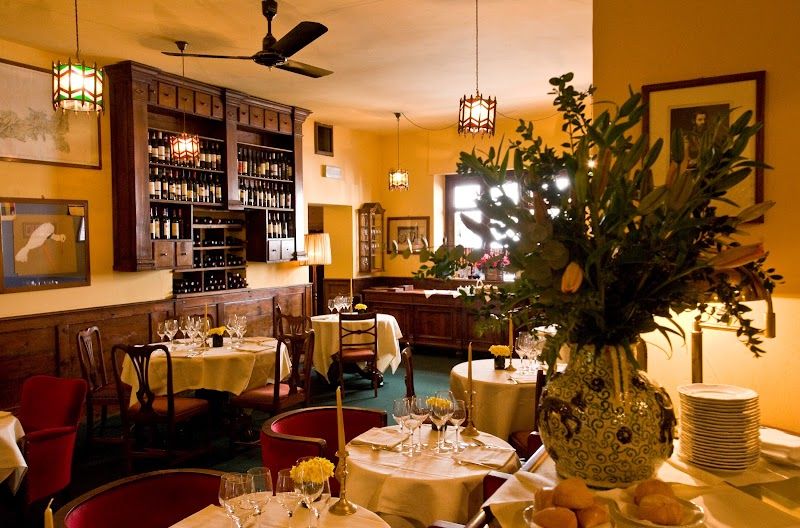
RestaurantCasual lunch counter next to the celebrated Cibreo restaurant serving the same recipes at trattoria prices. Daily changing menu, market-driven dishes, and communal seating. Lunch only, no reservations, closes at 2:30pm.
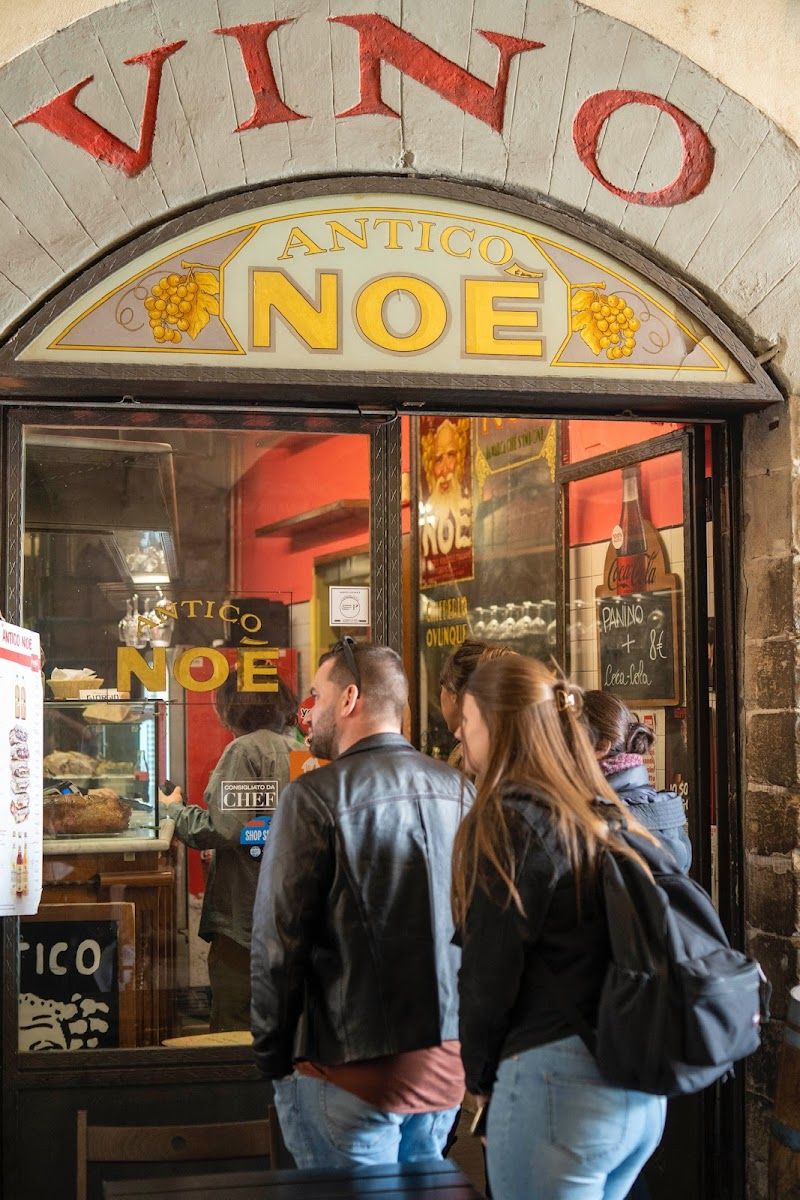
Antico Noè
RestaurantTiny standing-room sandwich shop near Santa Croce serving schiacciata with creative fillings. No tables, locals queuing at the window, and exceptional value at €5-6 per sandwich. Closes at 7pm.
Getting Here
Insider Tips
Giotto frescoes in the Bardi chapel
The Bardi and Peruzzi chapels are at the far end of the right transept. They are Giotto's masterwork in Florence (the Scrovegni Chapel in Padua is his supreme achievement, but these are also extraordinary). The light is better in the morning.
Leather school
Free to enter through the church (via the sacristy) or from Borgo dei Greci. The workshop is real: craftspeople are making actual products, not performing for tourists. The prices are retail, not tourist-inflated. Wallets, belts, bags, and notebooks, all made on site.
Lunch near Santa Croce
The side streets off Piazza Santa Croce (Via dei Neri, Via Matteo Palmieri, Borgo dei Greci) have trattorias that serve Florentines who work in the area. A full lunch with wine costs EUR 20-30. Walk 3-4 minutes from the basilica and the prices improve significantly.
Nearby Neighborhoods
Continue exploring
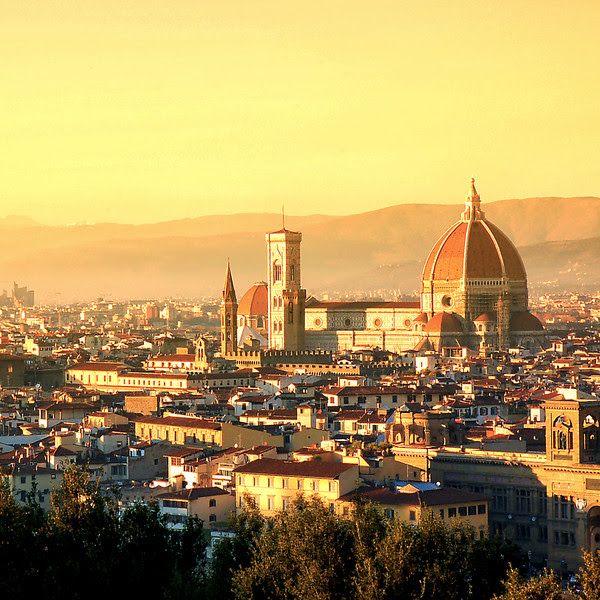
Duomo & Piazza della Signoria
The monumental heart: the dome on the skyline, the Uffizi packed with masterpieces, Piazza della Signoria as a free open-air sculpture gallery. Dense with art and tourists. The trick is timing.
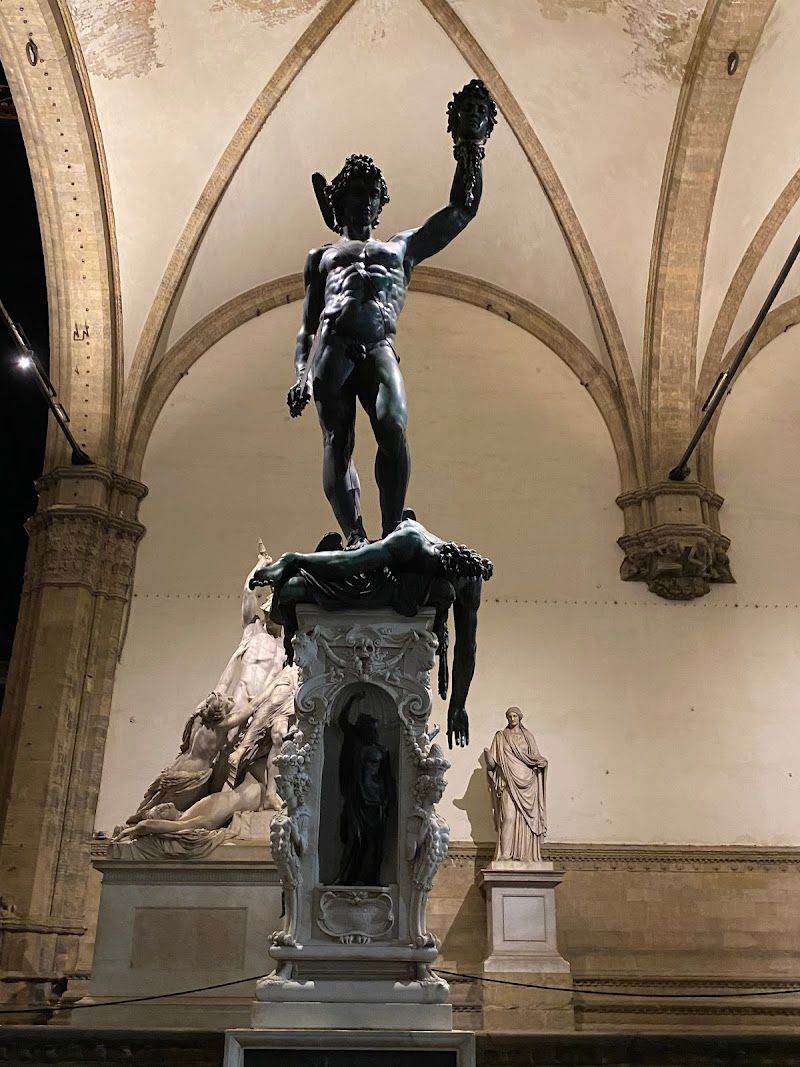
Oltrarno (Santo Spirito)
The south bank neighbourhood where Florentines live. Artisan workshops, neighbourhood trattorias, a piazza with a morning market and evening bars. A 5-minute walk from the crowds.
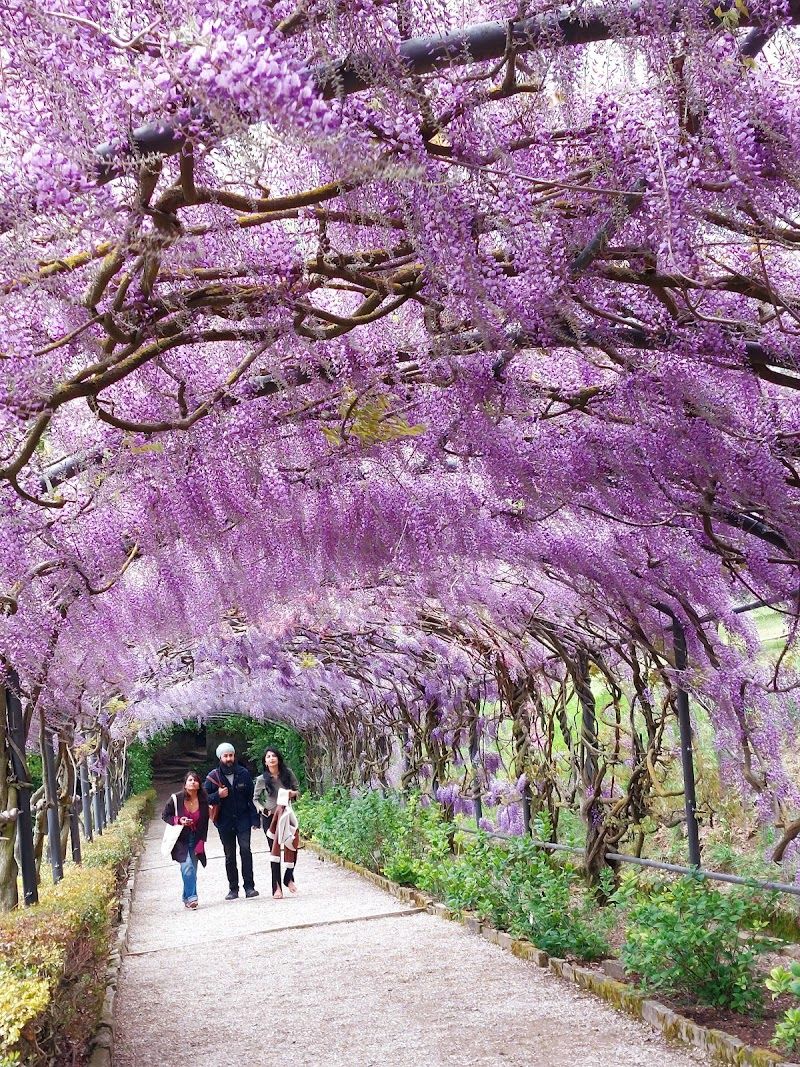
Palazzo Pitti & Boboli
The Medici palace complex: the Palatine Gallery with Raphael and Titian, the formal gardens climbing the hill, and the Bardini Garden's wisteria - a half-day that avoids the centro storico entirely.
Related Articles
Plan a trip featuring Santa Croce
Get a personalized Florence itinerary with Santa Croce built in.
Start Planning