Florence
Palazzo Pitti & Boboli
The Medici palace complex: the Palatine Gallery with Raphael and Titian, the formal gardens climbing the hill, and the Bardini Garden's wisteria - a half-day that avoids the centro storico entirely.
About Palazzo Pitti & Boboli
Palazzo Pitti (EUR 16 Palatine Gallery, EUR 22 combined with Boboli and Bardini) was built by a Medici rival in 1458 and became the main Medici residence a century later. The Palatine Gallery is the highlight: the Medici tradition of salon hanging means paintings cover every inch of every gilded wall, and the Raphael rooms contain La Velata, Madonna della Seggiola, and Donna Gravida - three of his finest portraits. Titian, Rubens, and Caravaggio fill the other rooms. The Boboli Gardens (EUR 10 or combined) behind the palace climb up the hill with fountains, cypress avenues, grottoes (the Grotta Grande has Giambologna sculptures inside stalactite formations), and hilltop views from the Kaffeehaus. The Bardini Garden (EUR 10 or combined, a 5-minute walk from Pitti) is smaller, quieter, and in April has a wisteria pergola that is one of the most beautiful things in Florence.
Things to Do
Top experiences in Palazzo Pitti & Boboli
Giardino Bardini
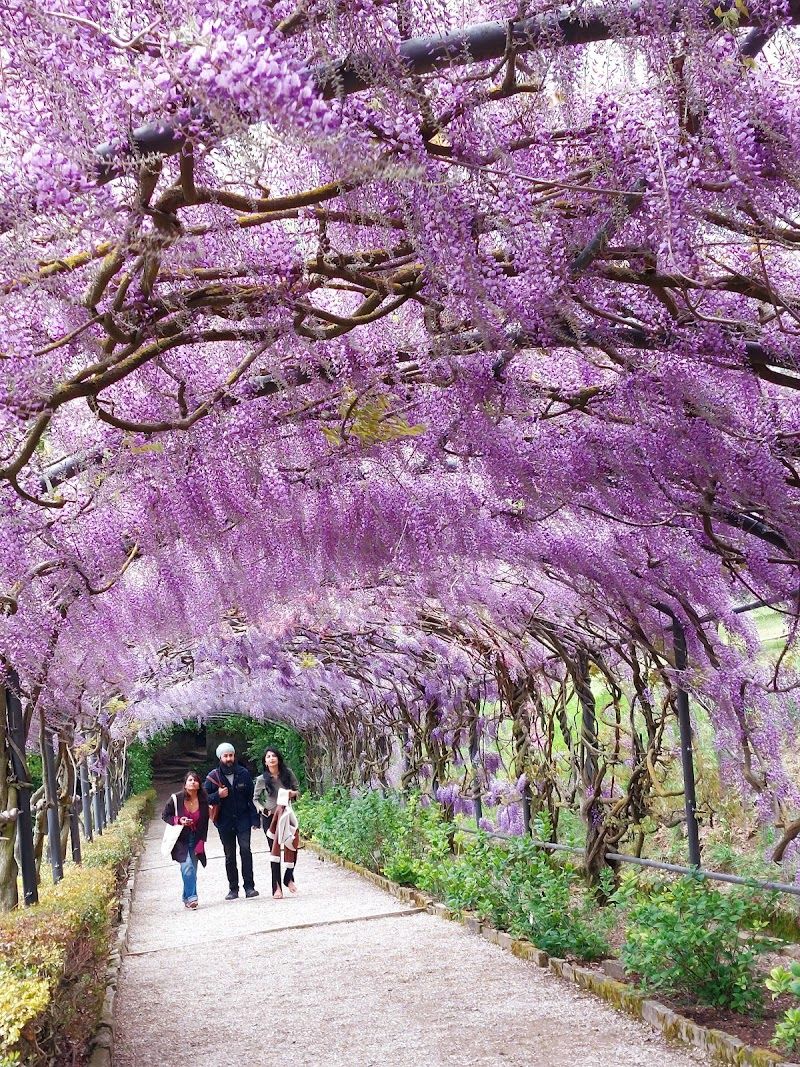
Giardino Bardini climbs the hillside behind Palazzo Pitti, offering panoramic views of Florence without the crowds at Piazzale Michelangelo. You'll find formal baroque parterres, a wisteria pergola that explodes in purple blooms each April, and Renaissance statues scattered along terraced paths. The garden's baroque staircase descends dramatically to a belvedere where the entire city spreads out below you, from the Duomo to the Arno. The visit flows naturally downhill through three distinct garden styles: English woodland at the top, formal Italian parterres in the middle, and agricultural terraces near the bottom. The wisteria tunnel becomes magical in late spring when purple cascades drape overhead, but even without blooms the stone pergola frames city views. You'll have the place mostly to yourself, especially compared to the packed Boboli Gardens next door. Most guides don't mention that Bardini closes earlier than other gardens (6:30pm in summer), so plan accordingly. The combined Boboli and Bardini ticket costs €18, but it's worth skipping Boboli and buying the Bardini-only ticket for €10. The best views are from the belvedere at the bottom, not the villa at the top. Visit during late afternoon when the city is bathed in golden light, and bring water since there's nowhere to purchase drinks inside.
Forte di Belvedere
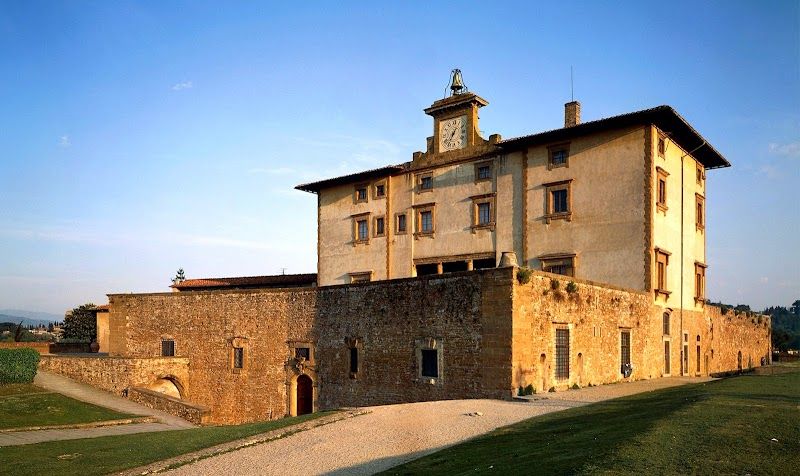
Forte di Belvedere delivers the best panoramic views in Florence from its star-shaped bastions perched above Palazzo Pitti. You'll get 360-degree perspectives over the Duomo, Palazzo Vecchio, and rolling Tuscan hills that no other viewpoint matches. The fortress itself is striking: massive stone walls built in 1590 create dramatic geometric patterns, while contemporary art installations rotate through the interior spaces. The experience feels like climbing onto Florence's crown. You'll walk along the fortress walls, peering through ancient gun ports before emerging onto open terraces where the entire city spreads below. The scale hits you immediately: Florence looks like a Renaissance painting from up here. Wind whips across the exposed bastions, and you can hear church bells echoing from dozens of towers below. Most guides don't mention that entry is free when there's no exhibition (usually winter months), making it Florence's best value viewpoint. Skip the interior displays unless you're genuinely into contemporary art, they're often mediocre. The sunset crowds can be intense in summer, but early afternoon light actually shows off the city's architecture better anyway.
Museo delle Porcellane
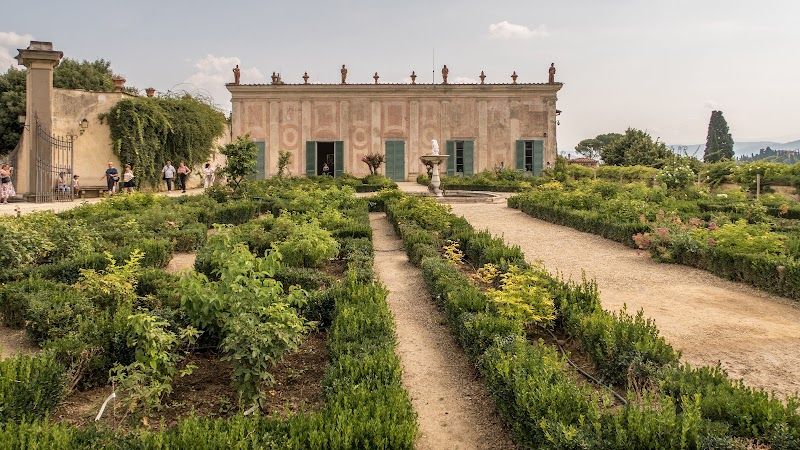
The Museo delle Porcellane houses one of Europe's finest porcelain collections inside the Casino del Cavaliere, a neoclassical pavilion perched at Boboli Gardens' highest point. You'll find exquisite pieces from the Medici and Lorraine dynasties spanning three centuries, including delicate Capodimonte figurines, ornate Sèvres dinner services, and rare Chinese export porcelain that arrived via 18th-century trade routes. The real bonus here is the panoramic terrace overlooking Florence's terracotta rooftops and distant hills. The museum feels intimate and almost residential, like wandering through a noble family's private dining rooms. Each gallery flows naturally into the next, with pieces displayed in elegant glass cases that let you examine intricate hand-painted details and gilded edges up close. The quiet atmosphere and cool marble floors provide welcome relief after climbing through the sun-baked gardens below. Large windows frame postcard views between the porcelain displays, making this as much about the setting as the collection. Most visitors rush through in 20 minutes, but you're missing the point if you don't spend time on the terrace. The porcelain itself is admittedly niche, skip it entirely if decorative arts bore you. Entry costs about 10 EUR as part of the combined Pitti Palace ticket, though pricing varies seasonally. The steep climb deters many tourists, so you'll often have rooms to yourself, especially in late afternoon when the light hits the displays beautifully.
Getting Here
Insider Tips
Combined ticket strategy
The EUR 22 combined ticket for Pitti (Palatine Gallery) + Boboli + Bardini is better value than buying separately if you plan a half-day here. Start at Pitti (2 hours), walk through Boboli to the hilltop, then exit toward the Bardini Garden.
Bardini in April
The wisteria pergola at the Bardini Garden blooms in late April. It lasts 10-14 days, the timing varies by year, and it is one of the best things you can see in Florence in spring. Check ahead and book your Florence trip to coincide if you can.
Grotta Grande in Boboli
The Grotta Grande (near the main Boboli entrance from Piazzale Amidei) has three rooms of stalactite formations with Giambologna sculptures embedded in the artificial rock. It is sometimes closed - ask at the gate. Allow 15 minutes.
Nearby Neighborhoods
Continue exploring
Duomo & Piazza della Signoria
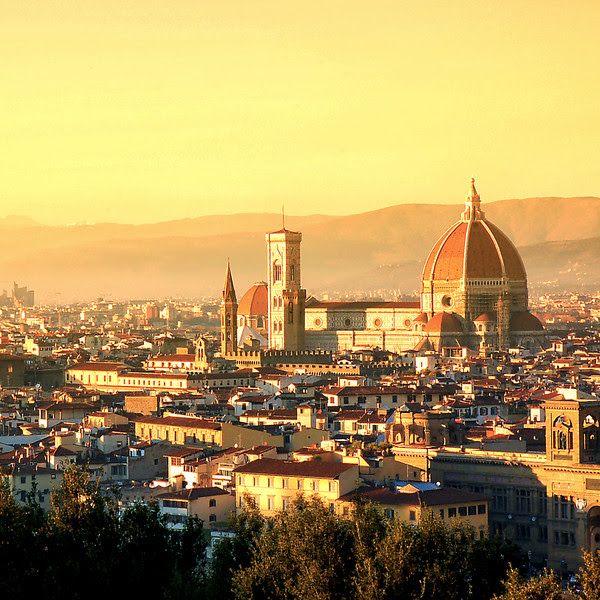
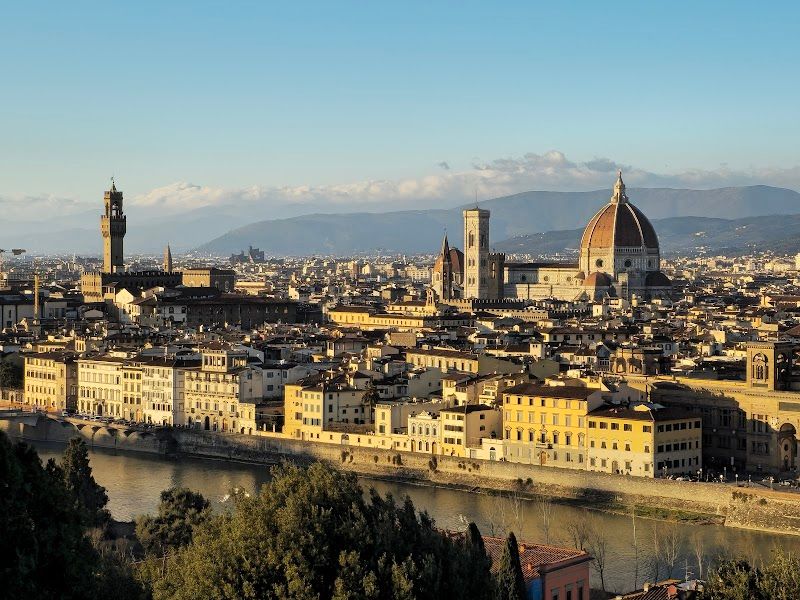
The monumental heart: the dome on the skyline, the Uffizi packed with masterpieces, Piazza della Signoria as a free open-air sculpture gallery. Dense with art and tourists. The trick is timing.
Santa Croce
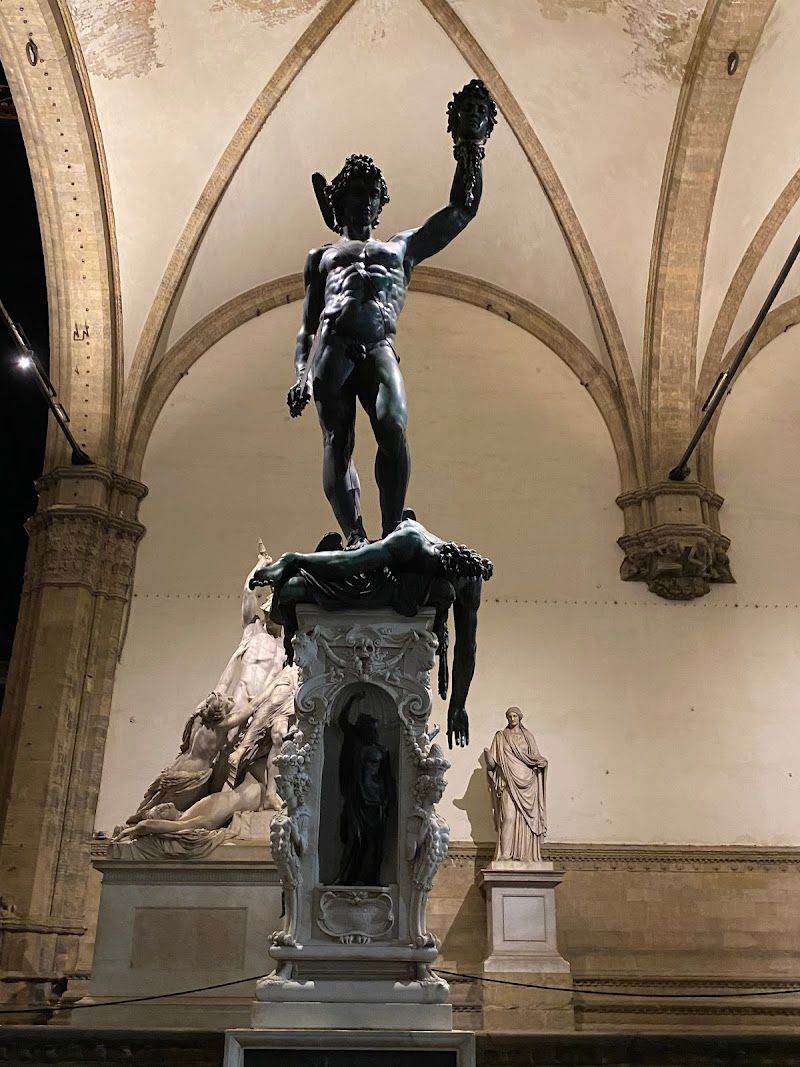
The neighbourhood east of the Signoria, anchored by the basilica with its famous tombs. Less crowded than the Duomo district, with better restaurants and the leather school behind the church.
Oltrarno (Santo Spirito)
The south bank neighbourhood where Florentines live. Artisan workshops, neighbourhood trattorias, a piazza with a morning market and evening bars. A 5-minute walk from the crowds.
Plan a trip featuring Palazzo Pitti & Boboli
Get a personalized Florence itinerary with Palazzo Pitti & Boboli built in.
Start Planning