Florence
Neighborhoods
Each district has its own personality
Florence Neighborhoods
Find the right area for your travel style
Duomo & Piazza della Signoria
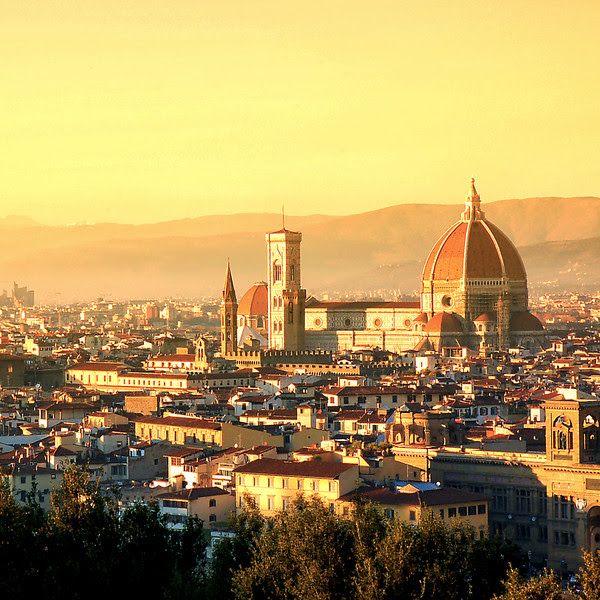
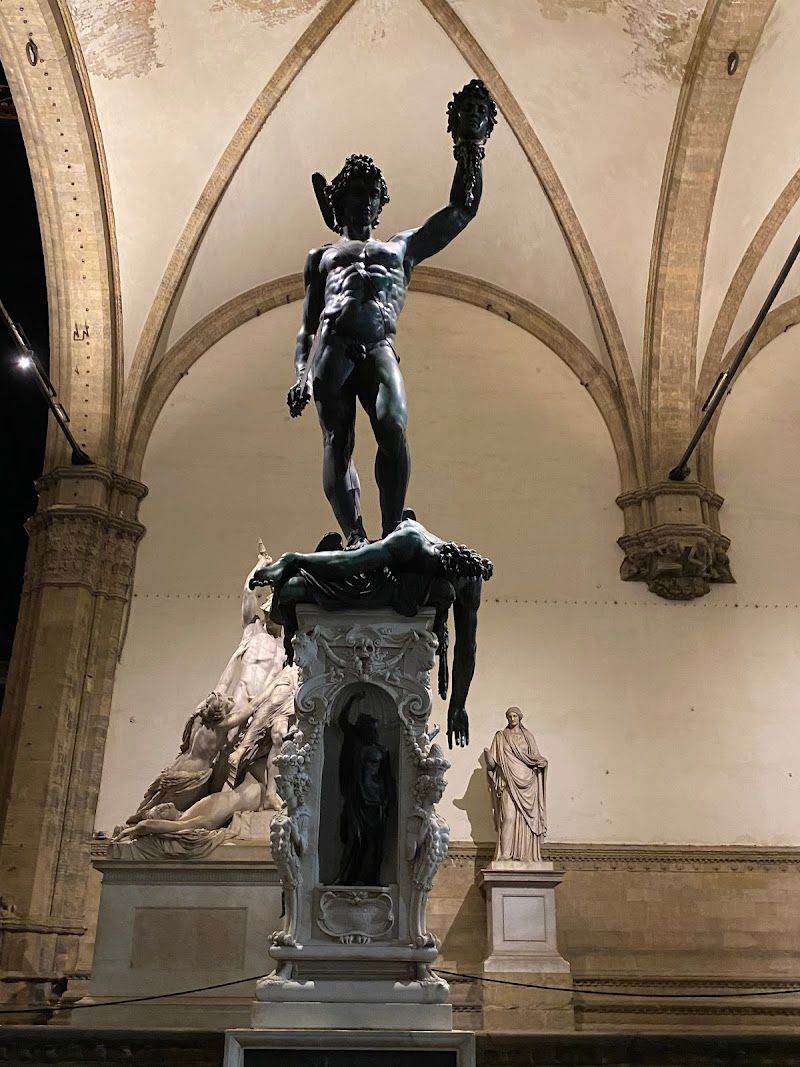
The monumental heart: the dome on the skyline, the Uffizi packed with masterpieces, Piazza della Signoria as a free open-air sculpture gallery. Dense with art and tourists. The trick is timing.
Santa Croce
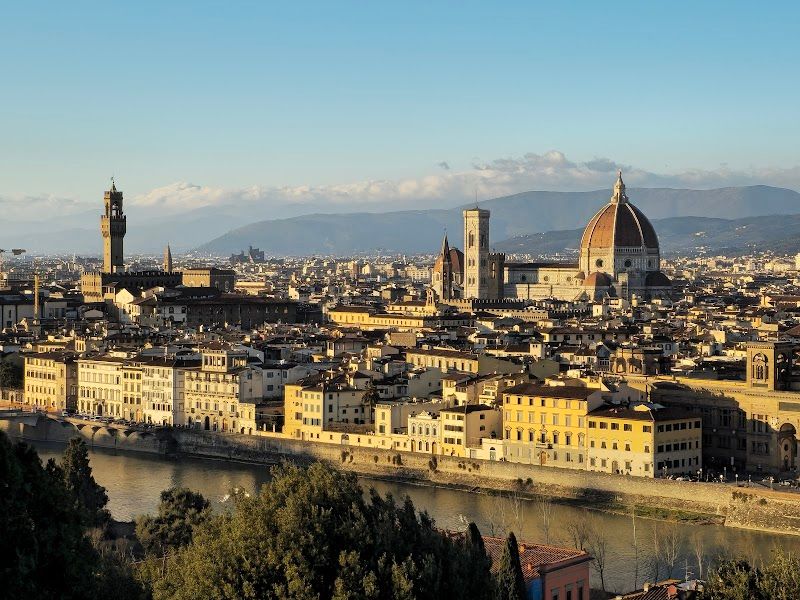
The neighbourhood east of the Signoria, anchored by the basilica with its famous tombs. Less crowded than the Duomo district, with better restaurants and the leather school behind the church.
Oltrarno (Santo Spirito)
The south bank neighbourhood where Florentines live. Artisan workshops, neighbourhood trattorias, a piazza with a morning market and evening bars. A 5-minute walk from the crowds.
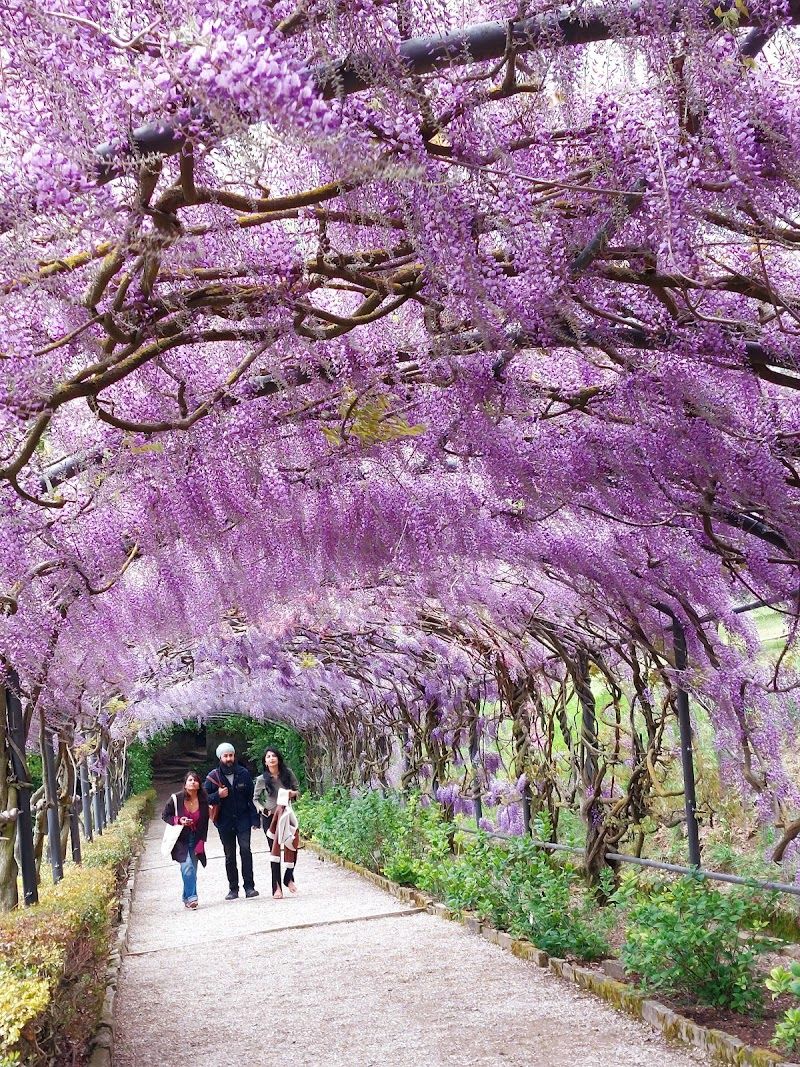
Palazzo Pitti & Boboli
The Medici palace complex: the Palatine Gallery with Raphael and Titian, the formal gardens climbing the hill, and the Bardini Garden's wisteria - a half-day that avoids the centro storico entirely.
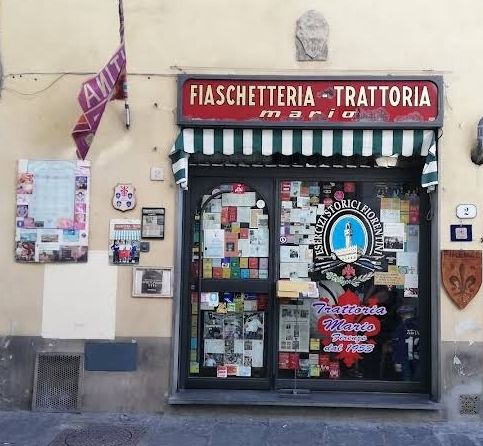
San Lorenzo & Mercato Centrale
The Medici church district: Michelangelo's sculptures in the New Sacristy, Brunelleschi's Old Sacristy, the central food market, and the outdoor leather market that surrounds it all.
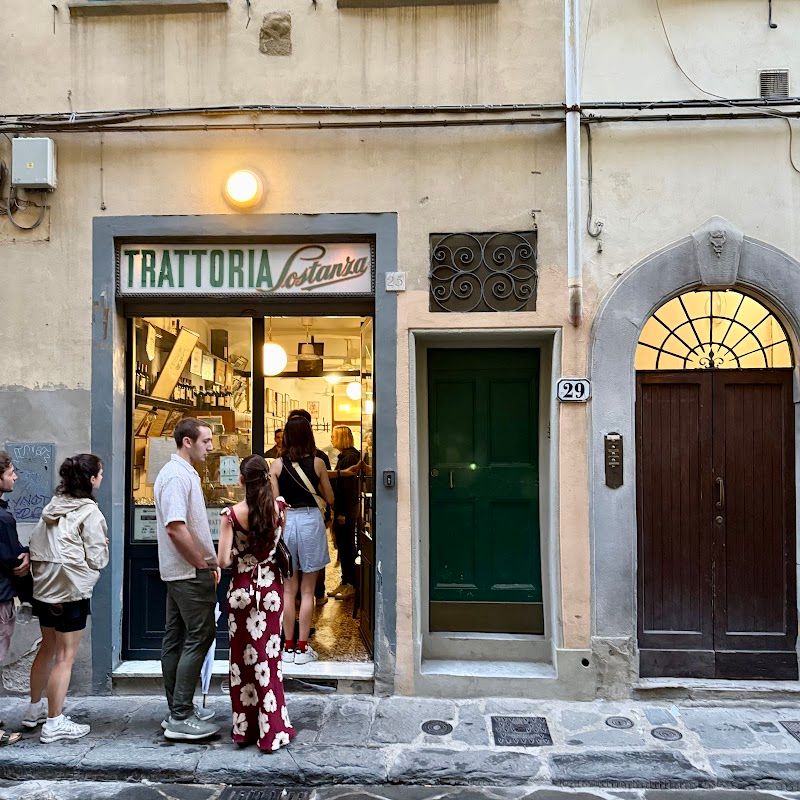
Santa Maria Novella
The western neighbourhood around the train station: the Dominican church with Masaccio's Trinity and Ghirlandaio frescoes, and the pharmacy founded by monks in 1612 that is still open.
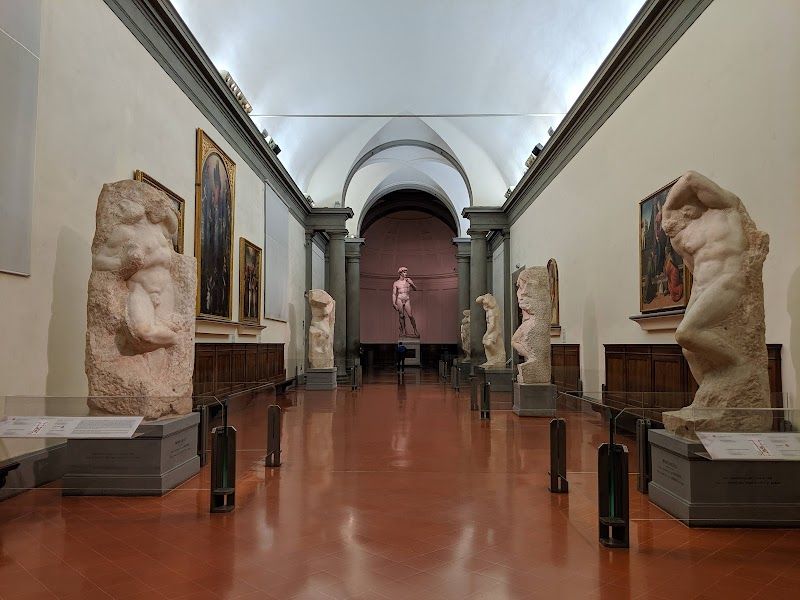
San Marco & Santissima Annunziata
The university and convent district: Fra Angelico's devotional frescoes in each monk's cell, Michelangelo's David, and Brunelleschi's most harmonious piazza.
Ponte Vecchio & Lungarno
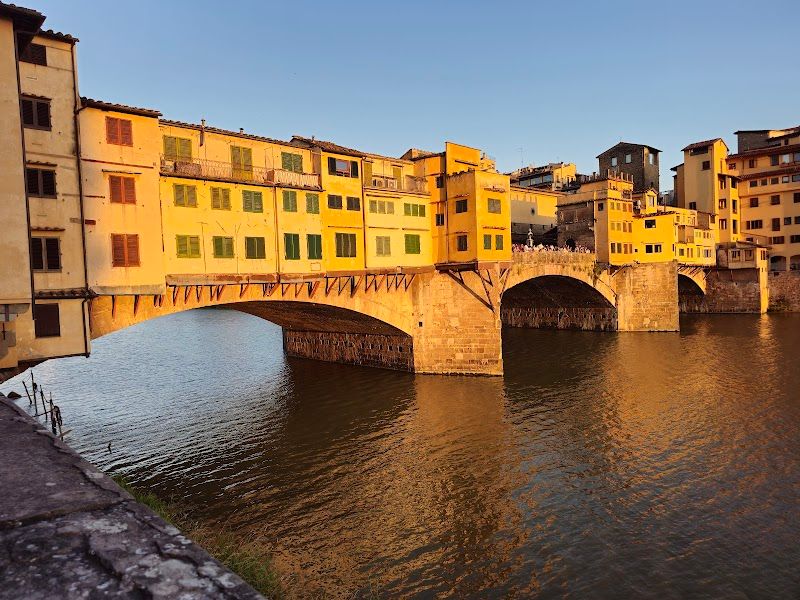
The bridge with the gold shops, the Arno walks on both sides, and the view at sunset when the river turns gold and the bridges line up. Cross early morning. Photograph from Ponte Santa Trinita.
Fiesole
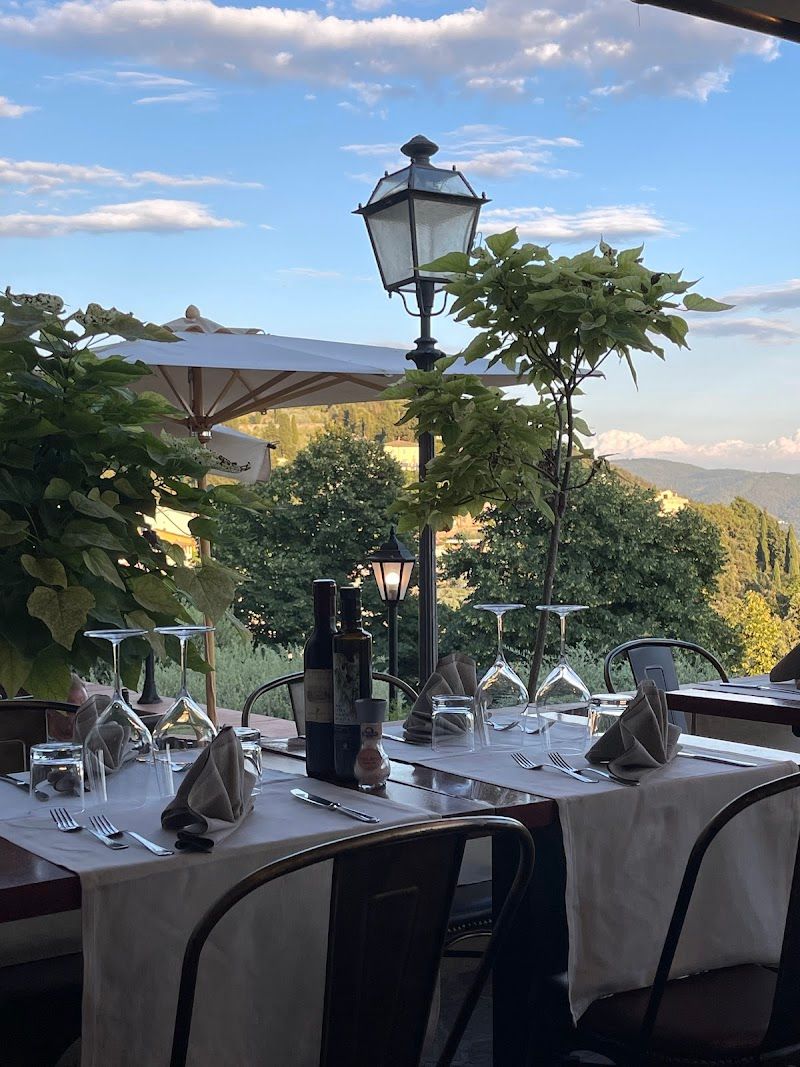
The hilltop town above Florence: Roman ruins, the view that explains why everyone wanted to control this valley, and a half-day escape from the heat and noise of the centro.
San Frediano & Porta Romana
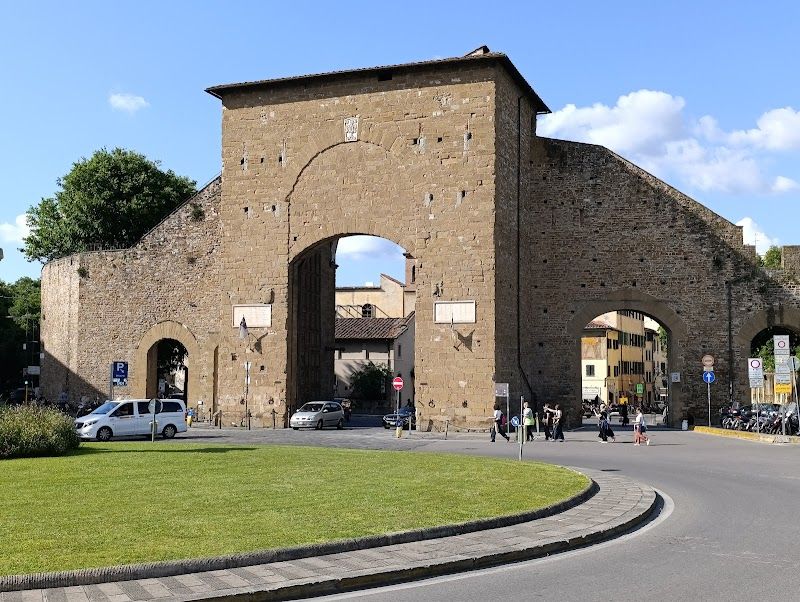
The deep Oltrarno: Masaccio's founding frescoes, working artisan workshops, and trattorias that serve the cheapest honest food in Florence. No tourist shops.