Florence
San Frediano & Porta Romana
The deep Oltrarno: Masaccio's founding frescoes, working artisan workshops, and trattorias that serve the cheapest honest food in Florence. No tourist shops.
About San Frediano & Porta Romana
San Frediano is the western end of the Oltrarno, further from the Ponte Vecchio than Santo Spirito and correspondingly more local. The Brancacci Chapel in Santa Maria del Carmine (EUR 10, timed entry, 15-minute slots, limited to 30 people) has Masaccio's frescoes from 1424-1427, considered the beginning of Renaissance painting in Florence (predating the Uffizi masterpieces by 60 years). The Expulsion from Paradise and the Tribute Money are the key works - the psychological weight and physical specificity of the figures was revolutionary. Filippino Lippi completed the cycle in the 1480s. Porta Romana (the medieval gate at the top of Via Romana) marks the edge of the historic city. The streets between the gate and the Arno (Via dei Serragli, Borgo San Frediano) have bookbinders, woodworkers, frame-makers, and furniture restorers in workshops with open doors. The trattorias here serve the cheapest genuine Tuscan food in Florence.
Things to Do
Top experiences in San Frediano & Porta Romana
Porta Romana
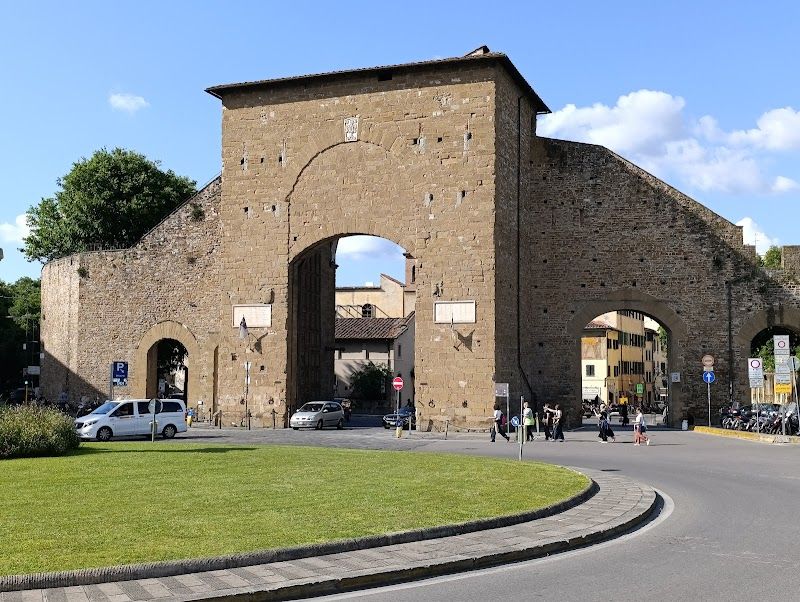
Porta Romana stands as Florence's most authentic medieval gate, built in 1326 when the city expanded its defensive walls. You'll find remarkably preserved frescoes on the interior archway ceiling, depicting saints and religious scenes that most tourists walk right under without noticing. The massive stone structure still bears original iron fixtures and shows genuine wear from centuries of cart wheels and foot traffic. Unlike the touristy Ponte Vecchio area, this feels like discovering actual medieval Florence. Walking through the archway, you'll notice how thick the walls are and how the passage creates a cool, echoey tunnel effect. The frescoes above are faded but clearly visible, and you can still see grooves in the stone where the original portcullis operated. The piazzale outside offers views back toward the historic center, framed perfectly by the arch. Cars pass through constantly, but pedestrians have dedicated walkways on either side. Most guidebooks barely mention this place, which is exactly why it's worth the detour. You can see everything in 15 minutes, but it's free and gives you a genuine sense of Florence's defensive past without fighting crowds. The real value is using it as your starting point for the walk up to Piazzale Michelangelo via the quieter southern route. Skip it if you're pressed for time, but if you're walking this direction anyway, those ceiling frescoes are surprisingly intact.
Giardino Torrigiani
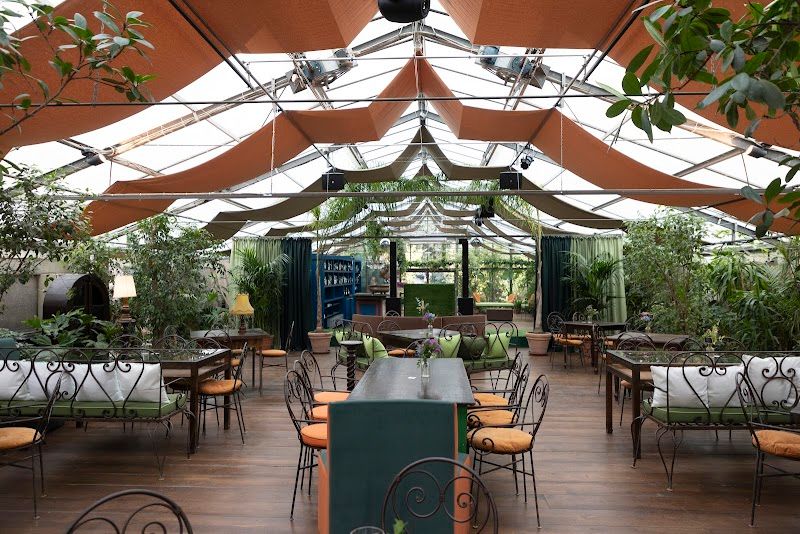
Giardino Torrigiani is Florence's largest private garden at 7 acres, a romantic English-style landscape created in the 19th century that's still owned by the original family. You'll wander winding gravel paths past a genuine Gothic revival tower, artificial grottos carved into hillsides, and rare botanical specimens including ancient magnolias and exotic palms. The garden feels like a secret world behind high walls near Porta Romana, complete with peacocks roaming freely and views over Florence's rooftops. The visit flows like a treasure hunt through different garden rooms, each with its own character. You'll climb to the Gothic tower for panoramic views, duck into mysterious grottos with dripping water features, and follow paths that curve around century-old trees. The atmosphere is genuinely romantic and slightly overgrown in the best way, with peacock calls echoing off stone walls and morning light filtering through the canopy. Most guides don't mention that this place is genuinely hard to access, which keeps crowds minimal but makes booking essential. Tours cost around 15 EUR per person and only run on select weekends April through October through cultural associations. Skip this if you prefer manicured gardens, the slightly wild English style isn't for everyone and the limited access makes it feel exclusive rather than welcoming.
Tuscany on a Budget tours Florence
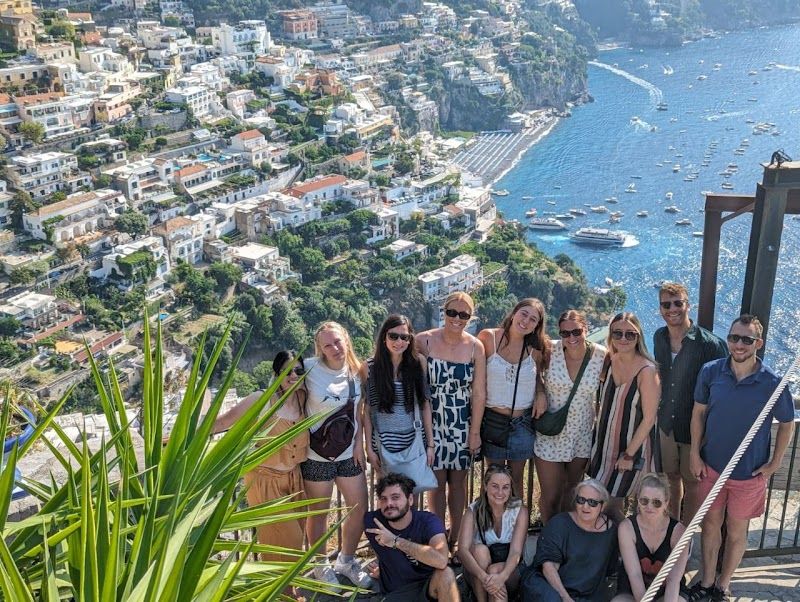
This truffle hunting operation takes you into the forests around San Miniato, about an hour from Florence, where you'll follow trained dogs as they sniff out precious white truffles buried beneath oak and hazel trees. The full day includes watching the dogs work in muddy woodland, learning about truffle varieties from local hunters, and eating a proper farmhouse lunch where the morning's finds get shaved over fresh pasta. You'll also visit one or two medieval villages perched on hilltops, although stops like these can feel a bit rushed. The experience starts early with pickup from central Florence, and the forest hunting lasts about 2 hours, depending on what the dogs find. You'll be tramping through damp undergrowth, so expect muddy boots and brambles catching your clothes. The dogs show a clear focus, and when they start digging frantically, everyone gathers around to see what emerges. The farmhouse lunch is the highlight: simple regional dishes elevated by paper-thin truffle shavings that have a delicious aroma. Most truffle tours can be overpriced and touristy, but this one seems more authentic because they use working hunters rather than actors. Expect to pay around 180 EUR per person during peak season (November especially). The village visits are optional if you're short on time, but the lunch is worth staying for. Book directly to avoid markup from hotel concierges.
Getting Here
Insider Tips
Brancacci Chapel booking
EUR 10, timed entry required, 15-minute slots, maximum 30 people. Book at the chapel or online. The slot feels short but is enough - the key works are Masaccio's Expulsion from Paradise (facing you as you enter, top left) and the Tribute Money (top right). These are the two most important frescoes in Florentine art history.
Artisan workshops on Borgo San Frediano
The workshops are real businesses, not tourist demonstrations. Walk the full length of Borgo San Frediano from Via dei Serragli to Porta Frediano. Open doors are an invitation to look. Some craftspeople sell directly from the workshop at prices below retail. The bookbinders and woodworkers are the most interesting.
Dinner strategy
Any restaurant between Porta Romana and the Arno on Via Romana or the side streets (Borgognissanti, Via Maffia) is serving primarily local residents. Look for handwritten menus, no photos of food on the walls, and a wine list with local labels. Dinner for two with wine: EUR 50-70.
Nearby Neighborhoods
Continue exploring
Duomo & Piazza della Signoria
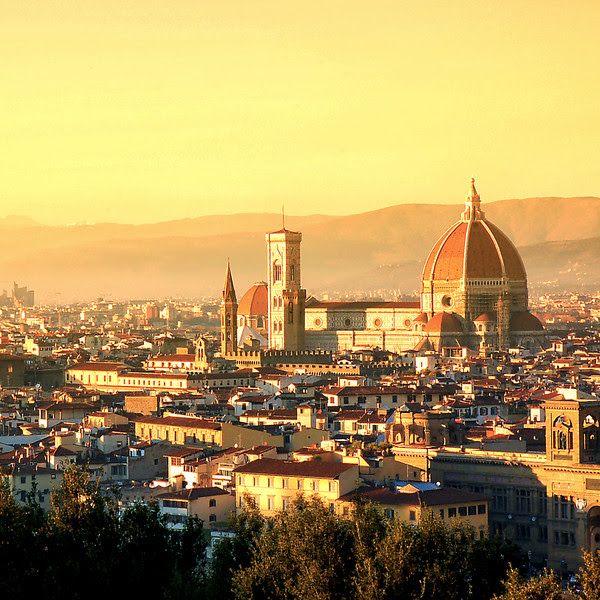
The monumental heart: the dome on the skyline, the Uffizi packed with masterpieces, Piazza della Signoria as a free open-air sculpture gallery. Dense with art and tourists. The trick is timing.
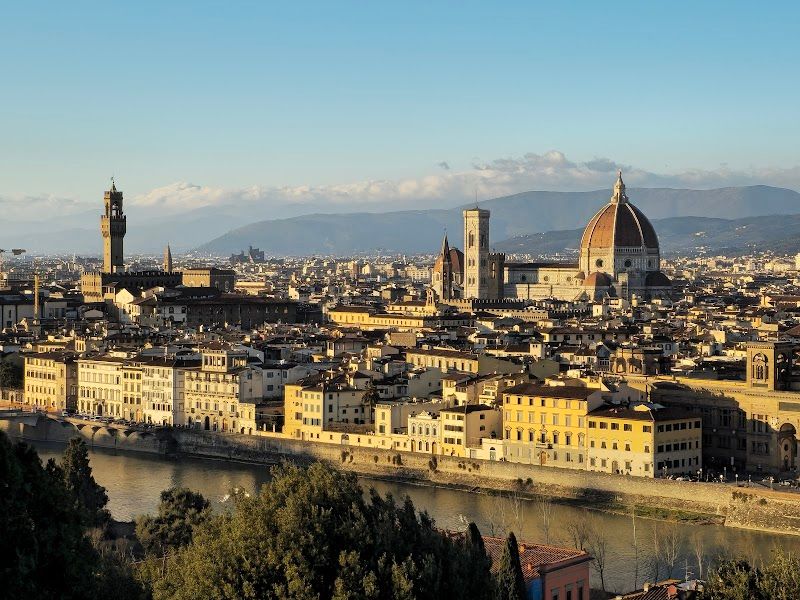
Santa Croce
The neighbourhood east of the Signoria, anchored by the basilica with its famous tombs. Less crowded than the Duomo district, with better restaurants and the leather school behind the church.
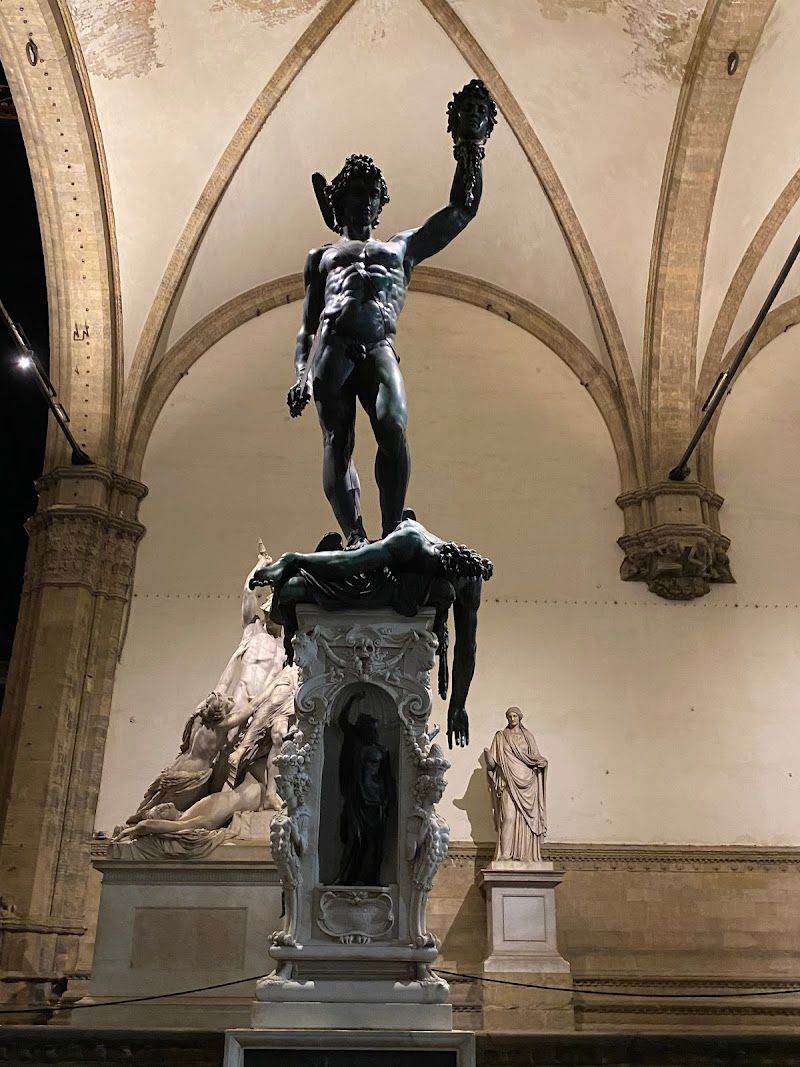
Oltrarno (Santo Spirito)
The south bank neighbourhood where Florentines live. Artisan workshops, neighbourhood trattorias, a piazza with a morning market and evening bars. A 5-minute walk from the crowds.
Plan a trip featuring San Frediano & Porta Romana
Get a personalized Florence itinerary with San Frediano & Porta Romana built in.
Start Planning