Florence
Fiesole
The hilltop town above Florence: Roman ruins, the view that explains why everyone wanted to control this valley, and a half-day escape from the heat and noise of the centro.
About Fiesole
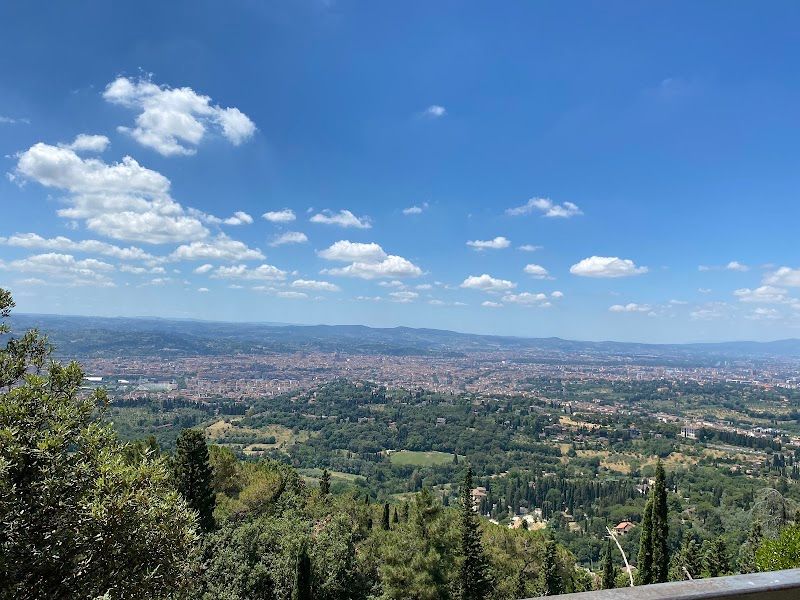
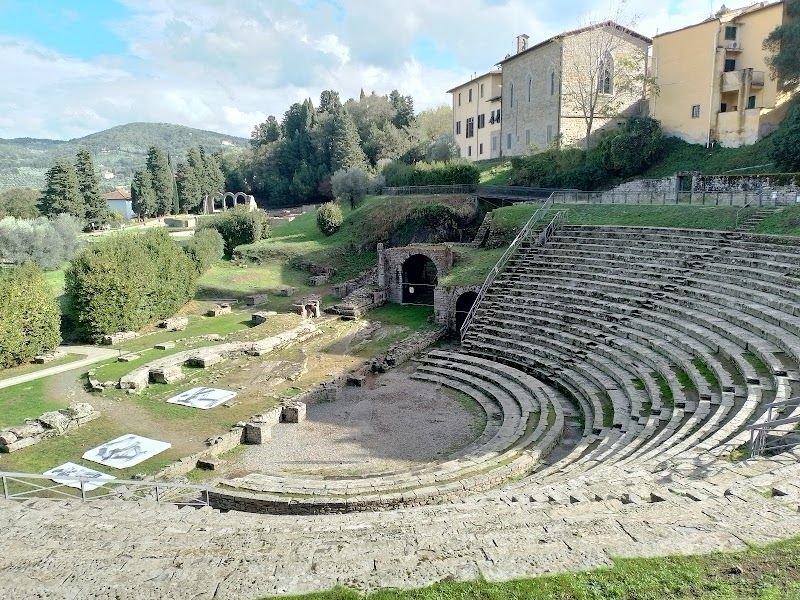
Fiesole is an Etruscan and then Roman town on a hill 8 km northeast of Florence, reached by bus 7 from Piazza San Marco (EUR 1.50, 25 minutes). The town predates Florence - the Romans founded Florence as a colony of Fiesole. The archaeological site (EUR 7) has a Roman amphitheatre (1st century AD, still used for summer concerts), Roman baths, an Etruscan temple, and a small archaeological museum with finds from both periods. The panoramic view from the main piazza (Piazza Mino da Fiesole) over Florence and the Arno valley is the view that painters have painted for 600 years - Florence spread across the valley floor, the Duomo rising from the terracotta mass, the hills closing in on both sides. The Franciscan monastery above the piazza (free, 5-minute walk up the hill) has a terrace, a small missionary museum, and a peace that is unavailable in Florence in summer. Several restaurants for lunch, then bus 7 back.
Things to Do
Top experiences in Fiesole
Parco di Montececeri
Parco di Montececeri sprawls across 160 hectares of hillside above Florence, combining dense Mediterranean woodland with some of the best panoramic views you'll find anywhere in Tuscany. You'll walk through groves of oak, pine, and cypress trees along well-marked trails that wind past ancient stone quarries and open meadows. The park sits where Leonardo da Vinci supposedly tested his flying machine designs in the 1500s, though honestly, that's more legend than documented fact. The main trail network takes you through surprisingly varied terrain for such a compact area. You start climbing immediately from the entrance, but the shaded paths keep things comfortable even in summer heat. The stone quarries appear suddenly as you round bends, these massive carved chambers that feel almost cathedral-like. When you emerge onto the viewpoints, Florence spreads out below with the Duomo, Palazzo Vecchio, and Arno River perfectly framed by rolling hills. Most guides oversell this as a quick stop, but you need at least two hours to appreciate it properly. The trail markings can be confusing near the quarries, so download the park map beforehand. Skip the crowded main viewpoint area and continue 10 minutes further to the meadow clearing where you'll have the panorama mostly to yourself. Free admission makes this one of Florence's best value experiences.
Museo Bandini
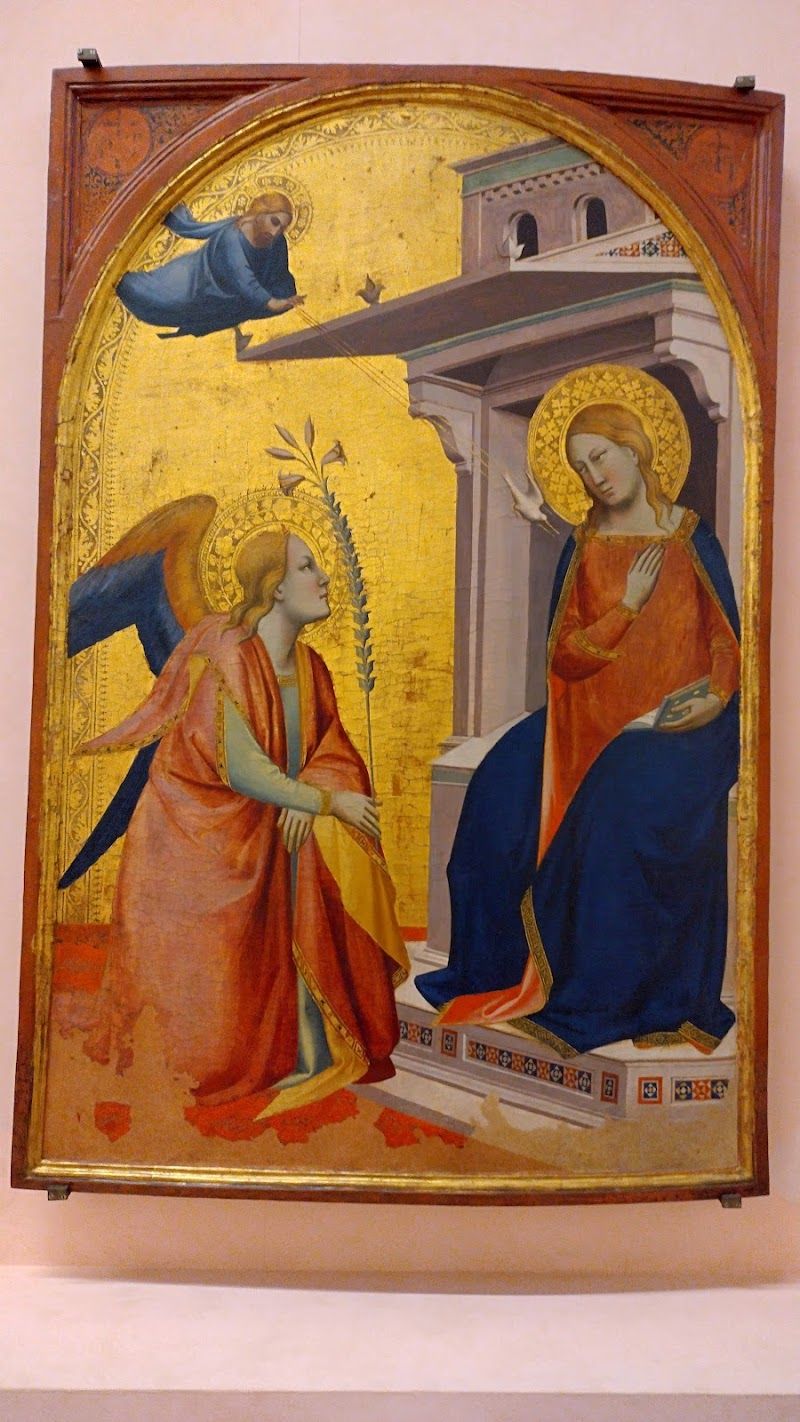
Museo Bandini sits in a 14th century palazzo in Fiesole and holds one of Tuscany's finest collections of medieval and early Renaissance art. You'll find masterpieces by Taddeo Gaddi, Bernardo Daddi, and Lorenzo Monaco, plus exceptional della Robbia ceramics and wooden sculptures that most Florence museums don't have room to display. The collection spans three centuries of Tuscan religious art, from Byzantine influenced panels to early Renaissance innovations. The museum feels like exploring a private collector's home rather than a formal institution. You'll move through intimate rooms where each piece gets proper breathing space, unlike the packed galleries downtown. The lighting is excellent, letting you study the intricate details in tempera paintings and glazed terra cottas. Most rooms stay blissfully quiet, with maybe five other visitors wandering the same spaces. Honest talk: this isn't a quick photo stop, it's for people who actually want to look at art. The collection quality rivals the Uffizi for this period, but you'll spend 15 minutes studying pieces instead of fighting crowds for a glimpse. Entry costs 10 EUR, or 15 EUR combined with the Roman theater next door, which is absolutely worth the extra 5 EUR. Skip the audio guide and use that money for a coffee in the palazzo's courtyard afterward.
Area Archeologica di Fiesole
This Roman archaeological site sits on a hill 8km northeast of Florence, featuring one of Italy's best-preserved ancient theaters from the 1st century BC. You'll explore genuine Roman baths with intact heating systems, an Etruscan temple foundation, and a small museum packed with burial objects and everyday Roman artifacts. The theater still hosts concerts during summer months, making it one of the few ancient venues where you can actually watch performances as Romans did 2,000 years ago. The visit flows naturally from the museum through the excavated areas to the spectacular theater carved into the hillside. You'll walk on original Roman stones and peer into bath chambers where citizens once relaxed after gladiator games. The setting feels intimate rather than overwhelming, with olive trees framing ancient walls and Florence's dome visible in the distance. The theater's acoustics are remarkable: even whispers from the stage carry clearly to the top rows. Most guides oversell this as a major archaeological site, but it's actually quite small and you'll see everything in about an hour. Entry costs 10 EUR (7 EUR reduced), which is fair given the quality of preservation. Skip the audio guide and spend that money on the combined ticket with Bandini Museum instead. The views alone justify the trip from Florence, especially in late afternoon when the light hits the ancient stones perfectly.
Where to Eat
Restaurants and cafes in Fiesole
Terrazza del Ristorante La Reggia degli Etruschi
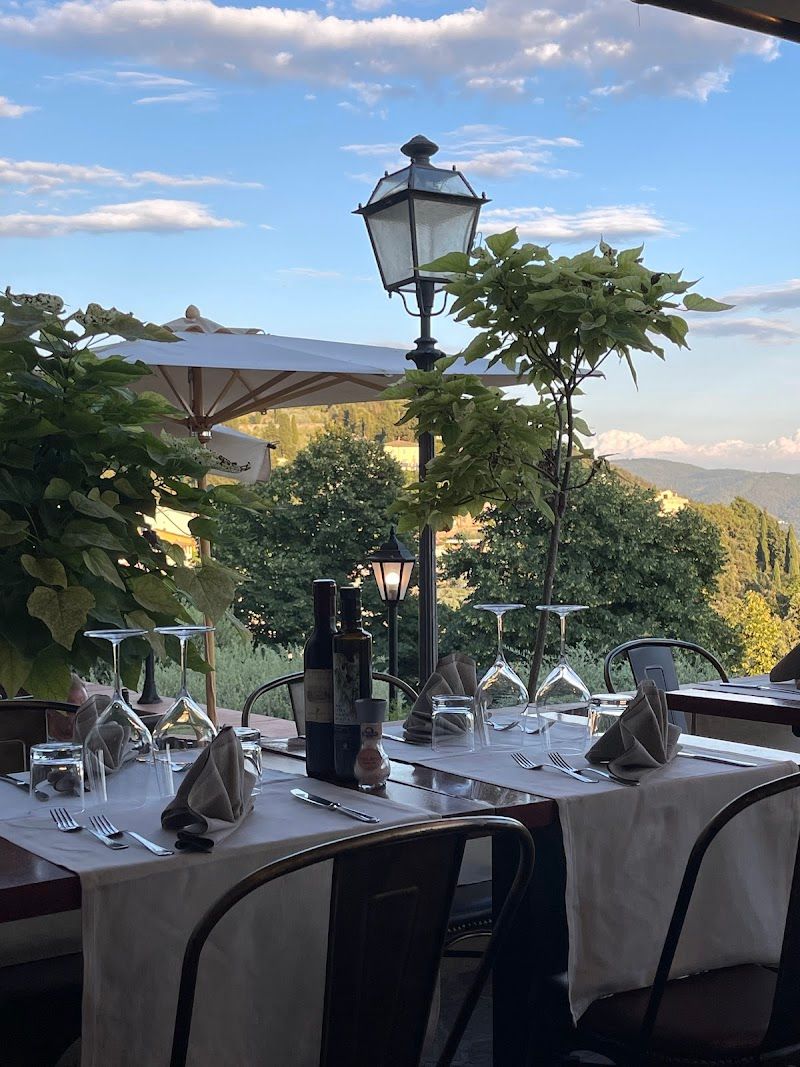
RestaurantPerched on the hillside with sweeping panoramic views of Florence, this restaurant offers authentic Tuscan cuisine in an elegant setting. The terrace is particularly beautiful at sunset, providing one of the best vantage points to see the entire Florentine skyline.
Bar Fiesole
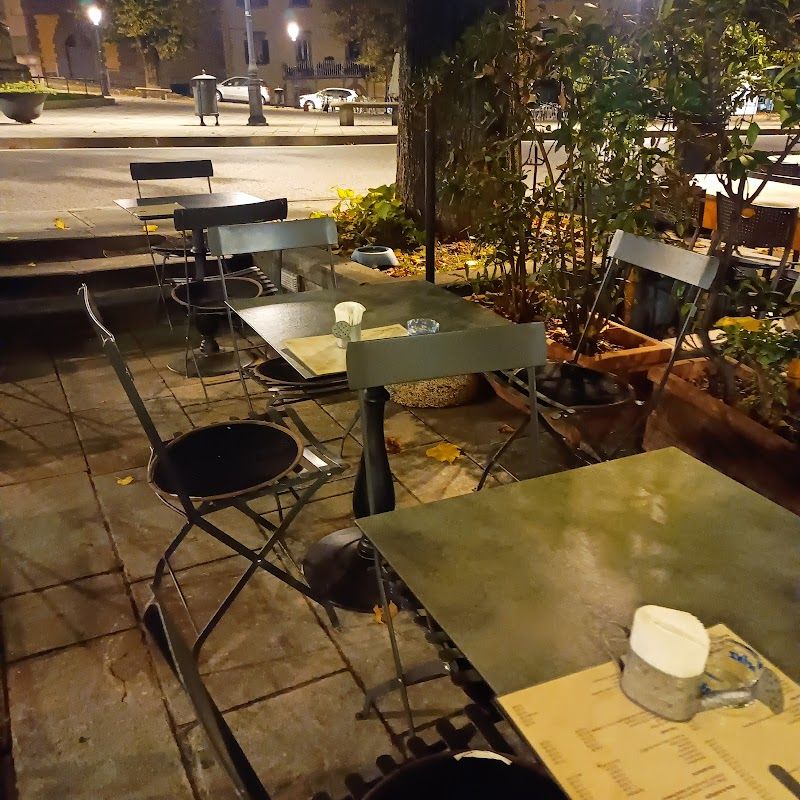
CafeA beloved local café right on Piazza Mino, serving excellent espresso and homemade pastries since 1948. This is where Fiesolani gather for their morning coffee and afternoon aperitivo, offering authentic small-town Italian café culture.
Nightlife
Bars and nightlife in Fiesole
Getting Here
Insider Tips
Bus 7 from San Marco
Bus 7 from Piazza San Marco (every 20-30 minutes). Buy the standard Florence city bus ticket (EUR 1.50) from a newsagent before boarding. The ride is 25-30 minutes through residential Florence and up the hill. The same ticket allows a return journey within 90 minutes.
Summer concerts at the amphitheatre
The Estate Fiesolana summer festival runs June to September with concerts, theatre, and cinema in the Roman amphitheatre. The setting (ancient stone seats, views of the valley, warm evenings) is extraordinary. Tickets EUR 20-50, book ahead.
Lunch with a view
The two or three restaurants near the main piazza charge standard Tuscan trattoria prices (EUR 20-35 per person) for views that would cost three times as much in Florence itself. The pappardelle al cinghiale (pasta with wild boar) and the bruschetta with local olive oil are the reliable orders.
Nearby Neighborhoods
Continue exploring
Duomo & Piazza della Signoria
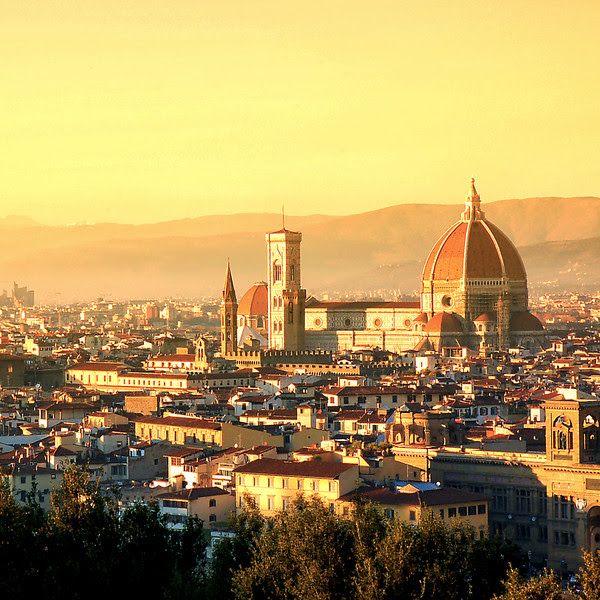
The monumental heart: the dome on the skyline, the Uffizi packed with masterpieces, Piazza della Signoria as a free open-air sculpture gallery. Dense with art and tourists. The trick is timing.
Santa Croce
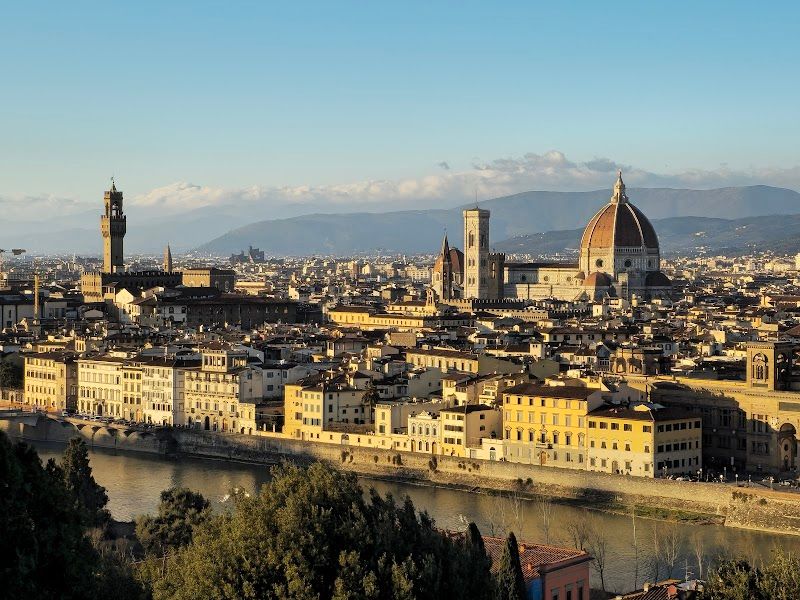
The neighbourhood east of the Signoria, anchored by the basilica with its famous tombs. Less crowded than the Duomo district, with better restaurants and the leather school behind the church.
Oltrarno (Santo Spirito)
The south bank neighbourhood where Florentines live. Artisan workshops, neighbourhood trattorias, a piazza with a morning market and evening bars. A 5-minute walk from the crowds.
Plan a trip featuring Fiesole
Get a personalized Florence itinerary with Fiesole built in.
Start Planning