Florence
Ponte Vecchio & Lungarno
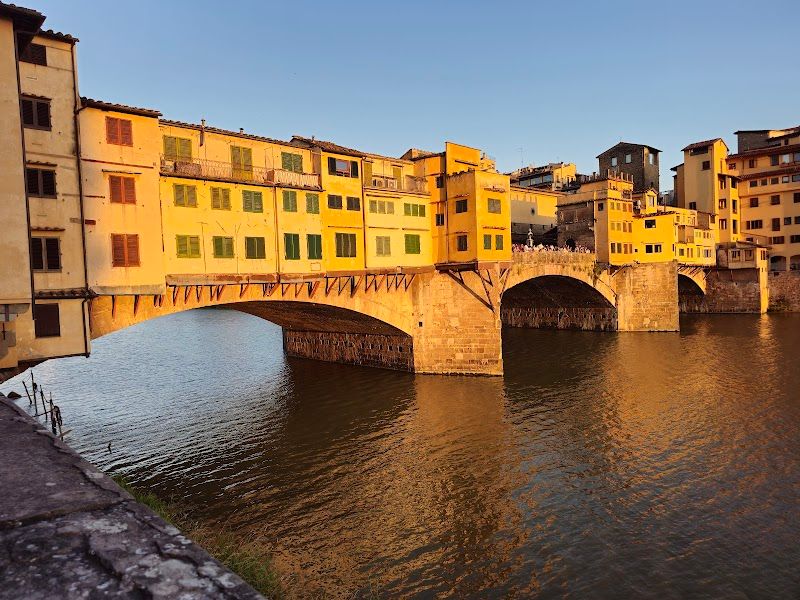
The bridge with the gold shops, the Arno walks on both sides, and the view at sunset when the river turns gold and the bridges line up. Cross early morning. Photograph from Ponte Santa Trinita.
About Ponte Vecchio & Lungarno
The Ponte Vecchio (the Old Bridge) is the oldest bridge in Florence, current structure from 1345, the only bridge in the city that survived the German retreat in 1944. The gold and jewellery shops have been here since 1593, when Grand Duke Ferdinando I evicted the butchers because the smell bothered him on his walk between Palazzo Pitti and the Uffizi via the Vasari Corridor above. The shops are real Florentine jewellers selling to Florentine families - prices are not tourist-inflated, this is where people buy wedding rings. The Lungarno (the riverbank road) on both sides of the Arno is good for walking at any time of day: the north bank (Lungarno della Zecca Vecchia, Lungarno Serristori, Lungarno Corsini) has views toward all the bridges. The best photograph of the bridge is from Ponte Santa Trinita (rebuilt using the original stones retrieved from the Arno after WWII bombing), looking east in the evening light.
Things to Do
Top experiences in Ponte Vecchio & Lungarno
Ponte Vecchio
Ponte Vecchio is Florence's oldest bridge, rebuilt in 1345 and lined with jewelry shops that have operated here since 1593. You'll walk across stone arches over the Arno River while browsing gold vendors in tiny medieval storefronts. The bridge connects the city center to the Oltrarno district, and the famous Vasari Corridor runs above the shops, built so the Medici could cross privately between their palace and the Uffizi. The experience feels like walking through a covered market suspended over water. Jewelry shops display wedding rings, chains, and bracelets in windows barely wider than your outstretched arms. Crowds pack the narrow walkways, especially midday, making it slow going. The stone feels worn smooth by centuries of foot traffic, and you'll hear multiple languages as tour groups squeeze past local shoppers examining gold pieces. Most guides don't mention that prices here aren't inflated for tourists. Local families actually buy wedding rings from these shops, with 18k gold rings starting around 300 EUR. Skip the crowded afternoon visits. Come before 8:30 AM for photos without the masses, or return at sunset when the light turns everything golden. The best bridge photos are actually taken from Ponte Santa Trinita, not from Ponte Vecchio itself.
Uffizi Gallery
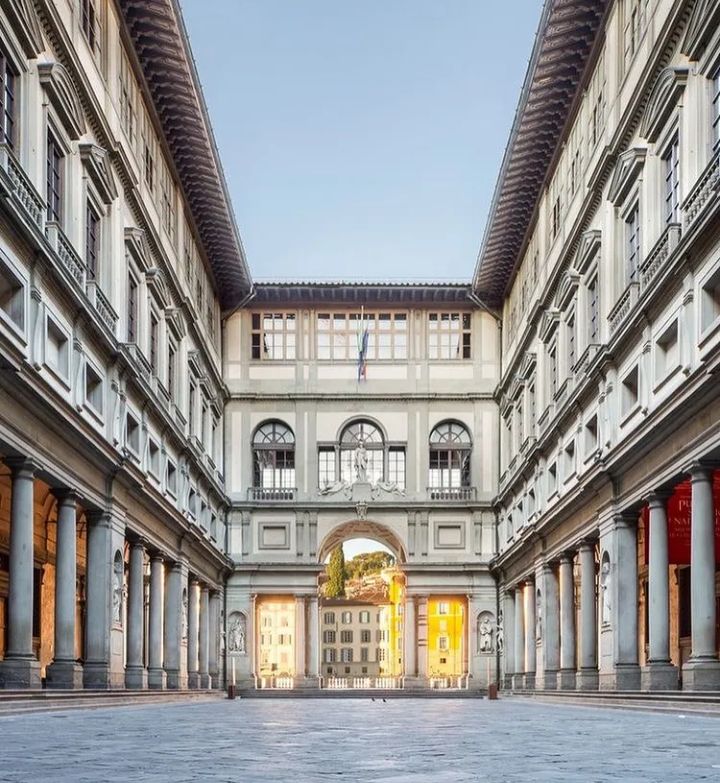
The Uffizi houses the world's finest collection of Renaissance art in what used to be the Medici family's administrative offices. You'll see Botticelli's Birth of Venus and Primavera in their full glory, plus works by Leonardo da Vinci, Raphael, Caravaggio, and Michelangelo that would anchor any other museum on earth. The building itself, designed by Vasari in 1560, stretches along the Arno with 45 galleries containing 500 years of artistic masterpieces. Walking through feels like a greatest hits tour of art history, but the crowds can be overwhelming. The early morning hours transform the experience: you'll have space to actually contemplate Botticelli's masterpieces instead of craning over selfie sticks. The Caravaggio rooms hit differently when you're not fighting for position, and you can actually read the details in Leonardo's unfinished Adoration of the Magi. The building's long corridors and high ceilings create dramatic sightlines, especially looking toward the Arno through ancient windows. Most visitors try to see everything and end up exhausted after two hours. Focus on Rooms 10 to 14 for Botticelli, Room 15 for Leonardo, and Rooms 26 to 27 for Raphael and Michelangelo, then call it a day. Skip the later rooms unless you're genuinely into Baroque painting. Admission costs EUR 25 but you'll pay EUR 4 extra for advance booking, which is absolutely essential. The audioguide adds EUR 8 but provides crucial context for understanding what you're seeing.
Palazzo Vecchio
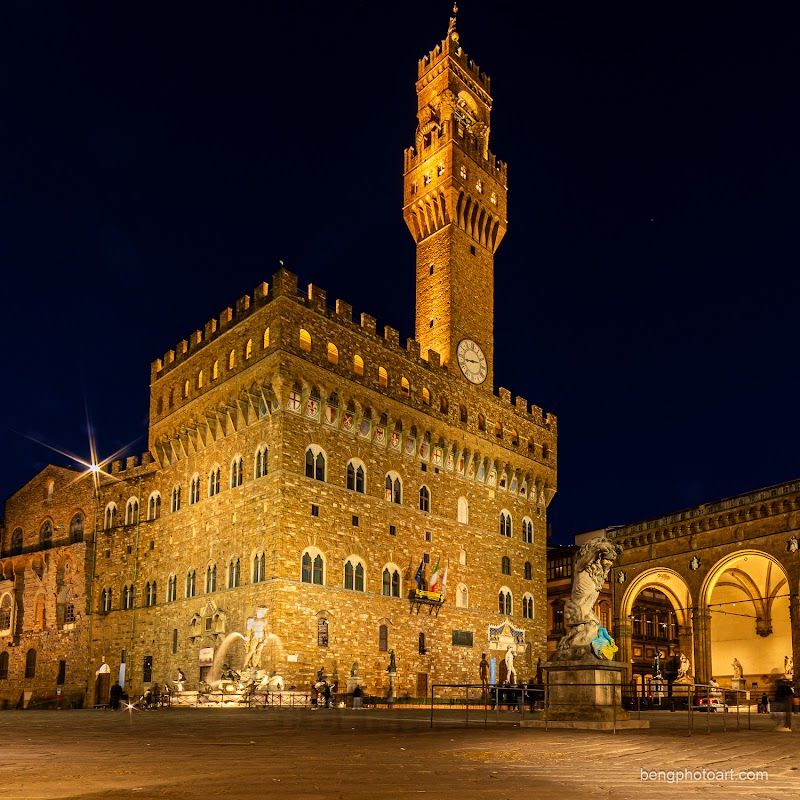
The Palazzo Vecchio is Florence's working city hall and has been since 1299, which means you're touring a building where actual government business happens daily. You'll walk through the massive Salone dei Cinquecento where Vasari's ceiling frescoes compete for attention with Michelangelo's Genius of Victory sculpture, then into Cosimo I's private apartments where Bronzino's intimate frescoes feel startlingly personal. The real treasure is Francesco I's studiolo, a tiny cabinet room completely covered in 34 paintings and 12 bronzes that creates an almost overwhelming sensory experience. The visit flows chronologically through increasing levels of Renaissance luxury. You start in the grand public hall where 500 council members once met, then move into progressively smaller, more private spaces. The contrast is striking: from the massive political theater of the main hall to Eleanor of Toledo's chapel, where Bronzino's frescoes glow like jewels in the intimate space. The secret passages tour takes you through corridors built into the thick walls, revealing how the Medici family moved unseen through their palace. Most guides rush through to hit the highlights, but you should linger in Eleanor's apartments where the Bronzino frescoes are genuinely among Florence's best. Skip the tower climb unless you're desperate for views, the queues aren't worth it when you can see better panoramas elsewhere for free. The EUR 4 secret passages supplement is absolutely worth it, especially if you're traveling with kids who'll love the hidden doorways. Start early at 9am when the crowds are thinnest and the morning light hits the frescoes perfectly.
Loggia dei Lanzi
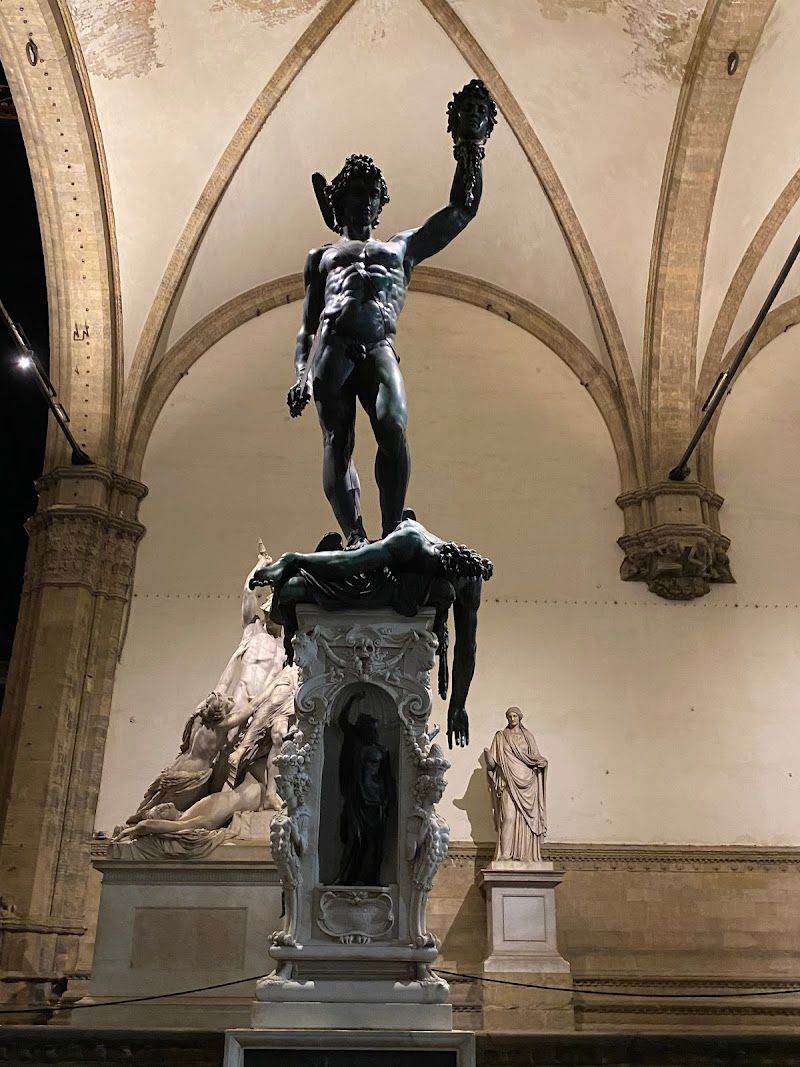
The Loggia dei Lanzi is Florence's original outdoor sculpture museum, a 14th-century loggia that houses some of Renaissance Italy's most powerful statues. You'll find Cellini's bronze Perseus holding Medusa's severed head, Giambologna's dramatic Rape of the Sabine Women spiraling upward in marble, and several Roman statues that the Medici collected. It's completely free and takes about 20 minutes to see everything properly, making it one of Florence's best cultural bargains. Walking under the Gothic arches feels like entering an open-air palace where each statue commands its own space. Perseus dominates the left side, his muscular form catching light differently throughout the day, while the Sabine Women sculpture on the right draws crowds who circle it to appreciate Giambologna's technical mastery. The loggia frames Palazzo Vecchio perfectly, and you'll hear four languages being spoken as guides explain the mythological scenes to their groups. Most visitors snap photos and move on, but spend time reading the plaques and walking around each sculpture. The Roman statues along the back wall get ignored, but they're worth examining for their expressive faces. Skip the souvenir sellers who hover nearby, their trinkets are overpriced. Early morning around 8am gives you the best light and fewest crowds, though the sculptures look dramatic in late afternoon sun too.
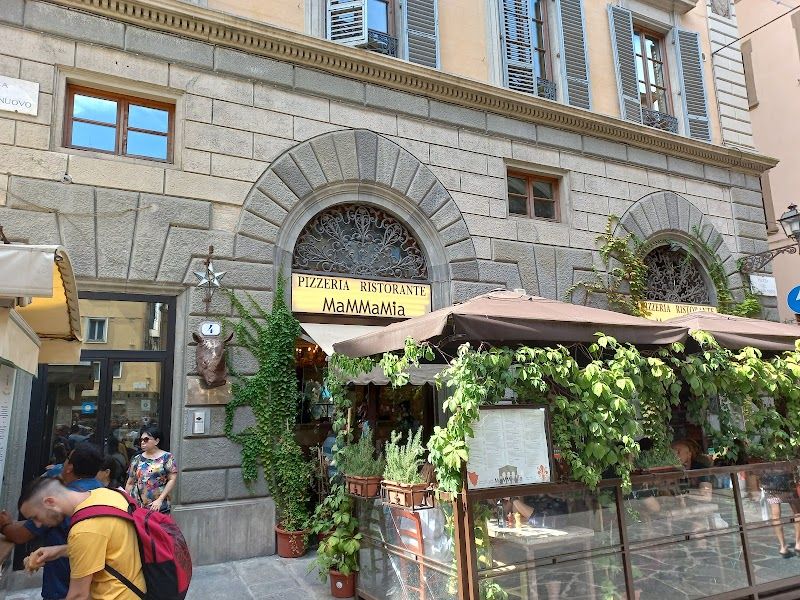
Mercato delle Pulci
Mercato delle Pulci occupies the medieval Loggia del Pesce in Piazza dei Ciompi, where dealers have sold antiques and curiosities since the 1800s. You'll find genuine Tuscan estate pieces mixed with tourist trinkets: old postcards start around €2, vintage jewelry ranges €15-50, and small furniture pieces can hit €200-500. The permanent vendors know their stuff and often have fascinating stories about their pieces' origins. The covered loggia creates an intimate shopping experience where you can examine items closely without weather worries. Vendors arrange their wares on tables and blankets, creating narrow walking paths between stalls. The atmosphere feels authentically local rather than touristy, with serious collectors browsing alongside curious visitors. Weekend mornings bring the most energy when additional dealers set up around the square's perimeter. Most travel guides oversell this as Florence's premier flea market, but it's quite small compared to Paris or London equivalents. The permanent stalls offer better quality but higher prices than weekend pop-ups. Skip the mass-produced "antique" postcards and focus on unique items like vintage Florentine crafts or old books. Prices are negotiable, especially if you're buying multiple items or visiting near closing time.
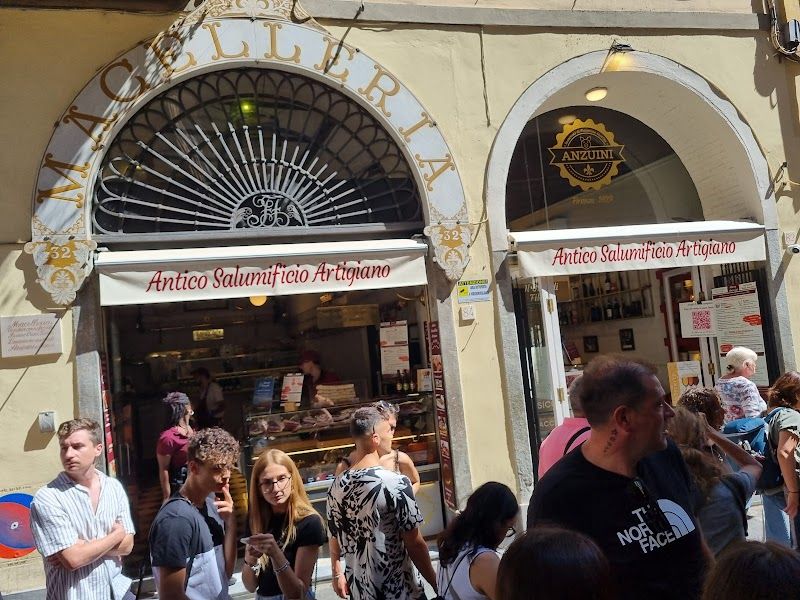
Antica Salumeria Anzuini
Antica Salumeria Anzuini has been slicing prosciutto and aging pecorino in the same cramped storefront since 1916, making it one of Florence's most authentic food shops. You'll find proper Tuscan salumi like finocchiona and soprassata, wheels of aged pecorino toscano, and house-made specialties that locals queue up for daily. The Anzuini family still runs everything personally, hand-selecting their suppliers and preparing fresh panini to order from a tiny counter that barely fits two people. Stepping inside feels like entering someone's well-stocked pantry rather than a commercial shop. Salamis dangle from the low ceiling while wheels of cheese tower behind the glass counter, filling the air with that unmistakable aroma of aged meats and sharp pecorino. The owner, often working alone, moves with practiced efficiency, slicing paper-thin prosciutto and assembling sandwiches while chatting with regular customers in rapid Italian. You'll hear more local dialect than English here. Most food tours skip this place because it's genuinely local, not tourist-friendly. The staff speaks minimal English and can seem brusque if you're indecisive, so know what you want before approaching the counter. A panino costs around 4-6 EUR depending on fillings, and they only accept cash. Skip the expensive truffle products, they're better elsewhere, but the house-made spreads and marinated vegetables are exceptional.
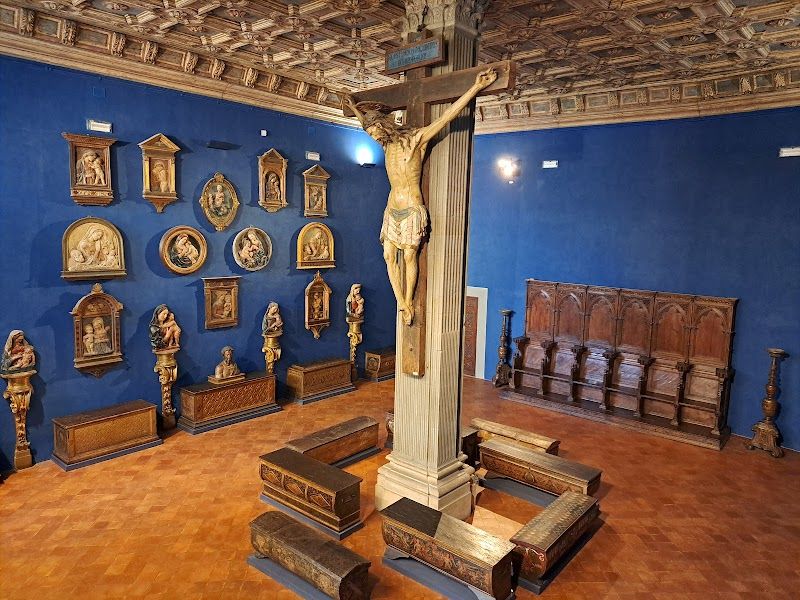
Museo Stefano Bardini
Museo Stefano Bardini showcases one man's obsession with collecting Renaissance art, displayed exactly as the 19th-century antiques dealer arranged it in his own palazzo. You'll find Donatello's haunting terracotta Madonna dei Cordai alongside medieval armor, Persian carpets, marble fragments, and bronze sculptures, all staged in theatrical room settings with deep blue walls. Bardini wasn't just a collector but a master of presentation, creating atmospheric spaces that feel more like an aristocrat's private residence than a traditional museum. The blue-painted rooms create an almost mystical backdrop for the eclectic collection, making even minor pieces feel dramatic. You'll move through intimate spaces filled with carved wooden ceilings, ancient Roman fragments, Islamic ceramics, and Renaissance sculptures, each room flowing into the next like scenes in a play. The palazzo itself becomes part of the experience, with original architectural details and Bardini's innovative lighting creating shadows and highlights that change throughout the day. Most visitors rush through in 30 minutes, but you'll miss the point entirely. This isn't about checking off masterpieces but about experiencing Bardini's vision of how art should be displayed. The €6 admission is excellent value compared to Florence's major museums. Skip it if you want traditional museum labels and scholarly context, but if you appreciate atmospheric presentation and unusual pieces, this beats the crowded Bargello any day.
Where to Eat
Restaurants and cafes in Ponte Vecchio & Lungarno
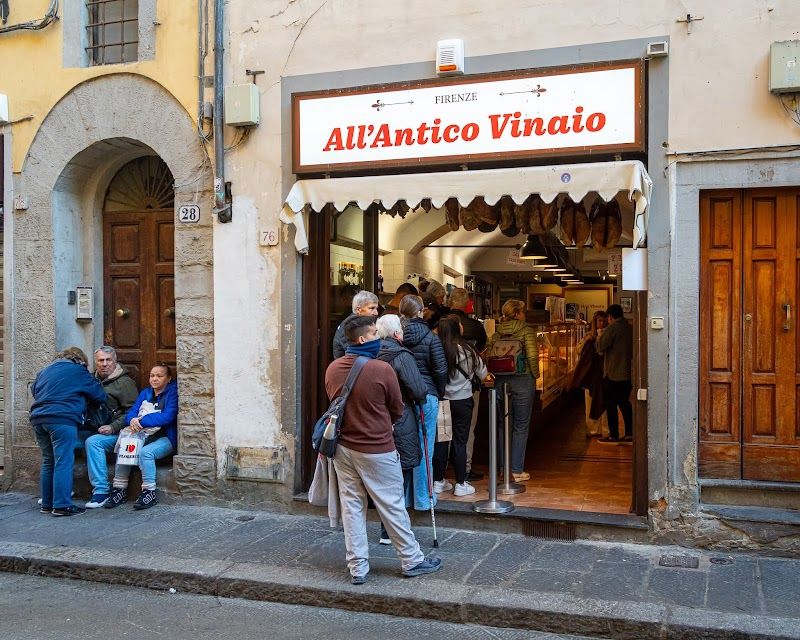
All'Antico Vinaio
RestaurantFlorence's most famous schiacciata sandwich shop with queues stretching down Via dei Neri. Massive flatbread sandwiches stuffed with Tuscan cured meats, cheeses, and truffle spreads for €6-8. Three locations, the original is the smallest.
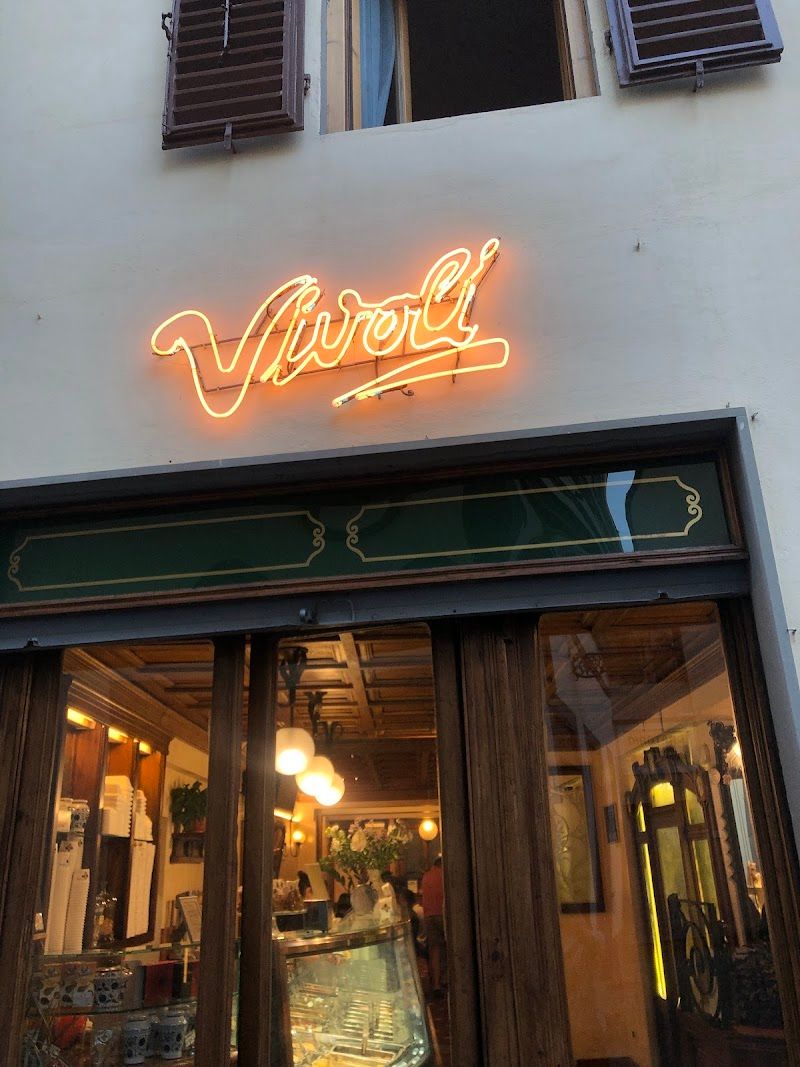
Vivoli
CafeTraditional gelateria operating since 1930 with no storefront seating, just a takeaway counter. Their rice gelato is a Florentine specialty rarely found elsewhere, and the zabaione is made with Marsala wine. Prices start at EUR 3 for a small cup.
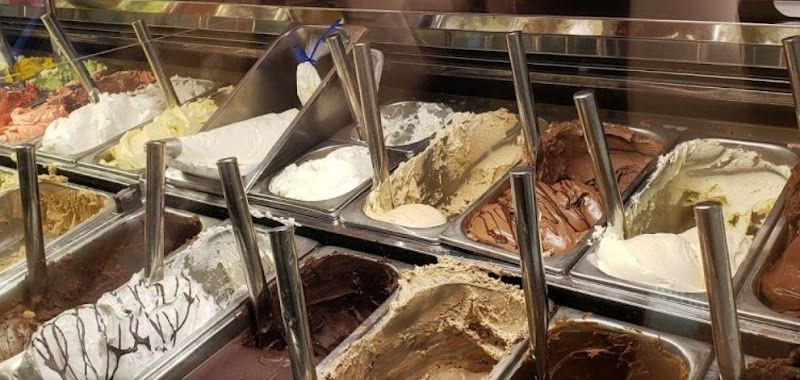
Gelateria dei Neri
RestaurantArtisanal gelato near Santa Croce with creative flavors and natural ingredients. Small batches, seasonal specials, and €2.50-4 cones. Open until midnight in summer, popular after-dinner destination.
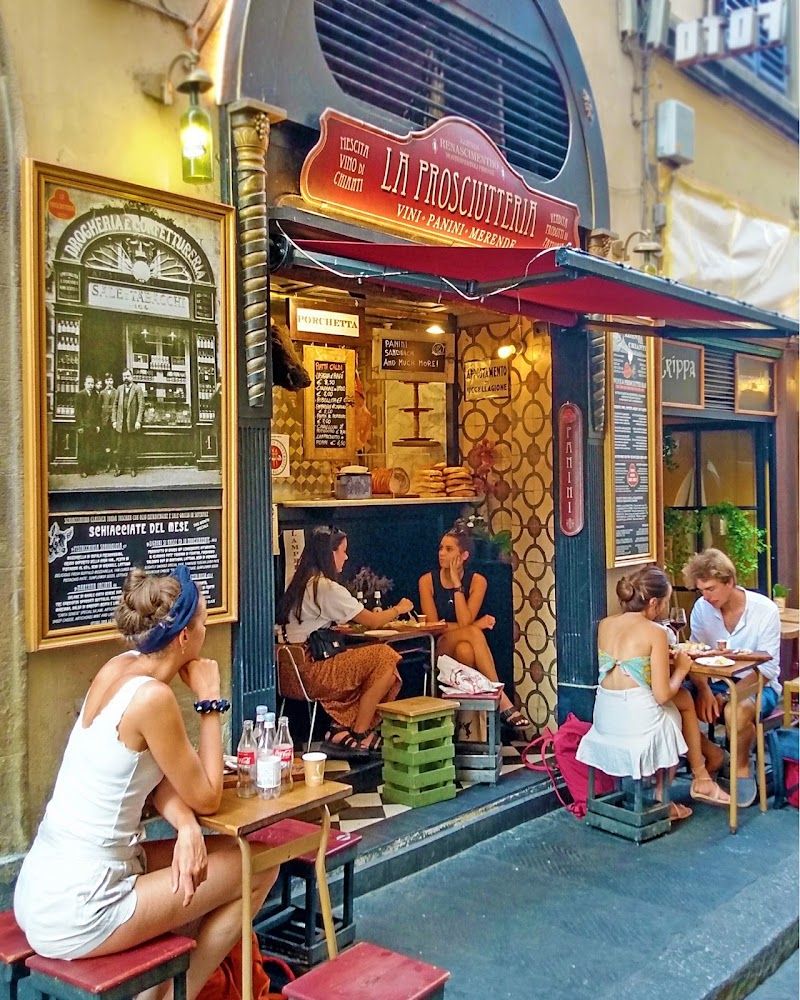
La Prosciutteria Firenze
RestaurantWine bar and cured meat specialist on Via dei Neri offering sharing boards of Tuscan salumi, cheeses, and preserves. The bar has standing room and a few tables, creating an atmosphere, open until midnight. No reservations are accepted.
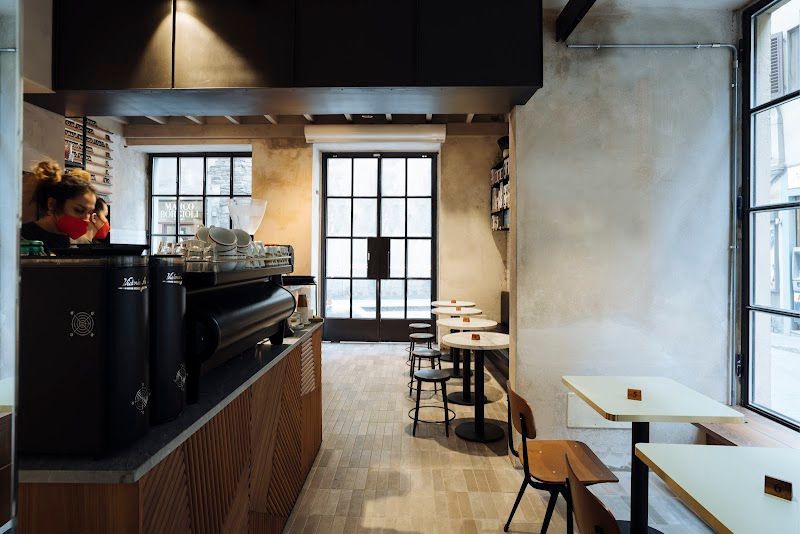
Ditta Artigianale
CafeSpecialty coffee roastery and cafe near San Lorenzo market with single-origin espresso and pour-over options. The baristas are trained in latte art and third-wave coffee techniques rare in traditional Florence. Exposed brick and industrial design attract a younger crowd.
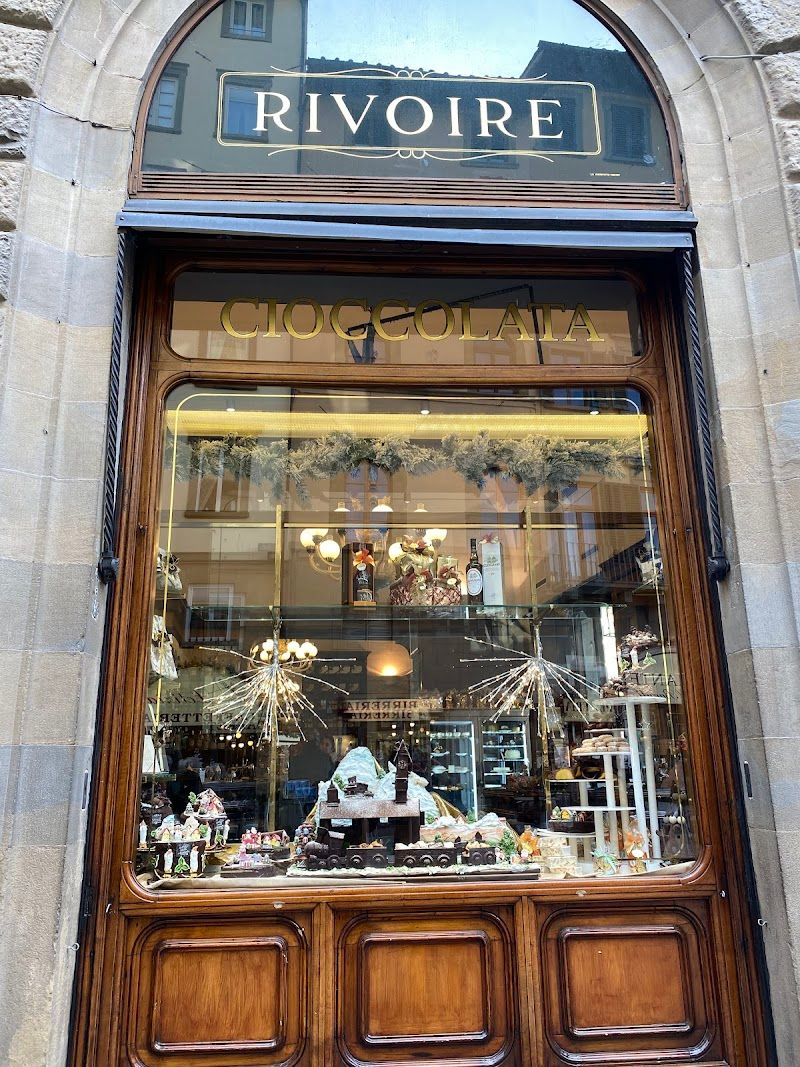
Rivoire
CafeElegant cafe on Piazza della Signoria since 1872, famous for dense hot chocolate served with fresh whipped cream. The terrace offers front-row views of Palazzo Vecchio and the Loggia dei Lanzi. Prices reflect the location, with espresso at EUR 5 seated outside.
Nightlife
Bars and nightlife in Ponte Vecchio & Lungarno
Getting Here
Insider Tips
Cross before 8:30 AM
The bridge is always busy from 9 AM to 10 PM. The best time to photograph it and walk it with space is before 8:30 AM. The gold shops are open from 10 AM (some from 9 AM). The Bust of Benvenuto Cellini in the middle of the bridge has had its nose worn smooth by generations of hands.
Photograph from Santa Trinita
The photograph of Ponte Vecchio everyone wants is taken from Ponte Santa Trinita, looking east toward the Old Bridge with the Arno between you. Evening light (the last 2 hours before sunset) turns the arch stones warm gold. The bridge was rebuilt in 1957 using original stones fished from the Arno - the heads of the Four Seasons statues were never found.
Vasari Corridor above
The Vasari Corridor is the private walkway built in 1565 connecting Palazzo Pitti to the Uffizi above the Ponte Vecchio. The Medici used it to move through the city without mixing with the public. It is occasionally open for guided tours (EUR 30-50 when available) and passes through the top floor of the bridge with views down into the Arno.
Nearby Neighborhoods
Continue exploring
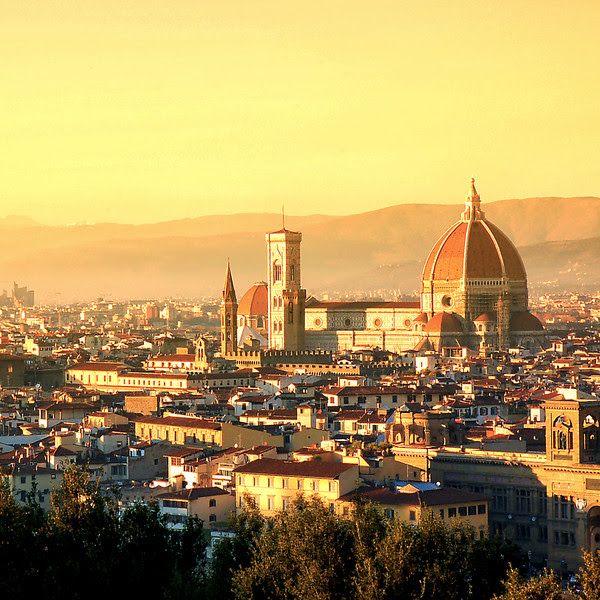
Duomo & Piazza della Signoria
The monumental heart: the dome on the skyline, the Uffizi packed with masterpieces, Piazza della Signoria as a free open-air sculpture gallery. Dense with art and tourists. The trick is timing.
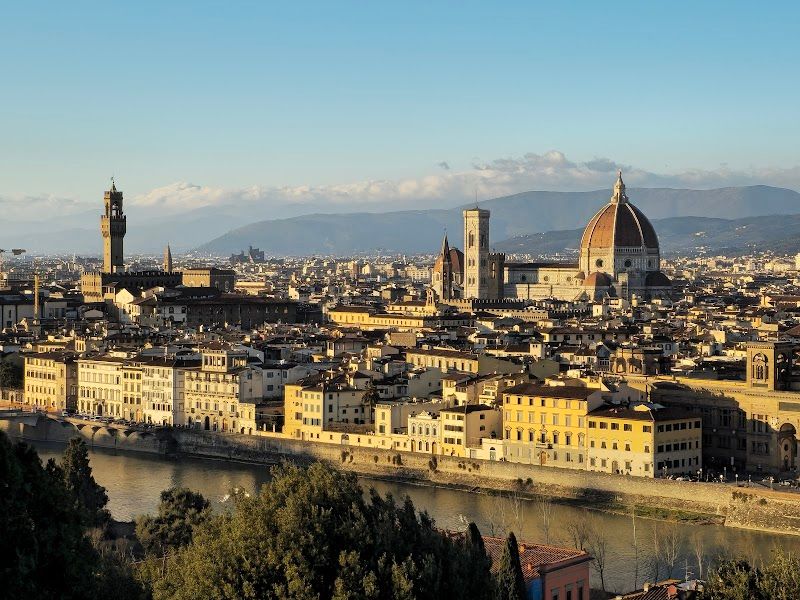
Santa Croce
The neighbourhood east of the Signoria, anchored by the basilica with its famous tombs. Less crowded than the Duomo district, with better restaurants and the leather school behind the church.
Oltrarno (Santo Spirito)
The south bank neighbourhood where Florentines live. Artisan workshops, neighbourhood trattorias, a piazza with a morning market and evening bars. A 5-minute walk from the crowds.
Plan a trip featuring Ponte Vecchio & Lungarno
Get a personalized Florence itinerary with Ponte Vecchio & Lungarno built in.
Start Planning