Florence
Things to Do
132 attractions, museums, and experiences
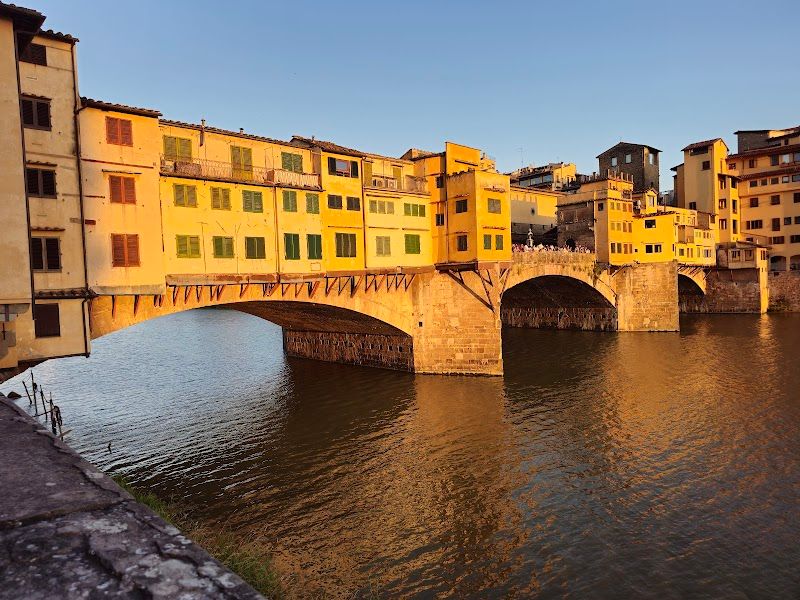
Ponte Vecchio
Ponte Vecchio is Florence's oldest bridge, rebuilt in 1345 and lined with jewelry shops that have operated here since 1593. You'll walk across stone arches over the Arno River while browsing gold vendors in tiny medieval storefronts. The bridge connects the city center to the Oltrarno district, and the famous Vasari Corridor runs above the shops, built so the Medici could cross privately between their palace and the Uffizi. The experience feels like walking through a covered market suspended over water. Jewelry shops display wedding rings, chains, and bracelets in windows barely wider than your outstretched arms. Crowds pack the narrow walkways, especially midday, making it slow going. The stone feels worn smooth by centuries of foot traffic, and you'll hear multiple languages as tour groups squeeze past local shoppers examining gold pieces. Most guides don't mention that prices here aren't inflated for tourists. Local families actually buy wedding rings from these shops, with 18k gold rings starting around 300 EUR. Skip the crowded afternoon visits. Come before 8:30 AM for photos without the masses, or return at sunset when the light turns everything golden. The best bridge photos are actually taken from Ponte Santa Trinita, not from Ponte Vecchio itself.
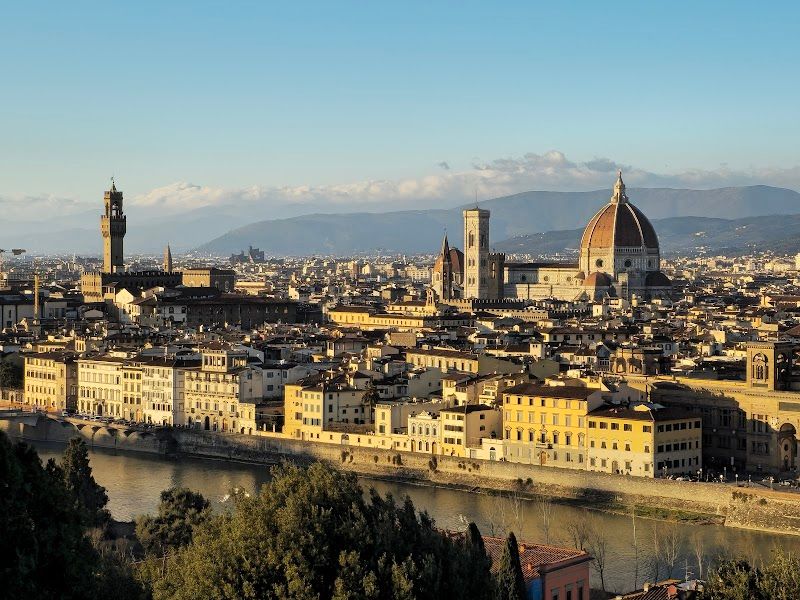
Piazzale Michelangelo
Piazzale Michelangelo sits 100 meters above Florence's red rooftops, delivering the city's most famous panoramic view without the crowds or entry fees of the Duomo. You'll see the entire historic center spread below: Brunelleschi's dome, the Arno snaking through ancient bridges, and the Tuscan hills rolling toward Fiesole. At the center stands a bronze copy of Michelangelo's David, though honestly, you're here for the vista, not the sculpture. The experience changes completely depending when you visit. Mornings feel peaceful with soft light perfect for photos, while sunset transforms the piazzale into an outdoor party. Locals arrive with wine bottles and claim spots on the stone steps, turning the viewpoint into Florence's most scenic aperitivo spot. The atmosphere gets festive but never rowdy, just dozens of people quietly watching the city glow golden as the sun drops behind the hills. Most guides don't mention that the walk up is actually pleasant, not punishing. The 15-minute climb from Piazza Ferrucci through the rose garden beats taking the bus, which drops you at the back entrance. Skip the overpriced bar on site and grab a €8-12 bottle from any enoteca below. The real insider move: visit twice, once for morning photos when it's empty, once for sunset when it's magical.
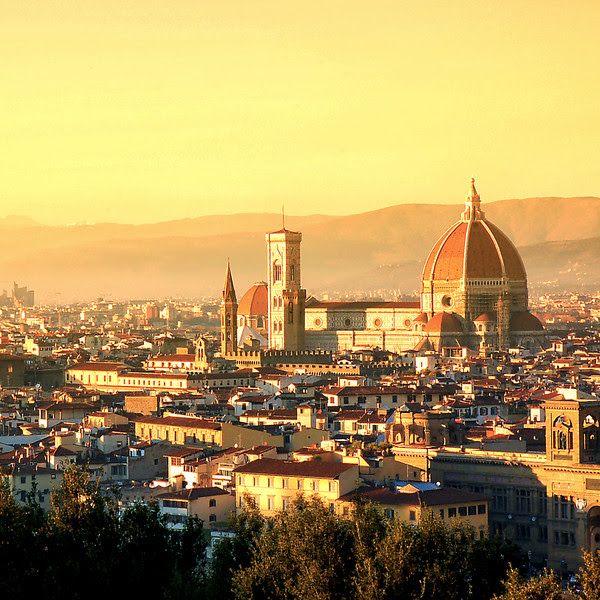
Florence Cathedral (Duomo) & Brunelleschi's Dome
Florence Cathedral and Brunelleschi's dome define the city's skyline, and climbing inside the dome is one of Europe's most extraordinary architectural experiences. The cathedral itself is free to enter, but the real prize is the EUR 30 combined ticket that gets you up 463 steps into Brunelleschi's engineering masterpiece. Built between 1420-1436, this is the world's largest masonry dome, constructed with a revolutionary double-shell technique that still baffles engineers today. The dome climb takes you between the inner and outer shells where you can see the construction techniques up close, then inside to view Vasari's Last Judgment frescoes from an impossibly intimate perspective. The narrow spiral staircases feel medieval and claustrophobic, especially in summer heat, but emerging onto the external lantern delivers sweeping views across Florence's terracotta rooftops to the Tuscan hills beyond. The cathedral floor looks tiny from up there, and you truly understand why this dome was considered impossible to build. Book your dome climb at least a week ahead during peak season, it sells out daily. The cathedral nave is underwhelming compared to the dome experience, so don't feel obligated to linger there. If dome tickets are sold out, Giotto's Bell Tower next door offers nearly identical views with shorter queues for the same EUR 30 ticket. Most people rush through, but take your time on the lantern to really absorb the panorama.
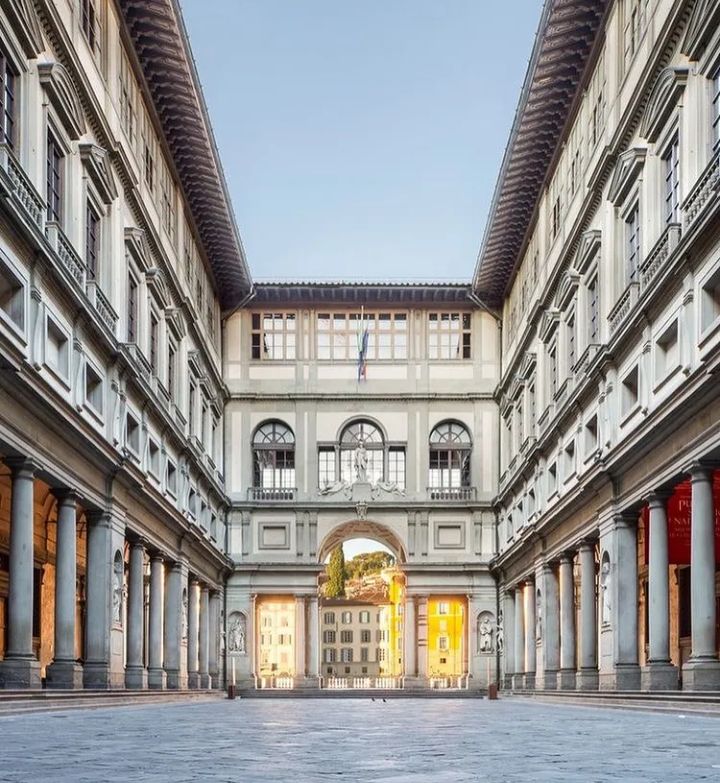
Uffizi Gallery
The Uffizi houses the world's finest collection of Renaissance art in what used to be the Medici family's administrative offices. You'll see Botticelli's Birth of Venus and Primavera in their full glory, plus works by Leonardo da Vinci, Raphael, Caravaggio, and Michelangelo that would anchor any other museum on earth. The building itself, designed by Vasari in 1560, stretches along the Arno with 45 galleries containing 500 years of artistic masterpieces. Walking through feels like a greatest hits tour of art history, but the crowds can be overwhelming. The early morning hours transform the experience: you'll have space to actually contemplate Botticelli's masterpieces instead of craning over selfie sticks. The Caravaggio rooms hit differently when you're not fighting for position, and you can actually read the details in Leonardo's unfinished Adoration of the Magi. The building's long corridors and high ceilings create dramatic sightlines, especially looking toward the Arno through ancient windows. Most visitors try to see everything and end up exhausted after two hours. Focus on Rooms 10 to 14 for Botticelli, Room 15 for Leonardo, and Rooms 26 to 27 for Raphael and Michelangelo, then call it a day. Skip the later rooms unless you're genuinely into Baroque painting. Admission costs EUR 25 but you'll pay EUR 4 extra for advance booking, which is absolutely essential. The audioguide adds EUR 8 but provides crucial context for understanding what you're seeing.
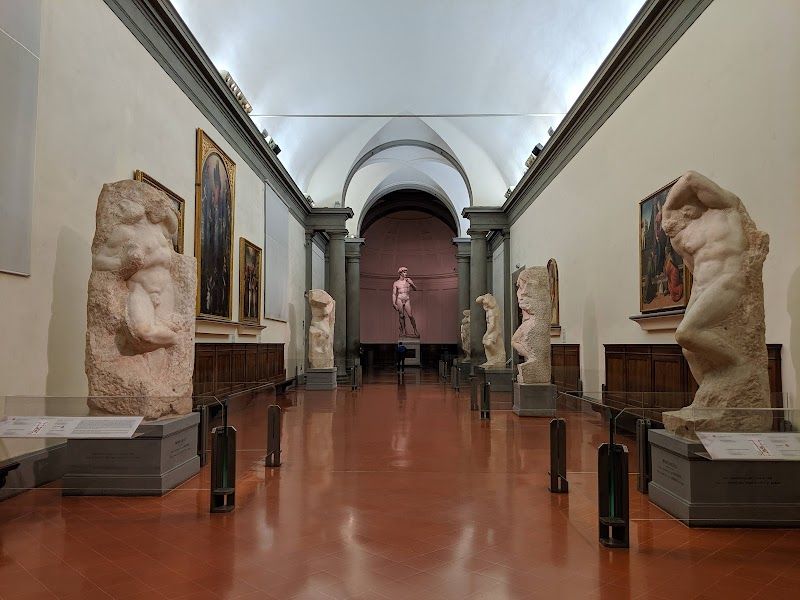
Accademia Gallery
The Accademia Gallery houses Michelangelo's David, the 17-foot marble masterpiece that's genuinely breathtaking in person. You'll also see his unfinished Prisoners sculptures, which show figures emerging from raw stone, plus a decent collection of Florentine paintings and Renaissance plaster casts. The Museum of Musical Instruments upstairs gets skipped by most visitors but contains beautiful historical pieces including Medici court instruments. The gallery feels intimate compared to the Uffizi, with just a handful of rooms connected by a central corridor that leads directly to David's Tribune. The statue dominates a domed rotunda where you can walk 360 degrees around it, and honestly, photos don't prepare you for the scale and detail. The crowds can be intense, especially 10am to 2pm, but the space manages traffic well with timed entries. Skip the audio guide at €6, the wall plaques have enough detail. Entry costs €16 but expect €4 booking fees online, which you absolutely need since walk-up tickets are rare. Most people spend 30 minutes staring at David and rush through everything else, but the Prisoners deserve equal time. The musical instruments floor is blissfully quiet and worth the extra 20 minutes if you're feeling overwhelmed downstairs.
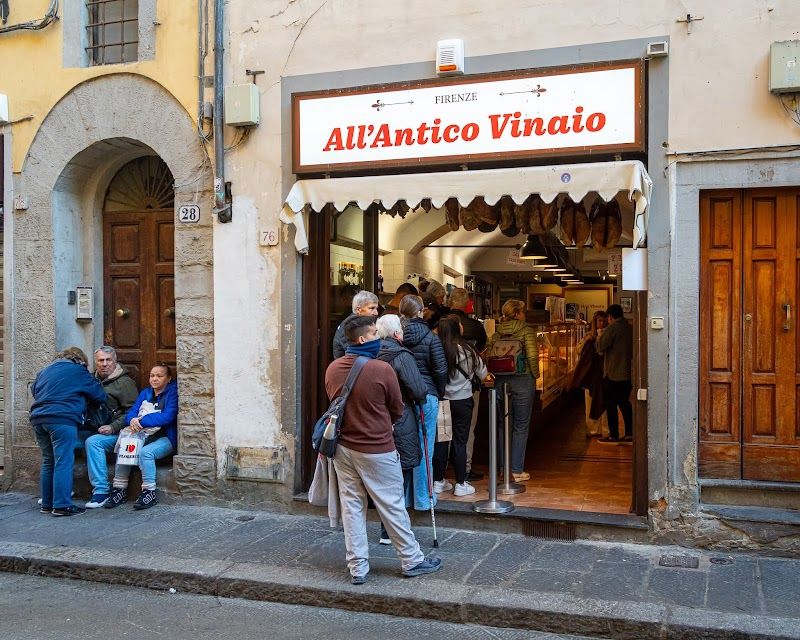
All'Antico Vinaio
Florence's most famous schiacciata sandwich shop with queues stretching down Via dei Neri. Massive flatbread sandwiches stuffed with Tuscan cured meats, cheeses, and truffle spreads for €6-8. Three locations, the original is the smallest.
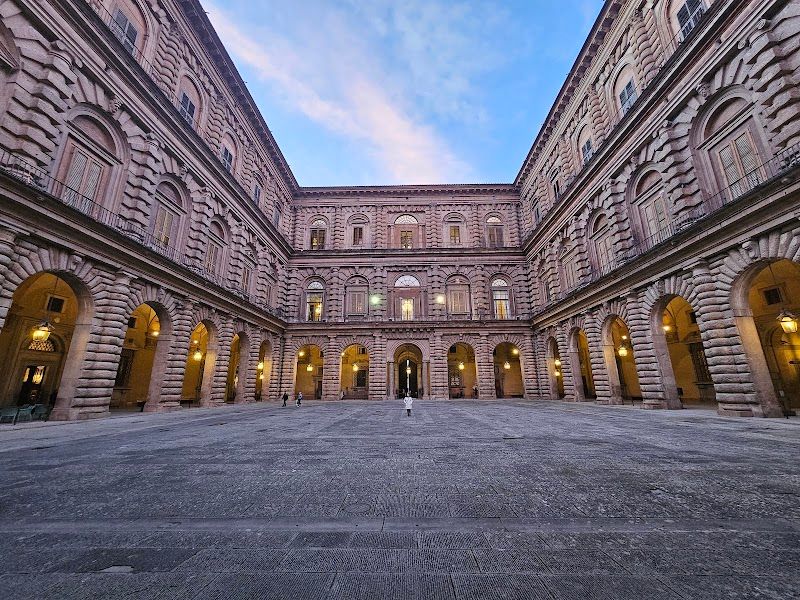
Palazzo Pitti
The Palazzo Pitti houses the world's second largest collection of Raphael paintings, plus the opulent private apartments where the Medici grand dukes actually lived. You'll walk through rooms where Cosimo I made political decisions that shaped Renaissance Europe, seeing his bedroom, dining halls, and the throne room where foreign ambassadors waited for audiences. The Palatine Gallery contains masterpieces by Titian, Rubens, and Van Dyck displayed salon style on silk covered walls, exactly how the Medici arranged them. The visit flows through increasingly grand spaces, starting with intimate family rooms filled with personal portraits and moving into ceremonial halls with 20 foot ceilings covered in allegorical frescoes. Each room tells a story about Medici power: the Throne Room's red velvet and gold leaf designed to intimidate visitors, the Mars Room celebrating military victories, the Apollo Room where the family held private concerts. The scale feels genuinely overwhelming, more like Versailles than a typical Florentine palace. Most guides don't mention that tickets cost 16 EUR and include access to all galleries, making it Florence's best art value after you've seen the Uffizi. Skip the Modern Art Gallery entirely unless you're obsessed with 19th century Italian painting. Focus your energy on the Palatine Gallery's Raphael room and the Royal Apartments' bedroom suites. The audio guide costs extra 6 EUR but explains the complex ceiling allegories that otherwise look like random mythology.
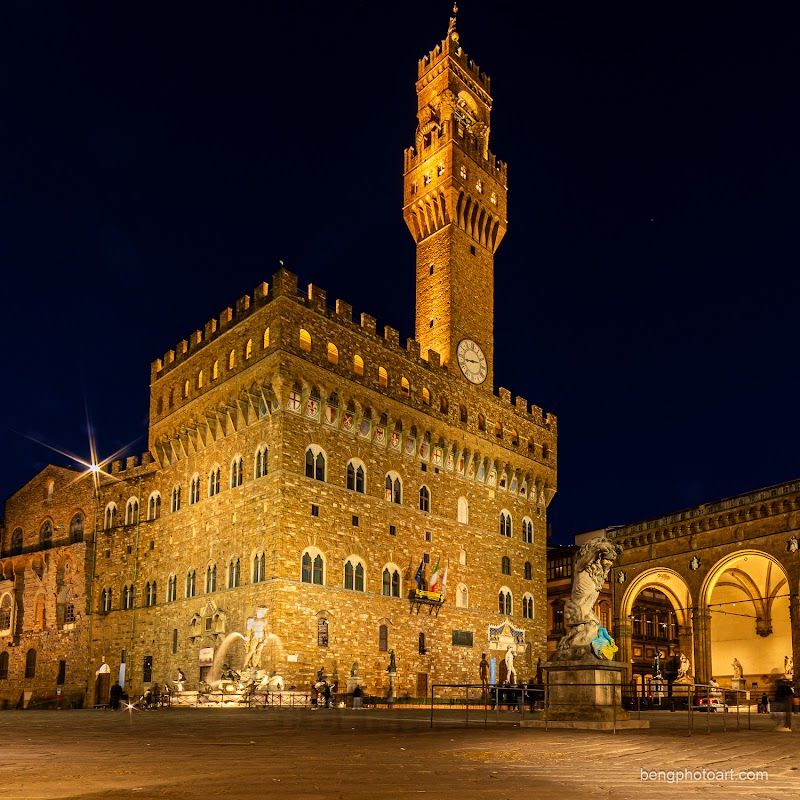
Palazzo Vecchio
The Palazzo Vecchio is Florence's working city hall and has been since 1299, which means you're touring a building where actual government business happens daily. You'll walk through the massive Salone dei Cinquecento where Vasari's ceiling frescoes compete for attention with Michelangelo's Genius of Victory sculpture, then into Cosimo I's private apartments where Bronzino's intimate frescoes feel startlingly personal. The real treasure is Francesco I's studiolo, a tiny cabinet room completely covered in 34 paintings and 12 bronzes that creates an almost overwhelming sensory experience. The visit flows chronologically through increasing levels of Renaissance luxury. You start in the grand public hall where 500 council members once met, then move into progressively smaller, more private spaces. The contrast is striking: from the massive political theater of the main hall to Eleanor of Toledo's chapel, where Bronzino's frescoes glow like jewels in the intimate space. The secret passages tour takes you through corridors built into the thick walls, revealing how the Medici family moved unseen through their palace. Most guides rush through to hit the highlights, but you should linger in Eleanor's apartments where the Bronzino frescoes are genuinely among Florence's best. Skip the tower climb unless you're desperate for views, the queues aren't worth it when you can see better panoramas elsewhere for free. The EUR 4 secret passages supplement is absolutely worth it, especially if you're traveling with kids who'll love the hidden doorways. Start early at 9am when the crowds are thinnest and the morning light hits the frescoes perfectly.
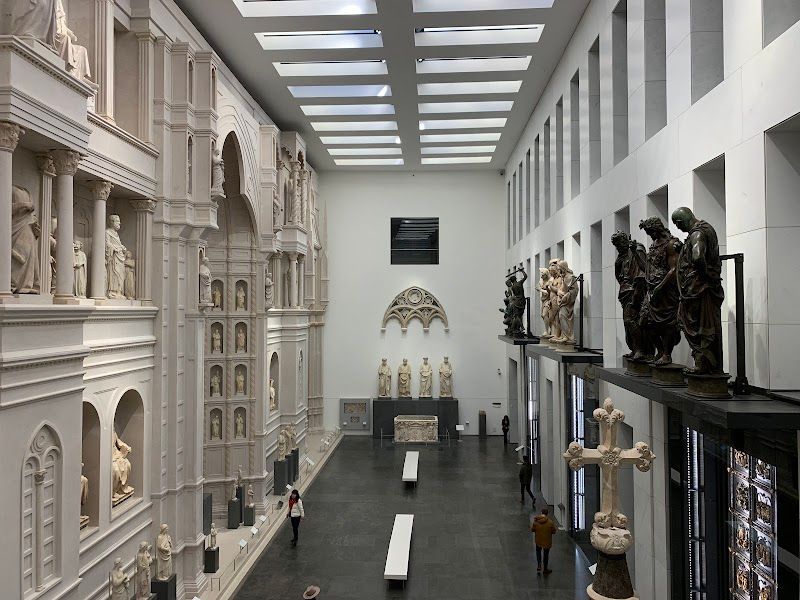
Museo dell'Opera del Duomo
This museum holds the actual treasures that once adorned Florence's cathedral complex, moved here for protection from weather and theft. You'll see Michelangelo's unfinished Pietà (his last work, which he smashed in frustration), Ghiberti's original Paradise Doors from the Baptistery, and Donatello's haunting wooden Mary Magdalene. The collection spans 700 years of cathedral art, including the original facade statues and medieval tools used to build Brunelleschi's dome. The experience flows chronologically through three floors of sleek, climate controlled galleries that put most Italian museums to shame. The ground floor centers around Ghiberti's gleaming bronze panels, displayed at eye level where you can study every biblical scene up close. Upstairs, you'll face Michelangelo's towering Pietà in a darkened room that feels almost sacred. The medieval section showcases massive stone prophets by Donatello and Andrea Pisano that once stared down from the cathedral's exterior. Most visitors rush through in an hour, but you need at least two to appreciate the craftsmanship. Skip the basement's architectural fragments unless you're an engineer. The €18 ticket includes the cathedral complex, making it decent value, but the museum alone justifies the cost. Come early when tour groups haven't arrived yet.
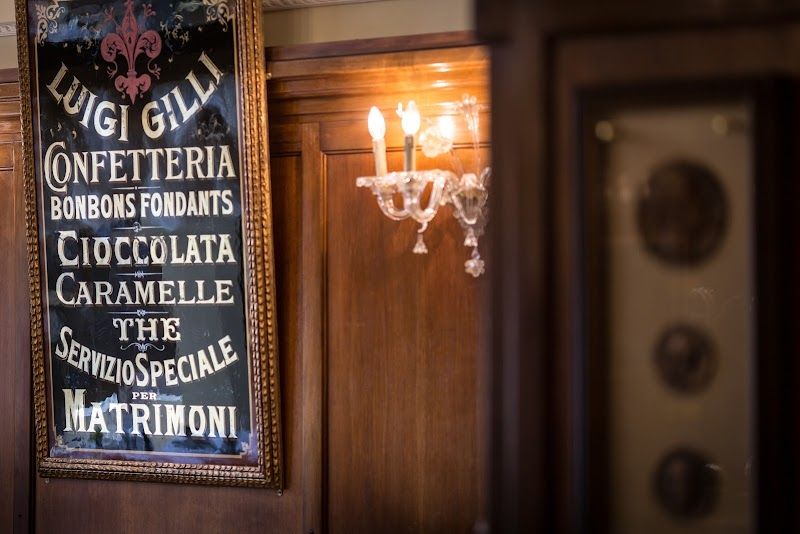
Caffè Gilli
Historic cafe established in 1733 on Piazza della Repubblica, known for gilded Belle Époque interiors and traditional Florentine pastries. The outdoor terrace commands premium prices, but the stand-up bar inside offers espresso for EUR 1.50. Their hot chocolate is thick enough to coat a spoon.
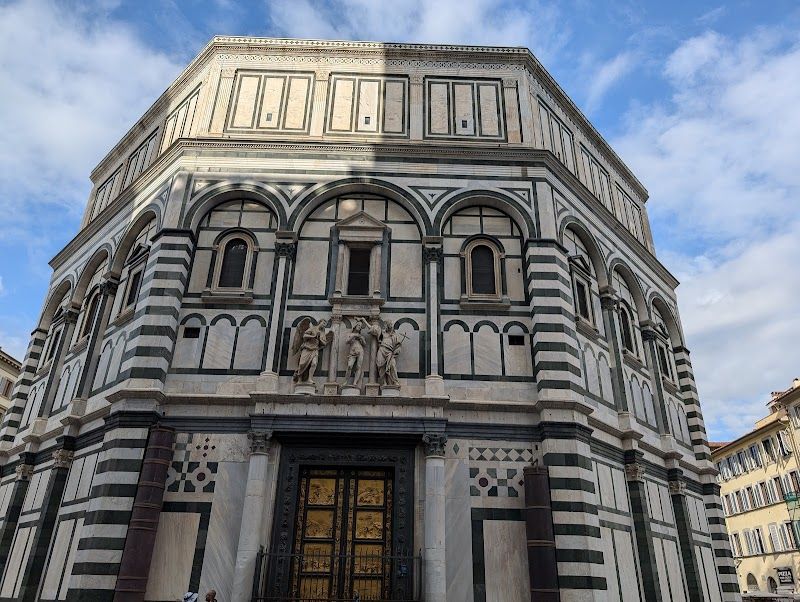
Battistero di San Giovanni
The Baptistery of San Giovanni stands as Florence's oldest building, an octagonal Romanesque masterpiece from the 11th century. Here, every Florentine child was traditionally baptized, including Dante himself. Lorenzo Ghiberti's gilded bronze doors depict ten Old Testament scenes in great detail: Michelangelo famously called them the Gates of Paradise. Once you see Adam and Eve's expulsion or Noah's ark rendered in luminous bronze relief, you'll see why this description exists. Inside, your neck will crane upward at Byzantine mosaics covering every inch of the dome, dominated by a colossal Christ in Judgment surrounded by angels, saints, and scenes of paradise and hell. Walking around the octagonal interior feels intimate despite the soaring space above. The geometric marble floor patterns draw your eye while that massive mosaic dome commands attention with its golden glow and intricate biblical narratives. Most visitors spend their time photographing the exterior doors, but the real magic happens when you step inside and let your eyes adjust to the dim, jewel-toned light filtering through the mosaics. The acoustics are remarkable too: whisper against one wall and someone across the octagon can hear you clearly. Here's what few guides mention: the famous doors you're photographing outside are copies installed in 1990. The originals live safely in the Opera del Duomo Museum, which costs €15 but offers much closer viewing of Ghiberti's actual masterwork plus Donatello sculptures. We recommend skipping the audio guide here and saving your money for the museum instead, where you'll need it more.
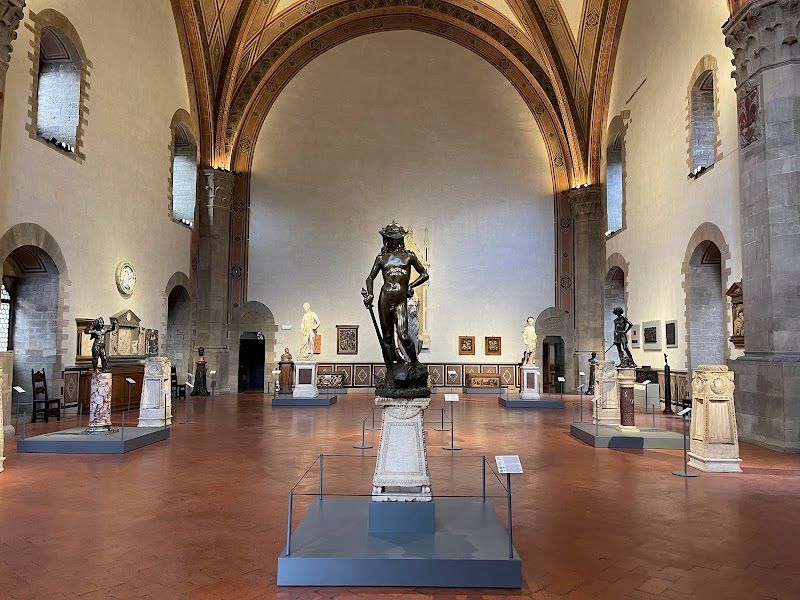
Museo Nazionale del Bargello
The Bargello holds the world's greatest collection of Renaissance sculpture inside a forbidding 13th-century fortress that once served as Florence's prison and courthouse. You'll find Donatello's revolutionary bronze David (the first nude sculpture since antiquity), Michelangelo's early Bacchus, and Cellini's intricate bronze models alongside works by Ghiberti and Giambologna. The building itself tells stories: prisoners were once executed in the courtyard where you'll now admire Gothic arches and medieval stonework. You enter through the ground floor's vaulted halls filled with Michelangelo's works, then climb the external stone staircase to reach Donatello's masterpieces on the first floor. The rooms feel intimate compared to the Uffizi's crowds, letting you study details like the expression on David's face or the texture of bronze drapery. Each hall focuses on different periods and artists, creating a clear narrative of sculptural evolution from medieval to Renaissance. Most visitors rush through in 45 minutes, but you need at least 90 minutes to appreciate the craftsmanship properly. Skip the upper floors unless you're passionate about decorative arts and Islamic metalwork. At €8 for a full ticket (free for EU citizens under 25), it's Florence's best museum value. The audio guide costs extra €5 but adds crucial context about techniques and historical significance that the sparse wall labels miss.
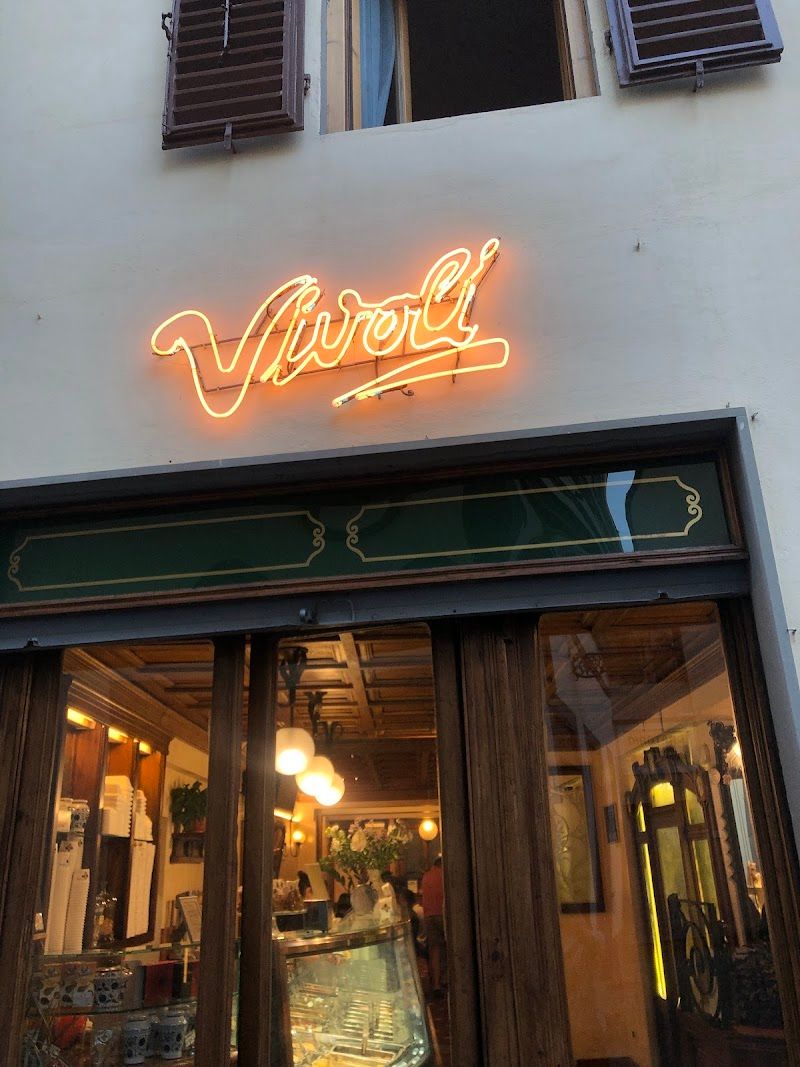
Vivoli
Traditional gelateria operating since 1930 with no storefront seating, just a takeaway counter. Their rice gelato is a Florentine specialty rarely found elsewhere, and the zabaione is made with Marsala wine. Prices start at EUR 3 for a small cup.
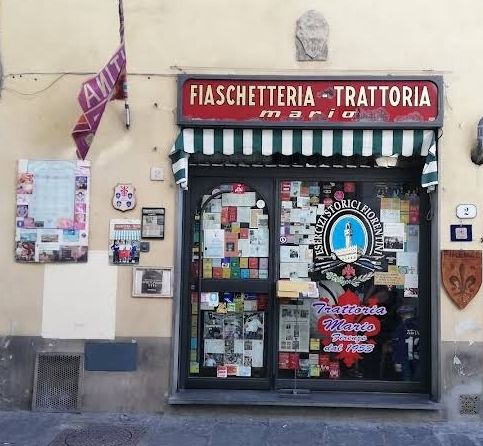
Trattoria Mario
Legendary lunch-only trattoria near San Lorenzo market operating since 1953. Communal marble tables, paper placemats, and Florentines queuing for ribollita and bistecca. No reservations, cash only, closes at 3:30pm sharp.
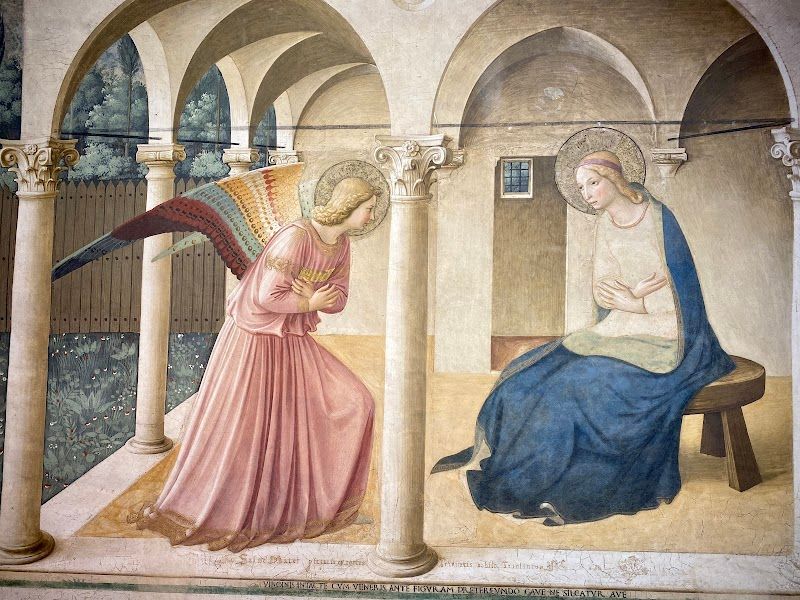
Museo di San Marco
Enter through the main door on Piazza San Marco and immediately turn right to avoid the crowds that typically start on the left in the cloister. Most visitors tend to spend too much time in the ground floor galleries, where the art on display is less impressive, missing the better light on the upper floor in the afternoon. Cell 7 houses Angelico's Mocking of Christ, featuring an optical illusion – the blindfolded Jesus – that often goes unnoticed.
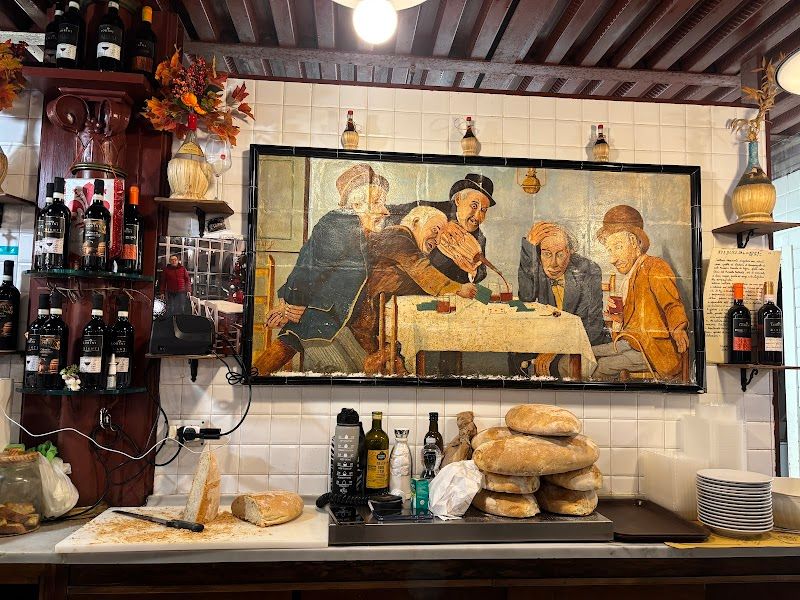
Nerbone
Historic stall inside Mercato Centrale operating since 1872, serving lampredotto sandwiches and bollito (boiled meat) to market workers and savvy visitors. Stand at the counter or grab a communal table. Closes at 2pm.
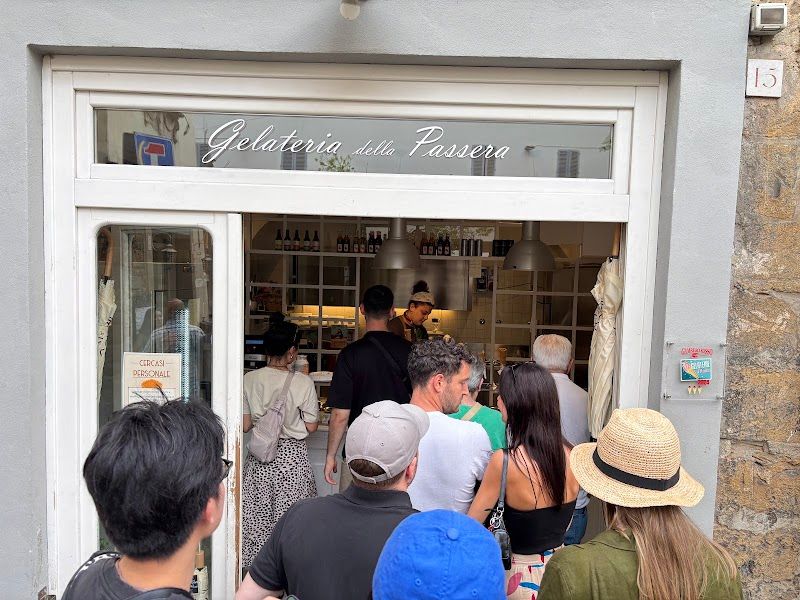
Gelateria della Passera
Tiny Oltrarno gelato shop on a quiet piazza, making small batches daily with seasonal ingredients. Their ricotta and pear flavor uses Tuscan sheep's milk ricotta, and the stracciatella has hand-shaved dark chocolate chunks. Locals line up here after dinner.
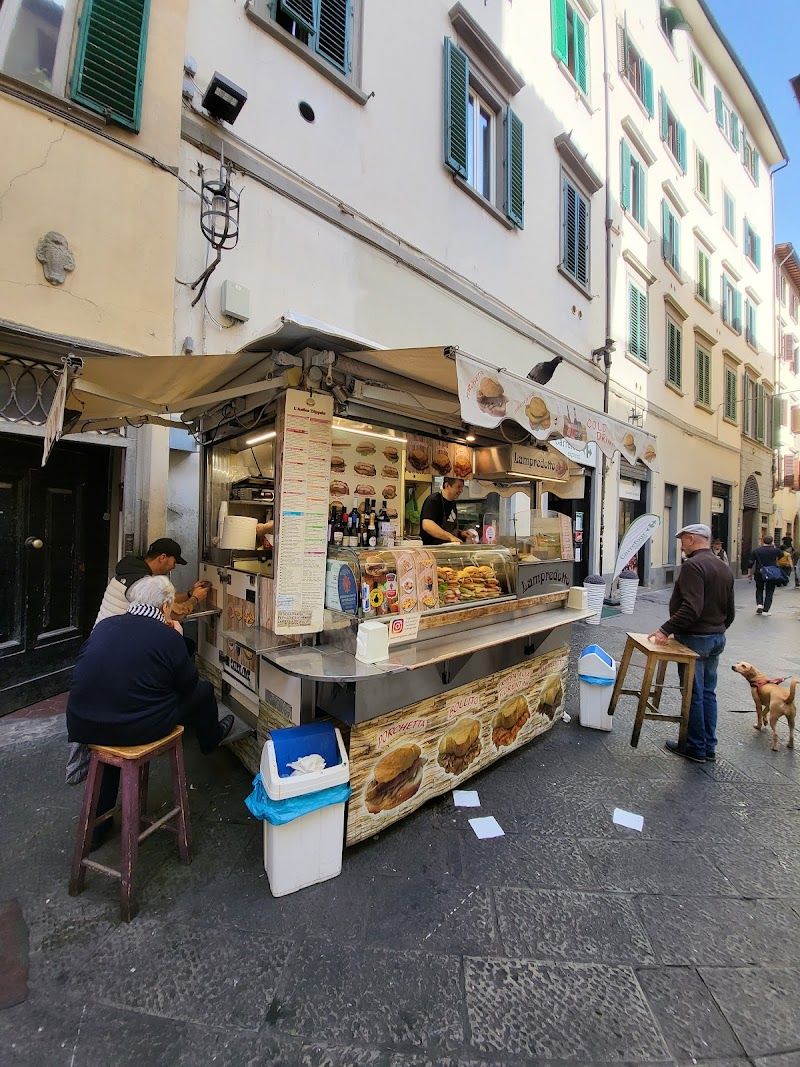
L'Antico Trippaio
Street food cart at Piazza dei Cimatori serving lampredotto and trippa (tripe) sandwiches for €4-5 since the 1950s. Stand-up eating on the medieval piazza steps. Cash only, open Monday to Saturday until 6pm.
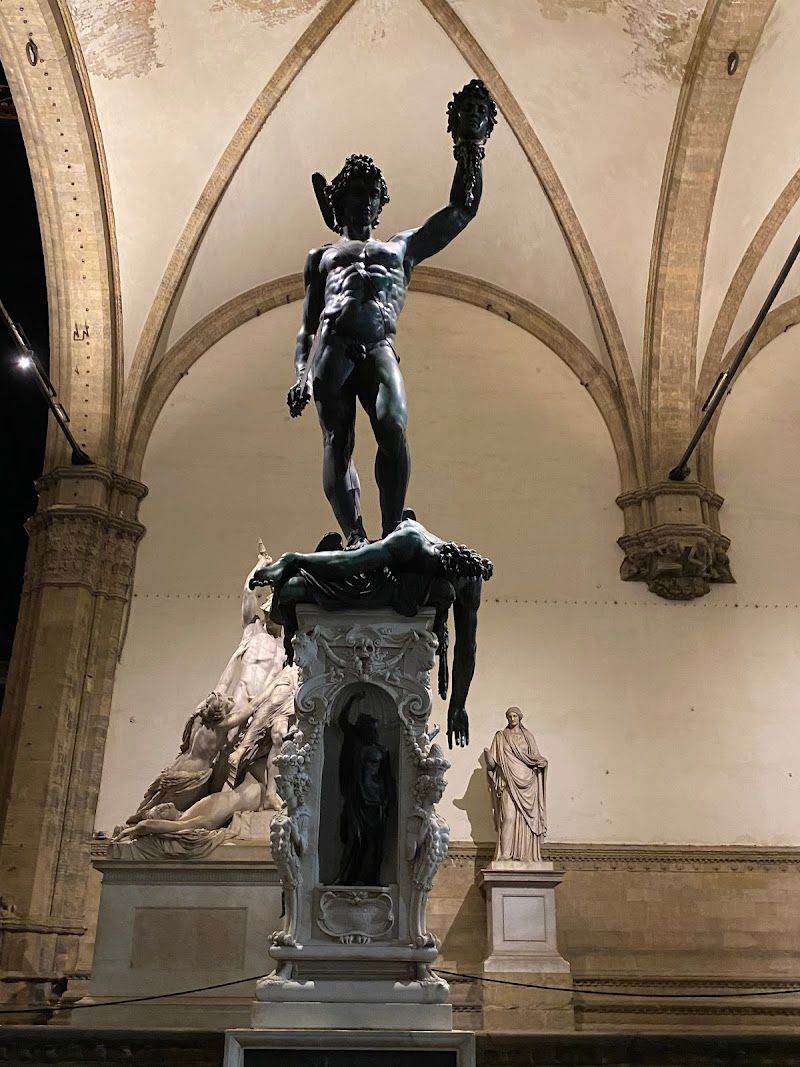
Loggia dei Lanzi
The Loggia dei Lanzi is Florence's original outdoor sculpture museum, a 14th-century loggia that houses some of Renaissance Italy's most powerful statues. You'll find Cellini's bronze Perseus holding Medusa's severed head, Giambologna's dramatic Rape of the Sabine Women spiraling upward in marble, and several Roman statues that the Medici collected. It's completely free and takes about 20 minutes to see everything properly, making it one of Florence's best cultural bargains. Walking under the Gothic arches feels like entering an open-air palace where each statue commands its own space. Perseus dominates the left side, his muscular form catching light differently throughout the day, while the Sabine Women sculpture on the right draws crowds who circle it to appreciate Giambologna's technical mastery. The loggia frames Palazzo Vecchio perfectly, and you'll hear four languages being spoken as guides explain the mythological scenes to their groups. Most visitors snap photos and move on, but spend time reading the plaques and walking around each sculpture. The Roman statues along the back wall get ignored, but they're worth examining for their expressive faces. Skip the souvenir sellers who hover nearby, their trinkets are overpriced. Early morning around 8am gives you the best light and fewest crowds, though the sculptures look dramatic in late afternoon sun too.
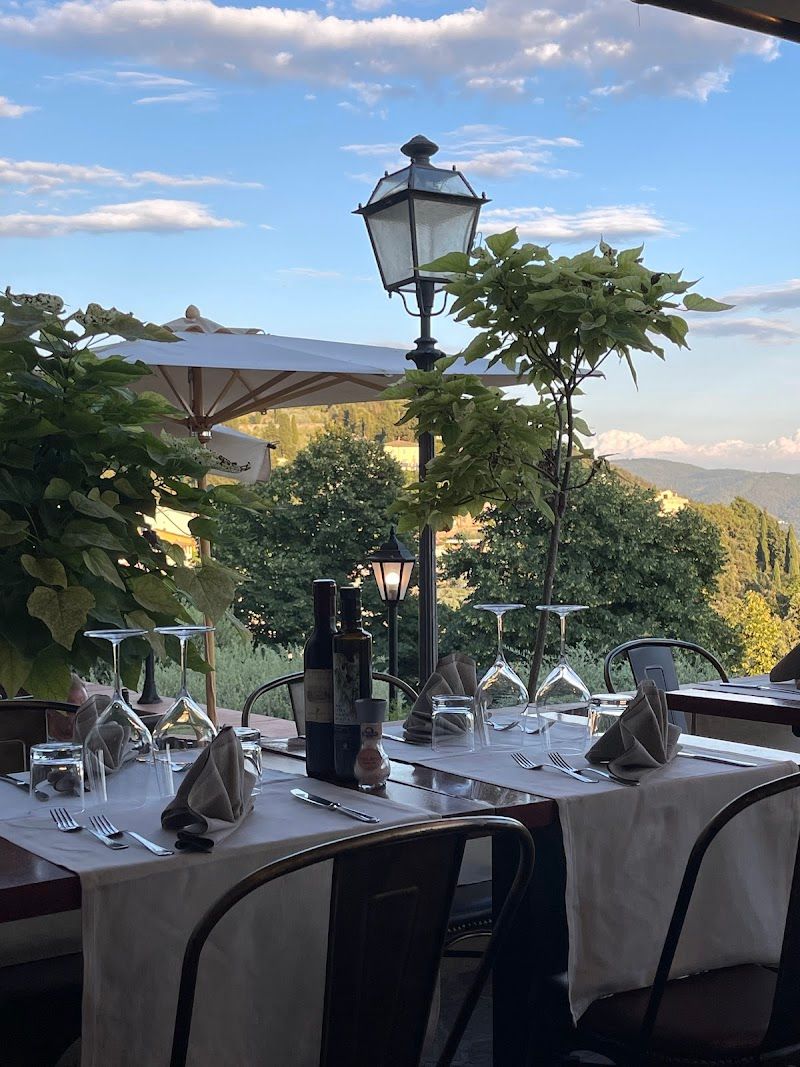
Terrazza del Ristorante La Reggia degli Etruschi
Perched on the hillside with sweeping panoramic views of Florence, this restaurant offers authentic Tuscan cuisine in an elegant setting. The terrace is particularly beautiful at sunset, providing one of the best vantage points to see the entire Florentine skyline.
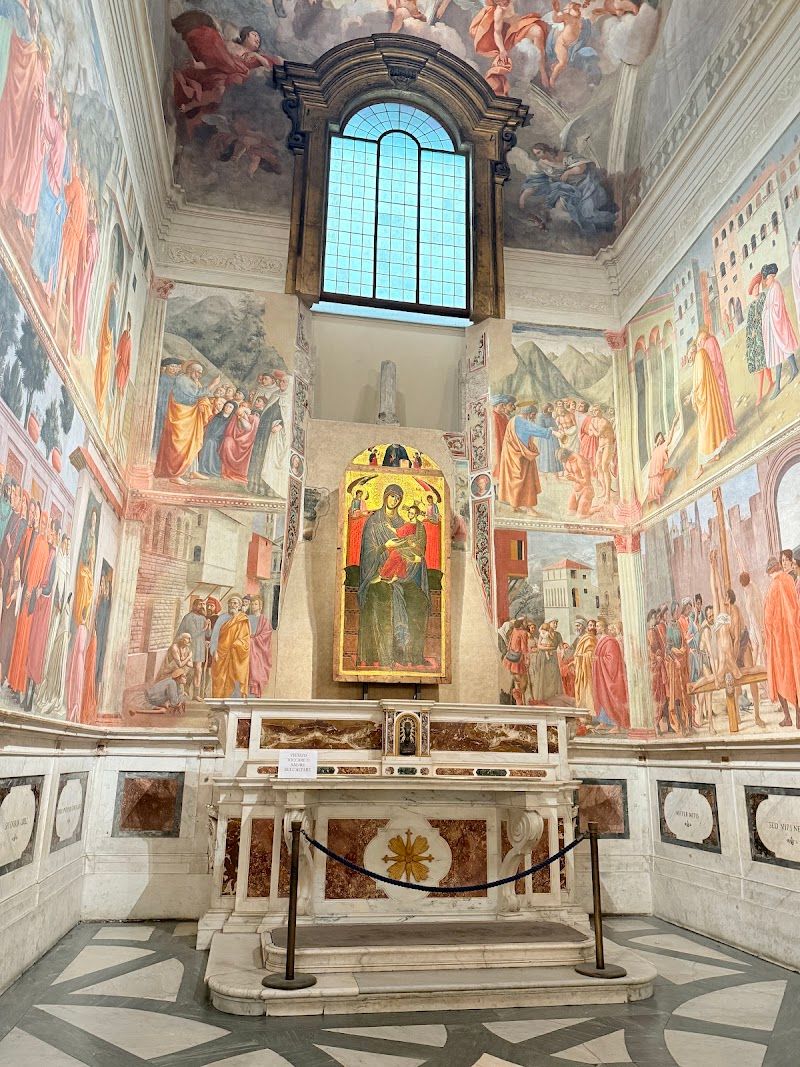
Cappella Brancacci
The Cappella Brancacci houses what art historians consider the most revolutionary frescoes in Western painting. Masaccio's work here literally invented Renaissance art in the 1420s, introducing mathematical perspective, realistic human emotion, and three-dimensional figures that jump off the walls. You'll see the complete cycle depicting St. Peter's life, but the real showstopper is Masaccio's Expulsion from the Garden of Eden, where Adam and Eve's anguish feels genuinely heartbreaking. Masolino started the project, Masaccio transformed it, and Filippino Lippi finished it 50 years later. You enter this tiny chapel inside the Carmine church and immediately understand why artists like Michelangelo came here to study. The space feels intimate, almost cramped, with only 30 people allowed in at once. The frescoes surround you on three walls, and the lighting (recently restored) brings out details that photographs can't capture. You'll spend your 30 minutes craning your neck upward, trying to absorb centuries of artistic innovation. The contrast between the three artists' styles becomes obvious once you know what to look for. Most guides don't mention that entry costs €10, cash only at the door. The 30-minute time limit feels rushed when you're staring at art history being rewritten, but it keeps crowds manageable. Skip the audio guide (€3 extra) and just focus on the Expulsion and the Tribute Money scenes. The chapel gets stuffy with a full group, and guards are strict about the time limit, so don't expect flexibility.
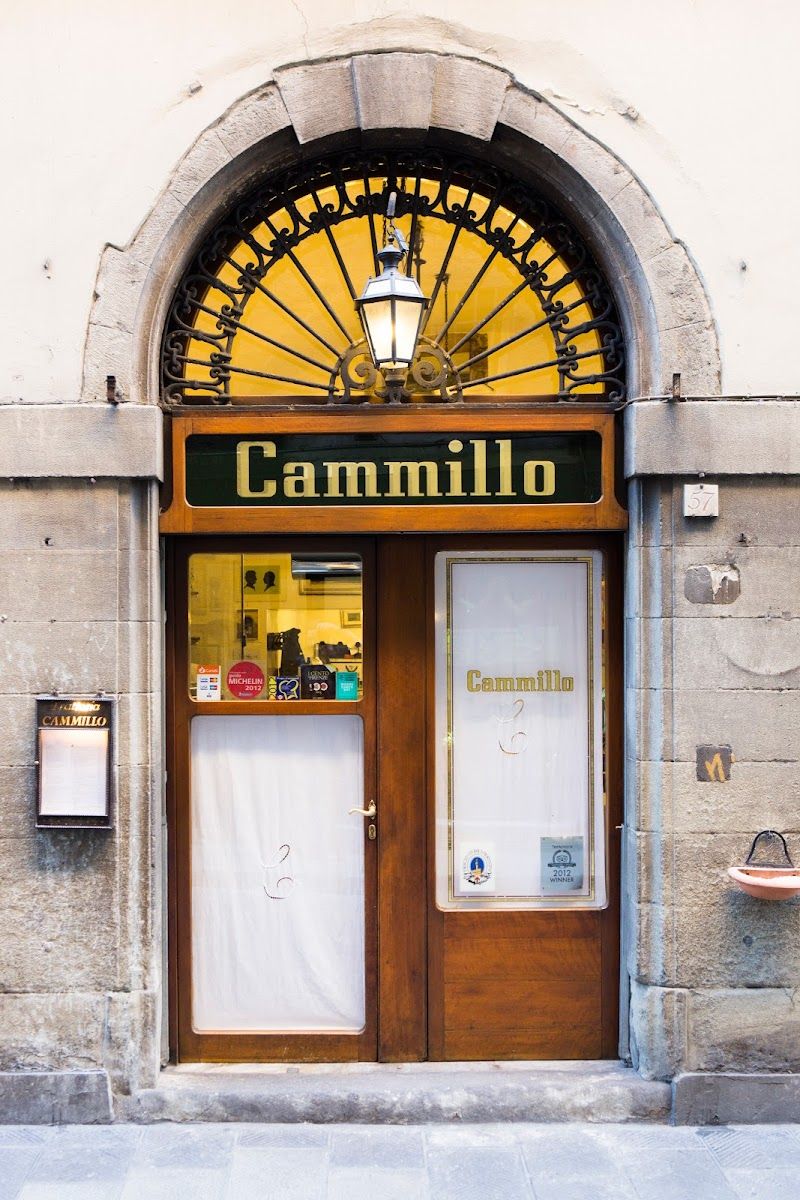
Trattoria Cammillo
Family-run Oltrarno institution since 1945 with white tablecloths and formal service. Exceptional bistecca alla fiorentina from certified Chianina beef, traditional Tuscan antipasti, and a 300-label wine list. Dinner reservations recommended.
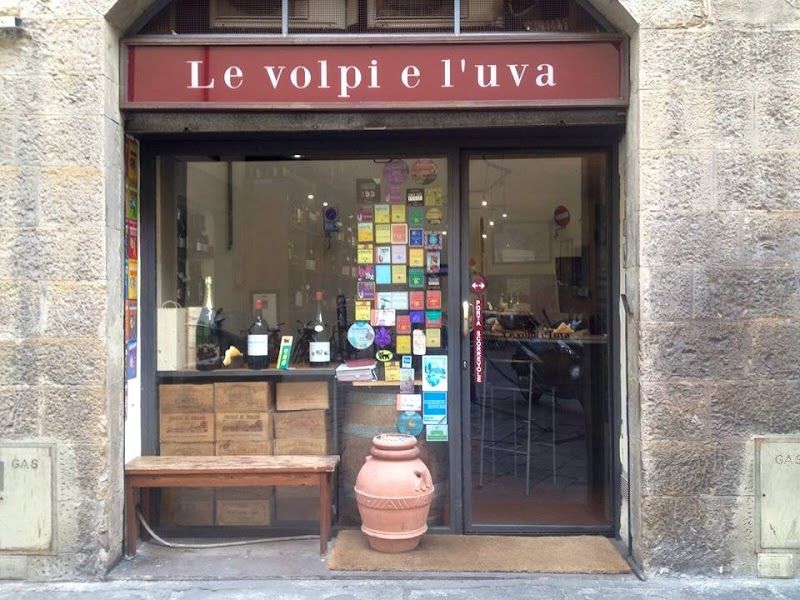
Le Volpi e l'Uva
Cult enoteca near Ponte Vecchio focusing on small producers and natural wines rarely found elsewhere in Florence. The staff are passionate sommeliers who offer thoughtful pairings with artisanal cheeses and cured meats. Wines by the glass run EUR 5-9 and the tiny space maintains an intimate, conversational atmosphere.
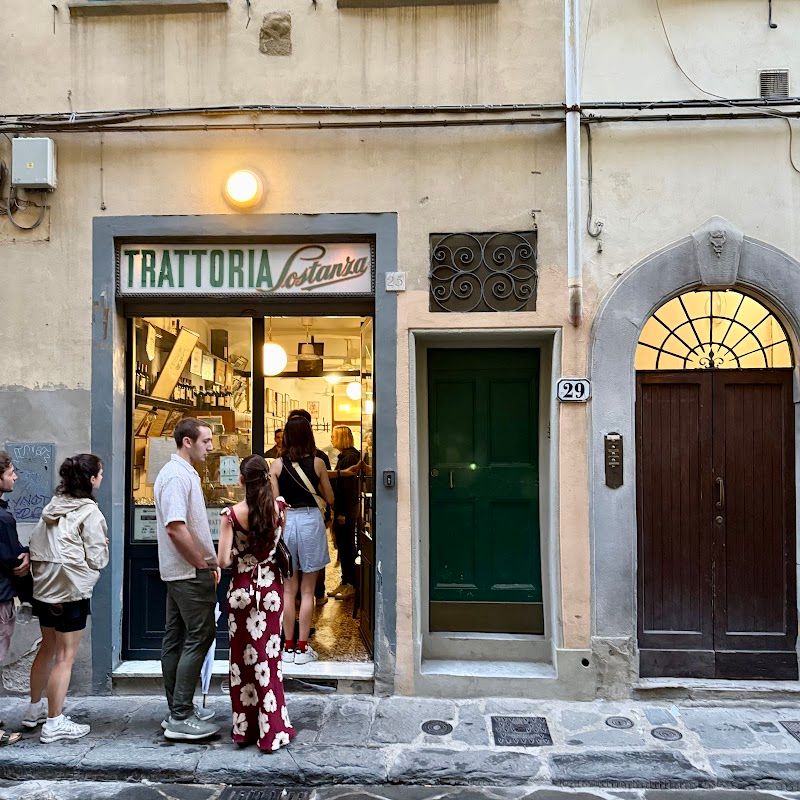
Trattoria Sostanza
Tiny trattoria with just eight tables serving the same five dishes since 1869. Famous for butter chicken (pollo al burro) and tortino di carciofi (artichoke omelet). Reservations essential, lunch and dinner service.
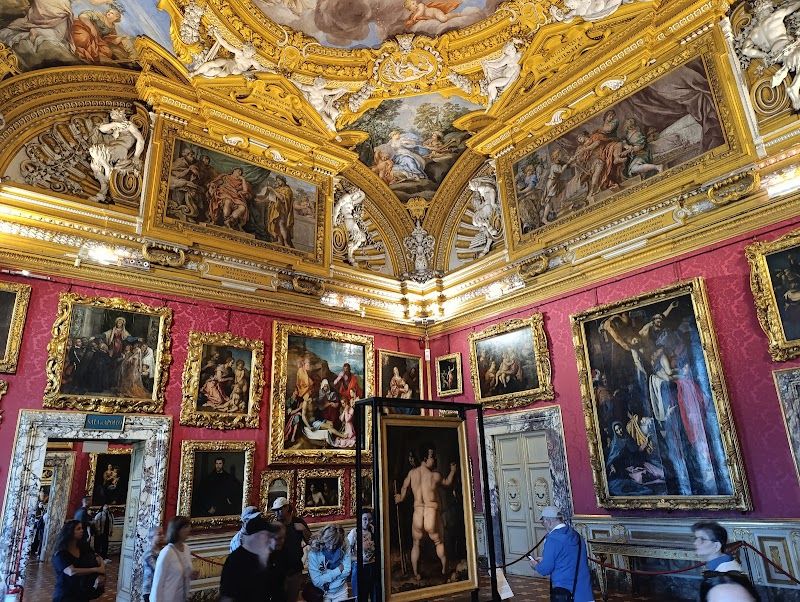
Galleria Palatina
The Galleria Palatina houses one of Europe's finest private art collections inside the Medici's former royal apartments at Palazzo Pitti. You'll find masterpieces by Raphael, Titian, Rubens, and Caravaggio displayed exactly as the grand dukes arranged them, covering every inch of ornately frescoed walls. Unlike modern museums with clinical white walls, these paintings hang in rooms dripping with gold leaf, elaborate ceiling frescoes, and original Baroque furniture. The experience feels like wandering through a living palace where art and opulence compete for your attention. Each room follows a planetary theme (Mars, Venus, Jupiter) with corresponding mythological ceiling frescoes that frame Renaissance masterpieces below. The sheer density can be overwhelming: Raphael's portraits hang next to Flemish landscapes, while massive Rubens canvases dominate entire walls. The original parquet floors creak beneath your feet as natural light filters through tall windows. Most visitors rush through without reading room descriptions, missing the fascinating stories behind the Medici collection. Skip the later rooms if you're tired, the best pieces cluster in the first seven planetary rooms. At 16 EUR, it's pricey but includes access to the Royal Apartments next door, though those feel repetitive after the Palatina's intensity.
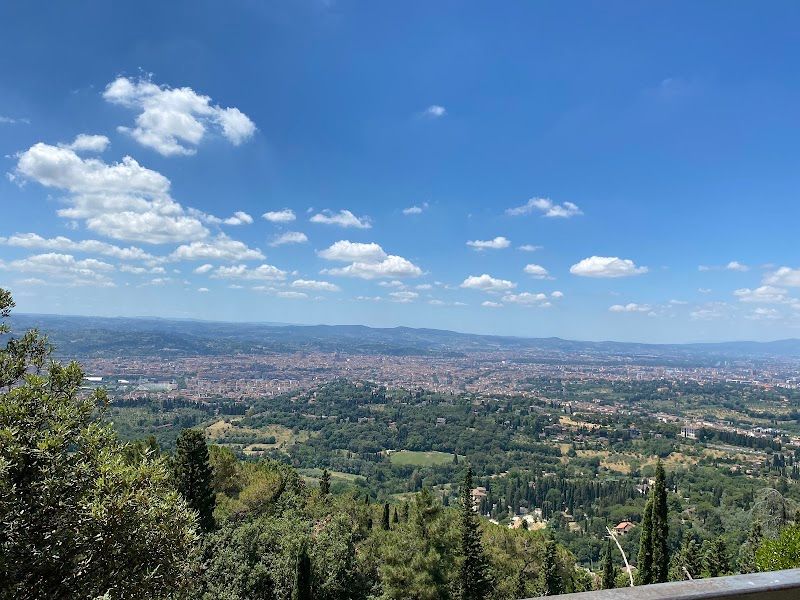
Parco di Montececeri
Parco di Montececeri sprawls across 160 hectares of hillside above Florence, combining dense Mediterranean woodland with some of the best panoramic views you'll find anywhere in Tuscany. You'll walk through groves of oak, pine, and cypress trees along well-marked trails that wind past ancient stone quarries and open meadows. The park sits where Leonardo da Vinci supposedly tested his flying machine designs in the 1500s, though honestly, that's more legend than documented fact. The main trail network takes you through surprisingly varied terrain for such a compact area. You start climbing immediately from the entrance, but the shaded paths keep things comfortable even in summer heat. The stone quarries appear suddenly as you round bends, these massive carved chambers that feel almost cathedral-like. When you emerge onto the viewpoints, Florence spreads out below with the Duomo, Palazzo Vecchio, and Arno River perfectly framed by rolling hills. Most guides oversell this as a quick stop, but you need at least two hours to appreciate it properly. The trail markings can be confusing near the quarries, so download the park map beforehand. Skip the crowded main viewpoint area and continue 10 minutes further to the meadow clearing where you'll have the panorama mostly to yourself. Free admission makes this one of Florence's best value experiences.
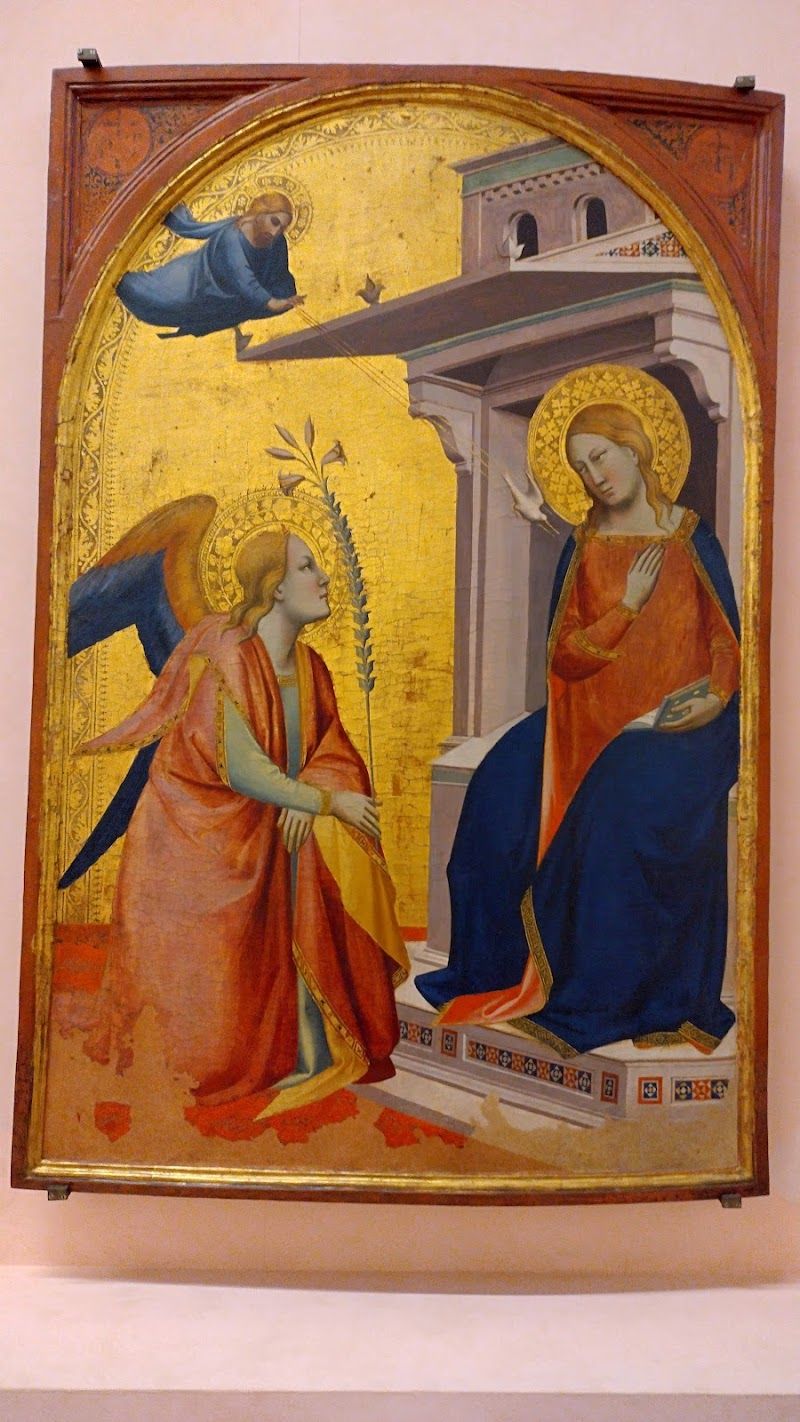
Museo Bandini
Museo Bandini sits in a 14th century palazzo in Fiesole and holds one of Tuscany's finest collections of medieval and early Renaissance art. You'll find masterpieces by Taddeo Gaddi, Bernardo Daddi, and Lorenzo Monaco, plus exceptional della Robbia ceramics and wooden sculptures that most Florence museums don't have room to display. The collection spans three centuries of Tuscan religious art, from Byzantine influenced panels to early Renaissance innovations. The museum feels like exploring a private collector's home rather than a formal institution. You'll move through intimate rooms where each piece gets proper breathing space, unlike the packed galleries downtown. The lighting is excellent, letting you study the intricate details in tempera paintings and glazed terra cottas. Most rooms stay blissfully quiet, with maybe five other visitors wandering the same spaces. Honest talk: this isn't a quick photo stop, it's for people who actually want to look at art. The collection quality rivals the Uffizi for this period, but you'll spend 15 minutes studying pieces instead of fighting crowds for a glimpse. Entry costs 10 EUR, or 15 EUR combined with the Roman theater next door, which is absolutely worth the extra 5 EUR. Skip the audio guide and use that money for a coffee in the palazzo's courtyard afterward.
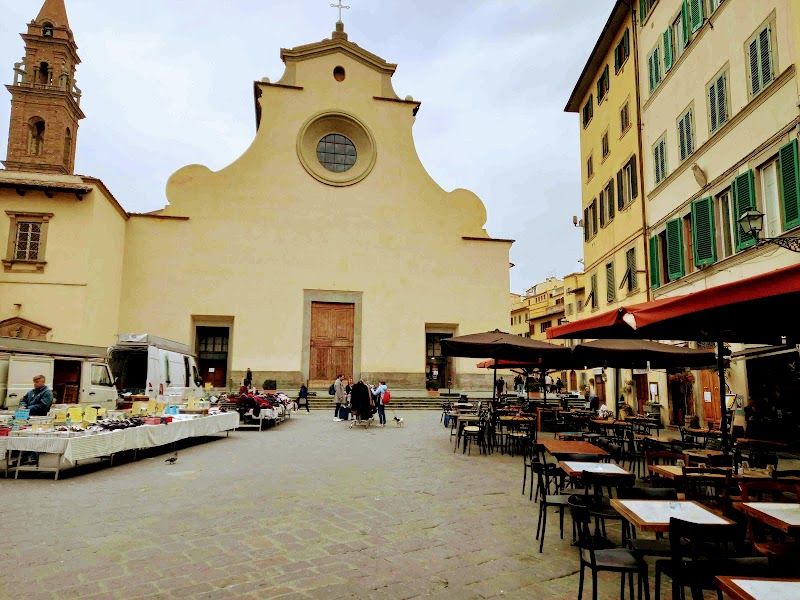
Piazza Santo Spirito
Piazza Santo Spirito feels like the neighborhood living room you've always wanted, where locals actually outnumber tourists most days. You'll find Brunelleschi's deliberately unfinished church facade (he wanted rough stone, not polished marble) anchoring one side, while ochre buildings house tiny bars, vintage shops, and artisan workshops around the perimeter. The organic market happens every second Sunday, transforming the square into Florence's best produce showcase, while the third Sunday brings craftspeople selling handmade leather goods, ceramics, and jewelry. The atmosphere shifts dramatically throughout the day: quiet mornings belong to coffee drinkers at sidewalk tables, market Sundays buzz with locals selecting vegetables and chatting with vendors, and evenings see the aperitivo crowd spilling onto the cobblestones. You'll hear more Italian than English here, which tells you everything. The plane trees provide genuine shade, and the uneven stones beneath your feet have been worn smooth by centuries of neighborhood life. Santo Spirito church opens sporadically, but when it does, Brunelleschi's perfect proportions inside contrast beautifully with the rough exterior. Most guidebooks oversell this as undiscovered, but it's simply authentic rather than touristy. Skip the church unless you're already here (opening hours are unpredictable), but don't miss aperitivo at Volume bar where Negronis cost 8 EUR and locals treat you like a regular after one visit. The real magic happens during market Sundays when you can watch Florence as it actually lives, not as it performs for visitors.
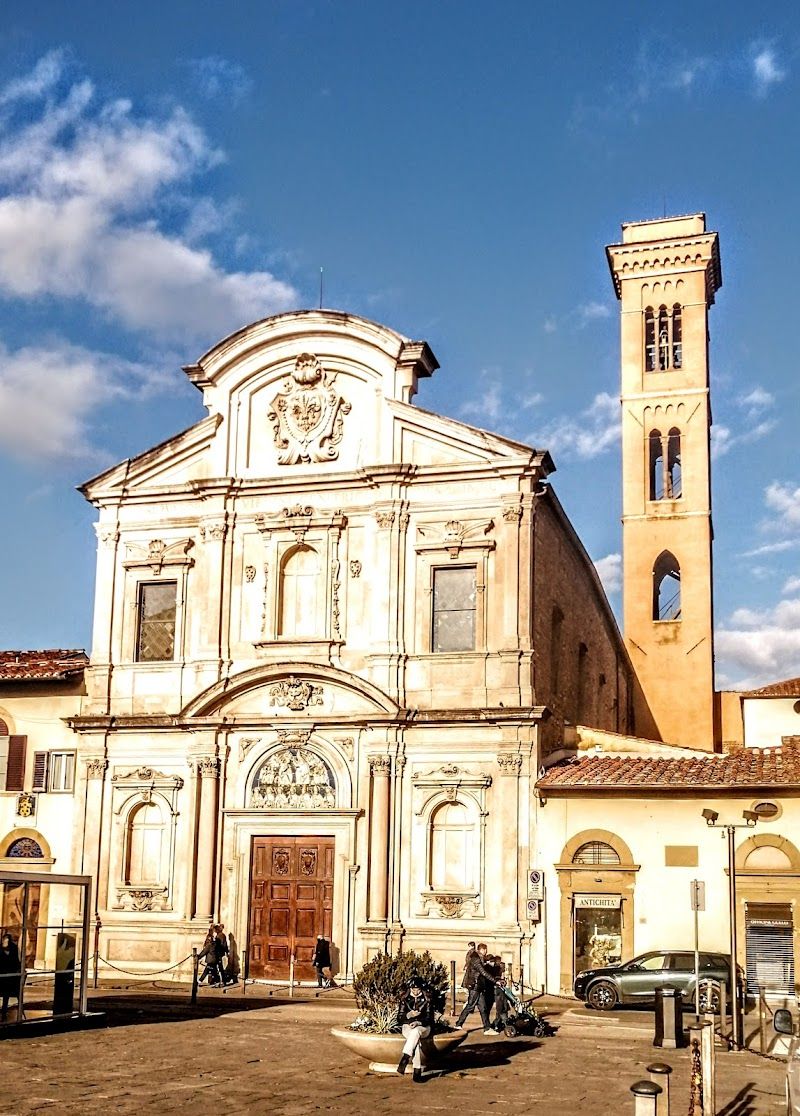
Borgo Ognissanti
Borgo Ognissanti is Florence's antique row, a refined stretch connecting Santa Maria Novella station to the Arno River. You'll find serious dealers specializing in Renaissance furniture, Old Master paintings, and architectural salvage housed in grand palazzos with dramatic storefront displays. The concentration of quality here is unmatched: expect 18th century Venetian mirrors, marble fireplaces, and museum-worthy paintings behind every window. Walking the street feels like browsing an outdoor museum where everything has a price tag. The palazzo showrooms open onto street-level galleries with soaring ceilings and carefully curated displays. You'll pass dealers who've been here for generations, their windows showcasing everything from medieval choir stalls to Liberty-era ceramics. The atmosphere is hushed and professional, very different from the tourist markets elsewhere in the city. Most guidebooks oversell this as accessible shopping, but prices start around EUR 500 for small pieces and climb into five figures for serious furniture. Come for the browsing experience rather than actual purchases unless you're a serious collector. The real value is education: you'll learn to spot authentic pieces and understand what makes Florentine craftsmanship special. Skip the generic shops near the station end and focus on the middle section where the established dealers cluster.
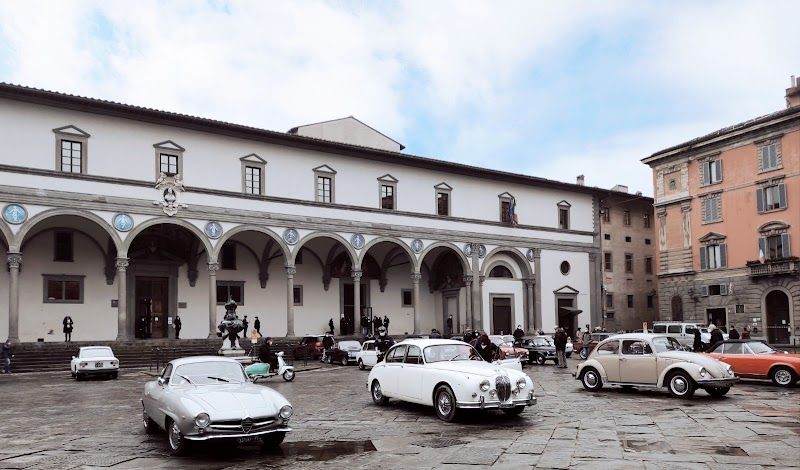
Piazza della Santissima Annunziata
This perfectly proportioned Renaissance square showcases Brunelleschi's elegant arcade wrapping around three sides, creating Florence's most geometrically harmonious public space. You'll find Giambologna's bronze statue of Grand Duke Ferdinando I commanding the center, while the Ospedale degli Innocenti displays Andrea della Robbia's famous blue and white terra cotta roundels of swaddled babies. The square connects the Basilica della Santissima Annunziata with Europe's first purpose-built orphanage, now housing an excellent museum. The space feels intimate compared to Piazza della Signoria, with locals cutting through on their way to work and mothers pushing strollers under the graceful arches. You can walk the entire perimeter in five minutes, studying the perfectly matched proportions that influenced Renaissance urban planning across Europe. The morning light hits the arcade beautifully, casting geometric shadows that shift throughout the day. Students from the nearby university often sit on the steps, giving the square a lived-in quality that tourist-heavy piazzas lack. Most visitors snap photos and leave, missing the real treasure inside the Ospedale degli Innocenti. The Museo degli Innocenti costs €7 and takes 45 minutes, but it's worth it for della Robbia's ceramics and the fascinating history of Renaissance childcare. Skip the basilica unless you're seriously into Mannerist frescoes. The square works best as a peaceful pause between the crowds at the Duomo and Accademia, both a 10-minute walk away.
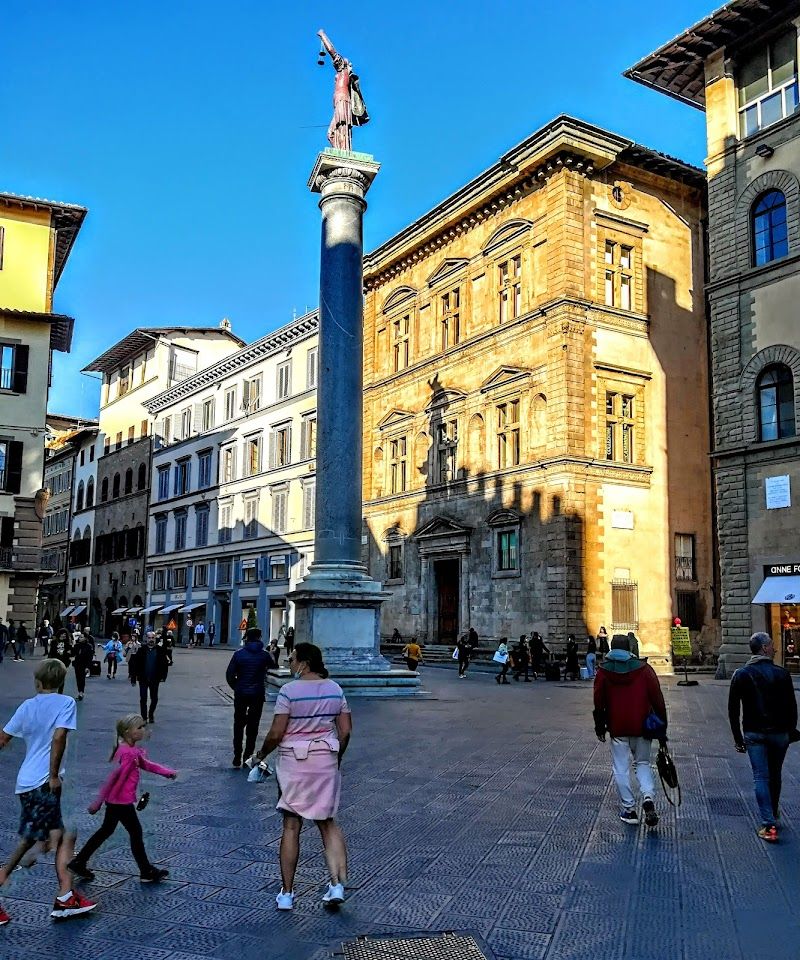
Via de' Tornabuoni
Via de' Tornabuoni is Florence's answer to Fifth Avenue, where Renaissance palazzi house the flagship stores of Italy's biggest fashion names. You'll walk past Gucci's original store, Ferragamo's headquarters, and Roberto Cavalli's showroom, all set within 15th century palaces built by Florence's wealthiest banking families. The street stretches just four blocks from the Arno River to Via de' Strozzi, making it perfectly walkable even if you're not buying anything. The experience feels like window shopping in an outdoor museum. Each storefront occupies a slice of Florentine history: frescoed ceilings peek through Pucci's windows, while Gucci's flagship sits in the former Palazzo della Mercanzia. You'll see more designer shopping bags per square meter than anywhere else in Italy, carried by a mix of wealthy tourists and impeccably dressed locals. The atmosphere stays refined rather than touristy, even during peak season. Honestly, most items here cost 20 to 30 percent more than the same pieces in other European cities. Skip the overcrowded Gucci store (there's a better one near Santa Croce) and focus on Ferragamo and the smaller boutiques like Emilio Pucci. The real value is the architecture: you're getting a free walking tour of Renaissance palace facades that would normally require museum admission fees.
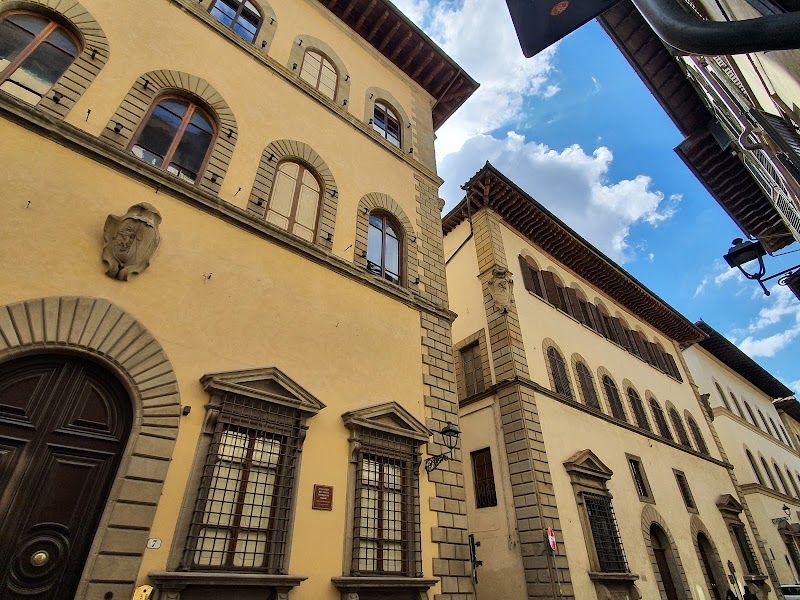
Via Maggio
Via Maggio is Florence's most prestigious antique street, where 16th-century noble palaces now house galleries selling museum-quality Renaissance furniture, baroque paintings, and decorative arts. You'll find everything from 15th-century Florentine cassoni (wedding chests) to Medici-era ceramics, with prices starting around €500 for smaller pieces and reaching €50,000+ for major works. The dealers here aren't tourist shops: they supply serious collectors and museums worldwide. Walking the cobblestones feels like browsing through Florence's attic. Ground floor windows display gilded mirrors, carved wooden saints, and oil paintings in ornate frames. Most galleries occupy the piano nobile of Renaissance palaces, so you're literally shopping where noble families once lived. The atmosphere is hushed and scholarly: dealers know their provenance stories and love sharing them with genuinely interested visitors. Most guides oversell this as accessible shopping, but it's really for serious collectors with deep pockets. A decent 17th-century painting starts at €3,000, and furniture pieces often hit five figures. Don't feel pressured to buy anything: the real pleasure is seeing pieces that belong in the Uffizi displayed in intimate palace rooms. Skip the touristy shops near Ponte Vecchio and focus on galleries between Piazza Santo Spirito and Palazzo Pitti.
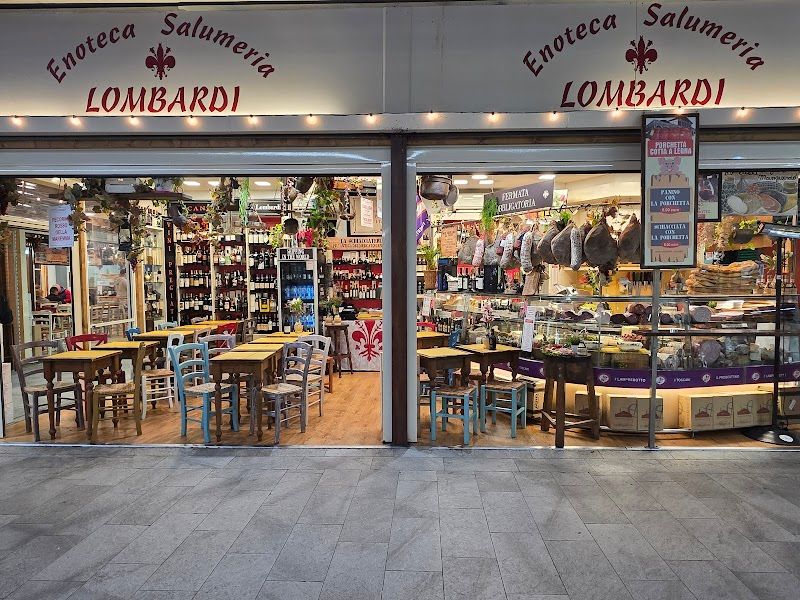
Mercato Centrale Firenze - Piano Superiore
Modern food hall on the second floor of the historic market with stalls from regional vendors. Florentine classics, fresh pasta, pizza, seafood, and wine bars under one roof. Open until midnight, communal seating.
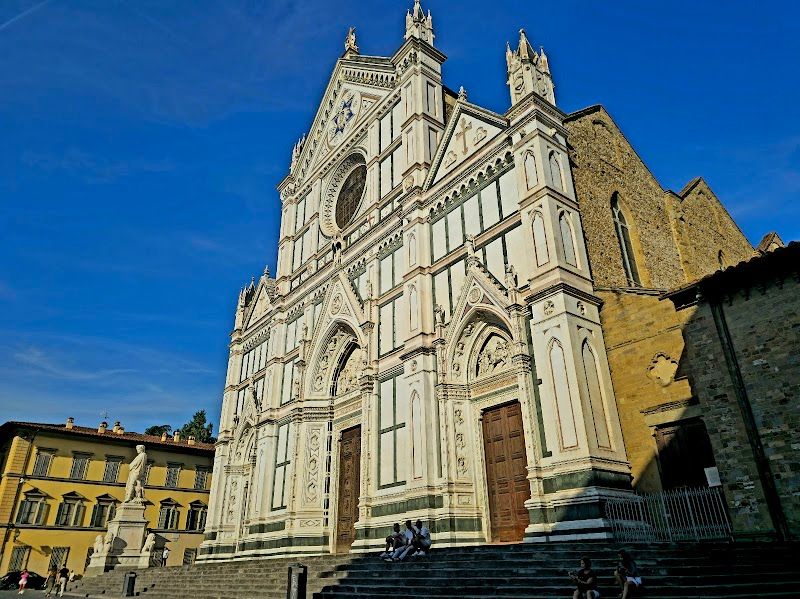
Basilica di Santa Croce
Santa Croce is the largest Franciscan church in the world and the burial place of Florence's most famous citizens. Michelangelo is buried here (the tomb with the three weeping figures by Vasari), along with Galileo, Machiavelli, and Dante (cenotaph only - he died in Ravenna and they never returned the body). The Bardi and Peruzzi chapels have frescoes by Giotto that are considered the beginning of Western pictorial space - the figures have weight and occupy real architectural settings in ways that pre-Giotto art does not. The Pazzi Chapel (in the cloister, by Brunelleschi) is a perfect small Renaissance structure. The leather school (Scuola del Cuoio) is behind the church, free to enter, open during business hours - watch craftspeople making bags, belts, and wallets by hand. EUR 8.
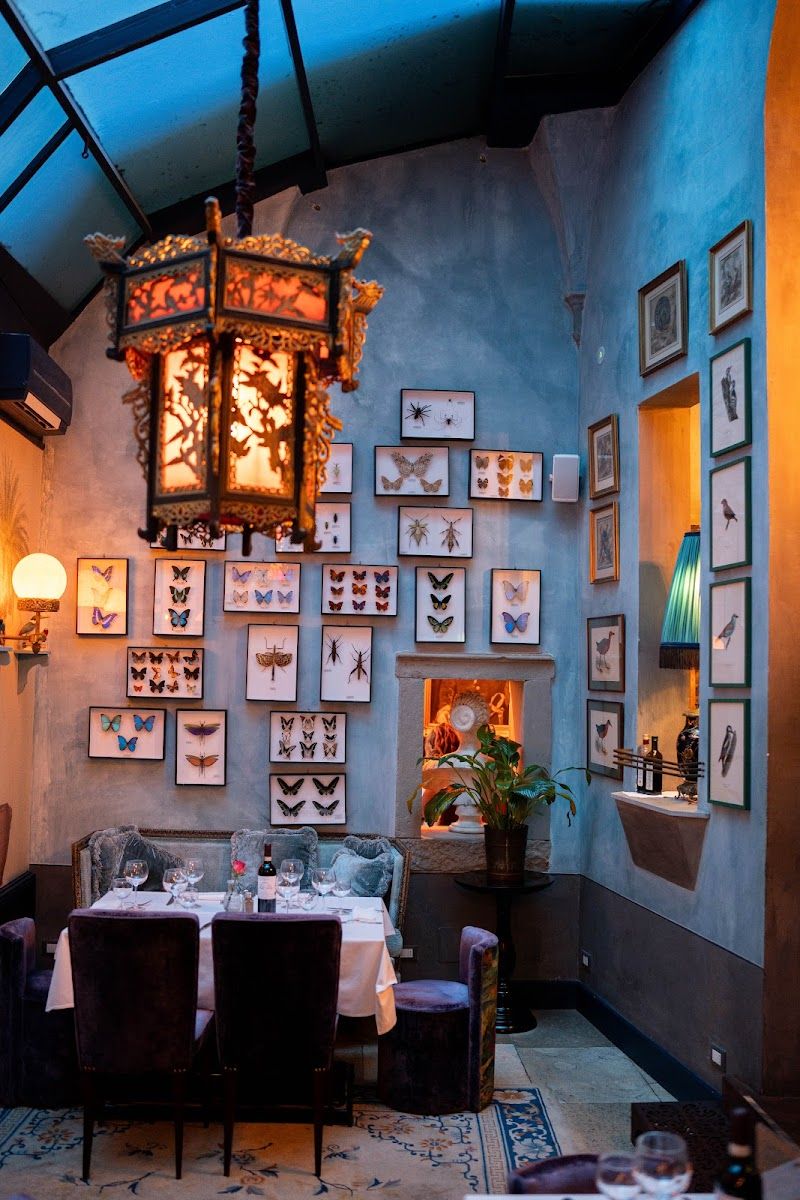
Trattoria ZàZà
Large trattoria near San Lorenzo market with a garden terrace and extensive menu of Tuscan standards. Popular with tour groups but maintains quality with proper bistecca preparation and daily fresh pasta. Reservations recommended for dinner.
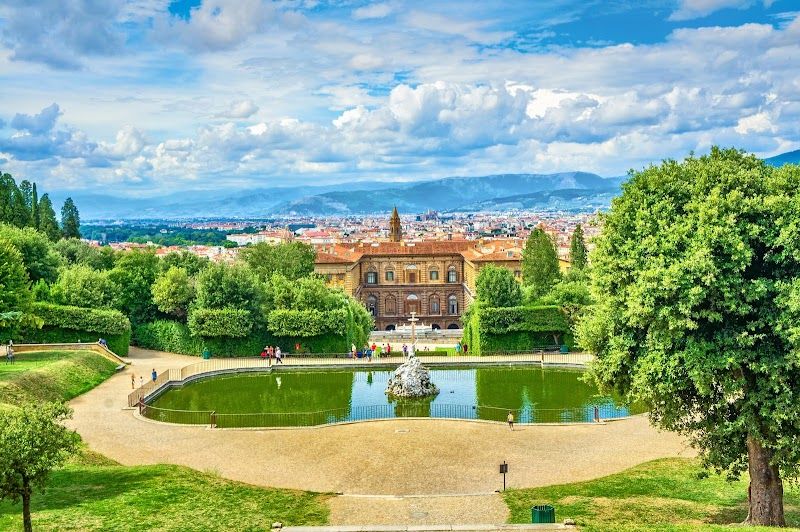
Boboli Gardens
Boboli Gardens sprawls across 111 acres behind the Pitti Palace, offering Florence's most expansive green space with genuine Renaissance landscaping from the 1550s. You'll climb terraced pathways lined with Roman statues, duck into the bizarre Buontalenti Grotto (covered in fake stalactites and housing Michelangelo's unfinished Prisoners), and reach panoramic viewpoints over the red rooftops toward the Duomo. The Porcelain Museum sits at the garden's highest point, displaying royal dinner sets in a neoclassical pavilion. The experience feels like exploring a noble family's private backyard, because that's exactly what it was for centuries. Most visitors follow the main path uphill past the amphitheater, then continue to the Viottolone, a dramatic cypress-lined avenue that stretches downhill like a green cathedral. The contrast between manicured Italian sections near the palace and wilder English garden areas creates genuine variety. On weekends you'll share the space with local families picnicking and joggers using the pathways. Entry costs €10 (€7 in winter) and crowds thin dramatically after 4pm in summer. Skip the audio guide, it's painfully slow and obvious. The Kaffehaus cafe near the top charges tourist prices for mediocre coffee, but the terrace view justifies one overpriced espresso. Most people rush through in 90 minutes, but you need two hours minimum to reach the best viewpoints and actually enjoy the peaceful sections away from tour groups.
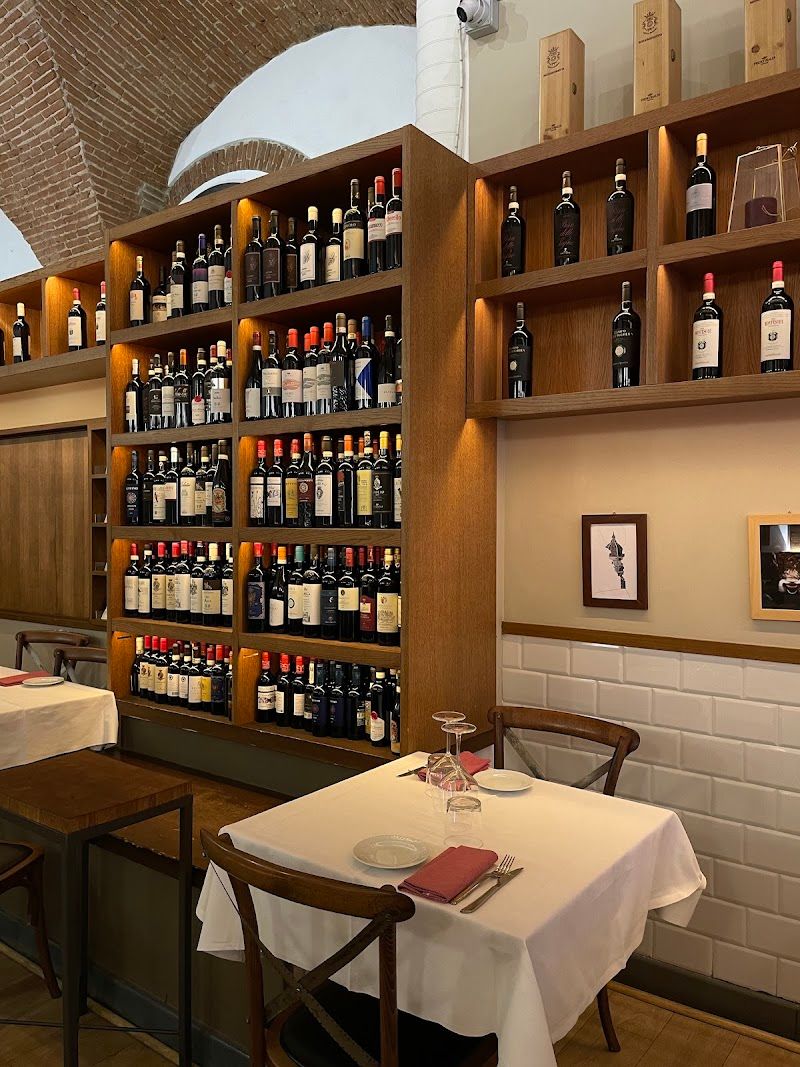
Trattoria Dall'Oste
Neighborhood trattoria near Ponte Vecchio serving traditional Florentine dishes with contemporary touches. Small menu, daily specials, and excellent wine selection. Lunch and dinner, reservations recommended for dinner.
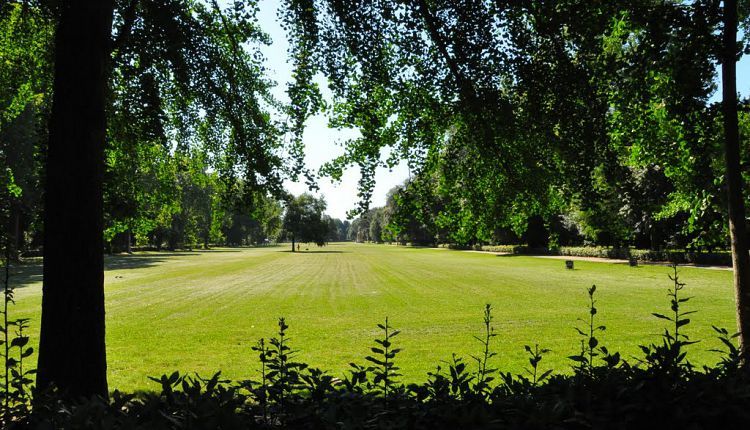
Parco delle Cascine
Parco delle Cascine stretches 3.5 kilometers along the Arno's north bank, transforming from Medici hunting grounds into Florence's largest public park. You'll find tree-lined paths perfect for jogging or cycling, expansive meadows where families spread picnic blankets, and a Tuesday morning market that's genuinely massive. The plane trees create natural shade tunnels, and the riverside location means you'll actually catch a breeze even in summer heat. Walking through feels like discovering Florence's living room where locals outnumber tourists 10 to 1. Cyclists zip past on dedicated paths while kids chase footballs across the grass and elderly Florentines play cards at concrete tables. The atmosphere shifts completely on Tuesday mornings when vendors transform the entire length into a sprawling market selling everything from vintage Levis to fresh produce. The western end near the Indiano monument feels almost rural, while the entrance stays busier with the bike rental station and food trucks. Most guides oversell this as a sightseeing destination when it's really about experiencing everyday Florence. Skip the weekend afternoons when it gets crowded with families, and don't expect manicured gardens or impressive monuments. The real value is the space to breathe and the Tuesday market, which runs roughly 6am to 2pm and costs nothing to wander. Bike rental at the entrance costs about 15 EUR for half a day, worth it if you want to reach the quieter western sections.
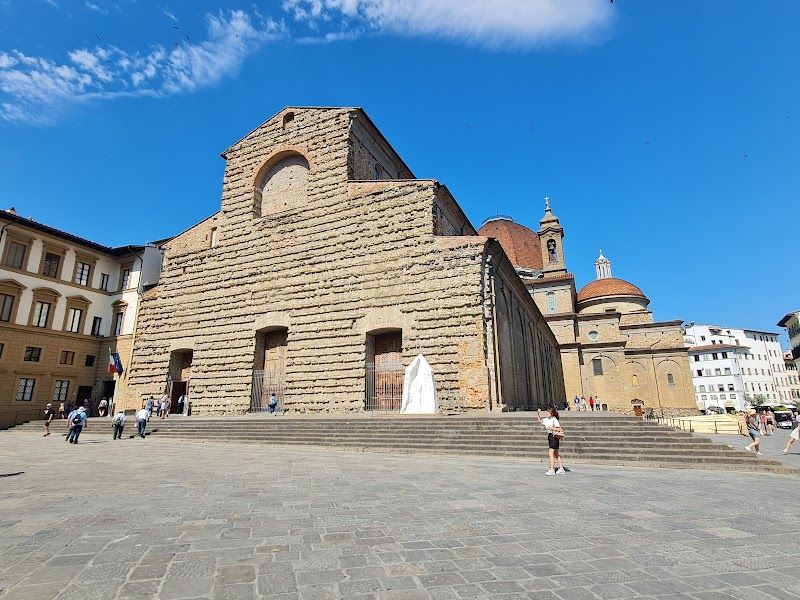
Basilica di San Lorenzo & Medici Chapels
San Lorenzo is the parish church of the Medici family, rebuilt by Brunelleschi from 1419, and the complex includes some of Michelangelo's most important architectural and sculptural work. The church (EUR 9.50) has Brunelleschi's Old Sacristy and Michelangelo's New Sacristy (also called the Medici Chapel), where the tombs of Lorenzo and Giuliano de' Medici are crowned by Michelangelo's allegorical figures of Day, Night, Dawn, and Dusk. The staircase leading to the Laurentian Library (EUR 9.50 separate or combined) was designed by Michelangelo and is considered a mannerist masterpiece - the staircase flows like a cascade of stone. The outdoor leather market around the church is commercial but lively.
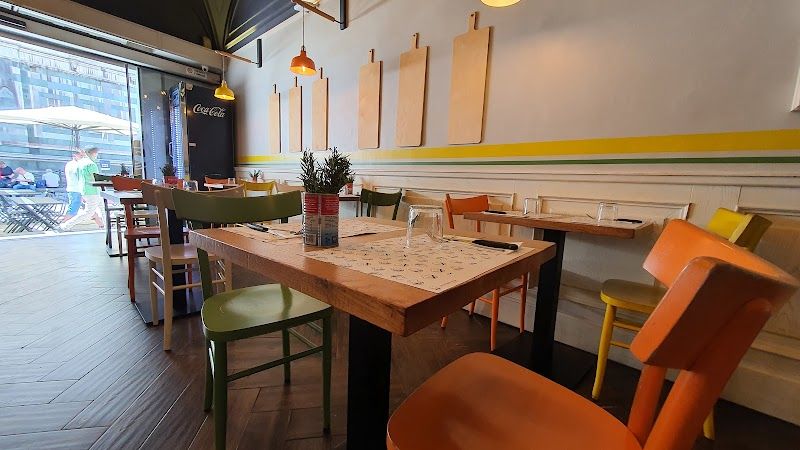
Mister Pizza
No-frills pizzeria serving some of the best pizza al taglio in Florence with creative seasonal toppings and perfectly crispy Roman-style crust. The small shop has a cult following among locals who queue for lunch. Portions are generous and prices are incredibly reasonable.
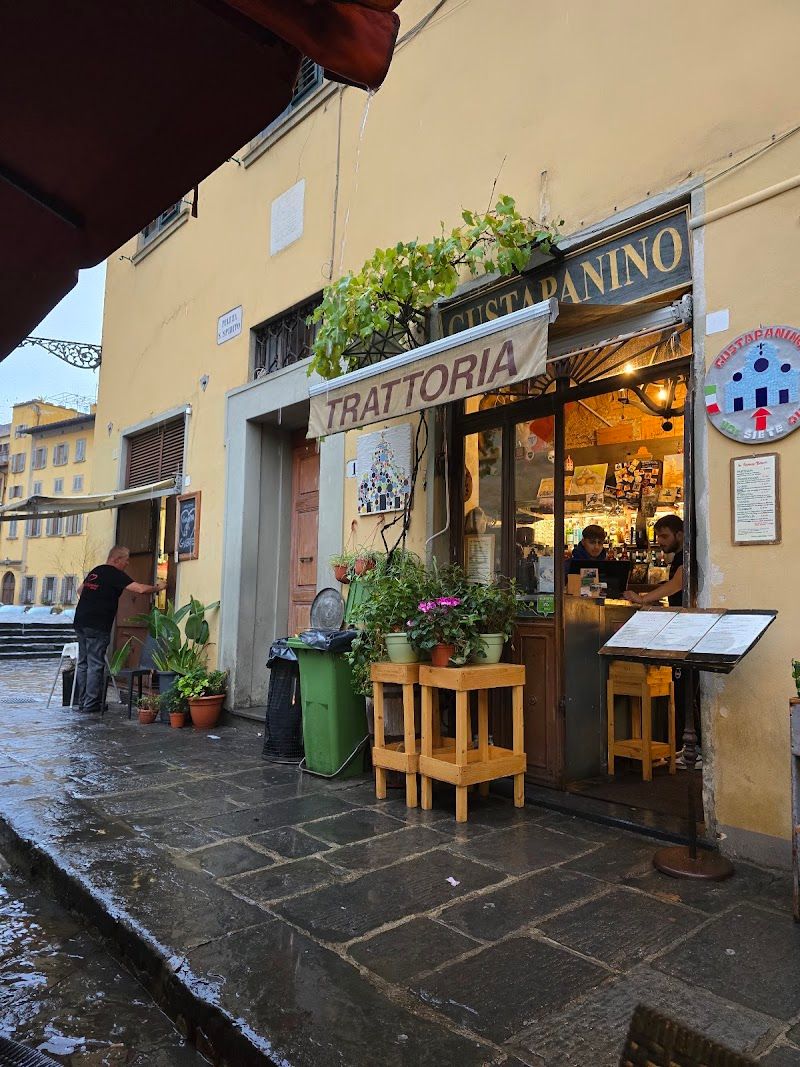
Gustapanino
Neighborhood sandwich shop in San Frediano with inventive combinations on fresh schiacciata. Unlike tourist spots, locals pack it at lunch for creative fillings like stracchino cheese with radicchio. Counter service only.
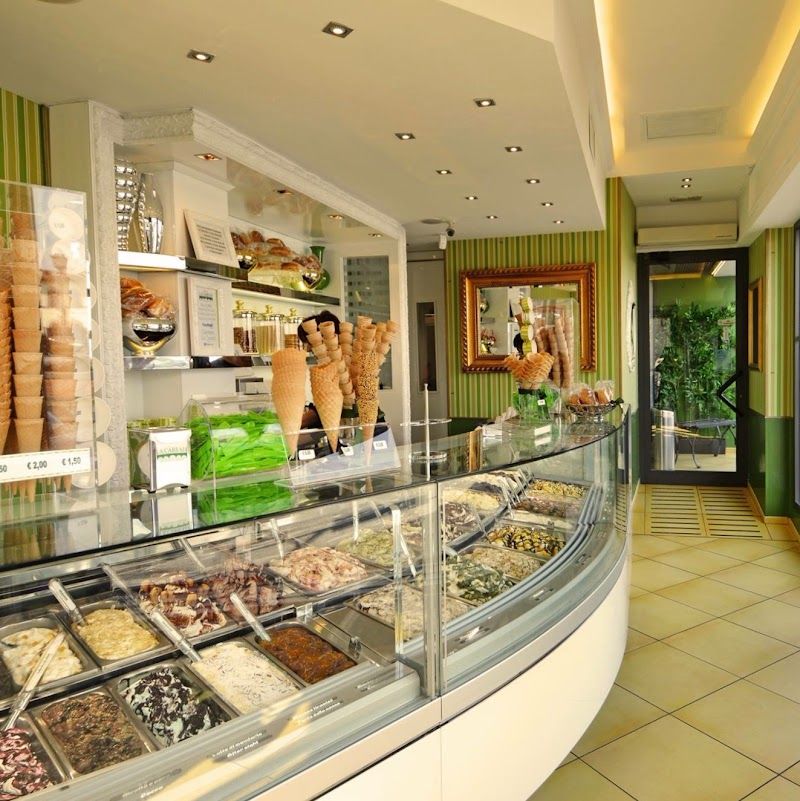
Gelateria La Carraia
Artisanal gelato shop in Oltrarno with long queues and exceptional flavors at €2-4 per cone. Real fruit, no artificial colors, and creative seasonal combinations. Two locations, original shop overlooks the Arno. Open until 11pm.
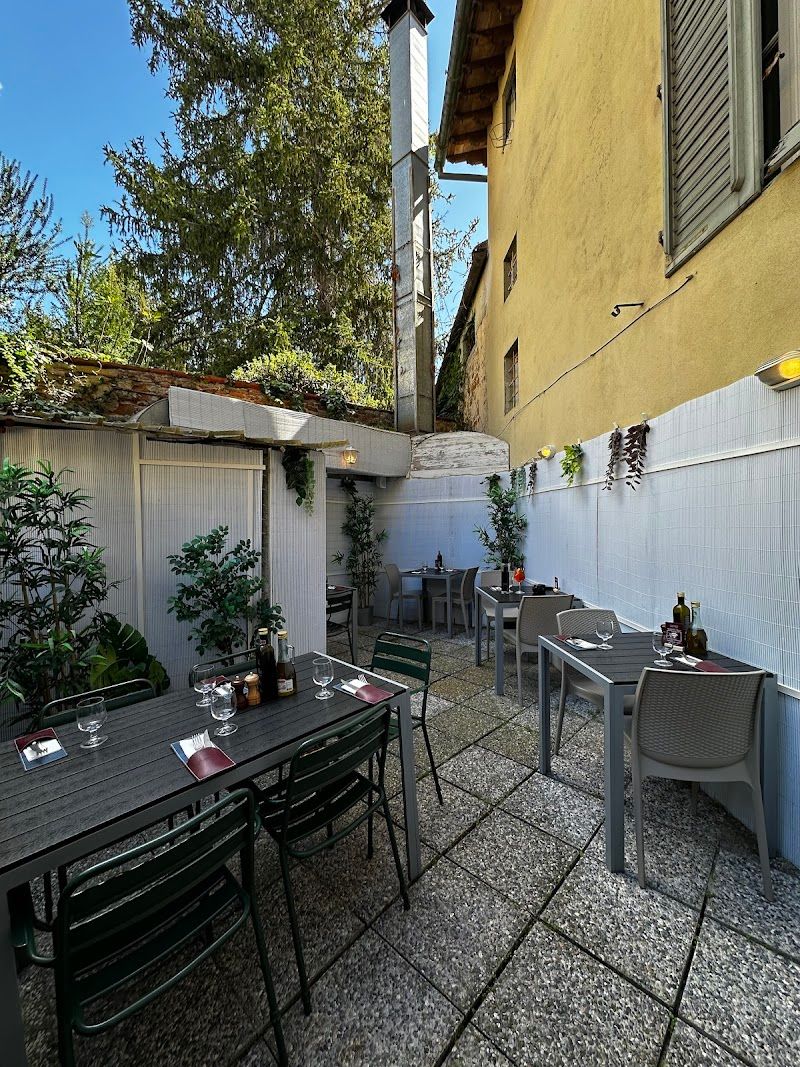
Trattoria Boboli
Family-run trattoria serving traditional Tuscan dishes just steps from Palazzo Pitti. Known for their ribollita and bistecca alla fiorentina in a cozy, authentic atmosphere. Popular with locals who appreciate honest, home-style cooking at reasonable prices.
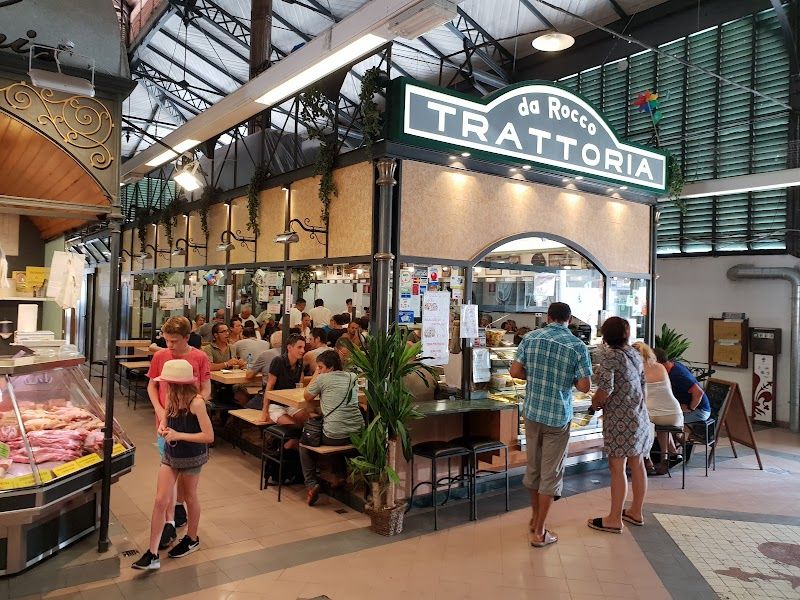
Mercato di Sant'Ambrogio
Sant'Ambrogio is Florence's most authentic neighborhood market, housed in a beautiful 19th-century iron and glass pavilion where actual Florentines do their daily shopping. Inside you'll find proper butchers selling Chianina beef for €35/kg, fishmongers with whole branzino for €18/kg, and produce vendors hawking seasonal vegetables at half the prices of tourist areas. The outdoor stalls wrap around the building selling everything from fresh flowers (€3 for a small bouquet) to knock-off handbags. The atmosphere feels completely removed from Florence's tourist circus. You'll hear rapid-fire Italian between vendors and customers, watch nonnas squeeze tomatoes with surgical precision, and see market workers downing espresso at the surrounding bars. The covered hall stays cool even in summer, while the outdoor section buzzes with energy as vendors call out prices and locals debate the merits of different melons. Most travel guides romanticize this place, but honestly, it's just a working market where tourists stick out like sore thumbs. The produce quality is excellent and cheap, but don't expect anyone to speak English or be patient with your halting Italian. Skip the outdoor clothing stalls (all cheap imports) and focus on the food vendors inside. Da Rocco bar does the best coffee for €1.20, and the trippaio (tripe cart) outside serves legitimate lampredotto sandwiches for €4.
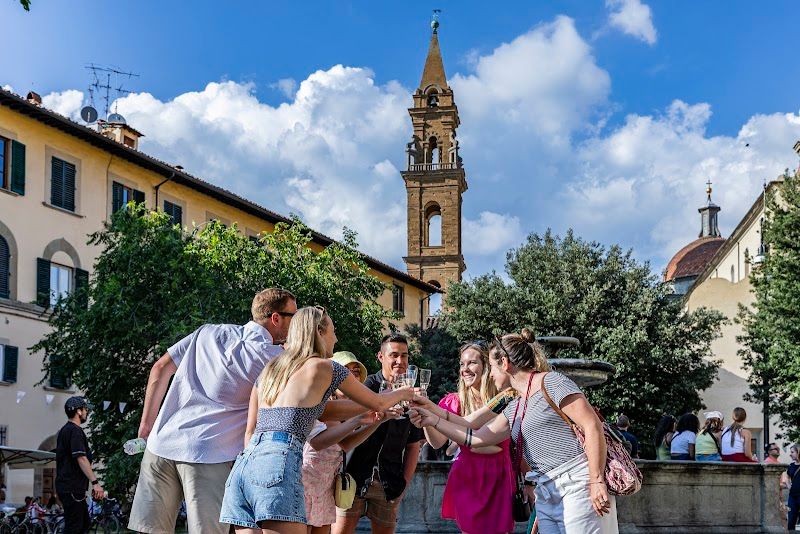
Florence Food Tour (Oltrarno)
A walking food tour through the Oltrarno neighbourhood covering 6-8 tasting stops: lampredotto (the tripe sandwich, the real Florentine street food), schiacciata (Florentine flatbread), ribollita (bread and vegetable soup), bistecca alla fiorentina tastings at a butcher, local olive oil, Chianti Classico wine, and artisan gelato (real gelato, stored in covered tins, not the piled-high tourist version). Good tours last 3-3.5 hours and focus on the Oltrarno food scene, which is more local and less tourist-oriented than the centro storico. EUR 80-110 per person including all tastings.
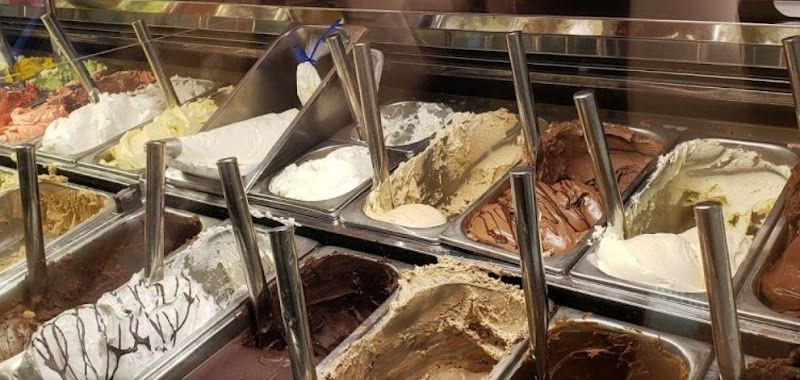
Gelateria dei Neri
Artisanal gelato near Santa Croce with creative flavors and natural ingredients. Small batches, seasonal specials, and €2.50-4 cones. Open until midnight in summer, popular after-dinner destination.
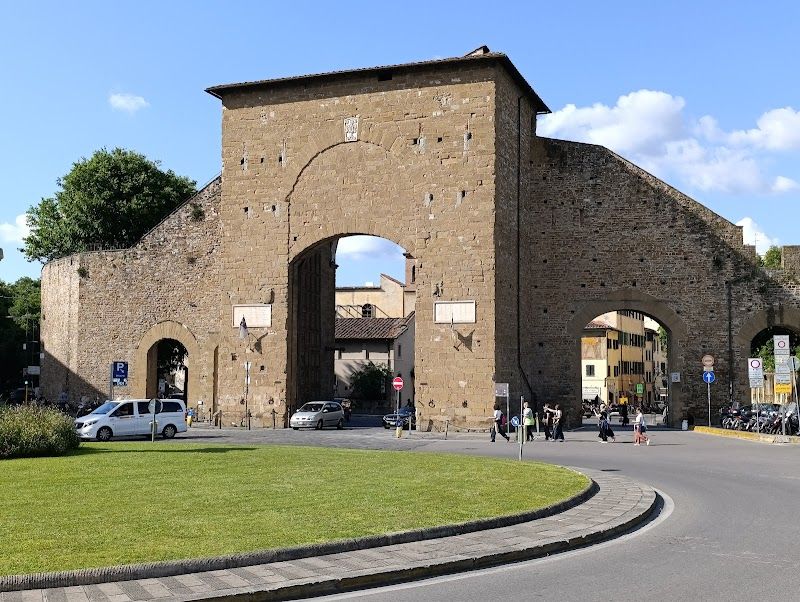
Porta Romana
Porta Romana stands as Florence's most authentic medieval gate, built in 1326 when the city expanded its defensive walls. You'll find remarkably preserved frescoes on the interior archway ceiling, depicting saints and religious scenes that most tourists walk right under without noticing. The massive stone structure still bears original iron fixtures and shows genuine wear from centuries of cart wheels and foot traffic. Unlike the touristy Ponte Vecchio area, this feels like discovering actual medieval Florence. Walking through the archway, you'll notice how thick the walls are and how the passage creates a cool, echoey tunnel effect. The frescoes above are faded but clearly visible, and you can still see grooves in the stone where the original portcullis operated. The piazzale outside offers views back toward the historic center, framed perfectly by the arch. Cars pass through constantly, but pedestrians have dedicated walkways on either side. Most guidebooks barely mention this place, which is exactly why it's worth the detour. You can see everything in 15 minutes, but it's free and gives you a genuine sense of Florence's defensive past without fighting crowds. The real value is using it as your starting point for the walk up to Piazzale Michelangelo via the quieter southern route. Skip it if you're pressed for time, but if you're walking this direction anyway, those ceiling frescoes are surprisingly intact.
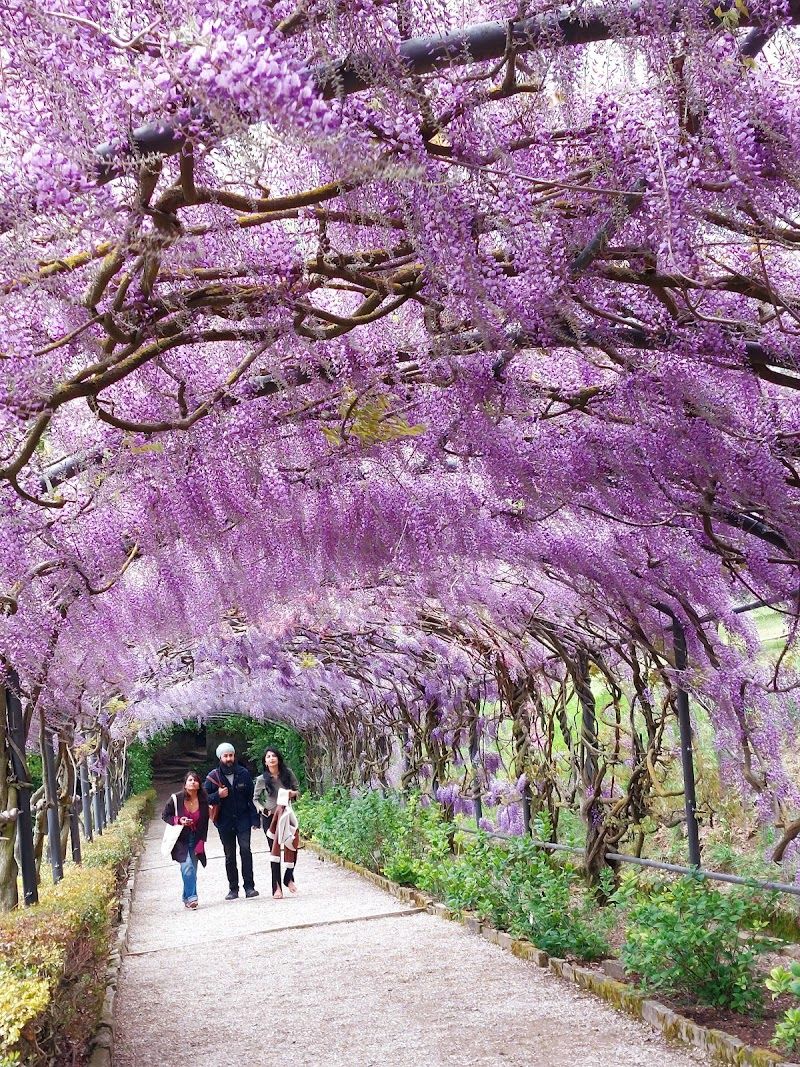
Giardino Bardini
Giardino Bardini climbs the hillside behind Palazzo Pitti, offering panoramic views of Florence without the crowds at Piazzale Michelangelo. You'll find formal baroque parterres, a wisteria pergola that explodes in purple blooms each April, and Renaissance statues scattered along terraced paths. The garden's baroque staircase descends dramatically to a belvedere where the entire city spreads out below you, from the Duomo to the Arno. The visit flows naturally downhill through three distinct garden styles: English woodland at the top, formal Italian parterres in the middle, and agricultural terraces near the bottom. The wisteria tunnel becomes magical in late spring when purple cascades drape overhead, but even without blooms the stone pergola frames city views. You'll have the place mostly to yourself, especially compared to the packed Boboli Gardens next door. Most guides don't mention that Bardini closes earlier than other gardens (6:30pm in summer), so plan accordingly. The combined Boboli and Bardini ticket costs €18, but it's worth skipping Boboli and buying the Bardini-only ticket for €10. The best views are from the belvedere at the bottom, not the villa at the top. Visit during late afternoon when the city is bathed in golden light, and bring water since there's nowhere to purchase drinks inside.
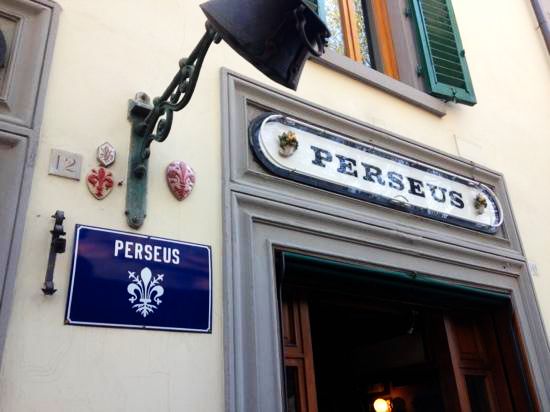
Ristorante Perseus
Bistecca specialist near Santa Croce with a display case showcasing massive Chianina beef cuts. Formal service, tableside carving, and proper rare preparation. Dinner reservations recommended, expect €60-80 per person for the full experience.
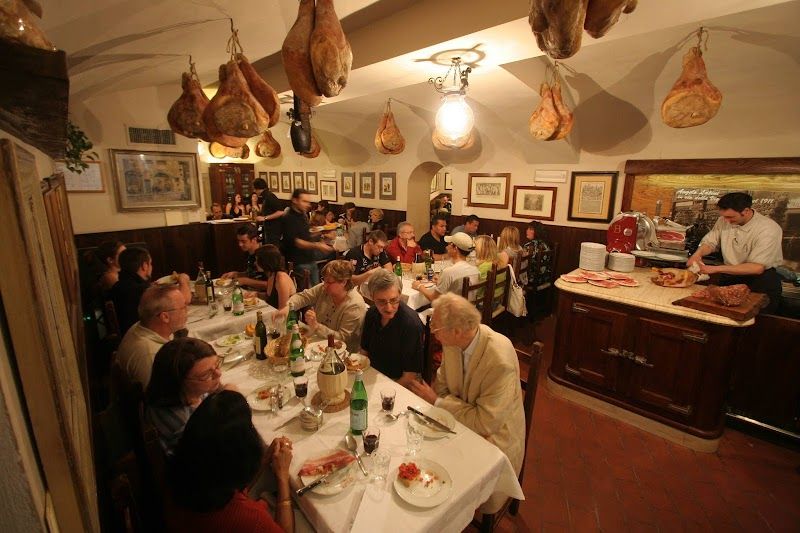
Il Latini
Boisterous family-style trattoria near Santa Maria Novella serving massive portions at communal tables. Prosciutto hanging from the ceiling, loud atmosphere, and parade of dishes. Dinner reservations essential, expect €35-45 per person.
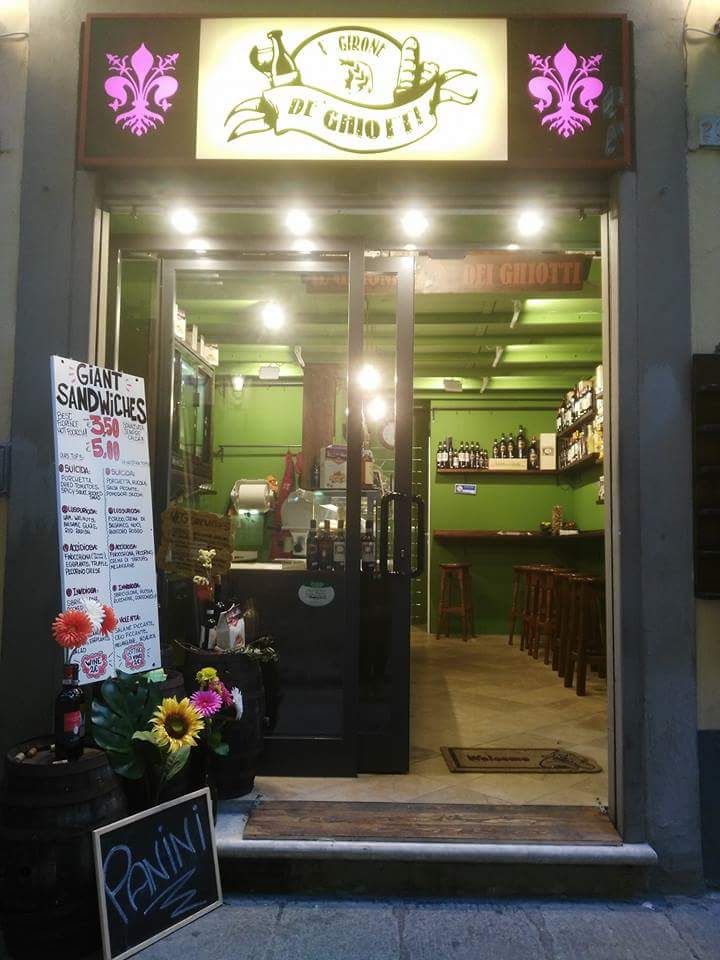
I' Girone De' Ghiotti
Hole-in-the-wall sandwich shop near Palazzo Vecchio serving porchetta sandwiches and Tuscan cold cuts. Standing room only, €5-6 sandwiches, and locals grabbing quick lunch. Opens at 11am, often sells out by 2pm.
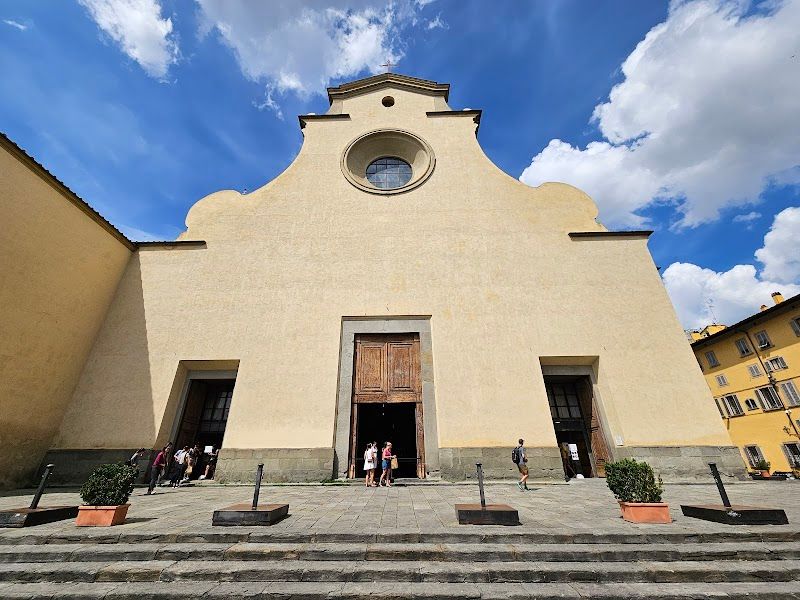
Basilica di Santo Spirito
Brunelleschi's final church is a study in Renaissance perfection, with mathematical proportions that create an almost meditative calm. You'll find 38 semicircular chapels ringing the nave, each containing Renaissance art including works by Filippino Lippi. The contrast is striking: outside you see rough, unfinished stone, but inside reveals serene grey pietra serena columns and harmonious arches that demonstrate why Brunelleschi revolutionized architecture. Walking through feels like entering a geometry lesson made beautiful. The light filters evenly through clerestory windows, illuminating the grey stone that gives the space its distinctive monochromatic elegance. Each chapel rewards close inspection, though crowds tend to cluster around the Lippi works while ignoring equally compelling pieces. The sacristy by Giuliano da Sangallo offers a completely different experience: an octagonal jewel box that shows early Renaissance design at its most refined. Most visitors rush through in 15 minutes, which is a mistake. The church works best when you slow down and appreciate Brunelleschi's mathematical precision. Pay the 2 EUR for the sacristy access, it's worth it for the space alone, plus you'll see a wooden crucifix possibly carved by young Michelangelo. Skip the overpriced postcards at the small shop, but don't skip the chance to sit quietly in a pew and absorb the proportional harmony.
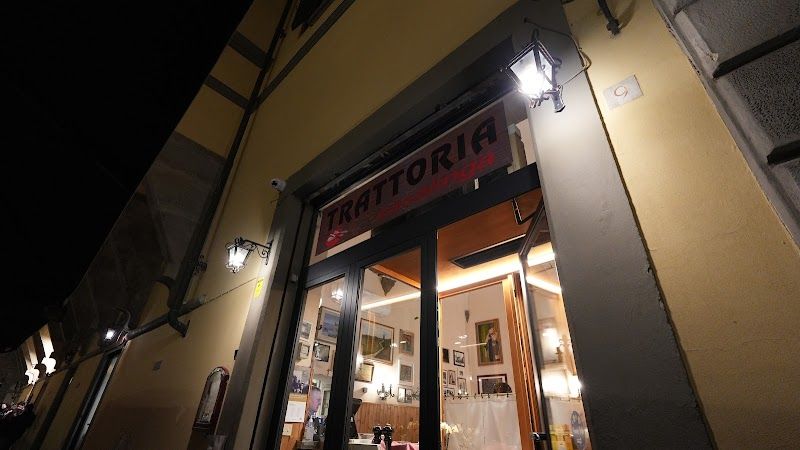
Trattoria Casalinga
Family-run trattoria near Santo Spirito serving unchanged recipes since 1963. Large portions, €10-15 primi, €12-18 secondi, and paper tablecloths. Lunch and dinner, arrive early or expect to queue, no reservations.
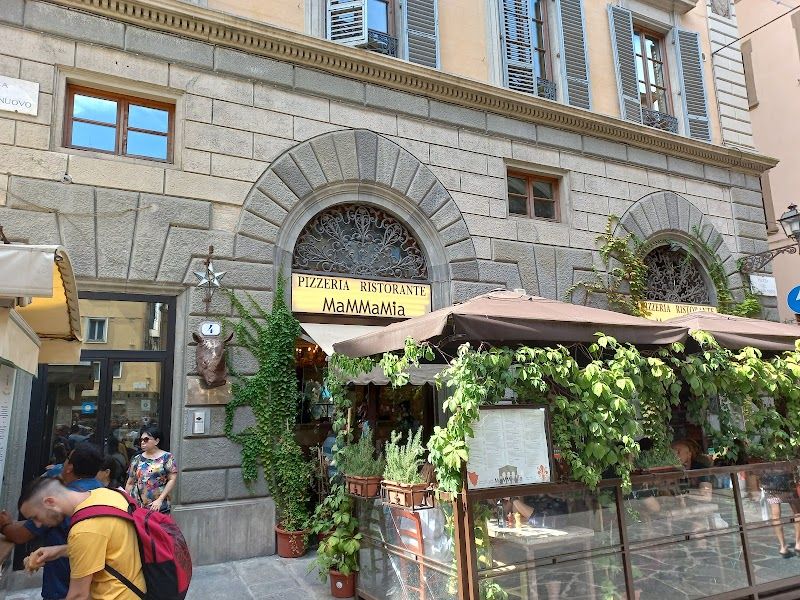
Mercato delle Pulci
Mercato delle Pulci occupies the medieval Loggia del Pesce in Piazza dei Ciompi, where dealers have sold antiques and curiosities since the 1800s. You'll find genuine Tuscan estate pieces mixed with tourist trinkets: old postcards start around €2, vintage jewelry ranges €15-50, and small furniture pieces can hit €200-500. The permanent vendors know their stuff and often have fascinating stories about their pieces' origins. The covered loggia creates an intimate shopping experience where you can examine items closely without weather worries. Vendors arrange their wares on tables and blankets, creating narrow walking paths between stalls. The atmosphere feels authentically local rather than touristy, with serious collectors browsing alongside curious visitors. Weekend mornings bring the most energy when additional dealers set up around the square's perimeter. Most travel guides oversell this as Florence's premier flea market, but it's quite small compared to Paris or London equivalents. The permanent stalls offer better quality but higher prices than weekend pop-ups. Skip the mass-produced "antique" postcards and focus on unique items like vintage Florentine crafts or old books. Prices are negotiable, especially if you're buying multiple items or visiting near closing time.
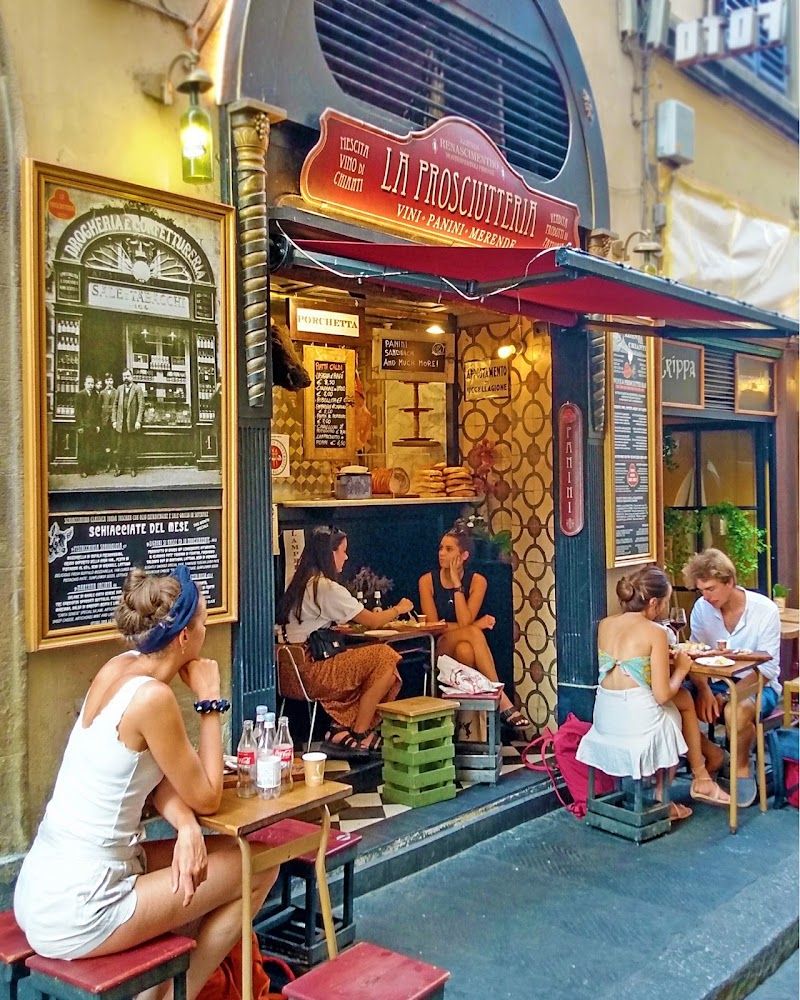
La Prosciutteria Firenze
Wine bar and cured meat specialist on Via dei Neri offering sharing boards of Tuscan salumi, cheeses, and preserves. The bar has standing room and a few tables, creating an atmosphere, open until midnight. No reservations are accepted.
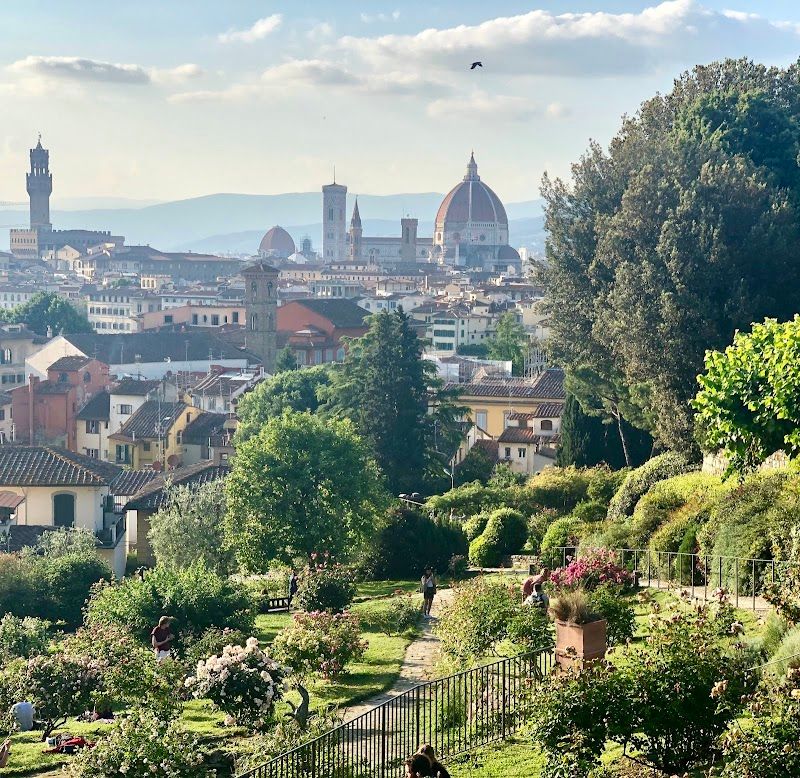
Giardino delle Rose
This free hillside garden sits perfectly positioned below Piazzale Michelangelo, showcasing over 400 rose varieties across terraced slopes that bloom spectacularly from May through June. You'll find yourself wandering between traditional European roses and an authentic Japanese garden section gifted by Kyoto, complete with zen stones, bamboo, and subtle water features. The views sweep across Florence's terracotta rooftops without the shoulder-to-shoulder crowds above. The terraced layout leads you naturally upward through different rose collections, each labeled with varieties you've probably never heard of alongside familiar favorites. The Japanese section feels genuinely transported from Kyoto, not like a theme park addition, with carefully placed stones and a small meditation area. In peak season the fragrance is almost overwhelming in the best possible way, and you'll constantly find yourself stopping for photos of the city framed by rose bushes. Most people rush through here as a quick stop before or after Piazzale Michelangelo, which is a mistake. Plan at least an hour if you're here during rose season, and bring snacks since there's nowhere to buy food nearby. The garden looks pretty bare from November through March, so time your visit accordingly. Entry is genuinely free with no catch, no donation pressure, and no closing gates.
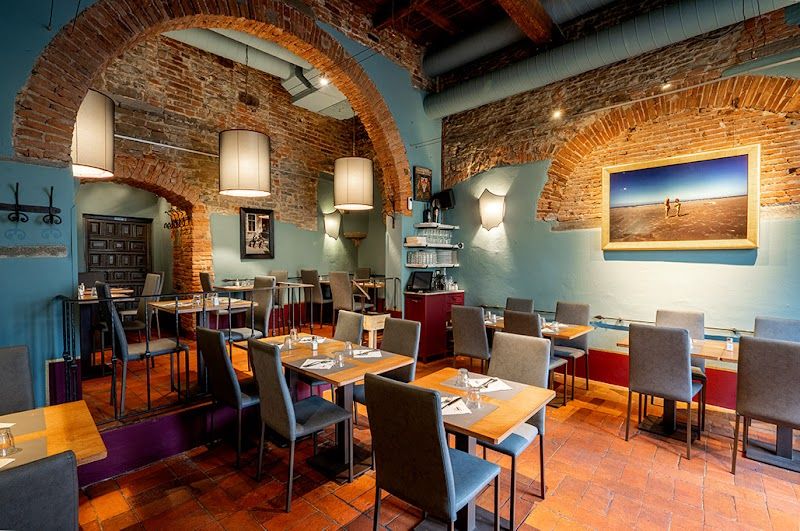
Trattoria 4 Leoni
Historic trattoria in a quiet Oltrarno square specialising in pear ravioli and traditional Tuscan main courses. Outdoor seating is available on Piazza della Passera, one of Florence's lesser-known squares. Reservations are essential for dinner.
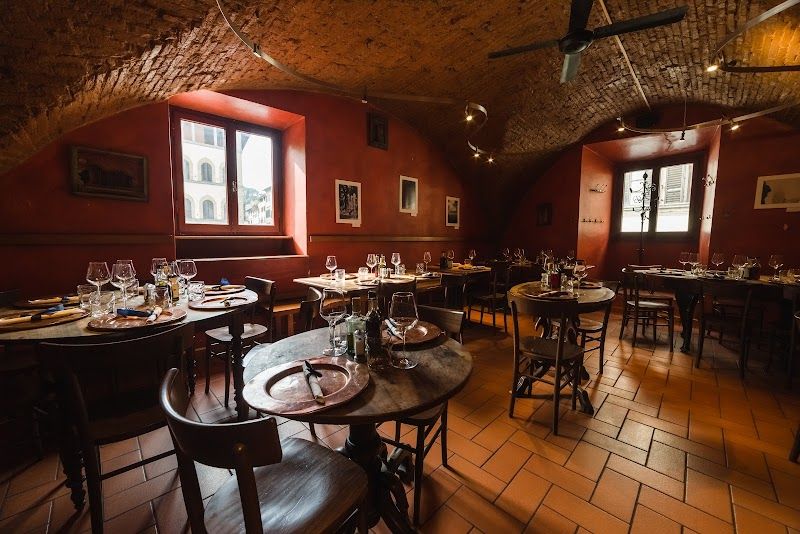
Osteria Santo Spirito
Casual neighborhood trattoria on Piazza Santo Spirito with outdoor tables and daily specials. Reliable Florentine classics at fair prices, popular with local artists and residents. Lunch and dinner, no reservations needed for lunch.
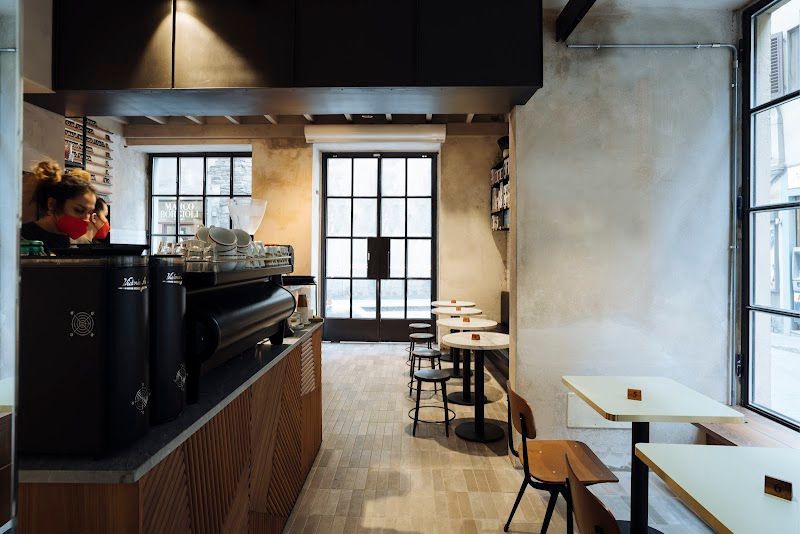
Ditta Artigianale
Specialty coffee roastery and cafe near San Lorenzo market with single-origin espresso and pour-over options. The baristas are trained in latte art and third-wave coffee techniques rare in traditional Florence. Exposed brick and industrial design attract a younger crowd.
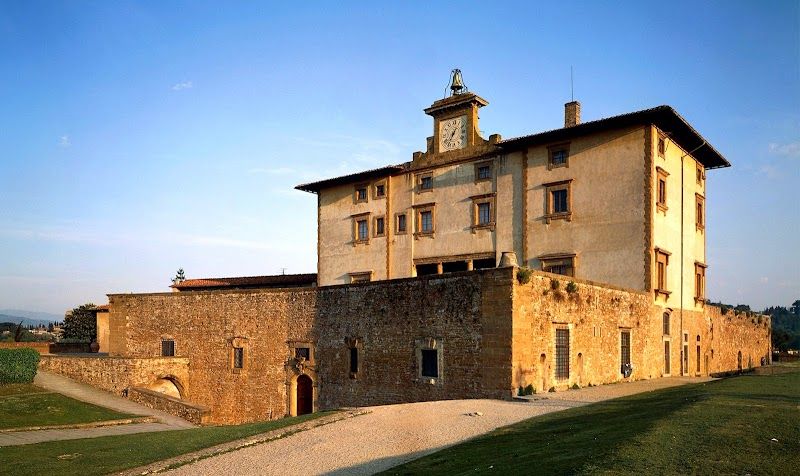
Forte di Belvedere
Forte di Belvedere delivers the best panoramic views in Florence from its star-shaped bastions perched above Palazzo Pitti. You'll get 360-degree perspectives over the Duomo, Palazzo Vecchio, and rolling Tuscan hills that no other viewpoint matches. The fortress itself is striking: massive stone walls built in 1590 create dramatic geometric patterns, while contemporary art installations rotate through the interior spaces. The experience feels like climbing onto Florence's crown. You'll walk along the fortress walls, peering through ancient gun ports before emerging onto open terraces where the entire city spreads below. The scale hits you immediately: Florence looks like a Renaissance painting from up here. Wind whips across the exposed bastions, and you can hear church bells echoing from dozens of towers below. Most guides don't mention that entry is free when there's no exhibition (usually winter months), making it Florence's best value viewpoint. Skip the interior displays unless you're genuinely into contemporary art, they're often mediocre. The sunset crowds can be intense in summer, but early afternoon light actually shows off the city's architecture better anyway.
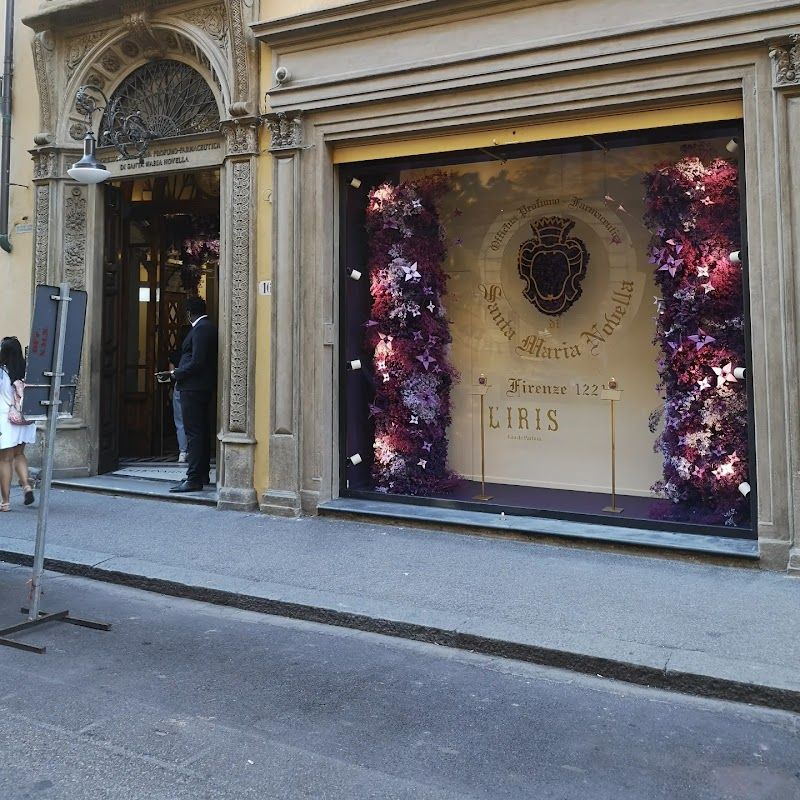
Officina Profumo-Farmaceutica di Santa Maria Novella
This working pharmacy has been mixing potions since Dominican friars founded it in 1612, making it the world's oldest continuously operating apothecary. You'll walk through frescoed rooms filled with antique distillation equipment, ceramic drug jars, and centuries-old recipe books before entering the Neo-Gothic sales hall where they still sell perfumes, herbal liqueurs, and soaps made from the original formulas. The Rose Water costs €28 and smells exactly like what Renaissance nobles wore. You enter through a tiny door that feels like stepping into a monastery, then move through three museum rooms with painted ceilings and glass cases displaying brass scales and hand-labeled bottles. The atmosphere shifts dramatically when you reach the retail space: soaring Gothic arches, marble counters, and salespeople in white coats who know every ingredient. The scents hit you immediately, a mix of iris, pomegranate, and herbs that's been the same for 400 years. Most guides exaggerate this as a major attraction when it's really a beautiful shop with historical context. The museum section takes 15 minutes max, and the products are genuinely expensive (soaps start at €15, perfumes at €45). Skip the herbal remedies unless you read Italian fluently. Come for the atmosphere and maybe one signature scent, but don't expect a full museum experience.
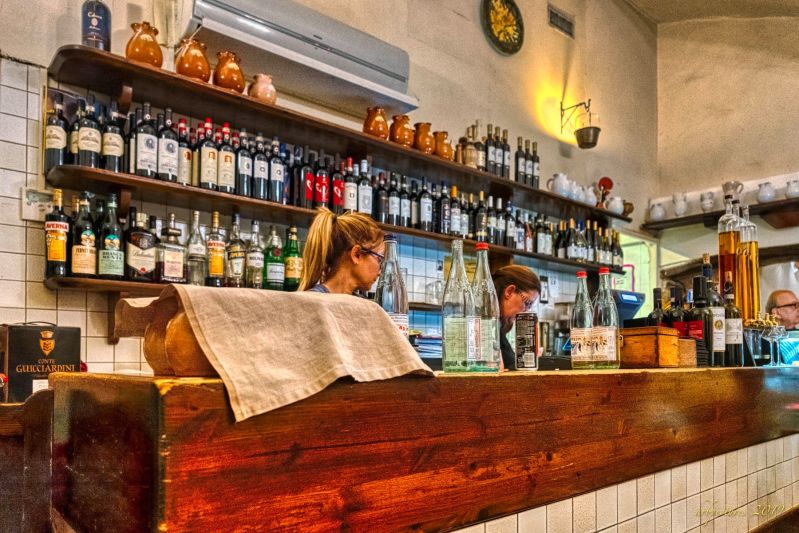
Osteria Cinghiale Bianco
Historic osteria near Ponte Vecchio serving pappardelle al cinghiale (wild boar pasta) and game dishes. Medieval dining room with vaulted ceilings, traditional preparation, and extensive Chianti list. Dinner reservations recommended.
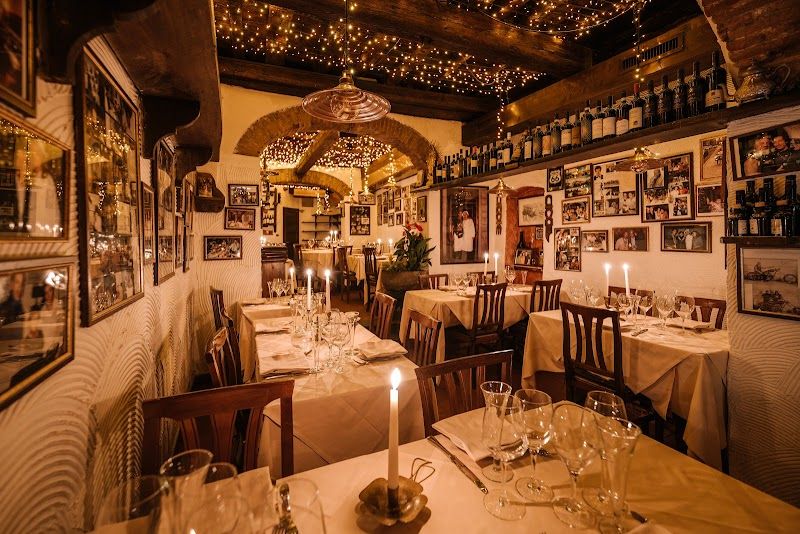
Ristorante La Giostra
Romantic restaurant run by a Habsburg prince serving refined Tuscan-Austrian fusion. Candlelit tables, classical music, and exceptional service. Famous for Sachertorte dessert alongside Tuscan classics. Dinner reservations required weeks ahead.
Siena Day Trip from Florence
Siena is 75 km south of Florence and 75 minutes by bus (SENA/Tiemme express, EUR 9 one way, book online). The Piazza del Campo is the most beautiful public square in Italy - a shell-shaped medieval square surrounded by palaces on three sides and the Palazzo Pubblico on the fourth. The Duomo of Siena is more ornate and more personal than the Florentine cathedral, with the Piccolomini Library (EUR 4 supplement) containing 15th-century Pinturicchio frescoes that are remarkable. The Pinacoteca has Duccio and Simone Martini, the founders of Sienese painting. The city is car-free in the centro storico and easy to navigate on foot. Allow a full day - take the 8:30 AM bus, return on the 6 PM or 7 PM bus.
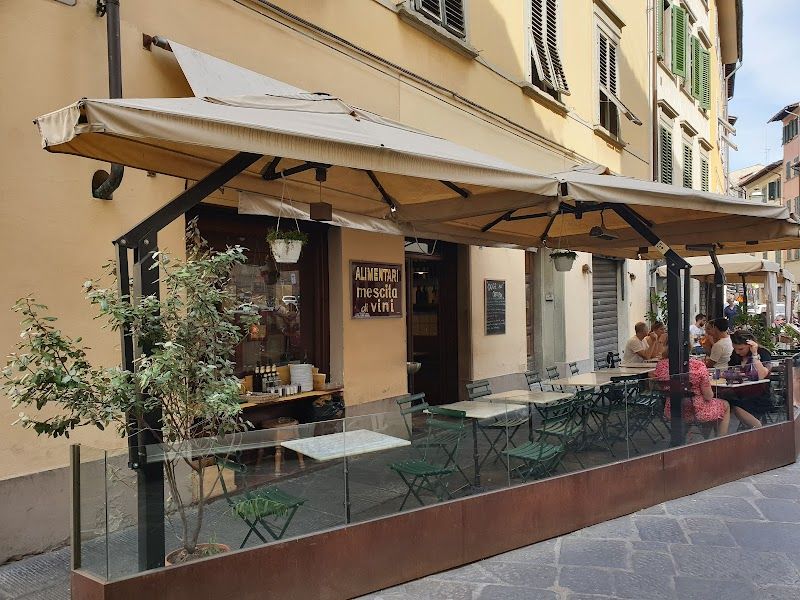
Osteria Antica Mescita San Niccolò
Neighborhood osteria in San Niccolò serving traditional Tuscan dishes and natural wines. Tiny dining room, daily specials on chalkboard, and local crowd. Lunch and dinner, reservations recommended for dinner.
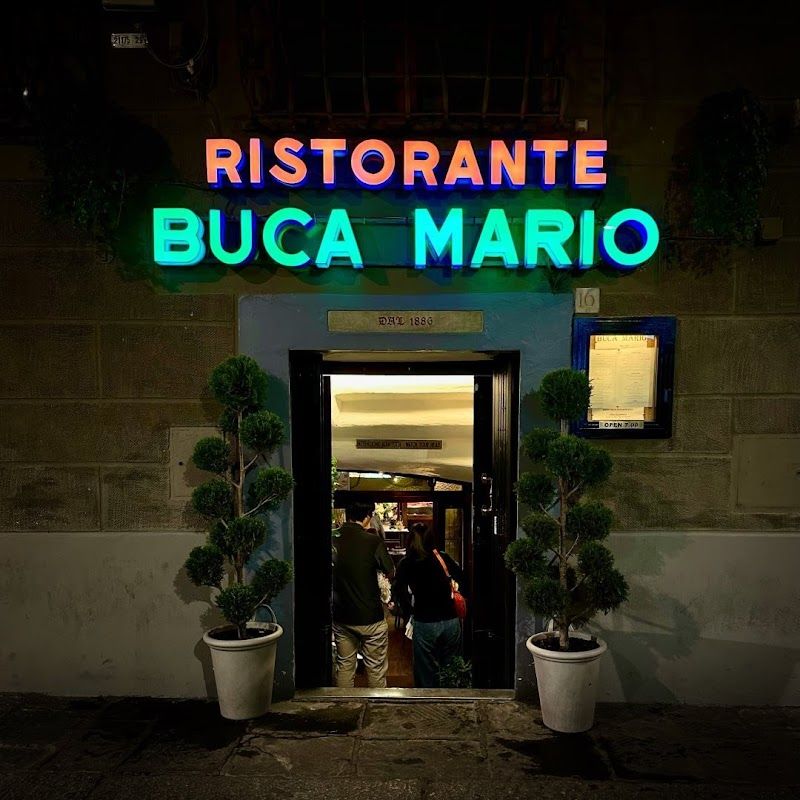
Buca Mario
Traditional cellar restaurant since 1886 specializing in bistecca alla fiorentina and classic Tuscan antipasti. White-tablecloth service, formal atmosphere, and proper meat preparation. Dinner reservations recommended, expect €60-70 per person.
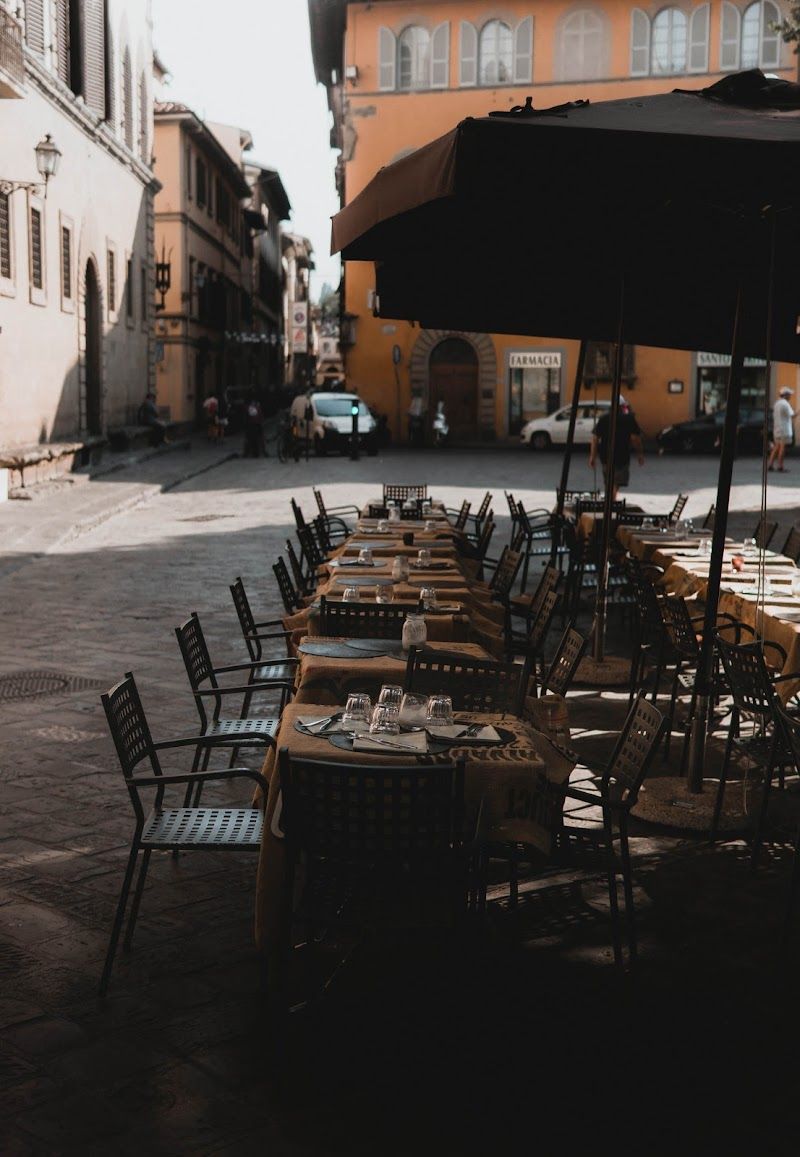
Tamero
Modern lunch spot near Santa Croce serving creative salads, grain bowls, and fresh juices. Counter service, health-conscious menu, and quick turnaround. Popular with local office workers. Lunch only, closes at 4pm.
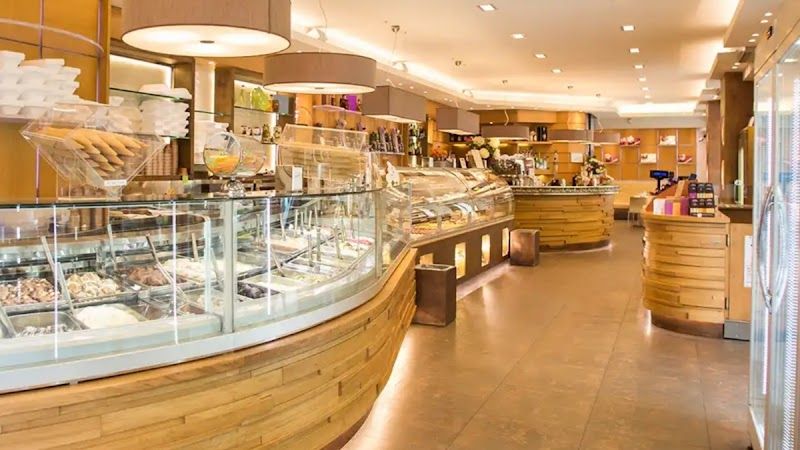
Badiani
Historic gelateria since 1932, credited with inventing the Buontalenti flavor at their original location near Campo di Marte. The family still makes gelato daily using the grandfather's recipes. Their hazelnut uses Piedmont IGP hazelnuts, roasted in-house.
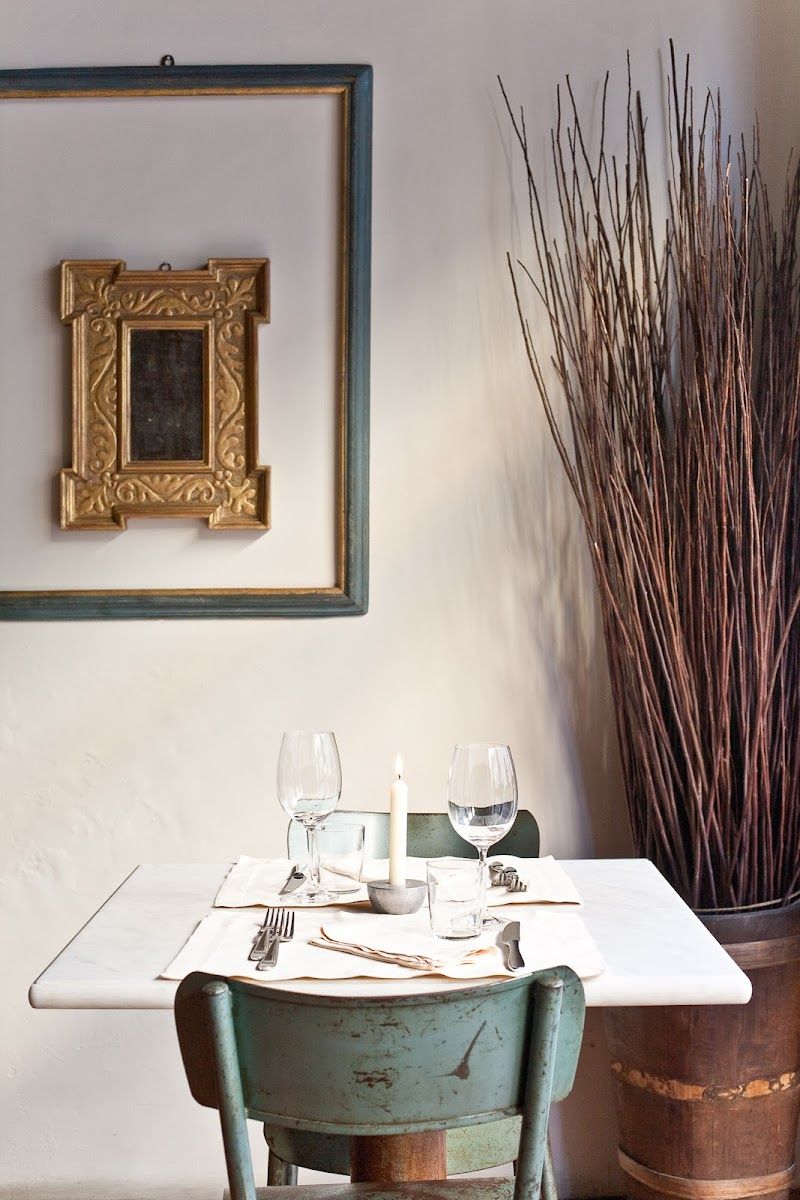
Il Santo Bevitore
Contemporary Oltrarno bistro with exposed brick walls and modern Tuscan cuisine. Inventive daily menu written on chalkboards, excellent wine selection, and a more refined take on regional classics. Dinner reservations essential.
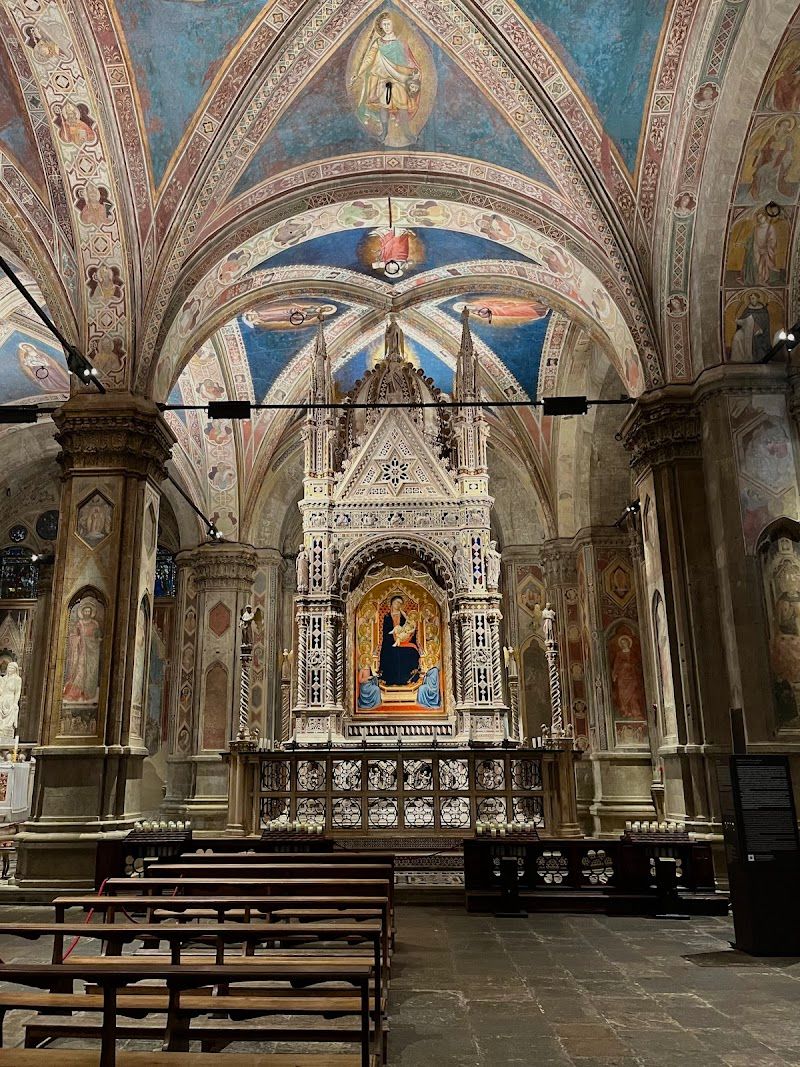
Orsanmichele
Orsanmichele is Florence's most unusual church, a Gothic building that started life as a grain market in the 1330s. You'll find it sandwiched between Via dei Calzaiuoli and Via dell'Arte della Lana, looking more like a fortress than a place of worship. The real treasure is outside: fourteen niches house sculptures commissioned by Florence's powerful guilds, including works by Donatello, Ghiberti, and Verrocchio. Each guild tried to outdo the others, creating an outdoor sculpture gallery that's completely free to admire. The ground floor church feels like no other in Florence, with its massive stone pillars and warehouse proportions intact from its market days. The focal point is Orcagna's elaborate Gothic tabernacle from 1359, a marble masterpiece that glows under spotlights. You can walk around freely, and the atmosphere is surprisingly peaceful given its location on Florence's main shopping street. The upstairs museum opens only on Mondays, displaying the original sculptures that have been moved indoors for protection. Most guidebooks oversell the interior, which takes maybe 10 minutes to see properly. The real value is outside examining the guild sculptures, though you'll now see copies rather than originals. Entry to the church is free, but the Monday museum costs 5 EUR and honestly isn't worth it unless you're a serious sculpture enthusiast. Skip the audio guide and just enjoy this unique blend of commerce and spirituality that perfectly captures medieval Florence.
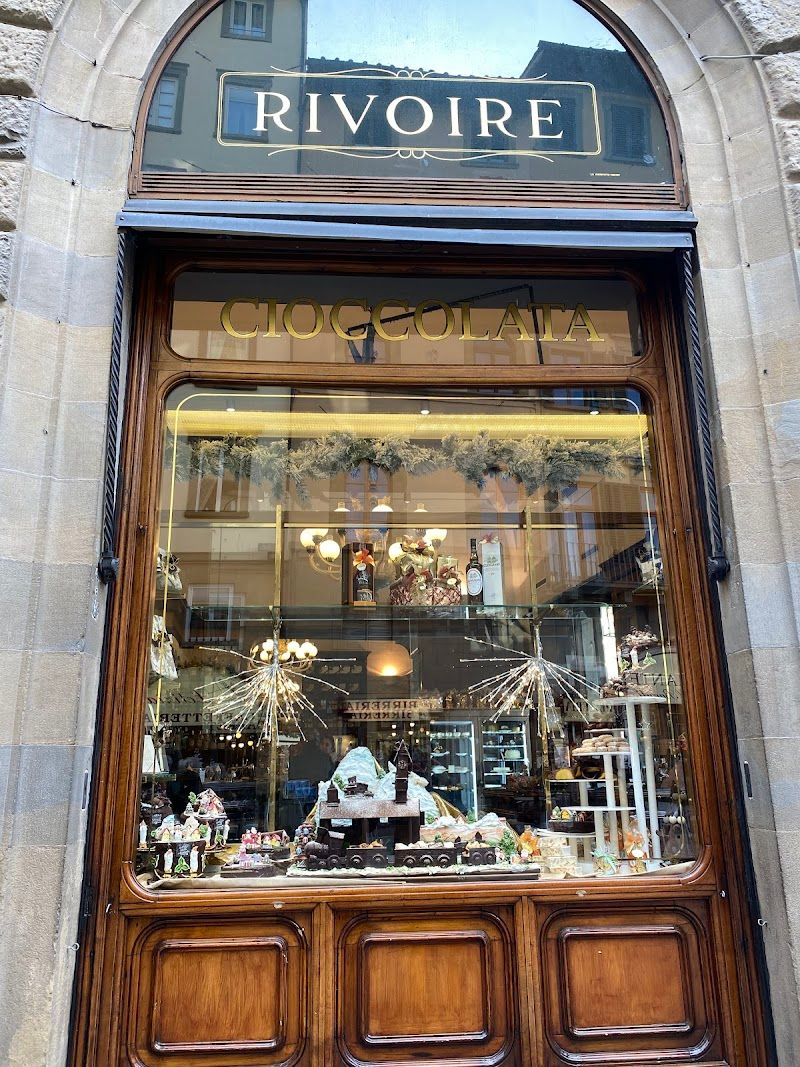
Rivoire
Elegant cafe on Piazza della Signoria since 1872, famous for dense hot chocolate served with fresh whipped cream. The terrace offers front-row views of Palazzo Vecchio and the Loggia dei Lanzi. Prices reflect the location, with espresso at EUR 5 seated outside.
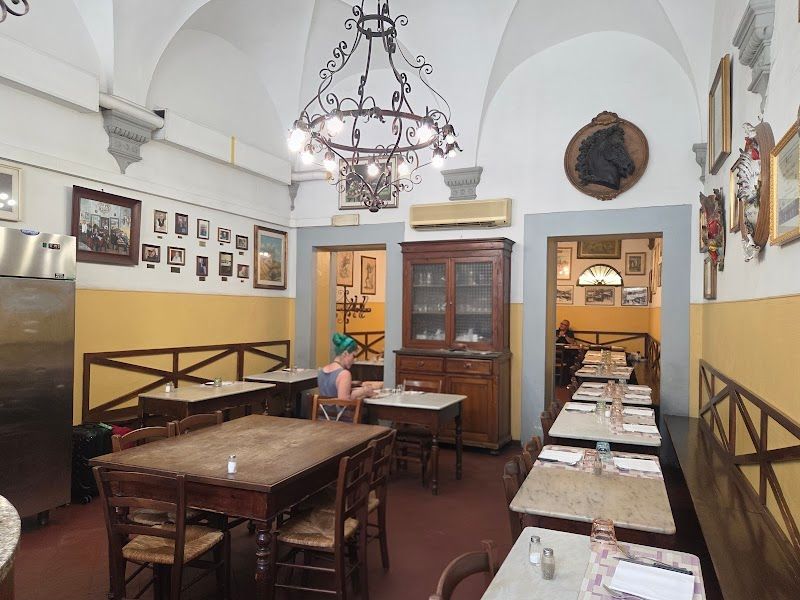
Trattoria Sergio Gozzi
Hidden lunch spot near San Lorenzo serving €13 fixed-price menu with primi, secondi, contorno, and wine. Tiny dining room, handwritten menu, and traditional Florentine home cooking. Lunch only, no reservations, cash preferred.
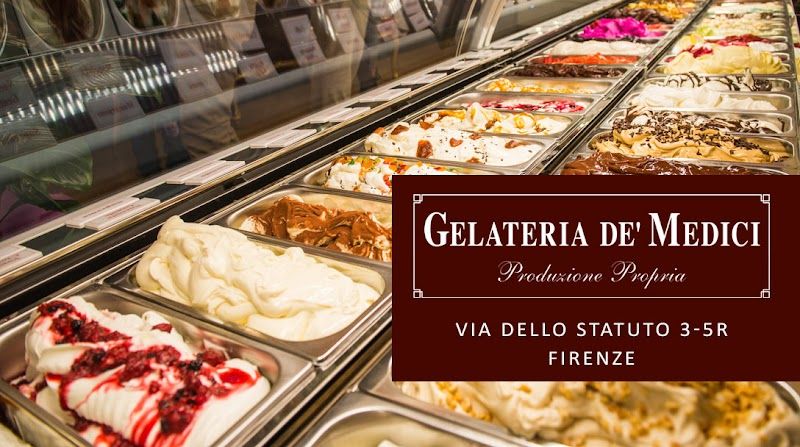
Gelateria dei Medici
Small artisan gelato shop near the Duomo making traditional flavors with modern techniques. Their crema fiorentina uses only egg yolks, milk, and sugar following Renaissance recipes. Portions are generous and prices fair at EUR 2.50 for small cups.
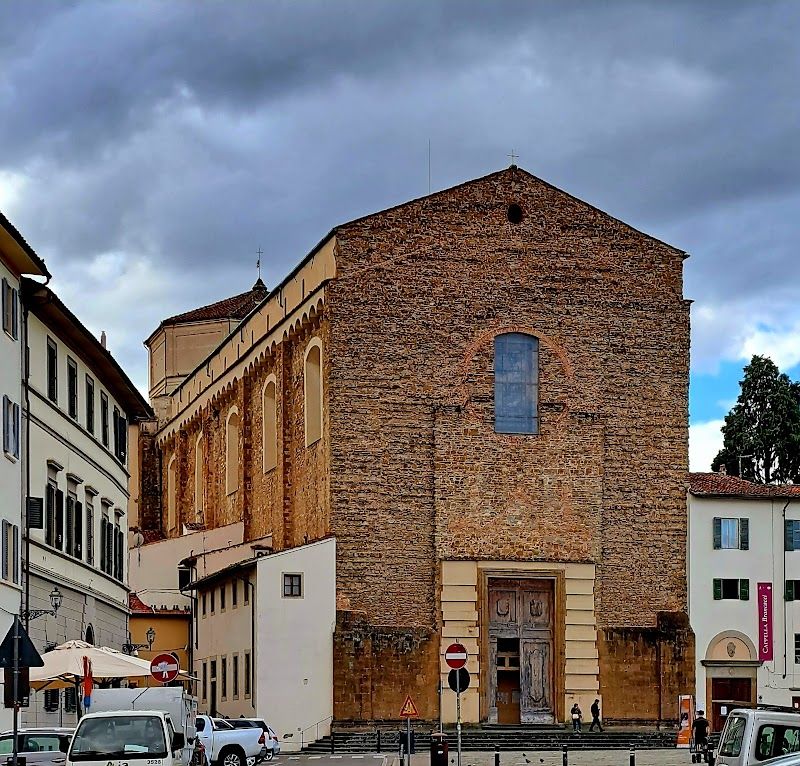
Chiesa di Santa Maria del Carmine
Chiesa di Santa Maria del Carmine houses one of Florence's greatest artistic treasures: Masaccio's revolutionary frescoes in the Brancacci Chapel. The main church itself showcases Baroque ceiling frescoes by Luca Giordano, ornate side chapels, and a peaceful atmosphere that contrasts sharply with the tourist chaos elsewhere in Florence. You'll find genuine neighborhood life in the surrounding piazza, where locals gather at cafes and the weekly market brings authentic energy. Entering feels like discovering Florence's local side. The church's simple Renaissance facade gives no hint of the artistic riches inside, where golden light filters through windows onto elaborate altarpieces and marble decorations. The Brancacci Chapel entrance sits separately to the left, but the main church deserves exploration first. You'll often have the space mostly to yourself, making it perfect for quiet contemplation before tackling the chapel crowds. Most visitors rush straight to the Brancacci Chapel (€10) and miss the free church entirely, which is backwards. Start with the main church to appreciate Giordano's ceiling work, then decide if you want to pay for the chapel. The chapel requires timed entry and allows only 15 minutes inside, so book ahead during peak season. Skip the audio guide for the church; the art speaks for itself.
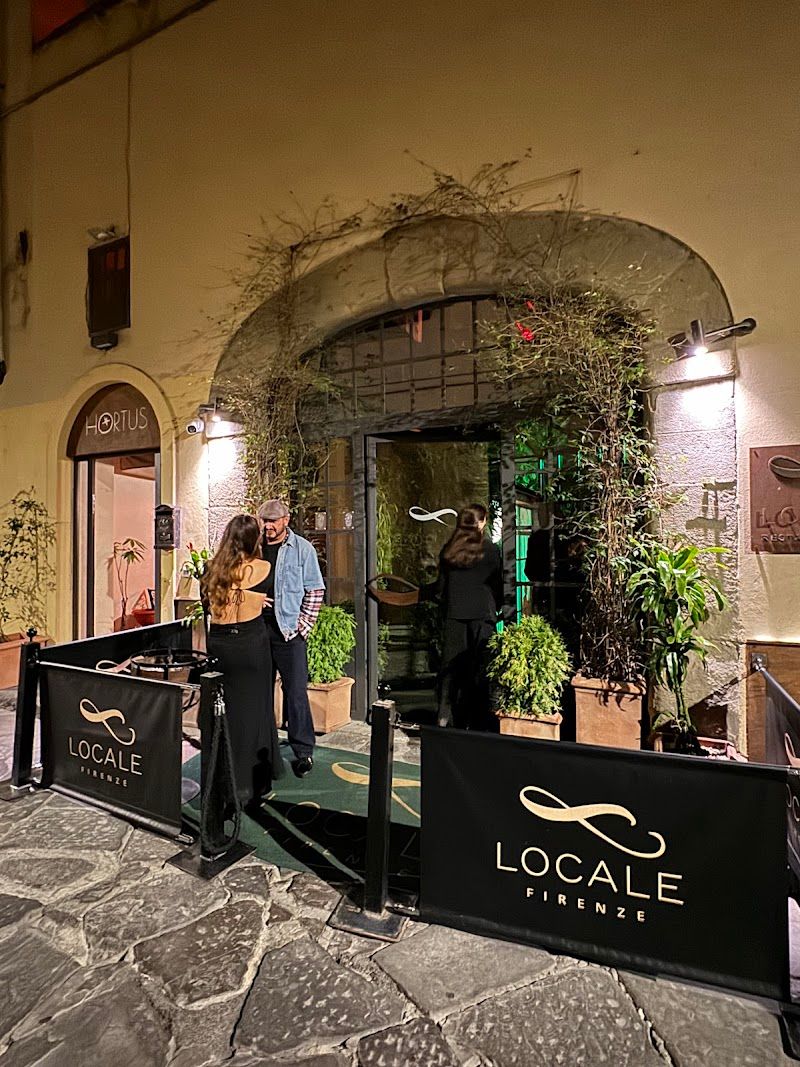
Locale Firenze
Multi-level nightlife complex in Santa Maria Novella with a ground-floor cocktail bar, upstairs restaurant, and occasional DJ sets on weekends. The aperitivo buffet is one of the most generous in Florence for the EUR 10 drink price. The crowd skews international but maintains a sophisticated rather than clubby atmosphere.
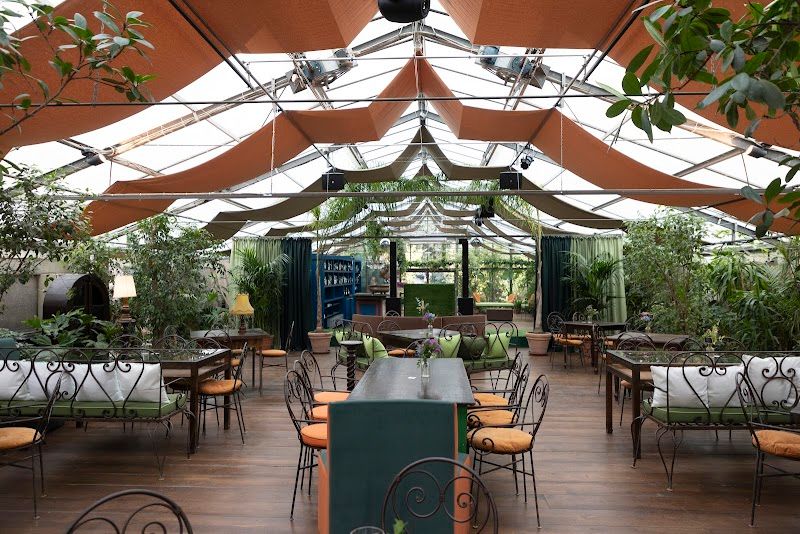
Giardino Torrigiani
Giardino Torrigiani is Florence's largest private garden at 7 acres, a romantic English-style landscape created in the 19th century that's still owned by the original family. You'll wander winding gravel paths past a genuine Gothic revival tower, artificial grottos carved into hillsides, and rare botanical specimens including ancient magnolias and exotic palms. The garden feels like a secret world behind high walls near Porta Romana, complete with peacocks roaming freely and views over Florence's rooftops. The visit flows like a treasure hunt through different garden rooms, each with its own character. You'll climb to the Gothic tower for panoramic views, duck into mysterious grottos with dripping water features, and follow paths that curve around century-old trees. The atmosphere is genuinely romantic and slightly overgrown in the best way, with peacock calls echoing off stone walls and morning light filtering through the canopy. Most guides don't mention that this place is genuinely hard to access, which keeps crowds minimal but makes booking essential. Tours cost around 15 EUR per person and only run on select weekends April through October through cultural associations. Skip this if you prefer manicured gardens, the slightly wild English style isn't for everyone and the limited access makes it feel exclusive rather than welcoming.
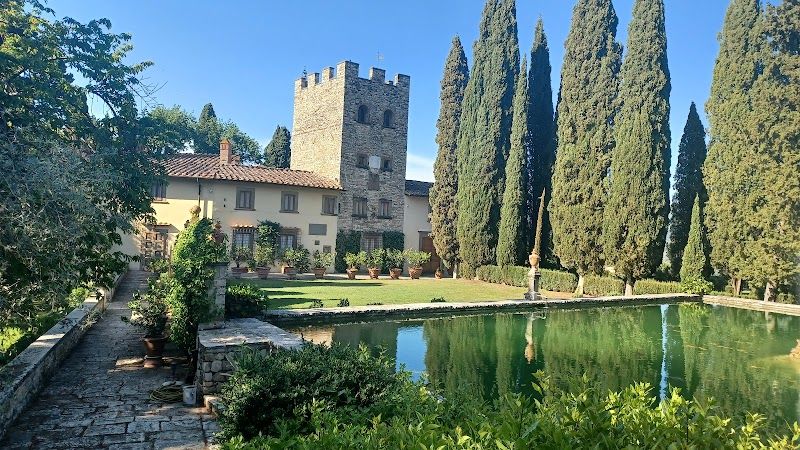
Castello di Verrazzano
Castello di Verrazzano sits on a genuine Renaissance estate where the Verrazzano family has made wine since 1150, perched on rolling Chianti hills just 30 minutes from Florence's chaos. You'll tour 16th-century cellars carved into bedrock, walk through terraced vineyards that stretch to the horizon, and taste five estate wines paired with aged pecorino and wild boar salumi in the castle's stone courtyard. The olive oil tasting alone justifies the trip: their single-variety oils reveal flavors most people never knew existed. The experience unfolds at a civilized pace across the estate's most photogenic spots. Your guide leads you through barrel-lined underground cellars where Chianti Classico ages in French oak, then up to sun-drenched terraces where Sangiovese vines frame views of medieval Greve. The tasting happens outdoors when weather permits, at wooden tables set among cypress trees where you'll work through wines from their basic Chianti (honestly quite good) to their top Riserva. Staff genuinely know their craft and explain why this particular hillside produces such distinctive wine. Most wine tours around Florence feel rushed or touristy, but Verrazzano strikes the right balance between educational and relaxed. Skip their basic tour for the extended experience (around 65 EUR) which includes the olive oil component that many visitors miss. The gift shop prices are fair for estate wines, unusual for Tuscany, and their Riserva actually improves with age if you can resist opening it immediately.
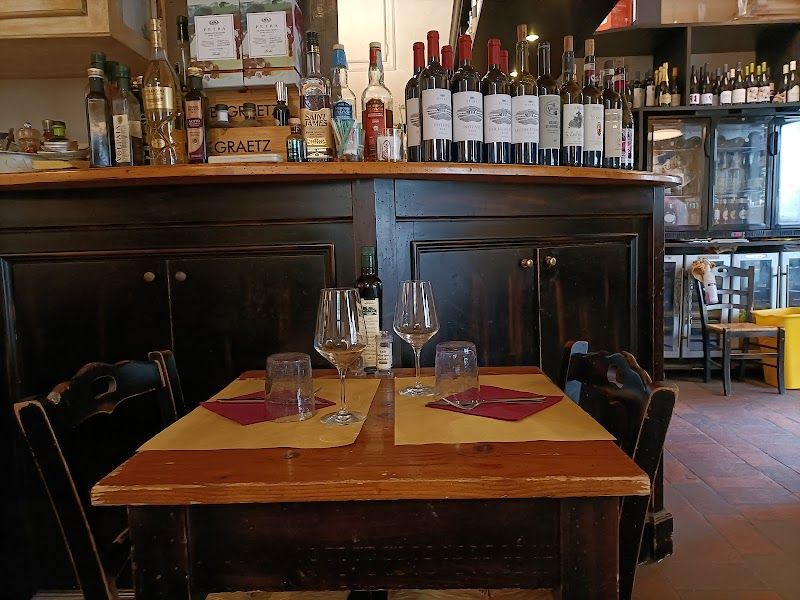
Il Magazzino
Modern pizzeria in San Frediano with Neapolitan-style pies from a wood-fired oven. Creative toppings using Tuscan ingredients, craft beer selection, and young local crowd. No reservations for groups under six, open for dinner only.
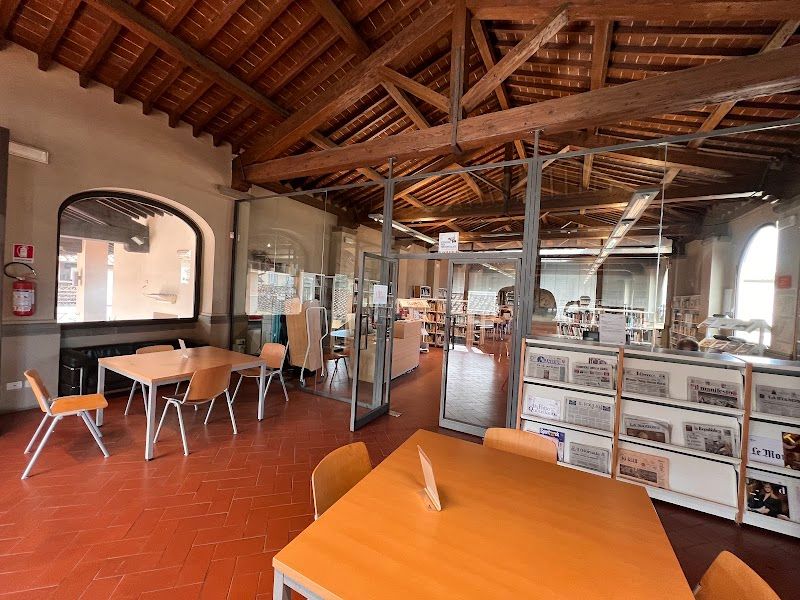
Caffetteria delle Oblate
Modern cafe on the rooftop terrace of the Biblioteca delle Oblate with panoramic views of the Duomo's cupola and city rooftops. Self-service counter with espresso, pastries, and light lunch options at reasonable prices. The terrace is free to access without library membership.
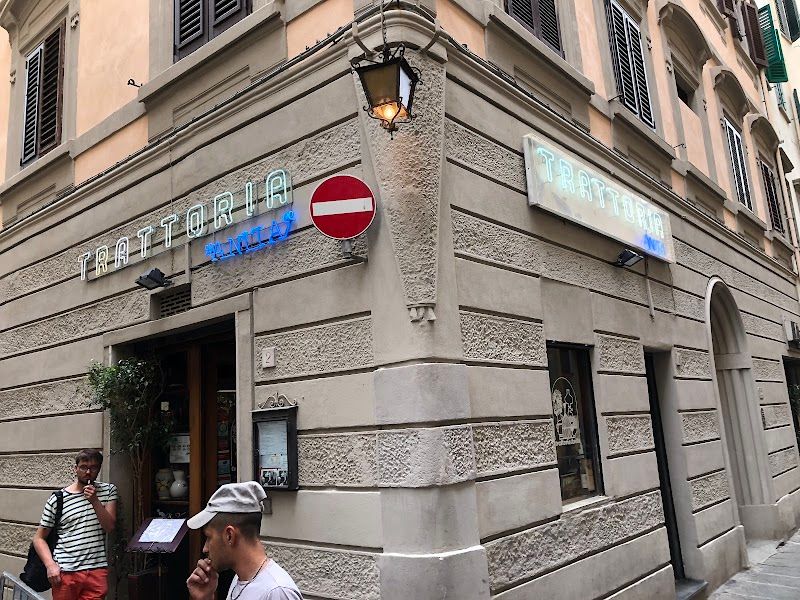
Trattoria Anita
Authentic neighborhood trattoria near San Lorenzo serving €15 lunch menus with primi, secondi, contorno, and wine. Handwritten daily specials, working-class crowd, and zero English menus. Lunch and dinner, closes Sunday.
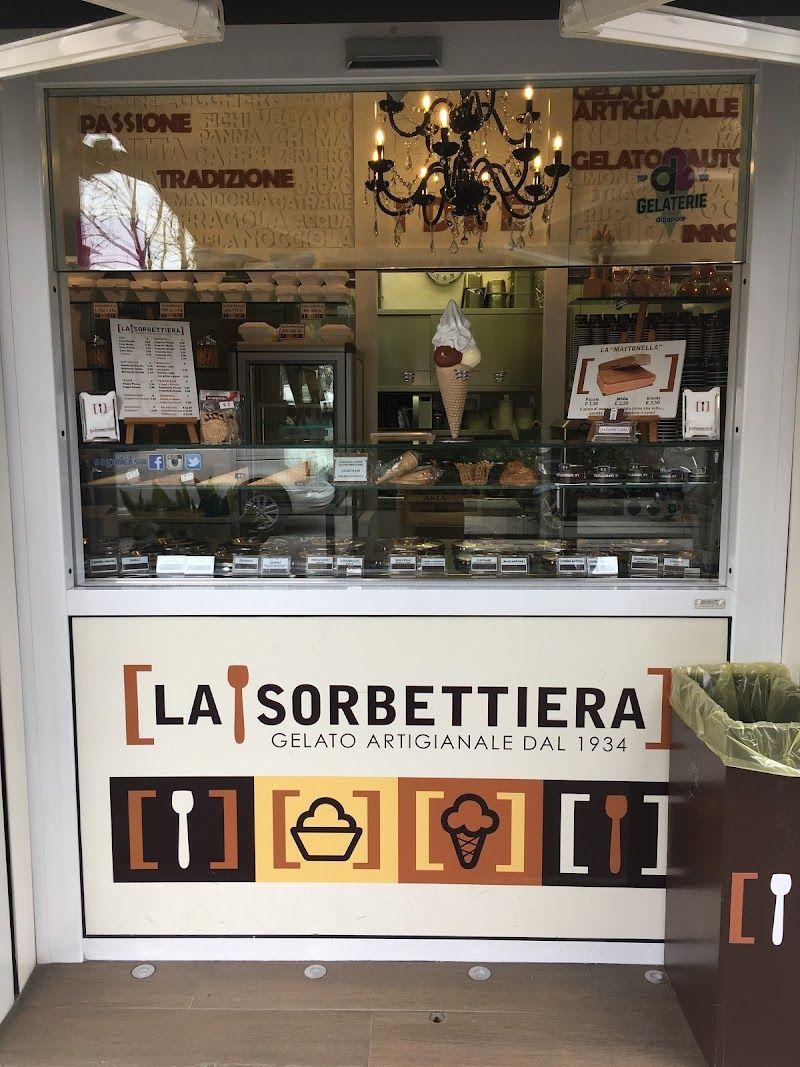
La Sorbettiera
Family-run gelato lab in San Frediano making experimental flavors like lavender honey and sage with lemon. All gelato is stored in traditional covered containers and colors are naturally muted. Their chocolate sorbet is dairy-free and intensely dark.
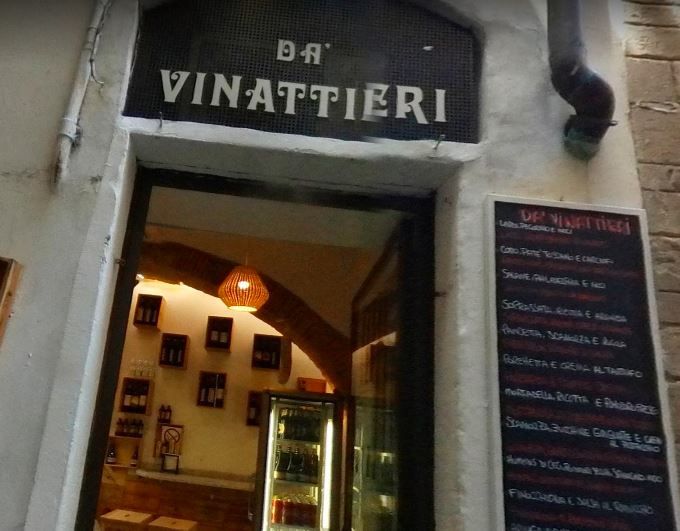
Da Vinattieri
Tiny wine bar near Santa Croce with outstanding small plates and natural wine selection. Ten seats maximum, knowledgeable staff, and changing menu of Tuscan cheeses, salumi, and hot dishes. Dinner only, reservations essential.
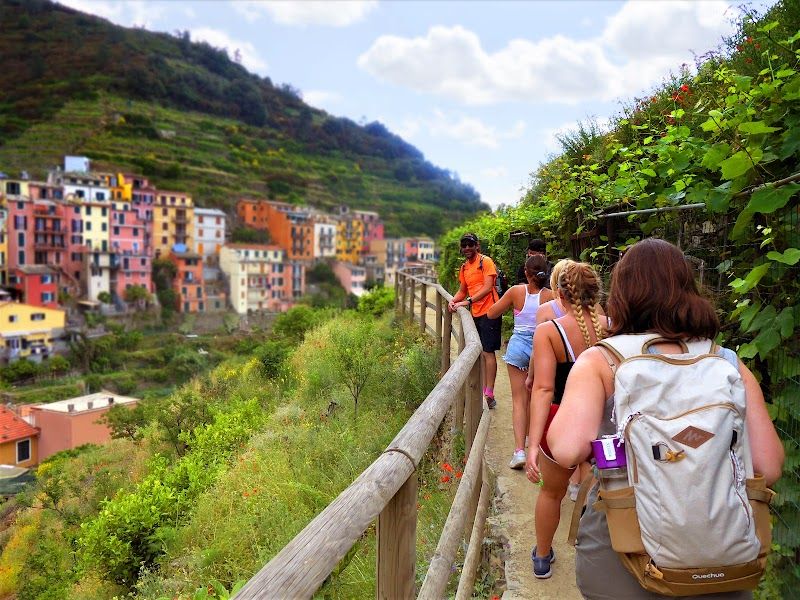
Walkabout Florence Tours
Walkabout Florence Tours runs solid day trips to San Gimignano, the Tuscan hill town famous for its 14 surviving medieval towers that once numbered 72. You'll get a proper introduction to this UNESCO site with their knowledgeable guides, plus genuine Vernaccia wine tastings and lunch at a local vineyard. The tour includes transport in comfortable coaches, a 3-hour guided walk through the stone streets, and a stop at Dondoli gelateria where the world champion gelato maker works his magic. The experience flows smoothly from Florence pickup to countryside immersion. Your small group (capped at 18 people) gets personal attention as you explore San Gimignano's medieval squares and climb the 54-meter Torre Grossa for panoramic views over rolling Tuscan hills. The vineyard lunch feels authentic rather than touristy, with local wines paired with regional dishes. The gelato stop isn't just Instagram fodder, Dondoli actually won multiple world championships and you can taste the difference. This tour works because it balances structure with free time and doesn't rush you through highlights. Many operators cram too much in or use massive groups, but Walkabout keeps things intimate and well-paced. The 90-minute coach ride each way gives you proper countryside views, though some find it long. Skip the afternoon departure if you can, morning light makes those tower views spectacular and you'll avoid the worst crowds in the narrow streets.
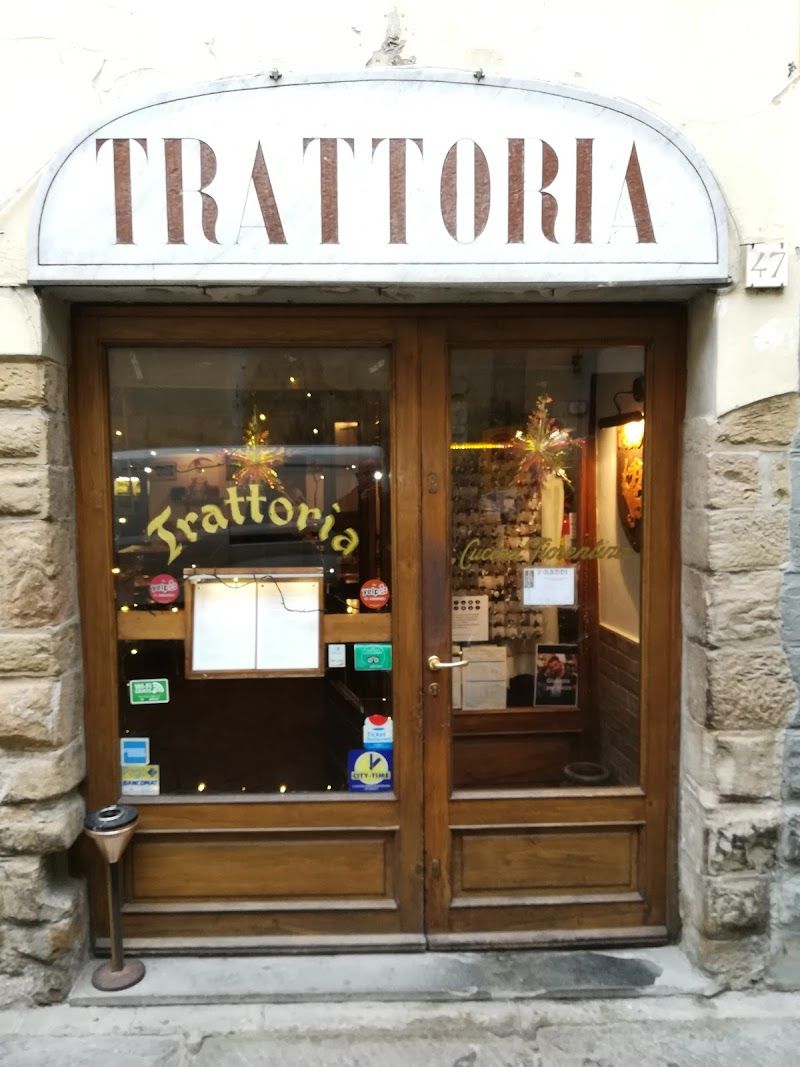
Trattoria I' Raddi
Neighborhood trattoria in San Frediano serving traditional Tuscan dishes at working-class prices. Daily specials, house wine by the quarter liter, and local regulars. Lunch and dinner, closes Sunday, no reservations needed for lunch.
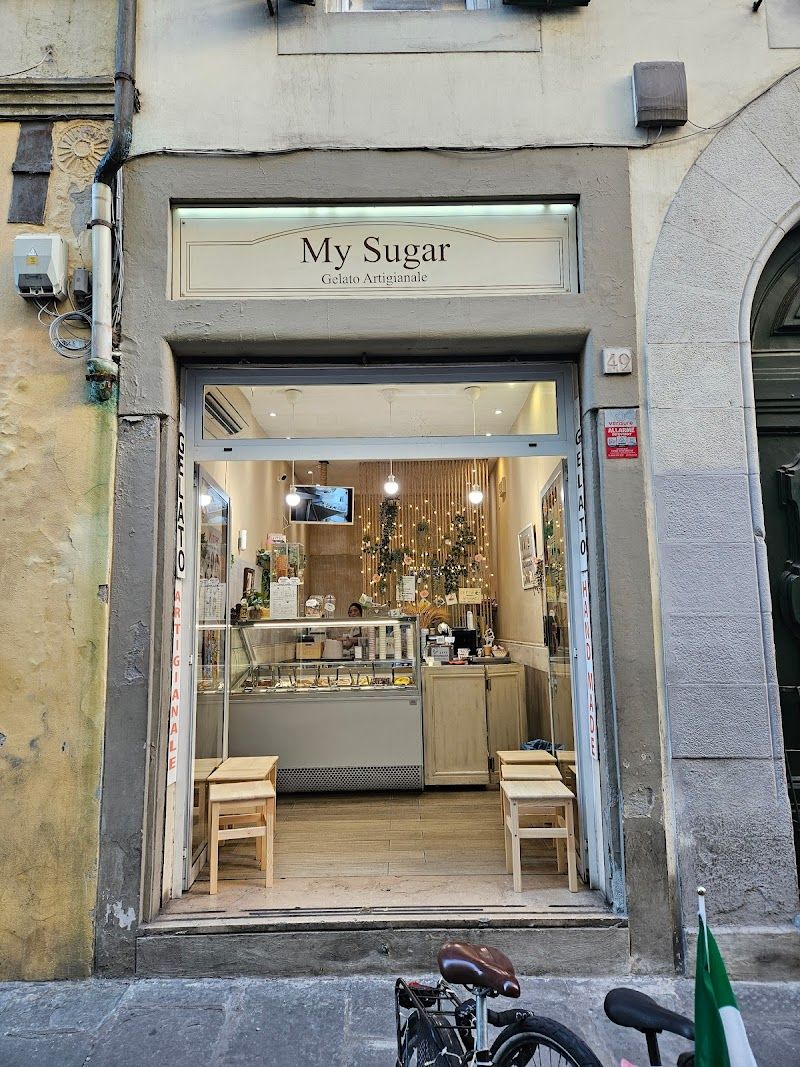
My Sugar
Modern gelato shop near Piazza Beccaria using organic milk and natural ingredients with no artificial colors or stabilizers. The chocolate is made with single-origin cacao, and fruit flavors change with market availability. Their banana gelato is naturally grey, not bright yellow.
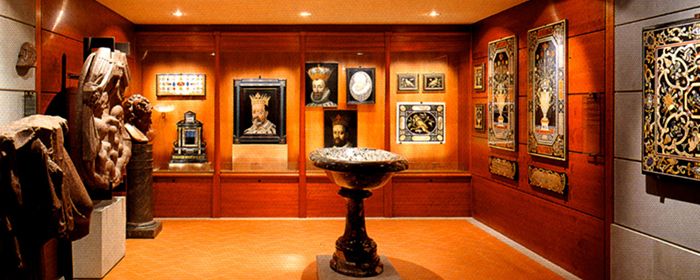
Opificio delle Pietre Dure
The Opificio delle Pietre Dure preserves Florence's tradition of commesso, the art of creating intricate mosaics from semi-precious stones like lapis lazuli, jasper, and agate. You will see examples of this craft: elaborate tabletops that resemble paintings from a distance, portraits rendered entirely in stone, and decorative panels that took years to complete. The museum also houses the original tools used to cut and polish these materials, and you can watch contemporary restorers using the Renaissance techniques. The visit flows through intimate rooms where every surface showcases this meticulous art form. The lighting here is excellent, designed to make the stones' natural colors pop: deep blues of lapis lazuli, rich greens of malachite, and warm amber tones of jasper. You will find yourself leaning in close to examine the tiny joints between stone pieces, admiring craftsmanship so precise it rivals any painting. The restoration workshop on the first floor lets you observe artisans at work, their movements careful and deliberate as they repair centuries-old pieces. Most travel guides do not mention this place, which keeps crowds minimal even in peak season. Entry costs 4 EUR, making it one of Florence's best museum values. Skip the ground floor gift shop entirely, but do not rush through the second floor where the most spectacular tabletops are displayed. The museum takes about an hour, though stone enthusiasts could easily spend twice that examining the technical details.
Le Vespe Cafe
Vintage-style espresso bar in Santo Spirito decorated with antique Vespa scooters and 1960s Italian memorabilia. Serves excellent espresso for EUR 1.30 at the bar and homemade focaccia sandwiches. Popular with local students and artists from the nearby Oltrarno workshops.
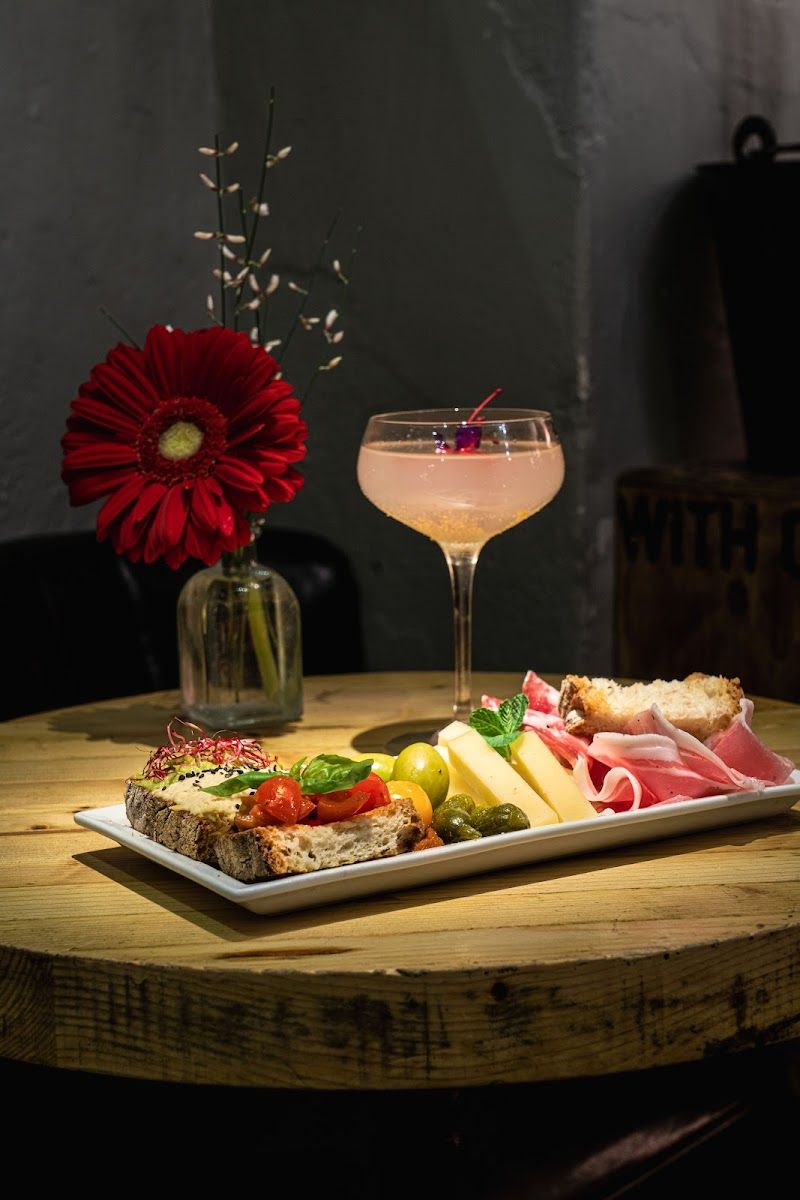
NOF - Noise of Florence
Contemporary wine bar in Santa Croce with a curated selection of natural and biodynamic wines from Tuscany and beyond. The modern minimalist interior contrasts with Florence's historic wine bars, attracting a younger crowd interested in new-wave Italian winemaking. Small plates feature seasonal ingredients and creative preparations.
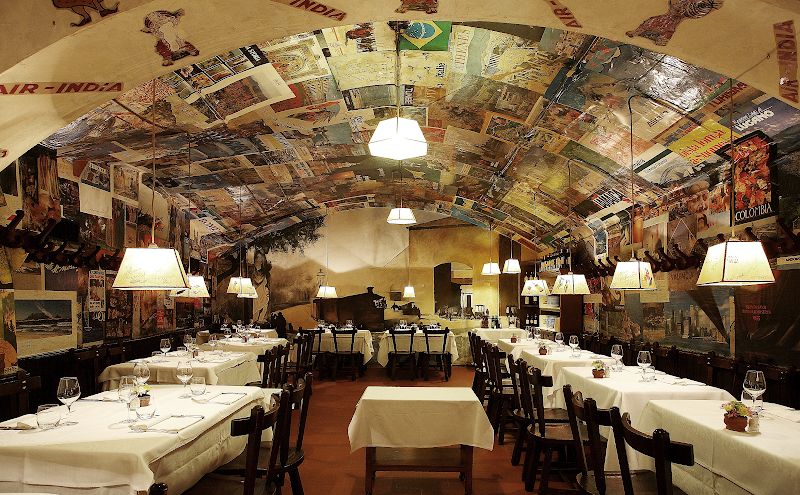
Buca Lapi
Historic cellar restaurant since 1880 serving bistecca alla fiorentina in a former wine cellar. Vaulted brick ceilings, Chianti bottles lining the walls, and traditional preparation. Dinner reservations required, tourist-friendly but maintains quality.
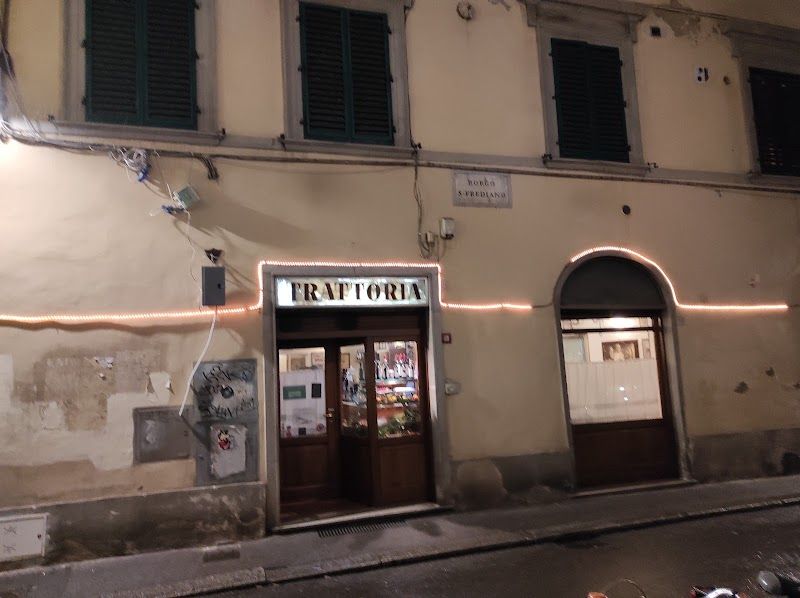
Trattoria del Carmine
Family-run trattoria serving authentic Florentine cuisine in a warm, no-frills atmosphere just steps from Piazza del Carmine. Known for their perfectly executed ribollita and bistecca alla fiorentina at reasonable prices. The daily handwritten menu changes based on what's fresh at the market.
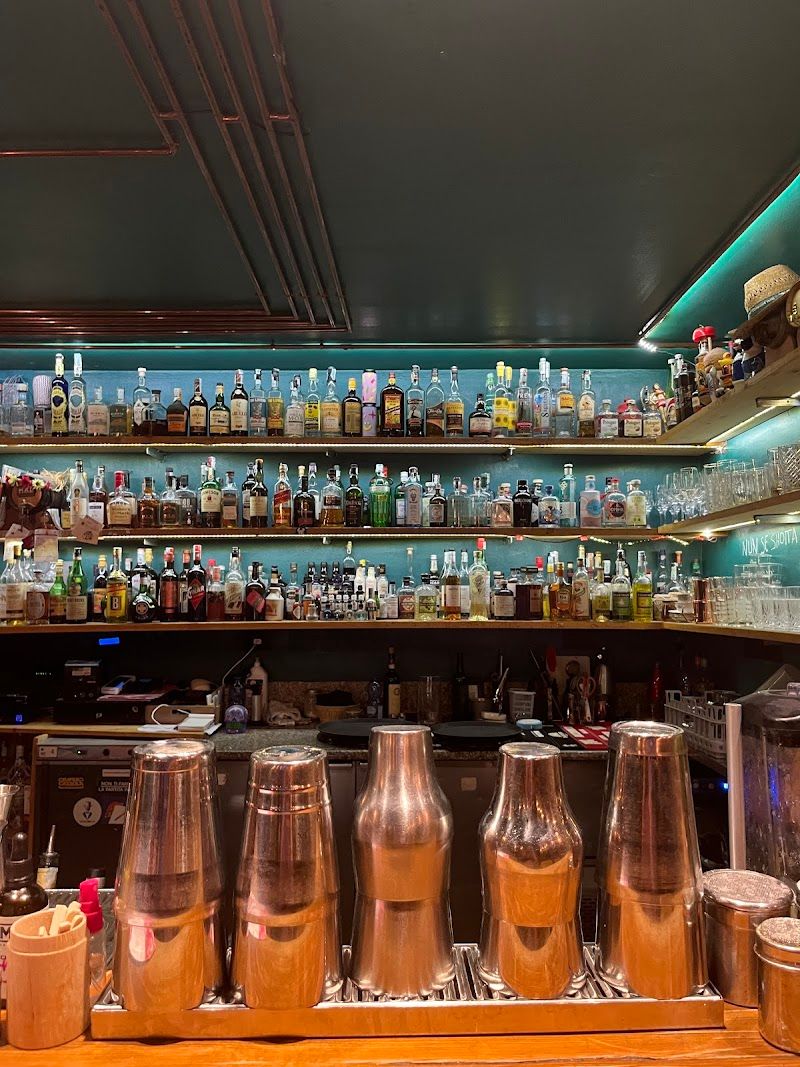
Mad Souls & Spirits
Sophisticated cocktail bar in a former leather workshop with exposed brick and Edison bulbs, specializing in creative Negroni variations and house infusions. The bartenders take their craft seriously, using regional ingredients like Tuscan herbs and house-made syrups. Prices hover around EUR 10-12 but the quality matches any top Florence bar.
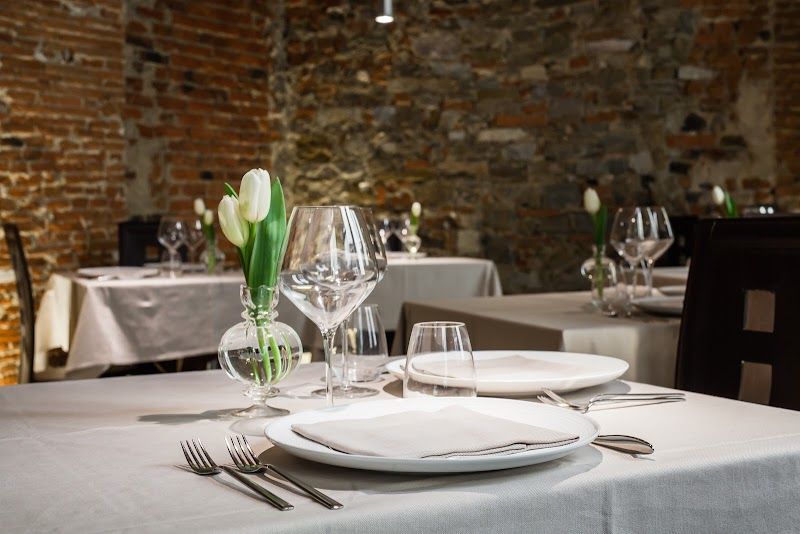
Osteria dell'Enoteca
Wine-focused trattoria near Palazzo Pitti with an extensive by-the-glass list and seasonal Tuscan menu. Intimate dining room with vaulted ceilings, knowledgeable staff, and excellent food-wine pairings. Dinner reservations essential.
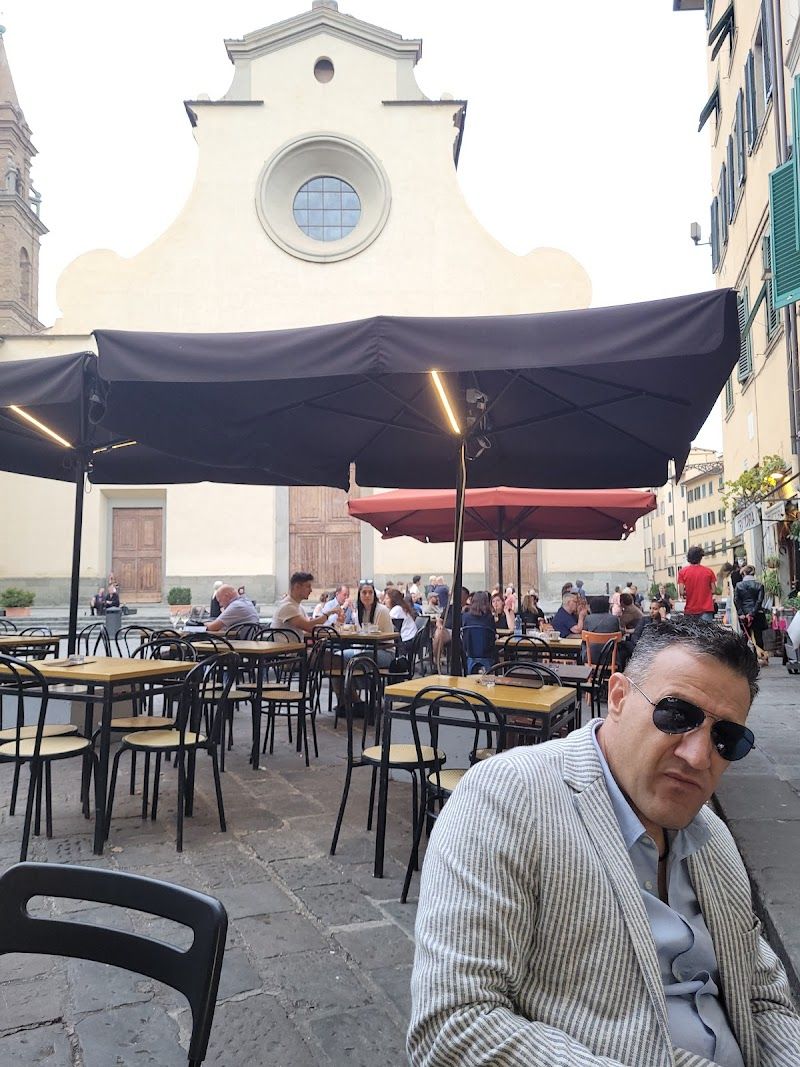
Volume
Laid-back bar on Piazza Santo Spirito that draws a mixed crowd of students and creatives for affordable spritzes and occasional live music. The outdoor tables offer prime people-watching real estate on Florence's most authentic nightlife square. Interior features vinyl records and a bohemian vibe that feels genuinely un-touristy.
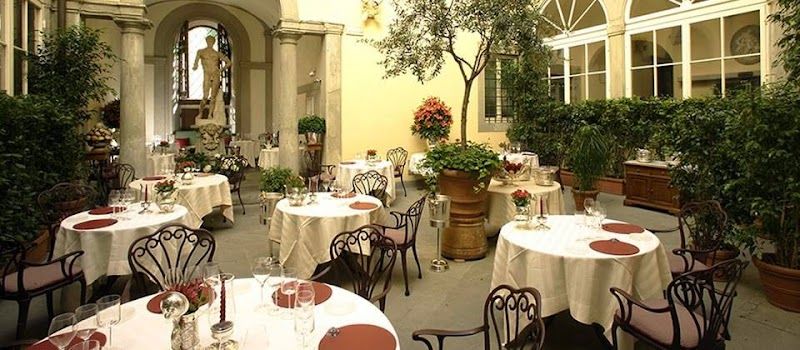
Enoteca Pinchiorri
Three-Michelin-star restaurant with one of Europe's finest wine cellars. Contemporary Italian haute cuisine in a Renaissance palazzo. Jacket required, tasting menus from €250, wine cellar visits available with reservation.
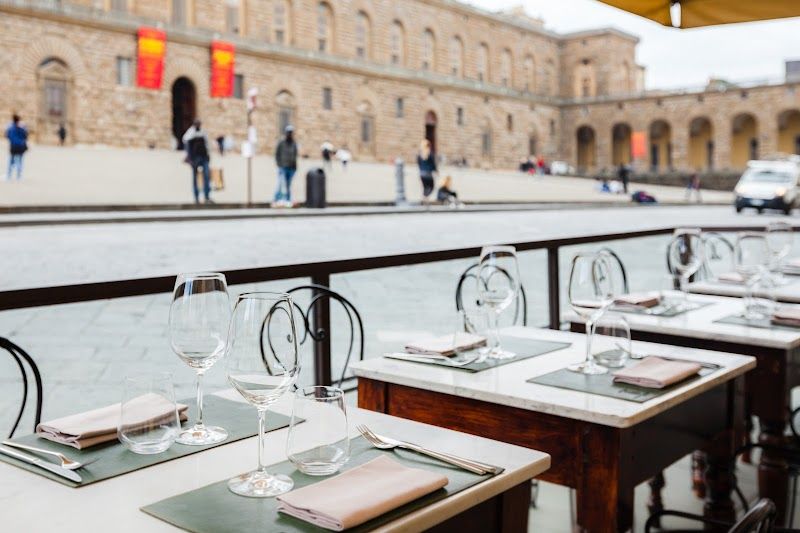
Enoteca Pitti Gola e Cantina
Wine bar steps from Palazzo Pitti with an impressive cellar of over 600 Tuscan labels and knowledgeable staff who guide selections. The focus is serious wine appreciation with small Tuscan plates, not a party scene. Chianti Classico by the glass starts at EUR 6 and the outdoor seating offers a quieter alternative to busier squares.
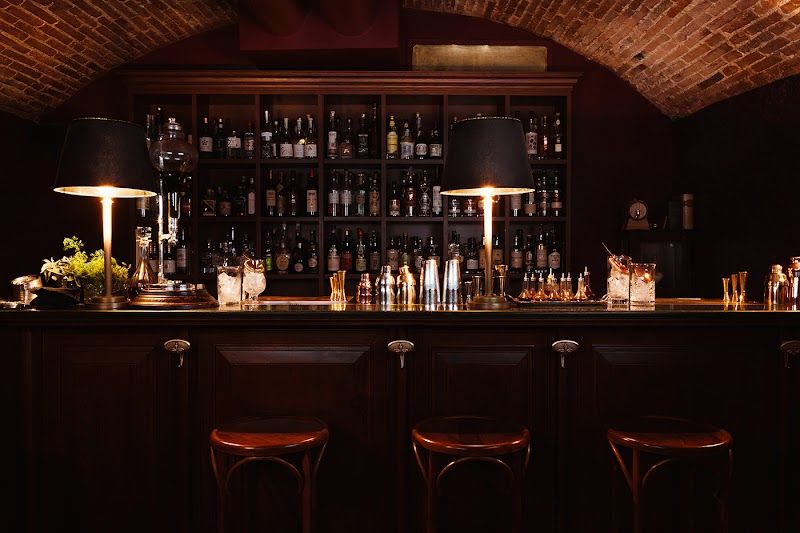
Rasputin Secret Bar
Hidden speakeasy-style cocktail bar behind an unmarked door on Borgo La Croce, serving inventive cocktails in a dimly lit space decorated with vintage Russian ephemera. The cocktail menu changes seasonally but emphasizes Italian spirits reinterpreted through creative techniques. Expect to pay EUR 10-13 per drink in this intimate 30-seat space.
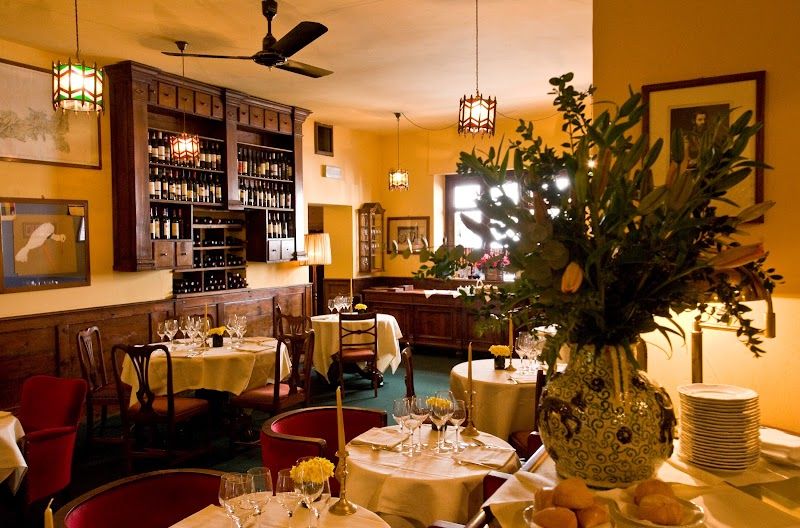
Cibreino
Casual lunch counter next to the celebrated Cibreo restaurant serving the same recipes at trattoria prices. Daily changing menu, market-driven dishes, and communal seating. Lunch only, no reservations, closes at 2:30pm.
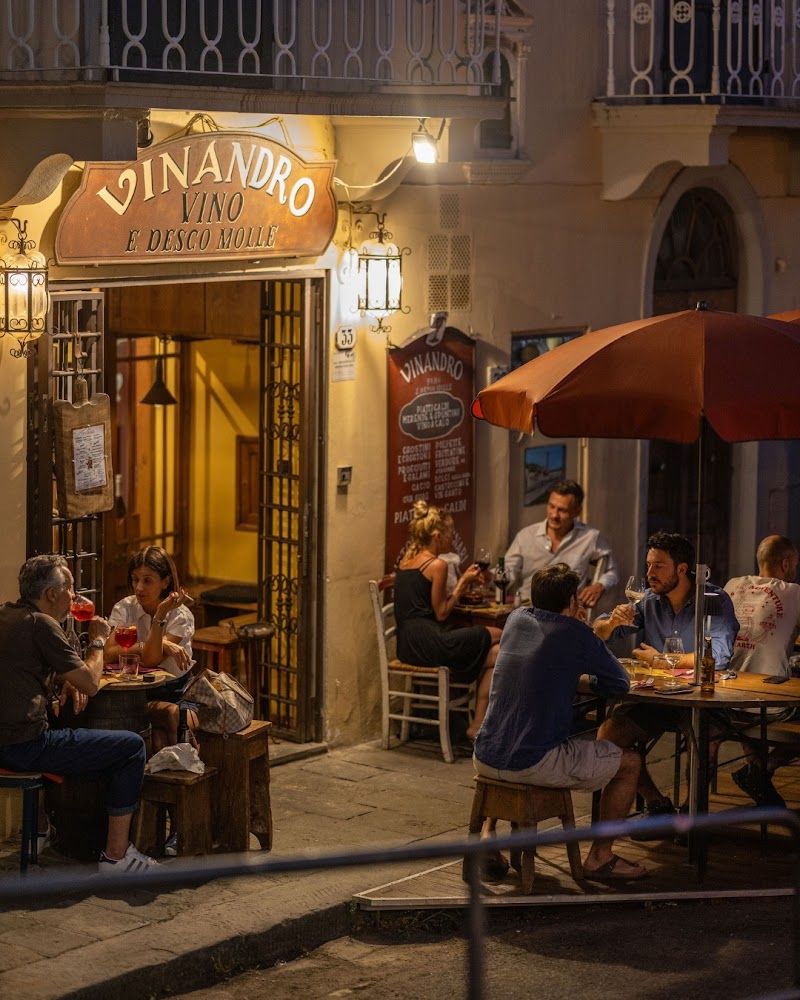
Vinandro
A wine bar and bistro located in Fiesole's main square, known for its excellent selection of Tuscan wines and creative small plates. The intimate space attracts both locals and discerning visitors who appreciate quality regional wines paired with seasonal ingredients.
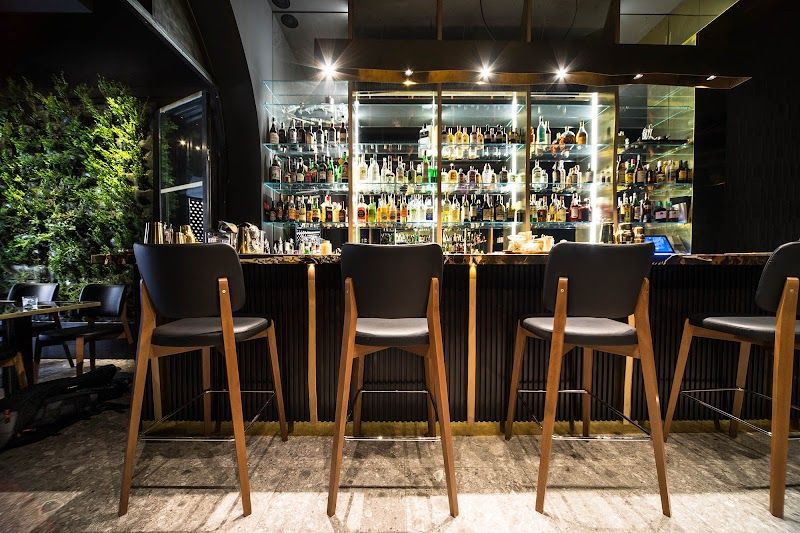
Manifattura
Industrial-chic cocktail bar and restaurant in a former tobacco factory near San Frediano, featuring high ceilings, exposed beams, and a lengthy cocktail list. The aperitivo hour (6-8 PM) includes a generous buffet with your EUR 10 drink. Later evenings lean toward craft cocktails and a see-and-be-seen vibe without feeling overly pretentious.
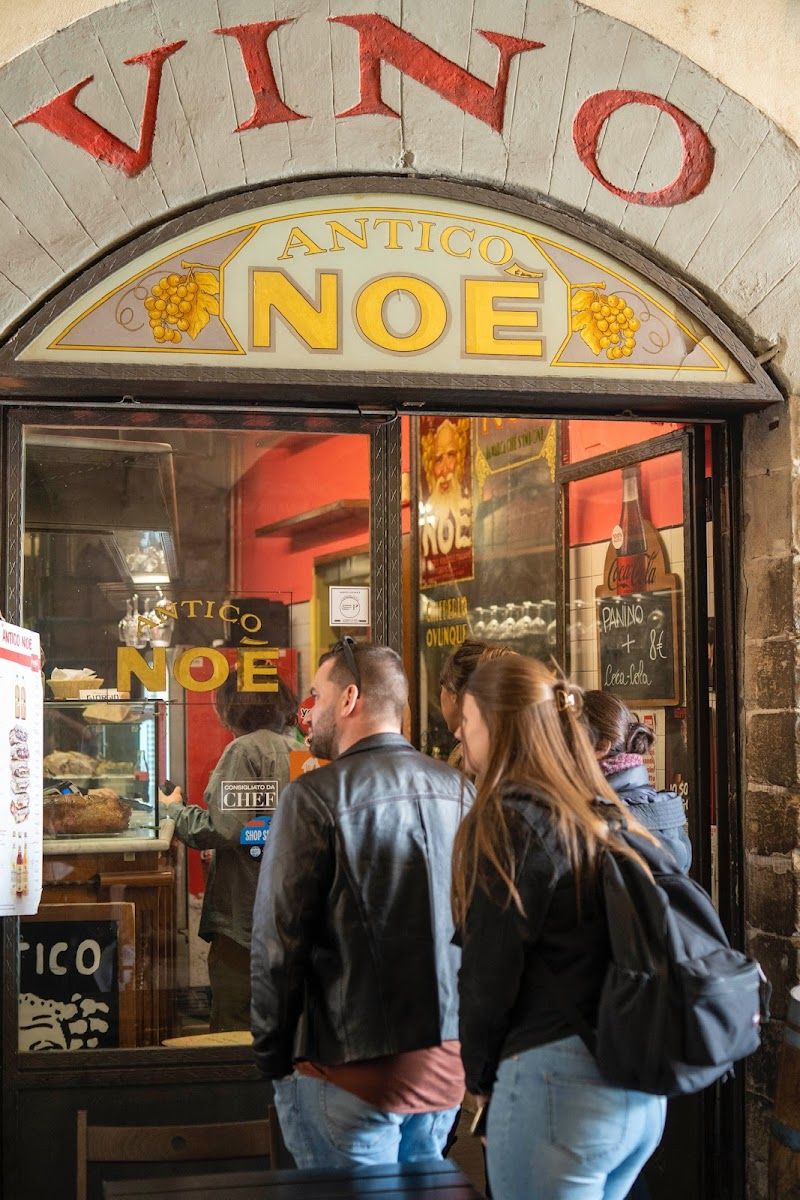
Antico Noè
Tiny standing-room sandwich shop near Santa Croce serving schiacciata with creative fillings. No tables, locals queuing at the window, and exceptional value at €5-6 per sandwich. Closes at 7pm.
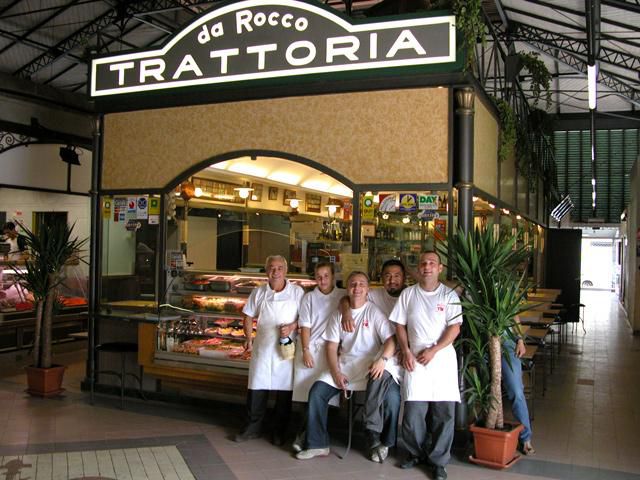
Trattoria da Rocco
No-frills neighborhood trattoria in San Frediano serving €12 fixed-price lunches with primi, secondi, wine, and water. Paper tablecloths, zero pretense, and Florentines from the nearby workshops. Lunch only, closes at 2:30pm.
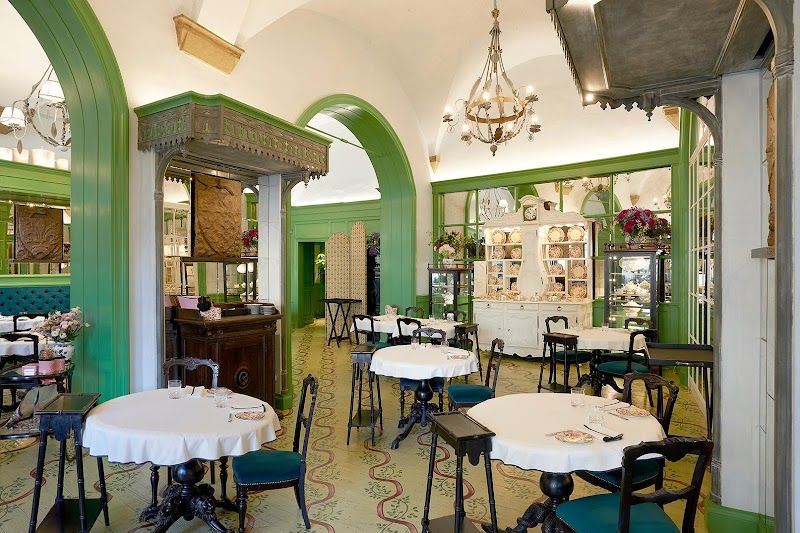
Gucci Osteria da Massimo Bottura
Michelin-starred restaurant by celebrity chef Massimo Bottura located on the top floor of Gucci Garden. This elegant dining spot blends Italian tradition with innovative techniques, offering creative tasting menus that reimagine classic dishes with unexpected presentations and flavors.
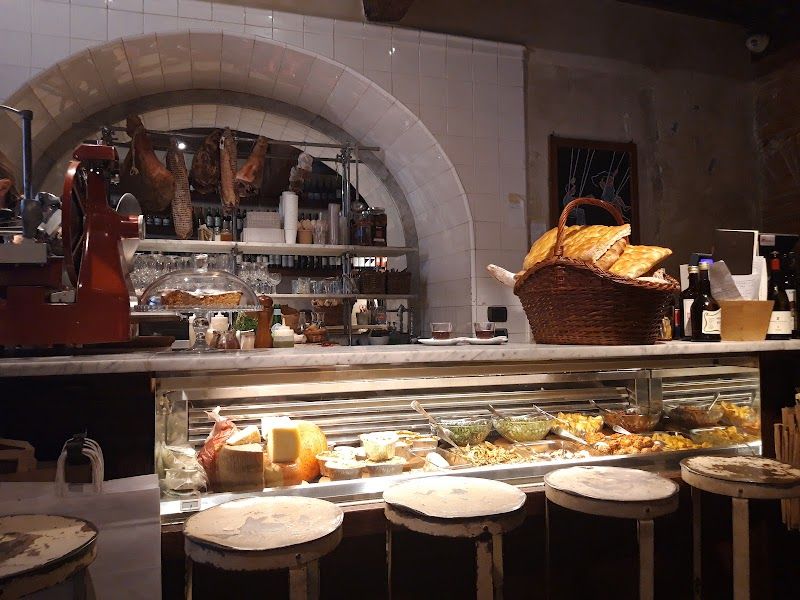
Il Santino
Tiny wine bar in Oltrarno with a standing-room-only vibe and exceptional Tuscan wines by the glass. The daily changing menu features creative small plates like tartare with truffle and seasonal crostini. Arrives packed after 7 PM with locals who know their Super Tuscans.
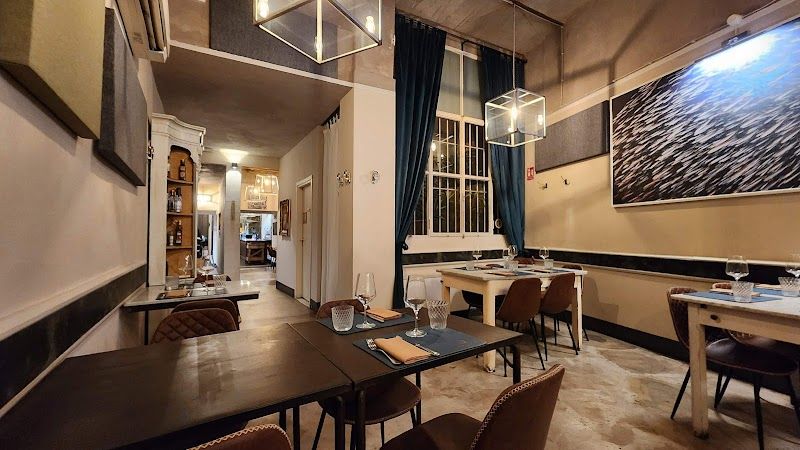
Burro e Acciughe
Contemporary osteria specializing in Piedmontese cuisine with an emphasis on butter and anchovies, as the name suggests. The intimate space features an open kitchen and excellent wine selection. Their vitello tonnato and handmade tajarin pasta are standout dishes.
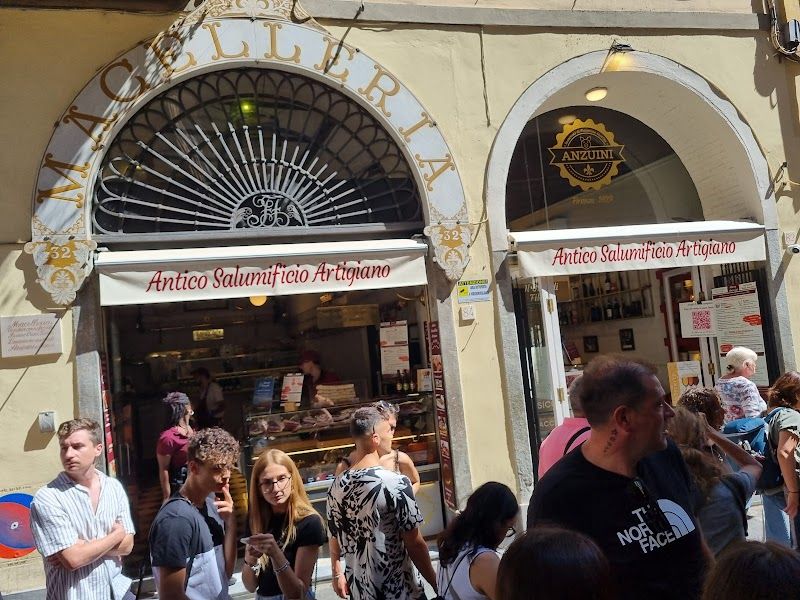
Antica Salumeria Anzuini
Antica Salumeria Anzuini has been slicing prosciutto and aging pecorino in the same cramped storefront since 1916, making it one of Florence's most authentic food shops. You'll find proper Tuscan salumi like finocchiona and soprassata, wheels of aged pecorino toscano, and house-made specialties that locals queue up for daily. The Anzuini family still runs everything personally, hand-selecting their suppliers and preparing fresh panini to order from a tiny counter that barely fits two people. Stepping inside feels like entering someone's well-stocked pantry rather than a commercial shop. Salamis dangle from the low ceiling while wheels of cheese tower behind the glass counter, filling the air with that unmistakable aroma of aged meats and sharp pecorino. The owner, often working alone, moves with practiced efficiency, slicing paper-thin prosciutto and assembling sandwiches while chatting with regular customers in rapid Italian. You'll hear more local dialect than English here. Most food tours skip this place because it's genuinely local, not tourist-friendly. The staff speaks minimal English and can seem brusque if you're indecisive, so know what you want before approaching the counter. A panino costs around 4-6 EUR depending on fillings, and they only accept cash. Skip the expensive truffle products, they're better elsewhere, but the house-made spreads and marinated vegetables are exceptional.
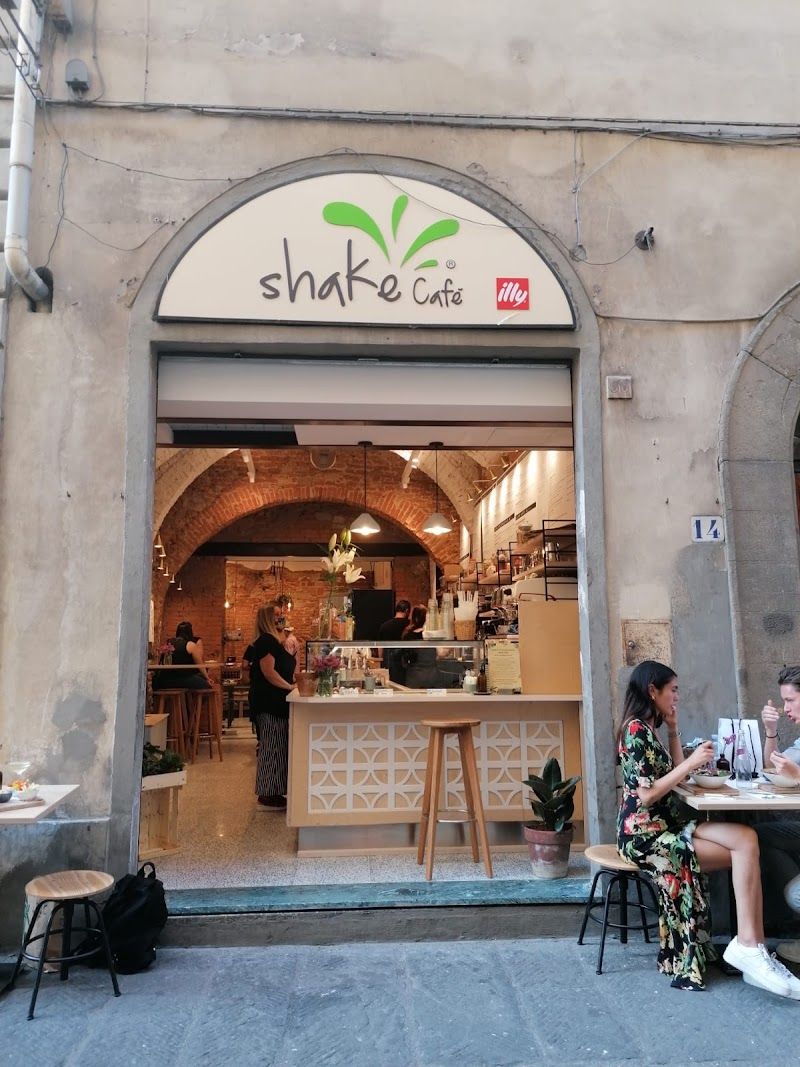
Shake Café
Laid-back neighborhood café and brunch spot popular with locals and expats for its all-day breakfast, fresh juices, and specialty coffee. The eclectic vintage decor and relaxed vibe make it perfect for working on a laptop or leisurely weekend brunch. They also serve creative salads and sandwiches.
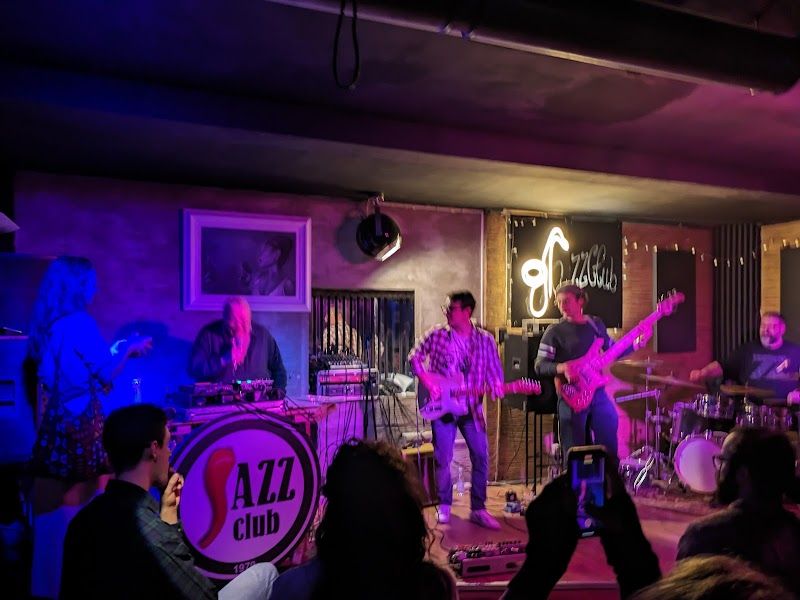
Jazz Club Firenze
Intimate basement jazz venue hosting live performances six nights a week in a brick-vaulted cellar. The programming ranges from traditional jazz standards to contemporary fusion with both Italian and international acts. Membership card required but can be purchased at the door for EUR 10 annually, then drinks are reasonably priced.
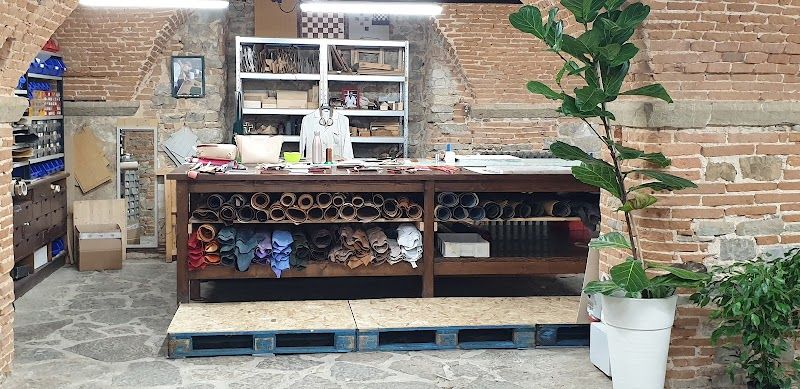
Scuola del Cuoio
The Scuola del Cuoio sits in the former dormitory of Santa Croce's monastery, where Franciscan friars started teaching leather crafts to war orphans in 1950. You'll watch artisans hand-tooling wallets, bags, and belts using techniques unchanged for decades, while the smell of leather and tools fills the stone-walled workshops. Prices here beat Florence's tourist leather shops by 30-40%, and you can commission custom monogrammed pieces that take about a week. The workshop feels like stepping into a medieval guild where time stopped. Leather workers sit at wooden benches cutting, stamping, and stitching while tourists browse quietly around them. The monastery setting adds gravity to what could feel like a tourist trap elsewhere: high stone ceilings, simple wooden furniture, and the occasional friar walking through. You can handle the leather goods freely, and the artisans don't mind you watching their detailed work up close. Most guides oversell this as a major attraction when it's really a solid shopping stop with authentic atmosphere. The quality is genuine but limited to classic styles, nothing fashion-forward. Wallets start around 25 EUR, bags from 80 EUR, which beats Via del Corso prices significantly. Skip the overly touristy front section near Santa Croce's entrance and head straight to the active workshops in back where the real work happens.
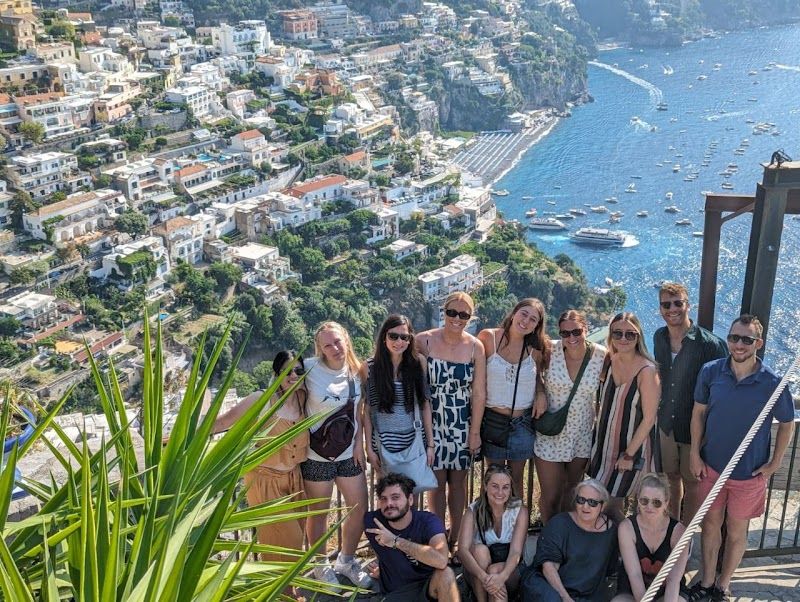
Tuscany on a Budget tours Florence
This truffle hunting operation takes you into the forests around San Miniato, about an hour from Florence, where you'll follow trained dogs as they sniff out precious white truffles buried beneath oak and hazel trees. The full day includes watching the dogs work in muddy woodland, learning about truffle varieties from local hunters, and eating a proper farmhouse lunch where the morning's finds get shaved over fresh pasta. You'll also visit one or two medieval villages perched on hilltops, although stops like these can feel a bit rushed. The experience starts early with pickup from central Florence, and the forest hunting lasts about 2 hours, depending on what the dogs find. You'll be tramping through damp undergrowth, so expect muddy boots and brambles catching your clothes. The dogs show a clear focus, and when they start digging frantically, everyone gathers around to see what emerges. The farmhouse lunch is the highlight: simple regional dishes elevated by paper-thin truffle shavings that have a delicious aroma. Most truffle tours can be overpriced and touristy, but this one seems more authentic because they use working hunters rather than actors. Expect to pay around 180 EUR per person during peak season (November especially). The village visits are optional if you're short on time, but the lunch is worth staying for. Book directly to avoid markup from hotel concierges.
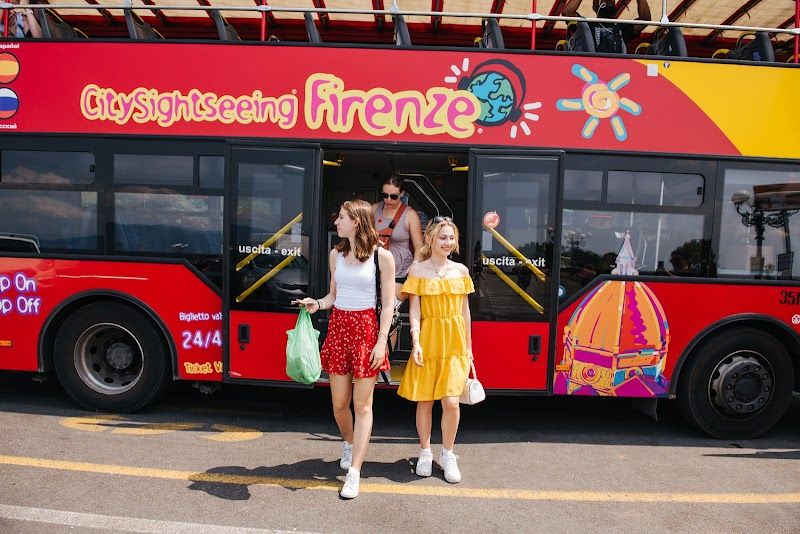
City Sightseeing Firenze
City Sightseeing Firenze runs three hop-on hop-off bus routes covering Florence's major sights, with the red line hitting classics like Piazzale Michelangelo and Santa Croce, while the blue line ventures out to Fiesole's hilltop views. You'll get multilingual audio commentary that's surprisingly detailed about Renaissance history and architectural quirks, plus open-top seating perfect for photos. The 24-hour pass costs around €25 and covers 15 stops with buses running every 20 minutes. The experience feels touristy but genuinely useful for getting oriented in Florence's confusing street layout. You'll sit shoulder to shoulder with other visitors, listening to headphones while the bus navigates narrow medieval streets and climbs to panoramic viewpoints. The audio guide actually teaches you things most walking tours skip, like why certain palazzos have those heavy stone benches outside. Traffic can slow things down in the historic center, but the elevated perspective gives you shots of Florence you can't get from street level. Honestly, this is better than most hop-on hop-off tours in European cities because Florence is compact enough that the routes make sense. Skip the green line entirely, it's mostly residential areas with nothing special. The real value is using it as transportation to Piazzale Michelangelo and Fiesole, both expensive taxi rides otherwise. Most people waste time hopping on and off downtown when you could just walk faster between those stops.
Museo Stefano Bardini
Museo Stefano Bardini showcases one man's obsession with collecting Renaissance art, displayed exactly as the 19th-century antiques dealer arranged it in his own palazzo. You'll find Donatello's haunting terracotta Madonna dei Cordai alongside medieval armor, Persian carpets, marble fragments, and bronze sculptures, all staged in theatrical room settings with deep blue walls. Bardini wasn't just a collector but a master of presentation, creating atmospheric spaces that feel more like an aristocrat's private residence than a traditional museum. The blue-painted rooms create an almost mystical backdrop for the eclectic collection, making even minor pieces feel dramatic. You'll move through intimate spaces filled with carved wooden ceilings, ancient Roman fragments, Islamic ceramics, and Renaissance sculptures, each room flowing into the next like scenes in a play. The palazzo itself becomes part of the experience, with original architectural details and Bardini's innovative lighting creating shadows and highlights that change throughout the day. Most visitors rush through in 30 minutes, but you'll miss the point entirely. This isn't about checking off masterpieces but about experiencing Bardini's vision of how art should be displayed. The €6 admission is excellent value compared to Florence's major museums. Skip it if you want traditional museum labels and scholarly context, but if you appreciate atmospheric presentation and unusual pieces, this beats the crowded Bargello any day.
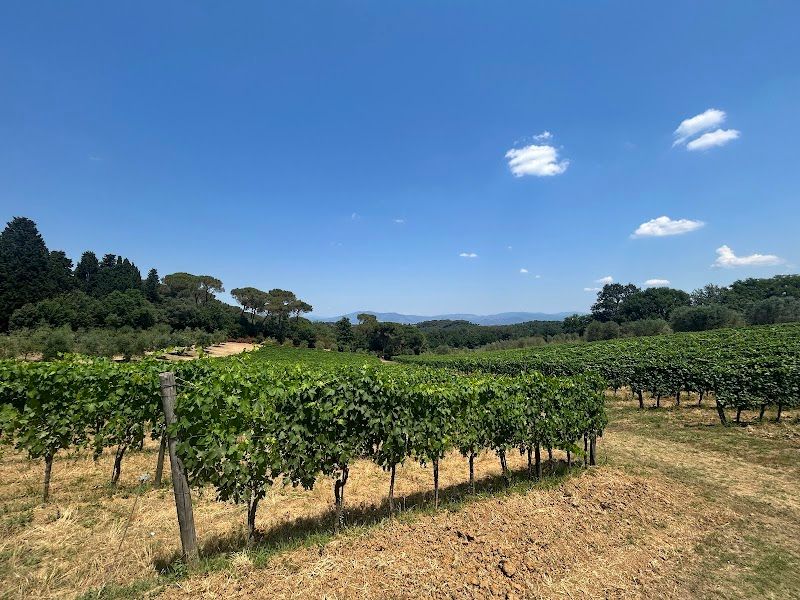
Tuscany Chianti Day Trip by Car
A day trip south of Florence through the Chianti wine region, one of the best day trips in Europe. The landscape is the point as much as the wine: cypress-lined roads, medieval villages on hilltops, vineyards in every direction. The main route runs from Florence through Greve in Chianti (the central wine town, with an enoteca and the Wednesday market), Panzano in Chianti (the butcher Dario Cecchini has become famous, his restaurant uses his own meat), Castellina in Chianti (medieval walls, wine shops), and Radda in Chianti. Estate tastings cost EUR 10-25 and include 3-6 wines with explanations. Lunch at a farmhouse agriturismo (EUR 25-40 per person with wine). Best with a rental car. Tour operators run day trips from Florence (EUR 90-140 per person).
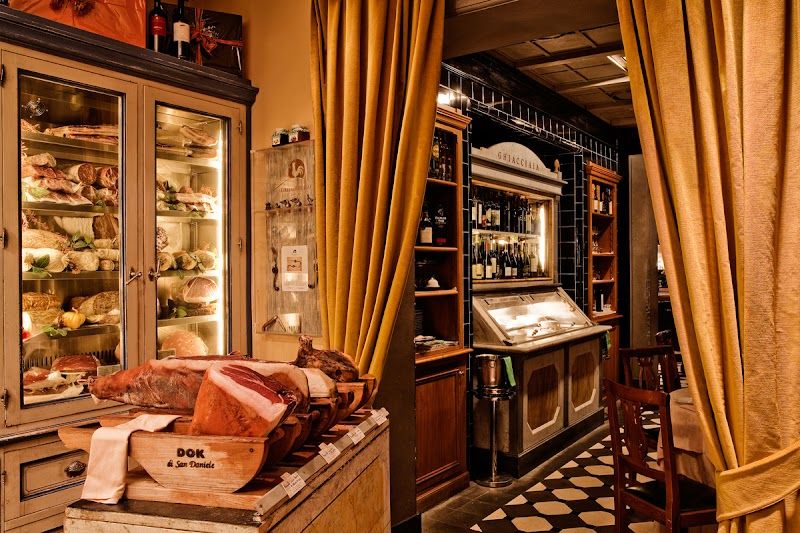
Olio & Convivium
Gourmet deli and restaurant specializing in high-quality Italian oils, wines, and regional products. The intimate dining room serves seasonal dishes highlighting their carefully curated ingredients. Part wine bar, part grocery, part restaurant - a true foodie destination.
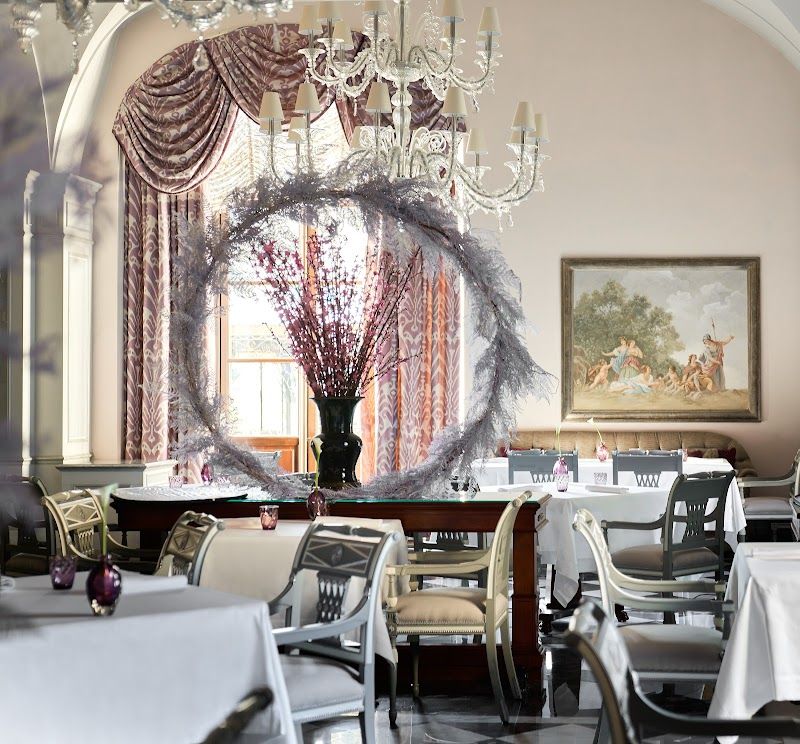
Ristorante Il Palagio
Michelin-starred restaurant in Four Seasons Hotel serving contemporary Italian cuisine in a Renaissance palazzo. Formal service, tasting menus, courtyard garden dining in summer. Reservations essential, dress code enforced, expect €120-180 per person.
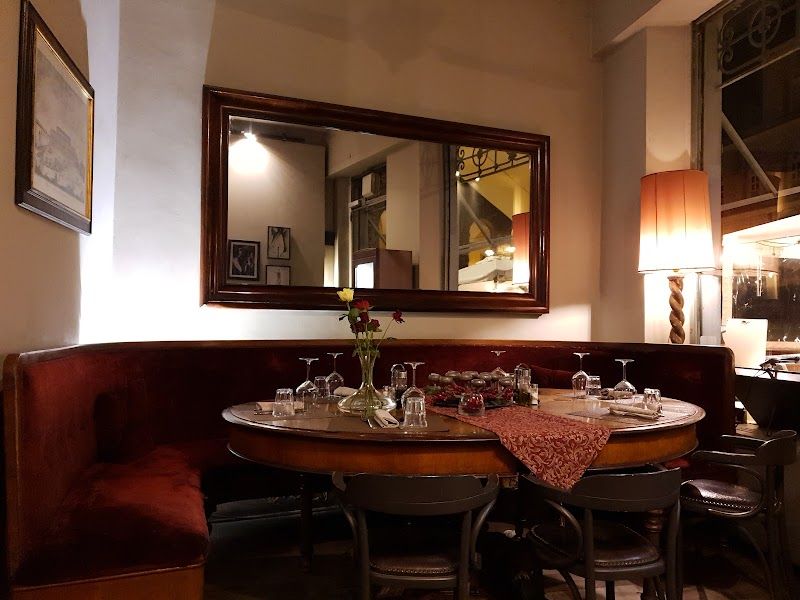
Caffè Pitti
Neighborhood bar directly across from Palazzo Pitti serving quick espresso and pastries to museum-goers and locals. Stand at the zinc bar for EUR 1.20 espresso or grab a seat outside to watch the square. No-frills Florentine cafe experience without tourist markup.
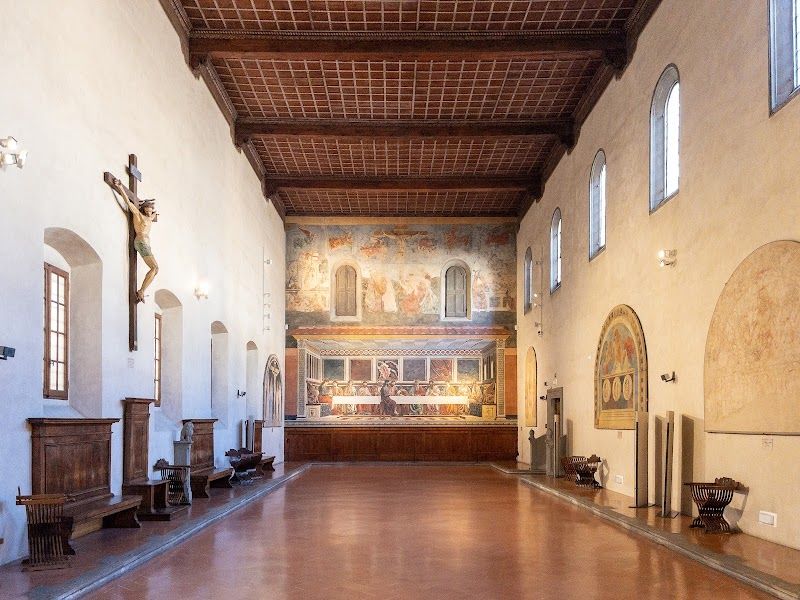
Cenacolo di Sant'Apollonia
This tiny former convent houses Andrea del Castagno's 1447 Last Supper fresco, one of Renaissance art's most psychologically intense works. You'll find yourself face to face with a masterpiece that influenced Leonardo da Vinci himself. The fresco covers an entire wall of what was once the Benedictine nuns' dining hall, showing Judas isolated on the viewer's side of the table while the other apostles react with shock and anger. The painted marble backdrop and brutal emotional realism make this work more raw and powerful than most religious art in Florence. The museum consists of just two small rooms, making your visit intimate and focused. You'll have the fresco mostly to yourself, able to study every detail of the apostles' expressions and Castagno's revolutionary perspective techniques. The silence in the former refectory adds gravity to the scene. Above the Last Supper, three smaller frescoes show the Crucifixion, Deposition, and Resurrection, completing the narrative. Most guidebooks barely mention this place, which keeps crowds away but means you might walk right past it. Admission is completely free, making it one of Florence's best art bargains. The visit takes 20 minutes maximum, so don't plan your whole morning around it. Pair it with the nearby Mercato Centrale or use it as a quiet break between the chaos of San Lorenzo's markets.
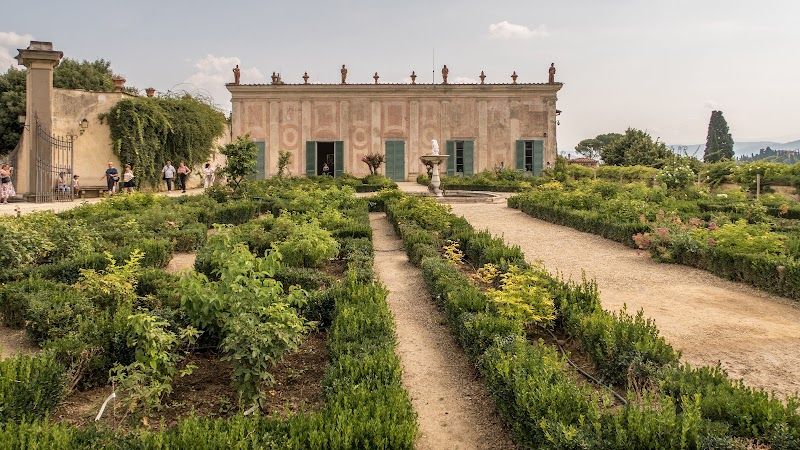
Museo delle Porcellane
The Museo delle Porcellane houses one of Europe's finest porcelain collections inside the Casino del Cavaliere, a neoclassical pavilion perched at Boboli Gardens' highest point. You'll find exquisite pieces from the Medici and Lorraine dynasties spanning three centuries, including delicate Capodimonte figurines, ornate Sèvres dinner services, and rare Chinese export porcelain that arrived via 18th-century trade routes. The real bonus here is the panoramic terrace overlooking Florence's terracotta rooftops and distant hills. The museum feels intimate and almost residential, like wandering through a noble family's private dining rooms. Each gallery flows naturally into the next, with pieces displayed in elegant glass cases that let you examine intricate hand-painted details and gilded edges up close. The quiet atmosphere and cool marble floors provide welcome relief after climbing through the sun-baked gardens below. Large windows frame postcard views between the porcelain displays, making this as much about the setting as the collection. Most visitors rush through in 20 minutes, but you're missing the point if you don't spend time on the terrace. The porcelain itself is admittedly niche, skip it entirely if decorative arts bore you. Entry costs about 10 EUR as part of the combined Pitti Palace ticket, though pricing varies seasonally. The steep climb deters many tourists, so you'll often have rooms to yourself, especially in late afternoon when the light hits the displays beautifully.
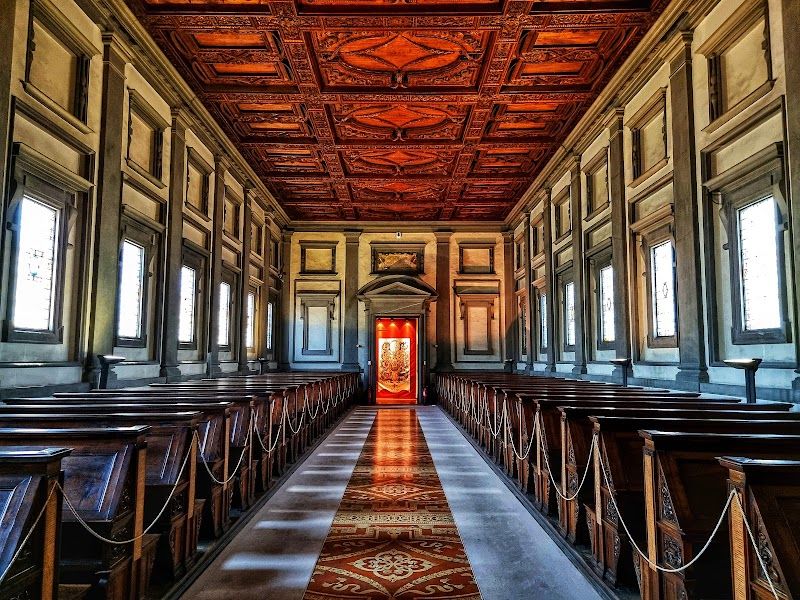
Biblioteca Medicea Laurenziana
Michelangelo's revolutionary library design from 1524 houses one of Europe's most important manuscript collections, including original texts by Dante and Petrarch. You'll climb his famous flowing pietra serena staircase that seems to pour down like water, then enter the long reading room where medieval manuscripts remain chained to original carved walnut desks under an elaborate coffered ceiling. The real draw is seeing how Michelangelo broke every classical architecture rule in the vestibule, creating something that feels more like sculpture than building. The experience starts in the cramped vestibule where Michelangelo's staircase dominates the space, its curves and flowing lines completely at odds with Renaissance convention. You'll climb these sculptural steps feeling like you're ascending inside a work of art rather than functional architecture. The reading room stretches out in stark contrast: long, serene, and filled with natural light streaming across centuries old manuscripts still displayed exactly as medieval scholars would have found them. Most guides oversell this as essential Florence, but it's really for architecture enthusiasts and book lovers. The visit takes 30 minutes maximum, and you can't actually handle the manuscripts. Skip it if you're rushed between the Duomo and Uffizi. Entry costs 3 EUR, but it's closed Sundays and has unpredictable afternoon closures. The staircase alone makes it worthwhile if you appreciate Michelangelo's genius beyond his paintings.
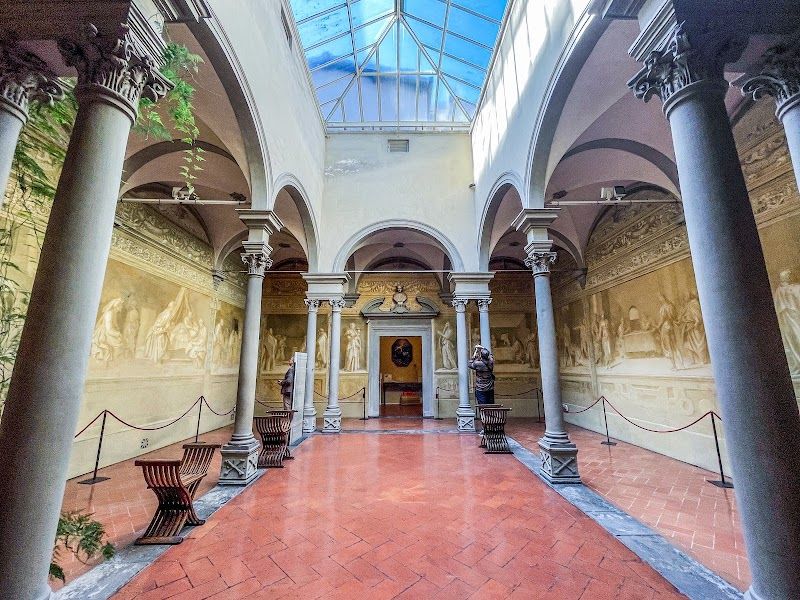
Chiostro dello Scalzo
Chiostro dello Scalzo houses one of Florence's most remarkable fresco cycles, painted entirely in grisaille (shades of gray) by Andrea del Sarto between 1511 and 1526. The small cloister contains twelve scenes from the life of St. John the Baptist, executed with such precision that they look like marble reliefs rather than painted walls. Two scenes were actually completed by del Sarto's student Franciabigio, but you'd need an art history degree to spot the difference. You'll have this tiny courtyard almost entirely to yourself, which feels surreal given the artistic caliber. The frescoes run chronologically around the cloister walls, starting with the Annunciation to Zacharias and ending with the Beheading of the Baptist. The monochrome technique creates an intimate, almost meditative atmosphere that's completely different from the color-saturated chapels elsewhere in Florence. Each scene reveals del Sarto's mastery of anatomy and perspective, particularly in the dancing Salome sequence. Most guidebooks barely mention this place, which works in your favor. Entry is completely free, and you'll often find the attendant reading a newspaper in the corner while you study million-euro frescoes alone. The visit takes exactly as long as you want it to, though 20 minutes covers the highlights thoroughly. Skip it only if you're completely frescoed out from the Sistine Chapel comparisons get old fast.
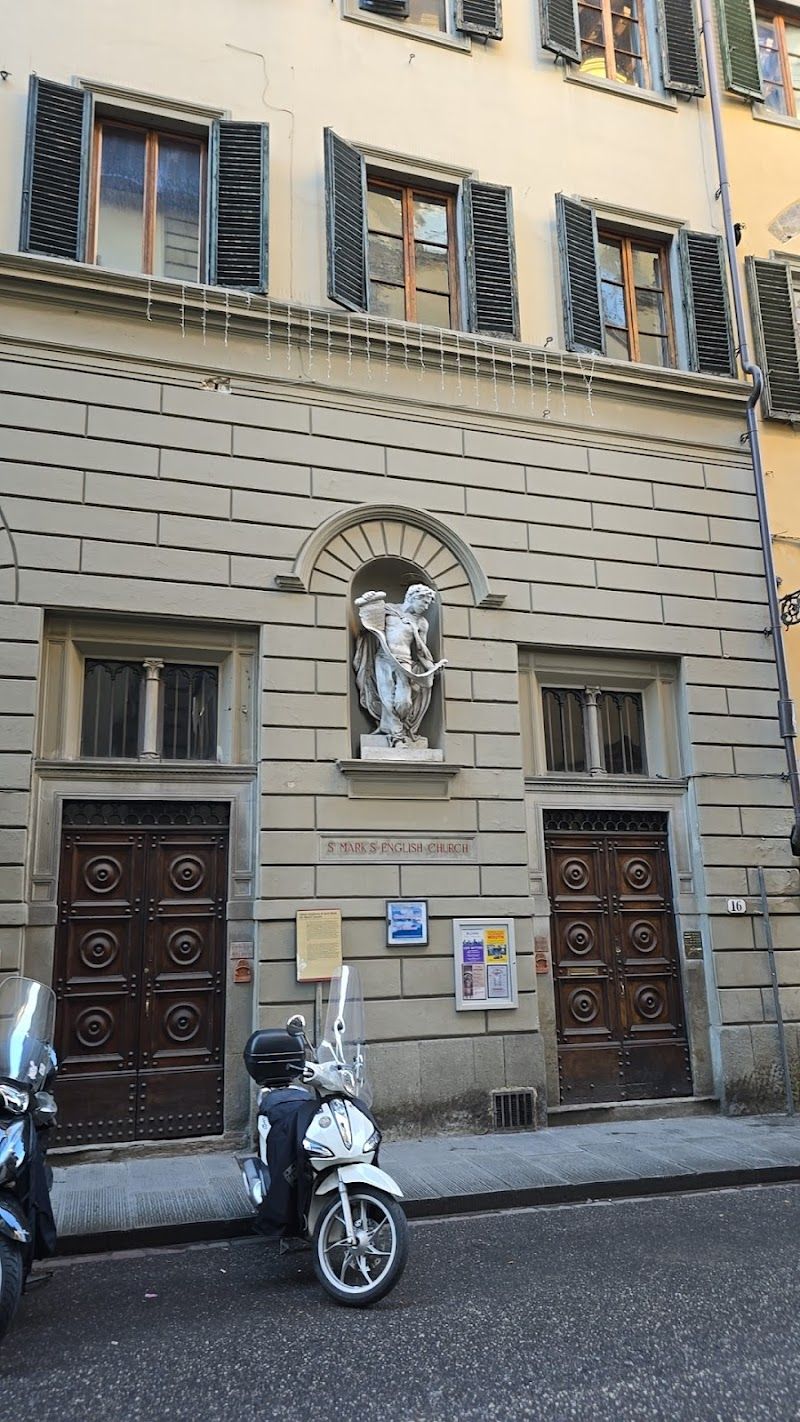
St. Mark's English Church
St. Mark's English Church transforms each evening into Florence's most intimate opera venue, with hour-long concerts in a neo-Gothic space designed by George Frederick Bodley. Professional soloists perform beloved arias from Verdi, Puccini, and Rossini, accompanied by piano or small chamber ensembles. The church's Victorian stained glass and exceptional acoustics create a sense of a private performance in an elegant chapel rather than a tourist show. The atmosphere strikes a perfect balance between reverence and relaxation. You'll sit in wooden pews among locals and savvy travelers, watching performers who genuinely connect with their audience in this 200-seat space. The acoustics are impressive: every note resonates clearly whether you're in the front row or the back corner. Between pieces, the intimate setting lets you hear the performers' brief introductions to each aria, providing context often missed in other opera venues. Tickets typically cost 20-25 EUR, making this Florence's best budget-friendly opera option compared to overpriced dinner shows elsewhere. Many tourists overlook this choice, drawn to more flashy venues that charge twice as much for inferior acoustics. The performances happen almost nightly during peak season but check the schedule for winter months. Consider skipping the expensive opera dinners around town and treating yourself to gelato afterwards.
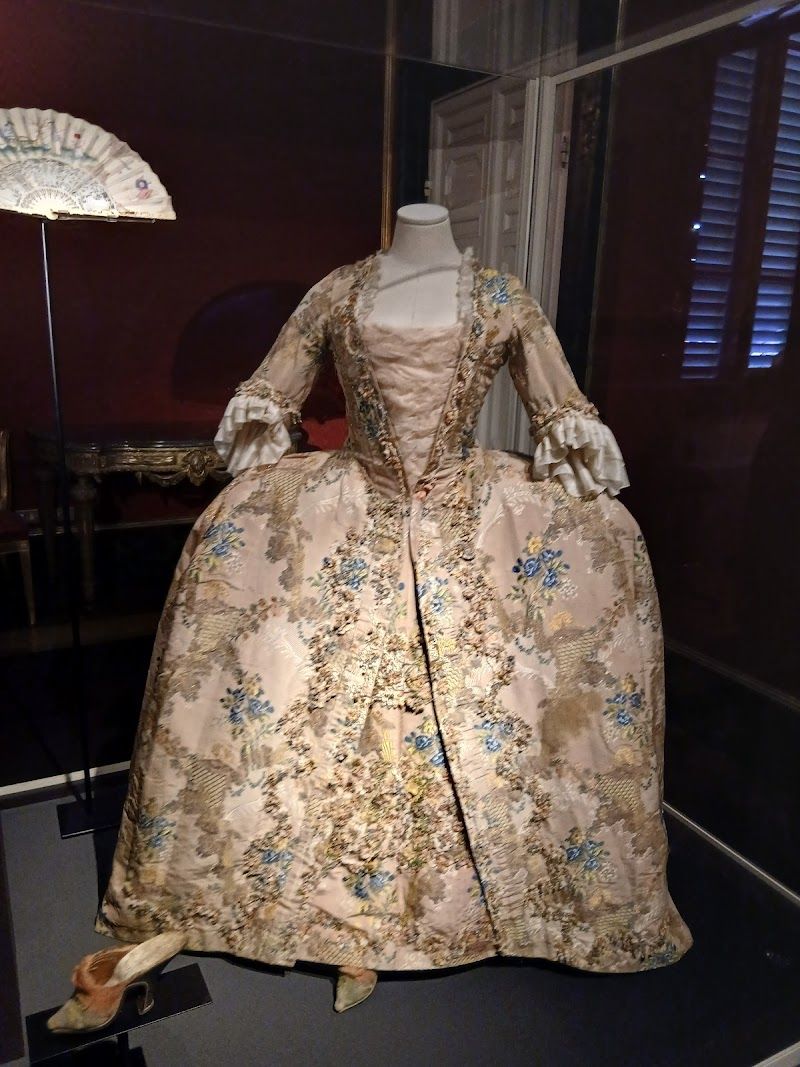
Galleria del Costume
The Galleria del Costume houses Italy's most comprehensive fashion collection inside Palazzo Pitti's grand rooms, spanning three centuries of Italian style from 1700s court dress to contemporary designer pieces. You'll see intricate 18th-century gowns with elaborate embroidery, theatrical costumes from La Scala, and pieces by Valentino, Versace, and Ferragamo. The collection rotates every two years, so even repeat visitors discover new treasures among the corsets, accessories, and avant-garde creations. The museum flows through a dozen palatial rooms where mannequins pose in period-appropriate settings under crystal chandeliers. Each gallery focuses on a different era, from Napoleonic empire waists to 1960s mod mini-dresses. The atmosphere feels intimate compared to the Uffizi crowds, with detailed placards explaining construction techniques and social context. You'll often have entire rooms to yourself, especially the contemporary fashion wing where Pucci prints and Armani evening wear catch the afternoon light. Most visitors rush through in 30 minutes, but fashion lovers should budget at least an hour to appreciate the craftsmanship details. Skip the first two rooms of men's court dress unless you're specifically interested, the women's collections are far more extensive. At 16 EUR (combined with Boboli Gardens), it's excellent value since you're essentially getting two attractions. The museum closes early on Mondays, so plan accordingly.
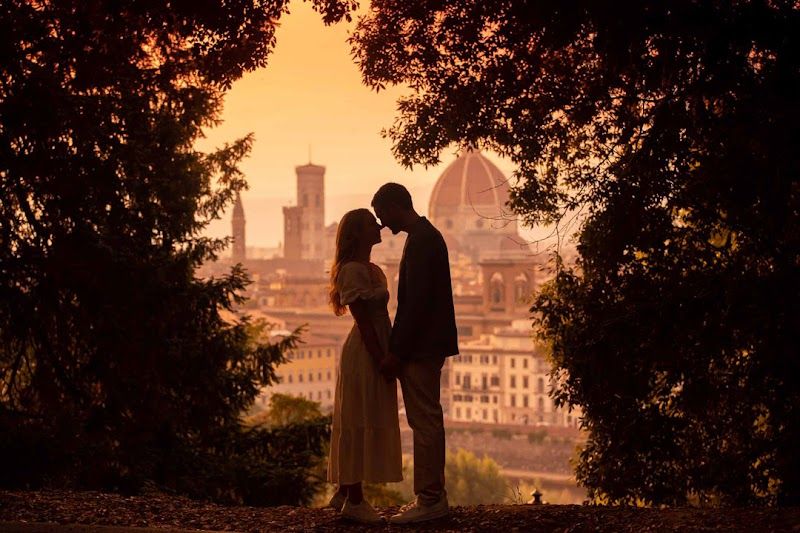
Florencephototour
This golden hour photography workshop takes you to Florence's most photogenic spots with actual professional photographers who know the technical side inside out. You'll hit Piazzale Michelangelo for the classic skyline shot, then move to Ponte Vecchio and along the Lungarno Torrigiani as the light changes. They provide camera equipment if you don't have your own, and the instruction covers real technical skills like HDR, manual exposure, and composition tricks that work specifically in Florence's tricky lighting. The 2.5 hour session follows the light as it changes, starting before sunset and continuing into blue hour. Your guide positions the group at each location's sweet spots and actually demonstrates settings on your camera rather than just talking theory. The pace feels relaxed but purposeful, moving between viewpoints as the light shifts from golden to deep blue. You'll end up with genuinely better photos than the usual tourist snapshots, plus you'll understand why certain settings work. Most photography tours rush through too many locations, but this one gets the timing right by focusing on just three prime spots. The guides are working photographers, not just tour leaders with cameras, which shows in their technical advice. Book directly through their basement office to avoid markup from booking sites. Skip this if you're already comfortable with manual camera settings, the instruction level is aimed at enthusiastic beginners to intermediate photographers.
Angela Caputi
Angela Caputi's workshop creates some of Florence's most distinctive costume jewelry, all handmade upstairs using vintage resin techniques that produce bold, sculptural pieces in unexpected color combinations. You'll find chunky necklaces, oversized earrings, and statement bracelets that fashion editors actually wear, not tourist trinkets. The pieces range from €45 for simple earrings to €300 for elaborate necklaces, with most items falling between €80 and €150. The Santo Spirito flagship feels more like an art gallery than a jewelry shop, with pieces displayed against white walls under careful lighting. You can hear the gentle sounds of craftwork from the atelier upstairs, and the staff genuinely knows each piece's inspiration and construction method. The atmosphere stays relaxed even when busy, since serious jewelry shoppers move at their own pace rather than rushing through. Most travel guides oversell this as a "must visit" when it's really for people who actually wear statement jewelry, not casual browsers. The pieces are substantial and definitely not subtle, so know your style before investing. Skip the smaller items if you're spending serious money here, the large necklaces and cuff bracelets are where Caputi's designs truly shine and justify the price point.
Bar Fiesole
A beloved local café right on Piazza Mino, serving excellent espresso and homemade pastries since 1948. This is where Fiesolani gather for their morning coffee and afternoon aperitivo, offering authentic small-town Italian café culture.
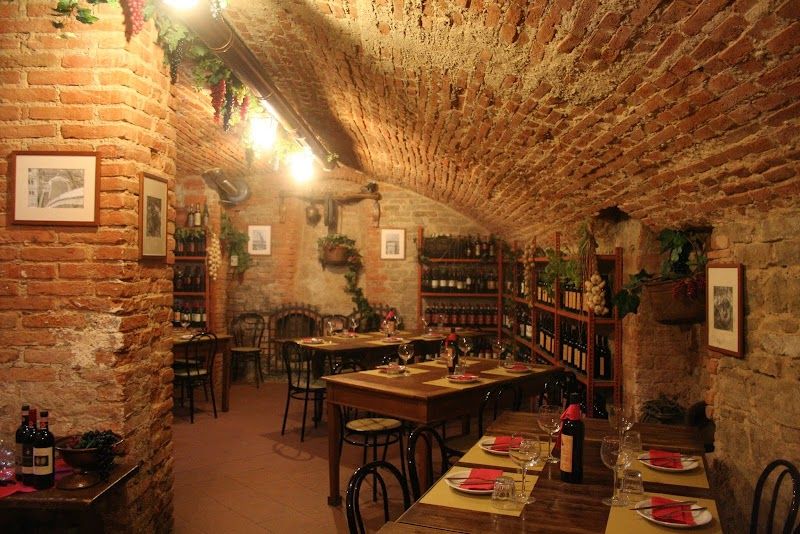
In Tavola
In Tavola transforms cooking from spectator sport to hands-on craft in the vaulted rooms of a 14th-century palazzo near Santo Spirito. You'll spend four hours learning the fundamentals of Florentine cuisine: hand-rolling pici pasta, building layers for proper ribollita, and mastering the timing for bistecca alla fiorentina. Classes cap at 12 people, so you get real instruction rather than assembly-line cooking, and everything ends with a proper sit-down meal featuring your creations paired with local Chianti Classico. The experience flows like a dinner party where you happen to be doing the cooking. Chef Fabio keeps things relaxed but informative, explaining why Tuscans never put garlic and basil together (unlike the rest of Italy) and demonstrating proper knife techniques on actual San Marzano tomatoes. The medieval kitchen feels authentic without being precious, with modern equipment tucked discretely among exposed stone walls. You'll find yourself chatting with fellow participants over wine while your ragù simmers, creating that convivial atmosphere Italians call convivialità. At €85 per person, it's fairly priced for Florence cooking classes, though the market tour add-on bumps it to €110. Skip the morning classes if you can, the afternoon sessions (starting at 2pm) have better energy and the chef seems more relaxed. The biggest mistake people make is showing up hungry, you'll be tasting throughout but the full meal doesn't start until hour three. Book directly through their website to avoid the €15 booking fee most platforms charge.
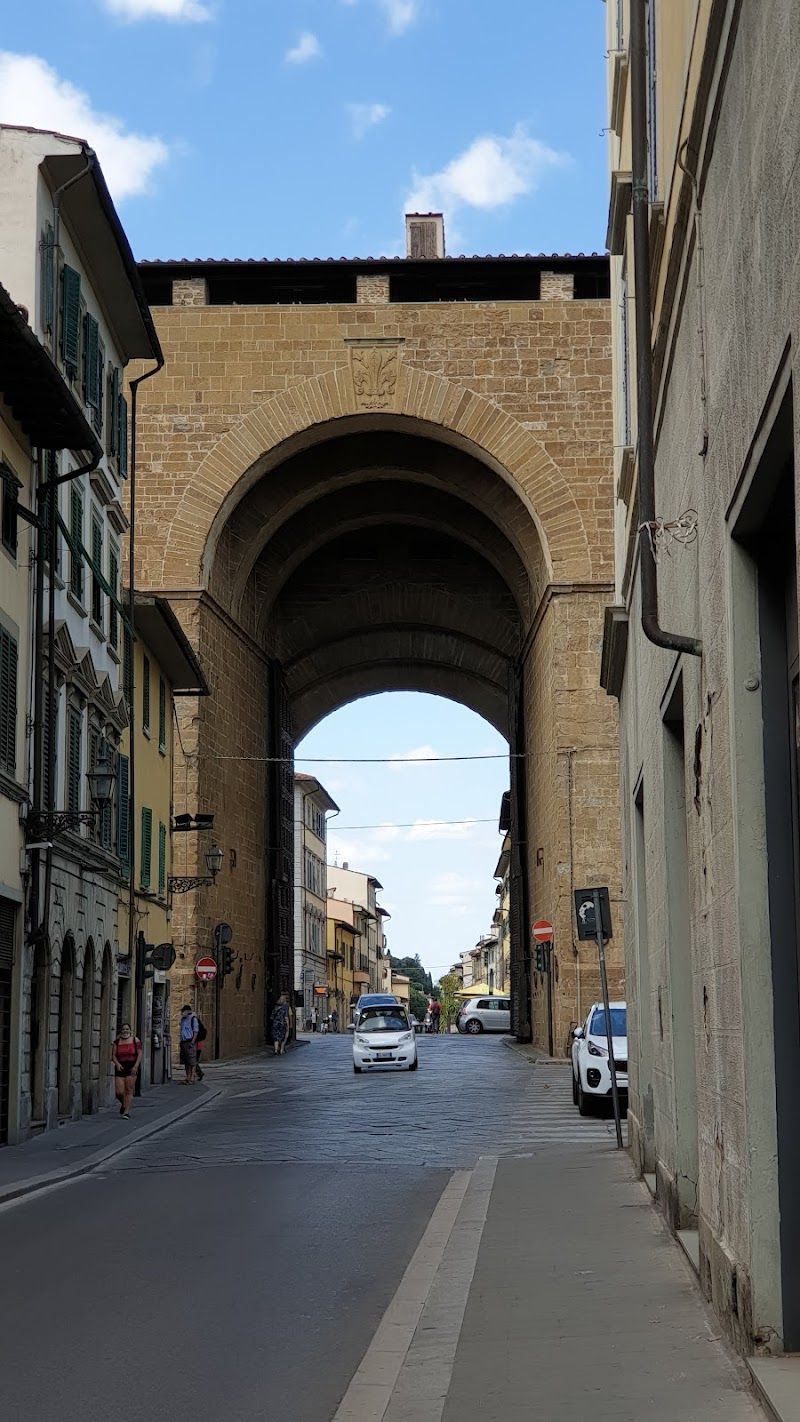
Borgo San Frediano
Borgo San Frediano is Florence's last authentic artisan street, where you can still watch bookbinders, frame makers, and leather craftspeople working in centuries-old workshops. The narrow medieval street runs through the heart of Oltrarno, lined with botteghe (workshops) that have operated for generations alongside neighborhood bars serving locals, not tourists. You'll find everything from antique restoration to traditional paper marbling, with most workshops happy to let you observe their craft. The street feels like stepping back fifty years: old men play cards outside corner bars, workshop doors stay open revealing cluttered workbenches, and the smell of leather and glue drifts from doorways. Most shops occupy ground floors of residential buildings, so you're walking through a genuine neighborhood where people actually live and work. The atmosphere is unhurried and welcoming, especially on weekday afternoons when artisans take breaks to chat with curious visitors. Most guidebooks romanticize this place, but honestly, half the workshops have irregular hours and some have moved to cheaper neighborhoods outside the center. Focus on the established bookbinders near Via del Campuccio and the leather workshops closer to Piazza del Carmine. Small handmade notebooks start around 15 EUR, while custom leather goods range from 40-200 EUR. Skip the touristy shops at either end, they're not authentic botteghe.
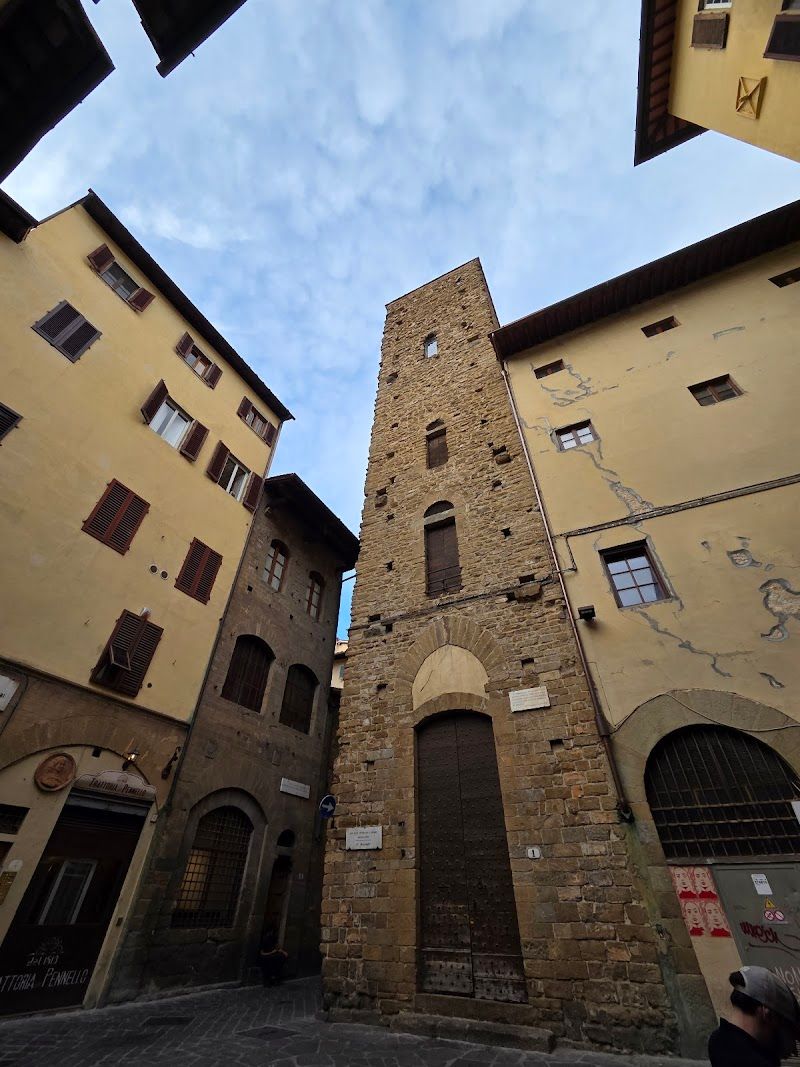
Torre della Castagna
Torre della Castagna is one of Florence's last surviving private medieval towers, standing 30 meters tall in tiny Piazza San Martino. Back in the 13th century, over 150 of these defensive towers pierced Florence's skyline as wealthy families built them for protection and prestige. This particular tower served as the meeting place for Florence's Priors before they moved to Palazzo Vecchio, making it a genuine piece of the city's political history. You can't climb it, but the tower itself and its perfectly preserved medieval square are what you're here for. The experience is all about the atmosphere of the intimate piazza surrounding the tower. You'll find yourself in what feels like a medieval time capsule, with the tower looming overhead and original stone buildings closing in the small space. The scale is completely different from Florence's grand piazzas, this feels personal and authentic. Morning light hits the tower beautifully, and you can walk completely around it in the small square. Most guidebooks oversell this as a major attraction when it's really a 10 minute stop. The tower's exterior is impressive but there's no interior access, no museum, no information plaques. It's perfect as part of a walking route between the Duomo and Palazzo Vecchio, but don't make a special trip just for this. The charm is in stumbling upon it rather than seeking it out.
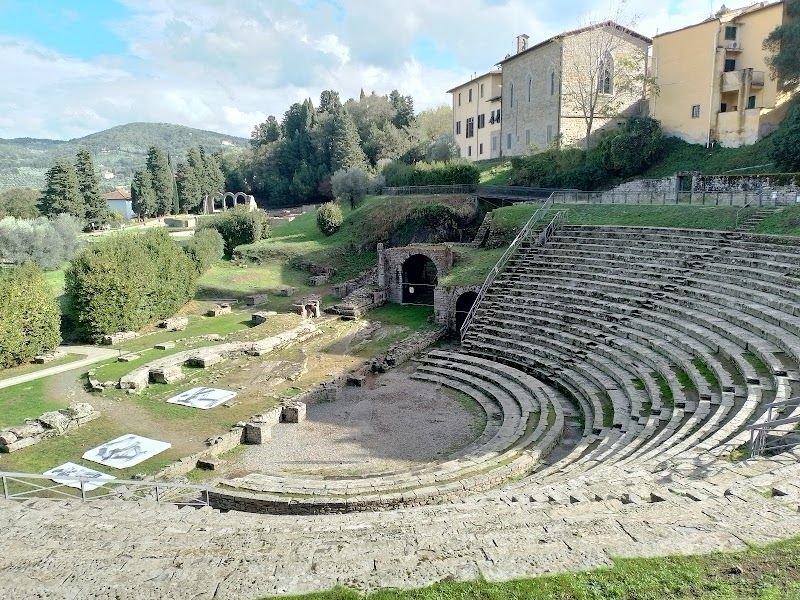
Area Archeologica di Fiesole
This Roman archaeological site sits on a hill 8km northeast of Florence, featuring one of Italy's best-preserved ancient theaters from the 1st century BC. You'll explore genuine Roman baths with intact heating systems, an Etruscan temple foundation, and a small museum packed with burial objects and everyday Roman artifacts. The theater still hosts concerts during summer months, making it one of the few ancient venues where you can actually watch performances as Romans did 2,000 years ago. The visit flows naturally from the museum through the excavated areas to the spectacular theater carved into the hillside. You'll walk on original Roman stones and peer into bath chambers where citizens once relaxed after gladiator games. The setting feels intimate rather than overwhelming, with olive trees framing ancient walls and Florence's dome visible in the distance. The theater's acoustics are remarkable: even whispers from the stage carry clearly to the top rows. Most guides oversell this as a major archaeological site, but it's actually quite small and you'll see everything in about an hour. Entry costs 10 EUR (7 EUR reduced), which is fair given the quality of preservation. Skip the audio guide and spend that money on the combined ticket with Bandini Museum instead. The views alone justify the trip from Florence, especially in late afternoon when the light hits the ancient stones perfectly.
Stefano Bemer
Stefano Bemer represents the pinnacle of Florentine shoemaking, where master craftsmen still hand-stitch every detail using techniques unchanged for centuries. You'll find shelves lined with lasts (wooden foot forms) carved for specific clients, drawers full of exotic leathers from alligator to ostrich, and workbenches where artisans spend eight hours a day on individual pairs. The ready-to-wear collection starts around €800, while bespoke orders begin at €3,500 and require multiple fittings over six months. Walking into the workshop feels like entering a Renaissance artist's studio. Leather shavings cover wooden floors, the air smells of glue and polish, and you'll hear the rhythmic tapping of hammers shaping soles. The craftsmen work at antique benches passed down through generations, each specializing in different stages: pattern cutting, lasting, welting, or finishing. They're surprisingly welcoming about explaining their process, especially if you show genuine interest rather than just snapping photos. Most visitors expect a fancy showroom but find a working atelier instead, which is exactly the point. The ready-to-wear shoes offer exceptional value compared to bespoke but still cost more than many Italian brands. Skip the visit if you're just browsing casually, this place rewards serious shoe enthusiasts who appreciate the difference between machine-stitched and hand-welted construction. Book ahead for bespoke consultations, but walk-ins can browse the workshop and ready-made collection freely.
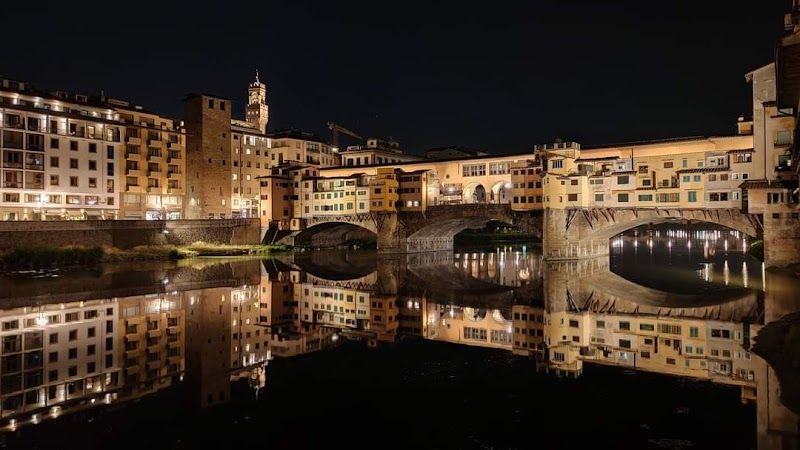
Borgo San Jacopo
Michelin-starred restaurant offering innovative Tuscan cuisine with spectacular Ponte Vecchio views. Located along the Arno River, it combines contemporary elegance with classic Florentine flavors. Perfect for a special occasion with impeccable service and creative presentations.
The Florentine
The Florentine takes you behind the scenes in Oltrarno's working artisan quarter, where families have practiced the same crafts for centuries. You'll visit actual bookbinders hand-stitching leather journals, marble workers carving intricate patterns, and gold leaf specialists applying delicate sheets to picture frames. The 2.5-hour tour includes Santo Spirito church and the Brancacci Chapel's notable Masaccio frescoes, but the real magic happens in cramped workshops where craftsmen explain techniques passed down through generations. Your small group (maximum 8 people) moves between workshops at a relaxed pace, with plenty of time to watch demonstrations and ask questions. The atmosphere feels authentic because these aren't tourist displays: artisans continue their regular work while explaining their processes. You'll handle tools, smell leather and varnish, and hear stories about apprenticeships starting at age 14. The contrast between centuries-old techniques and modern Florence creates a genuine time-travel feeling. Most art tours in Florence focus on famous museums, but this experience reveals how Renaissance craftsmanship survives today. It's best to avoid weekend tours when many workshops close or operate reduced hours. The guide's knowledge varies significantly: some are art historians, others are former artisans themselves. At around 65 EUR per person, it's a higher-cost option, but it offers access you can't get independently since most workshops don't welcome casual visitors.
Florence Urban Adventures
Florence Urban Adventures takes you through the city's real food scene, not the tourist traps around the Duomo. You'll visit Sant'Ambrogio Market where locals actually shop, meet third-generation pasta makers who still roll everything by hand, and taste properly aged cheeses at family salumerias that have been here since the 1940s. The tour covers six stops over 3.5 hours with a local guide who knows which vendors to visit and when. The experience flows naturally from the morning market buzz to quieter neighborhood spots where you'll chat with shop owners in broken Italian while sampling their specialties. Groups stay small at 12 people maximum, so you can actually ask questions and get individual attention. The pace feels relaxed rather than rushed, with genuine tastings at each stop rather than tiny samples. It concludes with aperitivo at a neighborhood enoteca where you'll drink Chianti with locals rather than fellow tourists. Most food tours in Florence stick to the obvious spots and charge €80+ for mediocre experiences. This one costs around €65 and actually delivers substance over style. The Sant'Ambrogio Market portion works best on weekdays when it's less crowded and vendors have more time to chat. Skip this if you're vegetarian, as much of the experience centers on cured meats and traditional preparations.