Granada
Albaicin
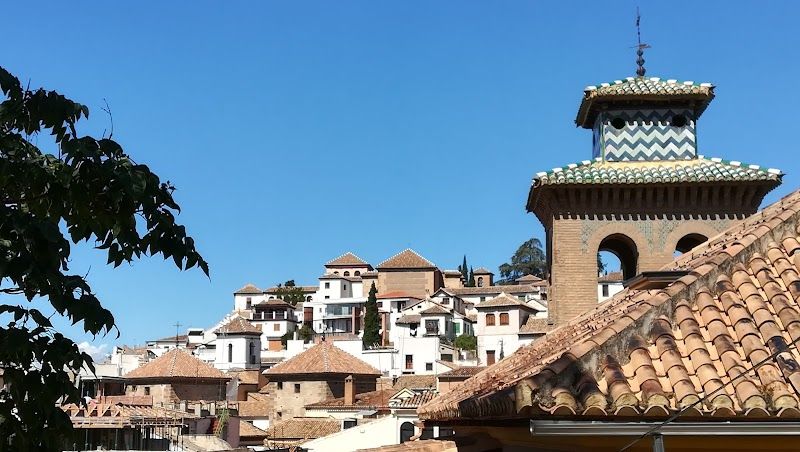
The UNESCO Moorish quarter on the opposite hill from the Alhambra: steep cobblestone lanes, whitewashed carmenes, tea houses, Carrera del Darro facing the palace across the Darro gorge, and the Mirador San Nicolas at sunset.
About Albaicin
The Albaicin is the former Moorish quarter of Granada, a UNESCO World Heritage Site that covers the hill opposite the Alhambra. The street plan has changed very little since the Nasrid period. Carrera del Darro is the most beautiful street in Granada: it runs along the Darro river gorge with the Alhambra rising directly above on the opposite bank. The Banos Arabes del Banuelo (EUR 3, on Carrera del Darro) are the oldest Arab baths in Spain, with intact star-shaped skylights and three temperature chambers. Climbing from Carrera del Darro upward through the lanes takes 25-35 minutes to reach Mirador de San Nicolas, the viewpoint that faces the Alhambra directly with the Sierra Nevada behind it. Calle Caldereria Nueva (the Street of the Tea Houses) has a dense concentration of Moroccan-style teterias serving mint tea and pastries. The Albaicin rewards getting lost: every dead end eventually leads to a small plaza or a window that looks across to the Alhambra.
Things to Do
Top experiences in Albaicin
Mirador de San Nicolas Viewpoint
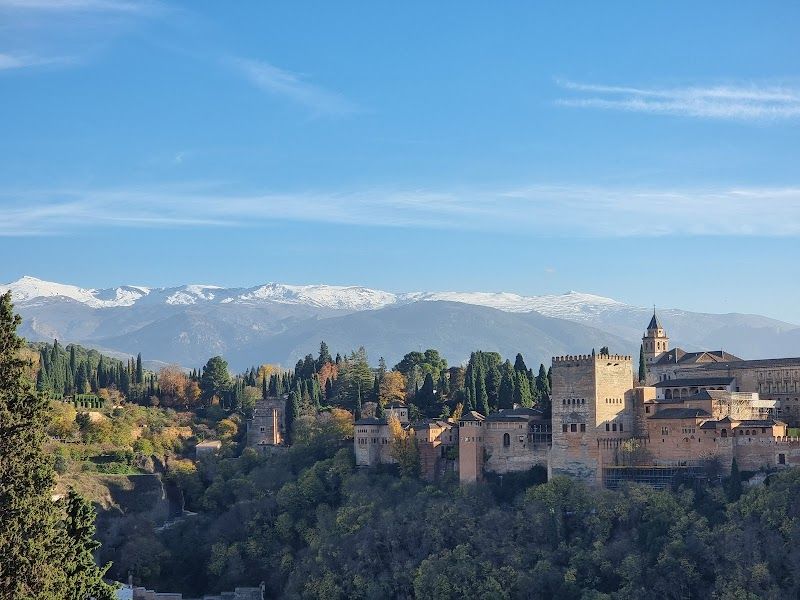
The Mirador de San Nicolás delivers Granada's most photographed view: the entire Alhambra complex spread across the opposite hillside with the Sierra Nevada mountains rising behind it. You're looking directly across the Darro valley at those red ochre walls and towers that define Granada's skyline. On clear days between November and April, snow-capped peaks create a dramatic backdrop that turns the view from good to absolutely spectacular. The viewpoint is a plaza in front of the 16th-century Iglesia de San Nicolás, and it gets packed from mid-afternoon until well after sunset. Flamenco guitarists set up in the corners, playing for tips as the light changes. The atmosphere builds as sunset approaches: couples claim spots along the railing, photographers jostle for position, and the crowd grows restless waiting for that golden hour magic when the Alhambra walls glow amber against the darkening sky. Most guides won't tell you this place is genuinely overrun during peak season, and the famous sunset shots require serious commitment to claim a front-row spot. The walk up from Plaza Nueva takes 25 minutes through steep, narrow Albaicín streets, but a taxi costs just EUR 6-8 and saves your energy for the main event. Skip the overpriced drinks from street vendors and bring water, especially in summer when sunset doesn't happen until after 9:30 PM.
Palacio de Carlos V
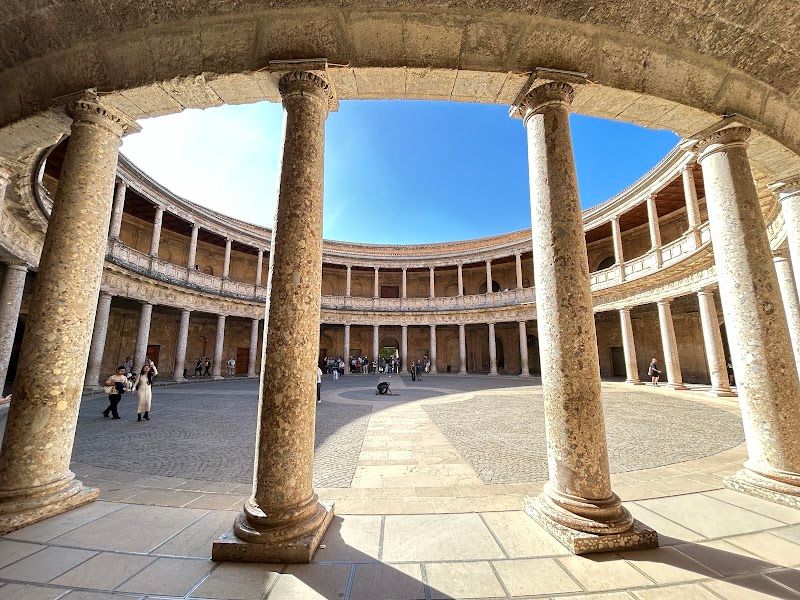
Charles V's Renaissance palace sits like an architectural anomaly inside the Alhambra, its perfectly circular courtyard unlike anything else in Spain. You'll find two-story columns wrapped around a cobblestone circle where the acoustics bounce sound so clearly that whispers carry across the space. The contrast is jarring: step from delicate Islamic arches into this imposing stone statement of imperial power. The palace houses the Alhambra Museum downstairs and Fine Arts Museum upstairs, both included free with your Alhambra ticket. Walking into the circular courtyard feels like entering a Roman amphitheater that someone forgot to put a roof on. The geometric precision of the Renaissance columns creates perfect symmetry, while tourists instinctively test the acoustics by clapping or calling across the circle. Upstairs, the Fine Arts Museum holds some decent religious paintings, though nothing spectacular. The real draw is the architecture itself: standing in the center of that courtyard, you're experiencing Spain's only circular Renaissance patio. Most visitors rush through in 10 minutes, which is a mistake if you appreciate architecture. The Fine Arts Museum upstairs is skippable unless you're really into 17th-century religious art, but spend time in the courtyard itself. The building never feels crowded because everyone's focused on the main Alhambra palaces. If you hear musicians performing here, stop and listen: the acoustics turn even amateur guitar playing into something special.
Bañuelo
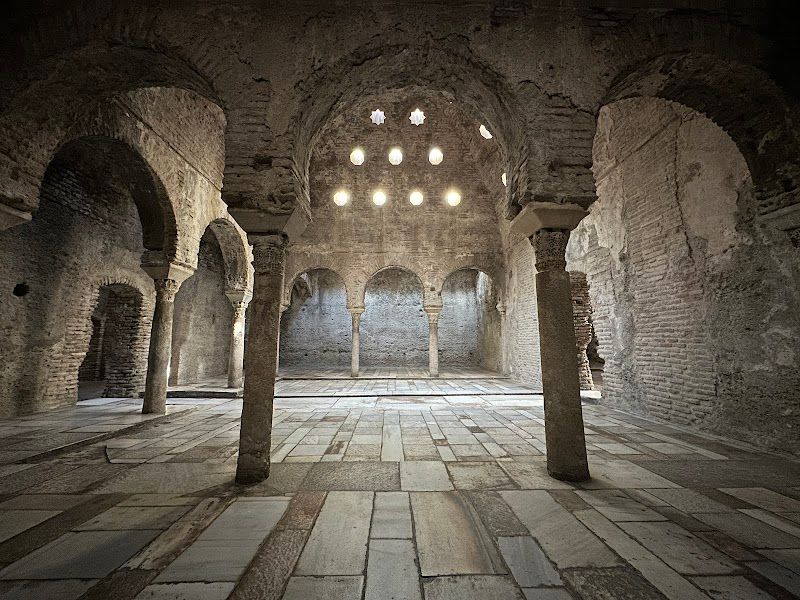
Bañuelo houses the oldest surviving Arab baths in Spain, built in the 11th century when Granada was the heart of Al-Andalus. You'll walk through three perfectly preserved rooms that demonstrate sophisticated Islamic engineering: the cold room (frigidarium), warm room (tepidarium), and hot room (caldarium). The star-shaped skylights cut into the brick vaulted ceilings still work exactly as intended, casting geometric patterns across the columns and horseshoe arches throughout the day. Stepping inside feels like entering a medieval spa where Moorish nobles once relaxed. The rooms connect seamlessly, each with different ceiling heights and lighting effects. The hydraulic system that once heated the floors and walls remains visible, showing how hot air circulated beneath the tiles. You can still see the original marble columns, some recycled from Roman buildings, and the intricate brickwork that has survived nearly a thousand years. Most visitors rush through in 10 minutes, but you should spend at least 20 to appreciate the engineering details. Entry costs just 5 EUR, making it one of Granada's best cultural bargains. Skip the audio guide and focus on the light patterns, which change dramatically every hour. The afternoon crowds from Alhambra tours can pack the small space uncomfortably, so morning visits work best.
Monasterio de la Cartuja
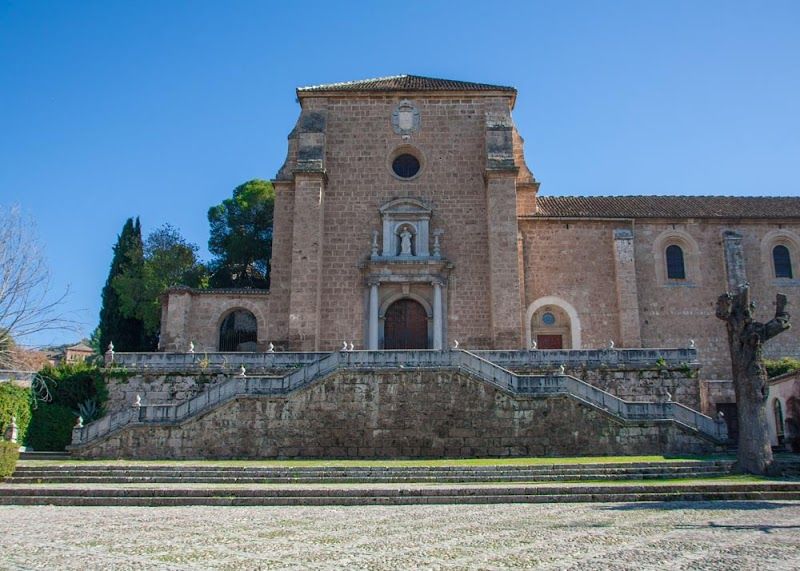
Monasterio de la Cartuja houses what might be Spain's most overwhelming Baroque interior, a 17th-century Carthusian monastery that'll leave you dizzy from visual overload. The sacristy is the star: every single surface explodes with gilded stucco, marble inlay work, and trompe l'oeil paintings that seem to bend reality. You're looking at the Spanish Baroque at its most unhinged, where restraint was clearly a dirty word. Walking through feels like entering a jewel box designed by someone on a serious sugar rush. The church itself is surprisingly restrained compared to what's coming, then you hit the sacristy and your eyes don't know where to focus first. The ambulatory continues the visual assault with twisted columns and ceiling frescoes that play tricks on your depth perception. It's genuinely disorienting in the best possible way, like standing inside a kaleidoscope. Most guides treat this as a quick checkbox, but you need at least 45 minutes to properly absorb the sacristy's madness. Entry costs 5 EUR, which is honestly a steal for this level of craftsmanship. Skip the monastery's living quarters and focus entirely on the church and sacristy. The audio guide costs extra 2 EUR but adds nothing you can't see with your own eyes.
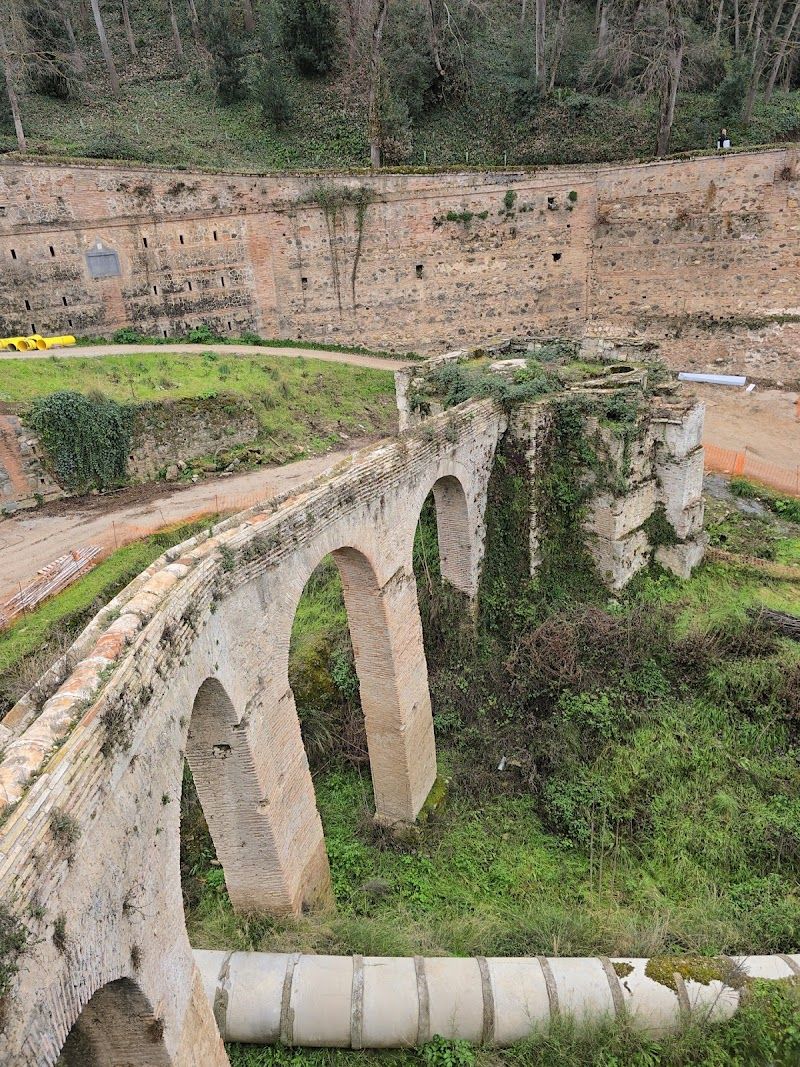
Mirador del Rey Chico
Mirador del Rey Chico sits perched on the Alhambra hill, giving you a completely different angle on Granada than the crowded San Nicolás viewpoint. You'll get stunning views across the Generalife gardens and into the white-washed Albaicín below, with the Sierra Nevada mountains forming a dramatic backdrop. This is supposedly where Boabdil, the last Moorish king, took his final look at Granada before exile, earning it the name "Boy King's Viewpoint." The walk up through the Cuesta de los Chinos feels like hiking through an enchanted forest, with stone walls from the Alhambra rising beside you and dappled sunlight filtering through oak trees. Once you reach the viewpoint, you'll find wooden benches and a peaceful clearing where maybe five other people are taking photos instead of fifty. The silence is remarkable, broken only by birds and the distant sound of fountains from the Generalife below. Most guidebooks treat this as a footnote to San Nicolás, but honestly, the views are just as spectacular without the tourist circus. The afternoon light hits the Albaicín perfectly from here, turning the white houses golden. Skip it if you're mobility-limited though, the uphill walk is steep and takes about 15 minutes of steady climbing from Paseo de los Tristes.
Where to Eat
Restaurants and cafes in Albaicin

Bar Los Diamantes
RestaurantThe most famous free tapas bar in Granada, specializing in fried fish and seafood since 1942. A beer costs EUR 2.50 and comes with a generous plate of perfectly fried pescaito or gambas. The original location on Calle Navas fills quickly after 8 PM with locals and visitors alike.
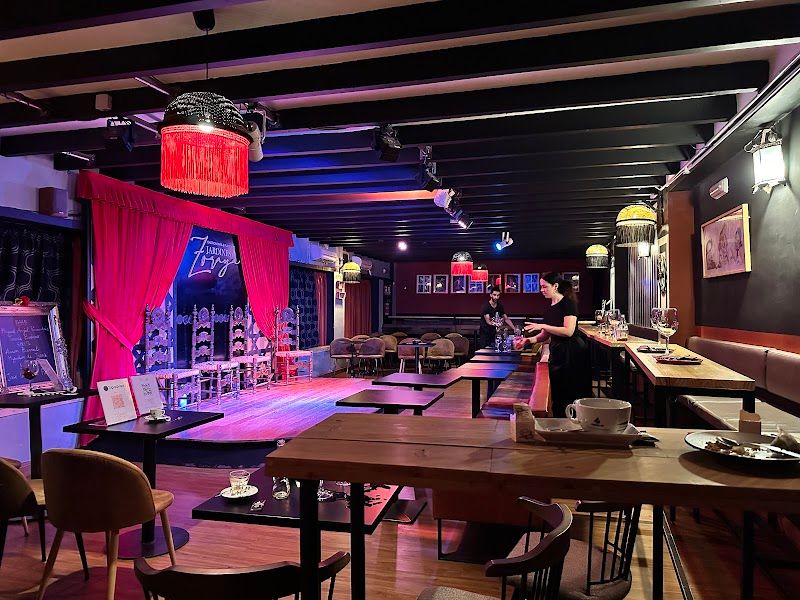
Restaurante Jardines de Zoraya
RestaurantAn intimate restaurant in a traditional carmen with Andalusian gardens, serving regional cuisine alongside nightly flamenco performances. The venue combines authentic local food with live music in a more refined setting than typical tourist flamenco shows. The outdoor patio is surrounded by jasmine and citrus trees.
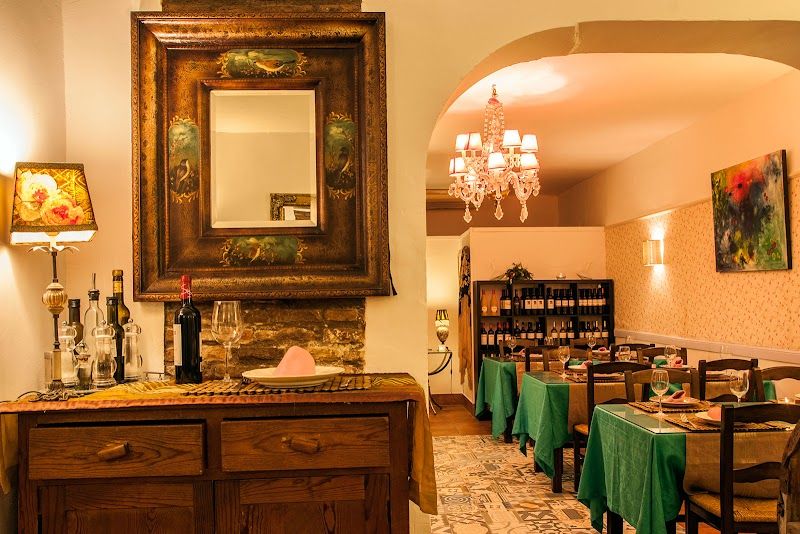
Restaurante El Trillo
RestaurantA family-run restaurant near the Alhambra entrance serving traditional Granada cuisine with a modern twist. The terrace overlooks the Darro valley and features local specialties like remojón granadino and slow-cooked meats. Locals appreciate the authentic recipes and reasonable prices given the location.
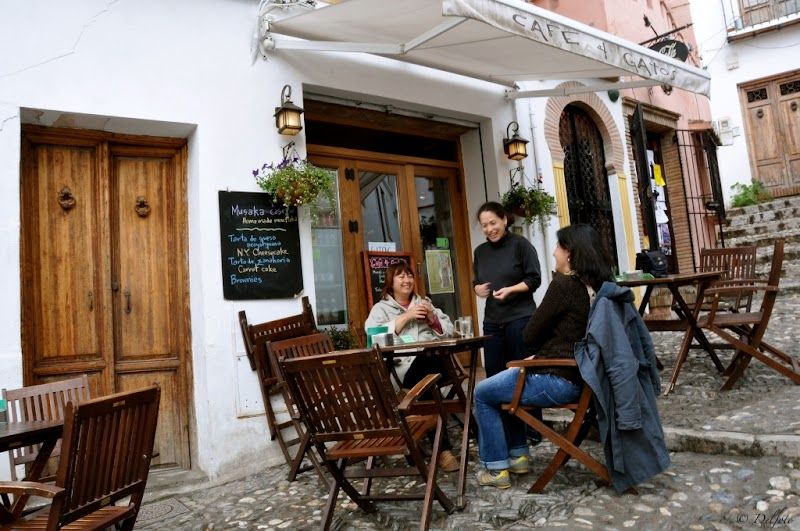
Café 4 Gatos
CafeA sunny cafe and bookshop on Plaza de la Romanilla serving breakfast, coffee, and light meals throughout the day. The menu includes fresh pastries, bocadillos, and salads. The outdoor terrace catches morning sun and fills with students and freelancers working on laptops.
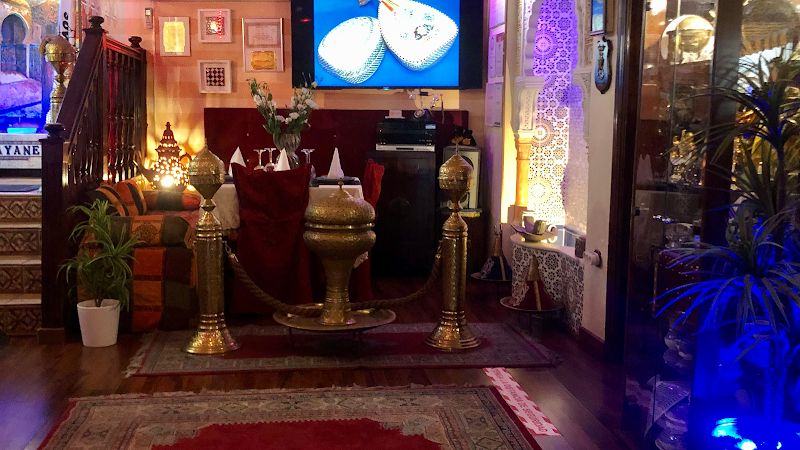
Restaurante Arrayanes
RestaurantA Moroccan restaurant in the Albaicin serving tagines, couscous, and mezze platters in a candlelit dining room with Moorish tilework. Mains cost EUR 12-16. The restaurant occupies a restored carmen with views toward the Alhambra from the upper dining room.
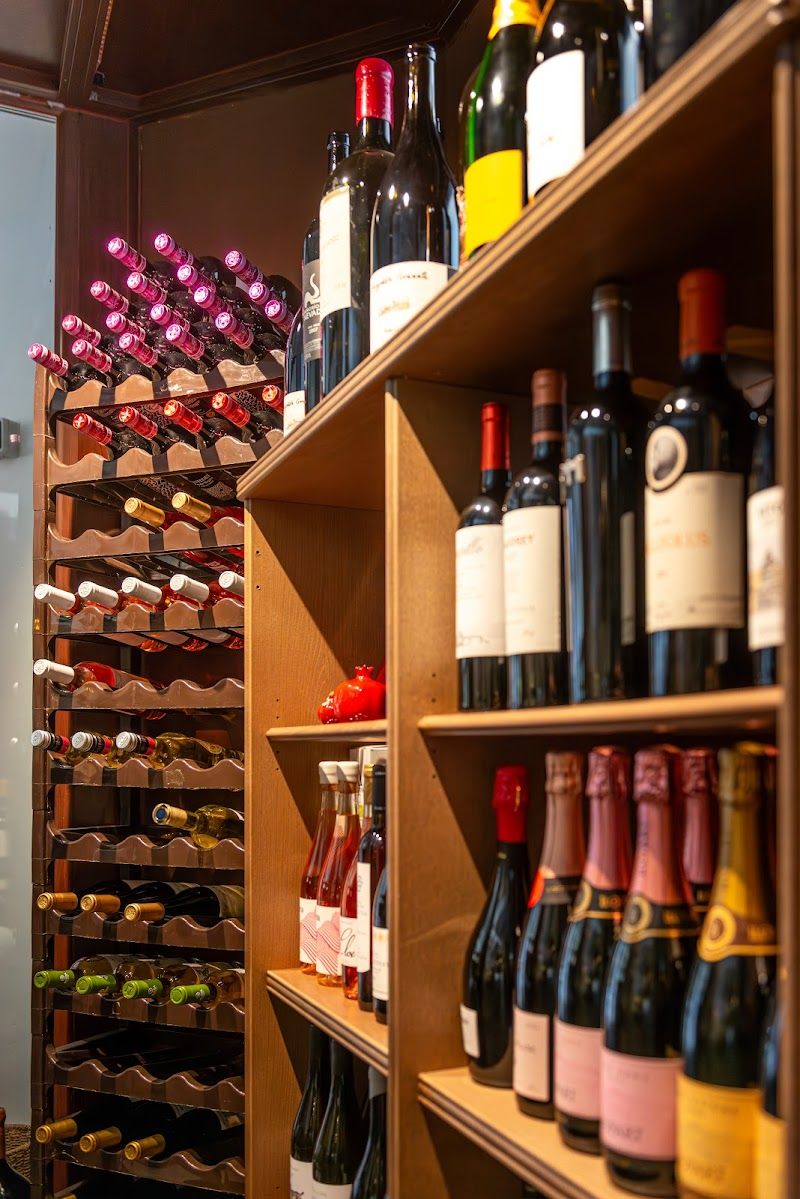
Restaurante Ruta del Azafrán
RestaurantA restaurant with tables right on the Darro River beneath the Alhambra walls, serving proper sit-down meals rather than free tapas. The menu features regional dishes like rabo de toro and bacalao con tomate. The location alone justifies the slightly higher prices of EUR 15-20 per main course.
Getting Here
Getting There
Bus C31/C32 from Plaza Nueva into the Albaicin. Taxi EUR 6 from Plaza Nueva to San Nicolas.
On Foot
Steep cobblestone. Wear shoes with grip. Go slowly uphill and use shaded lanes.
Insider Tips
Start at Carrera del Darro
The most atmospheric entry to the Albaicin is from Plaza Nueva along Carrera del Darro. The street follows the Darro river gorge with the Alhambra directly above on the opposite bank: you can hear the river and look up at the palace walls simultaneously. The Banos Arabes del Banuelo (EUR 3) are at the river level before the climb begins. Go here first, then climb.
Mirador San Nicolas timing
Arrive 40-45 minutes before sunset to get a position at the railing. In July and August this means arriving at 9 PM. The platform fills from 20 minutes before sunset and the view is equally good from the back. The Alhambra faces west, which means the walls are lit by the afternoon and evening sun. On clear days the Sierra Nevada peaks behind it have snow from October to May.
Tea houses for resting
The teterias on Calle Caldereria Nueva serve mint tea (EUR 2-3), Moroccan pastries (baklava, chebakia, kaab el ghazal), and allow you to sit at a low table for as long as you want. They are the correct midpoint stop during the Albaicin climb. The ritual: tea, pastry, rest, then continue upward.
Nearby Neighborhoods
Continue exploring
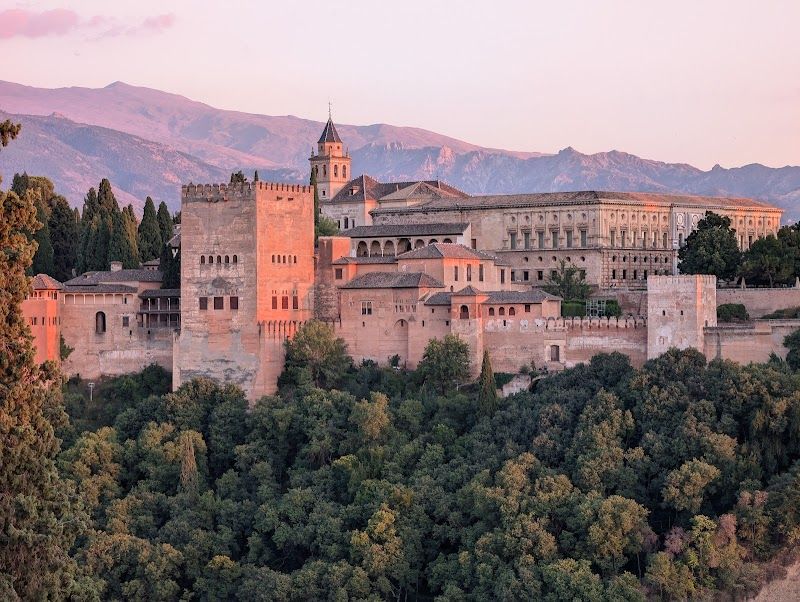
Alhambra Hill
The hilltop palace: the Nasrid Palaces with their geometric stucco and stalactite ceilings, the Generalife gardens designed around water sound, and the Alcazaba fortress walls with views over Granada and the Sierra Nevada.
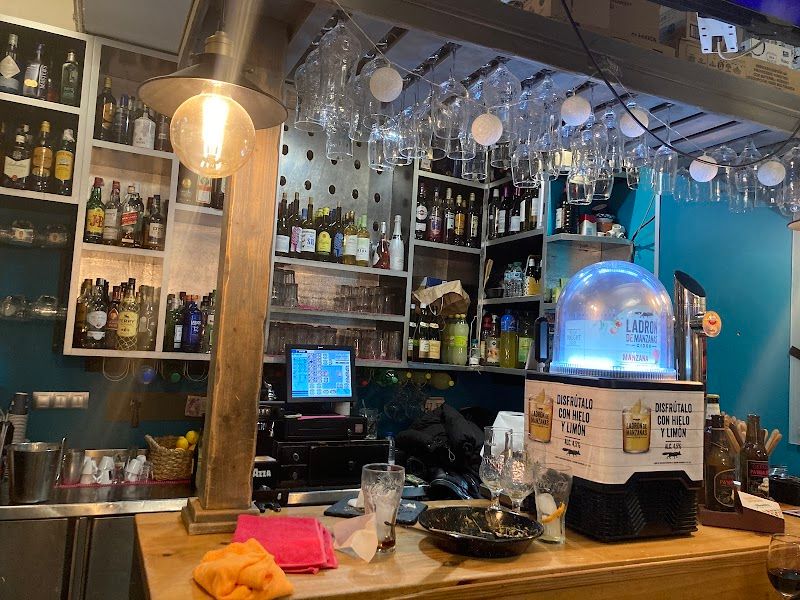
Centro & Realejo
The flat centre: the Cathedral with Ferdinand and Isabella's tombs, the free tapas bars on Calle Navas and in the Realejo neighbourhood, and Plaza Nueva where everything converges.
Sacromonte
The Roma cave neighbourhood above the Albaicin: whitewashed caves cut into the hillside, flamenco performances in cave interiors, and the cave museum explaining the community's history.
Plan a trip featuring Albaicin
Get a personalized Granada itinerary with Albaicin built in.
Start Planning