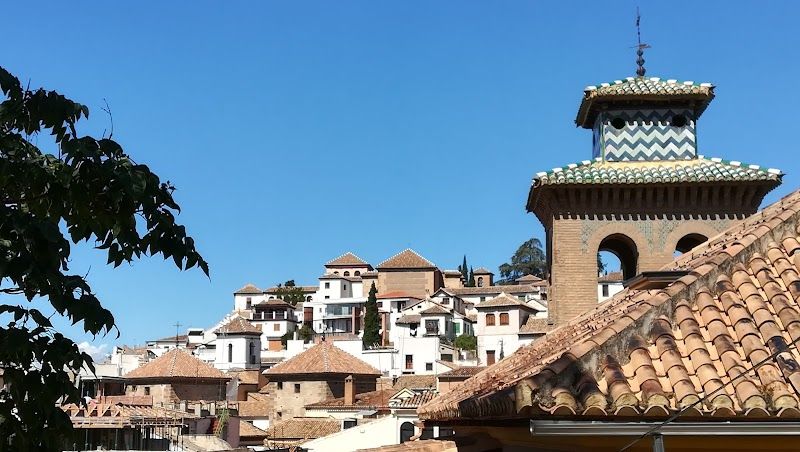
Granada
Sacromonte
The Roma cave neighbourhood above the Albaicin: whitewashed caves cut into the hillside, flamenco performances in cave interiors, and the cave museum explaining the community's history.
About Sacromonte
Sacromonte is the Roma neighbourhood above the Albaicin, built into the hillside in a series of whitewashed cave houses that the Roma (Romani) community has inhabited since the early 16th century. The Museo Cuevas del Sacromonte (EUR 5, open daily) is the best daytime activity: the cave museum explains the cave-dwelling tradition, the Roma culture and history of the neighbourhood, and includes reconstructed cave interiors showing how the spaces were organized and lived in. The evening flamenco shows happen in working cave houses: the main venues (Venta El Gallo, Cueva La Rocio) are tourist-oriented but the setting inside an actual cave adds an atmosphere that no purpose-built tablao can replicate. The walk from the Albaicin up through Sacromonte to the Abadia del Sacromonte (the hilltop monastery) takes 30 minutes and the views of the Alhambra and the valley improve with every metre of elevation.
Things to Do
Top experiences in Sacromonte
Albaicin Neighbourhood Walk
The Albaicín is Granada's medieval Moorish quarter, a UNESCO World Heritage site where narrow cobblestone lanes wind upward through white-washed houses and walled gardens called carmenes. You'll walk past 11th-century Arab baths, churches built on mosque foundations, and authentic tea houses serving mint tea and Moroccan pastries. The neighborhood has remained virtually unchanged since the Nasrid period, making it feel like stepping back 800 years. Start your walk along Carrera del Darro, the atmospheric street that follows the river with the Alhambra rising directly above on the opposite hillside. The sound of flowing water accompanies you past the Baños Árabes del Bañuelo (EUR 3), where star-shaped skylights still illuminate the oldest surviving Arab baths in Spain. From here, the climb through increasingly narrow lanes takes 20-25 minutes to reach Mirador San Nicolás, passing tea houses where locals sip mint tea at low tables. Most guides oversell the entire quarter, but the magic is in the Carrera del Darro approach and the gradual climb to San Nicolás. Skip the tourist-heavy Calle Elvira entrance and avoid the tea houses near Plaza Nueva, which are overpriced tourist traps. The authentic teeterías on Caldereria Nueva charge EUR 2-3 for proper mint tea. Go early morning to avoid crowds and get the best light on the Alhambra views.
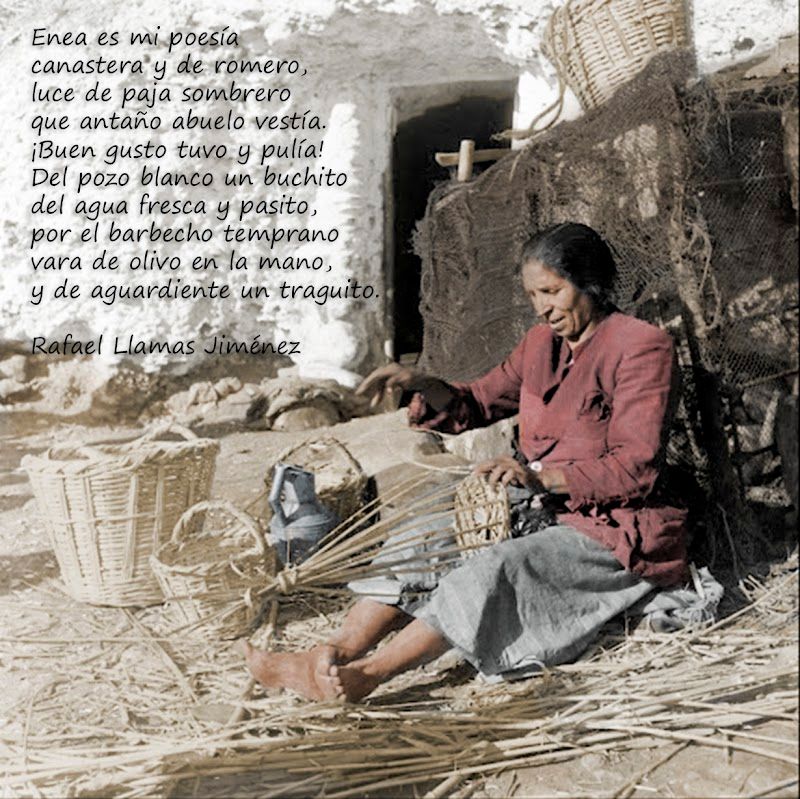
Museo Cuevas del Sacromonte
This hilltop museum recreates authentic Roma cave dwellings that housed Sacromonte's Gitano community for centuries. You'll walk through 10 reconstructed caves filled with period furniture, traditional tools, and domestic artifacts that show how families actually lived in these whitewashed spaces carved into the hillside. The ethnographic displays explain flamenco's origins, metalworking traditions, and the social dynamics of cave neighborhoods, while panoramic terraces offer sweeping views across Granada's red rooftops to the Sierra Nevada. The visit flows naturally through interconnected cave rooms, each themed around different aspects of Sacromonte life: kitchens with ceramic cookware, bedrooms with iron beds, workshops displaying blacksmith tools and wicker baskets. The caves stay refreshingly cool even in summer, and the whitewashed walls create an almost mystical atmosphere. Detailed Spanish and English explanations accompany each room, though the free guided tours bring the displays to life with stories about specific families and cave construction techniques. Most guides oversell this as essential Granada viewing, but it's genuinely worthwhile if you're curious about Roma culture or cave architecture. The €5 admission feels reasonable for 90 minutes of exploring, though the gift shop prices are inflated. Skip the ceramic demonstrations (they're brief and not particularly engaging) and focus your time on the living spaces and the panoramic terrace, which offers the best photography opportunities over the Albaicín and Alhambra.
Getting Here
Getting There
Bus C34 from Plaza Nueva to lower Sacromonte. Taxi will not go all the way up.
On Foot
Steep and partly unpaved. The cave paths are not lit at night.
Insider Tips
Cave museum before the evening show
Go to the Museo Cuevas del Sacromonte (EUR 5) in the afternoon before an evening flamenco show. The museum explains the Roma cave-dwelling tradition and the specific flamenco styles that originated here. Understanding the context makes the evening show more comprehensible than going in cold.
Getting to Sacromonte
The uphill walk from the Albaicin takes 20-30 minutes on steep cobblestone paths. For evening shows, book a venue that includes transport from Plaza Nueva: the paths are poorly lit at night. Taxis will not always go up to the caves. The bus C34 from Plaza Nueva runs to the lower part of Sacromonte.
Nearby Neighborhoods
Continue exploring
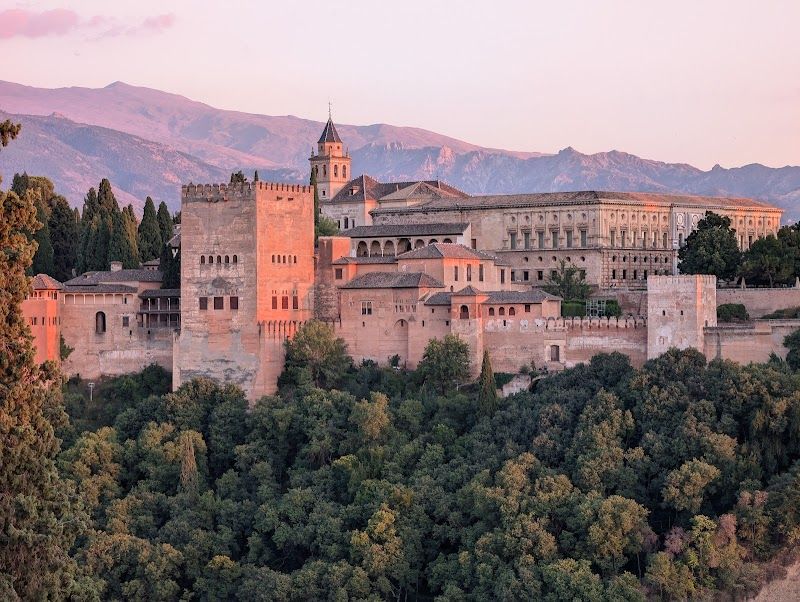
Alhambra Hill
The hilltop palace: the Nasrid Palaces with their geometric stucco and stalactite ceilings, the Generalife gardens designed around water sound, and the Alcazaba fortress walls with views over Granada and the Sierra Nevada.
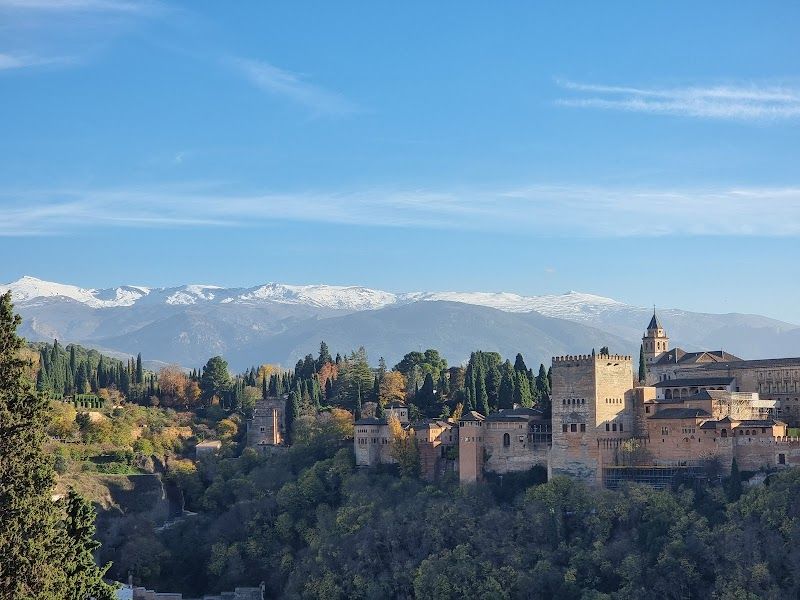
Albaicin
The UNESCO Moorish quarter on the opposite hill from the Alhambra: steep cobblestone lanes, whitewashed carmenes, tea houses, Carrera del Darro facing the palace across the Darro gorge, and the Mirador San Nicolas at sunset.
Centro & Realejo
The flat centre: the Cathedral with Ferdinand and Isabella's tombs, the free tapas bars on Calle Navas and in the Realejo neighbourhood, and Plaza Nueva where everything converges.
Plan a trip featuring Sacromonte
Get a personalized Granada itinerary with Sacromonte built in.
Start Planning