Granada
Alhambra Hill
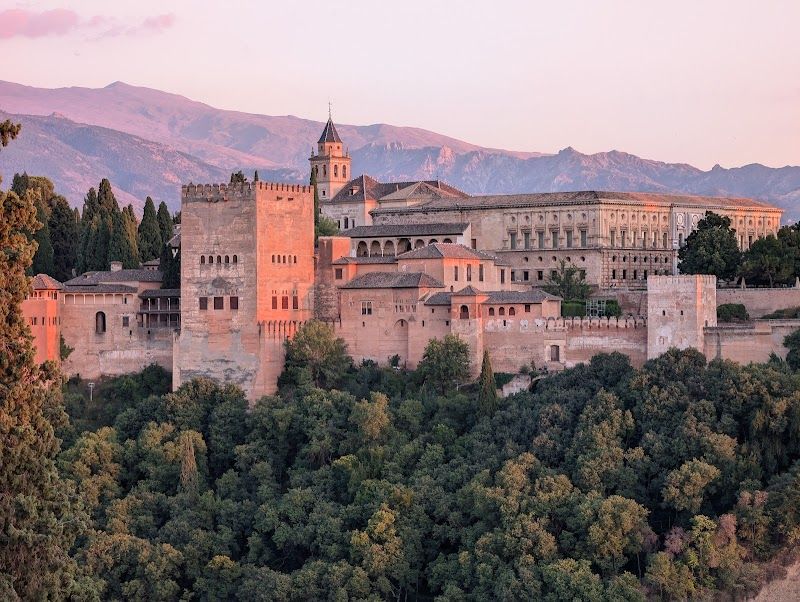
The hilltop palace: the Nasrid Palaces with their geometric stucco and stalactite ceilings, the Generalife gardens designed around water sound, and the Alcazaba fortress walls with views over Granada and the Sierra Nevada.
About Alhambra Hill
The Alhambra complex sits on a hill above Granada and covers the area from the Alcazaba fortress on the western point to the Generalife gardens on the eastern slope. The Nasrid Palaces are the centrepiece: the Patio de los Leones (Court of Lions, the central fountain supported by 12 marble lions, surrounded by 124 columns with intricate muqarnas vaulting), the Salon de Embajadores (the Throne Room, 43 metres high with a wooden dome representing the seven heavens of Islam), and the Patio de los Arrayanes (a long reflecting pool flanked by myrtle hedges). Each wall surface in the Nasrid Palaces is covered in carved stucco, ceramic tile, and Arabic inscriptions (poems from the Nasrid period). The Generalife is the royal summer palace east of the main complex: garden terraces, water channels, and cypress alleys. The Alcazaba is the military fortress on the western point with the best views from the Torre de la Vela (the watchtower). Entry EUR 19. Book at alhambra-patronato.es. Your Nasrid Palaces time slot is fixed and non-negotiable.
Things to Do
Top experiences in Alhambra Hill
Alhambra Palace and Generalife Gardens
The Alhambra isn't just Spain's most visited monument, it's the most complete Islamic palace complex left on earth. You'll walk through three distinct areas: the military Alcazaba fortress with panoramic views over Granada, the breathtaking Nasrid Palaces with their geometric tile work and stalactite ceilings, and the summer palace gardens of Generalife where water flows through every courtyard. The Court of Lions alone, with its 124 marble columns and central fountain, represents the pinnacle of Islamic decorative art in Europe. The experience flows chronologically through 700 years of Moorish rule, ending at the Catholic Monarchs' Renaissance palace. Morning light streams through the Nasrid Palace courtyards, illuminating intricate Arabic calligraphy carved into every surface. Water is everywhere: trickling down marble channels, pooling in reflecting basins, fountains creating a constant soundtrack. The Generalife gardens feel like stepping into a medieval paradise, with cypress trees framing views back to the palace complex. Most visitors rush through in two hours and miss the subtleties. The EUR 19 general ticket is worth every cent, but your timed Nasrid Palaces entry is non negotiable (guards check strictly). Book 2-3 months ahead or you won't get in. Skip the overpriced palace cafe and bring water. The Charles V Palace museums are free with your ticket and often empty, perfect if you arrive early.
Carmen de los Mártires
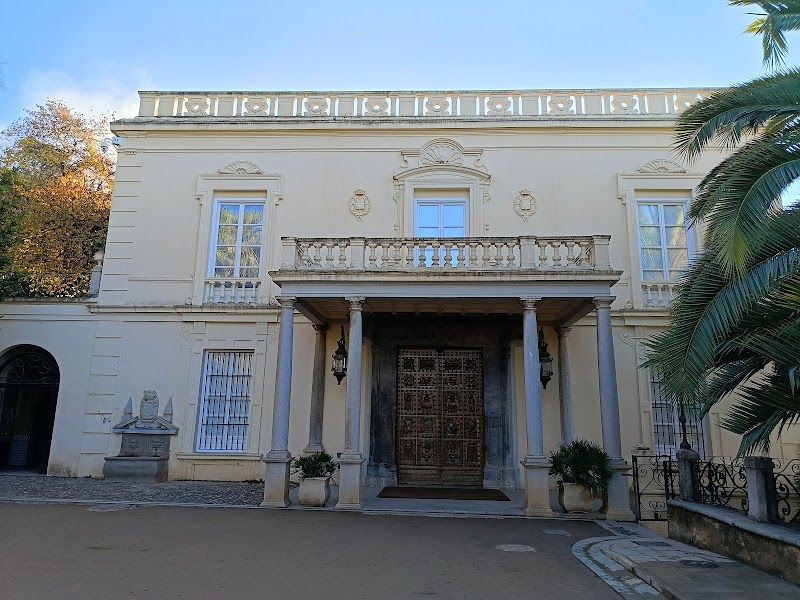
Carmen de los Mártires is a 19th-century romantic garden estate that cascades down Alhambra Hill in three distinct sections: formal French parterres, wild English woodland, and intimate Arab-style courtyards with trickling fountains. You'll encounter resident peacocks strutting across manicured lawns, spot ducks on the central lake, and catch glimpses of the Sierra Nevada through carefully framed garden openings. The carmen (traditional Granada villa with gardens) was built by a wealthy family and later donated to the city, creating Granada's most atmospheric public garden. Your visit flows naturally downhill through changing garden styles, each transition feeling like entering a new world. The French section opens with geometric hedges and rose beds, while the English area lets you wander shaded paths between ancient trees and overgrown grottoes. Peacocks call from unexpected corners, their cries echoing off stone walls as you discover hidden benches and romantic gazebos. The atmosphere stays dreamy and slightly melancholic, especially when morning mist clings to the lake. Most guides don't mention that the upper French gardens can feel underwhelming compared to the magical English section, so don't judge the place too quickly. The real magic happens in the wooded areas where most tourists don't venture. Entry is completely free, making this one of Granada's best value experiences. Skip the main entrance crowds and head straight to the lake area for the most rewarding exploration.
Hotel Alhambra Palace
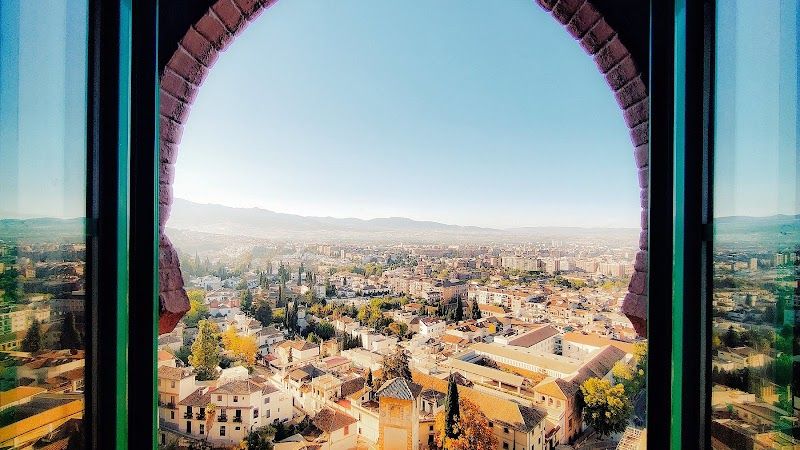
Hotel Alhambra Palace sits on Alhambra Hill like a red-brick castle, built in 1910 as Granada's first luxury hotel. You're coming here for the wraparound terrace that offers the city's best elevated views without hiking to Mirador San Nicolás. The neo-Moorish architecture alone makes it worth seeing: horseshoe arches, geometric tilework, and a lobby that feels like stepping into a smaller version of the actual Alhambra. The terrace bar stretches along the hotel's front facade, giving you panoramic views across Granada's white-washed neighborhoods to the Sierra Nevada mountains. You'll share the space with hotel guests and locals who know this secret, sipping drinks while the light shifts from afternoon gold to purple sunset. The interior public spaces showcase intricate plasterwork and arabesque ceilings, though they feel a bit museum-like compared to the lively terrace atmosphere. Most people assume you need to stay here to enjoy it, but the terrace bar welcomes walk-ins. A beer costs around 4-5 EUR, cocktails run 8-12 EUR, which is reasonable for these views. Skip the restaurant unless you're staying overnight, the food's overpriced and mediocre. The real magic happens between 6-8 PM when the setting sun lights up the city below and the Alhambra glows across the valley.
Puerta de la Justicia
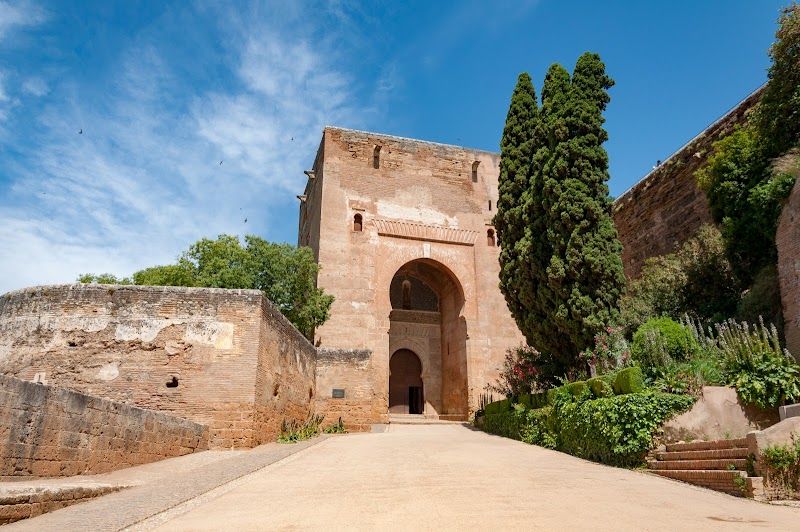
The Puerta de la Justicia serves as your dramatic introduction to the Alhambra, built in 1348 as the fortress's main entrance. You'll walk through a massive L-shaped passageway with two distinct arches: the outer displays a carved hand (symbolizing the five pillars of Islam), while the inner features a key motif. The Islamic calligraphy covering both arches includes Quranic verses about divine protection, creating an impressive gateway that's deliberately intimidating to visitors. Walking through feels like entering a medieval time capsule. The passage forces you to make a sharp turn halfway through, a defensive design that slowed attackers and creates anticipation today. The stonework shows centuries of wear from countless footsteps, and the acoustics amplify every sound. Once you emerge on the other side, the red walls of the Alhambra proper spread before you, making the transition from modern Granada to Nasrid palace unmistakable. Most visitors rush through without noticing the defensive features that made this gate nearly impregnable. The murder holes above (where defenders could attack intruders) are still visible if you look up. Skip the crowded photo ops at the outer arch, the inner courtyard provides better shots with fewer tourists. The gate is included in your Alhambra ticket (14 EUR general admission), so don't pay extra for separate 'gate tours' that some guides offer.
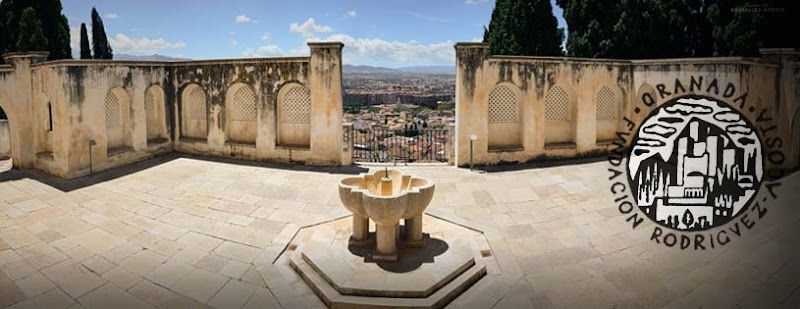
Fundación Rodríguez-Acosta
The Carmen de la Fundación Rodríguez-Acosta occupies a spectacular hillside villa that José María Rodríguez-Acosta built in the 1920s as his artist's residence. You'll explore both his preserved studio spaces filled with paintings and sketches, plus decorative arts collections spanning ceramics, textiles, and period furniture. The real star here is the terraced garden that cascades down the Alhambra hill, mixing Moorish water features with Renaissance-style plantings and Art Deco elements. Views stretch across Granada's rooftops to the Sierra Nevada mountains. The visit flows naturally from the intimate house museum down through multiple garden levels connected by stone staircases and pathways. Each terrace reveals different perspectives of Granada below, while fountains and carefully planned sightlines create photo opportunities at every turn. The atmosphere feels like discovering a wealthy artist's private retreat, complete with hidden corners and unexpected architectural details. You'll have the gardens mostly to yourself except during peak tourist season. Most guides oversell the art collection, which is pleasant but not exceptional compared to major Granada museums. Focus your time on the upper terraces for the best Alhambra views, then work your way down slowly. Entry costs 5 EUR for adults, but it's free on Wednesday afternoons after 2:30 PM. Skip this if you're already planning to visit the Generalife gardens, as there's some overlap in the experience.
Where to Eat
Restaurants and cafes in Alhambra Hill
Getting Here
Getting There
Bus C3/C4 from Plaza Nueva (15 min). Taxi EUR 6-8. Walk uphill 30-40 min from Plaza Nueva.
On Foot
Hilly. Within the complex, paths are paved and manageable. Getting up is the effort.
Insider Tips
Book now, not later
The Alhambra website (alhambra-patronato.es) releases tickets in advance batches. Spring and summer tickets sell out 2-3 months ahead. Book the moment your travel dates are fixed. The site requires creating an account and has a slow payment process: allow 20 minutes. If the official site shows sold out, check licensed tour operators who hold a small allocation.
Your Nasrid Palaces time slot
Your ticket specifies an exact entry time for the Nasrid Palaces (e.g. 9:00 AM, 9:30 AM). You must be at the Nasrid Palaces entrance at that time. Arriving 30 minutes late means you cannot enter. You can visit the Alcazaba and Generalife before or after your slot. The 9:00-10:00 AM slots have the best light inside the Court of Lions and the fewest tour groups.
The inscriptions
Every wall in the Nasrid Palaces is covered in Arabic calligraphy. Most of it is poetry from the Nasrid period. The most repeated phrase is "Wa la ghaliba illa Allah" (There is no victor but God), which appears in hundreds of places throughout the palace. A guide or audio guide changes the experience of the rooms significantly: the decoration stops being overwhelming pattern and becomes readable narrative.
Nearby Neighborhoods
Continue exploring
Albaicin
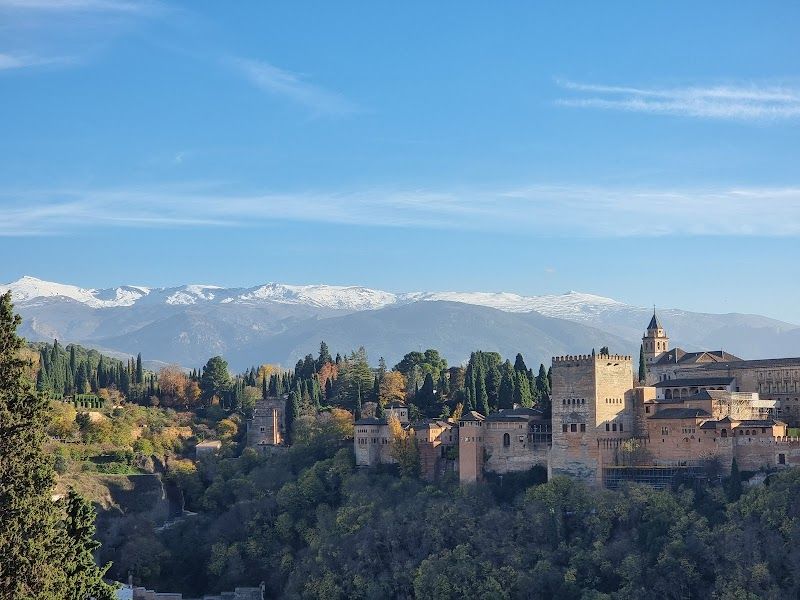
The UNESCO Moorish quarter on the opposite hill from the Alhambra: steep cobblestone lanes, whitewashed carmenes, tea houses, Carrera del Darro facing the palace across the Darro gorge, and the Mirador San Nicolas at sunset.

Centro & Realejo
The flat centre: the Cathedral with Ferdinand and Isabella's tombs, the free tapas bars on Calle Navas and in the Realejo neighbourhood, and Plaza Nueva where everything converges.
Sacromonte
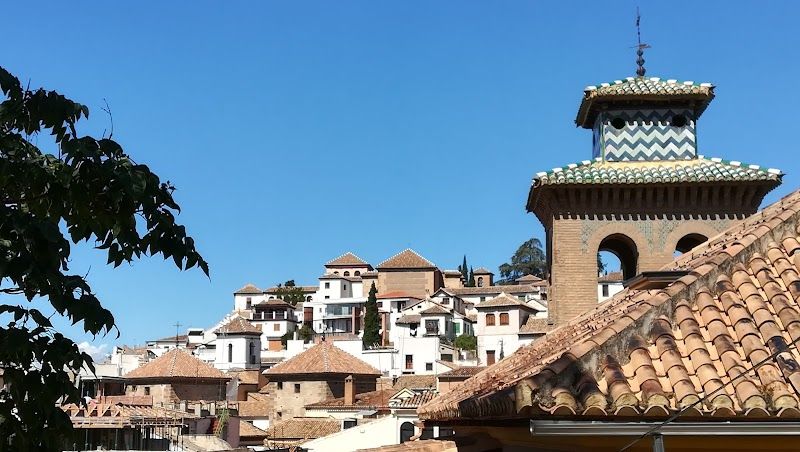
The Roma cave neighbourhood above the Albaicin: whitewashed caves cut into the hillside, flamenco performances in cave interiors, and the cave museum explaining the community's history.
Plan a trip featuring Alhambra Hill
Get a personalized Granada itinerary with Alhambra Hill built in.
Start Planning