
Madrid
Chamberi
Local Madrid, Sorolla Museum, Calle Ponzano tapas, ghost metro station, residential charm
About Chamberi
Chamberi is the neighbourhood that Madrilenos recommend when you ask where they actually go on a Saturday night. It has no major tourist attractions (the Sorolla Museum being the glorious exception), no chain restaurants, and no souvenir shops. What it has is Calle Ponzano, a tapas street that locals turned into a phenomenon so popular they invented a verb for it: 'ir de ponzaning,' meaning to crawl the bars of Calle Ponzano from one end to the other, collecting canas and croquetas as you go.
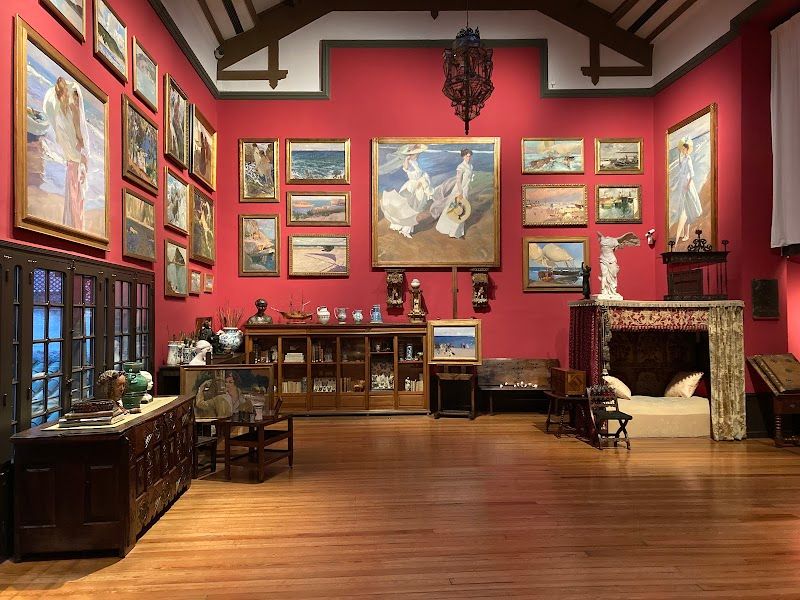
The Sorolla Museum (EUR3, free on Saturdays after 2 PM) is Chamberi's treasure. It is the actual house of Joaquin Sorolla, the painter of Mediterranean light, and his canvases still hang on the walls where he placed them. The garden, designed by Sorolla himself, is a pocket of Valencia in the middle of Madrid: tiles, fountains, and the smell of jasmine. It is arguably the most underrated museum in a city that has too many great museums. Mercado de Vallehermoso is the local market, renovated but not ruined, with a mix of traditional stalls (butchers, fishmongers, cheese) and new food counters (oyster bars, craft beer, Japanese ramen).
The ghost metro station is a genuine curiosity. Estacion de Chamberi was closed in 1966 and sat sealed underground for 40 years before reopening as a museum (free, check opening hours). You descend to the original platform, with 1920s tiles and advertising posters preserved in place. It takes 20 minutes but it's one of those details that makes a city interesting beyond its postcards.
Things to Do
Top experiences in Chamberi
Sorolla Museum (Museo Sorolla)
A genuine hidden treasure that sits quietly in Chamberi while tourists crowd the Prado. This is the actual house of Joaquin Sorolla, the Valencian painter known for capturing Mediterranean light with a brushwork that makes you squint. His canvases still hang on the walls where he placed them, in rooms where the natural light comes through the same windows he used as a studio. Seeing beach scenes painted with sunlight while standing in the room where he painted them is an experience that no major museum can replicate. Sorolla lived and worked here from 1911 until his death in 1923. The house was designed around his painting practice: the ground-floor studio has enormous north-facing windows for even light, and the paintings on display include his most famous beach scenes from Valencia, portraits of his family, and the massive canvases he painted for the Hispanic Society of America in New York (studies for which hang in the hallways). The garden, designed by Sorolla himself, is a pocket of Valencia in the middle of Madrid. Three connected garden spaces with Andalusian tiles, fountains, climbing jasmine, orange trees, and the sound of water. In spring and summer, the garden smells like the Mediterranean. It is as much the experience as the paintings. Entry EUR3, which is absurdly cheap for what you get. Free on Saturdays after 2 PM. Allow 60-90 minutes. The gift shop has beautiful postcards of his beach paintings and a good selection of art books on the Spanish Impressionist movement.
Prado Museum Private Tour
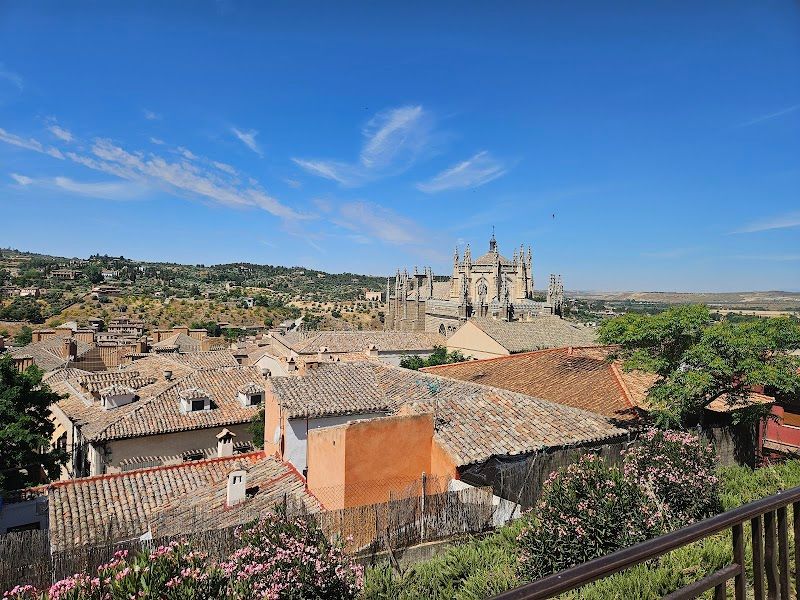
The Prado's private tour cuts straight to the masterpieces without the usual crowd-fighting chaos. Your art historian guide walks you through Velázquez's Las Meninas, Goya's disturbing Black Paintings, and Bosch's trippy Garden of Earthly Delights while explaining the royal obsessions and political intrigue behind each piece. You'll cover about 40 works in two hours, focusing on the Spanish masters that make this collection unique from the Louvre or Met. The experience feels like having a professor friend show you their favorite paintings. Your guide stops crowds from forming behind you, points out details you'd never notice (like hidden faces in Bosch's panels), and explains why Philip IV collected so many Titians. The galleries stay relatively quiet in morning slots, and you'll move through rooms most group tours skip entirely. The expertise level varies wildly between guides, so requesting specialists pays off. Most tour companies oversell this as covering "all the highlights" but two hours barely scratches the surface of 8,000 works. Private tours run 180 to 280 EUR for up to 8 people, making groups worthwhile. Skip the add-on Royal Palace combo, it's rushed and overpriced. Book morning slots before 11am when lighting is better and crowds lighter.
Santiago Bernabeu Stadium Tour
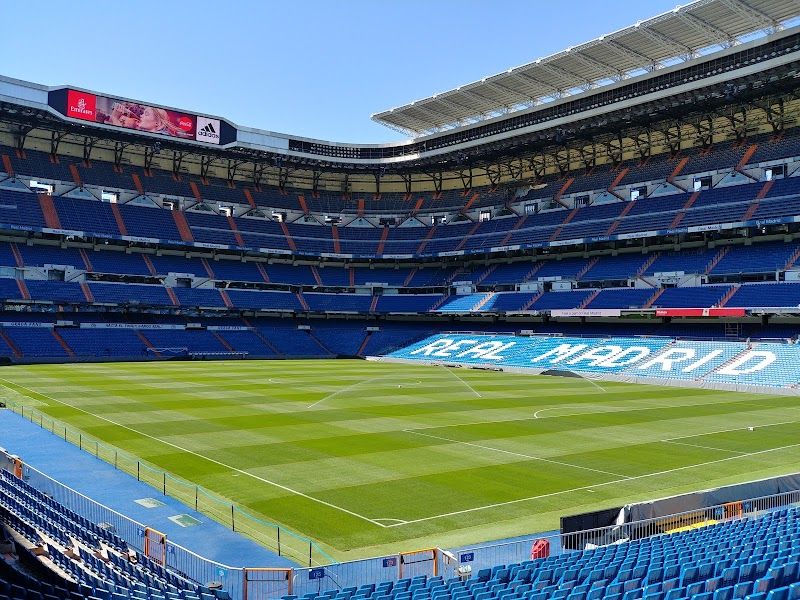
The Santiago Bernabéu is Real Madrid's home stadium, a €1.2 billion football facility reopened in 2023 with a retractable roof and underground pitch. The €25 tour covers the trophy room, featuring 15 Champions League cups, the players' tunnel with ambient crowd noises through speakers, the dugouts, and the presidential box with leather armchairs and panoramic views. The museum showcases over a century of Real Madrid history, including black and white photos from the 1950s and Cristiano Ronaldo's Ballon d'Or collection. The tour takes you through Madrid's golden eras in chronological order. Emerging from the tunnel onto the pitch gives you an immediate sense of the scale, even without 81,000 fans present. The trophy room is lit by LED lights and is a popular spot for photos with replica trophies. The panoramic terrace offers views of Madrid's skyline, and the new Sky Bar provides the best photo opportunity in the stadium. While €25 may seem steep for a 90-minute tour, the renovation gives it a tech showcase feel. You can skip the overpriced club shop unless you need authentic jerseys (€90-150). The audio guide is not always narrated concisely, so it's best to move at your own pace. Book online to avoid disappointment, especially during El Clásico weeks when tours are suspended. The trophy room alone justifies the price if you have even a passing interest in football.
El Corte Inglés Castellana
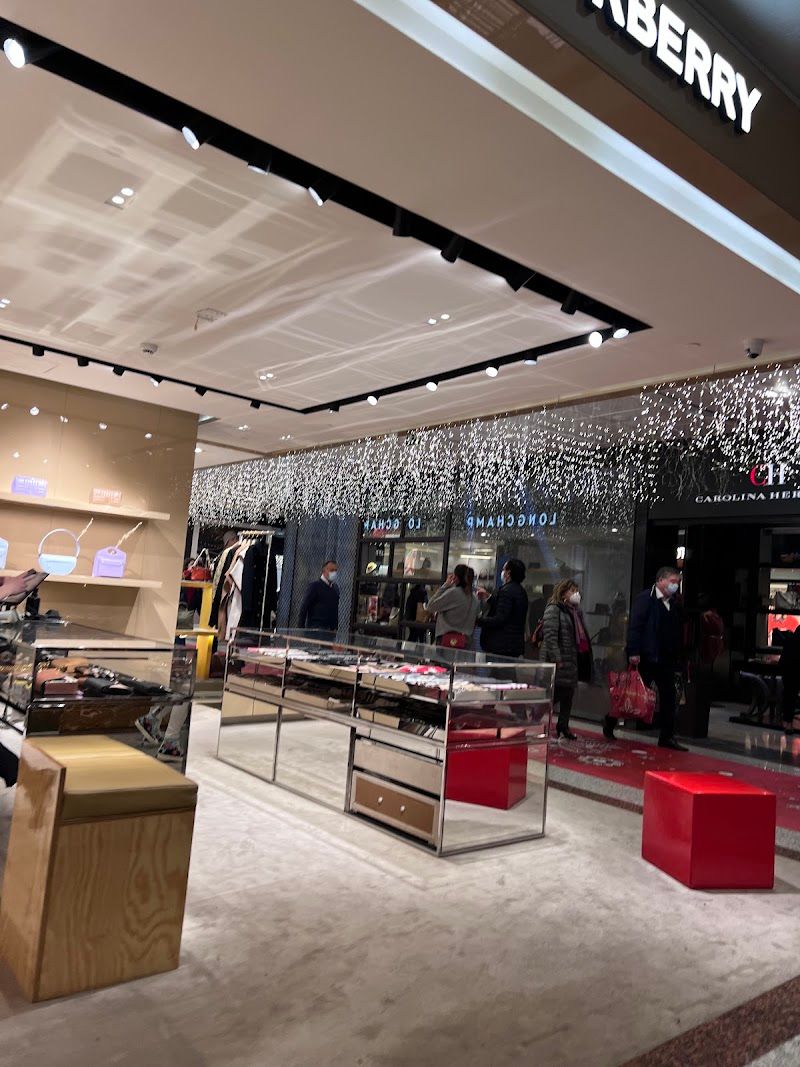
El Corte Inglés Castellana is Spain's flagship department store, a nine-floor retail palace that doubles as a crash course in Spanish consumer culture. You'll find everything from Loewe leather goods (starting around 300 EUR) to jamón ibérico sliced fresh at counters, plus floors dedicated to tech, beauty, and home goods. The real draw is the top-floor Gourmet Experience, where a dozen food stalls serve regional Spanish dishes with panoramic city views. The shopping experience here feels distinctly Spanish: service is attentive but not pushy, and locals treat it like their neighborhood department store despite its size. The beauty floor showcases Spanish brands you won't find elsewhere, like Natura Bissé skincare and Adolfo Dominguez fragrances. Elevators are constantly busy, so expect to wait, especially on weekends when entire families come to browse and eat. Most tourists skip the middle floors, but that's where you'll find the best deals on Spanish-made goods. The gourmet floor gets overhyped, honestly the food is decent but not exceptional, with dishes ranging from 8 to 18 EUR. Skip the electronics floor entirely unless you need something specific, prices are higher than specialized shops. Focus your time on floors 1-3 for fashion and the food hall if you're hungry.
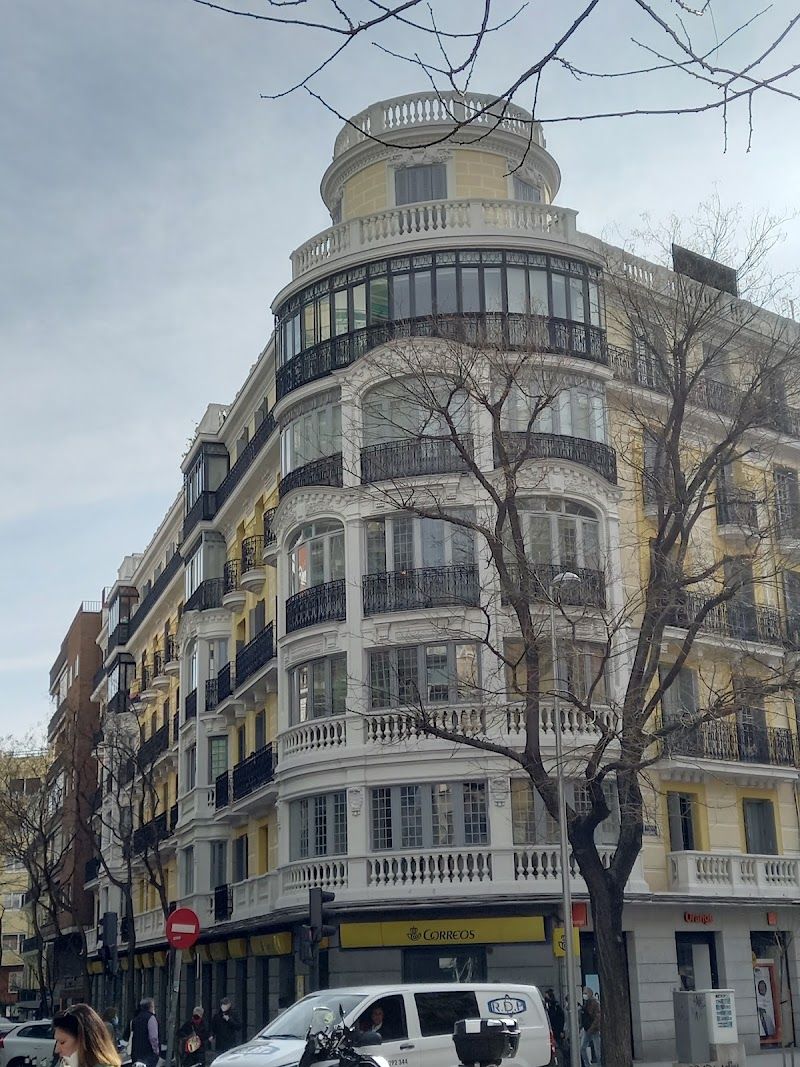
Calle de Fuencarral
Pedestrian shopping street connecting Gran Vía to Tribunal metro with independent boutiques, sneaker shops, and streetwear brands. Houses the Mercado de Fuencarral, a multi-level complex with emerging designers and tattoo studios. Street performers and skaters gather at the Tribunal plaza end.
Where to Eat
Restaurants and cafes in Chamberi
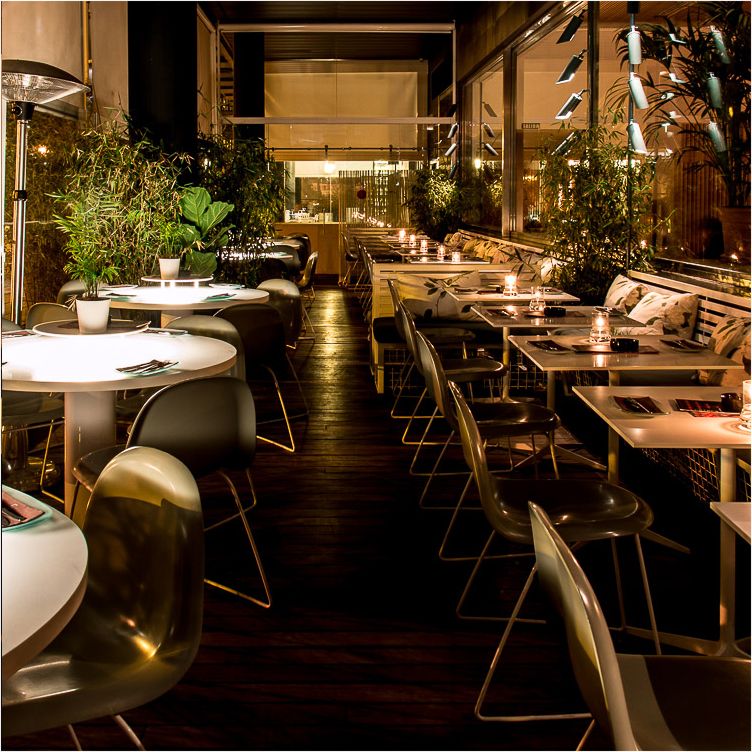
Lateral
RestaurantThis modern tapas chain with multiple locations offers creative Spanish small plates in a contemporary setting with floor-to-ceiling windows. The menu balances traditional favorites like croquetas and patatas bravas with inventive dishes like tuna tartare and grilled octopus, all at reasonable prices.
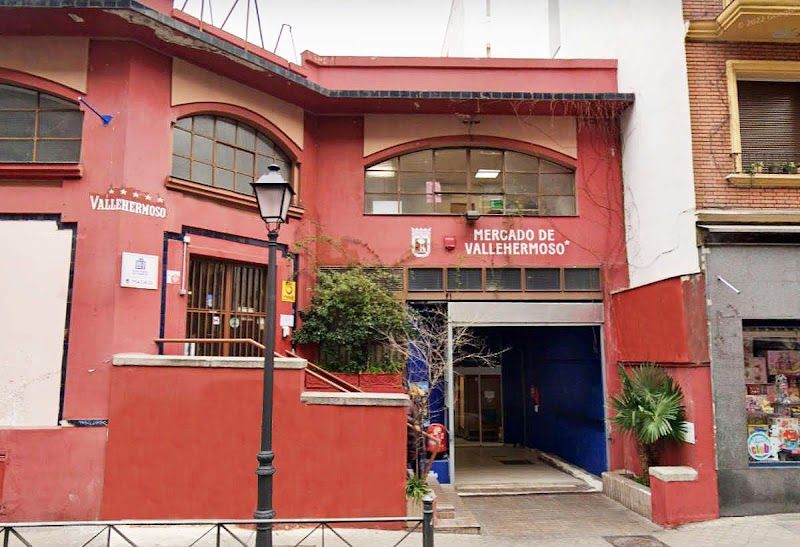
Mercado de Vallehermoso
RestaurantThis renovated 1930s market in Chamberí combines traditional food stalls with modern gastro stands and a rooftop terrace. The ground floor features quality butchers and fishmongers, while the upper level hosts everything from ramen to natural wine bars, making it a neighborhood hub.
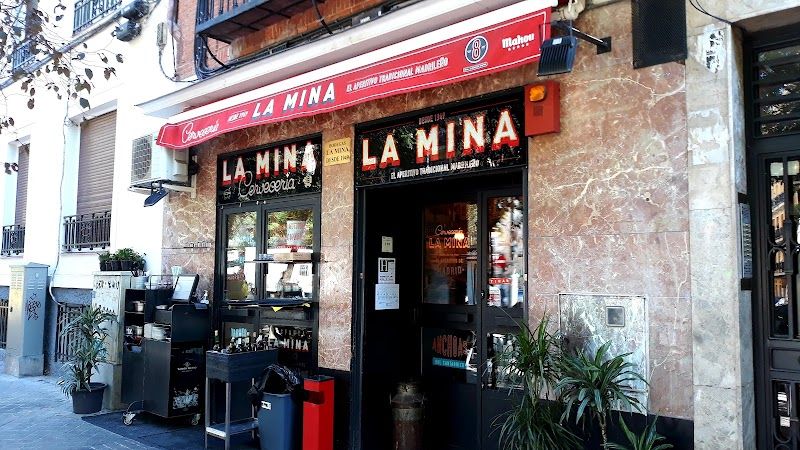
Mina Madrid
RestaurantContemporary bistro serving seasonal Mediterranean cuisine with creative twists. Small plates perfect for sharing in a casual, modern setting. Known for excellent wine list focusing on natural and biodynamic Spanish wines.
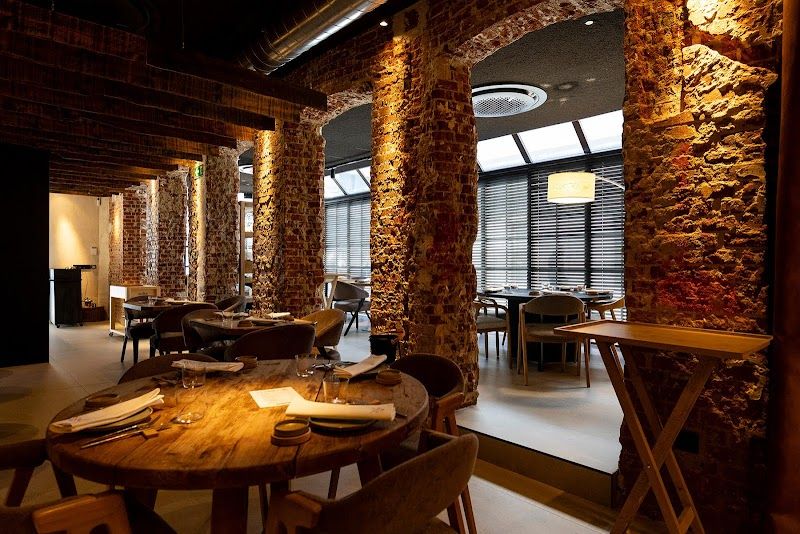
La Tasquería
RestaurantChef Javier Estévez's Chamberí restaurant specializes in nose-to-tail Spanish cuisine with an emphasis on overlooked cuts and offal. The tasting menu explores traditional regional dishes through a modern lens, earning a Michelin star for its creative approach to Spanish classics.
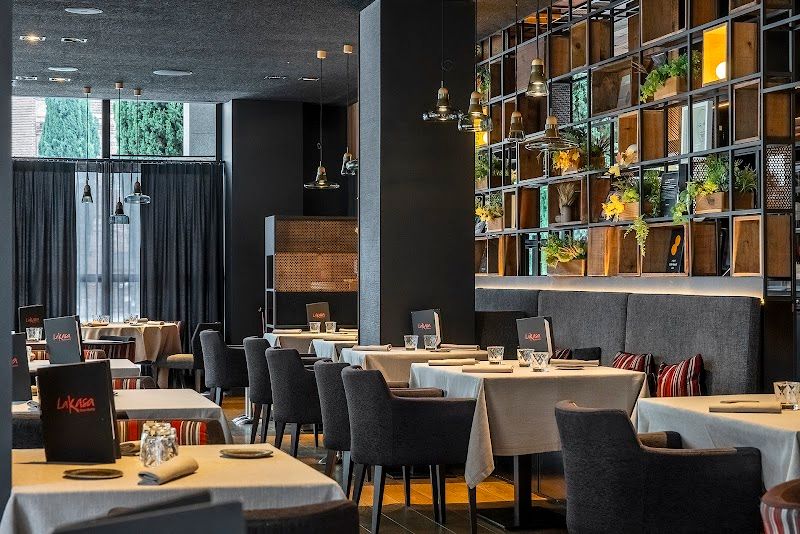
Lakasa
RestaurantThis Michelin-starred restaurant in Retiro offers modern Spanish tasting menus in an intimate 20-seat space. Chef César Martín creates seasonal dishes that showcase Spanish ingredients through contemporary techniques, with optional wine pairings from small producers.
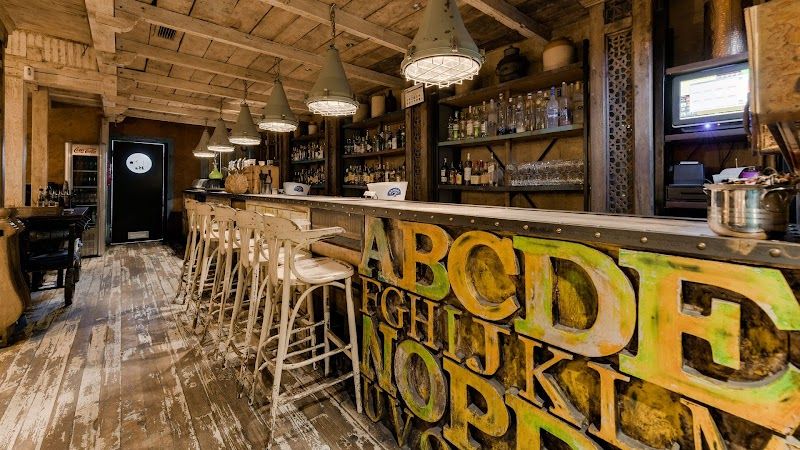
La Más Bonita
RestaurantA charming neighborhood restaurant serving modern Spanish cuisine with a focus on seasonal ingredients and creative presentations. The intimate dining room features vintage decor and a relaxed atmosphere popular with locals. Known for their excellent value tasting menus and attentive service.
Nightlife
Bars and nightlife in Chamberi
Getting Here
Metro Stations
Getting There
Iglesia (line 7) and Quevedo (line 2) are the main stations. Canal (lines 1, 7) covers the west. Alonso Martinez (lines 1, 5, 10) connects Chamberi to Chueca and the centre. Bilbao (lines 1, 4) is useful for the southeastern corner.
On Foot
Very walkable and flat. Residential streets are quiet and pleasant. From Quevedo to the Sorolla Museum is a 10-minute walk. From Ponzano to Malasana is 10 minutes south.
By Bike
Flat residential streets with light traffic. Excellent for cycling. BiciMAD stations throughout. Calle Ponzano is best walked rather than cycled.
Insider Tips
Calle Ponzano Strategy
Start at the northern end and work south. Sala de Despiece does deconstructed tapas that look like art. La Tape has excellent jamón and wine pairings. Arzabal does a killer tortilla. Three or four stops is the right number. Thursday and Friday evenings are the best nights.
Sorolla Museum Timing
Go at opening time (9:30 AM Tuesday to Saturday) or during the free Saturday afternoon slot (after 2 PM). The garden is best in spring and summer. Allow 60-90 minutes. The gift shop has beautiful postcards of Sorolla's beach paintings.
Ghost Metro Station
Estacion de Chamberi (the ghost station) is free but check opening hours online as they change seasonally. Access is from street level on Plaza de Chamberi, not from inside the metro. It's small but fascinating, especially for design and history enthusiasts.
Nearby Neighborhoods
Continue exploring


Plan a trip featuring Chamberi
Get a personalized Madrid itinerary with Chamberi built in.
Start Planning