
Madrid
Malasana
Creative heart, vintage shops, vinyl records, vermut bars, la Movida spirit
About Malasana
Malasana is where Madrid keeps its counterculture, or what's left of it after the rents went up. In the 1980s this was ground zero for la Movida Madrilena, the explosion of art, music, and hedonism that followed Franco's death. Pedro Almodovar was filming here. Alaska was singing here. The bars stayed open until nobody could stand anymore. The Movida eventually burned itself out, but the neighborhood kept the attitude.
Today Malasana is vintage shops on Calle Velarde, vinyl record stores on Calle del Espiritu Santo, and vermut bars on Plaza de Olavide where the Sunday afternoon crowd treats a glass of Yzaguirre on tap as a religious experience. The Mercado de San Ildefonso is three floors of food stalls in a converted market. Calle San Andres has the independent bars that play whatever the bartender feels like, which is usually better than whatever Spotify would have suggested.
The architecture is beautiful in a crumbling way: 19th-century apartment buildings with wrought-iron balconies and peeling paint that nobody bothers to fix because it looks better weathered. Plaza del Dos de Mayo is the neighbourhood's living room, named after the 1808 uprising against Napoleon and now the place where people bring guitars and cans of Mahou on warm evenings. Malasana is the best neighborhood for staying if you're under 40 and want to eat, drink, and walk home at 4 AM without needing a taxi.
Things to Do
Top experiences in Malasana
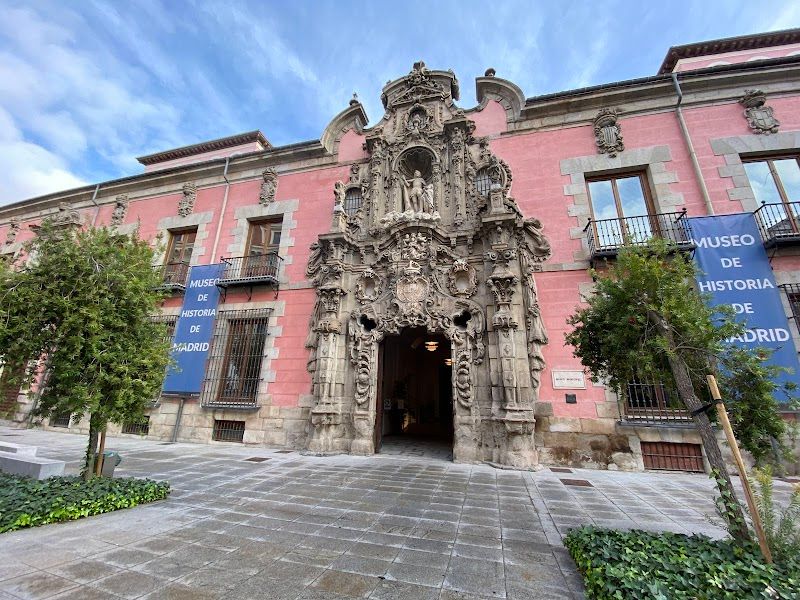
Museo de Historia de Madrid
This free museum tells Madrid's complete story through actual artifacts, not tourist-friendly summaries. You'll walk through recreated 19th-century shops, see original city planning maps that shaped modern Madrid, and browse thousands of historical photographs showing streets you probably walked today. The baroque facade by Pedro de Ribera is genuinely spectacular, all swirling stone and theatrical drama. Inside, the collection spans from medieval settlement remnants to 1980s urban development, with detailed models of how neighborhoods like Malasaña evolved. The visit flows chronologically across three floors, starting with Roman foundations and medieval walls on the ground floor. The recreated historical interiors feel authentic rather than theme-park fake, especially the old pharmacy and traditional Madrid kitchen. The photography collection on the upper floors is genuinely addictive: you'll recognize intersections and buildings, then see them as farmland or construction sites decades ago. The atmosphere stays quiet and contemplative, attracting more locals than tourists. Most guides oversell the decorative arts collection, which feels scattered compared to the photography and urban planning sections. Focus your time on the historical photographs and city development displays on floors two and three. The museum shop sells excellent reproductions of historical Madrid maps for around 15 EUR. Skip the temporary exhibitions unless they specifically cover Madrid topics, as they often feel disconnected from the main collection's strengths.
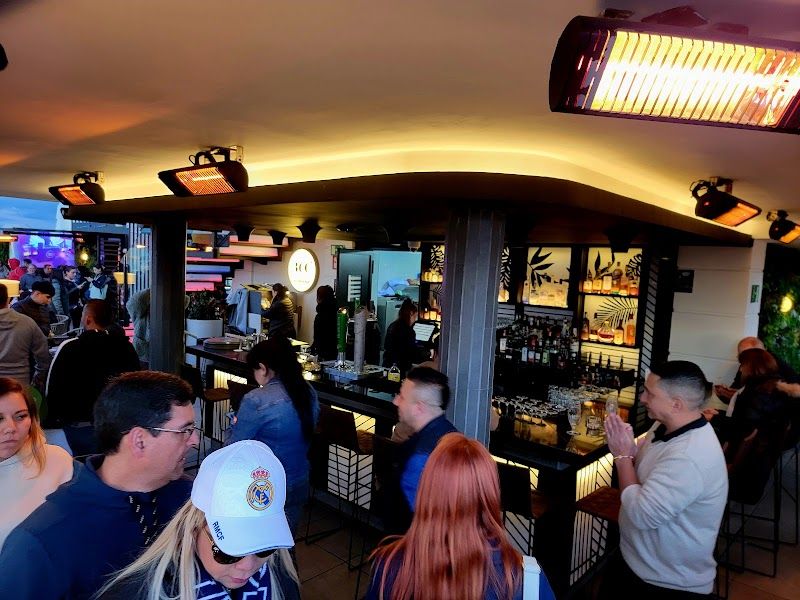
Madrid Sunset Rooftop Tour
Two-hour guided tour visiting three rooftop terraces with panoramic views of Madrid's skyline during golden hour. Includes welcome drink at each location while learning about the city's architecture and transformation from medieval to modern metropolis.
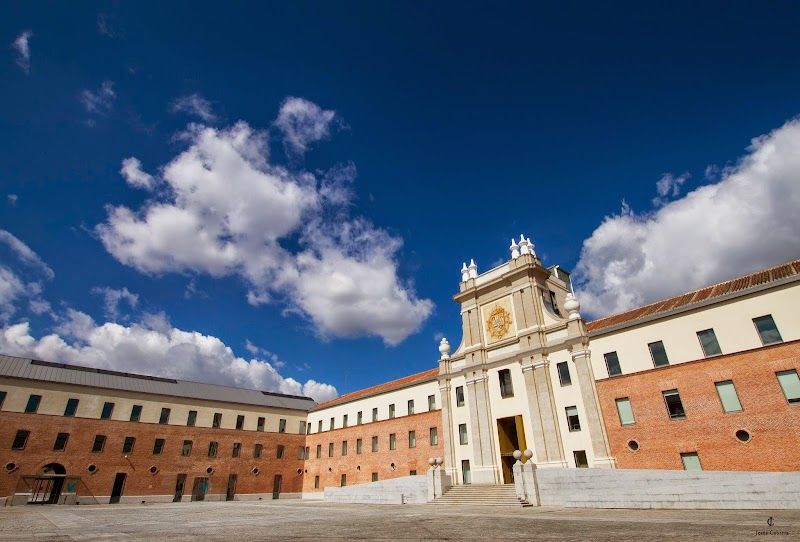
Conde Duque Cultural Centre
Massive 18th-century former military barracks converted into a cultural complex hosting contemporary art exhibitions, concerts, and theater performances. The two-level arcaded courtyard is one of Madrid's most impressive baroque spaces. The building also houses the municipal newspaper archive and museum collections.
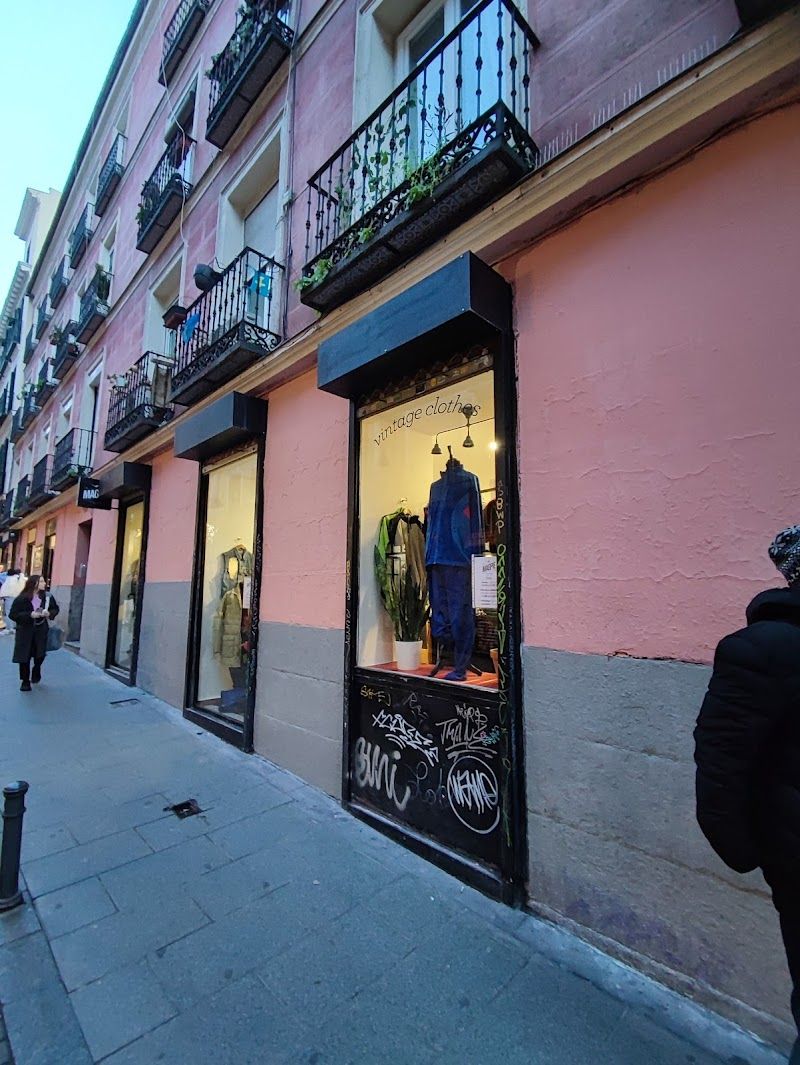
Magpie Vintage
Curated vintage clothing boutique in Malasaña specializing in American workwear, 1970s denim, and military surplus. Owners personally source items from estate sales and European markets. Small space packed floor-to-ceiling with organized racks by decade and style.
Where to Eat
Restaurants and cafes in Malasana
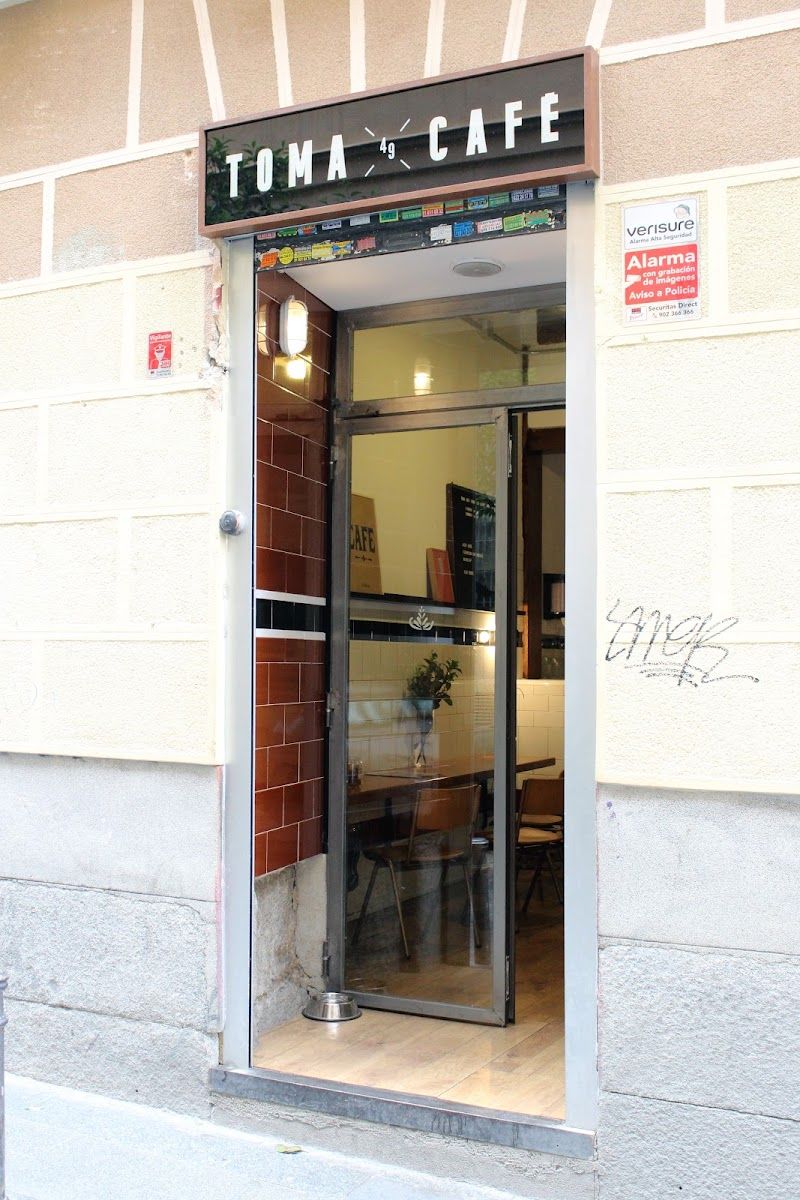
Toma Café
CafePioneering third-wave coffee roaster in Malasaña with a no-nonsense focus on bean quality and extraction methods. Baristas explain single-origin profiles and brewing techniques while pulling espresso on a vintage La Marzocco. The tiny space has just a few stools and standing room.
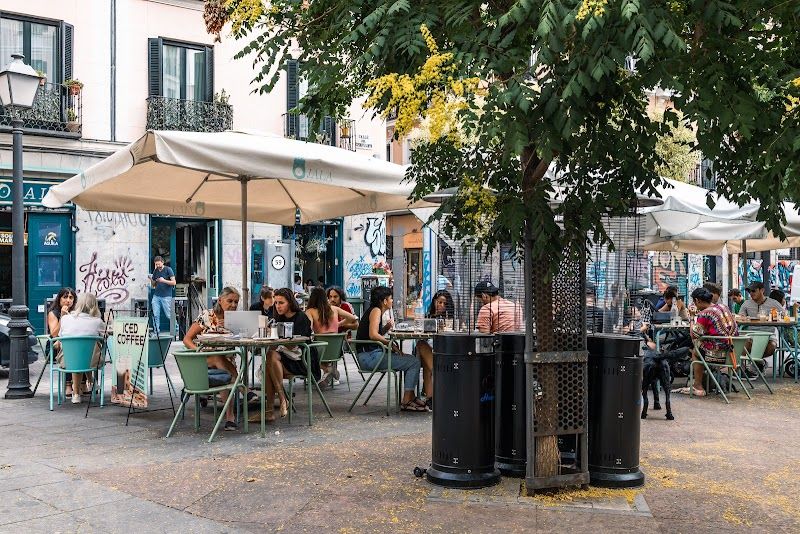
Ojalá
RestaurantThis Malasaña bar-restaurant features a basement dining room with an actual indoor beach (complete with sand floor) and Mediterranean-inspired tapas upstairs. The quirky concept and mojito-focused cocktail menu make it popular for casual dinners and late-night drinks.
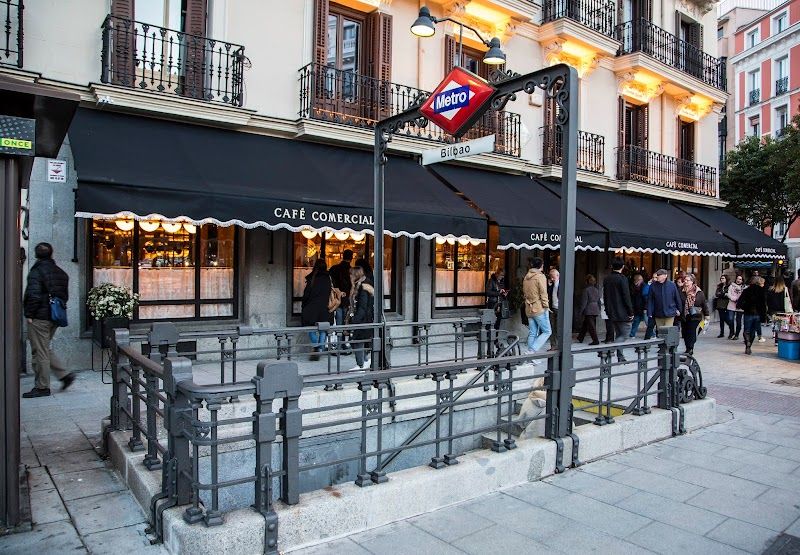
Café Comercial
CafeReopened in 2017 after a closure and restoration, this 1887 café retains its marble tables, red velvet seats, and massive mirrors. The historic space now serves updated café fare while maintaining the tertulia (intellectual gathering) tradition that made it famous among writers and artists.
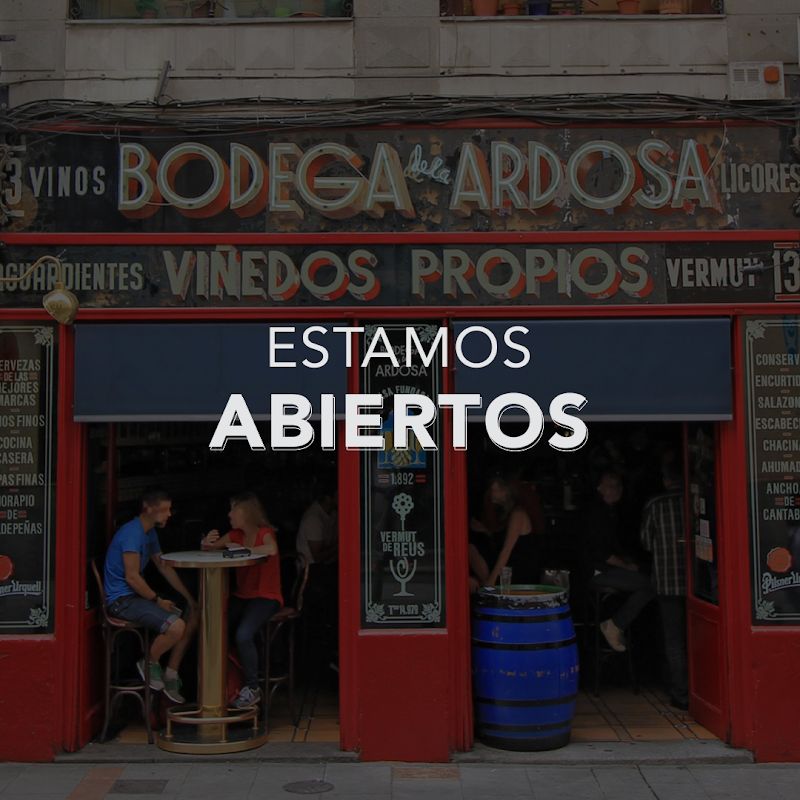
Bodega de la Ardosa
RestaurantThis 1892 tavern in Malasaña maintains its original tin ceiling, marble bar, and vermouth barrels. Famous for its tortilla de patatas and Guinness (one of the first places in Spain to serve it), the bar draws a mixed crowd of old-timers and young madrileños.
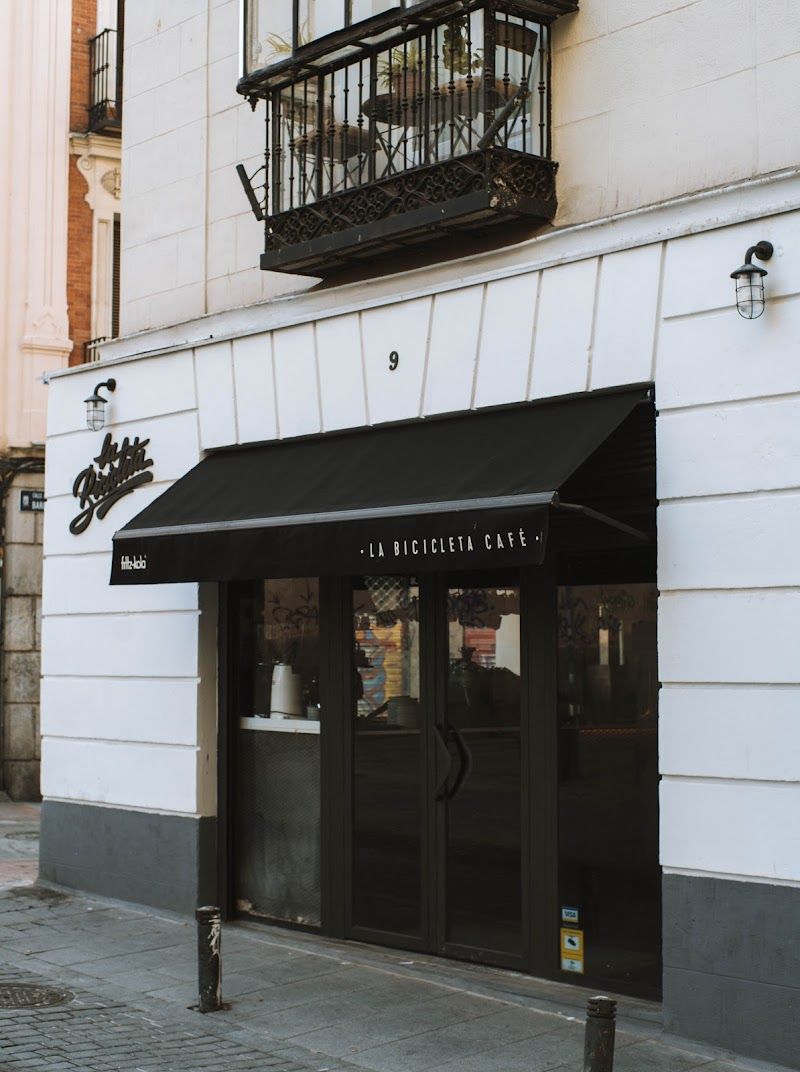
La Bicicleta Café
CafeThis Chueca brunch spot decorated with hanging bicycles serves creative breakfast and lunch dishes in a bright, Instagram-friendly space. The menu features eggs Benedict variations, creative toasts, and fresh-squeezed juices, catering to Madrid's growing brunch culture.
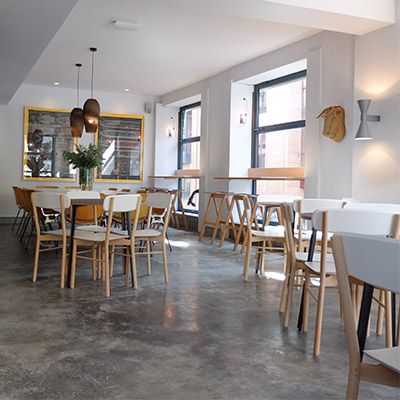
Federal Café
CafeThis Australian-run brunch spot in Chueca brings proper flat whites and avocado toast to Madrid. The bright corner space serves all-day breakfast with poached eggs, granola bowls, and fresh-baked pastries, attracting expats and madrileños seeking weekend brunch culture.
Nightlife
Bars and nightlife in Malasana
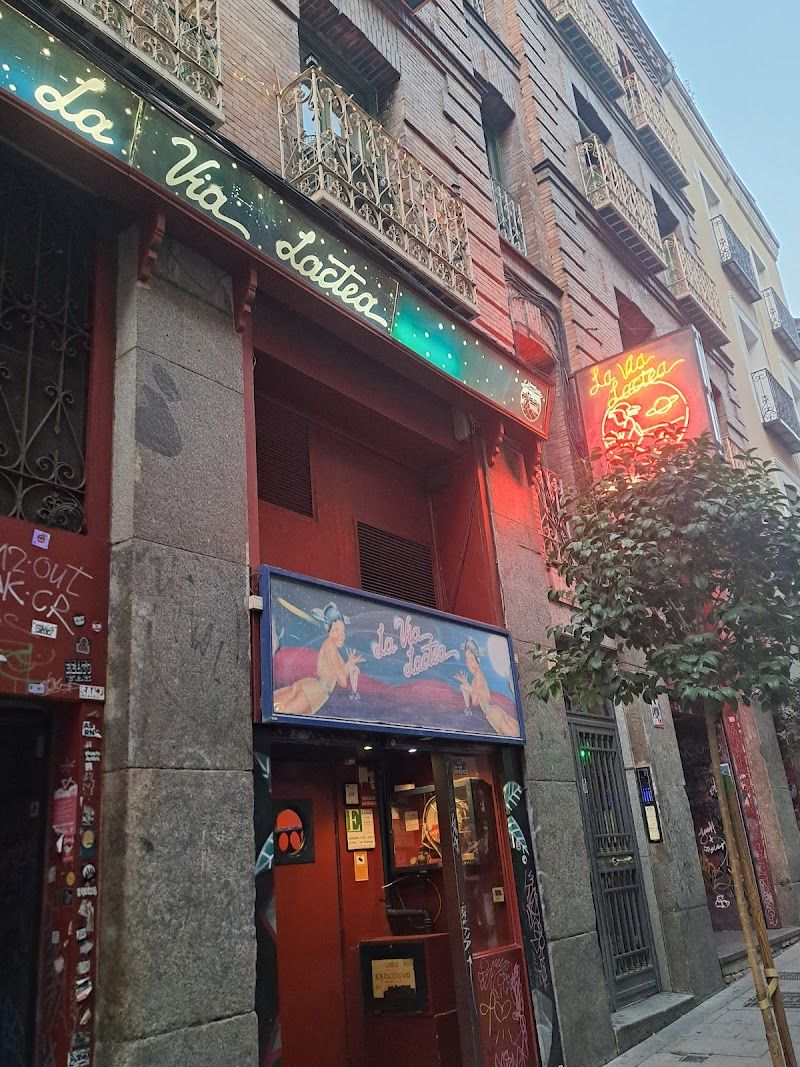
La Vía Láctea
NightlifeA grungy Malasaña institution since 1979 that epitomizes the Movida Madrileña counterculture movement. The walls are plastered with concert posters and graffiti, the bathrooms are legendary for their chaotic decor, and the crowd is a mix of old-school punks and young indie kids. DJs spin rock, punk, and alternative music until 3:30am on weekends.
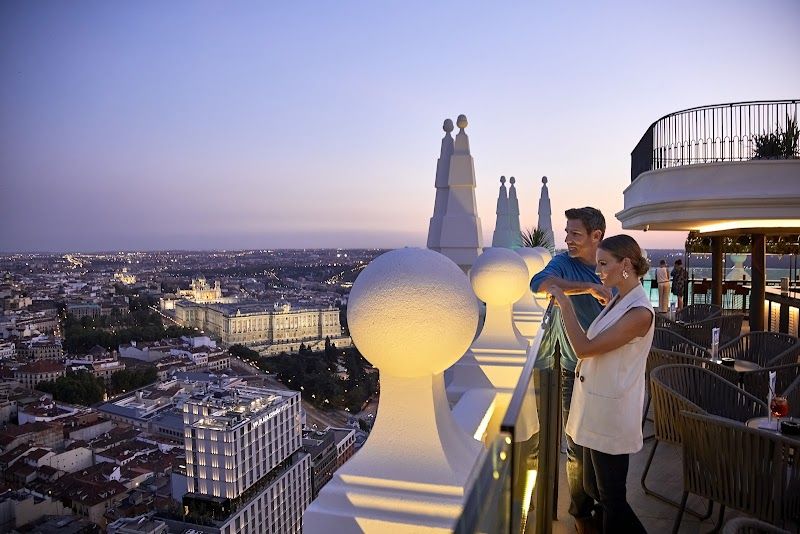
Terraza Hotel RIU Plaza España
NightlifeRooftop bar on the 27th floor with floor-to-ceiling windows and outdoor terrace overlooking Plaza de España and Casa de Campo. The sleek, modern space serves premium cocktails and light bites with some of Madrid's most dramatic elevated views. Open year-round with heated outdoor sections in winter.
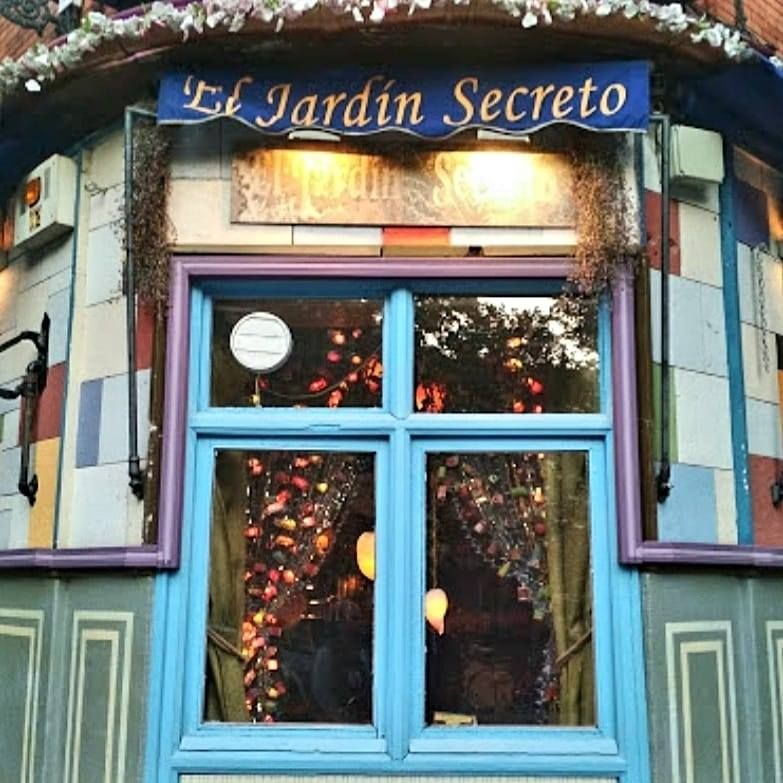
El Jardín Secreto
NightlifeHidden speakeasy-style cocktail bar with a whimsical garden theme and creative mixology. Intimate space with botanical decor, vintage furnishings, and expertly crafted cocktails using house-made ingredients. Reservations highly recommended.
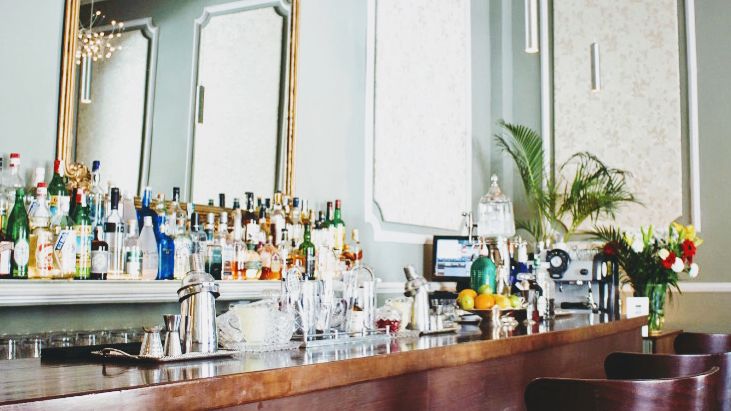
1862 Dry Bar
NightlifeElegant cocktail bar in a restored 19th-century building focusing on gin-based classics and Mediterranean-inspired drinks. The interior features exposed brick, vintage furniture, and a curated selection of over 100 gins. Bartenders in vests and ties craft drinks with house-made syrups and botanicals.
Getting Here
Metro Stations
Getting There
Tribunal (lines 1, 5, 10) is the main station and drops you in the center of Malasana. Noviciado (line 3) covers the western side. Both are within a 5-minute walk of Plaza del Dos de Mayo.
On Foot
Highly walkable and compact. You can cross the entire neighborhood in 15 minutes. The pedestrianized streets around Calle Fuencarral are pleasant for strolling.
By Bike
Flat terrain and relatively quiet streets make Malasana decent for cycling. BiciMAD stations on most corners. Watch for pedestrians on the narrow shopping streets.
Insider Tips
Vermut on Plaza de Olavide
Sunday afternoons between noon and 3 PM, order a vermut de grifo (on tap, EUR3-4) at any bar on Plaza de Olavide. It comes with a free tapa. This is the vermut hour, and in Malasana it's a social ritual, not just a drink.
Vintage Shopping Circuit
Start on Calle Velarde for curated vintage (higher prices, better selection), then walk to Calle del Espiritu Santo for vinyl and second-hand books, then Calle de la Palma for independent boutiques. Budget EUR50-100 if you're serious about shopping.
Late Night Food
La Tape on Calle San Bernardo does excellent jamón and cheese plates until 1 AM. Ojalá has a basement lounge with sand on the floor and serves food until midnight. For post-midnight eating, Lateral on Calle Fuencarral is reliable and open late.
Nearby Neighborhoods
Continue exploring


Plan a trip featuring Malasana
Get a personalized Madrid itinerary with Malasana built in.
Start Planning