
Spain
Madrid
Dinner at 10 PM, Velazquez at the Prado, and a city that exists for the people who live here
Best Time
March-May, September-November
Ideal Trip
3-4 days
Language
Spanish (limited English outside tourist areas)
Currency
EUR
Budget
EUR 64-107/day (excl. hotel)
About Madrid
Madrid is the city that eats dinner at 10 PM, starts drinking at midnight, and somehow functions perfectly the next morning. The schedule makes no sense until you've been here 48 hours, and then every other city's timetable feels rushed and slightly sad.
The art is staggering. The Prado has Velazquez, Goya, and Bosch in a building that could swallow the Uffizi whole. The Reina Sofia has Guernica, which is bigger and more devastating than any photo prepares you for. The Thyssen fills the gap between the two with everything from medieval altarpieces to Hopper. All three sit within a 15-minute walk of each other on the Paseo del Arte, and a combined ticket costs EUR32 for what would take a week to see properly.
But Madrid isn't a museum city. It's a city built around plazas where people sit for hours with a EUR2.50 cana and a plate of croquetas, arguing about football and politics with equal passion. The Retiro is a park so beautiful it used to be reserved for royalty. La Latina on Sundays turns into the biggest tapas crawl in Spain. Malasana has the vinyl shops and vermut bars that keep Madrid's counterculture alive. And Lavapies is where the city's immigrant communities have built a food scene that ranges from Senegalese to Bangladeshi to Chinese, all for under EUR10.
Here's what makes Madrid different from Barcelona: nobody is performing for tourists. The city exists entirely for the people who live here. The restaurants serve Madrilenos first. The bars keep their own hours. The nightlife doesn't have a dress code because nobody cares. You're welcome, but you're joining their city, not visiting an attraction.
Neighborhoods
Each district has its own personality
Sol & Centro
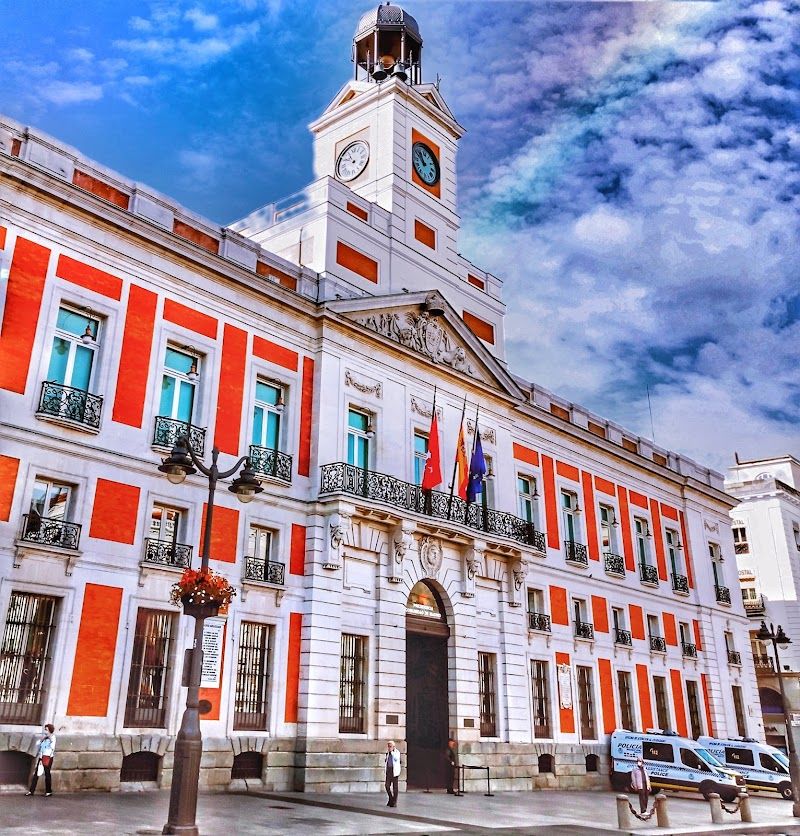
Tourist centre, Gran Via, Puerta del Sol, Plaza Mayor, where Madrid's main arteries meet
La Latina
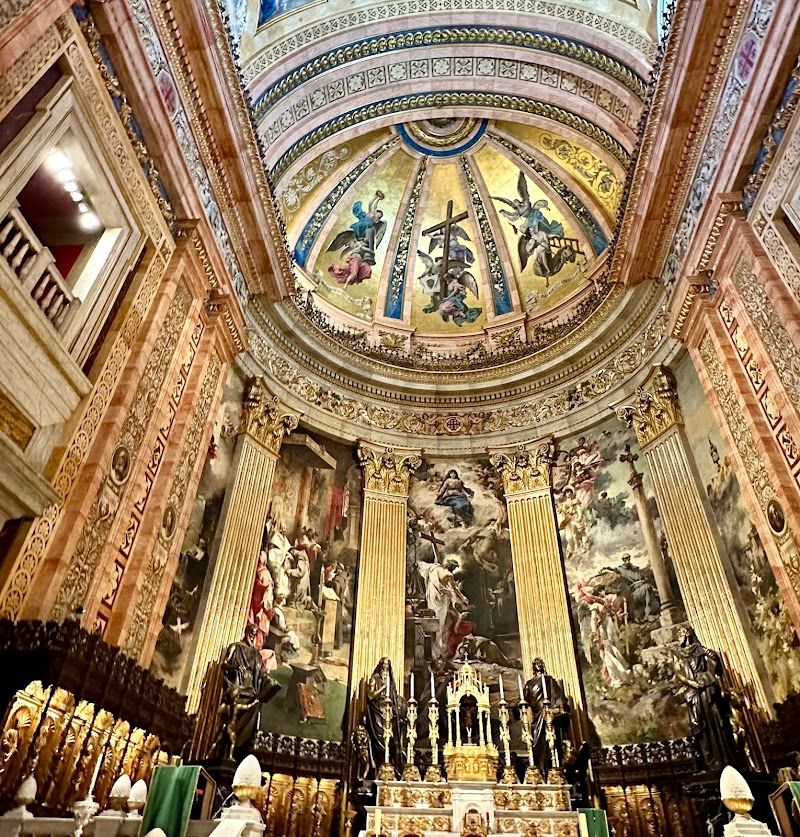
Sunday Rastro market, Cava Baja tapas crawl, medieval streets, where Madrid eats
Malasana
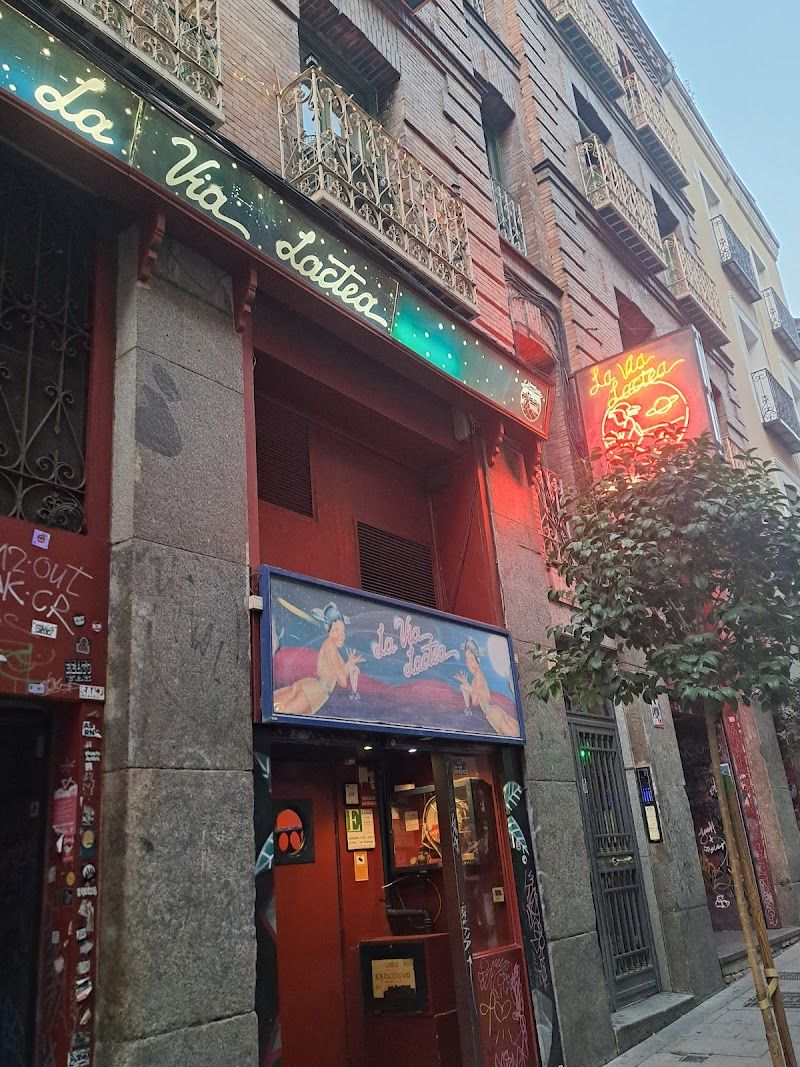
Creative heart, vintage shops, vinyl records, vermut bars, la Movida spirit
Chueca
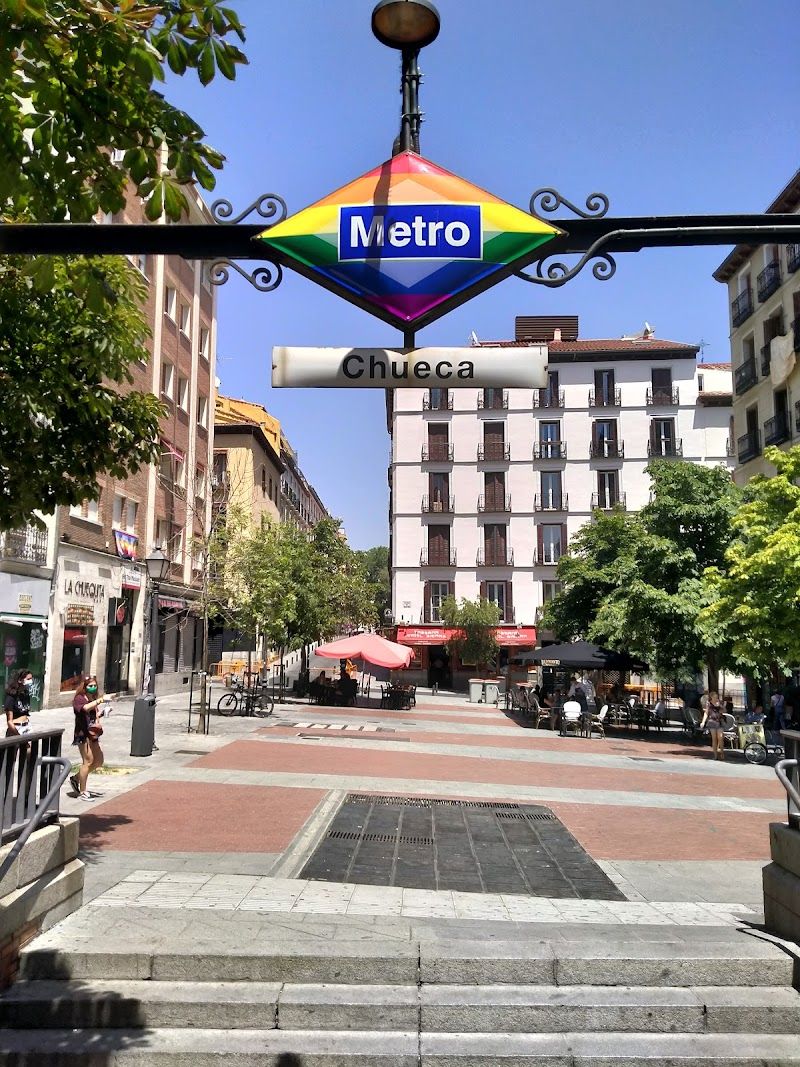
LGBTQ+ quarter, brunch culture, Mercado de San Anton, Calle Fuencarral shopping
Lavapies
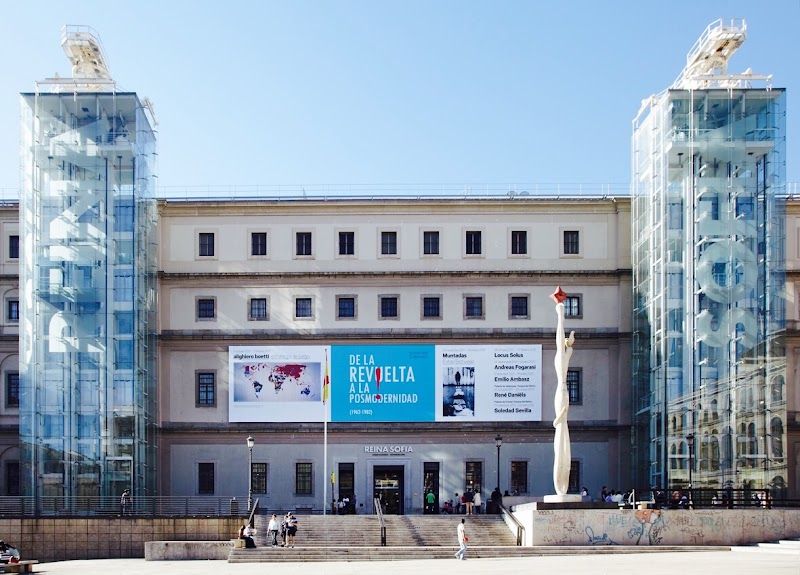
Multicultural hub, cheap international food, street art, Reina Sofia, community energy
Barrio de las Letras
Literary quarter, Cervantes, Paseo del Arte, rooftop terraces, tapas with history
Things to Do
Top experiences in Madrid
Plaza de Chueca
The central square of the Chueca neighborhood is located in the heart of the area, surrounded by colorful cafés, bars, and terraces. This small plaza is the social hub of Madrid's LGBTQ+ community, featuring rainbow crosswalks that epitomize the neighborhood's open, creative spirit and atmosphere.
Palacio de Cibeles
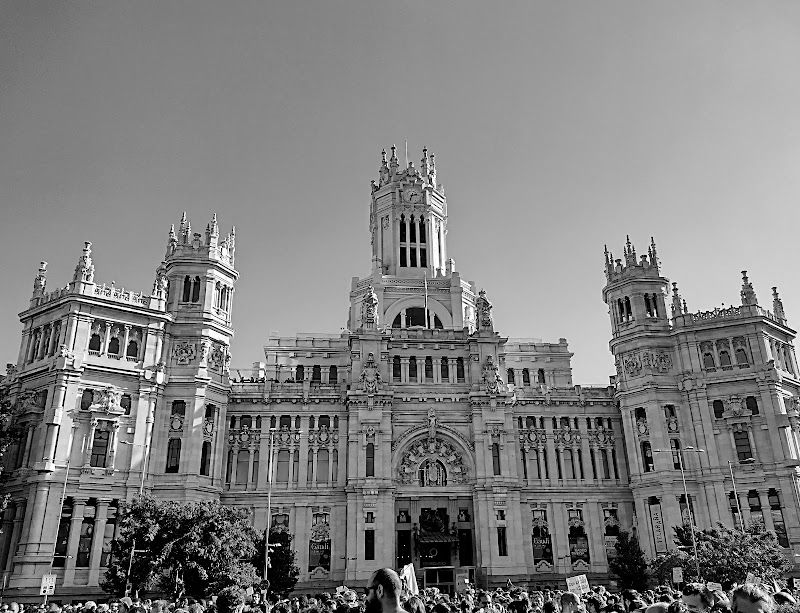
This imposing white palace dominates Plaza de Cibeles and houses Madrid's City Hall alongside CentroCentro, a surprisingly good cultural center with rotating contemporary art exhibitions. The building itself is the real draw: built in 1919 as Madrid's central post office, it's pure early 20th-century grandeur with soaring halls, ornate staircases, and detailed stonework. The eighth-floor viewing gallery gives you free panoramic views over the plaza and down Paseo del Prado, while the rooftop terrace costs 3 EUR for even better angles. You'll enter through security (it's still a working government building) and can wander the ground floor galleries for free. The CentroCentro exhibitions change every few months and range from photography to design, usually well-curated but hit or miss depending on your interests. Taking the elevator to the eighth floor feels like accessing a secret viewpoint: suddenly you're looking down at the famous Cibeles fountain and across to the Prado's red-tiled roof. The interior courtyards are particularly photogenic from above. Most people skip the 3 EUR rooftop terrace, but it's worth it for the 360-degree views and dramatic perspective on the surrounding architecture. The CentroCentro exhibitions are often overlooked by tourists focused on the Prado nearby, making them pleasantly uncrowded. Skip the building entirely if you're rushed: the views are lovely but not essential, and you can appreciate the exterior just as well from plaza level.
Puerta del Sol
The symbolic centre of Spain, where the Kilometre Zero plaque on the pavement marks the point from which all Spanish road distances are measured. The plaque is in front of the Real Casa de Correos (now the regional government headquarters), the building whose clock rings in the New Year for all of Spain. The tradition involves eating twelve grapes in twelve seconds as the clock strikes midnight, one grape per chime, and the square fills with thousands of people attempting this on December 31st. The Bear and the Strawberry Tree statue (El Oso y el Madrono) on the east side of the square is Madrid's coat of arms and the city's most photographed non-museum object. The statue is smaller than expected but there's always a queue of people waiting to take a selfie with it. Sol is not a destination in itself but a crossroads. Every metro line seems to converge here (lines 1, 2, and 3 actually do). You will end up here whether you planned to or not. The square is surrounded by shops, chain restaurants, and a permanent crowd of people heading somewhere else. The side streets leading south to Cava Baja and north to Malasana are more interesting than Sol itself. Despite its tourist-heavy surface, Sol has one genuine treasure: Casa Labra, hidden on Calle de Tetuan two minutes from the square, has been serving cod croquetas for EUR1.50 each since 1860. The bar is standing room only at lunch and proves that even Sol has secrets if you know where to look.
Retiro Park (Parque del Buen Retiro)
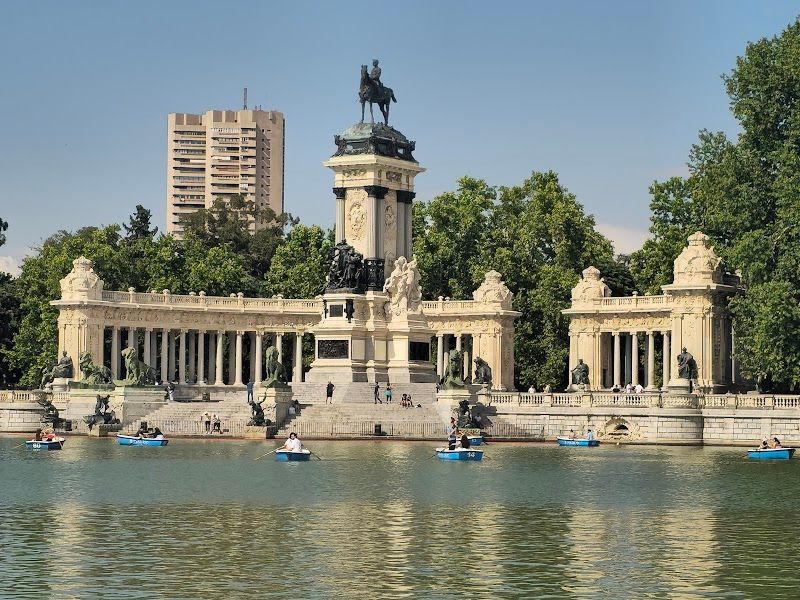
125 hectares of green space that used to be reserved for royalty and is now the park where all of Madrid goes on Sunday. The lake (Estanque Grande) has rowing boats for EUR6 per 45 minutes, and the monument to Alfonso XII at its edge is where Sunday afternoon drummers gather and families spread out blankets on the steps. The Crystal Palace (Palacio de Cristal) is a 19th-century glass and iron conservatory that hosts free contemporary art exhibitions organized by the Reina Sofia. The building itself, reflecting in its pool with turtles swimming below, is more impressive than most of what's inside. The rose garden (La Rosaleda) has 4,000 bushes and blooms spectacularly from May to June. The Fallen Angel statue (El Angel Caido, a depiction of Lucifer) sits at exactly 666 metres above sea level, which is either a coincidence or the greatest urban planning joke in history. The Paseo de las Estatuas is a tree-lined promenade with statues of Spanish monarchs that were originally made for the Royal Palace but considered too heavy for the roof. The park is free, open daily from 6 AM, and is the reason Madrid is liveable in summer. When the temperature hits 38 degrees, the shaded paths and the lakeside breeze make the Retiro the only comfortable outdoor space in the city. Runners use the perimeter path (4.5 km loop) in the early morning. Yoga groups meet on the grass near the Crystal Palace. Puppet shows for children (Teatro de Titeres) run on weekends at noon near the Puerta de Alcala entrance. Practical note: the park is large enough that you won't see everything in one visit. The lake and Crystal Palace are in the western half. The rose garden and Fallen Angel are in the south. The Velazquez Palace (more free art exhibitions) is in the northeast. Pick two or three areas and give them time rather than trying to cover everything.
Plaza Mayor
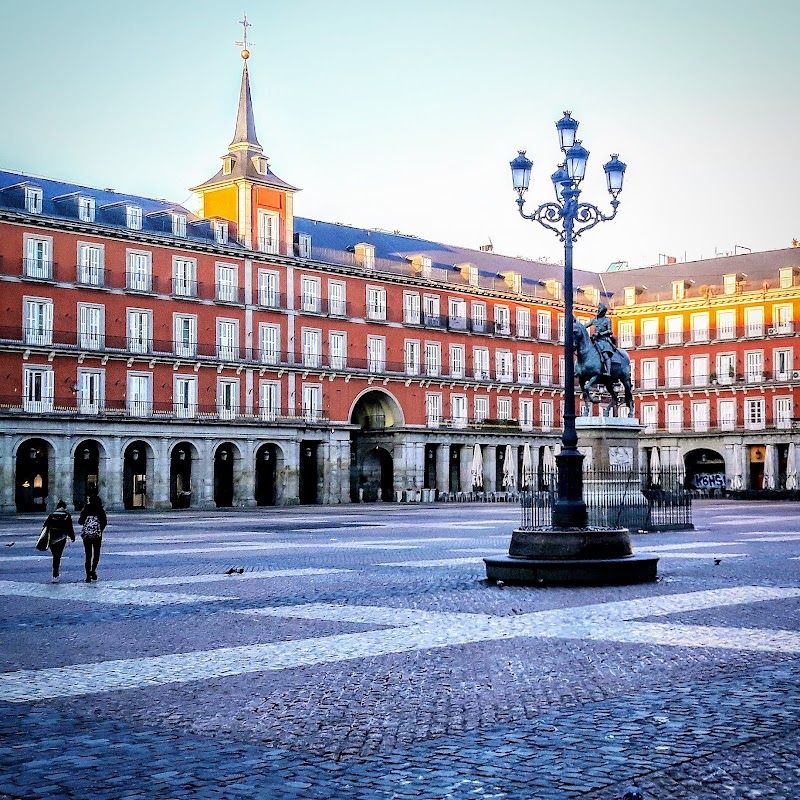
A rectangular baroque plaza with painted facades, iron balconies, and a bronze equestrian statue of Philip III in the centre. Built between 1617 and 1619 under Philip III's reign, it has hosted bullfights, Inquisition executions, public markets, royal coronations, and, for a brief period in the 19th century, a covered market. The architecture is genuinely beautiful: the frescoed Casa de la Panaderia on the north side (originally the royal bakery, now housing the Madrid tourism office), nine arched entrances, and the uniformity of the four-storey red-brick buildings surrounding the square. The proportions are satisfying in a way that photos don't capture. The plaza is a near-perfect rectangle (129 by 94 metres) with covered arcades on all four sides. The arched entrances frame views of the surrounding streets and create the feeling of entering a separate world, especially when approaching from the narrow side streets to the south. Walk through, admire the frescoes and the proportions, take the obligatory photo under the arches, and leave immediately for Cava Baja or Mercado de San Miguel next door. Do not eat at any restaurant on Plaza Mayor. Every single one charges double for half the quality of a tapas bar five minutes away. This is not an exaggeration. The stamp and coin market under the arcades on Sundays is worth browsing. The Christmas market in December is touristy but atmospheric, with stalls selling nativity figures, decorations, and roasted chestnuts.
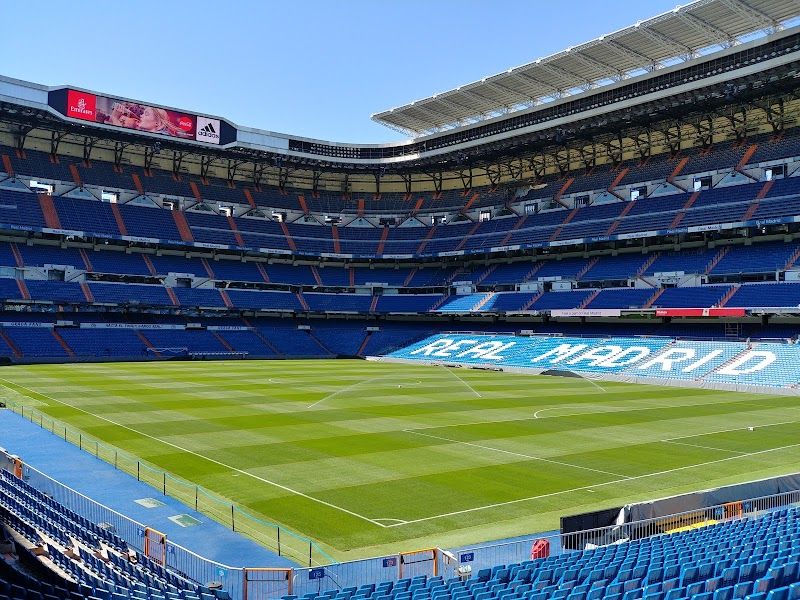
Santiago Bernabeu Stadium Tour
The Santiago Bernabéu is Real Madrid's home stadium, a €1.2 billion football facility reopened in 2023 with a retractable roof and underground pitch. The €25 tour covers the trophy room, featuring 15 Champions League cups, the players' tunnel with ambient crowd noises through speakers, the dugouts, and the presidential box with leather armchairs and panoramic views. The museum showcases over a century of Real Madrid history, including black and white photos from the 1950s and Cristiano Ronaldo's Ballon d'Or collection. The tour takes you through Madrid's golden eras in chronological order. Emerging from the tunnel onto the pitch gives you an immediate sense of the scale, even without 81,000 fans present. The trophy room is lit by LED lights and is a popular spot for photos with replica trophies. The panoramic terrace offers views of Madrid's skyline, and the new Sky Bar provides the best photo opportunity in the stadium. While €25 may seem steep for a 90-minute tour, the renovation gives it a tech showcase feel. You can skip the overpriced club shop unless you need authentic jerseys (€90-150). The audio guide is not always narrated concisely, so it's best to move at your own pace. Book online to avoid disappointment, especially during El Clásico weeks when tours are suspended. The trophy room alone justifies the price if you have even a passing interest in football.
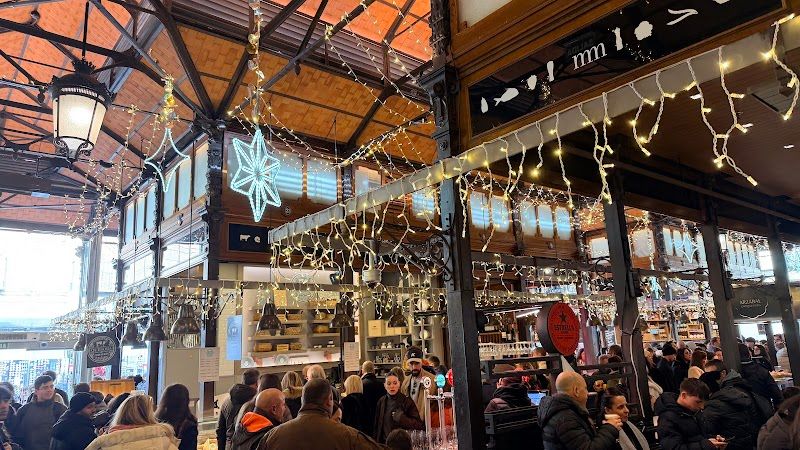
Mercado de San Miguel Food Tour
The Mercado de San Miguel food tour takes you through Madrid's oldest gourmet market. Located in a 1916 iron and glass structure, this historic site houses more than 30 specialty food stalls. You'll sample a selection of products from 8-10 carefully chosen vendors, including jamón ibérico carved fresh from the leg, aged Manchego cheese, Spanish vermouth on tap, and Galician oysters shucked to order. Your guide explains the origins of each regional specialty and helps you understand the different ham grades and cheese aging processes. The tour flows naturally from stall to stall as your guide navigates the market's compact layout. You'll stop at family-run businesses that have operated here for decades. At marble counters, you'll sip wine while locals grab quick tapas lunches around you, creating an authentic neighborhood feel despite the tourist presence. The market's Belle Époque architecture serves as a beautiful backdrop as natural light filters through the glass ceiling, and the constant hum of Spanish conversation creates an immersive atmosphere. Price points for food tours here are generally high at 65-75 EUR, but the education about Spanish food culture makes it a worthwhile experience for first-time visitors. We recommend avoiding weekend tours when the market becomes overcrowded with selfie-taking crowds. The morning slots around 11am offer the best balance of fresh products and manageable crowds, plus vendors are more likely to be available for chats before the lunch rush hits.
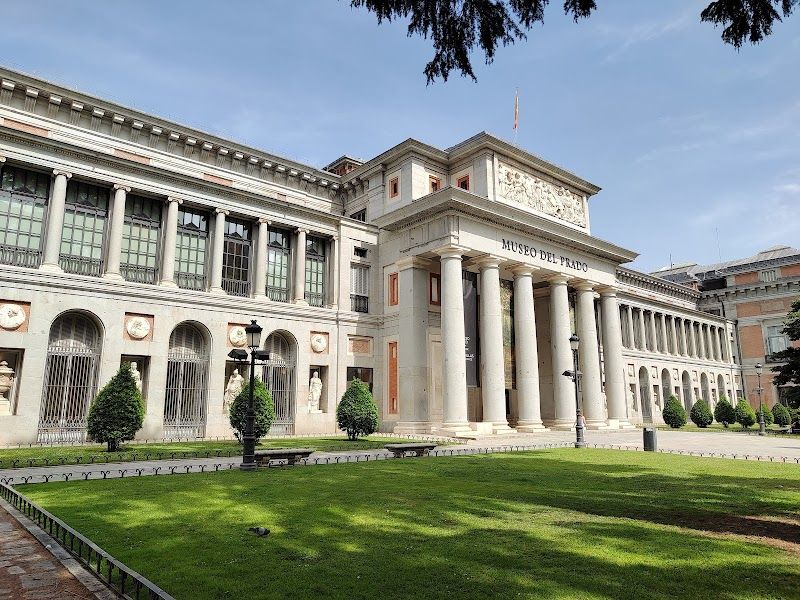
Museo del Prado
The Prado is the best art museum most people have never prioritised. It doesn't have the Louvre's fame or the Uffizi's Instagram presence, but what it has is Velazquez's Las Meninas, which is the painting that changed how painters thought about painting. You'll stand in front of it in Room 12 and understand immediately. The room is built around it. Everything else in the museum leads to or away from this moment. Goya gets two entire sections: the early works upstairs are beautiful and luminous, full of colour and social observation. The Black Paintings downstairs are terrifying. Saturn Devouring His Son is in a room with paintings Goya made directly on the walls of his house when he was deaf, isolated, and possibly losing his mind. The Garden of Earthly Delights by Bosch is in Room 56A and people cluster around it like it's a puzzle, which it basically is. El Greco's long, stretched figures fill a gallery that feels like stepping into a fever dream. And then there's the Rubens room, which has more drama per square metre than most countries' entire national collections. The EUR15 entry ticket is a bargain for what you're getting. The museum is free in the last two hours before closing (Monday to Saturday 6-8 PM, Sundays 5-7 PM), but it's packed and rushed. Pay the EUR15, come at 10 AM on a weekday, and give yourself three hours minimum. The audio guide (EUR6) is worth it for the Velazquez rooms alone. Skip the temporary exhibitions unless the queue is short. The permanent collection is why you're here. One practical note: the building is enormous and poorly signposted. Grab a free map at the entrance, decide on three things you want to see, and navigate to those first. Then wander. Trying to see everything systematically will break you by Room 30.
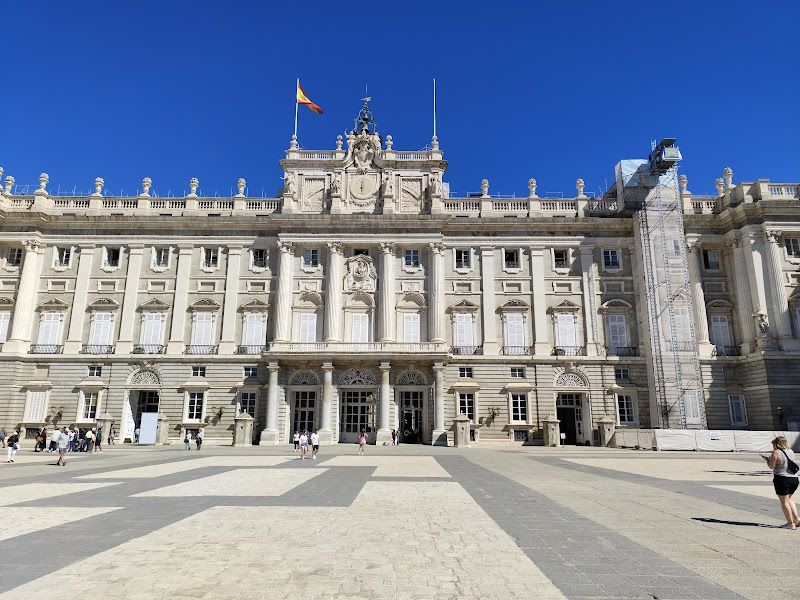
Royal Palace of Madrid (Palacio Real)
The biggest palace in Western Europe by room count: 3,418 rooms, though only about 50 are open to visitors. The Bourbons built it after the old Alcazar burned down on Christmas Eve 1734, and they went spectacularly over budget. The result is a palace that took 26 years to complete, with interiors that range from Rococo excess to neoclassical restraint depending on which monarch was decorating at the time. The Throne Room is the showpiece: a Tiepolo ceiling fresco depicting the glory of the Spanish monarchy, walls lined with crimson velvet, and the thrones themselves (still used for formal occasions, though the royal family lives at the Zarzuela Palace outside the city). The Gasparini Room is a Rococo fantasy of stucco, silk, and gilded everything. The Royal Chapel has a dome painted by Corrado Giaquinto. The Royal Armoury is housed in a separate building in the courtyard and is the highlight for most visitors, especially families. Full suits of jousting armour that belonged to Charles V, swords from the Reconquista, a tiny armour set made for a child prince, and weapons from centuries of Spanish military history. The armoury alone justifies the visit price. The Royal Pharmacy, overlooked by most visitors, has original 18th-century ceramic medicine jars in wooden cabinets and distillation equipment used to make remedies for the royal household. Entry EUR13, free for EU citizens in the last two hours before closing. The changing of the guard on the first Wednesday of each month (noon, October through June) is a full ceremony worth timing your visit around.
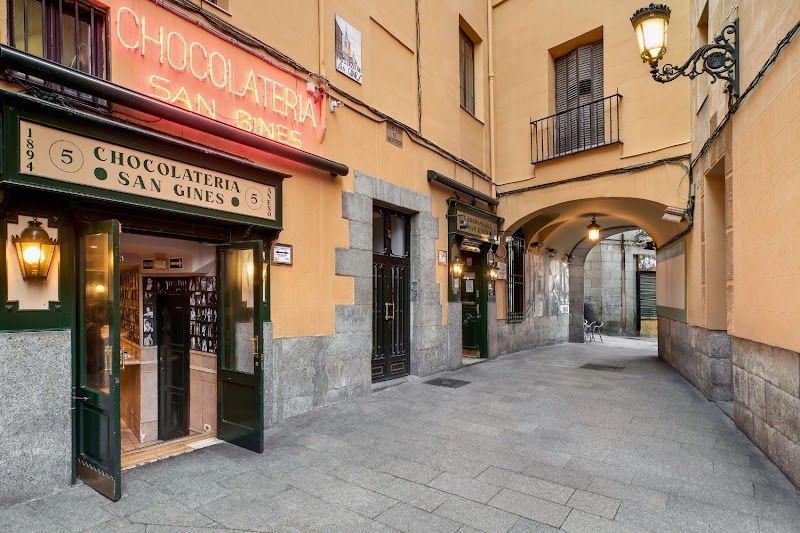
Chocolatería San Ginés
Open since 1894 and serving 24 hours on weekends, this legendary chocolatería specializes in churros con chocolate. The thick, dark hot chocolate and fresh churros have been fueling madrileños after late nights out for over a century, maintaining the exact same recipe.
Museo Reina Sofia
The Reina Sofia exists because of one painting: Picasso's Guernica. It is bigger and more devastating than any photo prepares you for, filling an entire wall in Room 205 on the second floor. The painting documents the 1937 bombing of the Basque town of Guernica by Nazi and Italian fascist warplanes at Franco's request. Picasso painted it in five weeks in Paris. The room is kept deliberately quiet, with benches for sitting and absorbing. There is no audio guide commentary here, just the painting and your response to it. Around Guernica, Room 205 and the adjacent galleries display the studies and sketches Picasso made while working on the painting, plus photographs by Dora Maar documenting its creation. Seeing the process makes the finished work even more powerful. The rest of the second floor covers Spanish art from the early 20th century: Dali (including The Great Masturbator and The Enigma of Desire), Miro's colourful abstractions, and Juan Gris's cubist works that predate Picasso's more famous versions. The building itself is a former hospital, with the original 18th-century structure connected to a striking glass elevator tower designed by Jean Nouvel. The contemporary holdings in the Nouvel building (floor 0 and floor 1) include video installations, conceptual art, and temporary exhibitions that are often outstanding. The rooftop terrace in the Nouvel building has views over the Madrid rooftops. Entry EUR12. Free Monday and Wednesday to Saturday 7-9 PM. Free all day Sunday 1:30-7 PM. The back entrance on Ronda de Atocha is less crowded than the main entrance on Calle Santa Isabel.
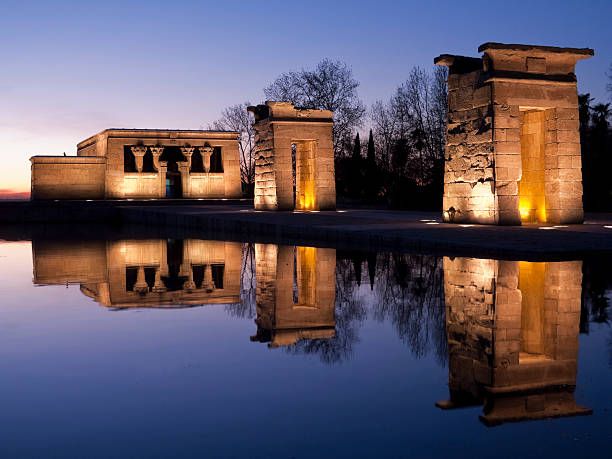
Templo de Debod
An actual Egyptian temple, built in the 2nd century BC and gifted to Spain by Egypt in 1968 as thanks for helping save the Abu Simbel temples from the Aswan Dam flooding. They disassembled it stone by stone, shipped it to Madrid, and reassembled it on a hill in Parque del Oeste, surrounded by reflecting pools that mirror the temple at golden hour. The whole thing sounds implausible, and standing in front of a 2,200-year-old Egyptian temple overlooking the Madrid skyline at sunset, it still feels implausible. The temple was originally dedicated to the gods Amun and Isis and sat near the first cataract of the Nile in southern Egypt. The interior is small (two rooms, free entry, limited capacity) and shows the original carved reliefs depicting Pharaonic offerings to the gods. The carvings are worn but readable, and the scale is intimate compared to the massive Egyptian temples that tourists visit in Luxor. But the real experience is outside. The west-facing position means the temple is perfectly backlit at sunset, silhouetted against the sky over the Casa de Campo forest. In summer, sunset is around 9:30 PM, which means you can have dinner first and still catch it. The reflecting pools double the image. The surrounding Parque del Oeste slopes down the hill with roses, fountains, and views that explain why this spot has been popular since Madrid was a small town. Free, always accessible from the outside. The interior has limited hours (check the Madrid city website). The Teleferico cable car station is a 5-minute walk away, making it easy to combine both in one afternoon visit.
Travel Guides
Expert guides for every travel style

Best of La Latina: A Walking Guide
La Latina is where Madrid eats, drinks, argues, and eats some more. This walking route covers the neighbourhood's best in about 3 hours, ending at the bar where you'll wish you'd started.
10 min read

Where to Eat in Madrid: A Neighborhood Food Guide
Madrid's food scene runs on a system that is different from almost every other European city. Understanding the system is more important than knowing individual restaurant names.
15 min read

First Time in Madrid: Everything You Need to Know
Madrid operates on a schedule that makes no sense to anyone who hasn't lived there. Breakfast at 9 AM is just coffee. Lunch at 2 PM is the main event. Dinner at 10 PM is normal. Adapt or starve.
10 min read

Madrid with Kids: Family-Friendly Guide
Madrid is the most kid-tolerant city in Southern Europe. Children eat dinner at 10 PM alongside adults. Nobody bats an eye. The siesta schedule means afternoon naps are culturally mandated, not parenting failure.
12 min read

5 Days: The Complete Madrid Experience
The difference between three days and five is the difference between visiting Madrid and understanding it. Five days gives you Toledo, the residential neighborhoods tourists never find, and enough time to eat lunch the way it was meant to be eaten.
16 min read

3 Days in Madrid: First-Timer's Itinerary
Three days in Madrid is tight but possible if you accept two things: you will eat dinner after 9 PM, and you will not see everything in the Prado. Both of these are features, not problems.
14 min read
Practical Tips
Lunch is 2-4 PM, dinner is 9-11 PM. Arriving at a restaurant at 7 PM means eating alone while the staff sets up. The menu del dia (three courses plus drink, EUR 12-18) is available at lunch only. Adapt to the schedule and everything clicks. Fight it and you'll eat at tourist traps charging double for mediocre food.
Madrid's metro is fast, clean, and covers everything. A single ticket costs EUR1.50, or get a 10-trip Metrobús card for EUR12.20 that works on metro and buses. The 7-day Tourist Travel Pass runs EUR35.40 for unlimited Zone A travel. Taxis from the airport cost EUR30-40 on a fixed rate to the city center. Uber works well too. The Airport Express bus (Line 203) to the city center costs EUR5, or take Metro Line 8 for EUR4.50 including the airport supplement.
English is less common than in Barcelona or Lisbon, especially outside tourist areas. 'Una cana por favor' (a draft beer), 'la cuenta' (the bill), and 'perdona' (excuse me) will get you through 90% of situations. Madrilenos appreciate the effort even if your accent is terrible.
Card works almost everywhere now, but some traditional tapas bars and Rastro market vendors prefer cash. Carry EUR40-70 for small bars and markets. ATMs are everywhere and most don't charge fees if you decline the conversion offer.
July and August hit 35-40 degrees Celsius regularly. Madrid is a plateau city with no sea breeze. Schedule outdoor sightseeing for mornings, retreat to air-conditioned museums after 1 PM, and embrace the siesta. The city comes alive again after 8 PM when the temperature drops.
Frequently Asked Questions
Three to four days covers the essentials comfortably. Day 1 for the Prado and Retiro Park. Day 2 for La Latina tapas crawl (ideally Sunday for the Rastro) and the Royal Palace. Day 3 for the Reina Sofia, Lavapies, and Malasana. A fourth day lets you add a Toledo day trip (30 minutes by fast train) or explore Chamberi and the Sorolla Museum. Madrid rewards staying longer because the best experiences happen at odd hours.
No. Madrid is one of the best-value capitals in Western Europe. A caña (small draft beer) costs EUR2-3.50. Tapas plates run EUR4-8. The menú del día at lunch is EUR12-18 for three courses with bread and a drink. Hotels average EUR80-140/night. Museum entry is EUR10-15, but most offer free evening hours - the Prado is free Monday-Saturday 6-8pm and Sunday 5-7pm. You can eat, drink, and sightsee well for EUR50-70 a day.
Very safe overall. Madrid has lower crime rates than Barcelona or most European capitals. Standard precautions apply: watch for pickpockets around Sol, Gran Via, and the metro during rush hour. Keep bags zipped and phones in front pockets in crowded areas. Walking at night is safe in all central neighborhoods. Taxi scams are rare because meters are standardized.
Different cities, different appeal. Barcelona has beaches, Gaudi, and a more international feel. Madrid has better museums (the Prado alone is worth the trip), better food value, more authentic nightlife, and a less tourist-oriented atmosphere. If you want architecture and coastline, go to Barcelona. If you want art, tapas, and a city that feels like it's not trying to impress you, go to Madrid. Ideally visit both.
Madrid-Barajas (MAD) is well connected. The metro line 8 runs to Nuevos Ministerios in 15 minutes with an airport supplement of EUR4.5 on top of the regular fare. The Airport Express bus (Line 203) runs 24 hours to Atocha station for EUR5. A taxi to the center costs EUR30-40 as a fixed rate within the M-30 ring road. The train (Cercanias C1) also connects from T4 to Atocha and other central stations.