
Madrid
La Latina
Sunday Rastro market, Cava Baja tapas crawl, medieval streets, where Madrid eats
About La Latina
La Latina on a Sunday afternoon is Madrid compressed into a single experience. The Rastro flea market fills every street from 9 AM to 3 PM with vintage clothes, old records, and things you didn't know you needed. By 2 PM the tapas bars along Cava Baja are standing room only, and the noise level suggests that everyone in Madrid decided to eat lunch in the same 200-metre stretch at the same time. They basically did.
Cava Baja is the most important street in Madrid for eating. Not the fanciest, not the most expensive, just the most concentrated collection of tapas bars where you can order a cana (small beer, EUR2.50) and a plate of croquetas (EUR4-6) and repeat that process at four different bars before you've covered 100 metres. Juana La Loca does a tortilla de patatas that wins awards. Casa Lucas does creative tapas that somehow don't feel pretentious. Txirimiri does Basque pintxos with prices chalked on the bar.
The rest of the week, La Latina is quieter and better for it. The medieval streets around Plaza de la Paja have a village feel, with tiny plazas where old men play cards and cats sleep on windowsills. The Basilica de San Francisco el Grande has a dome bigger than St. Paul's and almost nobody inside. Walk south toward the river and you'll find the Madrid Rio park, 10 kilometres of renovated riverbank with playgrounds, skate parks, and running paths that locals use every morning.
Things to Do
Top experiences in La Latina
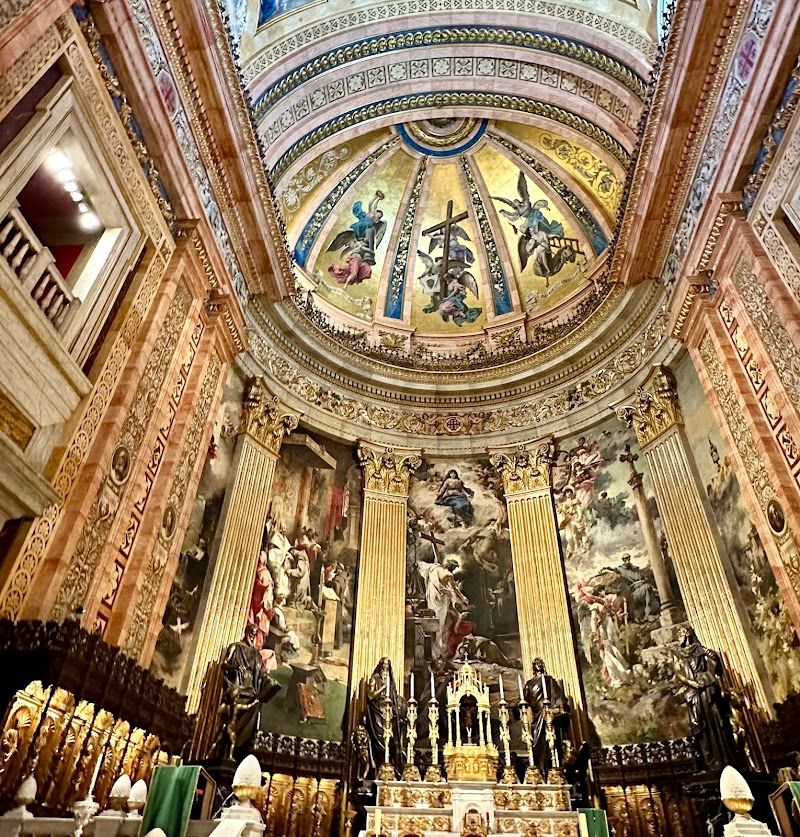
Basílica de San Francisco el Grande
This 18th century basilica houses Spain's largest dome at 33 meters across, actually bigger than St. Paul's in London. You'll walk through seven lavishly decorated chapels arranged in a perfect circle, each telling different religious stories through massive oil paintings. The real draw is Goya's early work in the San Bernardino chapel, where he painted himself as a young man into a scene of St. Bernardino preaching. Zurbarán's intense religious scenes and works by other Spanish masters fill the remaining chapels. The circular layout creates an unusual flow where you move clockwise through increasingly ornate spaces. The dome dominates everything, its coffered ceiling drawing your eyes upward constantly. Most visitors spend their time craning their necks, but the chapel paintings deserve equal attention. The acoustics are remarkable: whispers carry across the central space while footsteps echo off marble floors. Guided tours take you up into the dome structure and through museum rooms that independent visitors can't access. Most travel guides oversell this as a rival to major European basilicas, but that misses the point. It's genuinely underrated precisely because it's not trying to compete with the Prado or Royal Palace. Entry costs 5 EUR, guided tours are 10 EUR and worth it for dome access alone. Skip the audio guide and focus on the Goya chapel and dome details. The gift shop is overpriced tourist trinkets, but the small museum upstairs has fascinating architectural drawings.
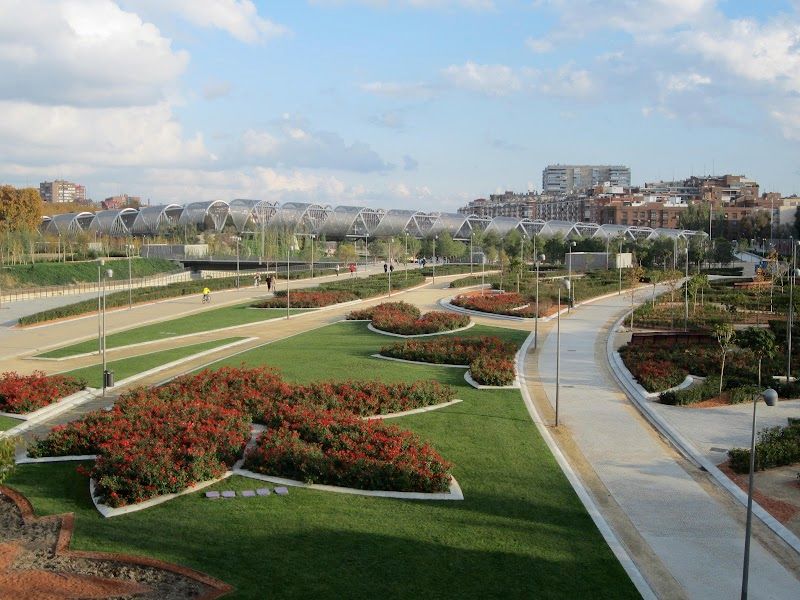
Madrid Río
Madrid Río transformed what was once a highway-divided wasteland into 10 kilometers of linear park following the Manzanares River. You'll find dedicated cycling lanes, skateboard parks, beach volleyball courts, and artificial sandy areas that locals call "Madrid Beach" during summer months. The standout feature is Dominique Perrault's spiraling Arganzuela footbridge, which offers elevated views over the river and connects both sides of the park seamlessly. The atmosphere changes dramatically depending on where you enter. The northern sections near Príncipe Pío feel more manicured with geometric gardens and modern playgrounds, while the southern stretches past Matadero have a rawer, more industrial vibe. Families dominate weekend mornings with kids on bikes and picnic blankets spread under plane trees. The riverside cafés get packed during evening aperitivo hours, especially around sunset when joggers and cyclists create a steady stream of activity. Most visitors stick to the central area near the bridges and miss the best parts. The section between Puente de Segovia and Puente de Toledo offers the most interesting mix of activities without feeling overcrowded. Skip the northern end near Moncloa, it's bland and windy. The outdoor gym equipment is decent but gets busy after 7pm. Bike rental costs about 3-4 EUR per hour at various stations, though weekend availability can be spotty.

Zoo Aquarium de Madrid
Zoo Aquarium de Madrid sprawls across 50 acres of Casa de Campo parkland with over 1,300 animals from 500 species, plus a legitimate aquarium section featuring a walk-through shark tunnel and daily dolphin shows. You'll find everything from Iberian lynx to Asian elephants, with the aquarium's 2 million liters of water housing rays, tropical fish, and those impressive sharks swimming overhead. The dolphin presentations happen three times daily and genuinely showcase the animals' intelligence rather than just tricks. The layout feels more like exploring a wooded park than walking through concrete enclosures. Shaded pathways wind between spacious habitats, and the forest canopy provides relief during Madrid's brutal summers. The shark tunnel creates an authentic underwater atmosphere, while the dolphin stadium fills up fast for each 20-minute show. You'll spend considerable time walking between sections, especially getting from the main zoo area to the aquarium complex. Honest truth: this isn't Europe's most modern zoo, and some enclosures show their age. Adult admission costs €25.90, children €20.50, but online booking saves you about €3 each. Skip the overpriced café food and bring snacks. The cable car combo ticket (€32 adults) makes arrival fun but isn't essential. Focus your energy on the aquarium section and dolphin show, then choose 2-3 animal areas rather than attempting everything.
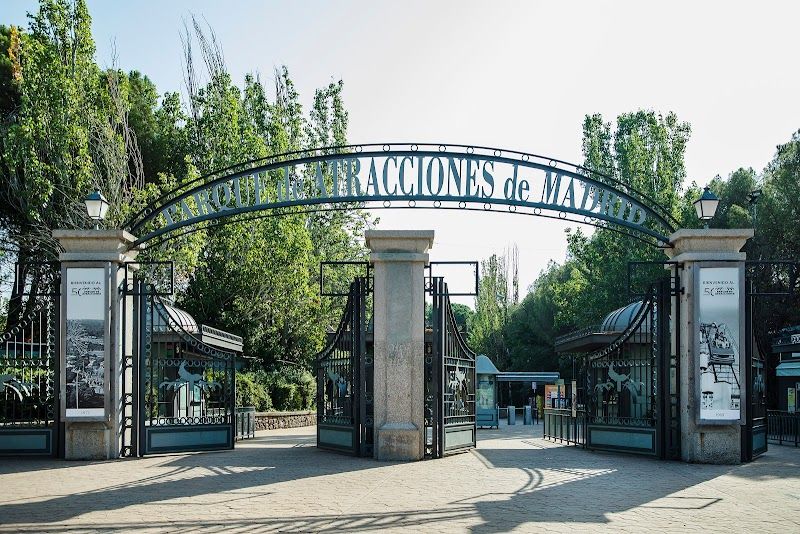
Parque de Atracciones de Madrid
Parque de Atracciones sits in Casa de Campo, Madrid's largest park, offering 40+ rides across themed zones that feel more European carnival than American theme park. The star attractions are Abismo, a hair-raising drop tower that plunges 63 meters, and Tornado, a white-knuckle spinning coaster that'll leave your head spinning for minutes afterward. Families gravitate toward Nickelodeon Land with its SpongeBob-themed rides, while the vintage wooden coaster Los Fiordos delivers surprising thrills despite looking dated. The park sprawls across hillsides with decent views over Madrid's skyline, though you'll spend more time walking between zones than you'd like. Peak summer days bring intense heat with minimal shade, turning the concrete pathways into an endurance test. Weekends see Spanish families arrive en masse around noon, creating 45-minute waits for popular rides. The Halloween event in October transforms the park after dark with scare zones and costumed actors, drawing Madrid's teenagers in droves. Skip the overpriced on-site restaurants (€12 for basic burgers) and bring your own food since outside food is allowed. Day passes cost €29.90 online versus €34.90 at the gate, but honestly, most adults without kids will exhaust the worthwhile rides in 4-5 hours. The water rides area closes entirely from November through March, reducing value significantly during winter visits.
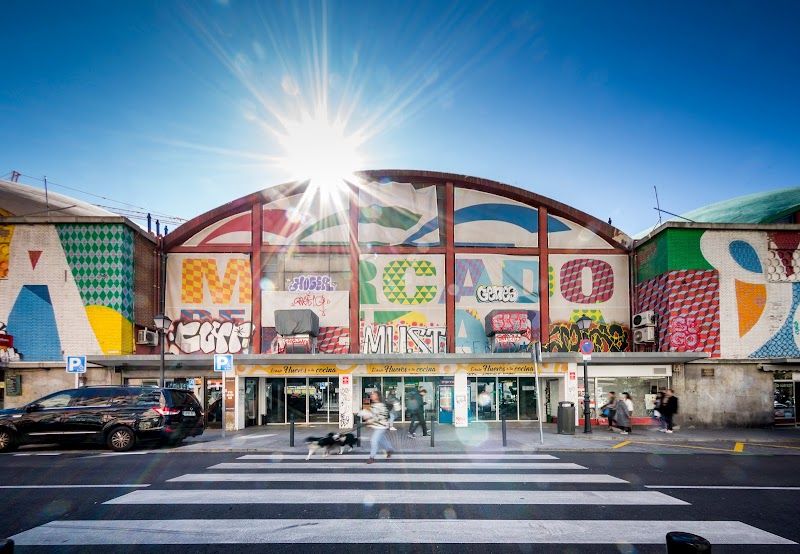
Mercado de la Cebada
Mercado de la Cebada is La Latina's primary food market, rebuilt in 2018 with a sleek glass and steel canopy that shelters traditional vendor stalls below. You'll find serious local food shopping on the ground level: fishmongers selling whole octopus for €12/kg, butchers like Carnicería Nieto offering premium Iberian pork, and produce vendors with prices that beat most Madrid supermarkets. The upper level houses gastro bars and a rooftop terrace where you can eat what you've just bought downstairs. The market flows like two different worlds stacked on top of each other. Downstairs feels authentically neighborhood focused: elderly locals arguing over tomato ripeness, vendors shouting prices, and the distinct smell of fresh fish mixing with hanging jamón. Head upstairs and the vibe shifts completely to polished cocktail bars and tourists taking Instagram photos. The rooftop terrace offers decent views over La Latina's terracotta rooftops, though it's nothing spectacular. Most food bloggers rave about this place, but honestly, it's more convenient than extraordinary. The ground floor vendors offer genuine value (peppers at €2/kg versus €4 in Malasaña), but the upstairs dining feels overpriced for what you get. Skip the trendy rooftop restaurants and focus on the actual market vendors if you want the real experience. Come before 11am when locals are doing their serious shopping and the atmosphere is most authentic.
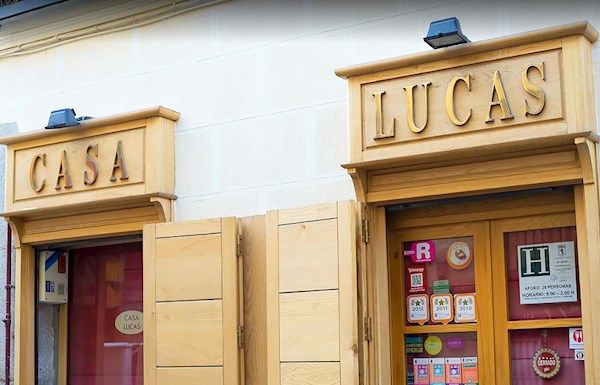
Casa Lucas
Historic gourmet delicatessen and wine shop specializing in artisan Spanish products, cheeses, and cured meats. Features a cozy wine bar in the back where you can taste products with excellent Spanish wines. Perfect for picking up quality gifts or enjoying a quick vermouth.
Where to Eat
Restaurants and cafes in La Latina
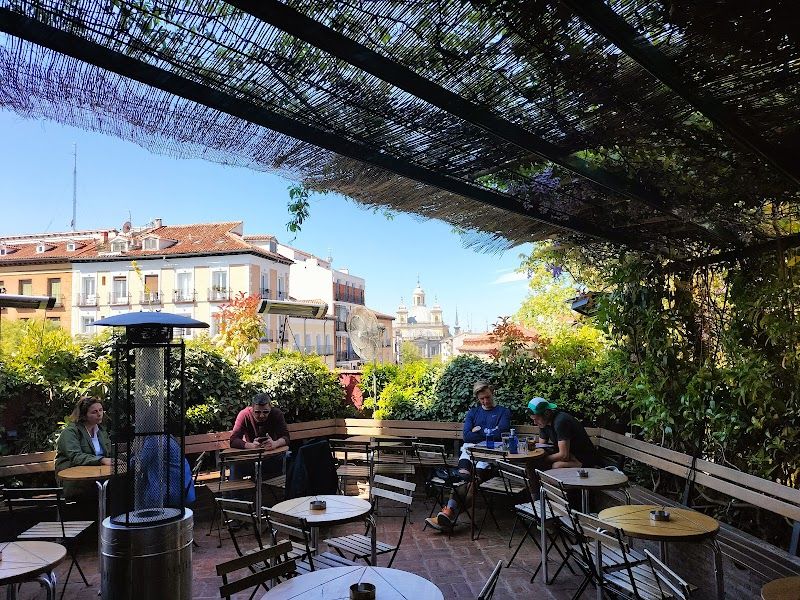
El Viajero
RestaurantMulti-level restaurant and bar with a popular rooftop terrace offering panoramic views of La Latina's rooftops and the Almudena Cathedral. Serves international fusion cuisine with a good cocktail selection. The top floor terrace is especially popular during sunset.
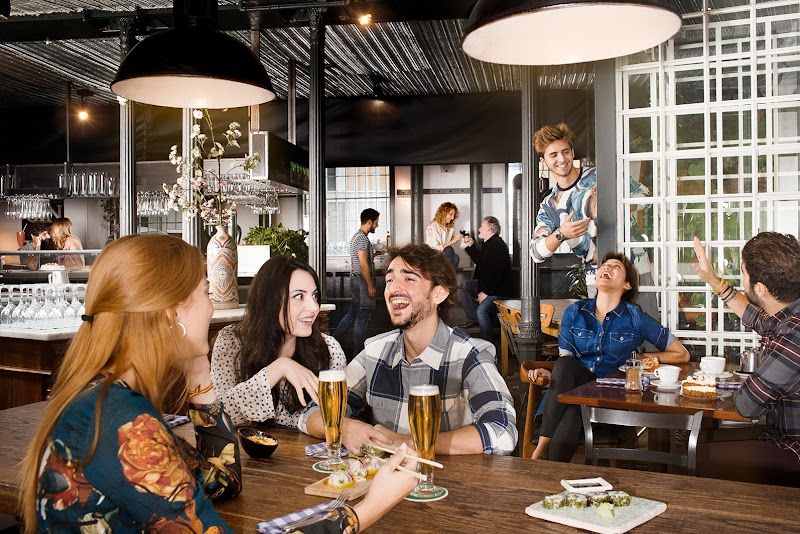
La Musa Latina
RestaurantThis modern bistro in La Latina serves creative tapas and international dishes on a sunny terrace overlooking Plaza de la Paja. The menu ranges from Thai-spiced tuna tartare to duck confit, attracting a younger crowd with its fusion approach and reasonable prices.
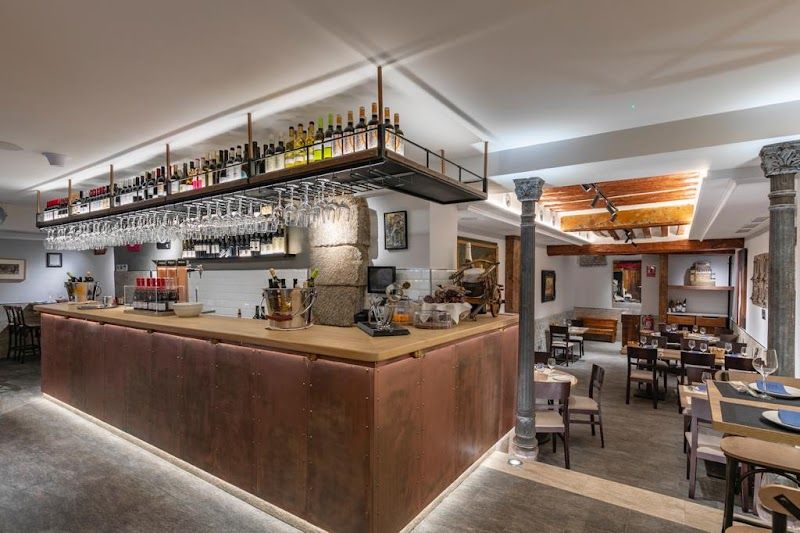
Taberna Los Huevos de Lucio
RestaurantRun by the family behind the famous Casa Lucio, this more casual spot serves the iconic huevos rotos (broken eggs over fried potatoes). The sunny-side-up eggs are broken tableside and mixed with crispy potatoes and optional Iberian ham, creating Madrid's most beloved comfort food.
El Imparcial
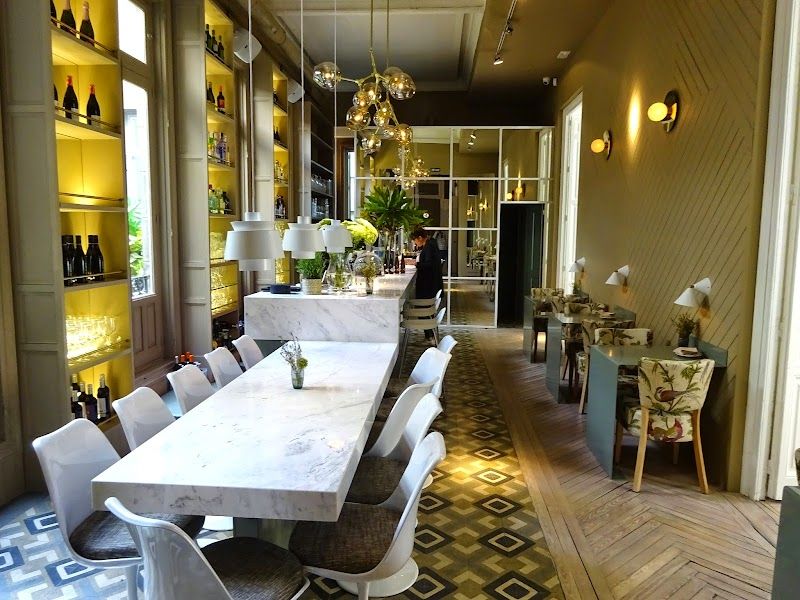
RestaurantHoused in a former newspaper headquarters, this Lavapiés spot features soaring ceilings, vintage printing presses, and a menu of creative tapas and cocktails. The three-level space includes a ground-floor bar, mezzanine dining area, and basement cocktail lounge.
Bodegas Mariano
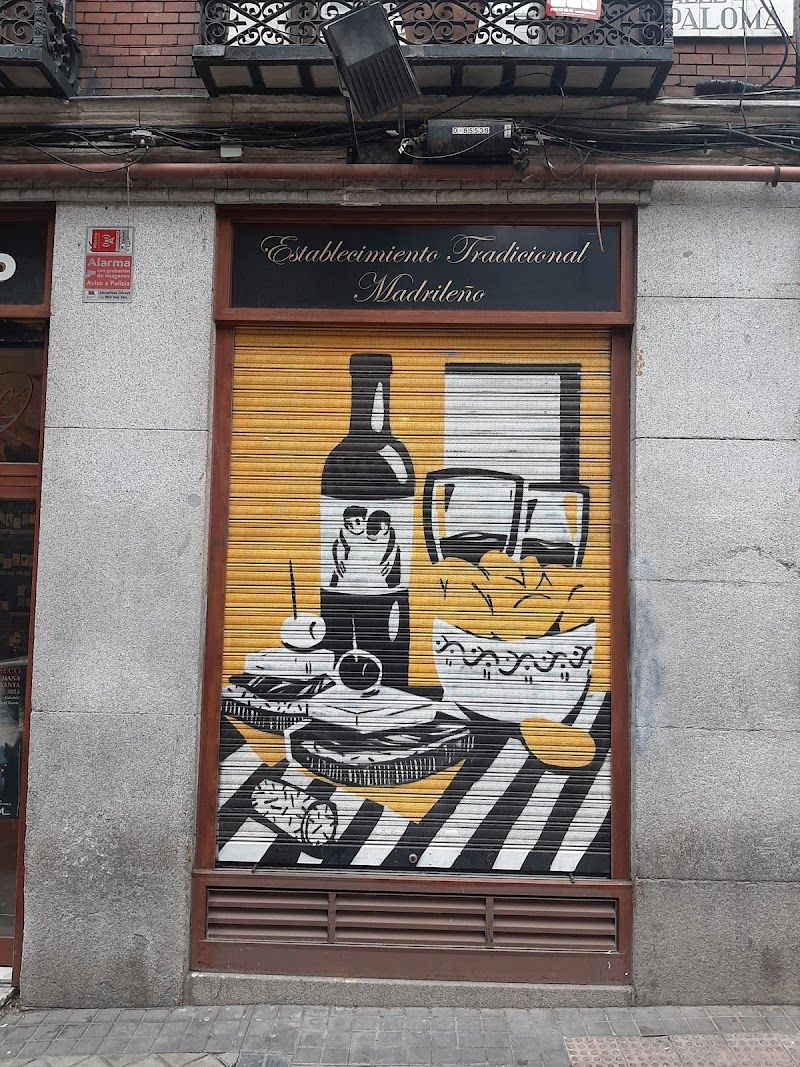
RestaurantA traditional neighborhood bodega serving classic Madrid tapas in an authentic, no-frills setting since 1960. The walls are lined with wine bottles and locals crowd the bar for their famous croquetas and vermouth. Cash-only establishment with some of the most affordable prices in the neighborhood.
Nightlife
Bars and nightlife in La Latina
Getting Here
Metro Stations
Getting There
Line 5 to La Latina station puts you at the top of Cava Baja in two minutes. Opera (lines 2, 5) is a 5-minute walk north. Sol is 8 minutes on foot.
On Foot
Perfectly walkable and best explored that way. The streets are narrow and hilly in places but that's part of the charm. Cava Baja from end to end is a 10-minute stroll.
By Bike
Narrow medieval streets make cycling impractical in the core. BiciMAD stations at the edges. Better explored on foot.
Insider Tips
Cava Baja Strategy
Don't sit down at the first bar. Walk the full length of Cava Baja first, scouting which places look best. Then work your way back with one cana and one tapa per stop. Four or five bars is the sweet spot before you're too full to continue.
Rastro Timing
The Rastro runs Sundays and public holidays, roughly 9 AM to 3 PM. Arrive at 10 AM for the best selection but fewer crowds. By noon it's a crush. After the market, walk directly to Cava Baja for the Sunday tapas crawl. This is the perfect Madrid day.
Midweek Is Better for Eating
Tuesday to Thursday evenings on Cava Baja are actually better for eating than Sundays. The bars aren't heaving, the bartenders remember your order, and you can sit at the bar instead of standing three-deep.
Nearby Neighborhoods
Continue exploring


Related Articles
Plan a trip featuring La Latina
Get a personalized Madrid itinerary with La Latina built in.
Start Planning