The Barcelona vs Madrid first time visitor dilemma comes down to one simple question: do you want a city that faces the sea or one that commands the center of Spain? Both cities will give you excellent tapas, museums, and late dinners, but they deliver completely different experiences.
The short answer: Choose Barcelona if you want Gaudi architecture, beach days, and a more compact walkable city. Pick Madrid if you prefer the Prado over Picasso, royal palaces over Roman ruins, and the energy of a true capital city.
Here's how to decide which fits your first Spanish adventure.
Barcelona vs Madrid: The Essential Differences
Barcelona: Mediterranean Mood with Modernist Architecture
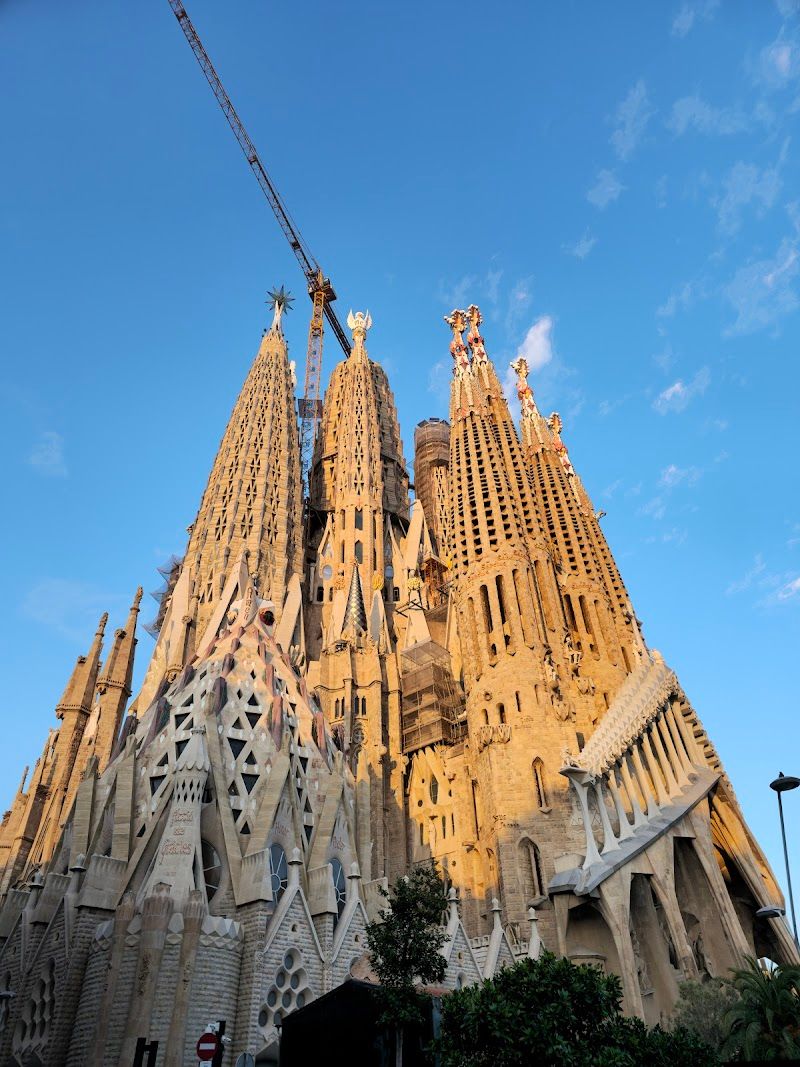
Barcelona sits on the Mediterranean coast with actual beaches you can reach by metro. The city built itself around Gaudi's fever-dream architecture, medieval streets in the Gothic Quarter, and a food scene that mixes Catalan traditions with international influences.
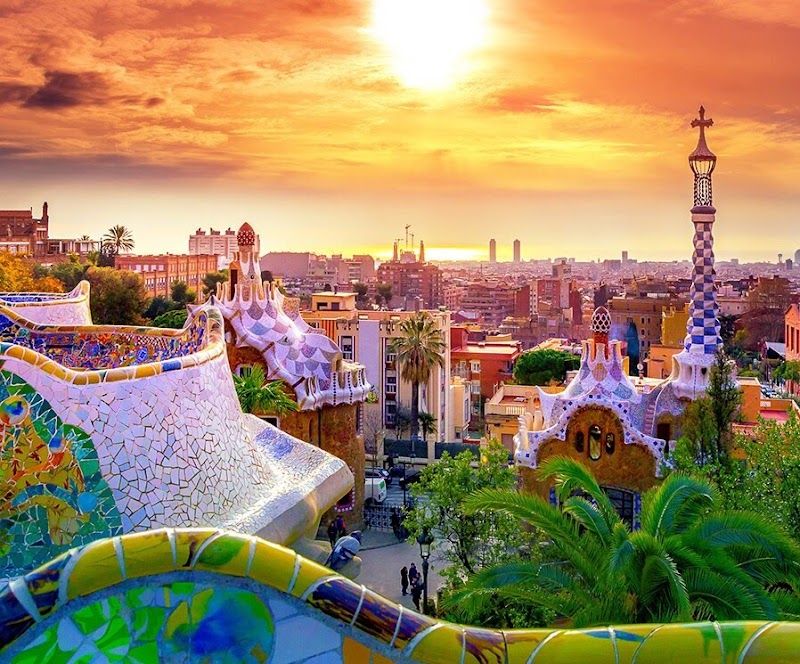
The city stays compact. You can walk from the medieval center to the beach in 25 minutes, or catch the L4 metro line for EUR 2.55. Most first-time visitors spend their mornings at landmarks like Sagrada Familia (EUR 26) or Park Guell (EUR 18), then hit Barceloneta beach in the afternoon.
Madrid: Capital City Energy with Royal Grandeur
Madrid commands the geographic center of Spain and acts like it knows. This is where Spanish royalty built their palaces, where the country's best art collections landed, and where political and business decisions get made.
The city spreads wider than Barcelona, but the metro system connects everything efficiently. You'll spend more time in museums here - the Prado houses Velázquez and Goya, the Reina Sofia has Picasso's Guernica, and the Thyssen rounds out one of Europe's best art triangles.
Which City Costs Less for First-Time Visitors?
Winner: Madrid (barely)
Both cities cost about the same for accommodation and transport, but Madrid edges ahead on food and attractions.
Accommodation Comparison
| Category | Barcelona | Madrid |
|---|---|---|
| Hostel dorm | EUR 20-40 | EUR 18-35 |
| Budget hotel | EUR 65-110 | EUR 60-100 |
| Mid-range hotel | EUR 110-200 | EUR 100-180 |
| Luxury hotel | EUR 300-800 | EUR 250-600 |
Barcelona's beachfront location and tourism density push prices up slightly. Madrid's business traveler focus creates more mid-week deals.
Food & Drink Reality Check
Barcelona's tourist areas inflate prices more than Madrid's equivalent spots. A beer at a bar costs EUR 2.5-4 in both cities, but Barcelona's La Rambla charges tourist premiums that Madrid's Gran Via mostly avoids.
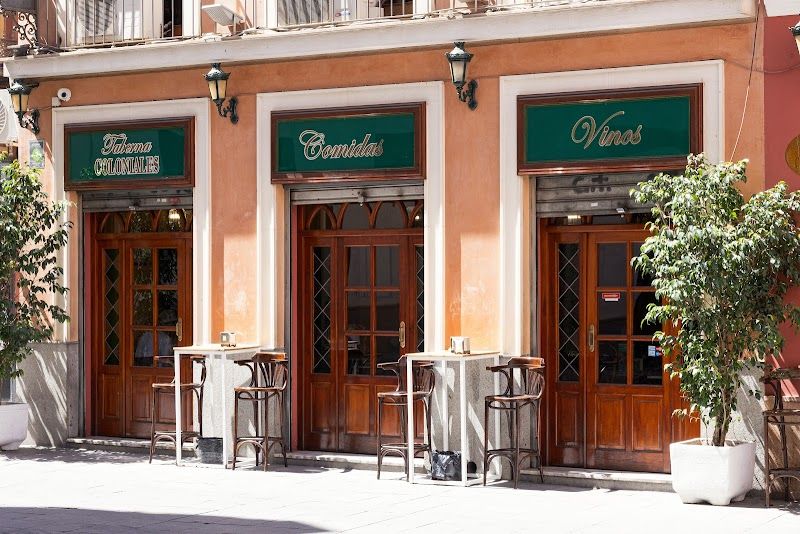
Menu del dia lunch runs EUR 12-18 in both cities, but Madrid offers more options in that range. Barcelona's El Born neighborhood and Madrid's La Latina both serve excellent tapas at EUR 3-8 per plate.
Major Attraction Costs
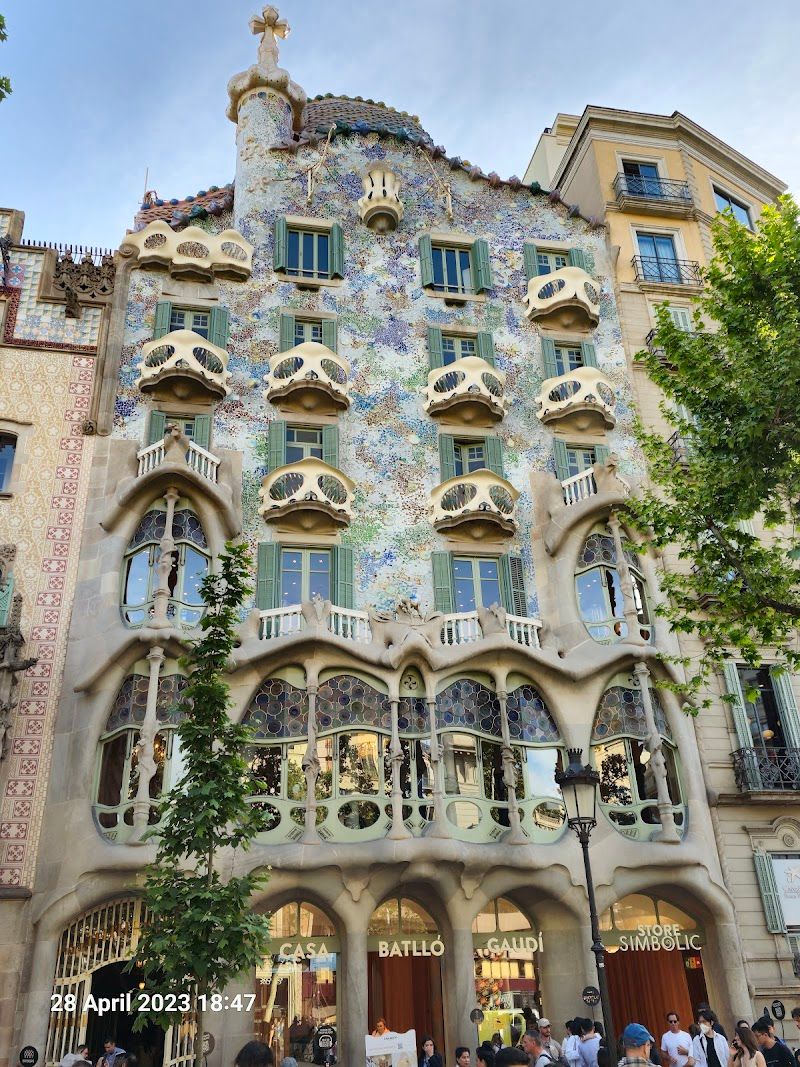
Barcelona's big tickets: Sagrada Familia (EUR 26), Park Guell (EUR 18), Casa Batllo (EUR 35) Madrid's equivalent: Prado Museum (approximately EUR 15), Royal Palace (approximately EUR 12), Thyssen Museum (approximately EUR 13)
Barcelona's Gaudi sites cost more than Madrid's royal and artistic attractions.
Barcelona or Madrid for Food: A Regional Divide
Winner: Depends on your palate
Barcelona's Catalan Advantage
Barcelona gives you Catalan cuisine, which differs significantly from central Spanish food. You'll find pa amb tomaquet (bread with tomato) at every meal, bombes (stuffed potato balls) in neighborhood bars, and fideuà (noodle paella) along the coast.
Cal Pep in El Born serves the best counter-style tapas experience, while La Cova Fumada in Barceloneta invented the bomba. The city's proximity to both mountains and sea means exceptional seafood and game.
Madrid's Central Spanish Identity
Madrid specializes in central Spanish classics: cocido madrileño (chickpea stew), huevos rotos (broken eggs over potatoes), and some of Spain's best jamón ibérico. The city's position in the center of the country means it draws the best products from every region.
Madrid's markets, especially Mercado de San Miguel, offer more variety under one roof than Barcelona's famous La Boqueria, which has become somewhat touristy despite its EUR-free entry.
Cultural Experiences: Medieval vs Royal
Barcelona's Architectural Theater
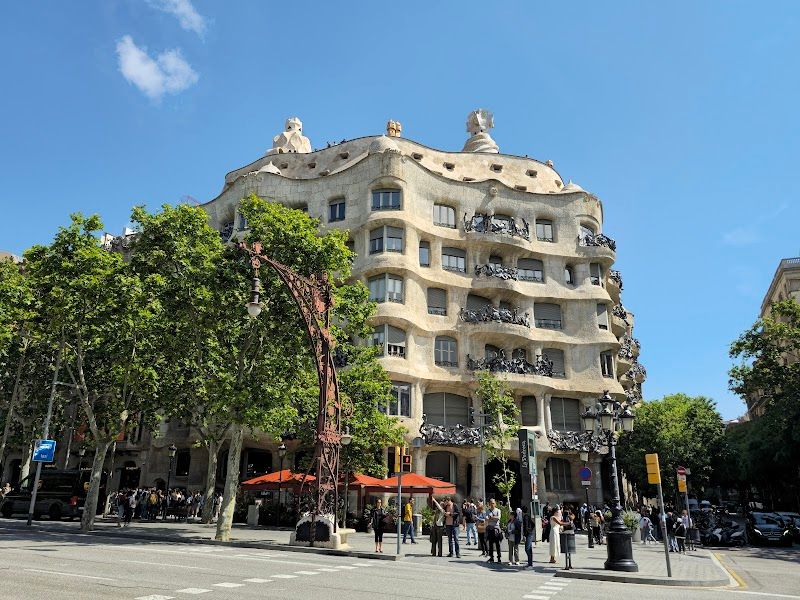
Barcelona vs Madrid for first time visitors often comes down to architecture preference. Barcelona showcases medieval Gothic streets, Roman foundations, and Modernisme (Catalan Art Nouveau) buildings that look like they emerged from dreams.
The Gothic Quarter preserves 2,000 years of building layers, while the Eixample district displays the world's most cohesive collection of Art Nouveau buildings. Gaudi's Sagrada Familia dominates every Barcelona itinerary for good reason.
Madrid's Museum Triangle
Madrid delivers Spain's heavyweight art collection. The Prado houses the world's best Spanish painting collection, including Velázquez's Las Meninas. The Reina Sofia contains Picasso's Guernica and other modern masterpieces. The Thyssen Museum fills gaps with international works.
Beyond museums, Madrid's Royal Palace complex shows how Spanish monarchy lived for centuries. The building contains 3,418 rooms, though visitors see only about 50.
Nightlife: Different Energy, Same Late Hours
Winner: Madrid for intensity, Barcelona for variety
Both cities eat dinner at 10 PM and stay out until sunrise, but they party differently.
Madrid's nightlife centers around neighborhoods like Malasaña and Chueca, where bars stay packed until 2 AM before everyone moves to clubs. The scene runs more intense and focused.
Barcelona spreads its nightlife across more neighborhoods. El Born offers cocktail bars like Paradiso, Gracia has local bars without tourists, and Barceloneta provides beachfront clubs.
Transportation: Getting Around Your Chosen City
Barcelona's Compact Advantage
Barcelona's smaller size makes it more walkable. The T-casual 10-trip card costs EUR 13 and covers metro, bus, tram, and FGC trains within zone 1. Most attractions sit within this zone.
From Barcelona Airport, take the Aerobus (EUR 7.75) to Plaça Catalunya in 35 minutes, or the L9 Sud metro line (EUR 5.50) in 45 minutes.
Madrid's Metro Excellence
Madrid's metro system covers more ground with 13 lines connecting neighborhoods efficiently. A 10-trip card costs roughly the same as Barcelona's.
From Madrid-Barajas Airport, the metro connects directly to the city center for the price of a regular ticket plus airport supplement.
Weather and Seasons: Mediterranean vs Continental
Barcelona enjoys Mediterranean climate with mild winters and warm summers. You can visit Barceloneta beach from May through October. Winter temperatures rarely drop below 10°C.
Madrid experiences more extreme seasons. Summers hit 35°C+ while winters can drop to freezing. Spring (April-May) and fall (September-October) offer the best weather.
For first-time visitors traveling in summer, Barcelona's coastal location provides relief that landlocked Madrid can't match.
The Verdict: Which Should You Choose?
Choose Barcelona if You Want
- Beach access within metro range of city center
- Gaudi architecture that exists nowhere else
- Compact walkability between major sights
- Catalan culture distinct from the rest of Spain
- Mediterranean coastal vibe with excellent seafood
Check our 3 Days in Barcelona itinerary for the essential first-timer experience.
Choose Madrid if You Want
- ** art museums** in one concentrated area
- Royal Spanish history with palaces and monuments
- Authentic Spanish capital energy without beach crowds
- Central location for day trips across Spain
- Business hours that align better with other European cities
The Practical Reality
Most travelers who ask "should I visit Barcelona or Madrid" end up loving whichever city they choose. Both offer excellent food, rich history, and distinctly Spanish experiences.
For a first trip to Spain lasting 4-5 days: Pick one city and explore it properly rather than splitting time between both. Barcelona works better for travelers wanting beach time mixed with culture. Madrid suits those prioritizing museums and royal history.
For a week-long first trip: You could visit both, spending 3-4 days in your primary choice and 2-3 in the other. The high-speed train takes 2.5 hours between cities.
The Barcelona or Madrid debate for first-time visitors has no wrong answer. Choose based on whether you want to end your sightseeing days at a beach bar or in a centuries-old plaza - both will give you an authentic introduction to Spanish life.