
Barcelona
Gracia
Village atmosphere, independent, creative, unpretentious
About Gracia
Gracia was an independent town until Barcelona annexed it in 1897, and it still acts like one. The streets are narrower than the Eixample, the plazas have a village feel, and the shops are independent rather than chain. Placa del Sol is the social center - locals sit on the square with beers from the surrounding bars until well past midnight, and the atmosphere is more small-town piazza than big-city nightlife.
Park Guell sits at the top of the neighborhood (a 15-minute uphill walk or bus 24) and the monumental zone is worth the €10 entry for the mosaic terrace views alone. But Gracia itself deserves a morning of wandering. Mercat de l'Abaceria on Travessera de Gracia is the local market - no tourists, just neighbors buying produce. The indie shops on Carrer de Verdi sell everything from handmade jewelry to vintage records. The cinema on the same street (Verdi Cinema) screens original-language films.
The Festa Major de Gracia in August is the neighborhood's biggest event - residents spend weeks decorating their streets with elaborate themes, and the whole neighborhood becomes a free street party for a week. If you're in Barcelona in mid-August, cancel everything else and spend your evenings here. The rest of the year, Gracia is Barcelona's best neighborhood for a slow morning: coffee at a plaza cafe, browse the shops, eat lunch at a place where the menu's only in Catalan.
Things to Do
Top experiences in Gracia
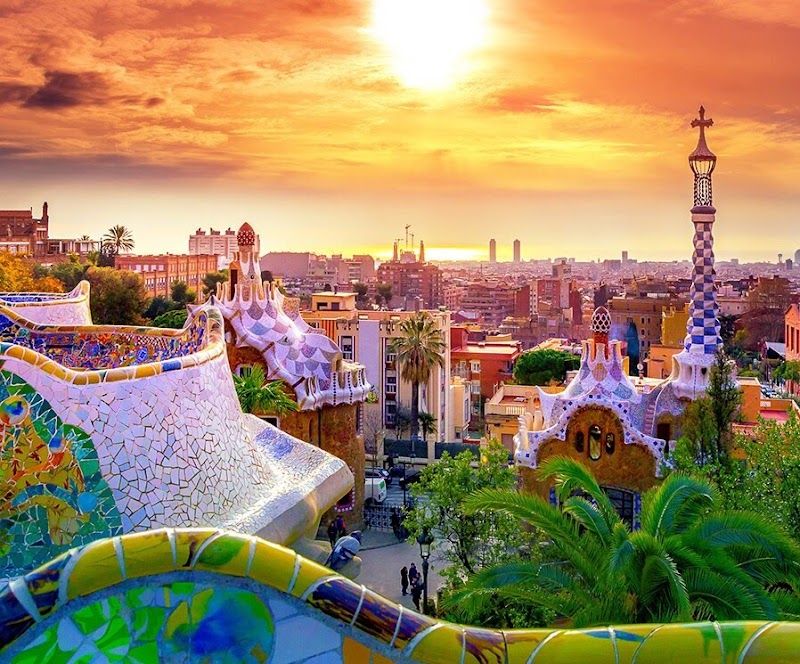
Park Guell
Park Güell is Gaudí's wonderland perched on a hill above Barcelona, where organic architecture meets playground fantasy. The paid Monumental Zone (€10, free under 6) contains the famous dragon salamander, the serpentine mosaic bench overlooking the entire city, and the forest of tilted columns in the Hypostyle Hall. You'll get sweeping views from the Mediterranean to Tibidabo, plus those Instagram shots everyone takes of the colorful trencadís mosaics. The experience flows from whimsical to surreal as you navigate Gaudí's curved pathways and gingerbread-house structures. Kids run wild on the undulating surfaces while adults marvel at how every surface seems to ripple and breathe. The crowds can be intense around the dragon, but once you reach the upper terrace with its famous wavy bench, Barcelona spreads out below you in a perfect panorama that makes the chaos worth it. Here's what most guides won't tell you: the free areas surrounding the Monumental Zone are genuinely beautiful and less crowded. The viaducts and walking paths cost nothing and still showcase Gaudí's organic style. Skip the overpriced Gaudí House Museum (€5.50) unless you're obsessed - it's his former residence but frankly unremarkable. Book timed entry online since they cap visitors at 400 per half hour, and don't bother with the audio guide - the park speaks for itself.
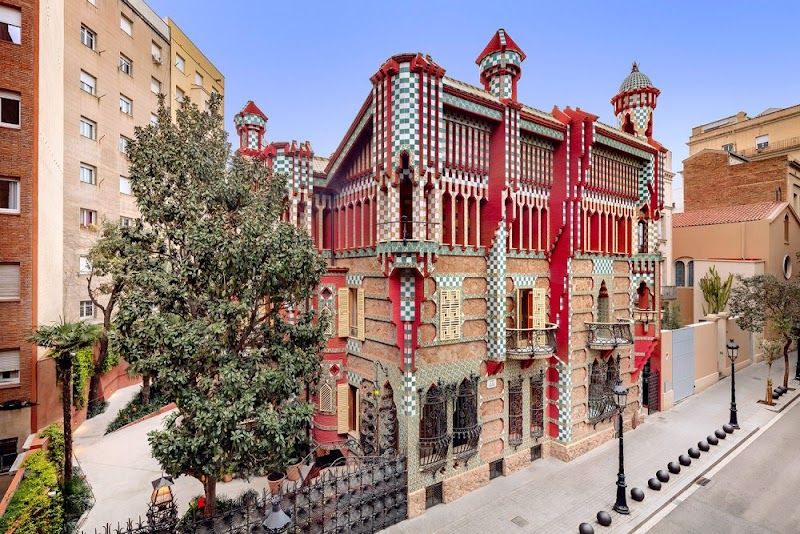
Casa Vicens
Casa Vicens is where Gaudí's genius first emerged in 1885, showing none of the flowing curves he'd become famous for but packed with intricate Moorish tiles, wrought iron palmetto leaves, and a facade that shifts from red brick to green and white ceramics. You'll walk through the actual rooms where the Vicens family lived for over a century, seeing original furnishings, hand-painted ceilings, and Gaudí's obsession with natural motifs in every decorative detail. The small smoking room with its papier-mâché ceiling of ivy and jasmine flowers is breathtaking. The self-guided audio tour takes you through four floors, starting in the basement where interactive displays explain Gaudí's influences, then up through the restored living spaces that feel surprisingly intimate. The highlight is stepping onto the main floor balcony where you're surrounded by those famous ceramic tiles depicting marigolds and palmetto leaves - it's like being inside a jewel box. The garden, though much smaller than the original, gives you perspective on how the house fits into Gràcia's narrow streets. At €16 for adults, it's fairly priced compared to Sagrada Família's €26, and you actually get to explore freely without being herded around. Most people rush through in 45 minutes, but spend the full hour-plus - the devil's in the details here. Skip the expensive gift shop and focus on the first-floor rooms where Gaudí's decorative work is most concentrated.
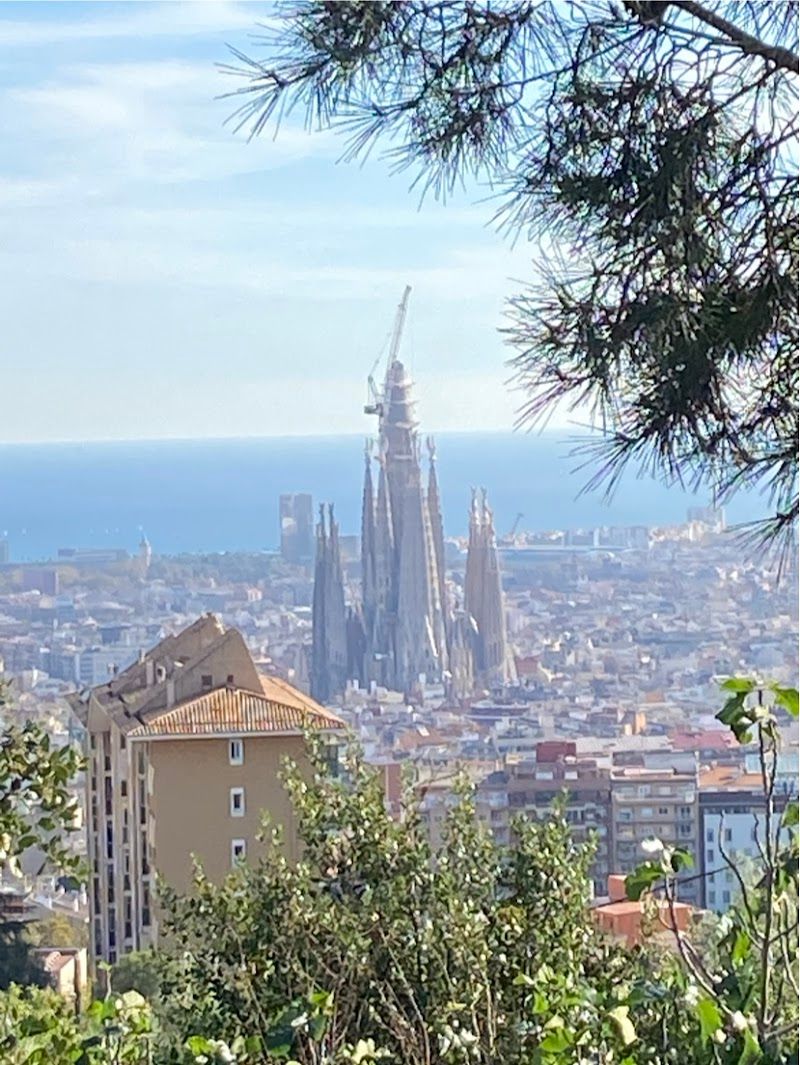
Bunkers del Carmel
These concrete ruins on Turó de la Rovira hill were anti-aircraft gun positions built during the Spanish Civil War to defend Barcelona from fascist bombing raids. Today they're the city's best free viewpoint, offering unobstructed 360-degree views across Barcelona - you'll see the Sagrada Familia, Torre Agbar, the Gothic Quarter's spires, and the Mediterranean stretching to infinity. It's where locals gather at sunset with beers and wine, creating an impromptu outdoor party atmosphere that beats any rooftop bar. The climb up from the nearest bus stop takes about 15 minutes on steep, winding paths through scrubland that feels surprisingly wild for being in the city. Once you reach the bunkers, you're standing on chunky concrete platforms where cannons once sat, now occupied by couples sharing bottles of cava and groups of friends with portable speakers. The sunset crowd arrives early and claims the best spots - the western-facing platforms fill up fast, while the eastern side stays quieter. Most travel guides don't mention that the walk up is genuinely challenging if you're not in decent shape, and there's zero shade once you're at the top. Summer evenings can stay crowded until nearly midnight, while winter sunsets offer the same views with half the people. Don't bother with the overpriced drinks at the bottom of the hill - grab supplies from any supermarket for a fraction of the cost.
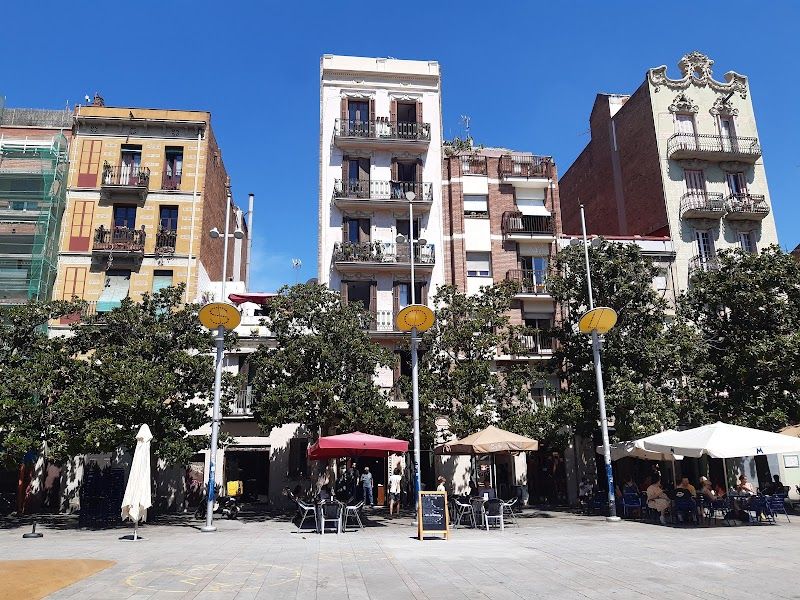
Plaça del Sol
The social heart of Gràcia neighborhood, surrounded by indie shops, vintage stores, and artisan boutiques on radiating streets. The square itself is a gathering place for locals, with a bohemian atmosphere that has attracted creatives for decades. Small galleries and concept stores line Carrer de Verdi and surrounding lanes.
Plaça de la Vila de Gràcia
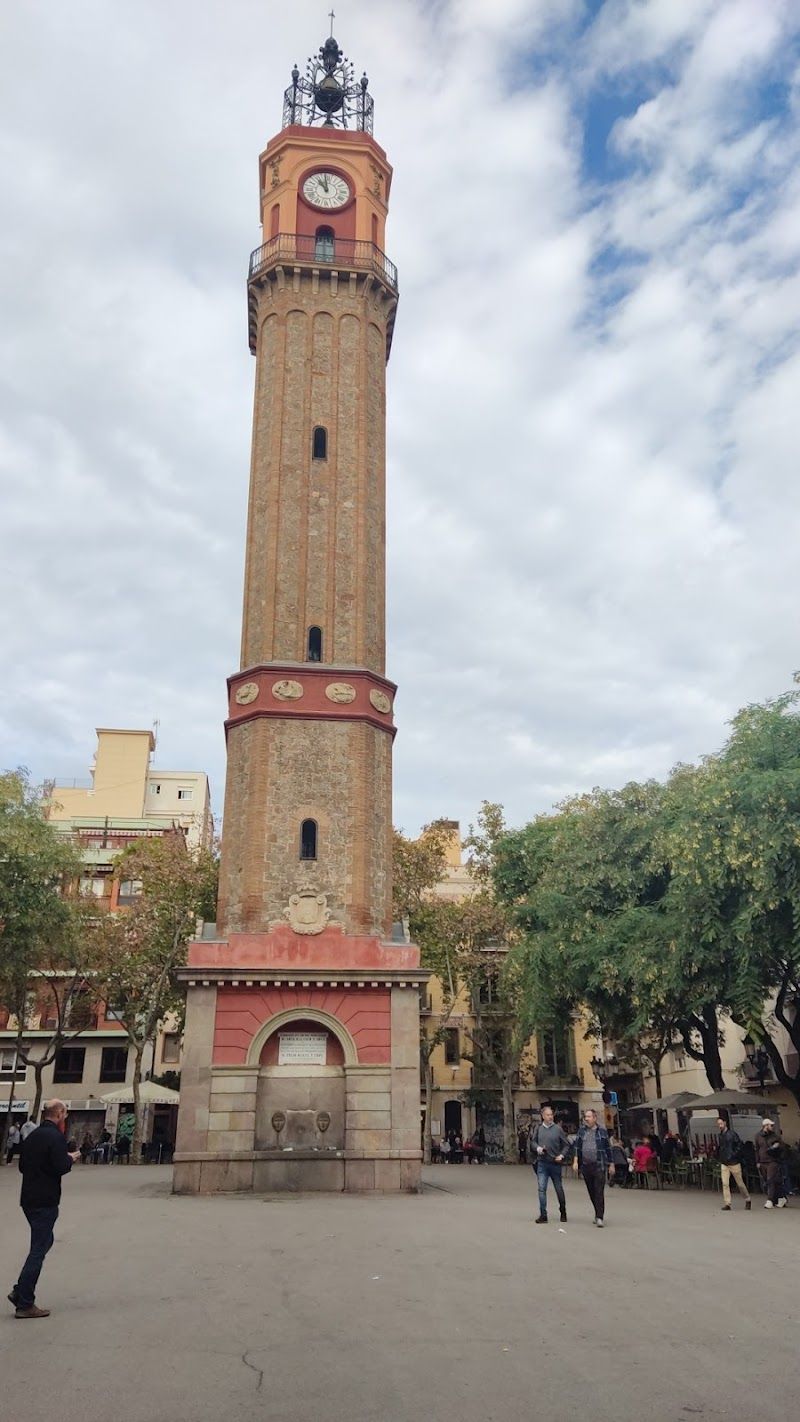
Gràcia's historic main square features a distinctive clock tower dating from 1862 and is surrounded by cafés with outdoor terraces under the plane trees. This pedestrian square hosts the neighborhood's famous August festival, Festa Major de Gràcia, and serves as a meeting point for locals year-round. The architecture reflects Gràcia's village origins before Barcelona absorbed it.
Recinte Modernista de Sant Pau
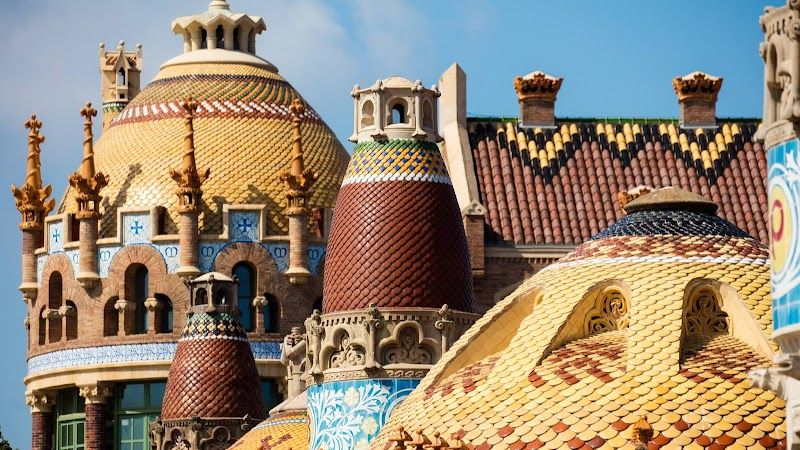
This sprawling hospital complex showcases Lluís Domènech i Montaner's vision of healing through beauty - 12 ornate pavilions connected by underground tunnels, each dedicated to different medical specialties. You'll wander through rooms lined with ceramic mosaics, stained glass windows, and sculptural details that make Casa Batlló look restrained. The operating theater in the Sant Rafael pavilion still has original surgical equipment, while the administration building houses temporary exhibitions about modernist architecture. It's essentially a small modernist city that actually functioned as Barcelona's main hospital until 2009. The self-guided route takes you through restored pavilions where patients once recovered surrounded by art nouveau masterpieces. Underground passages connect the buildings - originally designed so patients wouldn't see other medical cases, now they provide dramatic architectural reveals. The gardens between pavilions offer breathing space, and you'll often have entire rooms to yourself, unlike the shoulder-to-shoulder experience at Park Güell. The audio guide (included) explains the therapeutic philosophy behind decorating a hospital like a palace. Most visitors rush through in 45 minutes, but you need at least 90 minutes to appreciate the details. Entry costs €15 (€11 for students), and morning visits mean better light for photos through those stained glass windows. Skip the gift shop - it's overpriced postcards. The real value here is experiencing world-class modernist architecture without fighting crowds, something increasingly rare in Barcelona.
Verdi Cinema
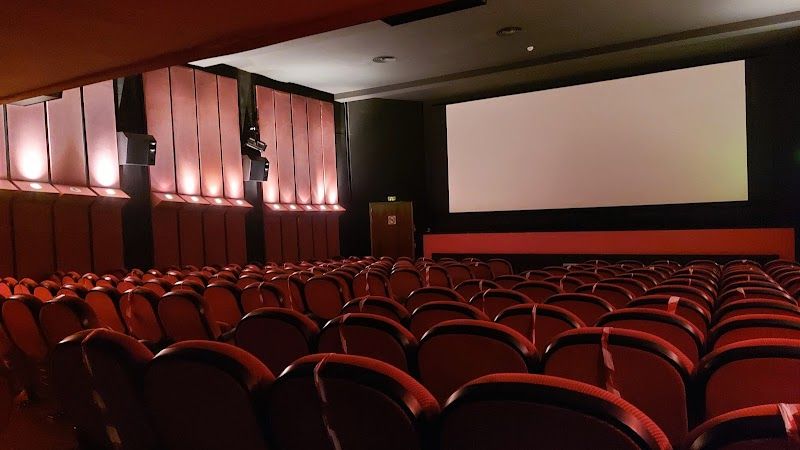
Verdi Cinema is Barcelona's most beloved arthouse theater, screening foreign and independent films in their original languages with Spanish subtitles since 1987. You'll find everything from Korean thrillers to French comedies alongside carefully curated Hollywood releases, all in a neighborhood cinema that feels authentically local. The main building houses four screens, while Verdi Park across the street adds three more intimate theaters to this Gràcia institution. Walking into Verdi feels like stepping into a film lover's living room - the lobby buzzes with genuine cinephiles discussing the evening's selections over coffee from the small bar. The theaters themselves are compact but comfortable, with decent sound systems and that slightly worn charm of a place that prioritizes programming over polish. Between screenings, Carrer Verdi transforms into an impromptu film festival corridor as moviegoers spill into the street's tapas bars and wine shops. Tickets run about €8-10, which is reasonable for Barcelona's cinema scene. Most travel guides skip this entirely, but it's where you'll actually mingle with locals rather than tourists. The 9:30pm screenings draw the biggest crowds and best atmosphere, though afternoon shows offer more elbow room. Skip the overpriced lobby snacks and grab something from the surrounding bars instead.
Montserrat Day Trip
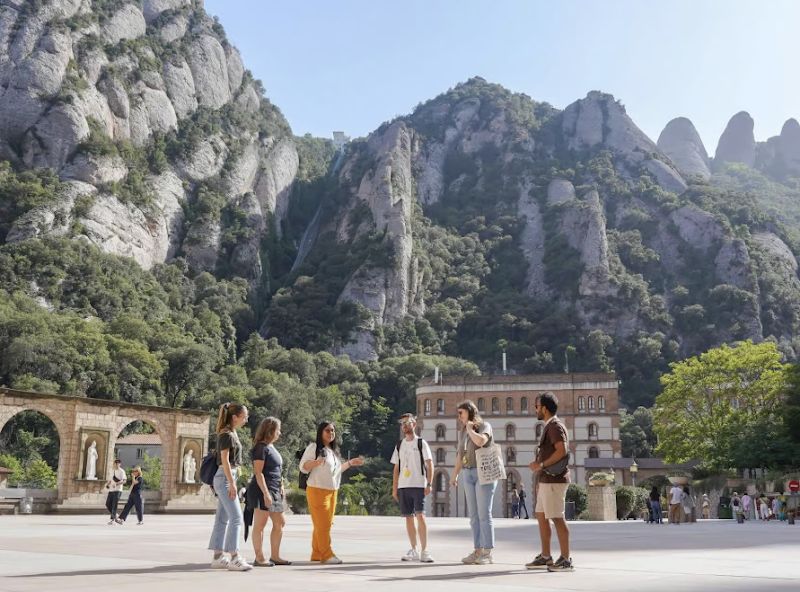
An hour northwest of Barcelona by train, the Montserrat monastery clings to a jagged mountain that looks like it was sculpted by a giant. The Black Madonna statue in the basilica draws pilgrims, but the views from the Sant Joan funicular are what you'll remember. The Sant Joan trail (moderate, 45 minutes) leads to the chapel with the best panorama. Take the R5 train from Placa Espanya plus the rack railway - the combination ticket (€25 round trip) is the easiest option.
Where to Eat
Restaurants and cafes in Gracia
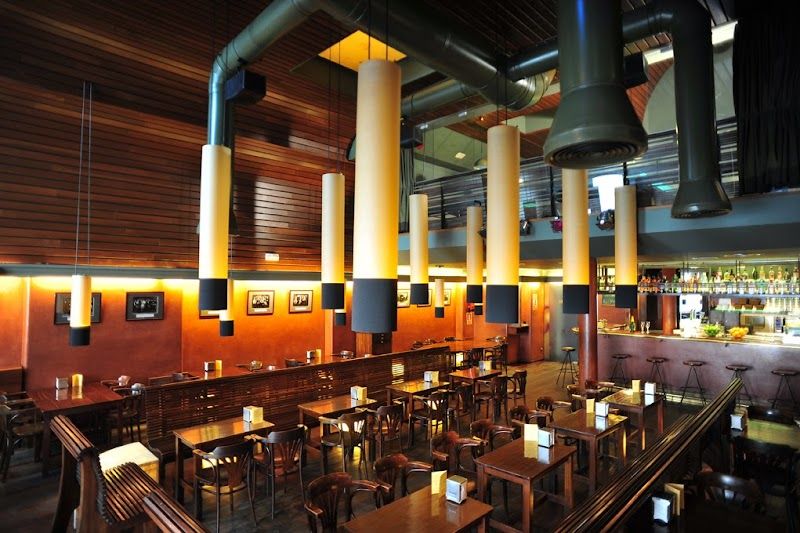
Cafè Salambó
CafeClassic Gràcia café with vintage charm, marble tables, and a loyal neighborhood following since 1909. Famous for their croissants, cortados, and the locals who spend hours reading newspapers at the bar. The interior retains its original modernista details and authentic atmosphere.
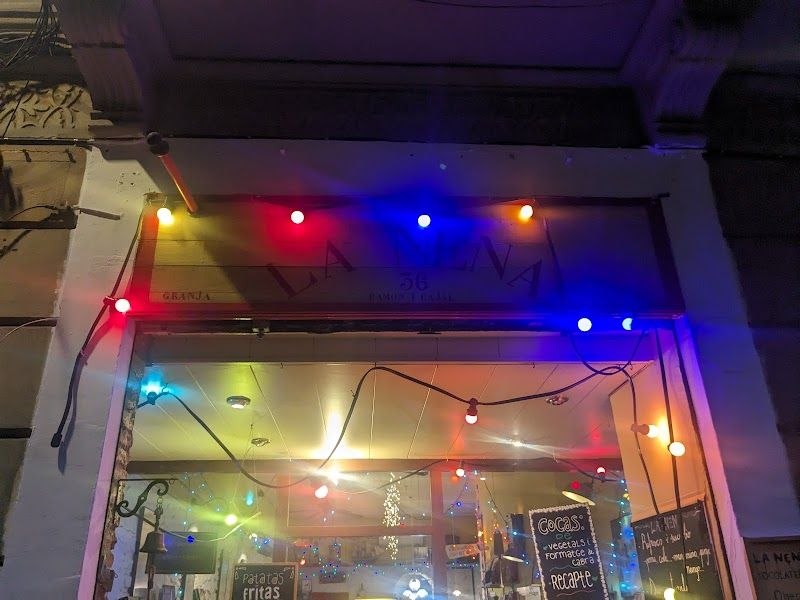
La Nena
CafeA whimsical chocolate shop in Gràcia where thick hot chocolate with homemade whipped cream is served in bowls, accompanied by generous plates of cookies for dunking. Board games line the shelves, and toys keep children entertained while adults linger over their drinks.
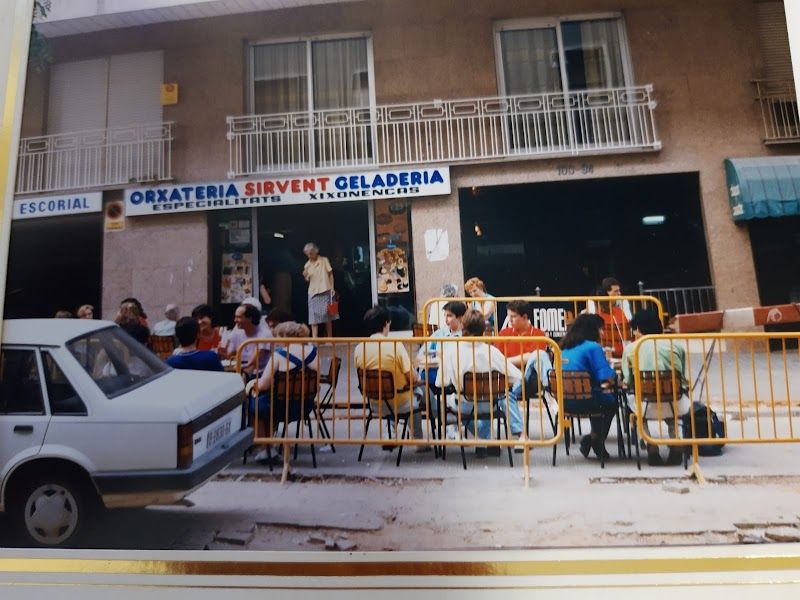
Orxateria Sirvent
CafeA family business since 1920 specializing in horchata de chufa, the traditional Valencian tiger nut drink served ice-cold. They make it fresh daily using their own recipe and serve it with fartons (sweet elongated pastries) for dipping.
Nightlife
Bars and nightlife in Gracia
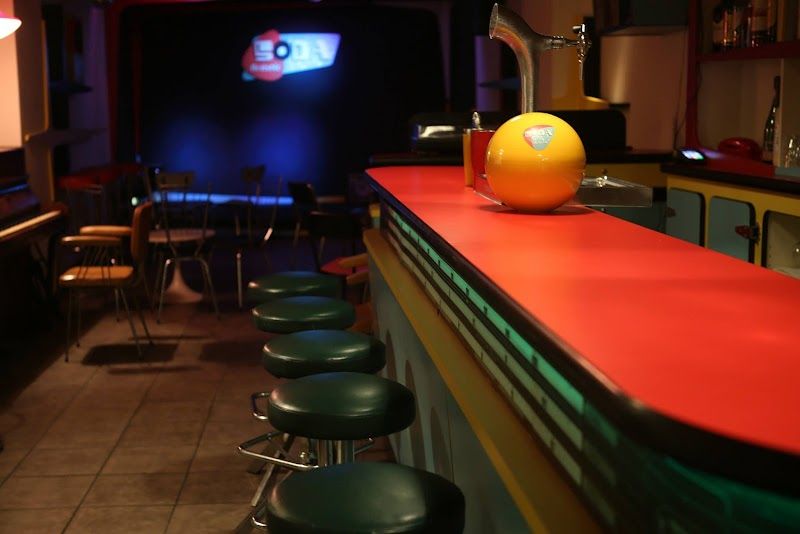
Getting Here
Metro Stations
On Foot
Very walkable once you're there. Getting to Park Guell from the plazas involves a steep uphill walk (15-20 min) - bus 24 from Passeig de Gracia is easier.
Insider Tips
Placa del Sol evenings
The square fills up after 9 PM with locals buying beers from the surrounding bars and sitting on the benches or the ground. It's the most "Barcelona" experience you'll have - no entrance fee, no tourist crowd, just a city enjoying itself.
Festa Major de Gracia
Mid-August, roughly August 15-21. Residents compete to decorate their streets with themes - some streets become underwater worlds, others get turned into jungles. Free concerts, food stalls, dancing. The best free festival in Barcelona.
Nearby Neighborhoods
Continue exploring


Related Articles
Barcelona vs Madrid: Which City Should First-Time Visitors Choose?
Should you visit Barcelona or Madrid first? We break down the food, culture, costs, and vibe to help you decide which Spanish city matches your travel style.
How Much Food Actually Costs in Barcelona: Real Prices for Every Budget
Barcelona food prices range from €1.50 coffee to €100 upscale dinners. Menu del dia lunches at €12-18 offer the best value, while neighborhood tapas bars keep costs low.
Plan a trip featuring Gracia
Get a personalized Barcelona itinerary with Gracia built in.
Start Planning