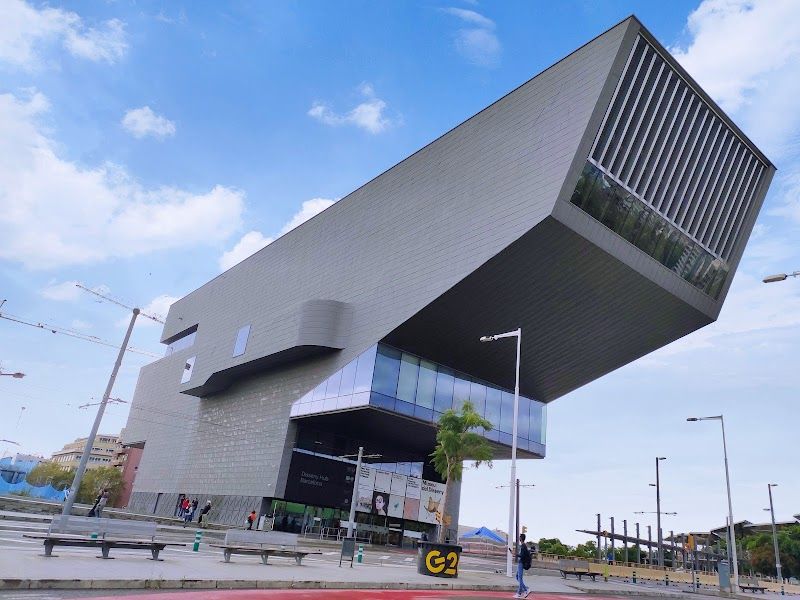
Barcelona
Gothic Quarter
Medieval, atmospheric, layered history at every turn
About Gothic Quarter
The Gothic Quarter is what happens when a Roman city spends 2,000 years layering itself. The streets are so narrow that balconies nearly touch overhead, and you'll get lost within ten minutes - which is the entire point. Put your phone away and just walk. You'll find a medieval courtyard, then a €2.50 canya at a bar that's been open since your grandparents were born, then a square full of kids kicking a football against a 14th-century wall.
The Cathedral is free to enter before 12:30 PM (€9 after), and the cloister has thirteen geese living in it - one for each year of Santa Eulalia's martyrdom, apparently. The Placa Reial is the prettiest square in the neighborhood with Gaudi's first public commission (the lampposts), though the restaurants surrounding it are tourist traps. El Born starts where the Gothic Quarter ends, and the line between them is basically an argument locals have been having for decades.
Skip Las Ramblas after dark - it's all pickpockets and overpriced sangria. But at 8 AM it's a different street entirely: locals walking dogs, the Boqueria market stallholders setting up, and nobody trying to sell you a selfie stick. The Placa de Sant Felip Neri is the neighborhood's quiet heartbeat - a small square with a fountain and a church wall scarred by Civil War shrapnel. Most visitors walk right past it.
Things to Do
Top experiences in Gothic Quarter
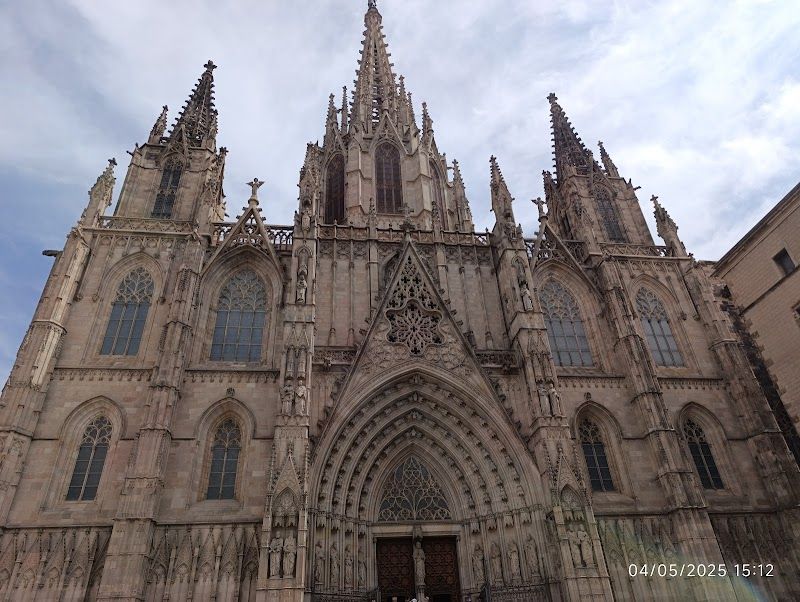
Barcelona Cathedral
Most visitors to Barcelona's Gothic Quarter pass by the Cathedral of the Holy Cross and Saint Eulalia on their way to the Sagrada Familia. That's their loss. This is the medieval original: a more peaceful destination, where you can actually hear yourself think inside. The Gothic nave with its soaring ribbed vaults dates to the 13th century. Unlike the Sagrada Familia, there's no Gaudi razzle-dazzle here. Instead, you'll find 700 years of stone, shadow, and the particular silence that old churches create. Free entry is available before 12:30 PM and after 5:15 PM. The €9 tourist ticket, which includes access from 12:30 PM to 5:15 PM, also grants entry to the choir stalls, the rooftop terrace, and the small museum. The rooftop alone is worth visiting: you can take a lift up for €3.50 and enjoy a view across Gothic Quarter rooftops, the spires of the cathedral, and on clear days, out to the sea. This popular spot is often empty, making it an even more appealing experience for those looking for quiet time. The cloister is the best part of the building and many people never find it. A doorway on the right side leads to a courtyard with palm trees, a mossy fountain, and 13 live white geese - a unique tribute to Saint Eulalia's martyrdom at age 13. The geese have been present since medieval times and honk indignantly at those walking past. A peaceful moment awaits you in the cloister, especially during morning light between 9-10 AM, when you're unlikely to find anyone else around. Don't confuse this with Santa Maria del Mar in El Born (also worth visiting) or Santa Maria del Pi nearby. There are several Gothic churches in Barcelona. This is the main one - the seat of the Archbishop, home to the geese, and the one you should visit first.
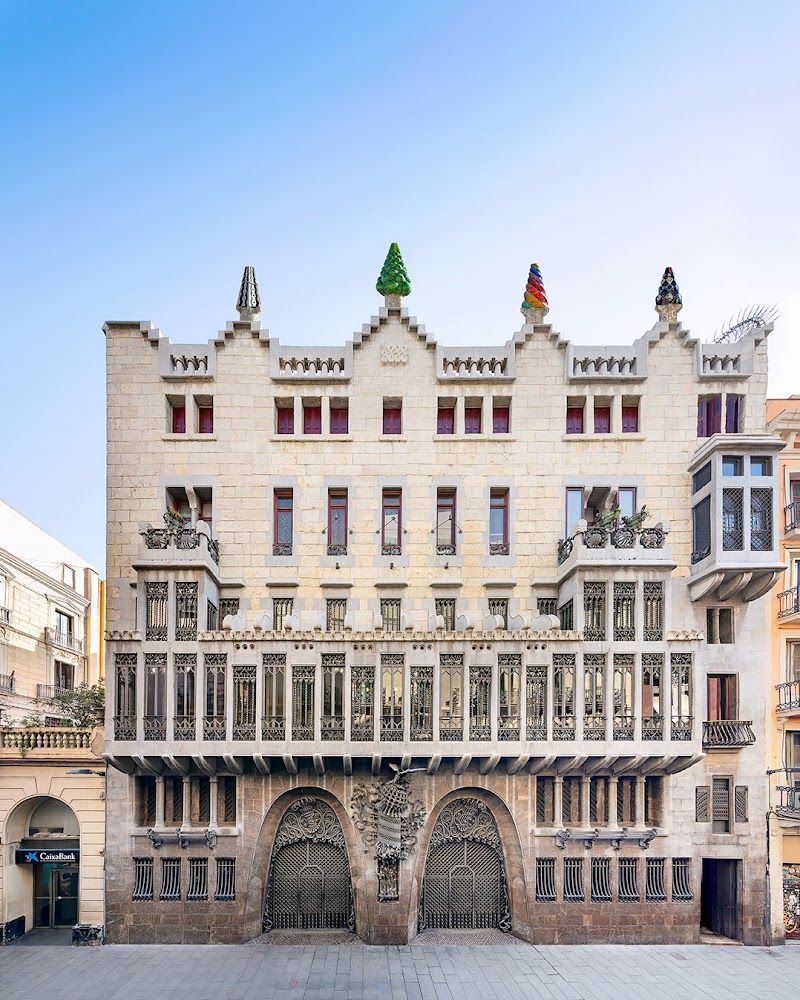
Palau Güell
Palau Güell showcases Gaudí's genius before he became world-famous, built as a private residence for his biggest patron between 1886-1888. You'll explore rooms where Catalan nobles once entertained, featuring soaring ceilings, intricate metalwork, and Gaudí's signature parabolic arches. The showstopper is the central hall with its dome pierced by tiny holes that create a starry sky effect, plus those famous rooftop chimneys covered in trencadís mosaics. The visit flows upward through increasingly impressive spaces. You start in the ground-floor stables with mushroom-shaped columns, climb through family rooms with dark wood and stained glass, then reach the dramatic central salon where concerts once echoed off stone walls. The rooftop delivers the Instagram moment everyone's after - those colorful chimney sculptures look like abstract art against Barcelona's skyline. Audio guides keep you moving at a good pace through seven floors. Most people rush through to get to the famous chimneys, but the real magic happens in those middle floors where you see Gaudí solving practical problems with wild creativity. At €12 for adults (€9 for students), it's cheaper than Sagrada Família and far less crowded. Skip the overpriced café in the basement and spend your time on the noble floor - those ceiling details are what separate this from typical Barcelona tourist traps.
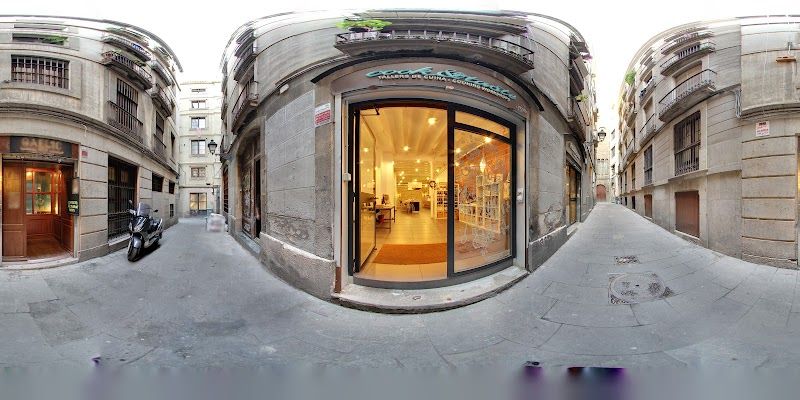
Cook & Taste Barcelona
Hands-on paella and tapas cooking class in a professional kitchen near La Boqueria market. Start with a market tour to select ingredients, then prepare four dishes including authentic Valencian paella over an open flame.
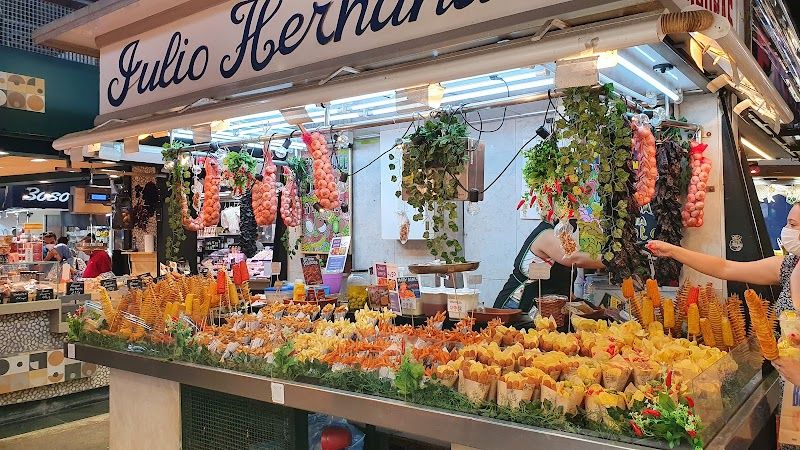
Boqueria Market & Tapas Tour
This isn't your typical tourist market walk-through. You'll spend two hours with a guide who actually knows the vendors at La Boqueria, tasting jamón ibérico that costs €45/kg retail, aged Manchego, and surprisingly good oysters from the fish section. The second half takes you to three nearby tapas bars where your guide orders dishes that aren't on any English menu - think grilled razor clams, house-made morcilla, and whatever the kitchen recommends that day. The market portion moves fast since you're tasting, not shopping. Your guide stops at maybe six stalls, explaining why this jamón costs triple what the tourist stalls charge and letting you try three different Manchego ages. The atmosphere shifts completely once you hit the tapas bars - suddenly you're standing shoulder-to-shoulder with locals who've been coming here for decades, drinking vermouth and eating things you can't pronounce. Most food tours in Barcelona are overpriced tourist traps, but this one actually delivers. Expect to spend around €65-75 per person depending on the company, and you'll genuinely eat well. Skip the afternoon tours entirely - by 2pm La Boqueria turns into a photo-op circus and the good tapas bars are slammed. The guide makes all the difference here, so book with smaller companies that cap groups at 8-10 people maximum.
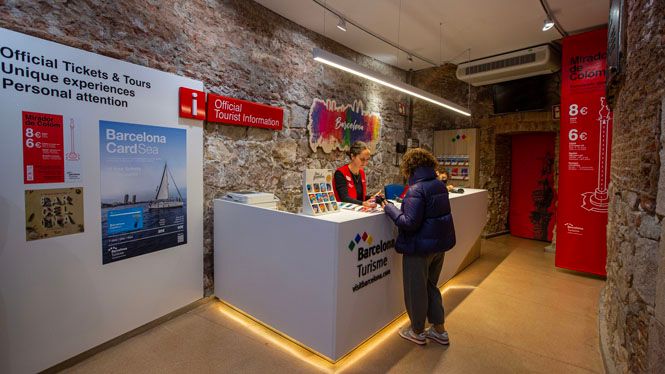
Mirador de Colom
This 60-meter iron column topped with Columbus pointing seaward gives you Barcelona's most central aerial view. The tiny elevator carries just six people up to a circular viewing platform that looks directly over Port Vell's marina, across to Barceloneta beach, and down into the medieval streets of the Gothic Quarter. It's the only viewpoint where you can see how the old city connects to the harbor - something that's impossible to grasp from street level. The experience is quick but satisfying. You'll queue briefly at the base (unless it's peak summer), then squeeze into what feels like the world's smallest elevator for a 30-second ride up. The viewing platform is compact with thick glass panels, so expect to shuffle around other visitors to get clear shots. The perspective is genuinely helpful - you can trace Las Ramblas stretching inland, spot the cathedral's spires, and understand how Barcelona's grid system works beyond the old town. At €6, it's reasonable compared to Barcelona's other paid viewpoints, though the experience lasts maybe 15 minutes total. Most travel guides oversell this as essential, but honestly, if you're doing Park Güell or Sagrada Familia, skip it. However, if you're spending your time in the old city and want a quick orientation tool, it delivers exactly what it promises without pretense.
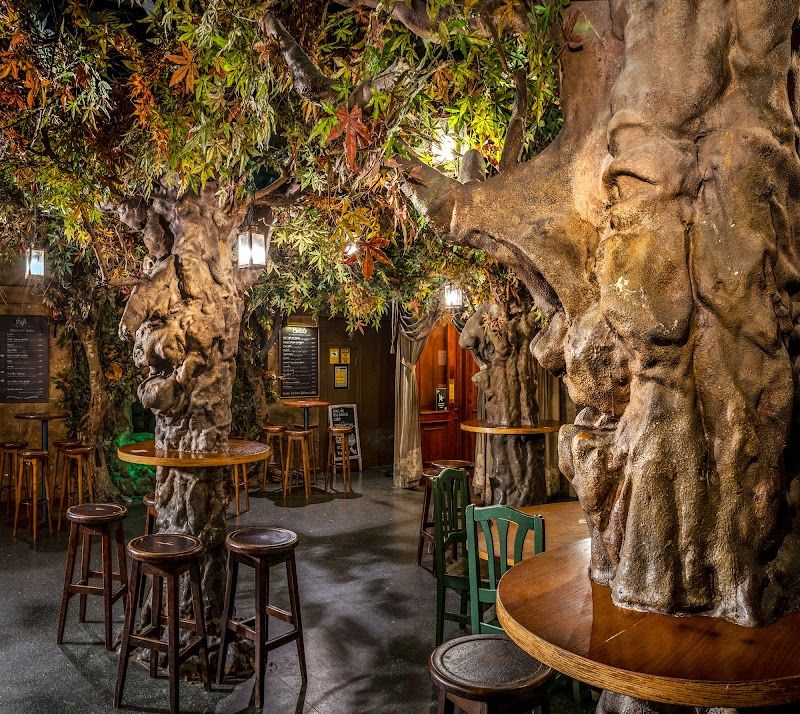
El Bosc de les Fades
El Bosc de les Fades transforms a cramped basement near the Wax Museum into an elaborate fairy-tale forest, complete with artificial trees sprouting from tables, mini waterfalls trickling down rock walls, and dozens of fairy figurines perched throughout dimly lit nooks. You'll wind through interconnected grottos where mushroom stools serve as seats and tree roots create natural-looking partitions between tables. The lighting stays deliberately low, creating shadows that make the plastic foliage look surprisingly convincing. The experience feels like drinking inside a theme park attraction - every surface tells part of the enchanted forest story, from gnarled tree bark covering the walls to the sound of running water masking conversations at nearby tables. Kids wander wide-eyed between the different themed areas while parents nurse cocktails (around €8-10) or mocktails (€5-7) served in ornate glasses. The space stays intimate despite accommodating dozens of visitors, with servers dressed as woodland creatures navigating between the artificial vegetation. Most travel sites oversell this as revolutionary, but it's essentially an elaborate themed bar that happens to welcome families during afternoon hours. The drinks are standard Barcelona prices with below-average quality - you're paying for the ambiance, not the bartending. After 8pm it shifts to a pickup scene for tourists, so families should stick to the 2-5pm window when kids can explore freely without bumping into tipsy adults making out against fake tree trunks.
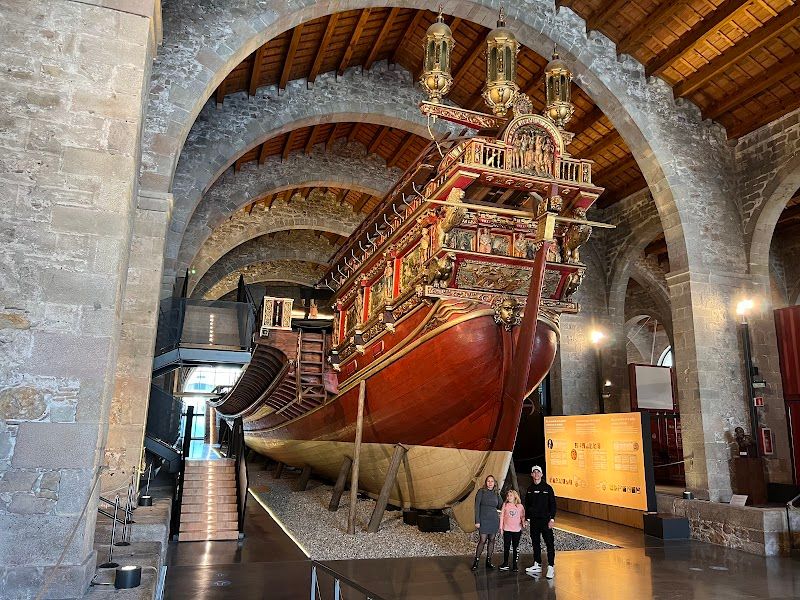
Museu Marítim de Barcelona
Barcelona's Maritime Museum sits inside the Reials Drassanes, Gothic shipyards where galleys were built for Mediterranean conquests from the 13th century onward. The centerpiece is an incredible full-scale replica of the royal galley that fought at Lepanto in 1571 - you can walk around it and peer inside at the rowing benches where 236 oarsmen powered this war machine. The museum also covers Catalonia's fishing traditions, transatlantic trade, and modern shipping through the port that still dominates Barcelona's economy today. The experience flows through soaring stone arches that once echoed with shipbuilders' hammers. You'll start with early navigation instruments and work chronologically through galleries showing how Barcelona became a Mediterranean trading powerhouse. The galley replica dominates the main hall - it's genuinely impressive at 60 meters long, complete with bronze cannons and period rigging. Interactive displays let you test knot-tying skills and explore cargo manifests from colonial voyages to the Americas. Most visitors rush through in 45 minutes, but you need at least 90 minutes to appreciate the details properly. Entry costs €7 for adults, €5 for students and seniors. The audio guide (€3 extra) is worth it for the galley section but skippable elsewhere. Many people miss that your ticket includes boarding the Santa Eulàlia schooner at Port Vell - it's a 10-minute walk and often less crowded than the main museum.
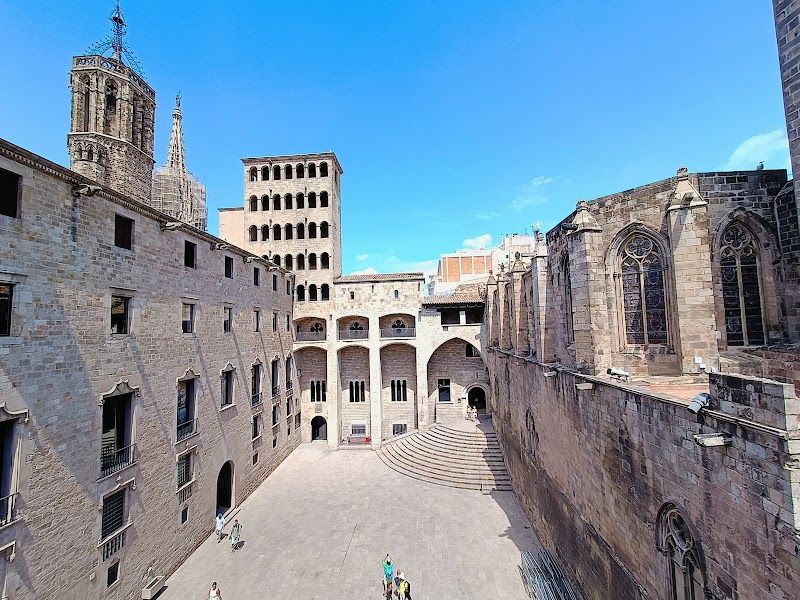
MUHBA Plaça del Rei
Barcelona's history museum takes you underground to walk through excavated Roman streets and houses. Above ground, explore the medieval royal palace where Columbus supposedly met the Catholic Monarchs after returning from America. The combination of Roman ruins and medieval halls makes this unique.
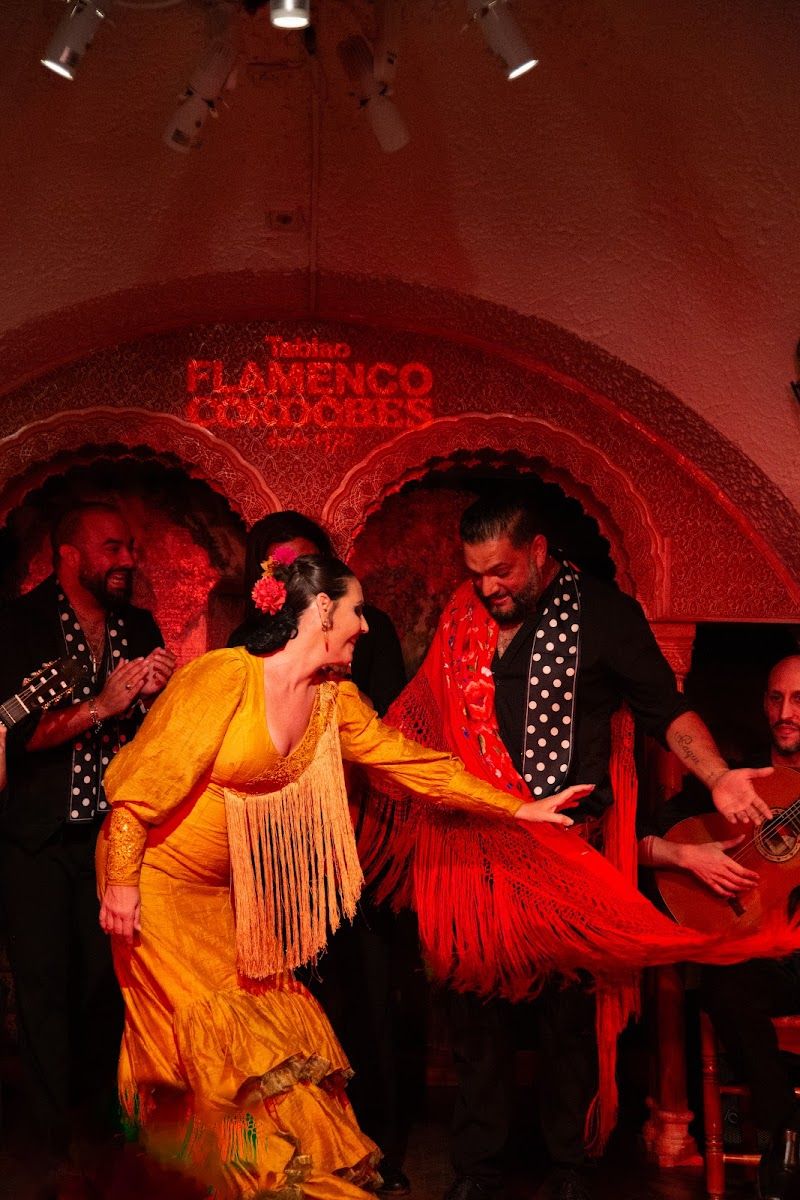
Tablao Flamenco Cordobes
Tablao Flamenco Cordobes delivers authentic flamenco in a restored 19th-century theater right on Las Ramblas, where the wooden floors amplify every heel strike and guitar strum. The intimate 120-seat venue hosts professional dancers, singers, and guitarists who've won national competitions - this isn't tourist flamenco, it's the real deal with powerful zapateado footwork that reverberates through the old building. Shows run nightly at 8:30pm and 10:30pm, lasting exactly one hour of pure performance. You'll sit at small tables facing a raised wooden stage where the acoustics are deliberately raw and immediate. The lighting stays moody and the atmosphere intense - when a bailaor launches into rapid-fire footwork, you feel it in your chest. The musicians sit stage-left, creating an intimate triangle with the dancers, and the traditional call-and-response between singer and guitarist builds genuine tension that keeps you riveted. Most venues on Las Ramblas are tourist traps, but Cordobes maintains serious artistic standards while charging serious prices - expect €45-65 for show-only tickets. Skip the dinner package (€85-105) since the food is mediocre and the service disrupts the performance. The 8:30pm show draws fewer crowds than the late session, giving you better table selection and a more focused audience that actually appreciates the artistry.
Where to Eat
Restaurants and cafes in Gothic Quarter
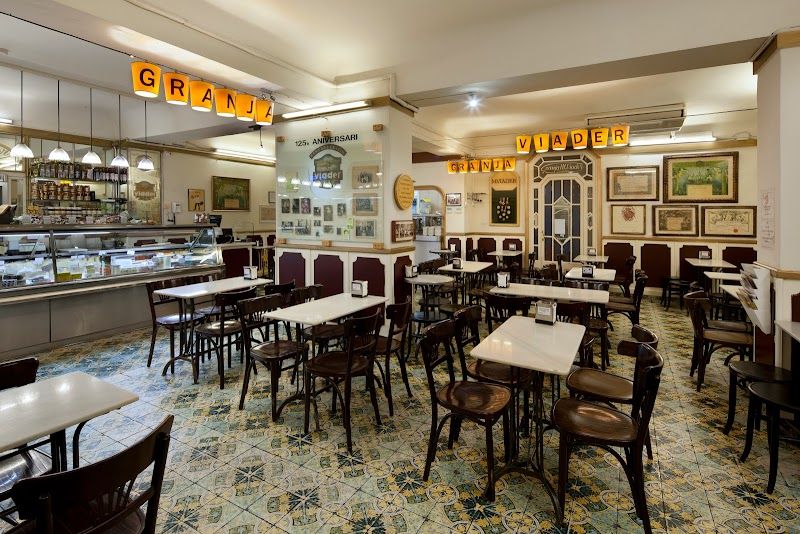
Granja Viader
CafeThis 1870 family-run granja claims to have invented Cacaolat, Catalunya's beloved chocolate milk drink. The marble tables and vintage mirrors create an authentic time-capsule atmosphere where locals still queue for thick hot chocolate with churros or the famous mel i mató dessert.
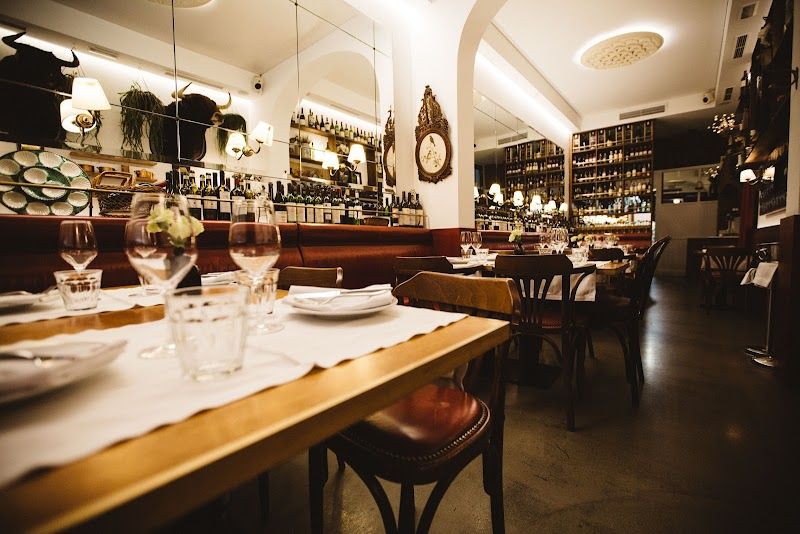
Bar Cañete
RestaurantBustling tapas bar near the Liceu opera house serving traditional Barcelona tapas with impeccable execution. The jamón, croquettes, and grilled seafood are textbook perfect. The counter seats offer the best views of the kitchen action.
Can Culleretes
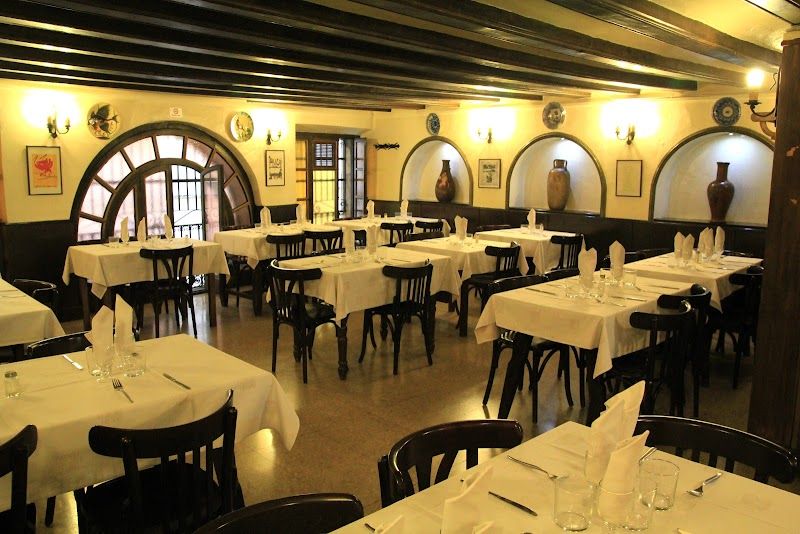
RestaurantBarcelona's oldest restaurant since 1786, serving traditional Catalan cuisine in a historic setting with tiled walls and wooden beams. The menu features classic dishes like cannelloni, escudella stew, and roast chicken. Despite its touristy reputation, locals still come for the reliable traditional cooking and reasonable prices.
La Estrella de Plata
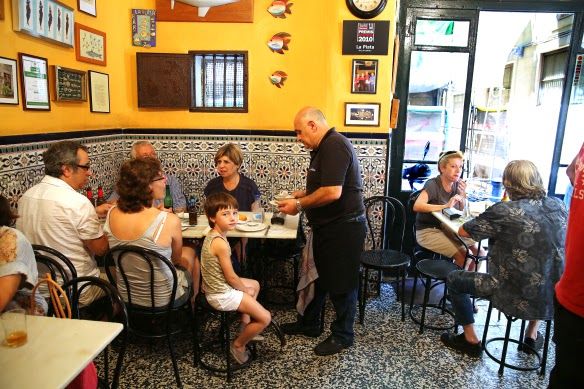
RestaurantNeighborhood bodega serving traditional tapas and excellent house vermut in an unpretentious setting. The bomba potatoes, patatas bravas, and grilled squid are executed flawlessly. Popular with local artists and creatives from the surrounding studios.
Federal Café
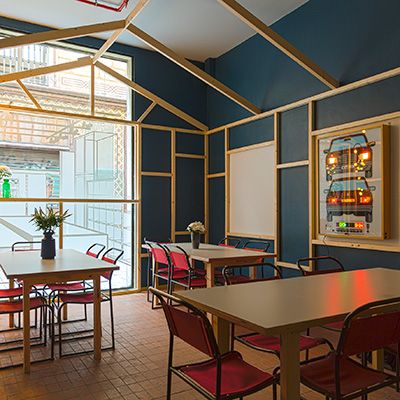
RestaurantAustralian-style café serving all-day breakfast, brunch, and lunch with specialty coffee. The avocado toast, açai bowls, and eggs benedict draw crowds, especially on weekends. The relaxed atmosphere makes it popular with digital nomads and international residents.
Satan's Coffee Corner
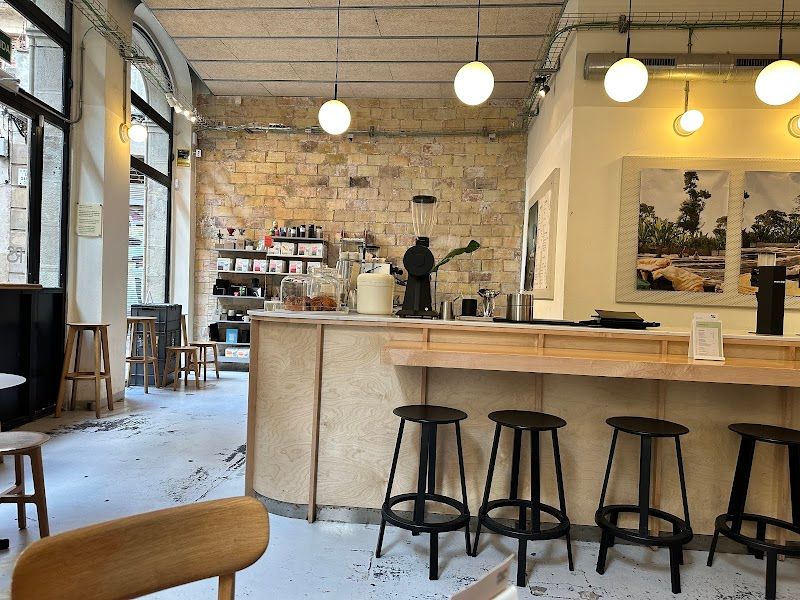
CafeBarcelona's original third-wave coffee pioneer serving meticulously prepared single-origin espresso and filter coffee in a minimalist corner space. The baristas are serious about extraction times and water temperature, treating each cup like a science experiment. No laptop policy during peak hours keeps the vibe social.
Nightlife
Bars and nightlife in Gothic Quarter
Getting Here
Metro Stations
On Foot
Extremely walkable - in fact walking is the only way to explore it. Cars can't enter most streets.
Insider Tips
Free cathedral entry
The Cathedral is free before 12:30 PM on weekdays and before 1:45 PM on weekends. After that it's €9 "donation entry" which includes the rooftop terrace and choir stalls. The geese in the cloister are always free.
Avoid the Placa Reial restaurants
The square itself is beautiful - Gaudi designed the lampposts. But the restaurants lining it are tourist traps charging €15 for mediocre paella. Eat on the side streets instead. Ocanya for drinks is the one exception.
Nearby Neighborhoods
Continue exploring


Related Articles
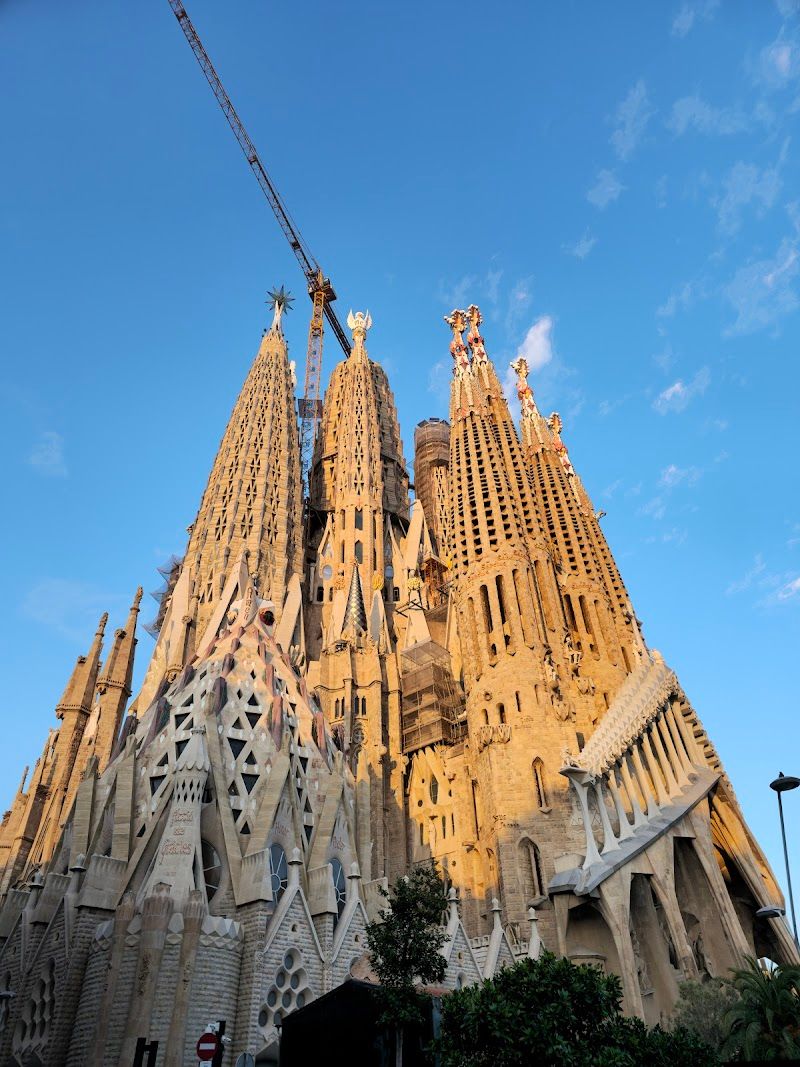
Barcelona vs Madrid: Which City Should First-Time Visitors Choose?
Should you visit Barcelona or Madrid first? We break down the food, culture, costs, and vibe to help you decide which Spanish city matches your travel style.
How Much Food Actually Costs in Barcelona: Real Prices for Every Budget
Barcelona food prices range from €1.50 coffee to €100 upscale dinners. Menu del dia lunches at €12-18 offer the best value, while neighborhood tapas bars keep costs low.
Plan a trip featuring Gothic Quarter
Get a personalized Barcelona itinerary with Gothic Quarter built in.
Start Planning