
Barcelona
El Born & La Ribera
Stylish, local, lively after dark
About El Born & La Ribera
El Born is the neighborhood the Gothic Quarter wishes it still was. Same medieval streets, same beautiful architecture, but with better bars, better restaurants, and fewer selfie sticks. The Picasso Museum occupies five connected Gothic palaces on Carrer de Montcada - the street itself is as impressive as the art inside. Santa Maria del Mar is the church the locals actually care about (more than the Cathedral, which they'll tell you if you ask), and its interior is genuinely stunning in its simplicity.
The Passeig del Born - the wide boulevard that gives the neighborhood its name - was a jousting arena in medieval times. Now it's lined with cocktail bars that don't get busy until 11 PM and restaurants where you'll hear more Catalan than English. The Born Cultural Centre at one end sits above excavated ruins from 1714 that you can see through the glass floor - free to visit and worth 20 minutes.
This is where you come for dinner when you want to eat well without a reservation at a place that doesn't have an English menu. Carrer dels Flassaders and Carrer de l'Argenteria have the densest concentration of good tapas bars and wine spots. El Born after midnight on a Thursday is the best free show in Barcelona - the streets fill up, the bars spill out, and the whole neighborhood becomes one extended terrace.
Things to Do
Top experiences in El Born & La Ribera
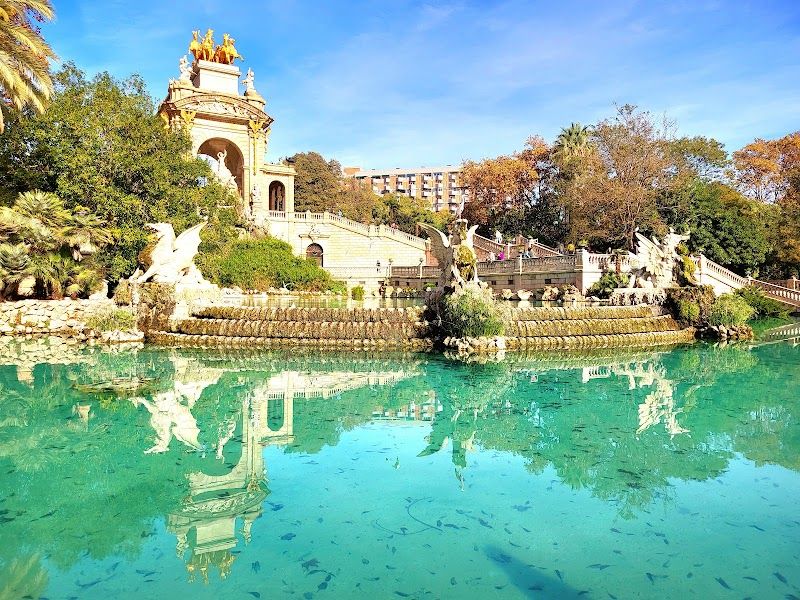
Parc de la Ciutadella
Parc de la Ciutadella is Barcelona's most beloved green space, built on the ruins of an 18th-century military fortress that locals despised. The star attraction is the monumental Cascada fountain, where a young Gaudí helped design the waterworks before he became famous. You'll find rowboats circling a peaceful lake, the impressive Arc de Triomf entrance, and the city zoo sprawling across one section. The Catalan Parliament occupies a grand building here, and several excellent museums border the grounds. Weekends transform this place into Barcelona's unofficial town square. Drummers gather near the fountain creating impromptu concerts, families spread blankets everywhere for epic picnics, and street performers work the crowds. The atmosphere feels authentically local rather than touristy. You'll hear more Catalan than English, watch kids feed ducks while parents chat on benches, and see teenagers practicing guitar under palm trees. The paths wind past tropical plants and sculptures, with plenty of shade when the Mediterranean sun gets intense. Most guides oversell the zoo (€21.40, skip unless you're with kids) and undersell the simple pleasure of people-watching. The fountain area gets packed on sunny weekends, so head to the quieter northern section near the geology museum if you want space. Rowboat rental costs €6 for 30 minutes and books up fast on Sundays. The park works brilliantly as a picnic spot after hitting nearby Boqueria market.
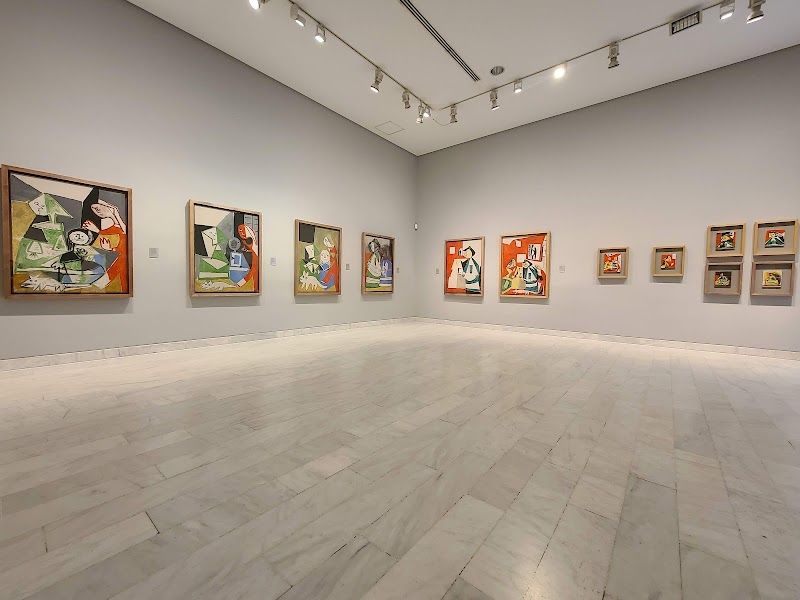
Picasso Museum
Five connected medieval palaces on Carrer de Montcada - one of the most beautiful streets in Barcelona - housing over 4,200 works that trace Picasso's evolution from teenage prodigy to the artist who broke art open and rebuilt it. If you're expecting Guernica, that's in Madrid. What you get here is arguably more interesting: the formative years, the Blue Period, and the Las Meninas series - Picasso's 58 obsessive reinterpretations of the Velazquez masterpiece that take up an entire room and show you how a genius thinks through a problem. The buildings themselves are part of the experience. The five palaces date to the 13th-15th centuries, with stone courtyards, carved staircases, and medieval ceilings that most museums would charge admission for on their own. Carrer de Montcada was Barcelona's most prestigious address in the Middle Ages, and the architecture hasn't changed much - walking from palace to palace feels like moving through centuries. The €12 entry is fair for what you get. Free admission on Thursday evenings from 4-7 PM, but the queue forms by 3 PM and the rooms get packed - worth it if you're patient and don't mind elbows. Book online any other time to skip the ticket queue; the security queue is separate and moves fast. Budget 90 minutes for the permanent collection, maybe 2 hours if the temporary exhibition on the top floor is good (they often are, and they're included in the ticket). The collection is strongest in the early rooms - the academic drawings Picasso made as a teenager in Malaga and Barcelona are almost unsettlingly precise, and they make the later cubist work land differently because you can see he didn't break the rules from ignorance. He mastered them first, then systematically demolished them. The Science and Charity painting, done at age 15, could hang in any classical museum. Knowing what came after makes it fascinating rather than merely impressive.
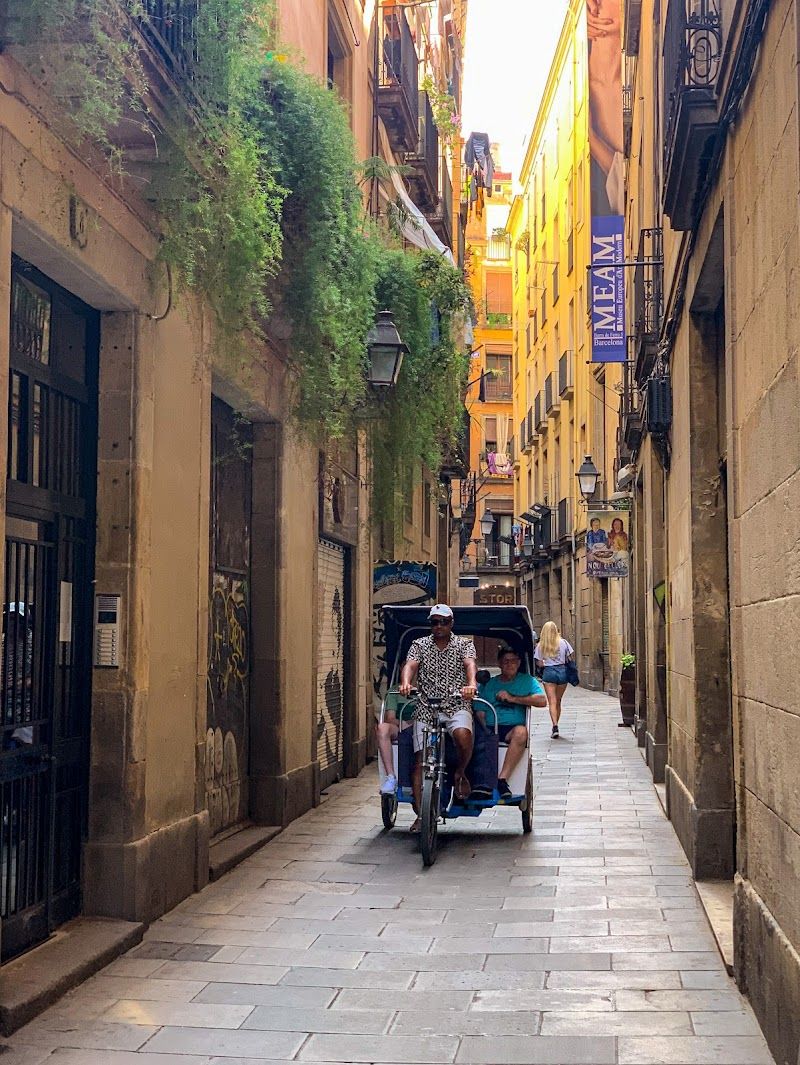
Carrer de Montcada
This medieval street in El Born preserves some of Barcelona's finest Gothic and Renaissance palaces, built by merchant families in the 13th-15th centuries. Several palaces now house the Museu Picasso, while others contain galleries and cultural spaces. The narrow stone-paved street with its noble facades offers a glimpse into medieval Barcelona's wealthy merchant class.
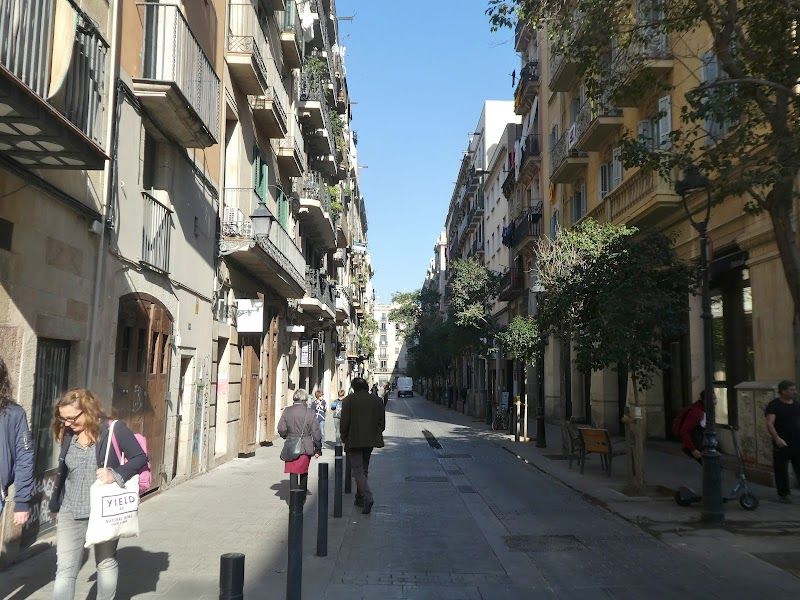
Carrer del Rec
A narrow medieval street in El Born that has become the neighborhood's fashion and design corridor. Independent boutiques sell everything from handmade jewelry to vintage furniture and local designer clothing. The street follows the path of a medieval irrigation channel.
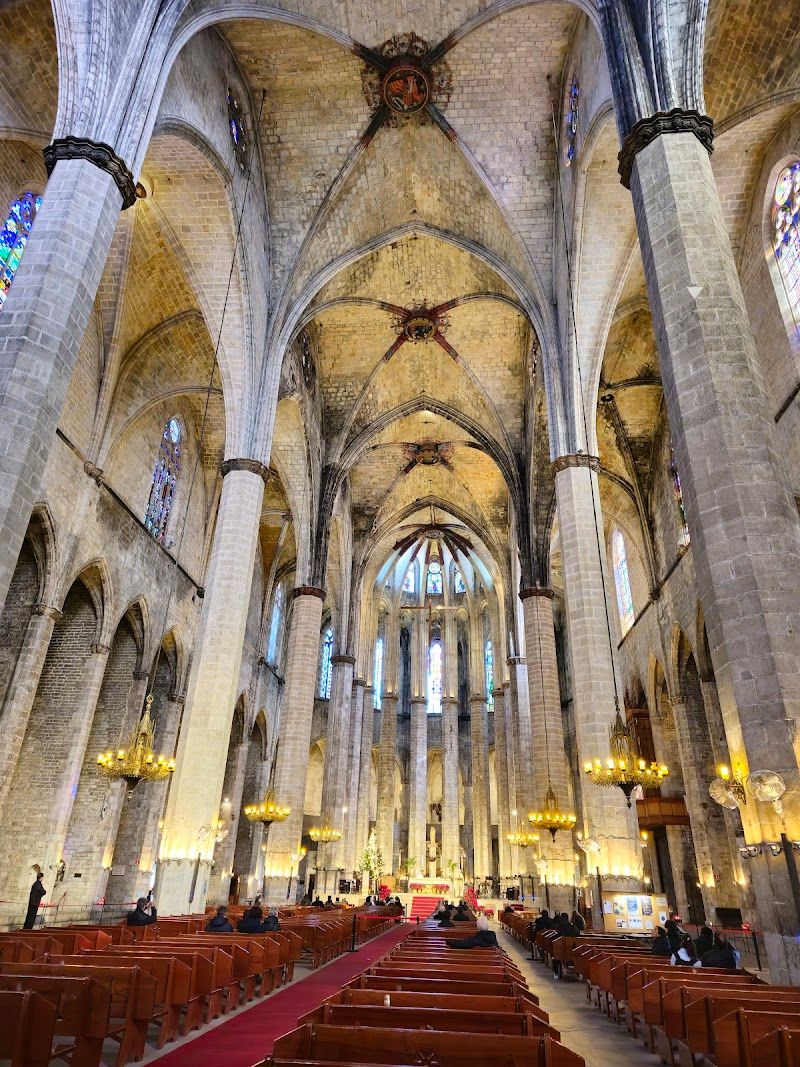
Basílica de Santa Maria del Mar
Santa Maria del Mar is a prime example of Catalan Gothic architecture, built by the medieval maritime community of Barcelona between 1329-1383. The interior displays mathematical precision, with three perfectly proportioned naves supported by octagonal columns that appear highly slender for their height. These columns were made from stone quarried from Montjuïc and transported through the city, often carried by shipbuilders who considered this church their personal cathedral. Walking inside feels like entering a stone forest where light filters down from 30-meter-high clerestory windows. The acoustics are notable, with even whispers carrying across the space. Unlike the Sagrada Familia's elaborate decoration, this church achieves its power through restraint and geometry. The ambulatory behind the altar allows you to circle the entire space, and you'll notice how the columns create different perspectives from every angle. Most visitors spend 15 minutes taking photos and leave, missing the true experience. The free entry allows you full access to the church, but paying €10 to climb to the roof transforms your visit. You'll walk across the actual stone vaults and emerge onto terraces with unobstructed views over El Born's medieval streets. Visit early morning when the light streams through the eastern windows at the perfect angle.
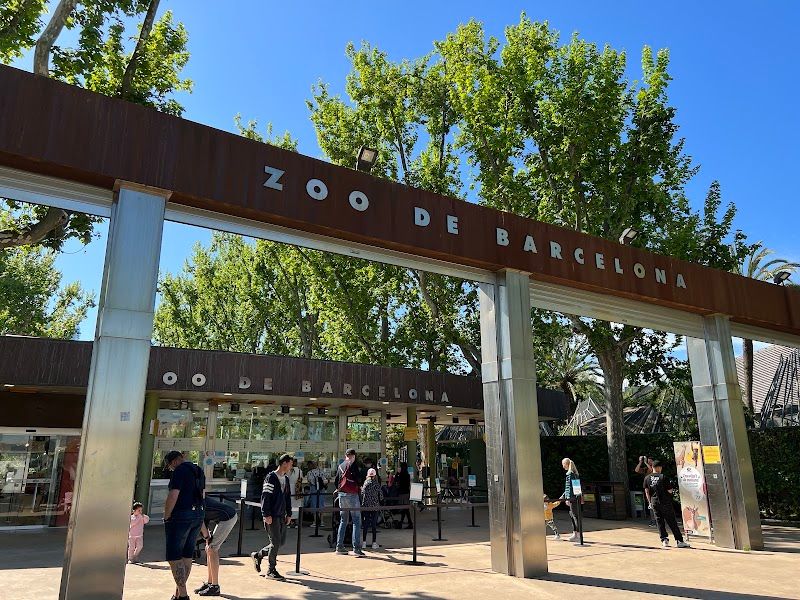
Zoo de Barcelona
Zoo de Barcelona sits inside Parc de la Ciutadella and houses over 2,000 animals across 315 species, making it one of Europe's most comprehensive city zoos. You'll find western lowland gorillas, Komodo dragons, Iberian lynx, and an impressive reptile collection. The dolphin show runs three times daily, and the zoo's claim to fame is pioneering naturalistic habitats in Spain - the enclosures actually look like proper ecosystems rather than concrete pens. The layout follows winding paths through dense vegetation, creating genuine shade that's a lifesaver in summer. You'll spend most of your time walking between themed zones - the primates section feels like walking through a jungle, while the farm area lets kids pet goats and sheep. The dolphin amphitheater draws huge crowds, but the real magic happens at feeding times when animals become genuinely active. Unlike many European zoos, this one doesn't feel cramped or outdated. Admission costs €21.40 for adults, €12.95 for kids, which is fair value for three hours of entertainment. Skip the overpriced restaurant inside and pack snacks - there are plenty of shaded picnic spots. Most visitors rush through to hit every enclosure, but you're better off picking five or six areas and actually watching the animals. The playground near the entrance is perfect for tired kids, and the exit dumps you right into Ciutadella Park for more family time.
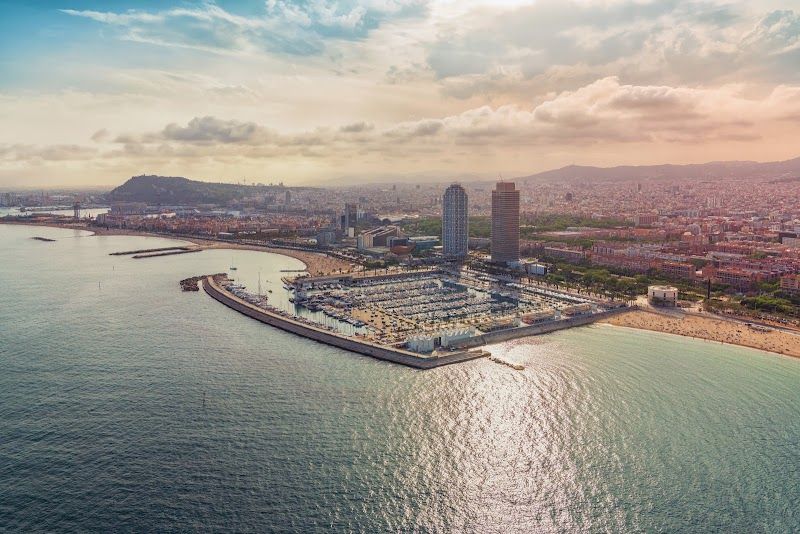
Port Olímpic
Port Olímpic is Barcelona's sleekest waterfront district, built from scratch for the 1992 Olympics and still looking remarkably fresh three decades later. The twin towers - the copper-clad Hotel Arts and glass Torre Mapfre - create a dramatic gateway to the Mediterranean, while Frank Gehry's golden fish sculpture catches sunlight above 2km of sandy beaches. You'll find a working marina with hundreds of yachts, a casino, and waterfront restaurants that range from decent to overpriced tourist traps. The experience flows naturally from the broader Barceloneta boardwalk, where families stroll past the massive Gehry fish toward the more polished marina area. The contrast hits you immediately - you go from old-school beach bars to sleek yacht clubs and high-end dining terraces. The promenade curves around the harbor, giving you constantly changing views of boats, towers, and the coastline stretching toward Poblenou. It's surprisingly peaceful for such a developed area, especially on the harbor's quieter northern edge. Most guides oversell the dining scene here - the restaurants charge Barcelona's highest prices (mains €25-40) for mediocre paella aimed at tourists. Come for the architecture and marina views, then eat elsewhere. The best part is actually free: walking the full promenade loop takes about 30 minutes and gives you Barcelona's most polished waterfront experience. Skip the casino unless you're genuinely into gambling, and don't bother with the shopping center - it's bland international chains you can find anywhere.
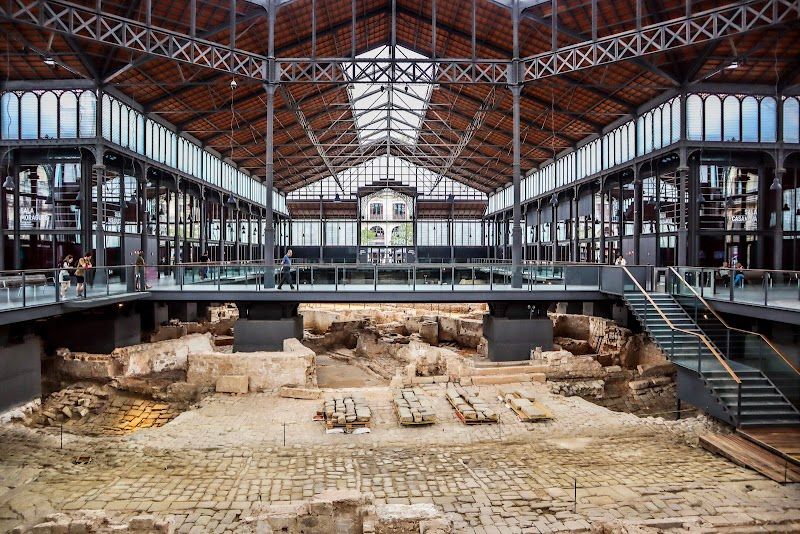
El Born Cultural Center Underground Tour
Walk through the actual cobblestone streets of 1700s Barcelona, preserved 12 feet underground when the city literally built over this neighborhood after demolishing it in 1714. You'll see intact shop fronts, tavern floors with original ceramic tiles, and residential courtyards where families lived before the Bourbon army tore everything down. The archaeological remains span three city blocks, making this one of Europe's largest preserved urban excavations. The self-guided route follows elevated walkways above the ruins, with excellent multilingual panels explaining what each space was used for. You can peer into a chocolate maker's workshop, see where a tavern keeper stored his wine barrels, and walk above streets where cart wheels wore grooves still visible in the stone. The lighting creates an almost theatrical atmosphere, and the scale genuinely surprises - this isn't just foundation stones, but shoulder-high walls and complete room layouts. At €4.40 for adults, it's Barcelona's best cultural bargain, though most guidebooks barely mention it. The audio guide costs extra (€3) but isn't necessary since the written explanations are thorough. Skip the temporary exhibitions upstairs unless you're genuinely interested - the underground section is the real draw and you could easily spend the full 90 minutes just down there. Tuesday evenings after 3pm are free for EU residents.
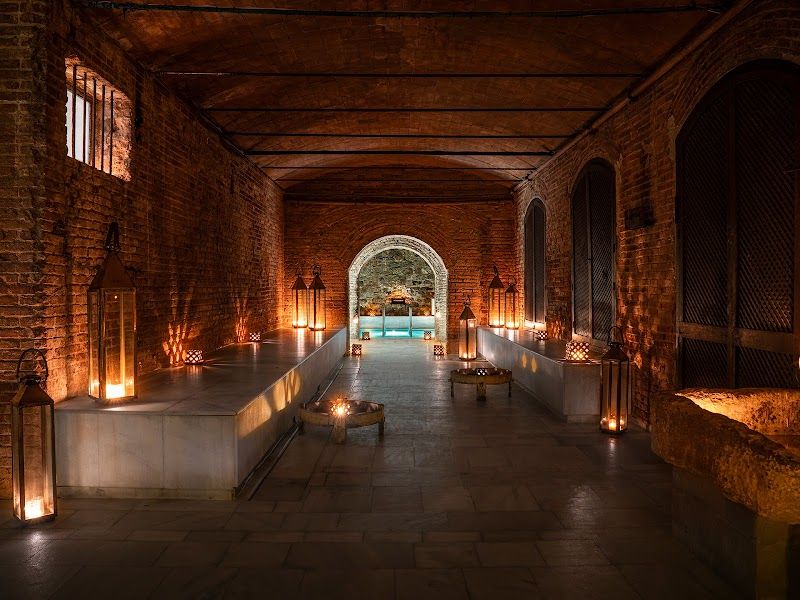
Aire Ancient Baths Barcelona
Aire Ancient Baths transforms a historic stone building into Barcelona's most atmospheric spa experience, with seven pools ranging from icy 14°C plunges to soothing 40°C thermal baths. The Roman-inspired pools are carved from stone and lit entirely by candles, creating an almost mystical underground world just steps from Ciutadella Park. You'll spend two hours moving between different temperature pools, a salt water float pool, and steam rooms that feel genuinely ancient rather than artificially themed. The experience flows naturally - you start by changing in modern lockers, then descend into candlelit stone chambers where time seems to stop. Most people gravitate toward the warm pools first, but the real magic happens when you alternate between hot and cold water as the Romans did. The sound design is perfect - just water trickling and quiet conversations echoing off vaulted ceilings. Unlike typical spas with piped music and bright lighting, this feels like stepping into another century. Basic entry costs €45-65 depending on day and time, but massage add-ons push it toward €150+ and aren't worth the premium. The space gets packed during weekend afternoons, which kills the serene vibe entirely. Skip the wine service (overpriced at €15) and don't bother with the flotarium if you've never done sensory deprivation - it's cramped and the main pools are far more relaxing. Book weekday evenings for half the crowds and double the atmosphere.
Where to Eat
Restaurants and cafes in El Born & La Ribera
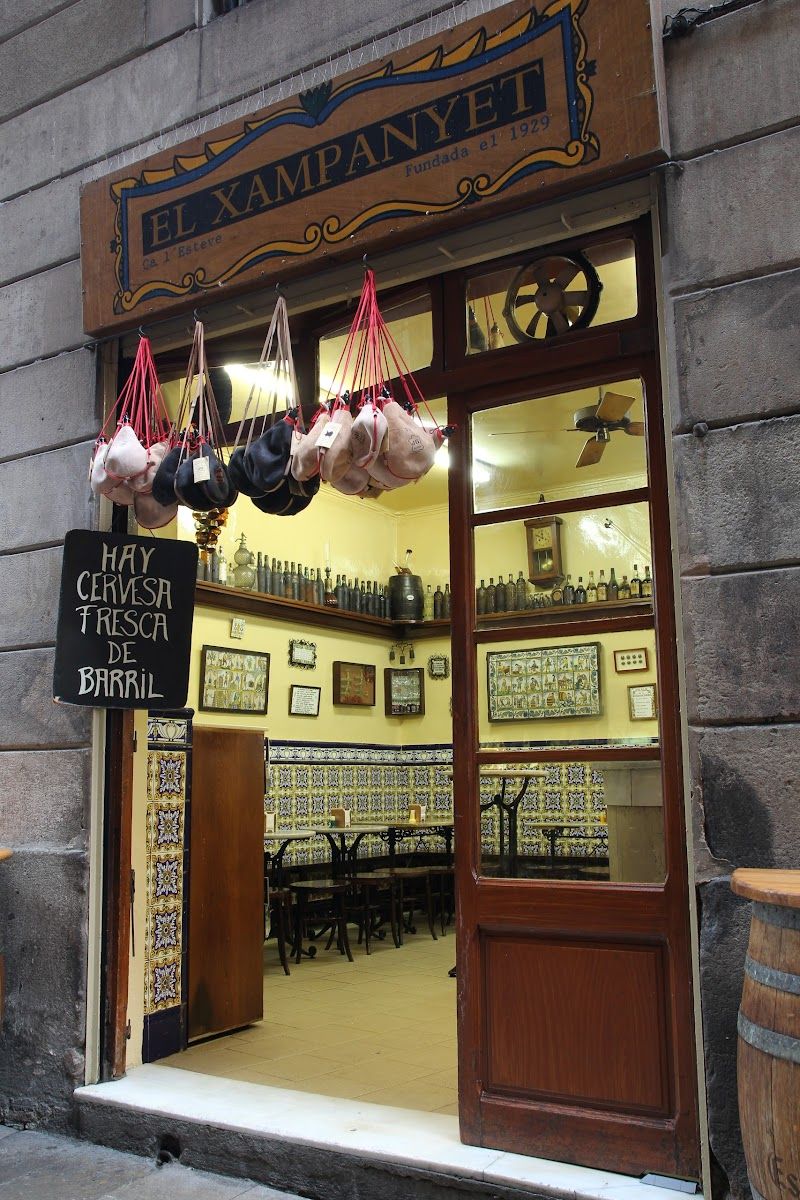
El Xampanyet
RestaurantCentury-old tapas bar with colorful tiled walls and marble tables, famous for its house cava served from porcelain taps. The anchovies in vinegar, pan con tomate, and potato bombes are simple but perfectly executed. Cash only and standing room fills up fast.
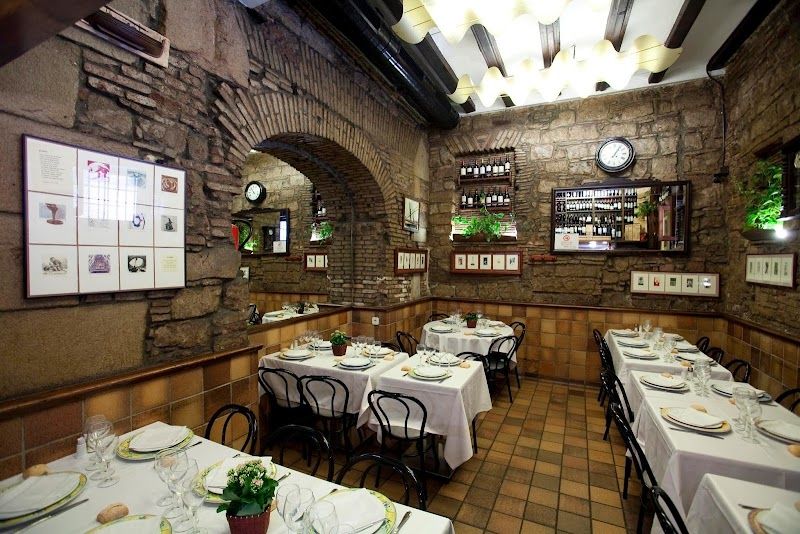
Cal Pep
RestaurantStanding-room-only seafood institution where chef Pep serves impeccably fresh fish, prawns, and clams from the open kitchen. The energy is frenetic, the turnover is fast, and the quality is consistently outstanding. No reservations for the bar, which is where the action is.
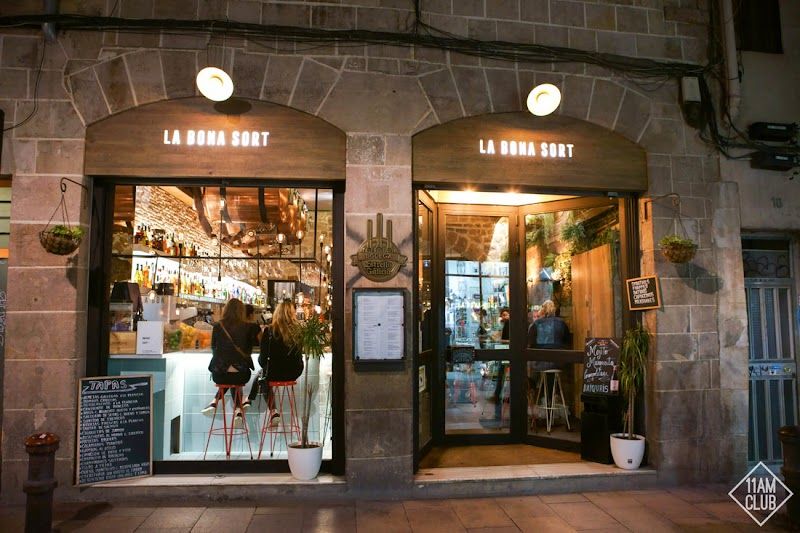
La Bona Sort
RestaurantNeighborhood vermuteria in Gracia serving house-made vermouth and traditional tapas in a relaxed atmosphere. The outdoor tables on the quiet square are perfect for lingering over afternoon drinks. Popular with local families and the older generation of Gracia residents.
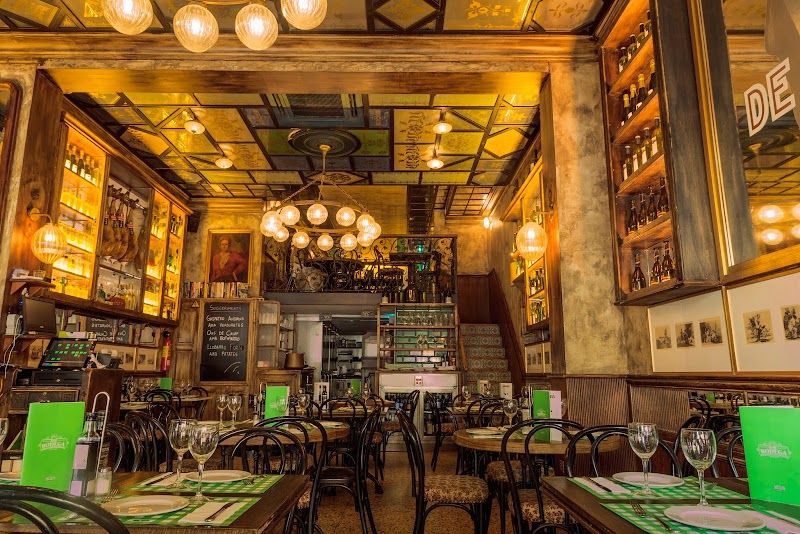
Casa Delfín
RestaurantUnpretentious neighborhood restaurant serving market-fresh Mediterranean cuisine with daily changing menus. The cooking focuses on quality ingredients prepared simply—grilled fish, seasonal vegetables, and house-made desserts. Locals fill the small dining room nightly.
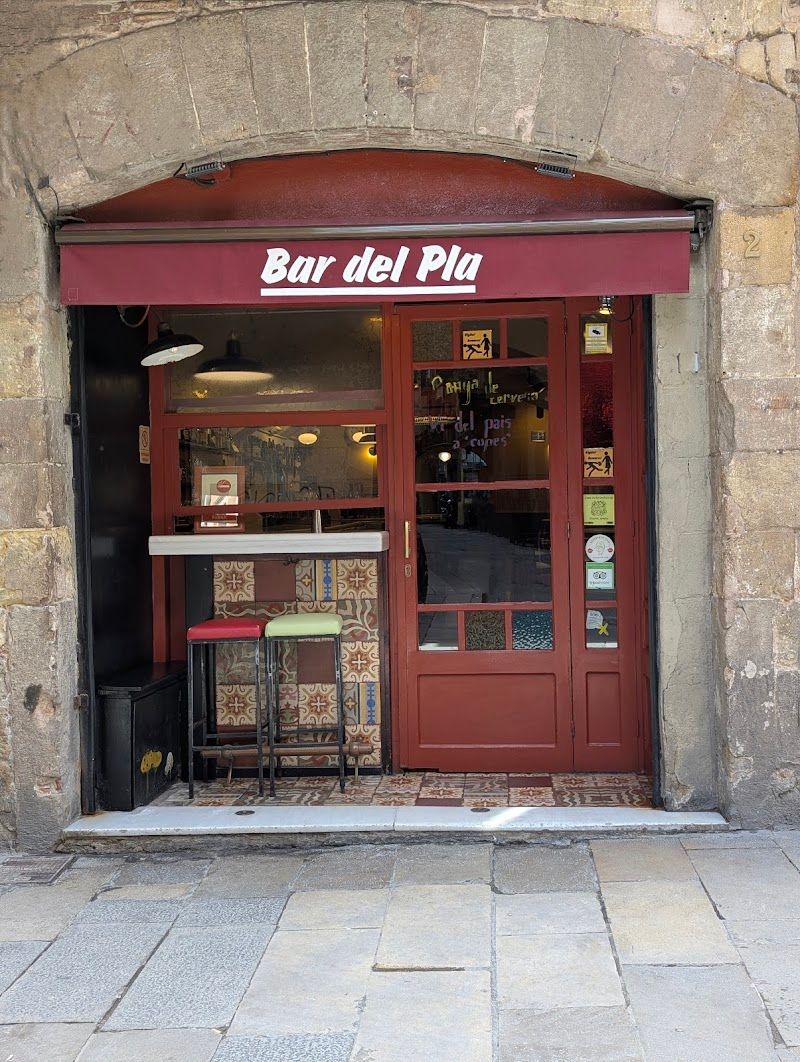
Bar del Pla
RestaurantIntimate tapas bar with exposed brick walls serving creative small plates that blend Catalan and international influences. The duck cannelloni and steak tartare are house signatures. The wine list is exceptionally curated with natural and biodynamic options.
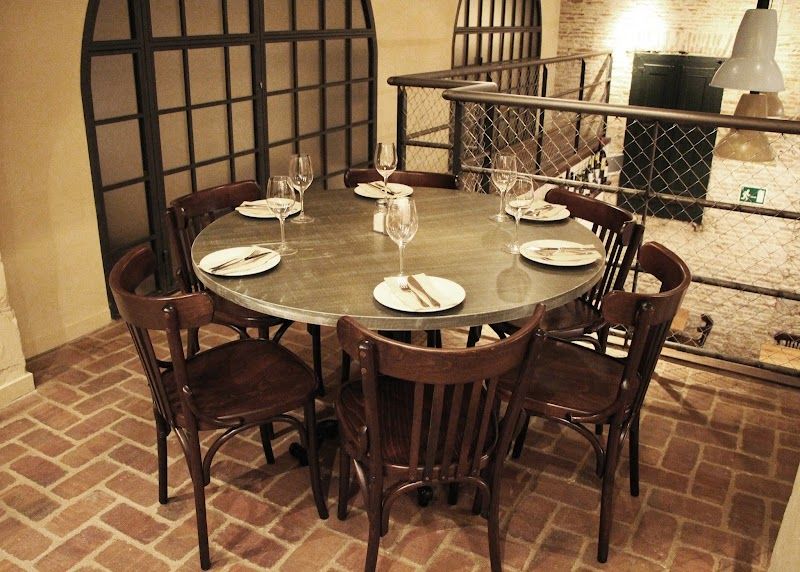
Bodega La Puntual
RestaurantTraditional vermuteria serving house-made vermouth and classic tapas in a century-old bodega setting. The mantecados, olives, and potato chips accompany the vermut perfectly. The vintage tiles and marble bar preserve authentic Barcelona bodega character.
Nightlife
Bars and nightlife in El Born & La Ribera
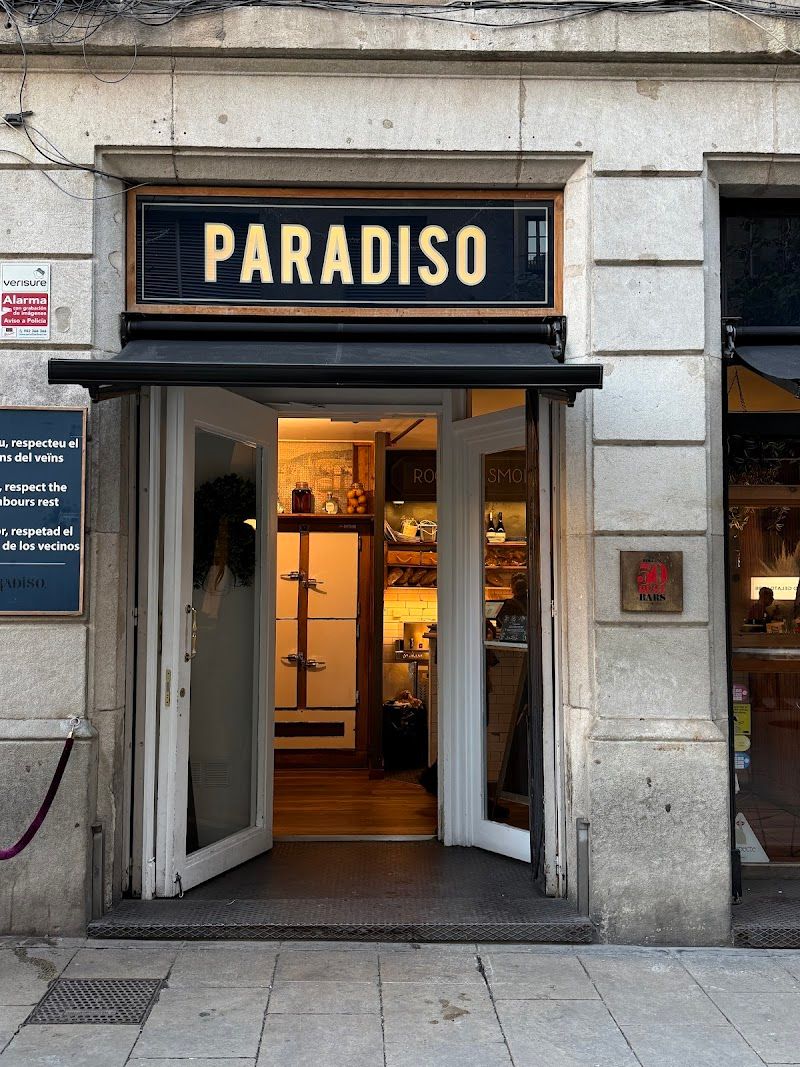
Paradiso
NightlifeHidden behind a pastrami bar's refrigerator door, this award-winning speakeasy is ranked among the World's 50 Best Bars. The inventive cocktails feature house-made ingredients and theatrical presentation, with a lush interior that evokes a tropical paradise.
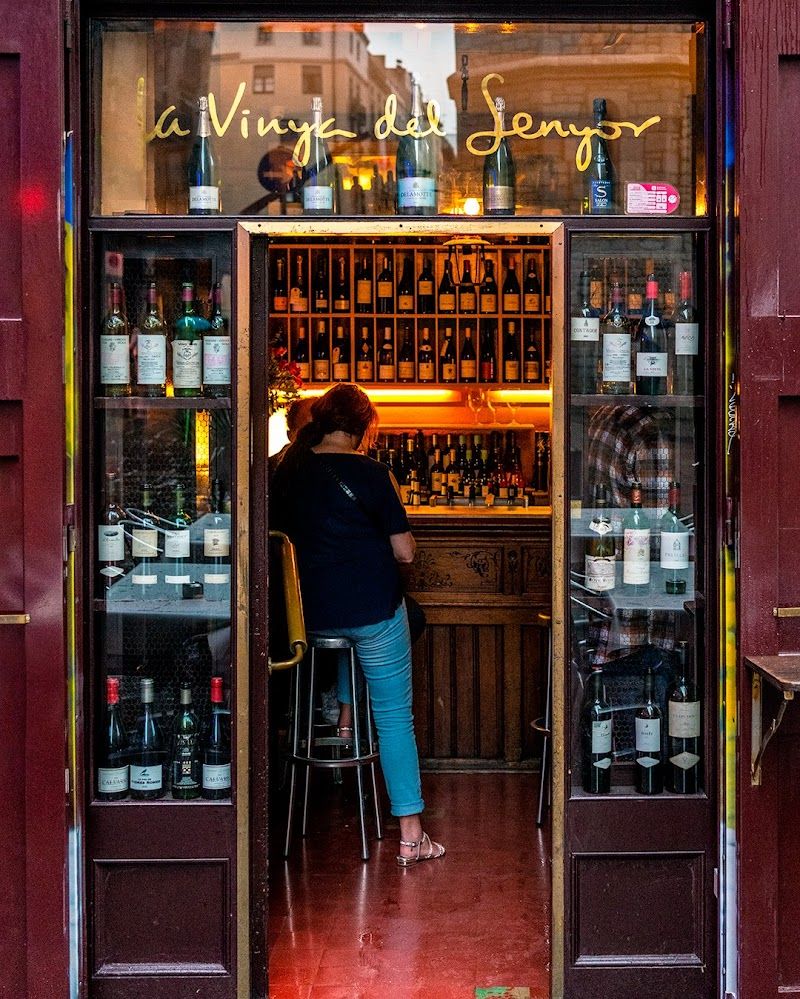
La Vinya del Senyor
NightlifeThis tiny wine bar directly faces the Gothic Santa Maria del Mar basilica, with outdoor tables offering one of Barcelona's most atmospheric settings. The extensive wine list focuses on Spanish regions with over 300 labels, and knowledgeable staff guide selections.
Getting Here
Metro Stations
On Foot
Very walkable. 5-minute walk from the Gothic Quarter, 10 minutes to Barceloneta beach.
Insider Tips
Free Picasso Museum
Free every Thursday evening 5-8 PM and the first Sunday of each month. Queue builds 30 minutes before - arrive early or you'll wait an hour.
The Born Cultural Centre
The excavated 1714 ruins under the glass floor are free and fascinating. The temporary exhibitions upstairs are usually free too. Best midday break spot in the neighborhood.
Nearby Neighborhoods
Continue exploring


Related Articles
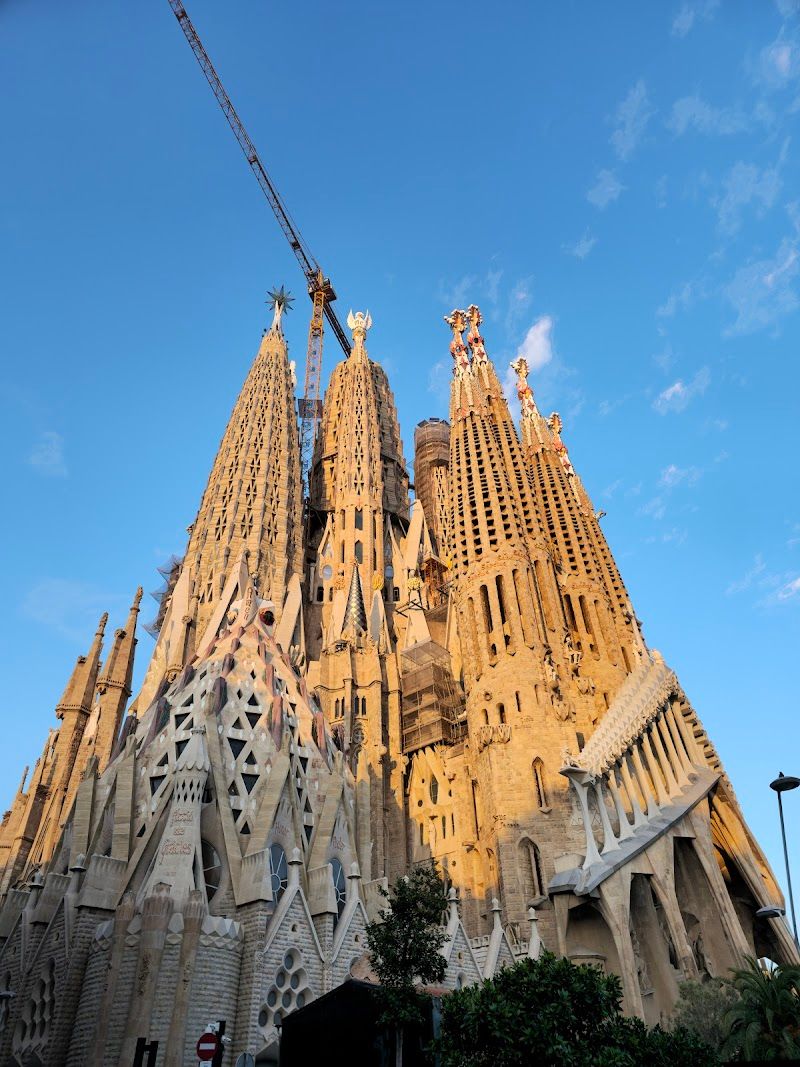
Barcelona vs Madrid: Which City Should First-Time Visitors Choose?
Should you visit Barcelona or Madrid first? We break down the food, culture, costs, and vibe to help you decide which Spanish city matches your travel style.
How Much Food Actually Costs in Barcelona: Real Prices for Every Budget
Barcelona food prices range from €1.50 coffee to €100 upscale dinners. Menu del dia lunches at €12-18 offer the best value, while neighborhood tapas bars keep costs low.
Plan a trip featuring El Born & La Ribera
Get a personalized Barcelona itinerary with El Born & La Ribera built in.
Start Planning