
Barcelona
Eixample
Elegant, architectural, wide boulevards, upscale dining
About Eixample
The Eixample is the part of Barcelona that makes city planners weep with envy. Ildefons Cerda designed it in 1860 as a perfect grid with chamfered (clipped) corners at every intersection - the octagonal blocks create wider crossings with better light, air, and sightlines than any other European city grid. Walking down Passeig de Gracia, you'll understand why: three of Gaudi's major buildings compete for attention on a single boulevard, and every block has Modernista details if you look up.
Sagrada Familia dominates the neighborhood and justifies the hype completely. Book the 9 AM slot for the eastern light through the stained glass - the columns turn blue and green and your phone photos still won't do it justice. Casa Batllo (€35) and La Pedrera (€25) are both worth entering, but if you're picking one, La Pedrera has the better rooftop and fewer crowds. The "Block of Discord" (Passeig de Gracia 35-43) puts three rival Modernista architects next to each other - Gaudi, Domenech i Montaner, and Puig i Cadafalch all trying to outdo each other on the same street.
The Eixample is also where Barcelona eats well and expensively. The Dreta (right) side has the upscale restaurants and design shops. The Esquerra (left) side is more residential and affordable. The Gayxample (the area around Carrer del Consell de Cent) is the hub of Barcelona's LGBTQ+ scene with excellent bars and restaurants.
Things to Do
Top experiences in Eixample
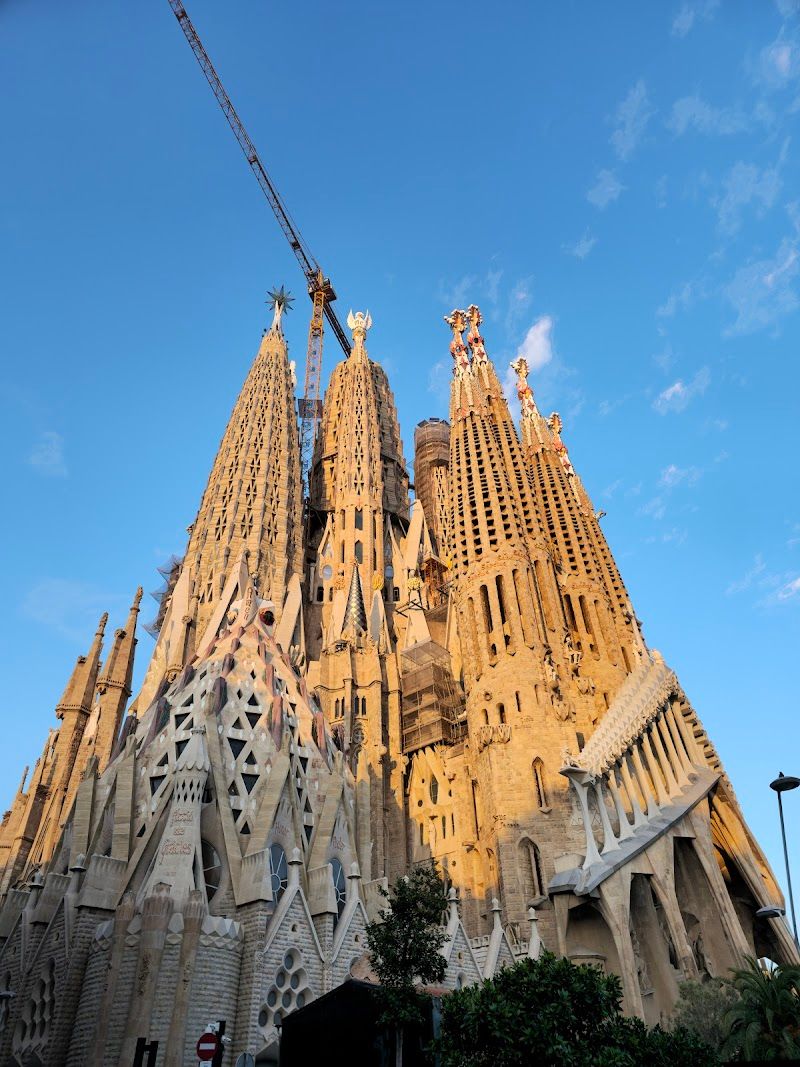
Sagrada Familia
Every photo you've seen of the Sagrada Familia is wrong. Not inaccurate - just incapable of capturing what happens when you walk inside and the morning light hits those columns. Gaudi designed the interior as a forest, and that's not a metaphor: the columns branch like trees, the light filters through stained glass like a canopy, and your neck hurts from looking up within thirty seconds. The exterior gets all the photos but the inside is the actual masterpiece. Book tickets online at least two weeks ahead - they sell out, and the guys outside offering "skip the line" are either scalpers charging triple or scammers selling nothing. The €26 basic entry is worth every cent. The €36 tower ticket adds a lift to either the Nativity or Passion tower - the Nativity tower has better views and more Gaudi detail, but both involve narrow spiral staircases on the way down that aren't great if you're claustrophobic or have bad knees. Timing matters more here than almost anywhere else in Barcelona. The eastern stained glass windows light up between 9-10 AM, turning the entire nave blue and green - it's the single most beautiful moment in the building. By 11 AM the light shifts and the crowds arrive. Late afternoon between 5-6 PM, the western windows go orange and red, which is equally stunning but harder to get tickets for. Midday is the worst time: flat light, maximum crowds, and you'll spend more time dodging selfie sticks than looking up. The construction has been going since 1882 and the completion date keeps slipping - 2026 was the target but don't count on it. The cranes and scaffolding are part of the experience at this point. The Nativity facade facing the park is Gaudi's original work - intricate, organic, covered in stone animals and figures. The Passion facade on the opposite side was finished by sculptor Josep Subirachs in a completely different angular style, and locals have been arguing about it since the 1980s. Walk around the full exterior before going in - it's free and takes 15 minutes, and you'll appreciate the inside more knowing what holds it all together.
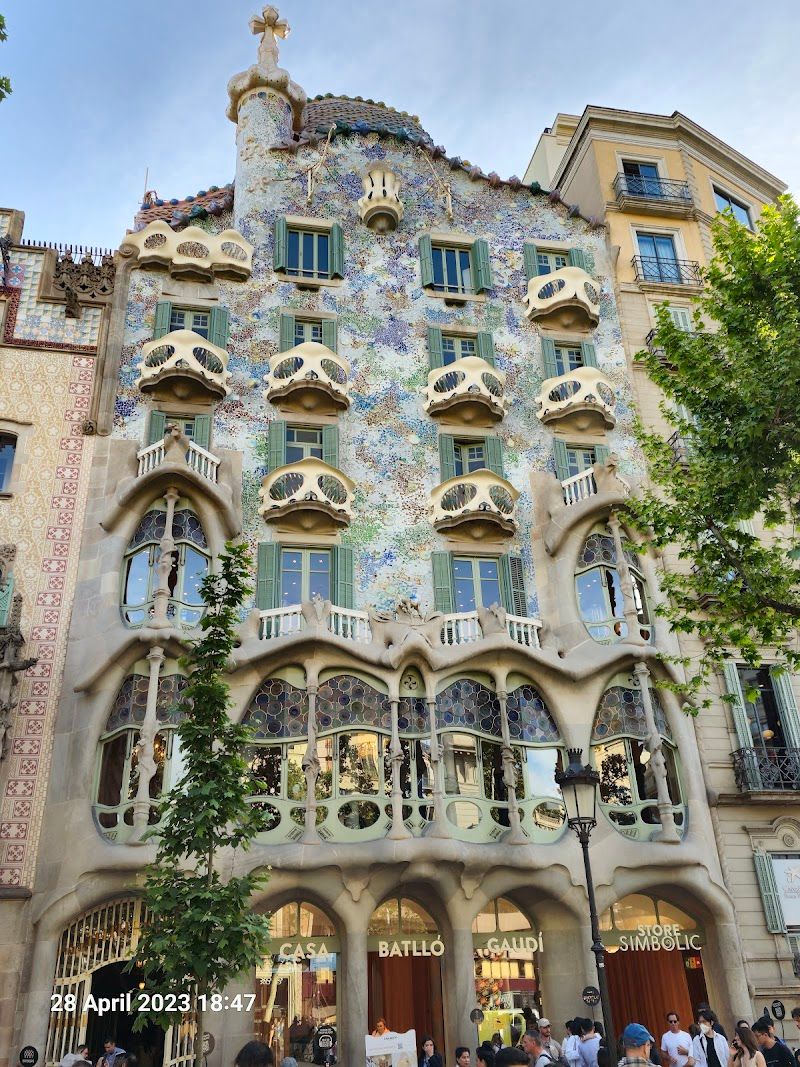
Casa Batllo
Casa Batlló is Gaudí's most fantastical residential redesign, where he transformed a conventional 1877 townhouse into something that looks alive. The facade ripples with bone-like balconies and scales that shift color in the light, while inside, every surface flows like water - doorways melt into walls, and staircases curve without a single straight edge. The blue-tiled light well creates an underwater atmosphere that changes as you climb from dark ocean depths to bright surface levels. Your visit flows upward through increasingly dramatic spaces. The main floor's undulating salon feels like being inside a sea cave, with skylights that cast dancing reflections. The attic's catenary arches create a ribcage effect that's genuinely striking, while the rooftop delivers Barcelona's most theatrical chimney pots - twisted, colorful sculptures that look like a dragon's spine. The audio guide's augmented reality features actually enhance rather than distract from the architecture. At €35 for adults, it's expensive but justified once you experience how completely Gaudí reimagined domestic space. Most visitors rush through to reach the famous rooftop, but the light well's color gradation is equally impressive and often overlooked. Book online to avoid queues - walk-up tickets cost the same but you'll waste time waiting. The gift shop is overpriced even by Barcelona standards.
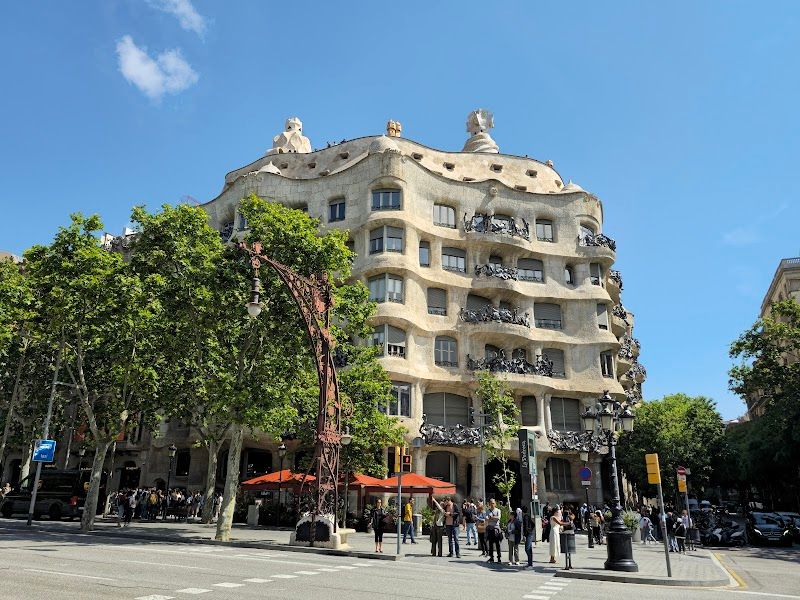
La Pedrera (Casa Mila)
Casa Milà is Gaudí's final apartment building and his most radical departure from straight lines - the entire facade ripples like water, with wrought-iron balconies that look like tangled seaweed. You'll explore a recreated 1910 bourgeois apartment (complete with period furniture and servant quarters), the undulating attic with its cathedral-like arches, and the rooftop where 30 sculptural chimneys rise like armored sentinels. The audio guide explains Gaudí's engineering genius, from the innovative ventilation system to the load-bearing walls that eliminated the need for interior supports. The visit flows upward through increasingly surreal spaces. The apartment feels lived-in rather than museum-sterile, with Art Nouveau details in every door handle and light fixture. The attic's white parabolic arches create an almost spiritual atmosphere - this is where Gaudí's structural innovations become pure art. The rooftop finale delivers Barcelona's best 360-degree views, framed by those otherworldly chimneys that change personality depending on the light. At €25 for adults, it's expensive but less crowded than Casa Batlló and more architecturally significant. Skip the €7 audio guide upgrade - the free version covers everything important. The gift shop is overpriced tourist trap, but the rooftop cafe serves decent coffee with unbeatable views. Summer evening visits (€34) include cava and projection mapping on the chimneys - genuinely magical if you don't mind the premium.
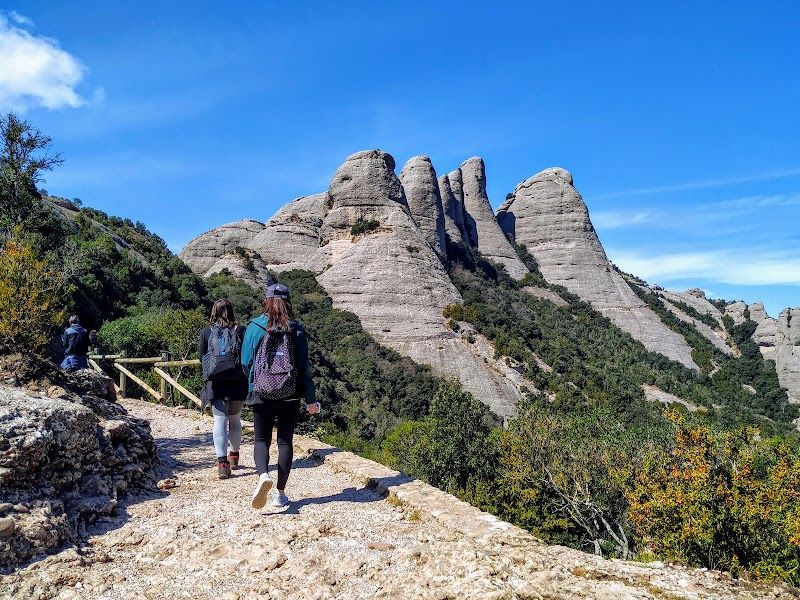
Montserrat Tour & Hiking Experience
Half-day excursion to Montserrat mountain including rack railway journey, visit to the Black Madonna basilica, and guided hike to Sant Jeroni peak at 1,236 meters. The route passes rock formations and hermitages with panoramic views to the Pyrenees.
Palau de la Música Catalana
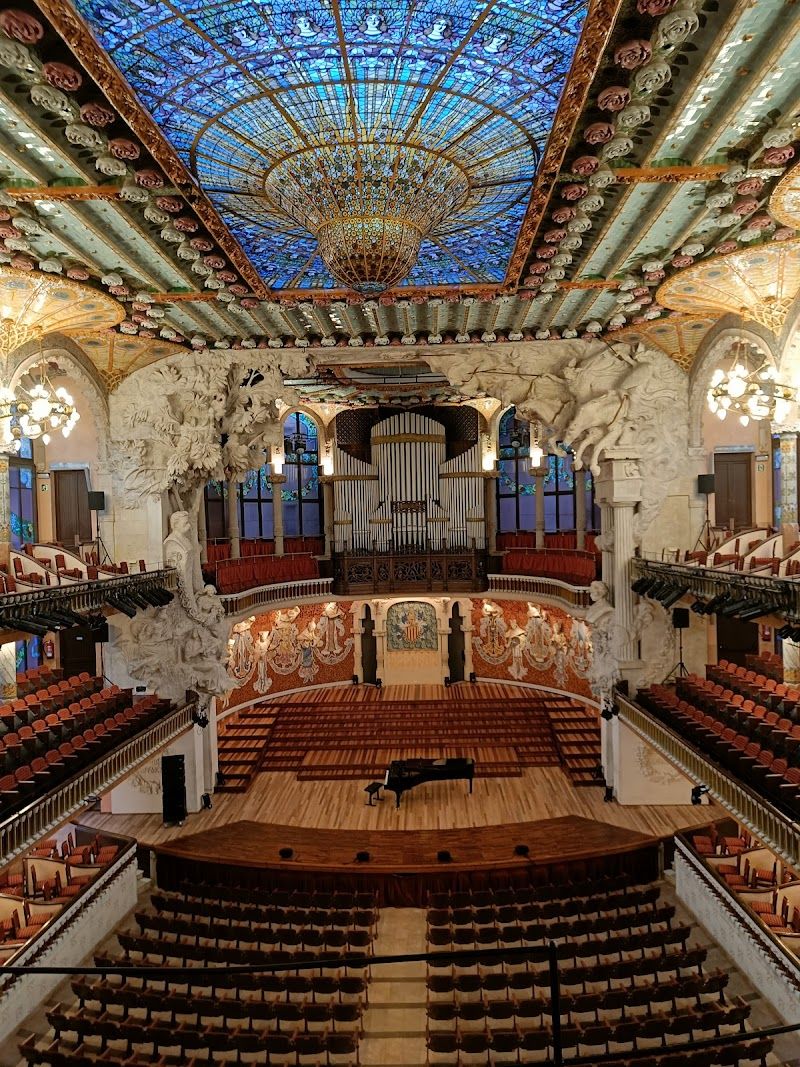
This 1908 modernista masterpiece by Lluís Domènech i Montaner remains the world's only concert hall lit entirely by natural light. The main auditorium explodes with color - an inverted stained glass dome crowns the space while mosaic columns spiral up like palm trees. Sculptural muses seem to burst from the stage backdrop, and every surface displays intricate tilework and carved stone. You'll tour backstage areas, the stunning rehearsal hall, and learn why UNESCO calls this architectural jewelry box irreplaceable. The 50-minute guided tours move through intimate spaces where you can actually touch the tilework and examine the craftsmanship up close. The revelation comes when you enter the main hall - most visitors gasp audibly as that incredible skylight comes into view. The acoustics are perfect even when empty, and guides often demonstrate by singing a few notes. Natural light filters through stained glass creating an almost ethereal atmosphere that changes throughout the day. Guided tours cost €20 and run every 30 minutes, but they're often rushed and crowded. The self-guided audio option (€15) lets you linger in the main hall as long as you want, which is crucial for photography. Skip the expensive concert tickets unless you're genuinely interested in the music - you'll see everything spectacular on the tour. Book morning slots when the light is best and crowds are thinner.
Mercat de Santa Caterina
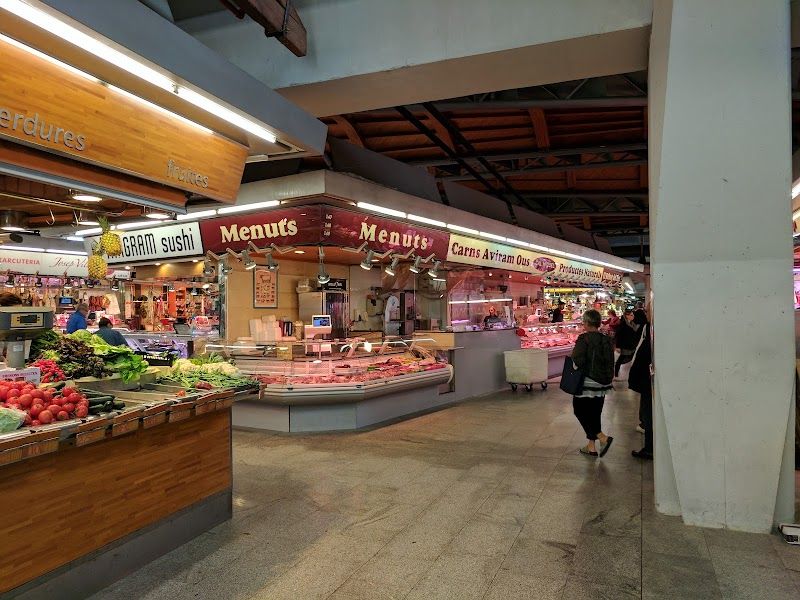
Mercat de Santa Caterina is Barcelona's most architecturally stunning market, topped by Enric Miralles' undulating ceramic mosaic roof that ripples like colorful waves above the Gothic Quarter. Built on a 15th-century convent site, you can peer through glass floor panels at medieval stone foundations while vendors sell pristine seafood, mountain cheeses, and seasonal produce around you. The market combines serious food shopping with excellent tapas bars where locals grab quick lunches. The experience flows naturally from browsing stalls packed with jamón ibérico, fresh anchovies, and pyramids of tomatoes to claiming a spot at one of several bar counters. The curved roof creates an almost cathedral-like atmosphere, filtering Mediterranean light through its ceramic tiles. You'll hear vendors calling out prices in Catalan, smell grilled seafood from the bars, and watch Barcelona residents doing their daily shopping with canvas bags and wheeled carts. Most tourists snap photos of the roof and leave, missing the point entirely. The real draw is joining locals for a proper market meal - Bar Joan's calamari sandwich costs €8 and beats any restaurant version, while Cal Pep next door does excellent grilled prawns for €12-15. Skip the overpriced tourist stalls near the entrance and head straight to the back where prices drop and quality improves.
Mercat del Ninot
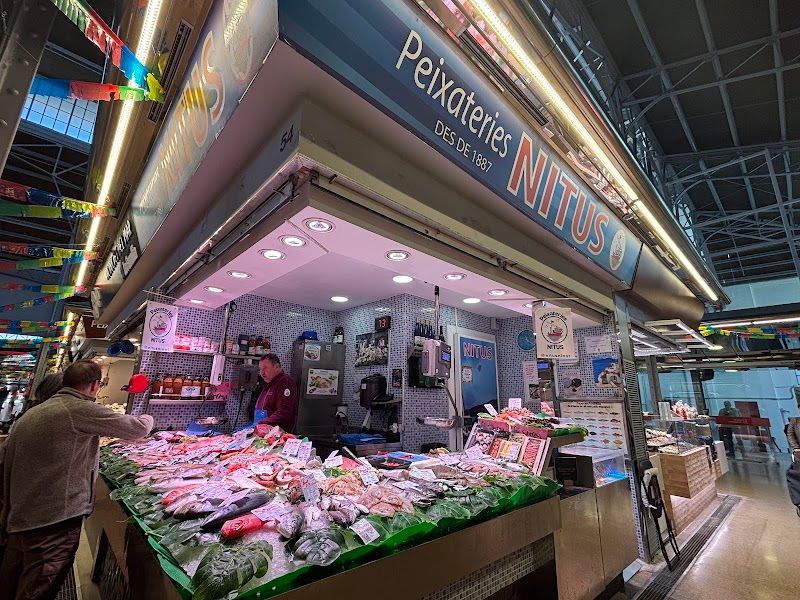
Mercat del Ninot sits in Barcelona's upscale Eixample district, where wealthy locals have shopped for premium ingredients since 1888. You'll find 70 stalls selling extraordinary produce - glossy tomatoes from Penedès, wild mushrooms from the Pyrenees, and seafood so fresh it arrived this morning from the Costa Brava. The renovated interior blends original ironwork with modern refrigeration, creating a market that feels both historic and hygienic. The atmosphere here is serious business - this isn't a tourist destination but a working market where professional chefs and discerning home cooks haggle over the best cuts of meat. You'll hear vendors calling out prices in rapid Catalan while customers squeeze peaches and inspect fish gills. The central wine bar draws a sophisticated crowd, especially around noon when locals stop for vermouth and olives between errands. Most food tours skip this place entirely, which keeps it authentic but means you'll need to navigate solo. The seafood counter near the Mallorca entrance has the best selection but prices run 20-30% higher than Boqueria. Skip the tourist-friendly explanations you get elsewhere - vendors here assume you know your jamón grades and won't coddle beginners. Go before 11am when selection peaks and locals haven't cleared out the best items.
Museu Egipci de Barcelona
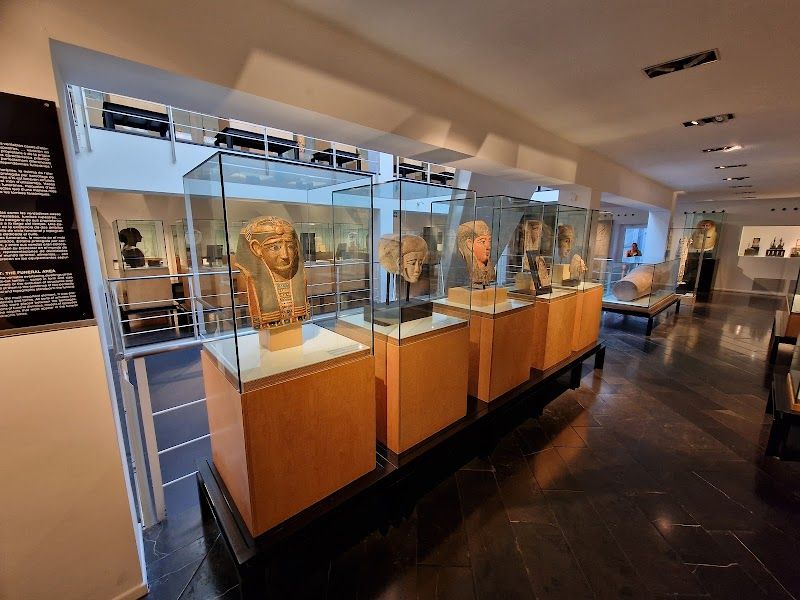
This private collection packs over 1,000 genuine Egyptian artifacts into an intimate space that puts the British Museum's Egyptian wing to shame. You'll see perfectly preserved mummies, intricate pharaonic jewelry, canopic jars, and painted sarcophagi dating back 3,000 years. The displays are smartly organized by theme rather than chronology, so you'll understand daily life in ancient Egypt instead of just memorizing dynasties. Owner Jordi Clos spent decades building this collection, and it shows in the quality - these aren't museum shop replicas. The museum feels more like exploring a wealthy collector's private study than wandering through sterile museum halls. Each room focuses on a different aspect of Egyptian culture - death rituals, religious beliefs, everyday objects - with detailed explanations in multiple languages. The lighting is dramatic without being theatrical, and you can actually get close to examine the craftsmanship on jewelry and pottery. Most visitors spend about an hour here, moving at their own pace through six well-designed rooms. At €12 for adults, it's expensive for the size but worth it if you're genuinely interested in ancient Egypt. Skip it if you're just checking boxes - this isn't a quick Instagram stop. The temporary exhibitions on loan from Cairo are genuinely spectacular and justify the entrance fee alone. Go midweek when it's quieter; weekends can feel cramped with the small room sizes.
Passeig de Gràcia
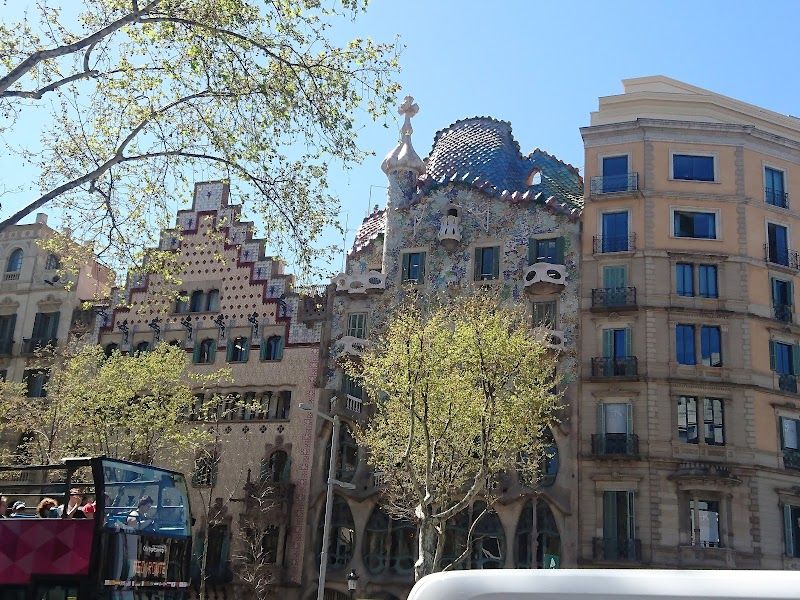
This 2-kilometer boulevard cuts through the heart of Eixample, connecting Plaça Catalunya to Gràcia district. You'll walk past two of Gaudí's most famous buildings - Casa Batlló with its dragon-scale facade and La Pedrera's wavy rooftops - plus Casa Amatller and Casa Lleó Morera forming the architectural Block of Discord. Between the Modernista masterpieces, you'll find flagship stores for every major luxury brand from Chanel to Louis Vuitton, making this Barcelona's answer to Fifth Avenue. The wide sidewalks give you space to crane your neck at the elaborate facades without blocking foot traffic. Those distinctive hexagonal pavement tiles beneath your feet were actually designed by Gaudí himself, though most people never notice. The ornate street lamps and mosaic benches add artistic touches between the high-end storefronts. You'll find yourself constantly looking up then down - the architectural details are as impressive at ground level as they are six stories up. Don't try to shop and sightsee simultaneously - you'll miss both experiences. Casa Batlló charges €35 for entry while La Pedrera costs €25, but their exteriors are honestly 80% of the appeal. The luxury shopping is genuine but overpriced even by European standards. Skip the northern section past Diagonal - it becomes generic retail territory. Focus your time between Plaça Catalunya and Carrer d'Aragó where the architectural concentration is highest.
Where to Eat
Restaurants and cafes in Eixample
Antica Esquerra de l'Eixample
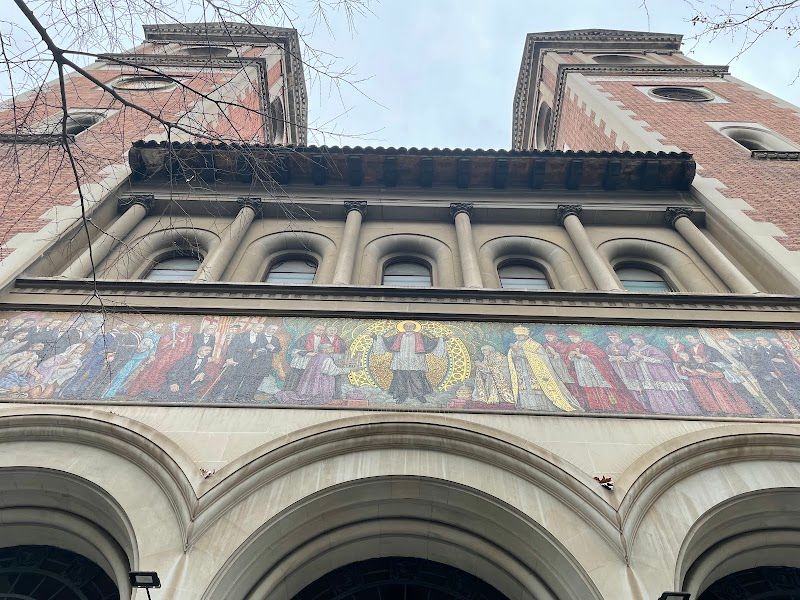
RestaurantAuthentic Catalan restaurant serving traditional home-style cooking in a cozy, unpretentious setting. Known for their excellent cannelloni, botifarra amb mongetes, and seasonal dishes that showcase local ingredients at very reasonable prices.
Cervecería Catalana
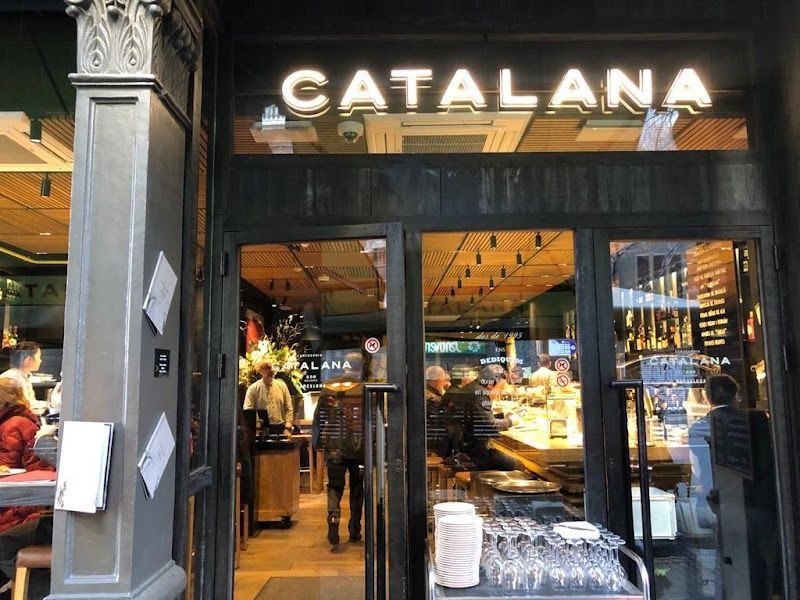
RestaurantPerpetually packed tapas bar on Passeig de Gràcia serving an exhaustive selection of montaditos, pinchos, and hot tapas. The quality remains high despite the volume, with standout items like foie gras with apple and octopus carpaccio. The bustling terrace is prime people-watching territory.
Flax & Kale
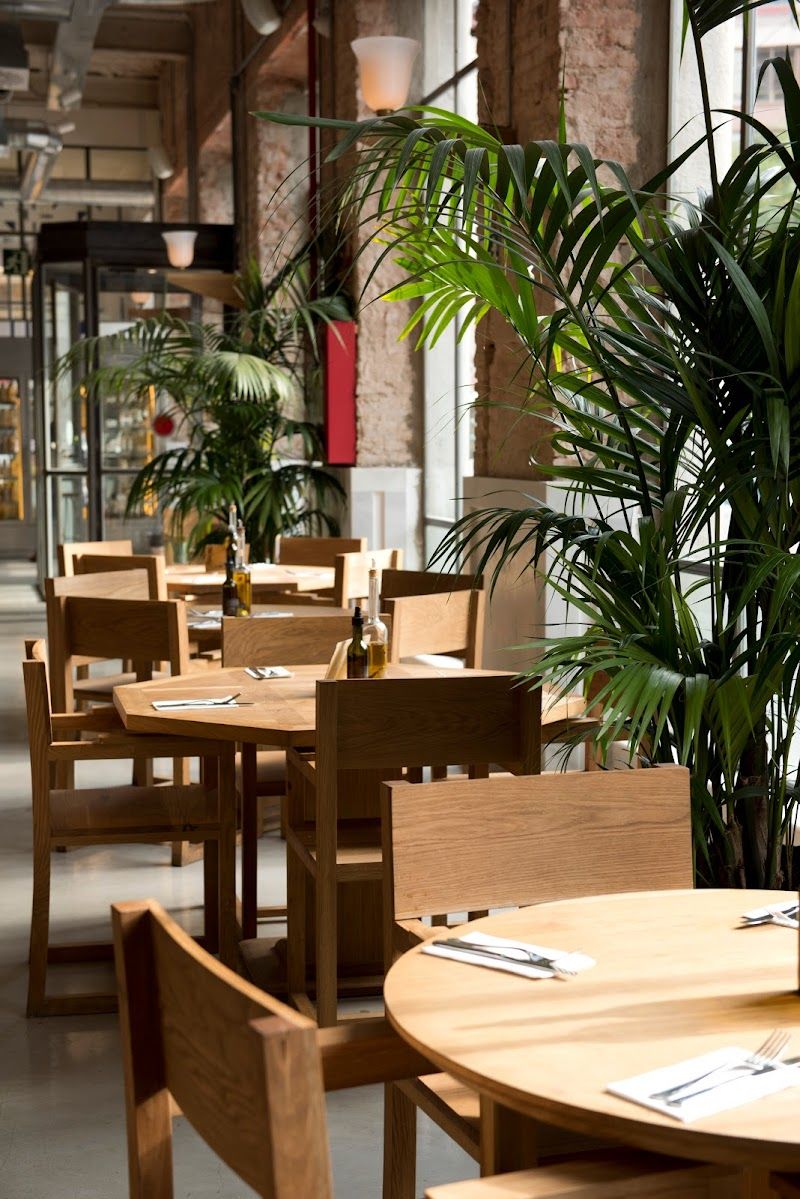
RestaurantModern healthy-eating restaurant focusing on flexitarian cuisine with plant-based, organic, and gluten-free options. The grain bowls, cold-pressed juices, and superfood smoothies attract a health-conscious local crowd. Weekend brunch is especially popular.
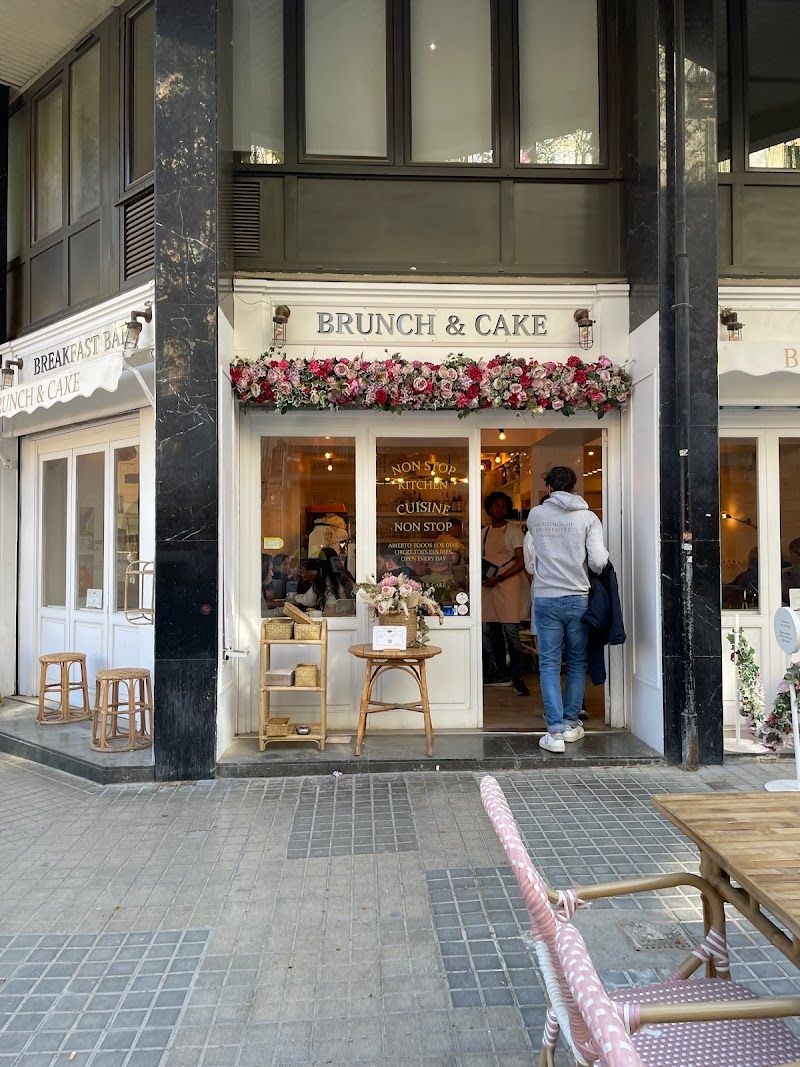
Brunch & Cake
CafeThe original location of Barcelona's brunch empire, famous for over-the-top Instagram-worthy dishes like freakshakes and colorful pancake stacks. Despite the tourist appeal, the quality remains solid with generous portions and creative presentations.
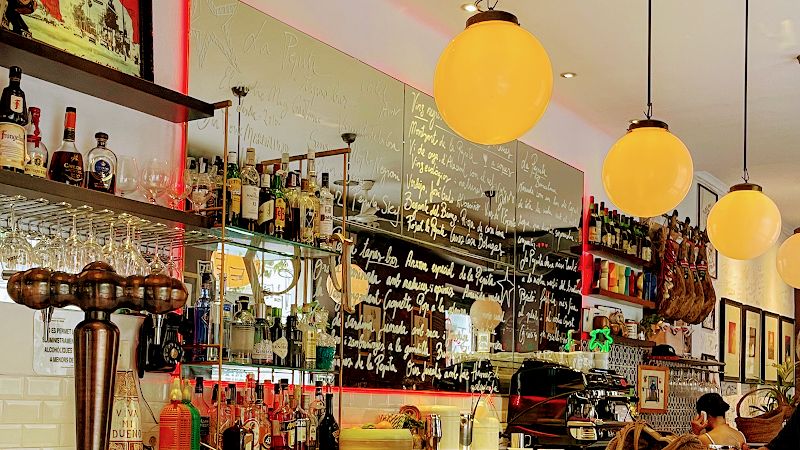
La Pepita
RestaurantContemporary tapas bar blending traditional Catalan flavors with modern presentation and international influences. The beef tartare, octopus, and mini burgers are menu highlights. The lively atmosphere makes it popular for groups, though solo diners are welcome at the bar.
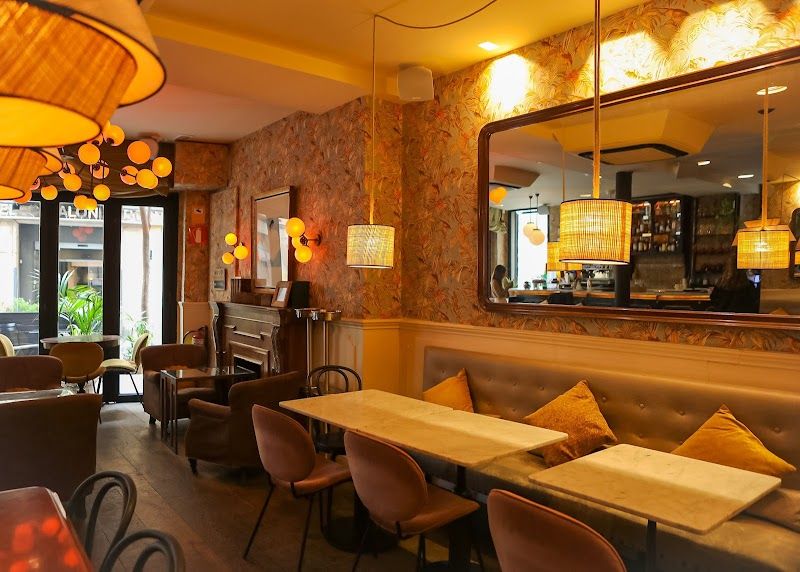
Elsa y Fred
RestaurantA vintage-styled cafe in Barceloneta serving homemade cakes, fresh juice, and creative brunch dishes in a retro setting with mismatched furniture. The walls display rotating local art, and the vibe is decidedly more bohemian than the beach bars nearby.
Nightlife
Bars and nightlife in Eixample
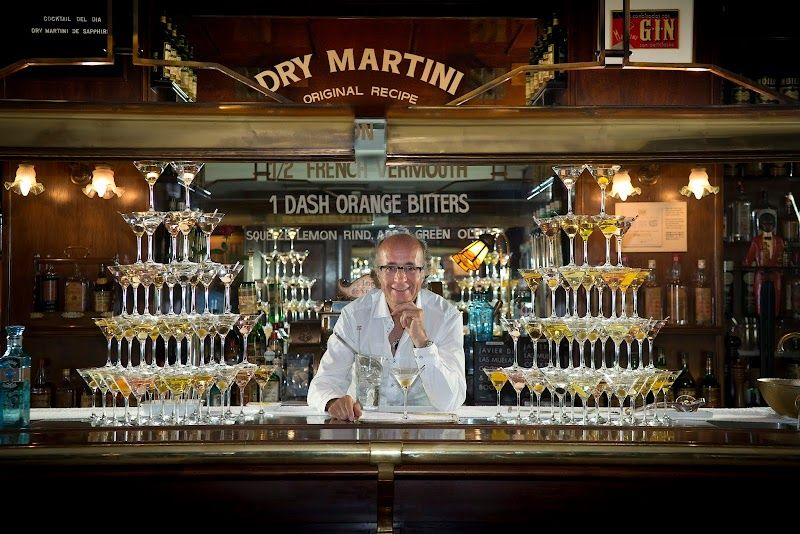
Dry Martini
NightlifeFounded in 1978, this legendary cocktail bar is helmed by expert bartenders who craft perfect martinis and classic cocktails with surgical precision. The elegant, wood-paneled interior feels like a gentleman's club, with over 80 gins and a serious approach to mixology that has influenced Barcelona's entire cocktail scene.
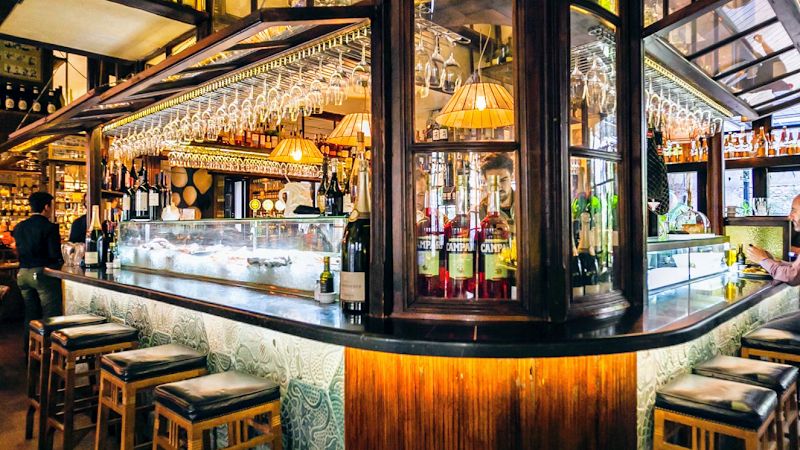
Boca Grande
NightlifeThis Barceloneta institution is both a beach chiringuito by day and a cocktail bar by night, with tables on the sand and a festive atmosphere. The mojitos are legendary, and the location right on the beach makes it perfect for sunset drinks before dinner.
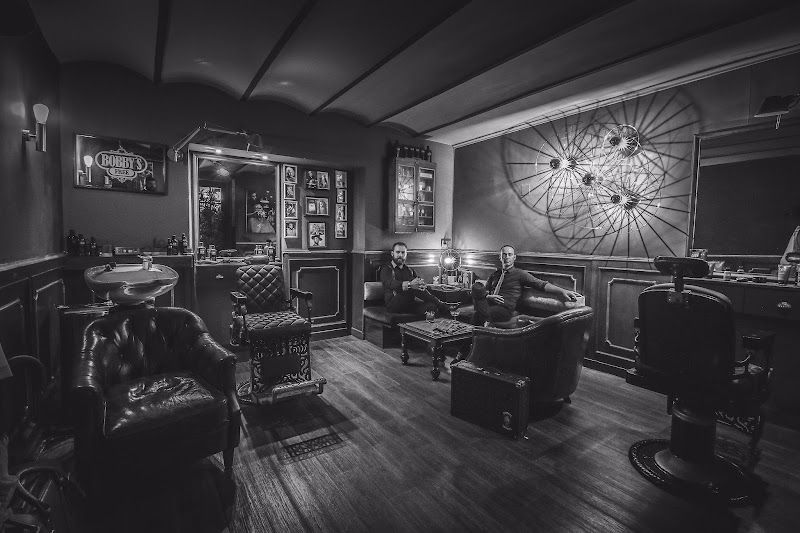
Bobby's Free
NightlifeEnter through a vintage barber shop to discover this acclaimed speakeasy where mixologists craft cocktails inspired by 1920s prohibition-era recipes. The intimate space features only 35 seats, antique mirrors, and a menu organized by spirit base rather than style.
Getting Here
Metro Stations
On Foot
Very walkable on flat streets. The grid makes navigation easy. Blocks are large though - it's further than it looks on the map.
Insider Tips
Look up
The Eixample's Modernista buildings are everywhere, not just the famous ones. Walk any block of Passeig de Gracia, Rambla de Catalunya, or Carrer de Valencia and look at the facades. Iron balconies, floral stonework, stained glass - it's a free architecture museum.
Sagrada Familia light
Morning (9-10 AM): eastern stained glass glows blue and green. Late afternoon (5-6 PM): western windows turn orange and red. Same building, completely different experience.
Nearby Neighborhoods
Continue exploring


Related Articles
Barcelona vs Madrid: Which City Should First-Time Visitors Choose?
Should you visit Barcelona or Madrid first? We break down the food, culture, costs, and vibe to help you decide which Spanish city matches your travel style.
How Much Food Actually Costs in Barcelona: Real Prices for Every Budget
Barcelona food prices range from €1.50 coffee to €100 upscale dinners. Menu del dia lunches at €12-18 offer the best value, while neighborhood tapas bars keep costs low.
Plan a trip featuring Eixample
Get a personalized Barcelona itinerary with Eixample built in.
Start Planning