
Madrid
Sol & Centro
Tourist centre, Gran Via, Puerta del Sol, Plaza Mayor, where Madrid's main arteries meet
About Sol & Centro
Sol is the Kilometre Zero of Spain, literally. The plaque in the pavement at Puerta del Sol marks the point from which all Spanish road distances are measured, and on any given afternoon half of Madrid seems to be standing on it. This is the city's most chaotic square, the one where New Year's Eve crowds eat twelve grapes at midnight, where protesters gather, and where every metro line seems to converge.
Plaza Mayor is a five-minute walk south and it is beautiful in exactly the way you expect: a rectangular baroque plaza with painted facades, iron balconies, and restaurants that charge EUR18 for a plate of patatas bravas. Walk through, take the photo under the arches, admire the architecture, and leave immediately for Cava Baja or Mercado de San Miguel next door. Gran Via runs northwest from Sol and is Madrid's Broadway: early 20th-century buildings with ornate facades, department stores, rooftop bars, and the Edificio Telefonica, which was the tallest building in Europe when it opened in 1929.
The real reason to stay in Sol is logistics. Every metro line passes through here, the airport bus stops at Atocha ten minutes south, and you can walk to La Latina, Malasana, or Huertas in under ten minutes. The neighborhood itself is loud, crowded, and full of chain restaurants, but it puts everything within reach. Casa Labra, hidden on a side street since 1860, sells cod croquetas for EUR1.50 each and proves that even Sol has its secrets if you know where to look.
Things to Do
Top experiences in Sol & Centro
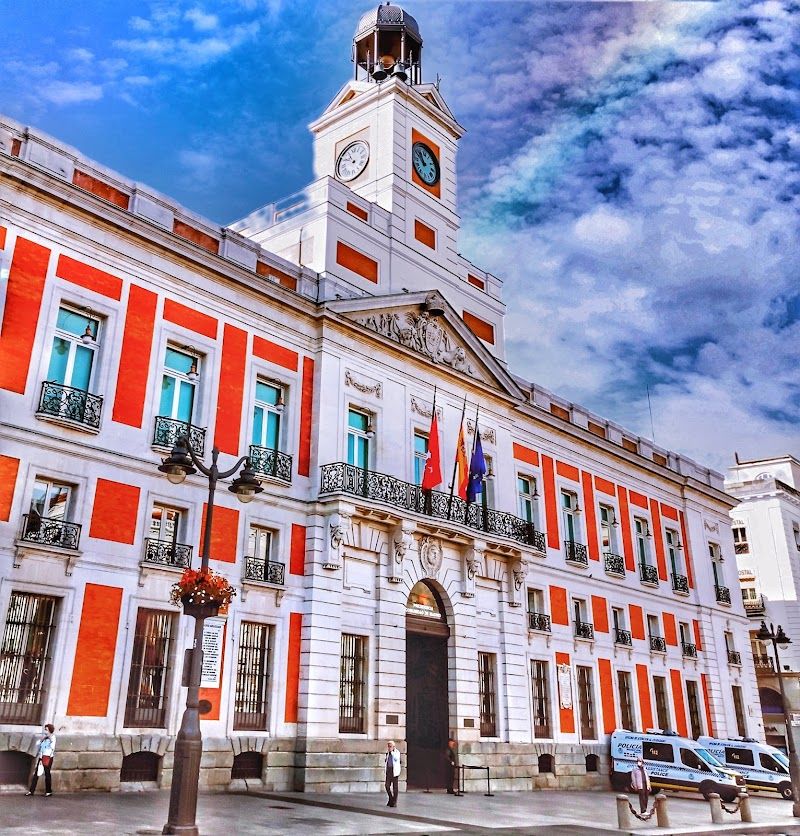
Puerta del Sol
The symbolic centre of Spain, where the Kilometre Zero plaque on the pavement marks the point from which all Spanish road distances are measured. The plaque is in front of the Real Casa de Correos (now the regional government headquarters), the building whose clock rings in the New Year for all of Spain. The tradition involves eating twelve grapes in twelve seconds as the clock strikes midnight, one grape per chime, and the square fills with thousands of people attempting this on December 31st. The Bear and the Strawberry Tree statue (El Oso y el Madrono) on the east side of the square is Madrid's coat of arms and the city's most photographed non-museum object. The statue is smaller than expected but there's always a queue of people waiting to take a selfie with it. Sol is not a destination in itself but a crossroads. Every metro line seems to converge here (lines 1, 2, and 3 actually do). You will end up here whether you planned to or not. The square is surrounded by shops, chain restaurants, and a permanent crowd of people heading somewhere else. The side streets leading south to Cava Baja and north to Malasana are more interesting than Sol itself. Despite its tourist-heavy surface, Sol has one genuine treasure: Casa Labra, hidden on Calle de Tetuan two minutes from the square, has been serving cod croquetas for EUR1.50 each since 1860. The bar is standing room only at lunch and proves that even Sol has secrets if you know where to look.
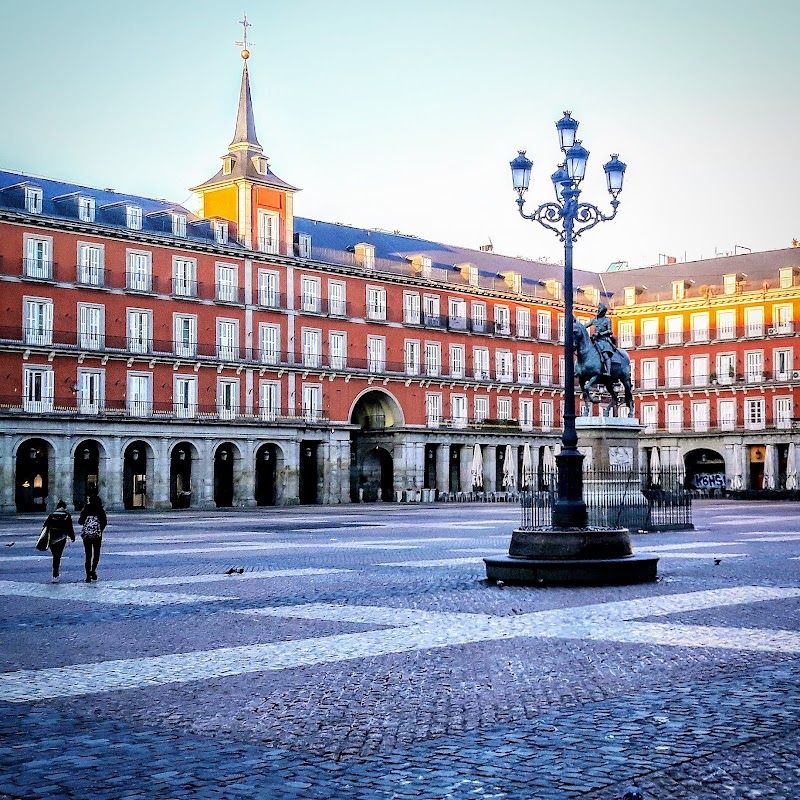
Plaza Mayor
A rectangular baroque plaza with painted facades, iron balconies, and a bronze equestrian statue of Philip III in the centre. Built between 1617 and 1619 under Philip III's reign, it has hosted bullfights, Inquisition executions, public markets, royal coronations, and, for a brief period in the 19th century, a covered market. The architecture is genuinely beautiful: the frescoed Casa de la Panaderia on the north side (originally the royal bakery, now housing the Madrid tourism office), nine arched entrances, and the uniformity of the four-storey red-brick buildings surrounding the square. The proportions are satisfying in a way that photos don't capture. The plaza is a near-perfect rectangle (129 by 94 metres) with covered arcades on all four sides. The arched entrances frame views of the surrounding streets and create the feeling of entering a separate world, especially when approaching from the narrow side streets to the south. Walk through, admire the frescoes and the proportions, take the obligatory photo under the arches, and leave immediately for Cava Baja or Mercado de San Miguel next door. Do not eat at any restaurant on Plaza Mayor. Every single one charges double for half the quality of a tapas bar five minutes away. This is not an exaggeration. The stamp and coin market under the arcades on Sundays is worth browsing. The Christmas market in December is touristy but atmospheric, with stalls selling nativity figures, decorations, and roasted chestnuts.
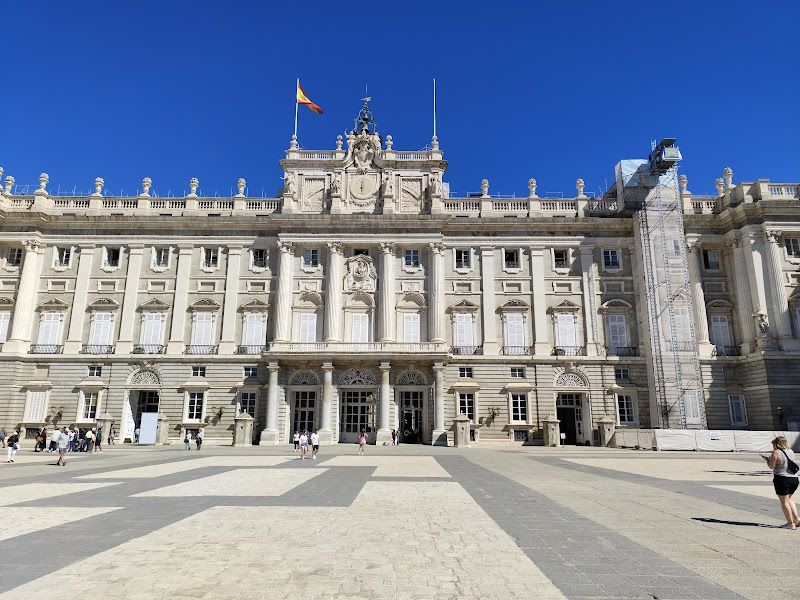
Royal Palace of Madrid (Palacio Real)
The biggest palace in Western Europe by room count: 3,418 rooms, though only about 50 are open to visitors. The Bourbons built it after the old Alcazar burned down on Christmas Eve 1734, and they went spectacularly over budget. The result is a palace that took 26 years to complete, with interiors that range from Rococo excess to neoclassical restraint depending on which monarch was decorating at the time. The Throne Room is the showpiece: a Tiepolo ceiling fresco depicting the glory of the Spanish monarchy, walls lined with crimson velvet, and the thrones themselves (still used for formal occasions, though the royal family lives at the Zarzuela Palace outside the city). The Gasparini Room is a Rococo fantasy of stucco, silk, and gilded everything. The Royal Chapel has a dome painted by Corrado Giaquinto. The Royal Armoury is housed in a separate building in the courtyard and is the highlight for most visitors, especially families. Full suits of jousting armour that belonged to Charles V, swords from the Reconquista, a tiny armour set made for a child prince, and weapons from centuries of Spanish military history. The armoury alone justifies the visit price. The Royal Pharmacy, overlooked by most visitors, has original 18th-century ceramic medicine jars in wooden cabinets and distillation equipment used to make remedies for the royal household. Entry EUR13, free for EU citizens in the last two hours before closing. The changing of the guard on the first Wednesday of each month (noon, October through June) is a full ceremony worth timing your visit around.
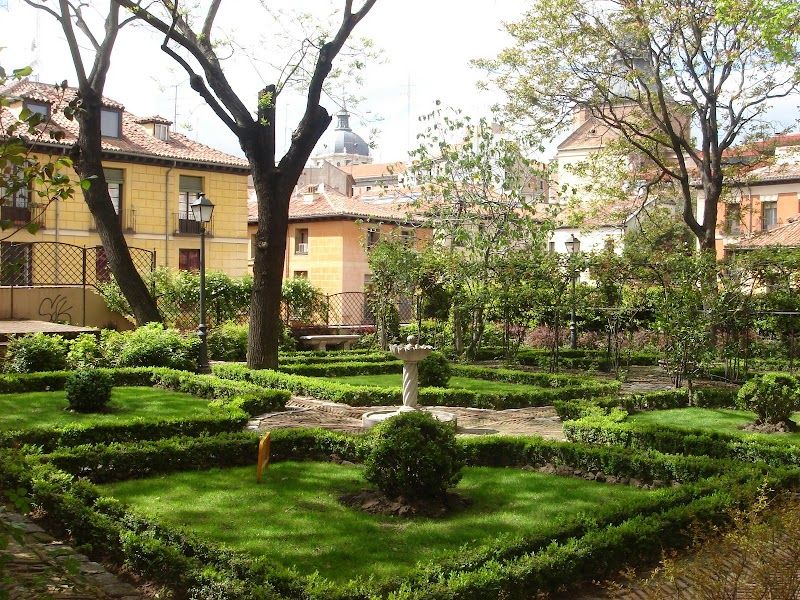
Jardín del Príncipe de Anglona
This tiny 18th century palace garden sits behind an unmarked door on Plaza de la Paja, preserved exactly as it was when built for the Prince of Anglona in 1750. You'll find formal French parterre gardens with perfectly trimmed boxwood hedges forming geometric patterns, a central fountain, and climbing roses that explode with color in May and June. The space is no bigger than a large backyard, but every corner follows strict neoclassical principles with stone benches positioned for contemplating the symmetrical plantings. Walking through feels like discovering a private courtyard that time forgot. The high walls block out all street noise from the surrounding tapas district, creating an almost monastery-like quiet that's rare in central Madrid. You can circle the entire garden in five minutes, but most people end up sitting on one of the stone benches just absorbing the peaceful atmosphere. The contrast with the medieval streets outside is striking, you're literally stepping from cobblestones into 18th century aristocratic refinement. Most guidebooks oversell this as a major attraction when it's really a five minute detour that's lovely if you're already exploring La Latina. The garden is free but closes at sunset, and honestly there's not much to see outside of spring when the roses bloom. Skip it if you're pressed for time, but it's perfect for a quick breather between the Mercado de la Cebada and dinner in the neighborhood.
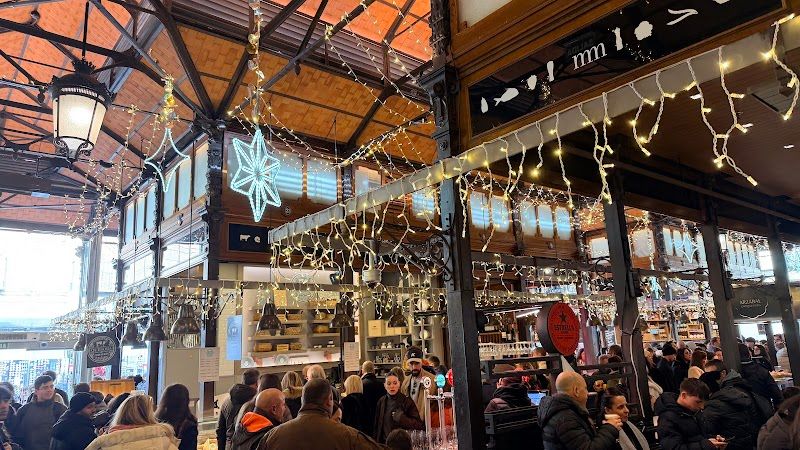
Mercado de San Miguel Food Tour
The Mercado de San Miguel food tour takes you through Madrid's oldest gourmet market. Located in a 1916 iron and glass structure, this historic site houses more than 30 specialty food stalls. You'll sample a selection of products from 8-10 carefully chosen vendors, including jamón ibérico carved fresh from the leg, aged Manchego cheese, Spanish vermouth on tap, and Galician oysters shucked to order. Your guide explains the origins of each regional specialty and helps you understand the different ham grades and cheese aging processes. The tour flows naturally from stall to stall as your guide navigates the market's compact layout. You'll stop at family-run businesses that have operated here for decades. At marble counters, you'll sip wine while locals grab quick tapas lunches around you, creating an authentic neighborhood feel despite the tourist presence. The market's Belle Époque architecture serves as a beautiful backdrop as natural light filters through the glass ceiling, and the constant hum of Spanish conversation creates an immersive atmosphere. Price points for food tours here are generally high at 65-75 EUR, but the education about Spanish food culture makes it a worthwhile experience for first-time visitors. We recommend avoiding weekend tours when the market becomes overcrowded with selfie-taking crowds. The morning slots around 11am offer the best balance of fresh products and manageable crowds, plus vendors are more likely to be available for chats before the lunch rush hits.
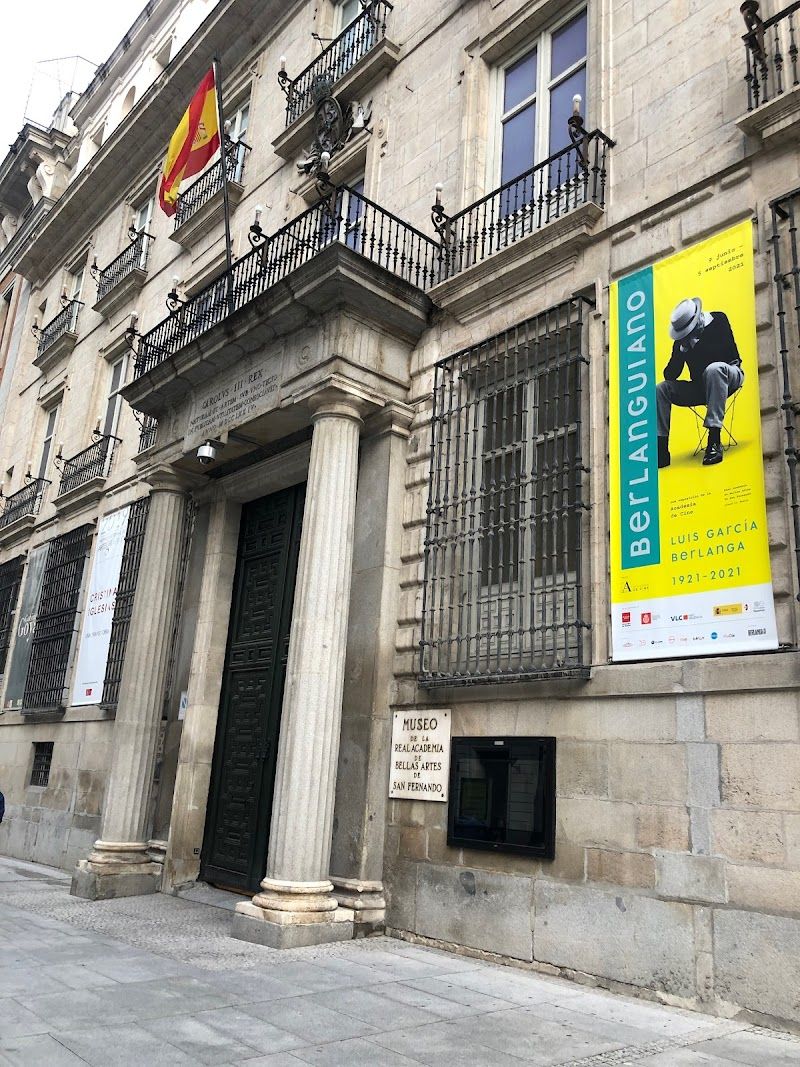
Real Academia de Bellas Artes de San Fernando
One of Madrid's oldest art academies with an exceptional collection including 13 paintings by Goya, works by Rubens, Velázquez, and Zurbarán. The museum is far less crowded than the Prado but holds masterpieces of equal quality. Goya and Picasso both studied here.
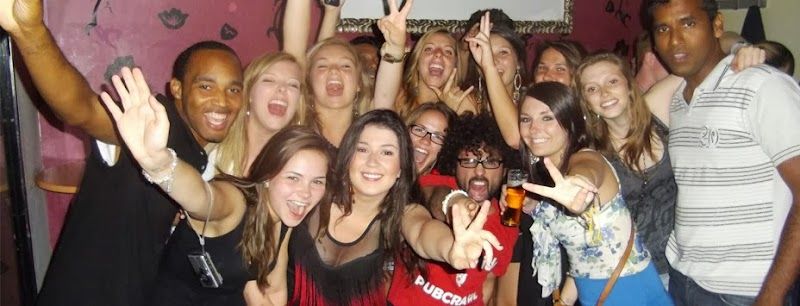
Madrid by Night Tapas and Flamenco Tour
Evening cultural experience combining a tapas crawl through three traditional tabernas in La Latina with a live flamenco performance at an intimate tablao. Small groups with local guides who share stories about Madrid's nightlife traditions.
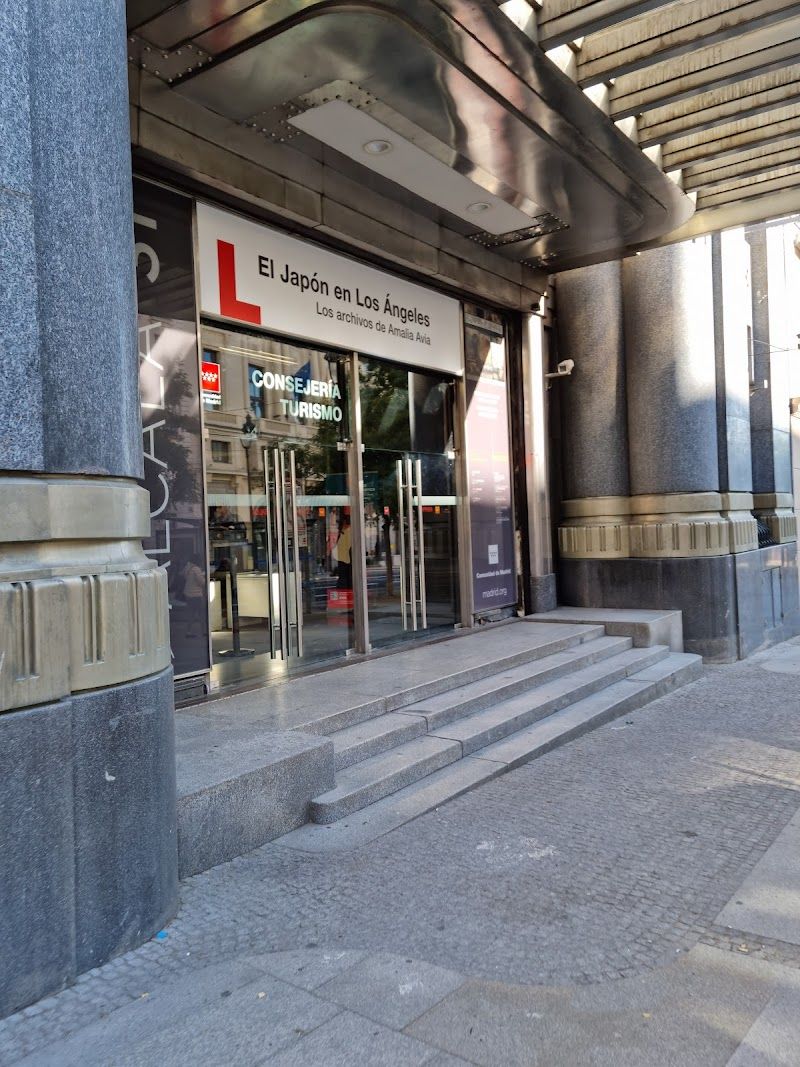
Sala Alcalá 31
This contemporary art space occupies a stunning renovated early 20th-century building and serves as a community cultural center with rotating exhibitions, workshops, and events. Managed by the Madrid City Council, it focuses on emerging artists and experimental works with free admission.
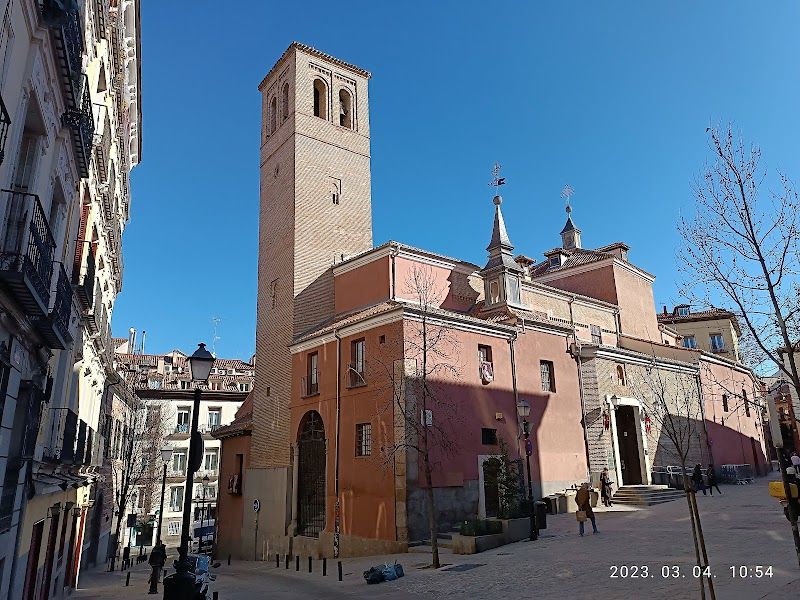
Iglesia de San Pedro el Viejo
One of Madrid's oldest churches dating from the 14th century, features a distinctive Mudéjar-style brick tower that's a neighborhood landmark. The church represents some of the earliest medieval architecture remaining in Madrid, located in a historic plaza that garners significant attention during the San Pedro festivals in June.
Where to Eat
Restaurants and cafes in Sol & Centro
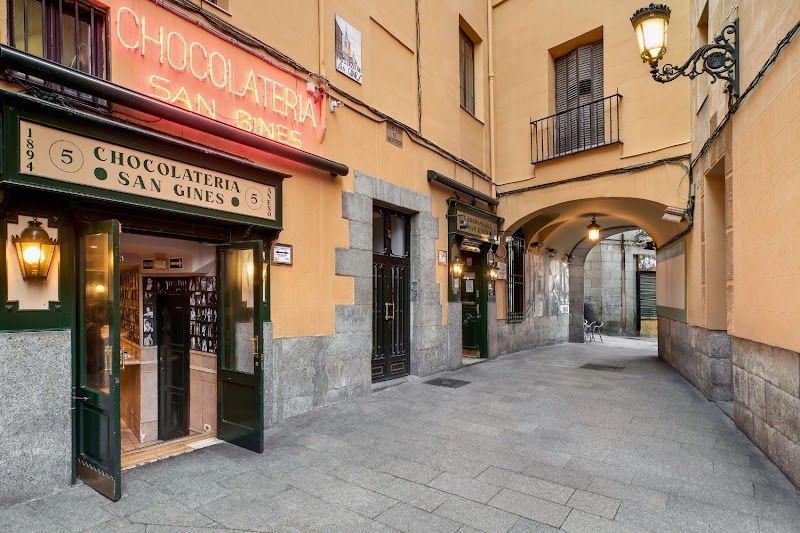
Chocolatería San Ginés
CafeOpen since 1894 and serving 24 hours on weekends, this legendary chocolatería specializes in churros con chocolate. The thick, dark hot chocolate and fresh churros have been fueling madrileños after late nights out for over a century, maintaining the exact same recipe.
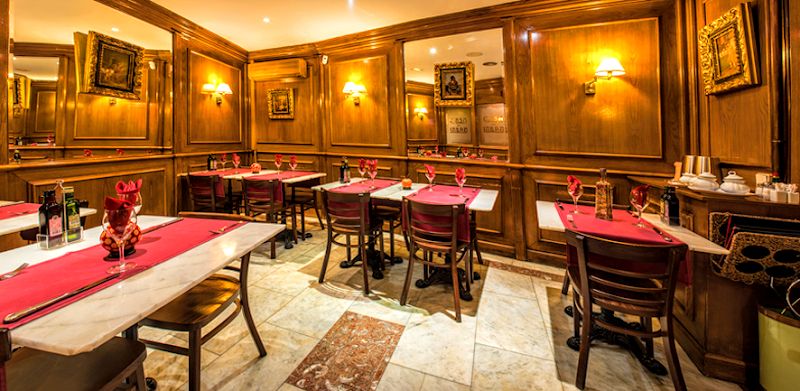
Casa Labra
RestaurantFounded in 1860, this historic taberna is legendary for its bacalao (salt cod) croquetas and skewered cod bites. The small standing-room bar maintains its original marble counters and vintage tile work, serving the same recipes that have made it a Madrid institution for over 160 years.
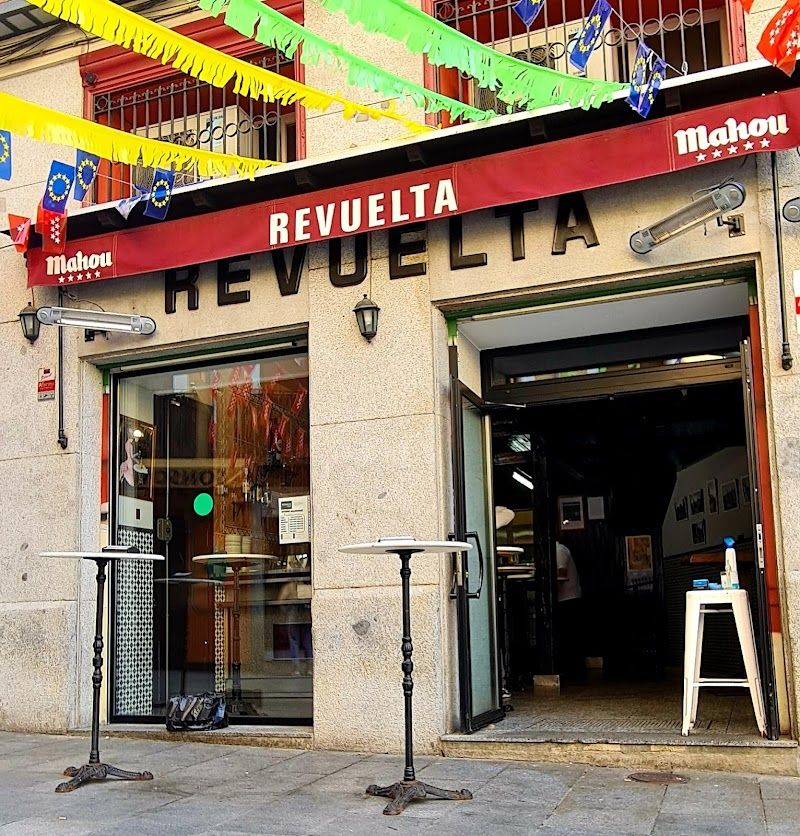
Casa Revuelta
RestaurantOperating since 1949, this tiny standing-room-only bar serves some of Madrid's best bacalao frito (fried cod) in crispy battered portions. Located near Plaza Mayor, it maintains an authentic neighborhood feel despite its central location, with locals elbowing in for quick tapas at lunch.
Taberna Alhambra
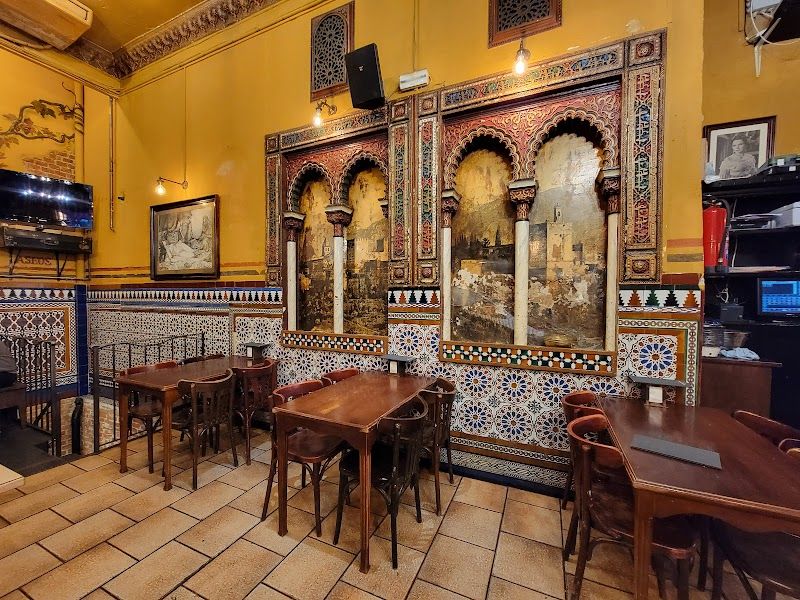
RestaurantThis century-old Lavapiés tavern maintains its original ceramic-tiled walls and zinc bar. The neighborhood spot serves straightforward tapas and raciones to a diverse crowd, from longtime residents to the barrio's newer international community, preserving authentic working-class Madrid atmosphere.
La Casa del Abuelo
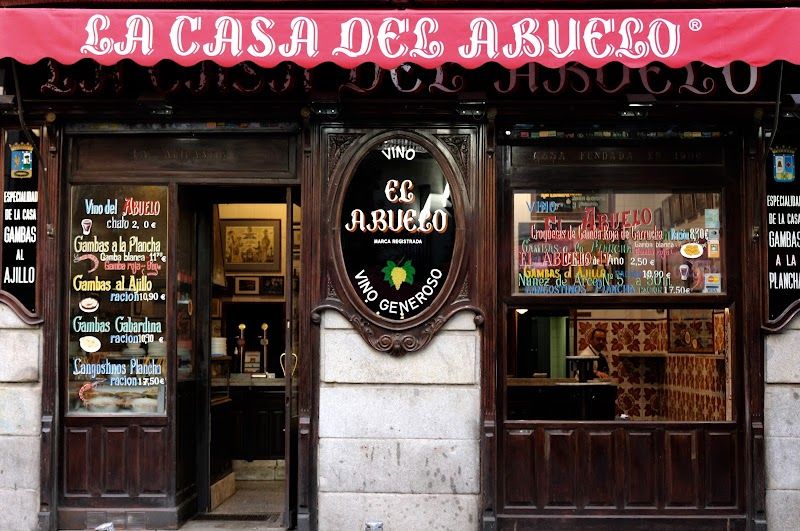
RestaurantEstablished in 1906, this tiny standing-room bar near Sol specializes in gambas al ajillo (garlic prawns) and sweet red Valdepeñas wine. The cramped quarters and minimal menu keep the focus on perfectly cooked prawns served sizzling in terracotta dishes.
Taberna Malaspina
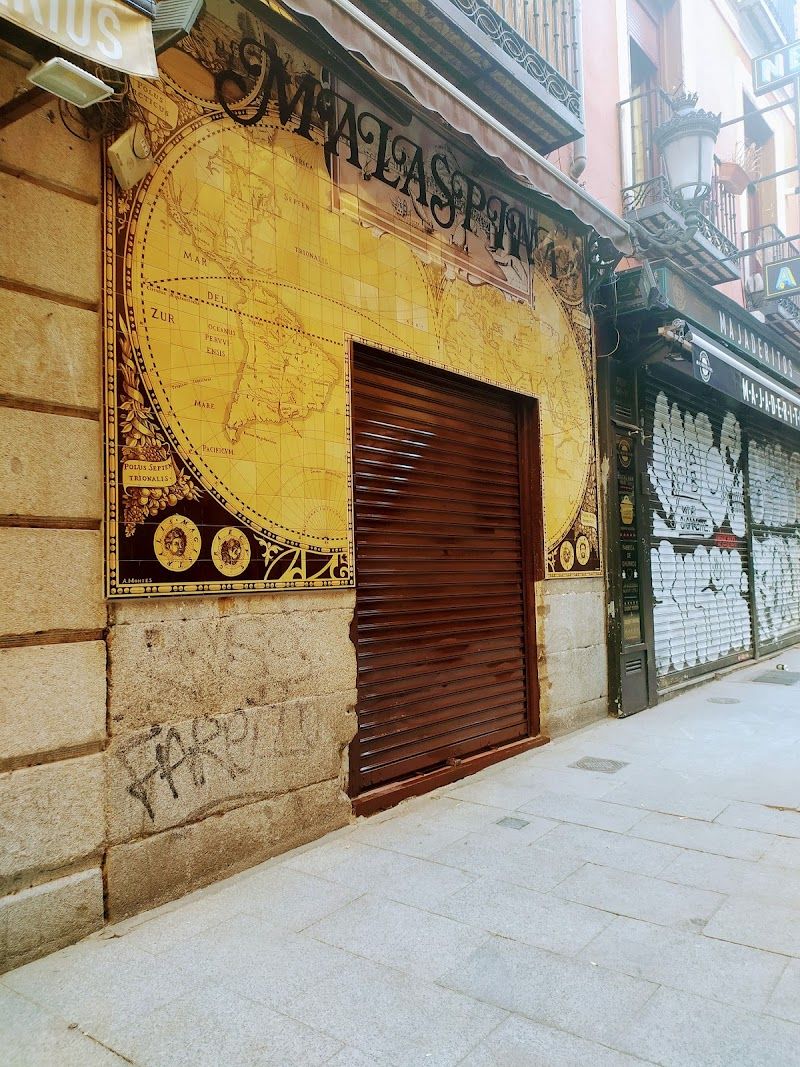
RestaurantThis 1940s taberna near Sol maintains its vintage tile work, wood paneling, and traditional vermut ritual. The corner bar serves classic Madrid tapas like boquerones (marinated anchovies) and conservas (tinned seafood) to a crowd that hasn't changed much in decades.
Nightlife
Bars and nightlife in Sol & Centro
Getting Here
Metro Stations
Getting There
Sol is the most connected station in Madrid. Lines 1, 2, and 3 converge here. Gran Via, Opera, and Callao are all within a 3-minute walk. You can reach any neighborhood in Madrid within 20 minutes.
On Foot
Extremely walkable. Sol to Plaza Mayor is 4 minutes. Sol to Gran Via is 5 minutes. Sol to La Latina metro is 8 minutes. Everything central is on foot.
By Bike
Flat terrain in the centre but heavy pedestrian traffic makes cycling tricky. BiciMAD public bike stations are everywhere, EUR2 for a 30-minute ride.
Insider Tips
Casa Labra Croquetas
On Calle de Tetuan, two minutes from Sol. Open since 1860. Cod croquetas for EUR1.50 each and soldaditos de pavia for EUR2.80. Stand at the bar, order four, pay cash. The bar crowd at lunch is half office workers, half tourists who read the right guide.
Gran Via Rooftops
The Circulo de Bellas Artes rooftop (EUR5 entry) has the best skyline view in Madrid. Go at sunset. The bar prices are steep (EUR12 cocktails) but you are paying for the panorama, not the drink.
Avoid Plaza Mayor Restaurants
Every restaurant on Plaza Mayor charges double for half the quality. Walk five minutes south to Cava Baja in La Latina for the real tapas experience at honest prices.
Nearby Neighborhoods
Continue exploring


Plan a trip featuring Sol & Centro
Get a personalized Madrid itinerary with Sol & Centro built in.
Start Planning