
Madrid
Things to Do
143 attractions, museums, and experiences
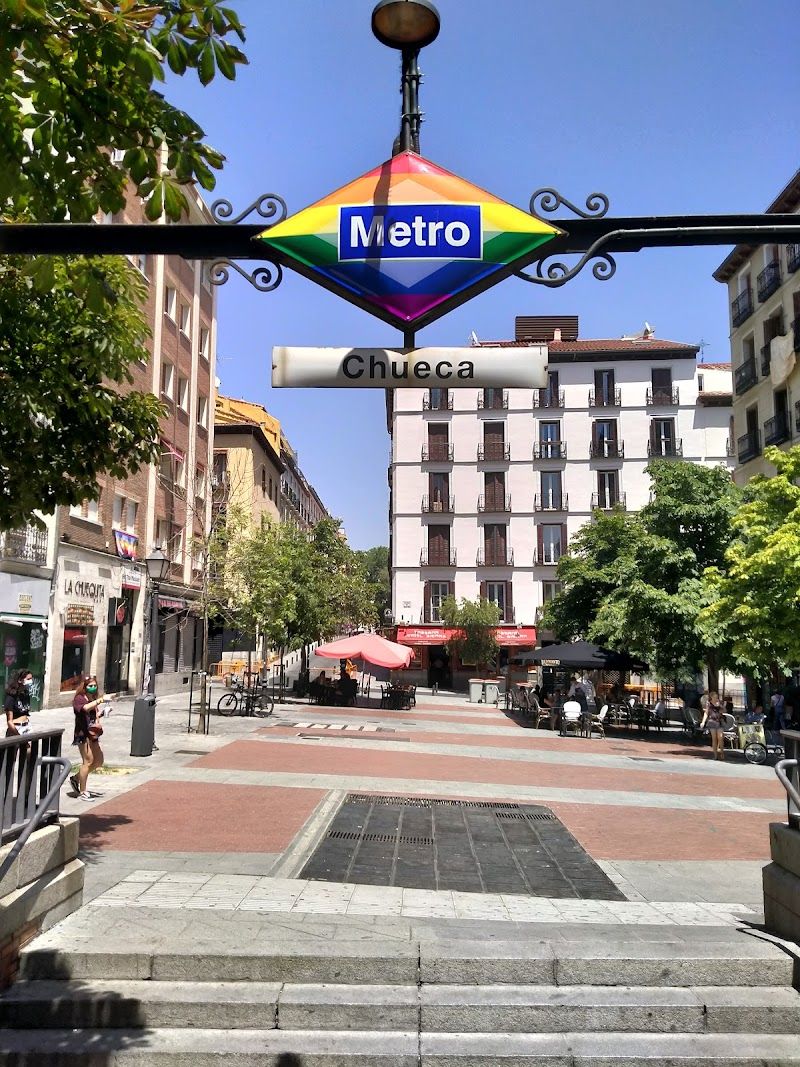
Plaza de Chueca
The central square of the Chueca neighborhood is located in the heart of the area, surrounded by colorful cafés, bars, and terraces. This small plaza is the social hub of Madrid's LGBTQ+ community, featuring rainbow crosswalks that epitomize the neighborhood's open, creative spirit and atmosphere.
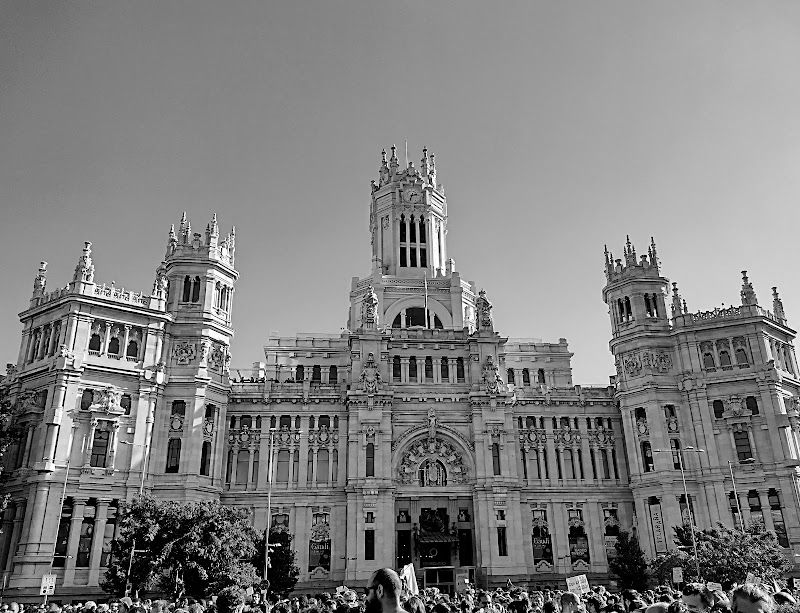
Palacio de Cibeles
This imposing white palace dominates Plaza de Cibeles and houses Madrid's City Hall alongside CentroCentro, a surprisingly good cultural center with rotating contemporary art exhibitions. The building itself is the real draw: built in 1919 as Madrid's central post office, it's pure early 20th-century grandeur with soaring halls, ornate staircases, and detailed stonework. The eighth-floor viewing gallery gives you free panoramic views over the plaza and down Paseo del Prado, while the rooftop terrace costs 3 EUR for even better angles. You'll enter through security (it's still a working government building) and can wander the ground floor galleries for free. The CentroCentro exhibitions change every few months and range from photography to design, usually well-curated but hit or miss depending on your interests. Taking the elevator to the eighth floor feels like accessing a secret viewpoint: suddenly you're looking down at the famous Cibeles fountain and across to the Prado's red-tiled roof. The interior courtyards are particularly photogenic from above. Most people skip the 3 EUR rooftop terrace, but it's worth it for the 360-degree views and dramatic perspective on the surrounding architecture. The CentroCentro exhibitions are often overlooked by tourists focused on the Prado nearby, making them pleasantly uncrowded. Skip the building entirely if you're rushed: the views are lovely but not essential, and you can appreciate the exterior just as well from plaza level.
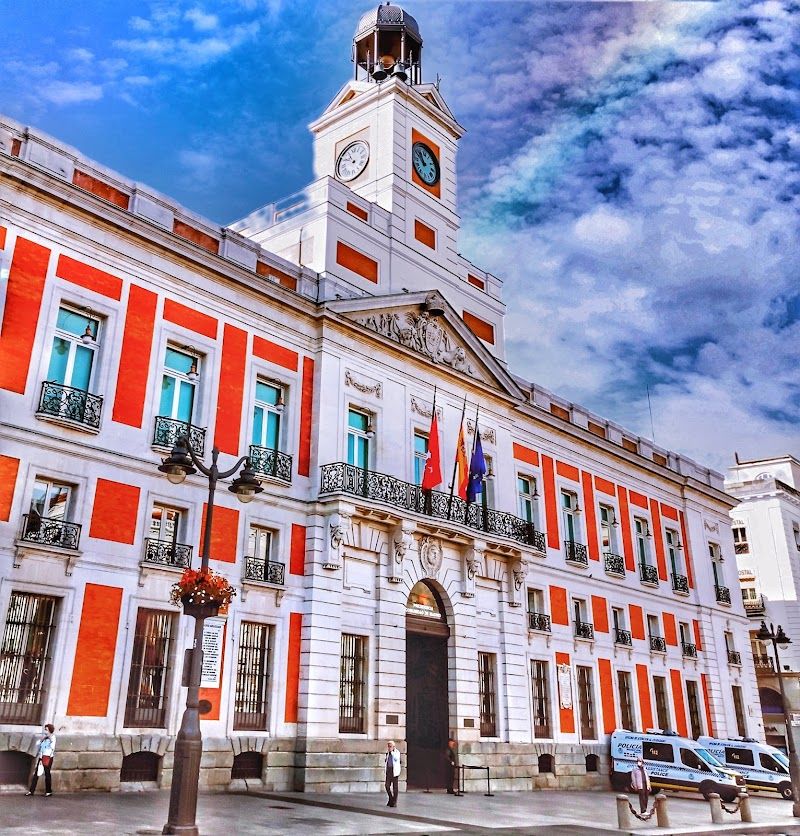
Puerta del Sol
The symbolic centre of Spain, where the Kilometre Zero plaque on the pavement marks the point from which all Spanish road distances are measured. The plaque is in front of the Real Casa de Correos (now the regional government headquarters), the building whose clock rings in the New Year for all of Spain. The tradition involves eating twelve grapes in twelve seconds as the clock strikes midnight, one grape per chime, and the square fills with thousands of people attempting this on December 31st. The Bear and the Strawberry Tree statue (El Oso y el Madrono) on the east side of the square is Madrid's coat of arms and the city's most photographed non-museum object. The statue is smaller than expected but there's always a queue of people waiting to take a selfie with it. Sol is not a destination in itself but a crossroads. Every metro line seems to converge here (lines 1, 2, and 3 actually do). You will end up here whether you planned to or not. The square is surrounded by shops, chain restaurants, and a permanent crowd of people heading somewhere else. The side streets leading south to Cava Baja and north to Malasana are more interesting than Sol itself. Despite its tourist-heavy surface, Sol has one genuine treasure: Casa Labra, hidden on Calle de Tetuan two minutes from the square, has been serving cod croquetas for EUR1.50 each since 1860. The bar is standing room only at lunch and proves that even Sol has secrets if you know where to look.
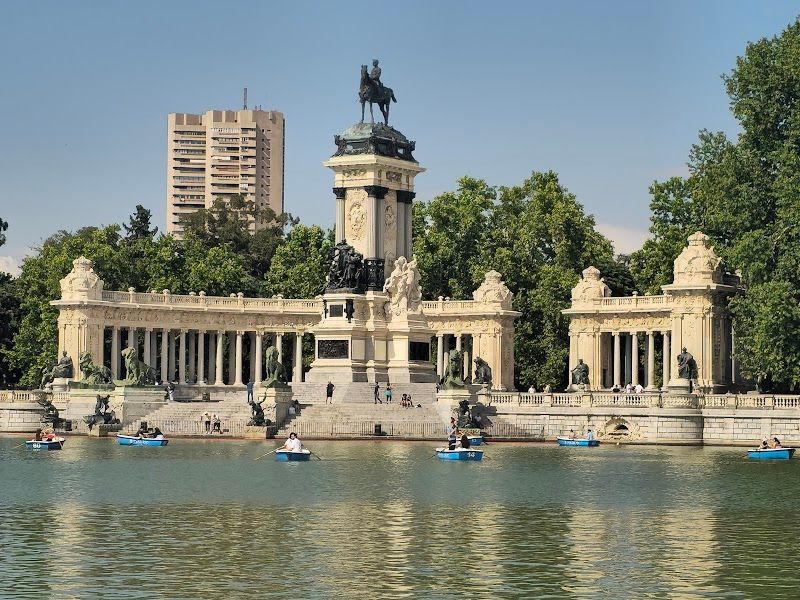
Retiro Park (Parque del Buen Retiro)
125 hectares of green space that used to be reserved for royalty and is now the park where all of Madrid goes on Sunday. The lake (Estanque Grande) has rowing boats for EUR6 per 45 minutes, and the monument to Alfonso XII at its edge is where Sunday afternoon drummers gather and families spread out blankets on the steps. The Crystal Palace (Palacio de Cristal) is a 19th-century glass and iron conservatory that hosts free contemporary art exhibitions organized by the Reina Sofia. The building itself, reflecting in its pool with turtles swimming below, is more impressive than most of what's inside. The rose garden (La Rosaleda) has 4,000 bushes and blooms spectacularly from May to June. The Fallen Angel statue (El Angel Caido, a depiction of Lucifer) sits at exactly 666 metres above sea level, which is either a coincidence or the greatest urban planning joke in history. The Paseo de las Estatuas is a tree-lined promenade with statues of Spanish monarchs that were originally made for the Royal Palace but considered too heavy for the roof. The park is free, open daily from 6 AM, and is the reason Madrid is liveable in summer. When the temperature hits 38 degrees, the shaded paths and the lakeside breeze make the Retiro the only comfortable outdoor space in the city. Runners use the perimeter path (4.5 km loop) in the early morning. Yoga groups meet on the grass near the Crystal Palace. Puppet shows for children (Teatro de Titeres) run on weekends at noon near the Puerta de Alcala entrance. Practical note: the park is large enough that you won't see everything in one visit. The lake and Crystal Palace are in the western half. The rose garden and Fallen Angel are in the south. The Velazquez Palace (more free art exhibitions) is in the northeast. Pick two or three areas and give them time rather than trying to cover everything.
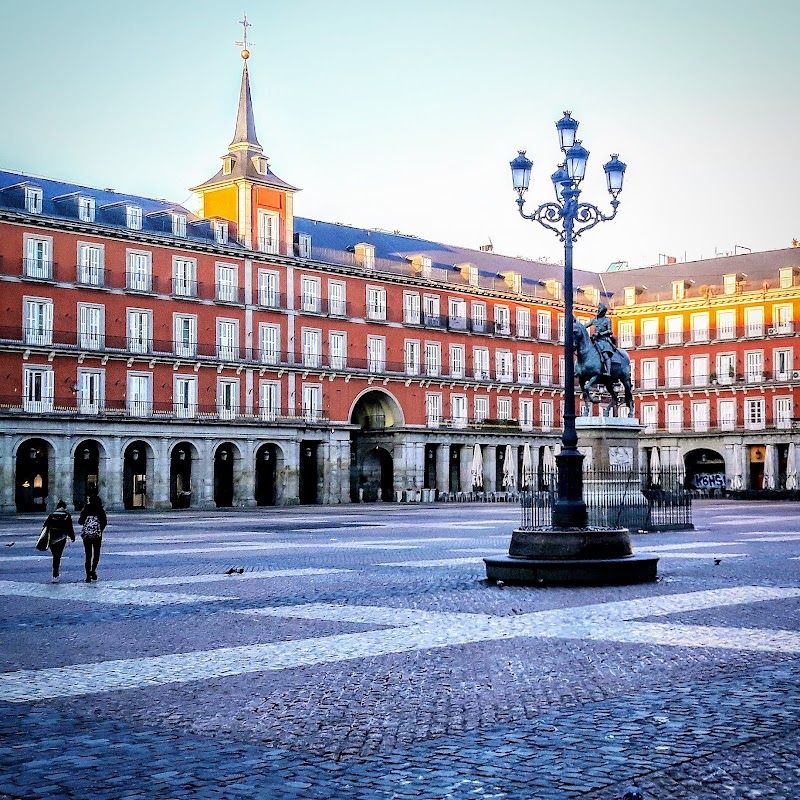
Plaza Mayor
A rectangular baroque plaza with painted facades, iron balconies, and a bronze equestrian statue of Philip III in the centre. Built between 1617 and 1619 under Philip III's reign, it has hosted bullfights, Inquisition executions, public markets, royal coronations, and, for a brief period in the 19th century, a covered market. The architecture is genuinely beautiful: the frescoed Casa de la Panaderia on the north side (originally the royal bakery, now housing the Madrid tourism office), nine arched entrances, and the uniformity of the four-storey red-brick buildings surrounding the square. The proportions are satisfying in a way that photos don't capture. The plaza is a near-perfect rectangle (129 by 94 metres) with covered arcades on all four sides. The arched entrances frame views of the surrounding streets and create the feeling of entering a separate world, especially when approaching from the narrow side streets to the south. Walk through, admire the frescoes and the proportions, take the obligatory photo under the arches, and leave immediately for Cava Baja or Mercado de San Miguel next door. Do not eat at any restaurant on Plaza Mayor. Every single one charges double for half the quality of a tapas bar five minutes away. This is not an exaggeration. The stamp and coin market under the arcades on Sundays is worth browsing. The Christmas market in December is touristy but atmospheric, with stalls selling nativity figures, decorations, and roasted chestnuts.
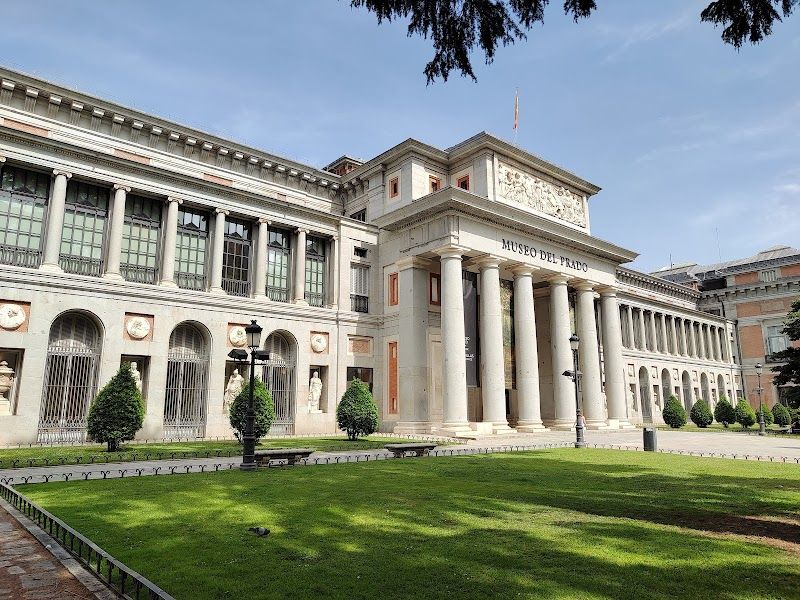
Museo del Prado
The Prado is the best art museum most people have never prioritised. It doesn't have the Louvre's fame or the Uffizi's Instagram presence, but what it has is Velazquez's Las Meninas, which is the painting that changed how painters thought about painting. You'll stand in front of it in Room 12 and understand immediately. The room is built around it. Everything else in the museum leads to or away from this moment. Goya gets two entire sections: the early works upstairs are beautiful and luminous, full of colour and social observation. The Black Paintings downstairs are terrifying. Saturn Devouring His Son is in a room with paintings Goya made directly on the walls of his house when he was deaf, isolated, and possibly losing his mind. The Garden of Earthly Delights by Bosch is in Room 56A and people cluster around it like it's a puzzle, which it basically is. El Greco's long, stretched figures fill a gallery that feels like stepping into a fever dream. And then there's the Rubens room, which has more drama per square metre than most countries' entire national collections. The EUR15 entry ticket is a bargain for what you're getting. The museum is free in the last two hours before closing (Monday to Saturday 6-8 PM, Sundays 5-7 PM), but it's packed and rushed. Pay the EUR15, come at 10 AM on a weekday, and give yourself three hours minimum. The audio guide (EUR6) is worth it for the Velazquez rooms alone. Skip the temporary exhibitions unless the queue is short. The permanent collection is why you're here. One practical note: the building is enormous and poorly signposted. Grab a free map at the entrance, decide on three things you want to see, and navigate to those first. Then wander. Trying to see everything systematically will break you by Room 30.
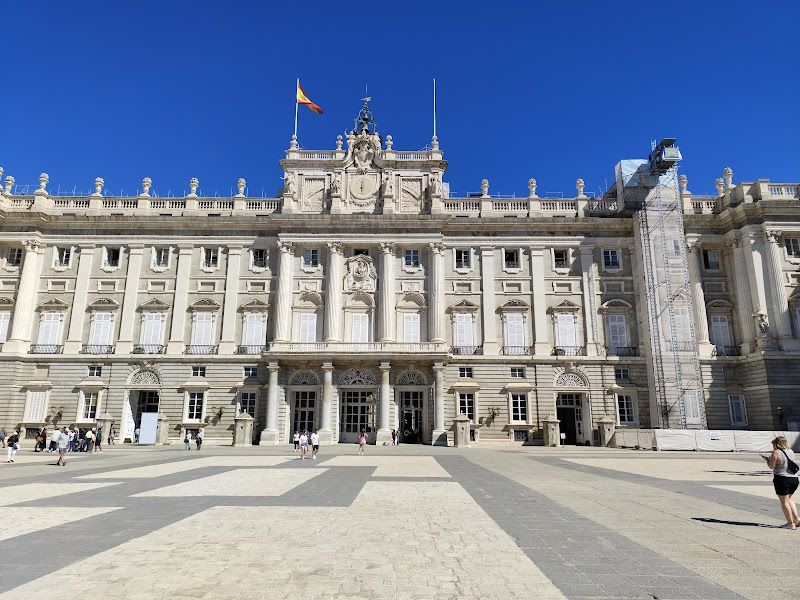
Royal Palace of Madrid (Palacio Real)
The biggest palace in Western Europe by room count: 3,418 rooms, though only about 50 are open to visitors. The Bourbons built it after the old Alcazar burned down on Christmas Eve 1734, and they went spectacularly over budget. The result is a palace that took 26 years to complete, with interiors that range from Rococo excess to neoclassical restraint depending on which monarch was decorating at the time. The Throne Room is the showpiece: a Tiepolo ceiling fresco depicting the glory of the Spanish monarchy, walls lined with crimson velvet, and the thrones themselves (still used for formal occasions, though the royal family lives at the Zarzuela Palace outside the city). The Gasparini Room is a Rococo fantasy of stucco, silk, and gilded everything. The Royal Chapel has a dome painted by Corrado Giaquinto. The Royal Armoury is housed in a separate building in the courtyard and is the highlight for most visitors, especially families. Full suits of jousting armour that belonged to Charles V, swords from the Reconquista, a tiny armour set made for a child prince, and weapons from centuries of Spanish military history. The armoury alone justifies the visit price. The Royal Pharmacy, overlooked by most visitors, has original 18th-century ceramic medicine jars in wooden cabinets and distillation equipment used to make remedies for the royal household. Entry EUR13, free for EU citizens in the last two hours before closing. The changing of the guard on the first Wednesday of each month (noon, October through June) is a full ceremony worth timing your visit around.
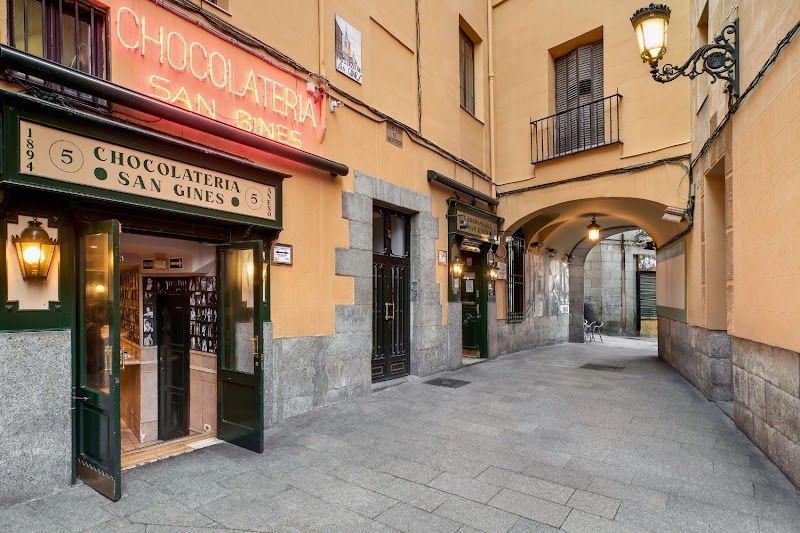
Chocolatería San Ginés
Open since 1894 and serving 24 hours on weekends, this legendary chocolatería specializes in churros con chocolate. The thick, dark hot chocolate and fresh churros have been fueling madrileños after late nights out for over a century, maintaining the exact same recipe.
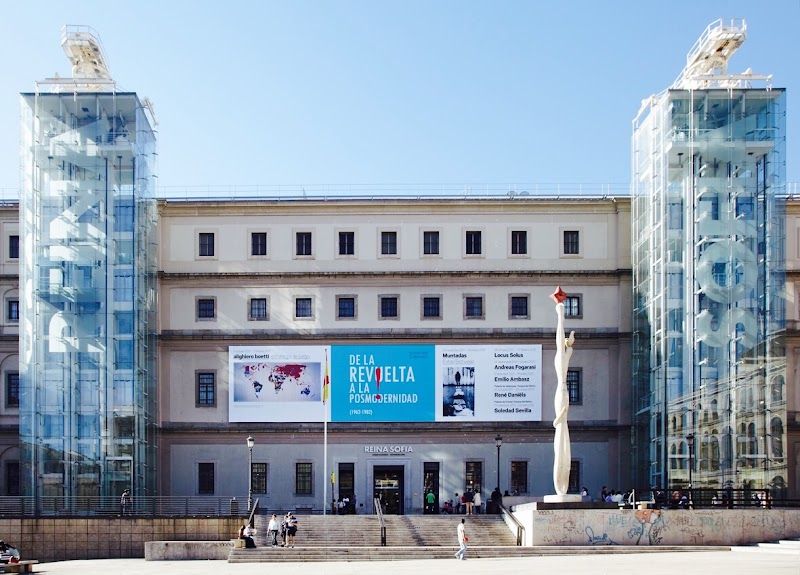
Museo Reina Sofia
The Reina Sofia exists because of one painting: Picasso's Guernica. It is bigger and more devastating than any photo prepares you for, filling an entire wall in Room 205 on the second floor. The painting documents the 1937 bombing of the Basque town of Guernica by Nazi and Italian fascist warplanes at Franco's request. Picasso painted it in five weeks in Paris. The room is kept deliberately quiet, with benches for sitting and absorbing. There is no audio guide commentary here, just the painting and your response to it. Around Guernica, Room 205 and the adjacent galleries display the studies and sketches Picasso made while working on the painting, plus photographs by Dora Maar documenting its creation. Seeing the process makes the finished work even more powerful. The rest of the second floor covers Spanish art from the early 20th century: Dali (including The Great Masturbator and The Enigma of Desire), Miro's colourful abstractions, and Juan Gris's cubist works that predate Picasso's more famous versions. The building itself is a former hospital, with the original 18th-century structure connected to a striking glass elevator tower designed by Jean Nouvel. The contemporary holdings in the Nouvel building (floor 0 and floor 1) include video installations, conceptual art, and temporary exhibitions that are often outstanding. The rooftop terrace in the Nouvel building has views over the Madrid rooftops. Entry EUR12. Free Monday and Wednesday to Saturday 7-9 PM. Free all day Sunday 1:30-7 PM. The back entrance on Ronda de Atocha is less crowded than the main entrance on Calle Santa Isabel.
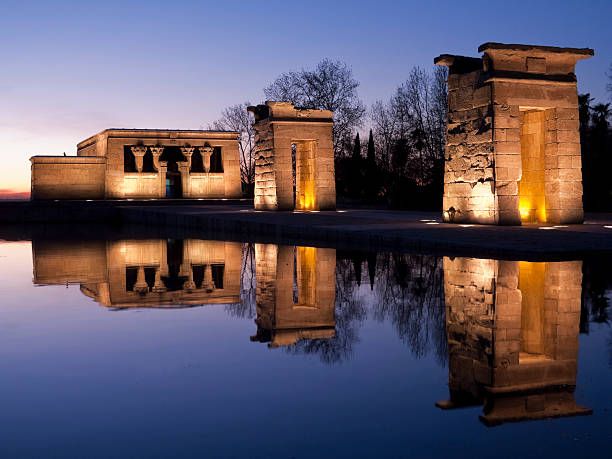
Templo de Debod
An actual Egyptian temple, built in the 2nd century BC and gifted to Spain by Egypt in 1968 as thanks for helping save the Abu Simbel temples from the Aswan Dam flooding. They disassembled it stone by stone, shipped it to Madrid, and reassembled it on a hill in Parque del Oeste, surrounded by reflecting pools that mirror the temple at golden hour. The whole thing sounds implausible, and standing in front of a 2,200-year-old Egyptian temple overlooking the Madrid skyline at sunset, it still feels implausible. The temple was originally dedicated to the gods Amun and Isis and sat near the first cataract of the Nile in southern Egypt. The interior is small (two rooms, free entry, limited capacity) and shows the original carved reliefs depicting Pharaonic offerings to the gods. The carvings are worn but readable, and the scale is intimate compared to the massive Egyptian temples that tourists visit in Luxor. But the real experience is outside. The west-facing position means the temple is perfectly backlit at sunset, silhouetted against the sky over the Casa de Campo forest. In summer, sunset is around 9:30 PM, which means you can have dinner first and still catch it. The reflecting pools double the image. The surrounding Parque del Oeste slopes down the hill with roses, fountains, and views that explain why this spot has been popular since Madrid was a small town. Free, always accessible from the outside. The interior has limited hours (check the Madrid city website). The Teleferico cable car station is a 5-minute walk away, making it easy to combine both in one afternoon visit.
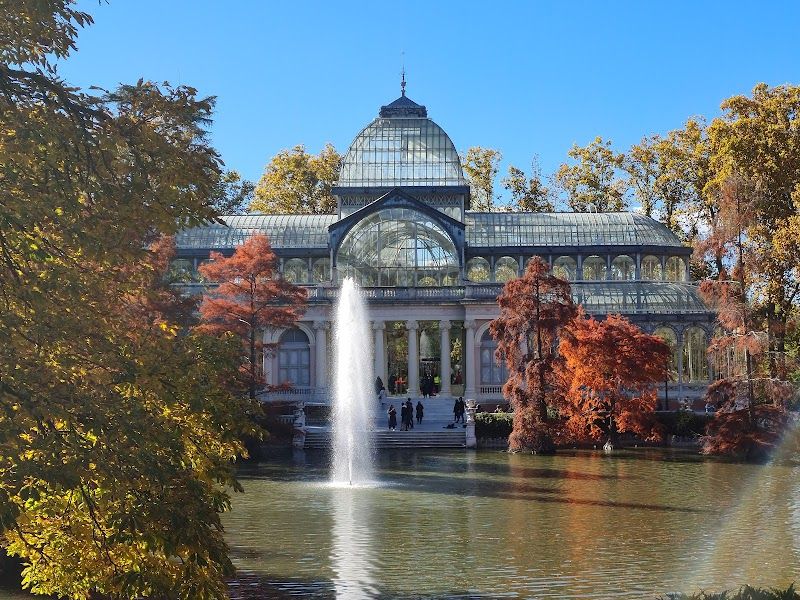
Palacio de Cristal
This glass and iron pavilion built in 1887 sits beside a tranquil lake in Retiro Park and serves as a contemporary art exhibition space for the Reina Sofía Museum. The transparent structure creates a magical interplay of light and reflections, making it one of Madrid's most photographed spots.
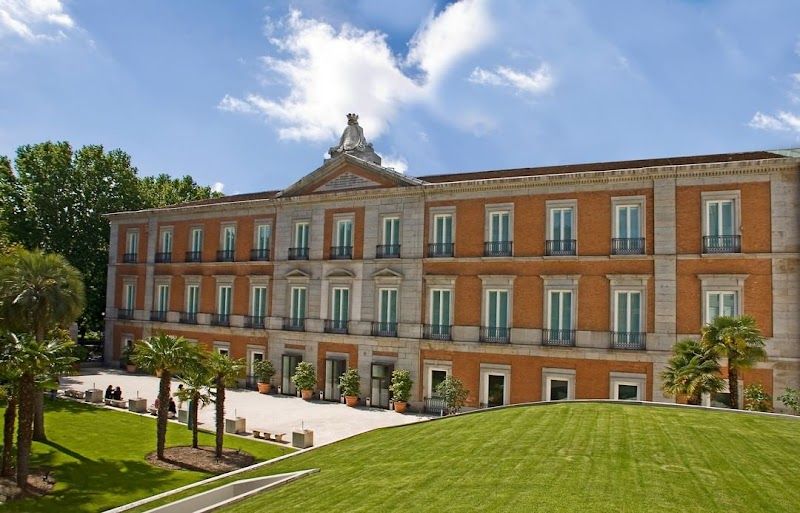
Museo Thyssen-Bornemisza
The Thyssen is the private collection that fills the gap between the Prado and the Reina Sofia. Where the Prado stops at the 19th century and the Reina Sofia starts at the 20th, the Thyssen covers everything: medieval altarpieces on the top floor, Dutch Golden Age masters and Italian Renaissance paintings on the second, Impressionists and Post-Impressionists in the middle, and German Expressionists, Pop Art, and Edward Hopper on the ground floor. The collection was assembled by Baron Hans Heinrich Thyssen-Bornemisza and his father over decades, buying art that other collectors overlooked. Spain acquired it in 1993 for a fraction of its value, and it sits in the Villahermosa Palace on the Paseo del Prado, five minutes from the Prado itself. Start on the top floor (floor 2) and work down chronologically. The flow is intuitive and the rooms are small enough that nothing feels overwhelming. The highlights that most visitors seek out: Hopper's Hotel Room (as lonely as you'd expect), Kirchner's Franzi in Front of a Carved Chair, Van Eyck's Annunciation Diptych, Caravaggio's Saint Catherine of Alexandria, and a strong Impressionist section with Monet, Renoir, and Degas. The Carmen Thyssen collection in the connected wing adds more Impressionists and 19th-century landscapes. Entry EUR13 for the permanent collection, more with temporary exhibitions. Free on Mondays noon-4 PM. The building is manageable in 2-3 hours, making it the most digestible of the three art triangle museums.
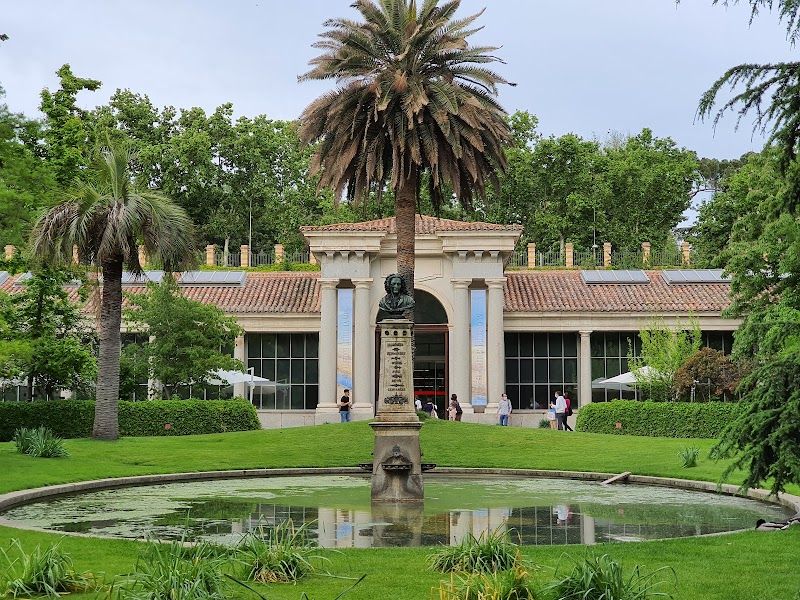
Real Jardín Botánico de Madrid
The Real Jardín Botánico feels like Madrid's best kept secret, even though it sits right next to the Prado Museum. Founded in 1755, this 20-hectare garden houses over 5,000 plant species arranged in thoughtfully designed sections: formal French parterres, rose gardens that peak in May, tropical greenhouses that stay warm year-round, and an impressive bonsai collection. You'll spend around 90 minutes wandering gravel paths that connect themed areas, from medicinal plants used by 18th-century apothecaries to exotic specimens collected from Spanish colonies. The experience feels remarkably peaceful considering you're in central Madrid. You enter through wrought-iron gates and immediately notice the careful landscaping: perfectly trimmed hedges frame colorful flower beds while mature trees provide shade over wooden benches. The greenhouse complex transports you to different climates, with humid tropical sections where orchids bloom year-round and desert areas filled with towering cacti. Spring brings crowds of locals picnicking on the lawns, but even then it never feels overwhelming. Entry costs €4 for adults, which makes this one of Madrid's best cultural bargains compared to the €15 Prado next door. Most visitors rush through in 45 minutes, but you'll miss the seasonal rotations and small details that make this special. Skip the northern sections in winter when many outdoor plants look dormant, and focus your time on the greenhouses and the beautiful Villanueva Pavilion, which hosts rotating botanical art exhibitions that most tourists walk right past.
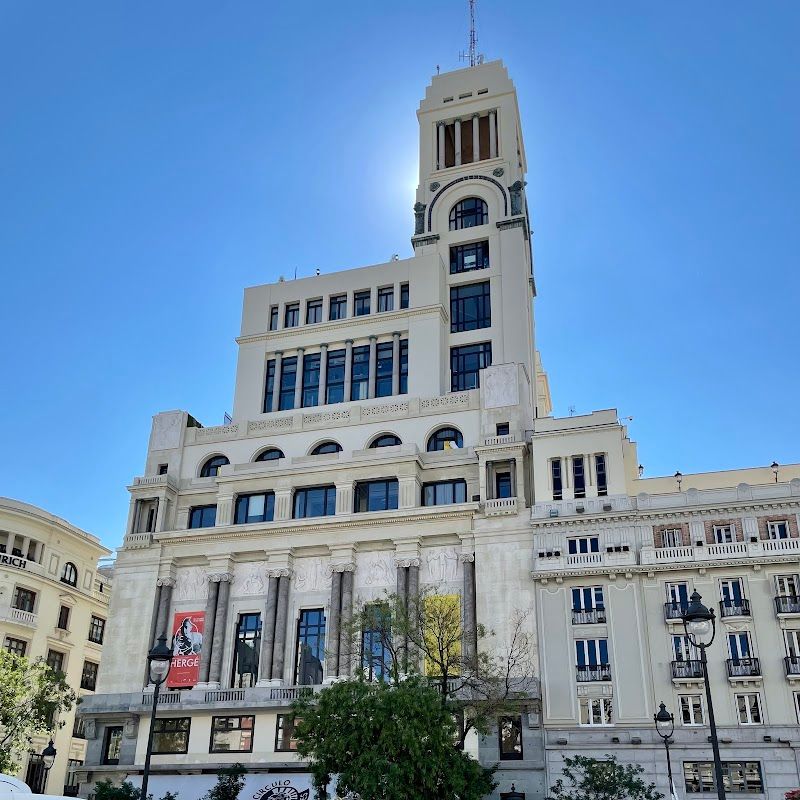
Círculo de Bellas Artes
Círculo de Bellas Artes is a 1920s cultural center that happens to have Madrid's best 360-degree rooftop terrace, accessible for just 5 EUR (includes one drink). You'll get sweeping views over Gran Vía, the Royal Palace, and Retiro Park from the seventh floor of this neo-classical building. The cultural programming downstairs is decent but forgettable: the rooftop is why you're here. Taking the small elevator up feels like entering a secret club, and stepping onto the terrace delivers that perfect Madrid moment. The wraparound views stretch in every direction, with the golden dome of Metropolis building gleaming below and the mountains visible on clear days. The rooftop bar serves overpriced drinks, but your entry fee covers one, so grab it and claim a spot along the railing. Wind can be fierce up here, especially in winter. Most travel guides oversell the cultural center aspect: skip the exhibitions and head straight up. The 5 EUR entry is Madrid's best viewpoint bargain, but timing matters enormously. Sunset draws massive crowds, and the space fills fast. If you're here for photos, early morning or late afternoon on weekdays gives you breathing room. The drink included isn't great, but the views make terrible wine taste better.
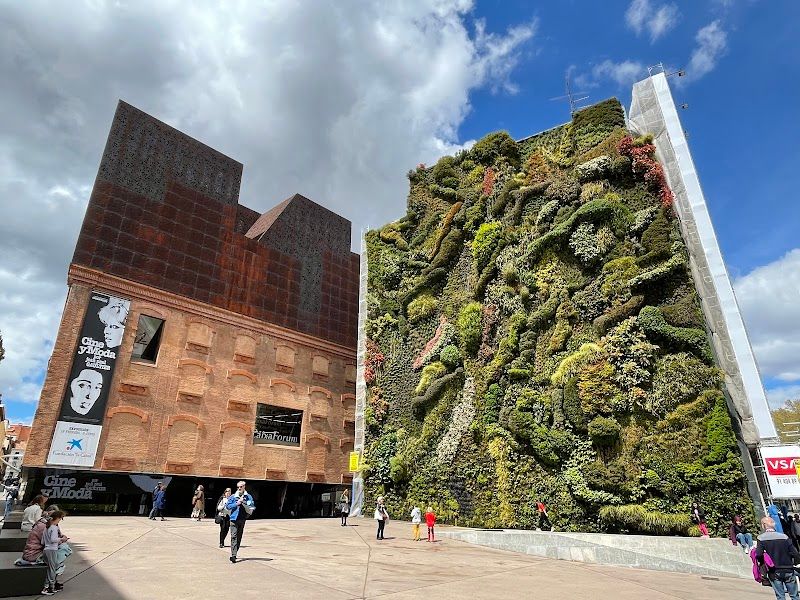
CaixaForum Madrid
A converted power station on the Paseo del Arte with a vertical garden by Patrick Blanc covering its exterior wall. The building appears to float above street level, with the original brick facade suspended above a public plaza. The architectural trick is impressive enough to draw crowds who never go inside, but the exhibitions are worth entering. CaixaForum is funded by La Caixa Foundation, one of Spain's largest cultural patrons, and hosts rotating exhibitions that range from photography and design to fine art retrospectives. Past shows have included Ai Weiwei, Cezanne, Greek sculpture, and immersive digital art. The quality is consistently high and the curation is more accessible than the Reina Sofia's contemporary holdings. Entry EUR6, with discounts for students and under-16s. The bookshop is excellent. The cafe on the top floor has a terrace with views toward the Retiro and the Botanical Garden. Free events including concerts, lectures, and children's workshops are scheduled regularly. The vertical garden on the exterior is 24 metres tall, contains 15,000 plants of 250 species, and is maintained by a drip irrigation system that keeps it green year-round. It is one of the most photographed facades in Madrid and worth walking past even if you don't go inside.
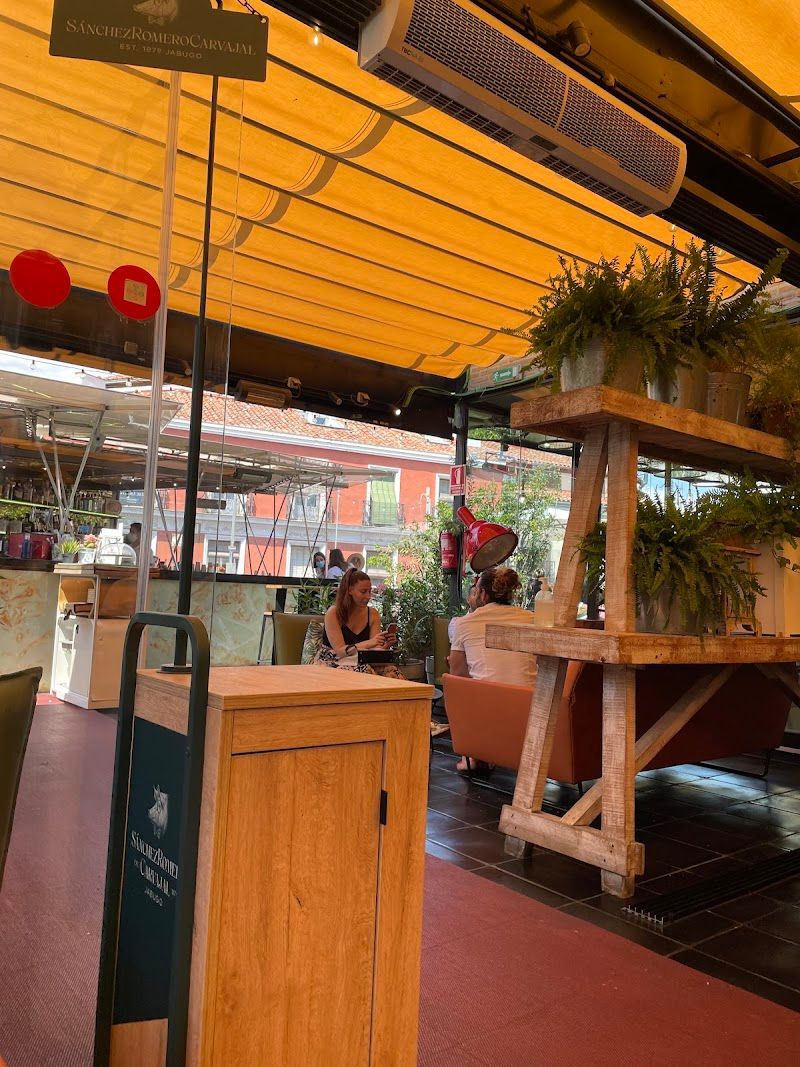
Mercado de San Antón
Mercado de San Antón transforms the traditional Spanish market concept into a three-story food destination that actually works. The ground floor operates like a proper neighborhood market with fresh produce, meats, and seafood where locals do their daily shopping. The second floor houses about a dozen gourmet food stalls serving everything from Japanese katsu sandwiches (8-12 EUR) to traditional Spanish tortilla, plus a well-stocked wine bar. The rooftop terrace restaurant offers full meals and cocktails with unobstructed views across Chueca's low-rise buildings. You'll find yourself moving naturally between floors, grabbing ingredients downstairs, sampling tapas on level two, then settling in upstairs with a drink. The atmosphere shifts throughout the day: morning brings serious shoppers and coffee drinkers, lunch draws office workers to the food stalls, and evenings see the rooftop fill with groups sharing wine and small plates. The building itself feels genuinely modern without trying too hard, with wide aisles and good lighting that make browsing comfortable. Most travel guides oversell this as some revolutionary concept, but it's simply a well-executed market with decent food options. The ground floor prices match regular Madrid markets, but food stalls upstairs charge restaurant prices (12-18 EUR for mains). Skip the full dinner on the rooftop, it's overpriced and underwhelming. Instead, buy cheese and wine downstairs, grab a table upstairs, and enjoy the view for a fraction of the cost.
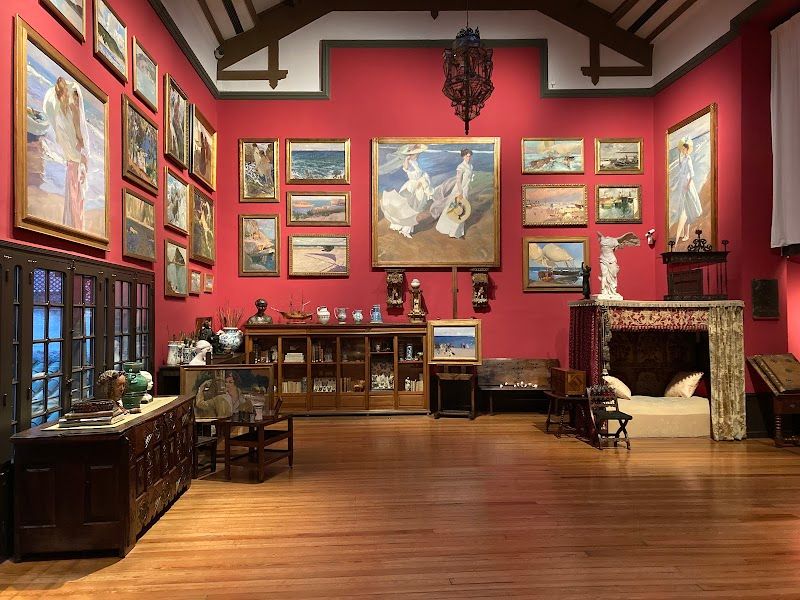
Sorolla Museum (Museo Sorolla)
A genuine hidden treasure that sits quietly in Chamberi while tourists crowd the Prado. This is the actual house of Joaquin Sorolla, the Valencian painter known for capturing Mediterranean light with a brushwork that makes you squint. His canvases still hang on the walls where he placed them, in rooms where the natural light comes through the same windows he used as a studio. Seeing beach scenes painted with sunlight while standing in the room where he painted them is an experience that no major museum can replicate. Sorolla lived and worked here from 1911 until his death in 1923. The house was designed around his painting practice: the ground-floor studio has enormous north-facing windows for even light, and the paintings on display include his most famous beach scenes from Valencia, portraits of his family, and the massive canvases he painted for the Hispanic Society of America in New York (studies for which hang in the hallways). The garden, designed by Sorolla himself, is a pocket of Valencia in the middle of Madrid. Three connected garden spaces with Andalusian tiles, fountains, climbing jasmine, orange trees, and the sound of water. In spring and summer, the garden smells like the Mediterranean. It is as much the experience as the paintings. Entry EUR3, which is absurdly cheap for what you get. Free on Saturdays after 2 PM. Allow 60-90 minutes. The gift shop has beautiful postcards of his beach paintings and a good selection of art books on the Spanish Impressionist movement.
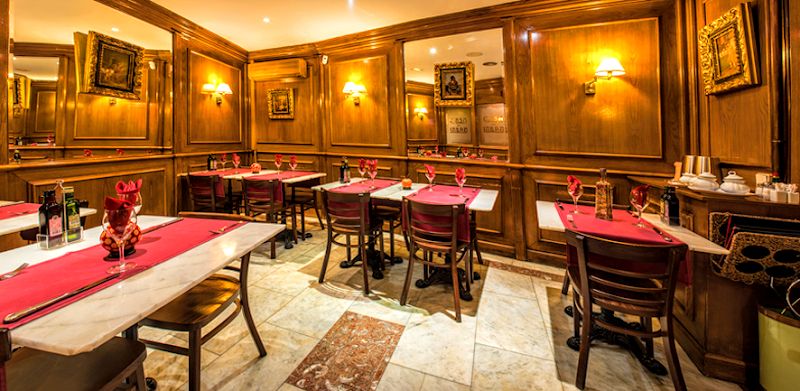
Casa Labra
Founded in 1860, this historic taberna is legendary for its bacalao (salt cod) croquetas and skewered cod bites. The small standing-room bar maintains its original marble counters and vintage tile work, serving the same recipes that have made it a Madrid institution for over 160 years.
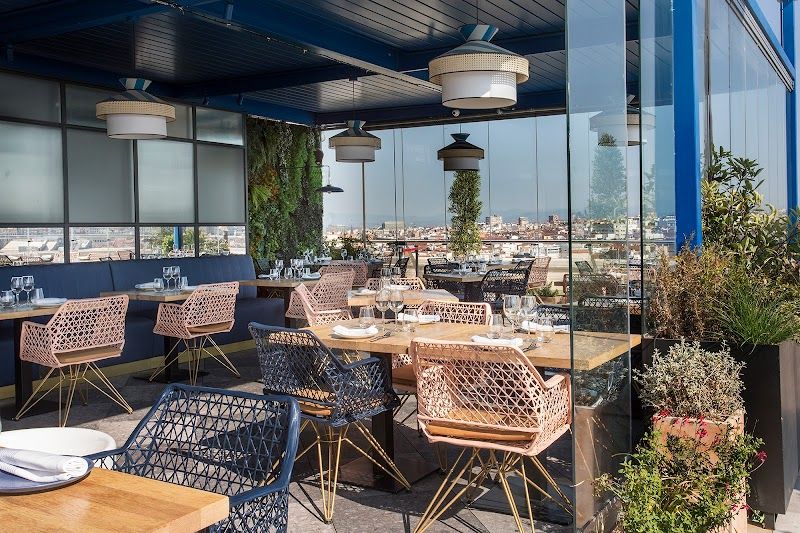
Azotea del Círculo de Bellas Artes
This stunning rooftop terrace sits atop a 1926 cultural center and offers 360-degree views of Madrid's skyline, including close-ups of the Metropolis Building and distant views of the Royal Palace. The rooftop bar serves cocktails and light bites until late, making it perfect for sunset drinks or nighttime city views. A small entrance fee grants access to the terrace even if you don't consume anything.
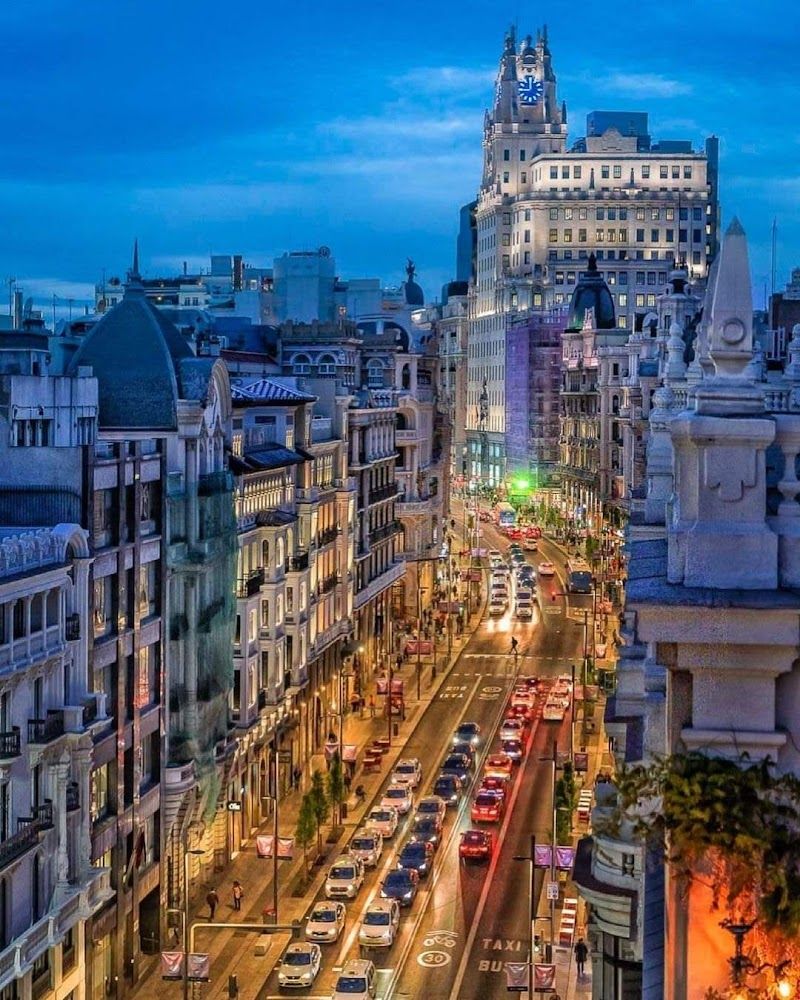
Gran Vía
Madrid's Broadway: a boulevard of gorgeous early 20th-century buildings that runs from Plaza de Espana to Calle de Alcala. Built between 1910 and 1929, Gran Via was Madrid's answer to the Haussmann boulevards of Paris, cutting through the medieval street grid to create a wide, modern thoroughfare for cars, trams, and commerce. The architecture is the attraction: a mix of Beaux-Arts, Art Deco, and early modernist styles that makes the street feel like a built catalog of early 20th-century design. The standout buildings include the Edificio Telefonica (1929, Spain's first skyscraper and the tallest building in Europe when it opened), the Edificio Metropolis at the corner of Calle de Alcala (with its winged Victory statue on top, beautifully illuminated at night), the former Capitol cinema (now a Primark, worth entering just for the interior), and the Edificio Grassy with its clock tower. Today Gran Via is shopping (Zara flagship, H&M, Primark), rooftop bars (several hotels along the street have terraces with skyline views that are open to non-guests), theatres (Madrid's main musical theatre district), and a permanent crowd of shoppers and tourists. Walk it end to end at least once, preferably at dusk when the buildings are illuminated and the Edificio Metropolis dome glows against the darkening sky. The best view of Gran Via is not from the street itself but from the Circulo de Bellas Artes rooftop (EUR5 entry) at the Alcala end, or from the rooftop of the Hotel RIU Plaza at the Plaza de Espana end.
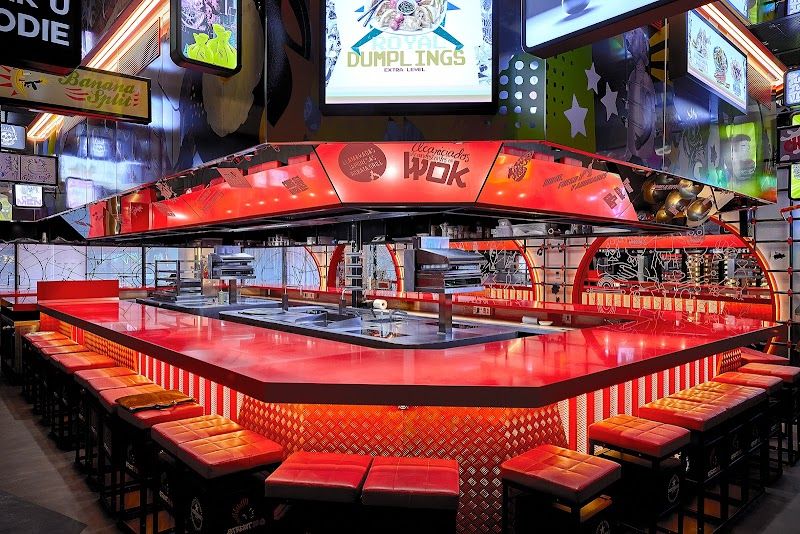
StreetXO
Dabiz Muñoz's casual Asian-fusion spot serves creative small plates like Pekinese dumplings and Korean bao in a vibrant, club-like atmosphere. This is haute cuisine deconstructed into street food format, with bold flavors and theatrical presentations at a fraction of his three-Michelin-star DiverXO prices.
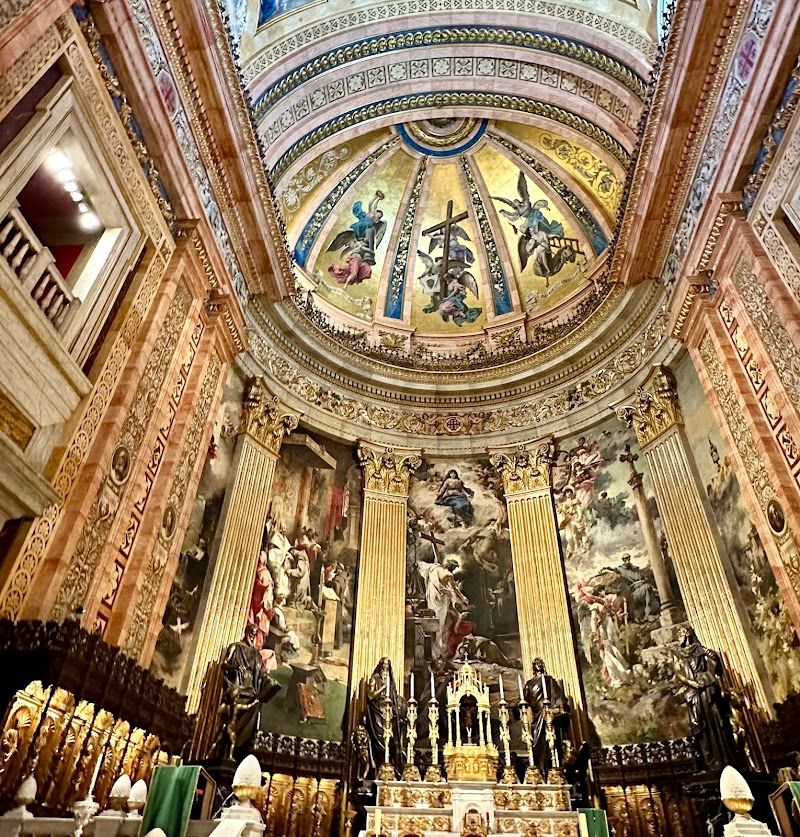
Basílica de San Francisco el Grande
This 18th century basilica houses Spain's largest dome at 33 meters across, actually bigger than St. Paul's in London. You'll walk through seven lavishly decorated chapels arranged in a perfect circle, each telling different religious stories through massive oil paintings. The real draw is Goya's early work in the San Bernardino chapel, where he painted himself as a young man into a scene of St. Bernardino preaching. Zurbarán's intense religious scenes and works by other Spanish masters fill the remaining chapels. The circular layout creates an unusual flow where you move clockwise through increasingly ornate spaces. The dome dominates everything, its coffered ceiling drawing your eyes upward constantly. Most visitors spend their time craning their necks, but the chapel paintings deserve equal attention. The acoustics are remarkable: whispers carry across the central space while footsteps echo off marble floors. Guided tours take you up into the dome structure and through museum rooms that independent visitors can't access. Most travel guides oversell this as a rival to major European basilicas, but that misses the point. It's genuinely underrated precisely because it's not trying to compete with the Prado or Royal Palace. Entry costs 5 EUR, guided tours are 10 EUR and worth it for dome access alone. Skip the audio guide and focus on the Goya chapel and dome details. The gift shop is overpriced tourist trinkets, but the small museum upstairs has fascinating architectural drawings.
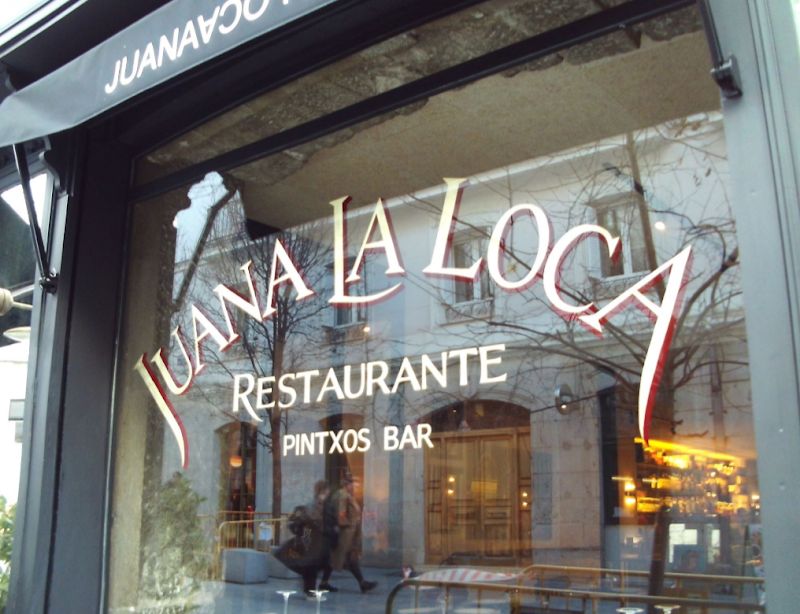
Juana La Loca
This La Latina pintxos bar is famous for its towering tortilla de patatas, served in thick slices with creative toppings. The place fills up quickly with locals who come specifically for the potato omelette variations, from classic to versions topped with caramelized onions or prawns.
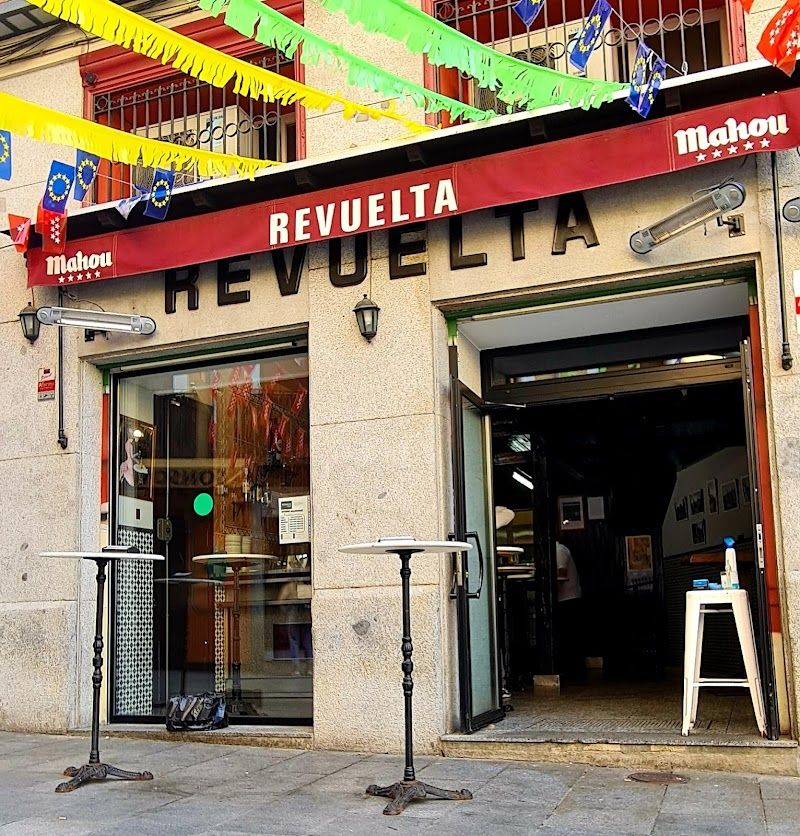
Casa Revuelta
Operating since 1949, this tiny standing-room-only bar serves some of Madrid's best bacalao frito (fried cod) in crispy battered portions. Located near Plaza Mayor, it maintains an authentic neighborhood feel despite its central location, with locals elbowing in for quick tapas at lunch.
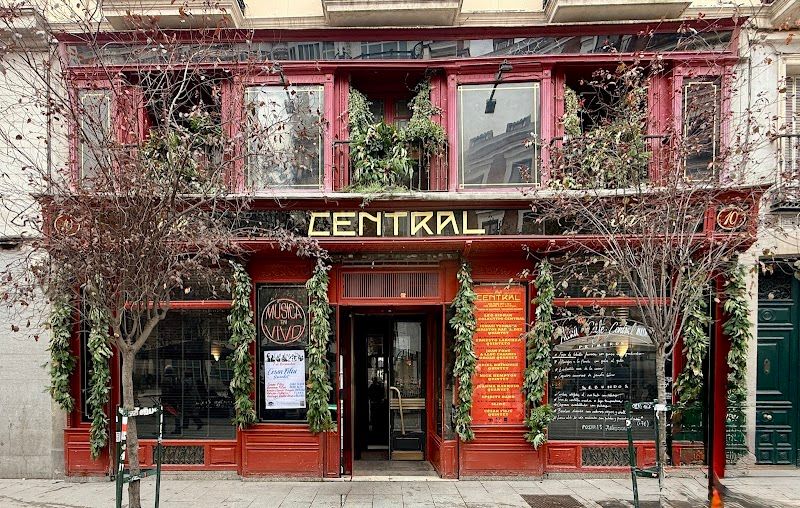
Café Central
This Art Deco jazz club has been hosting world-class live jazz performances every night since 1982. The intimate 150-seat venue features two sets nightly starting around 9pm and 10:30pm, with performances ranging from bebop to contemporary jazz. It's consistently ranked among Europe's best jazz clubs and maintains an authentic atmosphere without tourist gimmicks.
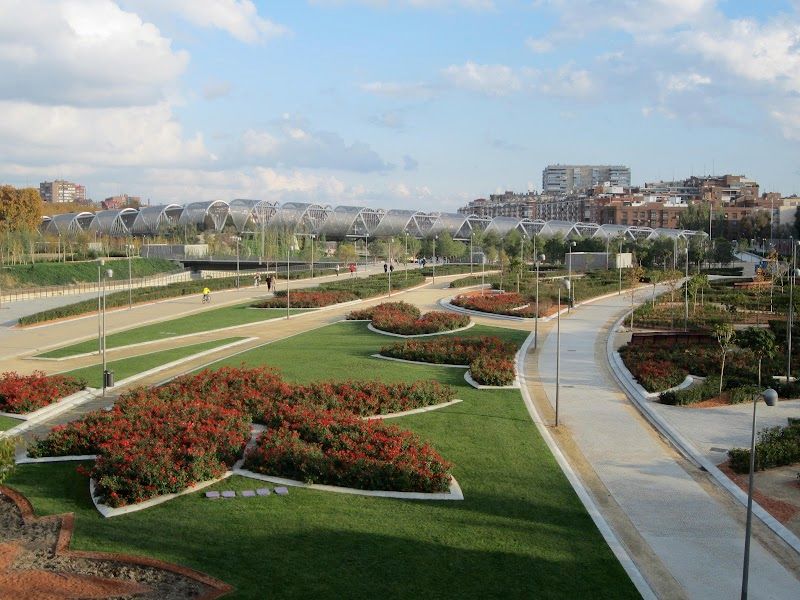
Madrid Río
Madrid Río transformed what was once a highway-divided wasteland into 10 kilometers of linear park following the Manzanares River. You'll find dedicated cycling lanes, skateboard parks, beach volleyball courts, and artificial sandy areas that locals call "Madrid Beach" during summer months. The standout feature is Dominique Perrault's spiraling Arganzuela footbridge, which offers elevated views over the river and connects both sides of the park seamlessly. The atmosphere changes dramatically depending on where you enter. The northern sections near Príncipe Pío feel more manicured with geometric gardens and modern playgrounds, while the southern stretches past Matadero have a rawer, more industrial vibe. Families dominate weekend mornings with kids on bikes and picnic blankets spread under plane trees. The riverside cafés get packed during evening aperitivo hours, especially around sunset when joggers and cyclists create a steady stream of activity. Most visitors stick to the central area near the bridges and miss the best parts. The section between Puente de Segovia and Puente de Toledo offers the most interesting mix of activities without feeling overcrowded. Skip the northern end near Moncloa, it's bland and windy. The outdoor gym equipment is decent but gets busy after 7pm. Bike rental costs about 3-4 EUR per hour at various stations, though weekend availability can be spotty.
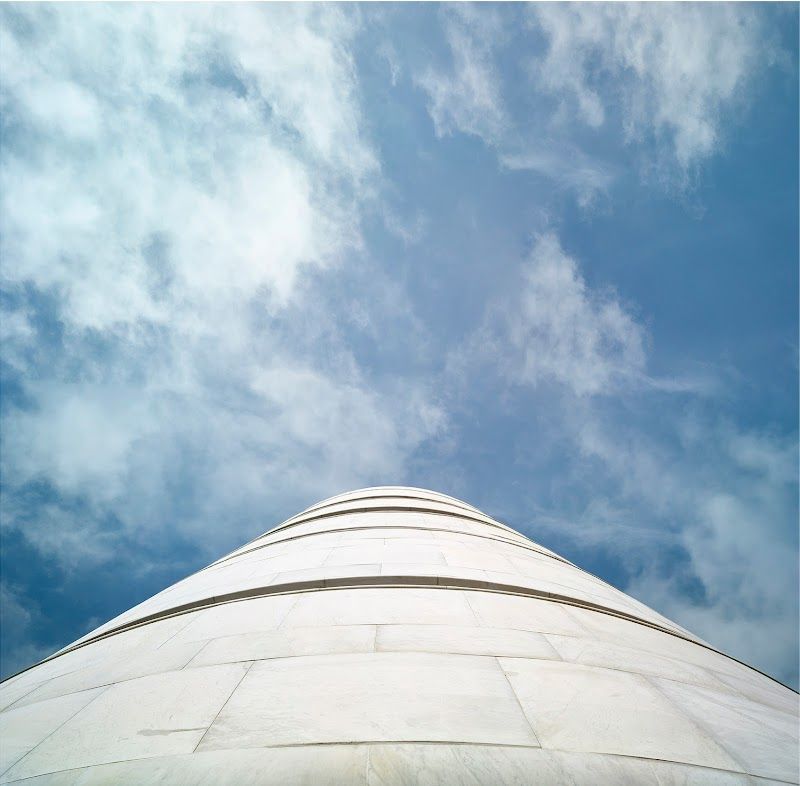
Fundación Juan March
Fundación Juan March houses one of Spain's finest private art collections in a stark concrete building that perfectly complements its modern masterpieces. You'll find rotating exhibitions featuring works by Picasso, Miró, Dalí, and Chillida, plus international contemporary artists you won't see elsewhere in Madrid. The foundation also hosts exceptional classical concerts in their intimate auditorium, making this a rare combination of visual and performing arts under one roof. The gallery spaces feel refreshingly uncrowded compared to the Prado or Reina Sofía, letting you actually contemplate the art without fighting tourists for viewing space. The brutalist architecture from 1975 creates dramatic shadows and clean lines that frame the artwork beautifully. Each floor flows logically, and the lighting is superb, especially for photography. The acoustic-perfect concert hall seats just 200 people, creating an unusually intimate classical music experience. Most guidebooks barely mention this place, which keeps it blissfully quiet even on weekends. The permanent collection rotates every few months, so return visits always offer something new. Skip the top floor if you're short on time, the second floor typically houses the strongest pieces. Everything is completely free, including concerts, making this Madrid's best cultural bargain.
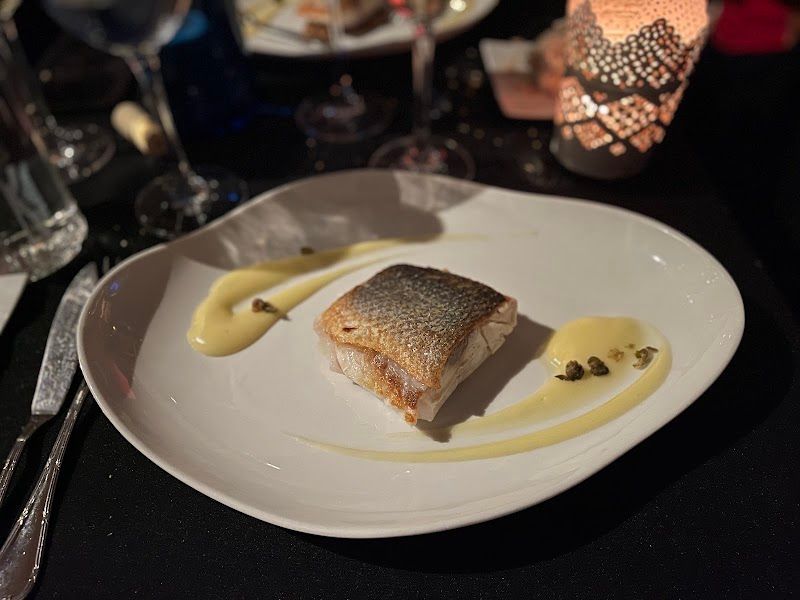
Corral de la Morería
The most famous flamenco tablao in Madrid, operating since 1956 and consistently rated among the best flamenco venues in Spain. The intimate space seats about 80 people at small tables arranged around a wooden stage, close enough that you can hear the dancers' feet striking the floor and the singer's breathing between verses. The performers are professionals at the top of their craft: bailaores (dancers) whose footwork is a percussion instrument, cantaores (singers) whose raw vocals carry the emotional weight, and guitarists who provide the rhythmic foundation. A typical show lasts 60-90 minutes and features multiple performers, usually three to five artists rotating through different palos (flamenco styles) from the joyful bulerias to the deep, sorrowful solea. Flamenco in this setting is not a tourist performance; it is a living art form that requires silence and attention from the audience. The best moments are the quietest ones, when a singer's voice cracks with genuine emotion and the room holds its breath. Show-only tickets run EUR25-45 depending on the night and seat location. Dinner-and-show packages (EUR50-90) include a multi-course meal but the food is secondary to the performance. The show-only option is better value and lets you eat dinner beforehand at a better restaurant. Shows typically start at 8 PM and 10 PM. The late show tends to have better energy. Other excellent Madrid tablaos include Cardamomo (smaller, more intimate, good quality), Casa Patas (now reopened, the musicians' favourite), and Torres Bermejas (larger, more theatrical). But Corral de la Moreria is the benchmark.
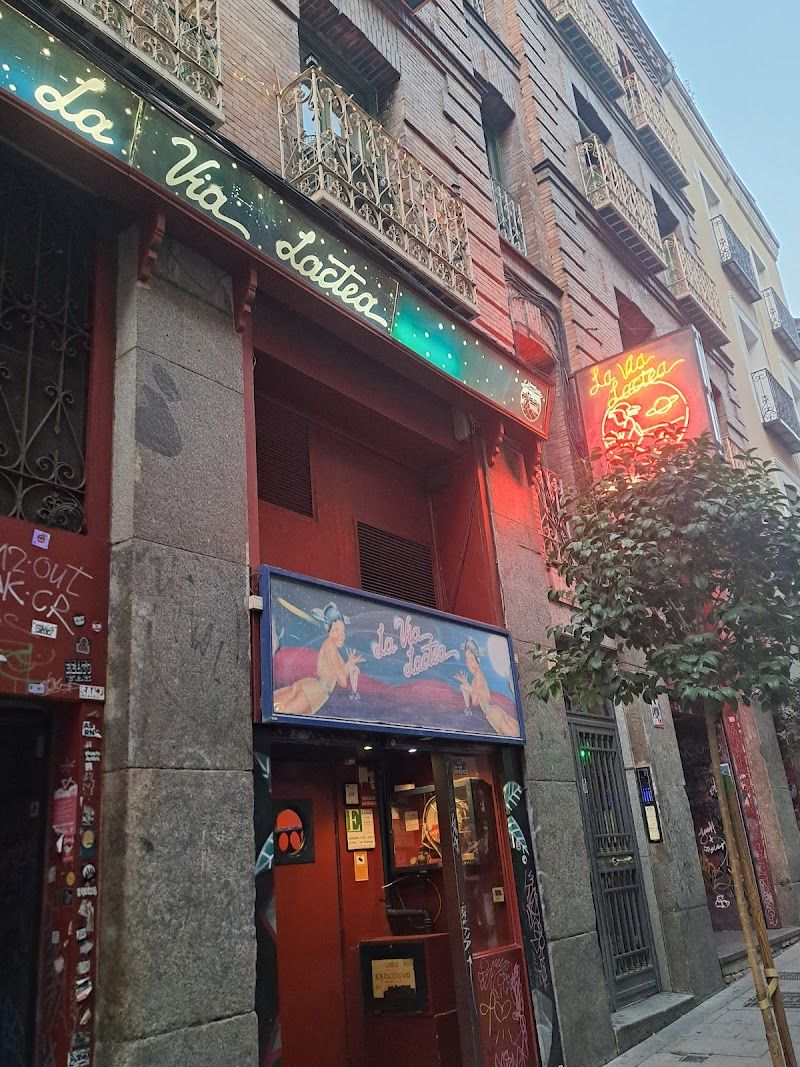
La Vía Láctea
A grungy Malasaña institution since 1979 that epitomizes the Movida Madrileña counterculture movement. The walls are plastered with concert posters and graffiti, the bathrooms are legendary for their chaotic decor, and the crowd is a mix of old-school punks and young indie kids. DJs spin rock, punk, and alternative music until 3:30am on weekends.
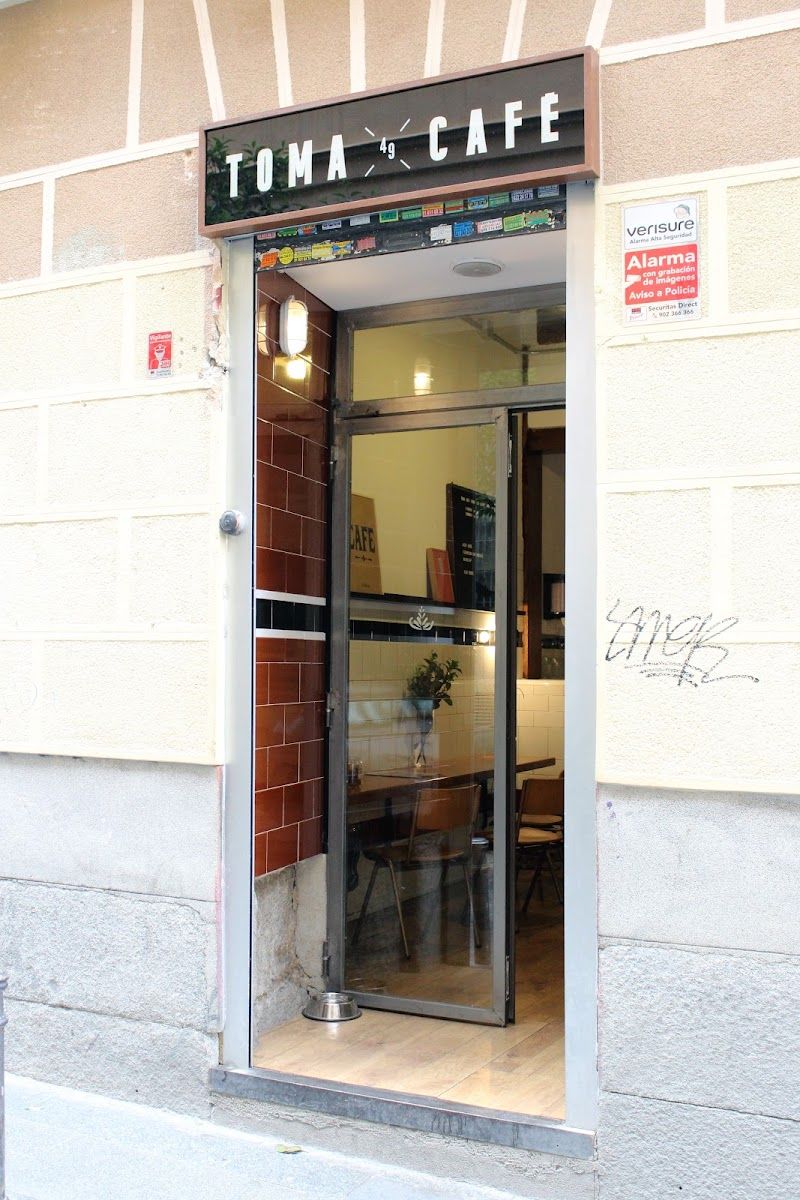
Toma Café
Pioneering third-wave coffee roaster in Malasaña with a no-nonsense focus on bean quality and extraction methods. Baristas explain single-origin profiles and brewing techniques while pulling espresso on a vintage La Marzocco. The tiny space has just a few stools and standing room.
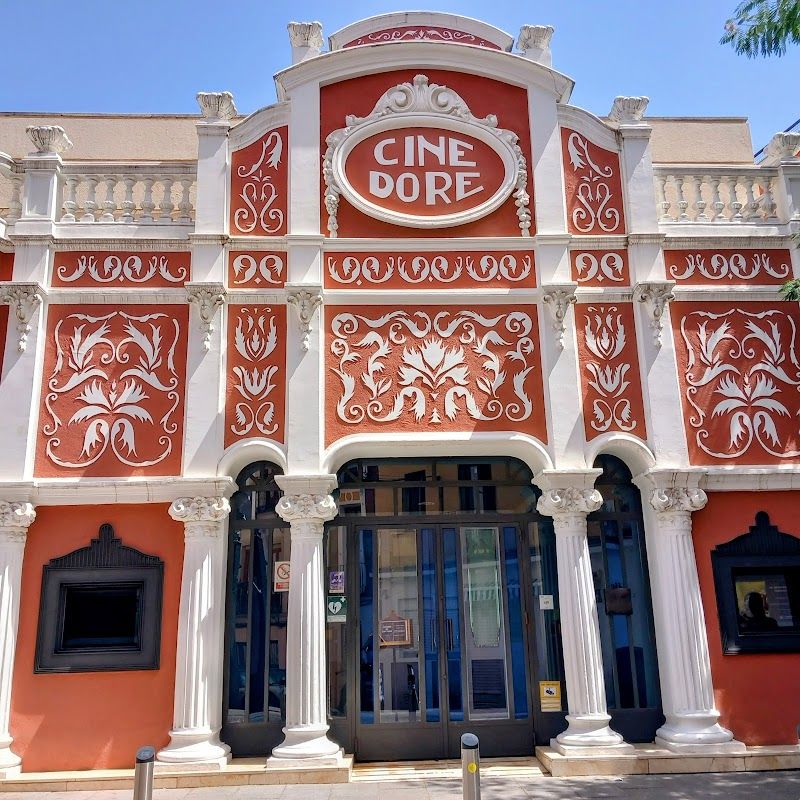
Cine Doré - Filmoteca Española
Cine Doré houses Spain's national film archive in a 1923 Art Deco building that is one of Madrid's most beautiful cinemas. You're not just watching films here, you're experiencing cinema history in original language screenings of classics, retrospectives, and international arthouse films that rarely play elsewhere in the city. The programming is exceptional, including complete Bergman cycles, restored silent films with live piano, and contemporary festival winners months before they hit commercial theaters. The experience starts in the lobby with its period tiles and curved staircase, then continues into screening rooms that feel authentically vintage without being uncomfortable. Between films, the outdoor terrace becomes Madrid's most civilized pre-show gathering spot, where film buffs discuss the evening's program over reasonably priced drinks. The atmosphere is serious about cinema but never pretentious, attracting everyone from film students to elderly cinephiles who've been regulars for decades. Most guides don't mention that single tickets cost around 4 EUR, making this very good value for the quality of programming and venue. The monthly pass at 20 EUR is the city's best cultural bargain if you're staying longer than a week. Skip the weekend evening screenings if you want seats, as popular retrospectives sell out. The terrace café serves decent wine and simple tapas, but eat dinner elsewhere.
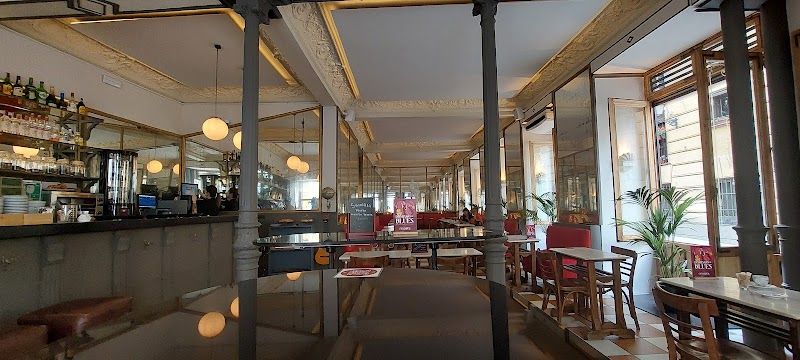
Café Barbieri
Historic café from 1902 with stunning original belle époque decor including marble tables and red velvet seats. A meeting point for artists, intellectuals, and locals in the heart of Lavapiés. Serves excellent vermut and traditional café fare in a beautifully preserved setting.
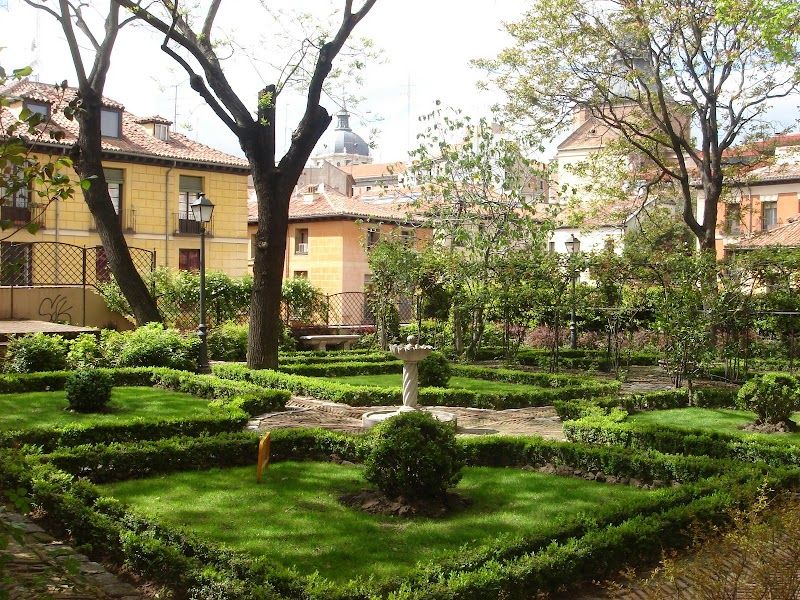
Jardín del Príncipe de Anglona
This tiny 18th century palace garden sits behind an unmarked door on Plaza de la Paja, preserved exactly as it was when built for the Prince of Anglona in 1750. You'll find formal French parterre gardens with perfectly trimmed boxwood hedges forming geometric patterns, a central fountain, and climbing roses that explode with color in May and June. The space is no bigger than a large backyard, but every corner follows strict neoclassical principles with stone benches positioned for contemplating the symmetrical plantings. Walking through feels like discovering a private courtyard that time forgot. The high walls block out all street noise from the surrounding tapas district, creating an almost monastery-like quiet that's rare in central Madrid. You can circle the entire garden in five minutes, but most people end up sitting on one of the stone benches just absorbing the peaceful atmosphere. The contrast with the medieval streets outside is striking, you're literally stepping from cobblestones into 18th century aristocratic refinement. Most guidebooks oversell this as a major attraction when it's really a five minute detour that's lovely if you're already exploring La Latina. The garden is free but closes at sunset, and honestly there's not much to see outside of spring when the roses bloom. Skip it if you're pressed for time, but it's perfect for a quick breather between the Mercado de la Cebada and dinner in the neighborhood.
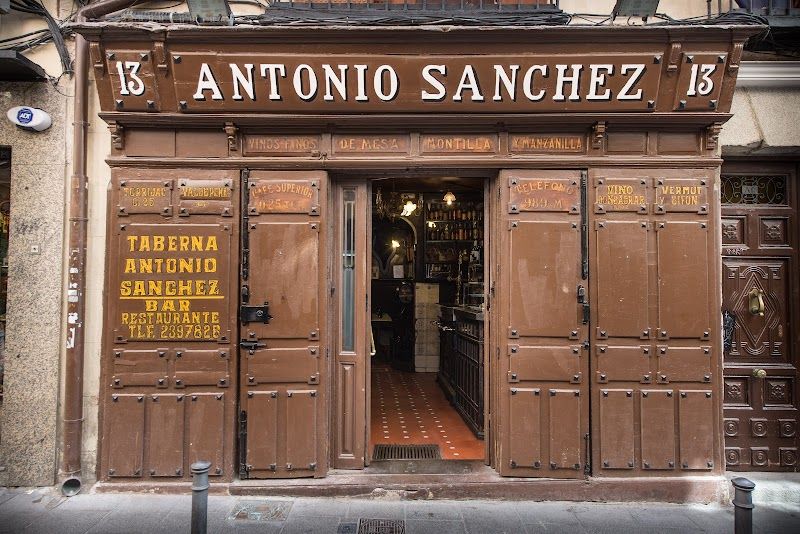
Taberna de Antonio Sánchez
Historic tavern dating back to 1830, one of Madrid's oldest. Famous for bullfighting memorabilia and traditional Castilian dishes like rabo de toro (oxtail stew). The interior maintains its original 19th-century charm with tiled walls and wooden bar.
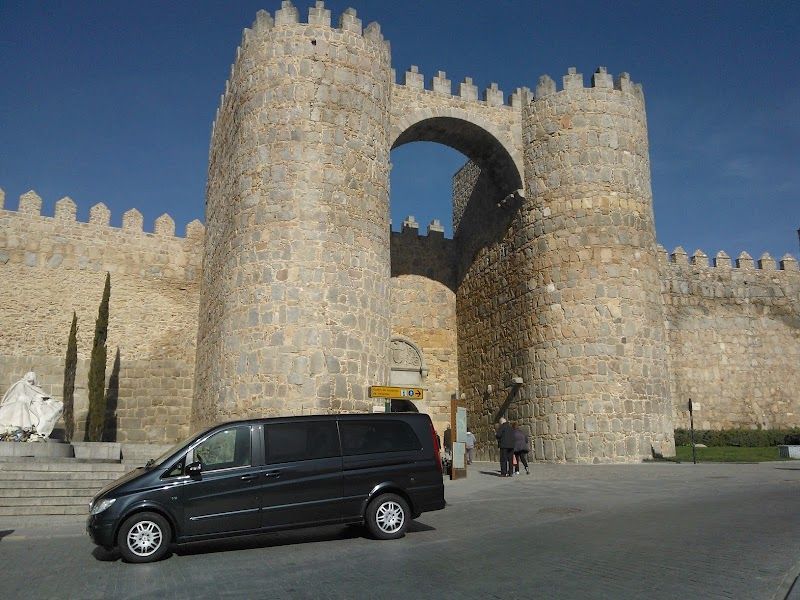
Segovia Day Trip from Madrid
This nine-hour guided tour takes you to medieval Segovia, home to Spain's best-preserved Roman aqueduct and a fairy-tale castle that inspired Disney's Sleeping Beauty. You'll see the 2,000-year-old aqueduct stretching across Plaza del Azoguejo, explore the last Gothic cathedral built in Spain, and tour the Alcázar fortress with its distinctive conical towers. The highlight is lunch at a traditional restaurant where cochinillo asado (roast suckling pig) is carved ceremonially with a plate, not a knife. Your day starts with a comfortable coach ride through Castilian countryside before arriving in Segovia's old town. The Roman aqueduct hits you immediately: 167 arches of granite blocks fitted without mortar, still standing after two millennia. Inside the cathedral, light filters through beautifully preserved stained glass while your guide explains why it took 200 years to complete. The Alcázar tour reveals opulent Mudéjar ceilings and armor collections, plus panoramic views from the tower that require climbing 152 narrow stone steps. Most tours rush the aqueduct for photos, but spend time walking its length to appreciate the engineering. Skip the cathedral's museum (overpriced at 3 EUR) and focus on the main nave and chapels. The cochinillo lunch is genuinely special, though vegetarians get bland alternatives. Tours cost around 75-85 EUR including transport and lunch. Book directly with operators like Julia Travel or Pullmantur rather than hotel concierges who add 15-20 EUR markup.
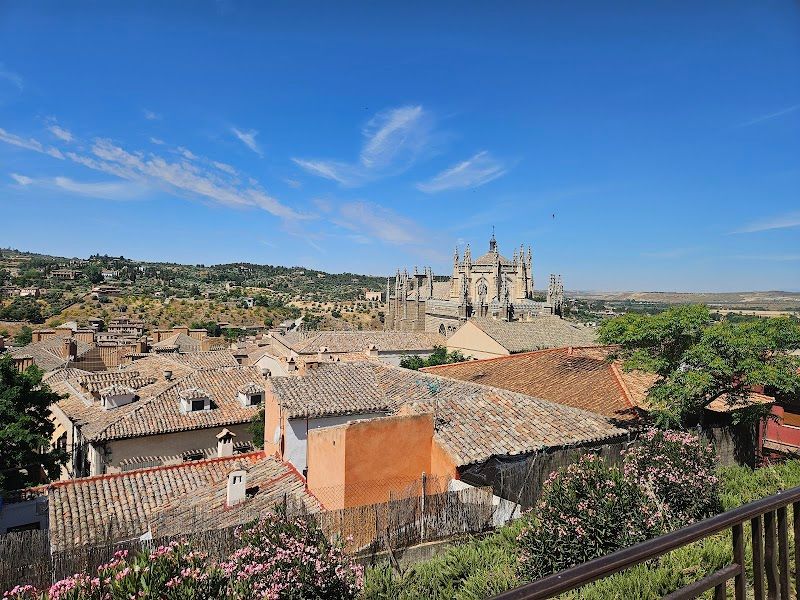
Prado Museum Private Tour
The Prado's private tour cuts straight to the masterpieces without the usual crowd-fighting chaos. Your art historian guide walks you through Velázquez's Las Meninas, Goya's disturbing Black Paintings, and Bosch's trippy Garden of Earthly Delights while explaining the royal obsessions and political intrigue behind each piece. You'll cover about 40 works in two hours, focusing on the Spanish masters that make this collection unique from the Louvre or Met. The experience feels like having a professor friend show you their favorite paintings. Your guide stops crowds from forming behind you, points out details you'd never notice (like hidden faces in Bosch's panels), and explains why Philip IV collected so many Titians. The galleries stay relatively quiet in morning slots, and you'll move through rooms most group tours skip entirely. The expertise level varies wildly between guides, so requesting specialists pays off. Most tour companies oversell this as covering "all the highlights" but two hours barely scratches the surface of 8,000 works. Private tours run 180 to 280 EUR for up to 8 people, making groups worthwhile. Skip the add-on Royal Palace combo, it's rushed and overpriced. Book morning slots before 11am when lighting is better and crowds lighter.
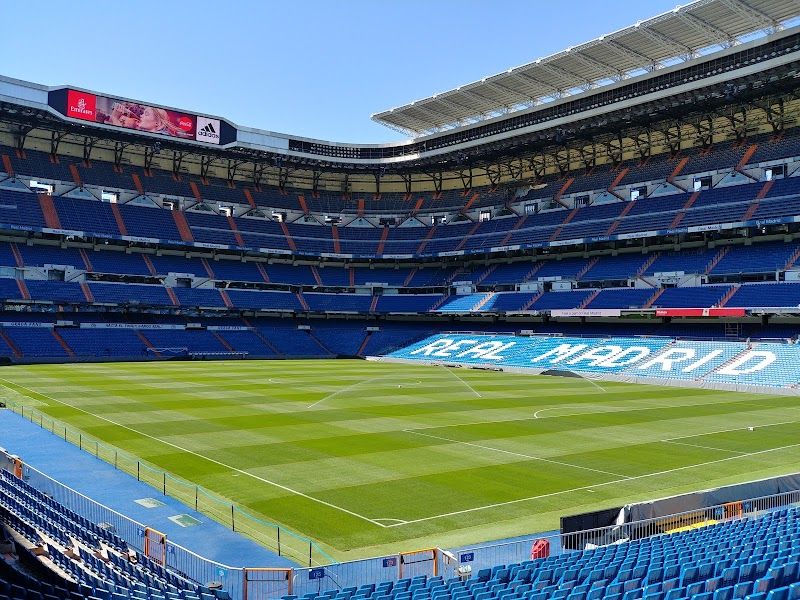
Santiago Bernabeu Stadium Tour
The Santiago Bernabéu is Real Madrid's home stadium, a €1.2 billion football facility reopened in 2023 with a retractable roof and underground pitch. The €25 tour covers the trophy room, featuring 15 Champions League cups, the players' tunnel with ambient crowd noises through speakers, the dugouts, and the presidential box with leather armchairs and panoramic views. The museum showcases over a century of Real Madrid history, including black and white photos from the 1950s and Cristiano Ronaldo's Ballon d'Or collection. The tour takes you through Madrid's golden eras in chronological order. Emerging from the tunnel onto the pitch gives you an immediate sense of the scale, even without 81,000 fans present. The trophy room is lit by LED lights and is a popular spot for photos with replica trophies. The panoramic terrace offers views of Madrid's skyline, and the new Sky Bar provides the best photo opportunity in the stadium. While €25 may seem steep for a 90-minute tour, the renovation gives it a tech showcase feel. You can skip the overpriced club shop unless you need authentic jerseys (€90-150). The audio guide is not always narrated concisely, so it's best to move at your own pace. Book online to avoid disappointment, especially during El Clásico weeks when tours are suspended. The trophy room alone justifies the price if you have even a passing interest in football.
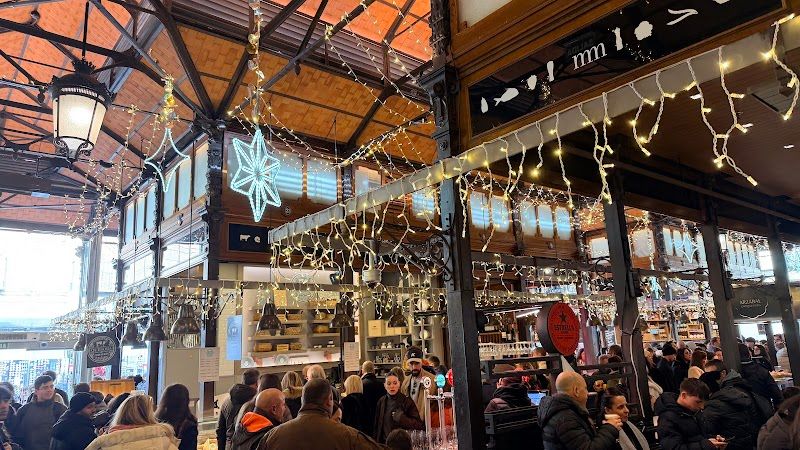
Mercado de San Miguel Food Tour
The Mercado de San Miguel food tour takes you through Madrid's oldest gourmet market. Located in a 1916 iron and glass structure, this historic site houses more than 30 specialty food stalls. You'll sample a selection of products from 8-10 carefully chosen vendors, including jamón ibérico carved fresh from the leg, aged Manchego cheese, Spanish vermouth on tap, and Galician oysters shucked to order. Your guide explains the origins of each regional specialty and helps you understand the different ham grades and cheese aging processes. The tour flows naturally from stall to stall as your guide navigates the market's compact layout. You'll stop at family-run businesses that have operated here for decades. At marble counters, you'll sip wine while locals grab quick tapas lunches around you, creating an authentic neighborhood feel despite the tourist presence. The market's Belle Époque architecture serves as a beautiful backdrop as natural light filters through the glass ceiling, and the constant hum of Spanish conversation creates an immersive atmosphere. Price points for food tours here are generally high at 65-75 EUR, but the education about Spanish food culture makes it a worthwhile experience for first-time visitors. We recommend avoiding weekend tours when the market becomes overcrowded with selfie-taking crowds. The morning slots around 11am offer the best balance of fresh products and manageable crowds, plus vendors are more likely to be available for chats before the lunch rush hits.
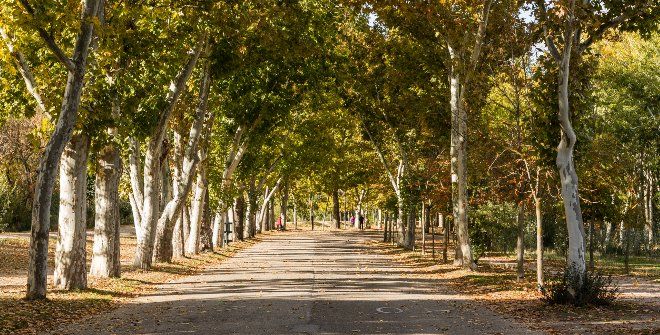
Casa de Campo
Casa de Campo sprawls across 1,722 hectares of former royal hunting grounds, making it five times larger than Central Park. You'll find genuine wilderness minutes from central Madrid: oak and pine forests, meadows where locals picnic, a lake perfect for rowing, plus the Madrid Zoo and Parque de Atracciones amusement park. The Teleférico cable car swoops overhead, offering spectacular aerial views of the entire park and city skyline beyond. Walking here feels like discovering Madrid's secret backyard. Families spread blankets under century old oaks while joggers disappear down forest trails that seem to stretch forever. The lake buzzes with activity on weekends as couples paddle rowboats and kids feed ducks along the shore. From the cable car stations, you'll spot the Royal Palace and city center looking surprisingly small against the park's vast green expanse. Most visitors waste time at the overcrowded zoo (€25) when the real magic happens in the free forest areas. The amusement park feels dated and overpriced at €34 for adults. Instead, rent a rowboat for €6 per hour or take the cable car (€6.20 one way) for the best city views. Skip weekends entirely if you want peaceful forest walks, the place gets absolutely mobbed with families.
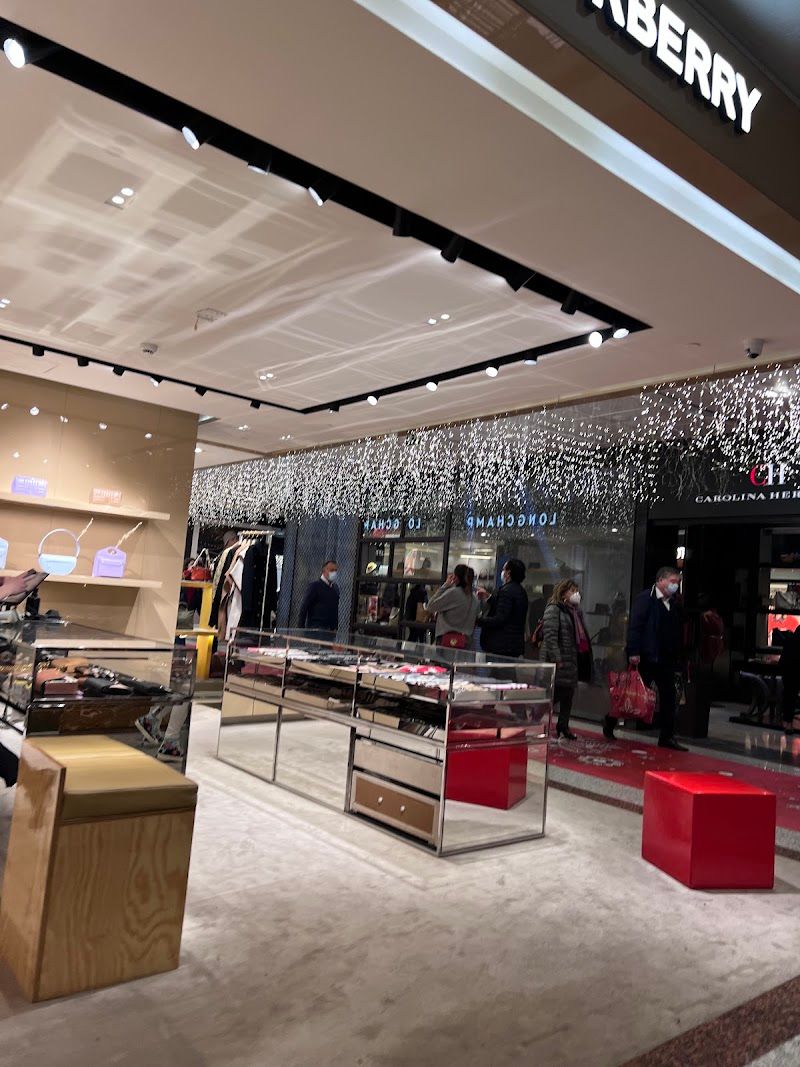
El Corte Inglés Castellana
El Corte Inglés Castellana is Spain's flagship department store, a nine-floor retail palace that doubles as a crash course in Spanish consumer culture. You'll find everything from Loewe leather goods (starting around 300 EUR) to jamón ibérico sliced fresh at counters, plus floors dedicated to tech, beauty, and home goods. The real draw is the top-floor Gourmet Experience, where a dozen food stalls serve regional Spanish dishes with panoramic city views. The shopping experience here feels distinctly Spanish: service is attentive but not pushy, and locals treat it like their neighborhood department store despite its size. The beauty floor showcases Spanish brands you won't find elsewhere, like Natura Bissé skincare and Adolfo Dominguez fragrances. Elevators are constantly busy, so expect to wait, especially on weekends when entire families come to browse and eat. Most tourists skip the middle floors, but that's where you'll find the best deals on Spanish-made goods. The gourmet floor gets overhyped, honestly the food is decent but not exceptional, with dishes ranging from 8 to 18 EUR. Skip the electronics floor entirely unless you need something specific, prices are higher than specialized shops. Focus your time on floors 1-3 for fashion and the food hall if you're hungry.

Zoo Aquarium de Madrid
Zoo Aquarium de Madrid sprawls across 50 acres of Casa de Campo parkland with over 1,300 animals from 500 species, plus a legitimate aquarium section featuring a walk-through shark tunnel and daily dolphin shows. You'll find everything from Iberian lynx to Asian elephants, with the aquarium's 2 million liters of water housing rays, tropical fish, and those impressive sharks swimming overhead. The dolphin presentations happen three times daily and genuinely showcase the animals' intelligence rather than just tricks. The layout feels more like exploring a wooded park than walking through concrete enclosures. Shaded pathways wind between spacious habitats, and the forest canopy provides relief during Madrid's brutal summers. The shark tunnel creates an authentic underwater atmosphere, while the dolphin stadium fills up fast for each 20-minute show. You'll spend considerable time walking between sections, especially getting from the main zoo area to the aquarium complex. Honest truth: this isn't Europe's most modern zoo, and some enclosures show their age. Adult admission costs €25.90, children €20.50, but online booking saves you about €3 each. Skip the overpriced café food and bring snacks. The cable car combo ticket (€32 adults) makes arrival fun but isn't essential. Focus your energy on the aquarium section and dolphin show, then choose 2-3 animal areas rather than attempting everything.
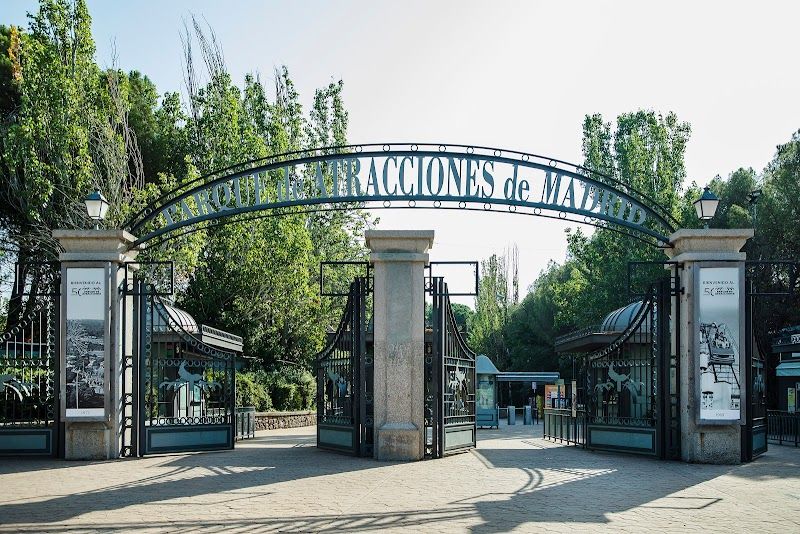
Parque de Atracciones de Madrid
Parque de Atracciones sits in Casa de Campo, Madrid's largest park, offering 40+ rides across themed zones that feel more European carnival than American theme park. The star attractions are Abismo, a hair-raising drop tower that plunges 63 meters, and Tornado, a white-knuckle spinning coaster that'll leave your head spinning for minutes afterward. Families gravitate toward Nickelodeon Land with its SpongeBob-themed rides, while the vintage wooden coaster Los Fiordos delivers surprising thrills despite looking dated. The park sprawls across hillsides with decent views over Madrid's skyline, though you'll spend more time walking between zones than you'd like. Peak summer days bring intense heat with minimal shade, turning the concrete pathways into an endurance test. Weekends see Spanish families arrive en masse around noon, creating 45-minute waits for popular rides. The Halloween event in October transforms the park after dark with scare zones and costumed actors, drawing Madrid's teenagers in droves. Skip the overpriced on-site restaurants (€12 for basic burgers) and bring your own food since outside food is allowed. Day passes cost €29.90 online versus €34.90 at the gate, but honestly, most adults without kids will exhaust the worthwhile rides in 4-5 hours. The water rides area closes entirely from November through March, reducing value significantly during winter visits.
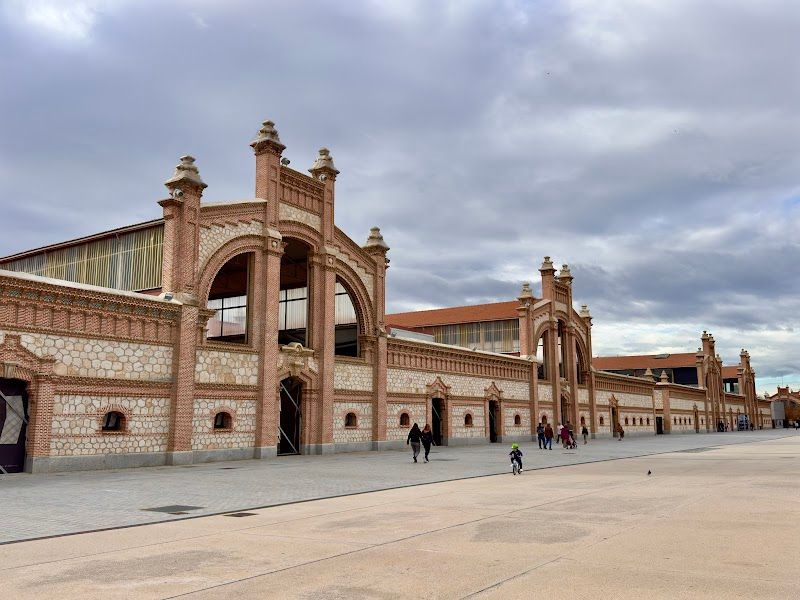
Matadero Madrid
This former slaughterhouse complex in Arganzuela transforms industrial brutalism into Madrid's most adventurous arts venue. You'll wander between converted pavilions hosting everything from experimental theater to digital art installations, with each building maintaining its raw concrete and steel bones. The programming skews heavily contemporary, think video projections on meat hooks rather than traditional paintings on walls. Most exhibitions are free, though ticketed performances range from 8 to 25 EUR. The experience feels like exploring an art bunker where creativity colonized industry. You move through cavernous spaces where exposed pipes and weathered concrete frame cutting edge installations, often with soundscapes bleeding between rooms. The outdoor areas connect pavilions with sculptures and pop up food trucks, creating an almost festival atmosphere on busy nights. Summer brings outdoor screenings to the central courtyard, where you can watch arthouse films under Madrid's clear skies. Most cultural guides oversell this as essential viewing, but honestly, it's hit or miss depending on current programming. Check what's on before making the trip, some exhibitions are genuinely groundbreaking while others feel like art school projects. The Cineteca archive is fantastic for film buffs, but casual visitors often find it overwhelming. Skip weekday afternoons when it's nearly empty and loses its community energy.
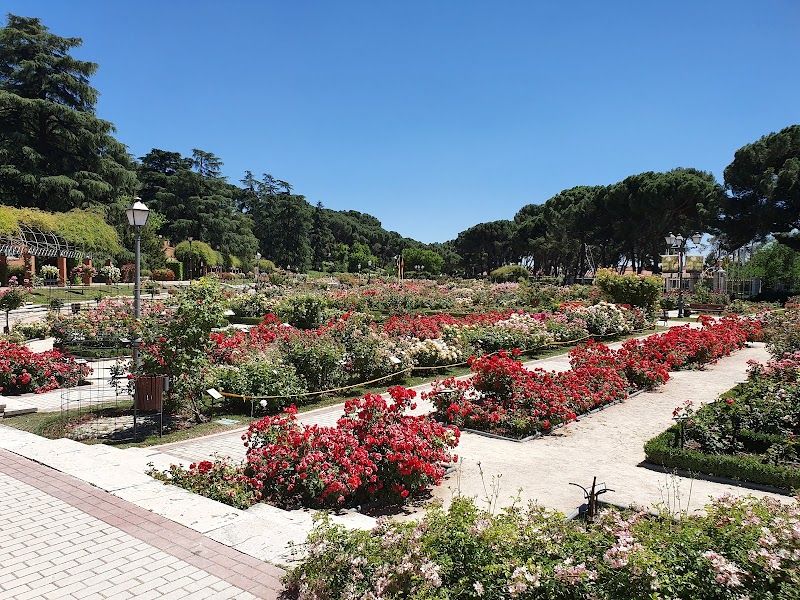
Parque del Oeste
Parque del Oeste is Madrid's most underrated park, a steep terraced landscape that drops from Moncloa down toward the Manzanares River. The star attraction is the Rosaleda, a formal rose garden with over 20,000 roses representing 500 varieties from around the world. You'll also find the relocated Egyptian Templo de Debod at the southern end, plus shaded walking paths that offer surprising city views. The park connects several neighborhoods and serves as a green corridor between the university area and the river. The experience varies dramatically by season and section. In late spring the rose garden explodes with color and fragrance, drawing photographers and couples for evening strolls. The upper sections near Moncloa stay busy with university students, while the lower terraces feel more secluded. Walking the main paths downhill takes about 45 minutes, but you'll want extra time in the Rosaleda during bloom season. The terrain is genuinely steep in places, so wear proper shoes. Most visitors rush through on their way to the Egyptian temple and miss the park's real charm. The Rosaleda gets crowded during the International Rose Competition in May, but that's actually when it's most worth seeing. Skip the busy weekend afternoons unless you're here for the roses. The park is free, but bring water since there aren't many facilities once you're deep in the gardens.
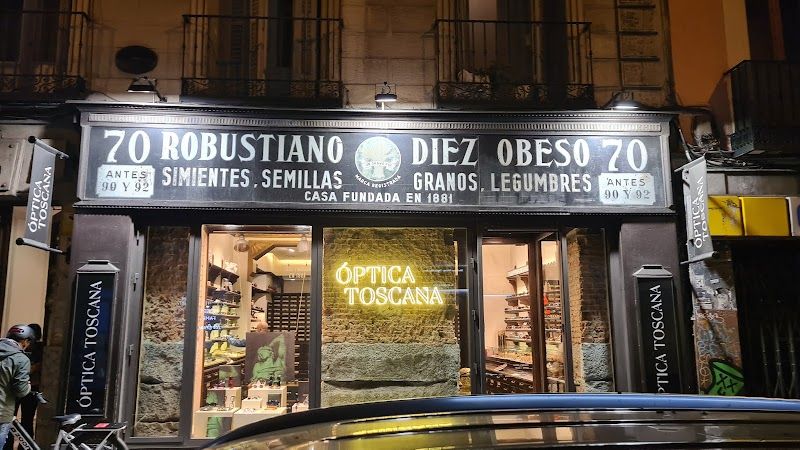
El Brillante
Steps from Atocha station, this casual bar has served Madrid's iconic bocadillo de calamares (fried squid sandwich) since 1952. The calamari is fried to order and stuffed into fresh baguettes, creating the perfect quick meal for travelers or a post-Reina Sofia snack.
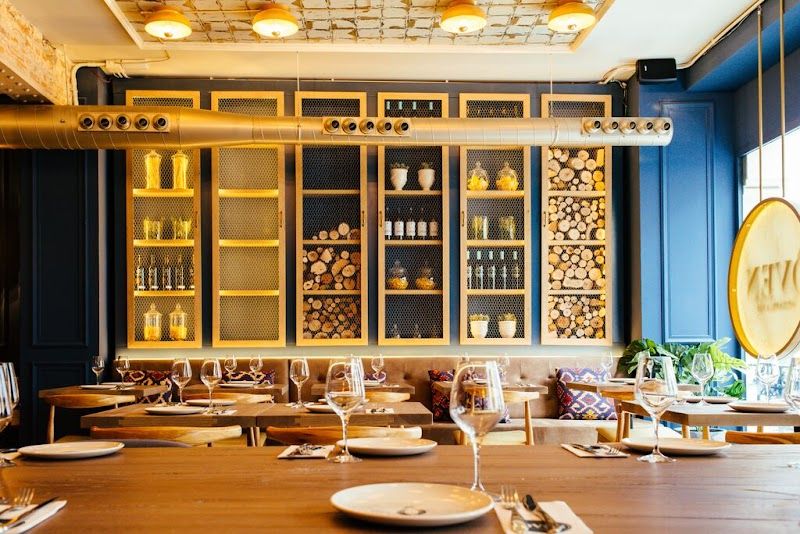
Oven Mozzarella Bar
This compact Malasaña spot serves authentic Neapolitan pizza with house-made mozzarella and organic Italian flour. The open kitchen turns out properly blistered crusts from a wood-fired oven, making it a favorite among Madrid's Italian community and pizza purists.
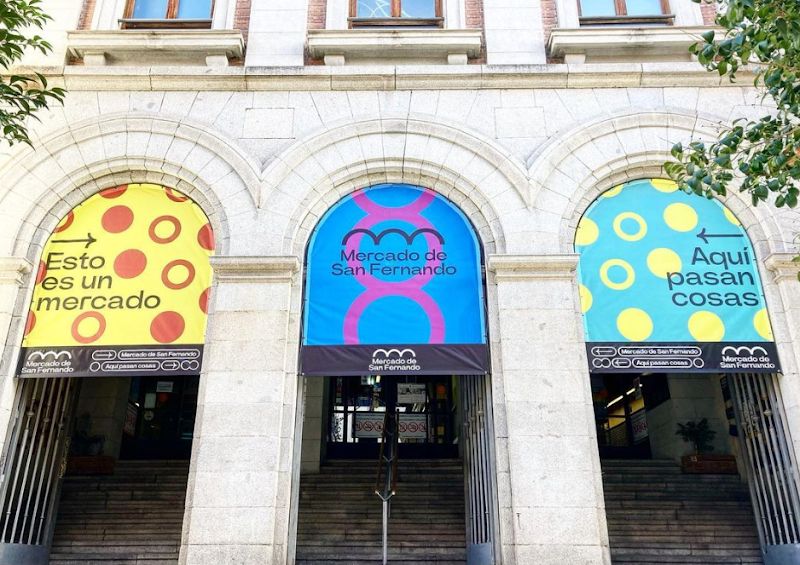
Mercado de San Fernando
Mercado de San Fernando changes from a traditional neighborhood market during the day to a craft beer hub at night, making it Lavapiés' most adaptable food destination. You'll find elderly locals buying fresh fish alongside hipsters nursing IPAs, with vendors selling everything from Galician octopus to artisan empanadas. The Saturday morning organic cooperative brings small-scale farmers directly to consumers, offering seasonal produce at prices that beat La Paz or Antón Martín markets by 20-30%. The experience changes completely between morning and evening visits. Mornings feel authentically local: Spanish grandmothers debate vegetable quality while neighborhood cats weave between stalls. The covered pavilion fills with the smell of fresh bread and aged cheese. After 6pm, craft beer taps replace produce scales; DJs set up in corners, and the concrete floors get sticky with spilled Mahou. Film screenings happen monthly on a makeshift screen, drawing crowds who spill onto Embajadores street. Most food blogs overstate the evening scene, which can feel forced compared to the genuine morning market atmosphere. The craft beer selection is decent but overpriced at 4-6 EUR per pint. Your best bet is Saturday mornings before 11am when the organic cooperative offers good tomatoes, peppers, and leafy greens at wholesale prices. Skip the weekend evenings unless you enjoy shouting over house music to order mediocre tapas.
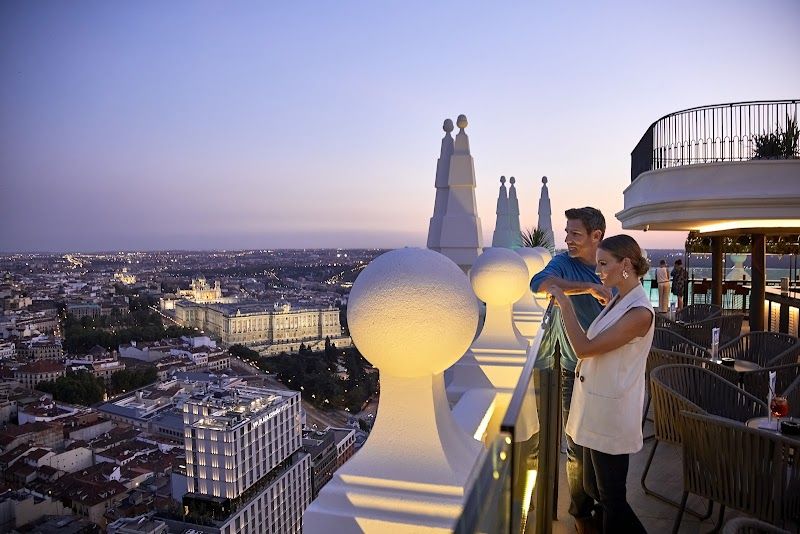
Terraza Hotel RIU Plaza España
Rooftop bar on the 27th floor with floor-to-ceiling windows and outdoor terrace overlooking Plaza de España and Casa de Campo. The sleek, modern space serves premium cocktails and light bites with some of Madrid's most dramatic elevated views. Open year-round with heated outdoor sections in winter.
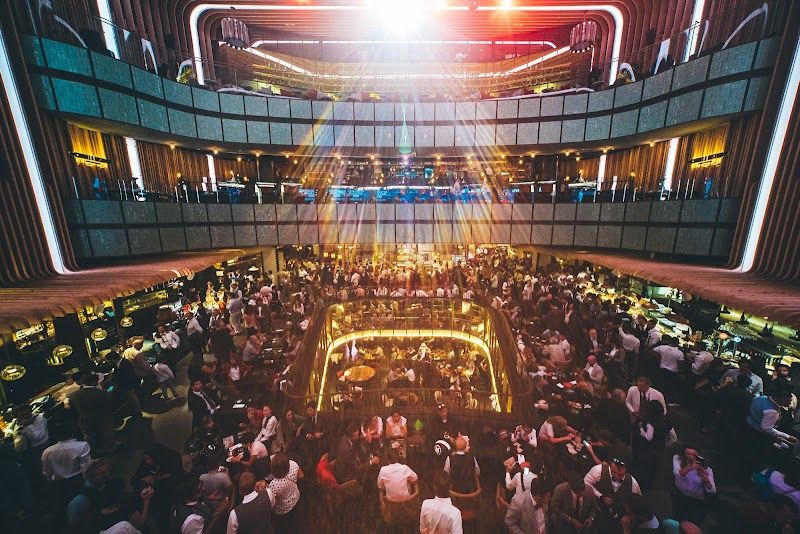
Platea Madrid
This converted 1920s cinema houses multiple restaurant concepts, cocktail bars, and a rooftop terrace under one ornate ceiling. The theatrical space preserves the original boxes and balconies while offering everything from sushi to steak, making it a one-stop gastro entertainment venue.
Casa Dani
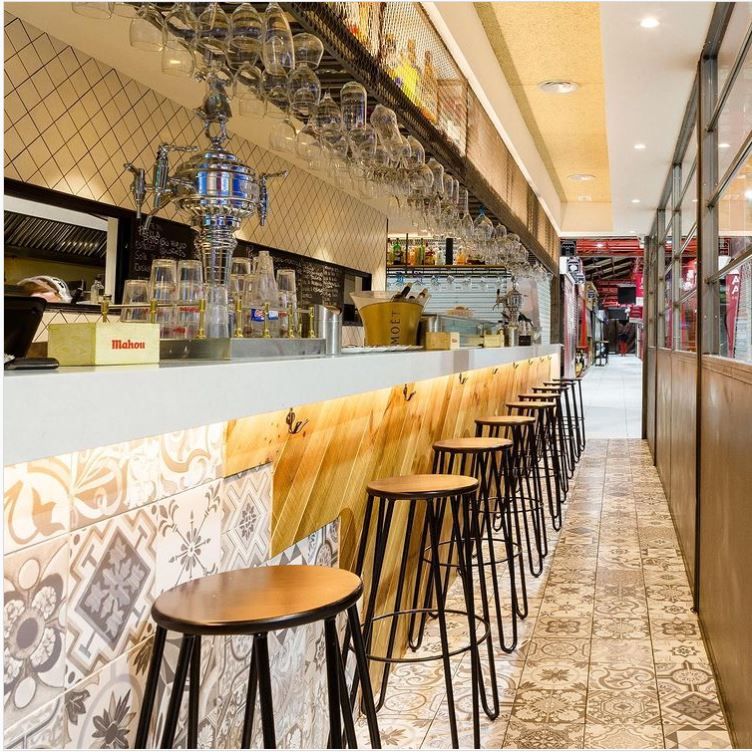
Located in Mercado de la Paz, this market stall-turned-restaurant serves Madrid's best tortilla de patatas according to many locals. The thick, creamy potato omelette draws queues of shoppers and dedicated pilgrims who come specifically for Dani's famous recipe.
Mercado de la Paz
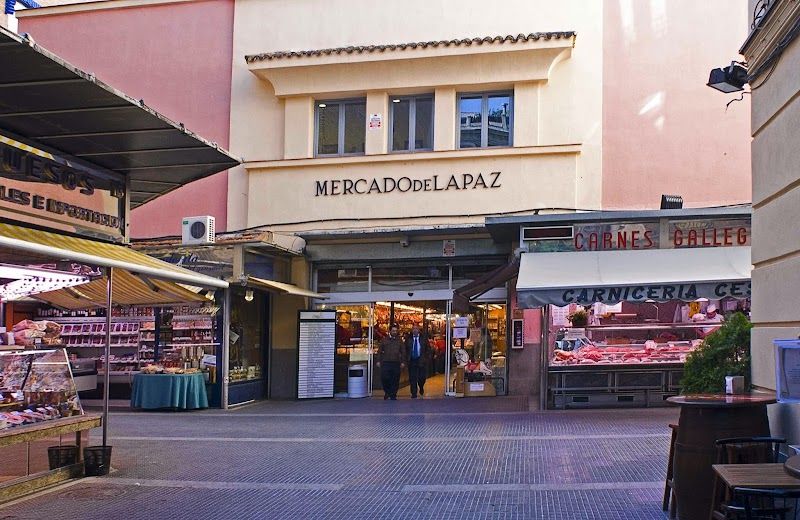
Mercado de la Paz sits on Calle Ayala in Madrid's upscale Salamanca district, operating as a traditional neighborhood market since 1882. You'll find about 30 small stalls selling everything from aged Manchego cheese to fresh octopus, prime Iberian ham, and seasonal produce that locals actually buy for their daily meals. The vendors know their products inside out and you can sample before buying at most stalls. The market operates in a covered outdoor space with a metal roof structure that feels authentically Spanish without any tourist polish. Mornings buzz with neighborhood regulars chatting with vendors while selecting tomatoes or ordering thin slices of jamón. The atmosphere stays relaxed and local, with vendors calling out specials and regulars stopping for quick tapas at the small bar stalls tucked between the produce vendors. Skip the tourist markets like Mercado San Miguel and come here instead. Prices run about 20% less than tourist spots, and the quality beats most supermarkets hands down. The prepared food stalls serve simple bocadillos for around 4-6 EUR, perfect for a quick lunch. Most vendors close by 2pm and many shut completely on Sundays, so plan accordingly.
Museo de Historia de Madrid
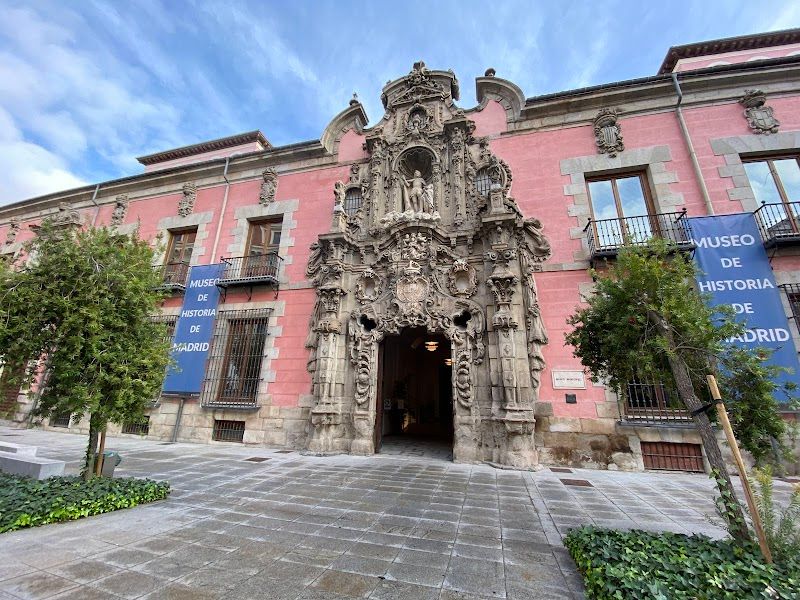
This free museum tells Madrid's complete story through actual artifacts, not tourist-friendly summaries. You'll walk through recreated 19th-century shops, see original city planning maps that shaped modern Madrid, and browse thousands of historical photographs showing streets you probably walked today. The baroque facade by Pedro de Ribera is genuinely spectacular, all swirling stone and theatrical drama. Inside, the collection spans from medieval settlement remnants to 1980s urban development, with detailed models of how neighborhoods like Malasaña evolved. The visit flows chronologically across three floors, starting with Roman foundations and medieval walls on the ground floor. The recreated historical interiors feel authentic rather than theme-park fake, especially the old pharmacy and traditional Madrid kitchen. The photography collection on the upper floors is genuinely addictive: you'll recognize intersections and buildings, then see them as farmland or construction sites decades ago. The atmosphere stays quiet and contemplative, attracting more locals than tourists. Most guides oversell the decorative arts collection, which feels scattered compared to the photography and urban planning sections. Focus your time on the historical photographs and city development displays on floors two and three. The museum shop sells excellent reproductions of historical Madrid maps for around 15 EUR. Skip the temporary exhibitions unless they specifically cover Madrid topics, as they often feel disconnected from the main collection's strengths.
Ojalá
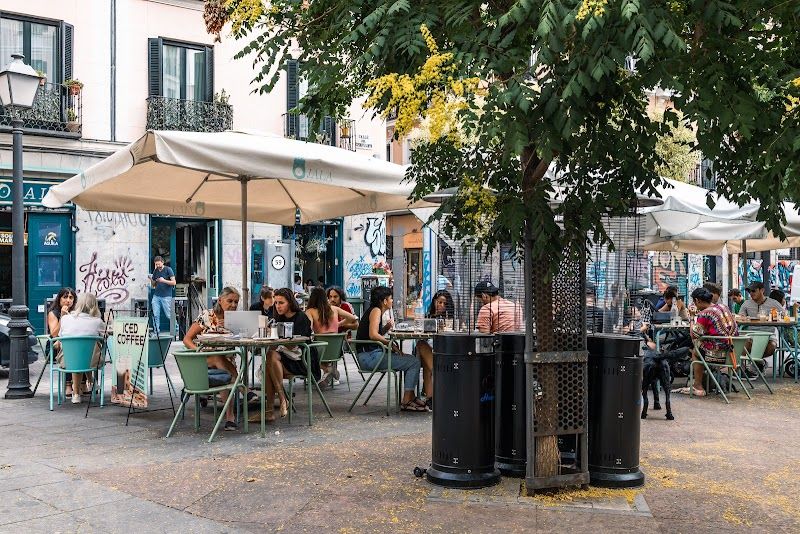
This Malasaña bar-restaurant features a basement dining room with an actual indoor beach (complete with sand floor) and Mediterranean-inspired tapas upstairs. The quirky concept and mojito-focused cocktail menu make it popular for casual dinners and late-night drinks.
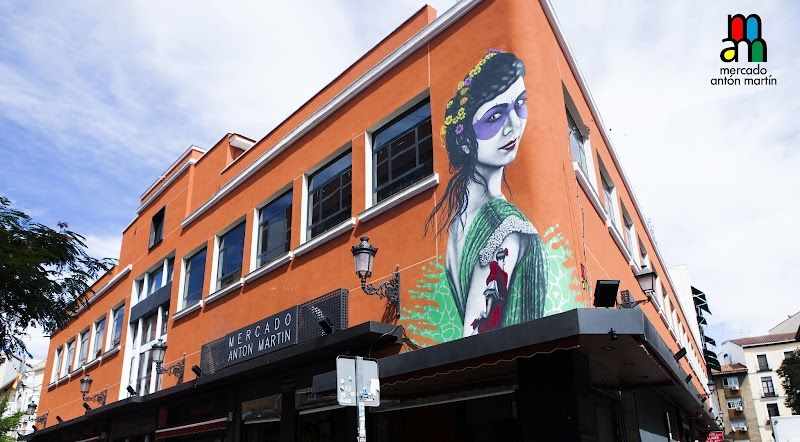
Mercado de Antón Martín
Mercado de Antón Martín feels like two markets in one: traditional Spanish vendors selling octopus and jamón alongside Venezuelan arepas and Japanese small plates. Built in 1941, it's been completely renovated with standing tables and communal seating that actually works. You'll find genuine Spanish seafood counters where locals grab lunch next to international stalls reflecting Lavapiés' multicultural reality. The flow is casual and social rather than touristy. Locals perch at standing tables with natural wine and oysters from La Coctelería while students grab €4 arepas or €8 ramen bowls. The atmosphere shifts throughout the day: quiet mornings with coffee and pastries, crowded lunch hours when office workers pack the seafood counters, and relaxed afternoons perfect for lingering over drinks. Most guides oversell this as a foodie destination when it's really just a solid neighborhood market with good variety. Skip the overpriced gourmet stalls near the entrance and head straight to the back where Spanish vendors offer better value. La Coctelería's natural wines start at €3 per glass, and the Japanese izakaya serves decent gyoza for €6, but don't expect Tokyo quality.

Teatro Kapital
This massive seven-floor nightclub occupies a former theater and offers a different music genre and atmosphere on each level, from house and techno to reggaeton and R&B. The top floor features a terrace open in summer, while the main floor retains the original theater stage. It's Madrid's most famous mega-club, attracting over 2,000 partygoers on busy nights.
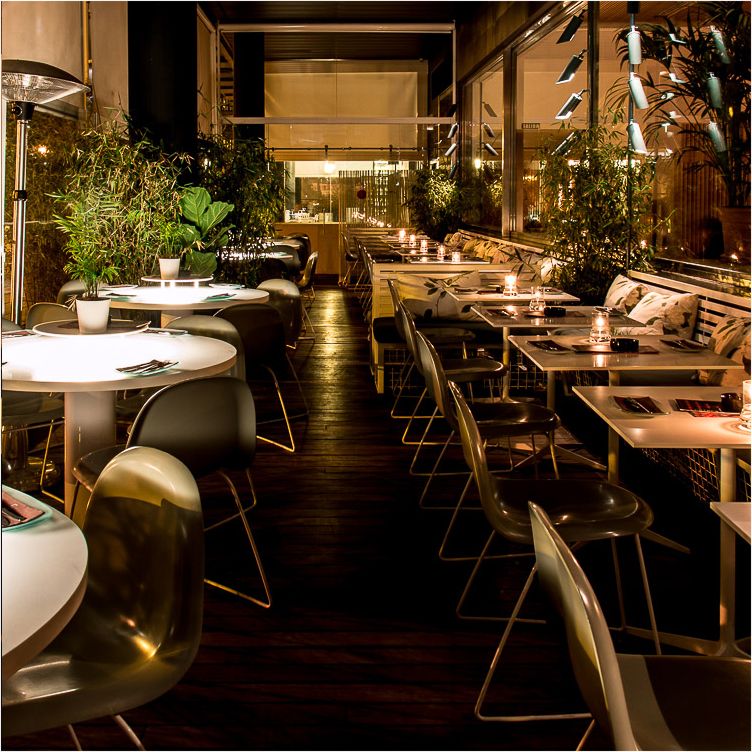
Lateral
This modern tapas chain with multiple locations offers creative Spanish small plates in a contemporary setting with floor-to-ceiling windows. The menu balances traditional favorites like croquetas and patatas bravas with inventive dishes like tuna tartare and grilled octopus, all at reasonable prices.
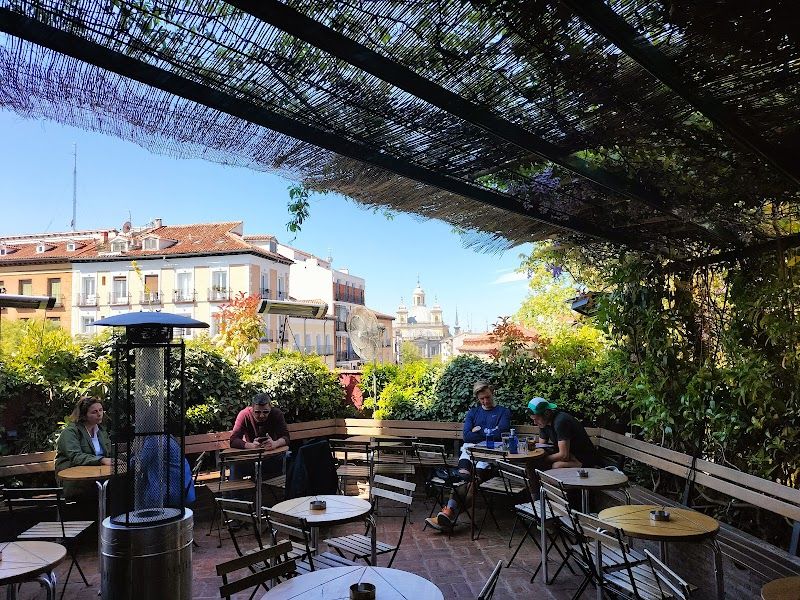
El Viajero
Multi-level restaurant and bar with a popular rooftop terrace offering panoramic views of La Latina's rooftops and the Almudena Cathedral. Serves international fusion cuisine with a good cocktail selection. The top floor terrace is especially popular during sunset.
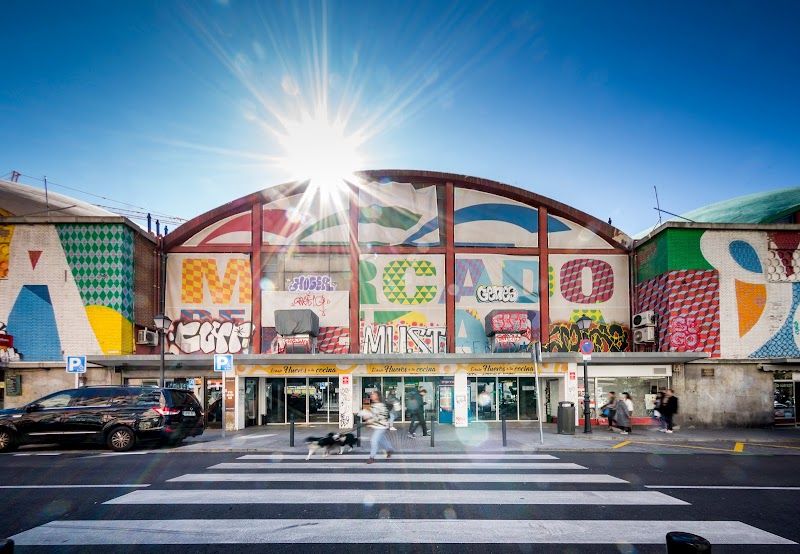
Mercado de la Cebada
Mercado de la Cebada is La Latina's primary food market, rebuilt in 2018 with a sleek glass and steel canopy that shelters traditional vendor stalls below. You'll find serious local food shopping on the ground level: fishmongers selling whole octopus for €12/kg, butchers like Carnicería Nieto offering premium Iberian pork, and produce vendors with prices that beat most Madrid supermarkets. The upper level houses gastro bars and a rooftop terrace where you can eat what you've just bought downstairs. The market flows like two different worlds stacked on top of each other. Downstairs feels authentically neighborhood focused: elderly locals arguing over tomato ripeness, vendors shouting prices, and the distinct smell of fresh fish mixing with hanging jamón. Head upstairs and the vibe shifts completely to polished cocktail bars and tourists taking Instagram photos. The rooftop terrace offers decent views over La Latina's terracotta rooftops, though it's nothing spectacular. Most food bloggers rave about this place, but honestly, it's more convenient than extraordinary. The ground floor vendors offer genuine value (peppers at €2/kg versus €4 in Malasaña), but the upstairs dining feels overpriced for what you get. Skip the trendy rooftop restaurants and focus on the actual market vendors if you want the real experience. Come before 11am when locals are doing their serious shopping and the atmosphere is most authentic.
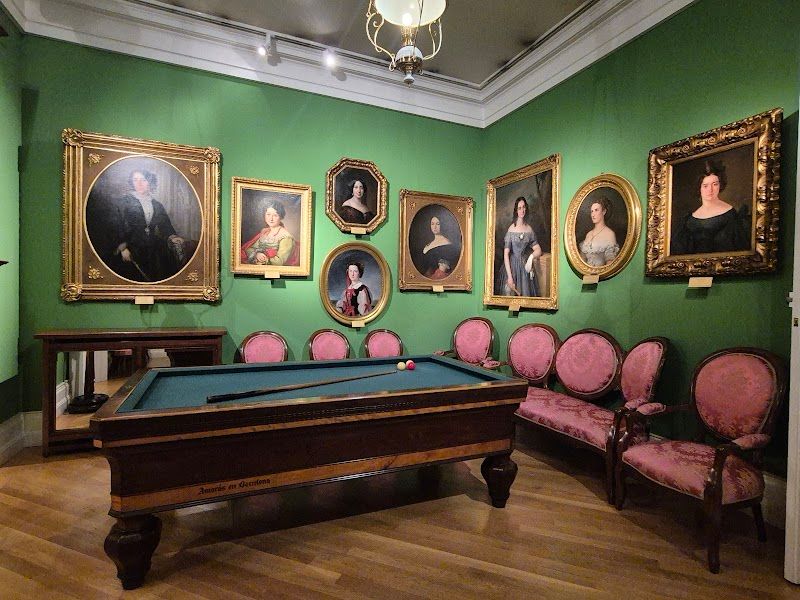
Museo de Romanticismo
A museum located in an 18th-century palace presents Spanish Romantic period life through furniture, paintings, and decorative arts from 1833 to 1868. The rooms recreate aristocratic domestic spaces, and the Andalusian-style garden patio offers a peaceful escape.
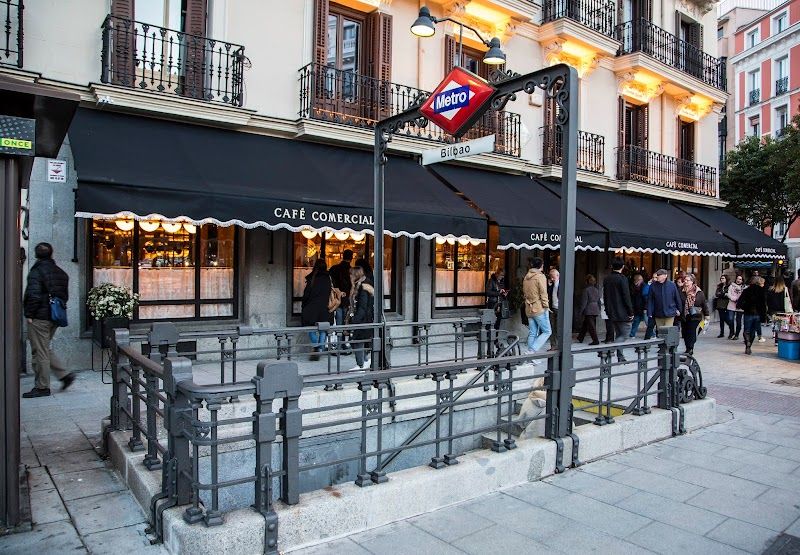
Café Comercial
Reopened in 2017 after a closure and restoration, this 1887 café retains its marble tables, red velvet seats, and massive mirrors. The historic space now serves updated café fare while maintaining the tertulia (intellectual gathering) tradition that made it famous among writers and artists.
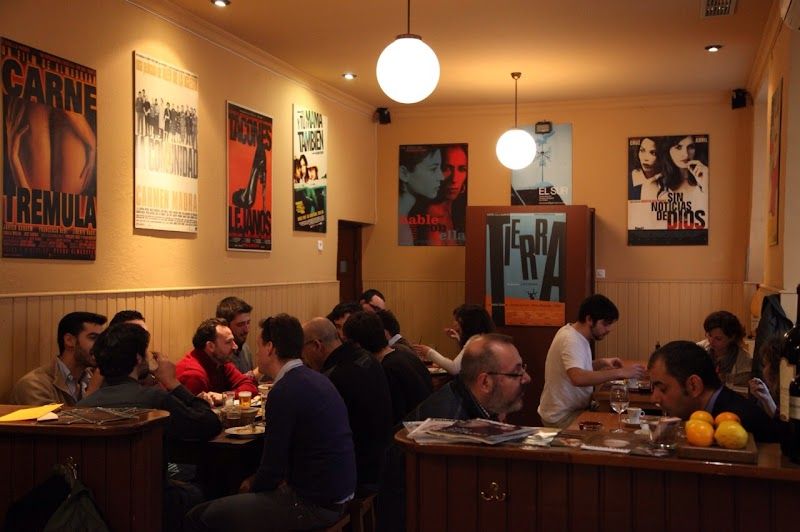
El Sur
This cozy Huertas restaurant specializes in Andalusian cuisine, serving excellent fried fish, salmorejo, and Iberian pork. The casual atmosphere and reasonable prices make it popular for both tourists exploring the literary quarter and local office workers.
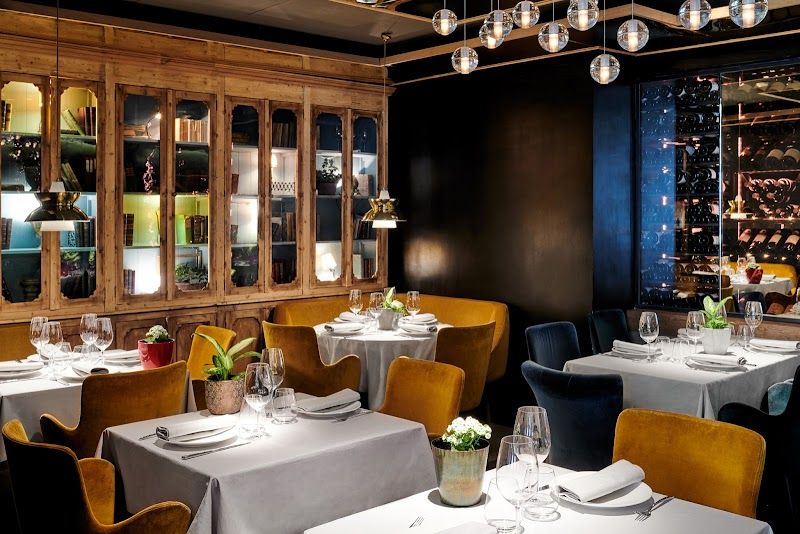
Ten Con Ten
Elegant restaurant specializing in creative Mediterranean cuisine with an excellent wine selection. Features a sophisticated dining room with contemporary decor and attentive service. Popular with Salamanca residents for business lunches and special occasions.
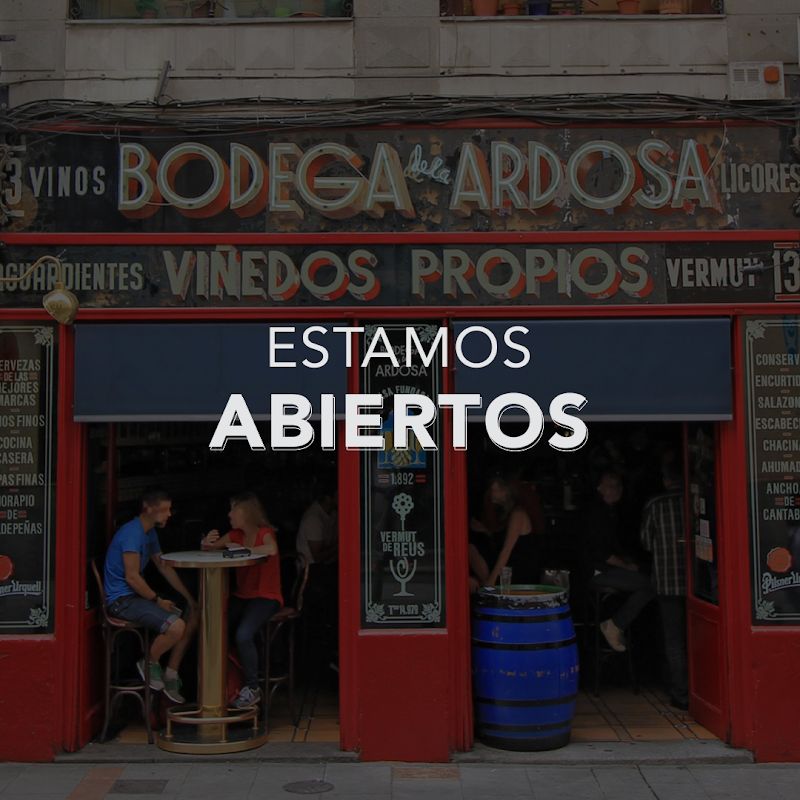
Bodega de la Ardosa
This 1892 tavern in Malasaña maintains its original tin ceiling, marble bar, and vermouth barrels. Famous for its tortilla de patatas and Guinness (one of the first places in Spain to serve it), the bar draws a mixed crowd of old-timers and young madrileños.
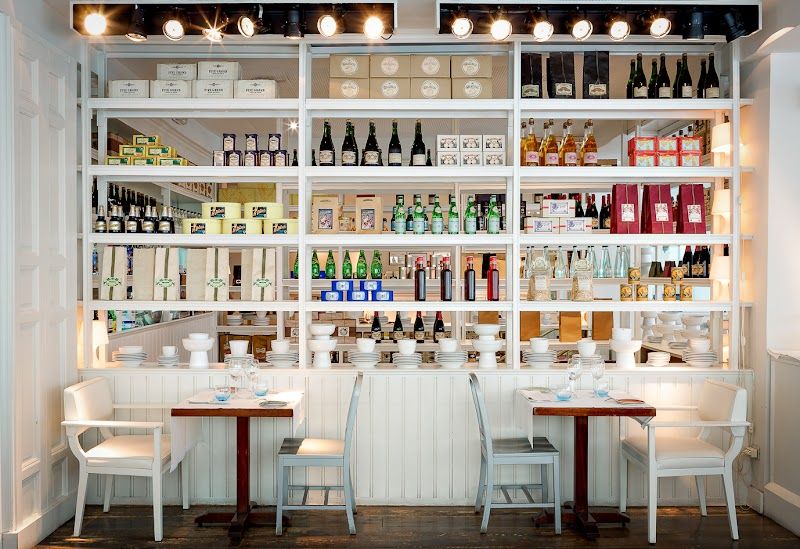
Bazaar
A modern, bustling restaurant offering high-quality Mediterranean and international cuisine at remarkably affordable prices in a sleek, design-forward space. The eclectic menu ranges from Thai curries to Spanish classics, all served in a lively atmosphere that's popular with locals.
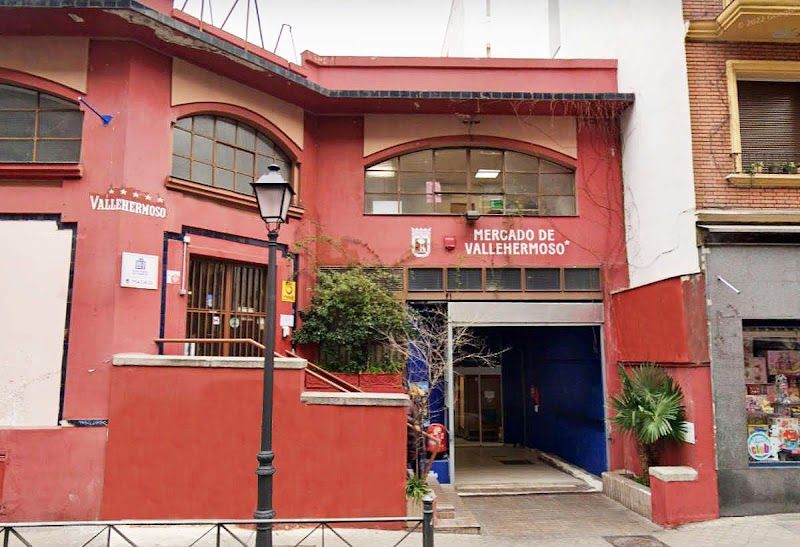
Mercado de Vallehermoso
This renovated 1930s market in Chamberí combines traditional food stalls with modern gastro stands and a rooftop terrace. The ground floor features quality butchers and fishmongers, while the upper level hosts everything from ramen to natural wine bars, making it a neighborhood hub.
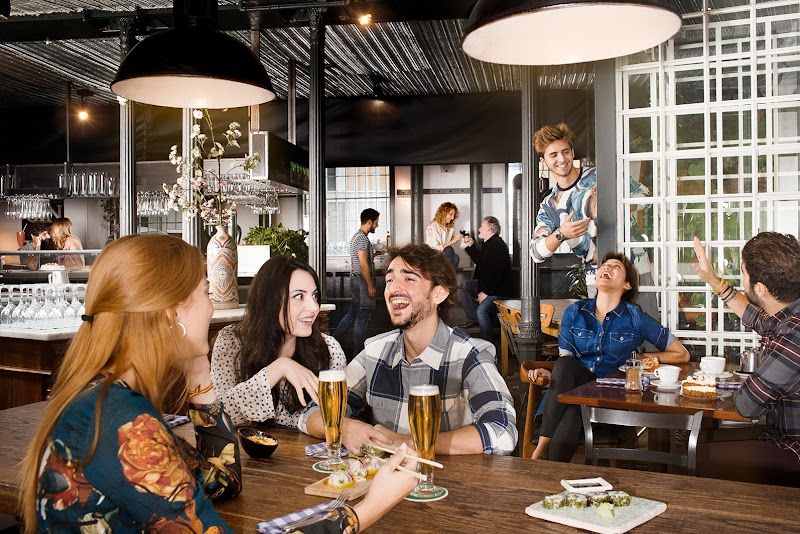
La Musa Latina
This modern bistro in La Latina serves creative tapas and international dishes on a sunny terrace overlooking Plaza de la Paja. The menu ranges from Thai-spiced tuna tartare to duck confit, attracting a younger crowd with its fusion approach and reasonable prices.
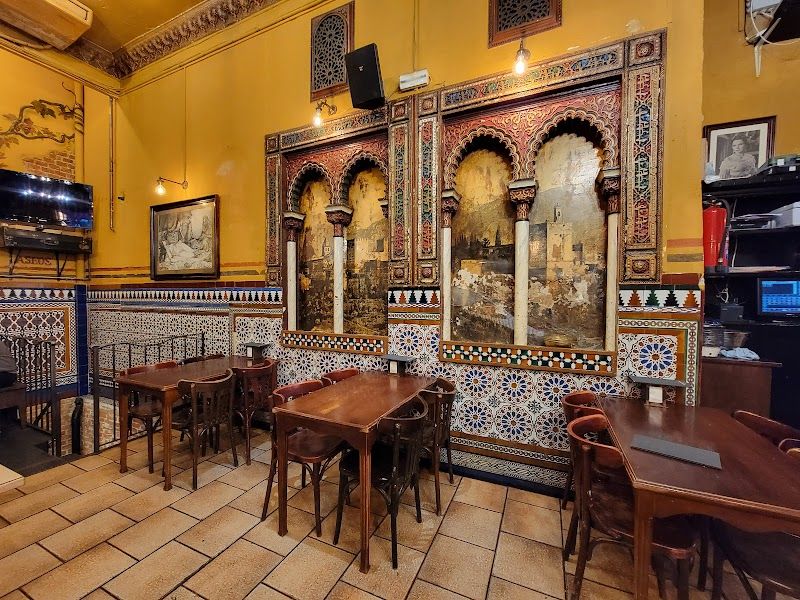
Taberna Alhambra
This century-old Lavapiés tavern maintains its original ceramic-tiled walls and zinc bar. The neighborhood spot serves straightforward tapas and raciones to a diverse crowd, from longtime residents to the barrio's newer international community, preserving authentic working-class Madrid atmosphere.
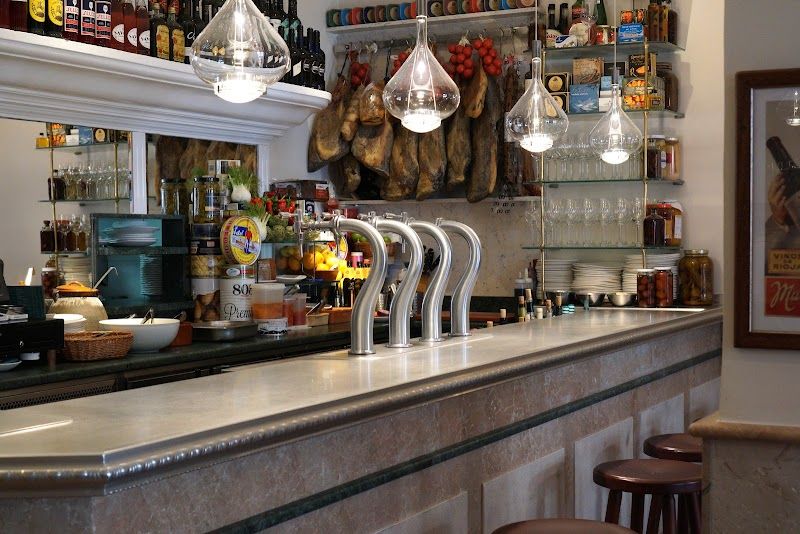
La Castela
A beloved neighborhood taberna serving traditional Madrid cuisine since 1982, famous for its spectacular tapas and raciones. The tiled interior and wooden bar create an authentic atmosphere where locals gather for generous portions of oreja a la plancha and croquetas.
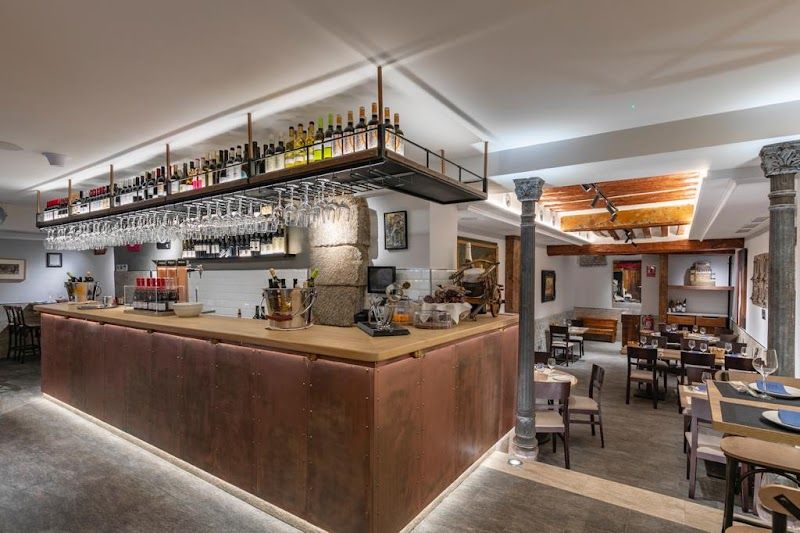
Taberna Los Huevos de Lucio
Run by the family behind the famous Casa Lucio, this more casual spot serves the iconic huevos rotos (broken eggs over fried potatoes). The sunny-side-up eggs are broken tableside and mixed with crispy potatoes and optional Iberian ham, creating Madrid's most beloved comfort food.
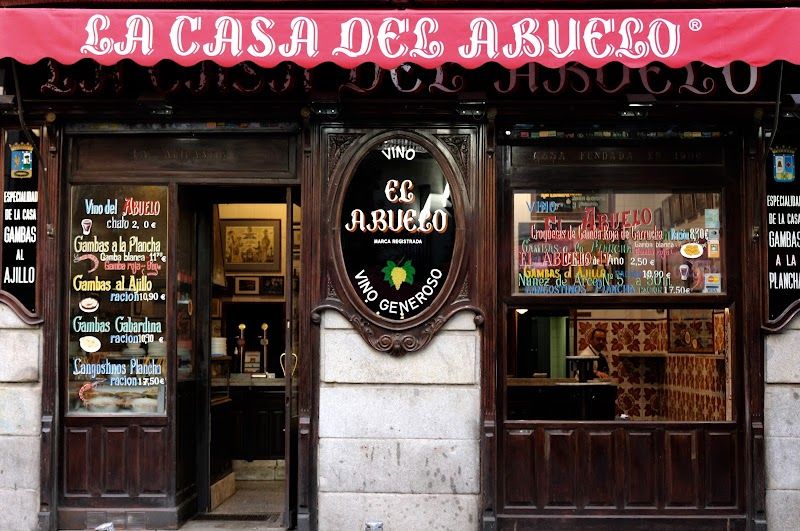
La Casa del Abuelo
Established in 1906, this tiny standing-room bar near Sol specializes in gambas al ajillo (garlic prawns) and sweet red Valdepeñas wine. The cramped quarters and minimal menu keep the focus on perfectly cooked prawns served sizzling in terracotta dishes.
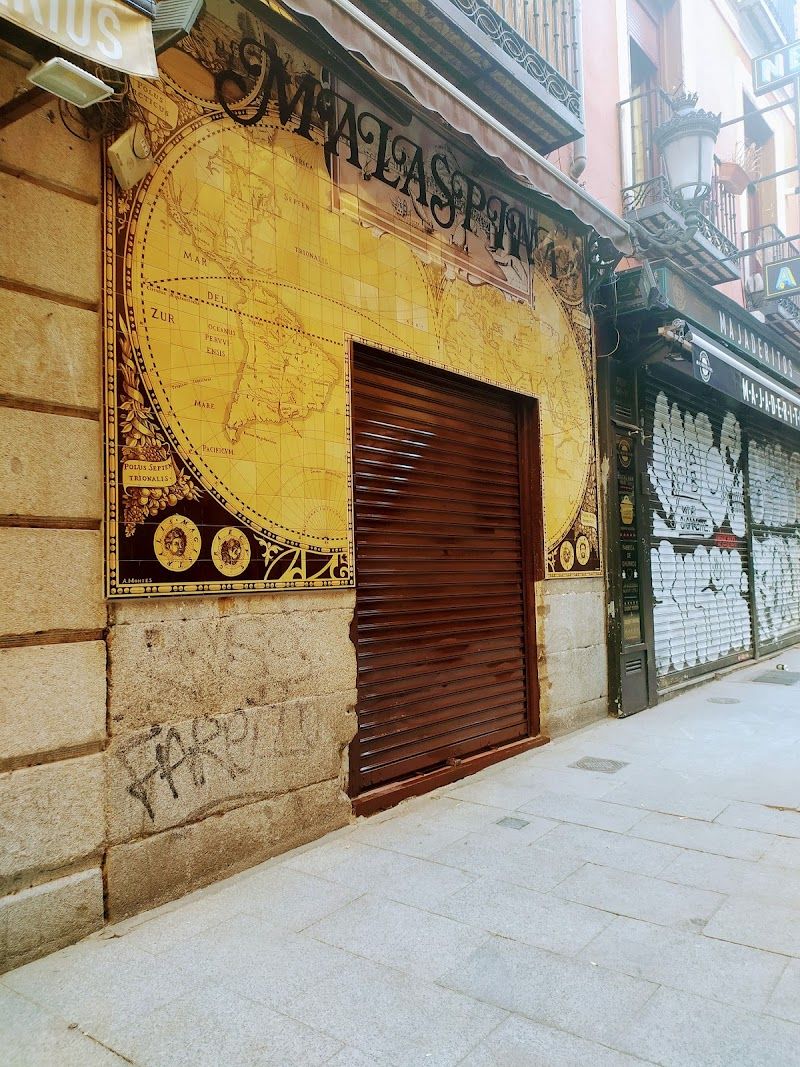
Taberna Malaspina
This 1940s taberna near Sol maintains its vintage tile work, wood paneling, and traditional vermut ritual. The corner bar serves classic Madrid tapas like boquerones (marinated anchovies) and conservas (tinned seafood) to a crowd that hasn't changed much in decades.
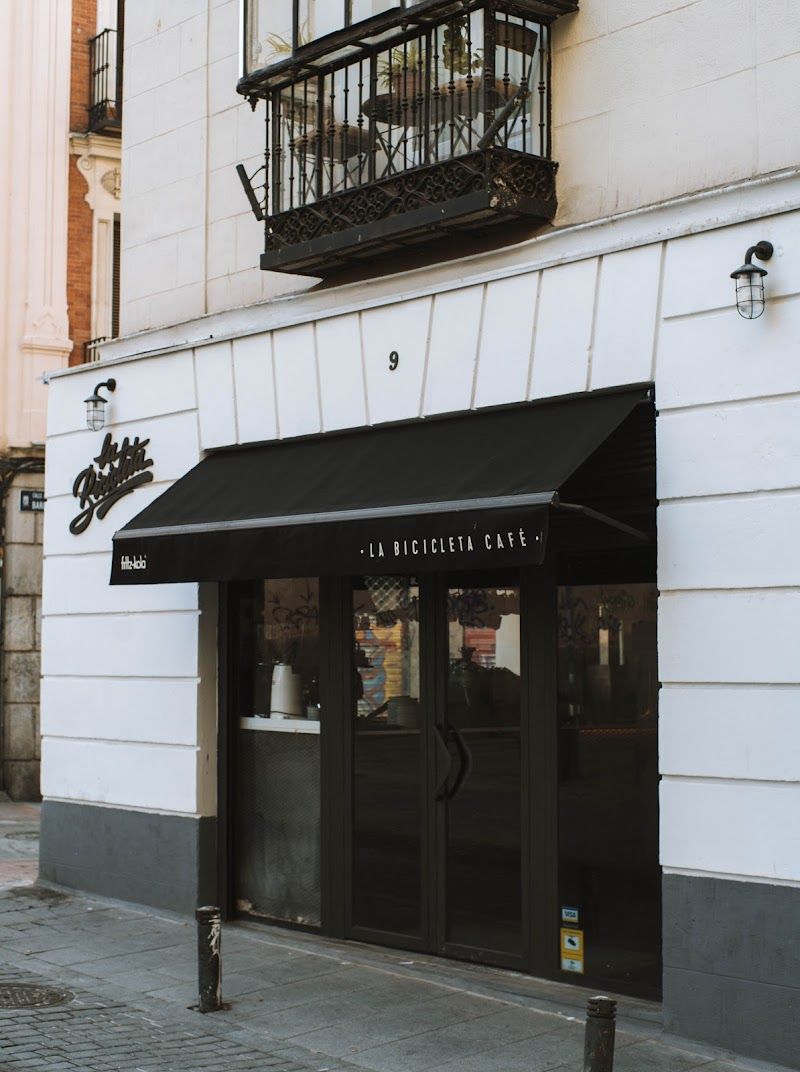
La Bicicleta Café
This Chueca brunch spot decorated with hanging bicycles serves creative breakfast and lunch dishes in a bright, Instagram-friendly space. The menu features eggs Benedict variations, creative toasts, and fresh-squeezed juices, catering to Madrid's growing brunch culture.
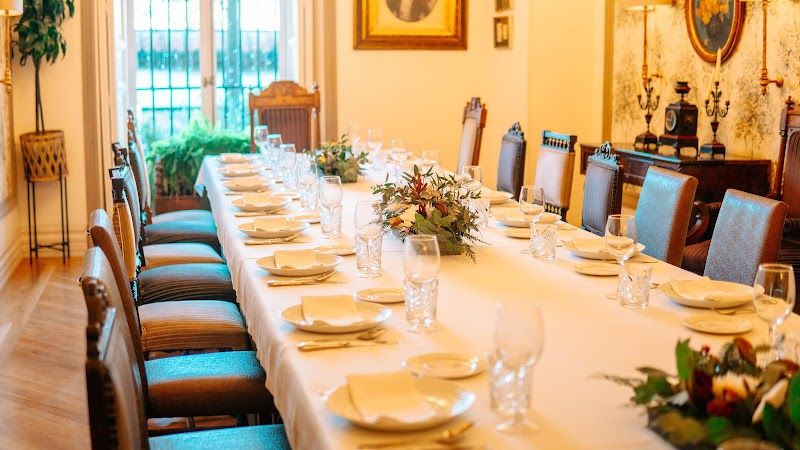
Café de Oriente
Facing the Royal Palace with terrace tables overlooking the plaza, this elegant café serves traditional Spanish cuisine in a formal Belle Époque interior. The location makes it prime for pre-opera dinners or post-palace visits, though prices reflect the premium real estate.
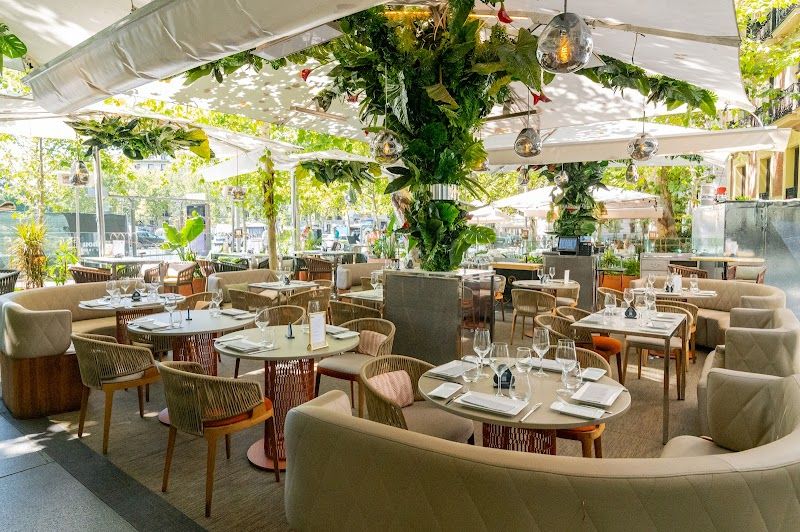
Ramses.Life
Philippe Starck-designed restaurant and cocktail bar located in a modernist building on Plaza de la Independencia. Known for its eclectic fusion cuisine and glamorous atmosphere with multiple dining spaces. A Salamanca institution for sophisticated dining and people-watching.
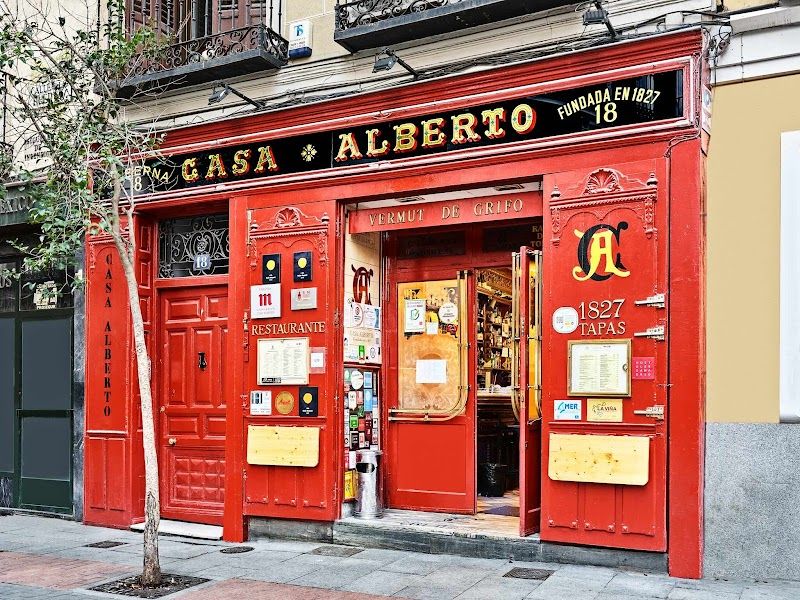
Casa Alberto
Opened in 1827, this historic tavern in Huertas occupies the building where Cervantes once lived. The two-level space serves classic Madrid dishes like rabo de toro (oxtail stew) and vermouth on tap, with bullfighting memorabilia covering the wood-paneled walls.
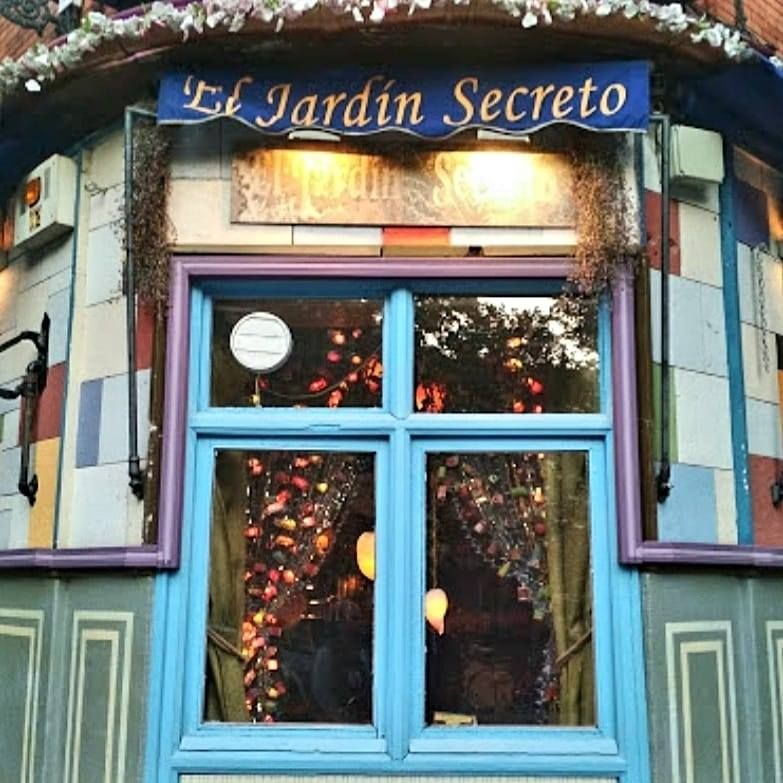
El Jardín Secreto
Hidden speakeasy-style cocktail bar with a whimsical garden theme and creative mixology. Intimate space with botanical decor, vintage furnishings, and expertly crafted cocktails using house-made ingredients. Reservations highly recommended.
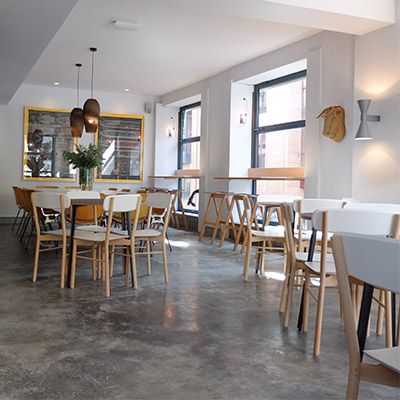
Federal Café
This Australian-run brunch spot in Chueca brings proper flat whites and avocado toast to Madrid. The bright corner space serves all-day breakfast with poached eggs, granola bowls, and fresh-baked pastries, attracting expats and madrileños seeking weekend brunch culture.
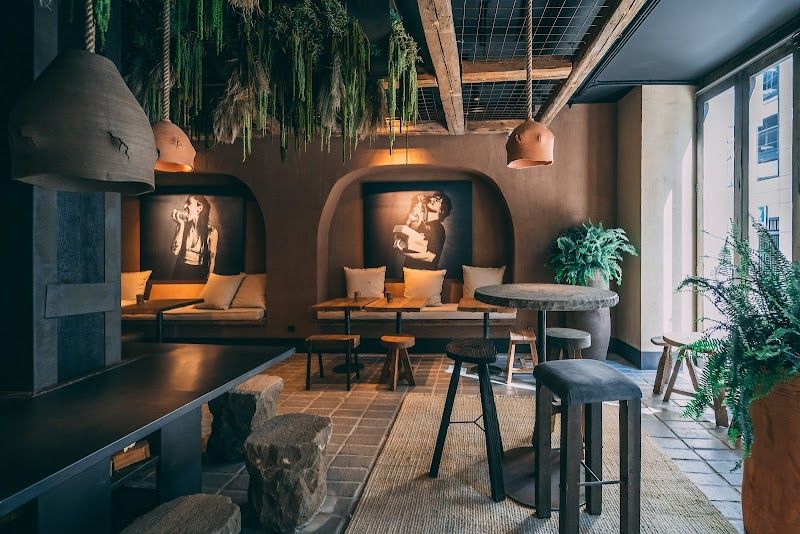
Honest Greens
This health-focused chain serves Mediterranean-inspired bowls, salads, and grilled proteins in a bright, fast-casual setting. The Serrano location attracts the Salamanca lunch crowd with organic ingredients, cold-pressed juices, and build-your-own grain bowl options.
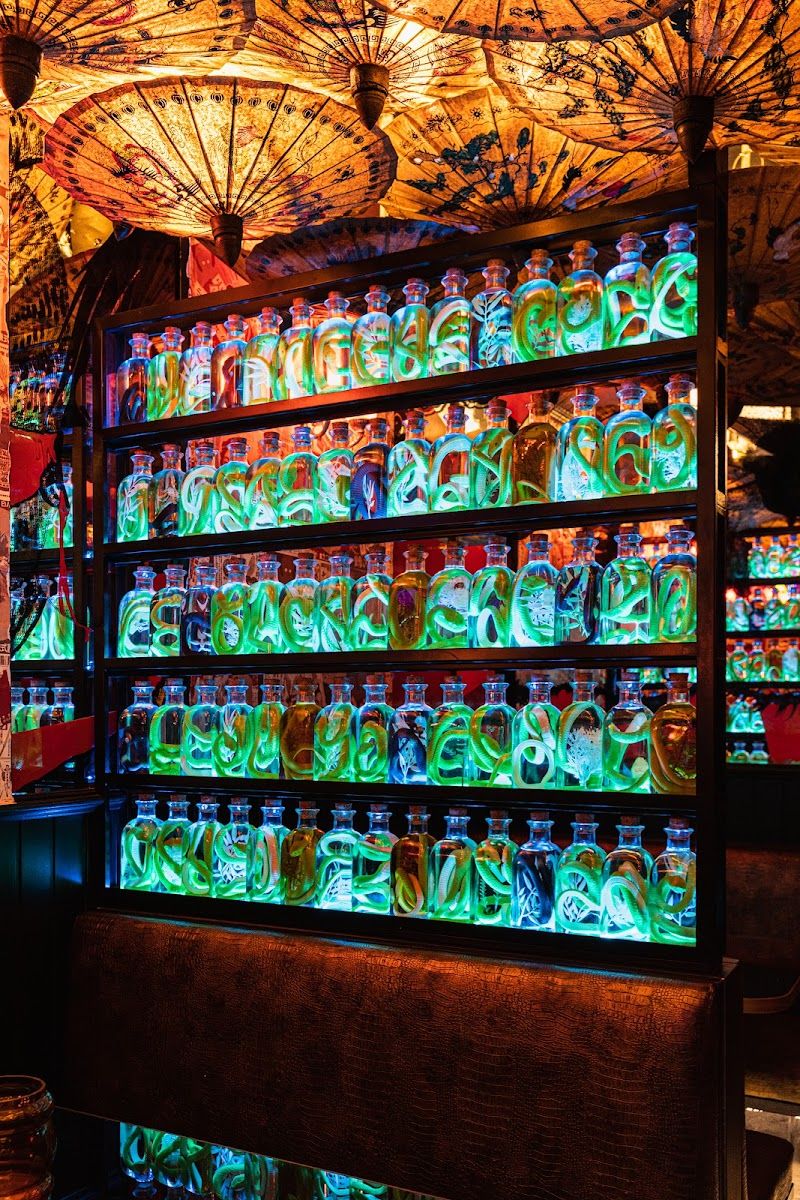
Salmon Guru
This cocktail bar with a creative tapas menu occupies a former Chinese restaurant in Huertas. The eclectic Asian-inspired décor and innovative cocktails pair with small bites like edamame hummus and tuna tataki, making it a favorite for pre-dinner drinks and snacks.
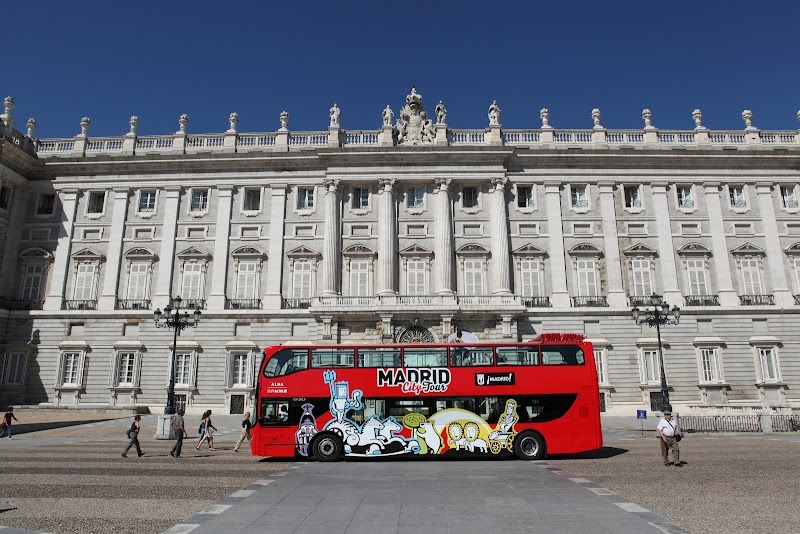
Madrid City Tour Hop-On Hop-Off Bus
Madrid's hop-on hop-off buses run two routes covering 30+ stops across the city, from the Royal Palace and Prado Museum to Santiago Bernabéu Stadium and Las Ventas bullring. The open-top double-deckers come with audio guides in 14 languages, pointing out everything from Habsburg architecture to modern shopping districts. You'll get solid overviews of Malasaña, Chueca, and Salamanca neighborhoods without the leg work. The experience feels touristy but efficient. Route 1 covers historical Madrid (Royal Palace, Plaza Mayor, Puerta del Sol) while Route 2 hits modern attractions like the stadium and business district. The audio commentary is surprisingly informative, though it can get repetitive. Wind whips around the upper deck, so bring layers. Buses arrive every 10-15 minutes during peak hours, less frequently in winter. Honest talk: this works best for first-time visitors or those with mobility issues. The 24-hour ticket costs €23, 48-hour runs €27. Skip it if you're comfortable with Madrid's excellent metro system, which costs a fraction. The buses get stuck in traffic around Gran Vía and Sol, turning a 90-minute route into two hours. Use it strategically for distant stops like the stadium, then walk the compact city center.
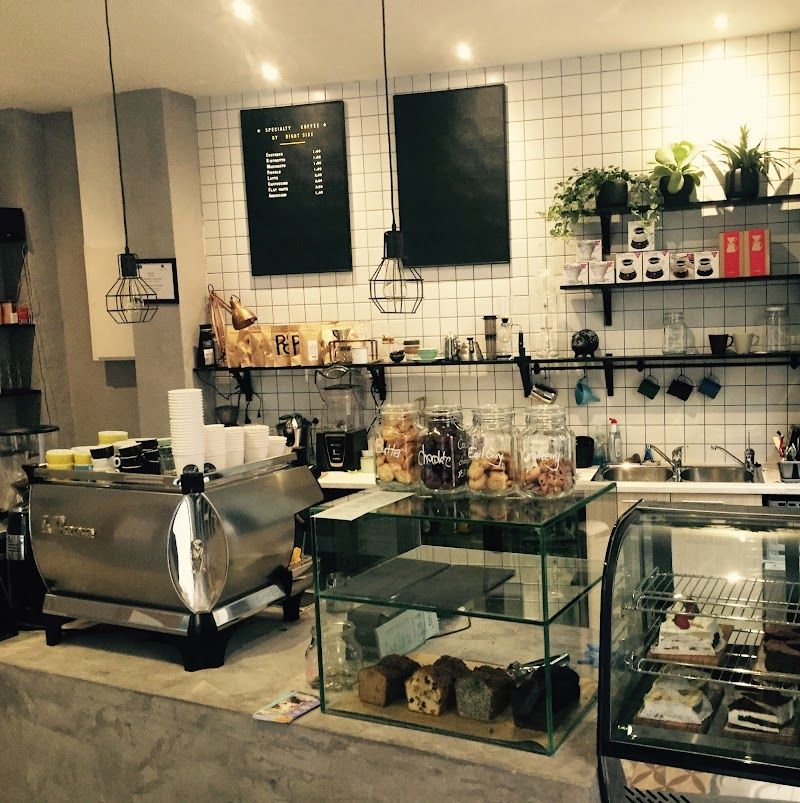
Hanso Café
Specialty coffee roastery and brunch spot in Barrio de las Letras with industrial-chic design and serious coffee credentials. The open kitchen serves acai bowls, shakshuka, and Japanese-inspired breakfast dishes alongside single-origin espresso drinks. Weekend brunch service draws a creative crowd.
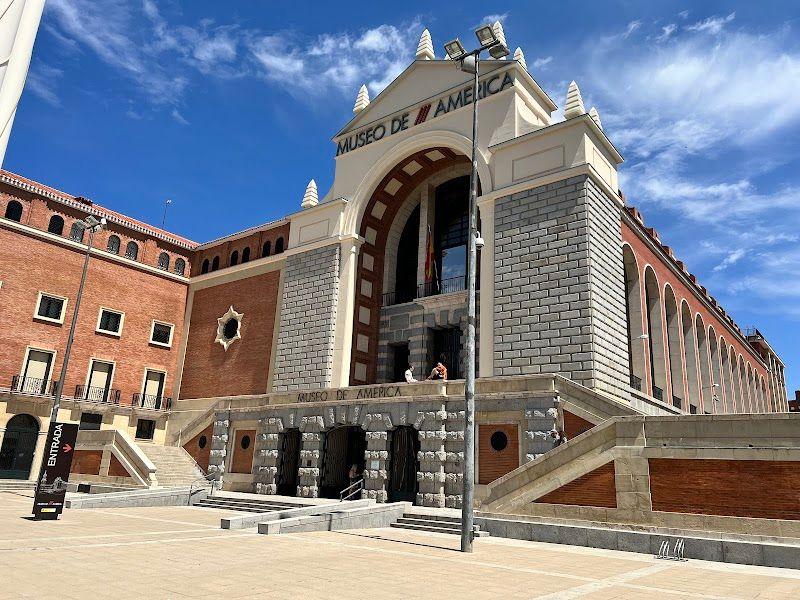
Museo de América
This museum houses an impressive collection of pre-Columbian art and artifacts from the Americas, including Mayan codices and Inca treasures. The collection spans from prehistoric times to the present, showcasing indigenous cultures of North, Central, and South America. It's rarely crowded despite its world-class collection.
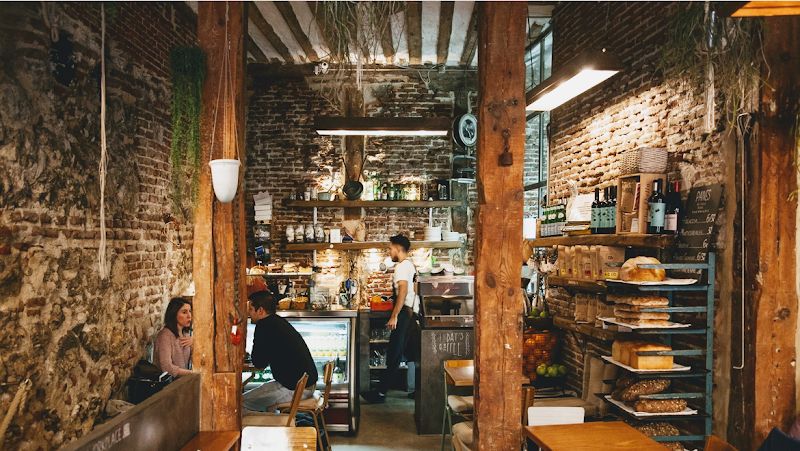
Pum Pum Café
Cozy neighborhood café in Malasaña with vintage furniture, exposed brick, and a bohemian atmosphere. Homemade cakes, quality coffee, and all-day breakfast attract freelancers working on laptops and locals lingering over weekend brunch. The small space features mismatched chairs and soft lighting.
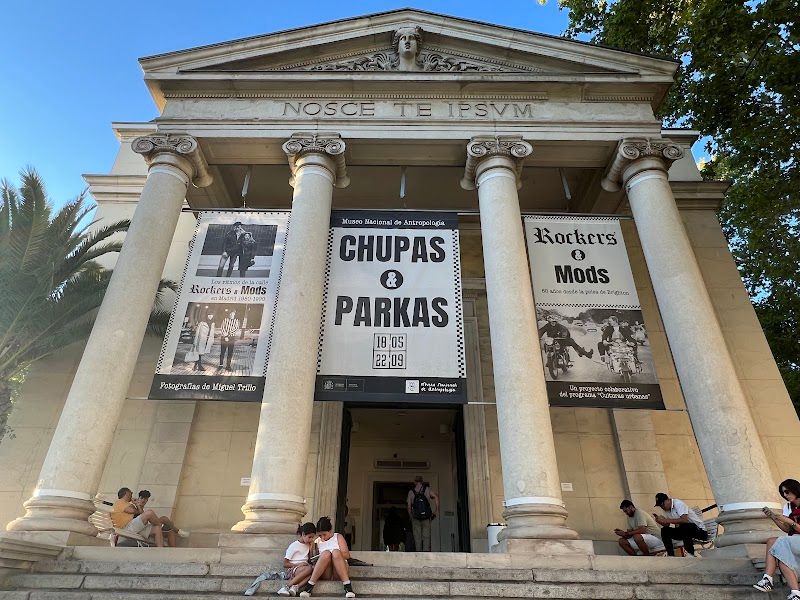
Museo Nacional de Antropología
This compact anthropology museum houses Spain's most diverse collection of global artifacts, from Polynesian masks to pre-Columbian gold work. The star attraction is a naturally mummified Guanche from the Canary Islands, complete with visible tattoos and deformed skull binding. You'll also find intricate Philippine textiles, African sculptures, and detailed Oceanic ceremonial objects that major museums would highly value. The experience feels more like exploring a Victorian collector's private study than a modern museum. Displays are dense and sometimes poorly lit, but that intimacy works in the museum's favor. You can get close to 2,000-year-old artifacts, and the hushed atmosphere lets you contemplate what you're seeing. The building's marble staircases and period rooms add to the old-world charm, though some exhibitions feel frozen in the 1980s. Entry costs €3 (free on Sundays after 2pm), making this Madrid's best museum bargain. Most visitors rush through in 45 minutes, but you'll miss the detail in the Philippine collection if you hurry. Skip the ground floor unless you're obsessed with Spanish folk costumes. The second-floor anthropological displays are where the real treasures live, particularly the pre-Columbian room that many people walk past.
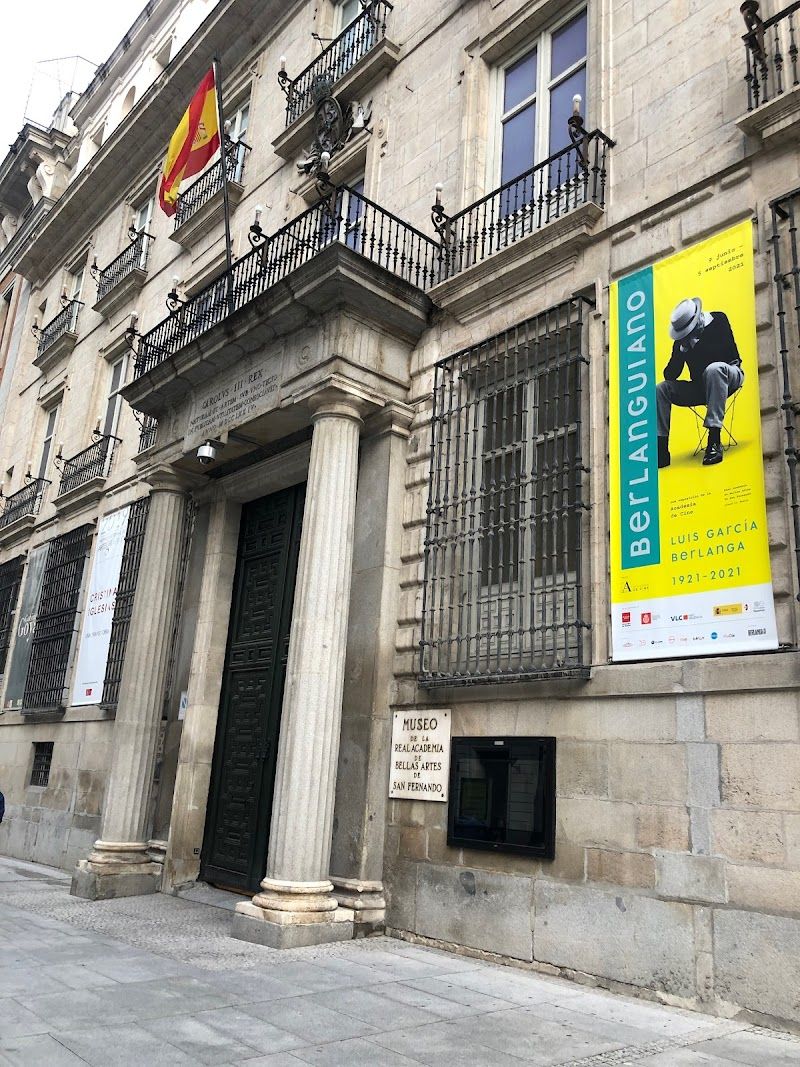
Real Academia de Bellas Artes de San Fernando
One of Madrid's oldest art academies with an exceptional collection including 13 paintings by Goya, works by Rubens, Velázquez, and Zurbarán. The museum is far less crowded than the Prado but holds masterpieces of equal quality. Goya and Picasso both studied here.
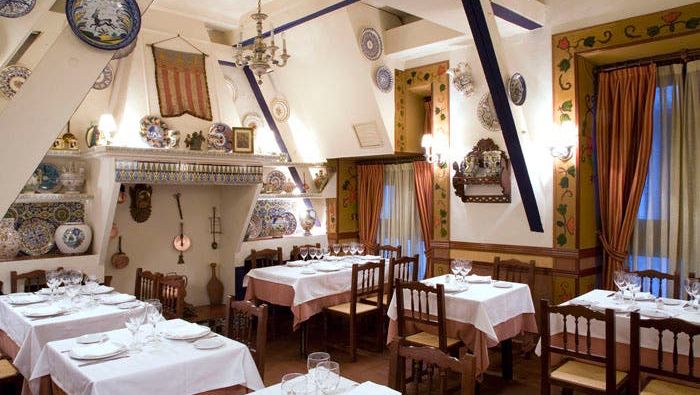
La Barraca
This traditional restaurant on Reina Cristina serves authentic cocido madrileño, the capital's signature chickpea stew with meats and vegetables. The three-course cocido ritual (soup first, then chickpeas and vegetables, finally the meats) is executed perfectly, making it the go-to spot for this winter specialty.
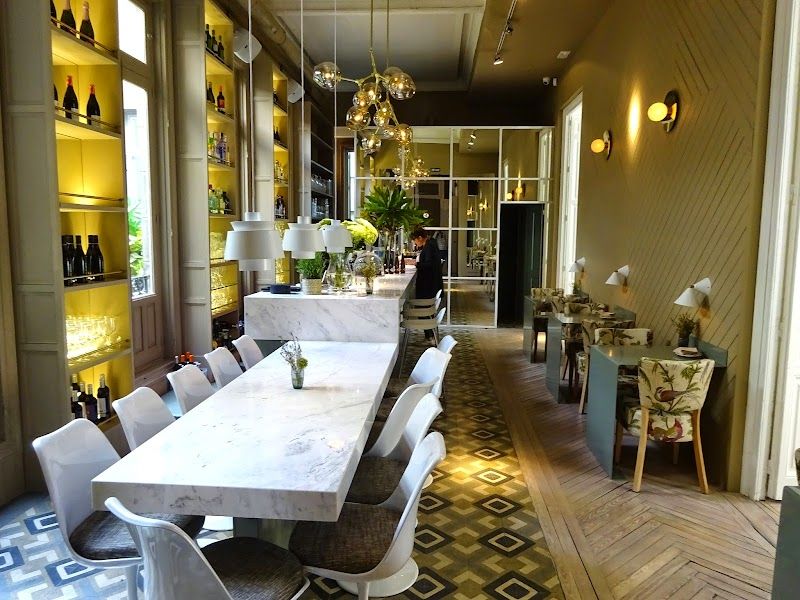
El Imparcial
Housed in a former newspaper headquarters, this Lavapiés spot features soaring ceilings, vintage printing presses, and a menu of creative tapas and cocktails. The three-level space includes a ground-floor bar, mezzanine dining area, and basement cocktail lounge.
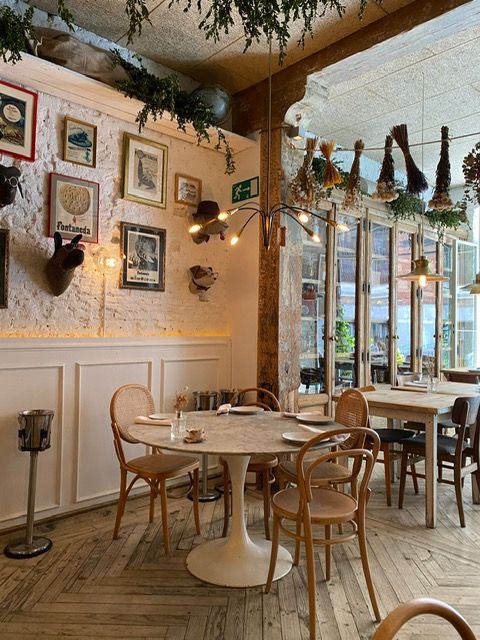
Bar Galleta
This tiny Lavapiés bar serves natural wines and creative small plates in a relaxed, no-frills setting. The daily-changing menu features seasonal vegetables, quality tinned seafood, and thoughtful cheese and charcuterie selections, attracting the neighborhood's artistic crowd.
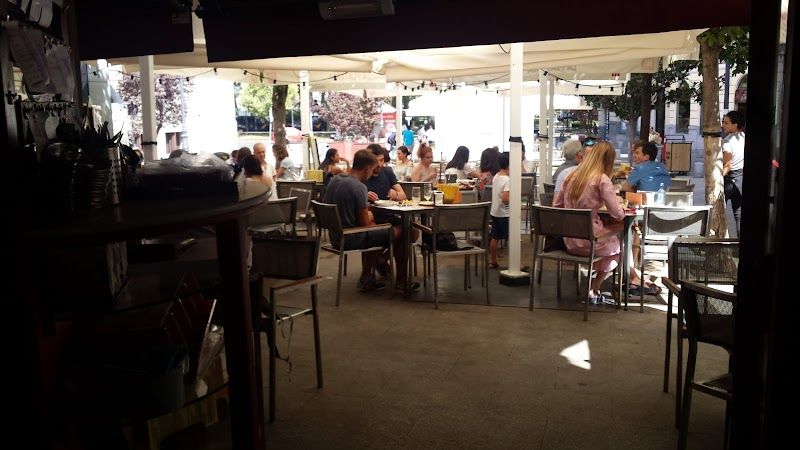
La Platería
This intimate wine bar and restaurant focuses on natural wines and seasonal Spanish cuisine with a modern twist. The cozy interior features exposed brick and dim lighting, creating a perfect atmosphere for wine lovers seeking knowledgeable staff and carefully curated selections.
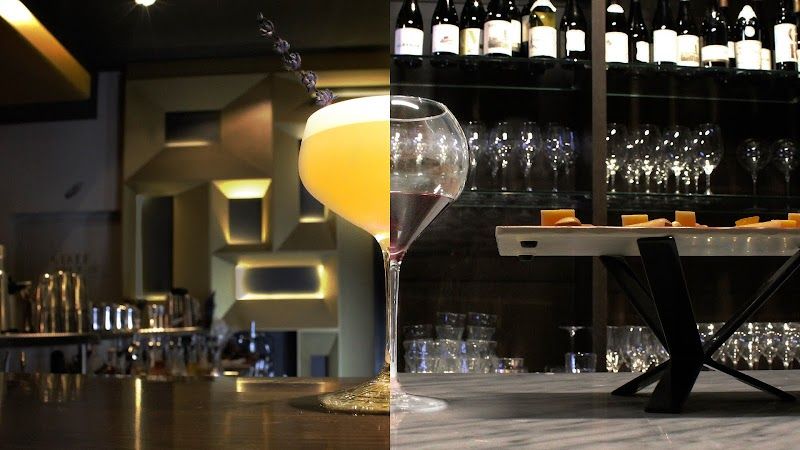
Angelita Madrid
This wine bar and restaurant on Calle Ponzano offers an extensive Spanish wine list paired with creative sharing plates. The industrial-chic space features an open kitchen, marble bar, and knowledgeable sommeliers who guide diners through lesser-known Spanish regions.
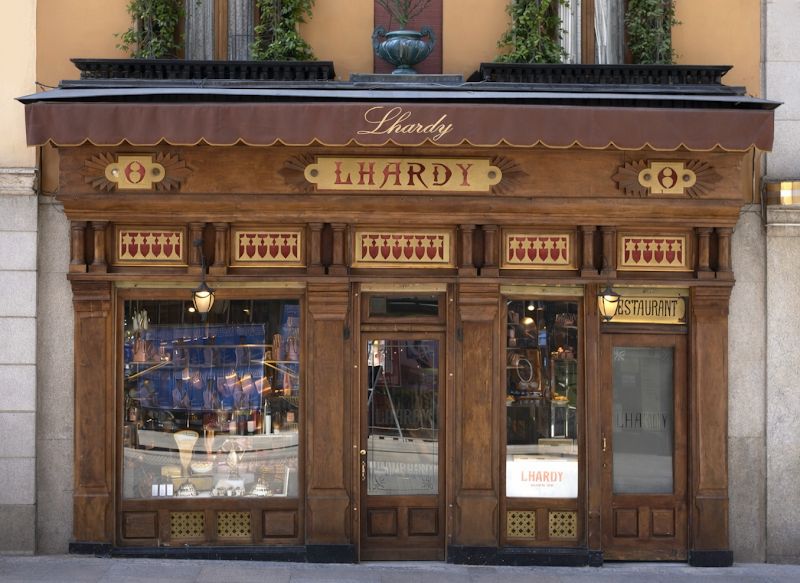
Lhardy
Madrid's oldest restaurant, opened in 1839, maintains its Belle Époque dining rooms and silver service. The ground floor features a historic deli counter with consommé served from silver urns, while upstairs offers formal dining with traditional cocido and game dishes.
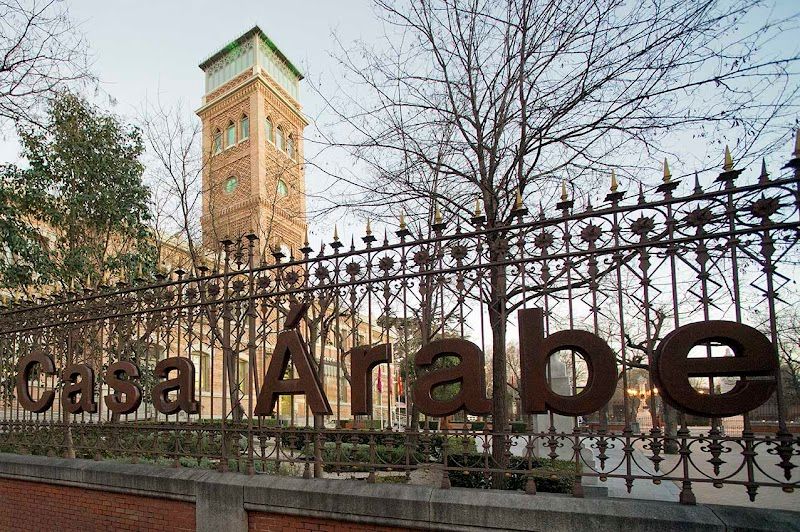
Casa Árabe
Cultural institution dedicated to Arab and Islamic world in a beautifully restored 19th-century palace with an Andalusian courtyard. Houses rotating exhibitions on contemporary Arab culture, Islamic art, and photography. The building features a traditional tiled patio and reading room.
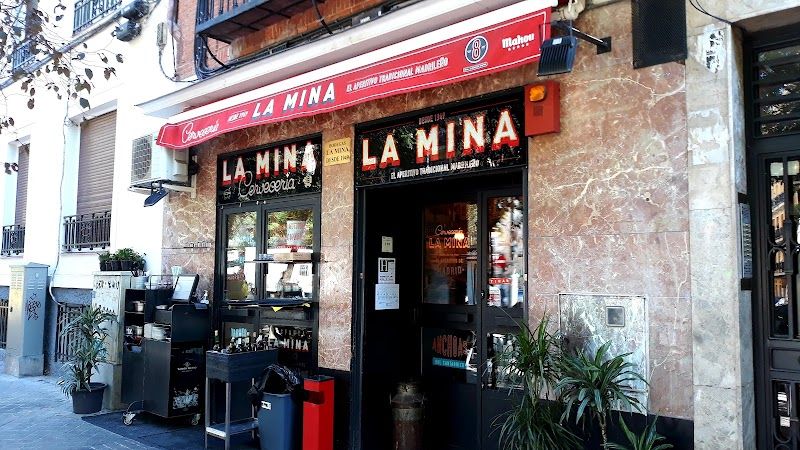
Mina Madrid
Contemporary bistro serving seasonal Mediterranean cuisine with creative twists. Small plates perfect for sharing in a casual, modern setting. Known for excellent wine list focusing on natural and biodynamic Spanish wines.
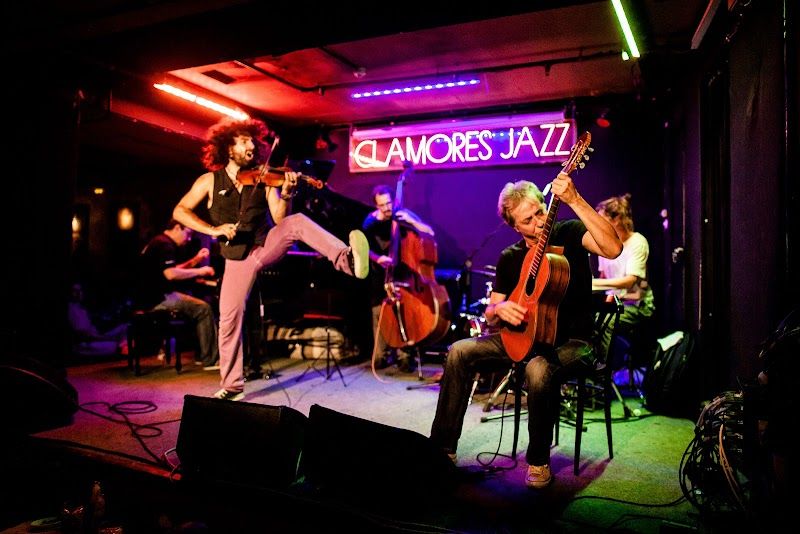
Clamorés
This Chamberí jazz and blues club has been operating since 1981 in a basement space that hosts live music seven nights a week. The programming includes jazz, blues, soul, and funk with both Spanish and international acts performing to an audience of serious music lovers. Shows typically start at 9:30pm, with the venue transforming into a late-night bar afterward.

Museo Nacional de Artes Decorativas
This underrated museum houses over 70,000 decorative arts objects spanning from the Middle Ages to contemporary design. Collections include Spanish ceramics, furniture, textiles, and an entire reconstructed historic kitchen from Valencia, offering insights into Spanish domestic life through the centuries.
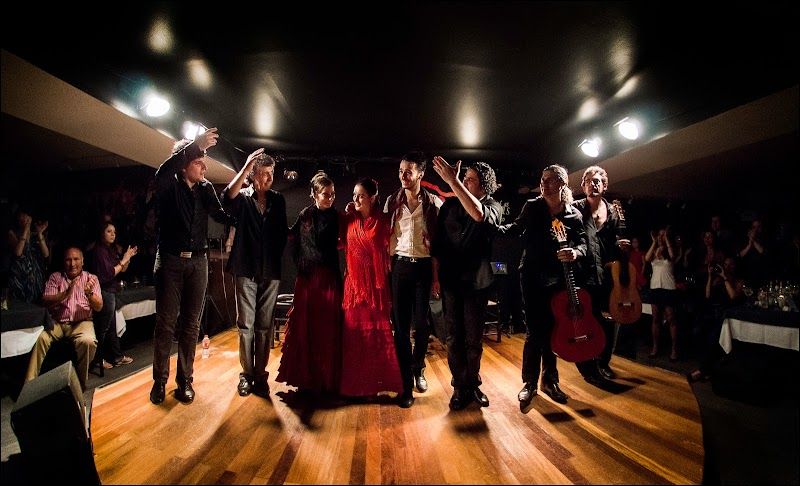
Tablao Las Carboneras
Traditional flamenco tablao near Plaza Mayor featuring authentic performances by top artists in an intimate 100-seat venue with exposed brick walls. Shows run nightly with options for show-only or dinner packages.
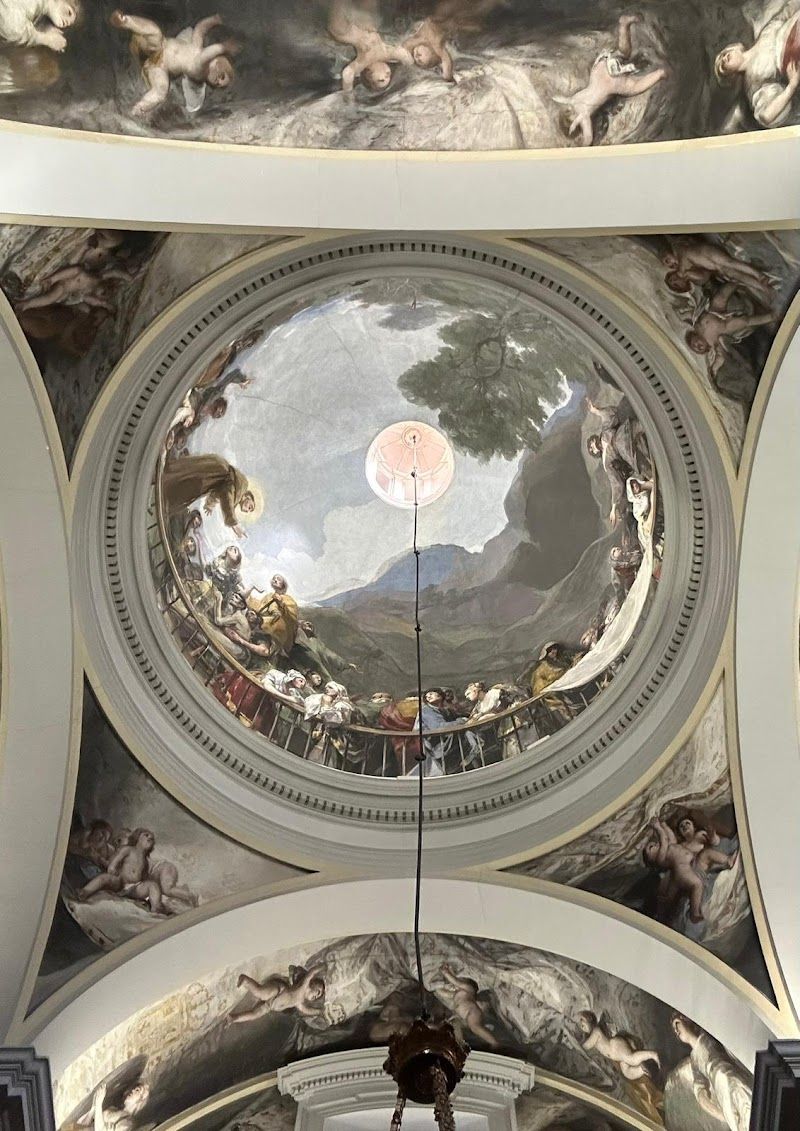
Ermita de San Antonio de la Florida
Small neoclassical chapel containing Goya's breathtaking frescoes covering the dome and ceiling, completed in 1798. The frescoes depict the miracle of St. Anthony with remarkable realism and innovative technique. Goya is buried here beneath a simple tombstone.
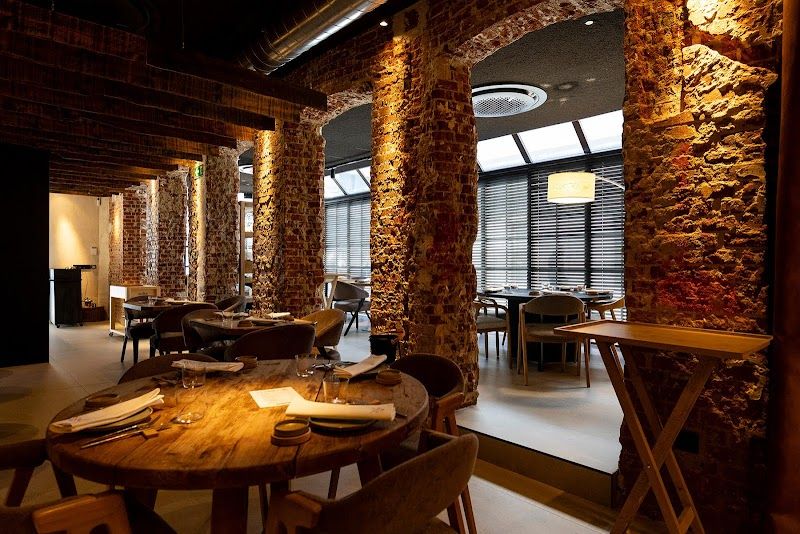
La Tasquería
Chef Javier Estévez's Chamberí restaurant specializes in nose-to-tail Spanish cuisine with an emphasis on overlooked cuts and offal. The tasting menu explores traditional regional dishes through a modern lens, earning a Michelin star for its creative approach to Spanish classics.
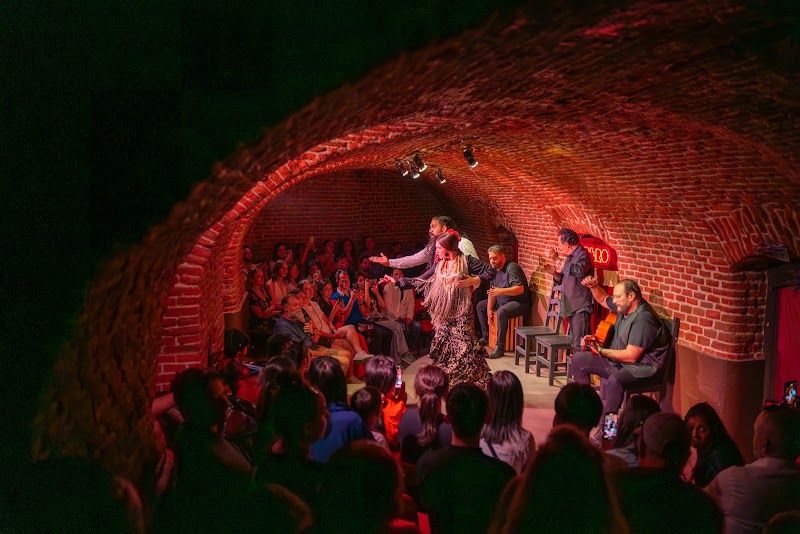
Flamenco Show in Madrid
Madrid has a thriving flamenco scene in small tablaos (dedicated flamenco venues) across the city. The best shows feature professional bailaores (dancers), cantaores (singers), and guitarists in intimate spaces where you sit close enough to hear the dancers' feet and the singer's breathing. Venues like Corral de la Moreria, Cardamomo, and Casa Patas range from EUR25-45 for the show, with drinks and dinner packages available. The smaller the venue, the better the experience.
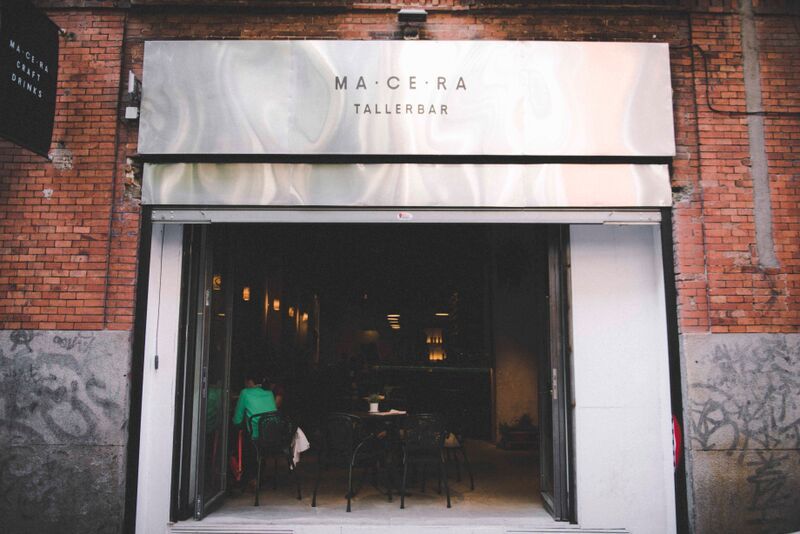
Macera Taller Bar
Craft cocktail bar specializing in house-macerated spirits and botanical infusions created on-site. The minimalist white-tiled interior showcases large glass jars filled with infusing ingredients, while the cocktail menu changes based on seasonal macerations. The open laboratory-style design lets you watch the infusion process.
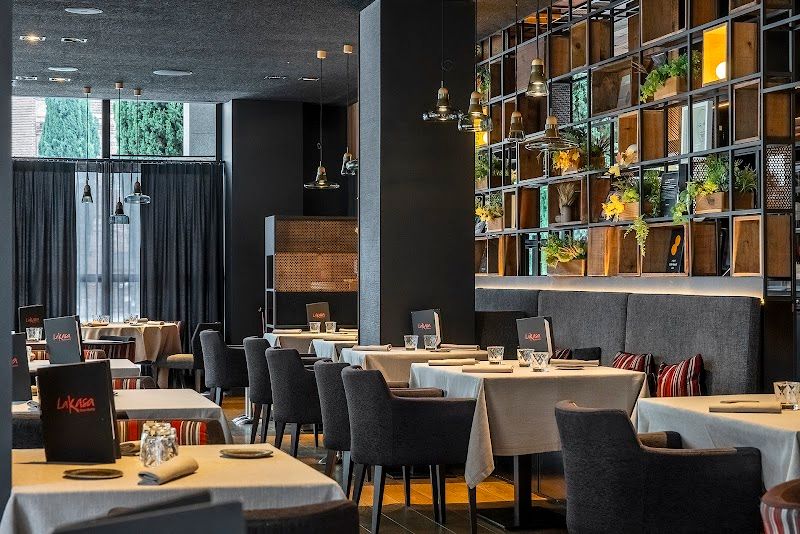
Lakasa
This Michelin-starred restaurant in Retiro offers modern Spanish tasting menus in an intimate 20-seat space. Chef César Martín creates seasonal dishes that showcase Spanish ingredients through contemporary techniques, with optional wine pairings from small producers.
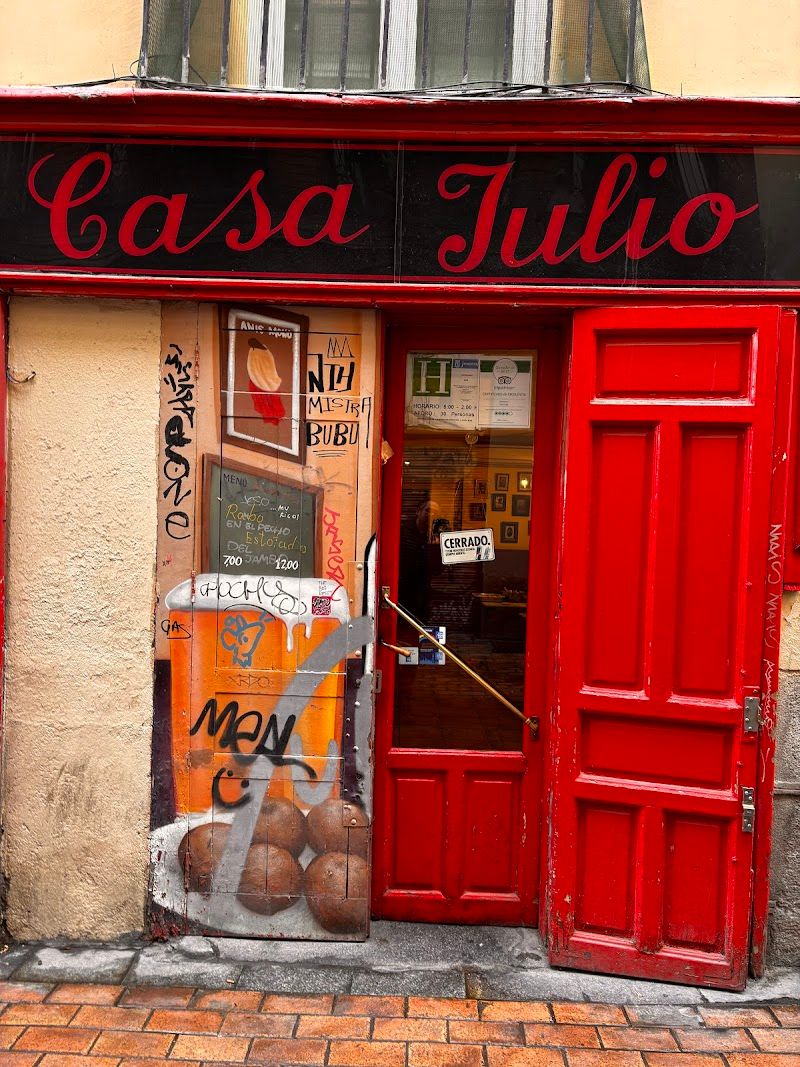
Casa Julio
This no-nonsense Chamberí bar has served the neighborhood's best croquetas since 1957. The short menu focuses on ham and cod croquetas, tortilla, and little else, all executed perfectly and served at the marble bar by white-jacketed waiters.
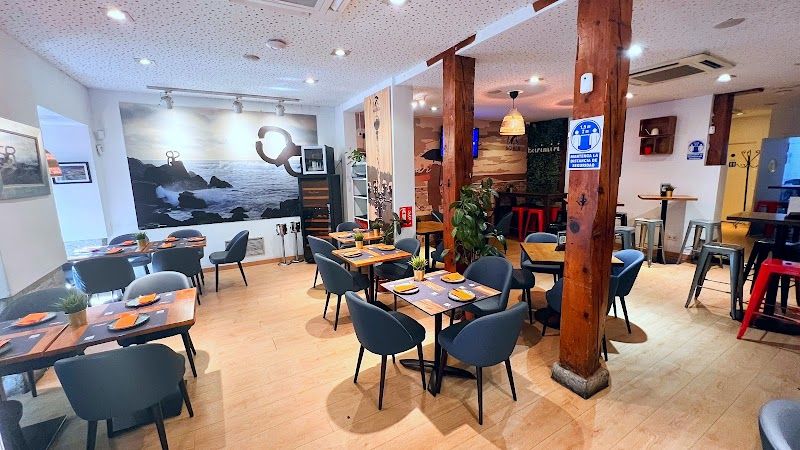
Txirimiri
An authentic Basque pintxos bar serving elaborate small bites on crusty bread, from foie gras to spider crab. The counter displays dozens of colorful pintxos that change daily, following the San Sebastian tradition of grazing several bars in one evening.
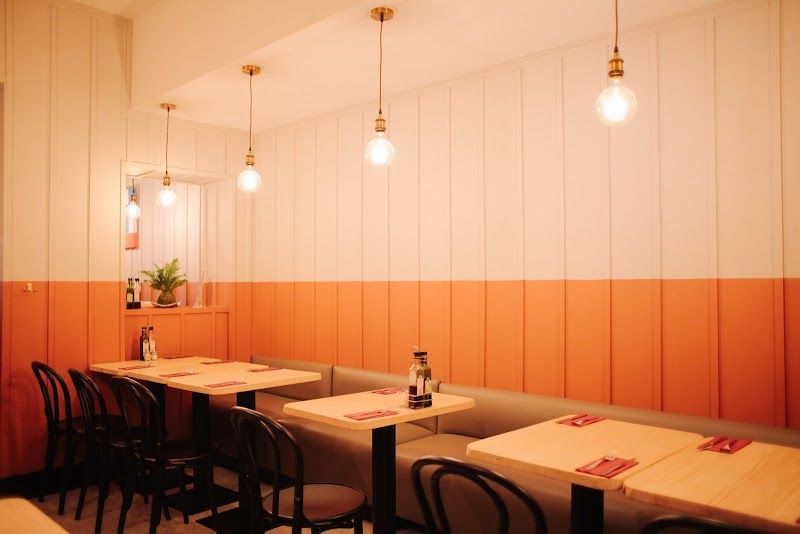
Taberna El Sur de Huertas
This cozy Huertas taberna specializes in Andalusian cuisine with excellent fried fish, salmorejo, and flamenquines. The small tiled interior fills with locals who come for the quality southern Spanish cooking at prices that feel like a different era.
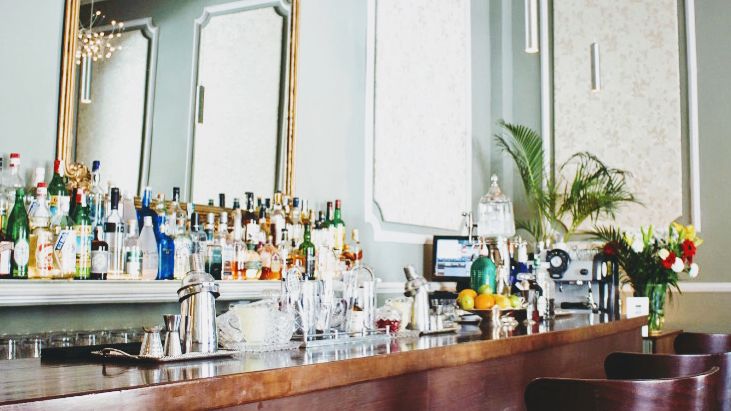
1862 Dry Bar
Elegant cocktail bar in a restored 19th-century building focusing on gin-based classics and Mediterranean-inspired drinks. The interior features exposed brick, vintage furniture, and a curated selection of over 100 gins. Bartenders in vests and ties craft drinks with house-made syrups and botanicals.
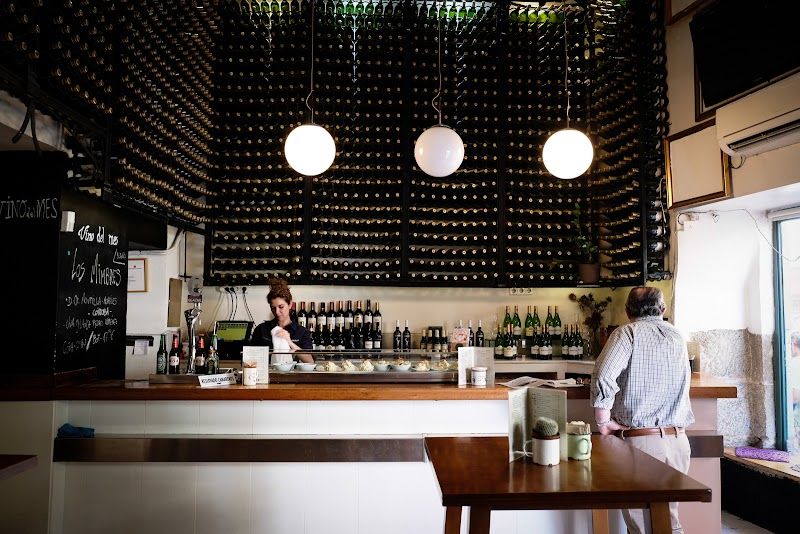
Lambuzo
This Malasaña seafood spot specializes in Andalusian-style fried fish and fresh shellfish, served in a casual tiled interior. The pescaíto frito (mixed fried fish) arrives in paper cones, and the raw bar features oysters, clams, and prawns at fair prices for the quality.

Madrid by Night Tapas and Flamenco Tour
Evening cultural experience combining a tapas crawl through three traditional tabernas in La Latina with a live flamenco performance at an intimate tablao. Small groups with local guides who share stories about Madrid's nightlife traditions.
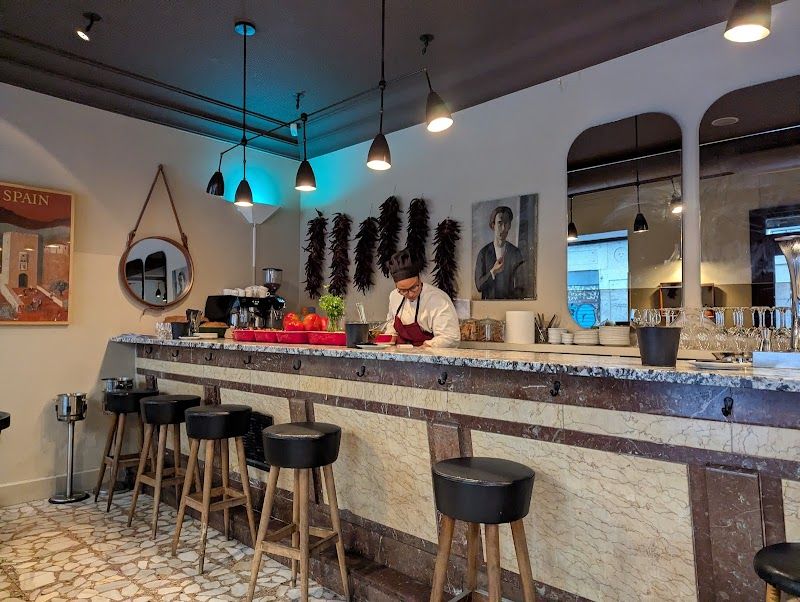
Celso y Manolo
Located on a quiet Chueca corner, this neighborhood gem serves generous portions of grilled meats and seafood at prices that seem frozen in time. The no-frills dining room fills with regulars who come for perfectly cooked entrecôte, fresh grilled fish, and the exceptional menu del día.
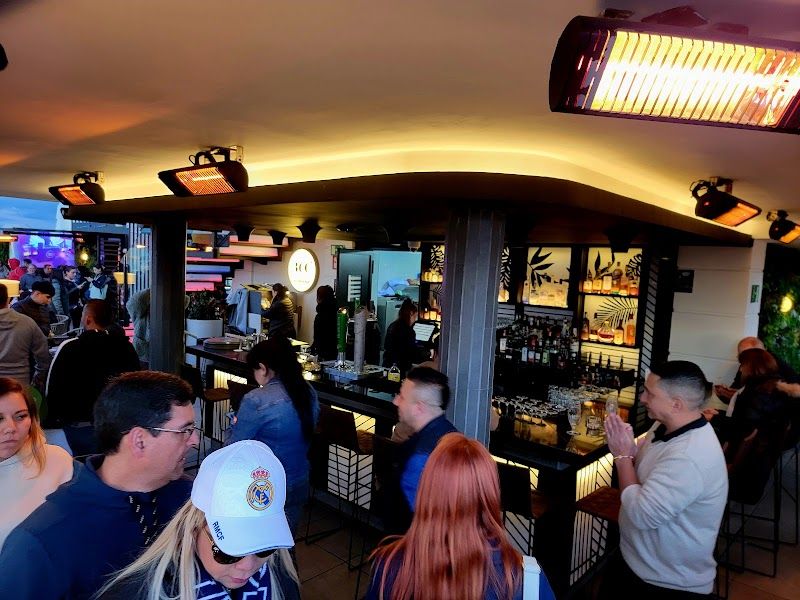
Madrid Sunset Rooftop Tour
Two-hour guided tour visiting three rooftop terraces with panoramic views of Madrid's skyline during golden hour. Includes welcome drink at each location while learning about the city's architecture and transformation from medieval to modern metropolis.
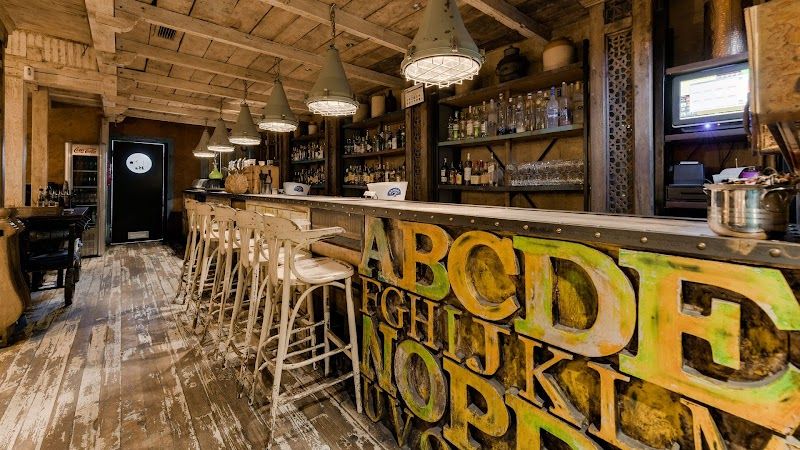
La Más Bonita
A charming neighborhood restaurant serving modern Spanish cuisine with a focus on seasonal ingredients and creative presentations. The intimate dining room features vintage decor and a relaxed atmosphere popular with locals. Known for their excellent value tasting menus and attentive service.
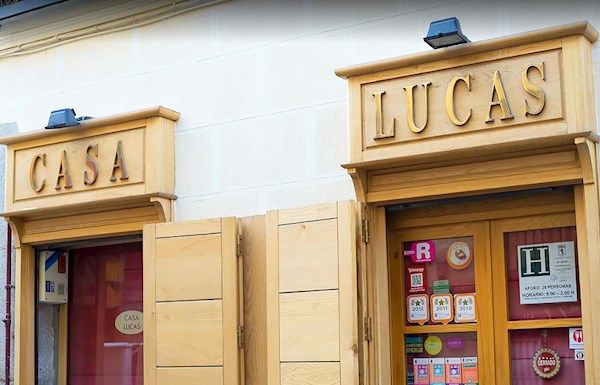
Casa Lucas
Historic gourmet delicatessen and wine shop specializing in artisan Spanish products, cheeses, and cured meats. Features a cozy wine bar in the back where you can taste products with excellent Spanish wines. Perfect for picking up quality gifts or enjoying a quick vermouth.
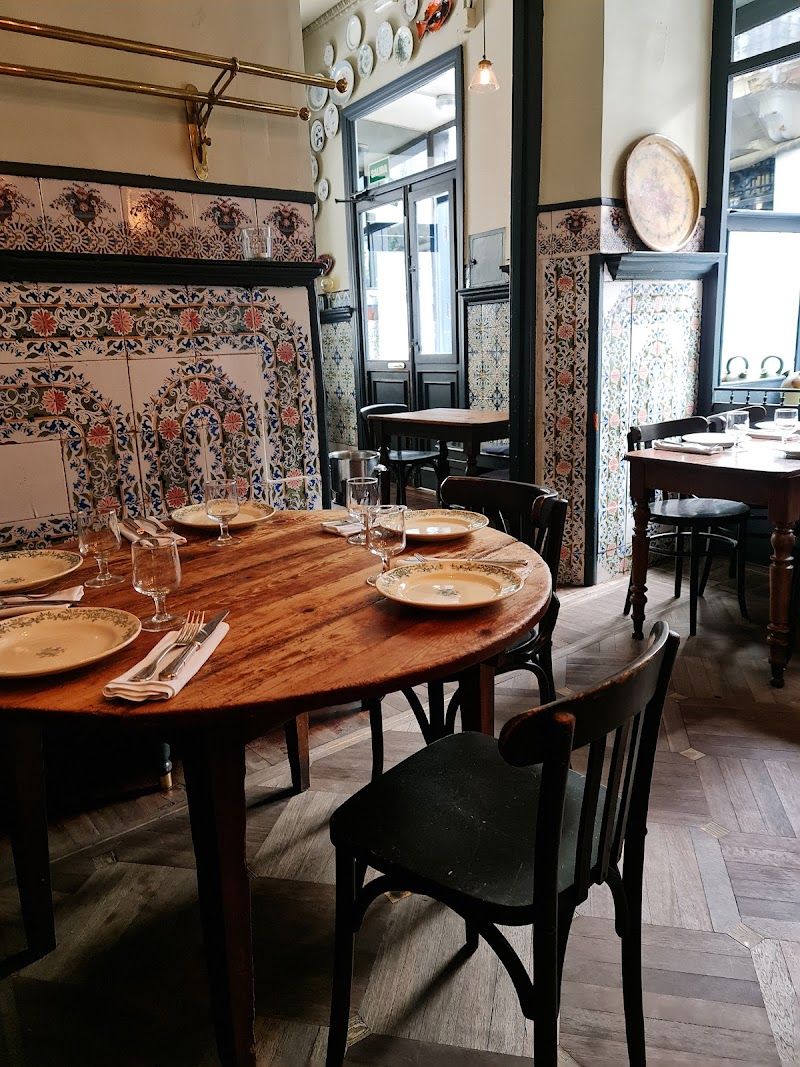
Taberna La Carmencita
Dating to 1854, this is Madrid's oldest taberna, with original tile work, carved wooden details, and a menu blending traditional recipes with modern technique. The intimate dining room and tiny bar preserve the 19th-century atmosphere while serving updated classics like oxtail and Iberian pork cheeks.
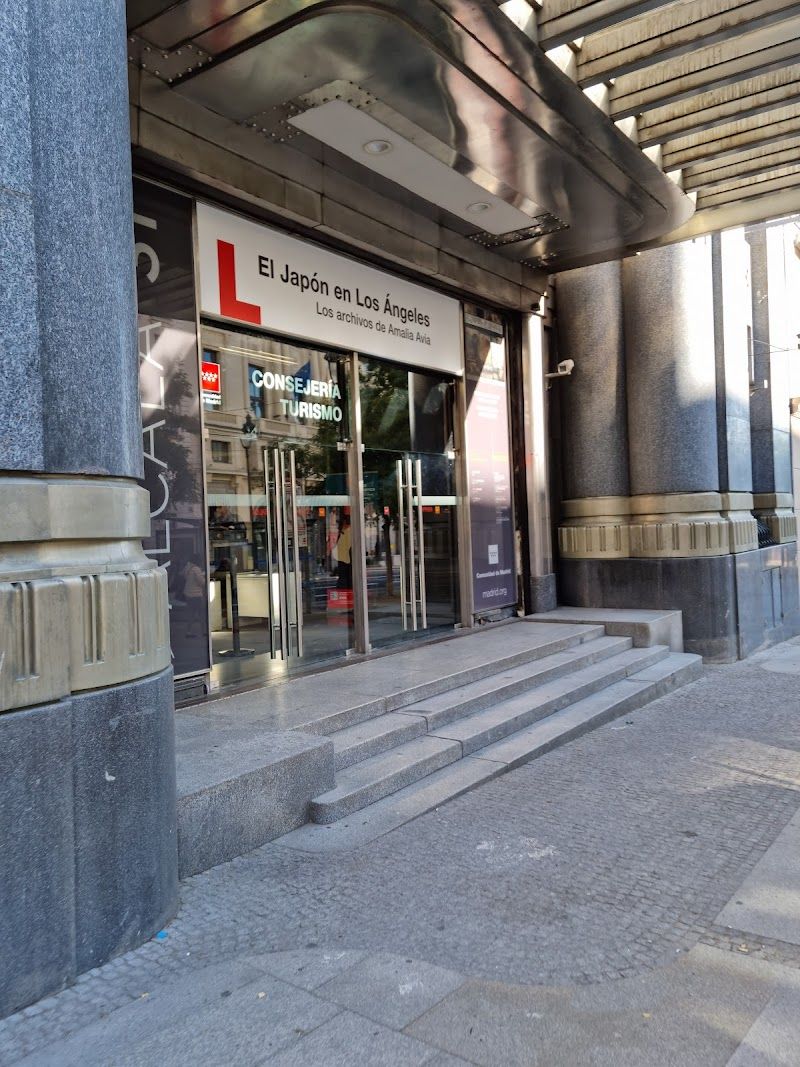
Sala Alcalá 31
This contemporary art space occupies a stunning renovated early 20th-century building and serves as a community cultural center with rotating exhibitions, workshops, and events. Managed by the Madrid City Council, it focuses on emerging artists and experimental works with free admission.
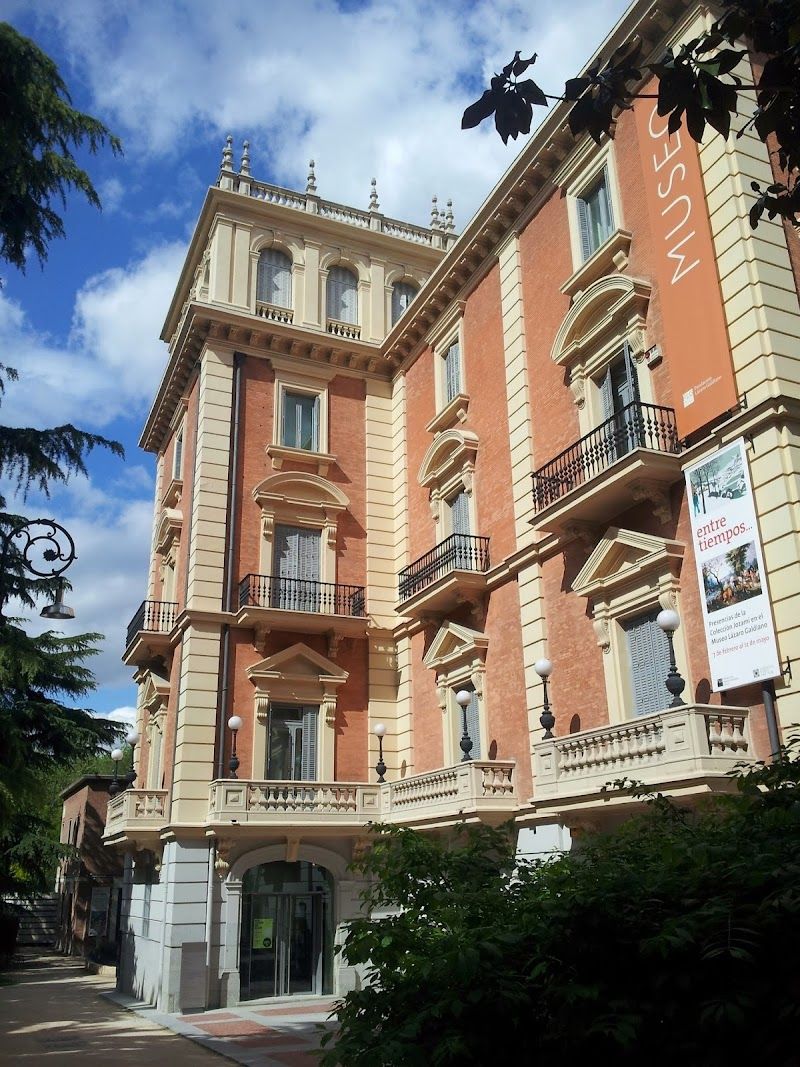
Museo Lázaro Galdiano
Private collection of financier José Lázaro Galdiano housed in his former mansion, featuring over 13,000 works including paintings by Goya, Bosch, and El Greco. The decorative arts collection includes medieval armor, jewelry, and rare manuscripts. The building itself is a beautifully preserved early 20th-century palace.
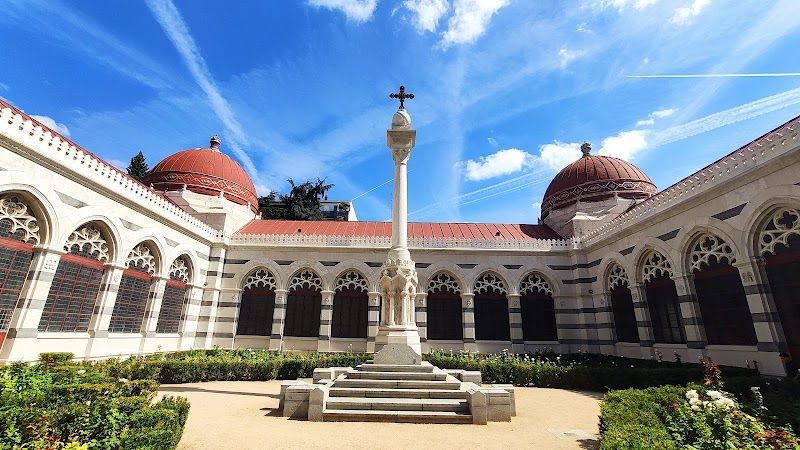
Panteón de Hombres Ilustres
Neo-Byzantine mausoleum built in 1891 to honor Spain's most distinguished political and military figures. The interior features elaborate marble tombs and colorful mosaics under a central dome. The building's eclectic architecture combines Byzantine, Moorish, and Gothic elements.
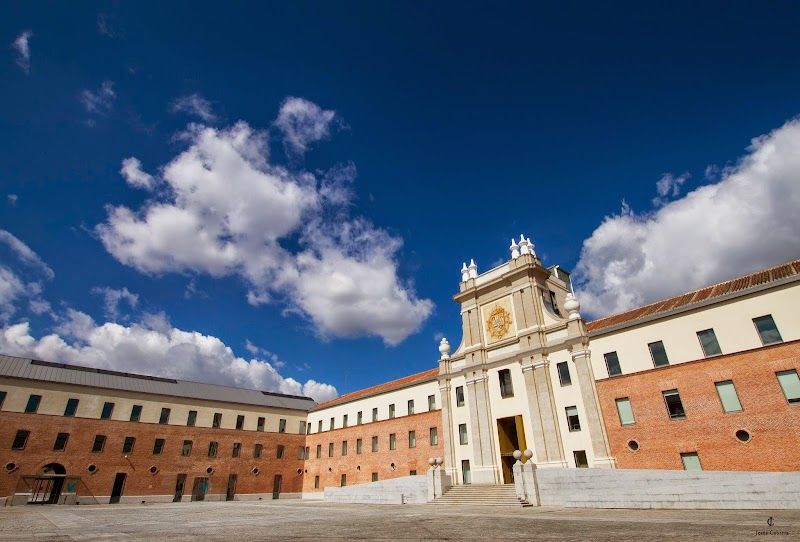
Conde Duque Cultural Centre
Massive 18th-century former military barracks converted into a cultural complex hosting contemporary art exhibitions, concerts, and theater performances. The two-level arcaded courtyard is one of Madrid's most impressive baroque spaces. The building also houses the municipal newspaper archive and museum collections.
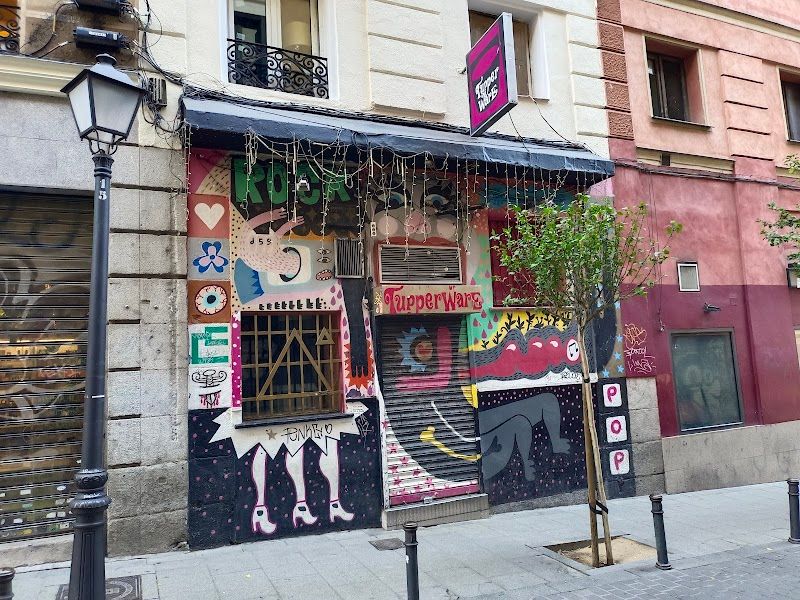
Tupperware
A tiny Chueca bar that barely fits 30 people but packs an outsized impact on Madrid's LGBTQ+ nightlife scene. The eclectic decor features vintage furniture and kitschy artwork, while the music ranges from 80s pop to underground electronica. Pre-drinks here are a ritual before heading to the bigger clubs, and the bartenders pour generously.
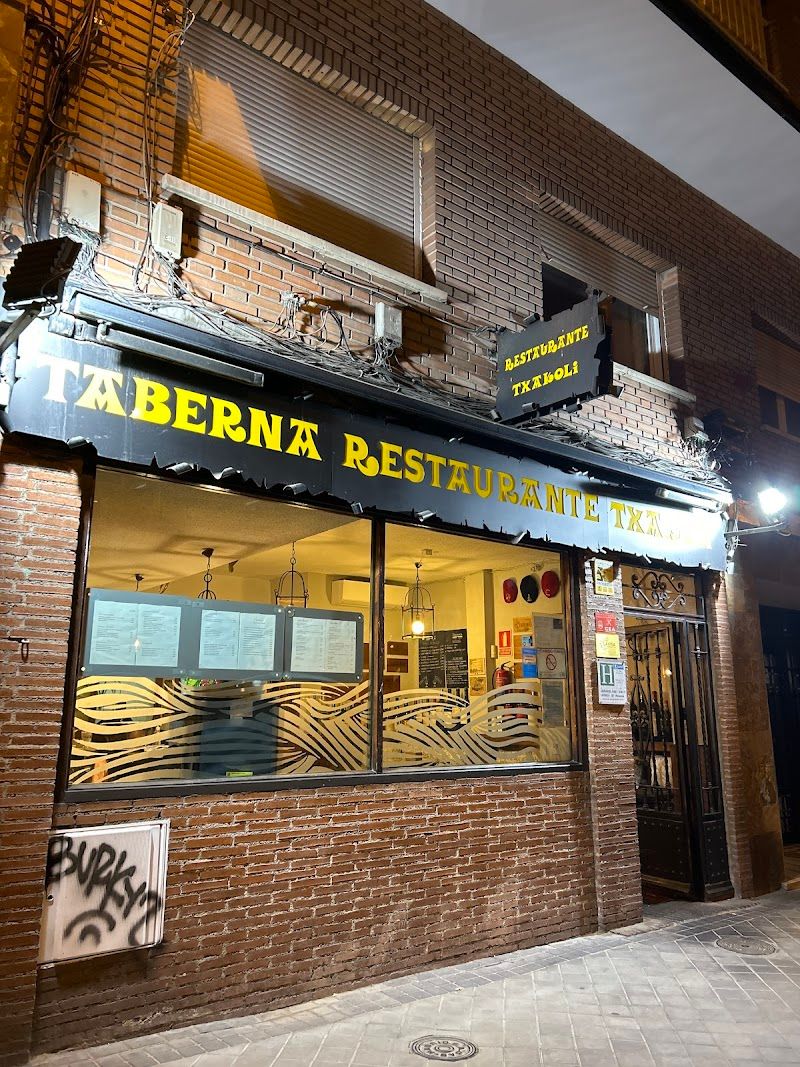
Taberna Txacolina
Basque-style taberna serving pintxos and traditional northern Spanish cuisine in a lively atmosphere. Famous for their txakoli (Basque white wine) and quality seafood pintxos displayed on the bar. The standing-room area by the bar offers the most authentic experience.
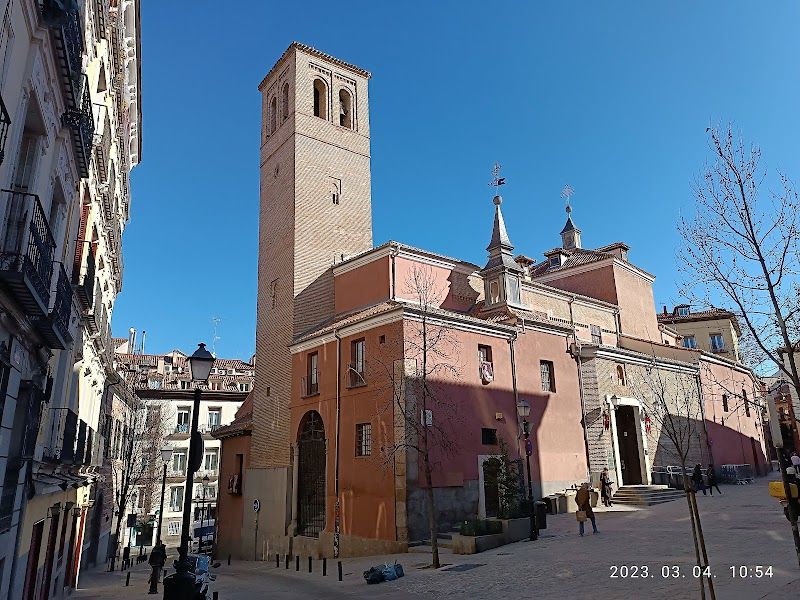
Iglesia de San Pedro el Viejo
One of Madrid's oldest churches dating from the 14th century, features a distinctive Mudéjar-style brick tower that's a neighborhood landmark. The church represents some of the earliest medieval architecture remaining in Madrid, located in a historic plaza that garners significant attention during the San Pedro festivals in June.
Academia de Español Inhispania
Spanish cooking classes combined with language learning in a professional kitchen near Gran Vía. Make traditional Spanish tortilla, gazpacho, and churros while practicing conversational Spanish with native-speaking chefs.
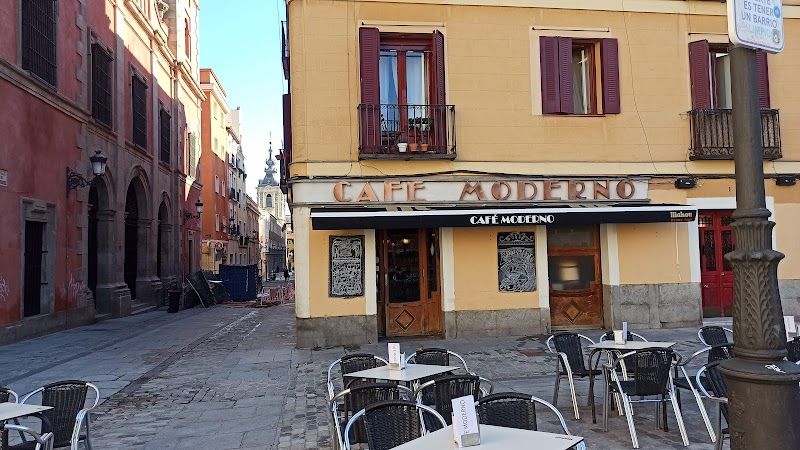
Café Moderno
A beloved neighborhood café with a literary history and bohemian atmosphere, serving excellent coffee and homemade pastries. The interior retains its vintage 1950s charm with marble tables and classic décor. Popular with students and locals who come for breakfast, afternoon coffee, or evening vermouth.
Avila and Segovia Full Day Tour
Comprehensive day tour visiting two medieval cities, Avila's perfectly preserved city walls and Segovia's Roman aqueduct and fairy-tale Alcázar. Includes guided walks through both historic centers and traditional Castilian lunch.
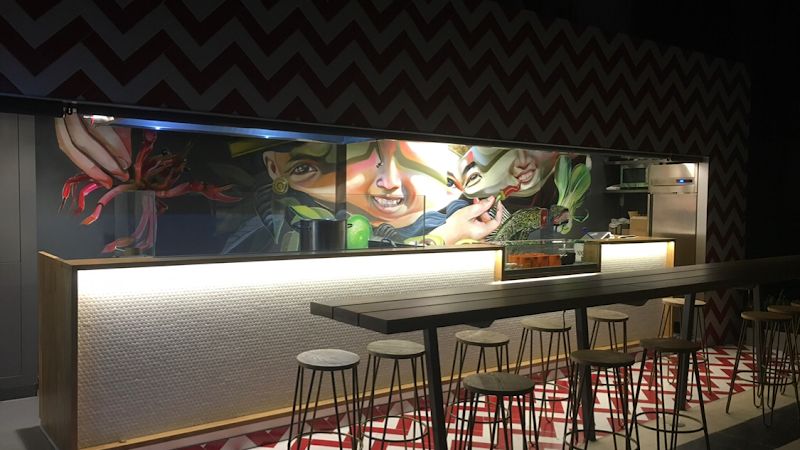
Tripea
This modern taberna in La Latina specializes in callos (tripe stew) and other traditional offal dishes updated for contemporary tastes. The open kitchen and industrial-chic design provide a fresh context for Madrid's most traditional working-class foods.
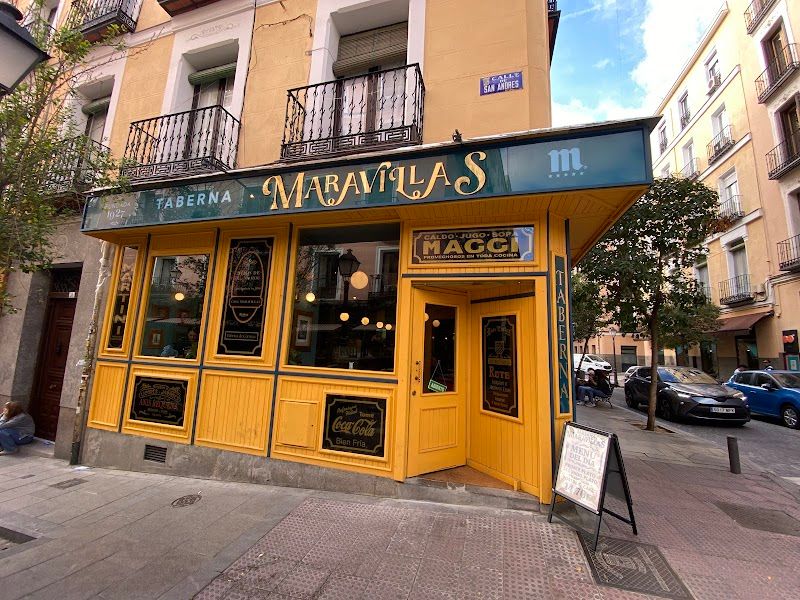
Bar Maravillas
Traditional vermutería on Plaza de Olavide serving house-made vermouth on tap with classic Spanish tapas like croquetas and Russian salad. The old-school tile interior and marble bar have served neighborhood locals since 1953. Sunday afternoon vermut sessions draw crowds spilling onto the plaza.
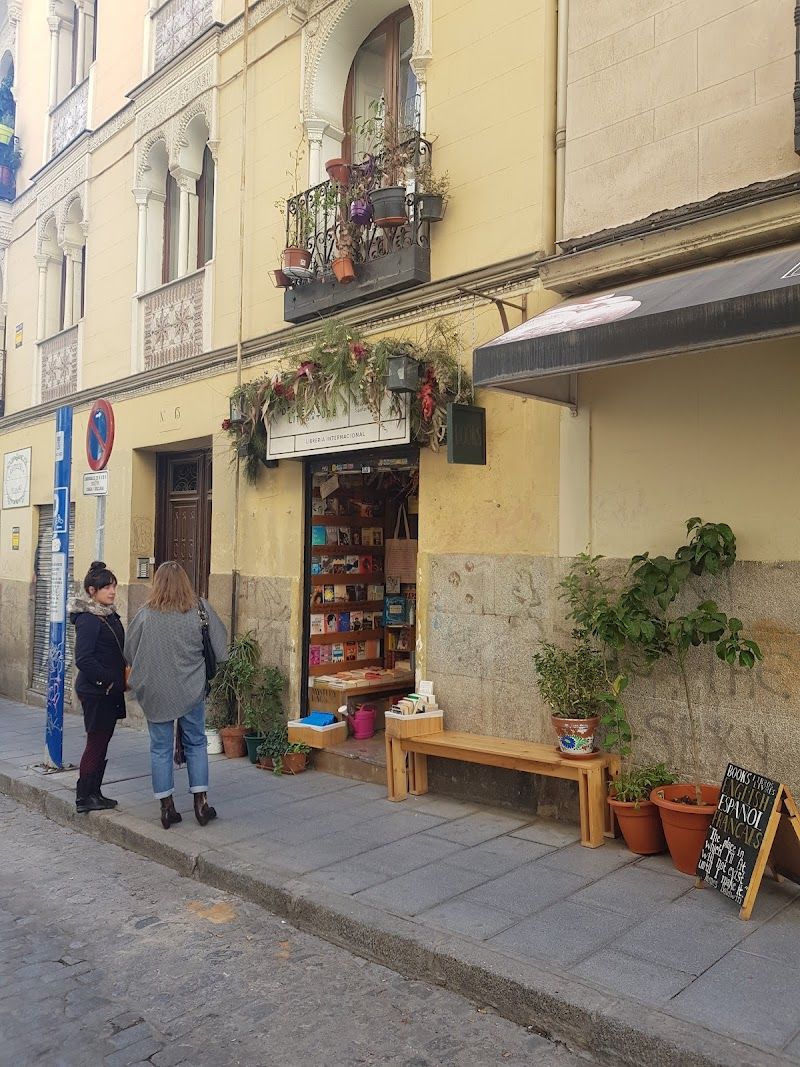
Types Bookstore
An independent English-language bookstore specializing in contemporary fiction, poetry, and literary magazines, with a carefully curated selection that reflects current literary trends. The shop also hosts regular author readings, book clubs, and cultural events.
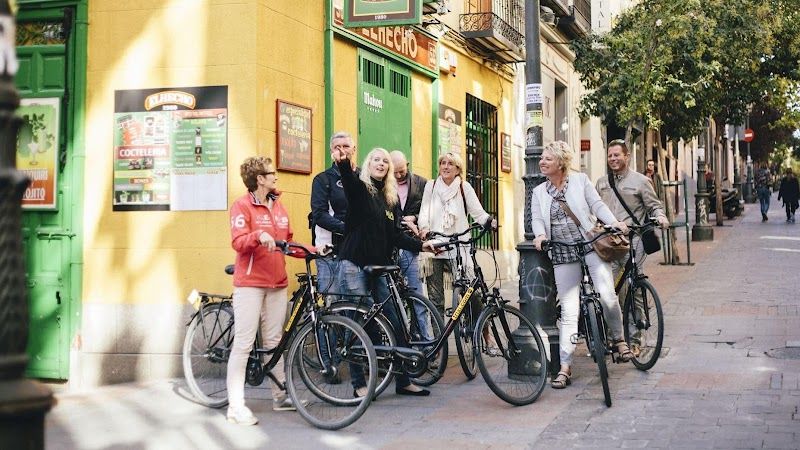
Trixi.com Madrid Bike Tour
Three-hour guided bicycle tour covering Madrid's main highlights including Retiro Park, the Royal Palace, and historic Plaza Mayor. Small groups with knowledgeable English-speaking guides who share stories about the city's history and culture.

Madrid Tapas and Wine Tasting Tour
Three-hour guided walking tour through La Latina and Centro neighborhoods stopping at four traditional tabernas for tapas and wine pairings. Learn about Spanish wine regions and jamón while tasting local specialties like croquetas and patatas bravas.
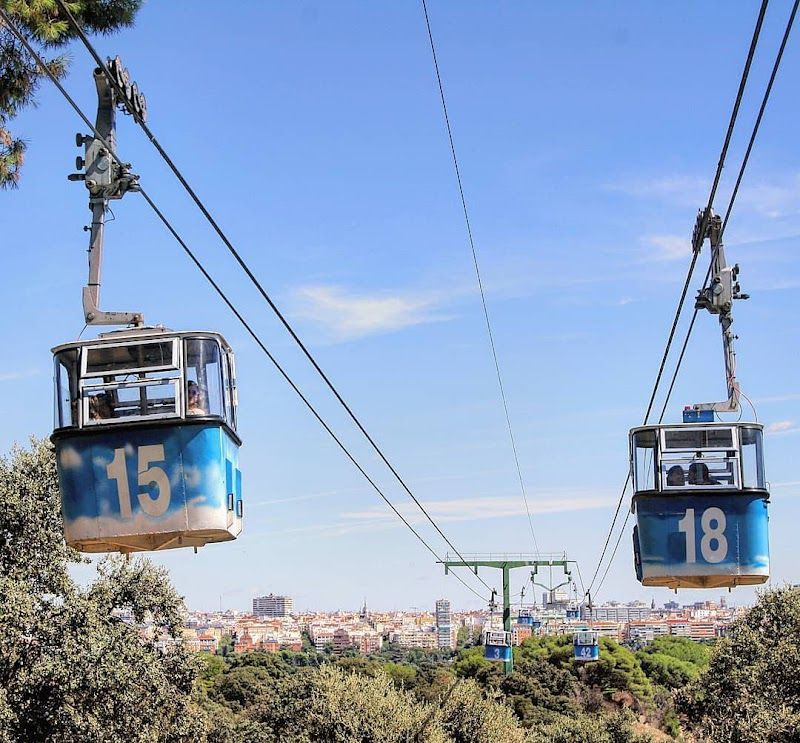
Teleferico de Madrid (Cable Car)
An 11-minute cable car ride from Paseo del Pintor Rosales in Arguelles across the Casa de Campo park. The views over the Madrid skyline, the Royal Palace, and the Guadarrama mountains on clear days are spectacular. Single cabins seat 4-6 people. EUR6 one way, EUR9 return. It is not a thrill ride but the views and the novelty factor make it a hit with kids and a relaxing break for adults.
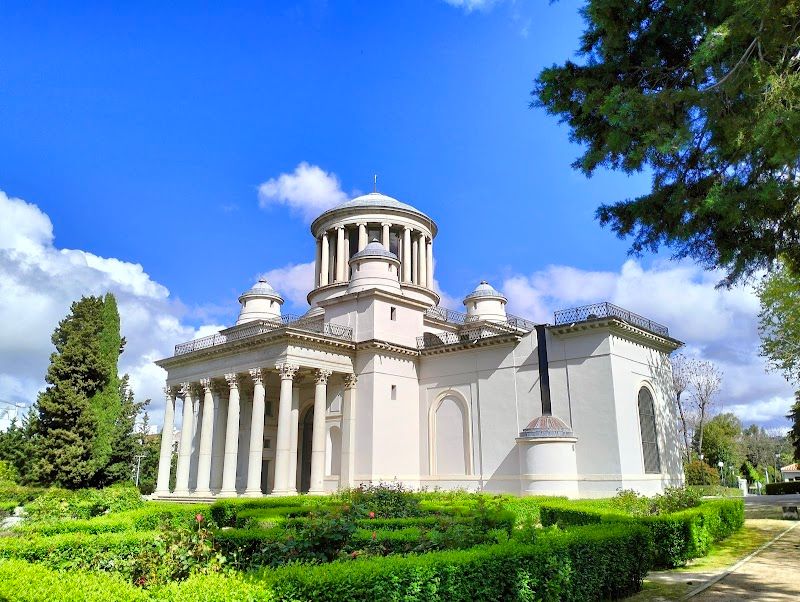
Real Observatorio de Madrid
Historic astronomical observatory founded in 1790 in Retiro Park, featuring original scientific instruments, a Foucault pendulum, and antique telescopes. The neoclassical building was designed by Juan de Villanueva. Guided tours explain the history of astronomy in Spain and demonstrate historical instruments.
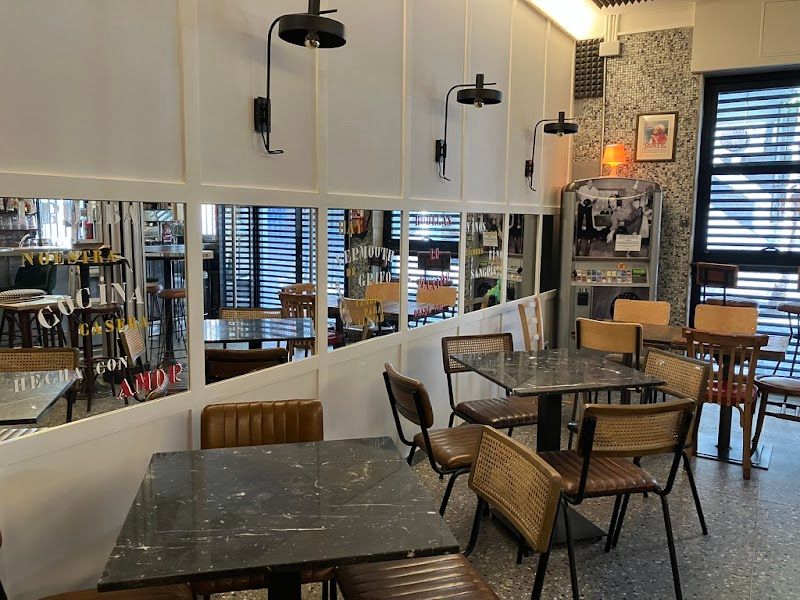
Bodegas Lo Maximo
Authentic neighborhood bodega serving exceptional tapas and wine since the 1980s. Tiny space with walls covered in bullfighting posters and locals crowding the bar. Famous for their croquetas and tortilla española.
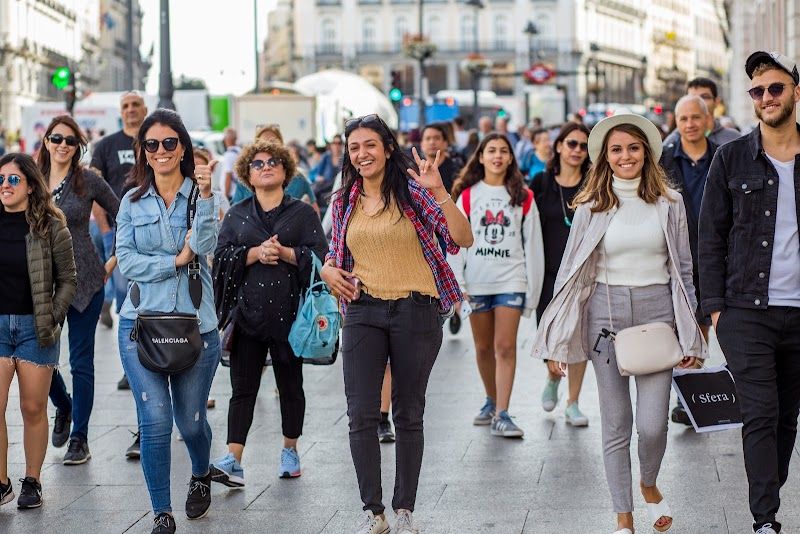
Jewish Madrid Walking Tour
Two-hour guided exploration of medieval Jewish quarter tracing the history of Sephardic Jews in Madrid before the 1492 expulsion. Visit the former Jewish neighborhood around Calle de la Fe and learn about the Inquisition's impact on Spanish society.
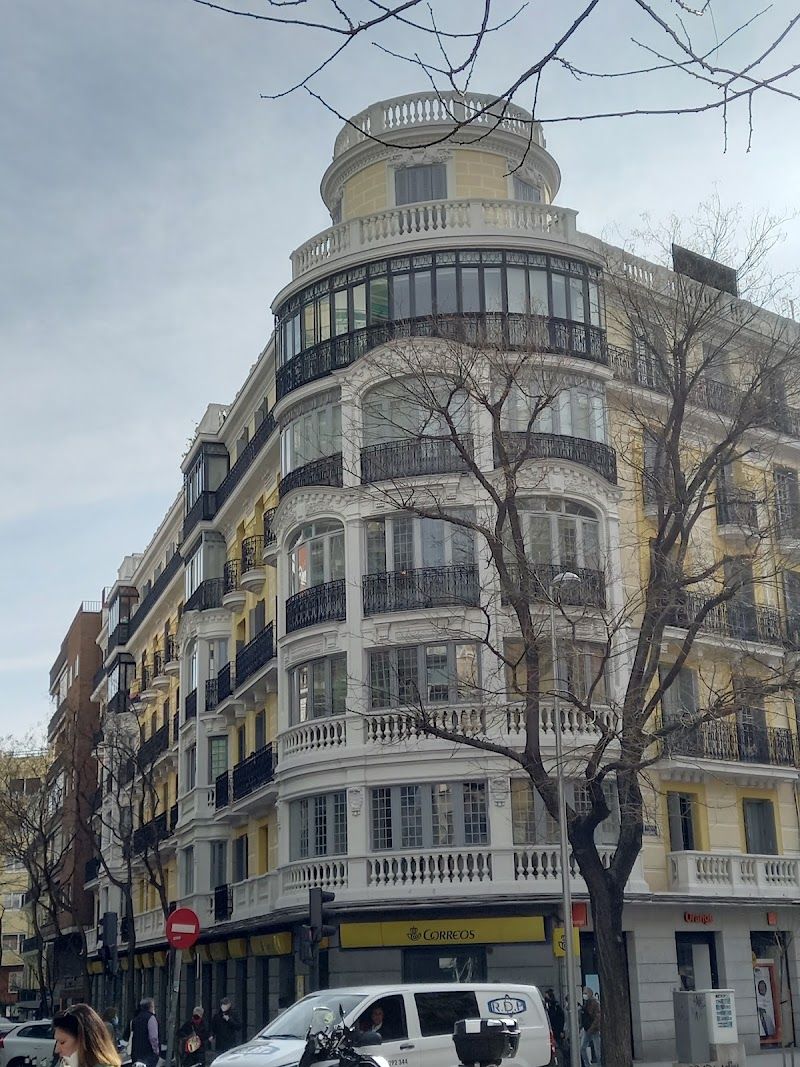
Calle de Fuencarral
Pedestrian shopping street connecting Gran Vía to Tribunal metro with independent boutiques, sneaker shops, and streetwear brands. Houses the Mercado de Fuencarral, a multi-level complex with emerging designers and tattoo studios. Street performers and skaters gather at the Tribunal plaza end.
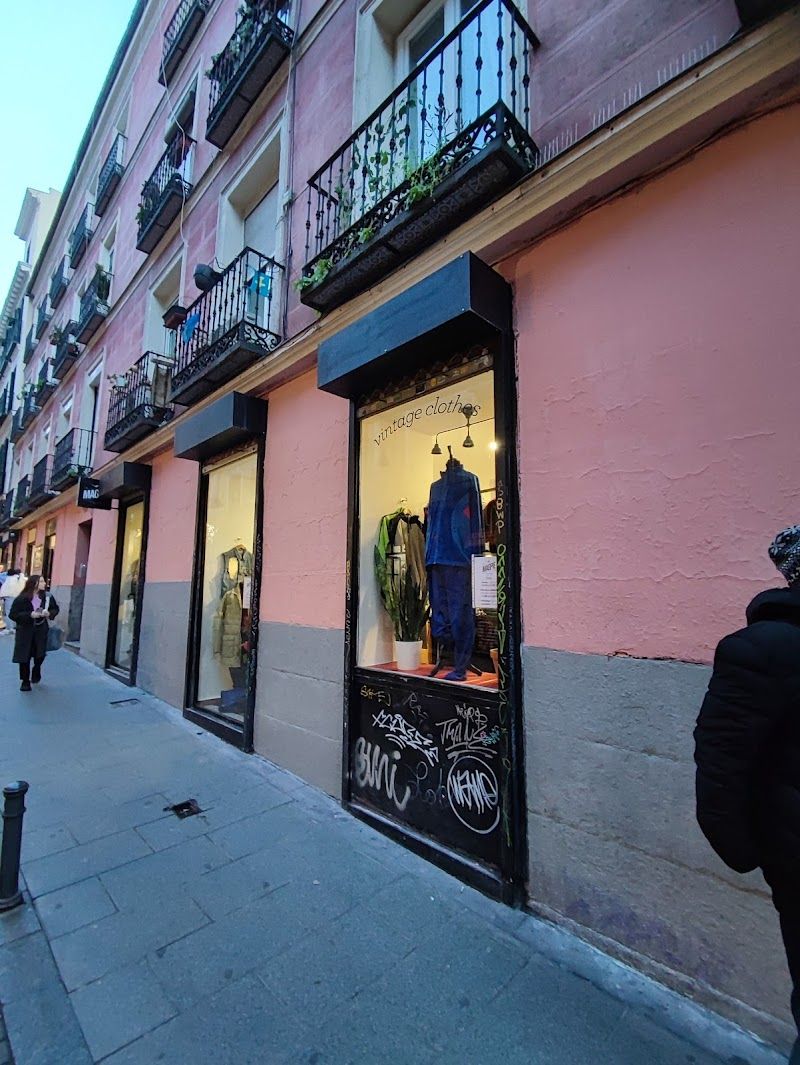
Magpie Vintage
Curated vintage clothing boutique in Malasaña specializing in American workwear, 1970s denim, and military surplus. Owners personally source items from estate sales and European markets. Small space packed floor-to-ceiling with organized racks by decade and style.
Calle de Serrano
Madrid's luxury shopping avenue running through Salamanca district with flagship stores for Loewe, Hermès, Chanel, and Louis Vuitton. The ABC Serrano shopping center occupies a converted 19th-century newspaper building. Spanish brands like Purificación García and Adolfo Domínguez have major presence.
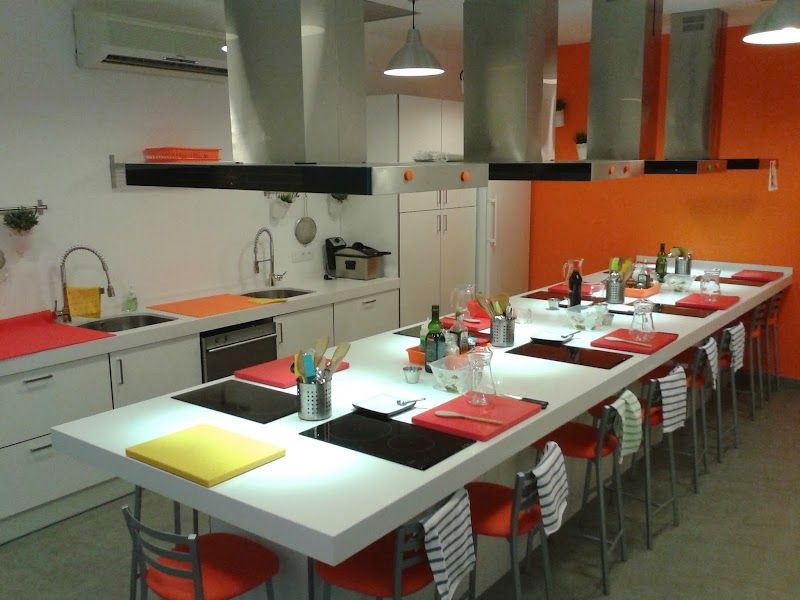
Cooking Point
Hands-on cooking school in a modern kitchen where you'll learn to make authentic paella, Spanish tortilla, and sangria from scratch. Classes are taught by professional Spanish chefs in small groups, and you eat everything you prepare together at the end.
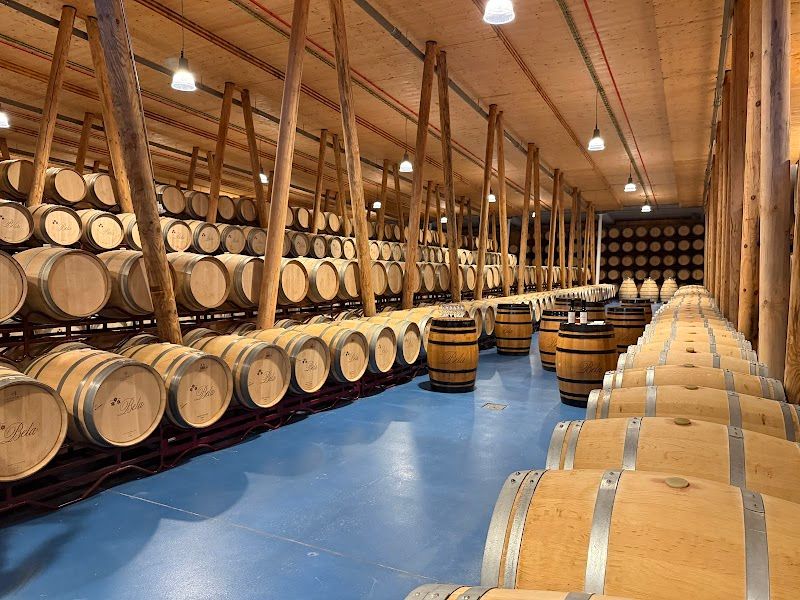
Madrid Wine Tasting La Latina
Intimate wine tasting experience in a cozy bodega sampling six Spanish wines from different regions including Rioja, Ribera del Duero, and Rueda. Paired with artisanal cheeses and charcuterie while learning about Spanish viticulture.
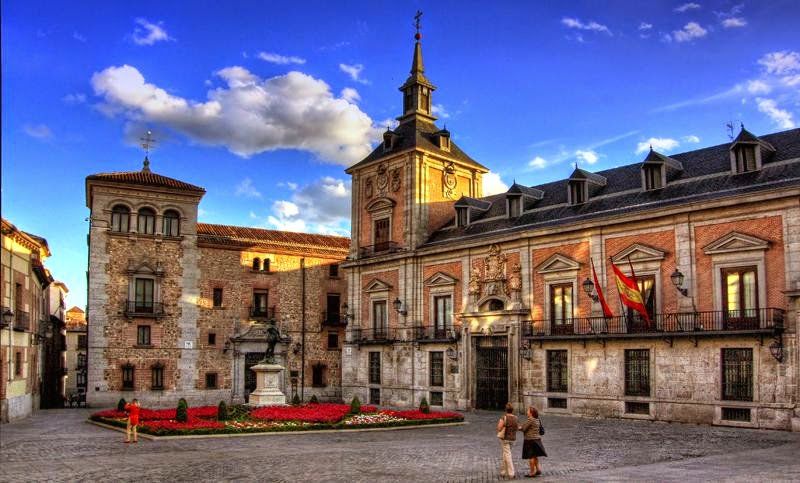
Casa de la Villa
Former Madrid City Hall from the 17th century, a rare example of Habsburg-era civil architecture in the city. The baroque building features a distinctive slate-covered tower and houses historical rooms including the council chamber with original tapestries. Now used for official ceremonies and cultural events.
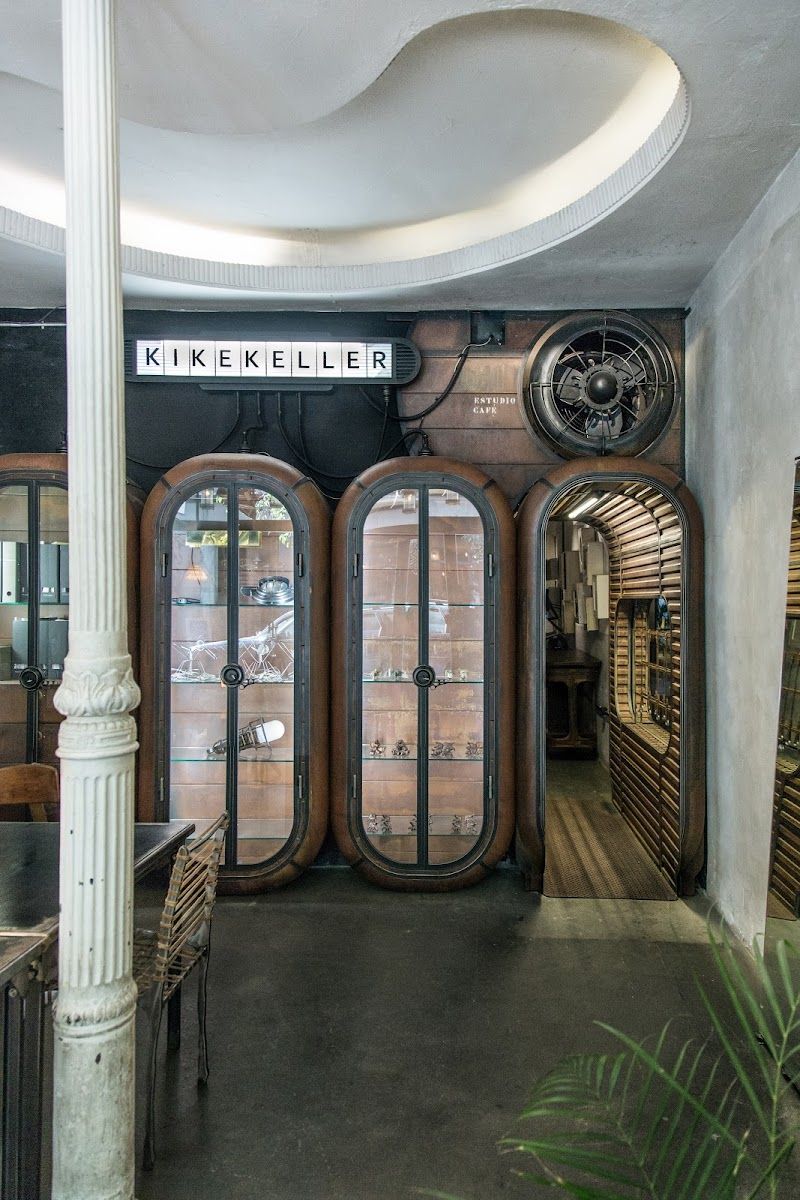
Kikekeller
A legendary underground nightclub that has been a cornerstone of Chueca's alternative nightlife scene since the 1980s. This intimate, unpretentious venue features indie rock, new wave, and electronic music in a basement space that maintains its authentic, underground vibe.
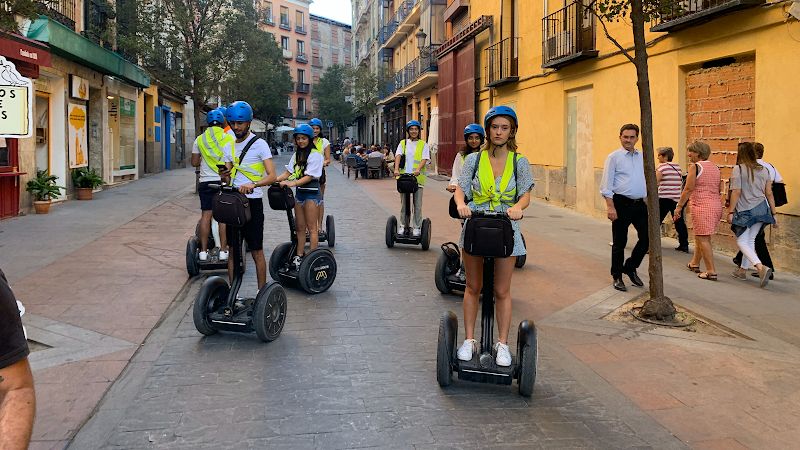
Segway Tour Madrid
Glide through Madrid's historic center on a Segway with stops at the Royal Palace, Templo de Debod, and Plaza de Oriente. Tours include training session and helmet, making it accessible even for first-time riders.
Bodegas Mariano
A traditional neighborhood bodega serving classic Madrid tapas in an authentic, no-frills setting since 1960. The walls are lined with wine bottles and locals crowd the bar for their famous croquetas and vermouth. Cash-only establishment with some of the most affordable prices in the neighborhood.
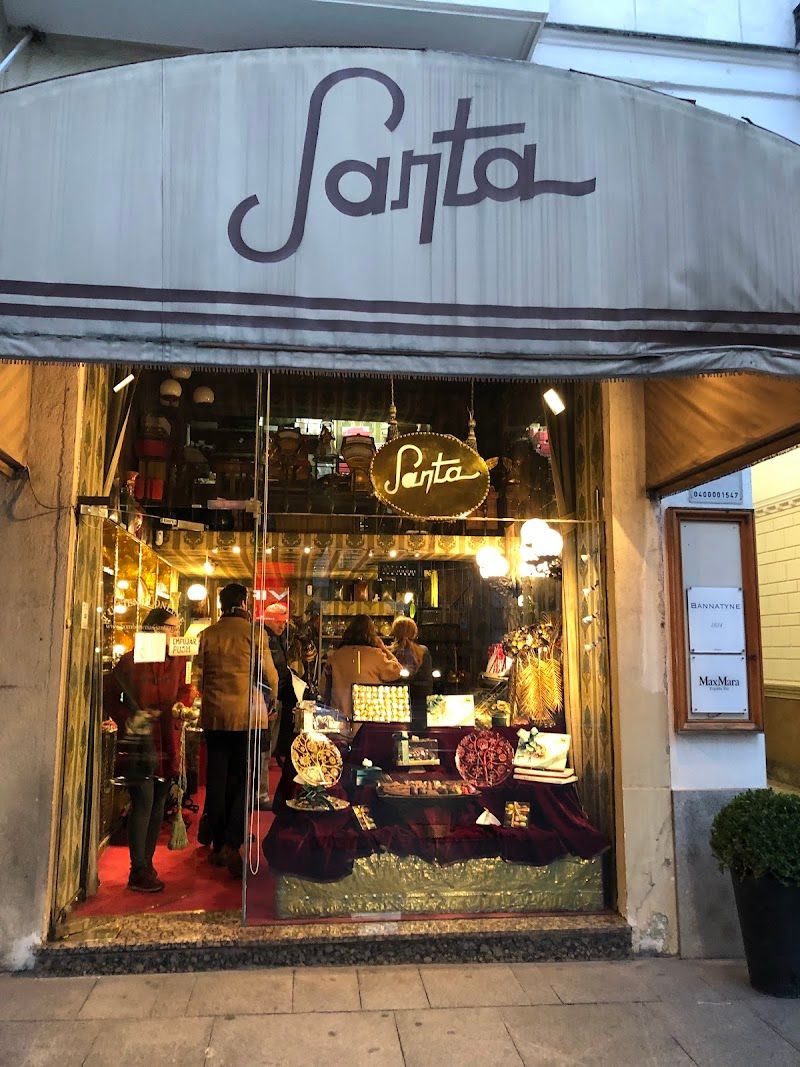
Bombonería Santa
Historic chocolate and pastry shop founded in 1961, famous for its handmade bonbons and traditional Spanish sweets. The charming vintage interior and glass display cases showcase exquisite chocolates made with traditional techniques. A beloved neighborhood institution for gifts and treats.
Pandelujo
A neighborhood bakery and café beloved for its artisanal breads, pastries, and excellent coffee. The small space fills with locals throughout the day grabbing fresh-baked goods, and their sourdough loaves and weekend brunch offerings are particularly popular.
La Mina de Montera
Authentic neighborhood bar serving traditional Madrid tapas and excellent value menu del día. Known for its no-frills atmosphere and home-style cooking that attracts locals rather than tourists. The friendly owner treats regulars like family.