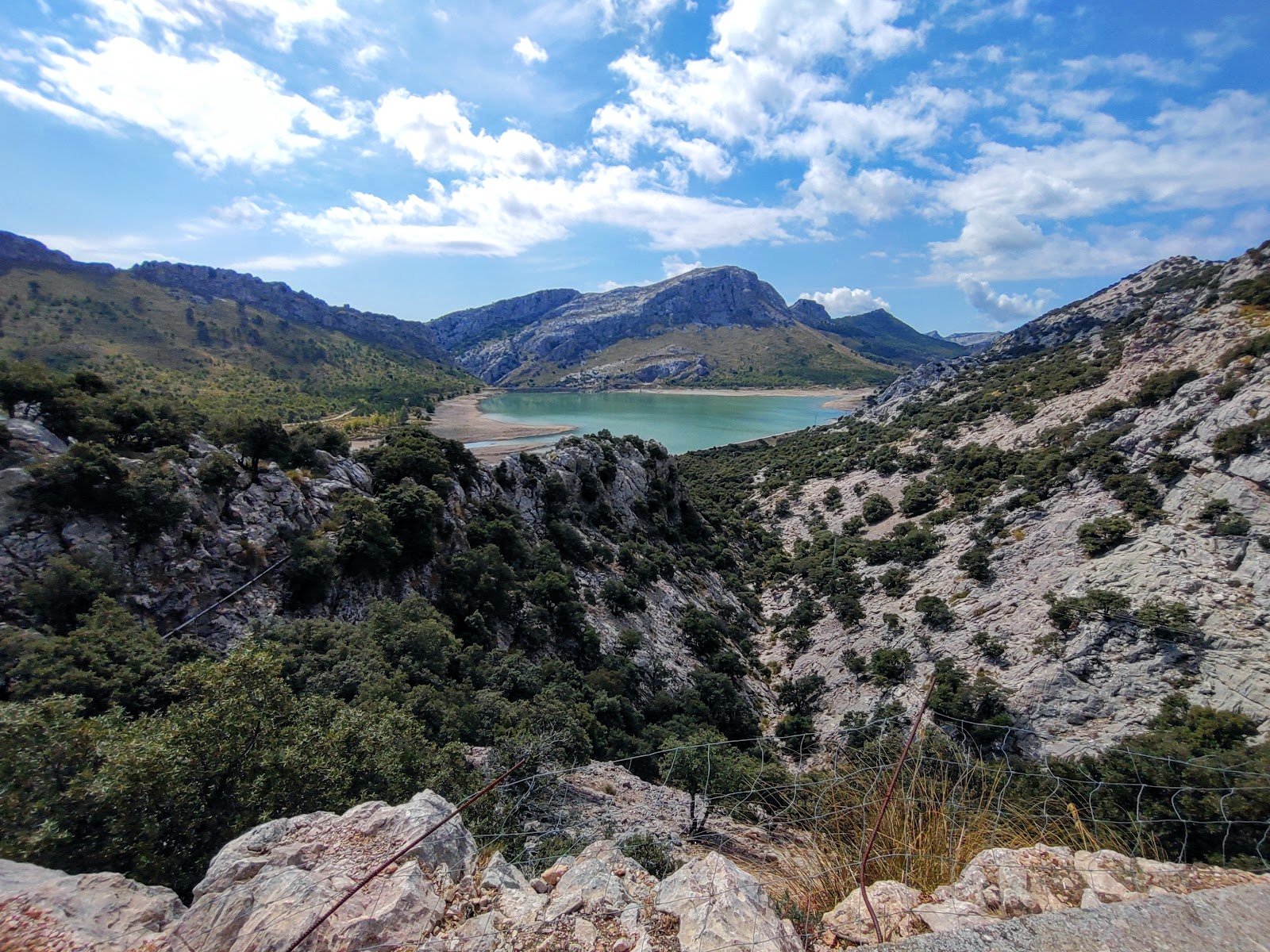
7 Days: The Complete Mallorca Experience
Everything in the 5-day itinerary plus Cap de Formentor, Cabrera island, and two extra beach days
Seven days covering the full island: Palma, the Tramuntana, Cap de Formentor, the east coast caves, the southeast coves, the interior wine region, Cabrera island, and enough beach time to actually relax.
7 Days: The Complete Mallorca Experience
Seven days gives you the luxury of lingering. You can spend proper time at each beach, take that second glass of wine at lunch, and explore the mountain villages without rushing. This itinerary builds on the 5-day version but adds breathing room and those extra experiences that transform a good trip into one you'll actually remember. Days 1-5 follow the same route but with more time to soak it all in, plus I've thrown in extra coves and restaurants that are worth the detour. Day 6 takes you north to Pollenca and the dramatic Cap de Formentor, while Day 7 gives you a choice: adventure to the pristine island of Cabrera or a relaxed final day savoring Palma's best neighborhoods.
Palma: Beyond the Obvious
Your first day is about getting oriented in Palma, but not in the way most tourists do. Yes, you'll see the cathedral, but you'll also understand why it matters. You'll hit the market, but you'll know which stalls to seek out. By evening, you'll be watching sunset from a castle most visitors never bother to visit.
- Cathedral and Royal Palace
- Santa Catalina Market
- Bellver Castle
Start at Palma Cathedral (EUR 8) when it opens at 10am. The tourist groups don't arrive until 11am, so you'll have the space to actually appreciate what you're looking at. The Gothic interior is impressive, but the real reason to come is Gaudí's wrought iron canopy over the altar and the light installation by contemporary artist Miquel Barceló that looks like a coral reef growing on the wall. Spend 45 minutes here, then walk 3 minutes to the Royal Palace of La Almudaina (EUR 7). It's smaller than other European palaces but the Moorish courtyards and the view over the harbor make it worth the price.
Walk 15 minutes through the old town (you'll pass plenty of overpriced tourist restaurants, ignore them all) to Santa Catalina Market. This isn't a tourist market, it's where locals actually shop. Head straight to Bar Joan Frau in the center of the market. Order the pulpo a la gallega (EUR 8) and a glass of local white wine (EUR 3). The octopus is tender and smoky, and you'll be sitting elbow to elbow with Palma locals doing their Saturday shopping. After lunch, spend an hour wandering the market stalls. Buy some sobrassada (the local paprika sausage spread) from Ca'n Company to take home.
In the afternoon, take a taxi (EUR 8, 10 minutes) up to Bellver Castle. Most tourists skip this because it's not in the old town, which is exactly why you should go. It's a perfectly circular 14th-century castle with panoramic views over Palma bay. The castle itself is fine but not remarkable, but the views are some of the best on the island. Go 2 hours before sunset for the best light. Walk around the pine forest surrounding the castle if you have energy.
For dinner, head to Celler Sa Premsa in the old town. This is a traditional Mallorcan cellar restaurant that's been here since 1958. The atmosphere is boisterous and local. Order the tumbet (Mallorcan ratatouille, EUR 12), the sobrassada with honey (EUR 8), and the lamb shoulder (EUR 18). The wine comes from big barrels behind the bar. Expect to spend EUR 35-40 per person including wine, and expect it to be loud and crowded. That's the point.
Tramuntana Mountains: Villages and Views
Today you're trading Palma's urban energy for mountain air and stone villages that seem carved into the hillsides. The roads are winding and the pace is slower, but that's exactly what makes this coast special. You'll understand why artists have been fleeing here for decades.
- Deià and Robert Graves Museum
- Sóller and vintage train
- Valldemossa and Chopin's monastery
Pick up your rental car (book ahead, expect EUR 25-35 per day) and drive 30 minutes to Valldemossa. Park in the public lot below town (EUR 2 per hour, it fills up by 10am so go early). The Royal Charterhouse (EUR 9.50) is where Chopin and George Sand spent a winter in 1838. The monastery itself is beautiful with its decorated tiles and peaceful cloisters, but the real draw is understanding why this place inspired some of Europe's greatest artists. The cells where they lived are tiny and austere. You can see Chopin's piano and read Sand's letters complaining about the cold and the locals. Spend 90 minutes here.
Drive 20 minutes along the coast road (Ma-10) to Deià. This is tourist country but it's tourist country for a reason. The village is a collection of honey-colored stone houses climbing up a mountainside with olive terraces and the Mediterranean stretched out below. Park in the small lot at the entrance to the village (EUR 3, often full by noon). Visit the Robert Graves Museum (EUR 6) in the house where the British poet lived for 50 years. The museum is small but gives you insight into why so many writers and artists ended up in this valley. Graves' study looks exactly as he left it, with half-finished poems still on the desk.
For lunch, walk to Ca'n Lluc in the center of Deià. Sit on the terrace with views down the valley to the sea. Order the local goat cheese with sobrassada (EUR 14) and the grilled fish of the day (EUR 22-26). The portions are generous and the ingredients are local. After lunch, take 30 minutes to walk around the village. The streets are narrow and steep, and every corner has another view worth photographing.
Drive 15 minutes down to Port de Sóller, then take the historic tram (EUR 7 return) up to Sóller town. The tram runs every 30 minutes and takes 15 minutes through orange groves. Sóller's main square, Plaza de la Constitución, is surrounded by Art Nouveau buildings and filled with cafes. The church of Sant Bartomeu has a modernist facade that looks out of place but somehow works. Spend an hour walking around, then take the vintage train back down to Port de Sóller (or walk, it's 4km downhill through orange groves).
Stay in Port de Sóller for dinner at Es Racó d'es Teix. This is a Michelin-starred restaurant, so book ahead (expect EUR 80-120 per person for the tasting menu). The food is modern Mallorcan with ingredients from the chef's own garden. If that's too fancy or expensive, go to Restaurant Randemar on the harbor front. Order the paella marinera (EUR 16 per person, minimum 2 people) and watch the fishing boats come in as you eat. The rice is perfectly cooked and loaded with local seafood.
South Coast Beaches and Caves
This is your beach day, but not the crowded resort beaches you're imagining. The south coast has some of the island's most beautiful stretches of sand, from the endless dunes of Es Trenc to the intimate coves of Mondragó. You'll also go underground into some of Europe's most impressive caves.
- Es Trenc beach
- Caves of Drach
- Cala Mondragó
Drive 45 minutes from Sóller to Es Trenc beach (or 30 minutes from Palma if you're staying there). This is the closest thing Mallorca has to a Caribbean beach: 3km of white sand, turquoise water, and pine forests behind the dunes. Park in the official parking area (EUR 6 for the day, cash only). The beach gets busy but it's big enough that you can always find space. The water is shallow for 50 meters out, making it perfect for swimming. There are no hotels or developments, just a few beach bars. Spend the morning here, swim, and soak up the sun.
For lunch, drive 10 minutes to Colonia de Sant Jordi and eat at Sal de Cocó on the harbor front. Order the seafood paella (EUR 18 per person) and a bottle of local rosé (EUR 16). The paella is cooked over wood and takes 25 minutes, but it's worth the wait. The restaurant has tables right on the sand, so you can watch the fishing boats while you eat.
After lunch, drive 30 minutes to the Caves of Drach near Porto Cristo. These caves (EUR 16) are touristy, yes, but they're also genuinely spectacular. The underground lake is one of the largest in the world, and the classical music concert on the illuminated lake is cheesy but memorable. The whole visit takes 90 minutes including the boat ride across the lake. Book online to avoid queues, especially in summer.
End the day at Cala Mondragó, a 20-minute drive from the caves. This is part of a natural park, so the development is limited and the water is crystal clear. There are actually two coves here: Cala Mondragó and the smaller Cala S'Amarador. Both are beautiful, but S'Amarador is more secluded. Park in the official lot (EUR 4) and walk 10 minutes through pine forest to reach the beaches. The water here is perfect for snorkeling if you brought gear.
For dinner, drive 15 minutes to Cala d'Or and eat at Port Petit. This restaurant overlooks the marina and serves excellent fresh fish. Order the catch of the day (EUR 24-28) grilled simply with olive oil and garlic. The portions are generous and the location is romantic, especially at sunset. Expect to pay EUR 45-55 per person including wine.
East Coast Exploration
The east coast is Mallorca's wild side. The beaches here require a bit of effort to reach, which means they're less crowded and more beautiful. You'll also explore some of the island's most authentic towns, where tourism hasn't completely taken over local life.
- Cala Varques hidden beach
- Artà market and fortress
- Capdepera castle
Start early and drive 20 minutes from Cala d'Or to Cala Varques. This beach requires a 15-minute walk from the parking area (free parking along the road, but spots fill up by 10am). The walk is easy and mostly flat, through scrubland that smells like rosemary and pine. Cala Varques is a pristine white sand beach backed by cliffs, with crystal-clear water that's perfect for swimming and snorkeling. There are no facilities, so bring water and snacks. The beach faces east, so morning is the best time for sun and photos.
After spending the morning at the beach, drive 25 minutes to Artà. This town feels authentically Mallorcan in a way that many tourist destinations don't. If you're here on Tuesday (market day), the weekly market fills the main streets with local produce, crafts, and that particular energy of a working market. Even if you miss the market, climb up to the Sanctuary of Sant Salvador on the hilltop (free entry). The views over the coast are excellent, and the church has a peaceful atmosphere that's a nice contrast to the touristy sites.
For lunch in Artà, go to Restaurant Sa Canova. This is a local place that serves traditional Mallorcan food without the tourist prices. Order the frit mallorquí (a local dish of fried vegetables and meat, EUR 12) and the local wine (EUR 3 per glass). The atmosphere is casual and local, and the food is honest and filling. After lunch, walk around Artà's old town. The streets are narrow and quiet, and you'll see more locals than tourists.
Drive 15 minutes to Capdepera to visit the medieval castle (EUR 3). This 14th-century fortress sits on a hilltop overlooking the coast, and the views from the walls stretch all the way to Menorca on clear days. The castle isn't huge but it's well-preserved, and you can walk along the battlements. The entrance fee is modest and worth it for the views alone. Spend 45 minutes to an hour here.
Before dinner, drive 10 minutes to Cala Agulla for an evening swim. This is one of the east coast's best beaches, with fine sand and clear water backed by pine forest. There's paid parking (EUR 5) but also some free spots along the access road if you're lucky. The beach has lifeguards and facilities, but it's not overdeveloped. The water stays warm until late in the evening, making it perfect for an after-sightseeing swim.
For dinner, head to Canyamel and eat at Restaurant Porxada de Sa Torre. This restaurant is in a restored 13th-century tower and serves excellent seafood. The setting is romantic and the food is high quality without being pretentious. Order the lobster paella (EUR 55 for two people) if you want to splurge, or the grilled dorada (EUR 22) for something more modest. The wine list focuses on Spanish wines and the service is professional. Expect EUR 40-60 per person depending on what you order.
Northern Beaches and Mountain Villages
Today combines some of Mallorca's most dramatic scenery with its most peaceful moments. The road to Sa Calobra is an adventure in itself, while Lluc Monastery offers a complete contrast with its mountain silence. You'll end the day at beaches that feel like private coves.
- Sa Calobra dramatic coastal road
- Lluc Monastery
- Cala San Vicente
The drive to Sa Calobra is half the attraction. This mountain road (Ma-2141) drops 800 meters in 13 kilometers with hairpin turns and views that will make you pull over constantly. The road is narrow, so take your time and use the passing places. Allow 45 minutes from Sóller, not because of distance but because of the winding route. Sa Calobra beach itself is small and often crowded, but the journey through the gorge to reach it is spectacular. The Torrent de Pareis gorge is a dramatic slice through the mountains where you can walk on smooth rocks between towering cliffs.
After Sa Calobra, drive 30 minutes to Lluc Monastery. This has been a pilgrimage site for 700 years, and it still has that timeless, spiritual atmosphere. Entry to the monastery is free, and you can visit the church where the famous Black Madonna statue is kept. The complex also has a museum (EUR 4) with religious art and artifacts. The real appeal is the peace and the mountain setting. If you're here at the right time, you might hear the boys' choir (Els Blauets) practicing.
For lunch, eat at the monastery's own restaurant, Sa Fonda. The food is simple but good: local dishes like roast lamb (EUR 16) and traditional Mallorcan soup (EUR 8). The portions are generous and the prices are reasonable. The dining room has a rustic, monastic atmosphere that fits the setting perfectly.
Drive 45 minutes from Lluc to Cala San Vicente on the north coast. This area has three small beaches (Cala San Vicente, Cala Barques, and Cala Molins) connected by coastal paths. The beaches are sheltered by pine-covered hills and the water is incredibly clear. Cala San Vicente is the most developed with a few hotels and restaurants, while the others are quieter. Park for free along the road and spend the afternoon swimming and exploring the coastline.
If you have time before dinner, drive 15 minutes to Port de Pollença for a walk along the pine-lined beach. This is a long sandy beach that's perfect for an evening stroll. The town has a low-key, family resort atmosphere without being too touristy. The promenade is lined with cafes and restaurants, and there's usually a breeze that makes the temperature perfect for walking.
Stay in Port de Pollença for dinner at Restaurant Siller. This family-run restaurant has been here for over 30 years and serves excellent seafood. The grilled fish is always fresh (EUR 18-24 depending on the fish), and the paella is cooked to order (EUR 16 per person, minimum two people). Sit on the terrace facing the harbor and watch the fishing boats. The service is friendly and the portions are generous. Expect EUR 35-45 per person including wine.
Pollença and Cap de Formentor
Today takes you to Mallorca's dramatic northern peninsula, where the mountains plunge directly into the sea. You'll climb ancient pilgrimage steps, drive one of Europe's most scenic coastal roads, and swim at a beach that looks like it belongs in the tropics.
- Pollença's 365 Calvari steps
- Cap de Formentor lighthouse
- Formentor Beach
Start in Pollença town, which most tourists skip in favor of the port. That's their mistake. Park in the main square (free parking if you arrive early) and climb the 365 Calvari steps to the chapel on the hilltop. It's a 15-minute climb with stations of the cross along the way, and the views from the top over the town and valley are worth the effort. The steps are made of worn stone and lined with cypress trees. If you're here on Sunday, time your visit around the weekly market that fills the main square with local produce and crafts.
Walk around Pollença's old town after climbing down from the Calvari. The Plaça Major is one of Mallorca's prettiest squares, surrounded by 18th-century buildings with stone arcades. The Sant Domingo church has an impressive facade, and the narrow streets around it are perfect for wandering. Stop for coffee at Café Central on the main square and watch local life go by.
Drive 20 minutes to Cap de Formentor via the spectacular coastal road. Stop first at the Es Colomer viewpoint (5 minutes from Pollença) for photos of the dramatic coastline. The viewpoint has parking (free) and a short walk to several viewing platforms where you can see the Mediterranean stretching to the horizon with jagged cliffs dropping straight down. Continue driving 15 more minutes to the lighthouse at the end of the peninsula. The road is winding but well-maintained, and the scenery gets more dramatic with every turn.
Stop at Formentor Beach on your way back from the lighthouse. This is one of Mallorca's most beautiful beaches: a long stretch of white sand backed by pine forest with crystal-clear water. The setting feels almost tropical. Parking costs EUR 8-10 for the day (exact change required), but it's worth it. The beach has lounger rental (EUR 15 per day) and a beach bar, but you can also just spread your towel on the sand. The water is perfect for swimming and the sand is fine and white.
Drive 15 minutes to Port de Pollença for lunch at Restaurant Stay. This beachfront restaurant serves excellent fresh fish and has tables right on the sand. Order the grilled catch of the day (EUR 20-26) with a green salad and local white wine. The fish is cooked simply and perfectly, and you can watch the fishing boats while you eat. The atmosphere is relaxed and the service is friendly.
Spend the afternoon in Alcúdia old town, a 15-minute drive from Port de Pollença. This is one of the best-preserved medieval towns in Mallorca, completely surrounded by 14th-century walls that you can walk around (free). The walk on top of the walls takes about 30 minutes and gives you views over the town and countryside. Visit the Roman amphitheatre ruins just outside the walls (EUR 4). The ruins aren't extensive, but they're atmospheric and give you a sense of the area's ancient history.
For dinner, stay in Alcúdia and eat at Restaurant S'Arc. This restaurant is built into the medieval walls and has a romantic courtyard setting. The menu focuses on traditional Mallorcan cuisine with a modern twist. Order the sobrassada croquettes (EUR 9) to start, followed by the slow-cooked lamb shoulder (EUR 24). The wine list is excellent and the atmosphere is intimate. Expect EUR 45-60 per person including wine.
Cabrera Adventure or Palma Perfection
Your last day offers a choice: adventure or relaxation. Cabrera is one of the Mediterranean's most pristine islands, accessible only by boat and perfect for hiking and snorkeling. Or you can return to Palma for a leisurely day of markets, rooftop bars, and the neighborhoods you might have missed.
- Cabrera island expedition
- Blue Grotto snorkeling
- Palma's rooftop bars
Option 1: Cabrera Island Adventure
Book your Cabrera day trip 2-3 weeks ahead in summer (EUR 40-50 return from Colonia de Sant Jordi). The boat leaves at 9:30am and returns at 5:30pm, giving you a full day on this uninhabited island that's now a national park. The boat ride takes 45 minutes each way, and you'll likely see dolphins. Once on Cabrera, hike up to the 14th-century castle (30 minutes uphill) for panoramic views over the archipelago. The island has no facilities, so pack a lunch, plenty of water, and snorkeling gear.
The Blue Grotto (Sa Cova Blava) is Cabrera's highlight. Your boat will stop here for 30 minutes of snorkeling in water so clear and blue it looks artificial. The underwater visibility is 30-40 meters, and you'll see fish species that have been wiped out around the main island. The water temperature is perfect from May through October. After snorkeling, you'll have 4 hours on the main island to hike, explore, and eat your packed lunch on pristine beaches.
Option 2: Perfect Final Day in Palma
If you choose to stay in Palma, start with a leisurely morning at Santa Catalina Market, which you visited on Day 1 but probably rushed through. This time, take your time. Buy ingredients for a picnic: Mahón cheese (EUR 8 per piece), sobrassada (EUR 6), ensaïmada pastries (EUR 3-5), and local almonds (EUR 4 per bag). The market also has excellent coffee bars where locals read newspapers and argue about football.
Spend the afternoon boutique shopping in the old town's narrow streets around Plaça Major. Carmina Shoemaker makes traditional Mallorcan sandals (EUR 60-80), while Rialto Living is a beautiful concept store in a former cinema with local crafts and design items. For pearls (Mallorca's famous cultured pearls), go to Majorica's flagship store on Avenida Jaime III. Prices start around EUR 40 for simple pieces.
End your week with sunset drinks at one of Palma's rooftop bars. Nakar Hotel's rooftop (Sky Bar) has the best views over the cathedral and harbor. Cocktails cost EUR 12-15 but the location is unbeatable. For something more local, go to Bar Flexas in Santa Catalina, where gin and tonics cost EUR 6 and the crowd is mostly young Palma residents. The atmosphere is relaxed and the music is better than the tourist bars.
For your final dinner, choose between two very different experiences. For something special, book Sa Roqueta, which serves modern Mallorcan cuisine in an elegant setting. The tasting menu costs EUR 65 and showcases local ingredients in creative ways. For a more casual but equally memorable meal, go to Ca Na Toneta in Caimari (30-minute drive), where two sisters cook traditional recipes using only ingredients from their own farm. It's EUR 35 for multiple courses, and you'll feel like you're eating at someone's home.
Essential 7-Day Tips
Book Cabrera trips and high-end restaurants 2-3 weeks ahead in summer
Rent a car for the full 7 days (EUR 150-200 total), parking in Palma costs EUR 15-20 per day
Pack reef-safe sunscreen for swimming and snorkeling
Download offline maps, mobile coverage can be spotty in the mountains
Bring cash, many beach parking areas and small restaurants don't accept cards
Visit beaches before 10am or after 4pm to avoid crowds and parking problems
Ready to Visit Mallorca?
Get a personalized itinerary tailored to your travel style and interests.
Plan Your Mallorca TripMore Mallorca Guides
5 Days in Mallorca: The Complete Island Itinerary
Five days covering Palma, the Serra de Tramuntana, the east coast caves, the southeast coves, and the interior wine country, with driving times, parking tips, and restaurant recommendations for every stop.
14 min
Mallorca with Kids: Family-Friendly Island Guide
Mallorca is one of the best family islands in Europe. Shallow coves, the Drach Caves underground concert, the vintage Soller train, Palma Aquarium, and enough ice cream shops to keep everyone happy.
12 min
First Time in Mallorca: Everything You Need to Know
The practical guide to Mallorca: rent a car (yes, you need one), how parking works at the beaches, the ferry vs. flight decision, which side of the island to base yourself, and the Tramuntana road that justifies the trip.
14 min