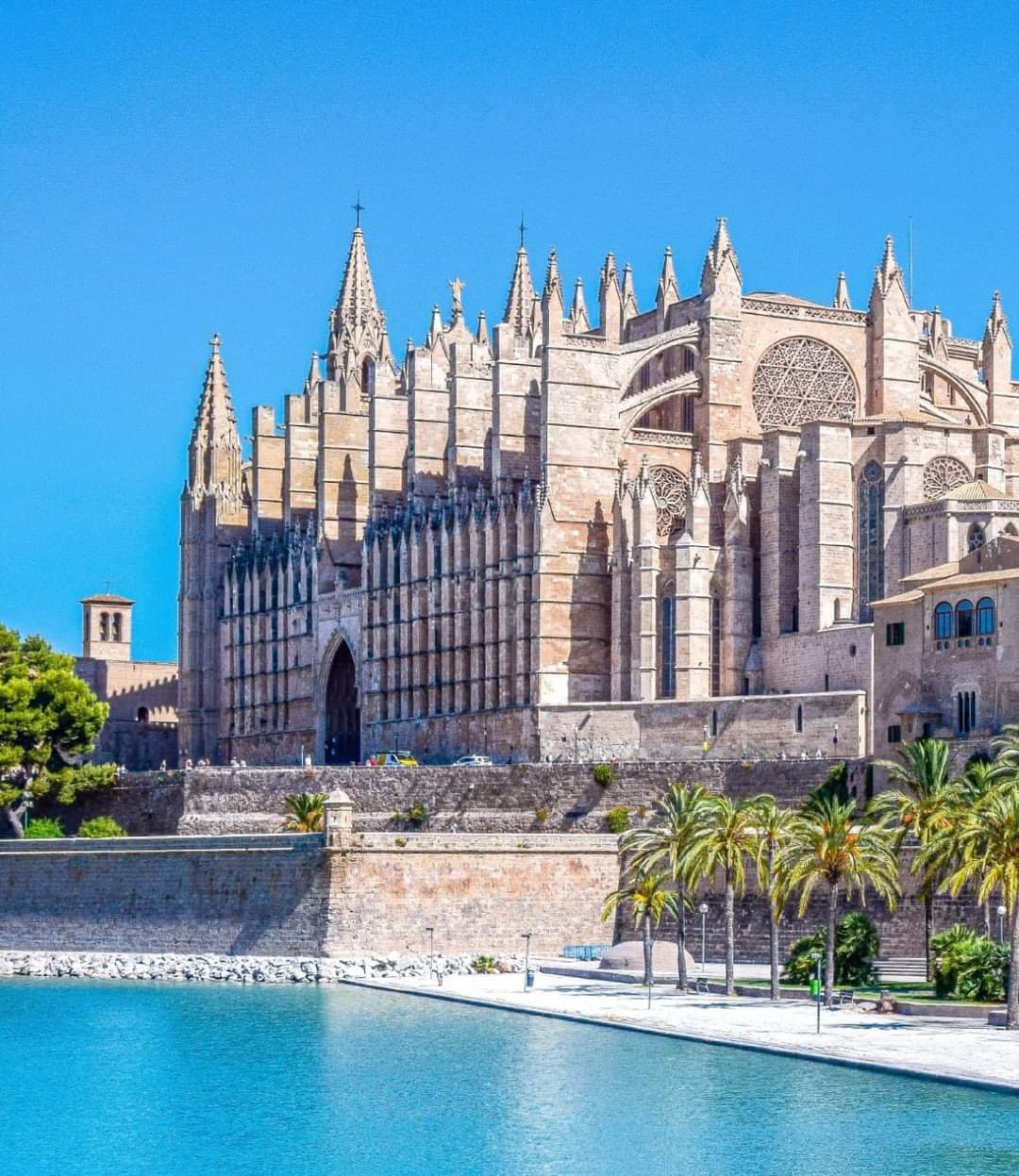
Spain
Mallorca
A Mediterranean island where the mountains meet the sea, the wine is better than you expect, and the beaches actually look like the photos
Best Time
May-June and September-October
Ideal Trip
5-7 days
Language
Spanish, Catalan (Mallorquin), English widely spoken in tourist areas
Currency
EUR
Budget
EUR 35-69/day (excl. hotel)
About Mallorca
Mallorca is the island that people think they know and do not. The package-holiday reputation is decades out of date. What actually exists: the Serra de Tramuntana, a UNESCO mountain range that runs the entire northwest coast with stone villages clinging to the cliffs, hiking trails through centuries-old olive groves, and a coastal road (Ma-10) that is one of the best drives in Europe. Valldemossa has the monastery where Chopin spent a winter and the coca de patata pastries that the town has been making since before anyone remembers. Deia is the village where Robert Graves lived, the restaurant scene punches well above its weight, and the cove below town has water so clear it looks photoshopped.
Palma is a proper city, not a resort town. The cathedral (La Seu) sits on the waterfront and the interior, renovated by Gaudi in the early 1900s, is one of the most unexpected architectural experiences in Spain. The old town has narrow streets, converted palace courtyards (patios), and a restaurant and bar scene that would hold its own in Barcelona. Santa Catalina is the neighbourhood where locals actually eat and drink: tapas bars, wine bars, and the Mercat de Santa Catalina (the market that chefs use, not tourists). A proper lunch at a good restaurant in Palma costs EUR 25-40 per person. A coffee is EUR 1.80-2.50.
The beaches are the reason most people come, and the best ones are not the long resort strips. Cala Varques is a rocky cove with no facilities and water that glows turquoise. Es Trenc is the longest natural beach on the island (no hotels, just dunes and pine trees, EUR 7 parking). Cala Deia is pebbles, not sand, with a beach bar and the mountains behind. Formentor is a long sandy beach at the tip of a peninsula with pine trees growing down to the waterline.
The interior (Es Pla) is the part that tourists skip entirely: Sineu has the oldest market on the island (every Wednesday since the 13th century), Binissalem is the centre of the Mallorcan wine region (tastings EUR 10-20, the local Manto Negro and Prensal Blanc grapes are genuinely good), and Petra is where Junipero Serra was born before he went to California. Rent a car. You need one. Public transport exists but it is slow and limited outside Palma. A rental costs EUR 25-40 per day and the island is small enough that nowhere is more than 45 minutes from anywhere else.
Regions
Each region has its own character
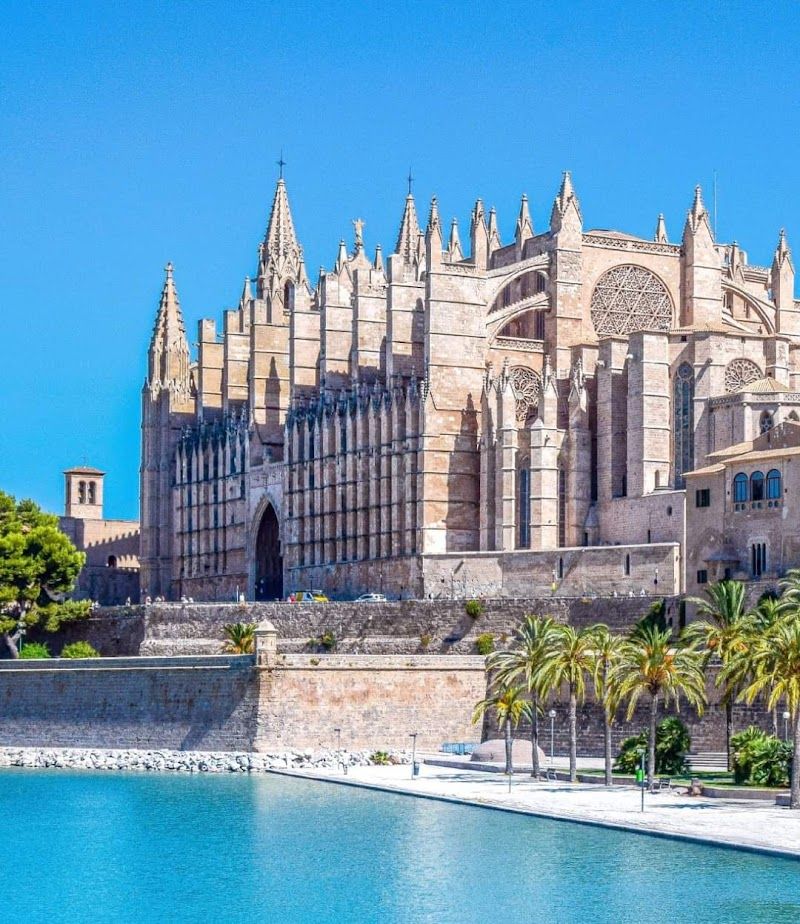
Palma
A real Mediterranean city: Gothic cathedral on the waterfront, narrow old town streets, palace courtyards, and the Santa Catalina neighbourhood where locals eat and drink
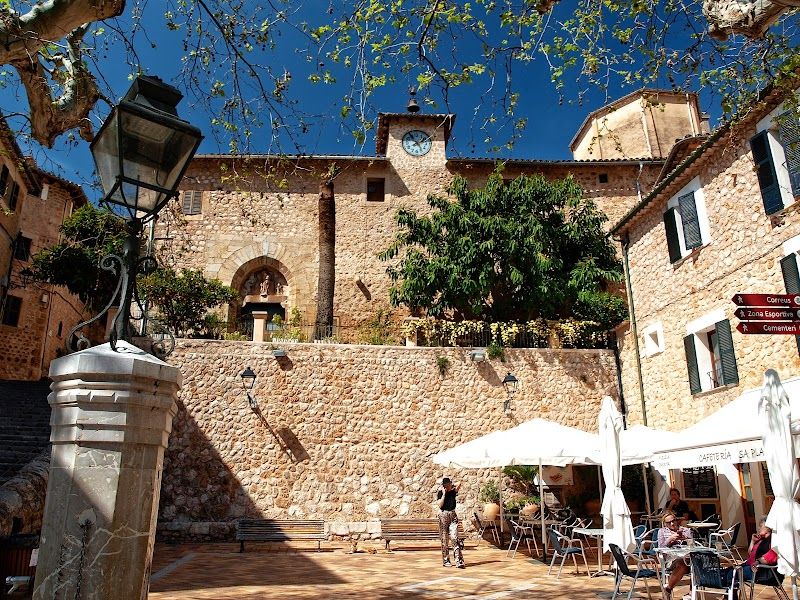
Serra de Tramuntana
UNESCO mountain range: stone villages clinging to cliffs, ancient olive groves, hiking trails, and a coastal road that is one of the best drives in Europe
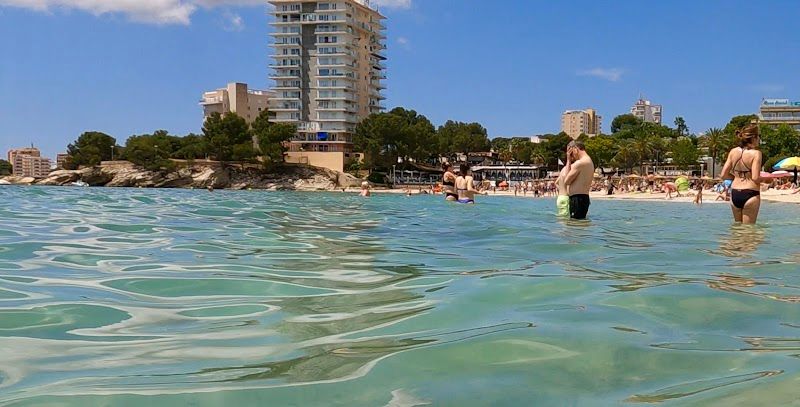
Southwest Coast
The quieter, more upscale end of the coast: Port d'Andratx harbour, Sant Elm village, Dragonera island, and sunset views that draw painters and photographers
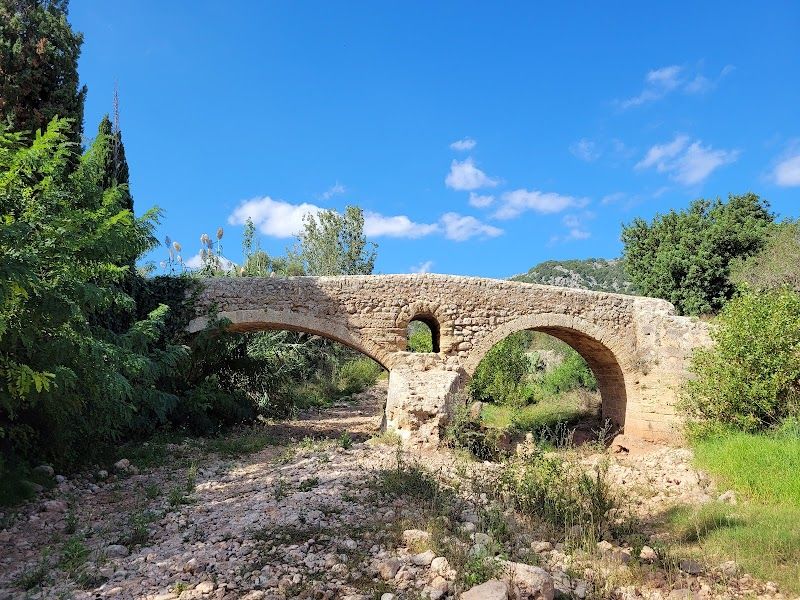
Pollenca & the North
Where the mountains meet the sea: Cap de Formentor, Pollenca's historic town, Alcudia's Roman walls, and beaches backed by pine forests
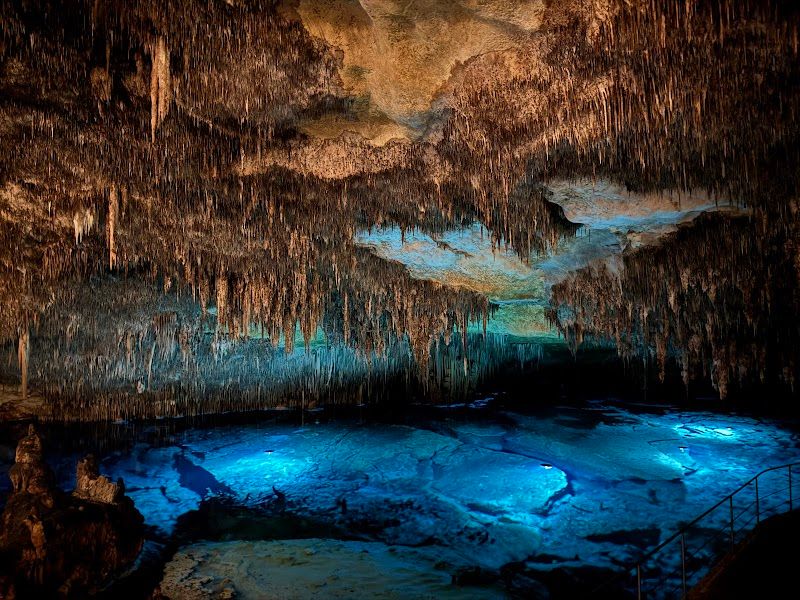
East Coast
Caves, calas, and coastal towns: the Drach Caves, Porto Cristo harbour, a chain of turquoise coves, and the hilltop fortress at Arta
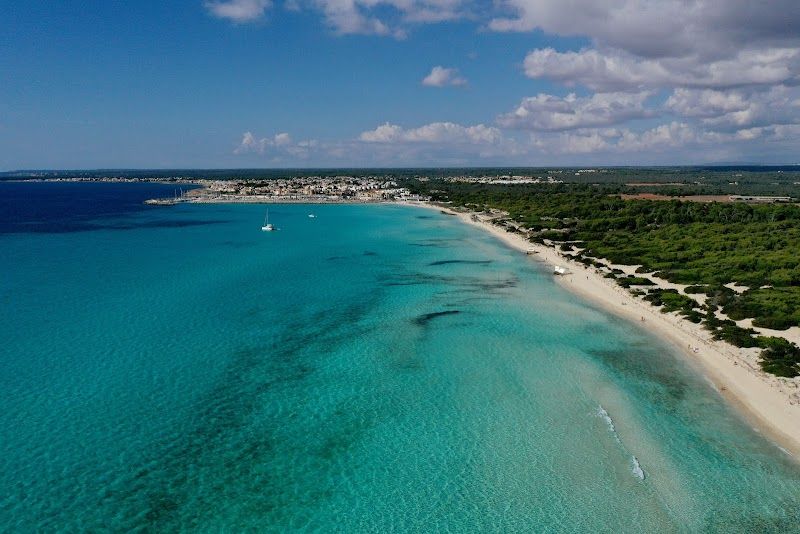
Southeast
Postcard Mallorca: honey-coloured stone villages, fishing harbours, natural arches, and the most photogenic coves on the island
Things to Do
Top experiences in Mallorca
Serra de Tramuntana (Ma-10 Drive)
The Ma-10 is a mountain road running 90 km along the northwest coast of Mallorca from Andratx to Pollenca, through the UNESCO-listed Serra de Tramuntana. It is one of the best drives in Europe: hairpin bends, tunnel sections, viewpoints overlooking 300-metre drops to the sea, and stone villages that appear around corners. Drive south to north for the best views (the coast opens up on your right). Allow a full day with stops in Valldemossa, Deia, and Soller. The road is narrow in sections, so rent a small car: anything bigger than a Seat Ibiza might cause stress through the tightest bends. In summer, tour buses use the road between 10 AM and 4 PM, so start early or you'll be stuck behind a German coach doing 20 km/h. Budget €15-20 for parking in the main villages. Valldemossa gets packed by noon, but the Real Cartuja monastery (€9.50) is worth seeing as this is where Chopin spent his winter. In Deia, skip the overpriced Hotel La Residencia lunch and grab a bocadillo at Ca'n Costa for €6. The Sa Foradada viewpoint, 15 minutes past Deia, offers a good photo opportunity without the crowds. Soller is your logical lunch stop. Park at the train station (€3 for 4 hours) and walk five minutes to Cafe Scholl for excellent German-run coffee and cake. The orange groves have a lovely scent in spring, but by August the heat will make the car journey uncomfortable without air conditioning. Fill up your tank in Soller as petrol stations are scarce on the mountain sections.
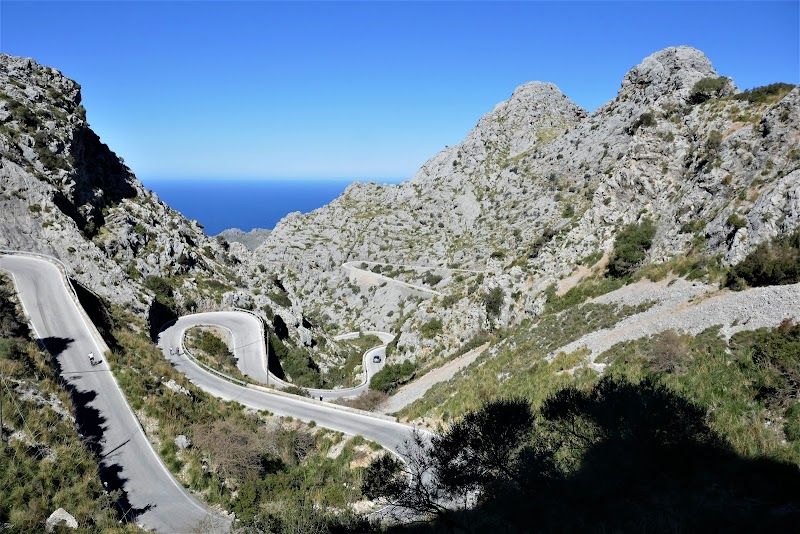
Sa Calobra
Sa Calobra delivers one of Mallorca's most dramatic encounters: a tiny pebble beach wedged between towering limestone cliffs where the Torrent de Pareis gorge meets the sea. The real attraction isn't just the beach itself, but the complete experience of navigating the serpentine MA-2141 road that drops 800 meters through 14 hairpin bends, including the famous Nus de la Corbata where the road loops completely under itself. You'll park in a basic lot and walk through a short tunnel to reach the beach, surrounded by walls of rock that rise hundreds of meters on three sides. The moment you emerge from the tunnel, you're hit by the scale of the place. The beach feels like nature's amphitheater, with smooth pebbles underfoot and impossibly blue water lapping against cliffs that seem to lean inward. Tour groups cluster near the tunnel entrance, but the beach spreads wide enough to find space. The water stays refreshingly cold even in summer, and there's something almost ceremonial about the way sound echoes off the rock walls when waves crash during rough weather. Here's what most guides won't admit: Sa Calobra is more about the journey and the wow factor than actual beach time. The pebbles are uncomfortable for lounging, there's minimal shade, and the single beach bar charges tourist prices for basic drinks. If you're driving, fuel up beforehand because that winding descent will test your brakes, and the climb back up is even more demanding on your engine. The boat from Port de Soller costs around 25 EUR return and saves you the stress, plus you get coastal views that drivers miss entirely.
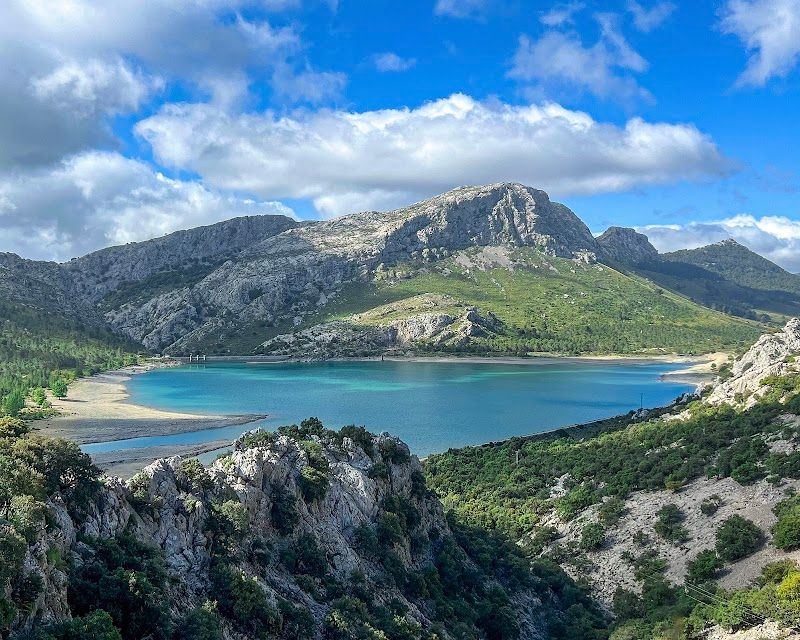
GR 221 Ruta de Pedra en Sec
The GR 221 follows ancient mule paths and charcoal routes through Mallorca's UNESCO-listed Tramuntana mountains, connecting eight stone refuges across 140 kilometers of varied terrain. You'll walk on dry-stone paths that haven't changed in centuries, past abandoned snow houses where workers once collected ice for Palma's markets, through oak forests and olive terraces that cascade down to distant sea views. The trail passes through genuine mountain villages like Deià and Valldemossa, where you can resupply or bail out if needed. Each day feels like stepping back into pre-industrial Mallorca. The refuges are basic but atmospheric: shared dorms, simple meals, and evening conversations with fellow hikers from across Europe. Morning starts often reveal cloud inversions filling valleys below while you walk in brilliant sunshine above. The stone work is exceptional, with perfectly fitted walls that have survived centuries without mortar. You'll hear nothing but wind, bells from roaming sheep, and your own footsteps on ancient flagstones. Most guides won't mention that spring can be muddy and cold, while summer is extremely hot with limited water sources. The refuges cost around 15 EUR per night but book up months ahead for peak season. Skip the final section into Pollença, it's mostly road walking. The Sa Calobra detour adds coastal views but requires an extra day most people don't plan for.
Fornalutx
Fornalutx deserves its reputation as Spain's prettiest village, a perfectly preserved medieval settlement where honey-colored stone houses cascade down the mountainside beneath Puig Major. You'll walk narrow cobbled streets barely wide enough for two people, past houses with traditional green shutters and flower boxes spilling with geraniums and jasmine. The surrounding terraced groves of oranges, lemons, and olives create a patchwork landscape that's remained unchanged for centuries, and the mountain air carries that distinctive citrus fragrance year-round. The village feels like stepping onto a film set where modern life has been carefully edited out. You'll hear your footsteps echo off the stone walls as you climb the steep alleyways, discovering tiny squares with ancient wells and perfectly framed mountain views around every corner. The church of Nativitat de Maria sits at the village's heart, its simple bell tower visible from every angle, while locals tend their gardens and hang laundry from wrought-iron balconies above your head. Most visitors rush through in 30 minutes for photos, but that's a mistake. The real magic happens when you slow down and notice details: the carved stone lintels, the traditional roof tiles called tejas árabes, the way morning light hits the ochre walls. Skip the overpriced café in the main square (coffee costs 4 EUR) and instead bring water since there's nowhere decent to eat. Early morning visits before 9am offer the best light and fewer tour groups from the cruise ships.
Mercat de Pollença
Pollença's Sunday market sprawls across the town's stone squares and medieval streets, bringing together over 300 vendors selling everything from hand-carved olive wood bowls to traditional Mallorcan textiles. You'll find genuine local produce here: sobrassada sausages hanging in thick red coils, wheels of Mahón cheese, jars of mountain honey, and olives cured in family recipes. The leather goods are particularly good, especially bags and belts made in nearby workshops, though you'll pay tourist prices for anything near the main square. The market flows from Plaça Major through narrow side streets, creating a maze of stalls that locals navigate with practiced ease while tourists get pleasantly lost. Food vendors cluster near the church, filling the air with the scent of grilled sobrassada and fresh bread, while textile sellers spread embroidered linens across tables in the shadier alleys. By 11am, tour groups arrive and the relaxed morning atmosphere shifts into something more chaotic, though still manageable. Most guides won't mention that the real bargains hide in the residential streets beyond the main tourist circuit, where farmers sell olive oil for 8-12 EUR per bottle versus 18-25 EUR in the center. Skip the overpriced pottery near the church entrance, it's mass-produced stuff from mainland Spain. The market's been running since medieval times, but honestly, that history matters less than knowing where to find the good cheese samples.
Coves del Drach (Drach Caves)
The Drach Caves in Porto Cristo are the most visited attraction on the east coast: a 1.2 km underground cave system with stalactites, stalagmites, and Lake Martel, one of the largest underground lakes in Europe. The visit culminates in a classical music concert played from boats on the lake in complete darkness, which sounds gimmicky but is genuinely atmospheric. Here's the reality: you'll descend stone steps into cool air that hits you immediately, a relief on hot summer days when it's 35°C outside but stays 21°C year-round down there. The humidity is noticeable but not oppressive. Your guide will point out formations with names like "Buddha" and "Flag of Mallorca" that require serious imagination to see. The acoustics are impressive though, your footsteps and whispers echo in ways that make kids go silent with wonder. Lake Martel is the real payoff. You'll sit on stone benches in total darkness while a small boat glides across the perfectly still water with musicians playing Chopin or Albinoni. It lasts about 10 minutes and yes, it's touristy, but the combination of music, darkness, and that mirror-like lake surface creates something genuinely moving. Some people tear up. After the concert, you can take a short boat ride across the lake for no extra charge, or walk around it if you prefer. The whole experience takes exactly 1 hour, no rushing, no lingering. EUR 16 entry, tours run every 30 minutes from 10 AM. Book online to skip the ticket queue. Go at opening or after 4 PM to avoid the tour bus crowds, otherwise you'll be crammed shoulder-to-shoulder with 400 other people. The caves were known since the Middle Ages and fully explored by Edouard-Alfred Martel in 1896. Wear comfortable shoes with grip, the paths can be slippery.
Palma Cathedral (La Seu)
La Seu sits on the Palma waterfront and looks exactly like a cathedral should: massive, Gothic, and catching the light off the harbour. The interior is where it gets interesting. Gaudi redesigned the altar area in the early 1900s (the wrought-iron baldachin is unmistakably his), and Miquel Barcelo created a ceramic chapel wall in 2007 that divides opinion sharply (some think it is a masterpiece, others think it clashes with the medieval setting). Here's what you need to know: go at 8 AM on a weekday when the eastern light hits the rose window, one of the largest in Europe at 12.5 metres across, and projects blues, reds, and purples across the nave. The effect lasts about 30 minutes and transforms the stone floor into a kaleidoscope. Weekend mornings work too but expect more people with phones out. The audio guide costs EUR 3 extra and is actually worth it for the Barcelo chapel backstory and architectural details you'll miss otherwise. Skip the gift shop entirely unless you need postcards. The cathedral gets uncomfortably crowded after 10 AM, especially when cruise ships dock, so early arrival pays off. Walk around the exterior before entering. The flying buttresses and gargoyles are more impressive from the south side facing the sea. Inside, the Barcelo wall feels like underwater coral frozen in clay and covers an entire chapel wall. You'll either love its organic chaos or hate how it disrupts the Gothic lines. EUR 9 entry, free for residents. Allow 45 minutes to an hour including the terrace walk. The terrace outside has the best harbour view in the city and is included in your ticket.
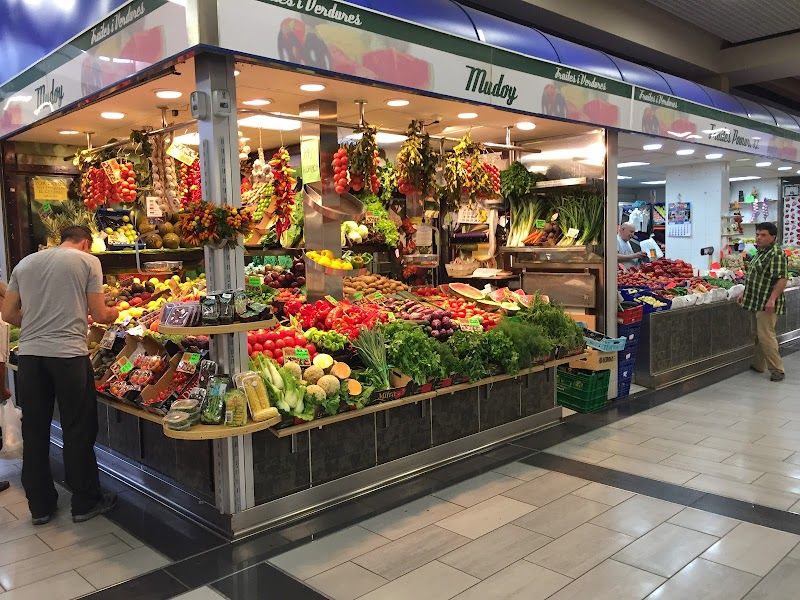
Mercat de l'Olivar
Palma's main food market since 1951, with over 80 stalls selling fresh fish, local produce, and Mallorcan specialties. The upstairs bar Ca'n Joan de s'Aigo serves excellent pa amb oli and the fish stalls display the morning's catch from Palma Bay. A working market where locals shop daily, not a tourist attraction. Get there by 9am when the fish is still glistening on ice and vendors are arranging their best tomatoes. The ground floor smells like sea salt and ripe fruit, with fishmongers calling out prices in rapid Catalan. Look for the red prawns from Sóller (around €25/kg) and ask for recommendations, even if your Spanish is limited. Most vendors speak enough English to help. The produce stalls sell proper Mallorcan tomatoes that actually taste like something, plus those wrinkled black olives you see everywhere on the island. Prices beat the tourist shops by about 30%. Skip the souvenir stalls near the entrance, they're overpriced. Head upstairs to Ca'n Joan de s'Aigo (open since 8am) for pa amb oli with tomato, olive oil, and jamón ibérico for €6. The bread is crusty, the tomatoes are from downstairs, and you'll understand why locals consider this a proper breakfast. The coffee is strong and costs €1.50. Grab a seat at the bar, not the tables, that's where the regulars sit. By noon the best stuff is gone and it gets crowded with cooking class groups. Come hungry, bring cash, and don't expect Instagram-perfect presentation. This is how Mallorcans actually shop and eat.
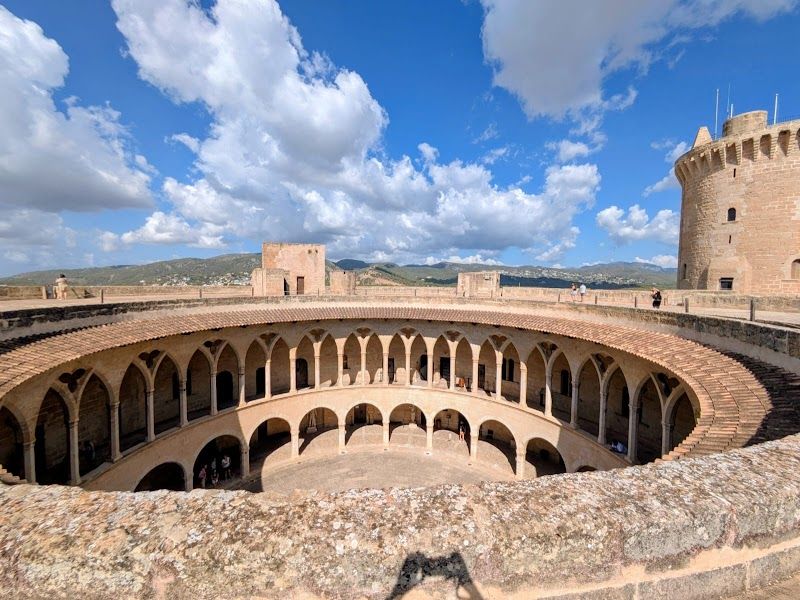
Castell de Bellver
Castell de Bellver sits alone on its pine-covered hilltop, one of only three circular Gothic castles in Europe. You'll walk through the unique round courtyard with its elegant two-story arches, climb the keep for sweeping views over Palma Bay, and explore rooms that now house Palma's city history museum. The 14th-century fortress was built as a summer palace for King James II of Mallorca, though it spent most of its life as a prison. The circular design creates an almost magical atmosphere as you move through curved corridors and chambers that feel completely different from typical angular castles. The central courtyard is surprisingly intimate, with perfect acoustics that make summer concerts here exceptional. From the rooftop battlements, you get unobstructed 360-degree views: the cathedral and old town spread below, the airport and mountains beyond, and endless Mediterranean stretching to the horizon. The pine forest surrounding the castle makes the whole experience feel removed from the city bustle. Most guides oversell the museum inside, which is fairly standard local history with limited English signage. The real draw is the architecture and views, so don't spend too much time reading displays. Entry costs €4 for adults, €2 for students and seniors. Skip the audio guide and focus on the courtyard and tower climb. The gift shop is overpriced tourist tat, but the small cafe sells decent coffee for €2 if you need a break.
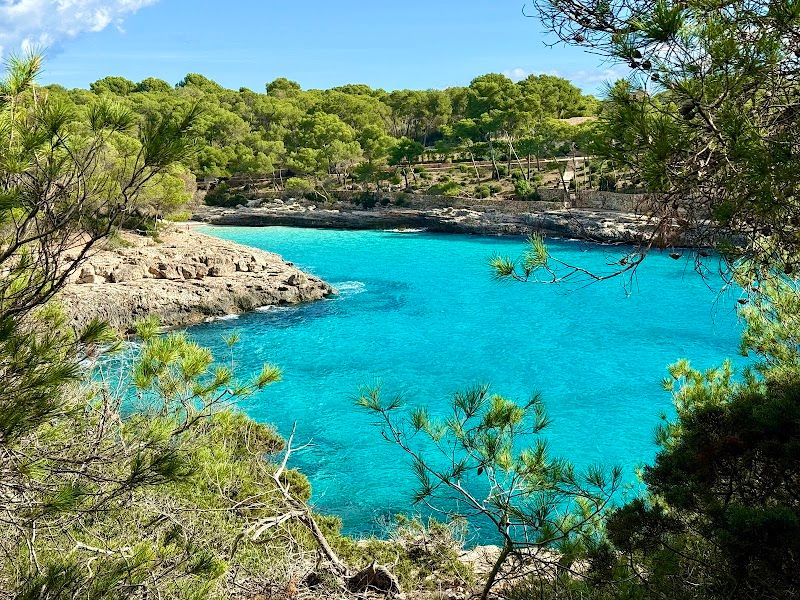
Mondrago Natural Park
Mondrago Natural Park on the southeast coast has two beaches (S'Amarador and Cala Mondrago) connected by a boardwalk through pine forest and coastal wetlands. S'Amarador has fine sand and shallow water, excellent for families. Cala Mondrago is slightly smaller with rocks on the sides good for snorkelling. The park is free to enter (EUR 5 parking). A walking trail loops through the park (3 km, 1 hour, flat, easy) past farmland, wetlands, and viewpoints. Birdwatchers come for the ospreys and Audouin's gulls. The park limits daily visitors in summer, so arrive before 10 AM.
Es Trenc Beach
Es Trenc is the best natural beach on Mallorca: 3 km of white sand backed by dunes and pine trees, no hotels visible, water that shifts between turquoise and emerald depending on the light. It feels more Caribbean than Mediterranean. The beach is protected natural area, so there is no development and that is the point. The sand here squeaks under your feet, genuinely white instead of the beige you find elsewhere on the island. Pine trees provide natural shade about 20 meters back from the water, perfect for afternoon siestas when the sun gets brutal around 2 PM. The water stays shallow for ages, making it ideal if you have kids, though the wind can whip up surprisingly strong waves on some days. There are a few chiringuitos (beach bars) for drinks and basic food, but mostly you bring your own. Es Chiringuito Blue at the main access serves decent paella for EUR 18 and cold beers for EUR 4, nothing fancy but the location makes up for it. The other bars are forgettable. Pack a cooler with plenty of water because there is zero shade on the actual beach and August temperatures hit 35°C regularly. Parking is EUR 7 at Ses Covetes (closest access, fills by 10 AM in summer) or Sa Rapita (north end, less crowded). Arrive before 9 AM or after 4 PM to avoid the worst crowds and heat. Walk 10-15 minutes along the beach from any access point to find space. The south end has a naturist section if that is your thing. Bring reef-safe sunscreen, an umbrella, and realistic expectations about solitude during peak season. This is not some secret spot anymore.
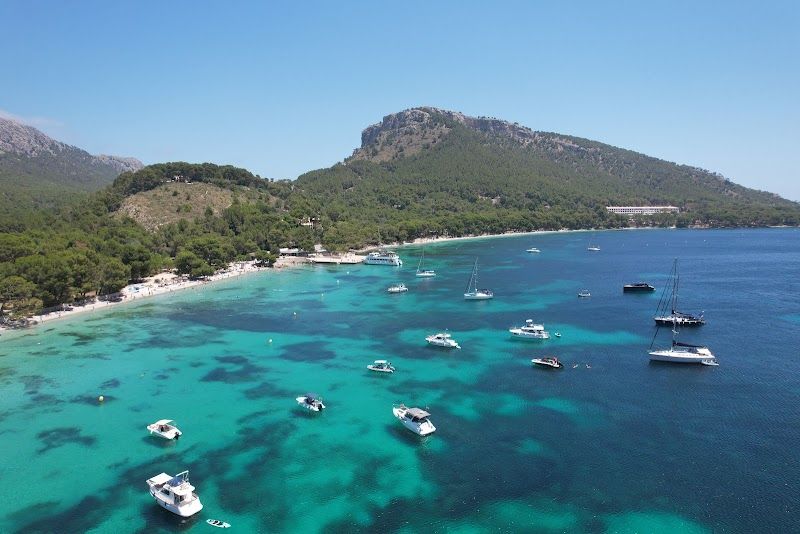
Platja de Formentor
Platja de Formentor stretches for a kilometer along Mallorca's rugged northern coast, where the Tramuntana mountains plunge directly into the Mediterranean. The beach delivers exactly what the postcards promise: powdery white sand, clear turquoise water, and pine forests climbing up dramatic limestone cliffs. You'll spend your time swimming in the shallow, protected bay (it stays chest-deep for 30 meters out), sunbathing on soft sand, or walking the shoreline with Cap de Formentor's lighthouse visible in the distance. The setting feels almost tropical, with a contrast between dark green pines and blue water creating a Caribbean vibe. By 10am in summer, the beach transforms into a packed resort scene, with families claiming spots under umbrellas and the single beach bar serving drinks. The water stays refreshingly cool even in July and August, thanks to its northern exposure, and the swimming is excellent with no rocks or strong currents to worry about. Honest talk: this beach is crowded during peak season, and the 20-minute drive down the winding peninsula road can be tedious with traffic. The beach bar charges resort prices (5 EUR for a beer, 12 EUR for a basic sandwich), so bring your own supplies. Consider skipping the crowded summer afternoons and come early morning or late afternoon when the light on those cliffs is spectacular, allowing you to enjoy the scenery without the crowds.
Travel Guides
Expert guides for every travel style
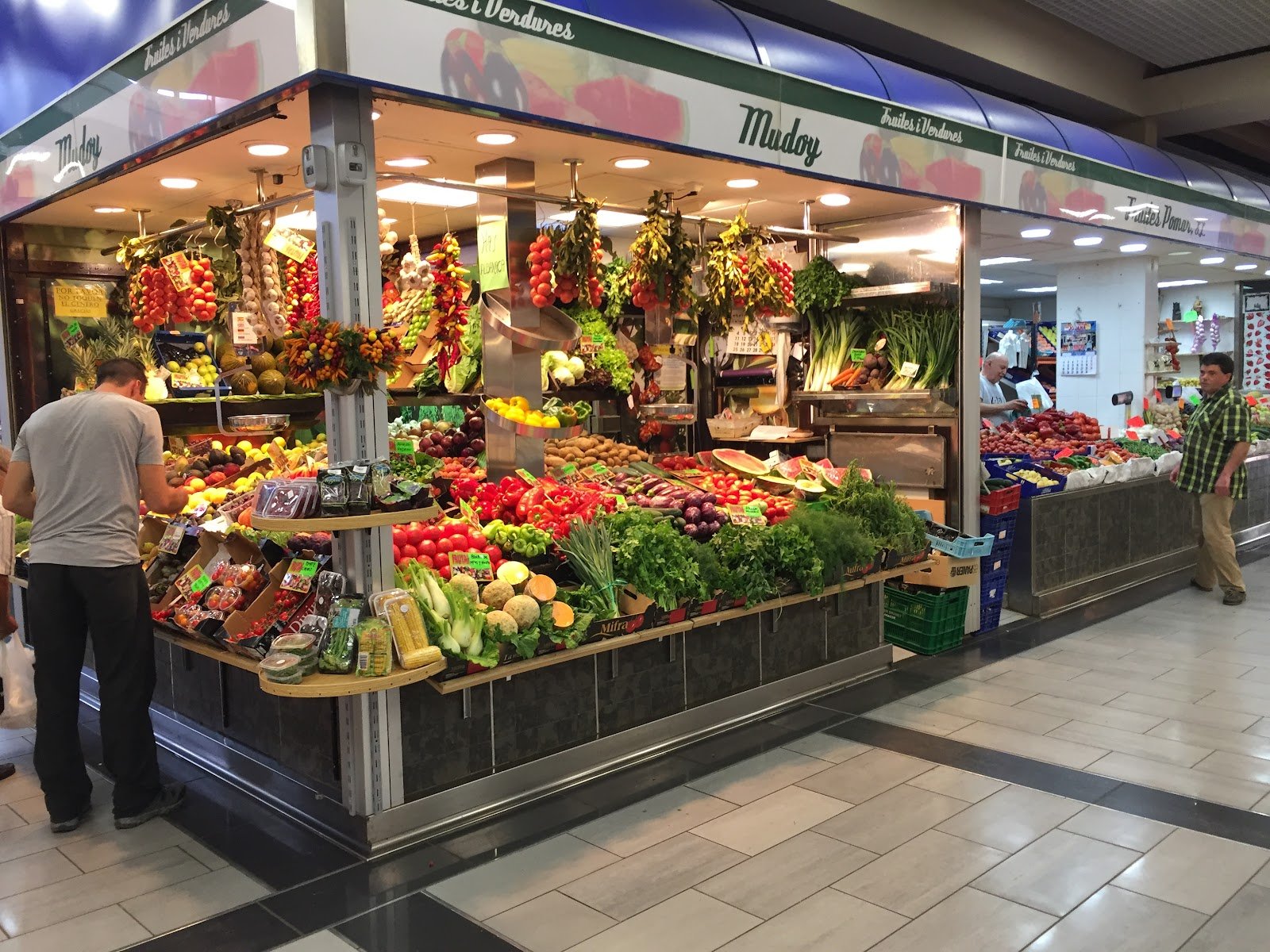
Where to Eat in Mallorca: A Region-by-Region Guide
The food guide to Mallorca: where to eat in Palma (Santa Catalina, the old town), the Tramuntana (Deia, Soller), the coast (harbour fish restaurants), and the interior (celler lunches in Inca that cost EUR 15 with wine).
14 min
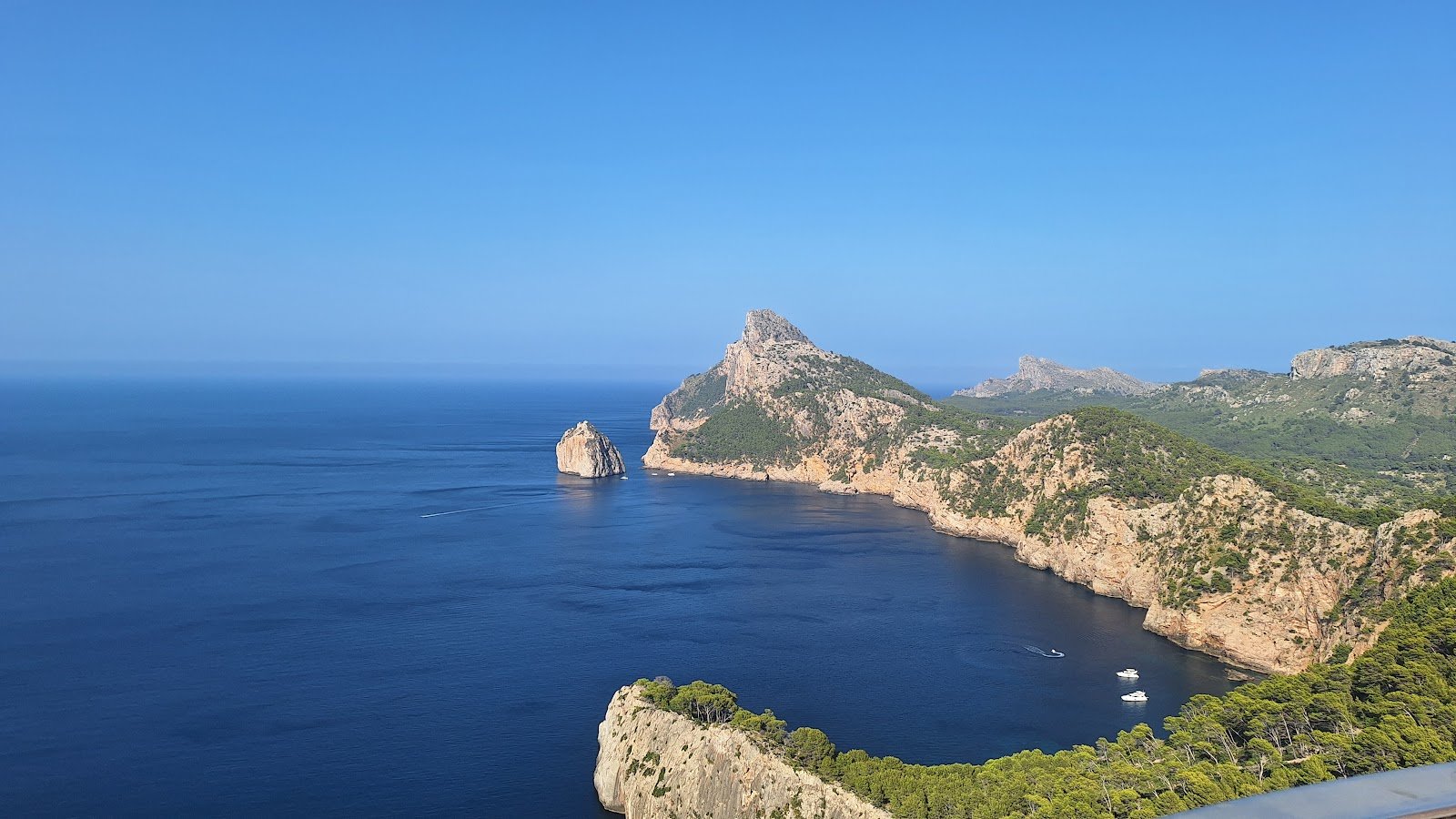
The Best Beaches in Mallorca: An Honest Guide
An honest, opinionated guide to Mallorca's beaches: which ones live up to the photos, which ones are overrated, how to find parking, and the coves that locals go to when they want to swim in peace.
16 min
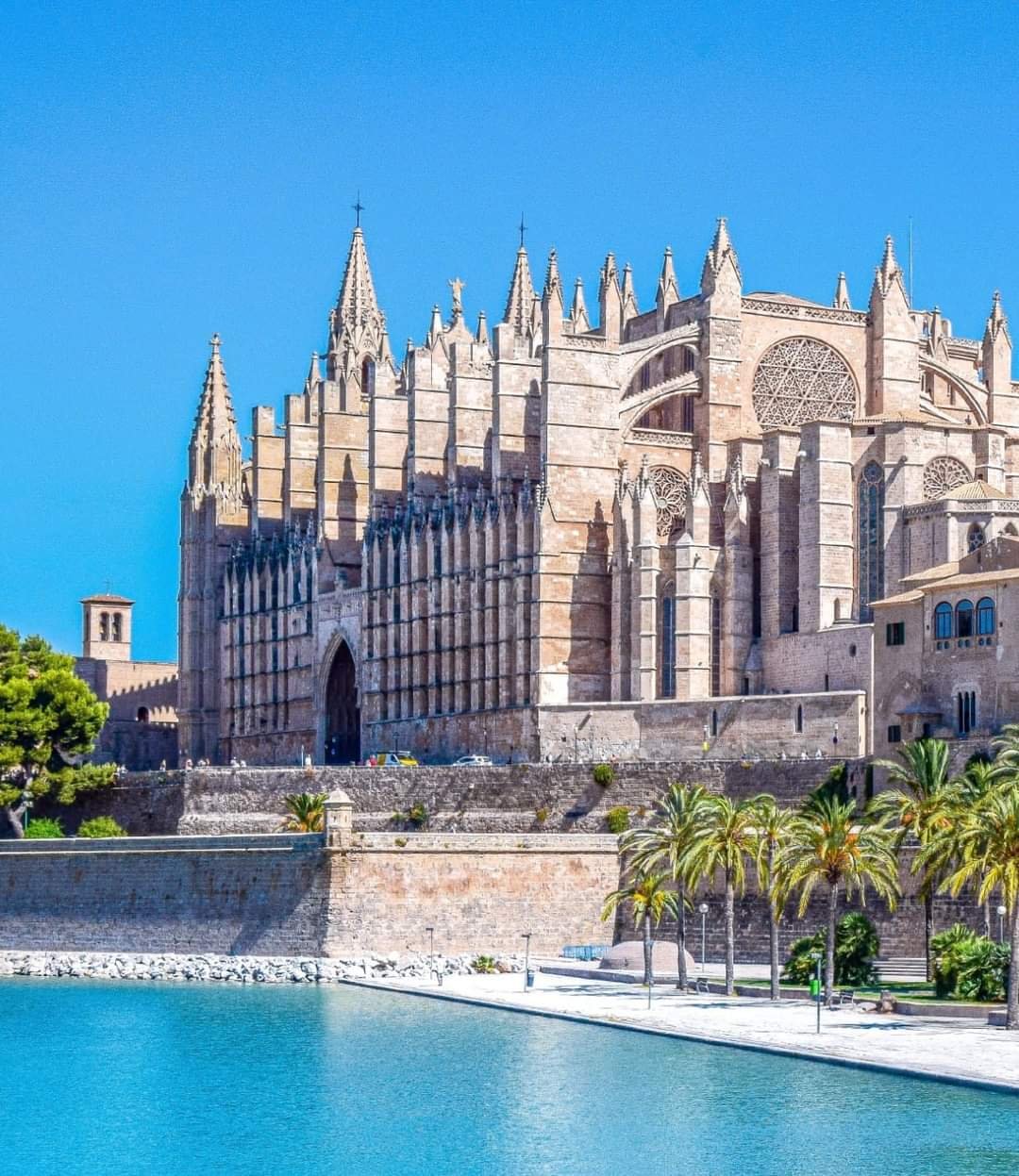
First Time in Mallorca: Everything You Need to Know
The practical guide to Mallorca: rent a car (yes, you need one), how parking works at the beaches, the ferry vs. flight decision, which side of the island to base yourself, and the Tramuntana road that justifies the trip.
14 min
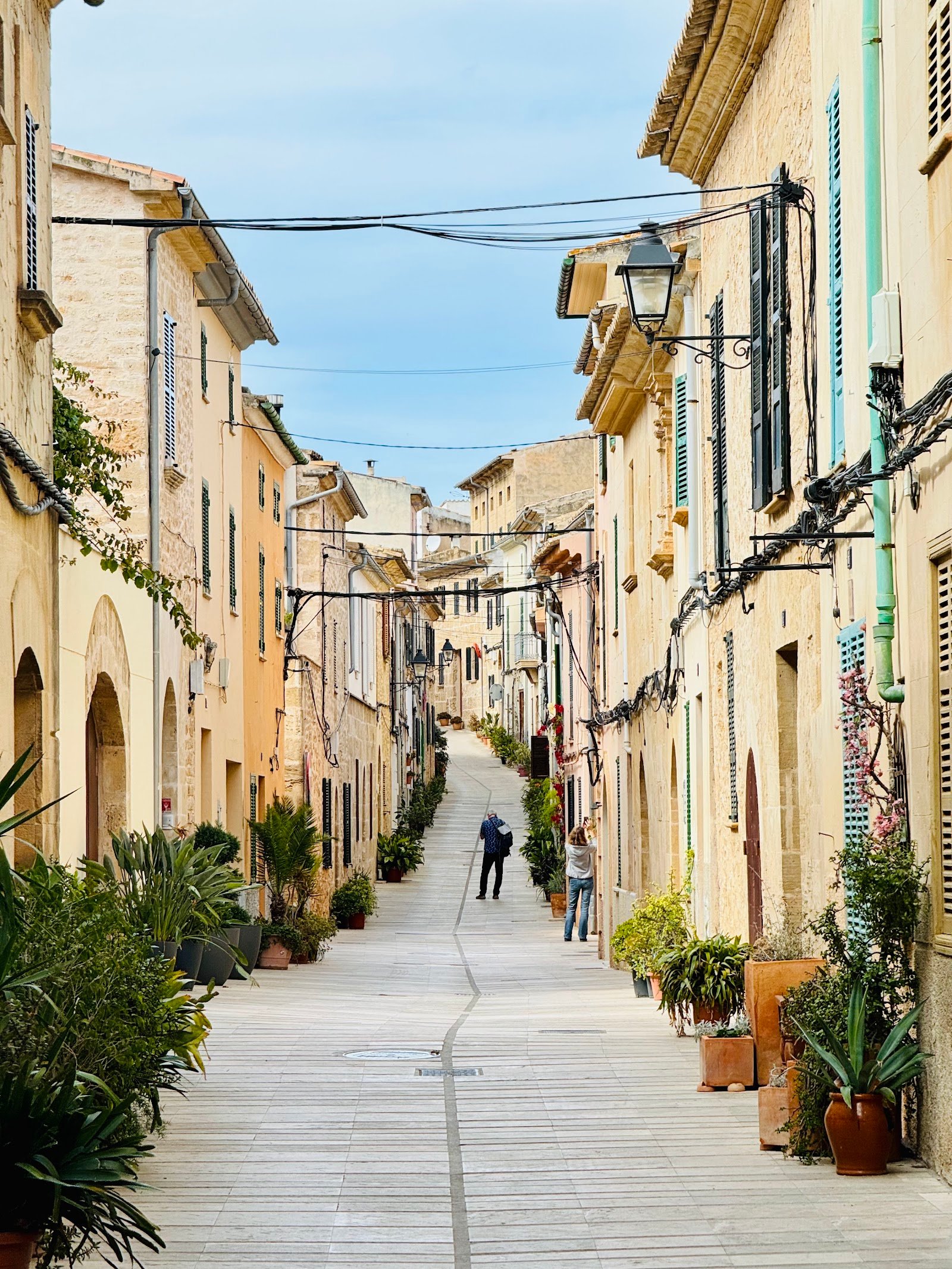
Mallorca with Kids: Family-Friendly Island Guide
Mallorca is one of the best family islands in Europe. Shallow coves, the Drach Caves underground concert, the vintage Soller train, Palma Aquarium, and enough ice cream shops to keep everyone happy.
12 min
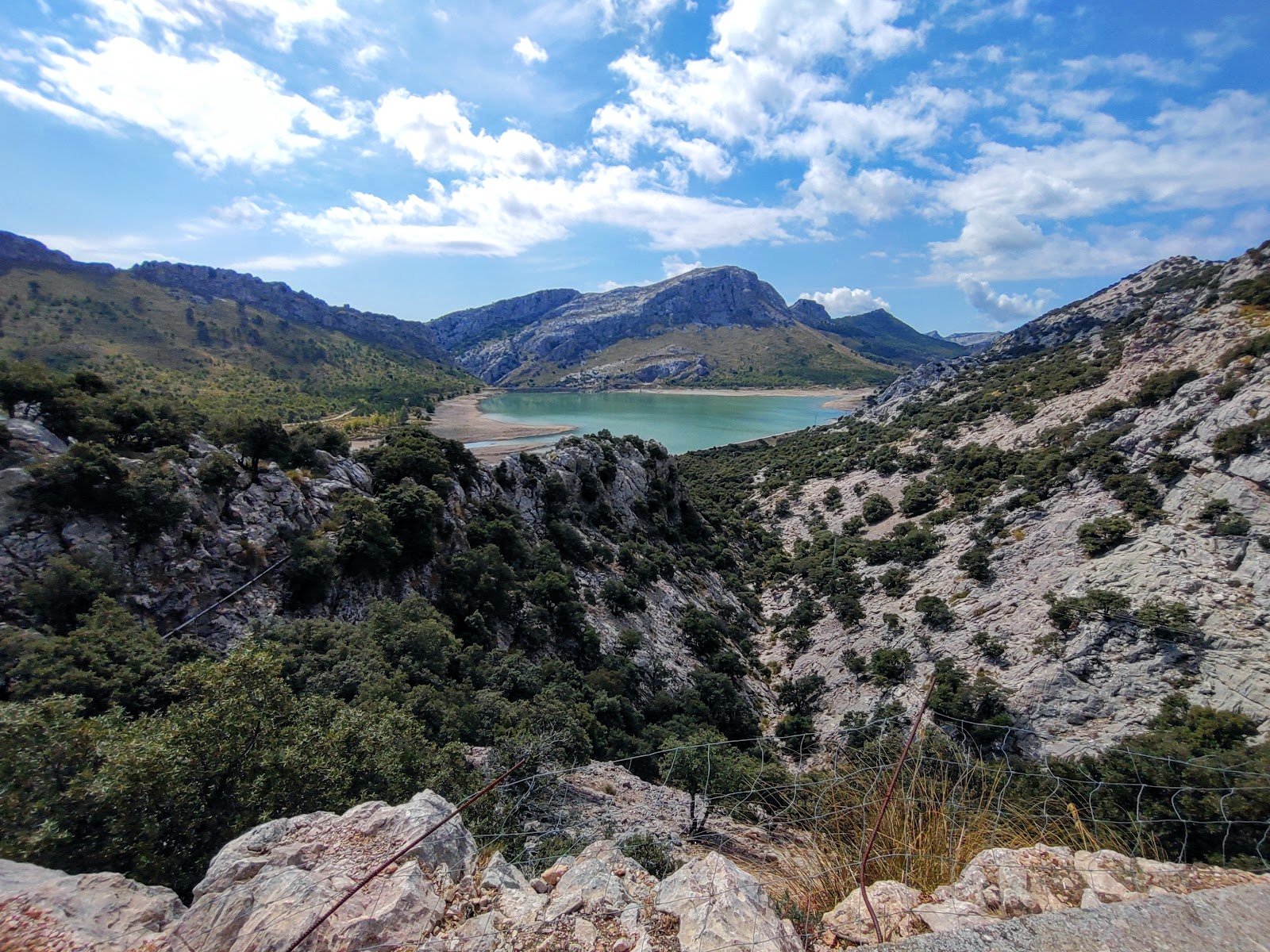
7 Days: The Complete Mallorca Experience
Seven days covering the full island: Palma, the Tramuntana, Cap de Formentor, the east coast caves, the southeast coves, the interior wine region, Cabrera island, and enough beach time to actually relax.
18 min
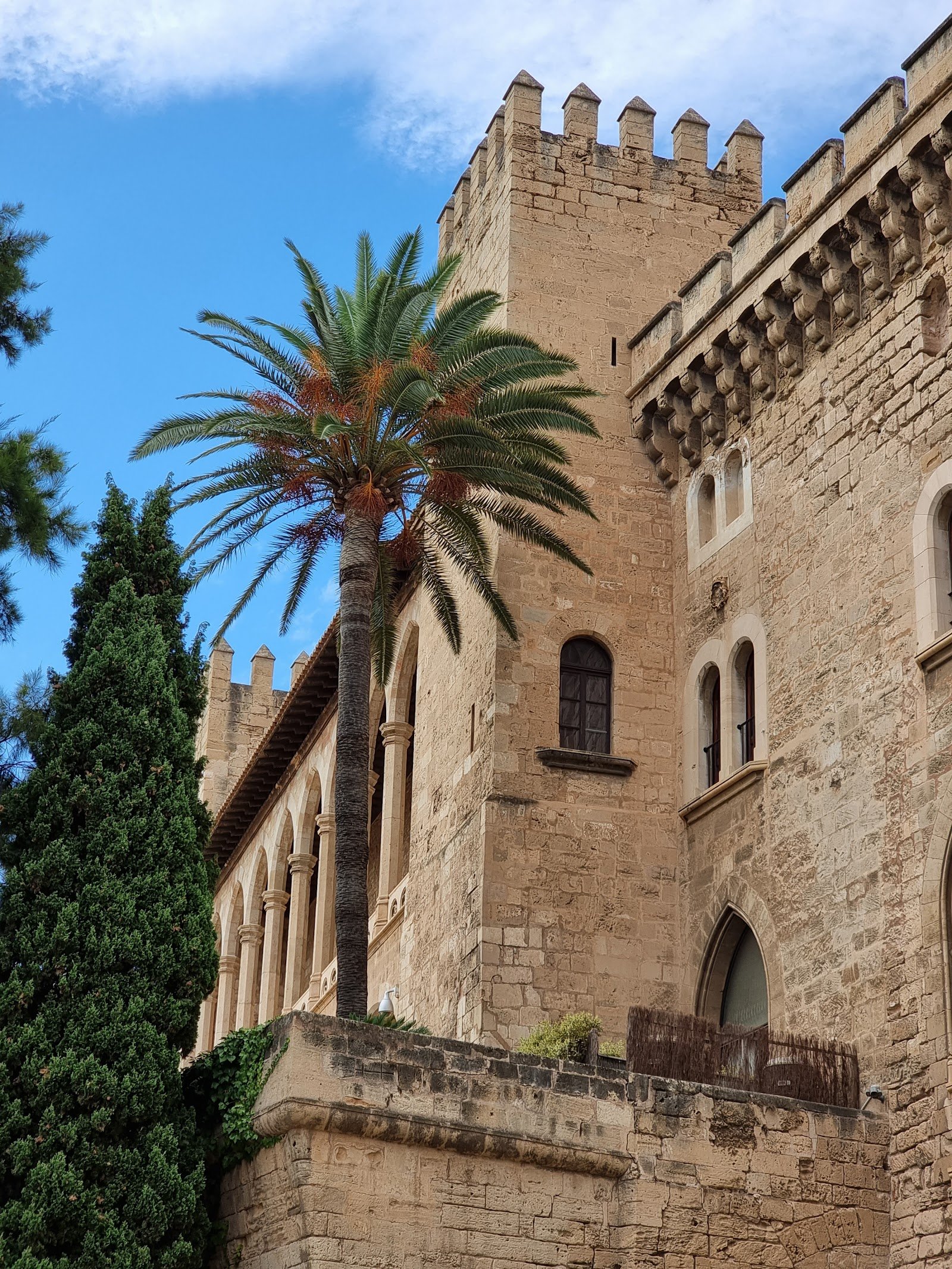
5 Days in Mallorca: The Complete Island Itinerary
Five days covering Palma, the Serra de Tramuntana, the east coast caves, the southeast coves, and the interior wine country, with driving times, parking tips, and restaurant recommendations for every stop.
14 min
Frequently Asked Questions
Five days is the sweet spot: two in Palma (cathedral, old town, Santa Catalina), one driving the Ma-10 through the Tramuntana with stops in Valldemossa and Soller, one on the east coast (Drach Caves, Porto Cristo, a cove swim), and one beach day at Es Trenc or Formentor. Seven days lets you add Cap de Formentor, the interior wine region, and a Cabrera Island day trip. A long weekend works if you stick to Palma and one day trip.
Yes. This is non-negotiable. Public transport exists (bus from Palma to Soller, Alcudia, some beach towns) but it is slow, infrequent outside Palma, and does not reach the best coves or mountain viewpoints. A rental costs EUR 25-40 per day. Book early in summer. Get a small car for the mountain roads. The island is compact: nowhere is more than 45 minutes from anywhere else.
Palma for first-timers: it is a proper city with restaurants, bars, culture, and the airport is 15 minutes away. Soller or Port de Soller for the mountains and a quieter pace. Port de Pollenca for families (long sandy beach, calm water, restaurants). Deia for couples with a budget (restaurants are expensive but the setting is unbeatable). Avoid Magaluf and S'Arenal unless you want the resort strip experience.
May to June and September to October are ideal: warm (25-30C), the sea is swimmable, beaches are not overcrowded, and prices are 20-40% lower than peak season. July and August are hot (35C+), everything is full, parking at beaches fills by 10 AM, and the Formentor road closes to private cars. November to March is quiet with some restaurants closed, but the hiking weather is perfect and flights are cheap.
English is widely spoken in Palma, tourist areas, and hotels. The local language is actually Mallorquin (a variant of Catalan), though everyone speaks Castilian Spanish too. In rural areas and smaller towns, basic Spanish helps. Learn "bon dia" (good morning in Mallorquin), "gracies" (thank you), and "la cuenta, por favor" (the bill, please). Younger staff are comfortable in English.
Moderate by European island standards. A coffee is EUR 1.80-2.50, a pa amb oli (bread with tomato and oil) is EUR 5-8, lunch at a celler in the interior is EUR 15-20 for three courses, a good dinner in Palma is EUR 25-40 per person, and fine dining is EUR 60-120. Beach parking is EUR 3-10. Museums are EUR 4-12. Palma and the coast are more expensive than the interior.