Mallorca
Southeast
Postcard Mallorca: honey-coloured stone villages, fishing harbours, natural arches, and the most photogenic coves on the island.
About Southeast
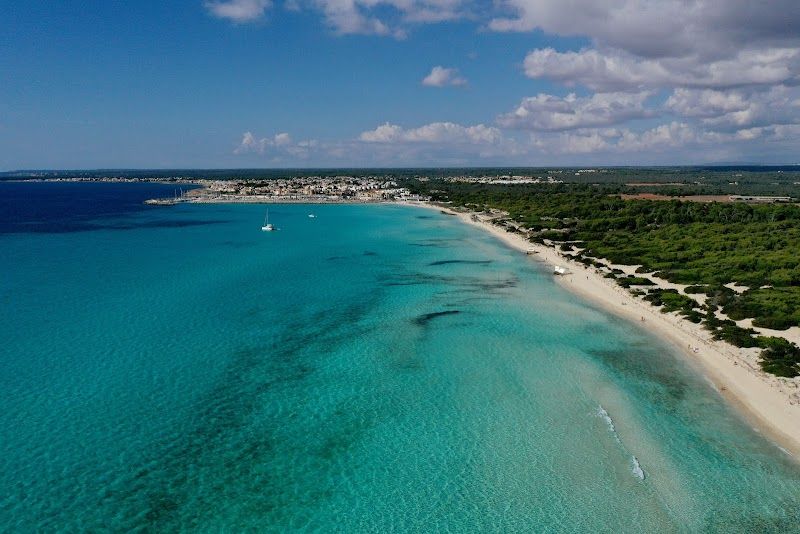
The southeast corner of Mallorca is where the postcards come from. Santanyi is a honey-coloured stone town with a Saturday market (local honey, sobrassada sausage, ceramics, leather) and restaurants on the main square. Cala Figuera is a fishing harbour that looks like it was designed for Instagram: llauts (traditional boats) in the inlet, fishermen mending nets, waterfront restaurants serving the catch. Cala Llombards is a small sandy cove between cliffs with turquoise water and room for maybe 200 people. Es Pontas is a natural stone arch rising from the sea (viewable from the coastal path, a 10-minute walk from parking). Cala d'Or is the most developed resort area in the southeast, with five small coves, restaurants, and shops. Cala Mondrago (inside the Mondrago Natural Park) has two beaches and a boardwalk through wetlands.
Things to Do
Top experiences in Southeast
Salines de Llevant
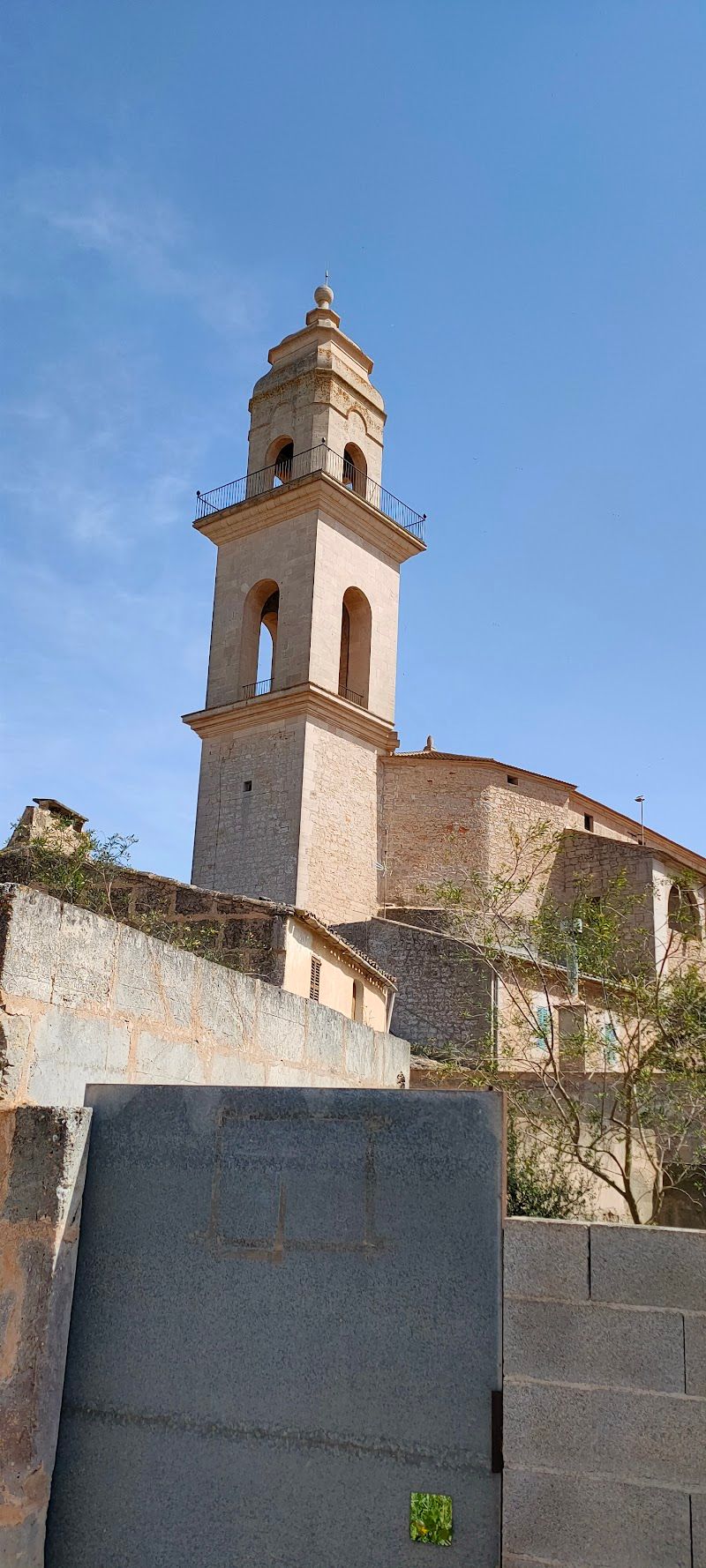
Salines de Llevant produces actual sea salt using 2,000-year-old Roman techniques, with workers still raking salt by hand in shallow evaporation ponds. The operation runs year-round, but winter brings the real spectacle: hundreds of flamingos arrive from November through March to feed on brine shrimp in the mineral-rich water. You'll walk coastal paths with clear views across geometric salt beds that shift from white to deep pink depending on algae concentration and water depth. The experience feels surprisingly industrial yet timeless, watching modern workers use ancient methods while pink birds wade through man-made lagoons. Salt pyramids dot the landscape like miniature mountains, and the air carries that sharp, clean scent of concentrated seawater. Flamingos cluster in specific ponds where brine shrimp are thickest, creating photo opportunities that feel almost surreal against Mallorca's typical beach scenery. The contrast between working salt production and wildlife sanctuary creates an atmosphere unlike anywhere else on the island. Most guides oversell this as a major attraction when it's really a pleasant hour-long detour, best combined with nearby Colonia de Sant Pere. The viewing is free from public paths, so ignore any tour operators charging admission. Winter visits are dramatically better due to flamingo presence, but summer offers the fascinating spectacle of salt harvest. The coastal path can get muddy after rain, and there's zero shade, so bring water and sun protection.
Mondrago Natural Park
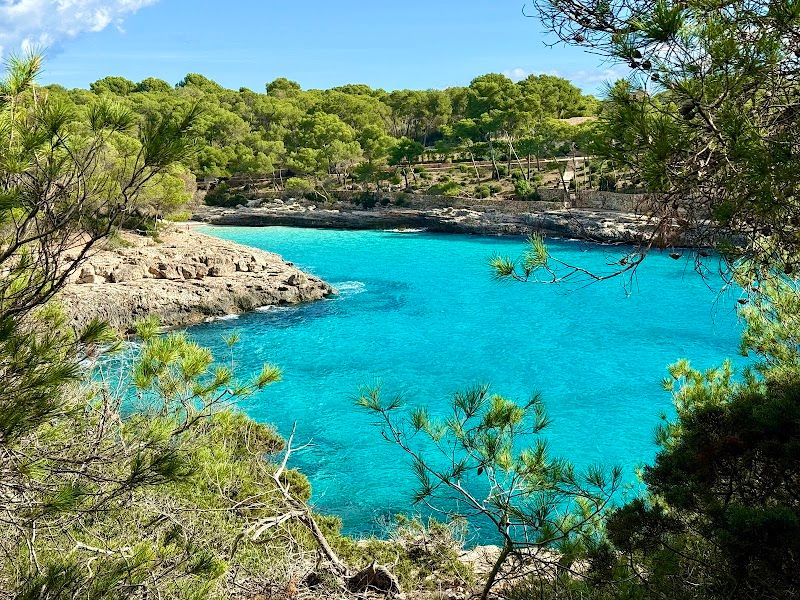
Mondrago Natural Park on the southeast coast has two beaches (S'Amarador and Cala Mondrago) connected by a boardwalk through pine forest and coastal wetlands. S'Amarador has fine sand and shallow water, excellent for families. Cala Mondrago is slightly smaller with rocks on the sides good for snorkelling. The park is free to enter (EUR 5 parking). A walking trail loops through the park (3 km, 1 hour, flat, easy) past farmland, wetlands, and viewpoints. Birdwatchers come for the ospreys and Audouin's gulls. The park limits daily visitors in summer, so arrive before 10 AM.
Santuari de Sant Salvador
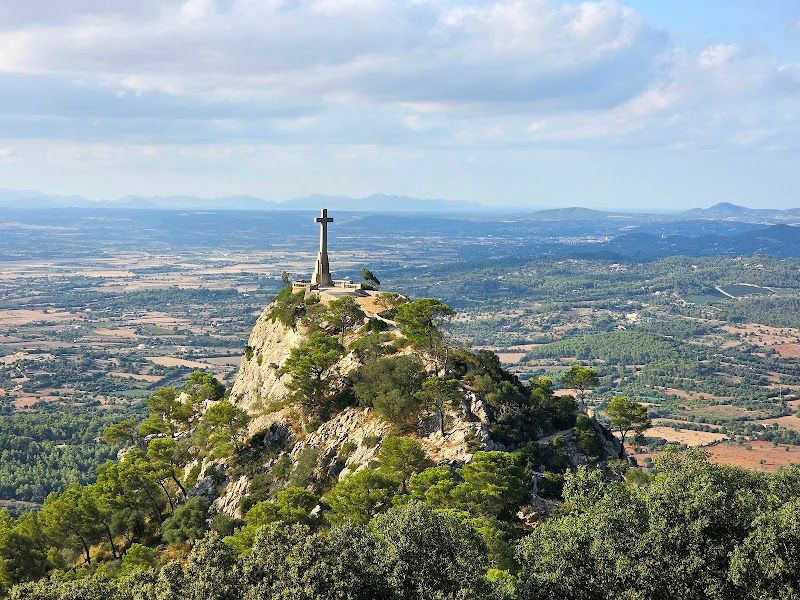
This 14th-century monastery sits atop a 509-meter peak near Felanitx, crowned by a massive 37-meter stone cross that you can spot from across southeastern Mallorca. The real draw is the panoramic views: on clear days you'll see from Cabrera Island in the south all the way to Cap de Formentor in the north, with the entire coastline spread below. The site includes the original church, a towering Cristo Rei statue, and simple guesthouse rooms where you can spend the night. The drive up takes you through 28 dramatic hairpin turns carved into the mountainside, each bend revealing more spectacular vistas. Once at the top, you'll find a surprisingly peaceful atmosphere despite the steady stream of day visitors. The stone buildings feel authentically monastic, and the terrace offers multiple vantage points for photos. Late afternoon light transforms the landscape below into golden patchwork, while sunrise (if you stay overnight) paints the sea in brilliant oranges and pinks that photographers rave about. Most day visitors rush up, snap photos, and leave within 30 minutes, missing the best light completely. The monastery rooms cost around 25-35 EUR per night and are basic but clean, with the enormous advantage of having the sunrise viewpoint to yourself. Skip the small museum inside unless you're genuinely interested in religious artifacts. The real magic happens during golden hour, so time your visit for late afternoon or commit to staying overnight.
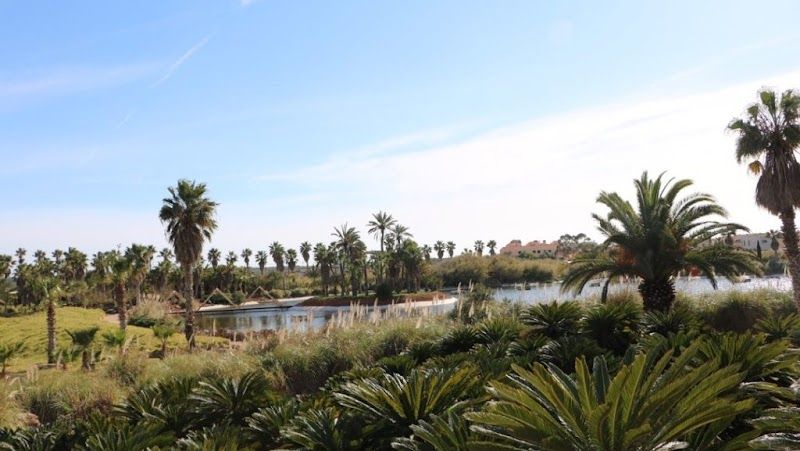
Botanicactus
Botanicactus sprawls across 50,000 square meters of southeastern Mallorca, housing Europe's most extensive cactus collection with over 12,000 species from five continents. You'll walk through distinct climate zones, from towering Mexican barrel cacti that dwarf visitors to delicate South African succulents arranged in themed gardens. The park includes a reconstructed traditional Mallorcan farmhouse and an artificial lake that feels oddly tropical against the spiky landscape. The experience flows along well-marked gravel paths that weave between massive agave plants and forests of columnar cacti reaching 15 feet high. Shade structures provide relief every few hundred meters, essential since most of the park bakes under full Mediterranean sun. The scale surprises first-time visitors: individual specimens can be decades old and utterly massive, while smaller gardens showcase intricate patterns of colorful succulents that look almost alien. At 12 EUR entry, it's pricey for what amounts to a very specialized garden that you'll either love or find boring after 45 minutes. Skip the overpriced cafe near the entrance and bring water instead. The farmhouse reconstruction feels like tourist padding, but the cactus collections genuinely impress, especially the barrel cactus section that most visitors rush past on their way to the lake.
Where to Eat
Restaurants and cafes in Southeast
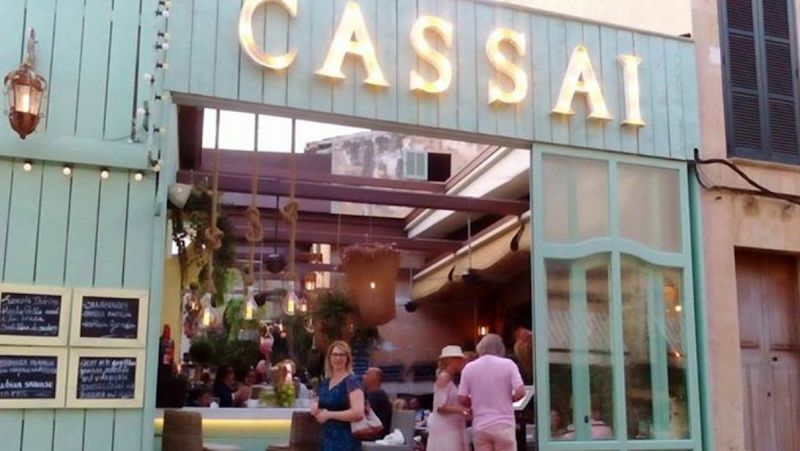
Cassai
RestaurantMarket-driven restaurant in Santanyí's stone center, focused on seasonal vegetables and seafood from nearby Portopetro. The menu changes based on what's available, morning catch, farm eggs, wild asparagus in spring. Small dining room with 8 tables and an open kitchen.
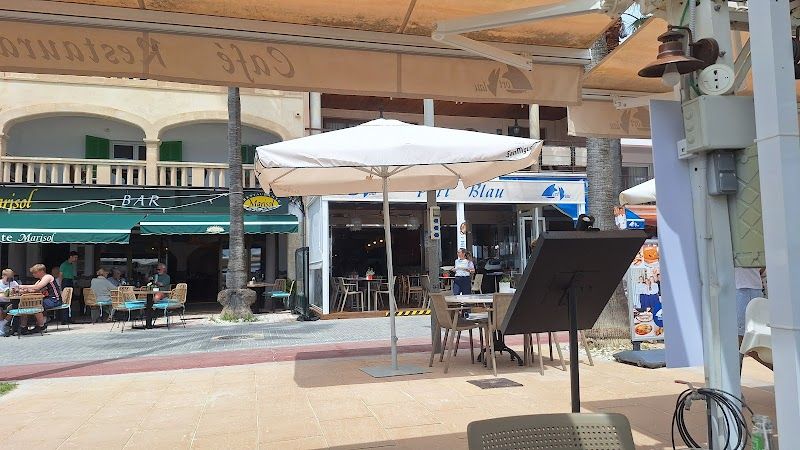
Port Blau
RestaurantHarbor-side seafood restaurant in tiny Cala Figuera, where fishing boats still tie up at the stone docks. The catch displayed on ice comes from the boats you see outside the window. Grilled fish sold by weight, exceptional grilled calamari, and rice dishes for two.
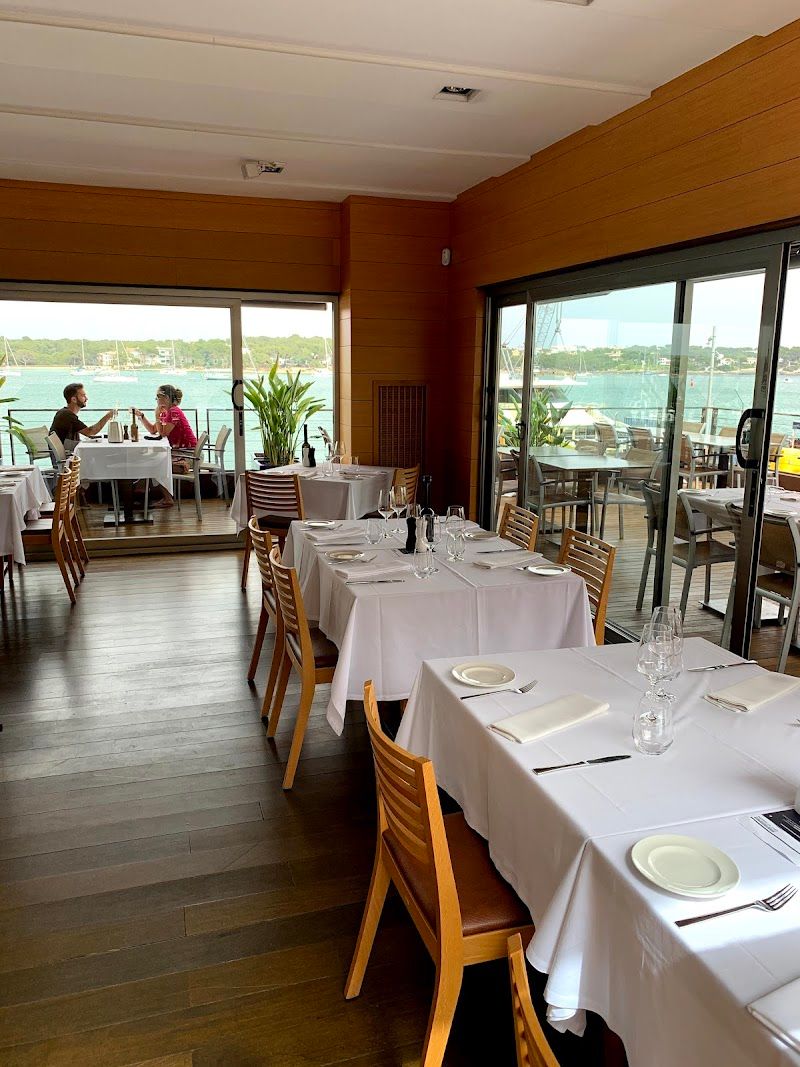
Sa Llotja
RestaurantHarbourfront restaurant in Porto Cristo specializing in caldereta de llagosta and whole roasted fish. The lobster stew costs EUR 75 per person and requires 24 hours notice, but the simpler grilled fish is excellent and half the price. Solid wine list featuring Mallorcan whites.
Getting Here
Insider Tips
Cala Llombards timing
Small beach, fills up by 11 AM in summer. Arrive by 9:30 or go after 4 PM. No facilities (bring water, food, shade). The water is the clearest on the island. Parking is limited and EUR 5 in peak season. Worth it.
Cala Figuera
Not a swimming beach (it is a harbour), but the most picturesque spot on the southeast coast. Walk down to the inlet, watch the fishermen, eat lunch at one of the harbour restaurants (fresh fish EUR 15-22). Go in the morning when the boats are in.
Mondrago Natural Park
Two beaches (S'Amarador and Cala Mondrago) connected by a boardwalk through pine forest and wetlands. Free park entry, EUR 5 parking. Good snorkelling, shallow water, safe for kids. The boardwalk loop takes 30 minutes. Bring your own food and drinks.
Nearby Neighborhoods
Continue exploring
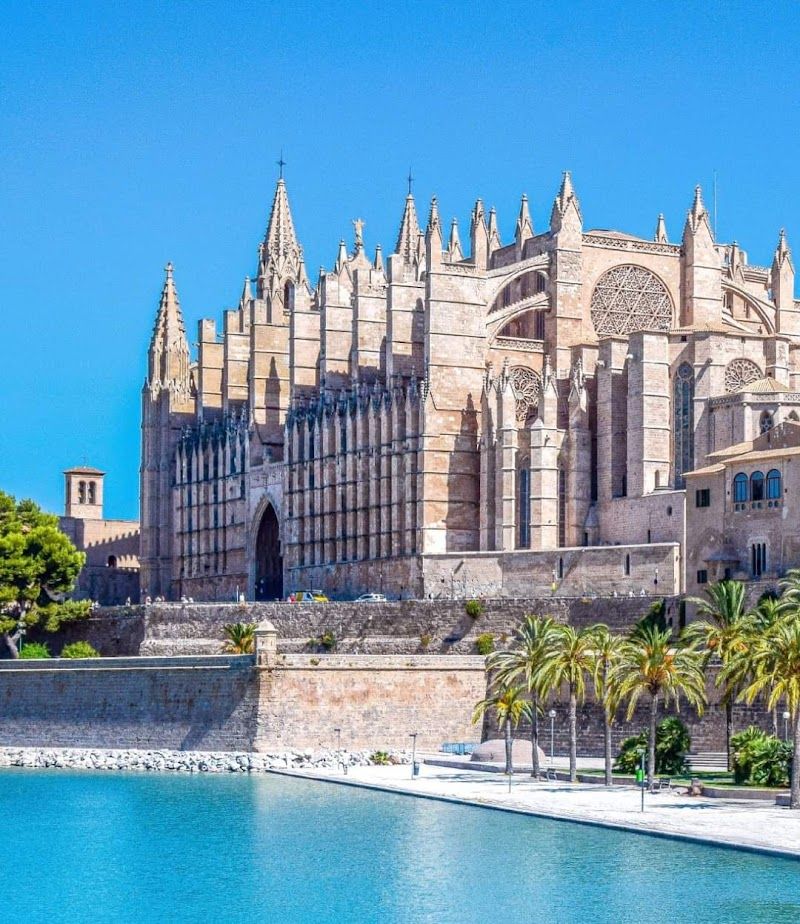
Palma
A real Mediterranean city: Gothic cathedral on the waterfront, narrow old town streets, palace courtyards, and the Santa Catalina neighbourhood where locals eat and drink.
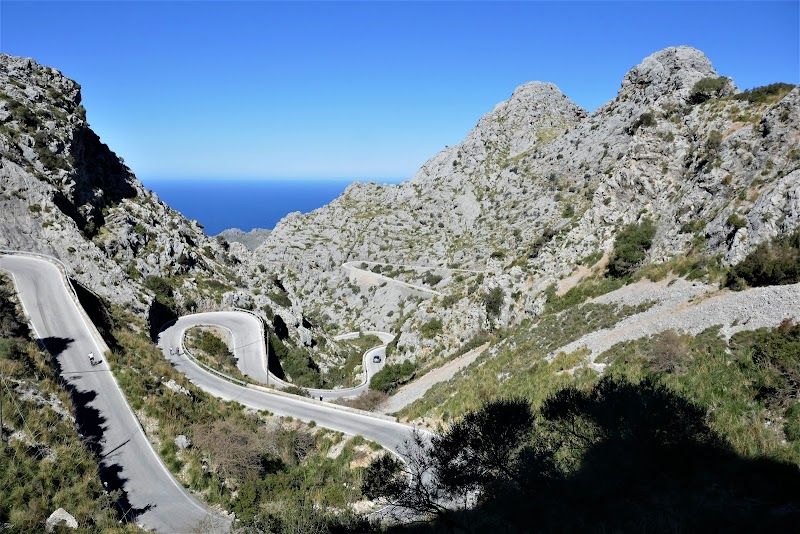
Serra de Tramuntana
UNESCO mountain range: stone villages clinging to cliffs, ancient olive groves, hiking trails, and a coastal road that is one of the best drives in Europe.
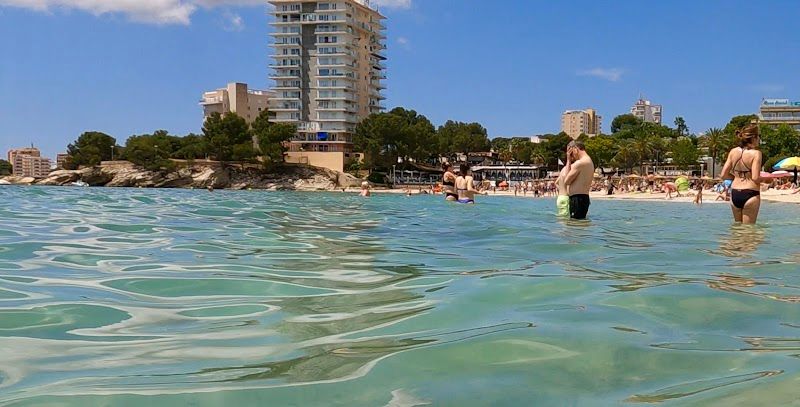
Southwest Coast
The quieter, more upscale end of the coast: Port d'Andratx harbour, Sant Elm village, Dragonera island, and sunset views that draw painters and photographers.
Related Articles
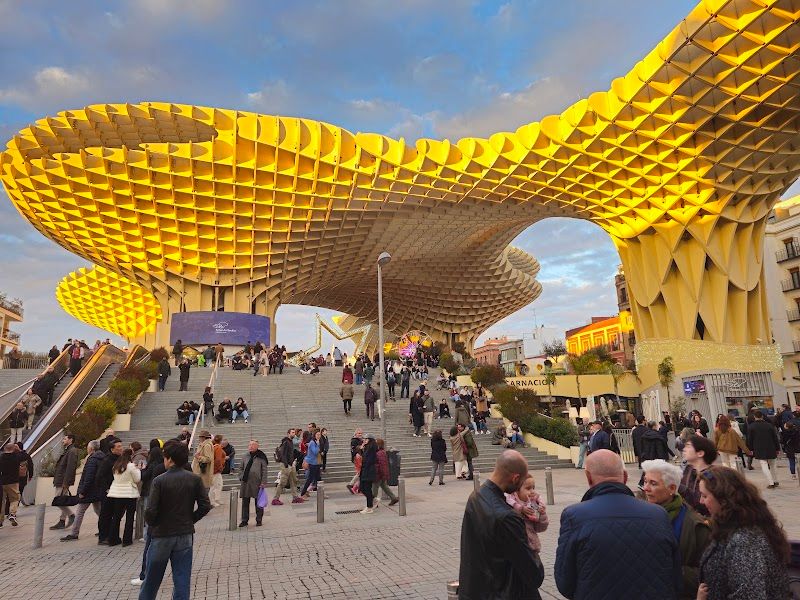
Seville Safety Guide: Which Neighborhoods to Avoid and Where to Stay Instead
Most of Seville is safe, but certain areas demand caution. Here's where to avoid staying and which neighborhoods offer better options for travelers concerned about safety.

Central Market Hall Budapest: Complete Guide to Hungary's Most Famous Food Market
The Central Market Hall is Budapest's food shopping headquarters. Here's what to buy, when to visit, and how to navigate this 19th-century market like a local.
Plan a trip featuring Southeast
Get a personalized Mallorca itinerary with Southeast built in.
Start Planning