Mallorca
Southwest Coast
The quieter, more upscale end of the coast: Port d'Andratx harbour, Sant Elm village, Dragonera island, and sunset views that draw painters and photographers.
About Southwest Coast
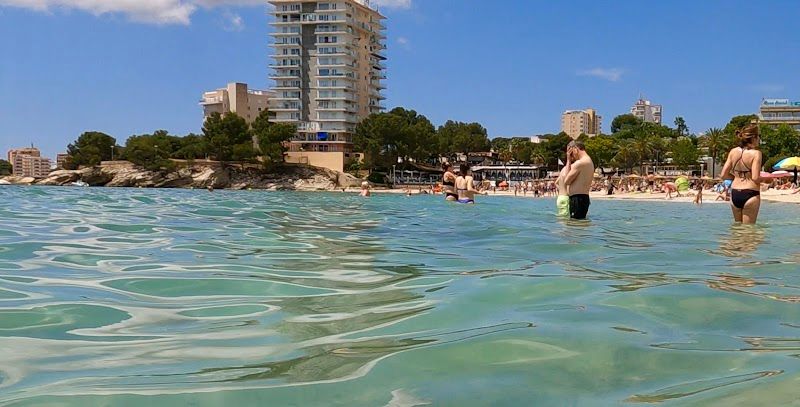
The southwest coast runs from Calvia to Andratx and is the more refined end of Mallorca's coastline. Port d'Andratx has the prettiest natural harbour on the island: fishing boats, waterfront restaurants, and a sunset that turns the whole bay gold. The town of Andratx has a Saturday morning market and a contemporary art centre (CCA Andratx, EUR 8). Sant Elm is a small village at the southwestern tip with a beach and the boat to Sa Dragonera island (EUR 14 return, a nature reserve with hiking trails, lizards, and no development). Camp de Mar has a calm beach with a restaurant on a rock connected by a wooden walkway. The southwest avoids the mass tourism of the south coast while still having good beaches and restaurants.
Things to Do
Top experiences in Southwest Coast
Serra de Tramuntana (Ma-10 Drive)
The Ma-10 is a mountain road running 90 km along the northwest coast of Mallorca from Andratx to Pollenca, through the UNESCO-listed Serra de Tramuntana. It is one of the best drives in Europe: hairpin bends, tunnel sections, viewpoints overlooking 300-metre drops to the sea, and stone villages that appear around corners. Drive south to north for the best views (the coast opens up on your right). Allow a full day with stops in Valldemossa, Deia, and Soller. The road is narrow in sections, so rent a small car: anything bigger than a Seat Ibiza might cause stress through the tightest bends. In summer, tour buses use the road between 10 AM and 4 PM, so start early or you'll be stuck behind a German coach doing 20 km/h. Budget €15-20 for parking in the main villages. Valldemossa gets packed by noon, but the Real Cartuja monastery (€9.50) is worth seeing as this is where Chopin spent his winter. In Deia, skip the overpriced Hotel La Residencia lunch and grab a bocadillo at Ca'n Costa for €6. The Sa Foradada viewpoint, 15 minutes past Deia, offers a good photo opportunity without the crowds. Soller is your logical lunch stop. Park at the train station (€3 for 4 hours) and walk five minutes to Cafe Scholl for excellent German-run coffee and cake. The orange groves have a lovely scent in spring, but by August the heat will make the car journey uncomfortable without air conditioning. Fill up your tank in Soller as petrol stations are scarce on the mountain sections.
GR 221 Ruta de Pedra en Sec
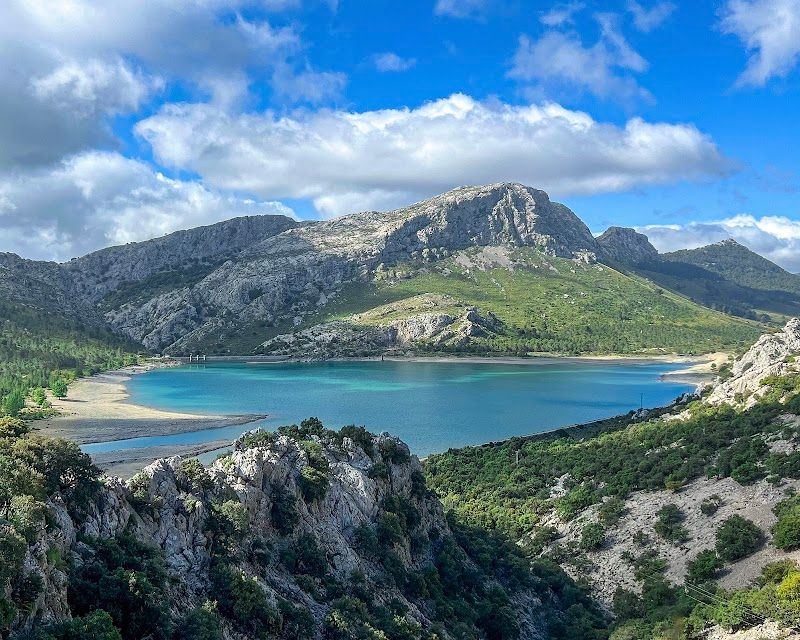
The GR 221 follows ancient mule paths and charcoal routes through Mallorca's UNESCO-listed Tramuntana mountains, connecting eight stone refuges across 140 kilometers of varied terrain. You'll walk on dry-stone paths that haven't changed in centuries, past abandoned snow houses where workers once collected ice for Palma's markets, through oak forests and olive terraces that cascade down to distant sea views. The trail passes through genuine mountain villages like Deià and Valldemossa, where you can resupply or bail out if needed. Each day feels like stepping back into pre-industrial Mallorca. The refuges are basic but atmospheric: shared dorms, simple meals, and evening conversations with fellow hikers from across Europe. Morning starts often reveal cloud inversions filling valleys below while you walk in brilliant sunshine above. The stone work is exceptional, with perfectly fitted walls that have survived centuries without mortar. You'll hear nothing but wind, bells from roaming sheep, and your own footsteps on ancient flagstones. Most guides won't mention that spring can be muddy and cold, while summer is extremely hot with limited water sources. The refuges cost around 15 EUR per night but book up months ahead for peak season. Skip the final section into Pollença, it's mostly road walking. The Sa Calobra detour adds coastal views but requires an extra day most people don't plan for.
CCA Andratx
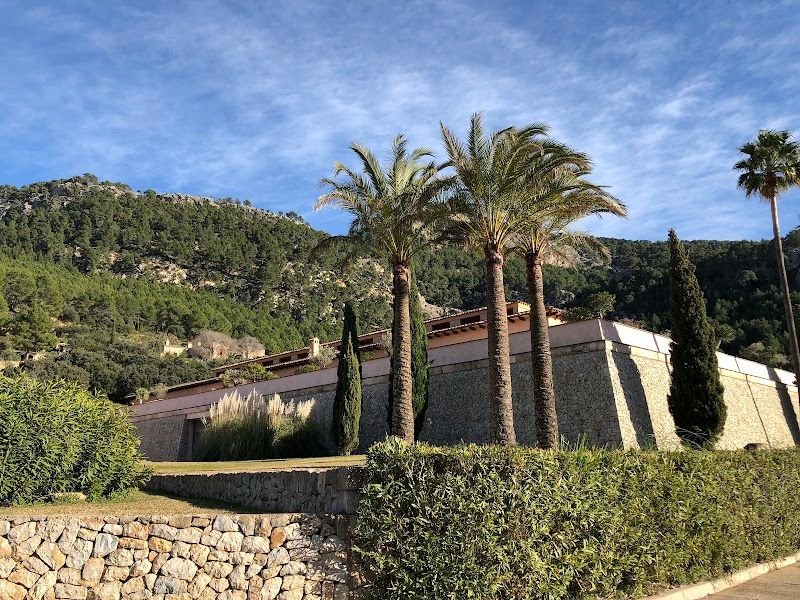
CCA Andratx houses one of Spain's most ambitious contemporary art spaces, sprawling across 56,000 square meters of galleries, sculpture gardens, and artist studios. You'll encounter rotating exhibitions that focus heavily on emerging international artists, often featuring large-scale installations and experimental media that bigger museums won't touch. The building itself, designed by Valencia's GRAS architects, feels like a piece of contemporary sculpture with its clean lines and floor-to-ceiling windows framing the Tramuntana mountains. Walking through feels like exploring a high-end private collection rather than a traditional museum. The galleries flow seamlessly into outdoor sculpture areas where contemporary works sit against Mediterranean landscaping. You'll often spot artists in residence working in their studios, and the scale means you can easily spend two hours without seeing everything. The mountain backdrop through those massive windows competes with the art for your attention, especially during golden hour. Most travel guides oversell this as essential viewing, but it's really for serious contemporary art fans. Skip it entirely if you prefer classical or historical pieces. The €12 admission feels steep given the hit-or-miss nature of rotating exhibitions, though the architecture alone justifies a visit for design enthusiasts. Check their website before visiting since some galleries close between exhibition changes, leaving you with less to see than expected.
Nightlife
Bars and nightlife in Southwest Coast
Getting Here
Insider Tips
Port d'Andratx dinner
The waterfront restaurants at Port d'Andratx are pricier than average (expect EUR 35-50 for dinner with wine) but the setting is worth it. Go for sunset. The fishing boats come in during the afternoon and the restaurants buy directly from them.
Sa Dragonera
The boat from Sant Elm to Sa Dragonera island costs EUR 14 return and runs April to October. The island is a nature reserve with no facilities (bring water and food). Three hiking trails: 1-3 hours each. The lizards are everywhere and not shy. Book in advance in summer.
Camp de Mar
The beach is sheltered and calm, good for families. The restaurant on the rock (Illeta) is connected by a wooden walkway and is the most photographed dining spot on this coast. Book for lunch; walk-ins for dinner are easier.
Nearby Neighborhoods
Continue exploring
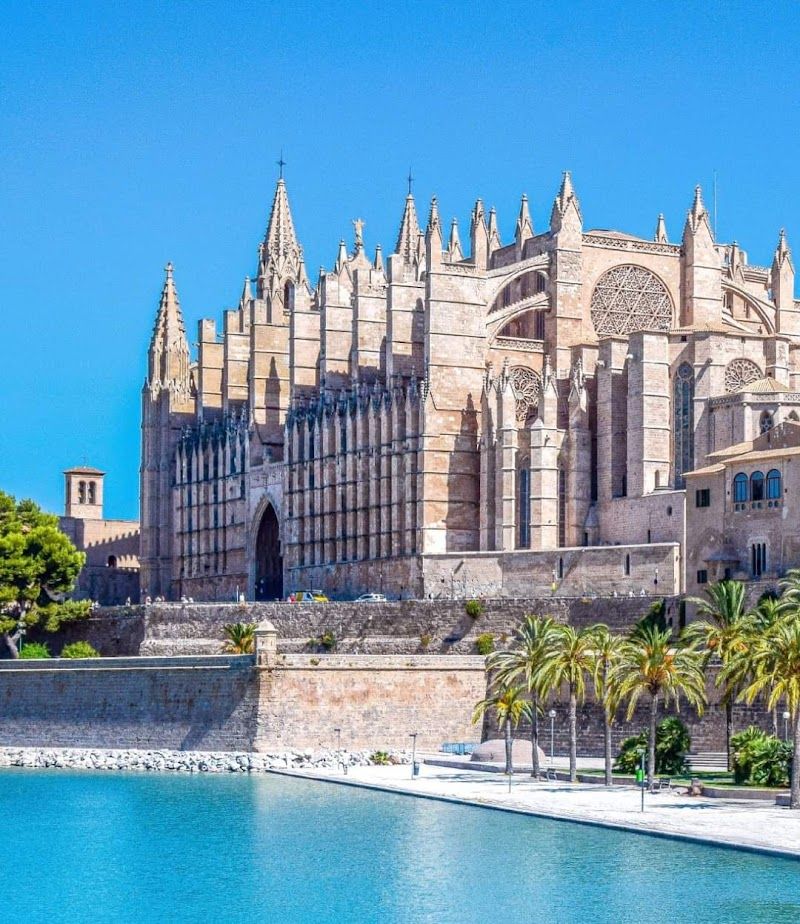
Palma
A real Mediterranean city: Gothic cathedral on the waterfront, narrow old town streets, palace courtyards, and the Santa Catalina neighbourhood where locals eat and drink.
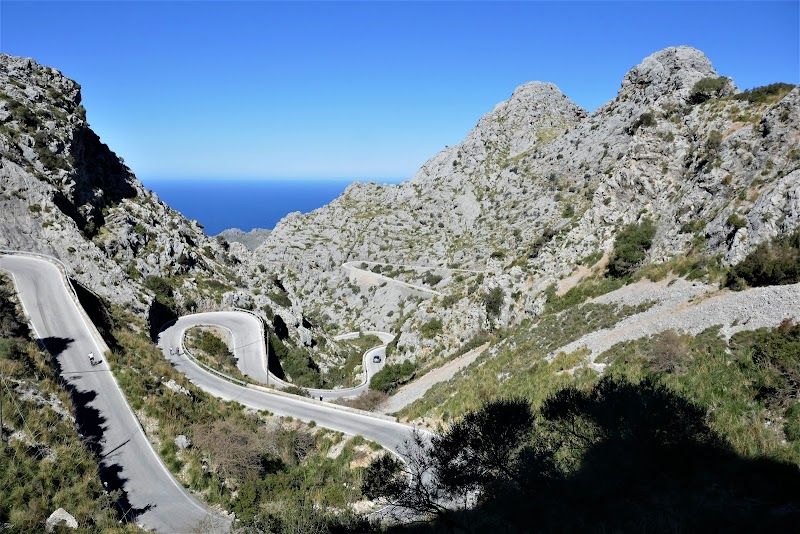
Serra de Tramuntana
UNESCO mountain range: stone villages clinging to cliffs, ancient olive groves, hiking trails, and a coastal road that is one of the best drives in Europe.
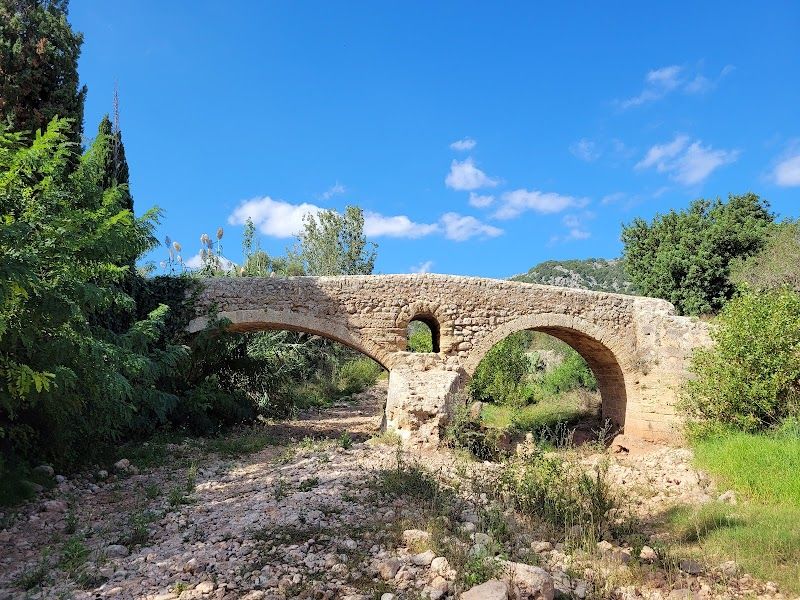
Pollenca & the North
Where the mountains meet the sea: Cap de Formentor, Pollenca's historic town, Alcudia's Roman walls, and beaches backed by pine forests.
Plan a trip featuring Southwest Coast
Get a personalized Mallorca itinerary with Southwest Coast built in.
Start Planning