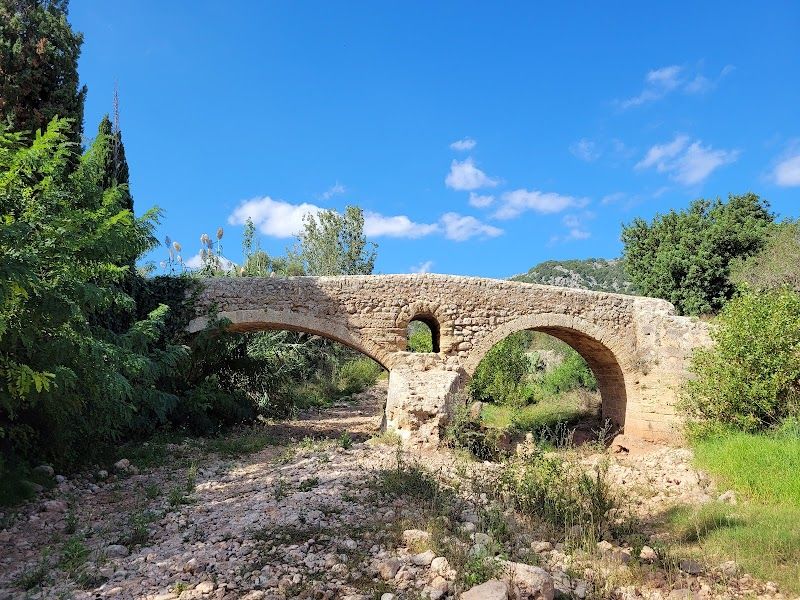
Mallorca
Pollenca & the North
Where the mountains meet the sea: Cap de Formentor, Pollenca's historic town, Alcudia's Roman walls, and beaches backed by pine forests.
About Pollenca & the North
The north of Mallorca is where the Serra de Tramuntana drops into the sea at Cap de Formentor, and it is the most dramatic landscape on the island. Pollenca is a historic town with the 365 Calvari steps (climb them at sunset), a Sunday market that fills the main square, and a music festival in August. Port de Pollenca has a long, calm bay popular with families and windsurfers. Cap de Formentor is the peninsula at the island's northern tip: a winding drive to the lighthouse with viewpoints that make you pull over every five minutes, and Formentor beach (long, sandy, pine trees to the waterline, parking EUR 8-10 in summer). Alcudia has the best-preserved walled old town in Mallorca (Roman amphitheatre ruins, medieval gates, Tuesday and Sunday markets). The Bay of Alcudia has a long sandy beach stretching northeast toward Can Picafort.
Things to Do
Top experiences in Pollenca & the North
Mercat de Pollença
Pollença's Sunday market sprawls across the town's stone squares and medieval streets, bringing together over 300 vendors selling everything from hand-carved olive wood bowls to traditional Mallorcan textiles. You'll find genuine local produce here: sobrassada sausages hanging in thick red coils, wheels of Mahón cheese, jars of mountain honey, and olives cured in family recipes. The leather goods are particularly good, especially bags and belts made in nearby workshops, though you'll pay tourist prices for anything near the main square. The market flows from Plaça Major through narrow side streets, creating a maze of stalls that locals navigate with practiced ease while tourists get pleasantly lost. Food vendors cluster near the church, filling the air with the scent of grilled sobrassada and fresh bread, while textile sellers spread embroidered linens across tables in the shadier alleys. By 11am, tour groups arrive and the relaxed morning atmosphere shifts into something more chaotic, though still manageable. Most guides won't mention that the real bargains hide in the residential streets beyond the main tourist circuit, where farmers sell olive oil for 8-12 EUR per bottle versus 18-25 EUR in the center. Skip the overpriced pottery near the church entrance, it's mass-produced stuff from mainland Spain. The market's been running since medieval times, but honestly, that history matters less than knowing where to find the good cheese samples.
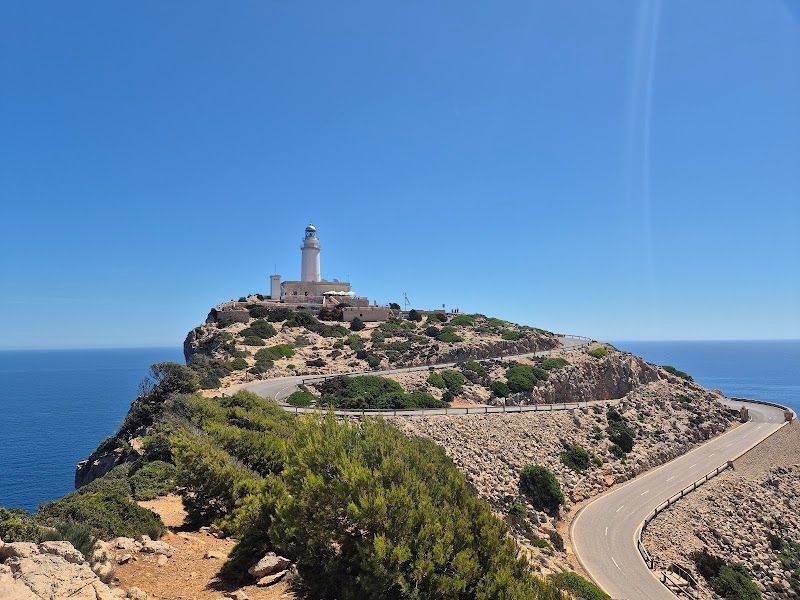
Cap de Formentor
Cap de Formentor is the narrow peninsula at the northern tip of Mallorca, and the drive to the lighthouse is one of the most dramatic on the island. The road climbs through pine forest with viewpoints overlooking sheer drops to the sea, though be warned: the winding route with hairpin turns isn't for nervous drivers or those prone to car sickness. Es Colomer viewpoint is free and deservedly famous, with 300-metre drops and views of the Formentor peninsula stretching north. The stone viewing platform gets packed with tour buses between 11 AM and 3 PM, so arrive early or late for elbow room. You'll hear multiple languages as people jostle for selfie spots, but the views genuinely justify the crowds. The lighthouse at the end is the most photographed spot on Mallorca, a whitewashed beacon perched on craggy cliffs where you can feel the wind whipping off the Mediterranean. Formentor beach, before the lighthouse road, is worth the detour: a long sandy beach backed by pine trees with water so clear you can see your feet at shoulder depth. The sand stays relatively cool under the pine shade, perfect for afternoon naps. Parking costs EUR 8-10 in summer and fills up by 10 AM. The beach bar serves overpriced but decent bocadillos for EUR 12-15. In July and August, the lighthouse road closes to private cars from 10 AM to 7 PM. Take the shuttle bus from Port de Pollenca instead, EUR 15 return, departing every 30 minutes. Early morning drives reward you with empty roads and softer light for photos.
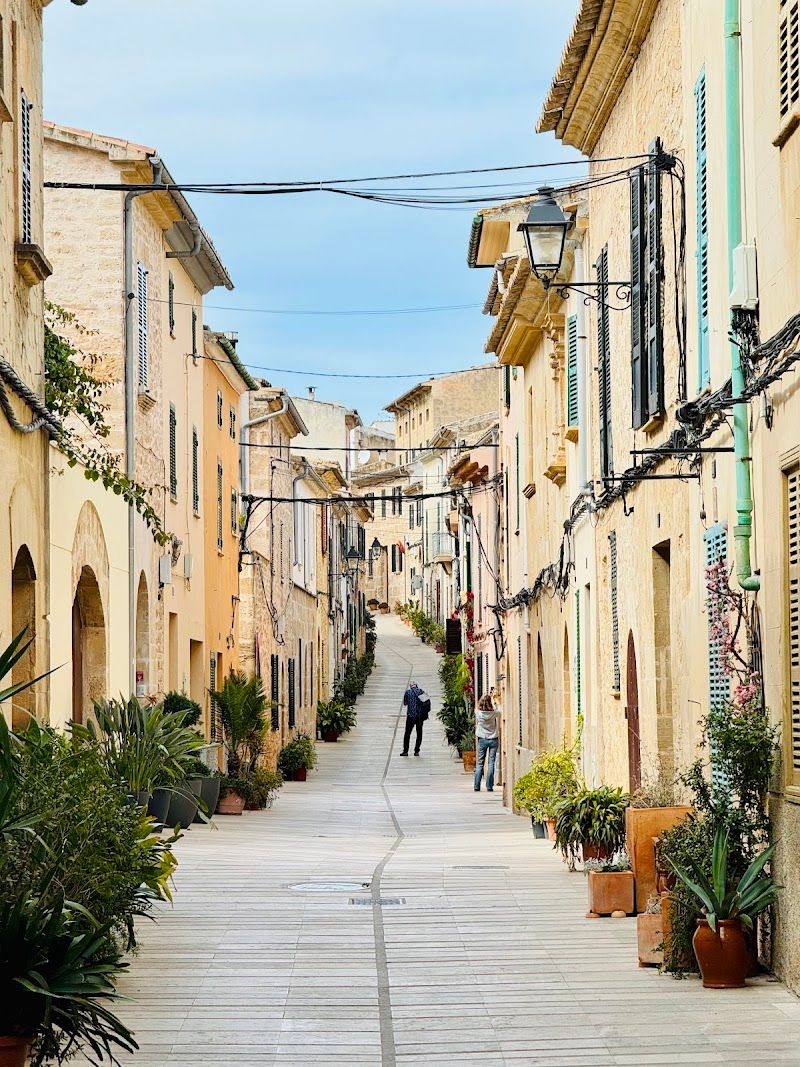
Alcudia Old Town
Alcudia has the best-preserved medieval walled town in Mallorca. The walls were built in the 14th century and you can walk the full 1 km circuit on top (free). The ramparts give you solid views over the rooftops and surrounding countryside, though the walk takes only 20 minutes and gets crowded by mid-morning. Start at the Porta de Mallorca gate where there's a small parking area. Inside the walls: narrow cobblestone streets that stay cool even in summer heat, Renaissance churches worth a quick look, and restaurants on small squares where you can eat decent paella for EUR 15-18. The Sant Jaume church has impressive Gothic arches, but skip the small museums unless you're really into local history. The entrance to the Pollentia Roman ruins costs EUR 4 and gets you access to a Roman theatre and forum from the oldest Roman settlement in Mallorca, founded 123 BC. The theatre is surprisingly intact, though the information boards are sparse. Worth 45 minutes if you like ruins, but honestly not spectacular compared to other Roman sites in Europe. The Tuesday and Sunday markets fill the streets outside the walls with produce, leather goods, ceramics, and the usual tourist trinkets. Arrive before 10 AM for the good stuff and reasonable prices. The local oranges and olives are excellent, but most leather goods are imported. Expect crowds and inflated prices after 11 AM. The town sits 2 km inland from the beach, which keeps it quieter than you would expect. You can easily combine this with beach time at Alcudia Bay. Allow 2-3 hours total including the wall walk and market browsing.
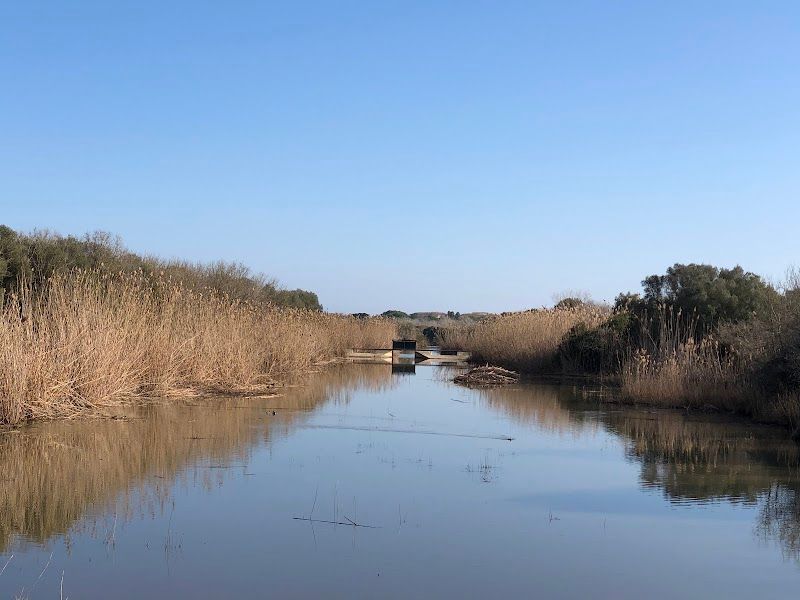
S'Albufera de Mallorca
S'Albufera de Mallorca protects 2,850 hectares of wetlands where 270 bird species feed, nest, and rest during migration. You'll spot purple herons stalking through shallow lagoons, ospreys diving for fish, and countless waders picking through the mud. Four well-marked trails wind through flat terrain perfect for cycling, with wooden observation hides positioned at prime birdwatching spots along the reed-fringed waterways. The park feels refreshingly wild after Mallorca's crowded beaches, with only the sound of birdsong and rustling reeds breaking the silence. You'll walk on raised wooden boardwalks and gravel paths that keep your feet dry while offering clear views across the marshes. The observation hides become treasure hunts where patience rewards you with close-up views of rare species, and the flat landscape means even casual walkers can cover serious distance without breaking a sweat. Most visitors rush through in an hour, but you need at least two hours to make birdwatching worthwhile. The visitor center runs out of binoculars by mid-morning, so bring your own or arrive when they open at 9am. Skip the longest trail unless you're cycling, as it gets repetitive after the first half. Entry costs nothing, making this one of Mallorca's best free attractions if you actually enjoy nature over Instagram shots.
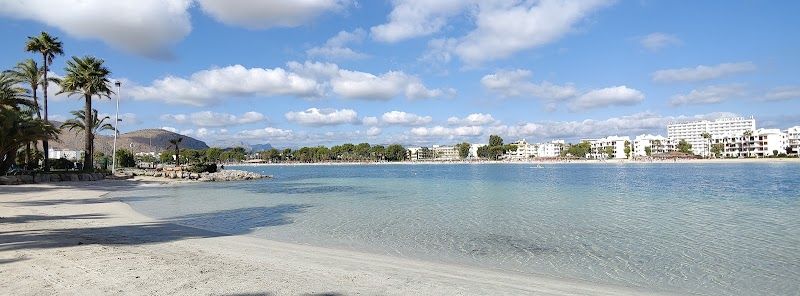
Pol·lèntia
Pol·lèntia gives you the clearest picture of Roman life in the Balearics, with foundations and walls you can actually walk through rather than just peer at from behind ropes. The residential quarter shows how wealthy Romans lived here from 123 BC onwards, with geometric mosaics still visible in several rooms. The theater is the real standout: carved into a hillside, it's remarkably intact and you can climb the stone seats where 2,000 people once watched performances. The forum area feels less impressive, mostly just low stone walls, but helps you understand the town's layout. You'll spend most of your time wandering freely through the residential streets, ducking under modern protective roofs to see the best mosaics. The site feels peaceful and uncrowded, even in summer, with olive trees and wild herbs growing between the ancient stones. Information boards in English explain what you're seeing, though they're sometimes weathered and hard to read. The theater provides the most dramatic moment: standing on the top row gives you views over the surrounding countryside that Roman audiences would have recognized. Entry costs €4, or €6 for the combined ticket with the museum in town (definitely worth it for the context and better preserved artifacts). Skip the audio guide, it's overpriced at €3 and covers obvious points. Most people rush through in 30 minutes, but give it the full hour to properly explore the residential areas where you'll find the best preserved details. The site has minimal shade, so morning visits are essential in summer.
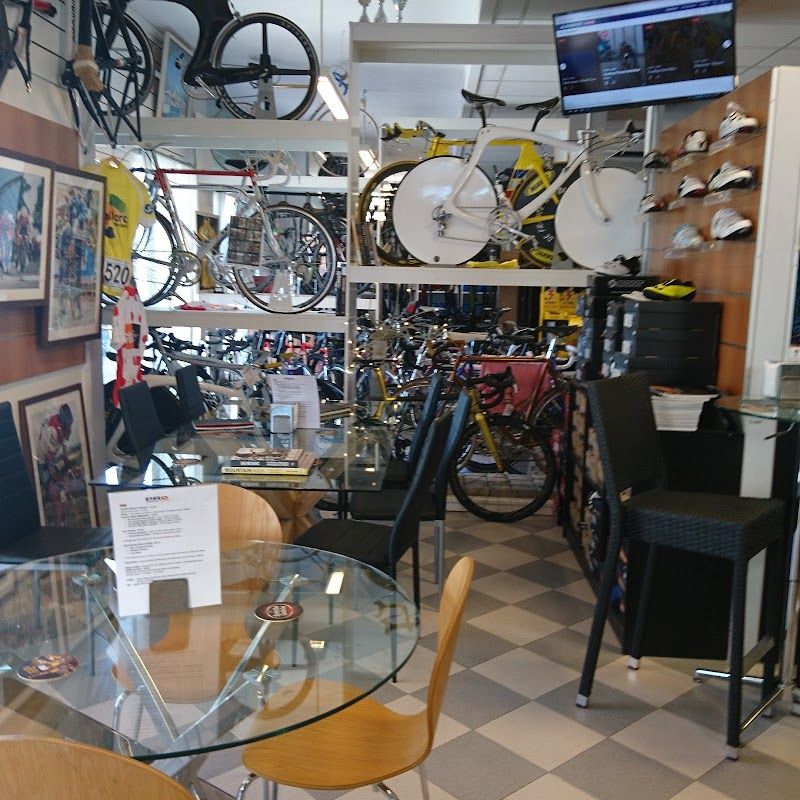
Pro Cycle Mallorca
Pro Cycle Mallorca runs the island's most professional guided road cycling tours, specializing in the legendary Serra de Tramuntana mountains. You'll tackle routes from gentle 60km coastal rides to brutal 120km climbs including the famous Sa Calobra descent, all with support vehicles carrying spare wheels, tools, and energy bars. Their guides know every switchback and can point out the exact spots where pros train during winter camps. The company provides high quality Trek bikes, but serious cyclists bring their own. The experience feels like joining a semi professional training camp rather than a tourist ride. Groups max out at 12 riders, and guides adjust pace constantly to keep everyone together on climbs. Support vans leapfrog the group, appearing at strategic points with cold drinks and mechanical help. The Sa Calobra route is genuinely challenging: 9km of hairpin turns dropping 700 meters, followed by the grinding climb back up. Views across the Mediterranean make the suffering worthwhile, and photo stops are frequent. Most cycling tour companies in Mallorca are overpriced tourist traps, but Pro Cycle justifies its 85 EUR daily rate with genuinely expert guiding and premium equipment. Skip their beginner rides if you're already comfortable on road bikes. The real value is in their advanced mountain routes where local knowledge matters most. Book directly through their website to avoid third party markup, and confirm your fitness level honestly during booking.
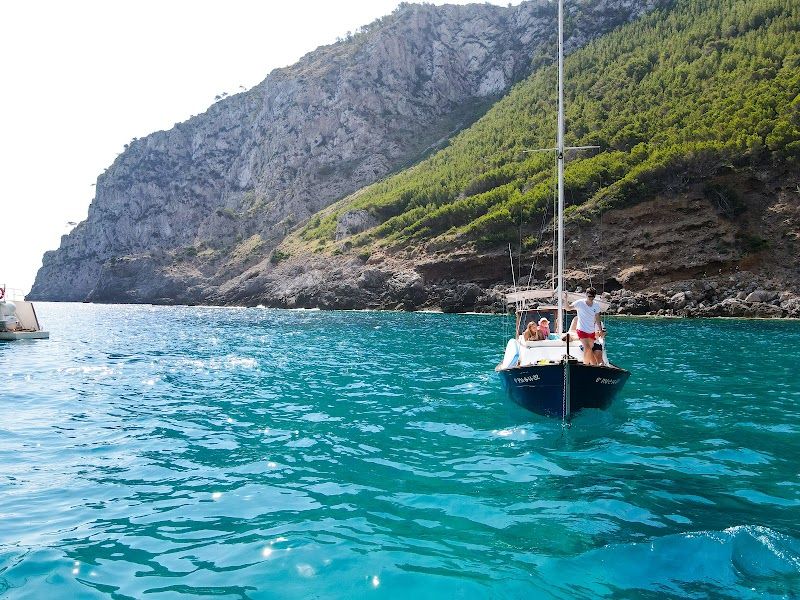
Mallorca Boat Trip & Snorkelling
A boat trip along the coast is the best way to see Mallorca's coves from the water side, and many are only accessible by boat. Half-day trips (4-5 hours, EUR 50-80 per person) run from multiple ports: Port de Soller along the Tramuntana coast, Port de Pollenca toward Cap de Formentor, Cala Ratjada along the east coast caves. Full-day trips (EUR 80-120) include lunch and multiple swimming stops. Catamaran trips from Palma run to the southern coves. Snorkelling gear is usually included. The water visibility in the coves is typically 10-20 metres.
Where to Eat
Restaurants and cafes in Pollenca & the North
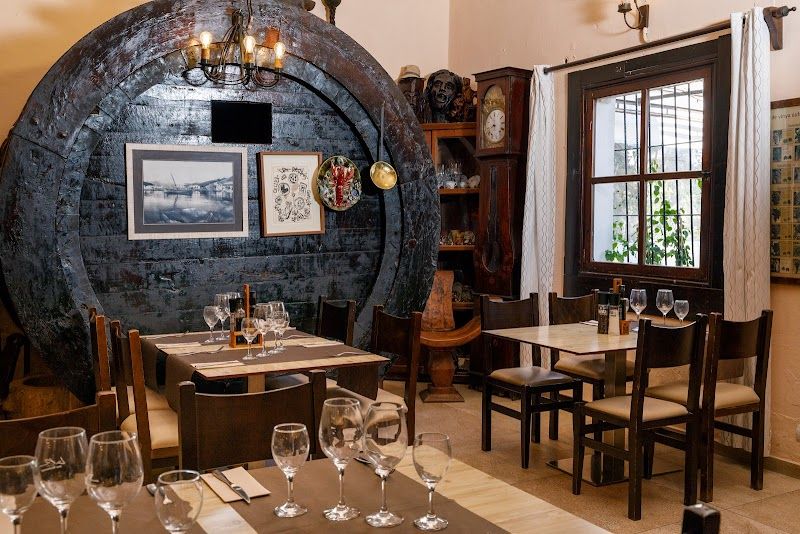
Restaurante Celler La Parra
RestaurantClassic Inca celler with enormous wine vats and traditional Mallorcan cuisine at absurdly low prices. The three-course menú with wine costs EUR 15 and includes generous portions of stuffed peppers, roast pork, and flan. Popular with market-goers on Thursday mornings.
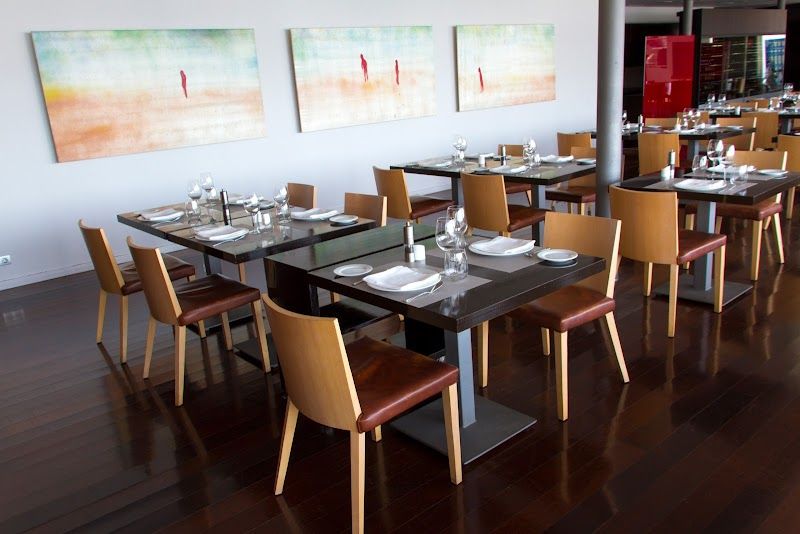
Stay Restaurant
RestaurantContemporary fine dining in a restored manor house in Llucmajor, with a tasting menu that costs EUR 85 and showcases Mallorcan ingredients through refined technique. The wine cellar houses 600+ references, heavy on Spanish natural wines. White tablecloths and serious service.
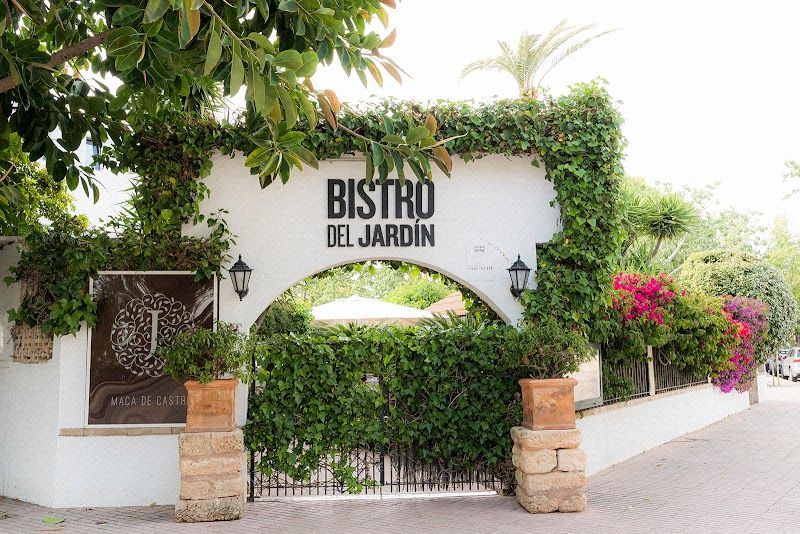
Restaurante Jardín
RestaurantBeachfront restaurant in Puerto Pollença with tables literally on the sand and views across the bay to the Formentor peninsula. Specializes in paella and fideuà, both requiring 30 minutes and a two-person minimum. The seafood is exceptionally fresh from local boats.
Getting Here
Insider Tips
Formentor drive timing
In July and August, the road to Cap de Formentor is closed to private cars from 10 AM to 7 PM (shuttle bus from Port de Pollenca instead). Go early morning or after 7 PM. Outside peak summer, drive any time. The viewpoint at Es Colomer is the money shot.
Pollenca Calvari steps
365 stone steps from the town centre to the chapel on top. Climb at sunset for the view over the rooftops and the mountains. It takes 15-20 minutes. There is a cafe at the top. The Sunday market (8 AM to 1 PM) fills the Placa Major and is the best on the island for local products.
Alcudia old town
Walk the medieval walls (free, 1 km circuit). The Roman amphitheatre (Pollentia ruins, EUR 4) is just outside the walls. Tuesday and Sunday markets. The restaurants inside the walls are tourist-priced but the setting is worth it for one meal.
Nearby Neighborhoods
Continue exploring
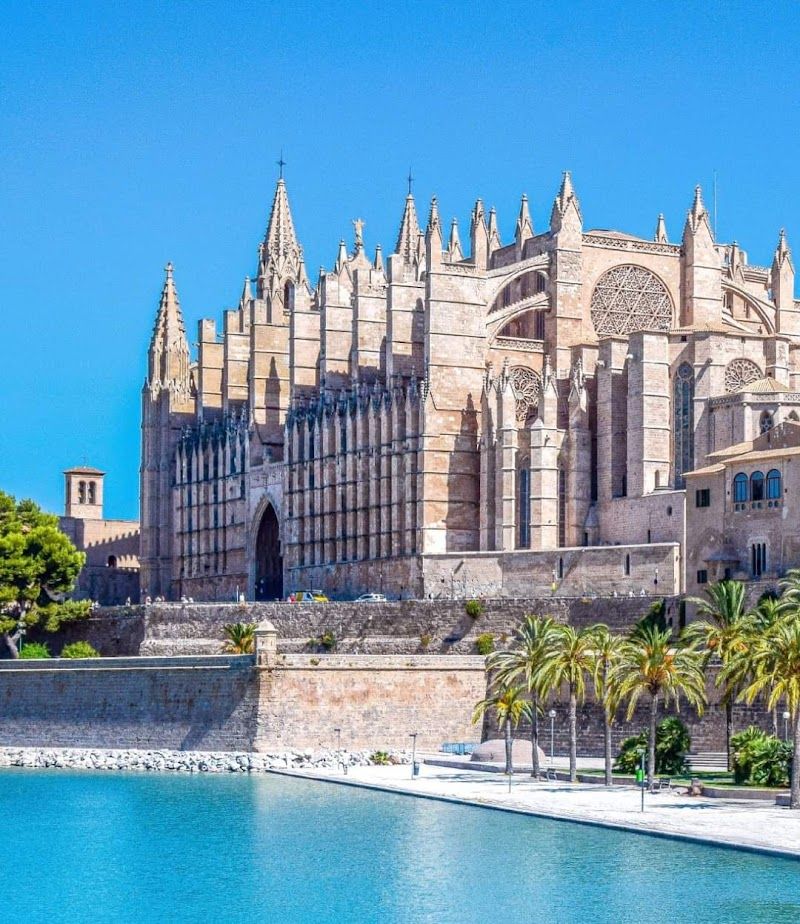
Palma
A real Mediterranean city: Gothic cathedral on the waterfront, narrow old town streets, palace courtyards, and the Santa Catalina neighbourhood where locals eat and drink.
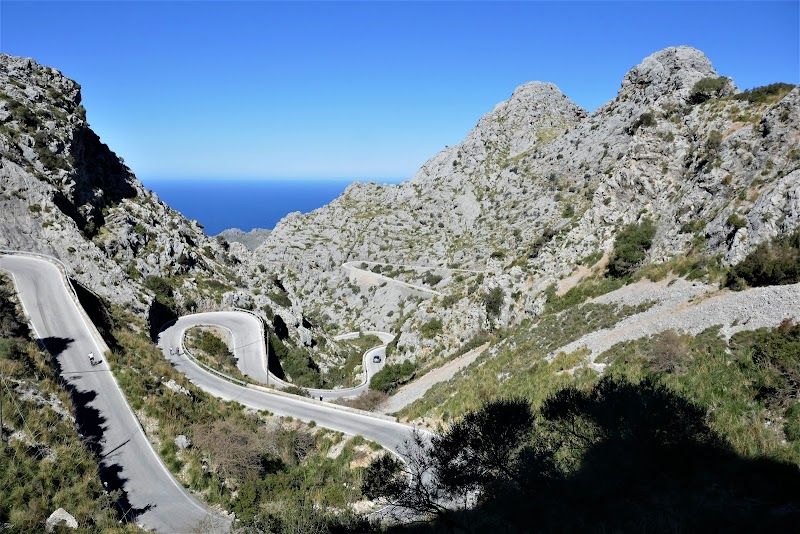
Serra de Tramuntana
UNESCO mountain range: stone villages clinging to cliffs, ancient olive groves, hiking trails, and a coastal road that is one of the best drives in Europe.
Southwest Coast
The quieter, more upscale end of the coast: Port d'Andratx harbour, Sant Elm village, Dragonera island, and sunset views that draw painters and photographers.
Plan a trip featuring Pollenca & the North
Get a personalized Mallorca itinerary with Pollenca & the North built in.
Start Planning