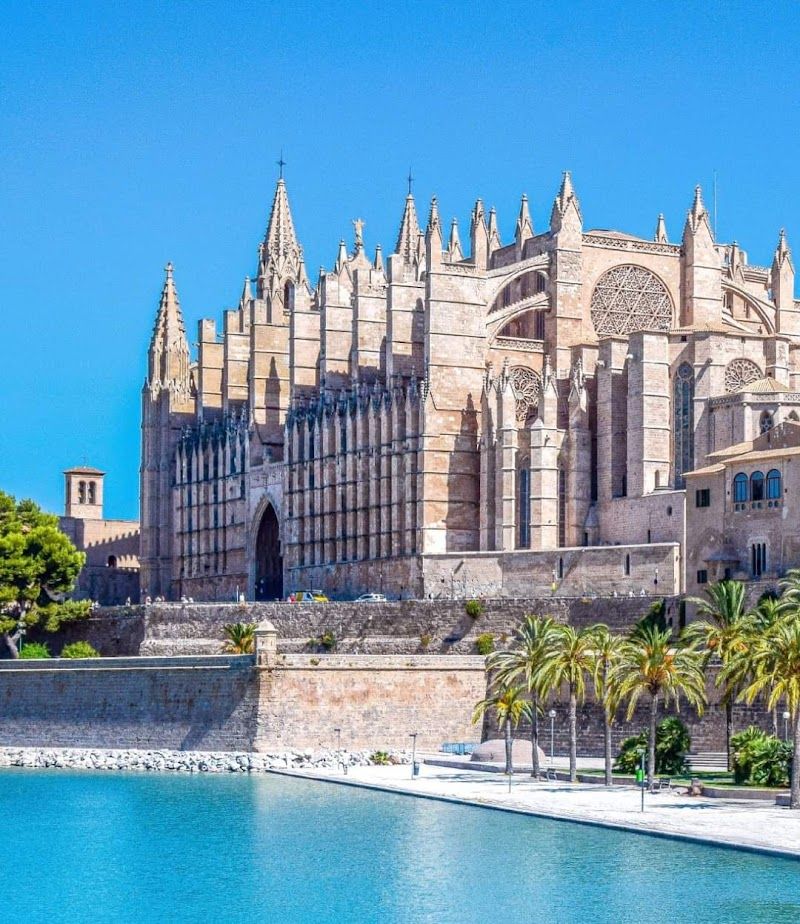
Mallorca
Palma
A real Mediterranean city: Gothic cathedral on the waterfront, narrow old town streets, palace courtyards, and the Santa Catalina neighbourhood where locals eat and drink.
About Palma
Palma is where most visitors spend their first and last night, and many do not give it enough time. La Seu cathedral (EUR 9, free for residents) sits on the waterfront and the interior has a Gaudi renovation (the baldachin over the altar) and a Miquel Barcelo ceramic chapel that are worth the entry alone. The old town behind the cathedral has narrow streets, Renaissance and Baroque palace courtyards (many open to the public for free), and the Arab Baths (EUR 3, the oldest structure in the city). Santa Catalina is the neighbourhood immediately west of the old town: the Mercat de Santa Catalina (the market where chefs buy, not tourists), tapas bars on Carrer de la Fabrica, and wine bars that stay open late. Es Baluard (EUR 6, free Tuesdays) is the modern art museum built into the old city walls with a rooftop terrace overlooking the harbour. The Paseo Maritimo (waterfront promenade) runs from the cathedral to the port and is perfect for an evening walk.
Things to Do
Top experiences in Palma
Palma Cathedral (La Seu)
La Seu sits on the Palma waterfront and looks exactly like a cathedral should: massive, Gothic, and catching the light off the harbour. The interior is where it gets interesting. Gaudi redesigned the altar area in the early 1900s (the wrought-iron baldachin is unmistakably his), and Miquel Barcelo created a ceramic chapel wall in 2007 that divides opinion sharply (some think it is a masterpiece, others think it clashes with the medieval setting). Here's what you need to know: go at 8 AM on a weekday when the eastern light hits the rose window, one of the largest in Europe at 12.5 metres across, and projects blues, reds, and purples across the nave. The effect lasts about 30 minutes and transforms the stone floor into a kaleidoscope. Weekend mornings work too but expect more people with phones out. The audio guide costs EUR 3 extra and is actually worth it for the Barcelo chapel backstory and architectural details you'll miss otherwise. Skip the gift shop entirely unless you need postcards. The cathedral gets uncomfortably crowded after 10 AM, especially when cruise ships dock, so early arrival pays off. Walk around the exterior before entering. The flying buttresses and gargoyles are more impressive from the south side facing the sea. Inside, the Barcelo wall feels like underwater coral frozen in clay and covers an entire chapel wall. You'll either love its organic chaos or hate how it disrupts the Gothic lines. EUR 9 entry, free for residents. Allow 45 minutes to an hour including the terrace walk. The terrace outside has the best harbour view in the city and is included in your ticket.
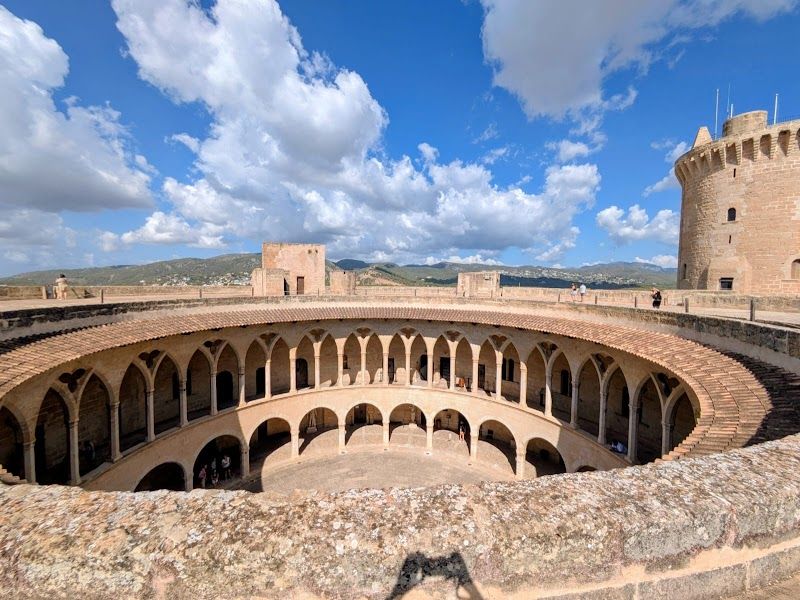
Castell de Bellver
Castell de Bellver sits alone on its pine-covered hilltop, one of only three circular Gothic castles in Europe. You'll walk through the unique round courtyard with its elegant two-story arches, climb the keep for sweeping views over Palma Bay, and explore rooms that now house Palma's city history museum. The 14th-century fortress was built as a summer palace for King James II of Mallorca, though it spent most of its life as a prison. The circular design creates an almost magical atmosphere as you move through curved corridors and chambers that feel completely different from typical angular castles. The central courtyard is surprisingly intimate, with perfect acoustics that make summer concerts here exceptional. From the rooftop battlements, you get unobstructed 360-degree views: the cathedral and old town spread below, the airport and mountains beyond, and endless Mediterranean stretching to the horizon. The pine forest surrounding the castle makes the whole experience feel removed from the city bustle. Most guides oversell the museum inside, which is fairly standard local history with limited English signage. The real draw is the architecture and views, so don't spend too much time reading displays. Entry costs €4 for adults, €2 for students and seniors. Skip the audio guide and focus on the courtyard and tower climb. The gift shop is overpriced tourist tat, but the small cafe sells decent coffee for €2 if you need a break.
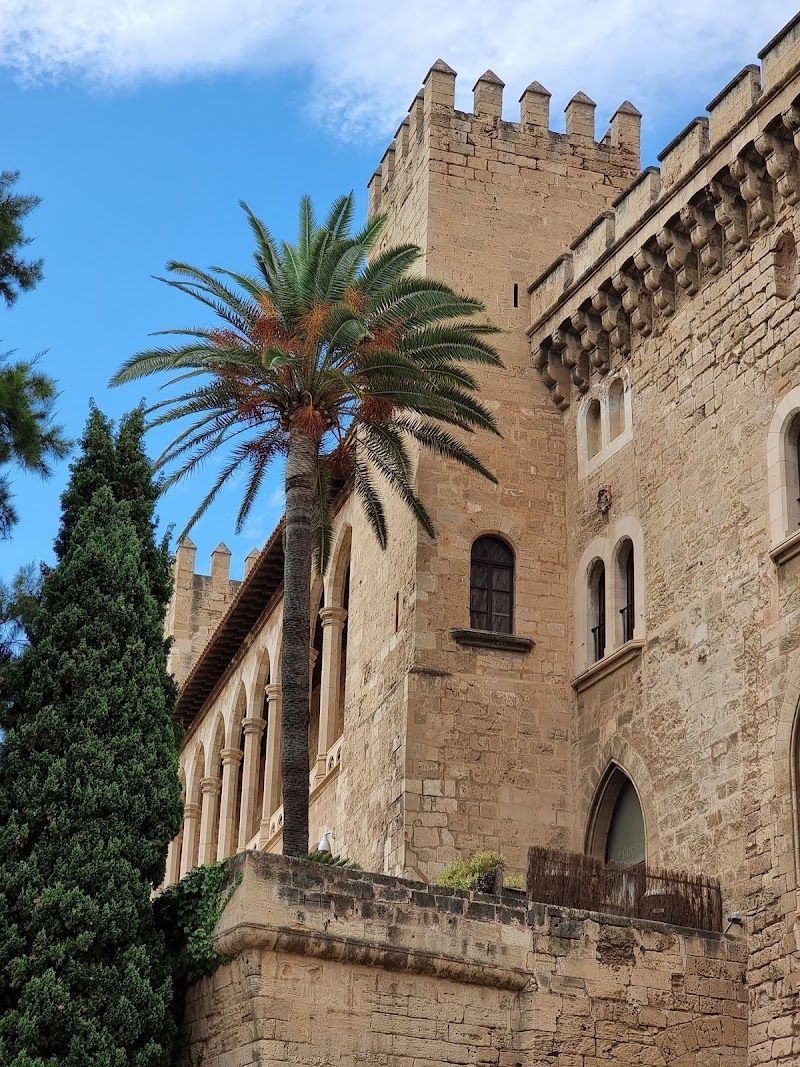
Palau Reial de l'Almudaina
The Palau Reial de l'Almudaina is a working royal palace built on 10th-century Islamic foundations, where Moorish arches meet Gothic stonework in Spain's oldest continuously inhabited royal residence. You'll walk through the King's Hall with its massive 14th-century tapestries, explore the Royal Chapel's blend of Christian and Islamic elements, and see authentic Arab baths that predate the cathedral next door. The palace courtyards offer some of Palma's best harbor views, framed by original Almudina fortress walls that once protected the entire old town. The visit flows chronologically through centuries of conquest and renovation. You start in the stark fortress sections where Moorish horseshoe arches frame Gothic windows, then move through increasingly ornate royal apartments. The contrast hits you immediately: Islamic geometric patterns carved into walls topped with Christian crosses and royal crests. Audio guides (available in English) do a decent job explaining the architectural layers, though the rooms can feel sparse compared to mainland Spanish palaces. Most guides oversell this as Mallorca's Alhambra, but it's actually better for understanding how cultures blend rather than Islamic architecture alone. Entry costs €7, and you can easily see everything worthwhile in 45 minutes. Skip the upper floors if pressed for time and focus on the ground level courtyards and the Arab baths. The palace randomly closes when royals visit (usually August), so check ahead during summer.
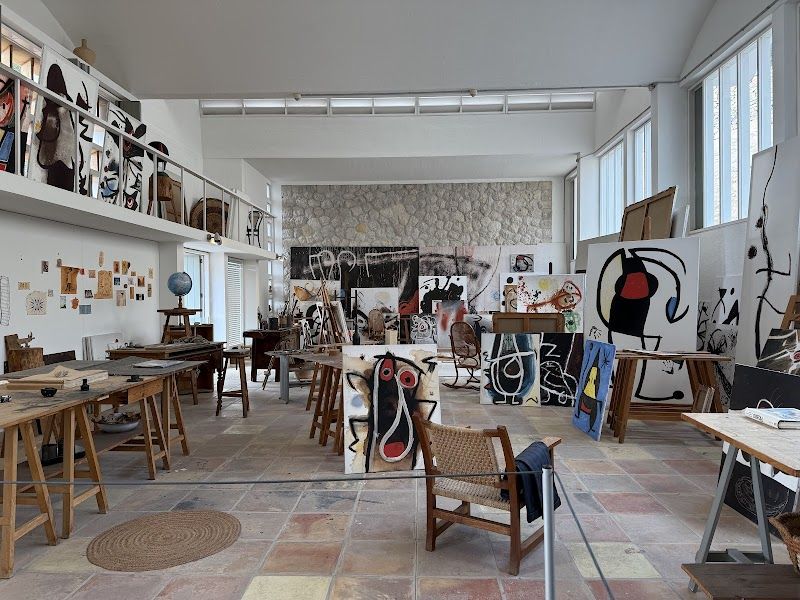
Fundació Miró Mallorca
This foundation preserves Joan Miró's actual working studio exactly as the master left it when he died in 1983, with half-finished paintings still propped on easels and paint-crusted palettes scattered across worktables. You'll see over 6,000 pieces spanning his entire career, from early realistic works to the playful abstractions he's famous for. The stark white buildings, designed by his friend Josep Lluís Sert, feel like extensions of Miró's artistic vision, and the sculpture garden showcases his three-dimensional experiments alongside Mediterranean pines. Walking through feels genuinely intimate, like you're intruding on a private creative space. The studio tour is the highlight: brushes still hold dried paint, sketches cover every surface, and unfinished canvases reveal his working methods. The main galleries flow chronologically, showing his evolution from figurative painter to the cosmic symbolist who created those distinctive biomorphic shapes. The sculpture garden provides breathing space between intense gallery viewing, with bronze figures casting dramatic shadows. Most guides oversell this as essential Miró pilgrimage, but honestly, if you're not already interested in his work, it won't convert you. The €8 entry fee is reasonable, and temporary exhibitions (included) are genuinely excellent. Skip the gift shop unless you want overpriced reproductions. The real magic happens in that preserved studio, so don't rush through it for the sake of seeing everything else.
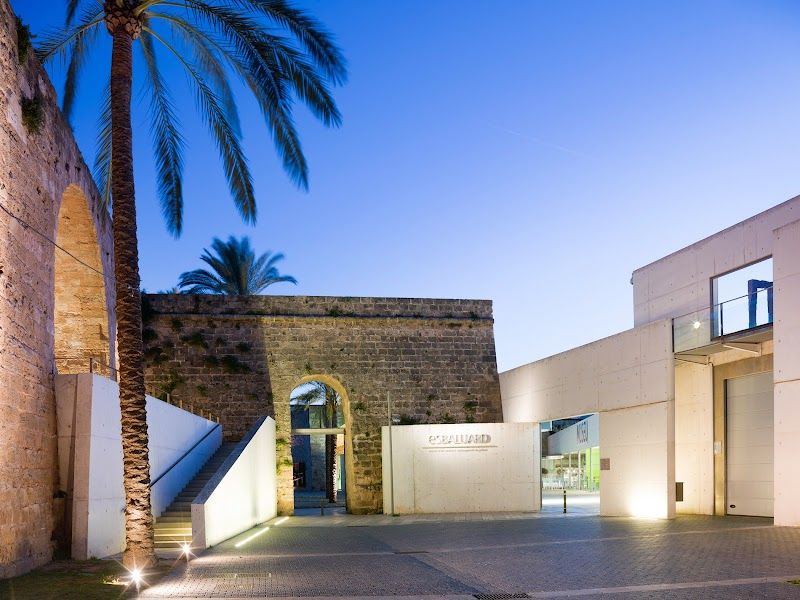
Es Baluard Museu d'Art Contemporani de Palma
Es Baluard cleverly weaves contemporary art into Palma's 16th-century fortifications, creating one of Europe's most architecturally striking museums. You'll find works by Picasso, Miró, and local hero Miquel Barceló alongside rotating exhibitions that focus heavily on Mediterranean artists. The permanent collection spans three floors, with particular strength in Spanish avant-garde and Balearic contemporary pieces that you won't see elsewhere. The experience flows from the stark white galleries into the original stone bastions, where Renaissance military architecture frames modern sculptures and installations. The contrast feels deliberate rather than jarring: you'll walk through vaulted chambers where cannons once stood, now displaying video art and photography. The rooftop terrace delivers genuinely spectacular harbor views, especially at sunset when the cathedral glows golden across the water. Most visitors rush through without reading the excellent English descriptions, missing the context that makes this collection special. The €6 admission (free for under 18s) represents solid value, but avoid Sundays when cruise ship crowds pack the small galleries. Focus your time on the second floor's Barceló room and don't miss the basement level where contemporary pieces sit within the original fortification walls.
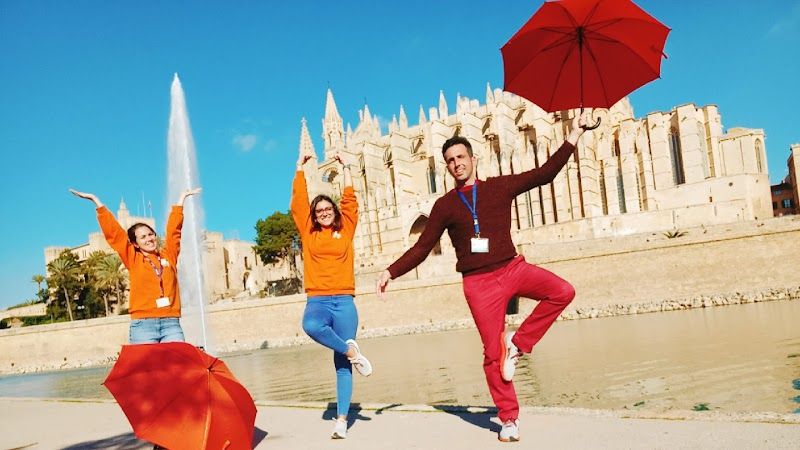
Palma Free Walking Tour
This free walking tour delivers exactly what Palma's old town does best: layers of history you can actually see and touch. You'll explore genuine Roman foundations, wander through medieval courtyards that most tourists walk right past, and learn how the Jewish Quarter's narrow streets tell stories about religious persecution. The Arab Baths are the real highlight, a 10th-century hammam that's remarkably intact, not some reconstructed tourist attraction. Your guide keeps groups to around 15 people, so you can actually hear everything and ask questions without shouting over crowds. The route winds through La Seu's shadow, into residential streets where locals hang laundry from Gothic balconies, then through stone passages that feel genuinely ancient. The atmosphere shifts completely as you move between neighborhoods: from tourist-heavy cathedral squares to quiet residential corners where you'll hear Spanish conversations echoing off medieval walls. Most free tours in Europe are mediocre, but this one's genuinely informative without being overwhelming. The guides know their stuff and don't just recite Wikipedia facts. Since it's tip-based, budget around 10-15 EUR per person if you're satisfied. Skip the afternoon tours in summer, they're brutal in the heat, and avoid Friday afternoons when local school groups sometimes join.
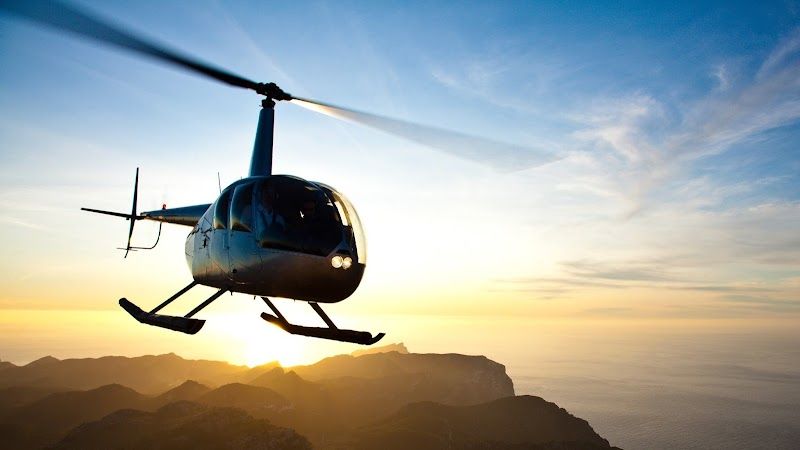
Helidream
Helidream operates from Son Bonet, a working airfield 15 minutes from central Palma, offering the only helicopter tours that actually show you Mallorca's dramatic coastline from the right angle. Their 20 to 30 minute flights take you over Palma Cathedral's Gothic spires, then north along the Tramuntana coast where you'll see Sa Calobra's famous serpentine road snaking down cliff faces that look impossible from above. The western route covers the most spectacular section of coastline between Sóller and Sa Calobra, while the eastern route focuses on Palma Bay and the city's layout. You'll lift off from a small concrete pad with minimal ceremony, which feels refreshingly unpretentious compared to touristy helicopter operations elsewhere. The Robinson R44 helicopters seat four passengers maximum, and every seat genuinely is a window seat. Your pilot doubles as guide, pointing out landmarks through headset commentary, though the noise makes conversation limited. The sensation of hovering over Sa Calobra's switchbacks is genuinely thrilling, especially when you realize how tiny the tour buses look 400 meters below. Most helicopter tours in Spain are overpriced tourist traps, but Helidream delivers actual value if you book the 30 minute western route. Skip the shorter 20 minute option, it barely gets you past Palma Bay before turning back. The afternoon flights from 3pm onwards offer the best light and clearest air, avoiding the morning haze that often obscures the Tramuntana peaks. Expect to pay around 200 EUR per person for the full 30 minute experience.
North Sailing Mallorca
North Sailing Mallorca runs traditional sailing excursions along the dramatic northern coast, departing from Port de Pollença on an authentic wooden yacht that fits just 8 passengers. You'll sail past the towering limestone cliffs of Cap de Formentor, drop anchor at pristine coves like Cala Murta and Cala Figuera for swimming and snorkeling, and enjoy a proper lunch onboard while dolphins occasionally join your wake. The boat itself is gorgeous: polished wood, canvas sails, and none of the overcrowded catamaran nonsense you'll find elsewhere. The day unfolds at a genuinely relaxing pace, with the captain adjusting the route based on wind conditions and sea state. You'll spend roughly equal time sailing and swimming, with the crew preparing fresh paella or grilled fish while you're anchored in crystalline water. The Formentor cliffs look completely different from sea level, rising nearly 400 meters straight up, and the swimming stops feel genuinely secluded. Wind fills the sails most mornings, but expect some motor assistance on calmer days. At around 180 EUR per person, it's expensive but fair for what you get: small group size, quality boat, decent food, and access to swimming spots you can't reach by land. Book directly through their website to avoid commission markups from hotels. Most operators cancel in choppy conditions, but these guys sail unless it's genuinely rough, which I respect. Skip this if you're prone to seasickness or expecting a party boat atmosphere.
Where to Eat
Restaurants and cafes in Palma
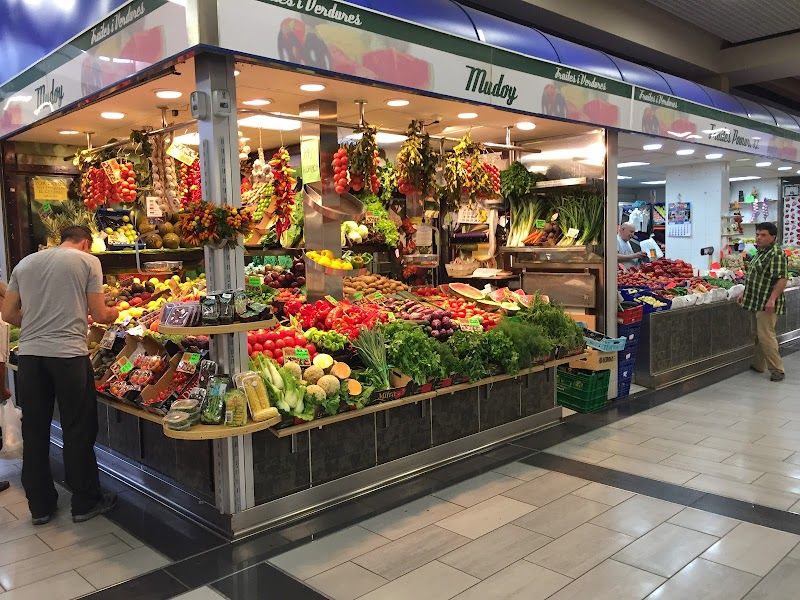
Mercat de l'Olivar
RestaurantPalma's main food market since 1951, with over 80 stalls selling fresh fish, local produce, and Mallorcan specialties. The upstairs bar Ca'n Joan de s'Aigo serves excellent pa amb oli and the fish stalls display the morning's catch from Palma Bay. A working market where locals shop daily, not a tourist attraction. Get there by 9am when the fish is still glistening on ice and vendors are arranging their best tomatoes. The ground floor smells like sea salt and ripe fruit, with fishmongers calling out prices in rapid Catalan. Look for the red prawns from Sóller (around €25/kg) and ask for recommendations, even if your Spanish is limited. Most vendors speak enough English to help. The produce stalls sell proper Mallorcan tomatoes that actually taste like something, plus those wrinkled black olives you see everywhere on the island. Prices beat the tourist shops by about 30%. Skip the souvenir stalls near the entrance, they're overpriced. Head upstairs to Ca'n Joan de s'Aigo (open since 8am) for pa amb oli with tomato, olive oil, and jamón ibérico for €6. The bread is crusty, the tomatoes are from downstairs, and you'll understand why locals consider this a proper breakfast. The coffee is strong and costs €1.50. Grab a seat at the bar, not the tables, that's where the regulars sit. By noon the best stuff is gone and it gets crowded with cooking class groups. Come hungry, bring cash, and don't expect Instagram-perfect presentation. This is how Mallorcans actually shop and eat.
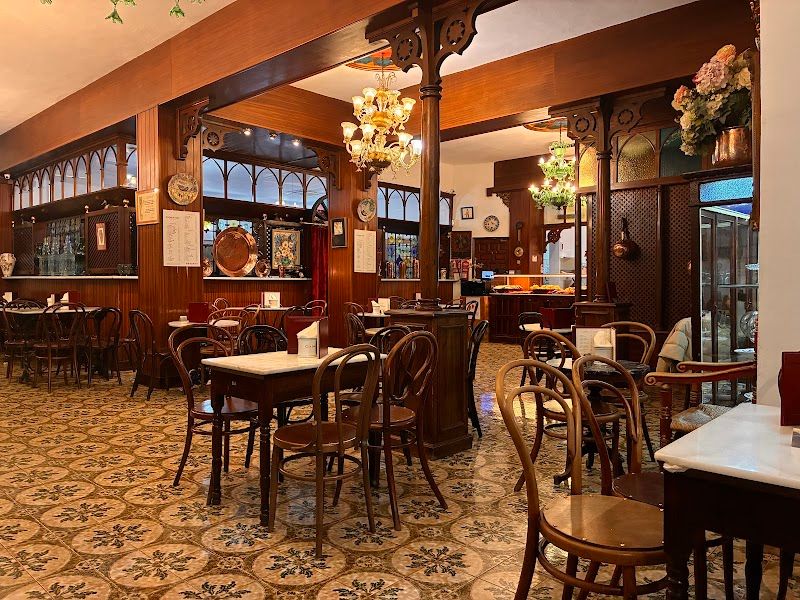
Ca'n Joan de S'aigo
CafeFounded in 1700, this is Palma's oldest cafe, serving hot chocolate so thick you can eat it with a spoon alongside warm ensaimadas. The interior preserves its original marble tables, antique mirrors, and ornate wooden cabinets filled with historic chocolate pots. The almond ice cream (gelat d'ametlla) made in-house is another specialty. You'll smell the chocolate before you even step inside, that rich cocoa aroma mixed with sweet pastry. The hot chocolate here isn't the watery stuff you get elsewhere: it's genuinely thick enough to coat your spoon, almost like melted chocolate bar consistency. Expect to pay around 4-5 EUR for a cup with ensaimada. The pastry arrives warm and flaky, perfect for dunking. The almond ice cream is worth trying if you're here in summer, though at 3.50 EUR per scoop it's pricey. It tastes like liquid marzipan in the best way. Skip the regular coffee, it's nothing special and you're really here for the chocolate experience anyway. The marble tables are genuinely from centuries past, worn smooth by countless elbows. You'll likely wait for a table during peak hours (11am-1pm and 4-6pm), especially weekends. The service moves at traditional Spanish pace, so don't rush. The wooden display cases contain antique chocolate-making equipment that's actually interesting to examine while you wait. Go mid-morning or late afternoon to avoid crowds. The place fills with both tourists and locals, which tells you something about the quality.
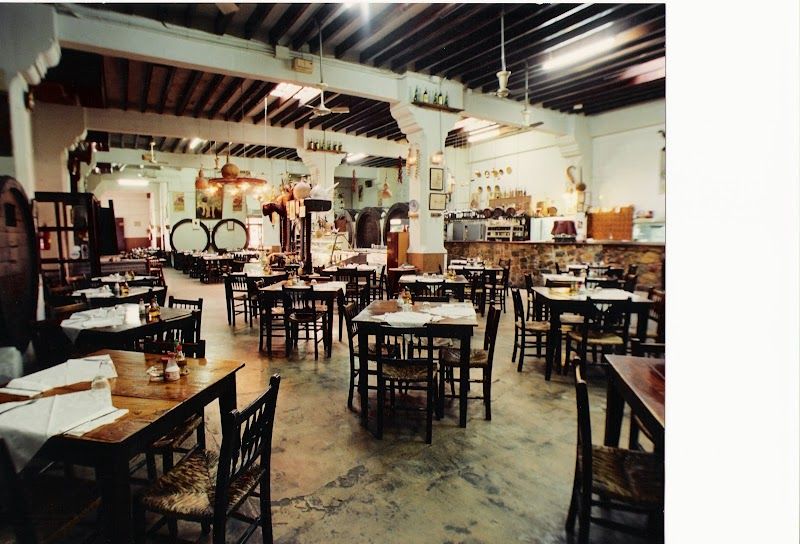
Celler Sa Premsa
RestaurantThis former wine cellar hasn't changed much in decades, and that's exactly the point. The massive wooden barrels still dominate the whitewashed walls, and locals still crowd the long communal tables every lunch service from 1pm sharp. Don't expect modern comforts or Instagram-worthy plating here. The menu is handwritten in Catalan and Spanish, but the waiters speak enough English to get you sorted. They're famously no-nonsense, bordering on gruff, but they know their stuff. Order the frit mallorqui (€8) if you want the real deal: chunks of lamb offal and potatoes fried with peppers and onions. It's an acquired taste, so maybe start with the safer tumbet (€6), essentially Mallorca's answer to ratatouille with layers of aubergine, courgette and tomato. The arros brut (€12 for two) is their standout: a soupy rice dish with whatever meat and vegetables are fresh that day. It arrives bubbling in a clay pot and tastes like someone's grandmother spent all morning making it. Skip the wine unless you're feeling adventurous, the house red is rough around the edges. Portions are enormous. Two people can easily share three dishes and still leave satisfied. The total damage rarely exceeds €25 per person. Book ahead or arrive right at opening, especially on weekends when three generations of Palma families descend for their weekly feast. The atmosphere gets properly lively by 2pm, with animated conversations echoing off the barrel-lined walls.
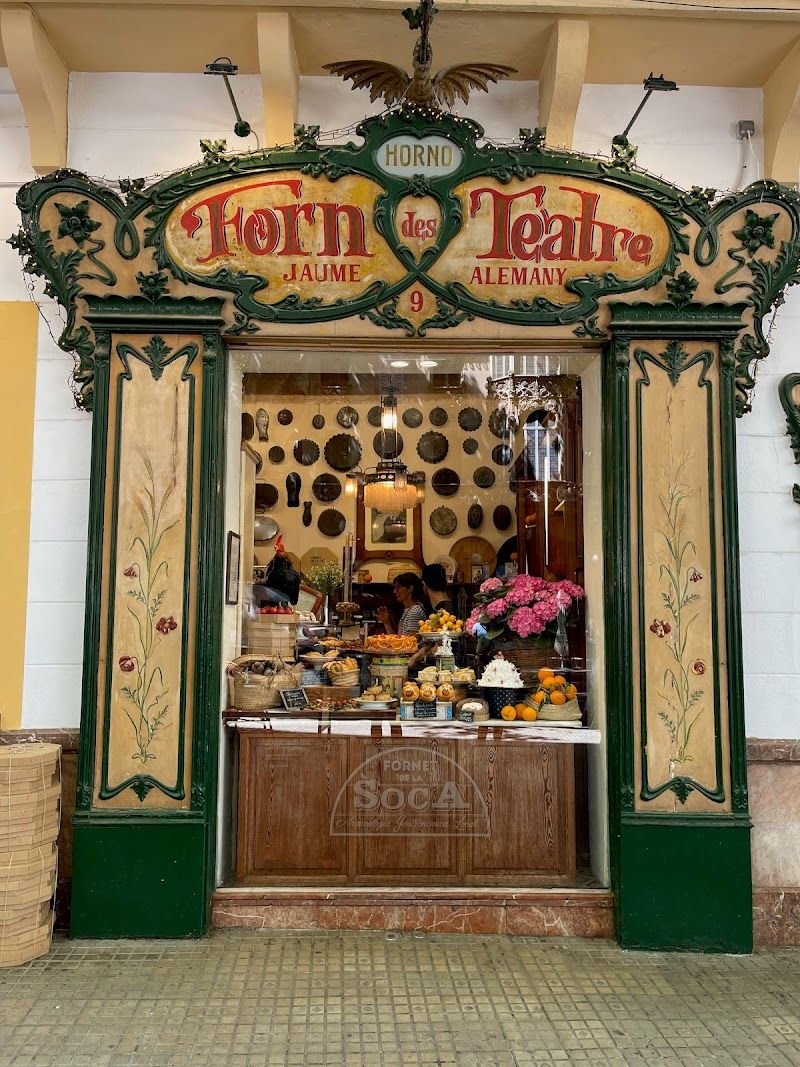
Forn des Teatre
RestaurantHistoric bakery in Palma's old town making traditional ensaimadas since 1910. The pastries are baked overnight and emerge at 8 AM, still warm, dusted with powdered sugar, and completely different from the packaged versions in tourist shops. Also excellent coca de patata and croissants. Here's what you need to know: get there right at 8 AM when the ovens open, or you'll face a line of locals who've been coming here for decades. The ensaimadas are 3-4 EUR each and worth every cent. They're impossibly light, almost weightless, with layers that separate like tissue paper when you bite in. The powdered sugar gets everywhere, so don't wear black. Skip the filled versions with cream or chocolate. The plain ensaimada is perfection and anything else masks that delicate, slightly sweet dough. The coca de patata (2.50 EUR) has a tender, potato-enriched crumb that's fantastic with coffee. Their croissants are proper French-style, buttery and flaky, not the sad hotel breakfast variety. The space is tiny, just a counter and display case, with maybe three small tables crammed in back. Most people grab and go. The staff moves fast and doesn't speak much English, but pointing works fine. Cash only, no cards accepted. By 11 AM, the best stuff is gone. This isn't Instagram pretty, just serious baking that hasn't changed in over a century. The smell alone, yeasty and warm with hints of lemon zest, makes the early wake-up call worthwhile.
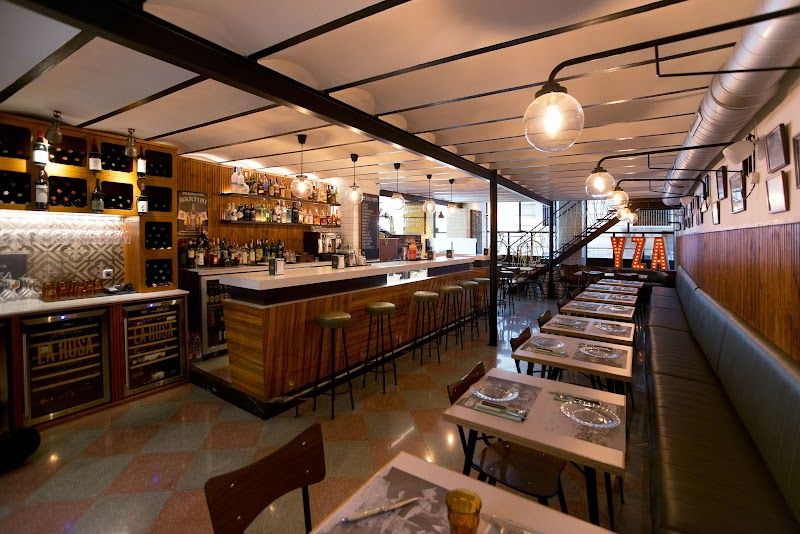
La Rosa Vermutería & Colmado
RestaurantTiny vermouth bar in Santa Catalina with standing room only and barrels of house vermouth behind the counter. Serves exceptional conservas from Spain's north coast, Galician razor clams, Cantabrian anchovies, on thick slices of tomato bread. No seats, no reservations, pure neighborhood atmosphere.
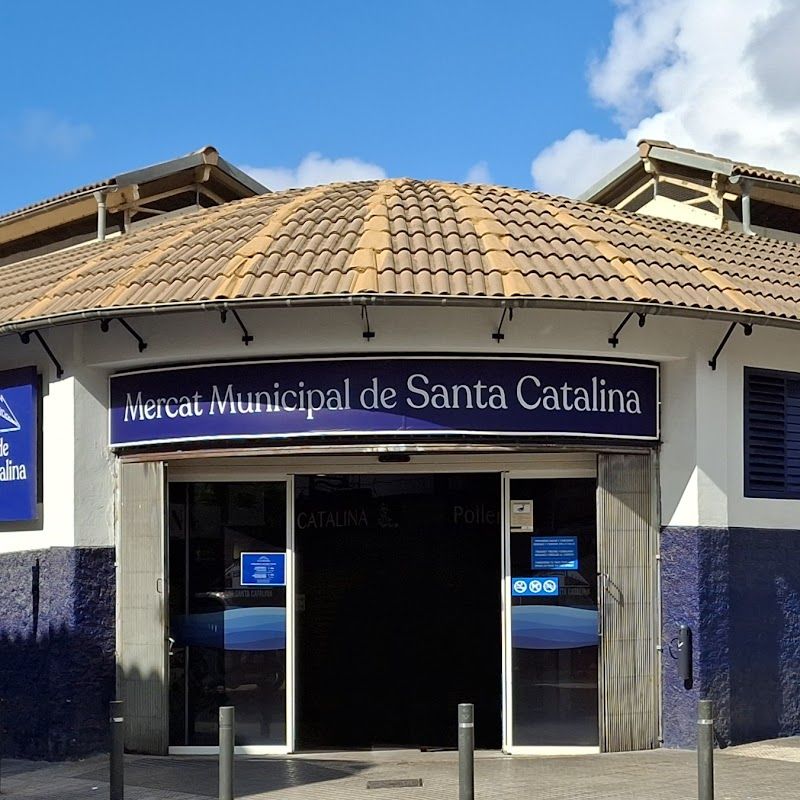
Mercat de Santa Catalina
RestaurantNeighborhood market in Palma's bohemian Santa Catalina district, smaller and more intimate than Olivar. Bar Mercat inside serves excellent menú del día for EUR 14, and the surrounding bars spill onto the square. The produce is sourced from small Mallorcan farms.
Nightlife
Bars and nightlife in Palma
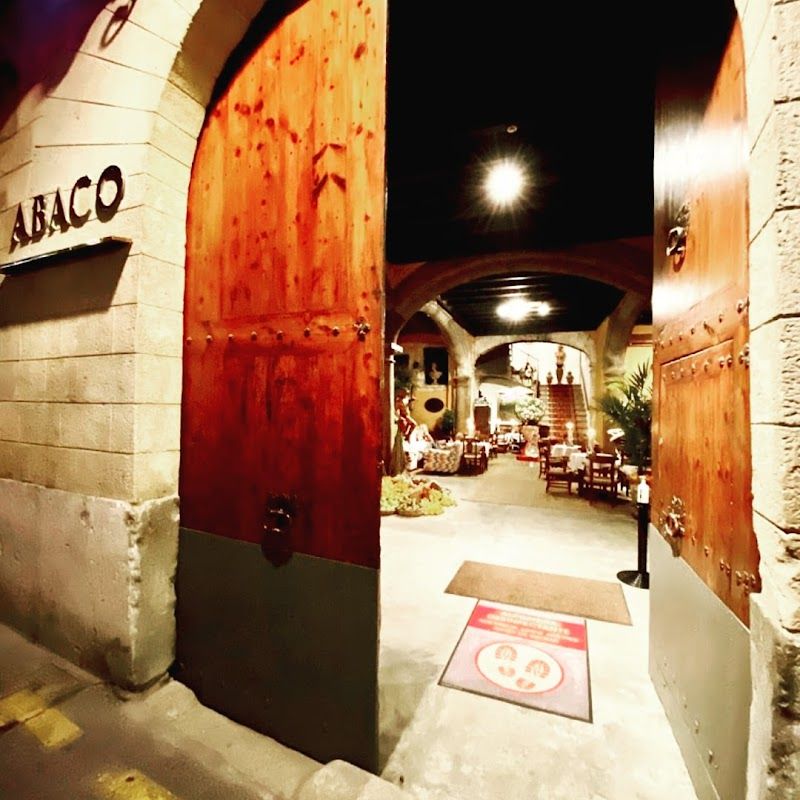
Abaco
NightlifeLegendary cocktail bar set in a 16th-century mansion in La Lonja with over-the-top baroque decor featuring cascading fruit displays, flowers, and candlelight. Classical music fills the opulent interior courtyard where drinks are served in ornate glassware. The theatrical ambiance makes it one of Palma's most unique nightlife experiences. Here's what you need to know: cocktails run €15-18 but they're works of art served in crystal goblets with elaborate garnishes. The Abaco signature drink is worth ordering once for the spectacle, though honestly the gin and tonics (€12) taste just as good. Arrive between 9pm and 10pm to snag seats in the candlelit courtyard before it gets packed. After 11pm you'll be standing shoulder to shoulder with tourists taking Instagram shots. The sensory overload is intentional and magnificent: imagine walking into a fever dream where someone combined a church altar with Carmen Miranda's fruit hat. Grapes spill from ornate bowls, roses cascade down stone walls, and classical opera echoes off vaulted ceilings. The scent hits you immediately, a heady mix of fresh flowers, fruit, and melted candle wax. Service can be glacially slow when busy, so don't come here if you're bar hopping. This is a one-drink-minimum, two-drink-maximum kind of place where you soak up the atmosphere. Skip the wine (overpriced and mediocre) and stick to their elaborate cocktails. The whole experience feels like drinking inside a baroque painting, which is exactly the point.
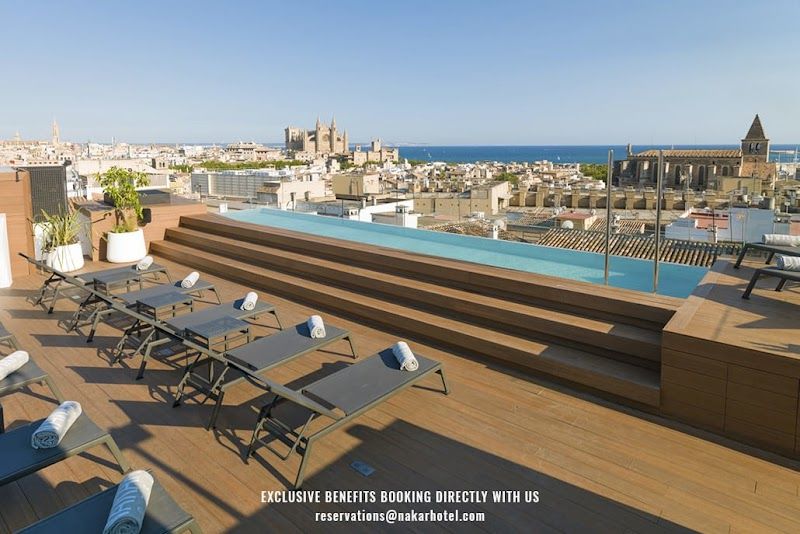
Nakar Rooftop Bar
NightlifeStylish rooftop bar on the 8th floor of Hotel Nakar offering panoramic views over Palma Bay and the cathedral. The open-air terrace features a small pool, contemporary furniture, and a cocktail menu focused on Mediterranean flavors. Peak sunset hours draw both hotel guests and locals. Here's what you need to know: cocktails run 14-18 EUR, which is steep but fair for the location. The gin and tonic with local herbs is your best bet, skip the overpriced champagne unless you're celebrating something major. Arrive by 7 PM to snag a poolside table, any later and you'll be standing behind crowds of Instagrammers. The view really delivers though, especially that direct sightline to La Seu cathedral lit up against the darkening sky. The space itself feels more like a sleek private terrace than a typical hotel bar. Those contemporary white loungers around the small pool create good ambiance, though the pool is purely decorative. Service can be slow when packed, so order two drinks at once during sunset rush. The Mediterranean-inspired menu sounds fancier than it tastes, honestly the setting is doing most of the work here. Open daily from 6 PM to 1 AM, but the magic happens between 7:30-9 PM when golden hour hits the bay. After 10 PM it transforms into more of a party scene with DJ sets. Worth it for the views and scene, just set your expectations accordingly for the prices.
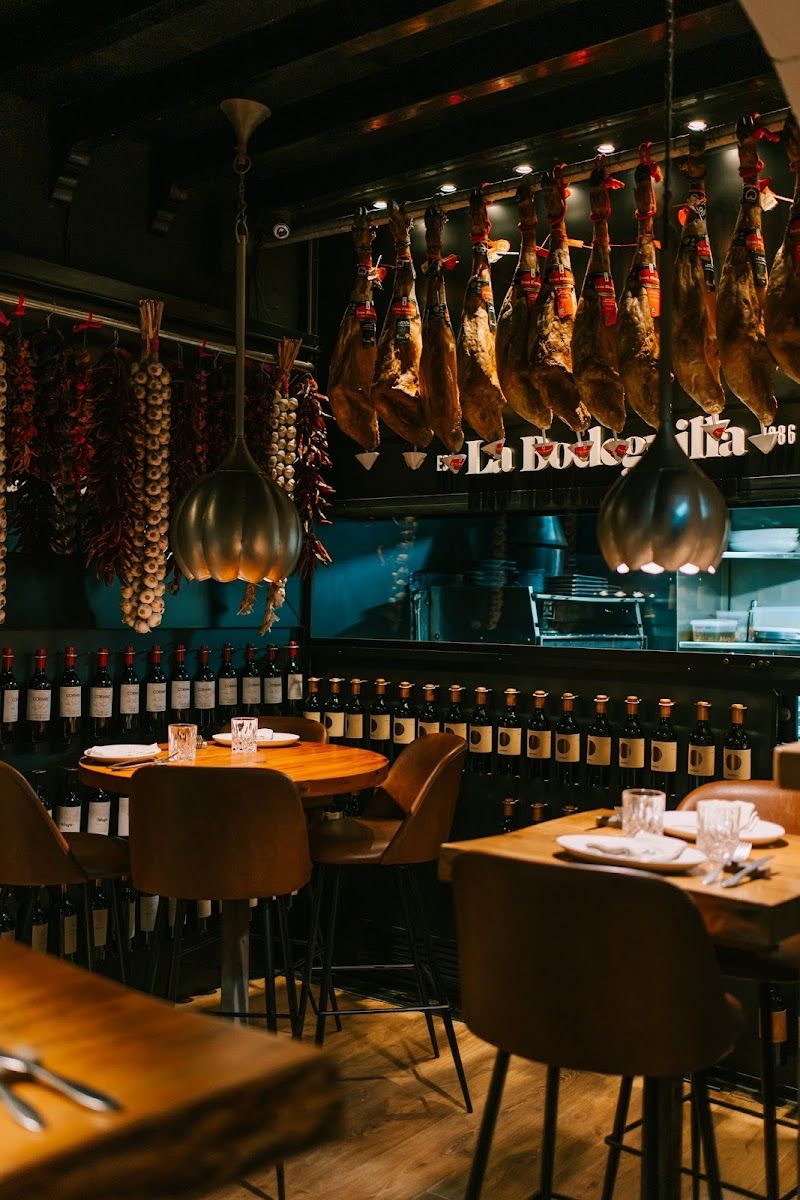
La Bodeguilla
NightlifeTiny, standing-room-only wine bar in Santa Catalina neighborhood pouring natural and organic wines from small Spanish producers. The owner personally selects every bottle and offers expert pairings with local cheeses and charcuterie. The unpretentious atmosphere attracts wine enthusiasts and neighborhood regulars.
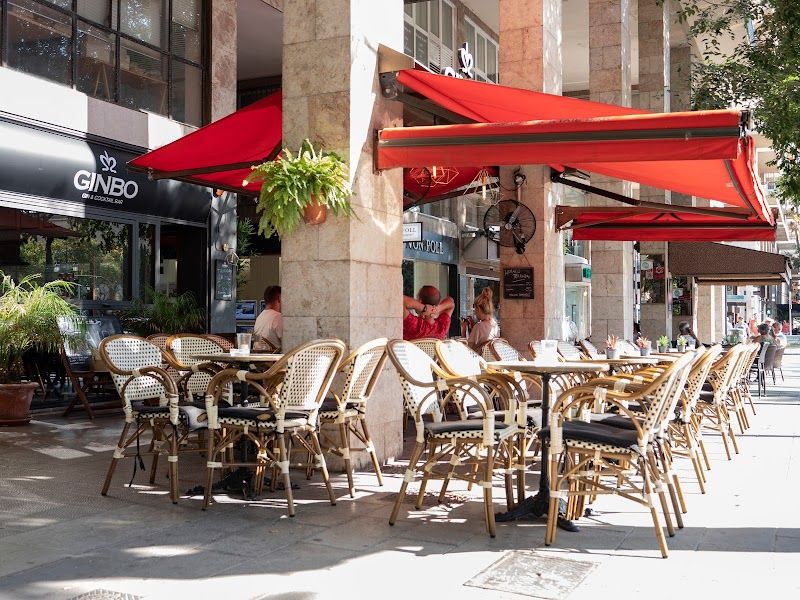
Ginbo Cocktail Bar
NightlifeAward-winning cocktail bar in Palma's old town specializing in gin-based drinks with over 150 varieties from around the world. The bartenders craft creative cocktails using local botanicals and house-made syrups in an elegant, minimalist setting. Known for their signature Mallorcan-inspired serves using local herbs.
Getting Here
Insider Tips
Cathedral timing
Go at 8 AM on a weekday morning when the eastern light hits the rose window and projects colours across the nave. EUR 9 entry. The Gaudi baldachin and Barcelo chapel are the highlights. Skip the rooftop tour unless you really want views.
Santa Catalina market
The Mercat de Santa Catalina is smaller and more local than the Olivar market. Go before noon for the best fish counter. The tapas bars inside and around the market are where locals eat lunch. A tapa plus a small beer costs EUR 4-6.
Patio culture
Many of the old town palaces have courtyards (patios) visible through open doors. Can Oleza, Can Vivot, and Can Marquis de Palmer are the most impressive. Free to look through the doorway, some open for visits. Walk Carrer de Can Savella and Carrer de la Portella.
Nearby Neighborhoods
Continue exploring
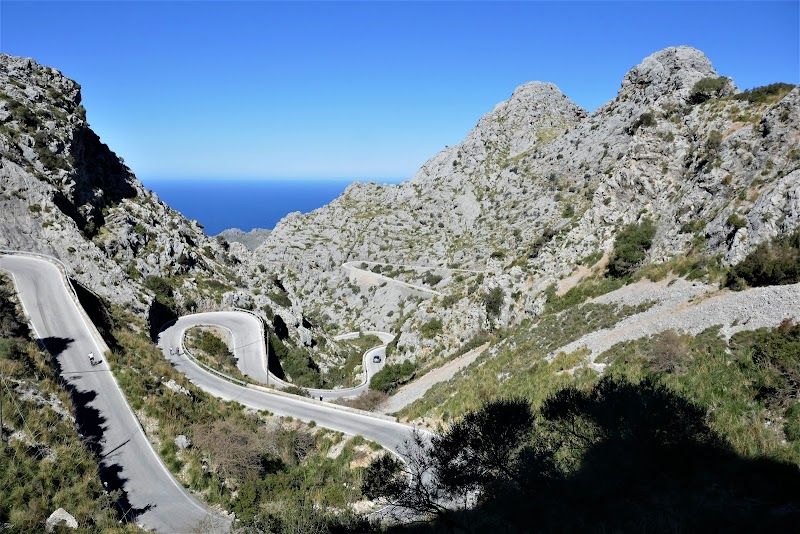
Serra de Tramuntana
UNESCO mountain range: stone villages clinging to cliffs, ancient olive groves, hiking trails, and a coastal road that is one of the best drives in Europe.
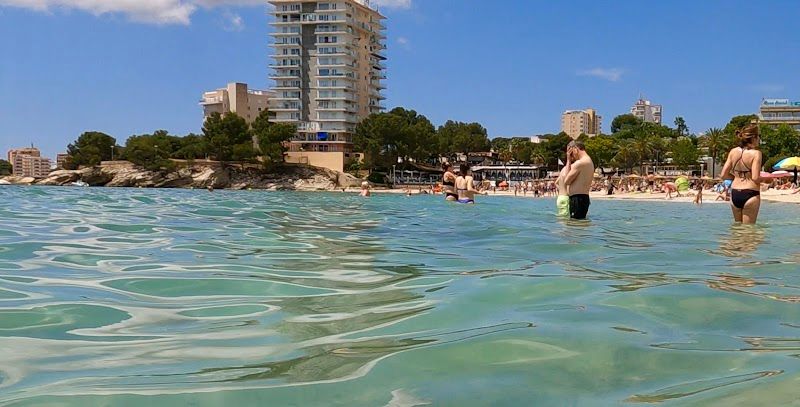
Southwest Coast
The quieter, more upscale end of the coast: Port d'Andratx harbour, Sant Elm village, Dragonera island, and sunset views that draw painters and photographers.
Pollenca & the North
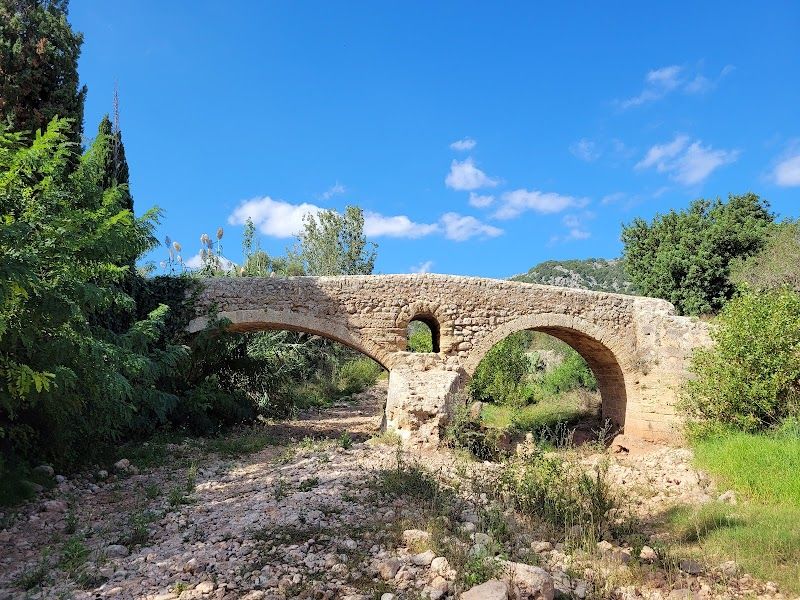
Where the mountains meet the sea: Cap de Formentor, Pollenca's historic town, Alcudia's Roman walls, and beaches backed by pine forests.