Mallorca
East Coast
Caves, calas, and coastal towns: the Drach Caves, Porto Cristo harbour, a chain of turquoise coves, and the hilltop fortress at Arta.
About East Coast
The east coast is where Mallorca does its best cove-hopping. Porto Cristo is the main town: a harbour, waterfront cafes, and the gateway to the Coves del Drach (Drach Caves, EUR 16, including an underground lake concert that is genuinely atmospheric). The Coves d'Arta (EUR 15, fewer tourists, arguably more dramatic) are further north near Capdepera. Arta has a hilltop fortress sanctuary (free, panoramic views) and a Tuesday market. Cala Ratjada is a former fishing village that is now a mix of local life and tourism, with the Cala Agulla beach (one of the best on the east coast, pine-backed, EUR 3 parking). Between the towns, the calas (coves) are the draw: Cala Mesquida, Cala Millor, Cala Bona. Each is small, rocky, and has water so clear you can see the bottom from 10 metres.
Things to Do
Top experiences in East Coast
Coves del Drach (Drach Caves)
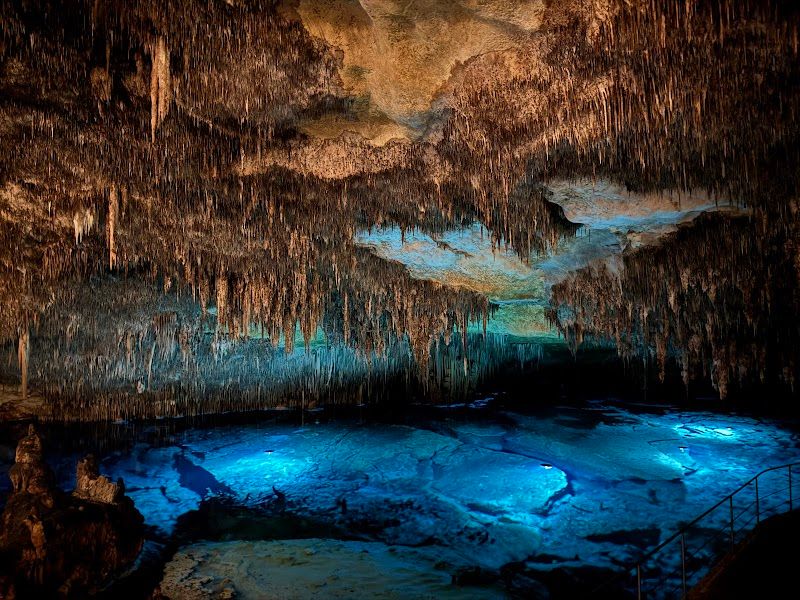
The Drach Caves in Porto Cristo are the most visited attraction on the east coast: a 1.2 km underground cave system with stalactites, stalagmites, and Lake Martel, one of the largest underground lakes in Europe. The visit culminates in a classical music concert played from boats on the lake in complete darkness, which sounds gimmicky but is genuinely atmospheric. Here's the reality: you'll descend stone steps into cool air that hits you immediately, a relief on hot summer days when it's 35°C outside but stays 21°C year-round down there. The humidity is noticeable but not oppressive. Your guide will point out formations with names like "Buddha" and "Flag of Mallorca" that require serious imagination to see. The acoustics are impressive though, your footsteps and whispers echo in ways that make kids go silent with wonder. Lake Martel is the real payoff. You'll sit on stone benches in total darkness while a small boat glides across the perfectly still water with musicians playing Chopin or Albinoni. It lasts about 10 minutes and yes, it's touristy, but the combination of music, darkness, and that mirror-like lake surface creates something genuinely moving. Some people tear up. After the concert, you can take a short boat ride across the lake for no extra charge, or walk around it if you prefer. The whole experience takes exactly 1 hour, no rushing, no lingering. EUR 16 entry, tours run every 30 minutes from 10 AM. Book online to skip the ticket queue. Go at opening or after 4 PM to avoid the tour bus crowds, otherwise you'll be crammed shoulder-to-shoulder with 400 other people. The caves were known since the Middle Ages and fully explored by Edouard-Alfred Martel in 1896. Wear comfortable shoes with grip, the paths can be slippery.
Castell de Capdepera
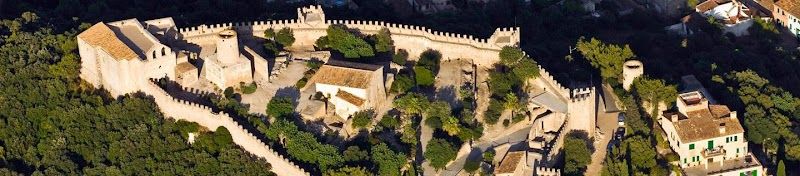
Castell de Capdepera crowns the hilltop town like a perfectly preserved medieval fortress, its crenellated walls wrapping around an entire complex that includes the Gothic Nostra Senyora de l'Esperança chapel and a commanding watchtower. Built in 1300 by King Jaume II, this wasn't just a castle but a fortified refuge where the entire town population could shelter during North African pirate raids. You'll explore thick stone walls, climb the central tower for sweeping views, and step inside the atmospheric chapel with its simple Gothic arches. The approach up Carrer del Castell builds anticipation as medieval walls loom larger with each step. Once inside the main gate, you're walking through what feels like a miniature fortified city rather than a typical castle. The chapel sits at the heart of the complex, surprisingly intimate after the imposing exterior walls. From the tower's top platform, the view stretches across red-tiled rooftops to the Mediterranean, with Menorca visible on genuinely clear days. Entry costs just 3 EUR, making it exceptional value for such a complete medieval experience. Most visitors rush through in 30 minutes, but you'll want the full hour to properly explore the chapel interior and soak up those tower views. Skip the small museum display, which adds nothing to the experience. The real magic happens in late afternoon when golden light hits the stone walls, though morning visits offer better visibility for long-distance views.
Parc Natural de Llevant
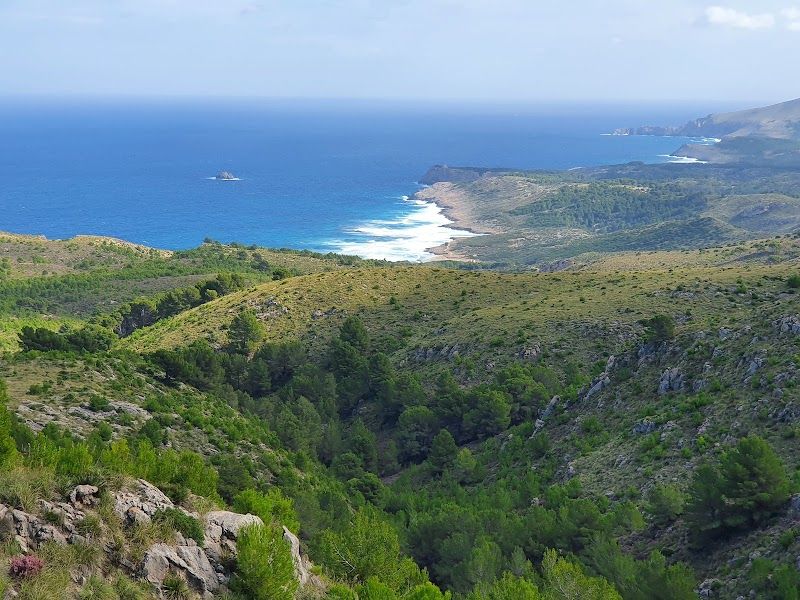
Parc Natural de Llevant sprawls across Mallorca's wild northeastern corner, protecting 1,671 hectares of coastal cliffs, scrubland, and the island's largest population of endemic dwarf fan palms. Nine well-marked trails wind through landscapes that feel more like North Africa than typical Mediterranean coastline, with the highlight being the 90-minute coastal route to Cala Torta, one of Mallorca's most pristine beaches. You'll spot wild tortoises, rare birds, and if you're lucky, the park's small herd of feral goats navigating impossible cliff faces. The walking here feels genuinely wild compared to most Mallorcan nature spots. Pine forests give way to rocky headlands where waves crash 100 meters below, and the silence is broken only by wind and birdsong. The coastal trail undulates constantly, requiring proper hiking shoes, but rewards you with views across to Menorca on clear days. Two information centers provide detailed maps, though trail markings are excellent throughout. Most visitors underestimate the difficulty and arrive in flip-flops, which is a mistake on these rocky paths. The park is completely free, parking included, making it exceptional value compared to Mallorca's commercialized attractions. Skip the inland forest trails unless you're obsessed with botany. Focus on the coastal routes for the real payoff, and bring more water than you think you need.
Getting Here
Insider Tips
Drach Caves
EUR 16 entry, tours run every 30 minutes. The underground concert on Lake Martel is theatrical but genuinely impressive. Go at opening (10 AM) or late afternoon to avoid tour bus crowds. The cave is 1.2 km and takes about 1 hour. Buy tickets online.
Cala Agulla
One of the best east coast beaches: fine sand, pine trees, clear water, and big enough that it does not feel packed even in summer. EUR 3 parking. Bring your own food and water; the beach bar is overpriced. Good snorkelling on the rocky edges.
Arta fortress
Free entry. Climb the steps from the town centre to the Santuari de Sant Salvador for panoramic views of the coast and the interior. The town below has a good Tuesday market and a handful of restaurants that serve the local community, not tourists. Worth an hour or two.
Nearby Neighborhoods
Continue exploring
Palma
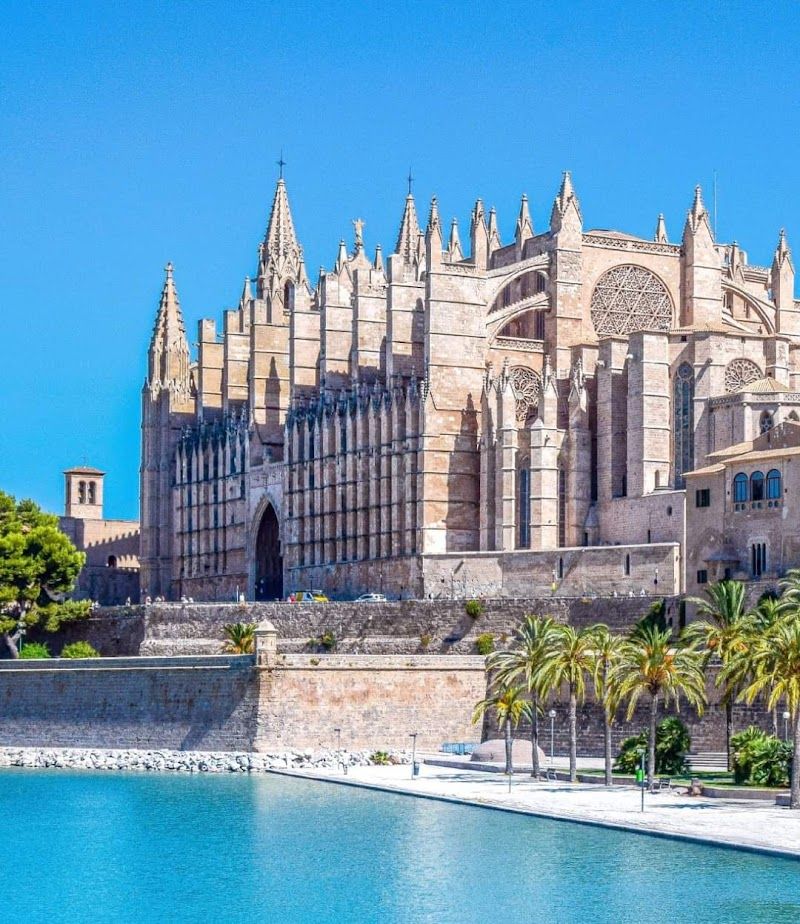
A real Mediterranean city: Gothic cathedral on the waterfront, narrow old town streets, palace courtyards, and the Santa Catalina neighbourhood where locals eat and drink.
Serra de Tramuntana
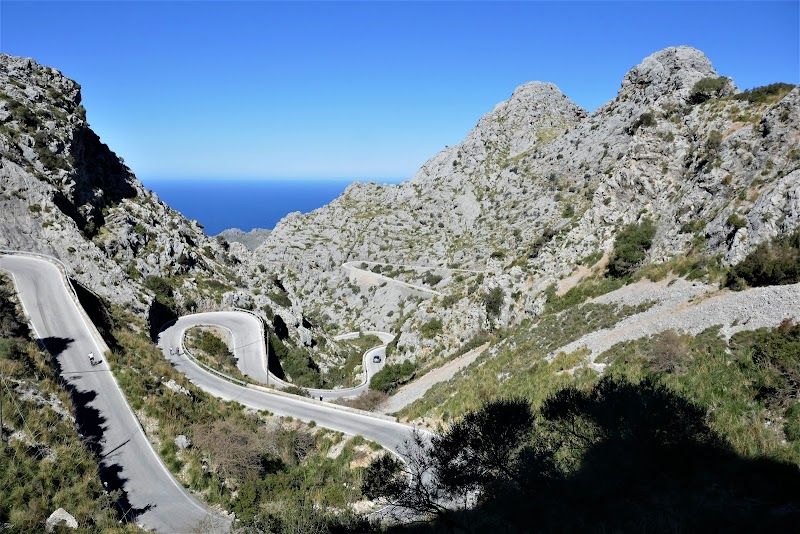
UNESCO mountain range: stone villages clinging to cliffs, ancient olive groves, hiking trails, and a coastal road that is one of the best drives in Europe.
Southwest Coast
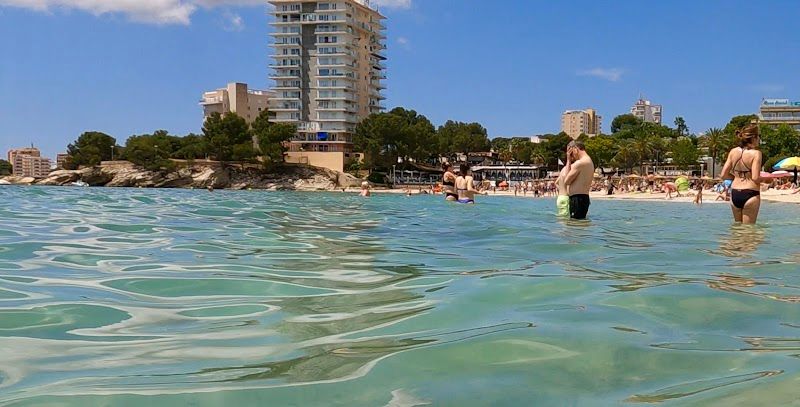
The quieter, more upscale end of the coast: Port d'Andratx harbour, Sant Elm village, Dragonera island, and sunset views that draw painters and photographers.
Plan a trip featuring East Coast
Get a personalized Mallorca itinerary with East Coast built in.
Start Planning