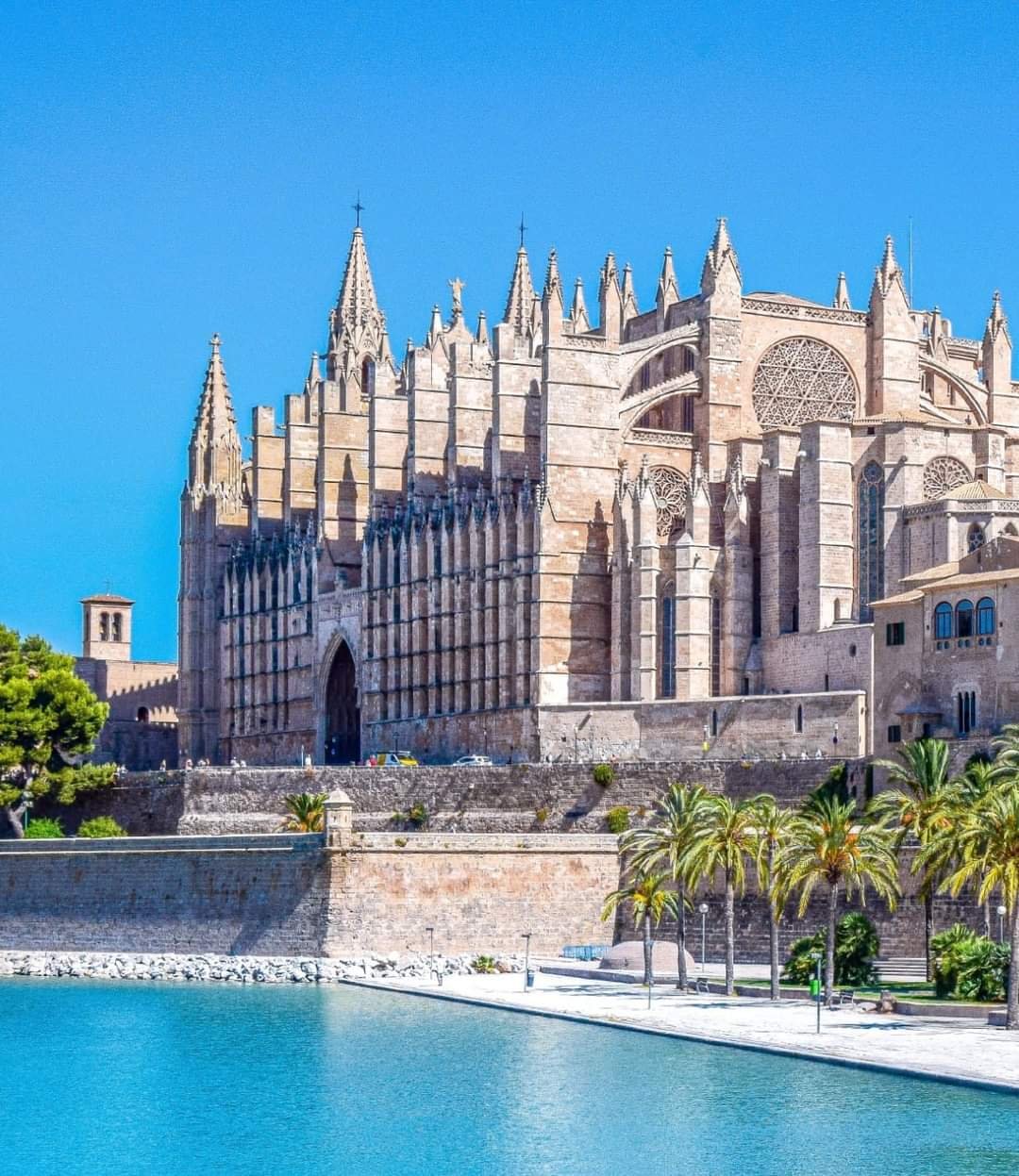
First Time in Mallorca: Everything You Need to Know
Rental cars, beach parking, restaurant tipping, the fast ferry debate, and why you need the Ma-10
The practical guide to Mallorca: rent a car (yes, you need one), how parking works at the beaches, the ferry vs. flight decision, which side of the island to base yourself, and the Tramuntana road that justifies the trip.
First Time in Mallorca: Everything You Need to Know
Look, I lived in Mallorca for three years, and I'm going to tell you exactly what you need to know to avoid the tourist traps and actually enjoy this island. Yes, it gets ridiculously crowded in summer and some beaches look like German colonies, but if you know where to go and when, Mallorca is still one of Europe's best islands. The key is understanding that this isn't just a beach destination. The Tramuntana mountains are seriously dramatic, Palma has some of the best restaurants in Spain, and the small mountain villages feel like they haven't changed in decades. Just don't come in August expecting to find empty beaches and cheap hotels.
Getting There
Flying is the obvious choice
Palma airport (PMI) is 2-3 hours from most European cities. Ryanair, easyJet, and Eurowings have the cheapest flights, but you'll pay extra for everything including breathing. Vueling is usually worth the extra EUR 20-40 for actual legroom and free carry-on. Book at least 2 months ahead for summer, especially July-August when prices double.
Ferry from Barcelona or Valencia
If you're bringing a car or hate flying, Balearia runs ferries from Barcelona (7-8 hours, EUR 60-100 per person) and Valencia (5-7 hours, EUR 60-100). The overnight ferry from Barcelona is actually decent: you get a proper bed and wake up in Palma. Just book a cabin, the airplane-style seats are miserable for a full night.
Rental Cars: You Actually Need One
Forget what anyone tells you about public transport. The buses exist but they're slow and don't go to the best beaches or mountain villages. Rent a car, period. Expect to pay EUR 25-40 per day in low season, EUR 50-80 in July-August. Book at least 2 months ahead for summer or you'll end up paying EUR 100+ per day for whatever's left. Get a small car. I cannot stress this enough. The mountain roads are narrow with stone walls inches from your mirrors, and parking spaces in old towns were designed for donkeys, not SUVs. A Fiat 500 or similar will save your sanity and your paint job.
Driving in Mallorca: What You Actually Need to Know
The Ma-10 is the best drive you'll do all year
This coastal road through the Tramuntana mountains from Andratx to Pollenca is genuinely incredible. Hairpin turns with cliffs dropping to turquoise water, stone villages that look medieval, and views that make you understand why Chopin came here. Take your time, pull over at the viewpoints, and don't attempt it if you're scared of heights or narrow roads.
Mountain roads require patience
Narrow, winding, and full of cyclists who think they're in the Tour de France. You'll average 30 km/h on the twisty sections, which is fine because you want to see the scenery anyway. The stone walls have zero give, so take corners slowly. If a bus is coming the other way, someone has to back up to a passing spot.
Beach parking is expensive and fills fast
Popular beaches charge EUR 3-10 for parking and fill up by 10 AM in summer. Cala Mondragó, Es Trenc, and Cala Varques are the worst offenders. Either arrive early (before 9 AM) or be prepared to park 15 minutes away and walk. Some beaches like Cala Deià have maybe 20 parking spots total. Plan accordingly.
Where to Base Yourself
Palma
Best for first-timers who want city life, great restaurants, and easy airport access. The old town is genuinely beautiful, there are beaches 10 minutes away, and you can reach anywhere on the island in 90 minutes. Hotels EUR 60-120 per night. Stay in the old town near the cathedral, not in the resort strips.
Sóller/Port de Sóller
The sweet spot for mountains and coast. Sóller town is in a valley surrounded by orange groves, Port de Sóller has a decent beach and good seafood. It's touristy but still functional, with a vintage train connecting the two. Hotels EUR 80-150 per night. Book early, there aren't many options.
Pollença/Port de Pollença
North coast base with great beaches and family-friendly vibes. Pollença town has a lovely square and Sunday market, the port has a long sandy beach and promenade restaurants. Less pretentious than other resort towns. Hotels EUR 70-130 per night.
Cala d'Or/Santanyí area
Southeast coast for the best small coves and beaches. Santanyí is a proper town with weekly markets, Cala d'Or is a purpose-built resort that's actually quite nice. Perfect if beaches are your priority. Hotels EUR 60-140 per night.
When to Visit
May-June and September-October are perfect
Warm enough for beaches (22-28°C), restaurants and hotels are open, but crowds are manageable and prices reasonable. The light in May and September is incredible for photography. October can have some rain but it's usually brief. This is when I'd bring my own friends.
July-August is tourist hell
Temperatures hit 35°C+, beaches are packed by 9 AM, restaurants are full of sunburned Germans shouting over each other, and everything costs twice as much. If you must come in peak summer, stay somewhere with a pool and air conditioning, book restaurants in advance, and lower your expectations.
November-March is quiet season
Many beach bars and tourist restaurants close, but it's actually great hiking weather (15-20°C) and hotel prices drop 50-70%. Palma stays lively year-round. Just don't expect to swim much, though locals do it anyway.
Food You Actually Need to Try
Pa amb oli
Toasted bread rubbed with tomato and drizzled with olive oil, topped with cheese, ham, or sobrassada. Sounds basic, costs EUR 5-8, but when done right with good bread and local oil, it's perfect. Every bar serves it differently. Order it as a starter to share.
Ensaimada
Spiral pastry dusted with powdered sugar, sometimes filled with cream or angel hair. The plain ones (EUR 3-5) from a proper bakery are better than the tourist versions filled with chocolate. Eat it fresh in the morning with coffee, not as an afternoon souvenir.
Sobrassada
Soft, spreadable sausage made with pork and smoked paprika. It's bright orange-red and tastes smoky and slightly spicy. Locals spread it on toast or cook with it. Don't buy the tourist versions in fancy packaging, get it from a butcher or market.
Tumbet
Mallorcan ratatouille with layers of fried eggplant, peppers, potatoes, and zucchini in tomato sauce. Served at room temperature as a starter or side dish. It's comfort food, not fancy, but good versions have vegetables that actually taste like something.
Frit mallorquí
Fried mix of offal, potatoes, and vegetables with garlic and herbs. Yes, it includes liver and kidneys, but it's seasoned well and not as intense as you'd think. Traditional bars serve it as a tapa for EUR 4-6. Try it once, you might surprise yourself.
Practical Stuff Nobody Tells You
Tipping isn't expected but leaving EUR 1-2 at restaurants for good service is appreciated. Don't tip like you're in America.
Everyone speaks Spanish, signs are in Catalan (local version called Mallorquín), but English works fine in tourist areas. Learn 'bon dia' (good morning) and 'gràcies' (thanks) to be polite.
Tap water is safe to drink but tastes heavily chlorinated. Most locals buy bottled water (EUR 0.50-1 in shops, EUR 2-3 in restaurants).
Restaurants open late: lunch 1-3 PM, dinner 8-11 PM. Tourist places serve food all day but it's usually microwaved. Wait for proper meal times.
Siesta is real. Many shops close 2-5 PM, especially outside Palma. Plan your shopping accordingly.
ATMs are everywhere but charge EUR 2-5 per transaction. Many places take cards now, but carry some cash for beach parking and small bars.
Ready to Visit Mallorca?
Get a personalized itinerary tailored to your travel style and interests.
Plan Your Mallorca TripMore Mallorca Guides
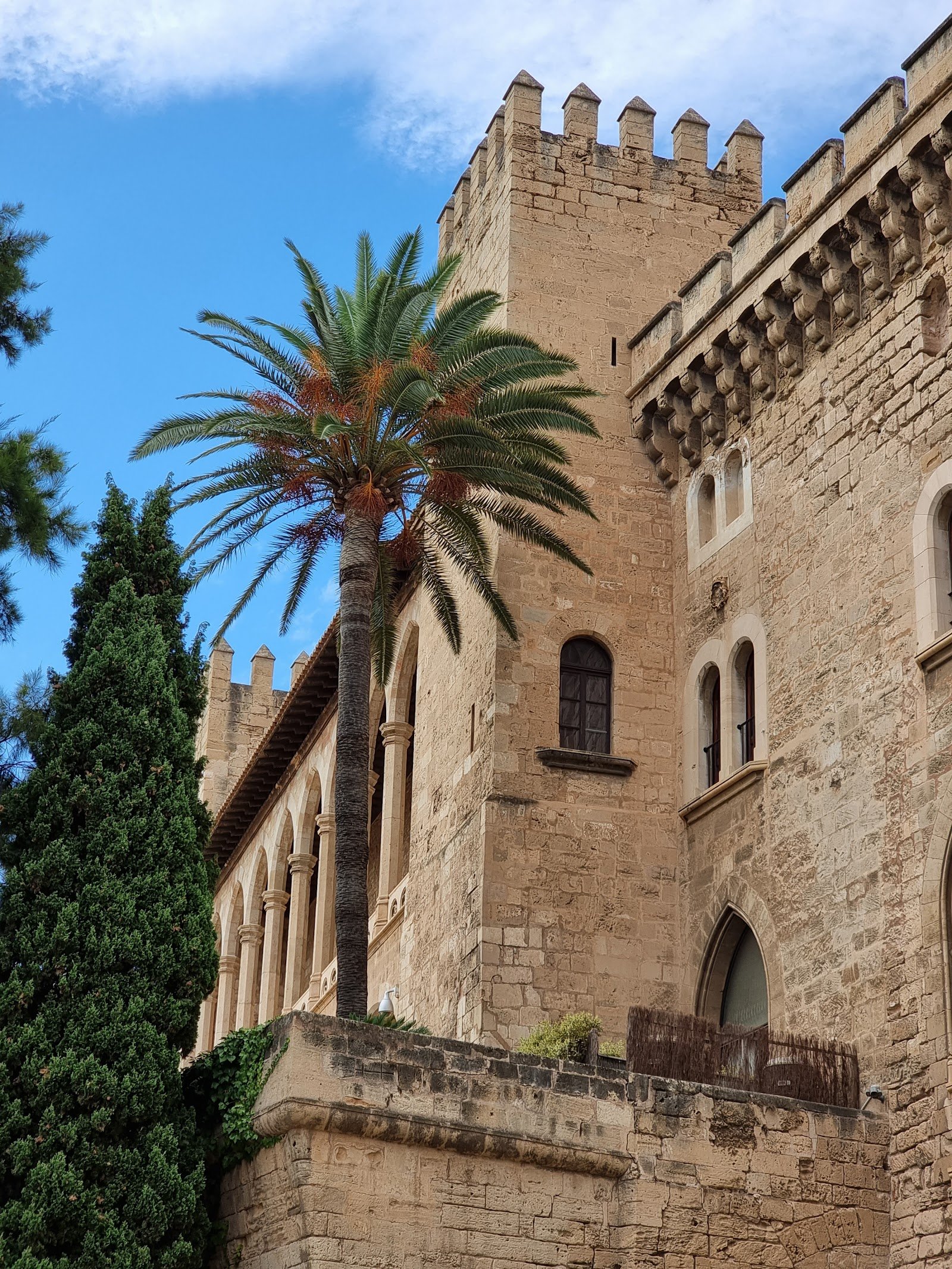
5 Days in Mallorca: The Complete Island Itinerary
Five days covering Palma, the Serra de Tramuntana, the east coast caves, the southeast coves, and the interior wine country, with driving times, parking tips, and restaurant recommendations for every stop.
14 min
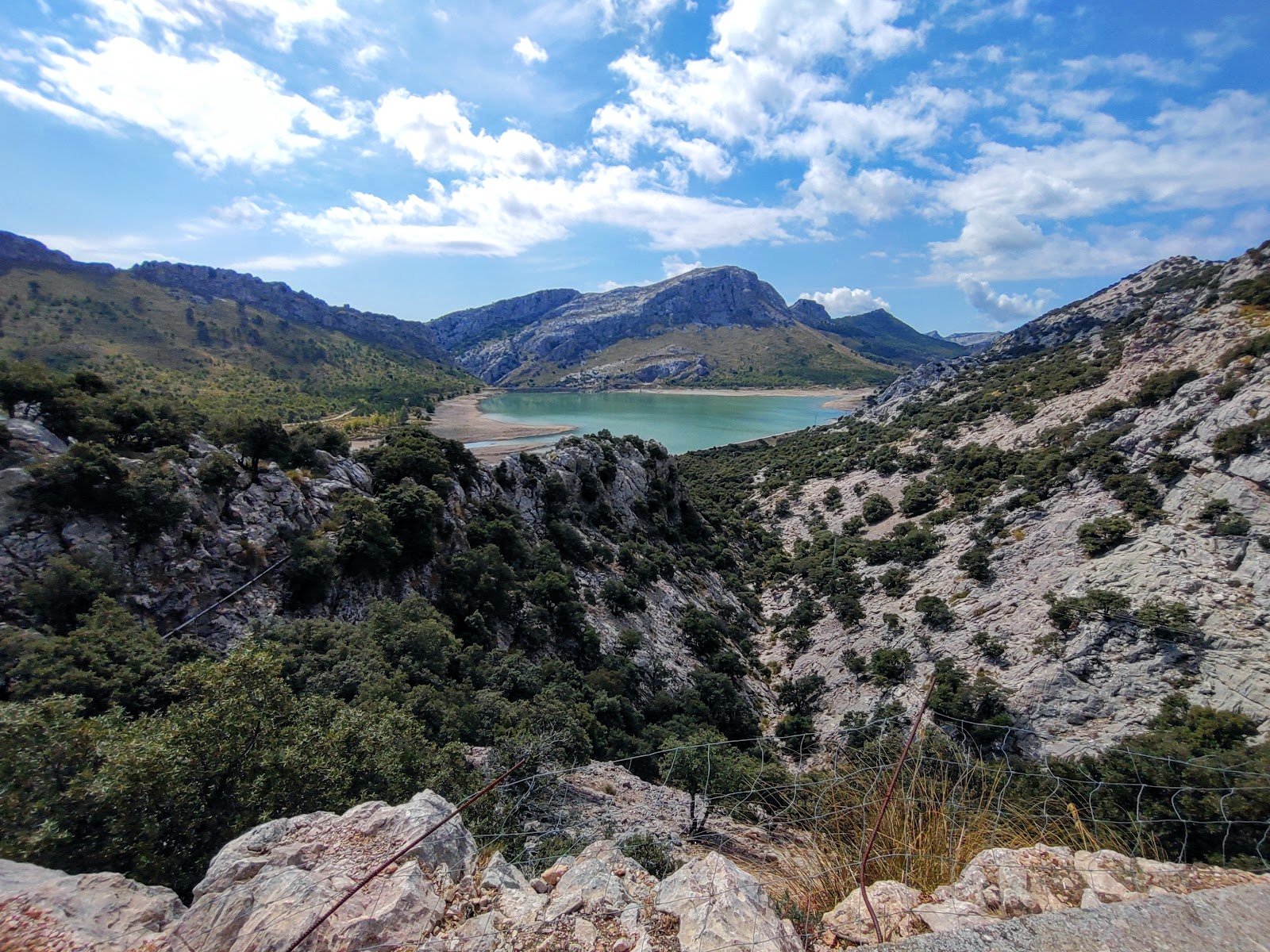
7 Days: The Complete Mallorca Experience
Seven days covering the full island: Palma, the Tramuntana, Cap de Formentor, the east coast caves, the southeast coves, the interior wine region, Cabrera island, and enough beach time to actually relax.
18 min
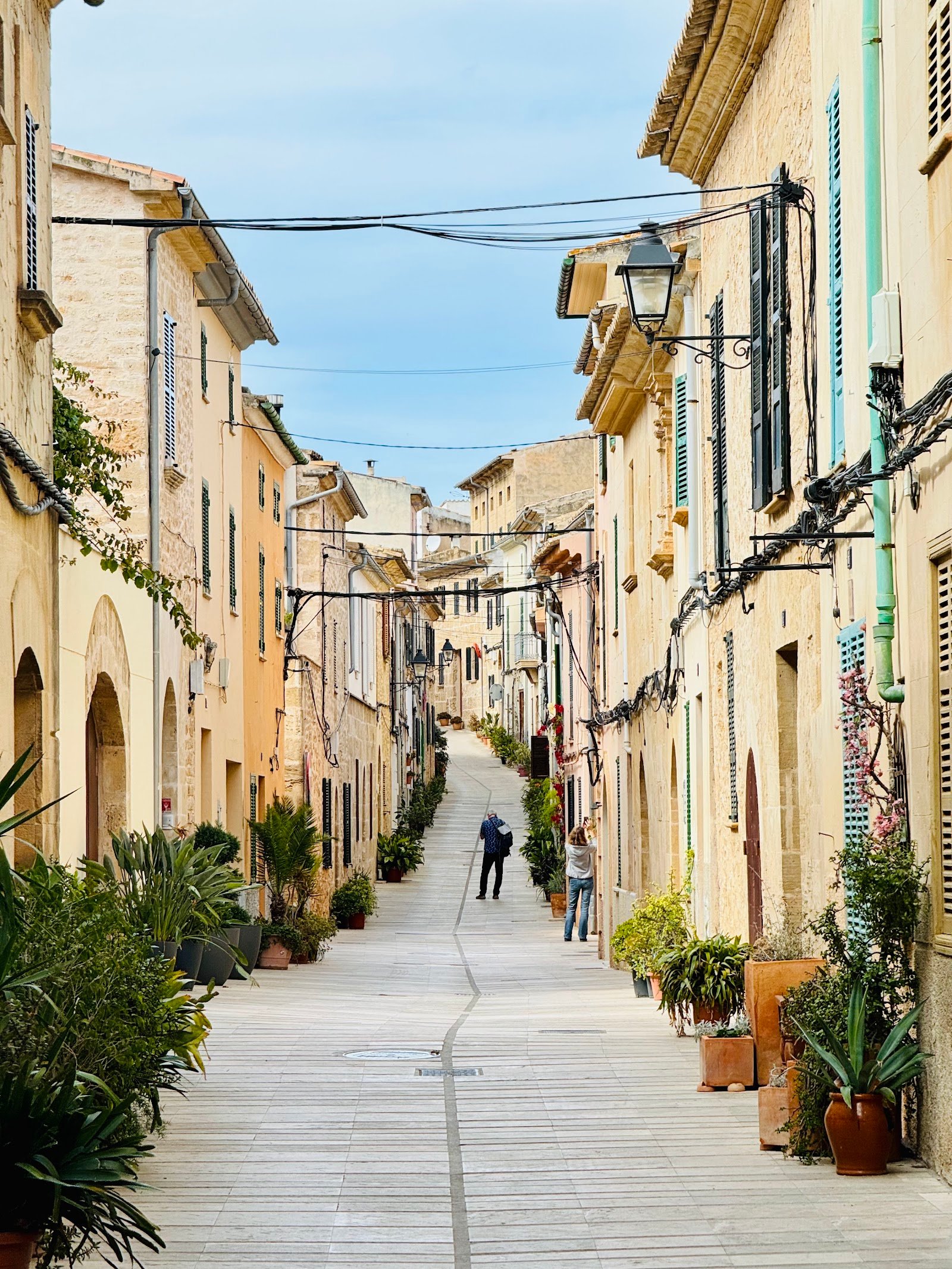
Mallorca with Kids: Family-Friendly Island Guide
Mallorca is one of the best family islands in Europe. Shallow coves, the Drach Caves underground concert, the vintage Soller train, Palma Aquarium, and enough ice cream shops to keep everyone happy.
12 min