Where to Eat in Mallorca: A Region-by-Region Guide
Celler lunches, harbour fish, pa amb oli at sunset, and the restaurants that Mallorcans keep to themselves
The food guide to Mallorca: where to eat in Palma (Santa Catalina, the old town), the Tramuntana (Deia, Soller), the coast (harbour fish restaurants), and the interior (celler lunches in Inca that cost EUR 15 with wine).
Where to Eat in Mallorca: A Region-by-Region Guide
Look, I've spent enough years living in Mallorca to tell you this: the island's food scene is way more complex than the tourist menus suggest. Yes, you'll find plenty of overpriced paella aimed at sunburned Germans, but dig a little deeper and you'll discover cellers serving three-course lunches with wine for EUR 15, family-run bakeries turning out ensaimadas at 6am, and harbor restaurants where the fish was swimming yesterday morning. The key is knowing where the locals actually eat, and that varies dramatically from Palma's Santa Catalina neighborhood to the mountain villages of the Tramuntana. Here's how to eat well across the island, region by region.
The Essential Mallorcan Dishes You Need to Know
Before we dive into regions, let's talk about what you're actually looking for. Pa amb oli is the island's signature snack and social ritual: toasted bread rubbed with tomato, drizzled with olive oil, topped with cheese, ham, or sobrassada. It costs EUR 5-8 everywhere and tastes completely different at each place depending on the bread, tomatoes, and oil quality. Ensaimadas are those spiral pastries dusted with powdered sugar that look like coiled snakes and taste like buttery clouds. Get yours from Forn des Teatre in Palma for EUR 3-5, and eat it warm if possible. Sobrassada is the island's paprika-spiked cured sausage that spreads like chorizo butter. Buy it from markets and spread it on everything. Tumbet is basically Mallorcan ratatouille: layers of fried potato, aubergine, and peppers covered in tomato sauce. It sounds simple but good tumbet takes technique. Frit mallorqui is fried lamb liver with peppers and potatoes. It's an acquired taste, but acquire it anyway because it's pure Mallorca on a plate.
Palma: Where Traditional Meets Modern
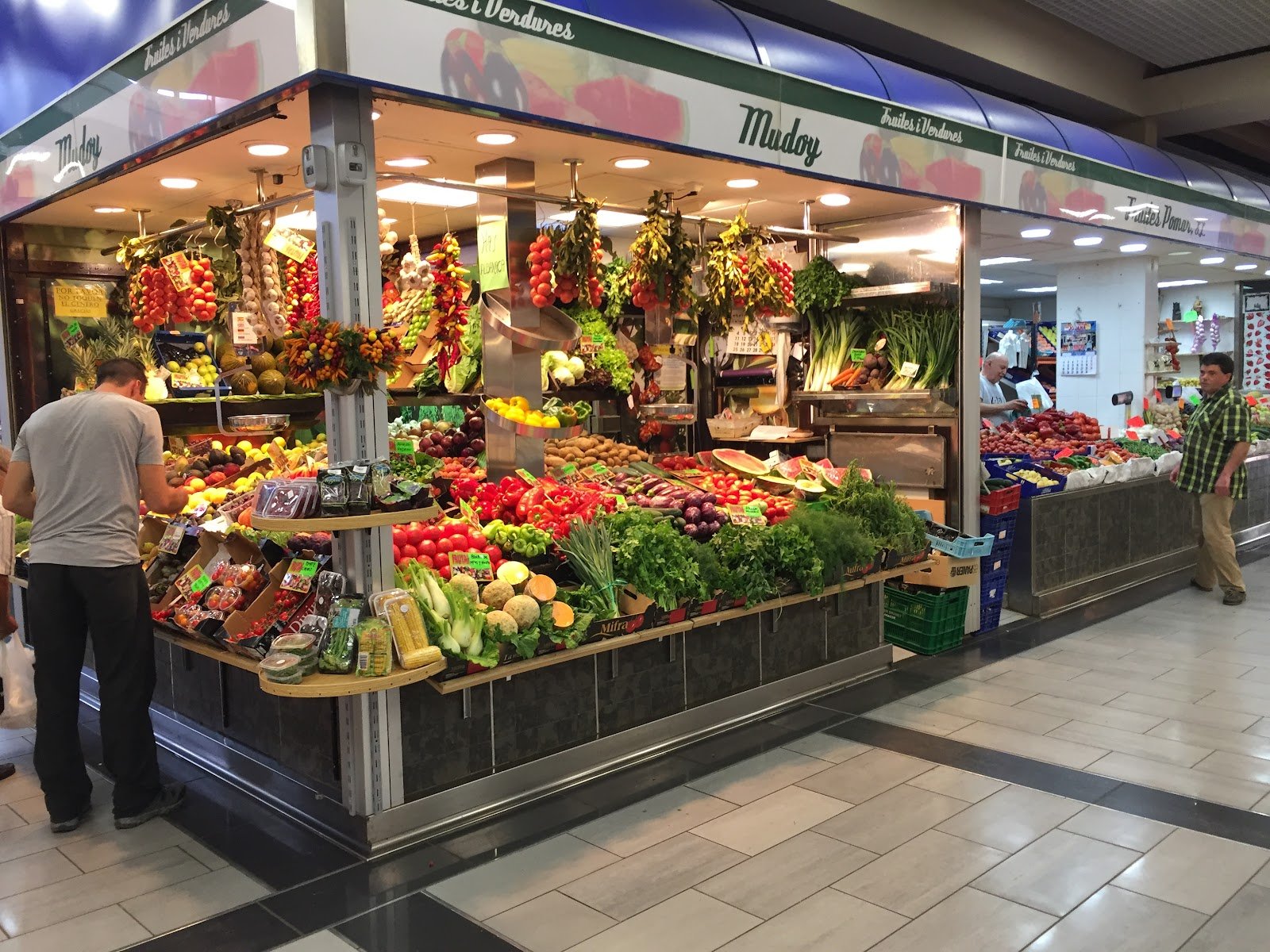
Palma's food scene splits between the tourist restaurants around the cathedral (skip most of these) and the real eating neighborhoods like Santa Catalina, where locals actually go for tapas and wine. The Mercat de l'Olivar is your best introduction to Mallorcan ingredients: stalls selling sobrassada by the kilo, vendors hawking vegetables that still have soil on them, and a few excellent tapas bars right inside the market. The old town has some genuinely good restaurants if you know which alleys to wander down, but avoid anywhere with a menu in five languages.
Where to Eat in Palma
Celler Sa Premsa (EUR 20-25)
This is what a proper Mallorcan celler looks like: wooden barrels lining the walls, checkered tablecloths, and portions that could feed a small village. Order the frit mallorqui here because they do it better than most, and wash it down with local wine from those barrels behind you. It gets packed with locals after 9pm, which tells you everything you need to know.
Bar Bosch (EUR 8-12)
The most famous cafe on Plaça del Rei Joan Carles, and yes, it's touristy, but the ensaimadas are still excellent and watching Palma wake up from their terrace is worth the slightly inflated prices. Order a cortado and an ensaimada plain, and don't let them talk you into the cream-filled versions.
La Rosa Vermuteria (EUR 15-20)
Santa Catalina's best vermouth bar, where locals drink house-made vermut and eat excellent montaditos (small sandwiches). The sobrassada with honey montadito here is addictive. Stand at the bar if you can, it's more fun than the tables.
Mercat 1930 (EUR 25-35)
This food hall in a renovated market building could easily be a tourist trap, but the quality is surprisingly high. The rice dishes at Arrosseria are excellent, and you can sample different Mallorcan wines without committing to a full bottle. Good for lunch when you want variety.
The Tramuntana Mountains: Small Villages, Big Flavors
The UNESCO World Heritage mountains deliver some of the island's most memorable meals, often with views that make you forget how much you're spending. Deia punches way above its weight with restaurants that would fit in Barcelona or Madrid, while Soller's main square offers more down-to-earth Mallorcan cooking. Valldemossa is famous for its coca de patata, a sweet potato pastry that's worth the tourist crowds. Fornalutx is genuinely the prettiest village on the island, and its restaurants know it, so prices reflect the Instagram factor.
Where to Eat in the Tramuntana
Es Racó d'es Teix, Deia (EUR 80-120)
Michelin-starred restaurant with a terrace overlooking olive groves and the Mediterranean. Yes, it's expensive, but chef Josef Sauerschell creates modern interpretations of Mallorcan dishes that actually respect the originals. The tasting menu changes seasonally and always includes a brilliant take on tumbet.
Ca'n Pintxo, Soller (EUR 18-25)
Right on Soller's main square, serving excellent arros brut (dirty rice) that's soupy, gamey, and completely satisfying. The portions are enormous and the price includes bread and alioli. Sit outside if the weather's good and watch the antique tram rattle past.
Sa Plaça, Fornalutx (EUR 25-35)
The terrace here has postcard views of the village's stone houses and mountain backdrop, and the food doesn't disappoint. Their tumbet is textbook perfect, and the local lamb is exceptional. Book ahead because every food blogger on the island ends up here eventually.
QuitaPenas, Valldemossa (EUR 12-18)
Ignore the terrible name and focus on their coca de patata, which is the best version of Valldemossa's signature sweet potato pastry. It's dense, moist, and tastes like the island's history. Order it with a cortado and sit in their tiny courtyard away from the Chopin tourist hordes.
East Coast: Harbor Fish and Hidden Restaurants
The east coast does two things really well: incredibly fresh fish at harbor restaurants, and family-run places in inland towns that most tourists never find. Porto Cristo has several restaurants right on the harbor where the boats unload their catch, while Arta has locals-only spots serving traditional Mallorcan food at prices that seem stuck in 2010. The coast gets busy in summer, but the food quality stays high because locals demand it year-round.
Where to Eat on the East Coast
Es Port, Porto Cristo (EUR 25-35)
Right on the harbor with tables practically hanging over the water. The fish here was swimming this morning, and they prepare it simply: grilled with lemon, salt, and excellent olive oil. The caldreta de langosta (lobster stew) is spectacular when they have it, usually weekends.
Sa Duaia, Arta (EUR 15-22)
A proper neighborhood restaurant where farmers come for lunch and families celebrate birthdays. Their cocido mallorquin (Mallorcan stew) is outstanding, packed with beans, vegetables, and whatever meat was good that day. No tourist menus, just honest cooking.
Restaurante Canyamel (EUR 20-28)
Tucked between Cala Ratjada and Capdepera, this place specializes in rice dishes and fresh fish. Their paella mixta is actually good, unlike most tourist versions, because they use proper bomba rice and don't overcook the seafood. The dining room looks like someone's grandmother decorated it, which is perfect.
Es Moli d'en Sopa, Manacor (EUR 18-25)
In an old mill building, serving updated Mallorcan classics. Their take on frit mallorqui uses organic vegetables and free-range meat, but it still tastes like the traditional version your grandmother might have made if she was a better cook. Excellent wine list of local bottles.
Southeast: Markets and Seaside Dining
The southeast corner combines two great food experiences: Santanyi's Saturday market, where you can buy directly from producers, and harbor restaurants in fishing villages like Cala Figuera where the boats tie up steps from your table. This region feels more authentically Mallorcan than the developed resort areas, and the food reflects that with traditional recipes and local ingredients. Prices are reasonable because these places depend on local customers, not just summer tourists.
Where to Eat in the Southeast
Es Pescador, Cala Figuera (EUR 22-30)
Perched above the tiny harbor where colorful fishing boats bob between meals. The gambas a la plancha (grilled prawns) are sweet and simply prepared, and their fish soup tastes like the essence of the Mediterranean. Go for lunch when the light on the water is perfect.
Cassai Gran Cafe, Santanyi (EUR 16-24)
Just off the main square, serving modern interpretations of island classics. Their pa amb oli uses sourdough bread and adds unexpected touches like local honey or aged cheese. The weekend brunch brings half of Palma here, so book ahead or come early.
Sa Llotja, Colonia de Sant Jordi (EUR 20-28)
Simple restaurant specializing in whatever the boats brought in that morning. The fried calamari is perfectly tender, not the rubber rings you get at tourist places. Their house wine comes from a local bodega and costs EUR 12 per bottle.
Es Cruce, Campos (EUR 14-20)
Roadside restaurant that looks like nothing special but serves some of the best traditional Mallorcan food on the island. The tumbet here uses vegetables from their own garden, and the sobrassada comes from pigs raised by the owner's brother. This is what authentic tastes like.
Interior: Cellers and Market Towns
The interior is where Mallorca's food traditions survive most intact. Inca's cellers are legendary: cavernous wine cellars serving EUR 15-20 three-course lunches with wine that would cost twice that in Palma. Sineu's Wednesday market is the island's most authentic, with food stalls serving grilled meats and traditional sweets. These inland towns move at a different pace, and so does the dining: long lunches, family recipes, and wine from barrels that have been aging since your parents were young.
Where to Eat in the Interior
Celler Can Amer, Inca (EUR 15-20)
The most famous celler in Inca, with enormous wine barrels lining vaulted stone walls. Their three-course menu changes daily but always includes excellent local wine, crusty bread, and hearty dishes like lamb stew or grilled sausages. The atmosphere is pure old Mallorca.
Es Grop, Sineu (EUR 12-18)
Market day (Wednesday) is when this place shines, serving grilled meats to farmers and traders. Their mixed grill includes three types of sausage, pork chops, and lamb chops, all perfectly cooked over wood coals. Wash it down with rough local wine and pretend you're in 1950.
Molí des Torrent, Santa Maria del Camí (EUR 45-65)
Upscale restaurant in a restored windmill, serving refined Mallorcan cuisine with ingredients from their own farm. More expensive than typical interior restaurants, but the setting is beautiful and the food sophisticated. Their tasting menu showcases forgotten island recipes.
Sa Font, Campanet (EUR 18-25)
Village restaurant specializing in grilled meats and traditional stews. The dining rooms are in caves carved into the hillside, naturally cool even in summer. Their roast lamb is legendary among locals, slow-cooked until it falls off the bone. Make sure you're hungry.
Mallorcan Wine: Better Than You Think
Mallorca's wine scene has improved dramatically in the last decade. The DO Binissalem region produces excellent reds from Manto Negro grapes and crisp whites from Prensal Blanc. These wines pair perfectly with Mallorcan food and cost half what similar quality would in mainland Spain. Look for smaller producers making Vi de la Terra wines, often from indigenous grape varieties you won't find anywhere else. Most restaurants have decent local wine lists, and many cellers let you drink directly from barrels that have been aging for decades.
Eating Like a Local: Practical Tips
Lunch is from 1-3pm, dinner starts at 8:30pm earliest. Restaurants serving food at 6pm are targeting tourists.
Pa amb oli is a social dish meant for sharing. Order several varieties for the table and eat family-style.
Markets are best early morning when selection is full and vendors are chatty. Afternoon markets are picked over.
Cellers fill up fast, especially on weekends. Call ahead or arrive right when they open at 1pm.
House wine (vi de la casa) is usually local and often excellent value at EUR 8-12 per bottle.
Ensaimadas are best warm from the oven. Ask when they were baked, and avoid ones sitting under glass all day.
Ready to Visit Mallorca?
Get a personalized itinerary tailored to your travel style and interests.
Plan Your Mallorca TripMore Mallorca Guides
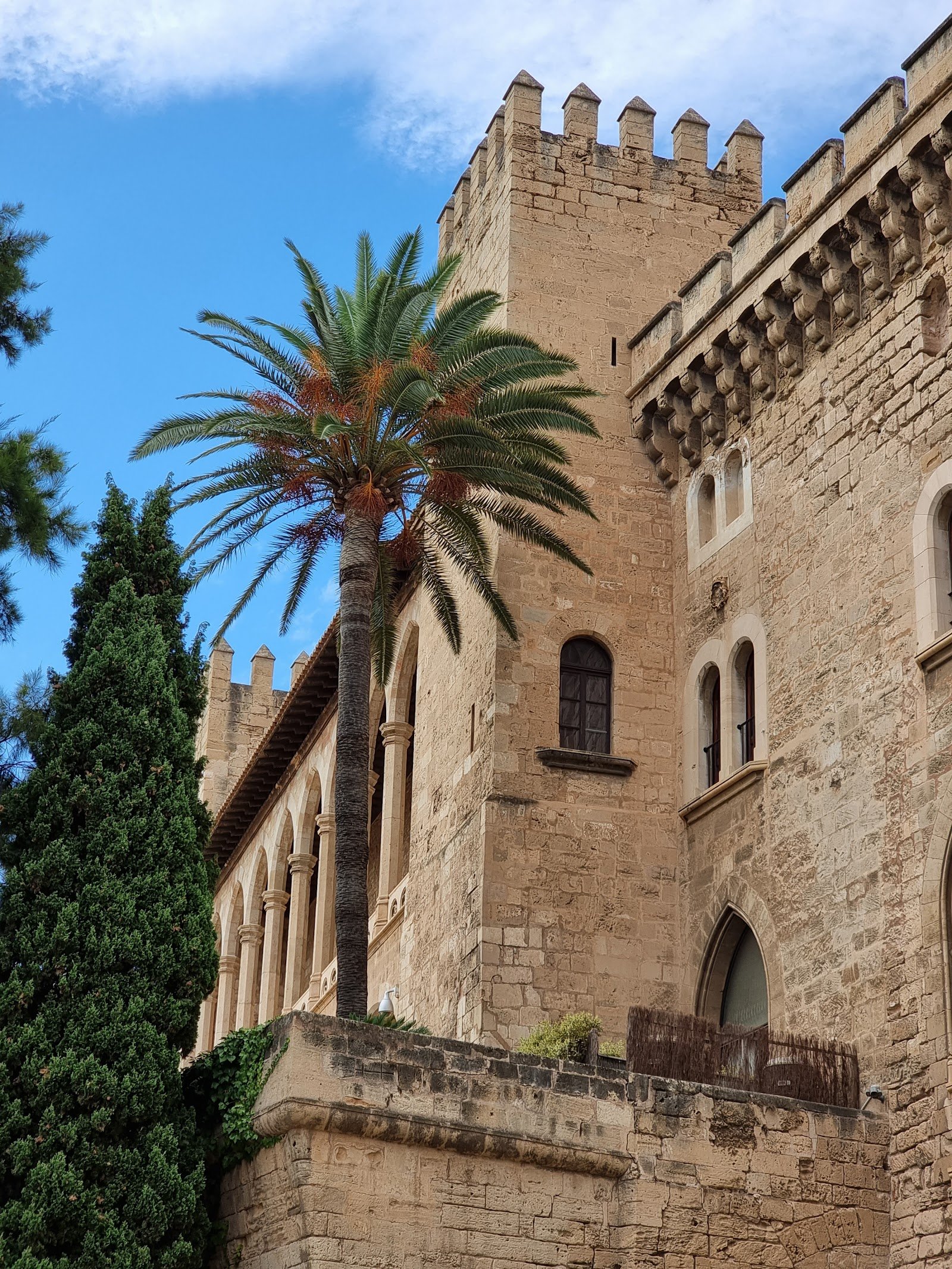
5 Days in Mallorca: The Complete Island Itinerary
Five days covering Palma, the Serra de Tramuntana, the east coast caves, the southeast coves, and the interior wine country, with driving times, parking tips, and restaurant recommendations for every stop.
14 min
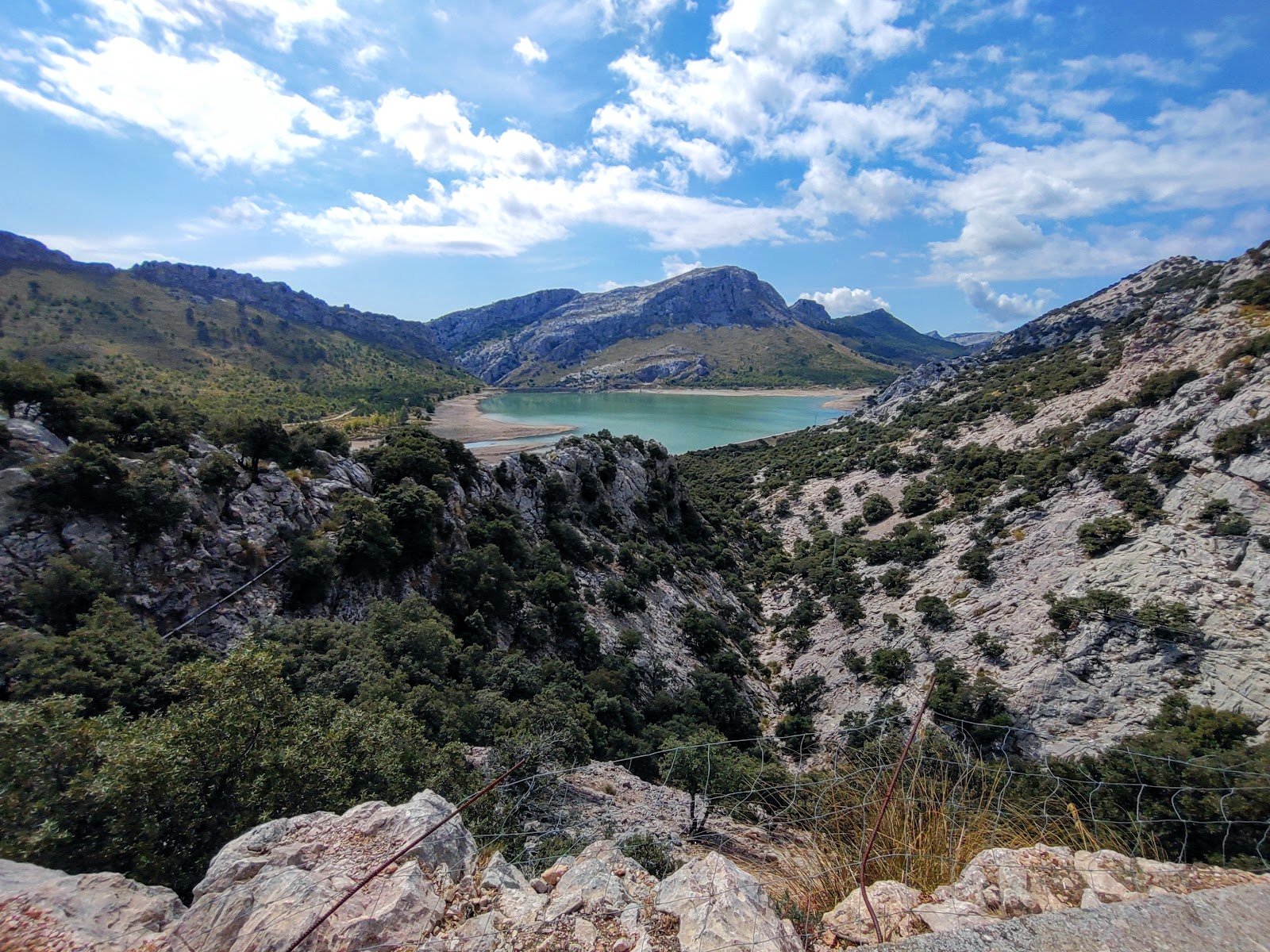
7 Days: The Complete Mallorca Experience
Seven days covering the full island: Palma, the Tramuntana, Cap de Formentor, the east coast caves, the southeast coves, the interior wine region, Cabrera island, and enough beach time to actually relax.
18 min
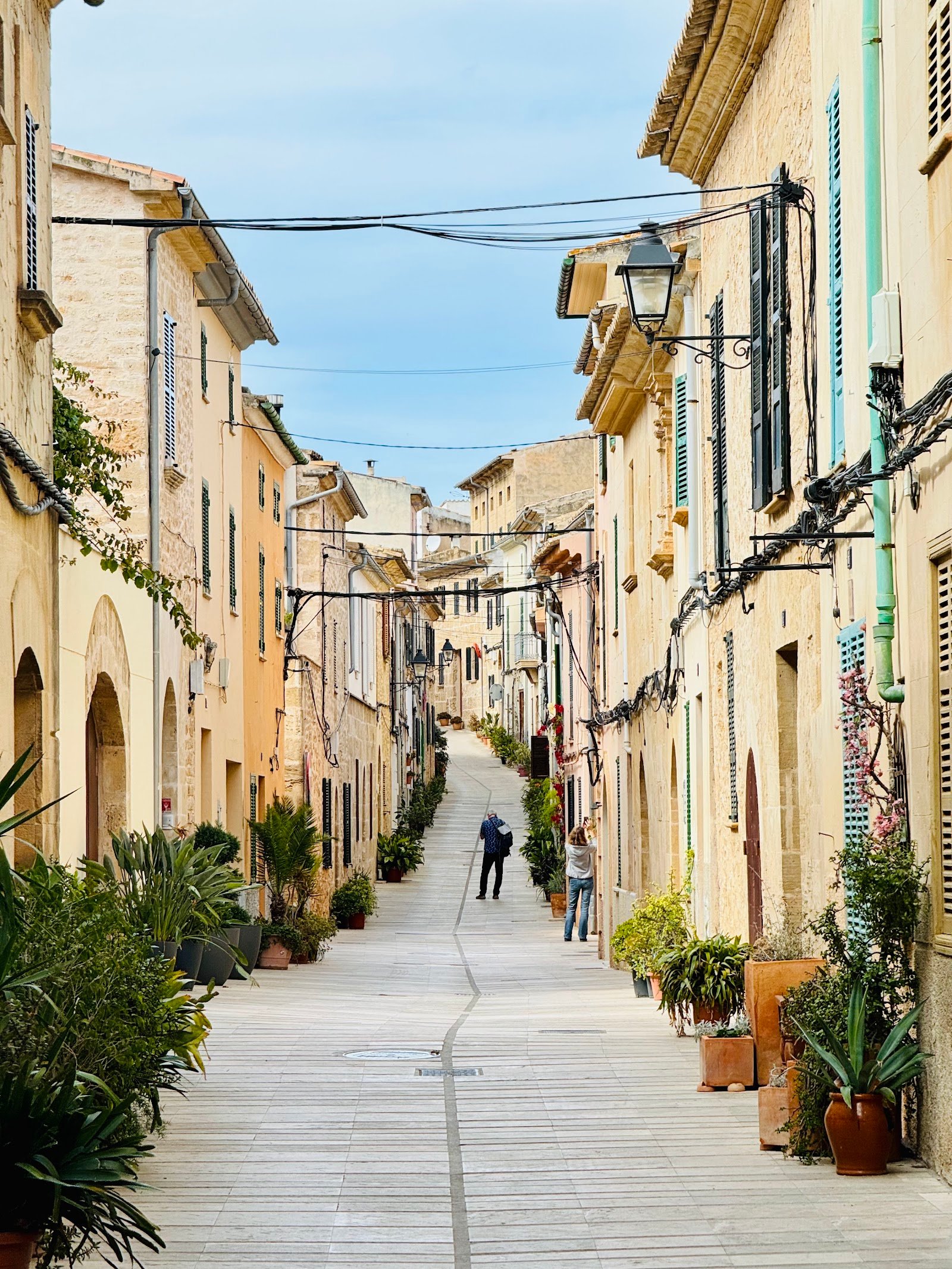
Mallorca with Kids: Family-Friendly Island Guide
Mallorca is one of the best family islands in Europe. Shallow coves, the Drach Caves underground concert, the vintage Soller train, Palma Aquarium, and enough ice cream shops to keep everyone happy.
12 min