Munich
Altstadt (Old Town)
The civic and tourist heart of Munich: Marienplatz with the New Town Hall glockenspiel show at 11am and noon, the Frauenkirche's twin onion domes, the Residenz palace complex, the Hofbräuhaus, and the Viktualienmarkt food market. Crowded with tour groups 10am-4pm; quieter mornings and after dinner.
About Altstadt (Old Town)
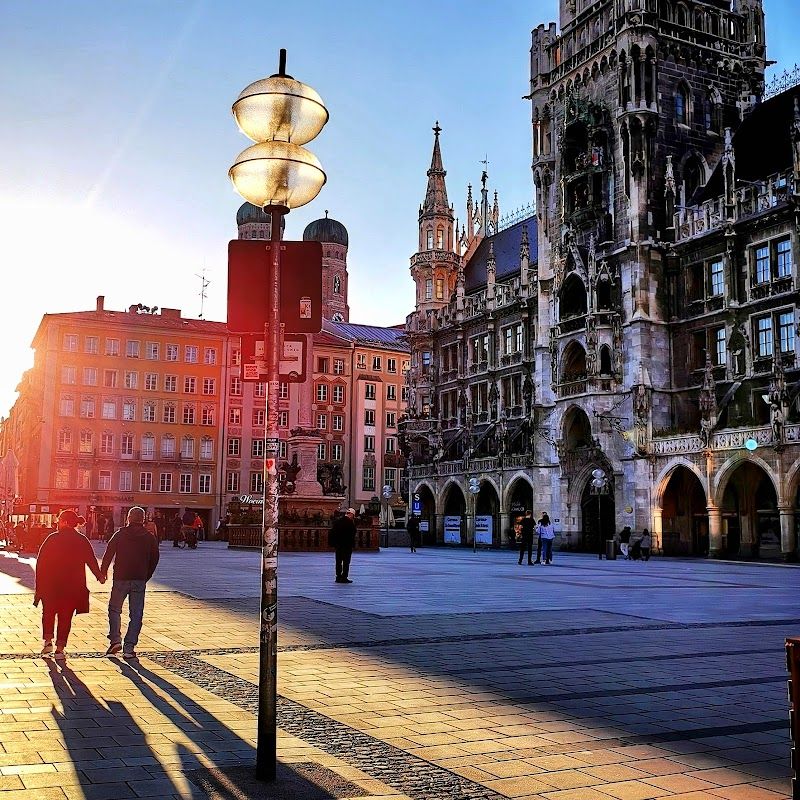
The Altstadt sits inside the medieval ring of Munich, bounded roughly by the Old Botanical Garden (west), the Residenz (north), the Isartor city gate (east), and the Sendlinger Tor (south). Walkable end-to-end in 20 minutes. The civic centre is Marienplatz with the New Town Hall (Neues Rathaus, 1908, Neo-Gothic) - its glockenspiel performs at 11 AM and 12 PM (and 5 PM May-October) with 32 life-sized figures cycling through dance and joust scenes; a tourist crowd of several hundred fills the square 10 minutes before each show. Free, no booking. The tower viewpoint is EUR 6, takes a lift, and gives a Marienplatz overhead.
A five-minute walk west is the Frauenkirche (Cathedral of Our Lady), the brick Gothic cathedral with the iconic green-copper twin onion domes. Free entry; the south tower viewpoint is EUR 7 (lift + stairs, 99 metres, panoramic). North-east of Marienplatz: the Residenz palace, the largest urban palace in Germany (former Wittelsbach royal seat), with the museum and treasury both worth EUR 9 each; allow 2 hours minimum. Just east, the Hofbräuhaus - the Bavarian state-owned beer hall since 1589, very touristy but very real (10,000 litres of beer pulled per day during Oktoberfest week, EUR 11-13 a Maß / litre), live brass band on weeknights from 7 PM.
South of Marienplatz, the Viktualienmarkt is the Munich answer to a tourist food market: 30+ stalls of butchers, cheesemakers, pretzel-and-sausage stands, and a beer garden in the centre that's open year-round. The Schrannenhalle next door is a covered upmarket hall worth a 20-minute pass-through. Sendlinger Tor and Asamkirche close out the south end - Asamkirche is a tiny 1733 Rococo private chapel that punches above its weight (free, 3 minutes inside is enough).
Things to Do
Top experiences in Altstadt (Old Town)
Marienplatz
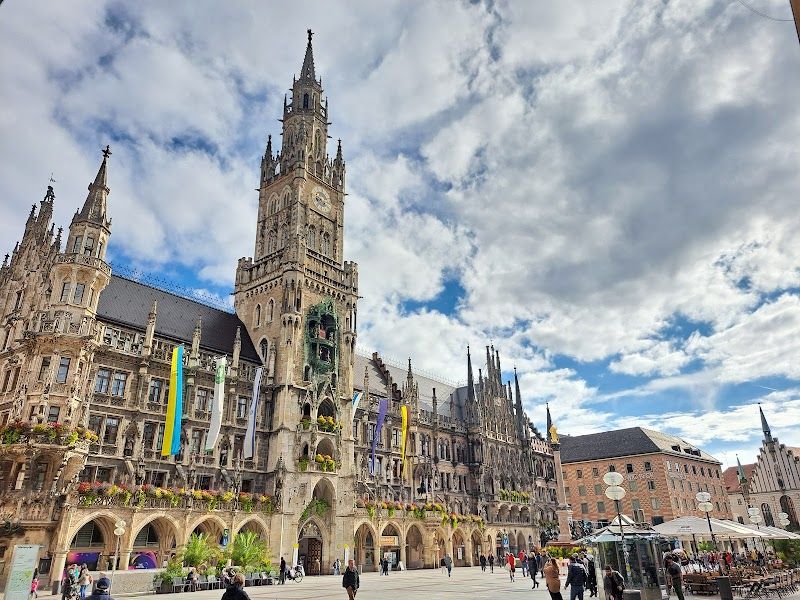
Marienplatz has been Munich's town square since 1158, and it still works exactly as intended: a daily stage where locals shop, tourists gawk, and street performers compete with the world's most elaborate cuckoo clock. The Neues Rathaus dominates with its Neo-Gothic towers, while the famous glockenspiel puts on a 15-minute puppet show at 11am, noon, and 5pm (May through October). You'll see 32 life-sized figures reenact historical Bavarian scenes including a tournament and the coopers' dance that supposedly ended a plague. The square fills up fast before each glockenspiel show, creating a temporary amphitheater of several hundred people all craning their necks upward. Between shows, it's surprisingly functional: locals cut through on their way to the pedestrian shopping streets, while you can explore the Altes Rathaus or grab a coffee at one of the surrounding cafes. The atmosphere shifts from tourist spectacle to working city square and back again throughout the day. Skip the New Town Hall tower (EUR 6) because it's actually not that high and the views are mediocre. The Frauenkirche towers five minutes away are free and much better for photos. Most people camp out in the center of the square for glockenspiel shows, but you'll get a better angle from the eastern side near the Altes Rathaus. If you're here in winter, the Christmas market transforms the entire square but makes it nearly impossible to move.
Viktualienmarkt
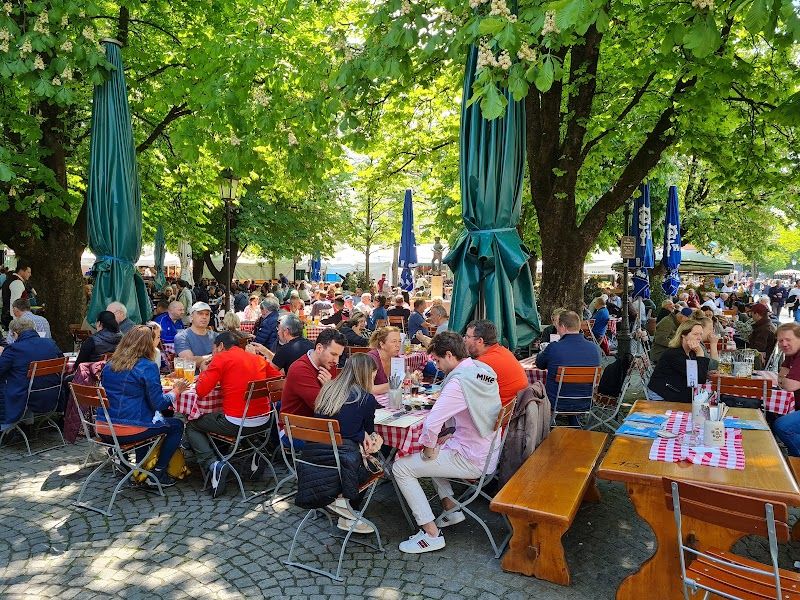
Viktualienmarkt is Munich's 200-year-old food market sprawled across a square just south of Marienplatz, where 30-plus permanent stalls sell everything from wild boar bratwurst to saffron. You'll find traditional Bavarian specialties alongside fresh produce, artisan cheeses, and honey from local beekeepers. The centerpiece is a year-round beer garden that rotates through all six Munich breweries, pouring proper half-liters while you sit under chestnut trees. The market hums with locals grabbing lunch and tourists sampling their way through Bavaria. You'll weave between cheese counters where vendors slice generous samples, pretzel stands cranking out warm brezn, and the legendary wild boar sausage stall near the central maypole. The beer garden fills by noon with a mix of office workers and visitors clutching pretzels smeared with obatzda cheese spread. Most guidebooks oversell this as quaint and charming when it's actually quite commercial and tourist-focused. Skip the overpriced specialty items and focus on the classics: a pretzel from Brezenbar (EUR 1.50), obatzda, and a half-liter at the beer garden runs about EUR 8-12 total. The produce is good but not cheap, and Sunday closures catch many visitors off guard.
Deutsches Museum
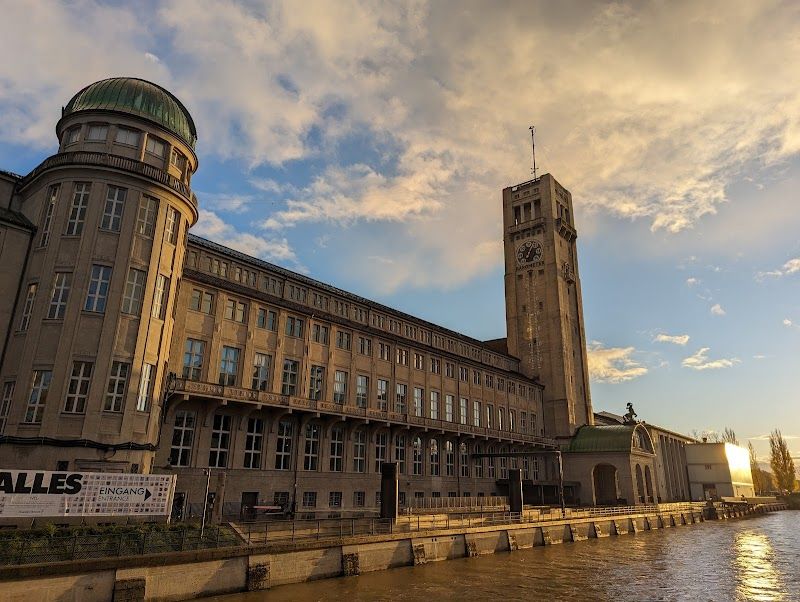
The Deutsches Museum houses 28,000 artifacts across 50 exhibition areas on Museum Island, making it one of the world's largest science museums. You'll find the original Benz Patent-Motorwagen from 1886, the first electric dynamo, and a full-scale Lufthansa Boeing 737 you can walk through. Interactive exhibits let you generate electricity, pilot flight simulators, and watch live chemistry demonstrations hourly. The mining section features an authentic underground tunnel system, while the astronomy wing has a working planetarium with shows in German and English. Navigating this place requires strategy because it's genuinely massive across six floors. Start on the ground floor with transportation (the vintage cars and locomotives are impressive), then work your way up through physics, chemistry, and aerospace. The atmosphere feels like a curiosity cabinet that got completely out of hand. Kids aged 8 and up get genuinely excited here, especially in the hands-on areas where they can operate historical machines and conduct simple experiments. At EUR 15 for adults, it's excellent value if you spend at least three hours, but many visitors try to see everything and burn out after two hours. Skip the ground floor energy section (it's dated and boring) and focus on transportation, aerospace, and the impressive musical instrument collection. The cafeteria serves terrible food at high prices, so bring snacks or eat beforehand. Most people miss the rooftop terrace with decent city views.
Residenz Munich
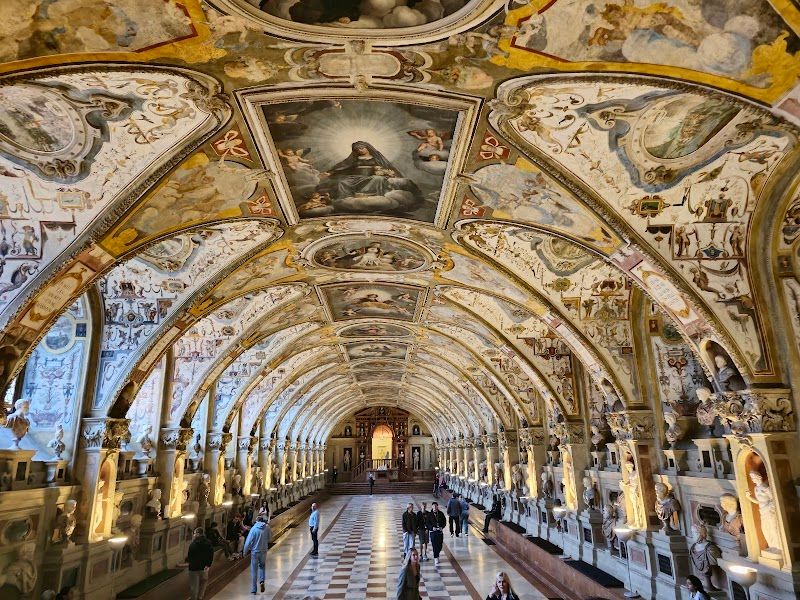
The Residenz is Germany's largest urban palace, a sprawling 90,000 square meter complex where Bavaria's Wittelsbach rulers lived for 400 years. You're paying for three separate attractions: the Residenz Museum with 130 opulent state rooms, the Schatzkammer Treasury holding Bavarian crown jewels, and the tiny Cuvilliés Theatre with its jaw-dropping rococo interior. The Antiquarium hall alone justifies the visit, a 66-meter Renaissance gallery that'll make your neck hurt from looking up at the intricate vaulting. Walking through feels like infiltrating a royal soap opera set across ten courtyards and countless gilded rooms. The Treasury sparkles with the famous St. George statuette encrusted with 2,300 gemstones, while the Museum overwhelms with room after room of baroque excess. The Cuvilliés Theatre packs maximum wow factor into minimum space, its gold and red rococo curves photographed more than any interior in Munich. Each section has its own entrance and vibe, from ceremonial grandeur to intimate royal apartments. Most guides won't tell you the combined ticket (EUR 17) isn't always worth it if you're palace-fatigued. Skip the theatre if you're rushed, prioritize the Antiquarium hall and Treasury instead. The Museum needs two full hours, the Treasury 90 minutes maximum. Avoid Sundays when German families pack the narrow rooms. The free Hofgarten courtyard outside makes a perfect breather between paid sections.
Frauenkirche
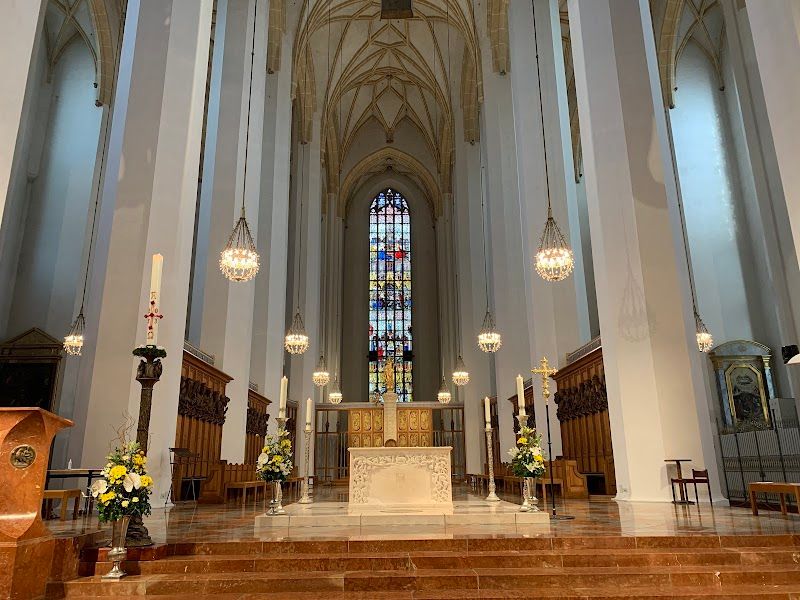
The Frauenkirche is Munich's cathedral and the city's most recognizable landmark, a brick Gothic fortress topped by twin green copper onion domes that have anchored the skyline since 1525. You'll find an austere late Gothic interior that feels surprisingly spacious despite the plain brick walls, plus the famous Devil's Footprint near the entrance where legend says Satan stamped his foot in anger. The real draw is the South Tower: EUR 7 gets you a lift partway up, then stairs to 99 meters for the best panoramic view in Munich. Inside, the cathedral feels unexpectedly stark after the impressive exterior, with whitewashed walls and minimal decoration that creates an almost Protestant atmosphere. The Devil's Footprint is a black stone mark in the floor that tour groups cluster around, though the story behind it is more charming than the actual sight. Climbing the South Tower means sharing a small elevator with other visitors, then huffing up narrow stone steps, but the payoff is spectacular: the entire city spreads below you, and on clear days the Alps create a dramatic southern backdrop. Most guides don't mention that the cathedral interior is genuinely underwhelming compared to other European cathedrals, so don't feel obligated to linger if architecture isn't your thing. The tower climb is absolutely worth EUR 7, especially compared to the New Town Hall's more expensive and lower viewpoint at EUR 6. Skip the visit entirely during services when the tower closes, and avoid late afternoons when haze obscures the Alpine views.
Asamkirche
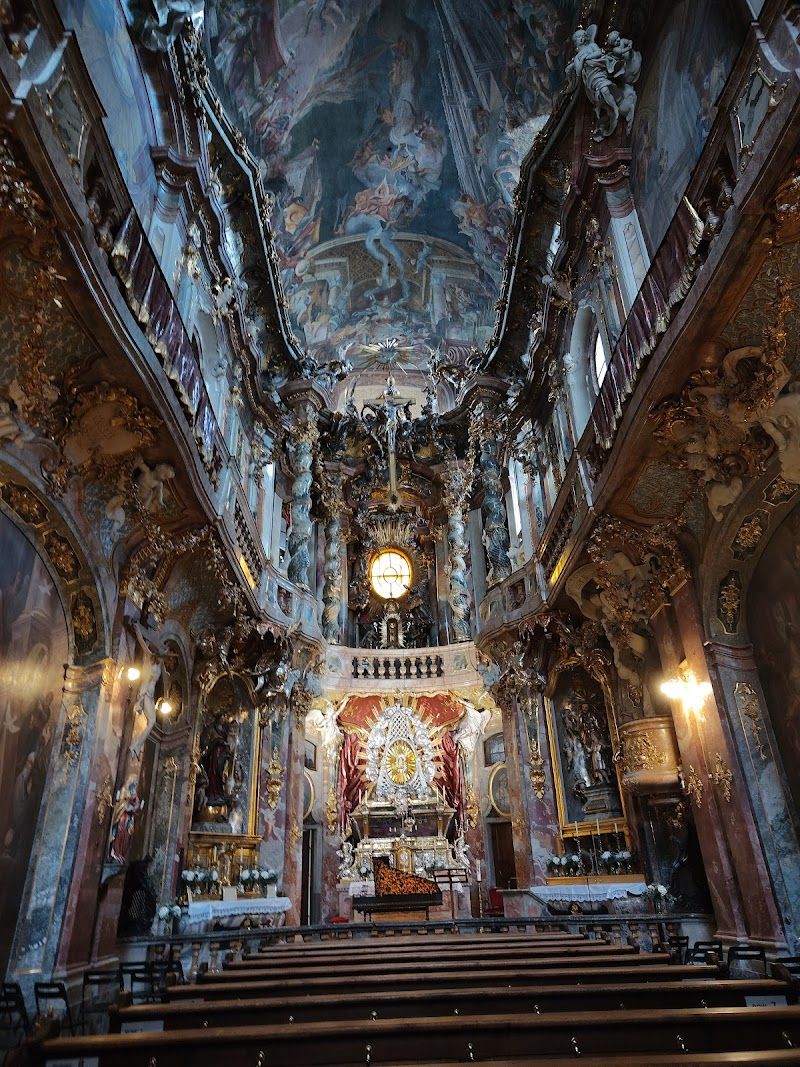
The Asamkirche is a theatrical masterpiece crammed into a space barely wider than a city apartment. Brothers Cosmas Damian and Egid Quirin Asam built this private chapel in 1733 next to their own house, creating what's essentially a Baroque movie set in stone and gold. You'll see every surface covered in gilded stucco, swirling frescoes that make the ceiling disappear into heaven, and lighting effects that would make modern set designers jealous. Walking inside feels like entering a jewelry box designed by someone with unlimited imagination and a serious gold leaf budget. The space is so narrow you can almost touch both walls, but the brothers used every optical trick possible to make it feel infinite. Your eyes get pulled upward by spiraling columns and a painted dome that opens into a fake sky, while theatrical spotlighting (via cleverly placed windows) makes the whole thing glow like a stage set. Most guidebooks oversell this as a major stop, but honestly, you'll be done in five minutes max. The church is genuinely stunning but absolutely tiny, so don't plan your day around it. Entry is free, which makes it perfect for a quick detour while shopping on Sendlinger Strasse. Skip it if you're already planning to see larger Baroque churches like the Theatinerkirche, as this is more of a beautiful curiosity than a substantial cultural experience.
Theatinerkirche St. Kajetan
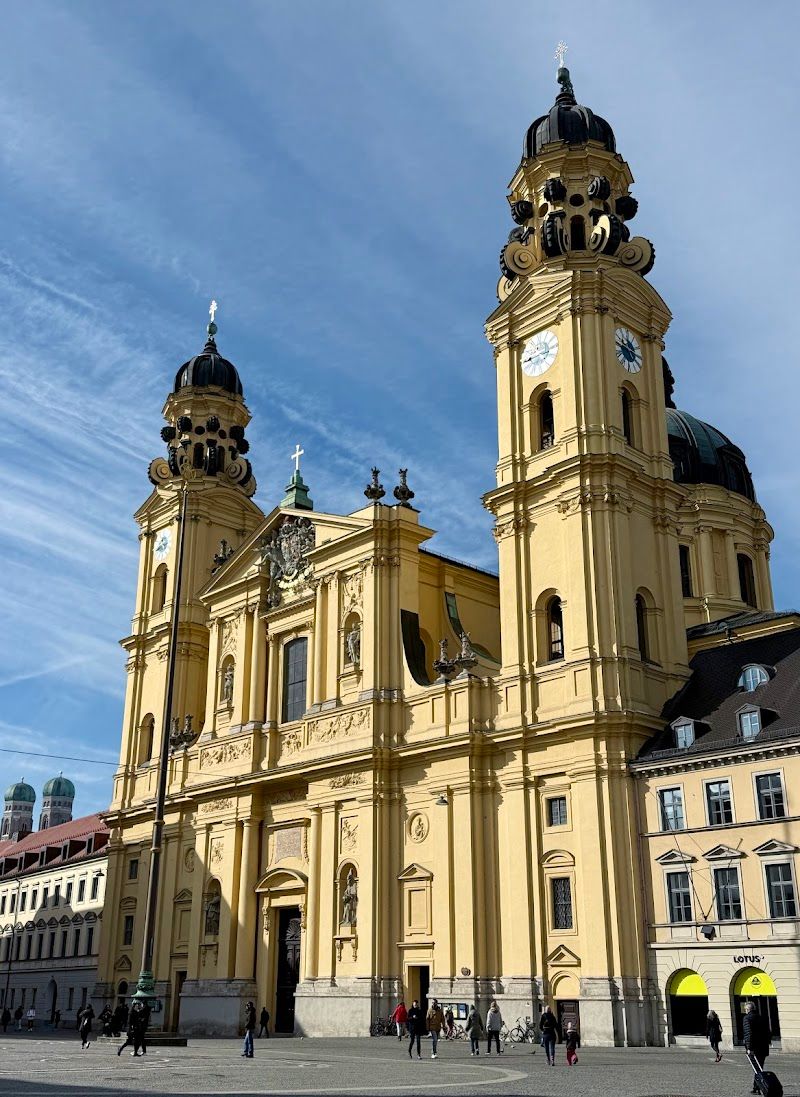
This yellow baroque church dominates Odeonsplatz with its twin domed towers and distinctly Italian architecture, built to celebrate a Bavarian prince's birth in 1663. The Wittelsbachs chose it as their burial church, and the contrast between the sunny exterior and pristine white interior creates Munich's most Mediterranean atmosphere. You'll find elaborate Rococo decoration, soaring arches, and a sense of royal grandeur that feels transported from Rome. Walking inside feels like entering a different country entirely. The white walls and ornate gilding catch natural light beautifully, especially in morning hours when sun streams through tall windows. The space stays refreshingly cool even in summer, and the acoustic qualities make even whispered conversations carry across the nave. Tourist groups tend to cluster near the entrance, but the side chapels offer quiet spots for reflection. Most guides don't mention that this church works better as a quick stop rather than a destination. Fifteen minutes covers everything unless you're specifically interested in baroque architecture details. The crypt tours cost around 5 EUR but only run sporadically, so don't plan your visit around them. Skip the paid guidebooks at the entrance and just enjoy the visual impact.
Christkindlmarkt Marienplatz
Munich's largest Christmas market takes over the entire Marienplatz from late November through Christmas Eve, transforming the square beneath the Gothic Rathaus into a maze of 140+ wooden stalls. You'll find everything from hand-carved nativity scenes and wool mittens to massive pretzels and roasted chestnuts, plus the obligatory glühwein served in collectible mugs. The market extends beyond the main square into Rindermarkt and even the Residenz courtyards, creating multiple zones to explore. The atmosphere shifts dramatically throughout the day. Mornings feel almost serene as vendors set up and locals grab coffee before work, but by afternoon tour groups descend and the narrow aisles become shoulder-to-shoulder chaos. The scent of cinnamon and roasted almonds fills the air while the Rathaus bells chime overhead every 15 minutes. Evening brings twinkling lights and even thicker crowds, especially on weekends when families with strollers make navigation nearly impossible. Honestly, this market trades heavily on location rather than authenticity. Glühwein costs €4 to €6 per mug (€3 deposit), same as everywhere else, but you'll wait 10 minutes just to order. Half the stalls sell identical mass-produced ornaments, and many vendors aren't even German. The lebkuchen is decent but overpriced at €8 for a small tin. If you're here for photos of the Rathaus backdrop, come before 11am or accept that you'll be fighting crowds for every shot.
Isartor
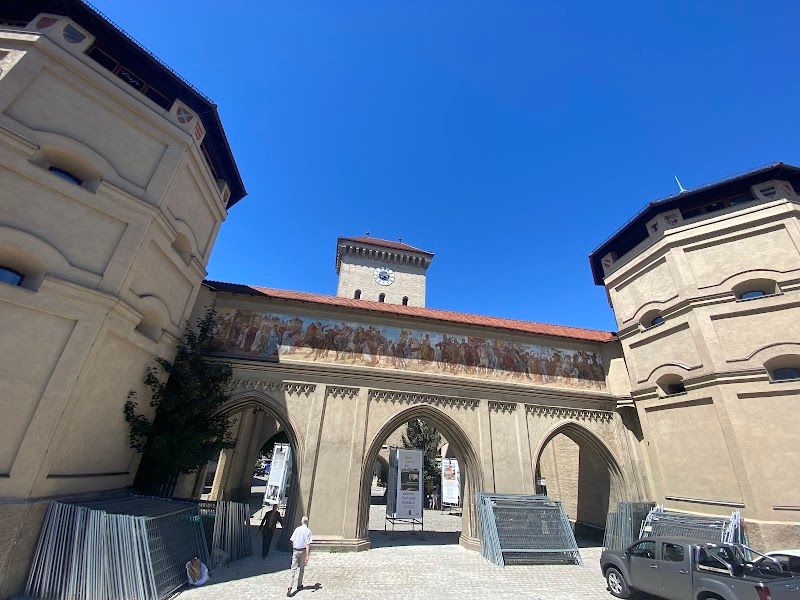
Isartor stands as Munich's last surviving eastern gate, built in 1337 when medieval walls protected the city. You'll find the quirky Valentin-Karlstadt-Museum inside, dedicated to Munich's beloved comedian Karl Valentin whose absurdist humor defined the city's wit. The tower's exterior displays original 14th-century frescoes depicting the 1322 Battle of Ampfing, where Bavarian forces defeated their Austrian enemies. The museum feels like stepping into Valentin's eccentric mind, crammed with his handmade musical instruments, bizarre props, and wordplay-heavy sketches. You'll wander through small rooms filled with his typewriters, carnival masks, and surreal inventions while German audio clips play his rapid-fire comedy routines. The medieval tower setting adds unexpected charm to this celebration of Munich's most famous funny man. Most visitors skip this place entirely, which is their loss if you speak German or appreciate visual absurdity. The museum costs EUR 5 and accepts cash only, so come prepared. The exterior frescoes are free to admire and actually more impressive than many realize. Skip this if you're pressed for time and don't understand German, but comedy fans will find Valentin's genius transcends language barriers.
Where to Eat
Restaurants and cafes in Altstadt (Old Town)
Glockenbach
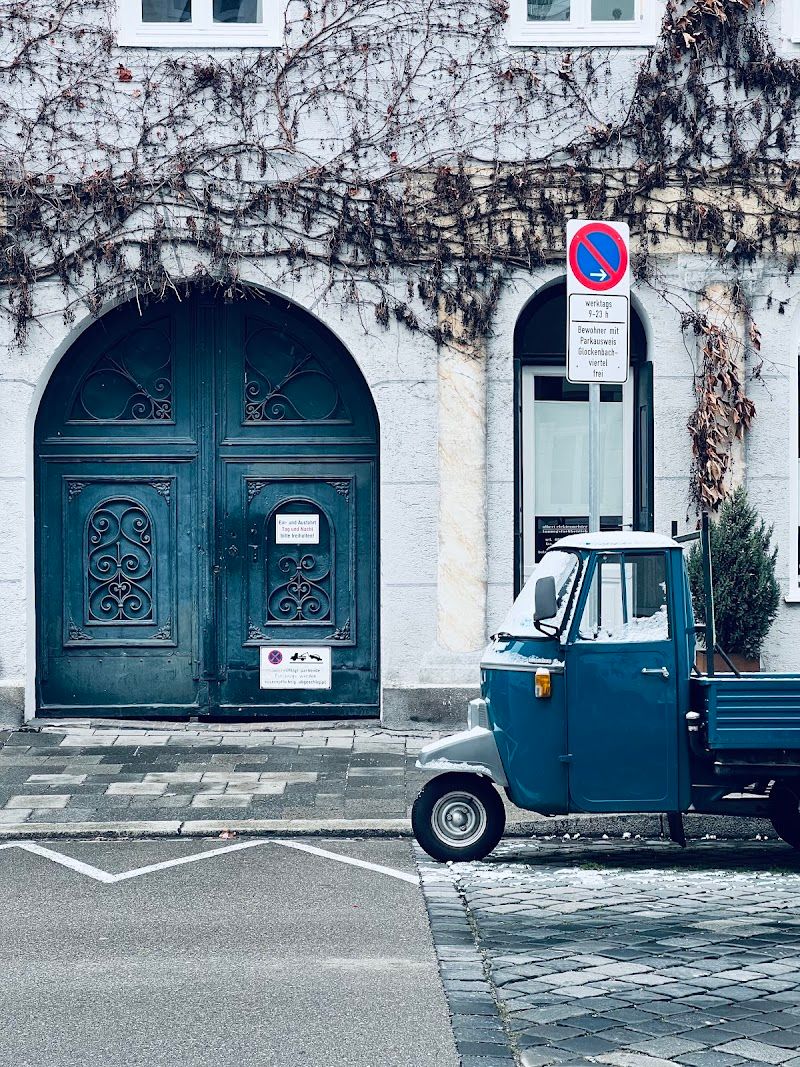
RestaurantGlockenbach transforms traditional Bavarian cooking through French technique and obsessive sourcing from local farms and Alpine lakes. Chef Moritz Kallmeyer changes his menu weekly but always delivers refined versions of regional classics: his Sauerbraten gets a red wine reduction that would make Lyon chefs jealous, while his whole trout comes from Tegernsee with herbs you've never heard of. The open kitchen dominates this stripped-down space where Munich's finance and media crowd eats after 8pm, avoiding the lederhosen circus entirely. You'll watch Kallmeyer's team plate dishes with tweezers while conversations flow in rapid-fire German around marble-topped tables. The atmosphere runs serious but not stuffy: think Berlin minimalism meets Michelin ambition. Service moves efficiently through five or six courses, with sommeliers explaining natural wines between dishes. The room fills with professionals who actually live here, not tourists seeking schnitzel Instagram moments. Most food guides miss this place completely, which keeps tables available for walk-ins before 7pm. Expect EUR 65-85 per person with wine, but skip the tasting menu and order à la carte for better value. The Sauerbraten costs EUR 28 and easily feeds two people, while their fish dishes run EUR 24-32. Book two days ahead for Friday and Saturday nights, or arrive at 6pm sharp for counter seating.
Schneider Bräuhaus
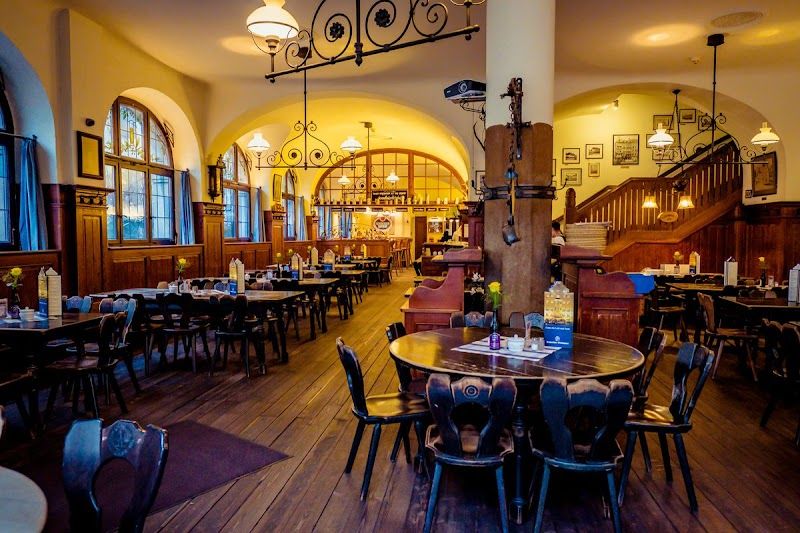
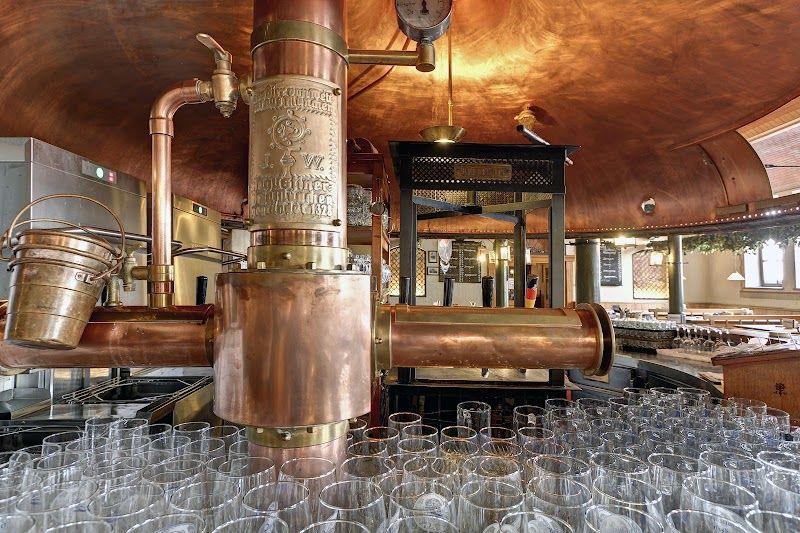
RestaurantThis is the Munich flagship of Schneider, Bavaria's oldest wheat beer brewery, where you can drink their legendary Weisse Tap 7 while watching actual brewing happen behind floor-to-ceiling glass windows. The copper kettles gleam under industrial lighting, creating a modern beer hall that feels more Brooklyn than traditional Bavaria. Their five-course beer pairing menu (around €65) matches each wheat beer style with dishes designed specifically for those flavors, not just thrown together. You'll sit at long wooden tables surrounded by copper pipes and brewing equipment, with servers who actually understand the difference between their eight tap beers. The atmosphere splits the difference between beer hall gemütlichkeit and modern gastronomy. The open kitchen works in sync with the brewing schedule, so your Aventinus Weissbock arrives precisely as your venison is plated. The whole experience feels choreographed without being stuffy. Most people order the wrong beer for their food. Skip the standard schnitzel and go for dishes that actually complement wheat beer's complexity. The pretzel soup with Tap 5 Mein Hopfen-Weisse (€4.50 beer, €8.50 soup) is brilliant, but avoid the overpriced Weisswurst at €14. Come between 6-8pm when brewing activity is highest and you can smell the hops. The beer menu explanations are genuinely helpful, not just marketing fluff.
Spatenhaus an der Oper
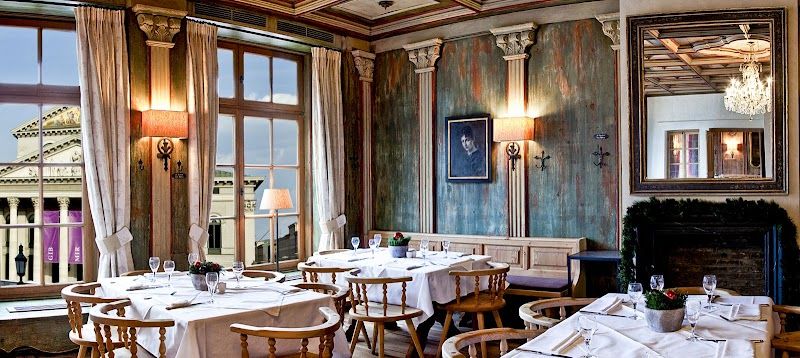
RestaurantSpatenhaus serves refined Bavarian classics in what feels like dining inside an opera house itself. The neo-baroque dining room, unchanged since 1896, features hand-painted ceiling frescoes and crystal chandeliers that catch the light from the floor-to-ceiling windows facing the Nationaltheater. You're here for dishes like their exceptional Tafelspitz (boiled beef with horseradish, €28) and Wiener Schnitzel vom Kalb (€32) that's pounded thin and golden-crusted to perfection. The white-gloved service moves with theatrical precision, especially during pre-opera hours when servers know exactly when to bring your next course. The dining room hums with conversations in multiple languages, opera-goers checking their watches, and the soft clink of proper crystal stemware. Window tables offer direct views of the illuminated theater facade, while the back rooms feel more intimate with their dark wood paneling and warm lamplight. Most guidebooks oversell the "authentic Bavarian" angle, but this is really about elevated Austrian-German cuisine at Munich prices. Skip the tourist-packed lunch service and book for dinner around 6 PM if you want the full experience without rushing. The wine list leans heavily German and Austrian (bottles start around €35), though their house Spaten beer (€4.80) pairs perfectly with the schnitzel. Service can feel stiff if you're underdressed.
Wirtshaus in der Au
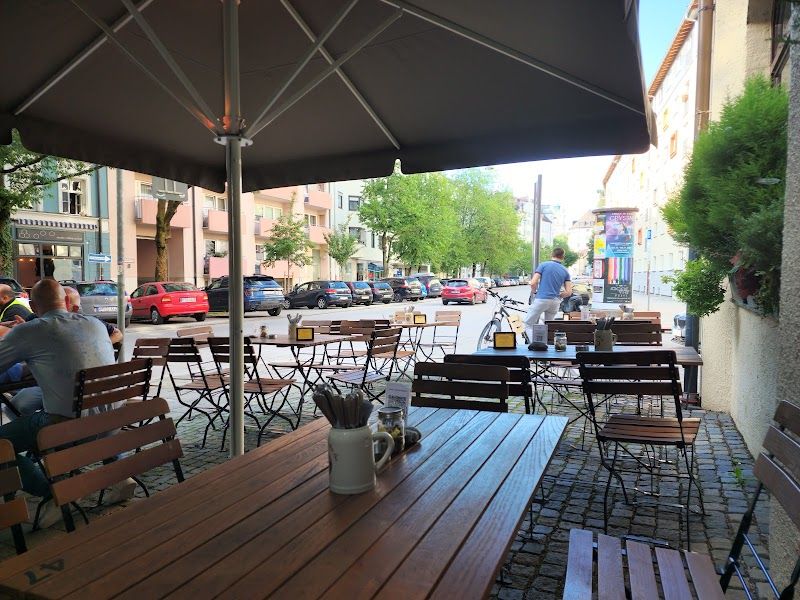
RestaurantWirtshaus in der Au delivers the kind of traditional Bavarian cooking that locals have been coming for since 1901, serving hefty portions of Schweinebraten with crackling so perfect it shatters, alongside four varieties of house-made Knödel. The wood-paneled rooms feel authentically old Munich, not tourist-themed, with a massive ceramic-tiled Kachelofen stove that actually heats the place in winter. You'll find seasonal game dishes like venison goulash and fresh fish specials that rotate based on what the kitchen sources that week. Inside, the atmosphere strikes the perfect balance between cozy neighborhood tavern and serious dining room, with locals at half the tables and visitors at the others. Service runs traditionally formal but friendly, and your server will guide you through Knödel options if you're unfamiliar. The Schweinebraten arrives with a crackling sound as they set it down, accompanied by sauerkraut that's tangy without being aggressive and gravy that's clearly made from proper pan drippings. Most guides place this in Au district, but it's technically on the Altstadt border, easily walkable from Marienplatz in 12 minutes. Main dishes run €16-24, which feels reasonable given the generous portions and quality. Skip the tourist-heavy beer halls if you want authentic Bavarian food without the performance, this place focuses on cooking rather than entertainment. The Sauerbraten needs 24 hours notice, so call ahead if that's your goal.
Schmalznudel - Café Frischhut
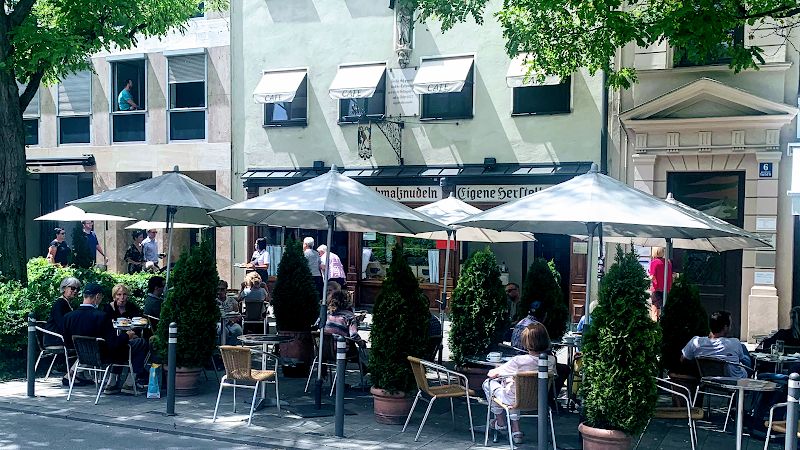
RestaurantSchmalznudel Café Frischhut is Munich's tiniest bakery institution, a six-table corner spot that's been frying the same sugar-dusted doughnuts in beef tallow since 1973. You'll smell the frying oil from Prälat-Zistl-Straße as workers pull golden Schmalznudel from century-old cast iron pans every few minutes. The menu is laughably simple: fresh doughnuts at €1.20 each, coffee, and absolutely nothing else. The experience is purely functional yet oddly charming. You'll join a queue of market vendors, office workers, and the occasional tourist, all waiting for pastries that emerge crackling hot from the oil. The six cramped tables fill immediately, so most people eat standing outside or walking toward Viktualienmarkt. The Schmalznudel taste like childhood fairground doughnuts but better: crispy exterior giving way to soft, slightly chewy interior with just enough sweetness. Most food blogs overhype this place as some profound Munich experience, but it's simply very good doughnuts made the same way for 50 years. The morning queue moves fast despite looking intimidating. Skip the afternoon rush when tour groups discover it: the pastries are identical at 7 AM or 3 PM, but you'll actually taste them while they're hot instead of lukewarm.
Tushita Teehaus
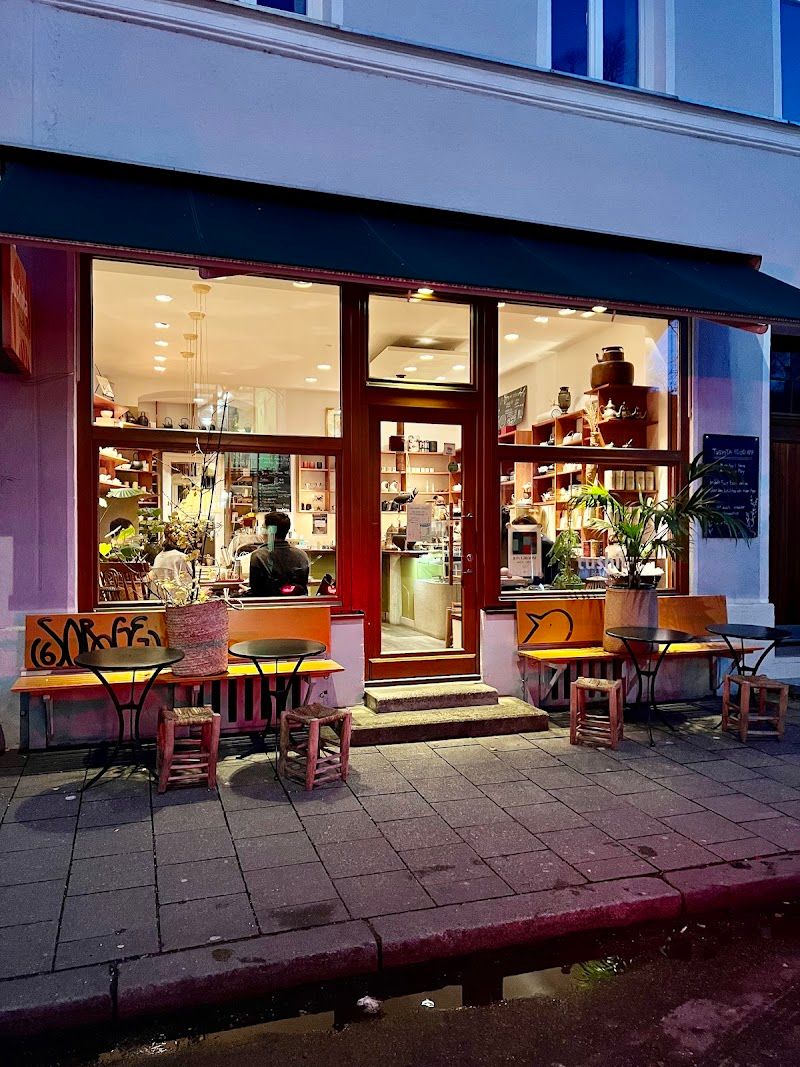
CafeTushita Teehaus sits at the edge of the English Garden in Schwabing, serving as Munich's most serious tea destination. You'll find over 60 loose-leaf varieties from single-estate Darjeelings to aged pu-erhs, with pots ranging from EUR 4.50 for basic green teas to EUR 8 for premium oolongs. The staff actually know their tea origins and brewing methods, making this a proper tea house rather than a coffee shop with tea as an afterthought. The real magic happens in the back garden, where chestnut trees create natural shade over wooden tables and benches. Inside feels cramped with just six small tables, but the outdoor courtyard transforms completely in good weather. You'll hear birds from the nearby English Garden instead of traffic, and the space feels genuinely peaceful despite being steps from busy Leopoldstraße. The ritual here moves slowly: tea arrives in proper ceramic pots with timers, and you're expected to linger. Most visitors order the house blend (EUR 4.50) and miss the point entirely. Go for something you can't get elsewhere, like the smoky Lapsang Souchong (EUR 6) or the floral Tie Guan Yin oolong (EUR 7.50). The cake selection looks tempting but tastes unremarkable, stick to tea and maybe their homemade cookies. Summer afternoons get crowded with English Garden spillover, so mornings offer the most serene experience.
Nightlife
Bars and nightlife in Altstadt (Old Town)
Hofbräuhaus
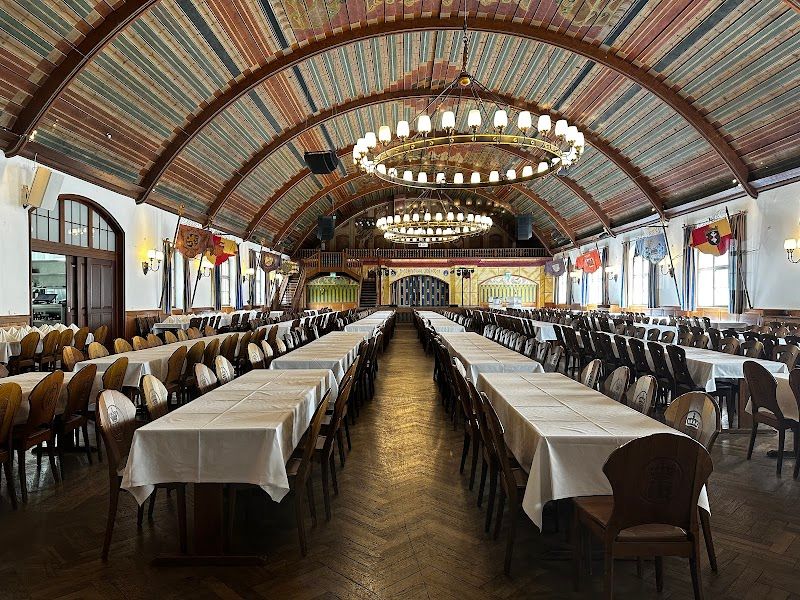
NightlifeThe Hofbräuhaus is Munich's most famous beer hall, a cavernous three-story temple to Bavarian drinking culture that's been pouring beer since 1589. You'll find it on Platzl square, where tourists and locals pack into wooden benches at long shared tables, downing liter steins of Hofbräu Original while a brass band plays traditional folk music. The ground floor Schwemme holds 1,300 people and serves 10,000 liters daily during Oktoberfest, making it one of the world's most productive beer dispensaries. Walking into the main hall feels like entering a beer-soaked cathedral: vaulted ceilings, wooden tables scarred by decades of steins, and the constant din of conversation in twenty languages. Servers in dirndls weave through the crowds carrying impossible numbers of full Maß glasses, while the brass band launches into yet another rendition of traditional Bavarian songs around 7 PM. The atmosphere gets progressively louder and more festive as the evening progresses, with spontaneous singing and table-tapping becoming the norm. Yes, it's touristy, but it's also genuinely authentic in a way that surprises many visitors. A Maß costs EUR 11-13, which is reasonable for the experience and location. Skip the upper floors unless you want quiet dining, the ground floor Schwemme is where the real action happens. The schweinshaxe (pork knuckle) for EUR 18-25 is massive and perfect for sharing, though the weisswurst before noon is more traditional.
Augustiner Bräustuben
NightlifeAugustiner Bräustuben is the real deal: a brewery taphouse attached directly to Munich's oldest working brewery, where locals drink unpasteurized Augustiner straight from wooden barrels. You'll sit at long shared tables in a no-frills Schwemme hall that hasn't changed much since the 1800s, surrounded by Müncheners who consider this the city's most authentic beer experience. The atmosphere is pure Munich: waitresses in dirndls carry armloads of Maß steins, conversation flows in rapid Bavarian, and tourists are genuinely rare. The moment you walk in, you're hit by the smell of hops and hearty Bavarian cooking. You'll squeeze onto wooden benches next to construction workers, retirees, and office employees all united by excellent beer. The hall gets loud and smoky (yes, people still smoke here), with that particular energy of a place where regulars have been coming for decades. Servers move fast and speak minimal English, so pointing at other tables' food works better than trying to translate the German-only menu. Most beer halls in Munich cater to tourists, but Augustiner Bräustuben actively ignores them. A Maß costs EUR 9 to 10, the Schweinsbraten with dumplings runs about EUR 16, and you'll need cash since card machines fail constantly. Come before 6pm on weeknights to avoid the rush, or embrace the chaos and squeeze in wherever there's space. Skip the touristy Hofbräuhaus entirely and come here instead.
Paulaner am Nockherberg
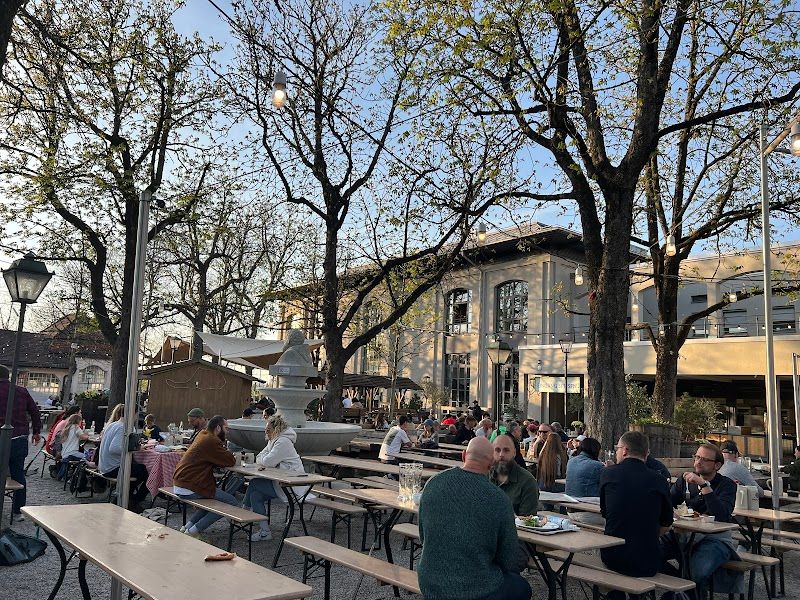
NightlifePaulaner am Nockherberg sits on a hill southeast of Munich's center, serving as the original brewery taphouse where Paulaner's famous Salvator doppelbock was first served to monks. You'll drink the same 7.9% ABV beer that's been brewed here since 1629, plus the full Paulaner lineup in a genuine Bavarian setting that feels more authentic than most tourist beer halls. The massive beer garden holds 2,500 people in summer, and the terrace offers proper Munich skyline views. The atmosphere changes dramatically with the seasons. During March's Starkbierfest, the place turns rowdy with locals downing strong Salvator while politicians get roasted at the legendary Politiker-Derblecken events. Summer evenings are mellower, with families and couples claiming spots in the sprawling beer garden under chestnut trees. The indoor restaurant serves proper Bavarian plates like schweinshaxe and schnitzel, not the watered-down versions you'll find downtown. Most guides don't mention that a Maß costs EUR 9.50 here, which is actually reasonable for Munich. Skip the indoor dining unless it's raining, the beer garden and terrace are the real draws. The Starkbierfest gets packed and requires advance booking, but it's worth experiencing once if you can handle seriously strong beer. Come hungry, the portions are enormous and sharing plates makes financial sense.
Getting Here
Insider Tips
Glockenspiel timing
Shows at 11 AM and 12 PM daily, plus 5 PM May to October. Each show runs 12-15 minutes. Arrive 5 minutes early - by 10:55 AM the square holds several hundred people and finding a clear sight line to the figures becomes harder. Stand to the right (east) side of the square for the best angle on the carved tower. Free, no booking.
Frauenkirche tower vs New Town Hall tower
Frauenkirche south tower (EUR 7) is the higher of the two viewpoints (99m vs 85m) and gives a wider Alpine-day panorama (you can see the Alps on a clear day). New Town Hall tower (EUR 6, lift only) gives a closer view of Marienplatz itself. If you only do one, Frauenkirche. Both close in poor weather; check before paying.
Hofbräuhaus etiquette
The huge ground floor (Schwemme) is shared-table casual seating; just sit down where there's space. Order a Maß (litre) for EUR 11-13. The Bratwurst plate or Schweinshaxe (pork knuckle) are reliable mains EUR 18-25. The brass band starts ~7 PM weeknights, ~6 PM weekends. Tipping 10% in cash. The upstairs Festsaal is for booked groups only. Closed Christmas Eve and Christmas Day; otherwise open daily 11 AM - midnight.
Nearby Neighborhoods
Continue exploring
Maxvorstadt (Museum Quarter)
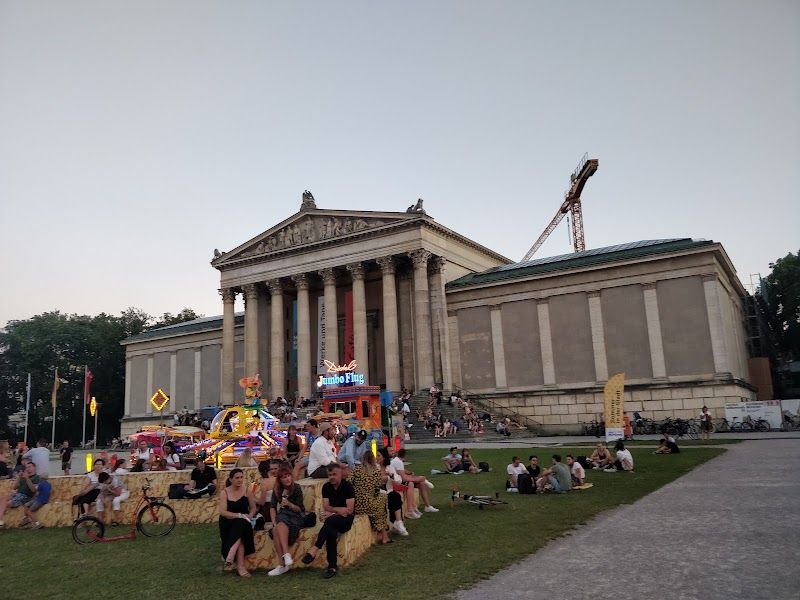
The university and museum quarter just north-west of the old town: three Pinakothek museums covering Alte (Old Masters), Neue (19th-century, currently closed for renovation), and Moderne (20th-21st century), plus the Brandhorst, Glyptothek, and Lenbachhaus. Student energy from LMU and TUM, independent cafes and bookshops, and the Königsplatz neoclassical square as the architectural anchor.
Schwabing & Englischer Garten
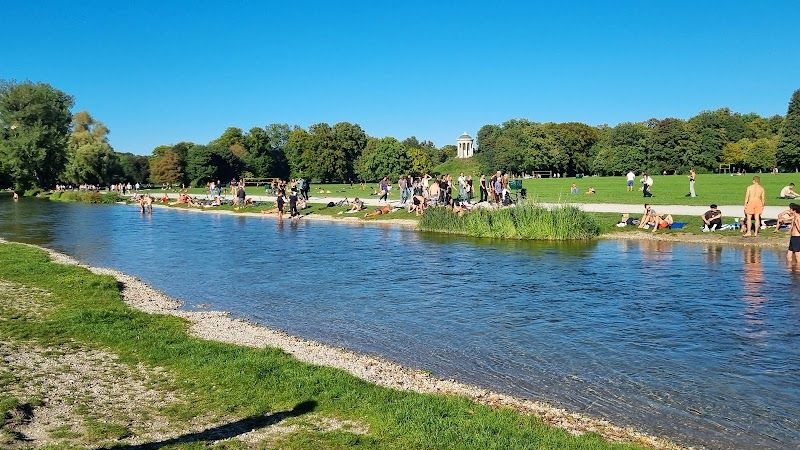
Schwabing is the historic bohemian / student quarter of Munich, north of Maxvorstadt: independent bookshops, cafes, and brunch spots cluster around Türkenstraße and Hohenzollernstraße. The Englischer Garten - at 4 sq km, larger than Central Park - anchors the whole district to the east, with the Eisbach surfers at the south end, the Chinesischer Turm beer garden in the middle, and the Kleinhesseloher See lake to the north.
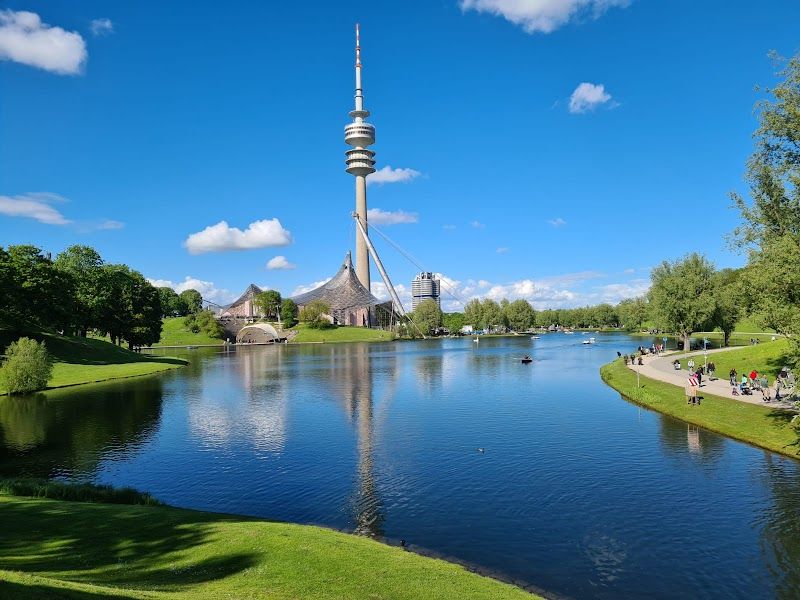
Olympiapark & Nymphenburg
The western Munich axis: Olympiapark with the 1972 architecture (the iconic tent-canopy roof), the Olympiaturm viewpoint, BMW Welt and the BMW Museum next door, plus a 15-minute U-Bahn ride south to the Nymphenburg Palace summer residence with its formal gardens. Touristy but architecturally and culturally substantial.
Related Articles

What to Eat in Munich: 15 Foods You Can't Leave Without Trying
Munich's food scene runs deeper than beer hall clichés. Master weisswurst etiquette, find the city's best spätzle, and discover why locals skip touristy schnitzel joints.
Munich With Kids: 15 Family Activities That Keep Everyone Happy
Munich delivers family fun beyond fairy-tale castles. These 15 activities work for toddlers through teens, with specific transport routes and timing advice.
Plan a trip featuring Altstadt (Old Town)
Get a personalized Munich itinerary with Altstadt (Old Town) built in.
Start Planning