Munich
Maxvorstadt (Museum Quarter)
The university and museum quarter just north-west of the old town: three Pinakothek museums covering Alte (Old Masters), Neue (19th-century, currently closed for renovation), and Moderne (20th-21st century), plus the Brandhorst, Glyptothek, and Lenbachhaus. Student energy from LMU and TUM, independent cafes and bookshops, and the Königsplatz neoclassical square as the architectural anchor.
About Maxvorstadt (Museum Quarter)
Maxvorstadt sits north of the Hauptbahnhof and west of Schwabing, anchored by the LMU university campus and the museum quarter (Kunstareal). The cluster of museums on a 5-minute-walk patch is the densest concentration of art in Germany after Berlin's Museum Island. The Alte Pinakothek (entry EUR 7, free Sundays EUR 1, allow 2-3 hours) holds 700+ European old-master paintings - Dürer, Cranach, Rubens, Van Dyck, and the largest Rubens collection outside Russia (the Great Last Judgment, 6 metres tall). Architecturally, Leo von Klenze's 1836 building was the first dedicated public art museum in Europe.
The Pinakothek der Moderne (EUR 10, allow 2 hours) covers 20th-century painting, design, architecture, and graphic art under one roof - Klee, Picasso, Beuys, Bauhaus furniture, the German Expressionists, plus the design collection that runs Apple Macintosh history alongside Eames chairs. The Brandhorst, two doors down, is the contemporary post-1960 specialist (EUR 7) - Cy Twombly's 12 Lepanto paintings hang in a single dedicated hall. The Neue Pinakothek (19th-century German Romantic and French Impressionist) is closed for major renovation through at least 2027; the most important works are temporarily rotating into the Alte Pinakothek and Sammlung Schack.
Königsplatz, three blocks south, is the neoclassical Hellenic-revival square: the Propylaea on the west side (a Brandenburg-Gate-style arch that wasn't Brandenburg), the Glyptothek (EUR 6, Greek and Roman sculpture, the world's only museum dedicated solely to ancient sculpture in dedicated galleries), and the Staatliche Antikensammlungen (EUR 6, Greek vases and bronze, often combined-ticketed with the Glyptothek). The Lenbachhaus (EUR 10), a yellow Tuscan-villa-style building near the Pinakothek cluster, is famous for its Blaue Reiter collection - the world's most important Kandinsky / Marc / Münter / Klee group.
For visitors: Maxvorstadt is the best museum-day base, with cheaper hotels than the Altstadt and 10-15 minute walk to Marienplatz. Museum tickets are reasonably cheap (EUR 7-10 each); the Tageskarte Pinakotheken combo ticket (EUR 12 for all three Pinakothek museums + Brandhorst on the same day) saves about 30%. Most museums closed Mondays.
Things to Do
Top experiences in Maxvorstadt (Museum Quarter)
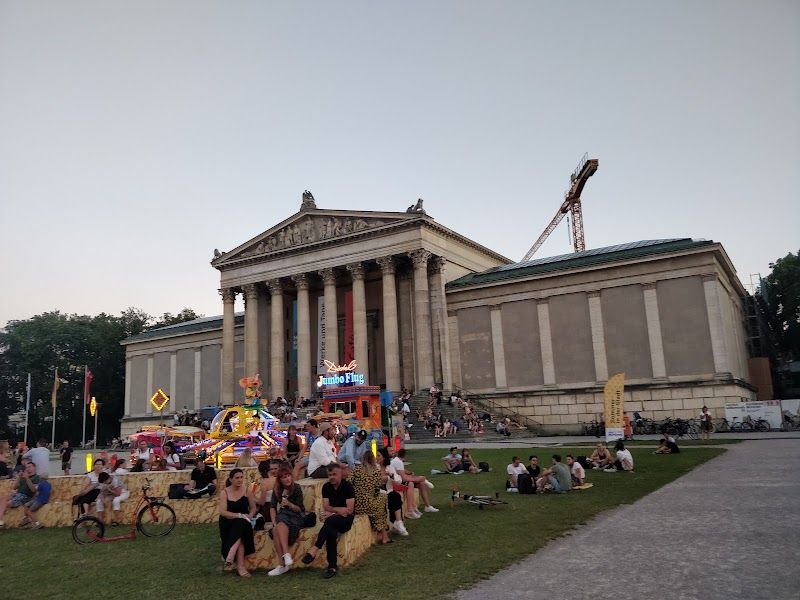
Königsplatz
Königsplatz is Ludwig I's answer to Athens' Acropolis, a perfectly proportioned neoclassical square built in the 1820s that puts most European royal squares to shame. You're looking at three major buildings: the Glyptothek (ancient sculptures), the Antikensammlungen (Greek and Roman artifacts), and the imposing Propylaea gate with its Doric columns that frames the entire western end. The square itself is free to wander, though museum admission runs about 6 EUR each. Walking into Königsplatz feels like stepping onto a film set of ancient Greece, except everything's pristinely maintained German-style. The massive stone plaza stretches between the museums with geometric precision, while locals sprawl on the surrounding grass areas reading books or having lunch. The Propylaea gate dominates your view as you approach from the east, its columns creating dramatic shadows that shift throughout the day. You'll hear more German than English here, which tells you something about how tourists miss this place. Most guides oversell the museums unless you're genuinely into ancient artifacts. The square's real appeal is architectural, best appreciated by walking the full perimeter and sitting on the steps for perspective. Skip both museums if you're pressed for time and budget, the exterior views deliver 80% of the experience. Come mid-morning when the light hits the Propylaea perfectly and before the afternoon tour groups arrive.
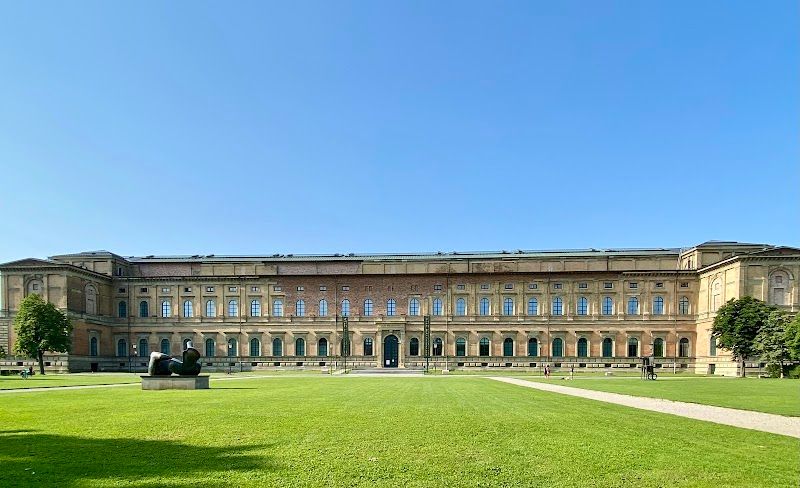
Alte Pinakothek
The Alte Pinakothek houses one of Europe's finest old master collections in a restored 19th-century building that pioneered the concept of public art museums. You'll find over 700 paintings spanning four centuries, with the world's second-largest Rubens collection (including his massive 6-meter Great Last Judgment), exceptional Dürer works, and comprehensive Dutch Golden Age pieces. The building itself tells a story: bombed sections were deliberately rebuilt in plain brick during 1950s restoration, creating a striking contrast with the original ornate facades. Walking through feels like a chronological journey through European painting mastery. The German Renaissance rooms showcase Dürer's penetrating self-portraits and Cranach's court paintings, while the Flemish galleries explode with Rubens' dynamic compositions and Van Dyck's elegant portraits. The Dutch rooms offer intimate Rembrandt portraits and Ruisdael landscapes. The building's war-damaged sections, now rebuilt in simple brick, create an unexpectedly moving backdrop to these timeless works. Most visitors underestimate how much time they need here. Three hours minimum if you're serious about art, though you could easily spend a full day. Skip the Spanish section if you're pressed for time, it's decent but not the main draw. Sundays cost only EUR 1 but expect crowds, weekday mornings are ideal. The audio guide at EUR 4.50 is genuinely excellent, especially for the Rubens rooms where the historical context transforms your understanding.
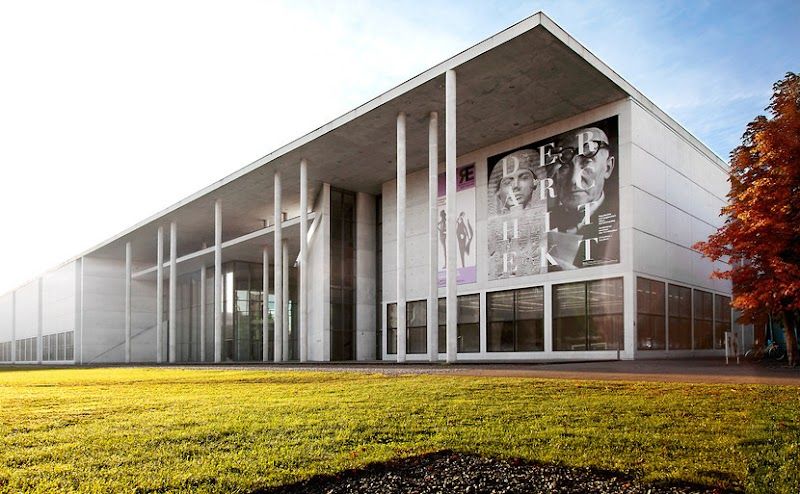
Pinakothek der Moderne
The Pinakothek der Moderne houses four distinct collections under Stephan Braunfels' concrete and glass roof: 20th century art (Picasso, Klee, German Expressionists), design (Bauhaus furniture, Eames chairs, early Apple computers), architecture (original drawings and models), and rotating graphic arts exhibitions. You'll spend most of your time with paintings and sculptures on the upper floors, but the design collection on the ground level consistently surprises visitors who came expecting only fine art. The building itself feels spacious and bright, with natural light flooding the central rotunda. You enter through the main hall where a curved staircase spirals upward toward the art galleries. The flow works well: start upstairs with classics like Kandinsky and Picasso, then work down to the design floor where you'll find everything from 1920s Bauhaus prototypes to the evolution of the computer mouse. Tuesday evenings after 6 PM offer the quietest experience, when most tour groups have departed. The architecture section appeals mainly to specialists, but Le Corbusier's original sketches are genuinely fascinating. Most visitors underestimate how engaging the design collection becomes. Skip the architecture section unless you're genuinely interested in technical drawings, and don't feel obligated to see every painting upstairs. At EUR 10 (just EUR 1 on Sundays), it's reasonable value, though the Alte Pinakothek next door offers more masterpieces per euro. Plan two hours if you want to see everything properly.
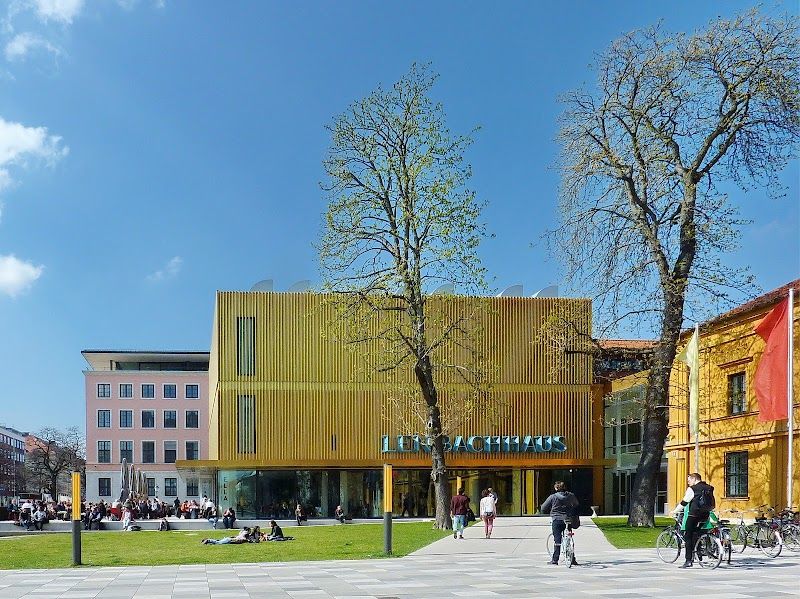
Lenbachhaus
This golden Tuscan villa houses the world's finest collection of Blaue Reiter artworks, the revolutionary Munich art movement that changed modern painting forever. You'll see Kandinsky's explosive color experiments, Franz Marc's mystical blue horses, Gabriele Münter's bold portraits, and Paul Klee's whimsical abstractions spread across 50 rooms. The collection chronicles how Munich became the epicenter of early modernism, with works spanning from 1900 to 1920 when these artists were literally inventing new ways to paint. The experience flows beautifully from the original villa's intimate rooms into Foster + Partners' sleek contemporary annex. Each gallery feels deliberately curated, not overwhelming like many major museums. The lighting is exceptional, especially for Kandinsky's later abstractions where you can see individual brushstrokes. You'll spend most of your time in quiet contemplation since this isn't a tourist magnet like the Pinakotheks nearby. The glass atrium connecting old and new architecture creates a perfect pause between sections. Most guides don't mention that the contemporary art in the new wing is hit or miss compared to the guaranteed masterpieces in the villa. Skip the temporary exhibitions unless you're specifically interested, they're often overpriced add ons. The EUR 10 admission is genuinely good value for what you see. Sunday's EUR 1 entry is Munich's best museum bargain, just arrive early since locals know this secret too.
NS-Dokumentationszentrum München
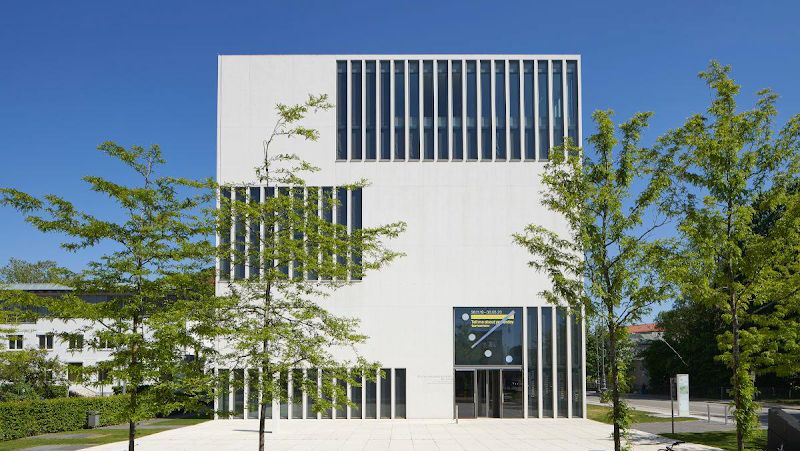
This stark white cube houses Germany's most unflinching examination of how Munich became the birthplace of the Nazi movement. Four floors of original documents, photographs, and film footage trace the path from Hitler's failed 1923 Beer Hall Putsch to the city becoming the party's headquarters. You'll see propaganda posters, personal letters from perpetrators, and harrowing testimony from survivors across 34 themed rooms. The experience feels deliberately clinical and overwhelming in the best possible way. Each floor builds chronologically, starting with Munich's post-WWI chaos and ending with liberation and aftermath. The exhibits don't shy away from showing ordinary citizens' complicity, with voting maps and membership records that make clear how widespread support became. Audio testimonies play throughout, creating an atmosphere that's respectfully somber without being exploitative. Most visitors rush through the early floors, but the first two rooms explaining Munich's specific role are crucial context for everything that follows. The EUR 5 admission is almost insultingly cheap for this quality of curation. Skip the gift shop entirely, but don't miss the small memorial room on the ground floor that most people walk past. Plan at least two hours, though you could easily spend half a day here.
Museum Brandhorst
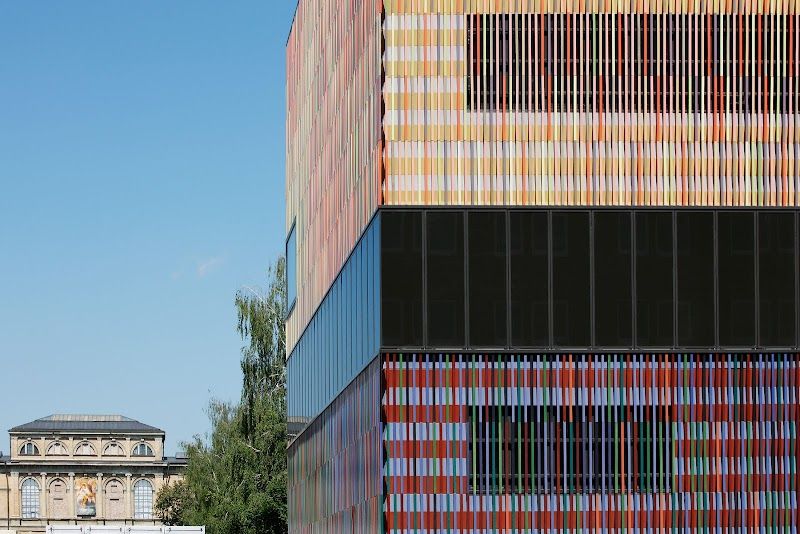
Museum Brandhorst houses Europe's most impressive collection of contemporary art inside a building wrapped in 36,000 multicolored ceramic tubes that shift from blue to green depending on your angle. You're here for the Cy Twombly collection, particularly the 12 massive Lepanto paintings that fill an entire room on the top floor, plus significant works by Warhol, Koons, and Damien Hirst. The building itself, designed by Sauerbruch Hutton, is as much an artwork as what's inside. The visit flows upward through three floors, starting with rotating exhibitions on the ground level before ascending to the permanent collection. The Twombly room on the top floor is the clear highlight: massive canvases depicting the 1571 naval battle create an immersive experience that feels more like standing inside a painting than viewing one. The space gets natural light that transforms the works throughout the day, while other galleries showcase everything from Warhol's screen prints to Jeff Koons' reflective sculptures. Most guides don't mention that Sunday admission drops to just €1 instead of the usual €7, making it Munich's best museum bargain. Skip the ground floor temporary exhibitions unless something specific draws you, they're often less compelling than the permanent collection upstairs. The museum is compact enough to see everything worthwhile in 90 minutes, but give yourself extra time in the Twombly room where most visitors rush through too quickly.
Glyptothek
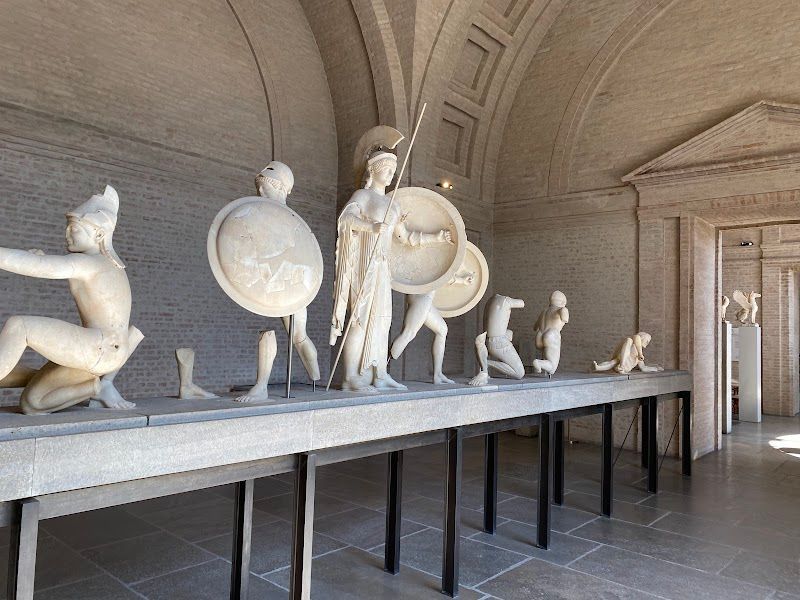
The Glyptothek houses the world's only collection devoted exclusively to ancient Greek and Roman sculpture, displayed in a stunning neoclassical temple that King Ludwig I built in 1830 for his personal antiquities obsession. You'll come face to face with masterpieces like the haunting Barberini Faun, perfectly preserved kouros statues, and busts of Roman emperors whose marble eyes seem to follow you around the galleries. The building itself is part of the experience: its classical columns and vaulted ceilings create an almost sacred atmosphere that makes these 2,500 year old works feel immediate and alive. Walking through the Glyptothek feels like visiting a wealthy collector's private mansion rather than a typical museum. The sculptures are arranged in spacious galleries with dramatic natural lighting that changes throughout the day, casting different shadows across marble faces and bodies. You'll have the pieces largely to yourself, especially on weekday mornings when the galleries echo with footsteps and whispered conversations. The central courtyard with its reflecting pool offers a peaceful break between rooms, and you can actually sit and contemplate individual works without crowds pushing past. Most guides oversell the EUR 9 combo ticket with the neighboring Antikensammlungen, but honestly, after 90 minutes with these incredible sculptures, you'll be saturated. The Sunday EUR 1 admission is genuinely worth planning around. Skip the audio guide at EUR 4 and instead focus on the Barberini Faun in Room II and the Archaic Greek sculptures in Rooms I and III, which are far more compelling than the later Roman portrait busts that fill the remaining spaces.
Elisabethmarkt
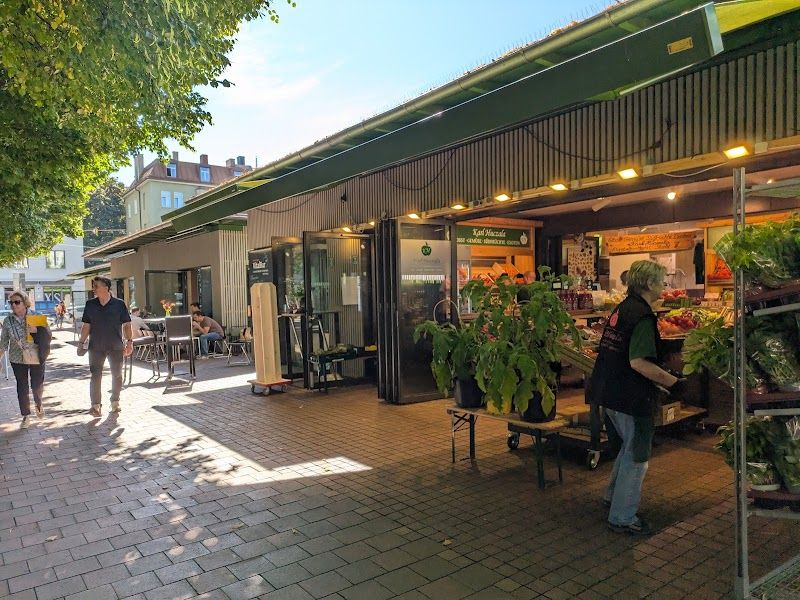
Elisabethmarkt sits on a tree-lined square in Schwabing, serving as the neighborhood's morning food hub since 1903. You'll find about a dozen stalls selling fresh produce, artisanal cheeses, crusty bread, and seasonal flowers to locals doing their daily shopping. The market caters to Schwabing's mix of students, young professionals, and long-time residents who prefer this intimate setup over the tourist-heavy Viktualienmarkt downtown. The atmosphere feels genuinely local, with vendors calling out greetings to regular customers and offering tastes of new cheeses or seasonal fruits. You'll hear a mix of Bavarian dialect and international accents as Schwabing's diverse community does their morning shopping. The lunch counters serve simple, satisfying meals: currywurst with bread for EUR 6, creamy käsespätzle for EUR 7, or daily soup specials around EUR 5. Most visitors browse for 20 minutes, though you could easily spend longer chatting with friendly vendors. Most travel guides barely mention this market, which keeps it refreshingly authentic. The produce quality rivals upscale supermarkets at better prices, and the bread stalls sell out of the best loaves by 10am. Don't expect extensive variety like larger markets, but what's here is carefully curated. Skip weekends entirely since it's closed Sundays and Saturday crowds can overwhelm the small space.
Alter Nordfriedhof
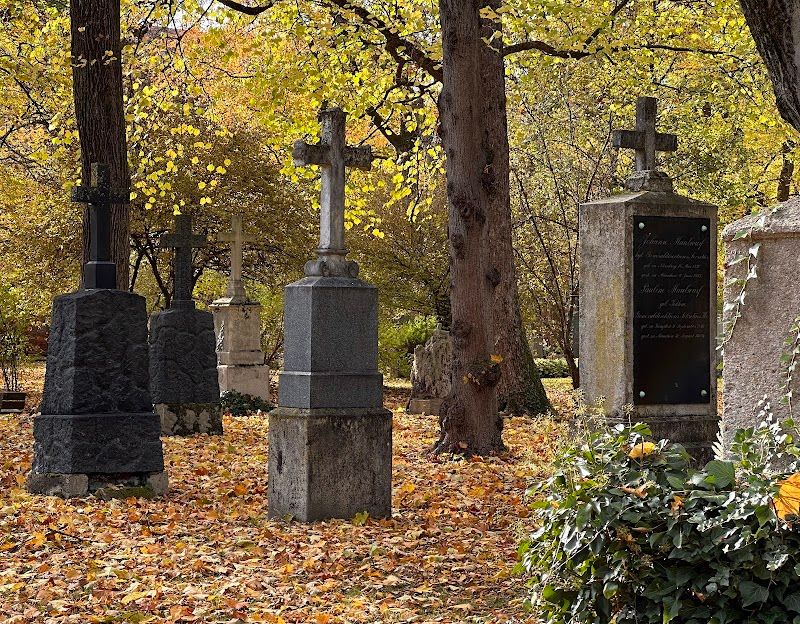
Alter Nordfriedhof transforms Munich's old cemetery into one of the city's most contemplative parks, where weathered headstones peek through ivy and massive old trees create natural reading nooks. You'll find locals sprawled on blankets between graves, joggers following the winding paths, and students from nearby LMU treating ornate mausoleums as scenic backdrops. The graves themselves tell Munich's cultural story: painters, writers, and forgotten aristocrats whose elaborate monuments now serve as jungle gyms for neighborhood cats. The atmosphere here feels uniquely Munich, mixing Bavarian reverence for the dead with practical German park usage. Families picnic literally on top of graves (it's completely normal), while couples claim romantic spots beside crumbling angels and weathered crosses. The southwestern corner feels most cemetery-like with its grand monuments, while the eastern sections have been so thoroughly parkified that you'll forget you're in a graveyard. Spring brings cherry blossoms that create pink tunnels over the paths, and autumn turns the massive chestnuts into golden canopies. Most travel guides treat this like a spooky tourist attraction, but locals use it as their backyard and you should too. Skip the tourist hunt for famous graves unless you're genuinely interested in 19th-century Munich artists: the real appeal is claiming a patch of grass and joining the impromptu community. The park closes at sunset, which seems obvious but catches visitors off guard since most Munich parks stay open later.
Where to Eat
Restaurants and cafes in Maxvorstadt (Museum Quarter)
Nightlife
Bars and nightlife in Maxvorstadt (Museum Quarter)
Augustiner-Keller
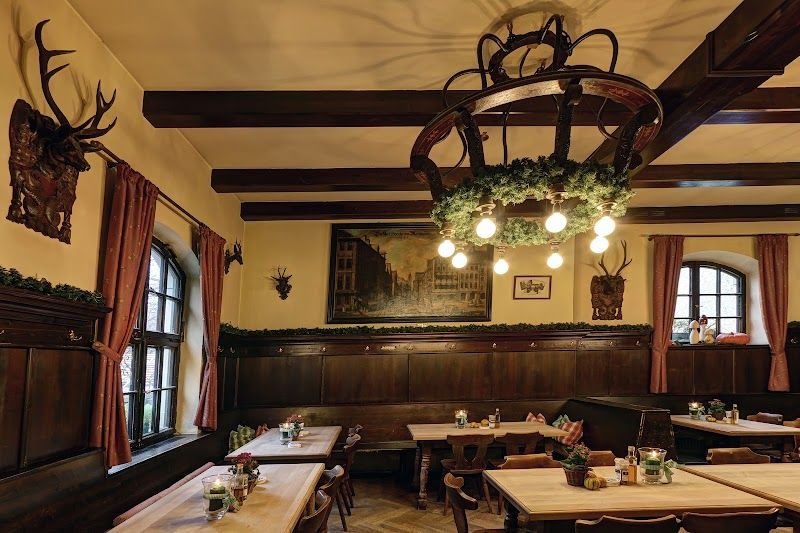
NightlifeAugustiner-Keller is Munich's largest central beer garden with 5,000 seats sprawling under massive chestnut trees, serving the city's most beloved brewery direct from wooden barrels. You'll find yourself in pure Bavarian tradition: gravel paths, communal wooden tables, and that distinctive smell of roasted almonds mixing with beer foam. The self-service setup means you grab your own Maß (€4.20) from outdoor barrel taps, then hunt for food at various kiosks scattered throughout the sprawling grounds. The atmosphere hits you immediately: families claiming tables with tablecloths, office workers unwinding after long days, and tourists trying to figure out the unwritten seating rules. Brass bands play weekend afternoons in summer, adding that classic oompah soundtrack while servers in dirndls weave between tables in the restaurant section. The chestnut canopy creates natural shade that makes even sweltering July evenings bearable, and you'll hear a mix of Bavarian dialect and international chatter echoing off the gravel. Most guides don't mention that the restaurant section charges €6.80 for the same beer that costs €4.20 in the self-service garden area. Skip the overpriced Schweinshaxe (€18) and go straight for the Steckerlfisch (grilled mackerel, €8.50) from the outdoor kiosks. The trick is arriving before 6pm on sunny days to secure prime real estate under the trees, because after that you're stuck at cramped tables near the entrance where tour groups congregate.
Löwenbräukeller
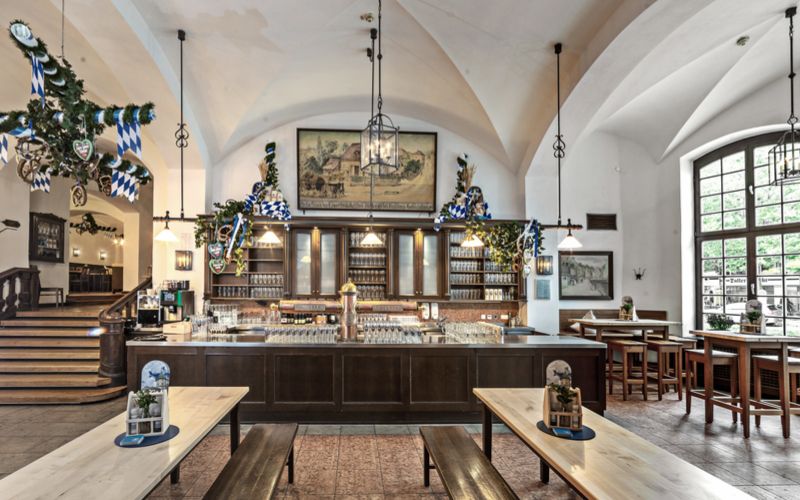
NightlifeLöwenbräukeller is Munich's best traditional beer hall if you want authentic atmosphere without fighting hordes of tourists. This massive venue at Stiglmaierplatz seats 1,200 people under soaring vaulted ceilings, with long wooden tables where locals actually outnumber visitors most nights. You'll get proper Löwenbräu beer (EUR 9.50 for a Maß), classic Bavarian dishes like Schweinsbraten and Schweinshaxe, and live brass bands creating that quintessential oompah energy. The experience feels genuinely Bavarian from the moment you walk into the cavernous main hall. Servers in traditional dress navigate between packed tables carrying multiple Maß steins, while the brass band gets everyone swaying and singing along. The acoustics make conversations lively but not overwhelming, and you'll find yourself sharing tables with Munich families and workers unwinding after long days. The food is hearty and well executed, not just beer hall filler. This place delivers what Hofbräuhaus promises but can't because of tourist chaos. Weeknight visits give you the full experience with manageable crowds, while weekends require reservations and patience. The band plays Tuesday through Thursday starting around 7pm, which is peak energy time. Skip the tourist trap halls and come here for beer hall culture that feels real rather than performed.
Getting Here
Insider Tips
Sunday EUR 1 admission
Alte Pinakothek, Neue Pinakothek, Pinakothek der Moderne, Brandhorst, and the Egyptian Museum all charge EUR 1 entry on Sundays. The Glyptothek and Antikensammlungen are similar but separately ticketed. Caveat: every Munich resident knows about this, so Sunday afternoons are noticeably busier - go early (10 AM opening) for the closest thing to a quiet visit. Sundays also tend to feature special tours; the English-language Alte Pinakothek tour is at 11 AM Sundays, free with the EUR 1 ticket.
Combo ticket vs single tickets
The Tageskarte Pinakotheken (EUR 12) covers all three Pinakothek museums + Brandhorst on the same day. It's the better buy if you visit 2+ that day, but realistically most visitors only have stamina for two museums in a single day. The Munich Pass (EUR 22-44 for 1-3 days) bundles museums + transit + minor attractions; only worth it for very intensive 2-3 day cultural visits.
Maxvorstadt cafe scene
The streets between Türkenstraße and Schellingstraße have the best independent cafes in central Munich - Aroma Kaffeebar (third-wave specialty roaster, flat white EUR 3.80), Café Stör (1920s-style, full breakfasts EUR 8-14), Cotidiano Türkenstraße (chain but reliable, modern German breakfast EUR 11-15). All within a 10-minute walk of the museum cluster. Lunch options are mostly student-friendly: doner shops, Indian and Thai counters, plate-of-the-day spots EUR 8-13.
Nearby Neighborhoods
Continue exploring
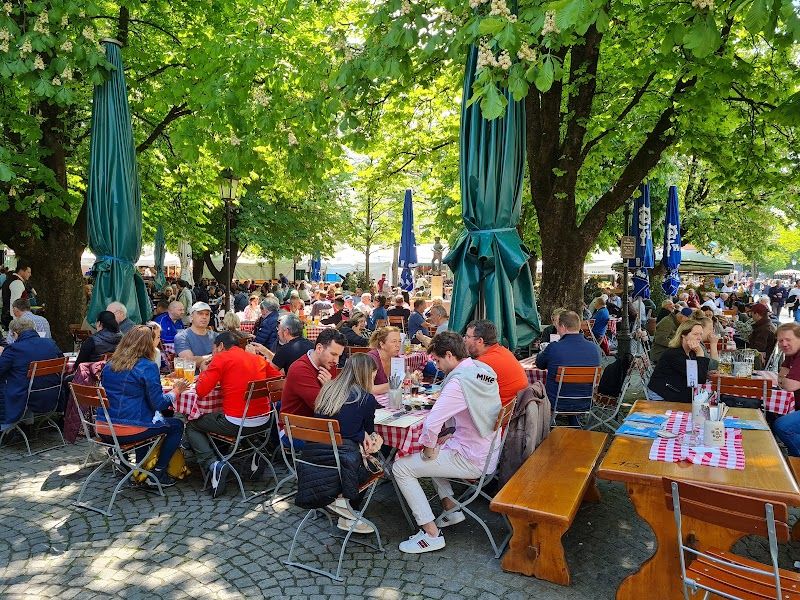
Altstadt (Old Town)
The civic and tourist heart of Munich: Marienplatz with the New Town Hall glockenspiel show at 11am and noon, the Frauenkirche's twin onion domes, the Residenz palace complex, the Hofbräuhaus, and the Viktualienmarkt food market. Crowded with tour groups 10am-4pm; quieter mornings and after dinner.
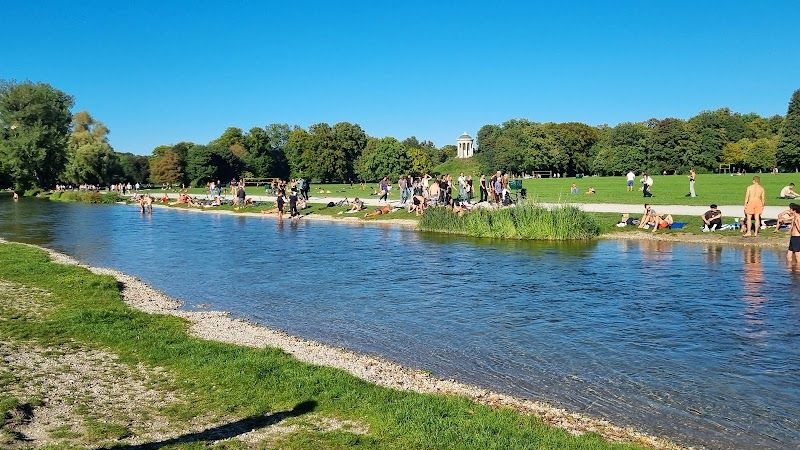
Schwabing & Englischer Garten
Schwabing is the historic bohemian / student quarter of Munich, north of Maxvorstadt: independent bookshops, cafes, and brunch spots cluster around Türkenstraße and Hohenzollernstraße. The Englischer Garten - at 4 sq km, larger than Central Park - anchors the whole district to the east, with the Eisbach surfers at the south end, the Chinesischer Turm beer garden in the middle, and the Kleinhesseloher See lake to the north.
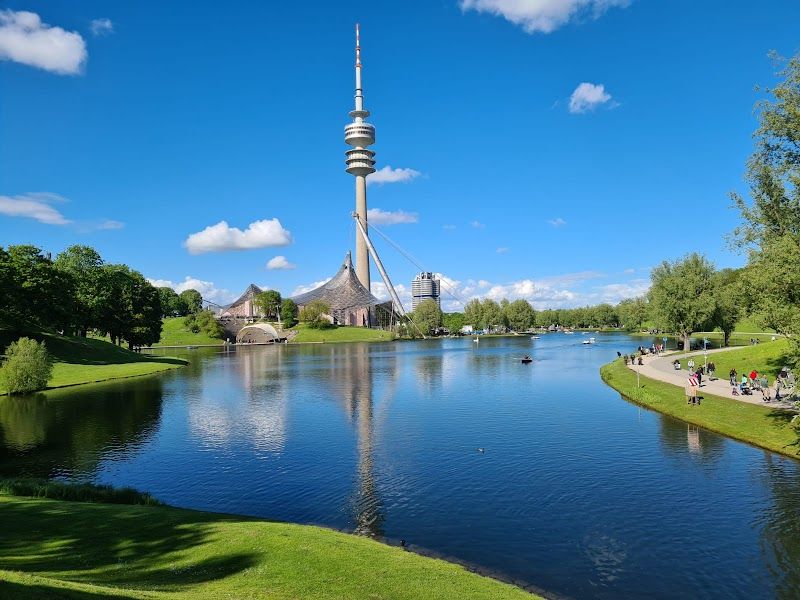
Olympiapark & Nymphenburg
The western Munich axis: Olympiapark with the 1972 architecture (the iconic tent-canopy roof), the Olympiaturm viewpoint, BMW Welt and the BMW Museum next door, plus a 15-minute U-Bahn ride south to the Nymphenburg Palace summer residence with its formal gardens. Touristy but architecturally and culturally substantial.
Related Articles

What to Eat in Munich: 15 Foods You Can't Leave Without Trying
Munich's food scene runs deeper than beer hall clichés. Master weisswurst etiquette, find the city's best spätzle, and discover why locals skip touristy schnitzel joints.
Munich With Kids: 15 Family Activities That Keep Everyone Happy
Munich delivers family fun beyond fairy-tale castles. These 15 activities work for toddlers through teens, with specific transport routes and timing advice.
Plan a trip featuring Maxvorstadt (Museum Quarter)
Get a personalized Munich itinerary with Maxvorstadt (Museum Quarter) built in.
Start Planning