Munich
Schwabing & Englischer Garten
Schwabing is the historic bohemian / student quarter of Munich, north of Maxvorstadt: independent bookshops, cafes, and brunch spots cluster around Türkenstraße and Hohenzollernstraße. The Englischer Garten - at 4 sq km, larger than Central Park - anchors the whole district to the east, with the Eisbach surfers at the south end, the Chinesischer Turm beer garden in the middle, and the Kleinhesseloher See lake to the north.
About Schwabing & Englischer Garten
Schwabing earned its bohemian reputation in the late 19th and early 20th centuries - Lenin lived here, Kandinsky painted here, Thomas Mann wrote here. Today the bohemian edge has been gentrified into "the nice neighborhood with the good cafes", but the district is still the most pleasant for walking, sitting, and eating in central Munich. The street life clusters along Hohenzollernstraße, Leopoldstraße (the wide tree-lined boulevard heading north from Odeonsplatz), and Türkenstraße. Independent bookshops, vintage clothing, the original Lehmkuhl bookshop (since 1903), and a generally student-and-professional 20-40s crowd.
The Englischer Garten is the ace card. At 375 hectares (4 sq km) it's larger than Central Park (3.4 sq km), Hyde Park (1.4 sq km), and Vondelpark (0.5 sq km) - the third-largest urban park in Europe. Designed in 1789 by American Sir Benjamin Thompson (Count Rumford) as a serpentine English-landscape park rather than a formal Baroque grid. The southern entrance, at the Haus der Kunst museum, is where the Eisbach surfers ride: a man-made standing wave on the Eisbach river creates a permanent surf break that locals have been riding since the 1970s. Free to watch, often 5-10 surfers in queue at any time of day, at full strength weekends and afternoons.
A 15-minute walk north into the park is the Monopteros, a Greek-temple folly on a small artificial hill, with the best view across the park to the city skyline (Frauenkirche domes visible). Ten more minutes north is the Chinesischer Turm (Chinese Tower), a 25-metre wooden pagoda built 1789-90 and the centrepiece of the largest of the park's beer gardens - 7,000 seats under chestnut trees, a pavilion in the middle with a brass band on Sunday afternoons, traditional Bavarian self-service food (roast chicken EUR 12, half-pork-knuckle EUR 16), and beer (Hofbräu, Maß / litre EUR 9-10). You can bring your own food to the unmarked tables at the edges; this is a Munich tradition. Open daily May-October when the weather permits.
Further north, the Kleinhesseloher See is a small lake with paddle boats and the Seehaus restaurant. The Eisbach swimming reaches are at the north end (clean cold river, swimmable from June-September if you don't mind 16-18°C). At the very north end, the Aumeister beer garden is the locals' alternative to the Chinesischer Turm - quieter, slightly cheaper.
For visitors: half a day for Schwabing (cafes + Türkenstraße + Leopoldstraße), half a day for the Englischer Garten (Eisbach surfers → Monopteros → Chinesischer Turm with beer-garden lunch). Whole day if you walk the full park north-south. Tram lines 17 and 18 run the western edge.
Things to Do
Top experiences in Schwabing & Englischer Garten
Englischer Garten
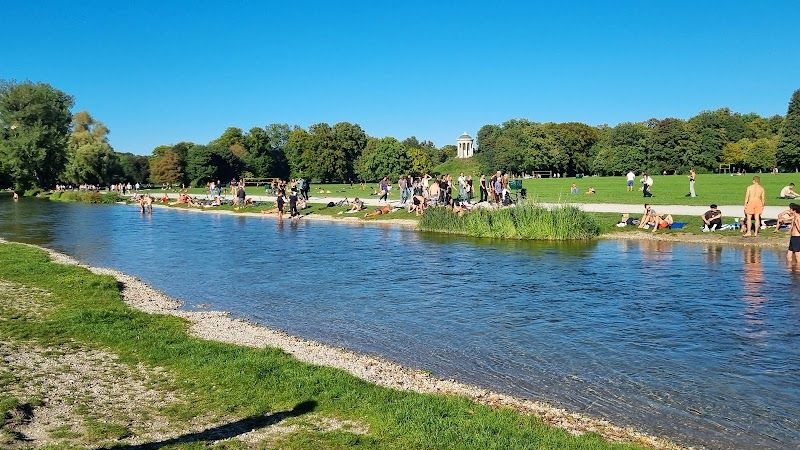
The Englischer Garten is Europe's third largest urban park at 375 hectares, sprawling north from the city center like Munich's green lung. You'll find genuine urban river surfing on the Eisbach (Europe's only permanent city wave), four beer gardens including the massive 7,000-seat Chinesischer Turm, and surprisingly good swimming spots along the river itself. The park stretches 5km north to south, passing a Greek temple folly with the city's best free viewpoint, a Chinese pagoda, and a proper lake with paddle boats. Walking through feels like escaping Munich entirely. The southern section buzzes with surfers and sunbathers around the Eisbach, while the middle section opens into rolling meadows where locals sprawl naked (this is Germany, after all). The Monopteros temple sits on an artificial hill offering panoramic city views, and the Chinesischer Turm beer garden creates its own village atmosphere under chestnut trees. Further north, the crowds thin out dramatically around Kleinhesseloher See, where you'll mostly encounter joggers and dog walkers. Most visitors stick to the southern third and miss the park's real charm up north. The Aumeister beer garden feels like a countryside inn rather than a tourist magnet, and the walk between Chinesischer Turm and the lake is genuinely peaceful. Skip the paddle boats (overpriced tourist trap), but don't miss swimming in the Eisbach if it's warm. A full north-south walk takes 90 minutes, but you'll want to stop for beer, so plan three hours minimum.
Eisbach Surfers
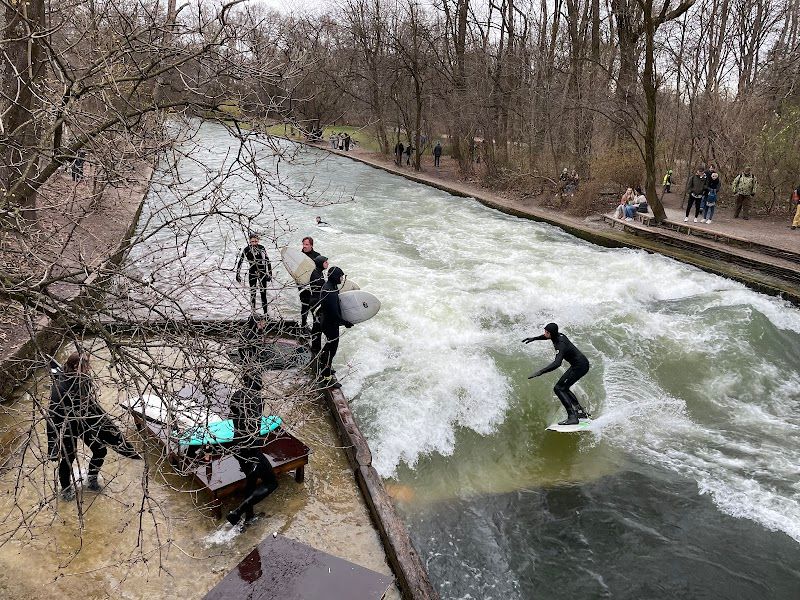
You're watching people surf on a river in the middle of Munich, which is exactly as surreal as it sounds. The Eisbach creates a permanent standing wave behind the Haus der Kunst museum where experienced surfers drop into a 1-meter high break that's been running since the 1970s. A concrete ramp built into the riverbed generates the continuous wave, and locals have turned this engineering quirk into Munich's most unlikely sport. You'll see wetsuits, shortboards, and proper surf technique in a city 300 miles from the nearest ocean. There's usually a queue of 5 to 10 surfers waiting on the bridge edge, each taking turns for rides that last 30 seconds to several minutes depending on skill level. The good ones carve back and forth across the wave face like they're in Hawaii, while beginners get swept downstream after a few wobbly seconds. The crowd watching from above cheers for good rides and gasps at spectacular wipeouts. The water rushes past fast and cold, creating genuine surf conditions that demand real skill. Most travel guides treat this like a quick photo stop, but 15 minutes is perfect for watching the rhythm of surfers rotating through. Weekend afternoons bring the biggest crowds and shortest rides, while weekday mornings offer longer sessions with fewer people. Don't expect to try it yourself unless you're an experienced surfer, multiple people have drowned here over the years. The show is completely free and runs year-round, even when it's snowing.
Sammlung Schack
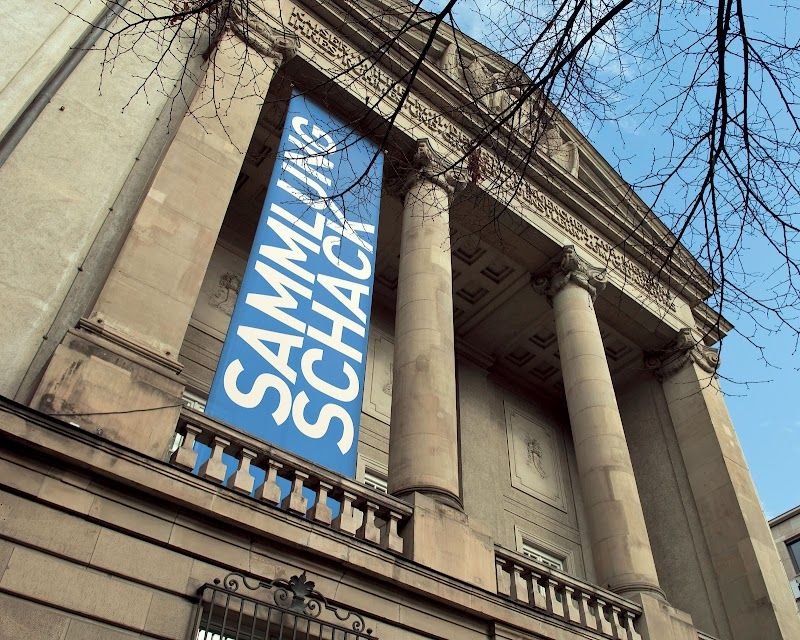
An intimate townhouse museum showcasing Count Schack's 19th-century painting collection heavy on German Romantic landscapes and mythological scenes. EUR 4 admission (EUR 1 on Sundays) grants access to works by Böcklin, Feuerbach, and Schwind in elegant period rooms. A quiet counterpoint to the blockbuster Pinakotheks nearby.
Wedekindplatz
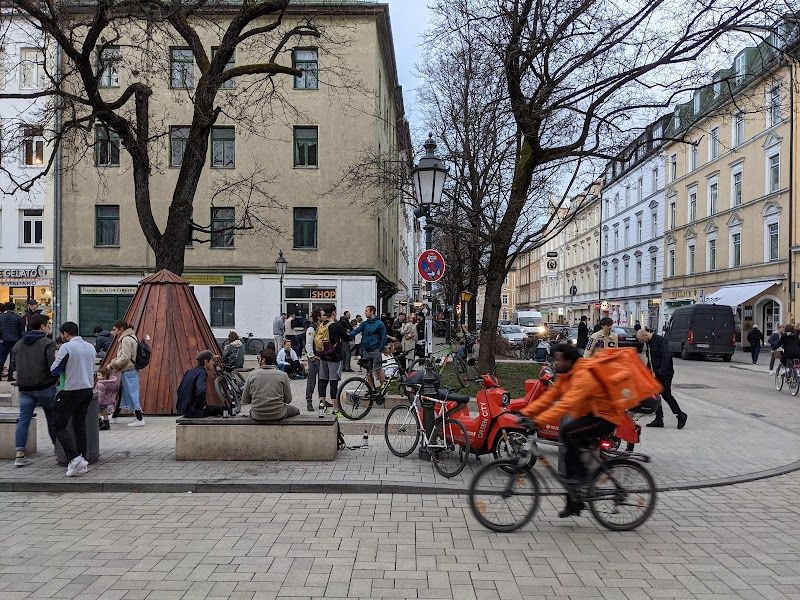
Wedekindplatz sits in the heart of residential Schwabing, a tree-lined square surrounded by gorgeous Art Nouveau buildings from the early 1900s. You'll find intricate facades with decorative stonework, wrought-iron balconies, and those distinctive curved lines that define Munich's Jugendstil architecture. The Wednesday and Saturday farmers' market brings out local vendors selling everything from Bavarian cheese to seasonal vegetables, while corner cafés serve proper coffee to neighborhood regulars. The square feels authentically local in a way that's rare in central Munich. Chestnut trees provide shade over wooden market stalls, and you'll hear more German than English as residents shop for their weekly groceries. The pace is unhurried, with people lingering over newspapers at café tables and market vendors who actually remember their regular customers. It's small enough to take in completely in one glance, yet detailed enough to reward closer inspection of the architectural elements. Most travel guides skip this square entirely, which works in your favor. The market is genuinely for locals, not tourists, so prices stay reasonable (expect 2-3 EUR for excellent bread, 4-5 EUR for local cheese). Skip the expensive Leopoldstraße tourist cafés and grab coffee here instead. The square works best as a quick stop while exploring Schwabing, not a destination itself.
Where to Eat
Restaurants and cafes in Schwabing & Englischer Garten
Tantris
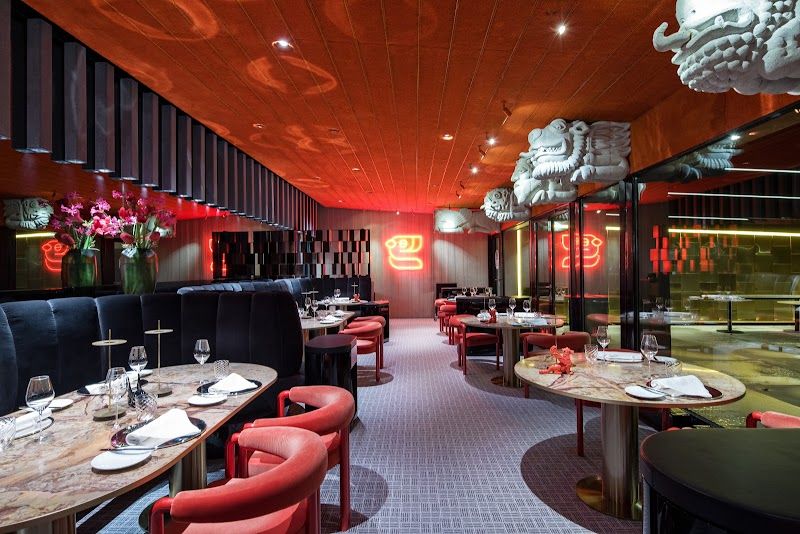
RestaurantTantris stands as Munich's most celebrated fine dining institution, a two-Michelin-starred restaurant where Chef Virginie Protat creates modern European dishes with subtle Asian influences. You'll experience theatrical presentations across multiple courses in the restaurant's famous 1970s orange interior, which feels more like stepping into a design museum than a typical dining room. The cuisine focuses on technical precision and unexpected flavor combinations, with dishes that often blur the line between art and food. The experience unfolds over three to four hours in an atmosphere that's surprisingly relaxed despite the formal service. You'll sit surrounded by the restaurant's bold orange and brown color scheme while servers present each course with detailed explanations of techniques and ingredients. The open kitchen adds energy to the room, and you can watch the precise choreography of the culinary team. The wine pairings are exceptional, though they'll add significantly to your bill. Expect to spend around €300-400 per person with wine pairings, making this one of Munich's most expensive dining experiences. Many guides oversell the cheese trolley, it's impressive but can feel excessive after an already substantial meal. The lunch menu offers better value at around €180 per person and the same quality. Book at least six weeks ahead for dinner, though lunch reservations are easier to secure.
Seehaus im Englischen Garten
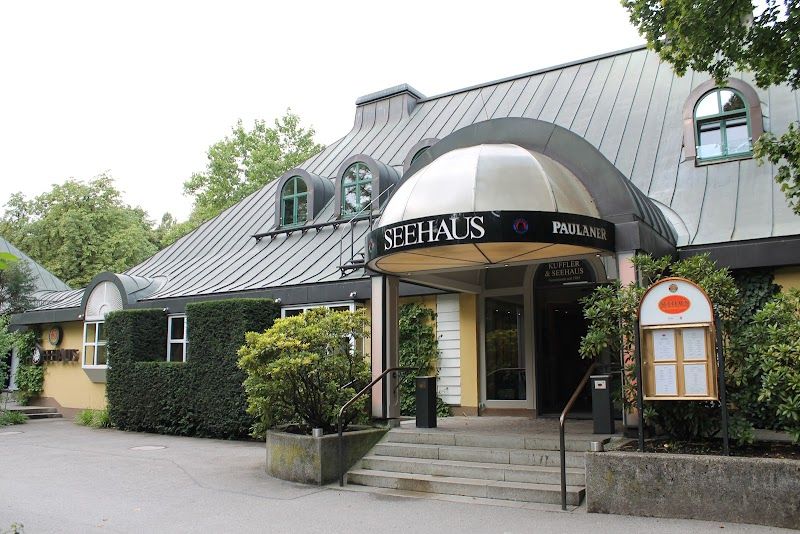
RestaurantSeehaus sits right on the shores of Kleinhesseloher See, the only proper lake inside Munich's massive English Garden. You'll find classic Bavarian beer garden vibes with wooden tables under chestnut trees, plus a more upscale restaurant section with lakefront views. The real draw is the waterside terrace where you can watch swans glide by while nursing a Mass of Augustiner for €4.20, and the schnitzel here (€16.80) actually tastes better than most tourist traps in the city center. The experience splits between two worlds: the self-service beer garden where locals spread out picnic style, and the table service restaurant with white tablecloths overlooking the water. Ducks waddle between tables hoping for pretzel crumbs, and on weekends you'll see families with kids feeding swans while parents debate football over their third beer. The atmosphere stays authentically local despite being inside a major park, mostly because it's far enough from Marienplatz that tour groups rarely make it here. Most guides don't mention that the restaurant side charges tourist prices (mains €18-28) for standard fare, while the beer garden delivers the same lake views for a fraction of the cost. Skip the indoor dining completely unless it's raining. The Schweinebraten (€19.20) looks impressive but tastes dry, stick to simpler dishes like Weisswurst with sweet mustard (€8.40) or just come for drinks and bring your own food like the locals do.
Café Freiheit
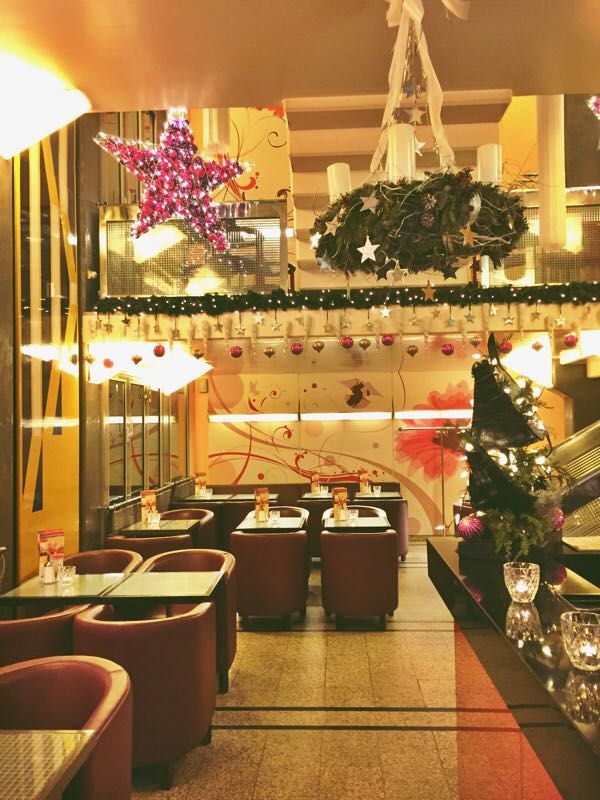
RestaurantCafé Freiheit transforms a corner building near Münchner Freiheit into Munich's most coveted brunch destination, where mismatched vintage teacups and elaborate egg dishes create an Instagram paradise. The real draw is the glass-covered courtyard garden where ivy climbs the walls and weekend brunch stretches into evening drinks. You'll find natural wines, specialty coffee, and plates like house-cured salmon on sourdough (€16) or shakshuka with whipped feta (€14) that justify the wait. The atmosphere shifts from sleepy morning café to buzzing social hub as the day progresses. Inside feels cramped with vintage furniture packed tight, but the courtyard opens up into an urban oasis where every table feels private despite being full. Service moves at European café pace, which means your coffee arrives when it's perfect, not rushed. The crowd skews local creative types during weekdays, weekend warriors fighting for courtyard tables on Saturday mornings. Most guides won't mention that the indoor seating is genuinely uncomfortable for long stays, those vintage chairs look better than they feel. The courtyard books solid for weeks in summer, but indoor tables usually stay available for walk-ins. Skip the overpriced natural wines (€8-12 per glass) and stick to the excellent coffee (€3.50) and food, which is genuinely worth the hype. Winter loses much of the magic when the garden closes.
Nightlife
Bars and nightlife in Schwabing & Englischer Garten
Chinesischer Turm Beer Garden
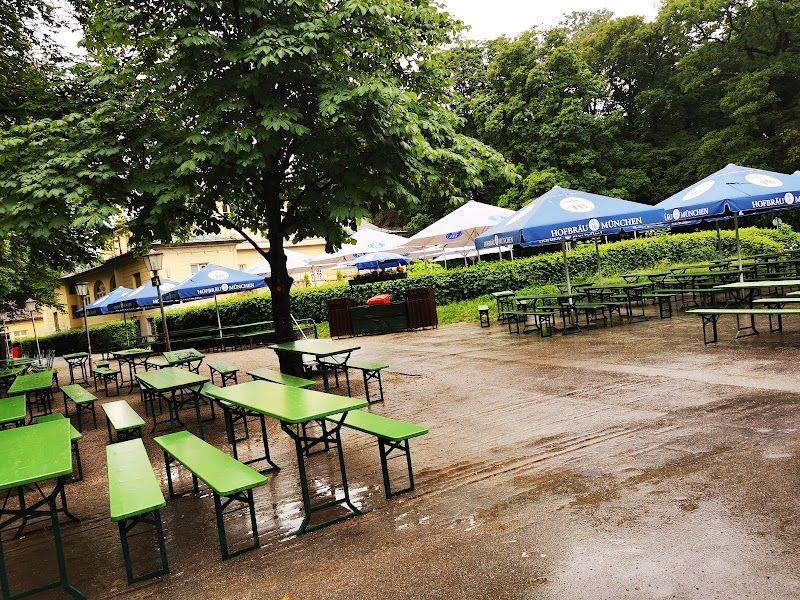
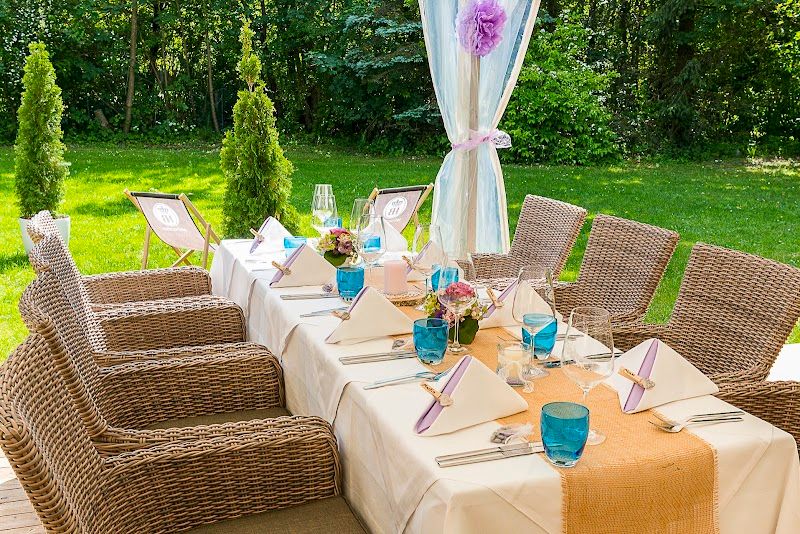
NightlifeThe Chinesischer Turm beer garden sits around a 25-meter wooden pagoda from 1789, creating Munich's largest traditional beer garden with 7,000 seats under towering chestnut trees. You'll drink Hofbräu from proper liter mugs (EUR 9-10) while a brass band plays from the pagoda on Sunday afternoons from May through October. The self-service food stalls serve decent roast chicken (EUR 12-14) and pork knuckle (EUR 16-18), but the real draw is the atmosphere: families sharing long wooden tables, locals bringing picnic spreads, and that distinctly Bavarian mix of relaxation and revelry. The experience feels authentically Munich without trying too hard. You'll queue at food kiosks, balance your tray while scanning for seats, then settle in for hours as the afternoon stretches into evening. The brass band music drifts through conversations in multiple languages while kids run between tables and servers weave through with armloads of beer steins. When the chestnut trees are in full leaf, the filtered sunlight creates this perfect golden hour effect that makes even overpriced beer feel worth it. Most guides don't mention that the unmarked outer tables let you bring your own food while buying beer from kiosks, a tradition locals absolutely embrace. Skip the touristy food stalls and pack sandwiches or salads if you want better value. The Sunday afternoon brass band (3-5 PM) is genuinely special, not just tourist theater. Just know it closes completely from late October through April, and any hint of bad weather shuts it down fast.
Aumeister
NightlifeAumeister sits at the far northern edge of Englischer Garten, a proper locals' beer garden that tourists rarely discover. You'll find 2,500 seats spread under chestnut trees, where Munich families bring homemade schnitzel and order nothing but beer. The wooded setting feels completely removed from the city, though you're still technically in central Munich. Brass bands play Sunday afternoons in summer, and cyclists treat this as their reward after long rides through the park. The atmosphere here is refreshingly authentic compared to the tourist circus at Chinesischer Turm. You'll hear more Bavarian dialect than English, and half the tables are covered with families' elaborate picnic spreads. The self-service system keeps things moving: grab your beer from the window, find an unmarked table (no tablecloth means you can bring food), and settle in for hours. Kids run between tables while parents nurse massive Maß glasses, and the only sounds are conversation and leaves rustling overhead. Most guides skip Aumeister entirely, which keeps it genuine but also means you really need to seek it out. A Hofbräu Maß costs EUR 8.80, about EUR 1 cheaper than central beer gardens, and the BYO food policy saves serious money. Skip the overpriced pretzels they sell and pack a proper picnic. The location is awkward without a bike, requiring either a 10-minute walk from U6 Studentenstadt or a long trek through the park, but this inconvenience is exactly what keeps the tour groups away.
Getting Here
Insider Tips
Eisbach surfer timing
Surfers run year-round at the south entrance to the Englischer Garten, just behind the Haus der Kunst museum. Best photo conditions: weekend afternoons (most surfers, 4-8 in rotation), or weekday mornings (fewer surfers but more individual rides). The wave is treacherous; only experienced surfers ride it (multiple drownings over the years). Watching from the bridge above is free, takes 10-15 minutes to enjoy. Closest U-Bahn: Lehel (line U4, U5).
Chinesischer Turm BYO
The Chinesischer Turm beer garden is a Munich-tradition self-service operation. The unmarked tables at the outside edge of the seating area are public - you can bring your own food (sandwiches, salads, anything). Beer must be bought from the kiosk (EUR 9-10 a Maß). The traditional brass-band Sunday afternoon (May-September, ~3-5 PM) is the iconic experience. Family-friendly. Closed in poor weather and from late October to late April.
Walk the park north-south
A walk from the south entrance (Haus der Kunst → Eisbach surfers) to the north entrance (Aumeister beer garden) is about 5 km, takes 75-90 minutes at a steady pace. Stop at the Monopteros for the city panorama, then the Chinesischer Turm for lunch (or skip it for the quieter Aumeister at the far north). U-Bahn back from Studentenstadt (U6). The single best walking experience in Munich on a sunny day.
Nearby Neighborhoods
Continue exploring
Altstadt (Old Town)
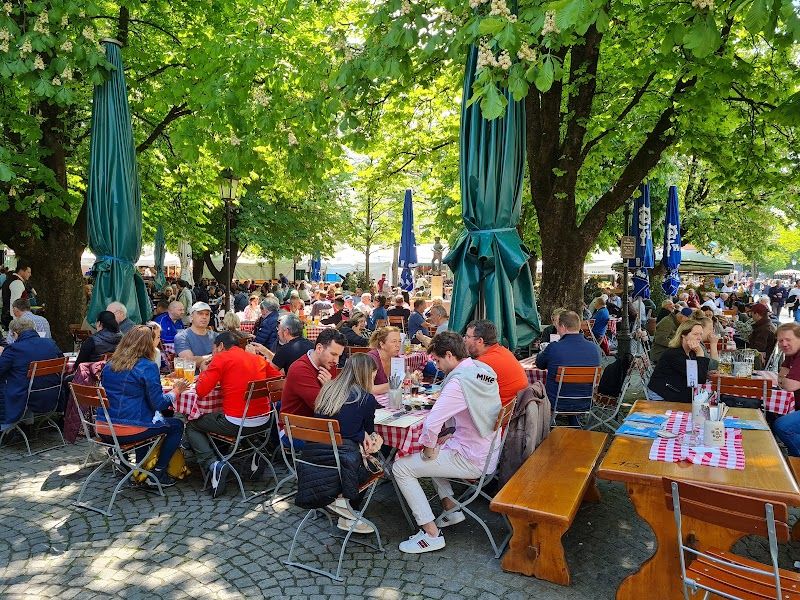
The civic and tourist heart of Munich: Marienplatz with the New Town Hall glockenspiel show at 11am and noon, the Frauenkirche's twin onion domes, the Residenz palace complex, the Hofbräuhaus, and the Viktualienmarkt food market. Crowded with tour groups 10am-4pm; quieter mornings and after dinner.
Maxvorstadt (Museum Quarter)
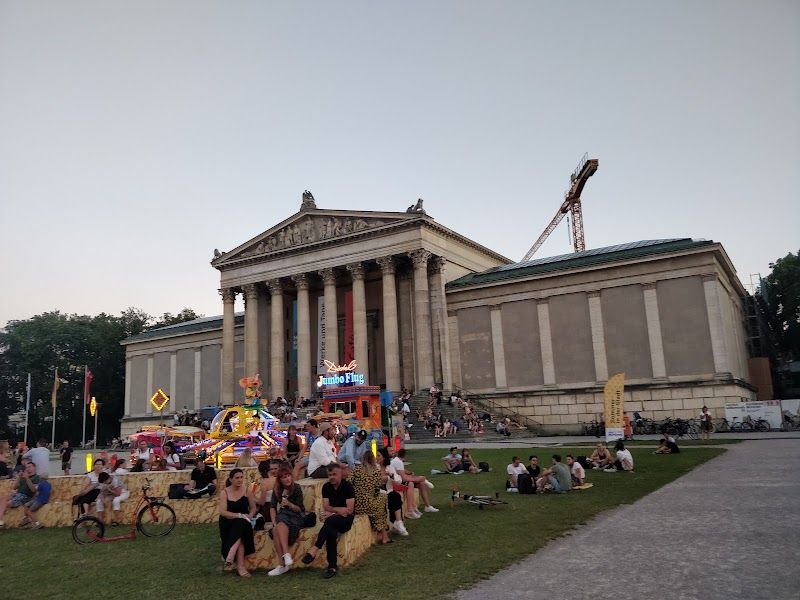
The university and museum quarter just north-west of the old town: three Pinakothek museums covering Alte (Old Masters), Neue (19th-century, currently closed for renovation), and Moderne (20th-21st century), plus the Brandhorst, Glyptothek, and Lenbachhaus. Student energy from LMU and TUM, independent cafes and bookshops, and the Königsplatz neoclassical square as the architectural anchor.
Olympiapark & Nymphenburg
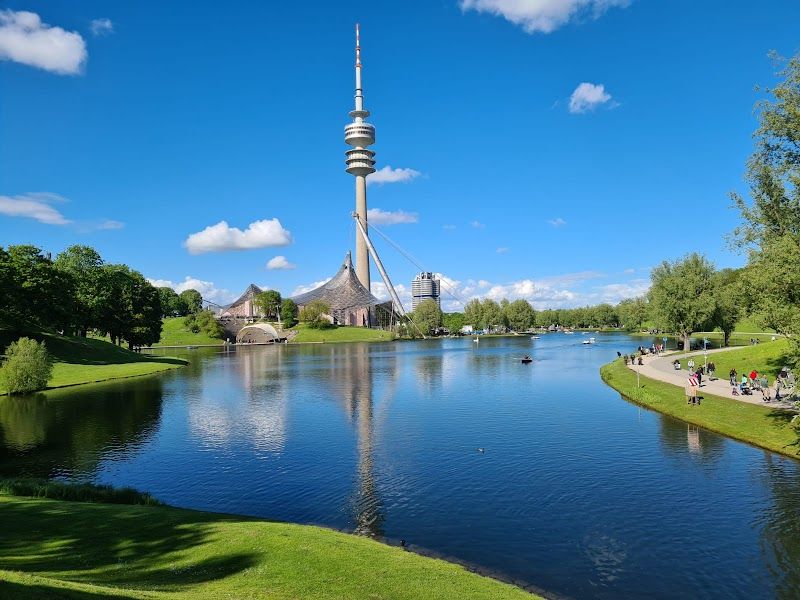
The western Munich axis: Olympiapark with the 1972 architecture (the iconic tent-canopy roof), the Olympiaturm viewpoint, BMW Welt and the BMW Museum next door, plus a 15-minute U-Bahn ride south to the Nymphenburg Palace summer residence with its formal gardens. Touristy but architecturally and culturally substantial.
Related Articles

What to Eat in Munich: 15 Foods You Can't Leave Without Trying
Munich's food scene runs deeper than beer hall clichés. Master weisswurst etiquette, find the city's best spätzle, and discover why locals skip touristy schnitzel joints.
Munich With Kids: 15 Family Activities That Keep Everyone Happy
Munich delivers family fun beyond fairy-tale castles. These 15 activities work for toddlers through teens, with specific transport routes and timing advice.
Plan a trip featuring Schwabing & Englischer Garten
Get a personalized Munich itinerary with Schwabing & Englischer Garten built in.
Start Planning