Naples
Things to Do
39 attractions, museums, and experiences
Molo Beverello
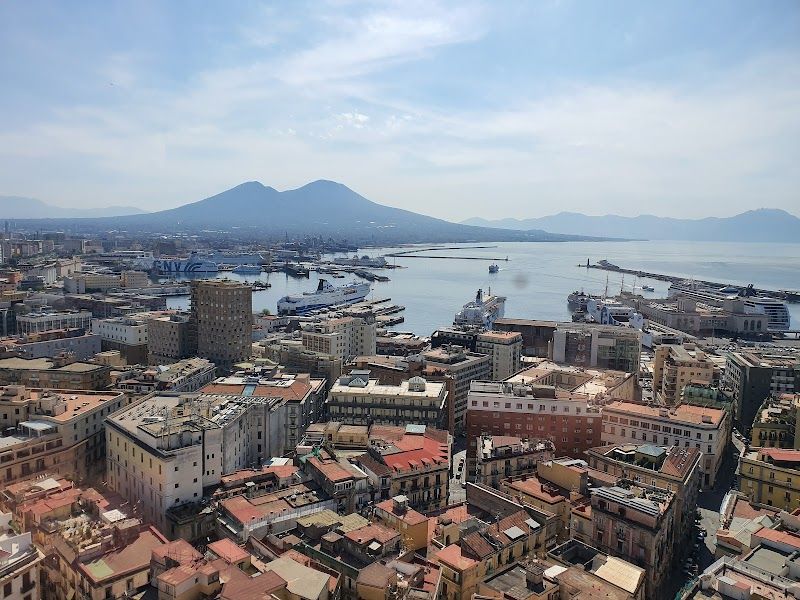
Molo Beverello serves as Naples' main gateway to the islands, where sleek hydrofoils and slower ferries depart for Capri, Ischia, and Procida throughout the day. You'll find ticket offices for multiple companies (Caremar, NLG, SNAV) selling passages that range from EUR 20-25 each way to Capri, with departures every 30-60 minutes starting at 7 AM. The terminal sits right on the waterfront with Mount Vesuvius looming across the bay, and you can grab an espresso at the bar while waiting for your boat. The experience feels authentically Italian chaos: crowds of tourists mixing with locals heading to work on the islands, announcements in rapid Italian echoing off concrete walls, and that slight diesel smell from idling boats. You'll queue outside specific gates (check your ticket for the gate number), then walk down floating docks where crew members help you aboard. The hydrofoils are surprisingly comfortable with airplane-style seating, and the 45-minute ride to Capri offers spectacular views of the coastline as Naples shrinks behind you. Most guides don't mention that morning return tickets often sell out by afternoon, especially in summer when 15,000+ people visit Capri daily. The companies are interchangeable despite what ticket sellers claim, so just go with whoever has the best departure time. Skip the expensive snack bar inside the terminal and hit the cafe next door for proper espresso at half the price (EUR 1.20 vs EUR 2.50).
Sorrento
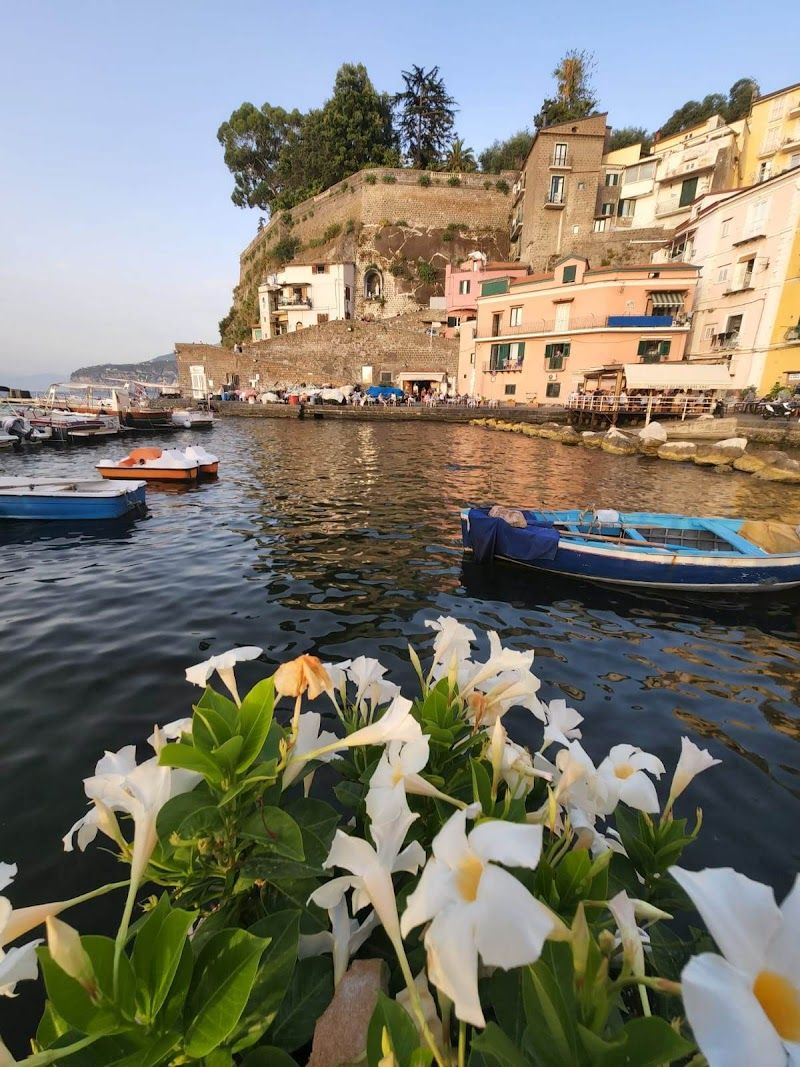
Sorrento sits on dramatic cliffs 50 meters above the Bay of Naples, serving as your gateway to the Amalfi Coast's famous SS163 coastal road. The town itself offers walks through lemon groves, clifftop views of Vesuvius, and a historic center with ceramic shops and limoncello tastings. Most visitors use it as a day trip base, but the real prize is the scenic coastal drive to Positano's pastel houses, Amalfi's cathedral square, and Ravello's 350-meter-high Villa Rufolo gardens overlooking the Mediterranean. Your morning starts with the spectacular descent along hairpin curves carved into vertical cliffs, where every turn reveals another breathtaking view of azure water and terraced villages. In Positano, you'll navigate steep pedestrian streets to reach the pebbly beach, while Amalfi offers flat cathedral squares perfect for gelato breaks between exploring the Duomo's Arab-Norman architecture. Ravello provides the day's highlight with Villa Rufolo's gardens, where Wagner composed and celebrities still marry against panoramic backdrops. Most guides won't mention that driving yourself is genuinely stressful, not enjoyable. The roads barely fit two cars, parking costs 25-30 EUR when available, and summer traffic turns scenic drives into stop-and-go ordeals. SITA buses from Sorrento cost 10 EUR roundtrip, run every 30 minutes, and let you appreciate those cliff views instead of worrying about steering. Skip the expensive lemon grove tours (15 EUR for a short stroll) and save your money for decent restaurant meals in each village.
Quartieri Spagnoli
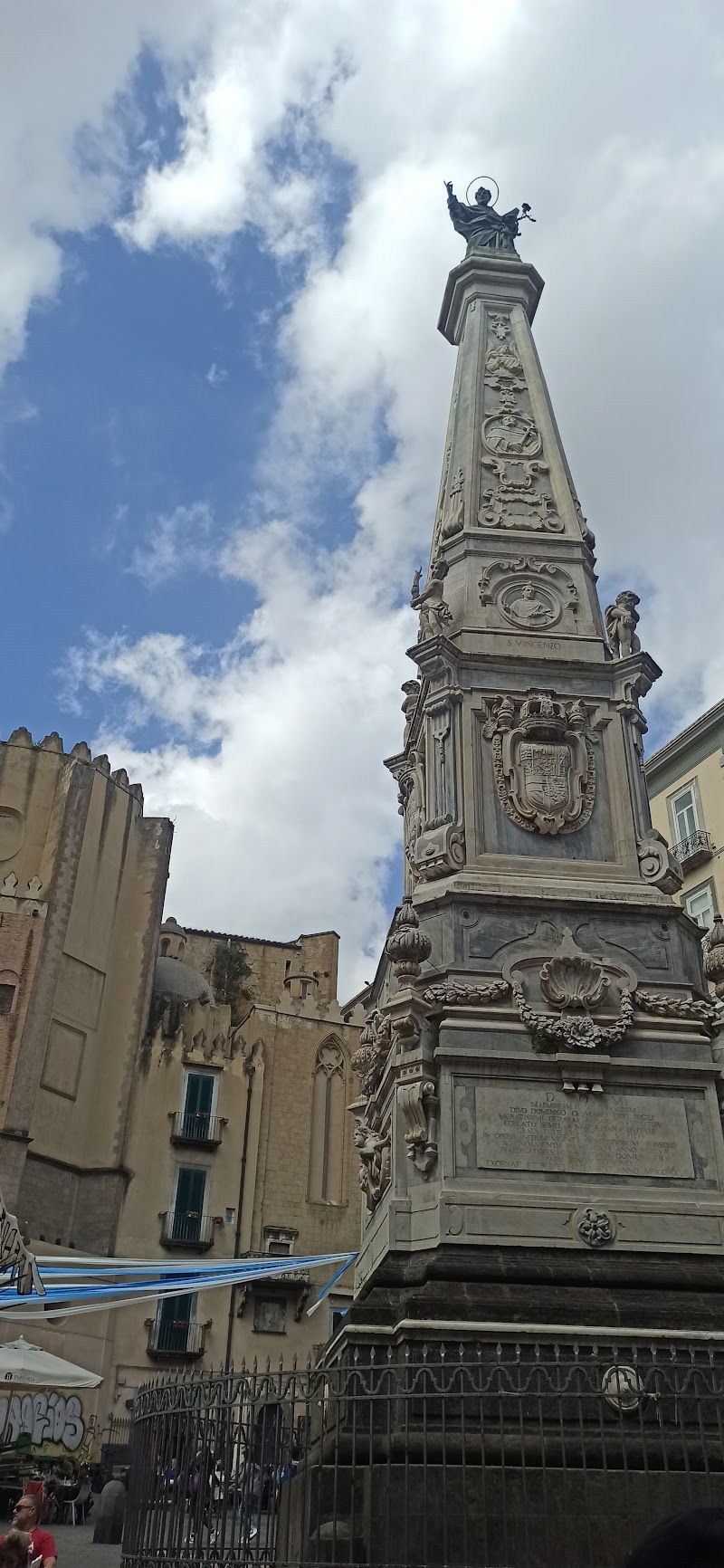
Quartieri Spagnoli is Naples at its core: a 16th-century grid built for Spanish soldiers that's now the city's most authentic working-class neighborhood. You'll walk narrow alleys lined with laundry, past tiny ground-floor workshops where cobblers and tailors work with doors flung open, while the sound of Vespa engines echoes off centuries-old walls. The Diego Maradona street art is everywhere, but it's the everyday life spilling onto the streets that makes this neighborhood unique. The experience feels like walking through someone's extended outdoor living room. Kids play football in pocket-sized piazzas while grandmothers lean from balconies shouting instructions to relatives below. You'll smell ragù simmering from kitchen windows, hear animated conversations in thick Neapolitan dialect, and navigate around parked scooters that somehow fit into spaces the width of shopping carts. The energy is constant but never feels threatening, just intensely alive. Many guides portray this neighborhood in a romanticized light, but in reality, it's a real community where people work and struggle. To best experience Quartieri Spagnoli, skip organized tours that treat residents as if they were zoo animals. Instead, grab a €1 espresso at any corner bar (locals will eye you curiously but kindly), browse the Via Pignasecca market on the eastern edge for great produce prices, and keep your valuables out of sight. Early morning is the best time to capture the best light filtering through the laundry lines without the midday heat bouncing off the stones.
Piazza del Plebiscito
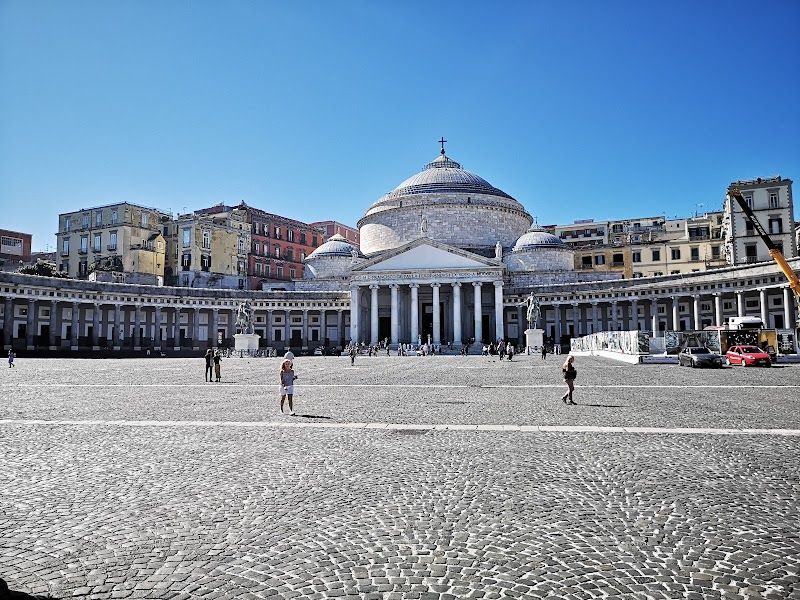
Naples' grandest square sprawls across 25,000 square meters of smooth trachyte stone, designed to rival Rome's St. Peter's Square. The semicircular colonnade of the Basilica di San Francesco di Paola curves dramatically around one side while the imposing Royal Palace dominates the other. Two bronze equestrian statues of Bourbon kings stand in the center, and locals have turned them into an unofficial game: walk between them with your eyes closed and try to reach the opposite end without veering off course. The perspective tricks make it much harder than it looks. The square feels genuinely grand without being oppressive, especially when you realize it's completely car free. Students sit on the steps of the basilica, street musicians set up near the colonnade, and kids run wild across the open space. The acoustics are remarkable: clap your hands in the center and the sound bounces off the curved facade in perfect echoes. Late afternoon brings the evening passeggiata as Neapolitans stroll across the smooth stones, and the golden light makes everything glow. Most people snap photos and leave within 10 minutes, but you'll get more out of it if you actually walk the perimeter and appreciate the scale. The basilica interior is free but fairly plain compared to Naples' other churches, so skip it unless you're a neoclassical architecture enthusiast. The real magic happens at ground level on the square itself. Avoid midday in summer when the stone reflects heat mercilessly.
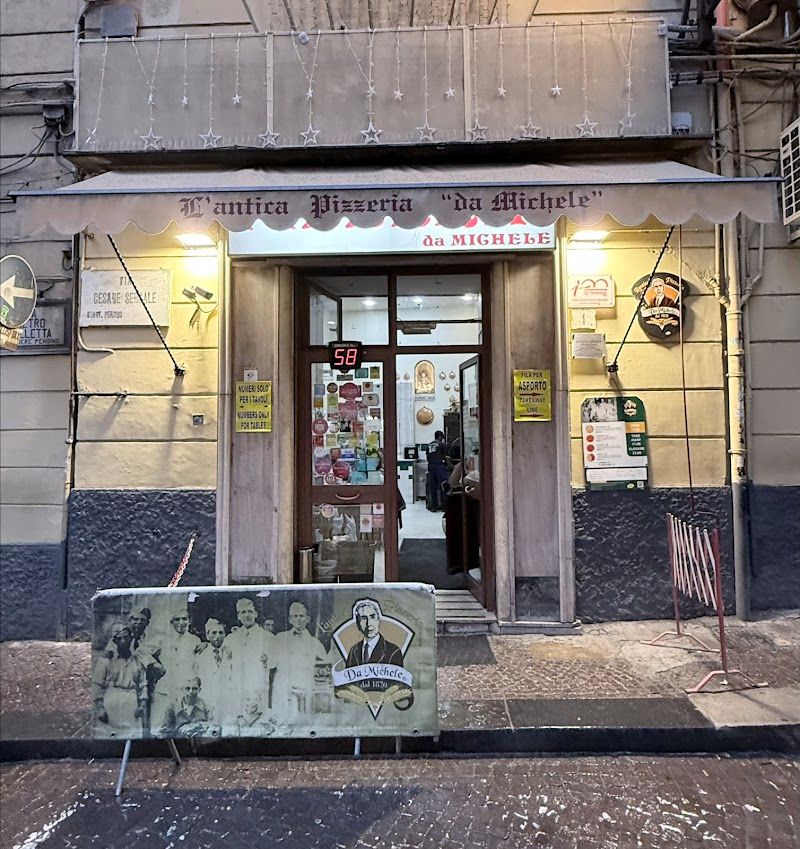
L'Antica Pizzeria da Michele
Operating since 1870 serving only two types of pizza: marinara and margherita. No reservations accepted and the spartan interior has not changed in decades, with marble tables and rapid turnover.
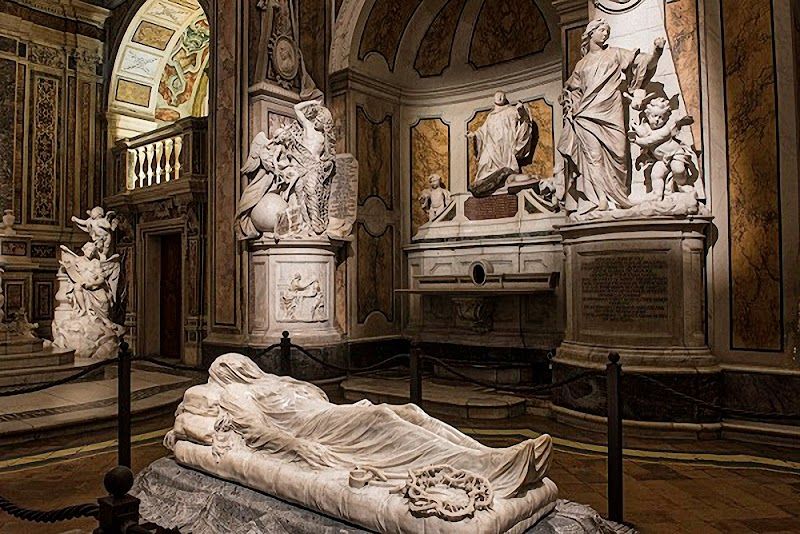
Cappella Sansevero and the Veiled Christ
The Cappella Sansevero houses three sculptures that defy explanation: marble figures carved with translucent veils and nets that seem physically impossible. Giuseppe Sanmartino's Veiled Christ (1753) shows the dead Christ beneath a veil so realistic you'll swear it's actual fabric, but it's carved from the same marble block. Two competing sculptures, Disillusion (a figure trapped in a marble net) and Modesty (another veiled figure), are equally mind-bending. The crypt holds two complete human skeletons with perfectly preserved circulatory systems that scientists still can't explain. You'll enter a small baroque chapel where your eyes immediately go to the Veiled Christ in the center. The detail is genuinely unsettling: you can see Christ's facial features, eyelashes, and wounds through the marble veil. The other sculptures line the walls, each one making you question how 18th-century sculptors achieved such effects. Descending to the crypt feels like entering a mad scientist's laboratory, complete with those mysterious anatomical figures that look like something from a horror film. Most guides rush through in 30 minutes, but you need the full hour to properly absorb what you're seeing. Skip the audio guide (EUR 5 extra) and just stare at the sculptures: they speak for themselves. The chapel gets stupidly crowded after 11 AM, turning the experience into a cattle shuffle. At EUR 10, it's pricey for 20 minutes of actual viewing time, but these sculptures exist nowhere else on earth.
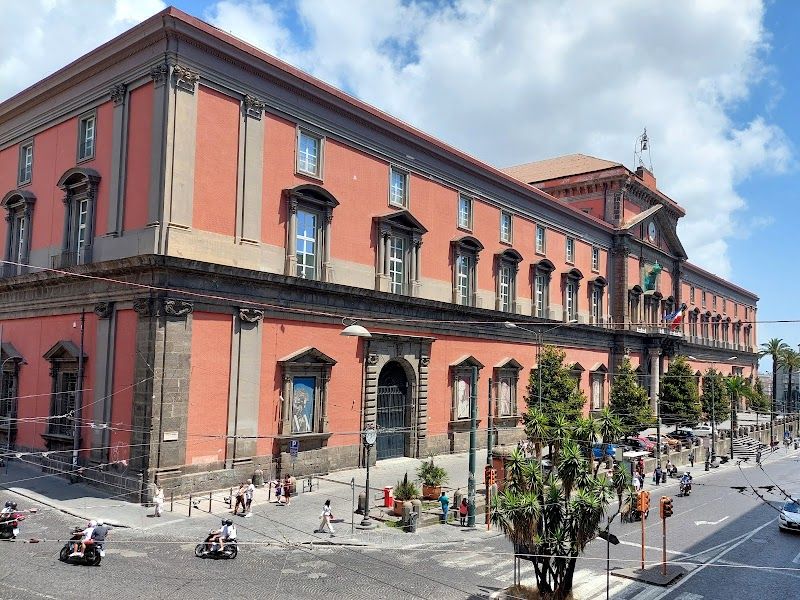
National Archaeological Museum of Naples (MANN)
The Museo Archeologico Nazionale di Napoli (MANN) is the most important collection of Roman and Greek antiquities in the world, significantly better than what is in Rome itself. This is because the museum holds the entire Farnese collection (accumulated by one of Rome's most powerful families over two centuries) and the objects recovered from Pompeii, Herculaneum, and Stabiae after the 1748 excavations began. The Farnese collection includes the Farnese Hercules (the largest surviving ancient statue, 3.15 metres, a 3rd-century Roman copy of a Greek original, the head is disproportionately small because the original head was lost and replaced) and the Farnese Bull (the largest surviving sculptural group from antiquity, 3.7 metres high). The Pompeii galleries contain the actual mosaics, wall paintings, and objects removed from the excavations: the Alexander Mosaic (the battle between Alexander the Great and Darius, originally the floor of the House of the Faun in Pompeii, 20 square metres, made from 1.5 million tesserae) is in Room 61. The Secret Cabinet (Gabinetto Segreto) contains the erotic art recovered from Pompeii, which was locked away for most of the museum's history and only fully opened in 2000. EUR 18. Closed Tuesday.
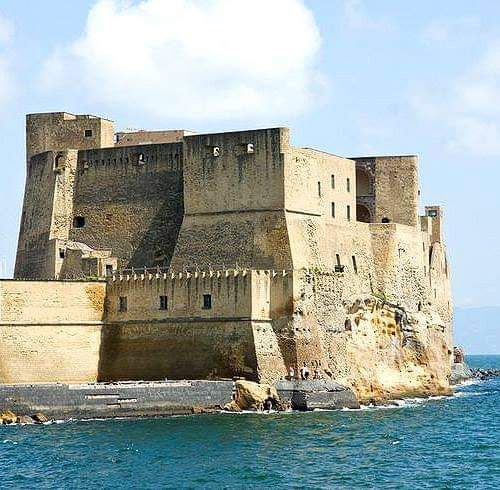
Castel dell'Ovo and the Lungomare
Castel dell'Ovo sits on a tiny island connected by causeway, where Greeks founded their first settlement 2,700 years ago. You're here for the knockout views: Mount Vesuvius rising across the bay, the sweep of Naples climbing the hills behind you, and fishing boats bobbing in the marina below. The medieval castle itself is free to enter, and you can walk the ramparts and explore a few sparse rooms, but the real draw is standing on these ancient stones with the entire Bay of Naples spread out before you. The visit flows naturally from the castle out onto the Lungomare, Naples' seafront promenade that curves west for 3km to Mergellina. You'll walk past joggers, fishermen casting lines, and Neapolitans taking their evening passeggiata. The grand Belle Époque hotels face the water along Via Partenope, their terraces perfect for watching the light change on Vesuvius. The promenade has that relaxed seaside energy you don't expect in such a dense city, with the smell of salt air mixing with coffee from the waterfront bars. Most guides oversell the castle's interior: there's honestly not much to see inside beyond a few archaeological fragments and empty rooms. The magic happens outside on the ramparts and along the waterfront walk. Skip the castle entirely if you're pressed for time and just do the Lungomare, especially the stretch from Castel dell'Ovo to the Santa Lucia marina where the fishing boats cluster. The walk to Mergellina takes about 45 minutes and ends at excellent seafood restaurants.
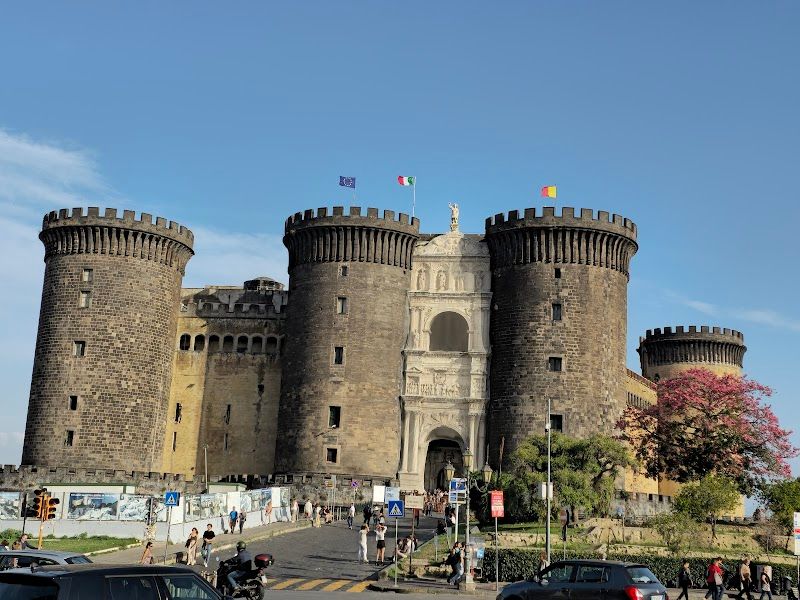
Castel Nuovo
Castel Nuovo stands like a medieval fortress dropped into Naples' port, its five round towers and massive walls built by the Aragonese in the 13th century. The showstopper is the Renaissance triumphal arch squeezed between two defensive towers, covered in detailed marble reliefs celebrating Alfonso of Aragon's victories. Inside, you'll explore the Sala dei Baroni with its soaring ribbed vault where medieval nobles once plotted, plus the Civic Museum displaying Neapolitan paintings and historical artifacts. The castle visit flows from the impressive courtyard through a series of medieval halls and up to the ramparts. The contrast hits you immediately: brutal defensive architecture interrupted by that delicate Renaissance archway. The Sala dei Baroni feels genuinely atmospheric with its stone walls and dramatic ceiling, while the museum rooms showcase local art spanning centuries. From the battlements, you get sweeping views over the port toward Vesuvius and across to the islands. Most guides oversell the museum collection, which is decent but not spectacular. The real draw is the architecture and those rampart views. Entry costs around 6 EUR, and you can easily see everything worthwhile in 90 minutes. Skip the upper museum floors if you're pressed for time and head straight to the battlements. The castle feels authentically medieval despite being in the city center, making it worth the visit for the atmosphere alone.
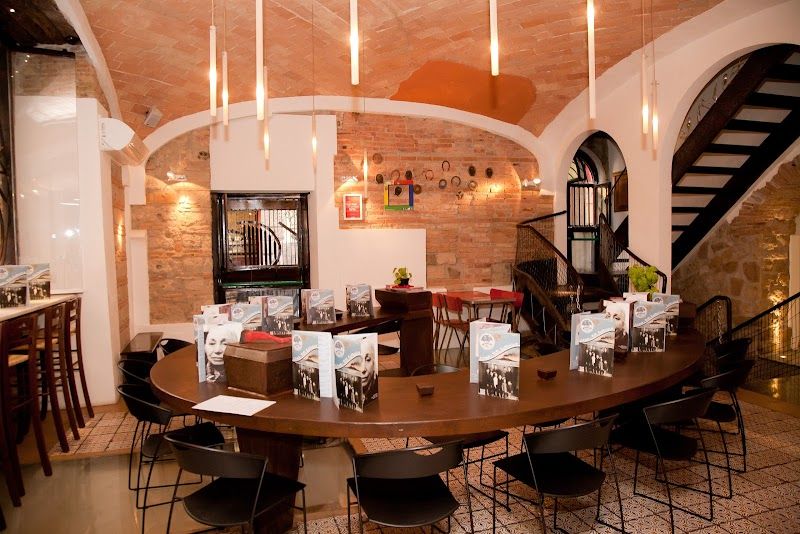
Pizzeria Gino Sorbillo
Third-generation pizzaiolo operating since 1935 on the famous Via dei Tribunali pizza street. The queues are long but move quickly, and the enormous pillowy-edged pizzas from the 485-degree oven justify the wait.
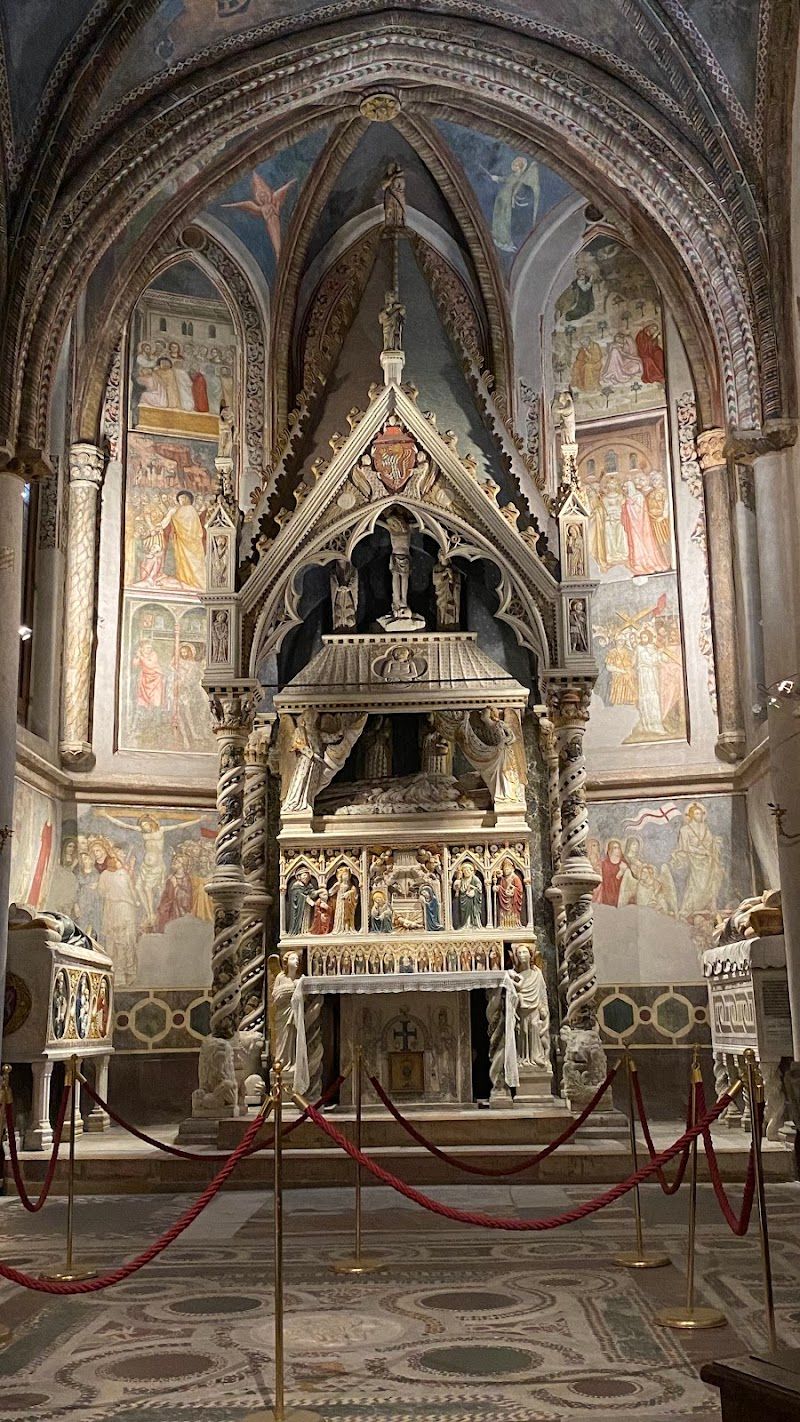
Duomo di Napoli
Naples Cathedral houses one of Italy's most fascinating religious spectacles: the liquefaction of San Gennaro's blood, which happens three times yearly and draws thousands of believers. Beyond the miracle, you'll find the oldest baptistery mosaics in Western Europe dating from the 4th-5th centuries, plus a surprisingly ornate baroque interior that most tourists rush through. The Chapel of San Gennaro glitters with silver and precious stones, while the archaeological area beneath reveals layers of Greek and Roman Naples. The cathedral feels like stepping into Naples' spiritual heartbeat, especially during the blood miracle ceremonies when the entire city holds its breath. Outside miracle days, it's pleasantly quiet with excellent natural light filtering through the nave. The baptistery mosaics are genuinely spectacular, showing early Christian symbols in brilliant blues and golds that have survived 1,600 years. You'll hear whispered prayers echoing off baroque marble and smell centuries of incense in the side chapels. Most guides oversell the main cathedral space, which is nice but not extraordinary by Italian standards. The real treasures are the baptistery (often overlooked) and the archaeological excavations beneath (entry costs €3). Skip the treasury unless you're obsessed with religious artifacts. The miracle ceremonies are genuinely moving if you can handle massive crowds, but the atmosphere on regular days is actually more contemplative for appreciating the art and architecture.
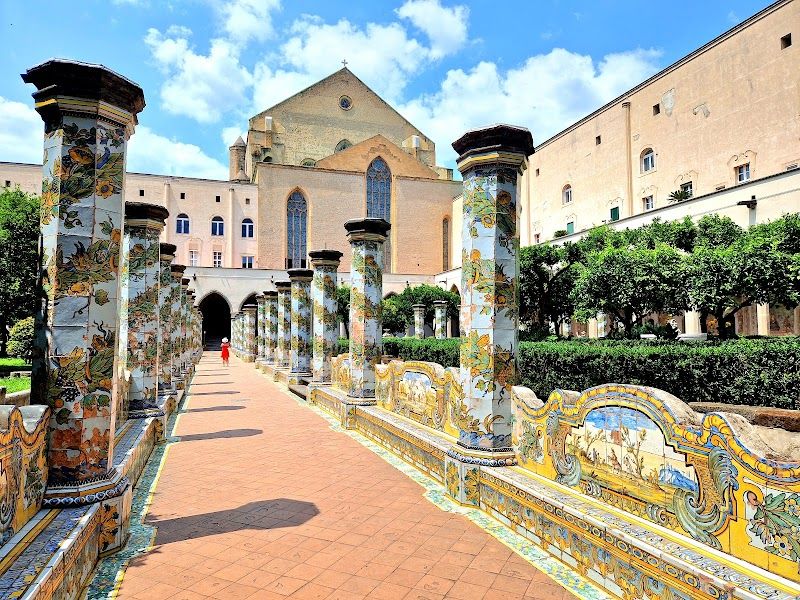
Complesso Monumentale di Santa Chiara
The Santa Chiara complex houses Naples' cloister, where every surface tells a story through hand-painted majolica tiles from the 1740s. You'll walk through a peaceful garden surrounded by 72 octagonal columns completely covered in climbing ceramic vines, while the benches display intricate scenes of 18th-century Neapolitan life, from hunting parties to rural landscapes. The attached museum holds one of Italy's finest nativity collections, with elaborate presepe scenes that locals take seriously. The moment you step into the cloister, the noise of Spaccanapoli disappears completely. Sunlight filters through the garden, highlighting the detail in the tilework: every vine leaf, every human expression, every architectural element rendered in brilliant ceramics. The space feels more like an outdoor art gallery than a religious site, and you'll find yourself studying individual tiles for ages. The museum upstairs surprises most visitors with its theatrical nativity displays, some featuring entire Neapolitan neighborhoods in miniature. Most guides don't mention that entry costs €6, or that the best light hits the tiles between 11am and 2pm when the courtyard gets full sun. Skip the rushed group tours and take your time with the tilework, particularly the benches along the eastern wall where the craftsmanship peaks. The nativity museum gets crowded after 3pm, so tackle it first if you're visiting late in the day.
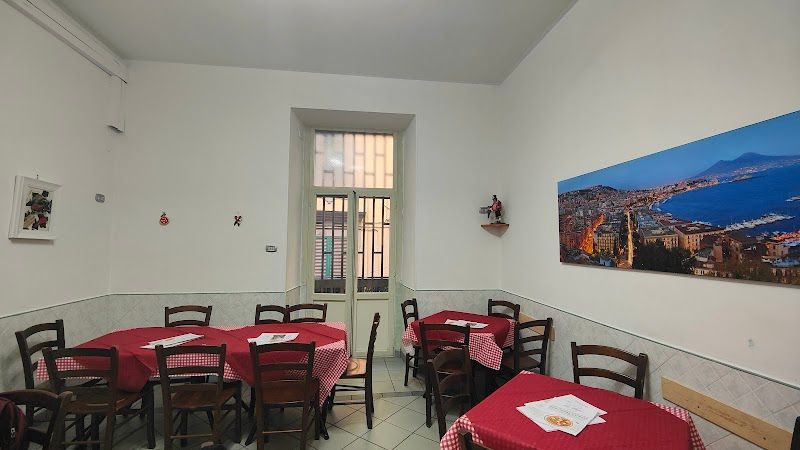
Pizzeria Di Matteo
No-frills pizzeria and friggitoria since 1936, serving both round pizzas and pizza fritta (fried calzone) stuffed with cicoli and ricotta. Bill Clinton ate here during the 1994 G7 summit, but locals come for the authentic working-class atmosphere and EUR 4 fried pizzas.
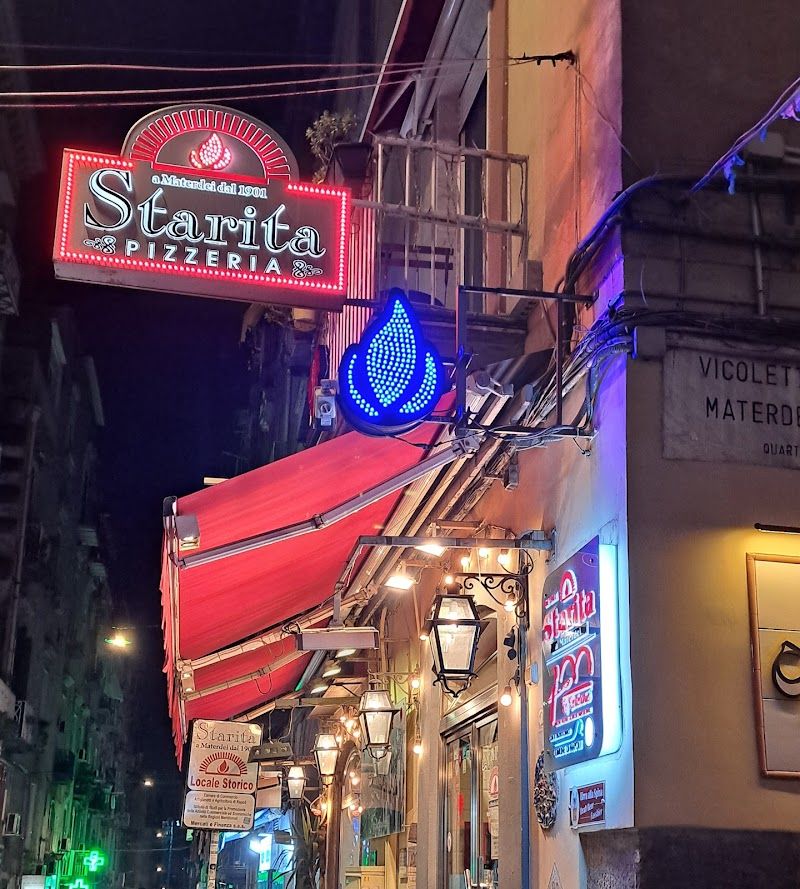
Pizzeria Starita a Materdei
Family-run pizzeria since 1901, famous for its montanara (fried then baked pizza) and as the filming location for the Sophia Loren film 'L'oro di Napoli'. The kitchen produces classic Neapolitan pizzas from a wood-fired oven with a menu that includes both traditional and creative variations.
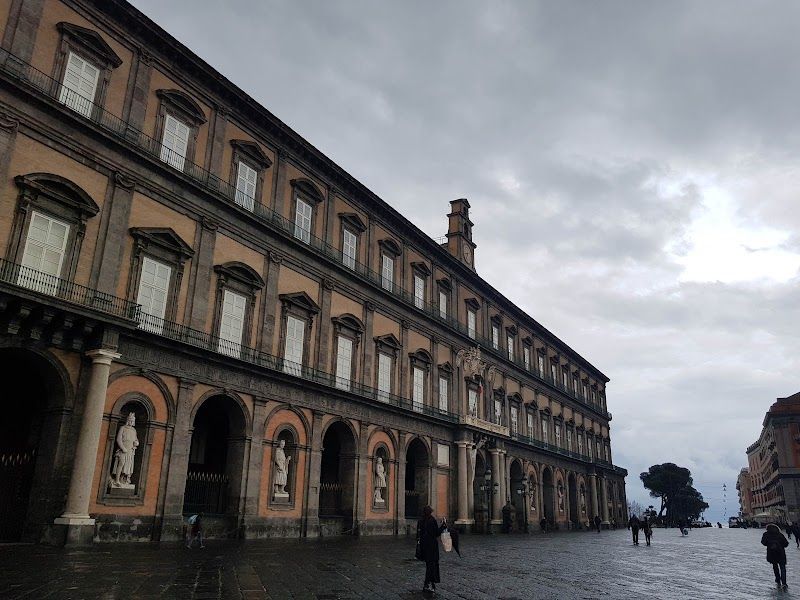
Palazzo Reale di Napoli
The Palazzo Reale delivers what you'd expect from a Bourbon royal residence: over-the-top opulence that might overwhelm you from all the gold leaf. You're walking through 30 state rooms filled with original 18th-century furniture, massive Flemish tapestries, and ceilings so elaborately frescoed they resemble baroque fever dreams. The real star is the tiny Teatrino di Corte, a perfectly preserved court theater that seats just 180 people and feels like a tiny, ornate room. The visit flows chronologically through the royal apartments, starting with the more formal reception rooms before moving into the king's private quarters. Each room tries to outdo the last with increasingly large chandeliers and furniture that epitomizes wealth. The theater is a standout, it's genuinely captivating and completely different from the heavy formality of the state rooms. The National Library occupies part of the building but feels like an afterthought after all that royal excess. Most guides won't tell you that half the rooms feel repetitive after the first dozen, all that gilded furniture starts to blend together. Entry costs 6 EUR, which is reasonable for what you get, but skip the audio guide at 5 EUR extra, the room placards have enough detail. Focus your energy on the Throne Room, the theater, and maybe three or four other rooms that catch your eye, then call it done.
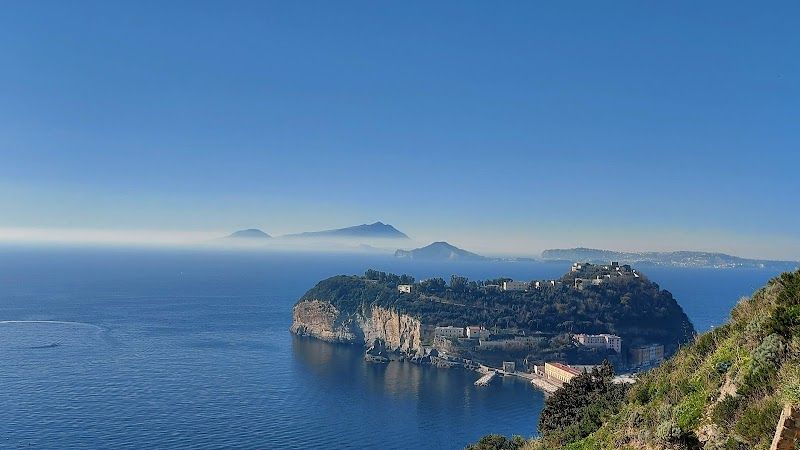
Parco Virgiliano
Parco Virgiliano sits on the Posillipo promontory like Naples' natural amphitheater, offering what locals consider the city's best panoramic views. You'll see the entire Bay of Naples spread out below, from Vesuvius smoking in the distance to the islands of Procida, Ischia, and Capri floating on the horizon. The terraced park has multiple levels with benches and viewing platforms, plus pine groves that provide welcome shade during summer heat. The experience feels refreshingly local compared to touristy viewpoints elsewhere in Naples. Families arrive with picnic baskets, couples claim sunset spots on the grass, and joggers loop the pathways while taking in million euro views for free. The park flows naturally from level to level, each terrace revealing a slightly different angle of the spectacular coastline. You can easily spend an hour just moving between viewpoints and watching ferries trace white lines between the islands. Most guidebooks barely mention this place, which keeps crowds manageable even on weekends. Skip the overcrowded Castel dell'Ovo viewpoint and come here instead for the same views without fighting for photo space. The sunset hour (around 6:30pm in summer) draws the biggest crowds, so arrive by 5pm to claim a good spot. Bring snacks since there's no cafe, and wear comfortable shoes as the paths have some steep sections between terraces.
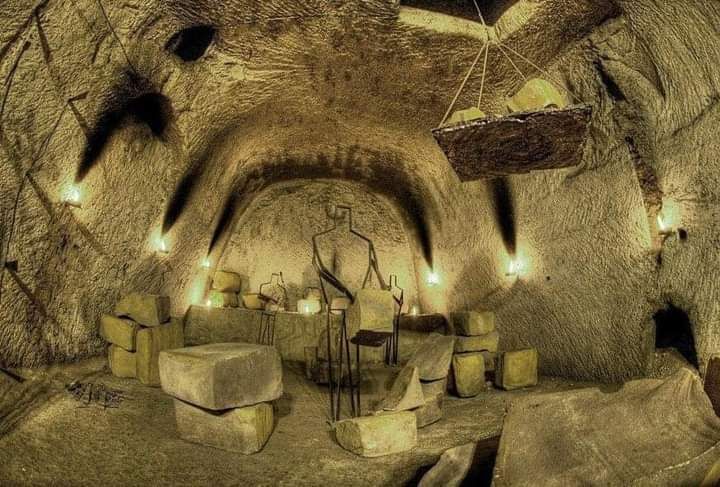
Napoli Sotterranea
Napoli Sotterranea takes you 40 meters underground into the belly of ancient Naples, where Greek settlers carved the first cisterns 2,400 years ago and Romans expanded them into a massive aqueduct network. You'll crawl through narrow tufa tunnels barely wide enough for one person, explore cavernous water chambers that echo with every footstep, and emerge inside a buried Roman theater that sits directly beneath someone's living room. This isn't just archaeology: you're walking through the literal foundation of the city above. The 90-minute tour starts in a nondescript courtyard, then plunges into flickering candlelit passages where your guide explains how this underground maze supplied Naples with water until 1884. The highlight comes when you squeeze through an impossibly tight tunnel section (seriously, some people can't fit), then suddenly find yourself standing in the orchestra pit of a 2,000-year-old Roman theater. During WWII, these same tunnels sheltered 4,000 Neapolitans from Allied bombing raids. At €10 per adult, it's excellent value compared to Pompeii's crowds and higher prices. Skip this if you're claustrophobic: some passages require you to turn sideways and shuffle. The Roman theater finale makes the tight squeezes worthwhile, but about 20% of visitors struggle with the narrowest section. Tours run in Italian with decent English translation, though you'll miss some nuanced history.
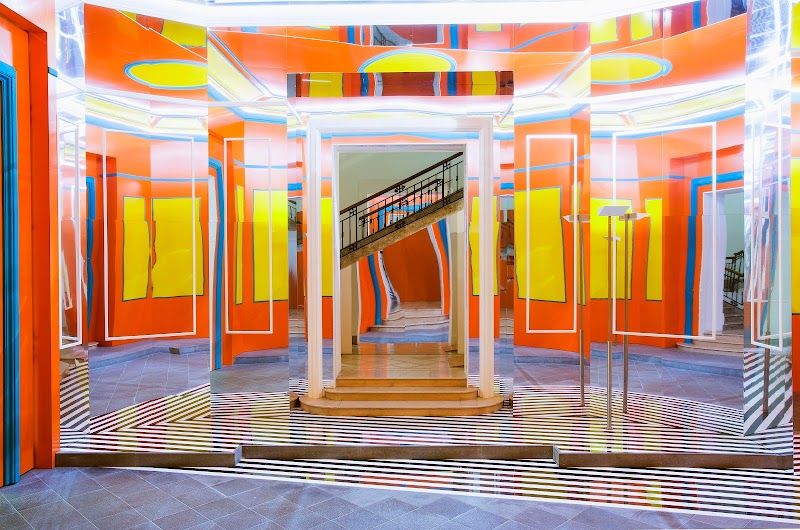
Museo d'Arte Contemporanea Donnaregina
MADRE transforms a 19th century palazzo into Naples' premier contemporary art space, housing permanent works by Jeff Koons, Anish Kapoor, and Francesco Clemente alongside rotating international exhibitions. You'll find three floors of installations that range from subtle video pieces to room-filling sculptures, with Italian artists like Mimmo Paladino getting equal billing with global names. The museum focuses on post-1960s work, so expect conceptual pieces, digital art, and experimental media rather than paintings on walls. The experience flows vertically through minimalist white galleries that deliberately contrast with the building's ornate ceilings and period details. Each floor feels different: ground level installations often spill into corridors, the second floor houses more intimate works, while the top floor saves space for large-scale pieces that need breathing room. The juxtaposition works brilliantly, making both old and new feel more dramatic. You'll spend time puzzling over some pieces while others hit immediately. Most guides oversell this as essential Naples culture, but it's genuinely good if contemporary art interests you. Skip it entirely if you're rushed or prefer classical work. The €7 entry fee represents solid value compared to Rome or Milan equivalents. Start on the top floor and work down to avoid backtracking, and don't feel obligated to read every placard.
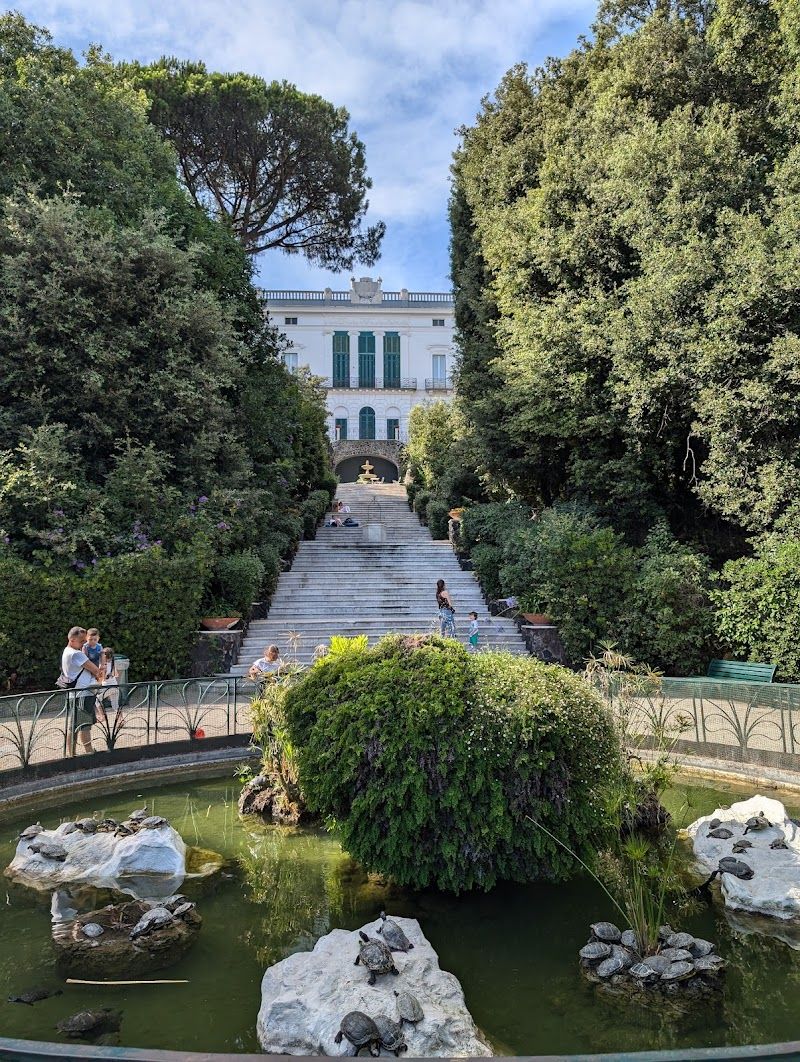
Villa La Floridiana
Villa La Floridiana sits on Vomero hill like Naples' best-kept secret viewpoint, wrapped in 20 acres of landscaped gardens that most tourists never find. You're here for two things: the sweeping Bay of Naples views from the upper terraces (seriously spectacular on clear days) and the surprisingly excellent Duca di Martina ceramics museum housed in the neoclassical villa itself. The collection spans centuries of European porcelain, Japanese pottery, and decorative arts that'll surprise you with its quality. The experience feels like discovering a private estate rather than a public park. You'll wander tree-lined paths past well-dressed locals walking dogs, elderly Neapolitans playing cards on benches, and families picnicking on weekends. The villa museum rooms flow chronologically through ornate chambers filled with Capodimonte porcelain, Chinese vases, and intricate majolica pieces. Outside, the gardens cascade down terraced levels with that million-dollar bay view appearing around every corner. Most guidebooks barely mention this place, which keeps crowds away but means opening hours can be unpredictable. The museum entry is free (rare for Naples), but they sometimes close sections without warning. Skip the lower garden paths if you're short on time and head straight to the upper terraces for photos. The view beats Castel Sant'Elmo's crowded panorama, and you'll have it mostly to yourself.
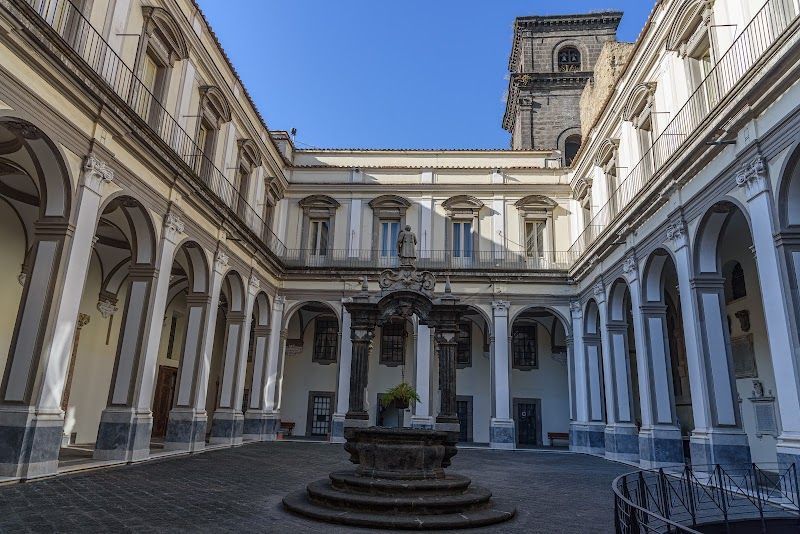
Complesso Museale di San Lorenzo Maggiore
San Lorenzo Maggiore gives you two attractions in one: a beautiful 13th-century Gothic church upstairs and genuine Roman ruins below street level. The underground excavations reveal the ancient macellum (market) of Neapolis, complete with Roman shops, a bakery, and treasury rooms that look exactly as they did 2,000 years ago. You're literally walking through the economic heart of ancient Naples, with medieval foundations built directly on top of Roman walls. The visit starts in the church above, where Gothic arches soar overhead and you can see where Boccaccio supposedly met his muse Fiammetta. Then you descend into the cool underground passages where Roman brick archways frame ancient shop fronts and storage rooms. The contrast hits you immediately: one moment you're in medieval Naples, the next you're stepping onto Roman paving stones. Audio guides explain each room's purpose, from bread ovens to coin storage areas. Most visitors rush through the church to get to the ruins, but spend time with both levels. The Roman sections can feel repetitive after 20 minutes, so focus on the main market hall and bakery area rather than every small room. At 9 EUR for adults, it's reasonably priced for what you get. Skip the gift shop completely, it's overpriced postcards and plastic replicas.
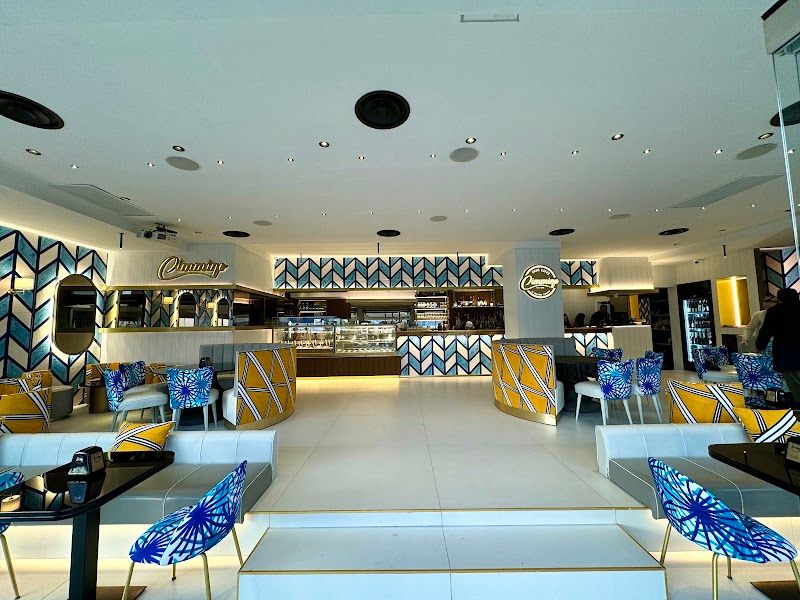
Gran Caffè Cimmino
Historic Vomero café and pastry shop that has been serving Neapolitans since 1930. Famous for its sfogliatelle, babà, and excellent espresso, it's a beloved local institution. The elegant interior and outdoor seating on Via Scarlatti make it ideal for people-watching.
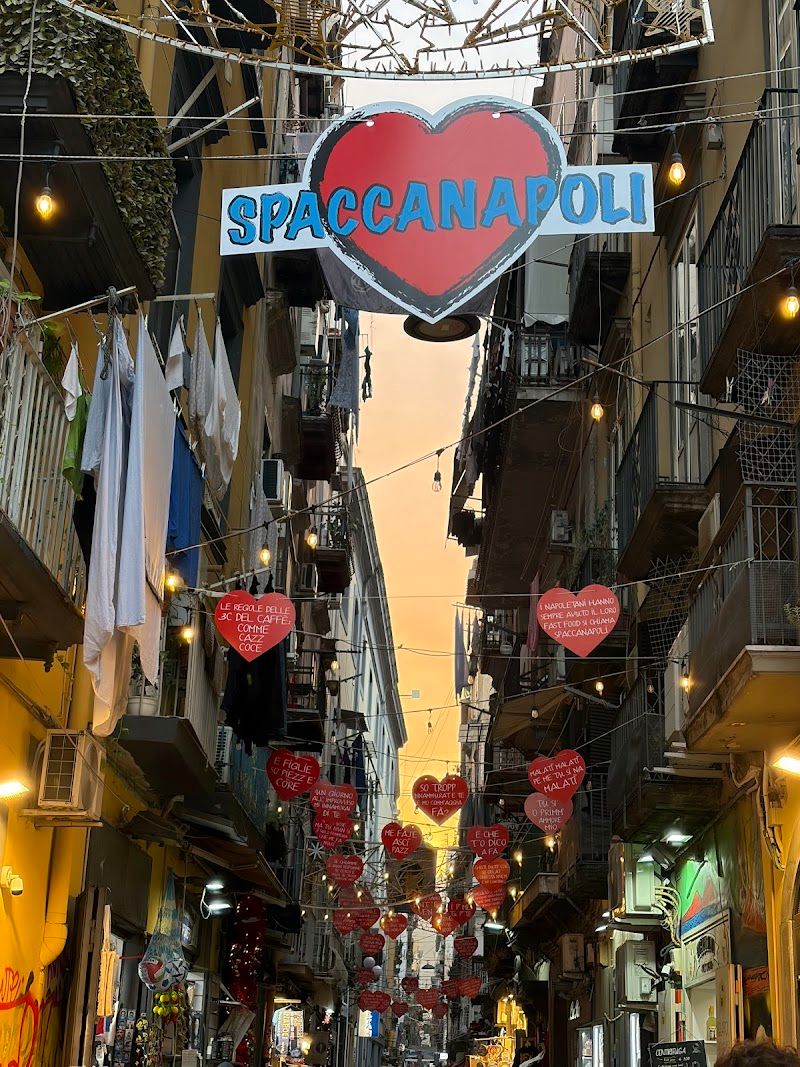
Spaccanapoli Walk
Spaccanapoli follows the exact route of ancient Greek Neapolis' main street, a 2,500-year-old thoroughfare that remains the city's main artery. This straight line cuts through Naples' historic city centre for 1.5km, taking you past baroque churches, nativity carving workshops, and some of the city's top-rated pizza restaurants. You'll walk through genuine working neighborhoods where artisans hammer gold, grandmothers hang laundry from balconies, and Vespas weave between pedestrians. The street is like walking through a living museum where nothing's been sanitized for tourists. Scooters buzz past constantly, church bells clang overhead, and the smell of frying pizza dough mixes with incense from open chapel doors. Via San Gregorio Armeno branches off with year-round Christmas workshops, while Santa Chiara's majolica-tiled cloister provides a quieter break from the chaos. The density is overwhelming but never threatening. Most guides don't mention that the eastern half, Via dei Tribunali, is actually more interesting than the touristy western end. Skip the overcrowded Christmas alley unless you're actually buying something, prices there are inflated. Santa Chiara's cloister costs nothing but many visitors walk right past the side entrance. The true treasure is stumbling into tiny churches that are older than most European capitals.
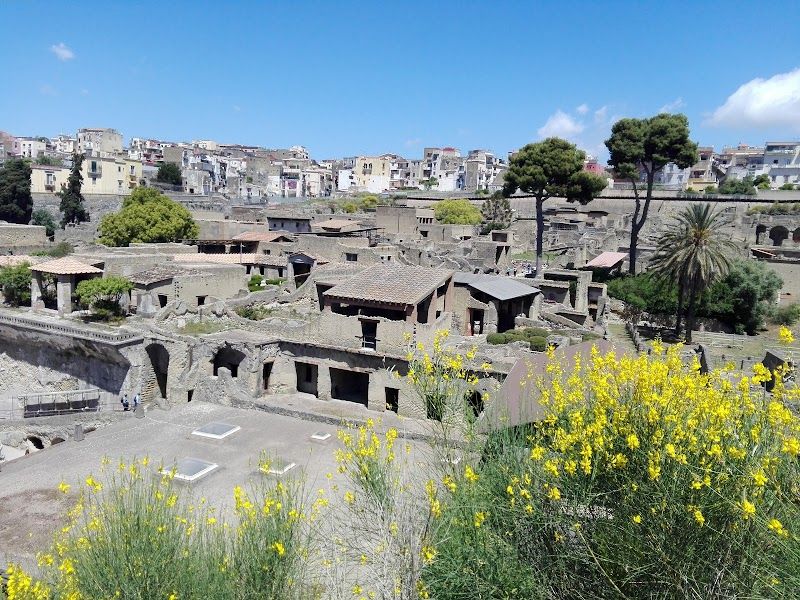
Stazione Ercolano Scavi
Stazione Ercolano Scavi connects you to Herculaneum, the Roman town that got flash-frozen by Mount Vesuvius in 79 AD. Unlike Pompeii's ash burial, pyroclastic flows created an instant seal that preserved wooden furniture, intact upper floors, and brilliant frescoes. You'll walk through actual Roman apartments with original balconies, see carbonized loaves of bread still in ovens, and explore the Villa of the Papyri where scrolls survived for 2,000 years. The site sits 20 meters below modern Ercolano, so you descend into this preserved slice of antiquity. Most striking are the two-story houses where you can climb original staircases and peer into bedrooms with frescoed walls. The thermal baths showcase intricate mosaics, while the boat pavilion displays skeletons of residents who fled to the harbor. Audio guides help, but the preservation speaks for itself when you're touching wooden door frames that Romans used daily. Tickets cost €13 and include Villa dei Papyri access on weekends only. Most tour groups rush through in 90 minutes, but you need at least 3 hours to appreciate details like the House of Neptune's pristine mosaics. Skip the expensive official guidebook and download the free Herculaneum app instead. The site gets brutally hot in summer with limited shade, so bring water and start early.
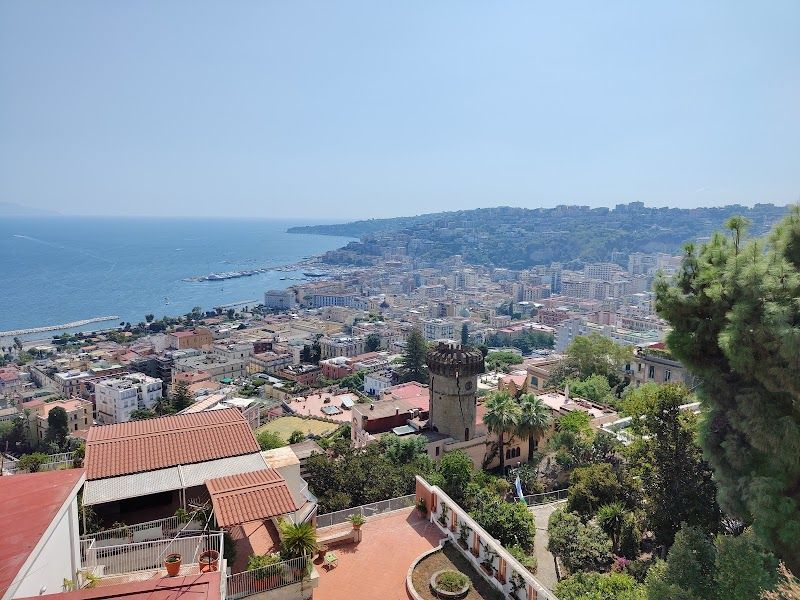
Parco di Villa Floridiana
Parco di Villa Floridiana occupies prime real estate on Vomero hill, wrapping around an elegant 19th-century neoclassical villa that now houses the Museo Nazionale della Ceramica Duca di Martina (EUR 5). The terraced gardens cascade down the hillside, offering unobstructed views across Naples' bay to Mount Vesuvius and the islands of Capri and Ischia. You'll find one of Naples' best panoramic viewpoints here, plus peaceful walking paths lined with Mediterranean pines and palm trees. The park feels like Naples' secret backyard, where local families come for evening passeggiatas while tourists remain oblivious down in the historic center. You can wander the formal gardens, settle on benches facing the bay, or explore the villa's impressive ceramics collection featuring Capodimonte porcelain and Asian pieces. The atmosphere stays relaxed throughout the day, with joggers using the paths in early morning and couples claiming the best sunset spots by evening. Most guidebooks barely mention this place, which works in your favor since you'll rarely encounter crowds. The museum inside gets overlooked but contains genuinely world-class ceramics if you're into decorative arts. Skip the lower terraces which offer limited views, head straight to the upper gardens where the real panoramas unfold. The EUR 5 museum ticket is optional unless you're particularly interested in porcelain and pottery.
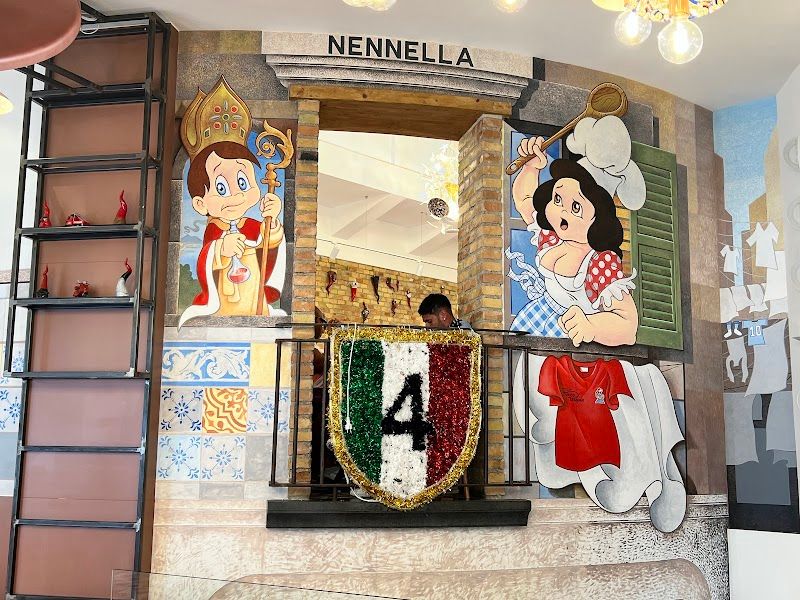
Trattoria da Nennella
Chaotic family-run trattoria in the heart of Quartieri Spagnoli where the owner shouts orders and tosses wine bottles across the room. Fixed-price menu changes daily based on what is available, with massive portions of traditional Neapolitan pasta and secondi served at communal tables.
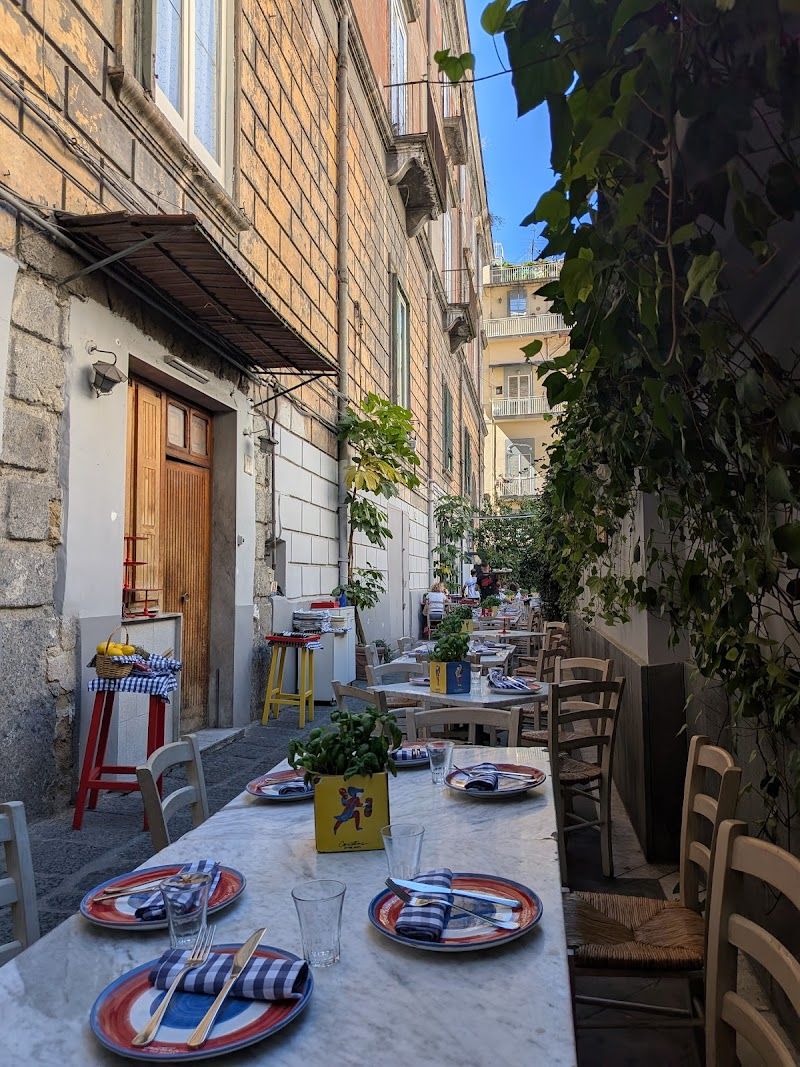
Pizzeria Concettina ai Tre Santi
Fourth-generation pizzeria in the Sanita neighborhood known for experimental toppings while respecting traditional dough techniques. The Mastunicola pizza (lard, basil, pecorino, and black pepper) dates to pre-tomato Naples, and the seasonal specials use Slow Food ingredients.
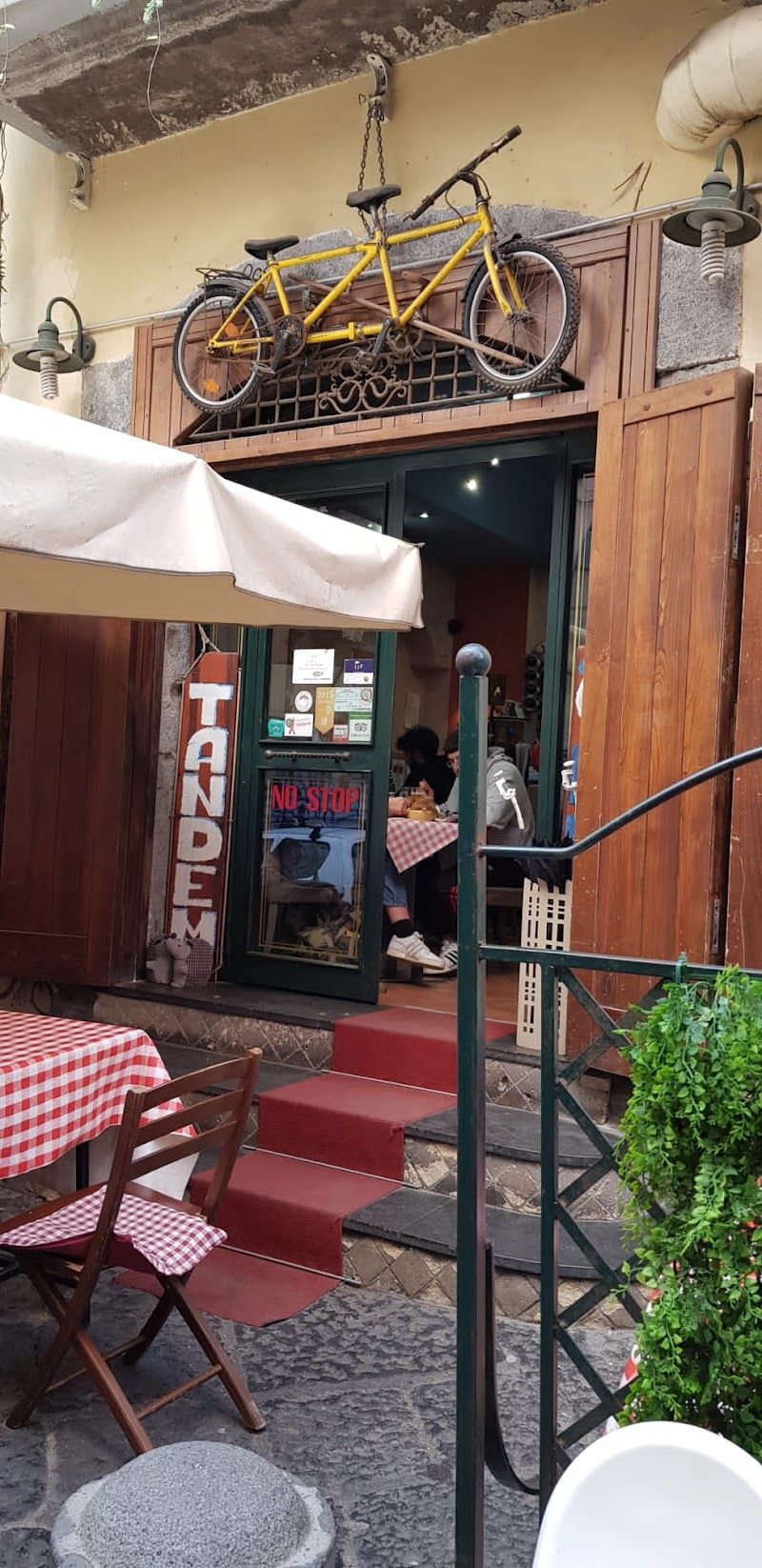
Tandem Ragu
Small restaurant dedicated exclusively to ragu napoletano, the Sunday sauce slow-cooked for 10-12 hours with multiple cuts of meat. Choose your pasta shape and whether you want your ragu with meatballs, braciole, or both.
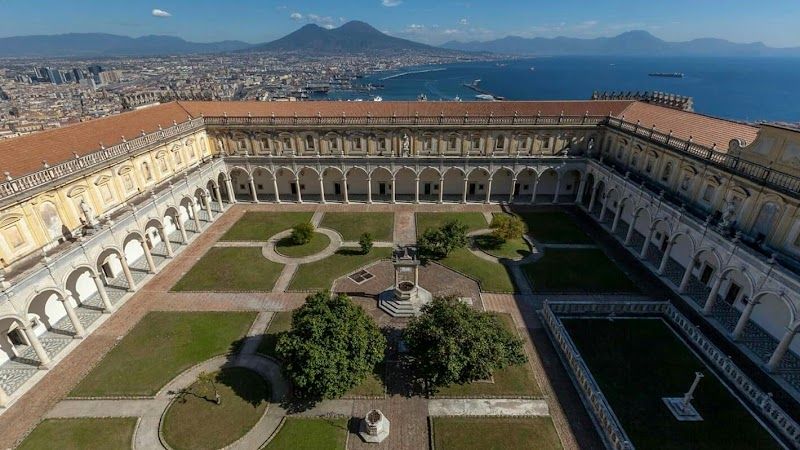
Certosa di San Martino and Castel Sant'Elmo
The Certosa di San Martino is the Carthusian monastery on the Vomero hill, reached by funicular (EUR 1.10 with a transit ticket, three funicular lines serve the hill). It was founded in 1325 and rebuilt in the Baroque period under the supervision of Cosimo Fanzago, who spent 40 years on it. It is now a museum (EUR 6) covering Neapolitan art, history, and the presepe (nativity scene) tradition for which Naples is famous: the 18th-century presepi in the museum are extraordinary works of art, with hundreds of hand-made terracotta figures in elaborate landscapes. The Baroque church and its cloister are the visual highlight: Fanzago's cloister is considered the finest Baroque cloister in Italy. The panoramic terrace looks out over the entire city, the bay, and the islands (Capri is the dark shape 25 km away on clear days). Castel Sant'Elmo (EUR 5, star-shaped fortress beside the Certosa) has an even better panoramic view from the ramparts. Both are on the same Vomero hill and can be combined in a half-day.
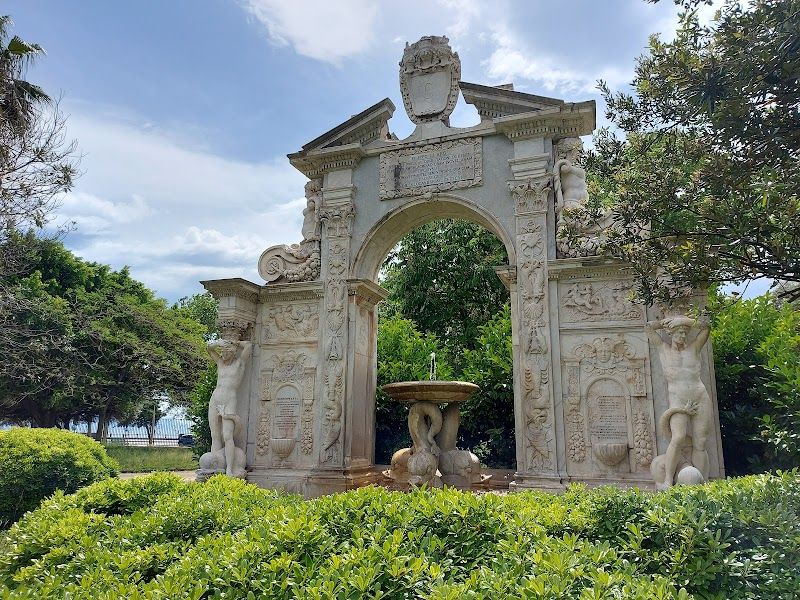
Villa Comunale di Napoli
Villa Comunale stretches for nearly two kilometers along Naples' waterfront, offering a peaceful escape from the chaotic streets above. You'll find wide, tree-lined paths perfect for jogging or cycling, neoclassical fountains that actually work, and unobstructed views across the Bay of Naples to Mount Vesuvius. The 19th-century park also houses Europe's oldest public aquarium, the Stazione Zoologica, where you can see Mediterranean sea life in Art Nouveau tanks. The park feels like Naples' living room: families picnic under towering palm trees, couples stroll past ornate pavilions, and serious runners lap the perimeter paths. The atmosphere shifts throughout the day, from peaceful morning dog walkers to evening crowds heading to nearby Chiaia bars. What strikes you most is the contrast between the serene parkland and the intense urban energy just across Via Caracciolo. Most guides exaggerate this as a top attraction when it's mainly a pleasant city park with great views. The aquarium costs €1.50 and feels dated rather than world-class. To avoid crowds, skip the eastern entrance near Castel dell'Ovo and enter at Via Caracciolo instead. The western end near Mergellina offers better Vesuvius views and fewer tour groups.
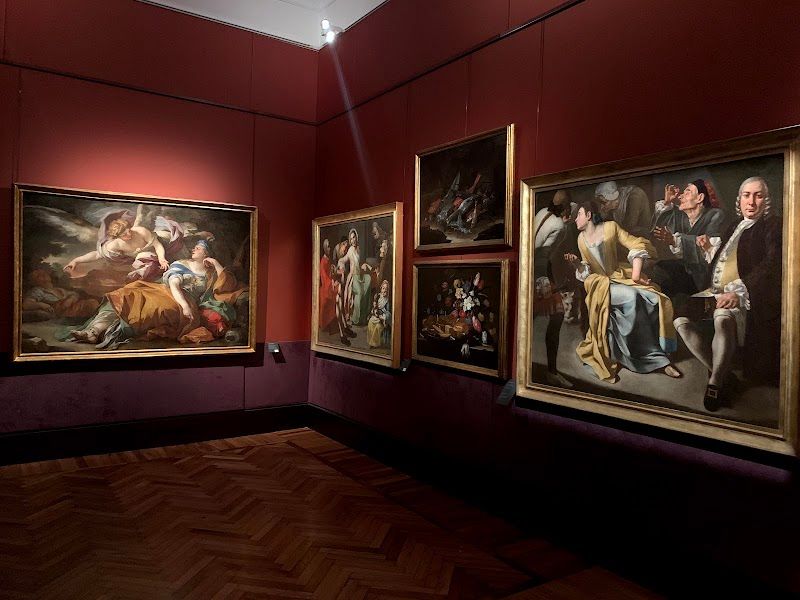
Gallerie d'Italia Palazzo Zevallos Stigliano
This 17th-century palazzo holds Naples' finest collection of Baroque paintings, centered around Caravaggio's last masterpiece, The Martyrdom of Saint Ursula. You'll find works by Luca Giordano, Francesco Solimena, and other masters who defined Neapolitan painting during the Spanish viceregal period. The frescoed salons themselves are artworks, with gilded ceilings and marble floors that showcase aristocratic life at its peak. You enter through a grand marble staircase that sets the tone for three floors of opulent rooms. The Caravaggio gets its own climate-controlled space where you can study the violent brushstrokes and dramatic lighting up close. Each salon flows into the next, creating a journey through centuries of religious and mythological scenes. The quieter third floor often gets overlooked but contains some of the most intimate portraits. Most visitors rush straight to the Caravaggio and miss the context that makes it special. The audio guide costs €5 but adds crucial backstory about the Spanish influence on Neapolitan art. Skip the ground floor gift shop, it's overpriced tourist items. Entry is free, making this one of Naples' best cultural bargains, though they sometimes close unexpectedly for private events.
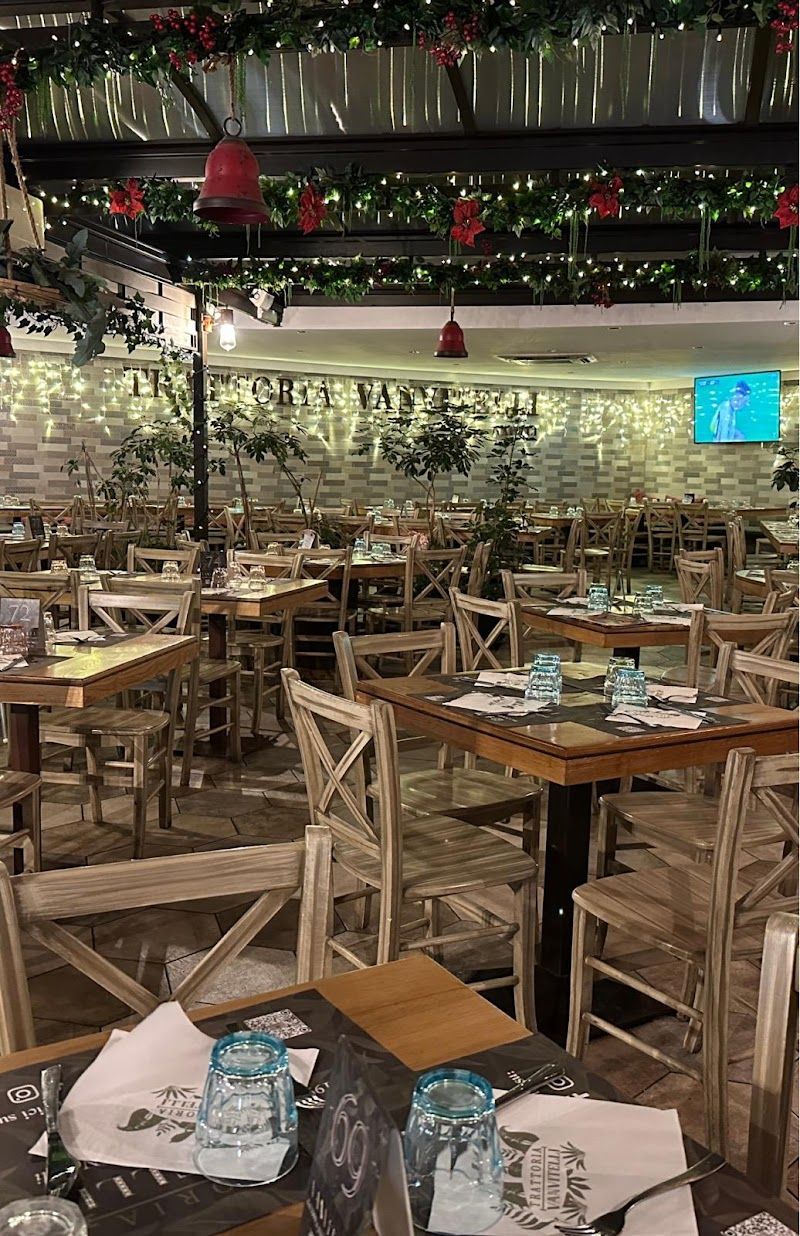
Trattoria Vanvitelli
Family-run trattoria serving traditional Neapolitan home cooking in a cozy, unpretentious setting. The menu changes with the seasons and features pasta e patate, genovese, and excellent seafood dishes. Popular with locals who appreciate authentic, reasonably-priced cuisine away from tourist areas.
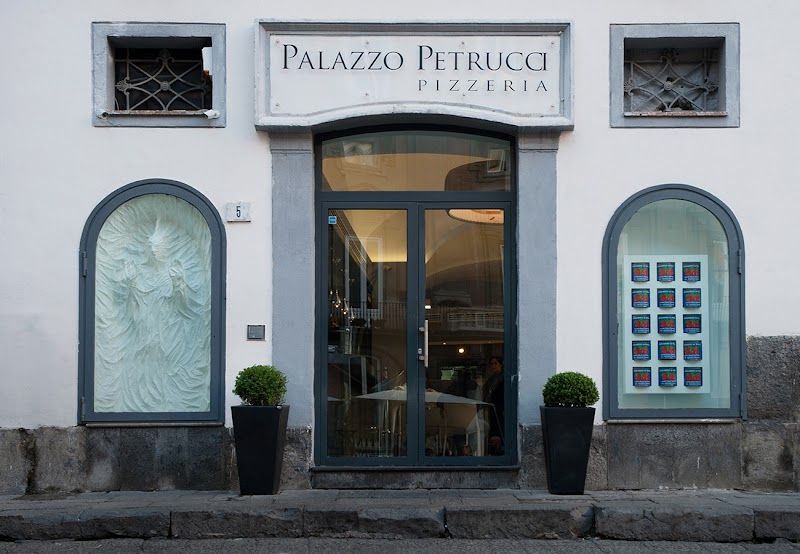
Palazzo Petrucci Pizzeria
Michelin-starred chef's casual pizzeria in Piazza San Domenico Maggiore using premium ingredients like Campanian buffalo mozzarella and Cetara anchovies. The dough ferments for 24 hours and the minimal toppings showcase ingredient quality over quantity.
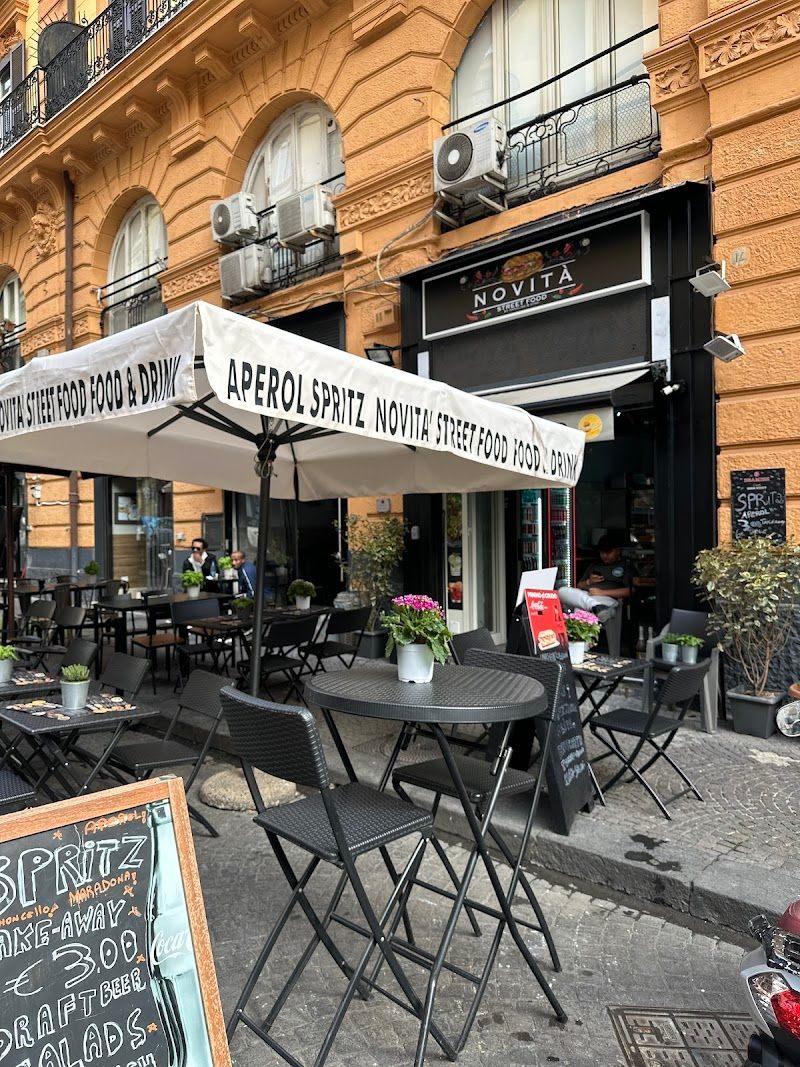
Naples Street Food and Neighborhood Walk
The street food of Naples is one of Italy's most complete traditions. A proper Naples street food tour covers: pizza fritta (fried pizza, a calzone-style pocket fried in lard or oil, EUR 3-4, the original pizza of the working poor before gas ovens were common), sfogliatella (the shell-shaped pastry, riccia is the multi-layered crispy version filled with ricotta and semolina, frolla is the shortcrust version, riccia is the correct one, EUR 2-3, from Sfogliatella Mary at Stazione Centrale or Pintauro on Via Toledo), cuoppo (a paper cone of fried food, mixed seafood or vegetable, EUR 5-7), o per e o muss (pig ear and snout, the traditional working-class street food, from the street vendors with the wheeled carts, EUR 2-3), struffoli (honey and fried dough, seasonal), and the espresso (EUR 1-1.20, standing at the bar, never sitting, the best is at a neighbourhood bar not at the tourist places). Guided street food tours run EUR 40-70 per person for 3 hours and hit 6-8 stops.
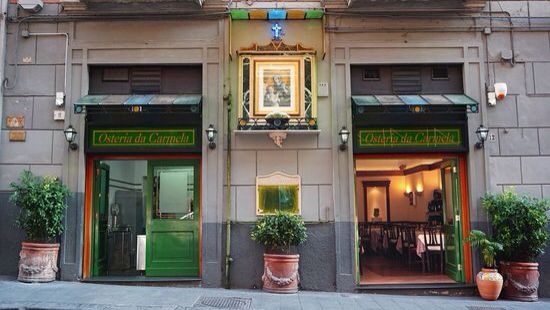
Osteria da Carmela
Neighborhood trattoria in Vomero serving home-style Neapolitan cooking to local families. Daily changing menu written on a chalkboard includes pasta e patate con provola, genovese (onion-based meat sauce), and grilled fish based on morning market hauls.
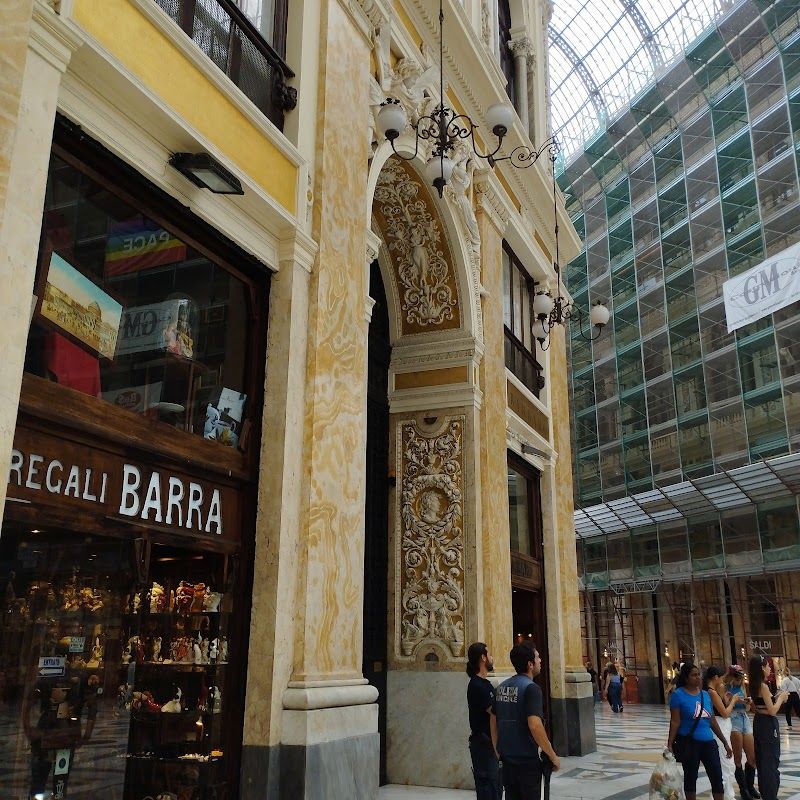
Sfogliatella Mary
Tiny pastry shop specializing in sfogliatella riccia, the crispy layered pastry filled with sweetened ricotta, semolina, and candied citrus. Baked fresh multiple times daily and best eaten warm from the oven.
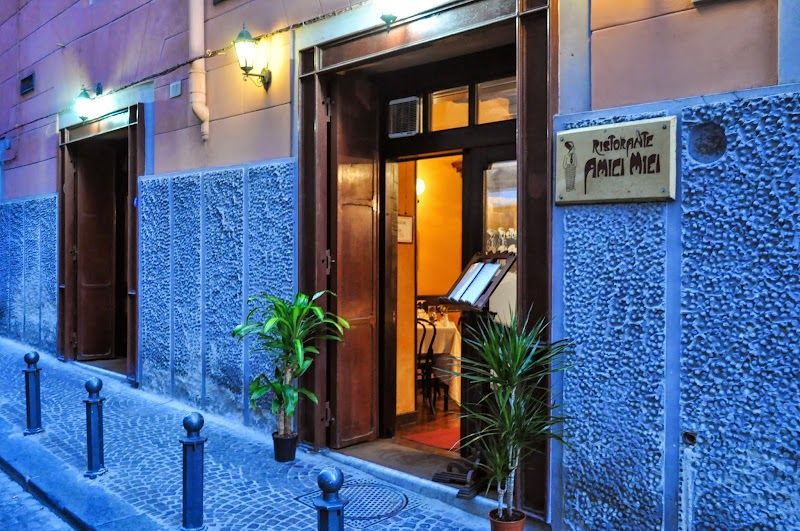
Ristorante Amici Miei
Seafood-focused restaurant near the Mergellina waterfront serving crudo (raw seafood), spaghetti alle vongole veraci, and daily catches from the Bay of Naples. The kitchen prepares fish simply grilled or acqua pazza (poached in tomato and garlic broth).
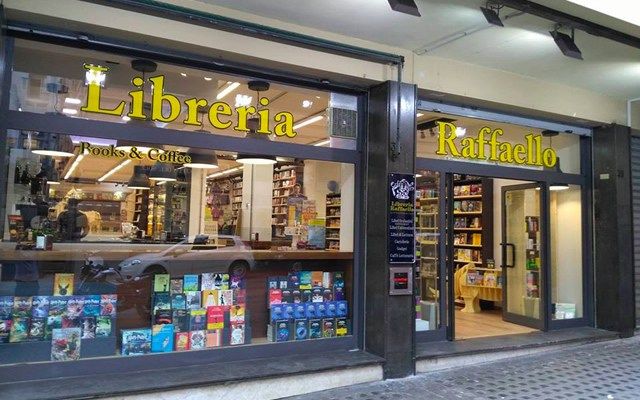
Libreria Raffaello
Libreria Raffaello feels more like a literary salon than a typical bookstore, occupying a cozy space on Via Kerbaker where Neapolitan intellectuals have gathered for over three decades. You'll find carefully curated sections of Italian literature, art books, and the city's best collection of titles about Naples and Campania regional culture. The owners know every book on their shelves and can recommend obscure local authors or hard-to-find photography books about Vesuvius that you won't see elsewhere. The atmosphere hits you immediately: floor-to-ceiling shelves packed with books, reading chairs where customers settle in for hours, and animated conversations between staff and regulars about everything from Neapolitan dialect poetry to contemporary Italian fiction. Evening author readings transform the space into an intimate cultural venue where local writers present their work to audiences of maybe 30 people. You'll hear more Italian than English here, which adds to the authentic neighborhood feel. Most travel guides mention this place in passing, but it's genuinely worth an hour if you read Italian or collect art books. Prices run typical for Italian bookstores (novels around 15-20 EUR, art books 25-45 EUR), but the selection beats larger chains completely. Skip it if you only read English, as the foreign language section is minimal. The real value is browsing their Naples-focused titles and soaking up the intellectual atmosphere that's increasingly rare in modern cities.

Fratelli La Bufala Vomero
Renowned restaurant specializing in buffalo mozzarella dishes and traditional Campanian cuisine. The menu features fresh mozzarella made daily, along with pasta dishes and grilled meats. The modern, spacious interior provides a comfortable setting for enjoying authentic regional flavors.
Pompeii Day Trip from Naples
Pompeii is 35 minutes from Naples Centrale by Circumvesuviana train (Sorrento line, get off at Pompei Scavi, EUR 3.60 each way). The site admission is EUR 18 and the site is open daily. Pompeii was a prosperous Roman city of 20,000 people buried under 4-6 metres of volcanic ash and pumice in 79 AD when Vesuvius erupted. Excavations since 1748 have uncovered about two-thirds of the city. What you see is not reconstruction but preservation: the buildings, streets, mosaics, garden walls, and shop fronts are mostly original material. The Forum, the Amphitheatre (the oldest surviving Roman amphitheatre, built in 70 BC), the Lupanar (the brothel, the most visited building in Pompeii, small rooms with stone beds and erotic paintings), the Villa of the Mysteries (the best-preserved paintings in the ancient world, the Dionysiac frieze is extraordinary), and the plaster casts of the victims are the essential stops. Allow 3-4 hours minimum. An official audio guide is EUR 8-10. A guided tour (EUR 120-150 for a private group) dramatically increases comprehension: the context for what you are seeing is half the experience.