Nice
Cimiez
The quiet residential hilltop where Matisse lived and the world's two best single-artist museums sit in an olive grove above the city, surrounded by Roman ruins and a monastery garden.
About Cimiez
Cimiez is the elevated residential neighbourhood north of the city centre, built on the hillside above Old Nice, and it contains the two best art museums in Nice and some of the most important Roman ruins in Provence. The neighbourhood is calm, largely residential, and requires a bus or taxi to reach from the centre (bus 15 or 17 from Place Massena, 20 minutes).
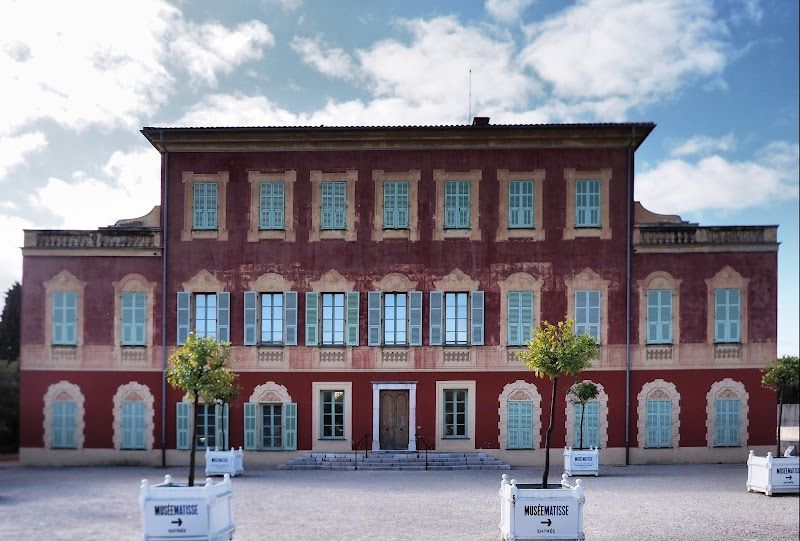
The Musee Matisse is in the Villa des Arenes, a 17th-century Genoese villa painted terracotta red, sitting in an olive grove. Henri Matisse moved to Nice in 1917 and stayed until his death in 1954, and the museum holds the largest permanent Matisse collection in the world: 68 paintings, 236 drawings, the sculptures, and the late paper cut-outs (the Jazz series and the enormous Oceanie) that he made when he was too ill to stand. EUR 10 entry. Closed Monday. The Musee Marc Chagall is 10 minutes away on foot: 17 large-format Biblical Message paintings installed in two galleries lit from above, with 5 stained glass windows depicting the Creation in a concert hall. EUR 10 (EUR 6 reduced). Closed Tuesday. A combined ticket for both museums costs EUR 18.
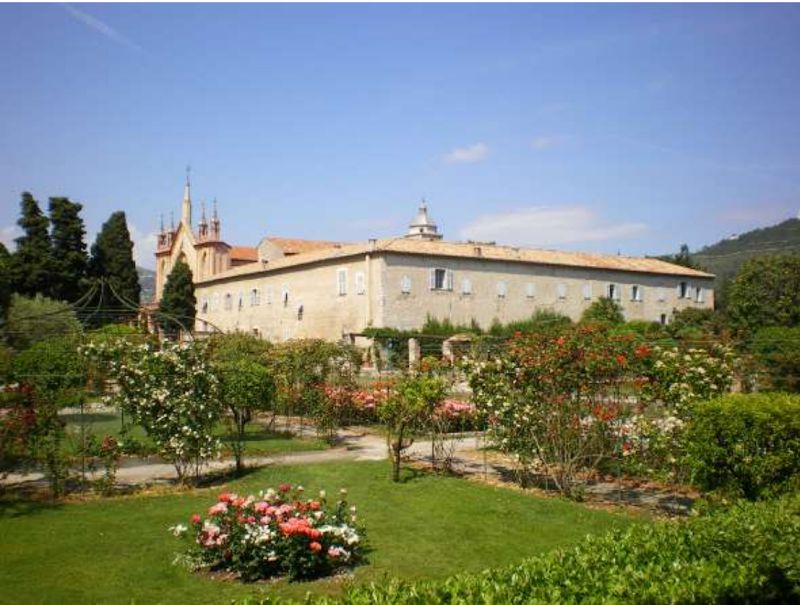
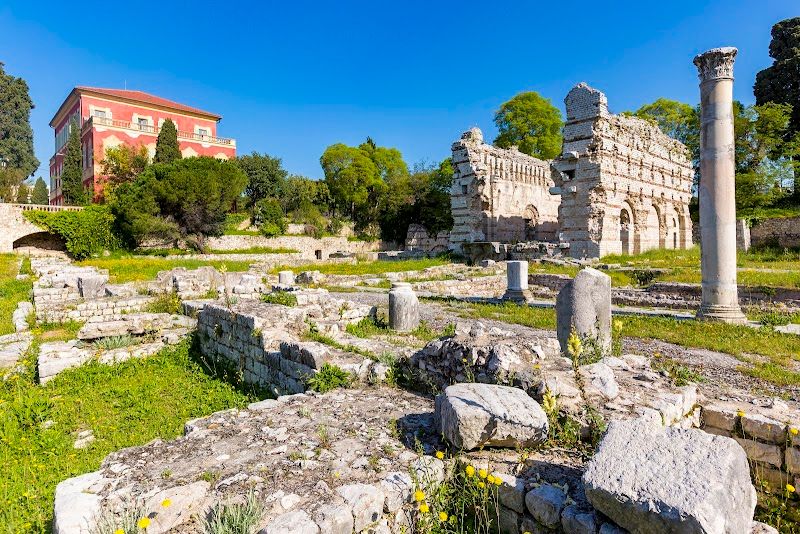
The Roman ruins of Cemenelum (the Roman capital of the Alpes-Maritimae province) are in the same olive grove as the Matisse museum: an amphitheatre and baths from the 2nd-3rd century AD, free to enter. The Monastere de Cimiez (the Franciscan monastery garden) is a short walk away: a terraced garden with roses and views over Nice, free, and the cemetery contains Matisse's grave.
Things to Do
Top experiences in Cimiez
Musee National Marc Chagall
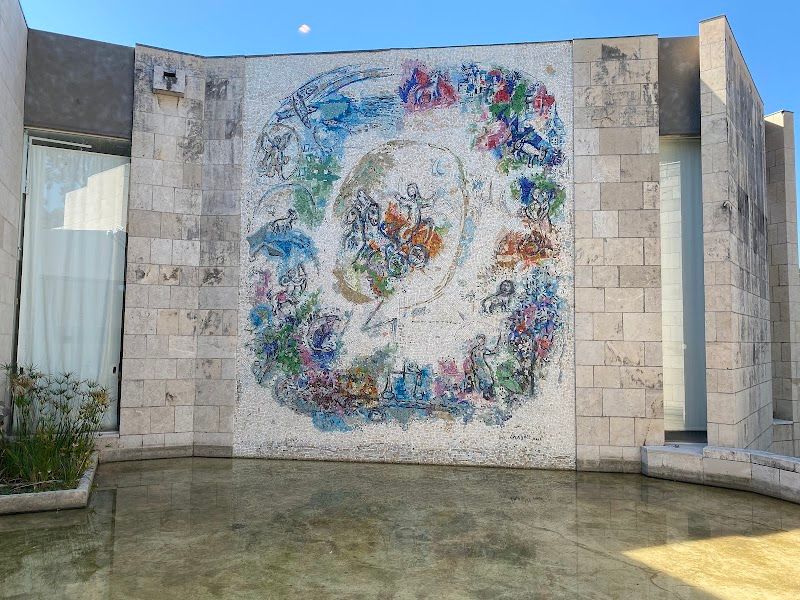
The Musée National Marc Chagall houses the world's largest collection of works by the Russian-French artist, built specifically around his Biblical Message series of 17 monumental paintings. You'll see Chagall's interpretation of Genesis and Exodus in canvases over 4 meters wide, where floating lovers, mystical animals, and biblical figures swirl in his signature dreamlike style. The museum also displays preparatory sketches, lithographs, and five remarkable stained glass windows that bathe the concert hall in deep blue light. The experience flows through two main galleries with perfect overhead lighting that makes Chagall's reds, blues, and yellows practically glow on the walls. The space feels intimate despite the large canvases, and you can get surprisingly close to see his brushwork and layered symbolism. The concert hall with its blue stained glass creates an almost chapel-like atmosphere where the windows seem to merge with the walls. Outside, a large mosaic beside a reflecting pool adds a peaceful conclusion to your visit. Most visitors rush through in 45 minutes, but you'll want longer to absorb the Biblical Message cycle properly. The EUR 10 entry may feel expensive for the museum's size, but the quality justifies it. Skip the temporary exhibitions upstairs, they are usually minor works that pale next to the main collection. The combined ticket with Matisse Museum saves you EUR 2 and gives you 48 hours to visit both, which makes sense since they are in the same neighborhood.
Musee Matisse Nice
The Musée Matisse sits in a gorgeous 17th-century terracotta villa surrounded by olive trees in Cimiez, housing the world's largest Matisse collection. You'll see 68 paintings, 236 drawings, and crucially, his legendary paper cut-outs including Jazz (1947) and the massive Oceanie (1946). The chronological layout traces his evolution from dark early works through his Fauve period to those luminous cut-outs he created when arthritis forced him to stop painting. The villa itself feels intimate, like wandering through Matisse's personal archive rather than a formal museum. The cut-outs on the upper floors are revelatory: seeing them life-size makes you understand why they revolutionized modern art in ways no reproduction can capture. The rooms flow naturally, and you're never fighting crowds like at the Picasso Museum. The terracotta walls and Mediterranean light streaming through windows create the perfect backdrop for his work. At €10, it's excellent value, but most people rush through in 45 minutes and miss the point entirely. Spend at least 90 minutes, especially upstairs with the cut-outs. Skip the ground floor gift shop browsing and head straight to the first floor chronological displays. The archaeological site next door is free and worth 20 minutes if you're not museum-ed out. Closed Mondays, and the bus ride up (lines 15 or 17 from Place Masséna) takes 20 minutes but saves the steep walk.
Monastère de Cimiez
This 9th-century Franciscan monastery sits high in Cimiez with views over Nice's red rooftops and the Mediterranean beyond. You'll find a working monastery where monks still live and pray, surrounded by gardens filled with olive trees and lavender that are meticulously maintained. The Gothic church houses baroque altarpieces, while the small cemetery contains the graves of Henri Matisse and Raoul Dufy, marked by stone crosses. The monastery grounds feel peaceful, a sharp contrast to the busy Promenade des Anglais below. You can wander through the gardens, peek into the Gothic church during services (respectfully), and explore the small museum housed in medieval rooms. The best moments come when you catch glimpses of the monks going about their daily routines, tending their herb garden or walking the cloisters in brown robes. A panoramic view is available from the terrace, especially in late afternoon light. Most guides exaggerate the Matisse connection, but his grave consists of two simple stones in a corner. The real draw is the atmosphere and the views, which are completely free to enjoy. It's worth avoiding the gift shop unless you need religious trinkets. The €5-admission museum feels overpriced for three small rooms of frescoes. Come in the morning when tour groups haven't arrived yet, and you may have the gardens almost to yourself.
Site Archéologique de Cimiez
Site Archéologique de Cimiez gives you authentic Roman ruins without the tourist circus you'd find in Rome or Pompeii. You'll walk through a genuine 1st-century amphitheater where gladiators fought, plus sprawling 2nd-century thermal baths with visible heating systems, pools, and changing rooms. The site sits where ancient Cemenelum once ruled as capital of the Roman province covering the French Riviera, and the olive groves surrounding the ruins create an unexpectedly peaceful setting just minutes from Nice's city center. The experience feels like discovering ruins in someone's backyard rather than visiting a polished museum. You can climb the amphitheater's stone seating tiers and sit where Romans cheered 2,000 years ago, then wander through the bath complex's remarkably intact rooms and corridors. Information panels explain the heating systems and daily life, but honestly, the ruins speak for themselves. The Mediterranean garden setting means you'll hear birds and smell lavender instead of dealing with audio guides and rope barriers. Most travel guides oversell this as a major attraction when it's really a lovely 45-minute detour that history lovers will appreciate and others might find underwhelming. The site is free, which explains why maintenance is basic and some areas look neglected. Skip it if you're rushing between Nice's beaches and Monaco, but it's perfect if you want to escape crowds and actually touch 2,000-year-old stones. The adjacent Matisse Museum makes a good combo visit.
Getting Here
On Foot
The neighbourhood itself is walkable once you are there. Getting up from the centre requires the bus or a taxi: it is a steep 35-minute walk from Old Nice.
Insider Tips
The combined museum ticket
The Musee Matisse (EUR 10) and Musee Marc Chagall (EUR 10) can be visited on a combined ticket for EUR 18, valid for 48 hours. This saves EUR 2 and removes the need to queue at the second museum. Buy at whichever museum you visit first. Note the closure days: Matisse is closed Monday, Chagall is closed Tuesday. Plan accordingly.
The olive grove and Roman ruins
The olive grove surrounding the Matisse museum is free to walk through and contains the Roman ruins of Cemenelum: an amphitheatre, baths, and scattered stonework from the 2nd and 3rd centuries AD. The Musee d'Archeologie beside the ruins costs EUR 10 to enter but the ruins themselves are visible from the grove. The olive trees are centuries old. Bring a book and spend an hour in the shade.
Getting to Cimiez
Bus 15 or 17 from Place Massena (the central square, 5 minutes walk from Old Nice) takes 20 minutes to Cimiez. The bus stop for the Matisse museum is Arenas de Cimiez. Taxis from the centre cost EUR 10-12. There is limited parking if you are driving. The walk up from Old Nice takes 35-40 minutes on a steep hill: the bus is the correct choice.
Nearby Neighborhoods
Continue exploring
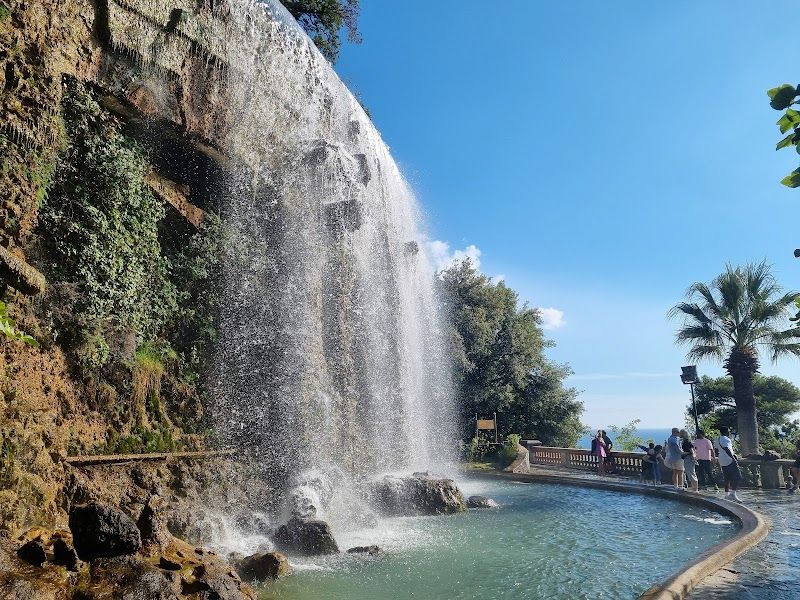
Vieux-Nice & Cours Saleya
The Baroque old town and its morning market: narrow carruggi painted in ochre and rose, Cours Saleya socca stalls and flower vendors, the hill above, and the best concentration of Nicois restaurants in the city.
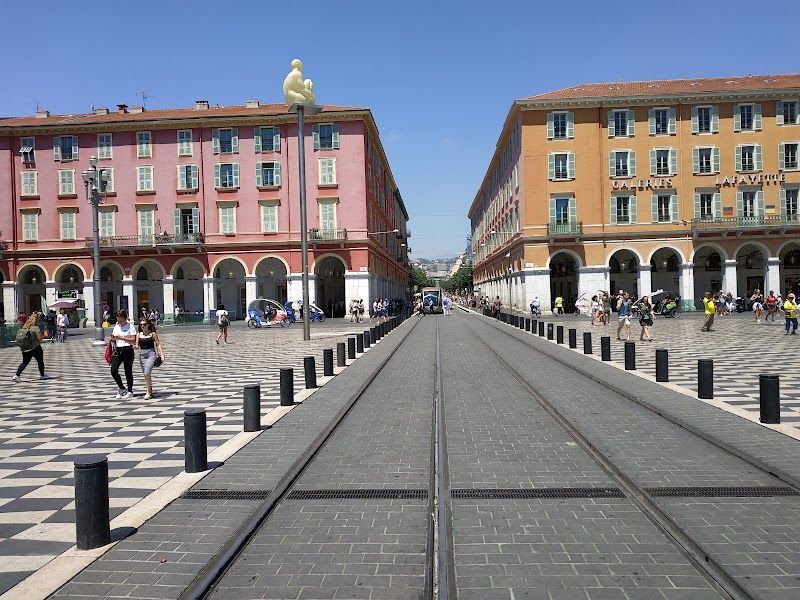
Promenade des Anglais & Seafront
Seven kilometres of seafront walk with blue chairs, pebble beaches with transparent water, the Hotel Negresco dome, and the social life of Nice spread along the bay from morning to evening.
Port & Quartier du Port
The working harbour east of the Colline du Chateau: pleasure boats, the seafood brasseries of Place Garibaldi, the Monday flea market, and the antiques district that serves Nice's serious collectors.