Nice
Vieux-Nice & Cours Saleya
The Baroque old town and its morning market: narrow carruggi painted in ochre and rose, Cours Saleya socca stalls and flower vendors, the hill above, and the best concentration of Nicois restaurants in the city.
About Vieux-Nice & Cours Saleya
Vieux-Nice is the architectural and gastronomic heart of the city. The grid of narrow streets between the Cours Saleya market and the Colline du Chateau was built in the 17th and 18th centuries when Nice was part of the Duchy of Savoy, and the buildings reflect the Piedmontese and Ligurian influences that separate Nice from the rest of Provence. The facades are painted in ochre, terracotta, and faded rose, the churches are aggressively Baroque, and the streets smell of coffee, socca, and olive oil in the mornings.
The Cours Saleya market is the neighbourhood anchor. Tuesday to Sunday from around 6 AM to 1 PM, the long pedestrian cours fills with flower stalls (cut flowers, lavender, mimosa) on the eastern half and food stalls on the western half: vegetables, olives, cheese, charcuterie, and the street food stalls that are the real reason to be here before 10 AM. Chez Theresa serves socca (EUR 3 a portion, chickpea flatbread cooked on a copper pan, eaten hot with black pepper) and pissaladiere (onion tart with anchovies, EUR 3-4). On Monday the entire market switches to antiques.
The Colline du Chateau at the eastern end of the neighbourhood is the best panoramic viewpoint in Nice: 92 metres above the sea, with the Promenade curving west along the bay. Access is free. The stairs (200 steps) or the lift (EUR 1 up, free down) both depart from Quai des Etats-Unis. The key Baroque churches to enter are Cathedrale Sainte-Reparate (free, the 17th-century dome is the architectural centrepiece of Old Nice) and Chapelle de la Misericorde (the most ornate interior in the city). For gelato: Fenocchio at Place Rossetti, 100+ flavours, EUR 2-3 per scoop, the violet is the local specialty.
Things to Do
Top experiences in Vieux-Nice & Cours Saleya
Colline du Chateau (Castle Hill)
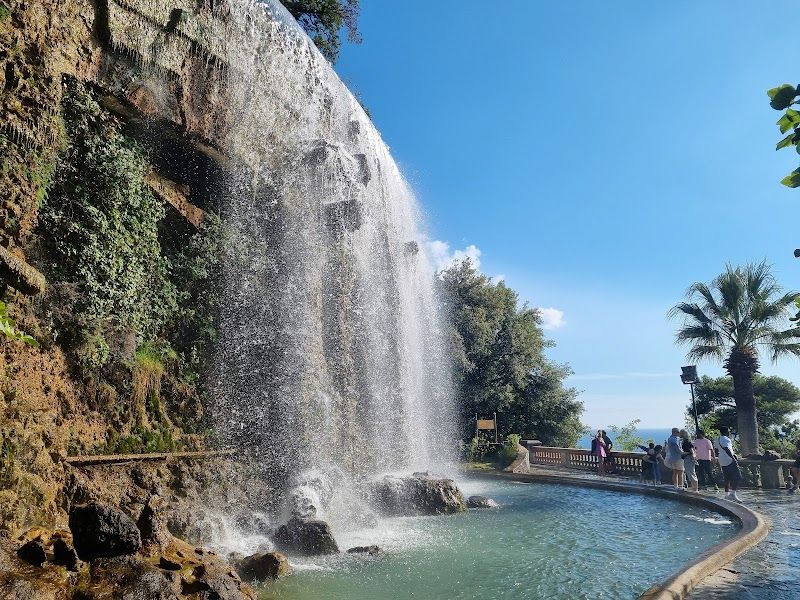
Take the stairs up from the east end of Quai des Etats-Unis rather than the elevator: you'll pass the waterfall and arrive less crowded at the top Most visitors cluster at the main western viewpoint. Walk to the eastern edge near the cemetery for equally good views of the port without the crowds Go before 10am when the morning light hits the Promenade perfectly and the tour groups haven't arrived yet
Cours Saleya Market
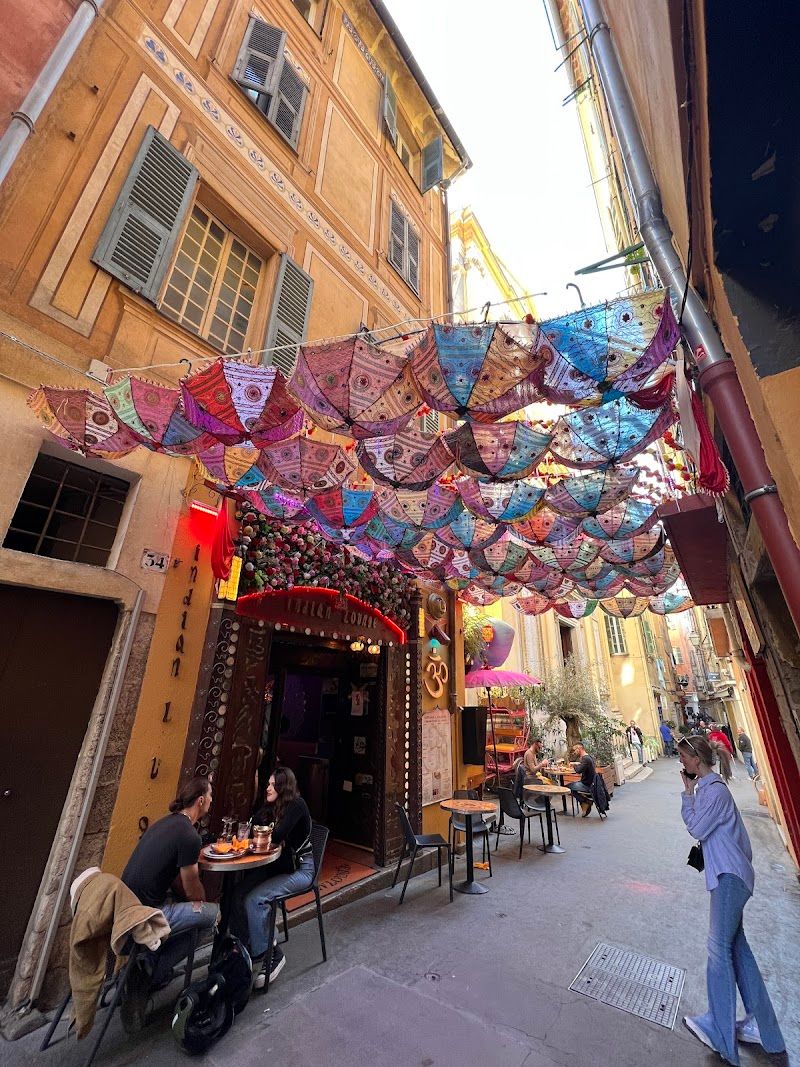
The Cours Saleya is the long pedestrian plaza running through the heart of Old Nice and the morning flower and food market that fills it from Tuesday to Sunday is the reason to arrive early. From around 6 AM to 1 PM, the market covers the full length of the cours: cut flowers, potted lavender, mimosa, and roses on the eastern half (Nice is the cut flower capital of France), and food on the western half: vegetables from the Var and Alpes-Maritimes, olives in dozens of varieties, charcuterie, cheese from Provence and Piedmont, and street food. The street food is the point: Chez Theresa's stall serves socca (a thin chickpea flatbread cooked on a massive copper pan over a wood fire, EUR 3 a portion, served hot, eaten with black pepper and nothing else) and pissaladiere (onion tart with anchovies and olives, EUR 3-4). Both are Nicoise specialities and both are best eaten standing at the stall with a small coffee from the bar across the cours. On Monday the flower market becomes an antique and flea market. The Cours Saleya is the centre of the social life of Old Nice and works as an outdoor living room. The restaurants on the north side are more tourist-oriented; the ones on the south side facing the Flower Market are more local. Budget EUR 5-10 for a morning of socca, pissaladiere, and coffee.
Musée d'Art Moderne et d'Art Contemporain
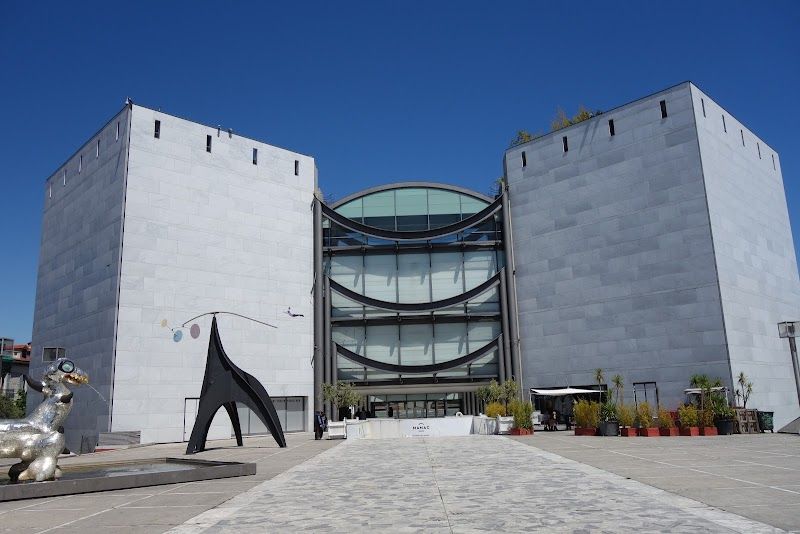
This marble cube perched in Vieux-Nice holds one of Europe's strongest collections of 1960s Pop Art and New Realism. You'll find major pieces by Yves Klein (including his signature ultramarine blue works), Andy Warhol's screen prints, Niki de Saint Phalle's colorful sculptures, and Roy Lichtenstein's comic book style paintings. The four floors move chronologically through movements that defined contemporary art, with particularly strong French representation alongside American Pop masters. The museum feels refreshingly spacious compared to Nice's cramped historic galleries. Natural light floods the white-walled rooms through floor to ceiling windows, and the layout flows logically without the maze-like confusion of larger institutions. Each floor focuses on different movements, so you can easily spend time with what interests you most. The rooftop terrace delivers spectacular 360-degree views over the Baie des Anges and Nice's terracotta rooftops. Entry costs €10, but honestly, many visitors come primarily for the free rooftop access via the external elevator. The collection, while excellent, isn't huge, so two hours covers everything comfortably. Skip the ground floor temporary exhibitions unless they specifically interest you, and head straight to floors two and three for the permanent highlights. The museum shop overcharges for basic postcards at €2 each.
Port Lympia
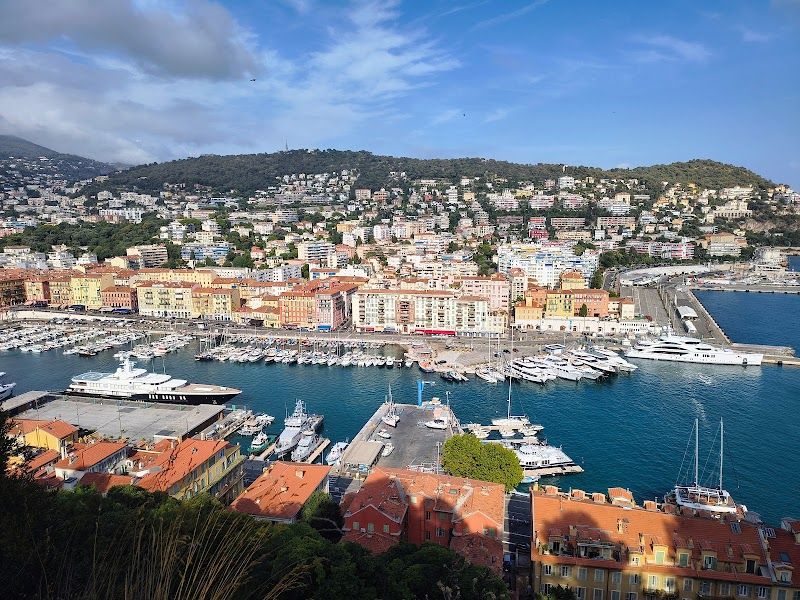
Port Lympia is Nice's working harbor, a deep-water port built in the 1780s that still functions exactly as intended. You'll find Corsican ferries departing daily, fishing boats returning with their catch, and expensive yachts moored alongside working vessels. The port is ringed by four-story Italianate buildings in weathered ochre and salmon pink, their ground floors housing ship chandlers, cafés, and the occasional maritime office. The architecture feels authentically Niçois rather than touristy, since this area serves locals and sailors first. Walking the port's perimeter takes about 30 minutes if you don't stop, but you'll want to pause frequently. The eastern quay offers the best views back toward the old town's hillside buildings, while the western side gets you close to the working boats. Early morning brings the fish market energy as trawlers unload their night's work, with locals queuing for the freshest catch. The atmosphere shifts throughout the day from working port to leisurely promenade as visitors discover the waterfront cafés. Most guidebooks oversell this as a major attraction when it's really a pleasant neighborhood walk. The cafés here charge tourist prices (€4-6 for coffee) despite the authentic setting. Skip the boat tour operators who approach you, they're overpriced at €25-35 for basic harbor circuits. Instead, time your visit for 7-8am when the fish sales happen, or late afternoon when the light hits those ochre facades perfectly.
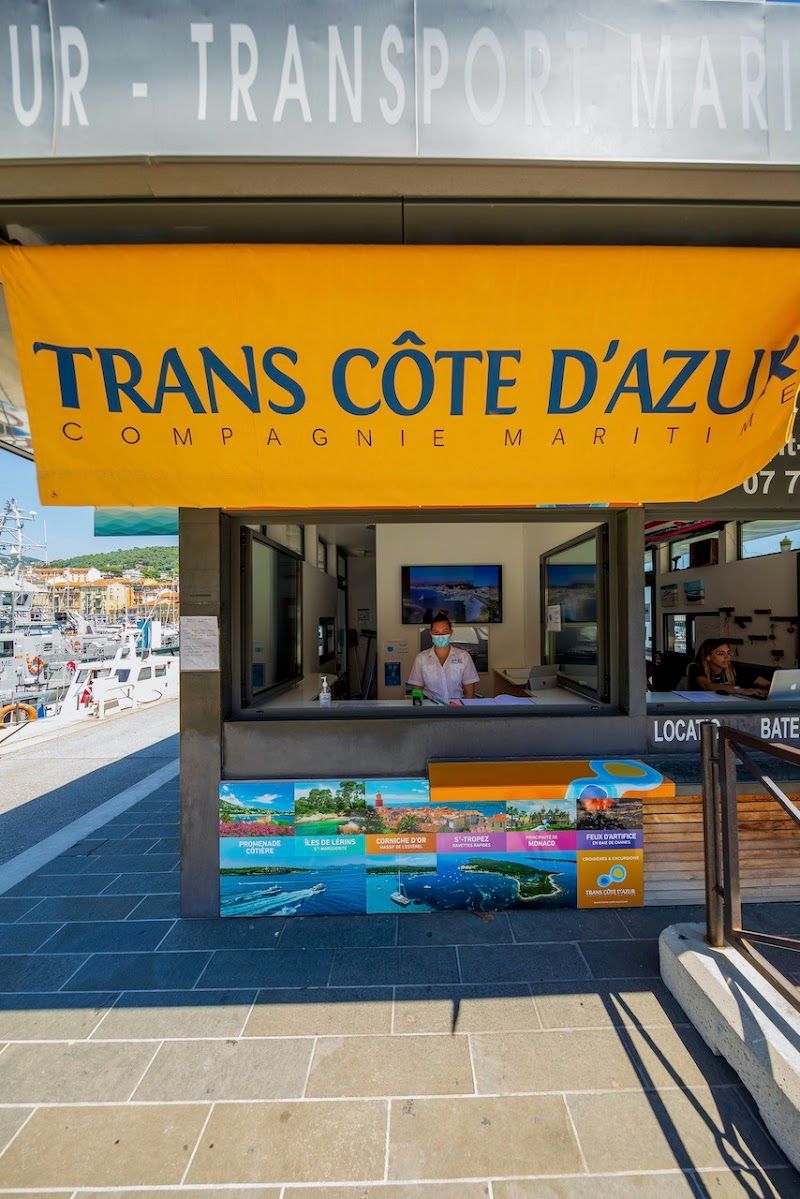
Trans Côte D'Azur
Trans Côte d'Azur runs proper boat excursions from Nice's Port to the Riviera's glamour spots, with their Monaco run being the standout. You'll cruise past the millionaire mansions of Cap Ferrat, get postcard views of Villa Ephrussi's pink facade from the water, and dock right in Monaco's harbor where superyachts cost more than small countries. The boats are comfortable catamarans that handle the Mediterranean chop well, and the commentary is actually informative rather than touristy fluff. The journey feels like you're seeing the Côte d'Azur as it was meant to be seen, from the sea. You'll pass dramatic cliffs, secluded coves that aren't accessible by land, and get that perfect angle of Monaco rising from the harbor that every postcard tries to capture. The crew points out celebrity villas and gives you the real gossip about who owns what. Most passengers crowd the upper deck for photos, but the lower level has better seating and still excellent views through large windows. Here's what other guides won't tell you: the afternoon departures can be rough when the wind picks up, and half the passengers end up queasy. Tickets cost around 45 EUR for Monaco, which is fair value considering you're getting transport plus sightseeing. Skip their Saint-Tropez trip though, it's overpriced at 65 EUR and the journey's too long for what you get. Book directly at their kiosk rather than through hotel concierges who add a markup.
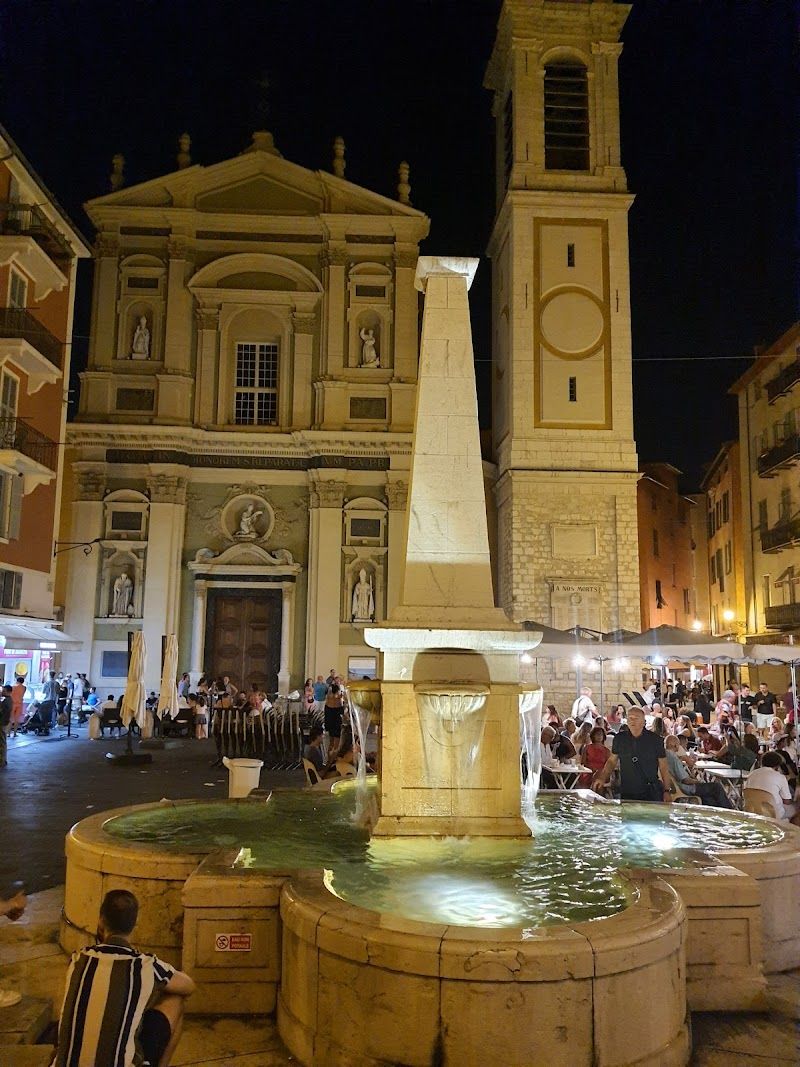
Vieux-Nice Street Walk
Old Nice (Vieux-Nice) is a dense grid of narrow streets between the Cours Saleya and the Colline du Chateau, built in the 17th and 18th centuries when Nice was part of the Duchy of Savoy. The buildings are painted in ochre, terracotta, rose, and faded yellow, with laundry strung between windows and Baroque churches occupying every other block. The architecture is more Italian than French: the Baroque facades, the narrow alleys (carruggi in Genoese dialect), and the dense population all reflect the Piedmontese and Ligurian connections that persist in the local dialect (Nicois) and the food. The key streets are Rue Saint-Francois-de-Paule (connects Cours Saleya to Place Massena, with the Opera de Nice and the olive oil shop Nicolas Alziari), Rue Rossetti (leads to Place Rossetti and the Fenocchio gelato shop, 100+ flavours, EUR 2-3 per scoop), and the Rue du Marche (the covered food market tunnel). The Baroque churches worth entering are the Cathedrale Sainte-Reparate (the 17th-century dome is the architectural centrepiece of Old Nice), Chapelle de la Misericorde (the most ornate interior in the city), and Eglise Saint-Jacques (the Baroque excess at its most committed). Most are free to enter.
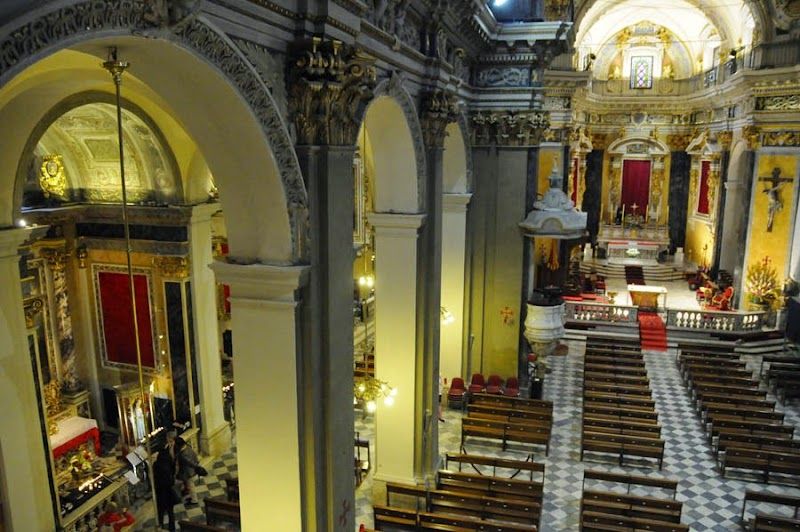
Cathédrale Sainte-Réparate de Nice
This 17th-century baroque cathedral is dedicated to Saint Réparate whose legendary body floated ashore guided by doves. The green-tiled dome dominates Vieux-Nice's skyline, while inside you'll find ten side chapels packed with marble altars, gilt decorations, and surprisingly detailed trompe-l'oeil ceiling frescoes. The carved wooden choir stalls and colorful stained glass windows create an intimate atmosphere despite the ornate baroque excess. You enter through Place Rossetti, a historic square, past gelato vendors and café terraces. Inside, the cathedral feels compact but rich, each chapel telling its own story through paintings and sculptures. The acoustics are remarkable: even whispered conversations carry, and if you're lucky enough to hear the organ, the sound fills every corner. Natural light filters through, illuminating gold leaf details and creating dramatic shadows across the marble columns. Most guides might suggest this cathedral as a major attraction, but it's a relatively short stop. You can take 15 minutes here while exploring Vieux-Nice, but if you're cathedral-weary from other European cities, you can skip it. The real draw is the setting on Place Rossetti, making it a good spot to combine with gelato from Fenocchio next door, which has gained popularity for its high quality. Entry is free, but avoid Sunday mornings when mass disrupts sightseeing. Exterior photos are actually more impressive than the interior experience.
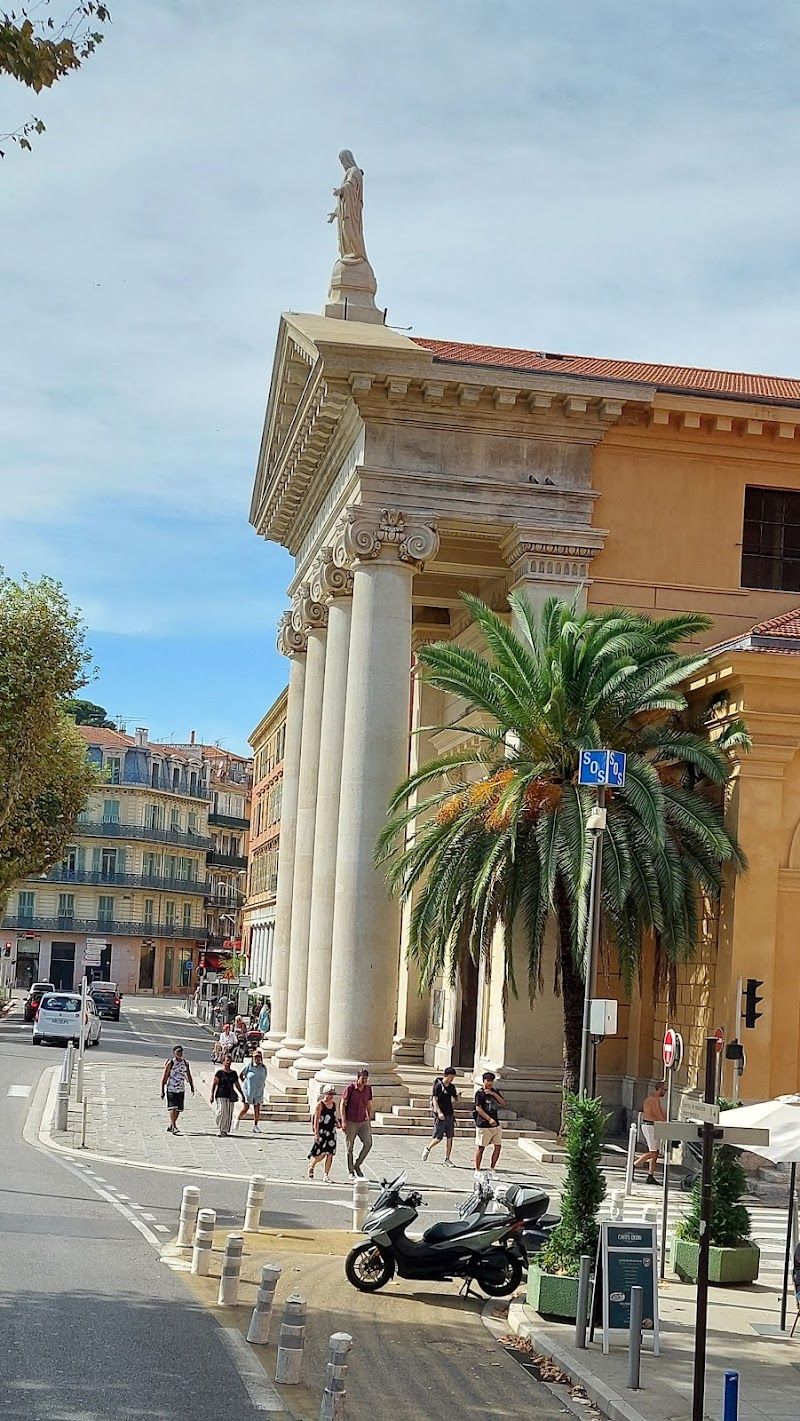
Église du Port - Notre-Dame du Port
This bright yellow neo-classical church from 1853 serves Nice's port community and offers one of the city's best elevated views over the harbor. You'll find beautiful 19th-century religious paintings inside, ornate altar work, and surprisingly good acoustics during services. The church sits on Place de l'Île de Beauté, perfectly positioned between the old port and the start of the Promenade des Anglais. The interior feels intimate rather than grand, with local parishioners often lighting candles and chatting quietly in Niçois dialect before services. Morning light streams through the windows beautifully, illuminating the painted ceiling and creating a peaceful atmosphere that contrasts with the busy port below. You'll hear boat engines and seagulls through the windows, reminding you of the maritime community this church has served for over 170 years. Most tourists walk right past without noticing, which is their loss. The 20-minute visit works perfectly as a quiet break while exploring the port area, and it's completely free. Skip the rushed photo stop approach: sit in a pew for a few minutes to appreciate the acoustics and neighborhood atmosphere. The exterior photos are best from across the square where you can capture both the facade and port backdrop.
Where to Eat
Restaurants and cafes in Vieux-Nice & Cours Saleya
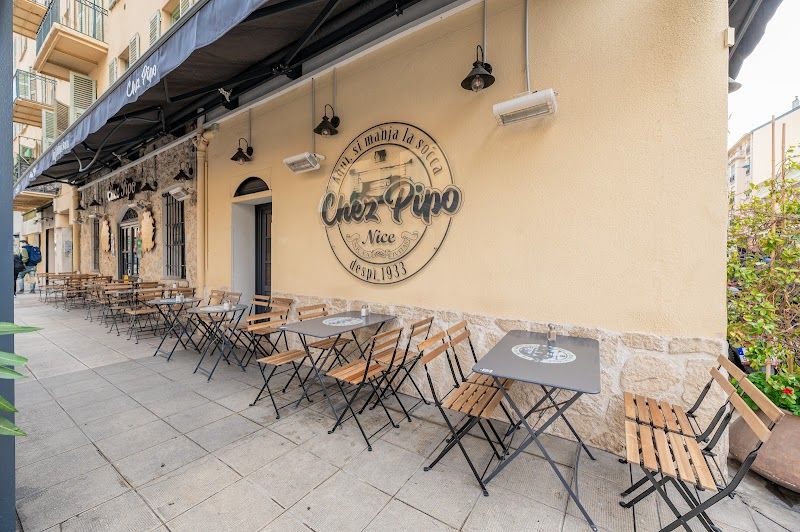
Chez Pipo
RestaurantThe larger of the two great socca specialists in Nice, serving the chickpea flatbread hot from the wood oven since 1923. Also excellent pissaladiere and petits farcis. Counter seating lets you watch the socca being cut and served straight from the pan.
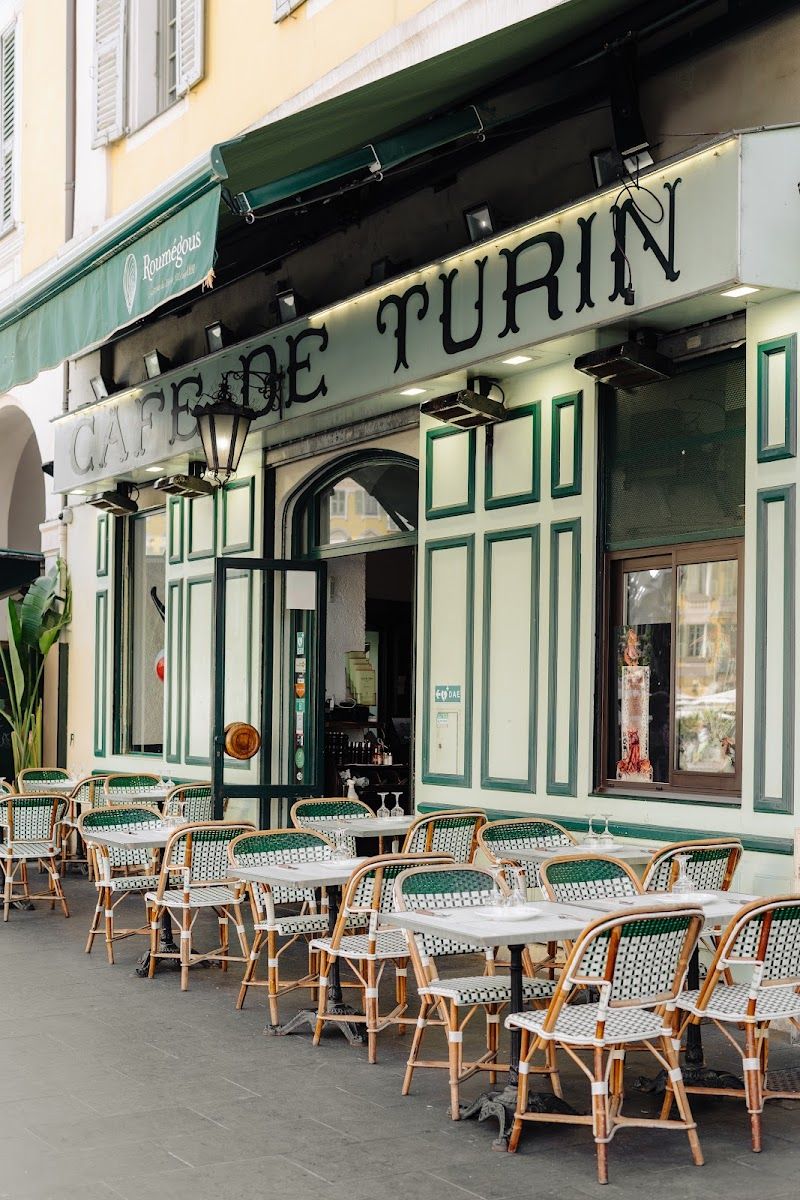
Le Café de Turin
CafeLegendary seafood café on Place Garibaldi serving platters of oysters, sea urchins, and shellfish since 1908. The terrace is packed year-round with locals downing plateaux de fruits de mer with chilled white wine. Service is brisk and no-nonsense, with prices displayed on the board behind the bar.
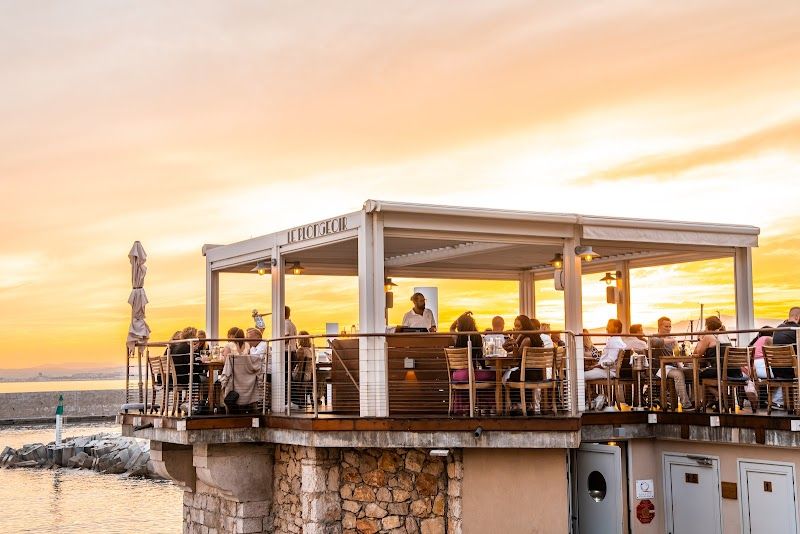
Le Plongeoir
RestaurantRestaurant perched on a rock platform jutting into the Mediterranean Sea is accessed by a wooden walkway. Originally built as a 19th-century bathing establishment, it offers views of the sea and Mediterranean cuisine in a unique setting. The location at the base of Castle Hill sets it apart from other restaurants in Nice.
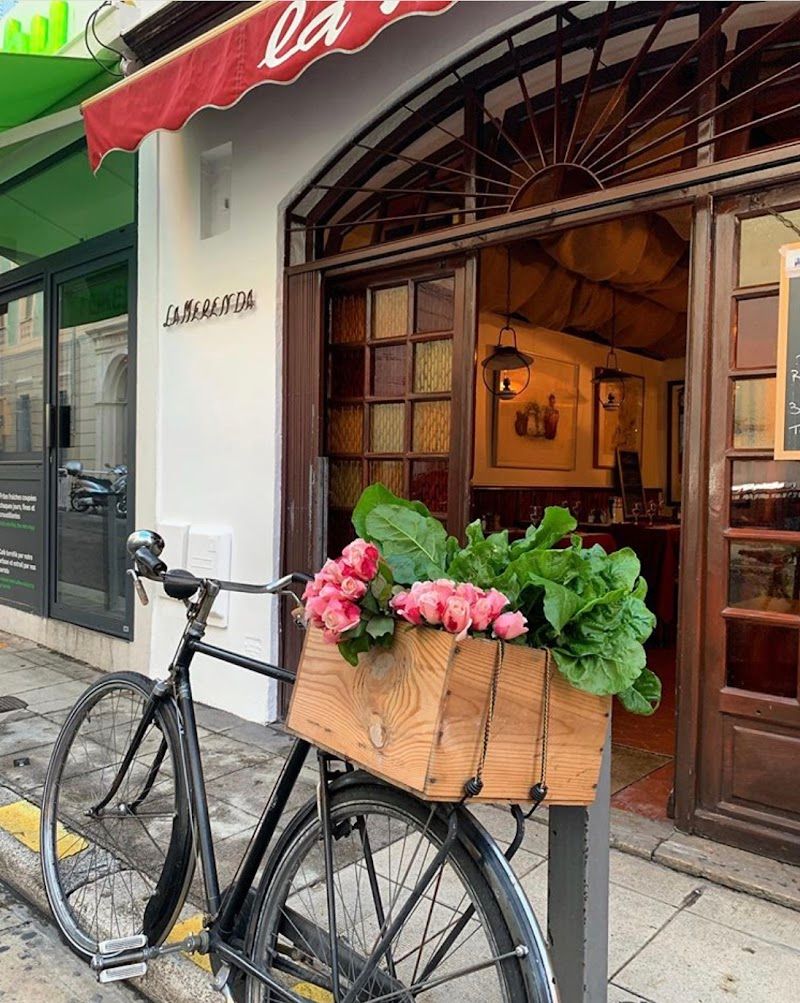
La Merenda
RestaurantDominique Le Stanc's 24-seat restaurant serves the most authentic Nicoise cooking in the city. No phone, no credit cards, no website. Handwritten daily menus feature dishes like stuffed sardines, tripe nicoise, and proper ratatouille with vegetables cooked separately then layered.
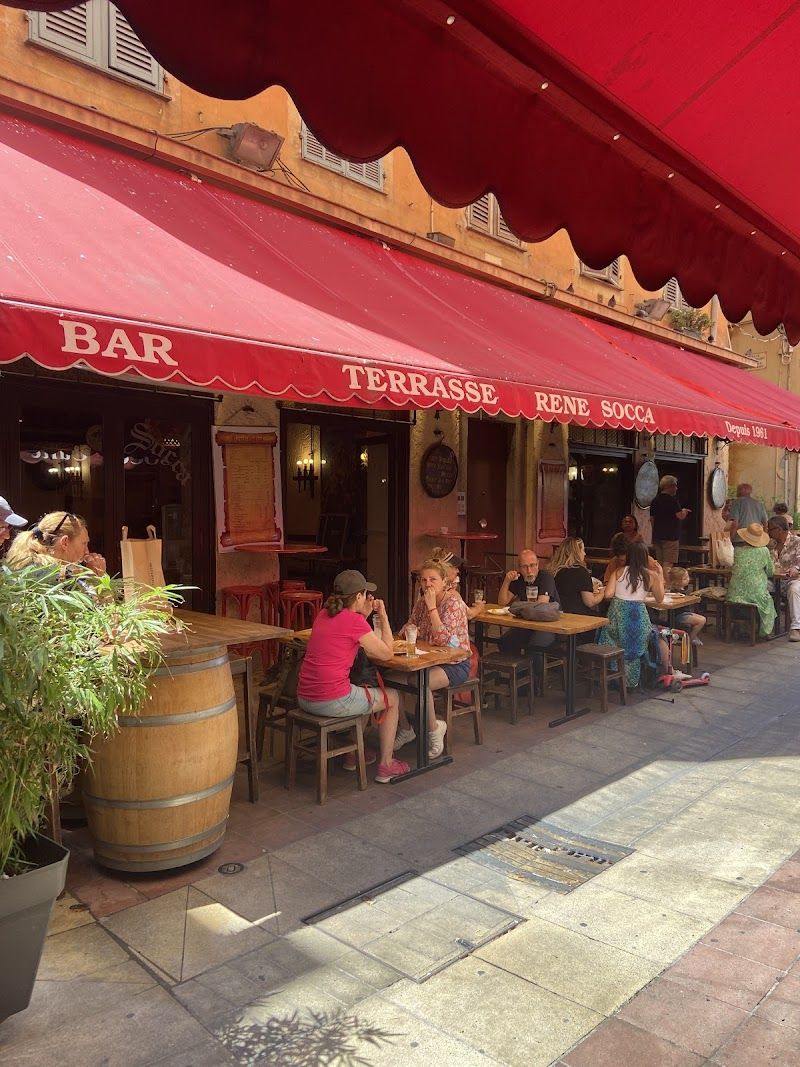
Chez Rene Socca
RestaurantThe smaller, more rustic socca specialist where locals queue for the EUR 3 portions served on paper plates. Located in a working-class neighborhood away from tourist routes. Only open afternoons Tuesday through Sunday, often sells out by 7 PM.
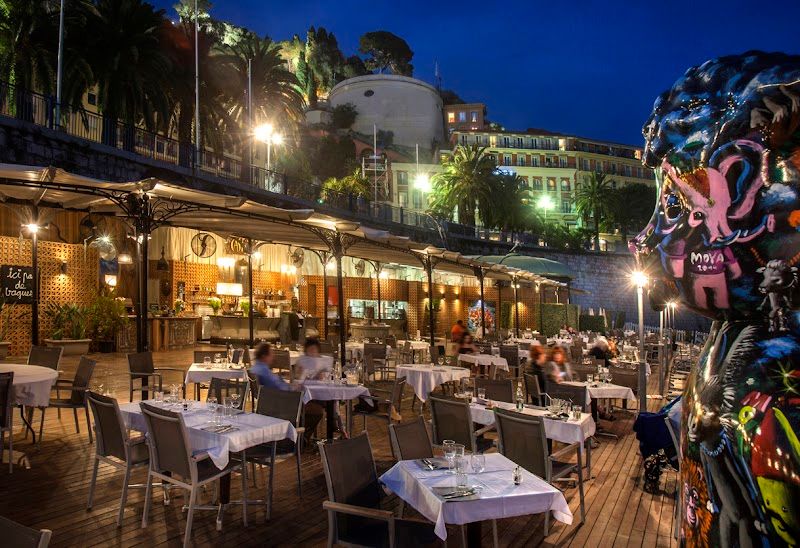
Castel Plage
RestaurantHistoric beach restaurant at the foot of Castle Hill, operating since 1927. This private beach and restaurant serves fresh Mediterranean cuisine with tables right on the pebble beach. It's a local favorite for long weekend lunches with views of the Baie des Anges.
Nightlife
Bars and nightlife in Vieux-Nice & Cours Saleya
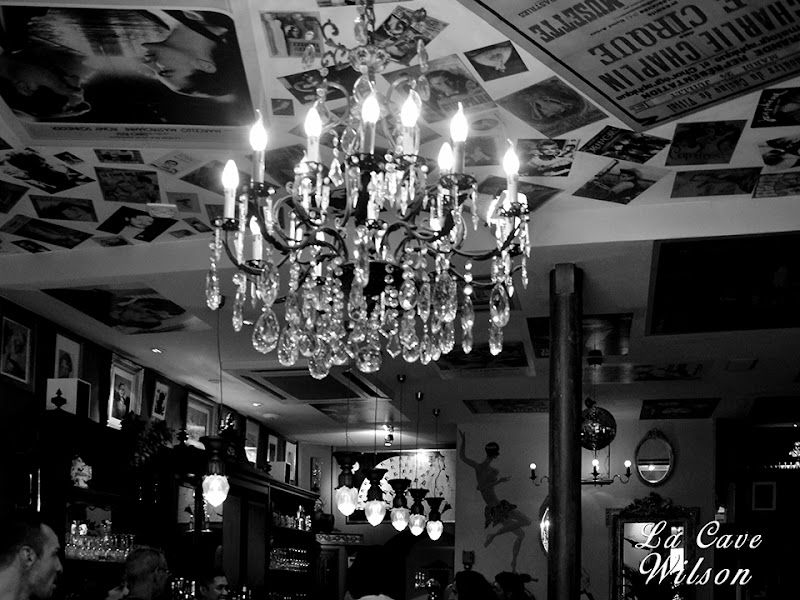
Getting Here
On Foot
Fully pedestrianised old town. All streets are accessible on foot. The Colline du Chateau requires a 200-step stair climb or the EUR 1 lift from the quai.
Insider Tips
The socca rule
Go to Chez Theresa's stall at Cours Saleya before 11 AM (the stall is near the western end of the market, toward Place Massena). Order the socca (EUR 3), eat it immediately while hot, with black pepper and nothing else. Do not add cheese or sauce. The texture should be crispy on the edges and soft in the centre. On Monday the market is antiques only: go to Chez Rene Socca on Rue Miralheti instead.
Colline du Chateau timing
Go in the morning (before 10 AM) for the best light on the Promenade below. The lift from Quai des Etats-Unis is EUR 1 up and free on the way down. The stairs take 15 minutes and pass a waterfall. The view from the top faces west along the Baie des Anges and is better than any postcard version. Bring water in summer.
The real restaurants
The restaurants on the south side of the Cours Saleya (facing the flower market) are more local than the ones on the north side. For a proper Nicois meal: La Merenda on Rue Raoul Bosio (no reservations, no credit cards, 24 seats, arrive at noon or 7 PM and wait if needed) is the best in the city. Chez Pipo on Rue Bavastro is the larger socca operation, also very good.
Nearby Neighborhoods
Continue exploring
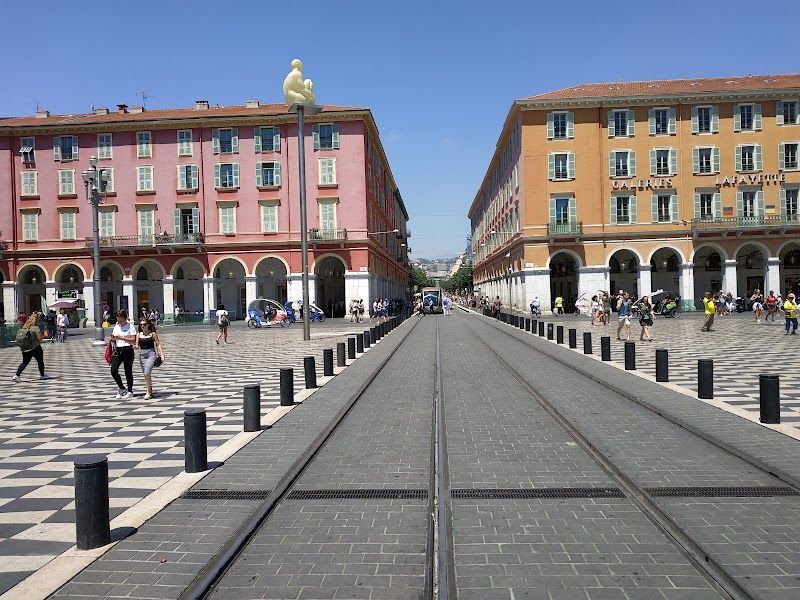
Promenade des Anglais & Seafront
Seven kilometres of seafront walk with blue chairs, pebble beaches with transparent water, the Hotel Negresco dome, and the social life of Nice spread along the bay from morning to evening.
Cimiez
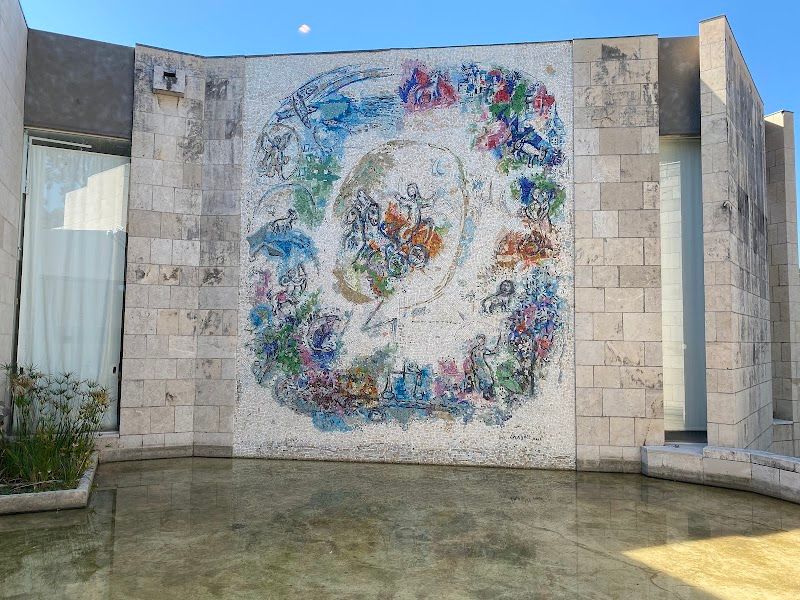
The quiet residential hilltop where Matisse lived and the world's two best single-artist museums sit in an olive grove above the city, surrounded by Roman ruins and a monastery garden.
Port & Quartier du Port
The working harbour east of the Colline du Chateau: pleasure boats, the seafood brasseries of Place Garibaldi, the Monday flea market, and the antiques district that serves Nice's serious collectors.
Plan a trip featuring Vieux-Nice & Cours Saleya
Get a personalized Nice itinerary with Vieux-Nice & Cours Saleya built in.
Start Planning