Paris
Opéra / Grands Boulevards
Grand Haussmann architecture and covered passages
About Opéra / Grands Boulevards
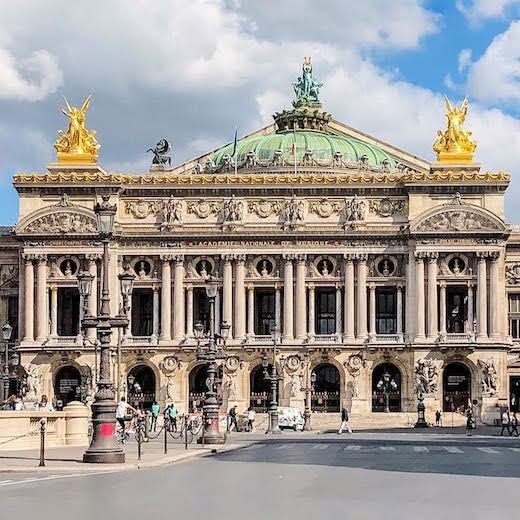
This is the neighborhood that Haussmann built - the wide boulevards, the limestone facades, the sense of grand civic planning that defines what most people picture when they think of Paris. The Palais Garnier opera house is the centerpiece, and its interior (gilded, frescoed, with a Chagall ceiling) is worth seeing even if you don't catch a show.
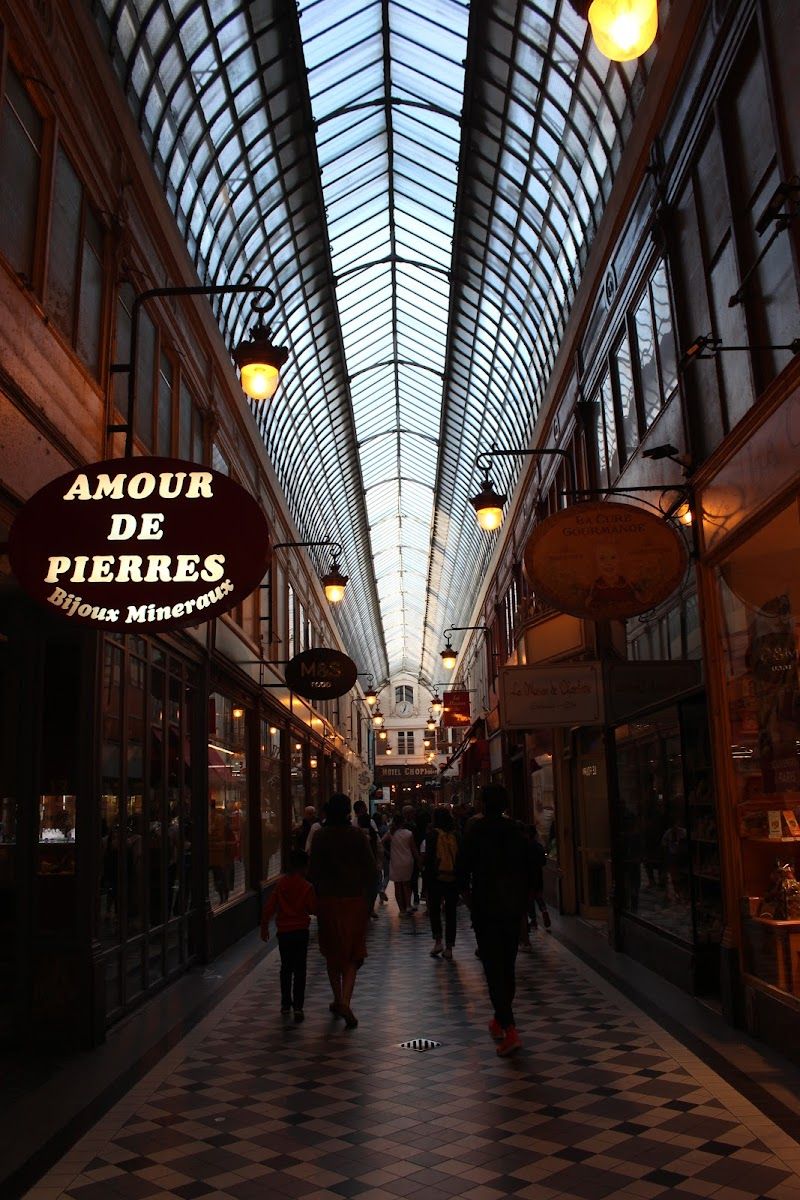
The covered passages are the hidden gem here. Passage des Panoramas, built in 1799, was one of the first covered shopping galleries in the world. Passage Jouffroy next door has antique book shops and the entrance to Musee Grevin (Paris's version of Madame Tussauds, but older and stranger). These glass-roofed arcades are where Parisians shopped before department stores existed, and walking through them still feels like stepping back 200 years.
Galeries Lafayette Haussmann has a stained-glass dome that rivals any church ceiling. Go to the rooftop terrace for a free panoramic view, then walk to Bouillon Chartier - a Belle Epoque restaurant that has served affordable French classics since 1896 in a dining room that hasn't changed.
Things to Do
Top experiences in Opéra / Grands Boulevards
Passage Jouffroy Kj1c
Passage Jouffroy stretches 140 meters through the heart of Paris's 9th arrondissement, connecting Boulevard Montmartre to Rue de la Grange-Batelière. Built in 1847, it's the middle link in a trio of covered passages that includes Panoramas and Verdeau. You'll find the entrance to Musée Grévin here (€26 for adults), along with Pain d'Épices toy shop, Librairie du Passage bookstore, and the atmospheric Hôtel Chopin actually located inside the passage itself. Walking through feels like entering a glass-roofed time capsule where your footsteps echo off checkered marble floors. The wooden storefronts still have their original 19th-century charm, and natural light filters through the arched glass ceiling above. You'll pass families browsing vintage toys, antiquarians examining old books, and hotel guests stepping out from Chopin's modest lobby. The passage stays pleasantly cool in summer and offers shelter during Paris's frequent rain. Most visitors rush straight to Grévin and miss the real charm, which lies in browsing the smaller shops. Skip the overpriced café inside and head to A l'Écu de France restaurant at the Boulevard Montmartre end for proper bistro fare (mains around €18-24). The passage gets crowded after 11am when tour groups arrive, so come early if you want photos without people.
Passage Jouffroy
Passage Jouffroy connects directly to the famous Passage des Panoramas, creating Paris's complete covered shopping experience from the 1840s. You'll walk under glass ceilings past antique bookshops, vintage toy stores with tin soldiers and wooden trains stacked floor to ceiling, and souvenir shops selling postcards and vintage posters. The main attraction is the entrance to Musée Grévin, France's premier wax museum, and the seamless connection to Passage Verdeau across rue de la Grange Batelière. The atmosphere feels authentically Parisian. Locals browse books alongside visitors who take photos of the ornate ironwork above. You'll hear conversations in French echoing off the glass roof, smell old paper from the bookshops, and watch shopkeepers rearranging their window displays much like their predecessors 150 years ago. The passages stay comfortably warm in winter and pleasantly cool in summer, making them ideal weather refuges. Most guides exaggerate the shopping options. Prices are generally high and quality varies greatly. Avoid the overpriced souvenirs near the Grévin entrance and focus on the antique bookshops in the middle section. The toy stores are enjoyable to browse but expect to pay €25+ for simple wooden toys. Your best bet is experiencing all three connected passages in one 30-minute stroll, something most tourists aren't aware is possible.
Galeries Lafayette Haussmann
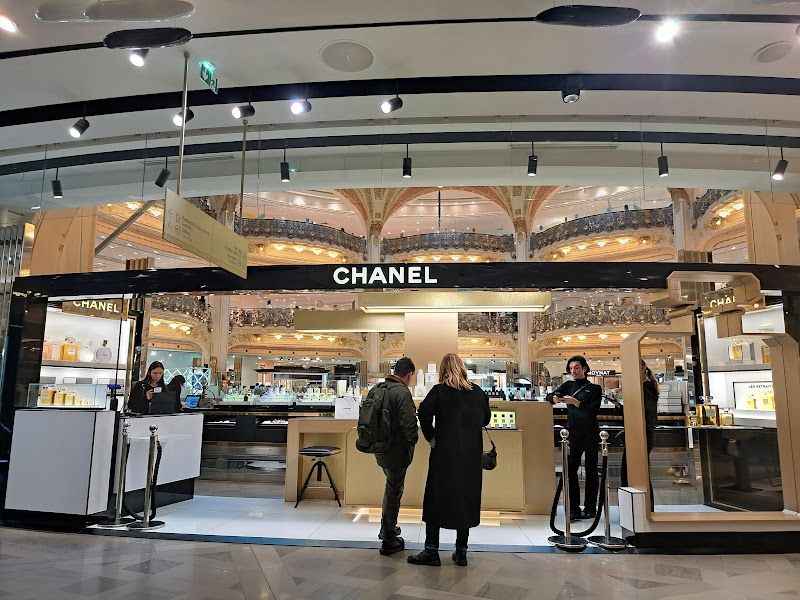
This isn't just another department store-it's a Belle Époque masterpiece where Napoleon III-era architecture meets modern retail. The centerpiece is genuinely breathtaking: a 43-meter Neo-Byzantine glass dome from 1912 that floods the main hall with colored light. Yes, there's luxury shopping, but the real draw is standing under those soaring galleries and feeling transported to 1900s Paris. Your visit flows across ten floors connected by the original wrought-iron elevators and a modern glass lift. The main floor buzzes with perfume and accessories, but head up to see how the building opens into that famous dome. The sixth floor houses Lafayette Maison (home goods), and from there you can access the rooftop terrace. The Friday fashion shows at 3 PM happen on the seventh floor and are genuinely well-produced-not tourist theater. Honestly, most people spend too much time shopping and miss the architecture. The dome looks best between 2-4 PM when natural light hits properly. Skip the overpriced café on the sixth floor-the rooftop terrace has better views and costs nothing. The Christmas tree installation (November-January) is spectacular but crowds triple. Go Tuesday-Thursday mornings if you want to actually appreciate the space.
Palais Garnier
The Palais Garnier isn't just an opera house-it's a 19th-century fever dream of marble, gold leaf, and crystal that Napoleon III commissioned to show off imperial wealth. The Grand Staircase alone uses seventeen different types of marble, while Chagall's 1964 ceiling murals float dreamlike above red velvet seats in the 1,979-seat auditorium. The building's notorious underground cistern (not quite a lake) and maze of rehearsal rooms genuinely inspired Leroux's Phantom novel. Your self-guided route winds through the Grand Foyer's 18 painted ceiling panels, past the Emperor's private pavilion, and into the auditorium if no rehearsals are running. The Library-Museum displays costumes, set models, and Degas paintings, though it feels cramped compared to the opulent public spaces. The real magic happens on the Grand Staircase around 11am when morning light streams through those massive windows. Skip the audio guide-the included paper map explains enough, and you'll want to move at your own pace for photos. The gift shop is overpriced tourist trinkets, but the building itself delivers every bit of theatrical excess you expect. Come hungry for visual overload; this place makes Versailles look restrained.
Musée Grévin
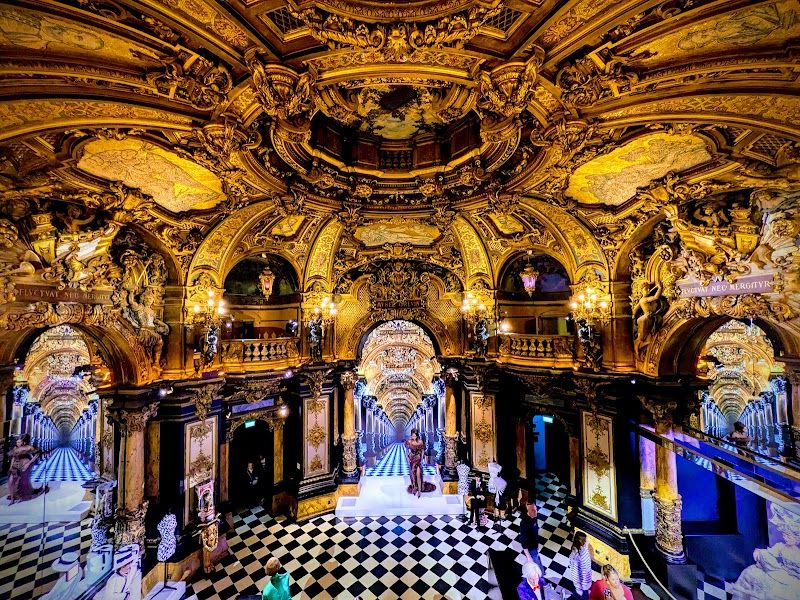
The Musée Grévin houses over 200 wax figures spread across 15 themed rooms, from Napoleon and Marie Antoinette to Beyoncé and Mbappé. The main attraction is the Palais des Mirages, a baroque hall of mirrors with an immersive light and sound show that has been captivating visitors since 1900. The craftsmanship on the figures varies greatly; some are eerily lifelike while others appear more like distant relatives of the celebrities they're meant to represent. The visit follows a one-way circuit through cramped, dimly lit rooms that can feel uncomfortable when busy. You'll pass through sections on French history, cinema, sports, and pop culture, with interactive elements and photo opportunities throughout. The Palais des Mirages comes midway through and provides a welcome break from figure-spotting. The final rooms focus on contemporary celebrities and often have long queues for selfies. Honestly, it's overpriced tourist fare that kids absolutely love and adults tolerate. The historical figures are fascinating, but the celebrity sections can feel dated quickly. Skip the expensive gift shop entirely and don't expect Madame Tussauds-level quality throughout. If you're traveling with children or are genuinely curious about French cultural figures, it's worth the 90-minute visit; otherwise, your time is better spent elsewhere.
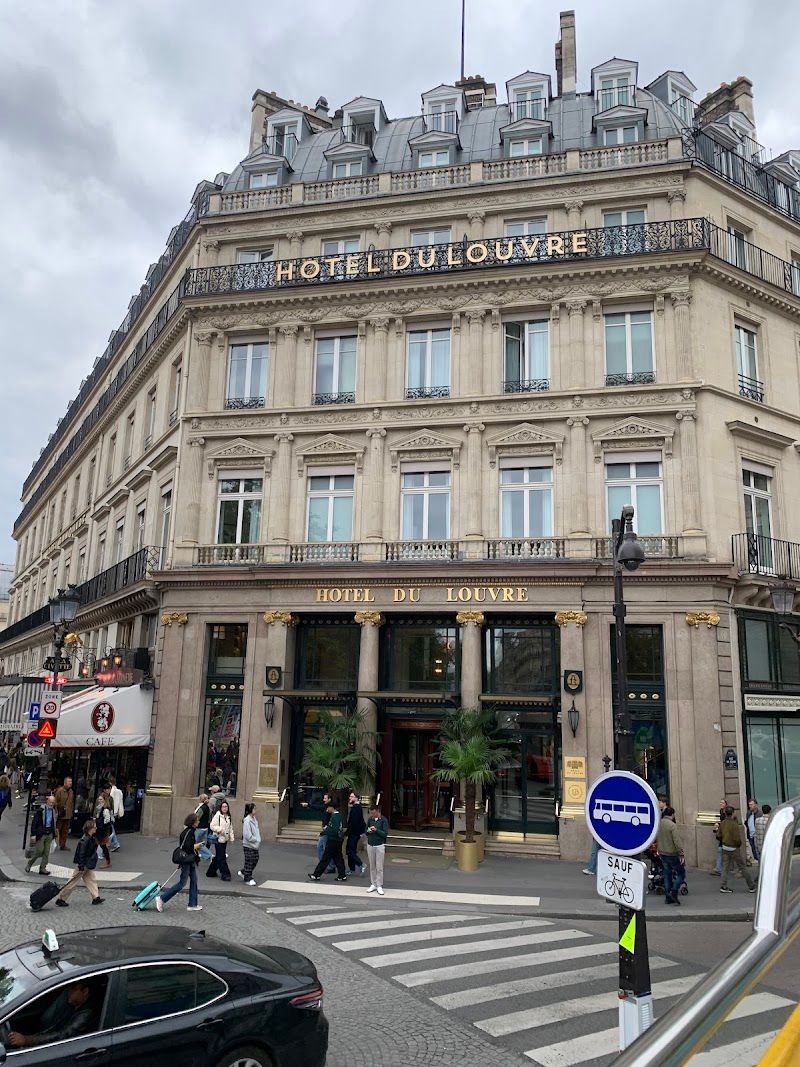
Tootbus - Paris
Tootbus runs three color-coded double-decker routes that connect Paris's major sights through a hop-on hop-off system. The red route hits the obvious spots like the Eiffel Tower and Louvre, the blue covers eastern districts including Bastille and Père Lachaise, while the green winds through Montmartre's steep streets. Each bus has an open upper deck and covered lower level, with audio commentary available in multiple languages through provided headphones. The experience feels less touristy than it sounds, especially on weekday mornings when buses aren't packed. You'll spend about 2 hours completing a full loop without stops, but most people hop off at 3-4 attractions. The audio guide timing syncs well with what you're passing, though it can lag during heavy traffic around Châtelet-Rivoli. The upper deck provides genuine photo opportunities, particularly crossing Pont Alexandre III and approaching the Arc de Triomphe. Buy tickets online to skip the booth lines at major stops. The night tour included in your ticket runs only Thursday through Sunday and covers just the red route, but seeing the illuminated monuments justifies the restriction. Don't bother with the Seine cruise voucher unless you have extra time-it's basic and crowded. Start early morning or after 3 PM to avoid school groups and lunch-hour traffic jams.
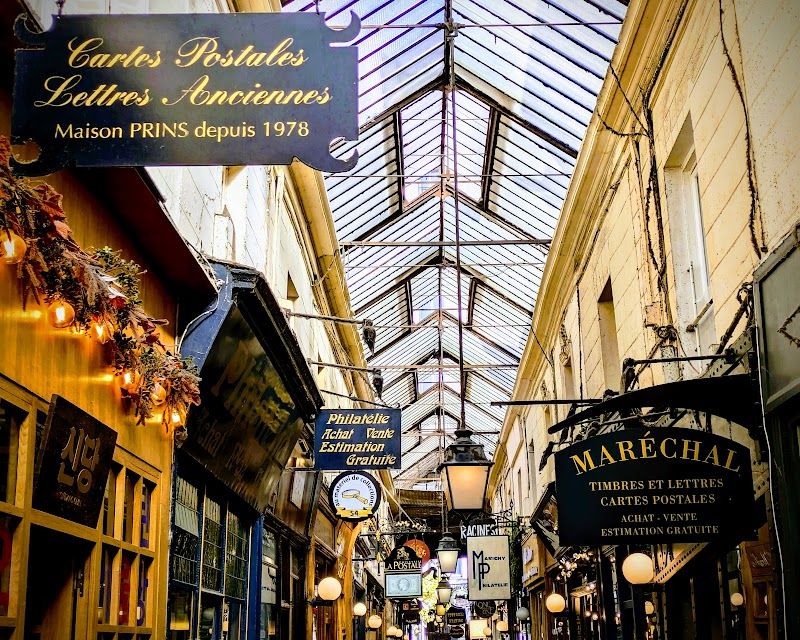
Passage des Panoramas
This is Paris's first covered shopping arcade, built in 1800 when the concept was revolutionary. The original mosaic floors are genuinely from that era, worn smooth by two centuries of foot traffic, and the glass ceiling creates this beautiful filtered light that changes throughout the day. What sets it apart from the touristy passages is that it still functions as a working neighborhood-locals actually shop here. Walking through feels like browsing someone's eccentric attic. The stamp dealers have glass cases filled with tiny treasures, vintage print shops display everything from 1920s postcards to architectural drawings, and the newer Japanese restaurants create this odd but charming cultural mix. The Stern shop is the real deal-four generations of the same family selling engravings and maps, with the owner who actually knows the provenance of everything. Honestly, it's more atmospheric than spectacular. The connecting galleries are prettier but nearly empty of shops. Come for the browsing experience rather than serious shopping-most items are overpriced antiques. Skip it if you're rushing between major sights, but perfect for a rainy afternoon when you want to wander somewhere with character.
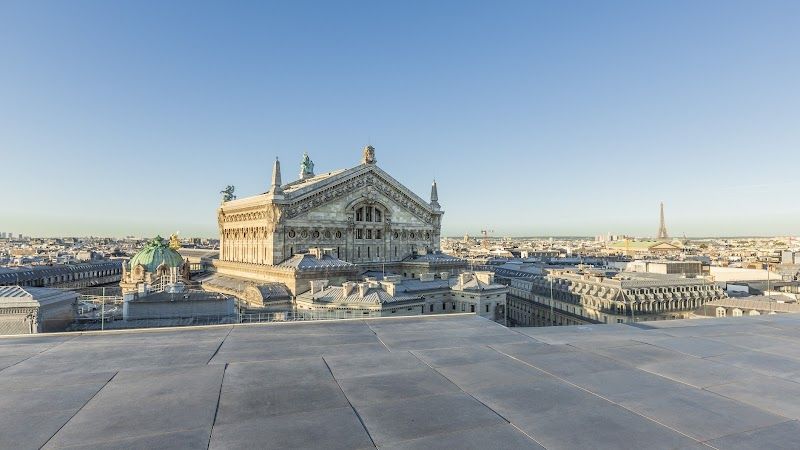
Galeries Lafayette | Rooftop
The Galeries Lafayette rooftop terrace sits atop the historic 1912 department store, delivering unobstructed 360-degree views across central Paris. You'll spot the Opéra Garnier directly across Boulevard Haussmann, the Eiffel Tower to the southwest, Sacré-Cœur's white domes on Montmartre, and the Arc de Triomphe down Avenue de l'Opéra. The famous Art Nouveau stained-glass dome below creates a stunning contrast when viewed from the store's main floor. Access requires taking elevators to the 7th floor, then walking up one flight to the terrace. The space isn't huge-maybe 30 people comfortably-but rarely feels crowded except during peak summer afternoons. The café serves overpriced drinks, but the metal tables provide decent spots to linger. Wind can be fierce up here, especially in winter. Skip the café unless you need shelter-the views are identical from anywhere on the terrace. The dome viewing from inside the store is actually more impressive than the rooftop itself. Come for photos, not to hang out. The western corner offers the best Eiffel Tower shots without other tourists' heads in frame.
Where to Eat
Restaurants and cafes in Opéra / Grands Boulevards
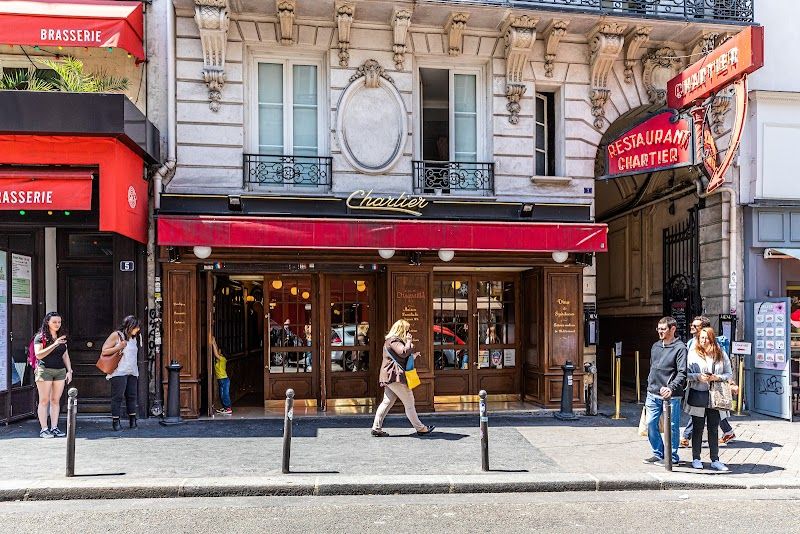
Bouillon Chartier Grands Boulevards
RestaurantHistoric workers' canteen from 1896 with soaring Belle Époque dining hall and rapid-fire service. The brass hat racks, beveled mirrors, and waiters in traditional uniforms create a time-capsule experience at remarkably low prices.
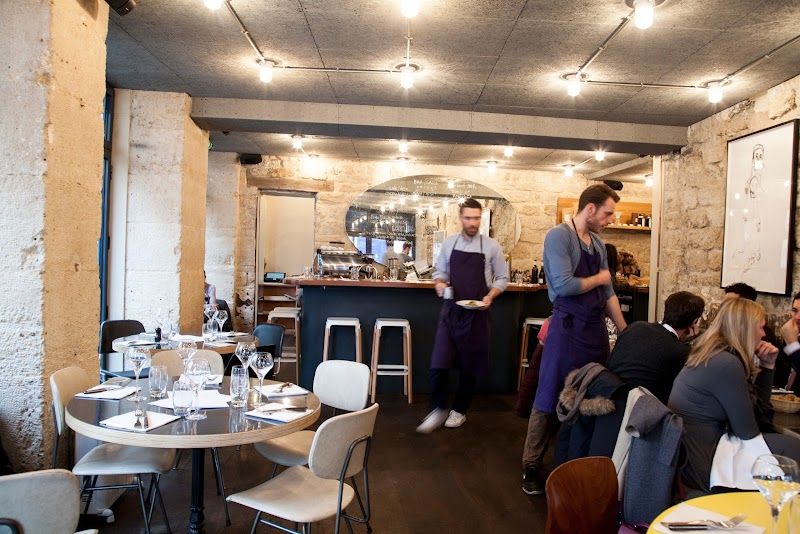
Richer
RestaurantNo-reservation neighborhood bistro with an open kitchen serving creative small plates and natural wines. The minimalist space and daily-changing menu draw a young, food-savvy crowd to this less touristy corner.
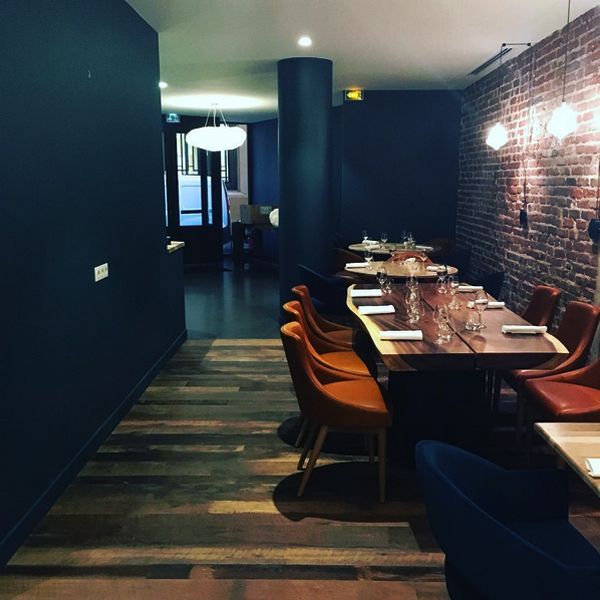
ACCENTS table bourse
RestaurantContemporary restaurant by chef Ayumi Sugiyama offering refined tasting menus with Japanese precision and French ingredients. The elegant but understated space lets the carefully composed plates take center stage.
Nightlife
Bars and nightlife in Opéra / Grands Boulevards
Getting Here
Metro Stations
Getting There
Opera station is a major hub (3 lines). Grands Boulevards on Lines 8 and 9 is closer to the passages.
On Foot
Flat, wide sidewalks, excellent signage. The grand boulevards were designed for walking.
By Bike
Good bike infrastructure on the main boulevards.
Insider Tips
Covered Passages
Start at Passage des Panoramas, walk through to Passage Jouffroy, then Passage Verdeau. Three connected arcades, 30 minutes, zero crowds.
Galeries Lafayette Rooftop
The Galeries Lafayette rooftop terrace is free and has views as good as Sacre-Coeur. No lines, no tickets.
Bouillon Chartier
Bouillon Chartier serves a three-course French meal for under 20 euros in a room from 1896. Get there by 11:45 to avoid the line.
Nearby Neighborhoods
Continue exploring
Related Articles
Paris in Winter: 25 Things to Do When It's Cold and Gray
Paris winter means empty museums, cozy bistros, and the city locals actually live in. Here's what to do when it's 4°C and drizzling.
Paris Travel Cards Compared: Which Metro Pass Saves You Money?
Skip the tourist traps and tourist prices. We break down every Paris travel card option with actual numbers to show you which metro pass saves money in 2025.
Plan a trip featuring Opéra / Grands Boulevards
Get a personalized Paris itinerary with Opéra / Grands Boulevards built in.
Start Planning