San Sebastian
Monte Urgull & Port
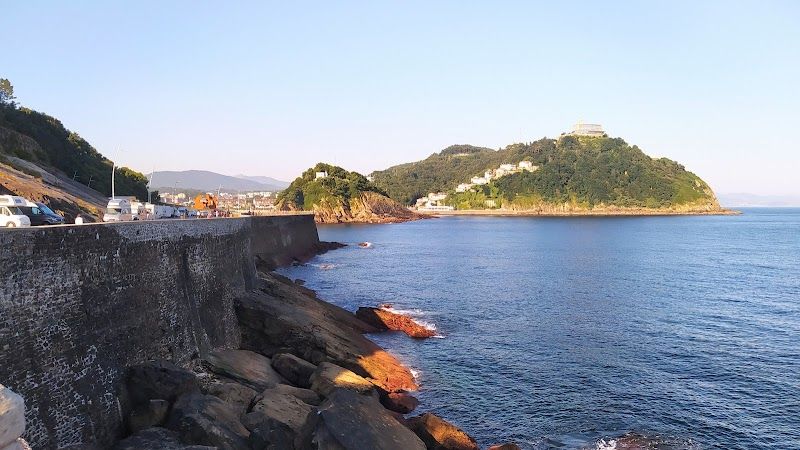
The hill and port: the free hilltop castle with Cristo statue and bay views, the Paseo Nuevo coastal walk around the base where waves break against the sea wall, and the fishing port.
About Monte Urgull & Port
Monte Urgull is the wooded hill immediately north of the Parte Vieja, rising to 123 metres with the Castillo de la Mota (free, the castle at the summit with a Cristo statue) at the top. The hill is a public park: paths wind through oak and chestnut woods to the summit, the climb takes 20 minutes, and the views from the castle platform cover the bay, the beaches, and the Pyrenean foothills toward France. The Paseo Nuevo is the path around the base of the hill on the ocean side: a narrow coastal walk where the Atlantic waves break directly against the sea wall in rough weather, creating spray that can reach the path. The fishing port on the south side of the hill is where the boats come in. The Aquarium (EUR 13, on the port) is small but good: the shark tank and the coastal species section. The Museo Naval (EUR 3, beside the aquarium) covers Basque seafaring history.
Things to Do
Top experiences in Monte Urgull & Port
Paseo Nuevo
Paseo Nuevo is San Sebastian's wildest waterfront walk, a concrete promenade that hugs the rocky base of Monte Urgull where the Atlantic meets the city head-on. You'll walk along massive seawalls built to absorb the ocean's punishment, and when conditions are right, waves explode over the barriers in spectacular displays that'll soak you if you're not paying attention. The 800-meter path connects the fishing port to Zurriola Beach, giving you front-row seats to the raw power of the Cantabrian Sea. The walk feels completely different from the genteel curve of La Concha Bay. Here you're exposed to the elements, with salt spray in the air and the constant sound of waves hammering stone. When swells are up, locals gather to watch the show as water crashes over the walkway in dramatic bursts. The path is wide enough for joggers and cyclists, but everyone stops when a big set rolls in. You'll pass small rocky coves where brave swimmers take the plunge and fishermen cast lines into the churning water. Most guides don't mention that this walk is completely weather dependent. On calm days it's pleasant but unremarkable, just another seafront stroll. You want some wave action for the real experience, but not so much that it's dangerous. The stretch nearest the port offers the best wave-watching spots, while the section approaching Zurriola gets tamer. Skip it entirely if there are storm warnings, the waves here can be genuinely hazardous and the city sometimes closes sections during rough weather.
Constitución Plaza
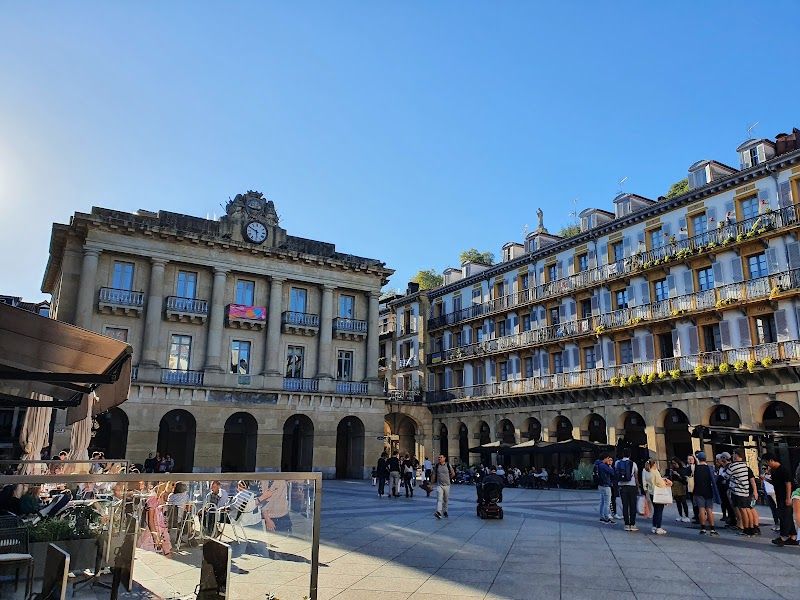
Constitución Plaza is the beating heart of San Sebastian's old town, a perfectly symmetrical square that started life as a bullring in 1817. You'll find yourself surrounded by elegant four-story buildings with pale yellow facades and continuous arcades at street level. The real charm is looking up: every single balcony still bears its original number (1 through 64), marking where spectators once paid to watch bullfights below. The atmosphere shifts dramatically throughout the day. Mornings bring a calm, almost residential feel as locals grab coffee under the arcades and elderly men read newspapers on benches. By evening, the terraces fill with pintxo hoppers and the square becomes animated with conversation spilling out from Bar Ganbara and other surrounding spots. The acoustics are remarkable: conversations echo off the enclosed walls, creating an intimate amphitheater effect. Most guides oversell this as a major destination, but it's really best appreciated as a pause between pintxo bars rather than a standalone attraction. The cafés here charge tourist prices (€3-4 for a cortado versus €1.50 elsewhere), so grab your drink from the arcade bars and sit on the free benches instead. Don't expect any shops or major activity, it's essentially a very pretty transit hub for exploring Parte Vieja.
Castillo de la Mota
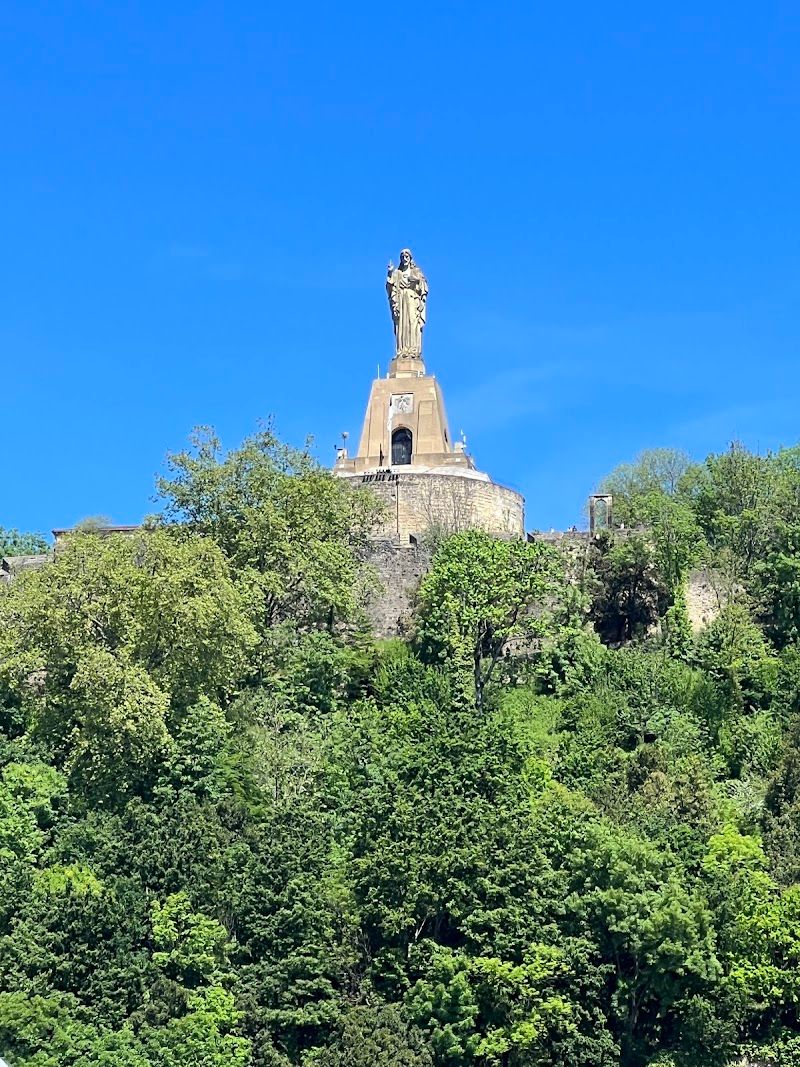
This 12th-century fortress sits atop Monte Urgull like a stone crown, offering the best panoramic views in San Sebastián without the tourist hordes of other viewpoints. You'll explore thick medieval walls, check out military exhibits in the old barracks, and stand beneath the Cristo de la Mota statue that watches over the bay. The real draw isn't the castle itself but what you see from it: La Concha's perfect crescent, the old town's terracotta maze, and the wild Basque coastline stretching toward France. The 20-minute uphill walk through pine forests feels like a proper adventure, passing old cannons and bunkers that most people barely notice. Inside the castle grounds, you can wander freely along the ramparts and peek into the small military museum (though it's pretty basic). The atmosphere is peaceful and contemplative, especially when clouds roll in from the Atlantic and you're literally above the city watching life unfold below. Most guides don't mention that the castle itself is underwhelming compared to the journey and views. Skip the small museum unless you're really into Basque military history, and don't bother with the Cristo statue up close. Focus your time on the southeastern ramparts for the money shot over La Concha, and bring water since there's nothing to buy up there. The walk down takes 15 minutes if you're not stopping for photos.
Alderdi Eder parkea
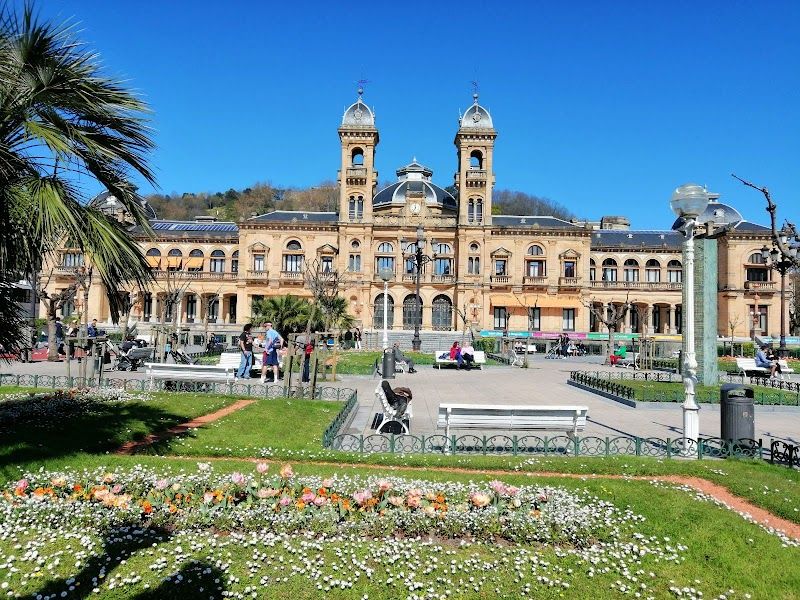
Alderdi Eder is San Sebastian's formal front garden, a pristine rectangle of manicured lawns and flower beds sitting between the old town and La Concha beach. You'll find geometric patterns of seasonal blooms, towering tamarind trees that provide natural air conditioning, and three ornate fountains that actually work. The park serves as the city's living room, flanked by the neoclassical Town Hall on one side and the belle époque casino on the other. The atmosphere here shifts throughout the day from morning joggers cutting through to reach the beach, to afternoon families letting kids run on the grass while parents claim shaded benches. The fountains provide white noise that drowns out traffic, and the mature trees create cool pockets even in summer heat. You'll notice locals treating this as their backyard, reading newspapers on benches or having quiet conversations while tourists rush past toward La Concha. Most guides make this sound grander than it is. It's lovely but genuinely small, maybe 10 minutes to walk the perimeter slowly. The real value is as a breather between beach time and exploring the old town, not a destination itself. Spring flower displays are genuinely spectacular, but in winter it's just well kept grass. Skip it if you're short on time, the beach views are better from the promenade anyway.
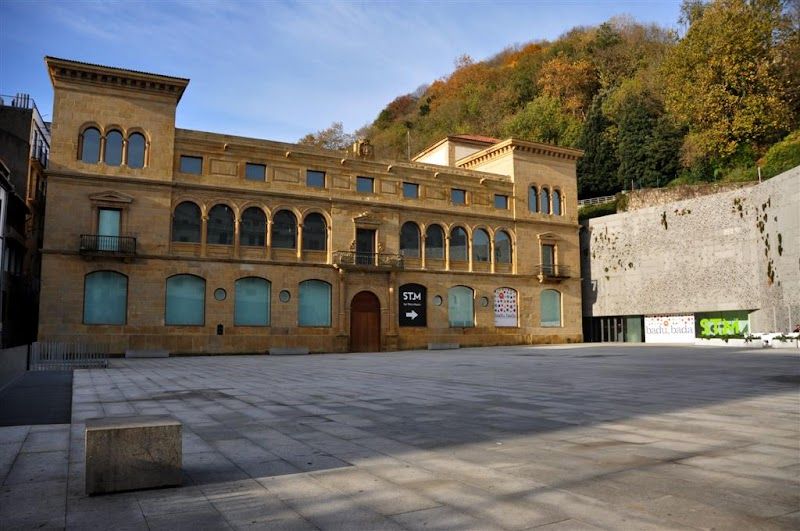
San Telmo Museum
The San Telmo Museum is the Basque history and contemporary art museum in the Parte Vieja, housed in a 16th-century Dominican convent with a modern addition from 2011 by the architects Nieto Sobejano. The permanent collection covers Basque cultural history, ethnography, and identity from prehistoric times to the present, with particular attention to the tradition of Basque identity under Francoist repression and the emergence of Basque political culture after. The contemporary art section has significant works by Basque artists including Eduardo Chillida (the sculptor whose large-scale steel works are permanently installed in San Sebastian) and Jorge Oteiza. Entry is EUR 6. The cloister of the original convent (with painted murals by Jose Maria Sert depicting Basque history) is the architectural highlight. The museum is a 10-minute walk from the pintxo bars of the old town: combine them in the same morning.
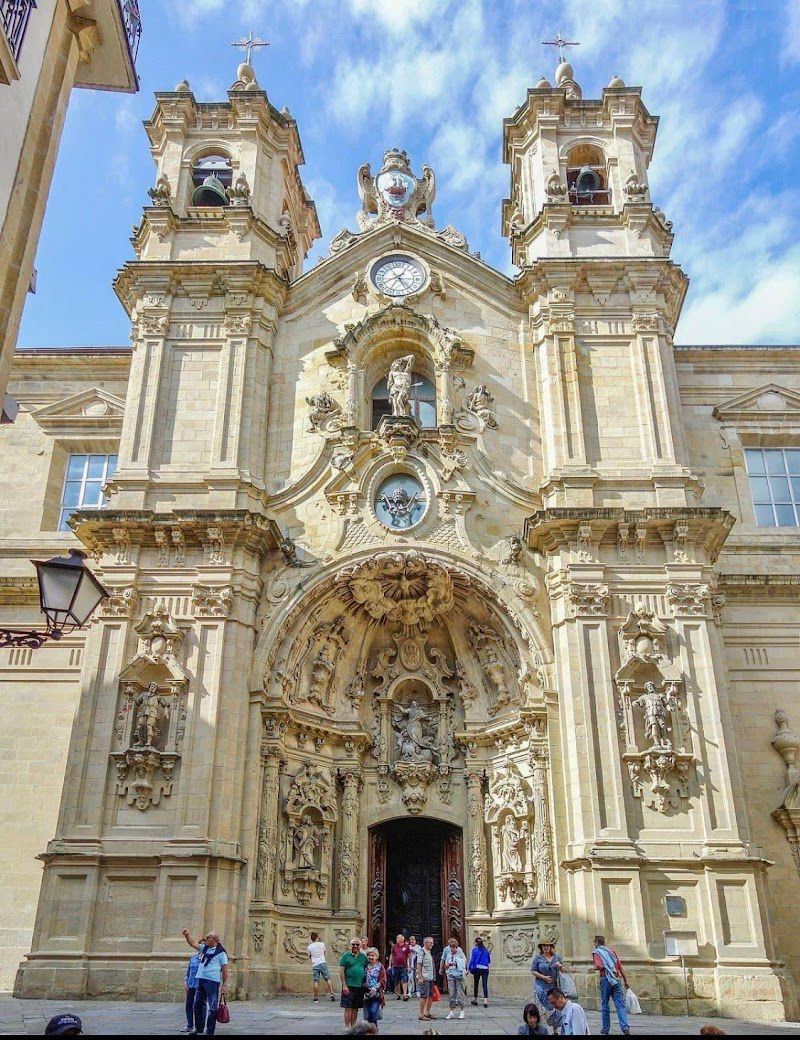
Basílica de Santa María del Coro
The Basílica de Santa María del Coro stands as San Sebastián's most impressive Baroque church, built in the mid-18th century on the site of a much older sanctuary. You'll find it right in the heart of the Parte Vieja, its imposing facade carved with detailed scenes of Saint Sebastian's martyrdom that took local artisans decades to complete. Inside, the main attraction is the revered statue of Santa María del Coro, the city's patron saint, surrounded by elaborate gilded altarpieces that represent the finest examples of Basque religious craftsmanship. Walking into the basilica feels like stepping from the narrow medieval streets into a golden jewel box. The interior is surprisingly intimate despite its grandeur, with afternoon light filtering through stained glass windows and illuminating the intricate woodwork. You'll hear the quiet murmur of locals lighting candles and saying prayers, creating an atmosphere that's genuinely peaceful rather than touristy. The baroque details are everywhere: twisted columns, cherub faces, and gold leaf that catches the light from every angle. Most guidebooks oversell this as a major attraction when it's really a lovely 15-minute stop while exploring the old town. The exterior is more impressive than the interior, so don't feel obligated to go inside unless you're interested in religious art. It's completely free to enter, but they appreciate small donations. Skip the crypt unless you're particularly interested in local history, it's not much to see down there.
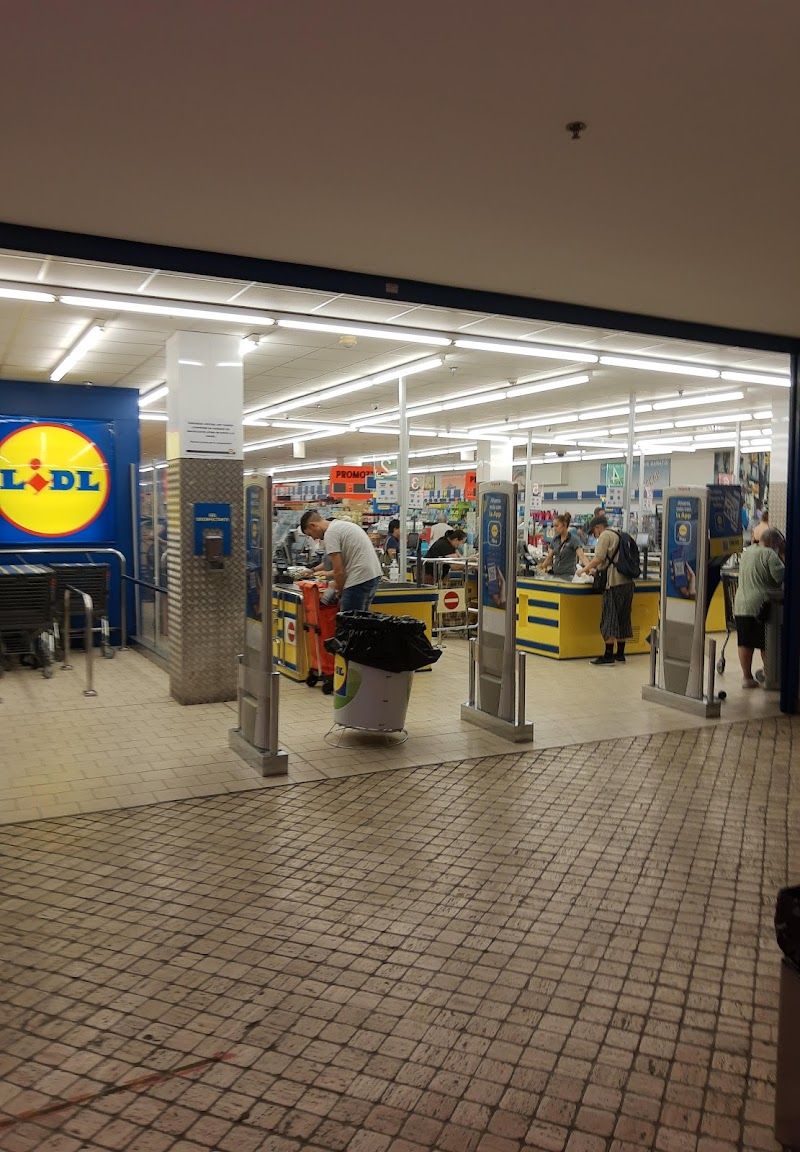
Bretxa Mercado
Bretxa Mercado sits right in the heart of Parte Vieja, serving as San Sebastian's main food market since 1870. You'll find locals doing their daily shopping across two floors: pristine seafood displays dominate the ground level while upstairs houses produce vendors, butchers, and specialty food stalls. The fish selection is extraordinary, from day-boat txangurro (spider crab) to line-caught hake, plus you can pick up jamón ibérico, local cheeses, and pintxos ingredients. The market feels authentically local rather than touristy, with vendors calling out prices in Euskera and regulars chatting over their morning shopping. Downstairs gets quite active as fishmongers slice and clean your selections, while the upper floor moves at a gentler pace among fruit pyramids and cheese wheels. The building's glass roof lets in natural light, and you'll hear a mix of Spanish, Basque, and occasional French from across the border. Most food markets in Spain's tourist zones feel sanitized, but Bretxa keeps its working-class edge. The seafood prices fluctuate daily but expect around €25-35/kg for good hake and €15-20/kg for sardines. Skip the overpriced tourist-focused stalls near the entrance and head straight upstairs for the best cheese selection. The Idiazabal vendor offers generous samples, and their aged wheels (€18-22/kg) beat anything you'll find in regular shops.
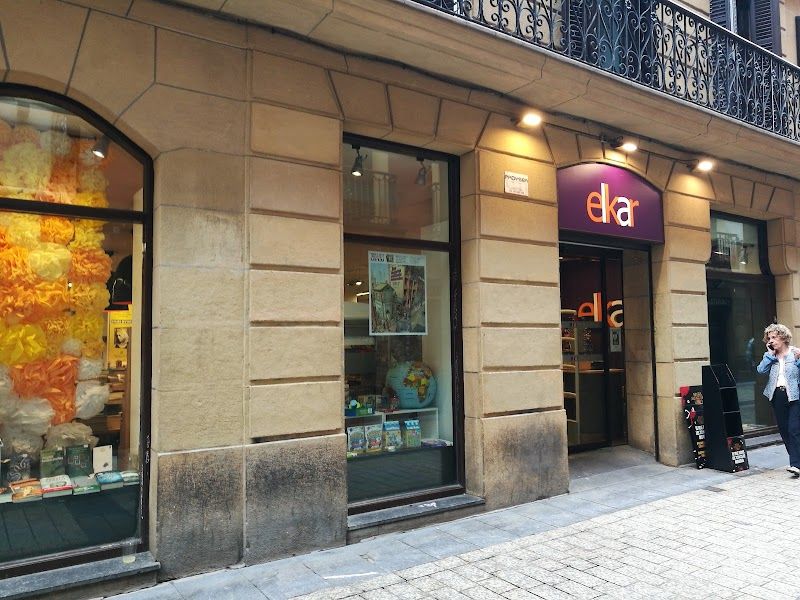
Elkar Megadenda Donosti
Elkar Megadenda sits on one of the Parte Vieja's main shopping streets and serves as the cultural heartbeat for anyone serious about Basque literature and culture. You'll find three floors packed with books in Euskera, Spanish, French, and English, plus an impressive selection of local music, artisanal stationery, and cultural magazines you won't see anywhere else. The real draw is their curated collection of Basque authors and regional publications that give you genuine insight into local identity. The ground floor focuses on bestsellers and travel guides, but head upstairs where the real treasures live. The second floor houses their exceptional Basque literature section and local history books, while the third floor transforms into event space for regular author readings and book presentations. Staff members are genuine book lovers who'll chat about recommendations, and the atmosphere feels more like a cultural salon than a typical bookshop. Most visitors stick to the ground floor tourist guides, but you're missing the point. The upstairs Basque cookbook section is legitimately the best in the city, with titles starting around 15 EUR for local recipe collections. Skip the generic San Sebastian guidebooks downstairs and invest in the locally published food or cultural histories instead. The staff speaks excellent English, but don't be surprised if conversations drift into passionate discussions about Basque literature.
Where to Eat
Restaurants and cafes in Monte Urgull & Port
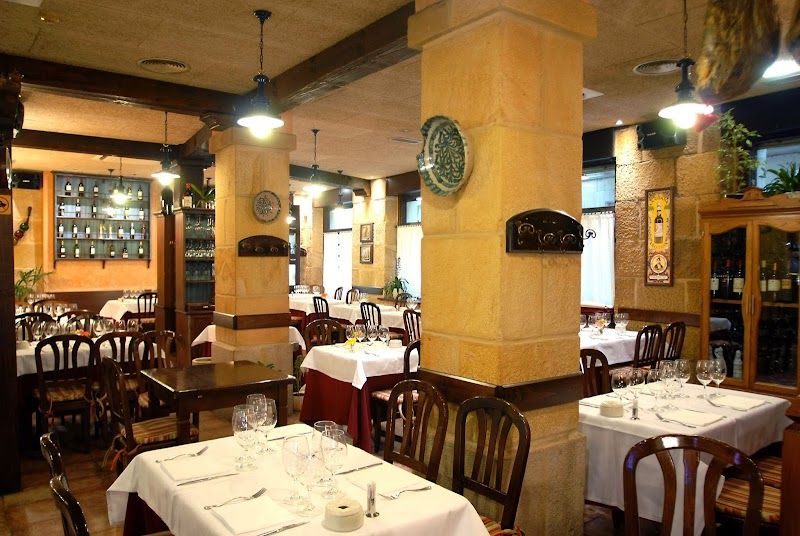
Gandarias
RestaurantFamily-run since 1967, famous for grilled steak pintxos and white anchovies from Getaria. The txuleton (T-bone steak) is grilled over charcoal and served by the slice at the bar. Tables upstairs for full meals.
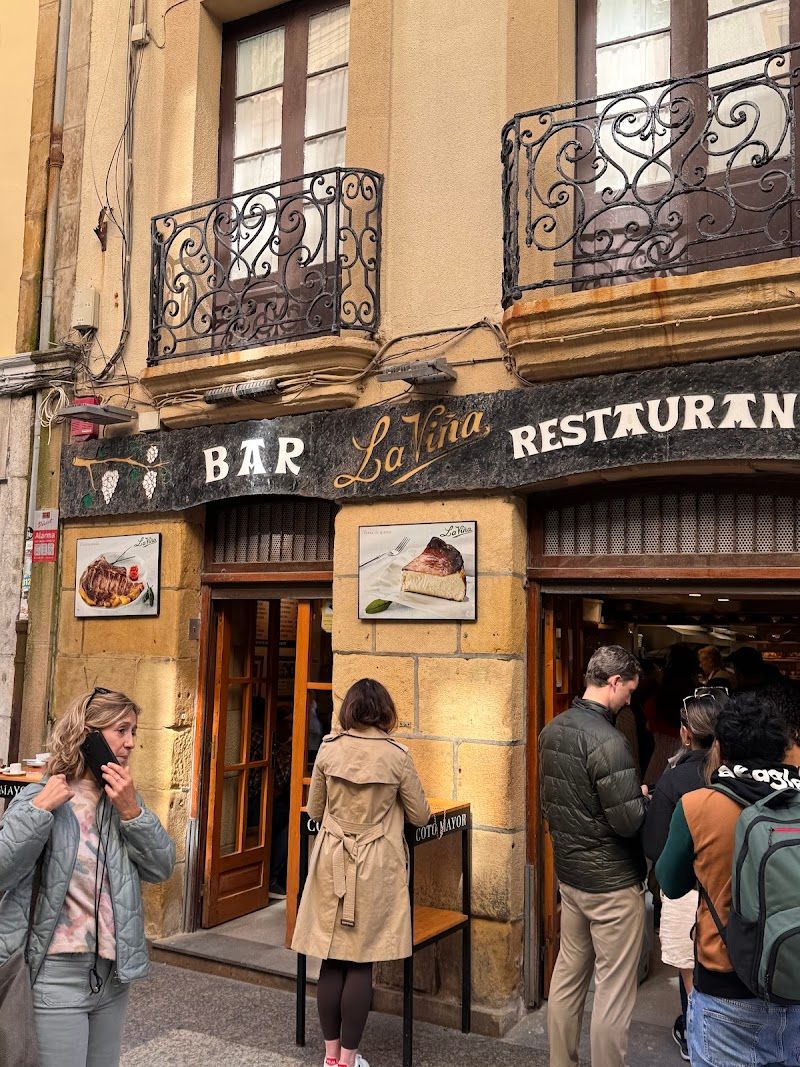
La Viña
RestaurantThe birthplace of burnt Basque cheesecake, now copied worldwide. This unassuming bar has been making their tarta de queso since the 1990s, with a caramelized top and creamy, almost liquid center. Slices are served at room temperature.
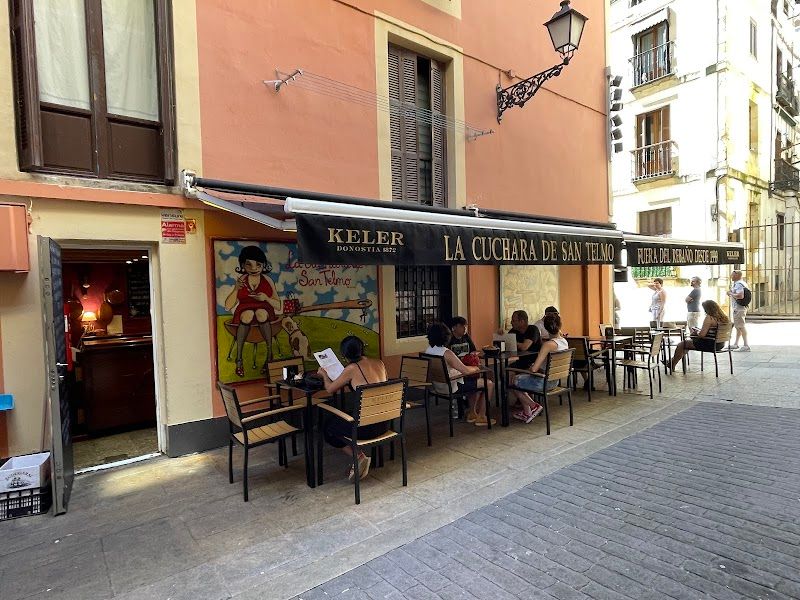
La Cuchara de San Telmo
RestaurantNo cold pintxos on the bar here. Everything is cooked to order from a tiny kitchen, with specialties like foie micuit with apple compote and slow-cooked veal cheek. The carrillera (veal cheek) melts on the tongue and is worth the wait.
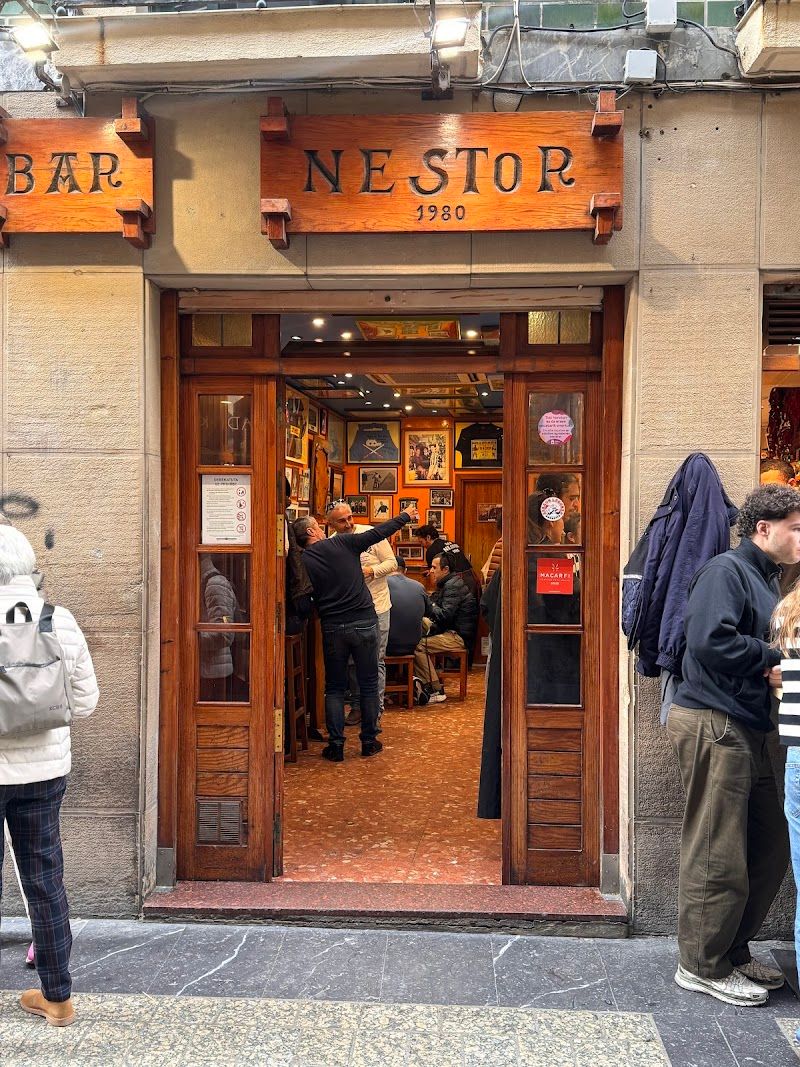
Bar Nestor
RestaurantLegendary pintxo bar known for two things served at exact times: tortilla de patata at 1 PM and 8 PM, and tomato salad in season. The tortilla is barely set in the center, creamy and rich, and people queue before service time. Cash only.
Kokotxa
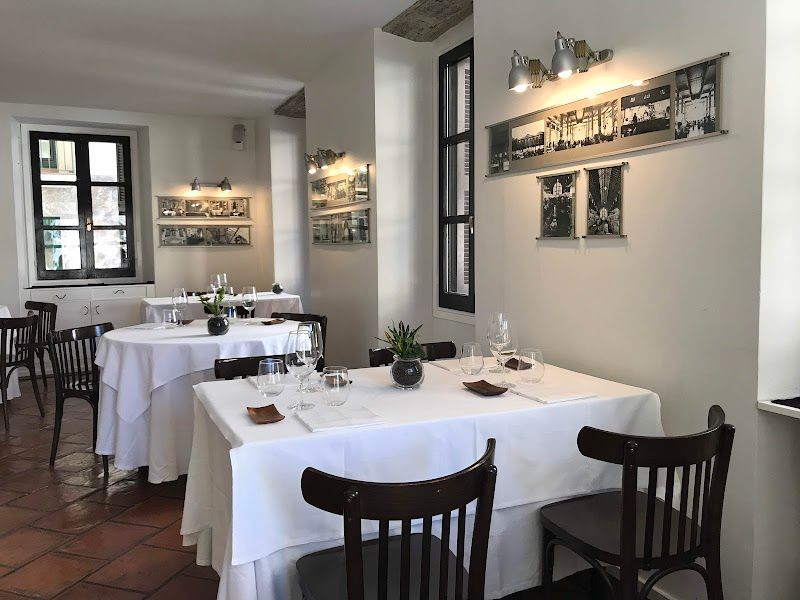
RestaurantOne Michelin star restaurant in the old town focusing on traditional Basque cuisine with modern technique. Chef Daniel Lopez uses seasonal ingredients from local suppliers, with standout dishes featuring kokotxas (hake cheeks) and turbot from the Bay of Biscay.
Atari Gastroteka
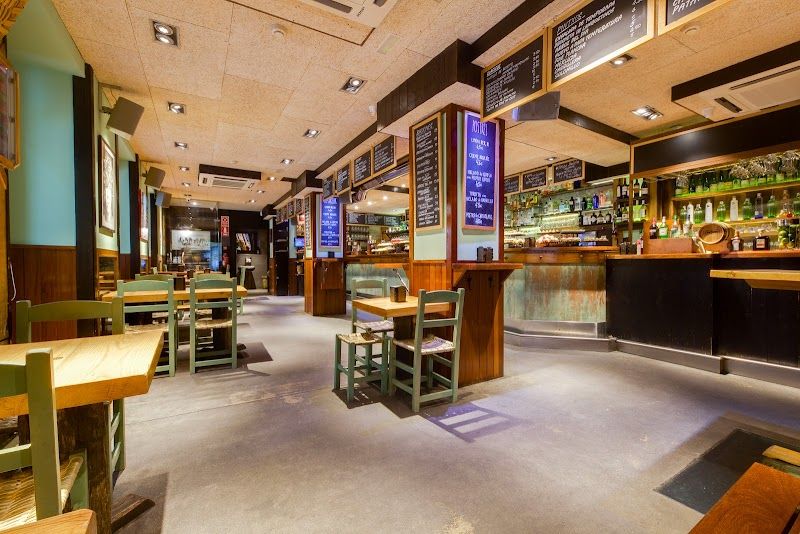
RestaurantModern gastro bar on the edge of Gros serving creative pintxos and full plates designed for sharing. The octopus with potato cream and paprika oil and the beef tataki with ponzu show Asian influences. Wine list focuses on natural and biodynamic producers.
Getting Here
Getting There
Walking from Parte Vieja (5 min to the base). No public transport to the summit.
On Foot
The hill requires a 20-min uphill walk on paved paths. The base and port are flat.
Insider Tips
The hill walk is free
The Castillo de la Mota at the top of Monte Urgull is free to enter and open daily. The 20-minute walk through the park is pleasant: the woods provide shade that La Concha promenade does not. The Cristo statue at the summit is a 1950 copy of the Rio de Janeiro Cristo Redentor at 1/10th the scale: the view from the platform beneath it covers both La Concha and Zurriola simultaneously.
Paseo Nuevo in rough weather
The Paseo Nuevo (the coastal path around the north side of Monte Urgull) is designed to be walked in any weather. In rough sea conditions (autumn and winter), the waves break against the sea wall and spray reaches the path. The benches along the path face the open bay and the Basque coast: go when the sea is rough for the best version of it.
Nearby Neighborhoods
Continue exploring
Parte Vieja
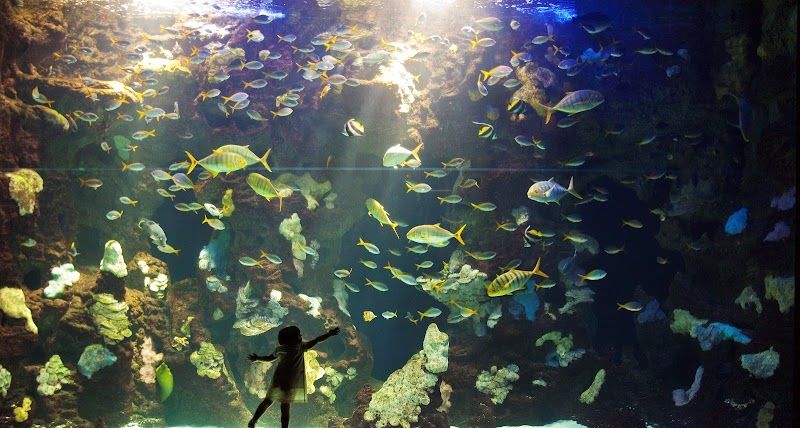
The pintxo district: narrow streets packed with bars, each counter loaded with 8-15 different pintxos, txakoli poured from height at every stop, and the San Telmo Museum in the old convent.
La Concha & Centro
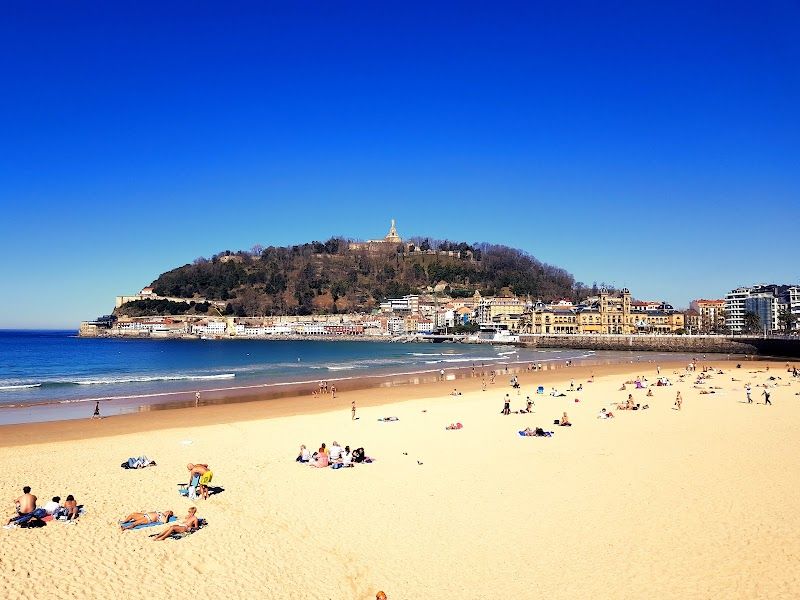
The elegant seafront: the crescent La Concha beach with its Belle Epoque promenade railing, the Monte Igueldo funicular for the panoramic bay view, and the grand hotels and park.
Gros
The surfer and local neighbourhood east of the Urumea river: Zurriola beach with Atlantic surf, the Kursaal glass cubes, and pintxo bars with shorter queues and more regular clients than the old town.
Plan a trip featuring Monte Urgull & Port
Get a personalized San Sebastian itinerary with Monte Urgull & Port built in.
Start Planning