Siena
Things to Do
28 attractions, museums, and experiences
Piazza del Campo
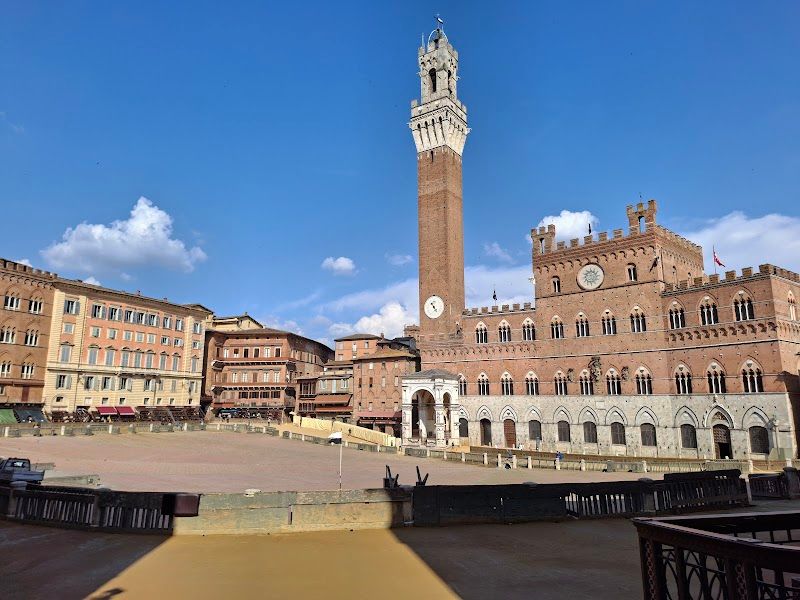
Piazza del Campo is Europe's most beautiful medieval square, a shell-shaped amphitheater of red brick that slopes down like a natural theater toward the Gothic Palazzo Pubblico. You're looking at 14th-century urban planning at its finest: nine white marble lines divide the fan-shaped space, representing the Council of Nine who ruled Siena during its golden age. The Fonte Gaia fountain anchors the high end while the 102-meter Torre del Mangia dominates the skyline at the bottom. Walking into the Campo feels like entering a living postcard where students sprawl on warm brick, tourists navigate gelato vendors, and pigeons patrol for dropped paninis. The sloping surface works like stadium seating, so you can sit almost anywhere and watch the theater of daily life unfold below. Twice yearly the space transforms completely when they dump sand everywhere for the legendary Palio horse race, but most of the time it's Siena's outdoor living room where conversations echo off surrounding palazzos. Skip the overpriced cafes ringing the square (EUR 4 for espresso, EUR 8 for a mediocre panino) and grab supplies from any alimentari instead. The restaurants charge a 25% premium for Campo views that aren't even that great from table level. Come at sunset when the brick glows golden and locals appear with wine bottles, or early morning when you can actually hear the fountain over the chatter.
Siena Cathedral (Duomo di Siena)
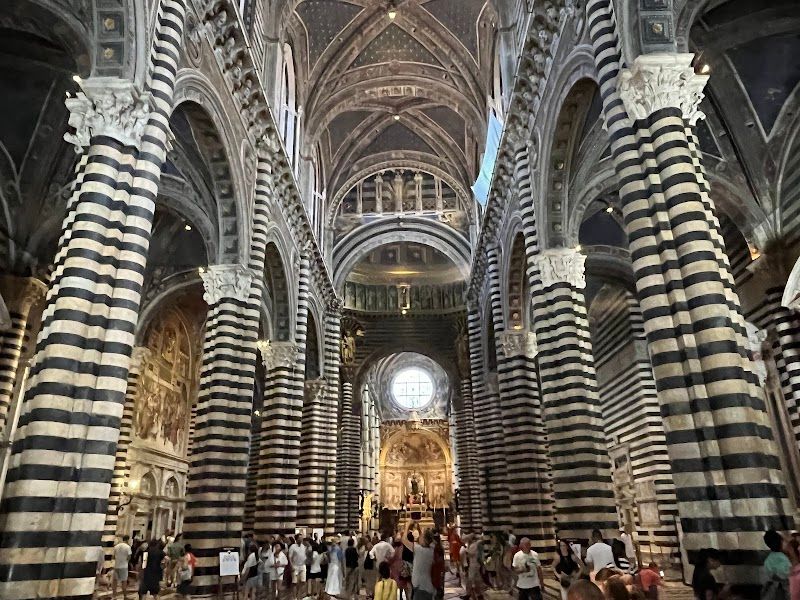
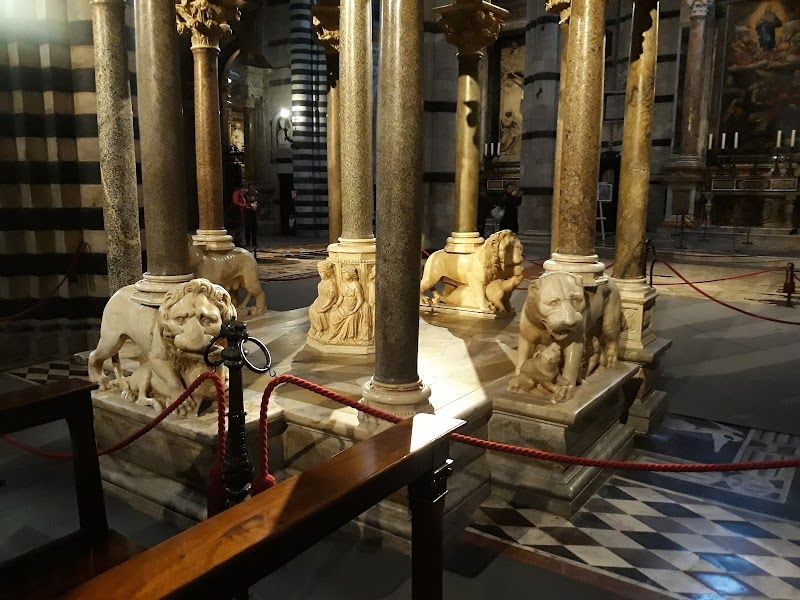
Siena Cathedral stands as Italy's most striking example of black and white striped marble architecture, built over two centuries starting in the 1200s. The real treasure lies beneath your feet: 56 intricate marble floor panels telling biblical stories, created by 40 different artists over 200 years. You'll also find Pinturicchio's vibrant frescoes in the Piccolomini Library that look like they were painted yesterday, not 500 years ago. The unfinished Facciatone offers panoramic views across Siena's terracotta rooftops. Walking into the cathedral feels like entering a zebra-striped jewel box where every surface tells a story. The marble floors are usually covered by protective boarding, but when exposed (late August to October), they transform the space into a walkable art gallery. The Piccolomini Library glows with Renaissance colors, while climbing the Facciatone gives you breathing space and sweeping views after the intensity inside. Audio guides help decode the complex iconography. Skip the basic EUR 5 cathedral-only ticket and get the OPA SI Pass for EUR 13 (EUR 15 during floor season). Most visitors rush through without realizing the crypt and baptistery are equally impressive. The library is small but spectacular, don't miss it. If you're here during floor season, arrive early as crowds build quickly. The Facciatone climb is easier than Torre del Mangia with better views.
Fortezza Medicea
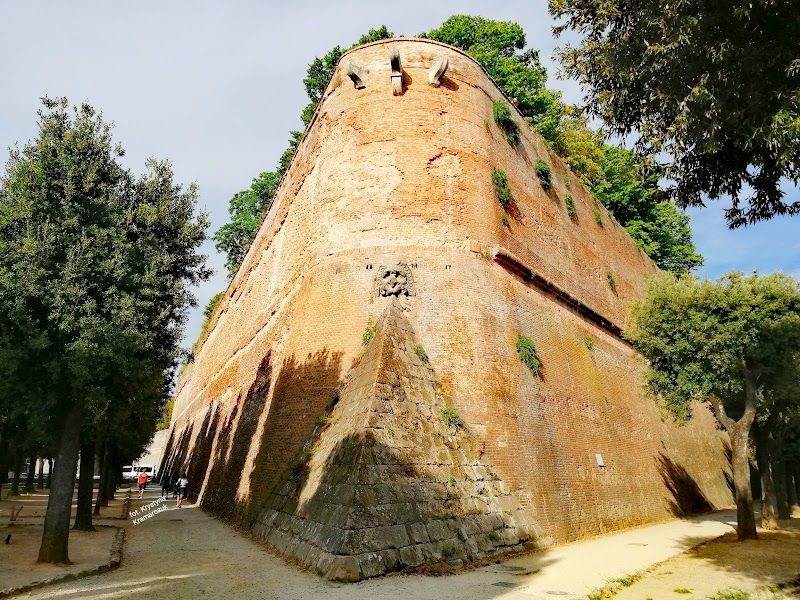
The Fortezza Medicea sits on Siena's northern edge as a massive 16th-century star-shaped fortress built by Cosimo I de' Medici to control the conquered city. You'll find thick brick walls, angular bastions, and surprisingly well-maintained gardens inside what's now a public park. The real draw is the Enoteca Italiana, Italy's official wine showcase housed in the fortress cellars, where you can taste wines from every Italian region without the tourist markup you'll find elsewhere in Siena. Walking the perimeter walls takes about 20 minutes and offers genuinely spectacular views over the Tuscan hills, especially toward the southeast where you can spot medieval towers dotting the countryside. Inside the walls, locals spread blankets on the grass for impromptu picnics while kids play football in the open areas. The atmosphere feels more like a neighborhood park than a historical monument, which is exactly what makes it special. The Enoteca's tasting room occupies atmospheric vaulted chambers that stay cool even in summer heat. Most guidebooks oversell this as a major historical site when it's really best appreciated as a peaceful escape from Siena's crowded centro storico. The fortress itself has limited historical displays and no museum worth paying for. Focus your time on the wall walk at golden hour and the Enoteca's wine selection, where tastings start around 8 EUR. Skip weekends when local families pack the grassy areas.
Pasticceria Nannini
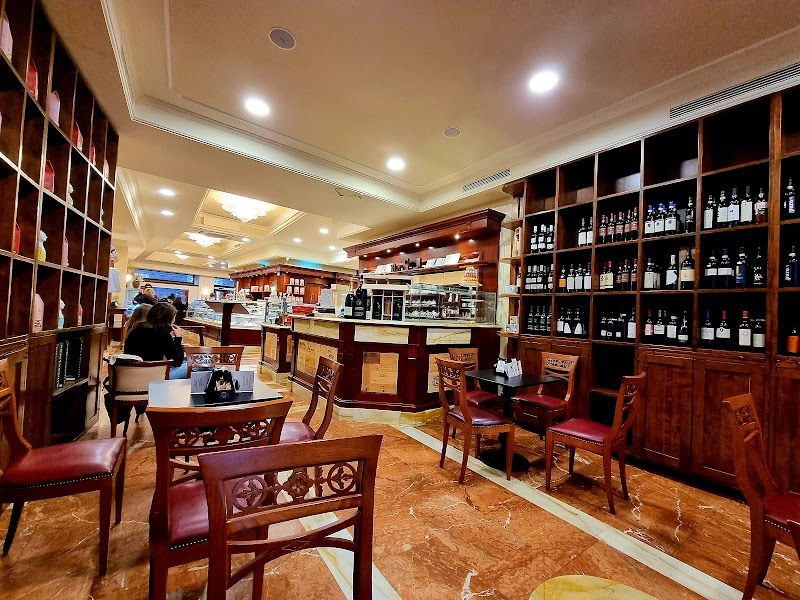
Historic pastry shop opened in 1911, famous for ricciarelli almond cookies and panforte spice cake made from original recipes. The marble-topped bar serves espresso alongside fresh cornetti and cantucci throughout the day. The shop also sells packaged sweets that make authentic Sienese souvenirs.
Palazzo Pubblico & Museo Civico
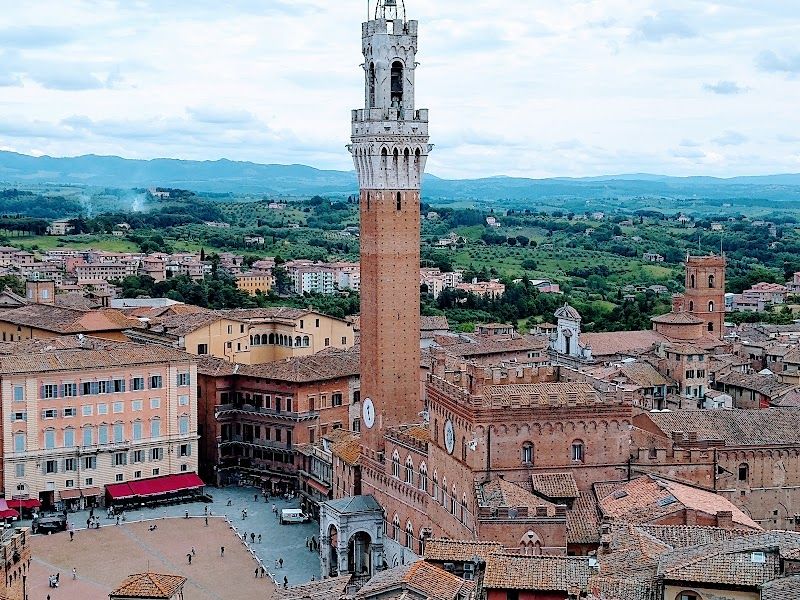
The Palazzo Pubblico houses Siena's most important art collection, centered around Ambrogio Lorenzetti's extraordinary Allegory of Good and Bad Government frescoes from 1338. These aren't just pretty paintings: they're a complete political manifesto painted across three walls, showing exactly what happens when rulers govern well versus badly. You'll also see Simone Martini's stunning Maesta and the controversial Guidoriccio equestrian portrait that art historians still argue about. You enter through the palazzo's Gothic courtyard and climb marble stairs to the first floor where the frescoes await. The Sala della Pace stops everyone in their tracks: Lorenzetti's good government scene shows merchants trading peacefully while farmers tend orderly fields, then the bad government wall reveals the same landscape in ruins with armed thugs roaming the streets. The contrast is startling and surprisingly relevant today. The adjoining Sala del Mappamondo feels more formal with its towering Maesta dominating one wall. Most visitors rush past this for the Torre del Mangia, which is backwards thinking. The museum ticket costs EUR 10 alone, or EUR 15 combined with the tower (saving you EUR 5). Skip the upper floors unless you're obsessed with minor 14th century works. Focus your hour on the two main rooms: they contain some of Europe's most sophisticated medieval political commentary, and unlike most fresco cycles, these tell a complete story you can actually follow.
Santa Maria della Scala
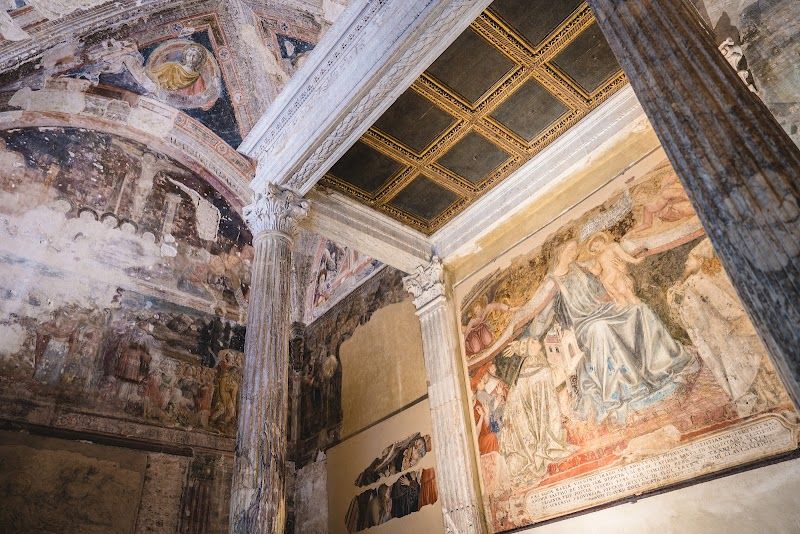
Santa Maria della Scala operated as Europe's oldest hospital for over 800 years before transforming into Siena's most underrated museum. You'll explore a labyrinth of medieval halls, Renaissance chapels, and underground Etruscan chambers that most tourists skip entirely. The star attraction is the Pellegrinaio hall, where Domenico di Bartolo's extraordinary 15th-century frescoes show orphans being bathed, pilgrims receiving care, and nuns preparing medicines with documentary precision. The visit feels like archaeological detective work as you descend through layers of Sienese history. Medieval hospital wards lead to ornate sacristies, then down stone steps into pre-Roman tunnels where Etruscan artifacts sit in climate-controlled cases. The atmosphere shifts from clinical medieval efficiency upstairs to mysterious ancient worship below. You'll often have entire rooms to yourself, especially the haunting underground sections where your footsteps echo off stone walls. Most guides completely ignore this place, which means you get extraordinary art without crowds but terrible signage in English. The €9 entry fee is excellent value compared to packed attractions nearby. Skip the top floors entirely, they're mostly administrative displays. Focus your energy on the Pellegrinaio frescoes and the underground archaeological areas, both genuinely spectacular and completely tourist-free.
Museo dell'Opera del Duomo
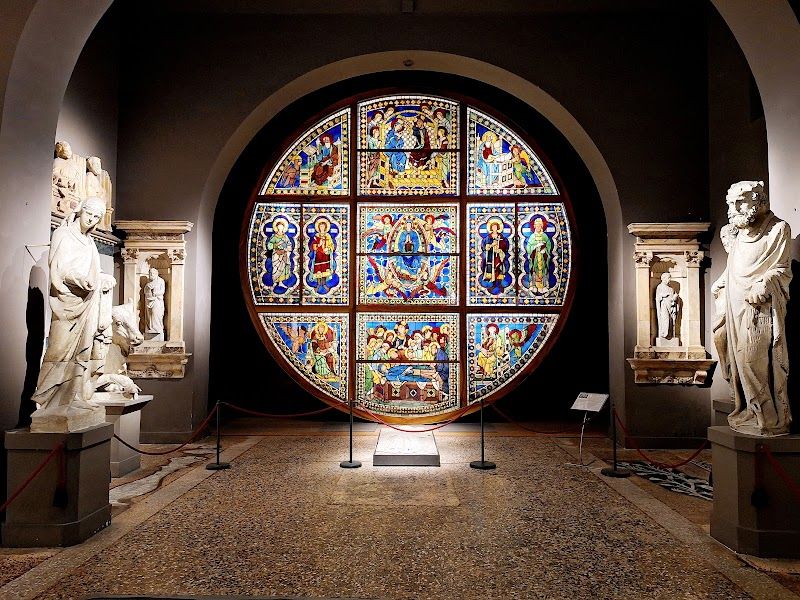
This museum houses Duccio's Maestà, the altarpiece that changed Italian art forever when it was completed in 1311. You'll see both sides of this massive work: the front shows the Virgin and Child surrounded by saints, while the back tells Christ's passion story across 26 panels. The museum also displays original statues from the cathedral's facade by Giovanni Pisano, letting you examine details impossible to see from street level. The visit flows chronologically through Sienese art history, but everyone comes for the Maestà room on the first floor. Standing before this golden masterpiece feels almost overwhelming: the faces are impossibly expressive for 14th century painting, and you can spend ages discovering tiny narrative details. The top floor terrace offers spectacular views over Siena's terracotta rooftops, with the Torre del Mangia perfectly framed. Most guides oversell the entire collection when really it's about three highlights: the Maestà, Pisano's statues, and that terrace view. The ground floor rooms feel like filler compared to upstairs. Entry costs €8, or €15 combined with the cathedral (worth it). Skip the audio guide and use that €5 for gelato instead: the wall texts are perfectly adequate in English.
Pinacoteca Nazionale
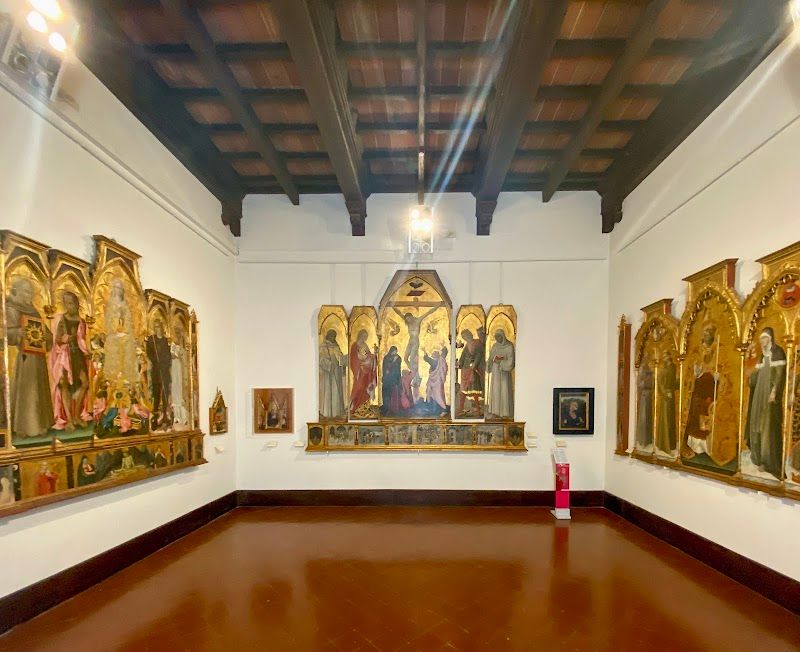
The Pinacoteca Nazionale houses the world's greatest collection of Sienese School paintings, spanning from the 1200s through the Renaissance in two connected medieval palaces. You'll see works by Duccio, Simone Martini, and the Lorenzetti brothers that show how Siena developed a distinctly different artistic style from Florence, with more Byzantine influence and ethereal gold backgrounds. The collection includes Duccio's stunning polyptych fragments and Pietro Lorenzetti's sublime Birth of the Virgin. The chronological layout across 30 rooms tells the story of Siena's artistic golden age perfectly. You start with primitive religious panels and progress through increasingly sophisticated works that rival anything in the Uffizi. Room 7 holds the masterpieces: Duccio's Madonna and Child panels feel almost alive under the careful lighting. The upper floors get quieter, and by the time you reach the later Renaissance works, you'll often have entire rooms to yourself. Admission costs €4, making this one of Italy's best art bargains. Most visitors rush through to tick boxes, but you should linger in rooms 4 through 9 where the real treasures live. Skip the ground floor temporary exhibitions unless the topic genuinely interests you, they're usually academic and dry. The audio guide costs €3 extra and actually adds valuable context about Sienese painting techniques.
Contrade and Palio Walking Tour
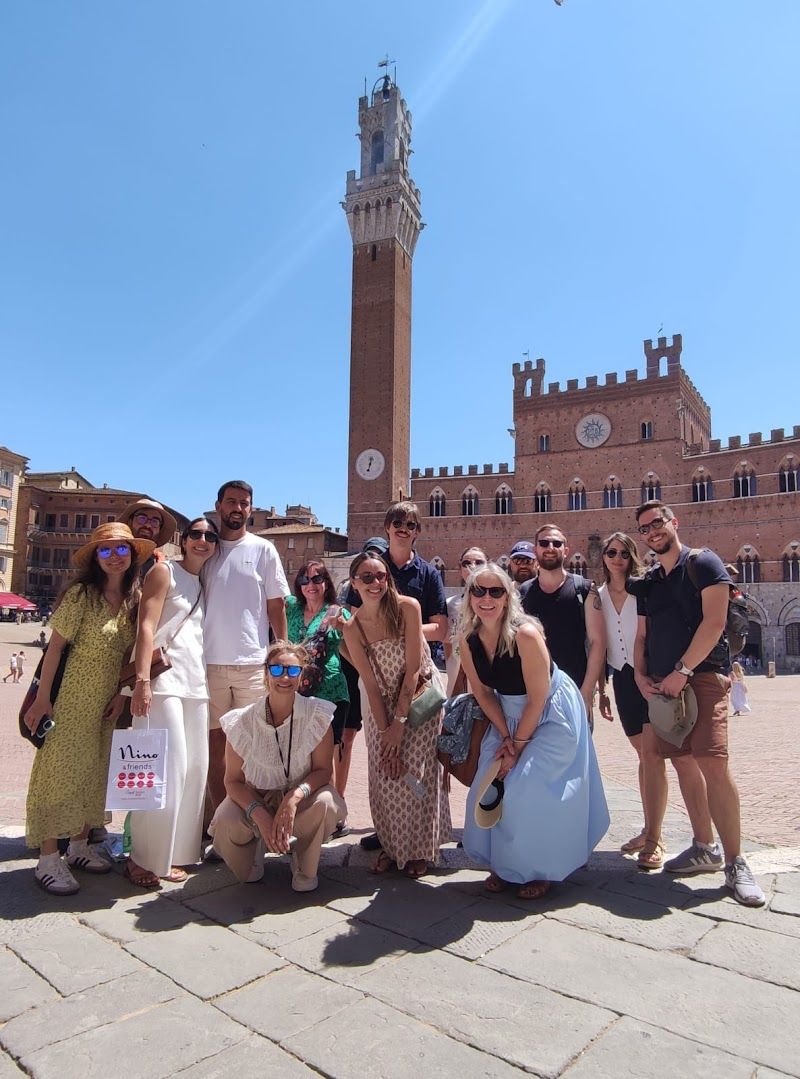
This specialized tour takes you deep into Siena's contrada system, the 17 neighborhood districts that have defined the city's identity since medieval times. You'll visit contrada museums displaying centuries of Palio silks and silver, see the animal-emblemed fountains that mark each territory, and learn how these rivalries still shape daily life. Your guide explains the Byzantine rules governing the famous bareback horse race held twice yearly in the Piazza del Campo, plus the year-round ceremonies that keep these traditions alive. The 2.5-hour walk winds through narrow streets where each contrada's symbols appear on flags, doorways, and street art. You'll hear stories of legendary victories and bitter defeats while standing in the exact spots where celebrations or mourning took place. The atmosphere shifts noticeably as you cross invisible borders between rival territories. Some guides arrange access to private contrada spaces like chapels or meeting halls normally closed to outsiders, giving you a rare glimpse into this parallel world within Siena. Most Palio tours focus only on the race itself and miss the deeper cultural significance. This one gets it right by showing how the contrade function as extended families with their own baptisms, weddings, and social structures. Skip the generic Siena walking tours that barely mention the contrade. At around 45-50 EUR per person, it's expensive but worth it for the insider access and authentic stories you won't get elsewhere.
Basilica di San Domenico
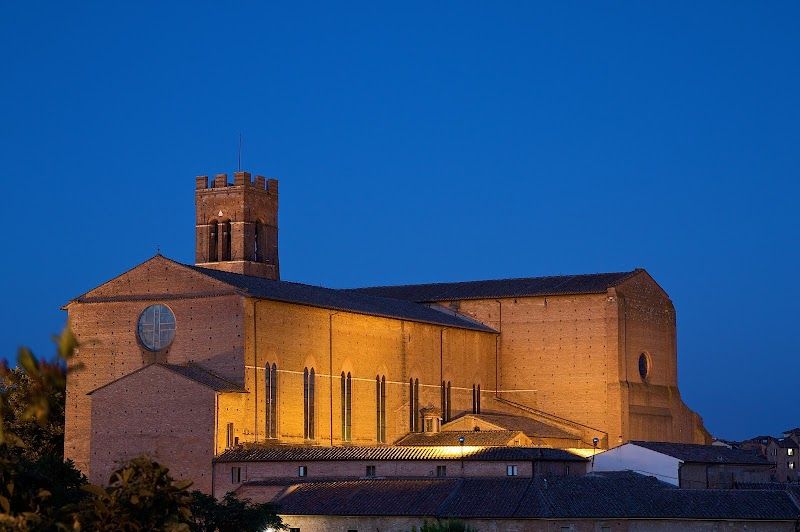
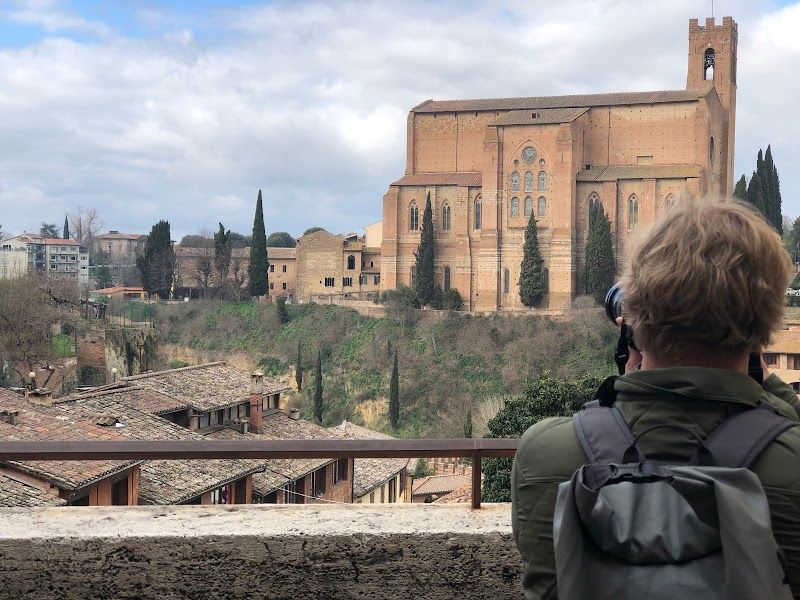
The Basilica di San Domenico is a massive brick church on the hill northwest of Piazza del Campo, built in the 13th century and expanded over the following centuries. It is the church most associated with Saint Catherine of Siena (1347-1380), and the Chapel of the Vaults holds her preserved head in a gilded reliquary and her thumb in a separate case. The Chapel of Saint Catherine has frescoes by Sodoma depicting her ecstasies and miracles. The church is free to enter and the terrace outside provides one of the best panoramic views of Siena, with the Duomo and Torre del Mangia visible across the valley. Allow 20-30 minutes for the church and the view.
La Taverna di San Giuseppe
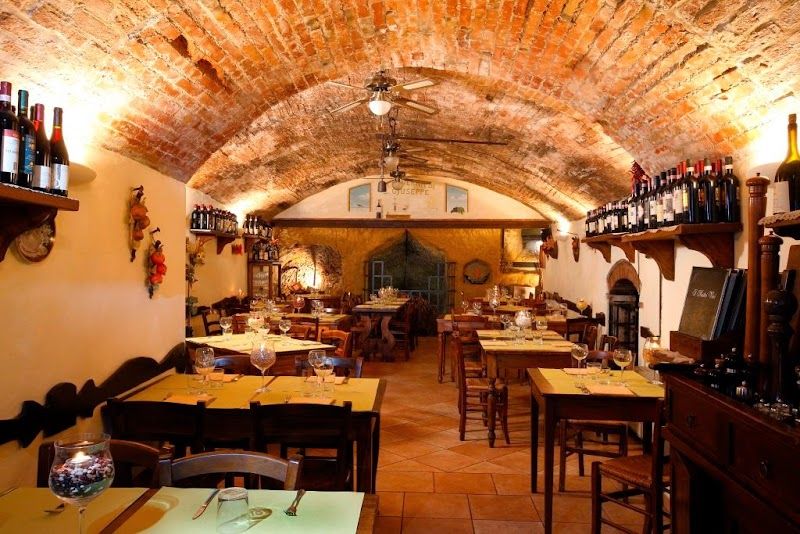
Medieval cellar restaurant carved into three levels of brick-vaulted rooms dating to the 12th century. The menu emphasizes wild boar prepared multiple ways including the signature pappardelle al cinghiale with slow-cooked ragu. Wine storage alcoves built into the ancient walls hold the restaurant's collection of local vintages.
Palazzo Salimbeni
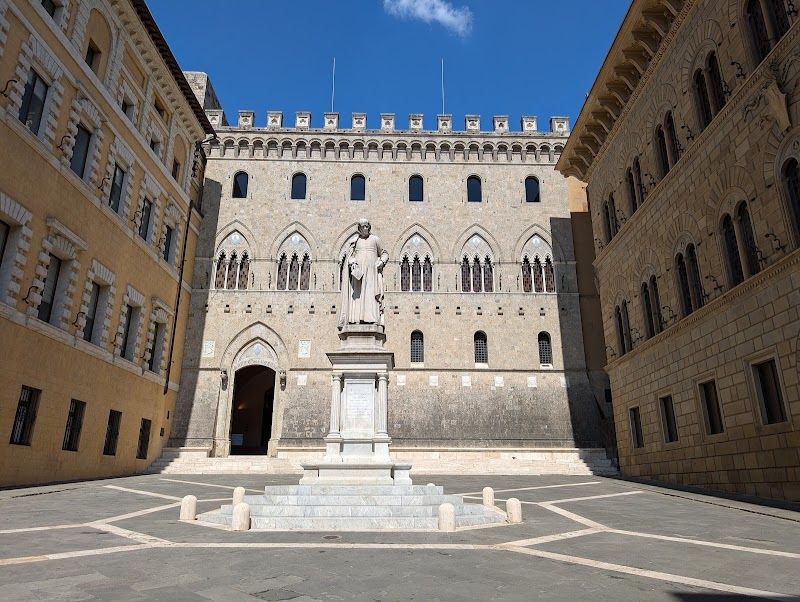
Palazzo Salimbeni houses Monte dei Paschi di Siena, founded in 1472 and still the world's oldest operating bank. You can't go inside, but the 14th-century Gothic facade with its stone crenellations and arched windows makes this one of Siena's most striking medieval buildings. The real draw is how perfectly it anchors Piazza Salimbeni, creating what feels like a private courtyard in the heart of the city. The square itself feels intimate and refined, flanked by two Renaissance palaces that complement the Gothic centerpiece beautifully. You'll find yourself naturally drawn to walk the perimeter, admiring how the three buildings create perfect architectural harmony. The statue of economist Sallustio Bandini sits right in the center, and locals often use the steps around it as an impromptu meeting spot. Most guides oversell this as a major attraction when it's really a lovely 10-minute stop while exploring the centro. The morning light hits the stone facade beautifully, making photos much better than afternoon shots. Skip it if you're rushing between the Duomo and Piazza del Campo, but if you're wandering the medieval streets anyway, it's worth the short detour for the architecture and peaceful atmosphere.
Antica Osteria da Divo
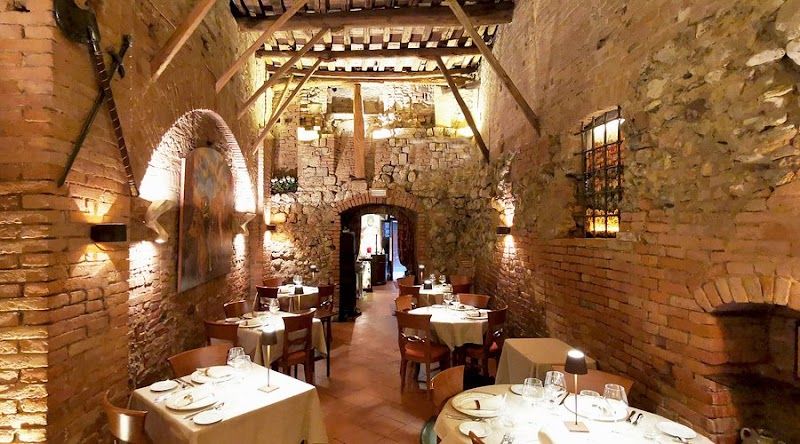
Underground restaurant built into Etruscan tombs and medieval cellars with exposed tufa stone walls. The creative menu pairs traditional Sienese ingredients with modern techniques, featuring dishes like saffron pici and duck breast with vin santo reduction. Candlelit alcoves create intimate dining spaces within the ancient stonework.
Osteria Il Grattacielo
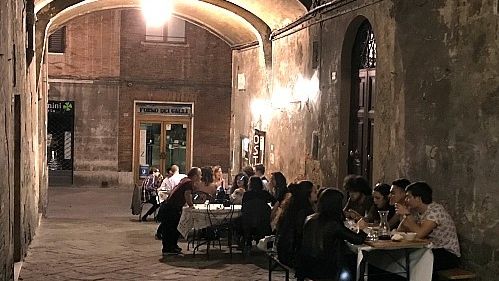
Neighborhood osteria tucked into a residential street where locals gather for affordable home-style cooking. The daily changing menu features seasonal soups, handmade pasta, and grilled meats with no written menu, just verbal recitation. House wine comes in carafes and tables are shared during busy lunch service.
Trattoria La Chiacchera
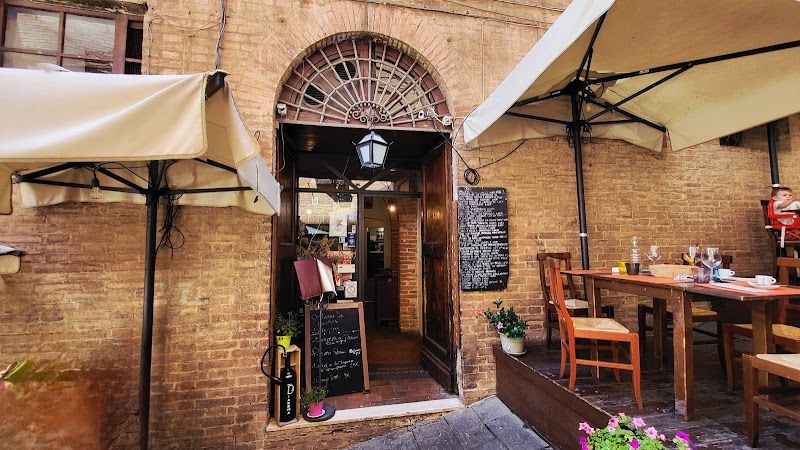
Family-run trattoria serving traditional Sienese recipes unchanged for three generations. The pici cacio e pepe and ribollita are made daily, with portions sized for serious appetites. The dining room displays vintage Palio flags and family photographs from the Contrada della Selva.
Fonte Gaia
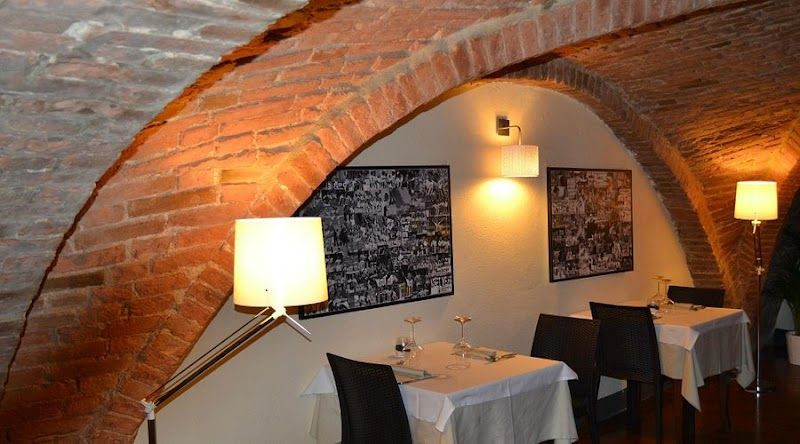
Fonte Gaia sits at the highest point of Piazza del Campo's slanted shell, a white marble fountain that's been the square's centerpiece for over 600 years. The rectangular basin features carved reliefs showing biblical scenes and allegorical figures representing virtues, all framed by elegant Gothic arches. What you're seeing is actually a faithful 19th-century copy: the original weathered panels by master sculptor Jacopo della Quercia are safely displayed in Santa Maria della Scala museum, where you can study the intricate details up close. The fountain creates a natural gathering spot where locals fill water bottles and tourists rest between exploring the surrounding medieval buildings. Water still flows from the carved spouts, just as it did when the fountain first brought fresh water to this hilltop square in 1419. The marble gleams white against the red brick Palazzo Pubblico behind it, and you'll often see people sitting on the steps leading up to it, using it as a backdrop for photos. Most guidebooks make this sound more spectacular than it actually is. It's pleasant to look at and historically significant, but don't expect to be blown away: the replica lacks the patina and character of the original. Save your real fountain admiration for the originals in the museum, which cost 8 EUR to visit. The fountain works best as part of experiencing the entire Campo rather than a destination itself.
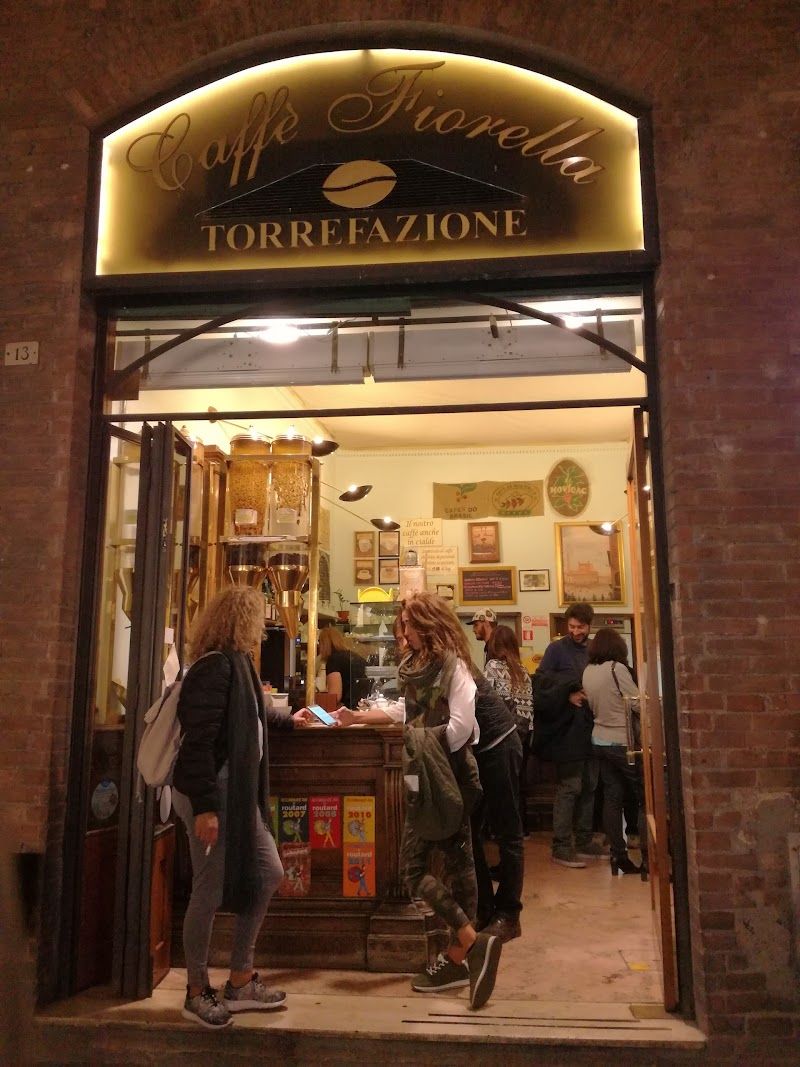
Caffè Fiorella
Corner cafe with outdoor tables facing the Basilica of San Domenico and valley views stretching to the countryside. Morning service includes cappuccino and fresh pastries while afternoons feature aperitivo with complimentary snacks. The shaded terrace provides relief during summer heat with a local rather than touristy crowd.
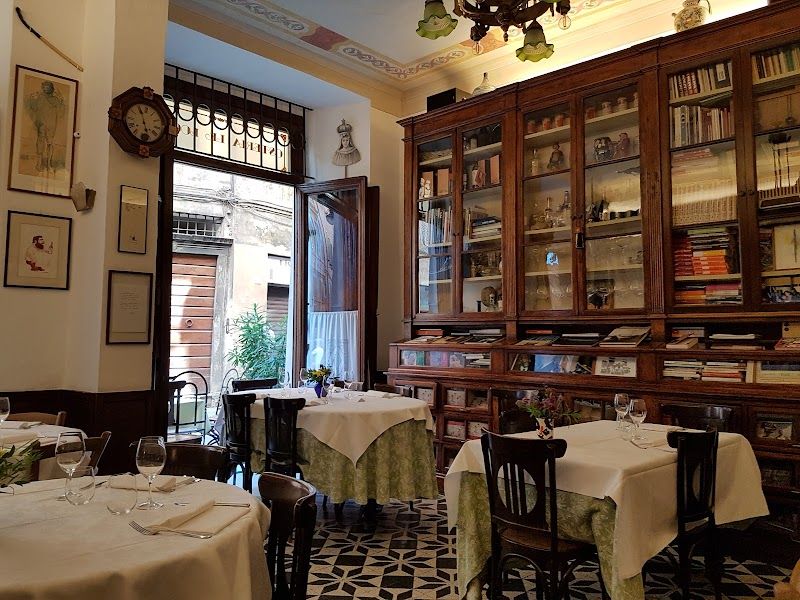
Osteria Le Logge
Refined dining in a former pharmacy with original frescoed ceilings and apothecary cabinets. The menu features seasonal Tuscan dishes like pici with wild boar ragu and house-made desserts including cantucci with vin santo. Known for an extensive Chianti and Brunello selection with knowledgeable sommelier service.
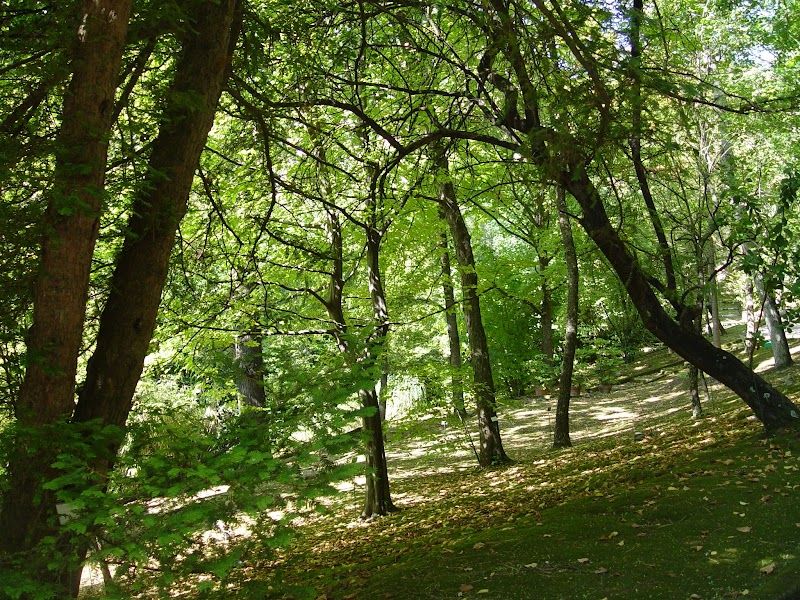
Orto Botanico dell'Università di Siena
This 2.5-hectare botanical garden serves as the University of Siena's living laboratory, housing over 2,000 plant species across terraced slopes just outside the medieval walls. You'll find serious collections here: a medicinal plant section that reflects its 16th-century origins, a impressive fern valley with species from five continents, and greenhouses packed with tropical specimens. The layout follows natural contours, creating distinct garden rooms connected by gravel paths that wind between ancient stone walls and modern research plots. The visit feels more like exploring a working research facility than a manicured tourist attraction. Students sketch plants on benches while professors lead small groups through specialized sections. The terraced design means you're constantly climbing or descending, with each level revealing different microclimates and plant communities. The historic greenhouses smell of earth and humidity, filled with palms, orchids, and climbing vines that create a jungle atmosphere just steps from Siena's dusty streets. Most guides oversell this as a major attraction when it's really a specialist interest site. The €3 entrance fee represents decent value if you appreciate botanical diversity, but casual visitors often leave underwhelmed after 20 minutes. Focus your time on the medicinal plant section and the main greenhouse complex. Skip the upper terraces unless you're genuinely interested in native Tuscan flora, they're repetitive and offer little shade on hot days.
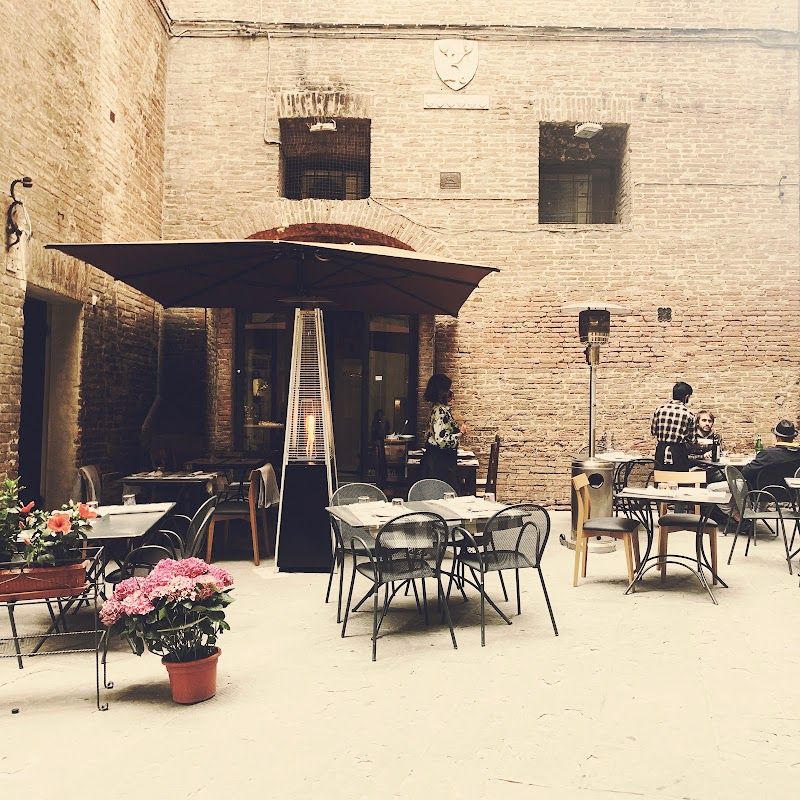
Enoteca I Terzi
Wine bar and restaurant with over 500 labels focusing on Tuscan producers and natural wines. The kitchen serves elevated versions of traditional dishes like pici with aglione garlic sauce and Cinta Senese pork cheek. Sommeliers offer guided tastings and pairings with rare vintages including aged Brunello reserves.
Basilica di Santa Maria dei Servi
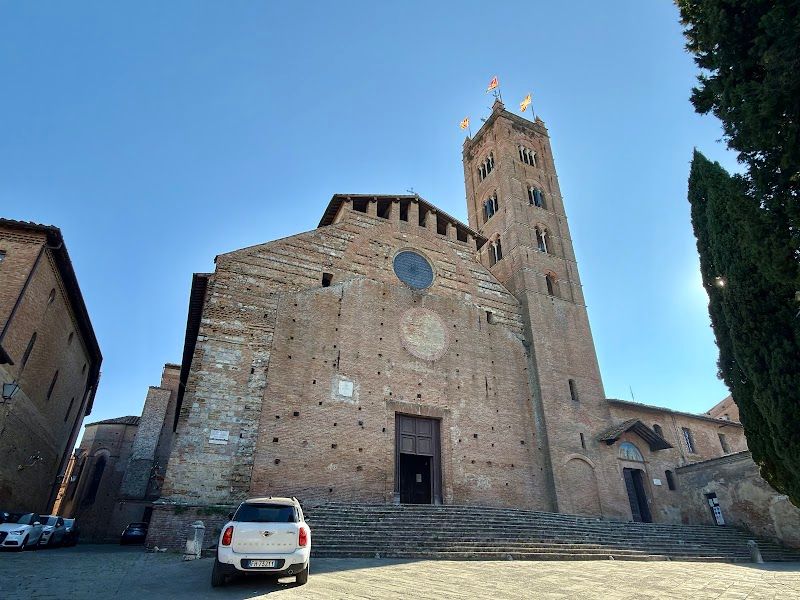
This 13th-century Servite church perches on Colle di Valdimontone hill, about a 10-minute walk south from Il Campo. You'll find genuine medieval frescoes by Pietro Lorenzetti in the second chapel on the right, plus a striking 13th-century Madonna by Coppo di Marcovaldo above the high altar. The real payoff is the panoramic terrace behind the church, where you get unobstructed views across Siena's terracotta rooftops to the Duomo's striped campanile and the rolling Chianti hills beyond. The church interior feels authentically medieval rather than overly restored, with worn stone floors and dim lighting that makes the frescoes glow. Most visitors spend 10 minutes inside before heading to the terrace, where you can sit on stone benches and take in the view. The location keeps crowds light compared to the major churches in the centro storico. The walk up Via dei Servi involves some steep sections, but the gradient is manageable for most people. Skip this if you're pressed for time and have already been to Torre del Mangia, the views are similar but Torre del Mangia is more dramatic. The church itself is free, though there's often a small donation box. Come in late afternoon when the light hits the Tuscan hills perfectly, but avoid the hour before sunset when tour groups sometimes appear. The Lorenzetti frescoes alone justify the visit if you appreciate medieval art.
Libreria Senese
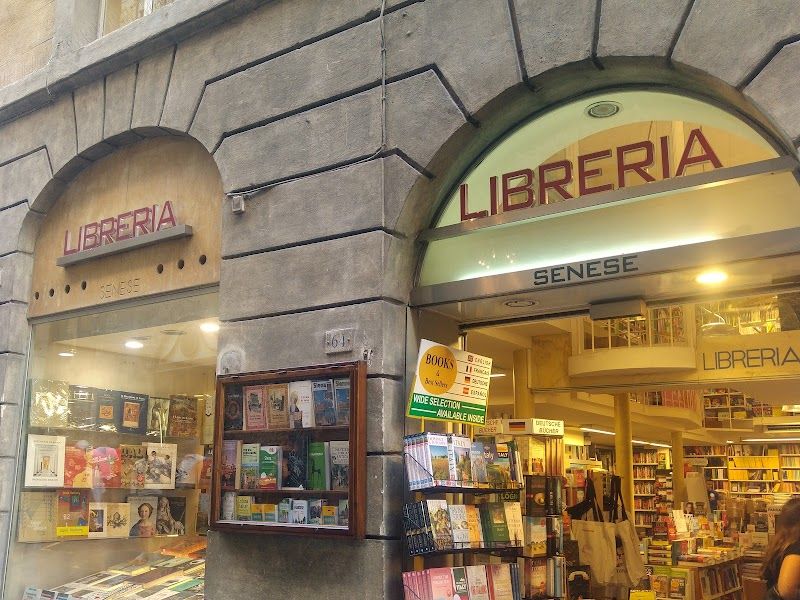
Libreria Senese occupies a narrow medieval storefront on Via di Città, where floor-to-ceiling shelves hold one of Tuscany's best collections of regional books. You'll find everything from scholarly texts on Sienese Gothic architecture to coffee table books about the Palio, plus a solid selection of contemporary Italian fiction and detailed hiking guides for the Chianti hills. The owners have been curating this collection for over 30 years, and it shows in the thoughtful organization and rare finds. Stepping inside feels like entering a literary time capsule. The space is compact but never cramped, with books stacked artfully on wooden tables and handwritten recommendation cards scattered throughout. University students browse alongside curious travelers, creating a quiet intellectual buzz. The staff genuinely knows their inventory and will pull books from seemingly impossible places when you mention a specific interest. Most travel bookshops are tourist traps selling overpriced guidebooks, but this place serves serious readers. Books range from 12 EUR for paperbacks to 45 EUR for art volumes, which is fair for the quality. Skip the generic Tuscany photography books near the entrance and head straight to the local history section in the back. The Palio collection alone justifies the visit, featuring publications you won't find anywhere else.
Bike Tour Siena
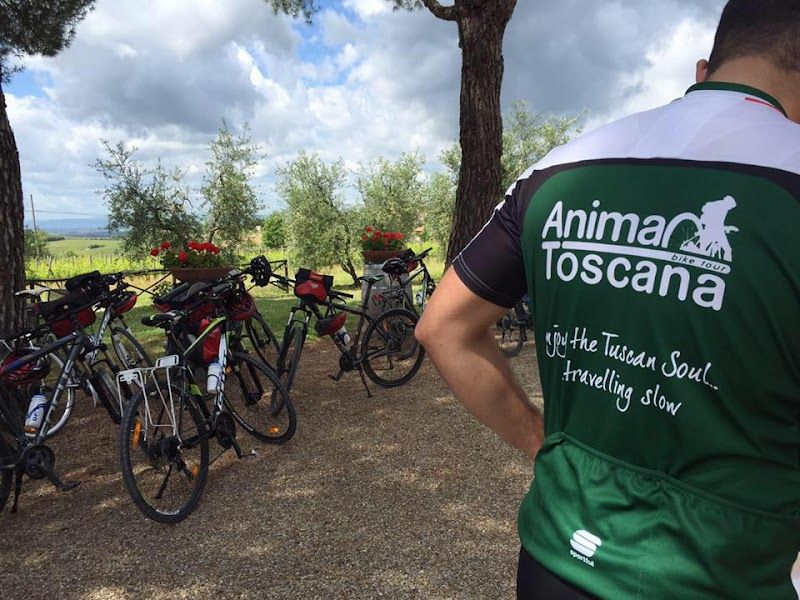
This 3.5-hour cycling tour takes you through the rolling Chianti hills surrounding Siena, covering about 25 kilometers of quiet country roads and gravel paths. You'll cycle past cypress-lined drives, medieval stone farmhouses, and terraced vineyards, with stops at panoramic viewpoints overlooking the Val d'Orcia and brief visits to fortified villages like Monteriggioni. The route is designed for recreational cyclists with moderate fitness levels, featuring gentle climbs and rewarding descents through some of Tuscany's most photogenic countryside. The experience feels like cycling through a Renaissance painting, especially during the golden hour when late afternoon light hits the wheat fields and olive groves. Your guide stops frequently for photos and local stories, pointing out wild boar paths and explaining how the landscape shaped medieval trade routes. The pace is leisurely with plenty of water breaks, and the provided e-bikes make the hills manageable even for casual cyclists. You'll share the roads mainly with local farmers and the occasional wine delivery truck. Most tour companies charge around 75-85 EUR per person including bike rental and helmet, but shop around as prices vary significantly. Skip this if you're expecting challenging mountain biking or extensive historical commentary, it's more about soaking up the scenery than serious cycling or education. The morning departure (9 AM) is superior to afternoon tours because you'll have better light for photos and cooler temperatures for the climbs.
Fontebranda
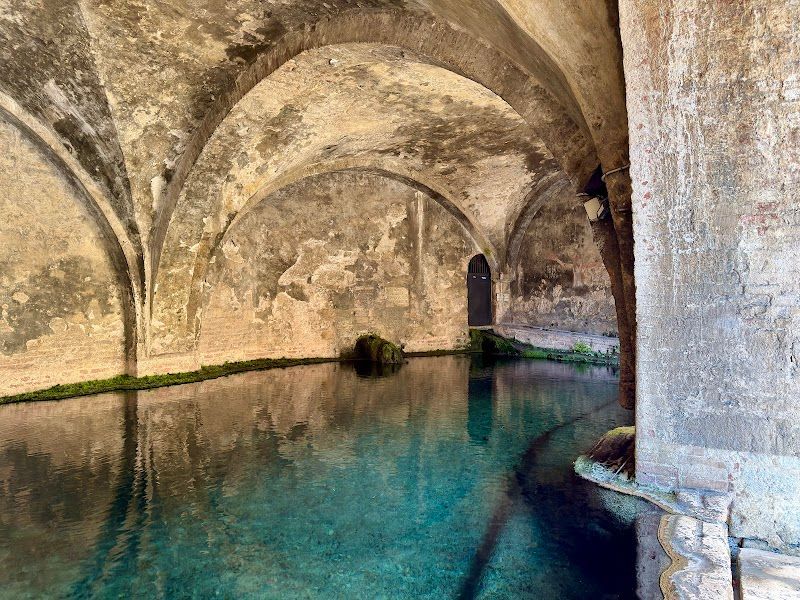
Fontebranda stands as Siena's oldest fountain, a massive 13th-century structure with three soaring Gothic arches of weathered red brick that once supplied the entire Fontebranda district. You're looking at genuine medieval infrastructure still doing its job: water flows from carved stone spouts into rectangular basins where Saint Catherine of Siena drew water daily in the 1300s. The fountain's engineering is remarkable, fed by underground springs through a system of tunnels that kept medieval Siena's leather workers and dyers in business. You'll find yourself in a quiet corner where few tourists venture, surrounded by the authentic sounds of trickling water and neighborhood life. The three arches create dramatic shadows against the red brick, especially in morning light, while locals still use the fountain for practical purposes. The medieval stonework shows centuries of wear, with smooth edges where countless hands have rested while filling containers. Most guides make this sound more exciting than it actually is: it's a working fountain, not a museum piece. The real value comes from combining it with the Catherine of Siena sites uphill, creating a proper walking route through this medieval quarter. Skip it if you're rushed, but if you're exploring the area anyway, it's worth the five-minute detour for the authentic neighborhood atmosphere.
Osteria Il Tamburino
Family-run trattoria serving authentic Sienese cuisine in a cozy, intimate setting. Known for their handmade pici pasta and seasonal truffle dishes, this spot is a favorite among locals who appreciate traditional recipes done right.
Siena Food Tour
A guided food tour of Siena covering the local specialties: pici pasta (the hand-rolled thick pasta that is Siena's signature), wild boar products (salami, ragu), pecorino cheese, ricciarelli (soft almond cookies), panforte (dense spiced fruit cake), and Chianti Classico wine. Tours typically visit 4-6 stops over 3 hours, including a salumeria, a bakery, a wine bar, and a trattoria. EUR 60-80 per person including all tastings. The food in Siena is Tuscan without the Florence markup, and a guided tour provides context on why each dish exists and where to find the best versions.
Oratorio di San Bernardino
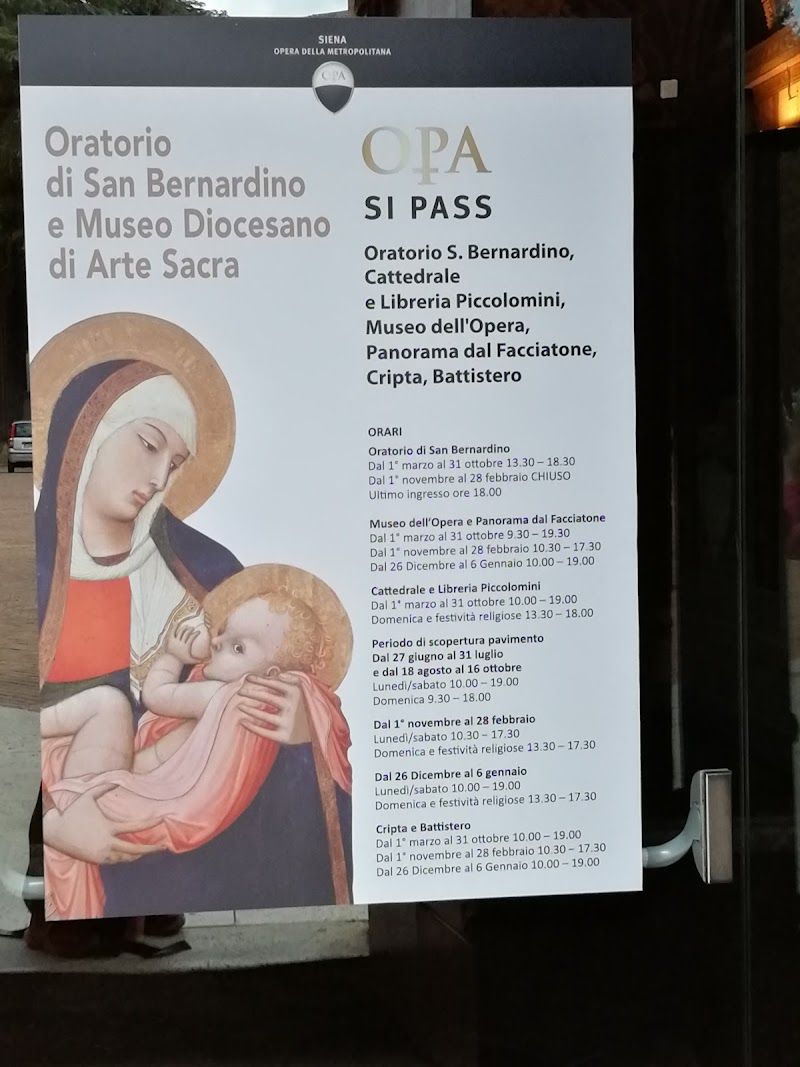
The Oratorio di San Bernardino houses some of Siena's most stunning Renaissance frescoes in two small chapels that feel more like private art collections than public spaces. You'll find works by three masters: Sodoma's dramatic scenes, Beccafumi's luminous colors, and Girolamo del Pacchia's detailed compositions covering the walls from floor to ceiling. The lower chapel contains actual relics and personal belongings of San Bernardino, Siena's beloved patron saint, while the upper oratory tells the story of the Virgin Mary through breathtaking painted narratives. Walking into these chapels feels like discovering a secret that most tourists miss completely. The intimate scale means you're standing just feet from frescoes that would be roped off in major museums, and the lighting reveals details you'd never catch in reproductions. The atmosphere is reverent but not stuffy, and you'll likely have extended periods alone with these masterpieces. The contrast between the two levels creates a perfect flow: earthly devotion below, heavenly stories above. Most guidebooks barely mention this place, which is exactly why it's so special. Skip the audio guide (the plaques provide enough context) and spend your time really looking at the frescoes rather than rushing through. Entry is free, making this one of Siena's best artistic bargains. The whole visit takes 30-45 minutes, perfect for a quiet break between the crowds at the Duomo and Palazzo Pubblico.
Chiesa di San Pietro alla Magione
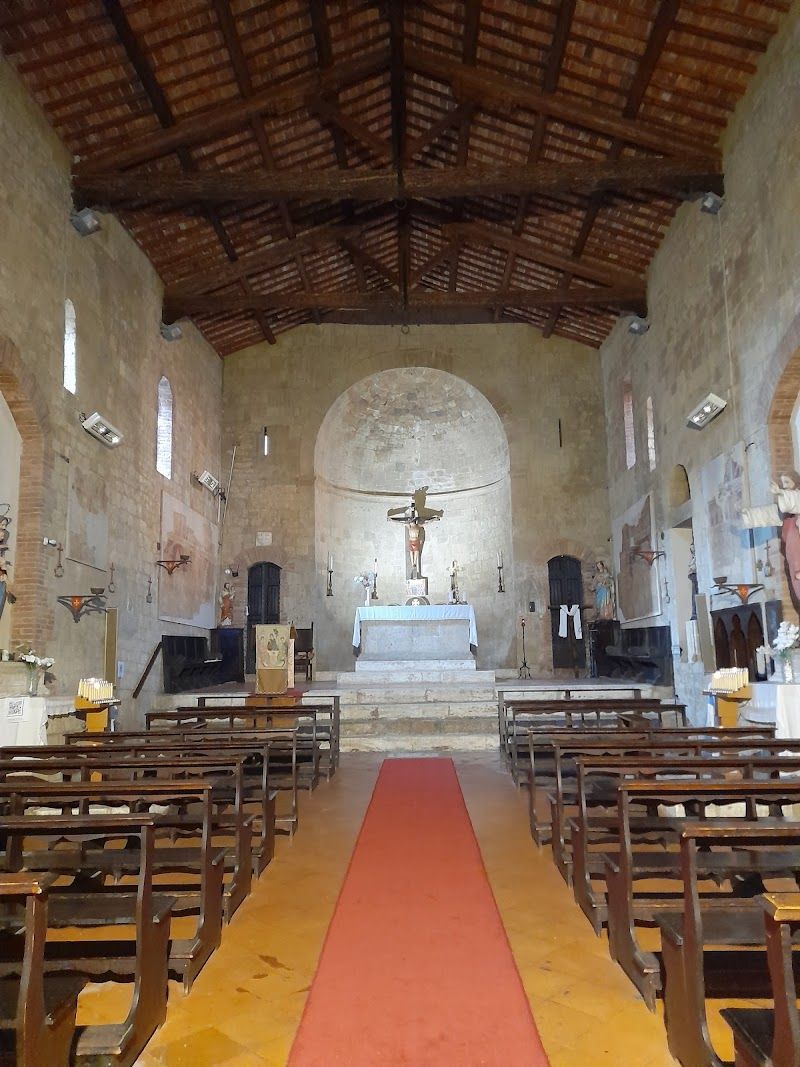
Chiesa di San Pietro alla Magione is a compact 12th-century Romanesque church that once served the Knights Templar on their pilgrimage routes. The honey-colored brick facade looks modest from Via Camollia, but step inside to find elegant stone columns, worn medieval floor tiles, and fragments of original frescoes that most tourists never see. You'll spend about 20 minutes here appreciating the simple beauty and the weight of eight centuries of prayer. The interior feels refreshingly authentic compared to Siena's more polished churches. Light filters through small windows onto bare stone walls, creating an atmosphere that's contemplative rather than showy. You can actually hear yourself think here, unlike the Duomo where tour groups echo constantly. The wooden pews face a modest altar, and you'll notice worn stone details that speak to centuries of use by both Templars and ordinary Sienese. Most guidebooks barely mention this place, which works in your favor. There's no admission fee, no crowds, and no pressure to rush through. The church often stays open later than posted hours, but don't count on it being open during lunch (roughly 12:30 to 3:00). Skip it if you're already churched out from the Duomo and San Domenico, but if you appreciate quiet medieval spaces, this delivers more atmosphere per minute than most of Siena's famous sites.