2 Days in Strasbourg: First-Timer's Itinerary
Cathedral, Petite France, a winstub, and the Alsace wine route
How to spend 2 days in Strasbourg: climb the cathedral spire at opening, wait for the astronomical clock, walk Petite France before 9 AM, eat in a winstub, and get to Colmar or the wine route on day two.
Grande Île and Petite France
Your first day covers the two parts of Strasbourg that actually matter: the Gothic cathedral that dominates the city center and the postcard-perfect canals of Petite France. You'll climb 332 stone steps for views across the Rhine plain, watch a 500-year-old clock perform its daily show, and eat tarte flambée in a wood-paneled winstub. The walking is easy and the sights are concentrated, but you'll cover the essential Strasbourg experience in eight hours.
- Strasbourg Cathedral and astronomical clock
- Half-timbered houses in Petite France
- Barrage Vauban rooftop views
Morning: Strasbourg Cathedral
Get to the cathedral by 9:30 AM and buy your EUR 8 ticket to climb the spire immediately. The 332 steps up the narrow stone spiral staircase are manageable if you're reasonably fit, and you want to do this before the tour groups arrive at 10:30 AM. The view from the platform shows you the entire Alsace plain stretching toward the Black Forest, with the Rhine cutting through flat farmland dotted with white villages. Come back down and kill time walking around the cathedral exterior. The facade is genuinely impressive Gothic stonework, covered in carved saints and biblical scenes that took 200 years to complete. At 11:45 AM, go inside and buy the EUR 3 ticket to see the astronomical clock. You need to be in the south transept by this time to get a decent spot. The clock performance at 12:30 PM involves moving apostles, a crowing rooster, and Death striking the hours. It's touristy but it's also a 500-year-old mechanical marvel, so it's worth the wait and the small crowd of other visitors taking photos.
Afternoon: Grande Île Walking Tour
After the clock, walk five minutes north to Place Kléber, the main square where Strasbourg holds its Christmas market. The Aubette building on the north side from 1902 has a decent cafe if you need coffee. Head south to Place Gutenberg to see the statue of the printing press inventor and the Renaissance city hall with its steep-pitched roof. If you're interested in medieval stone carving, the Musée de l'Œuvre Notre-Dame next to the cathedral has the original sculptures from the cathedral facade plus stained glass windows (EUR 6.50, takes about 45 minutes). Otherwise, find a winstub for lunch. These are Alsatian taverns with dark wood paneling and checked tablecloths. Order two tarte flambée per person (thin-crust pizza with crème fraîche, onions, and bacon, EUR 10-14 each) and a carafe of local Riesling (EUR 4-7 per glass). The wine is crisp and slightly sweet, perfect with the smoky bacon.
Late Afternoon: Petite France
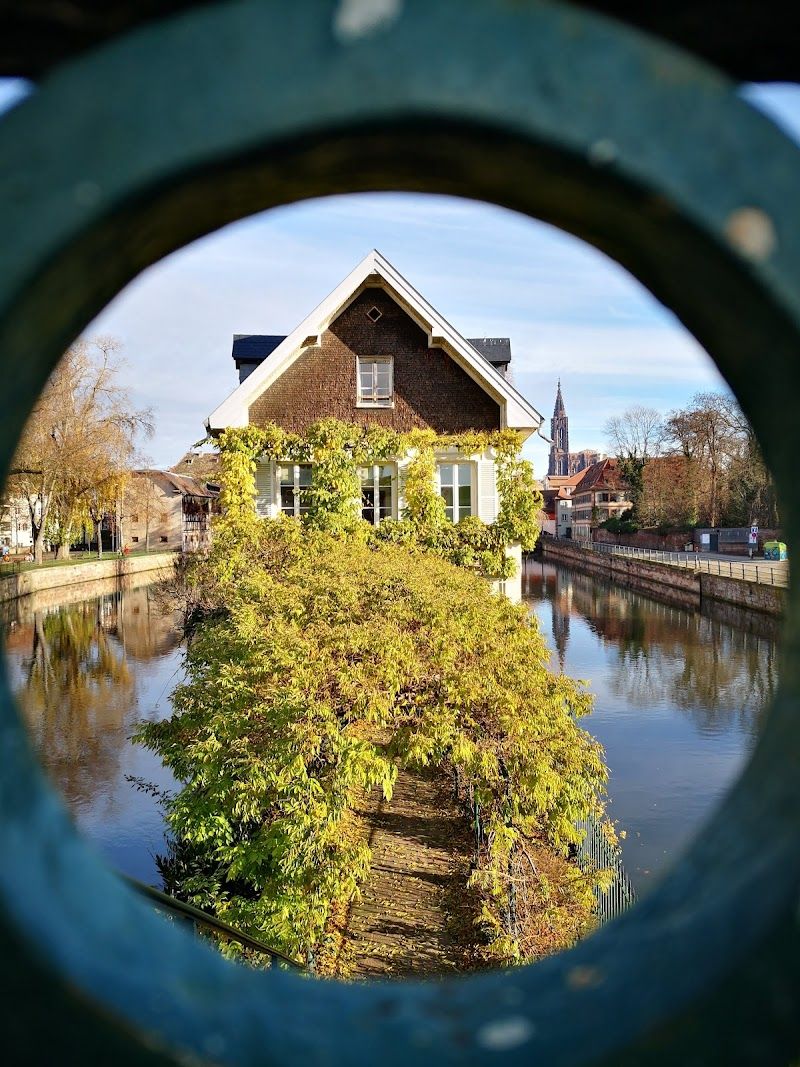
Walk 10 minutes southwest to Petite France, the old tanners' quarter built on canal islands. The half-timbered houses with their steep roofs and flower boxes look exactly like the Strasbourg postcards, and this is where everyone takes photos. The area is small enough to explore in 30 minutes: walk along the Ill River canals, cross the bridges, and look at the medieval towers called Ponts Couverts (the covered bridges that gave them their name are long gone). The real prize is the Barrage Vauban, a 17th-century dam with a free rooftop terrace. Climb the stairs inside and you'll get the best view in Strasbourg: the cathedral spire rising above red-tile roofs, with the Vosges Mountains in the distance. The terrace is rarely crowded and gives you the overview of how the city sits on its river islands.
Evening: Dinner in Petite France
For dinner, book a table at Maison des Tanneurs, a restaurant built into a 16th-century tannery right on the canal (EUR 12-22 per main course). The building has exposed beams and stone walls, and the terrace overlooks the water. Order the choucroute garnie (sauerkraut with sausages and pork, EUR 18) or coq au Riesling (chicken braised in local white wine, EUR 22). Both are traditional Alsatian dishes that you won't find done this well elsewhere. Book ahead for weekend dinners as it's popular with both locals and tourists who've done their research.
Colmar or Alsace Wine Route
Your second day takes you outside Strasbourg to see either Colmar (the most beautiful town in Alsace) or the wine villages that make this region famous across Europe. Colmar is the safer choice: a 35-minute train ride to see perfectly preserved medieval streets and one of the greatest paintings ever created. The wine route requires a rental car but gives you tastings at small family producers and views of vineyards climbing hillsides toward Germany.
- Colmar's Little Venice and Unterlinden Museum
- Grünewald's Isenheim Altarpiece
- Alternative wine route through Alsace villages
Option A: Colmar by Train (Recommended)
Take the 8:47 AM TER train from Strasbourg to Colmar (35 minutes, EUR 13 return). Colmar is what Strasbourg would look like if it hadn't been bombed in World War II: completely intact 16th-century streets with painted timber houses and wrought-iron signs. Start in the Little Venice quarter, where the Lauch River runs between houses that lean out over the water. It's called Little Venice for obvious reasons, though the comparison is generous. Walk the cobblestone streets for photos, but the real reason to come to Colmar is the Unterlinden Museum (EUR 13). The Isenheim Altarpiece by Matthias Grünewald from 1516 is worth the train fare alone. This is a religious painting of extraordinary power: Christ's crucifixion rendered with brutal realism, then scenes of resurrection that glow with supernatural light. Stand in front of it for 10 minutes and you'll understand why art historians call it one of the greatest paintings ever created.
Return to Strasbourg: Palais Rohan
Take the 2:30 PM train back to Strasbourg and spend your afternoon at the Palais Rohan, the former bishop's palace next to the cathedral (EUR 6.50-13 depending on which sections you visit). The royal apartments are the highlight: rococo rooms where Louis XV stayed, with gilded furniture and Flemish tapestries. The decorative arts museum in the ground floor has an impressive collection of ceramics and silver, but skip it if you're short on time. The palace closes at 6 PM and is closed on Tuesdays, so plan accordingly. The building gives you a sense of how powerful the Catholic Church was in Alsace before the French Revolution.
Option B: Alsace Wine Route (For Wine Lovers)
Rent a car at Strasbourg station (EUR 40-60 per day) and drive the Route des Vins d'Alsace. Head south to Obernai (35 minutes), then continue through Barr and Mittelbergheim. These are small wine villages built into hillsides, with cobblestone streets and Caveau de Dégustation signs marking tasting rooms. Most tastings are free if you're genuinely interested in buying bottles (EUR 8-20 for good Riesling or Gewürztraminer). The producers are small family operations, not commercial wineries, so you'll taste wines made from grapes picked by hand from the vineyards you can see outside the door. If you drive all the way to Colmar, stop in Riquewihr, the single most beautiful wine village in Alsace. September and October are harvest season, when you'll see tractors loaded with grapes and smell fermentation in the air.
Planning Notes
The cathedral spire climb is cash only, bring EUR 8 in coins or small bills
Winstub restaurants don't take reservations for lunch, arrive by 12:30 PM or 1:45 PM to avoid the rush
Maison des Tanneurs accepts reservations online or by phone, book 2-3 days ahead for weekends
If driving the wine route, designate a driver or hire a tour company, French drunk driving laws are strict
Colmar's Unterlinden Museum is closed on Tuesdays, plan your day trip accordingly
Ready to Visit Strasbourg?
Get a personalized itinerary tailored to your travel style and interests.
Plan Your Strasbourg TripMore Strasbourg Guides
First Time in Strasbourg: What You Need to Know
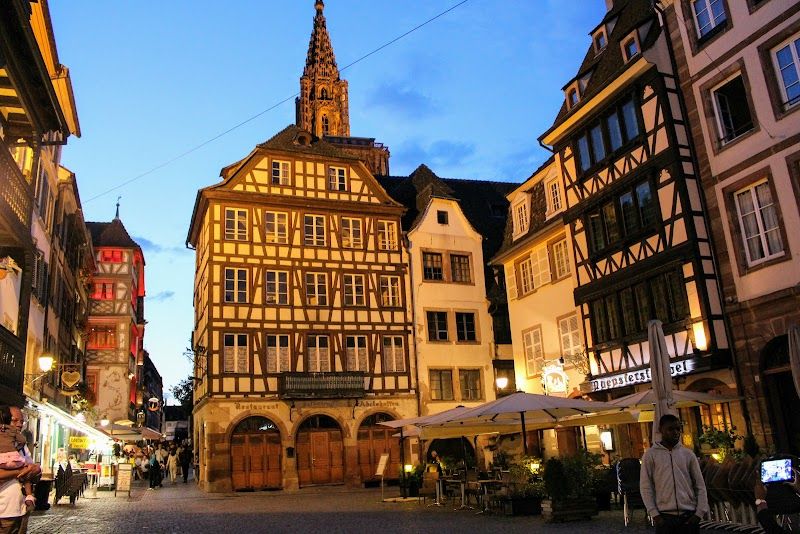
Everything before your first visit: what a winstub is and what to order, how the Christmas market actually works, which Alsatian wines to drink, the bilingual street signs, and the tram.
7 min
Eating and Drinking in Strasbourg: Winstubs, Tarte Flambee & Alsace Wine
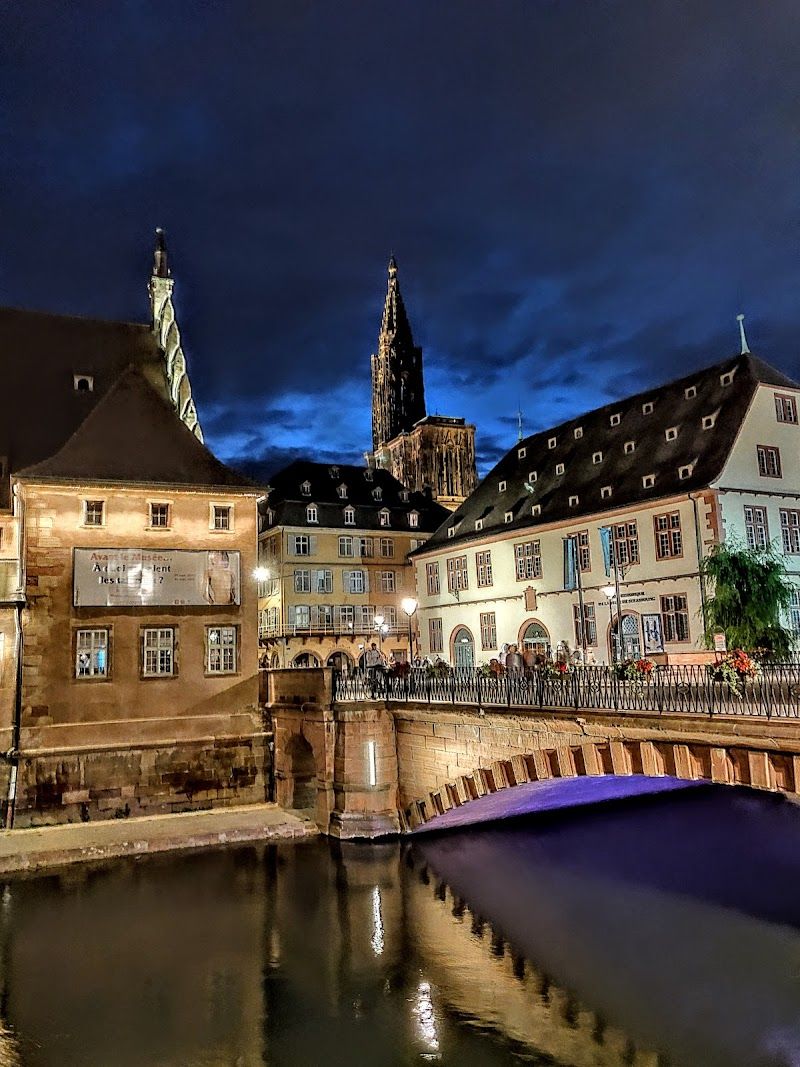
Strasbourg food guide: winstub etiquette, tarte flambee (the real version), baeckeoffe, and which Alsace wines to order in what order.
6 min