Strasbourg
European Quarter
The institutional quarter northeast of the Grande Ile: the European Parliament with its free visitor gallery, the Council of Europe, the Court of Human Rights, and the Parc de l'Orangerie where storks nest every spring.
About European Quarter
The European Quarter is where Strasbourg's identity as the seat of European institutions becomes visible. The European Parliament building (the curved glass structure on the Ill) is the most recognisable, but the Council of Europe (an older, more restrained building from 1977) and the European Court of Human Rights (designed by Richard Rogers and completed in 1995, two cylindrical courtrooms facing each other) are nearby. All three buildings are within walking distance of each other. The European Parliament offers a free visitor gallery where you can watch plenary sessions when Parliament is in session (roughly one week per month); the rest of the time guided tours of the building are available (book in advance at europarl.europa.eu). The Parc de l'Orangerie is immediately adjacent to the Parliament and is the oldest park in Strasbourg (1692, reworked in 1804 for Empress Josephine). The storks (Strasbourg's emblem) nest on platforms in the park each spring. The ornamental lake has paddle boats for hire. The quarter is a 20-minute walk or a short tram ride from the Grande Ile.
Things to Do
Top experiences in European Quarter
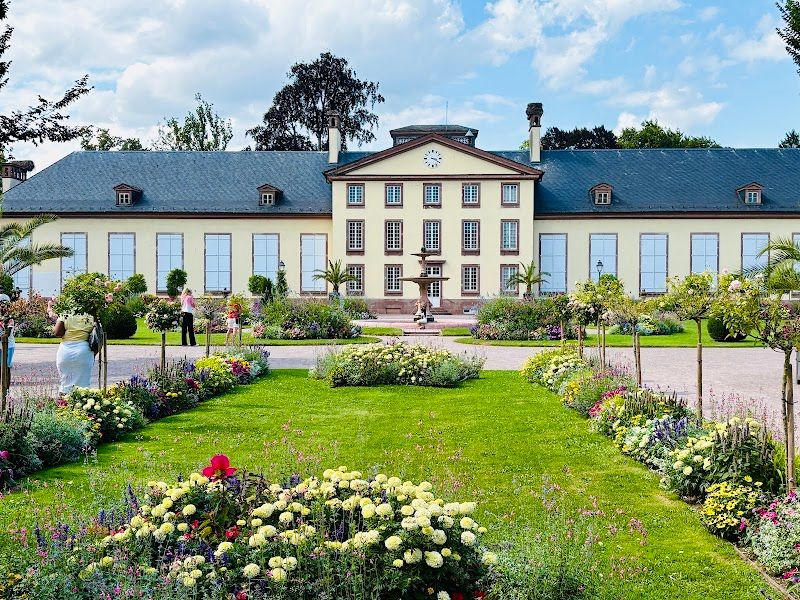
Parc de l'Orangerie
Parc de l'Orangerie sprawls across 26 hectares as Strasbourg's oldest and most complete park, built in 1804 where Napoleon's orangery once stood. You'll find genuine white storks nesting in a dedicated enclosure (they're real residents, not just for show), a proper lake where you can rent paddle boats for €8 per half hour, and the elegant neoclassical Pavillon Joséphine that hosts art exhibitions. The small zoo houses farmyard animals and deer, while bowling greens and mini golf keep families busy for hours. The park feels like a proper European garden where locals actually live their daily lives rather than a tourist attraction. Joggers circle the lake at dawn, elderly men play pétanque under the plane trees, and families spread picnic blankets near the stork enclosure. The Pavillon Joséphine sits photogenically at the park's heart, surrounded by formal flowerbeds that bloom magnificently in spring. You'll hear multiple languages as European Parliament workers lunch here between sessions, giving the place an genuinely international atmosphere. Most guides oversell the zoo, which is tiny and honestly skippable unless you're traveling with small children. The real draw is the storks: they're magnificent up close and completely free to observe. Skip the crowded weekend afternoons when the paddle boat queue stretches forever. The mini golf costs €4 and takes 20 minutes, perfect for restless kids. Come on weekday mornings when you'll practically have the place to yourself.
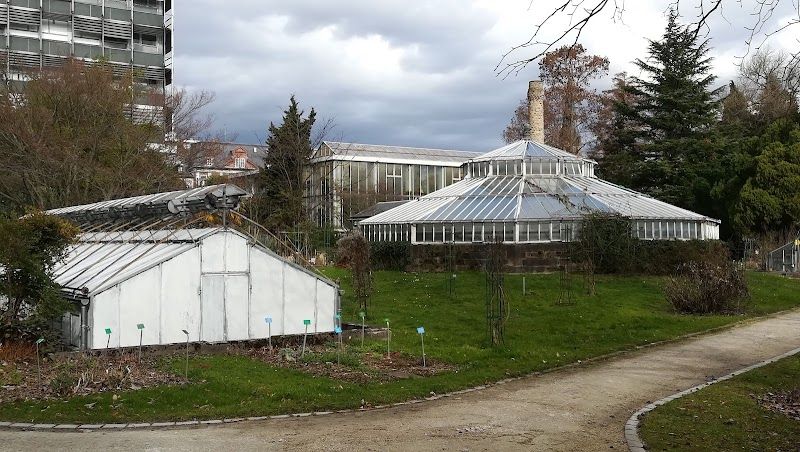
Jardin botanique de l'Université de Strasbourg
This working university botanical garden spreads across 3.5 hectares with over 6,000 plant species organized for actual research, not just pretty displays. You'll find rare specimens in the systematic garden where plants are arranged by botanical families, plus an impressive arboretum with mature trees you won't see elsewhere in Strasbourg. The 1884 greenhouses house tropical collections including massive Victoria amazonica water lilies, while the desert house showcases cacti and succulents from around the world. The garden feels refreshingly academic rather than touristy, with detailed botanical labels and students sketching specimens on benches. The outdoor collections flow naturally from European natives to exotic introductions, while gravel paths wind between themed sections. Inside the historic greenhouses, humidity hits you immediately and the air smells earthy and green. The tropical house feels genuinely jungle like with towering palms creating a canopy overhead. Most visitors rush through without reading the excellent plant labels, missing the educational point entirely. The outdoor gardens are free and accessible daily, but the greenhouses close at odd hours and aren't always staffed. Skip this if you just want Instagram worthy flower beds, but it's perfect if you actually enjoy learning about plants. The systematic garden section looks boring but contains the rarest specimens.
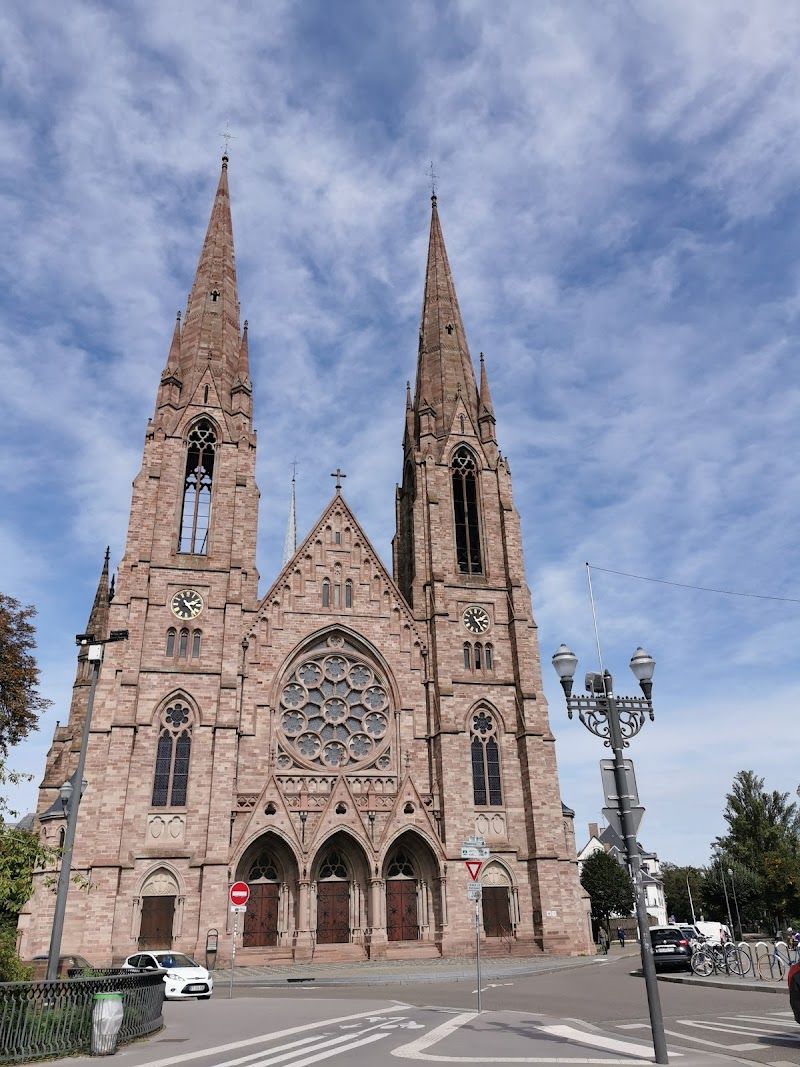
Église Saint-Paul
Église Saint-Paul rises from the Krutenau district with twin neo-Gothic spires that pierce Strasbourg's skyline like stone exclamation marks. Built between 1892 and 1897, this Protestant church houses one of the finest organs in eastern France, a massive instrument with 3,500 pipes that fills the space with sound during regular concerts. The interior surprises with soaring ribbed vaulting and jewel-toned stained glass that casts shifting patterns across limestone walls. You'll enter through heavy wooden doors into a surprisingly bright nave where light streams through tall Gothic windows. The organ dominates the rear gallery, its elaborate wooden case carved with intricate details that reward close inspection. During concerts, the acoustics transform the space into a resonating chamber where every note seems to hang in the air. The riverside setting means you can combine your visit with a walk along the Ill River, where the church's reflection wavers in the dark water. Most visitors snap photos from the front plaza and leave, missing the real magic inside during organ performances. Concert tickets cost 10-15 EUR when available, but many rehearsals and smaller performances are free. The church gets tourist groups around 11am, so arrive early morning or late afternoon for quieter contemplation. Skip the climb to the bell tower unless you're desperate for views, the nearby cathedral offers better panoramas.
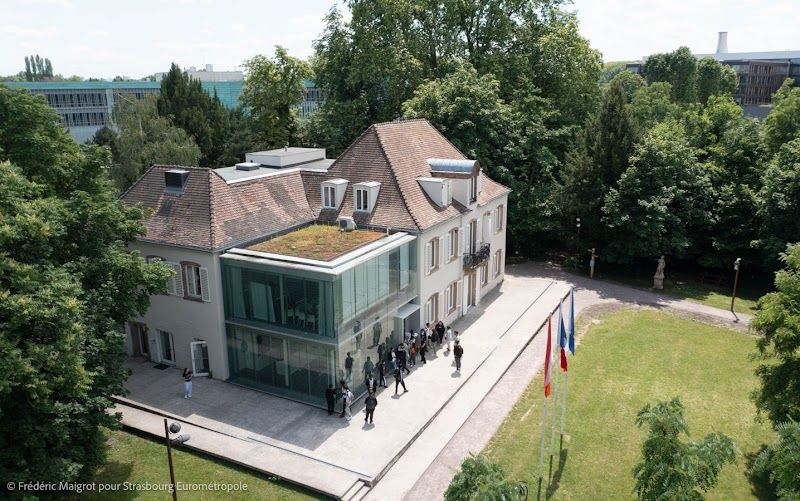
Lieu d'Europe
Lieu d'Europe serves as Strasbourg's free crash course in European politics, housed in a modern glass building that feels more like a tech startup than a stuffy government center. You'll find interactive touchscreens explaining how EU laws actually get made, voting simulators that let you experience parliamentary debates, and surprisingly engaging displays about the Council of Europe's human rights work. The exhibitions change regularly, but always focus on making complex European institutions understandable for regular people. The visit flows through three main zones: an introductory area with timeline displays, interactive stations where you can dive deep into specific topics like the euro or migration policy, and a debate space that hosts live discussions. The atmosphere feels purposefully welcoming rather than bureaucratic, with multilingual staff who genuinely seem to enjoy explaining European democracy. The multimedia displays actually work (a rarity in many museums), and you can spend as little or as much time as you want on each topic. Most travel guides treat this as a quick checkbox, but it's genuinely worth 90 minutes if you're curious about how Europe actually functions. Skip the historical timeline section if you're short on time and head straight to the voting simulators and current affairs displays. The place gets packed during school holidays with French students, so visit mid-morning on weekdays for a quieter experience.
Where to Eat
Restaurants and cafes in European Quarter
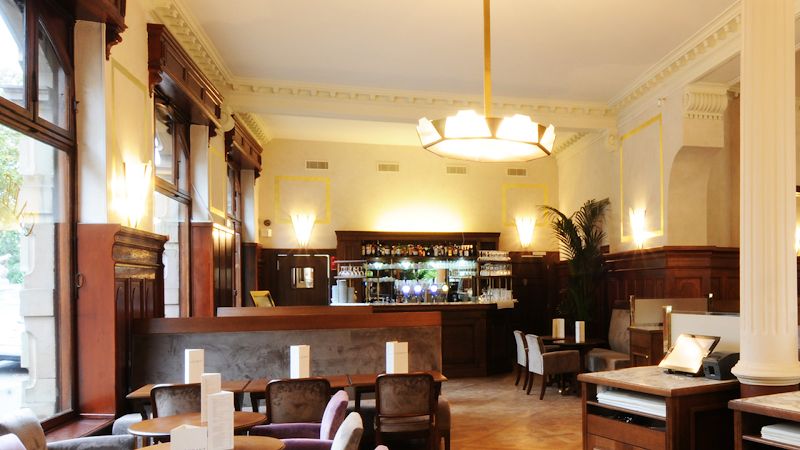
Café Brant
CafeHistoric café established in 1895 with Art Nouveau interior and ornate ceiling frescoes. A local favorite for breakfast or afternoon coffee, serving excellent pastries and light meals in an elegant Belle Époque setting.
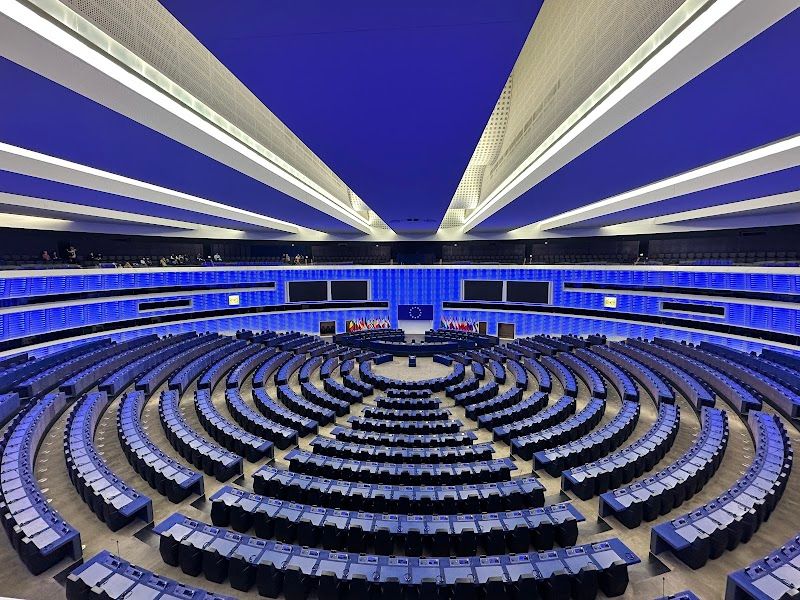
Le Parlementaire
RestaurantA contemporary brasserie frequented by MEPs, EU officials, and journalists covering European politics, serving classic French cuisine with a modern twist. The restaurant features seasonal menus and an excellent wine selection. Its terrace offers views of the European Parliament building.
Getting Here
On Foot
20-25 minutes on foot from the cathedral. Flat and easy walking once you are in the quarter.
Insider Tips
European Parliament visitor gallery
The visitor gallery is free but requires a reservation at europarl.europa.eu. Parliament is in plenary session roughly one week per month (usually Tuesday-Thursday); during those sessions the gallery is the most interesting. Outside plenary weeks, guided building tours run most weekdays. The security line can be slow: arrive 30 minutes early.
Richard Rogers Court of Human Rights
The European Court of Human Rights building (completed 1995, designed by Richard Rogers Partnership) is the most architecturally interesting building in the quarter: two silver cylindrical courtrooms facing each other, connected by a glass spine. Free to view from outside. Public visits to the courtrooms are possible by arrangement for groups; individuals can view from the gallery on certain days (check the court's website).
Storks in the Orangerie
White storks are Strasbourg's symbol and they nest in the Parc de l'Orangerie on specially constructed platforms. Nesting season is March to August. The park is free to enter, the paddle boats on the lake are EUR 5-8 for 30 minutes. The Kiosque de Joséphine bandstand hosts free concerts in summer.
Nearby Neighborhoods
Continue exploring
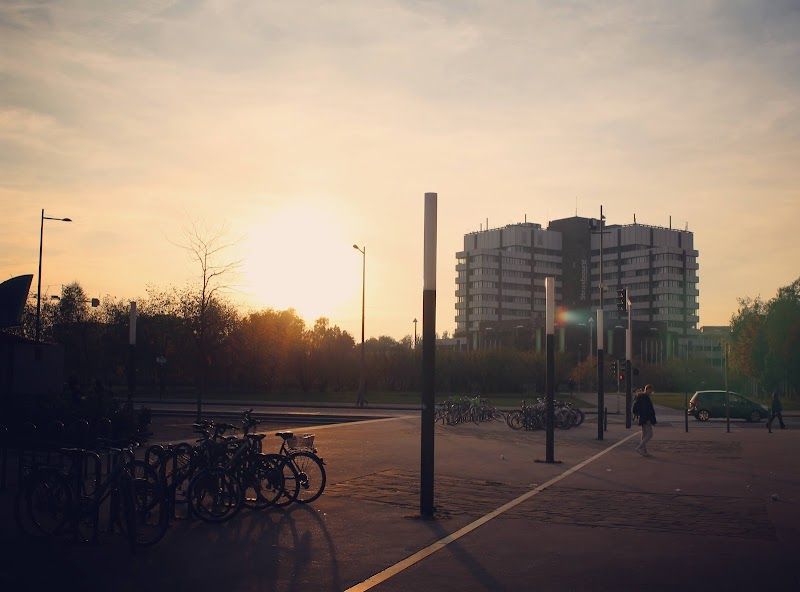
Grande Ile & Cathedral
The UNESCO World Heritage island that is the entire centre of Strasbourg: the cathedral, Palais Rohan, the pedestrian shopping squares, the best winstubs, and the Christmas market stalls in December.
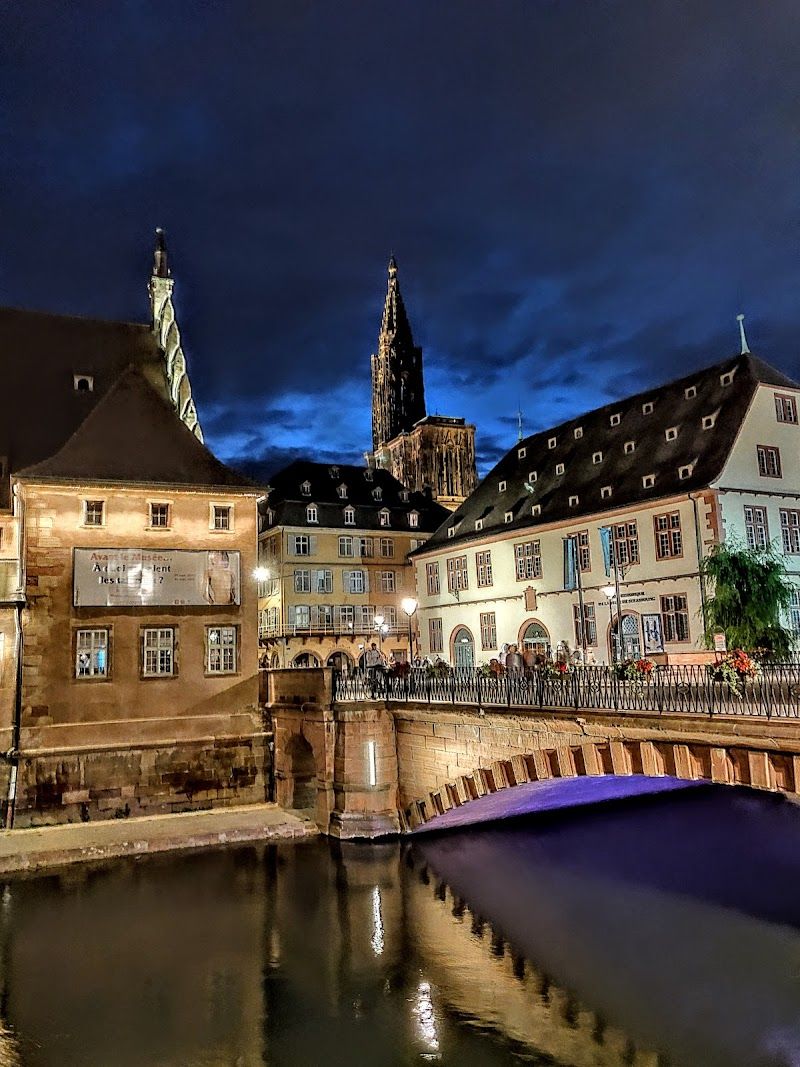
Petite France
The medieval tanners' quarter at the western tip of the Grande Ile: the most photographed houses in Strasbourg hanging over still canals, the Ponts Couverts towers, and the Barrage Vauban with its free rooftop panorama.
Krutenau & University
The student and bohemian quarter southeast of the Grande Ile: cheaper food, the best bar scene in Strasbourg, MAMAC modern art (EUR 7), and the free botanical garden of the University of Strasbourg.
Plan a trip featuring European Quarter
Get a personalized Strasbourg itinerary with European Quarter built in.
Start Planning