Strasbourg
Krutenau & University
The student and bohemian quarter southeast of the Grande Ile: cheaper food, the best bar scene in Strasbourg, MAMAC modern art (EUR 7), and the free botanical garden of the University of Strasbourg.
About Krutenau & University
Krutenau (from the Alsatian for herb garden) was the vegetable-growing district outside the medieval city walls and is now the student quarter of Strasbourg, centred on the University of Strasbourg campus. The neighbourhood has a different energy from the Grande Ile: the cafes here are cheaper, the bars stay open later, and the crowd is younger. The Musee d'Art Moderne et Contemporain (MAMAC Strasbourg, EUR 7) is on the waterfront of the Grande Ile at the edge of Krutenau and is worth 90 minutes: the Kandinsky and Hans Arp collections are genuinely strong, the Dada material is some of the best outside Zurich (Strasbourg was an important Dada centre after World War I), and the temporary exhibitions are consistently good. The Jardin Botanique de Strasbourg (University of Strasbourg botanical garden, free entry) has 6,000 plant species across indoor greenhouses and outdoor beds and is the best free hour in the city for anyone interested in plants. Rue de la Krutenau and the streets around the university are where Strasbourg's bar culture concentrates: good Alsatian wine by the glass at reasonable prices, student bars with live music, and a general lack of tourist pricing.
Things to Do
Top experiences in Krutenau & University
Jardin des Deux Rives
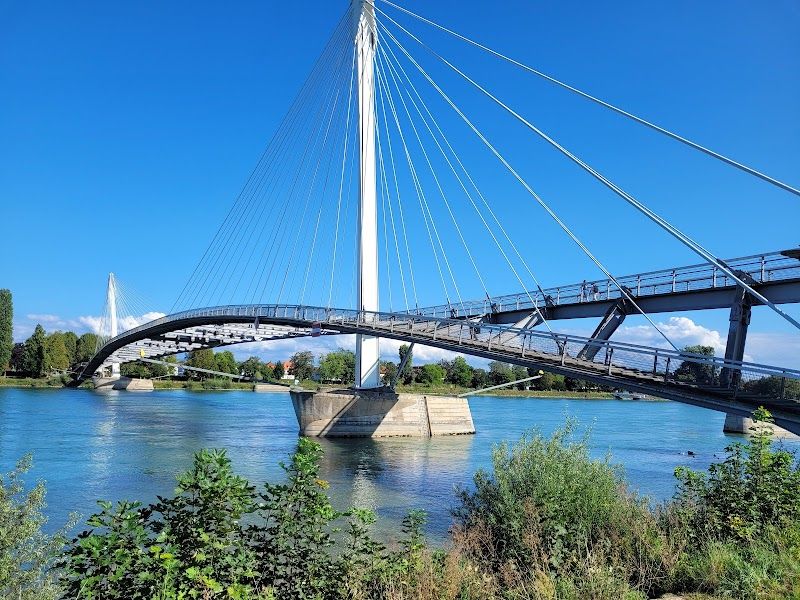
Jardin des Deux Rives is the only park where you can casually stroll from France to Germany in five minutes, crossing the Rhine on a sleek pedestrian bridge that's become Strasbourg's modern landmark. The French side offers manicured lawns perfect for picnics, contemporary sculptures, and multiple playgrounds that actually entertain kids for hours. You'll get unobstructed views of the Rhine's industrial barges mixing with leisure boats, plus the German Black Forest hills on clear days. The experience feels surreal: you're having lunch on French grass, then walking across 387 meters of bridge suspended above Europe's busiest river, landing in Germany without ceremony or border checks. The bridge itself becomes the attraction, with its curved design creating perfect photo frames of both countries. Families dominate weekends with elaborate picnic setups, while joggers and cyclists treat it as their daily circuit. The contrast hits you immediately: France feels designed and artistic, Germany more functional and green. Most guides oversell the German side, which is frankly just pleasant parkland and a decent restaurant. The real magic is the bridge crossing at sunset when the light hits the water perfectly. Skip the weekend crowds if possible, parking costs €1.20 per hour on nearby streets, and the German Zwei Ufer restaurant serves better value meals than anything on the French side. The bridge can get windy, so jackets help even in summer.
La Presqu'île Malraux
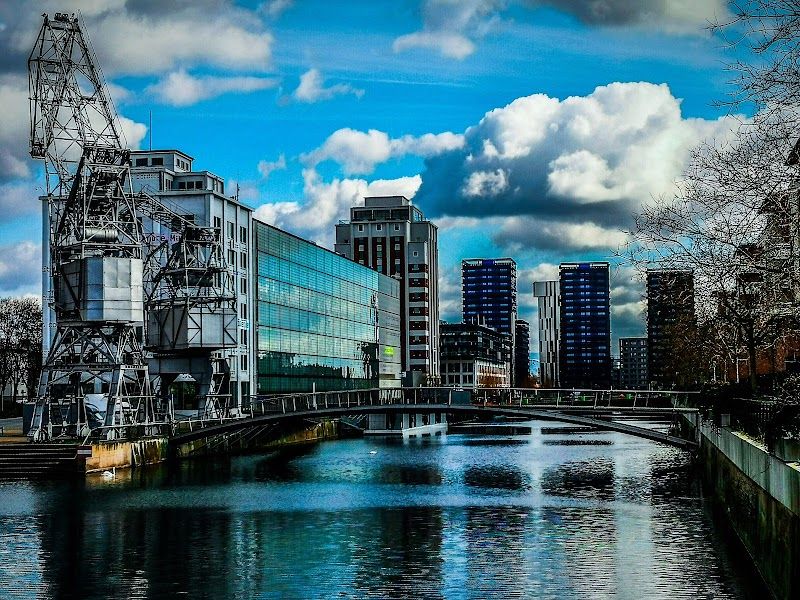
This contemporary cultural complex sits on a narrow island in the Ill River, housing the Strasbourg National Theater, multimedia library, and rotating art exhibitions. The angular glass and concrete architecture looks completely alien next to Strasbourg's half-timbered buildings, which is exactly the point. You'll find serious theater productions, experimental performances, and surprisingly good photography exhibitions that change every few months. The library's upper floors offer free wifi and river views if you need a quiet workspace. The complex feels like three separate buildings connected by glass walkways, so you'll do some walking between venues. The theater lobby buzzes with university students and local culture vultures before evening shows, while the library stays calm throughout the day. The exhibition spaces on the ground floor flow naturally into each other, and the rooftop terrace gives you an unexpected perspective on the cathedral spires across the water. Everything feels very French-intellectual, in the best possible way. Most people skip this entirely, thinking it's just for locals, but that's their loss. Library access is completely free, exhibitions usually cost 5-8 EUR, and theater tickets range from 15-35 EUR. Skip the overpriced cafe inside and grab coffee at the university area just across the bridge. The building looks intimidating from outside but the staff are genuinely helpful once you're inside.
Parc de la Citadelle
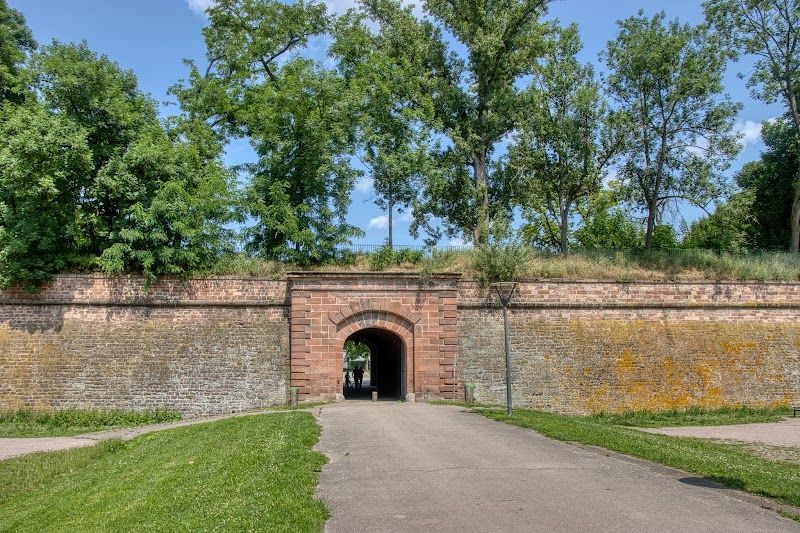
This 11-hectare park sits on genuine 17th-century Vauban fortifications, and you can still walk along the original star-shaped ramparts that once defended Strasbourg. The elevated stone walkways give you aerial views of the geometric military design, while below, wide gravel paths wind past old powder magazines and bastions now covered in ivy. You'll find joggers using it as their regular circuit, families picnicking on the central lawns, and university students reading under the mature plane trees. The experience feels like exploring a living history lesson where military architecture meets urban green space. You start by climbing onto the ramparts through stone archways, then follow the star-shaped perimeter with views over the park's interior and glimpses of Strasbourg's skyline. The contrast is striking: formal geometric paths below, wild vegetation growing over ancient stone walls above. It's quiet here, with just the sound of gravel underfoot and birds in the old fortification niches. Most guides oversell this as a major attraction when it's really a lovely neighborhood park with historical bones. The ramparts walk takes 20 minutes maximum, and there's not much interpretive signage explaining what you're seeing. Come for a peaceful break between Strasbourg's busier sights, or combine it with the nearby university area. Skip it if you're short on time, the European institutions are far more impressive.
Getting Here
On Foot
10-15 minutes on foot from the cathedral. The neighbourhood is flat and easy to walk.
Insider Tips
MAMAC Strasbourg
EUR 7 entry. The permanent collection on the upper floors covers early 20th-century modernism with a strong Alsatian angle: Jean Arp (born in Strasbourg), Kandinsky, and the Dada movement. The building is a 1998 concrete cube on the waterfront, less interesting architecturally than the collection inside. Closed Monday. Budget 90 minutes.
Botanical garden
The Jardin Botanique de l'Universite de Strasbourg (on Rue Goethe, free entry, open daily) has 6,000 species across outdoor beds and heated greenhouses. The tropical greenhouse is the most dramatic. It is genuinely free and genuinely worth 45 minutes if you are nearby.
Bars in Krutenau
The bar scene in Krutenau is the best in Strasbourg for value: Alsatian Riesling by the glass is EUR 3-5 (versus EUR 5-7 on the Grande Ile), and the bars are more local. Rue de la Krutenau and the small streets off it are the area to walk. Most bars open at 6 PM and are liveliest after 9 PM on weeknights.
Nearby Neighborhoods
Continue exploring
Grande Ile & Cathedral
The UNESCO World Heritage island that is the entire centre of Strasbourg: the cathedral, Palais Rohan, the pedestrian shopping squares, the best winstubs, and the Christmas market stalls in December.
Petite France
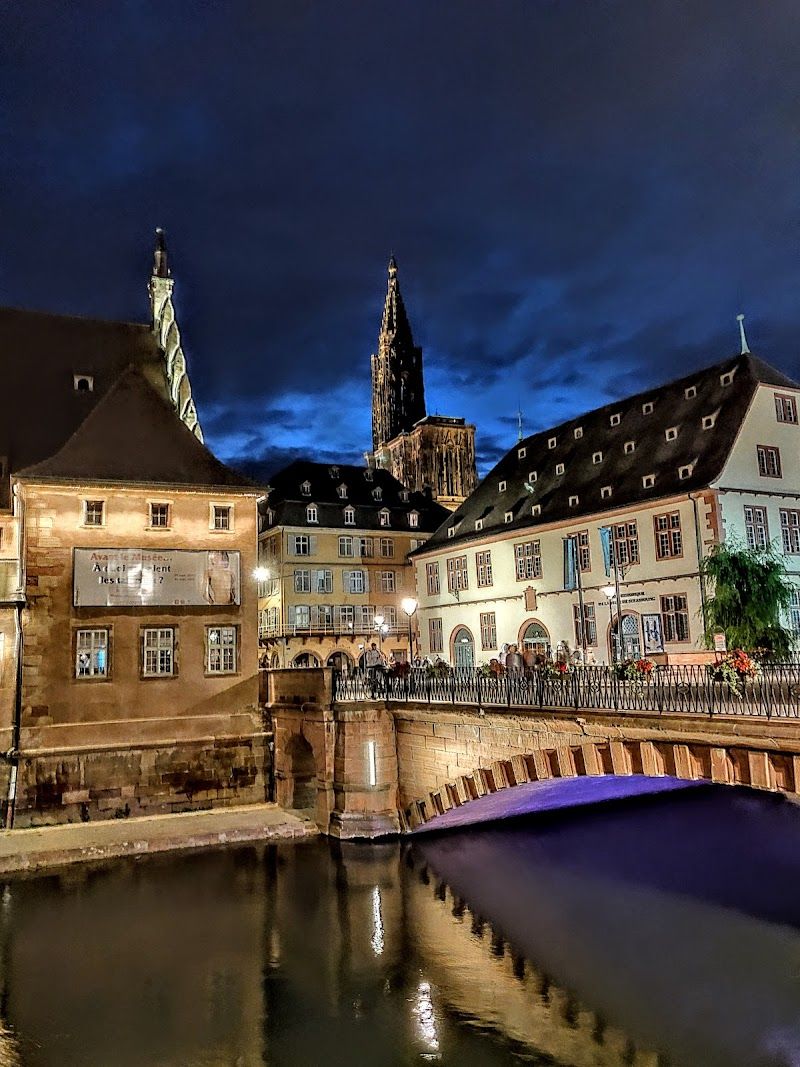
The medieval tanners' quarter at the western tip of the Grande Ile: the most photographed houses in Strasbourg hanging over still canals, the Ponts Couverts towers, and the Barrage Vauban with its free rooftop panorama.
European Quarter
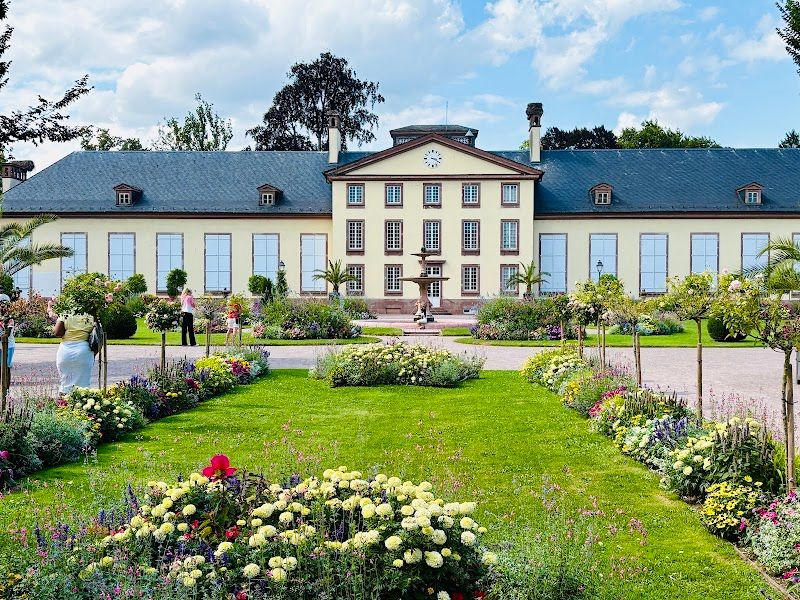
The institutional quarter northeast of the Grande Ile: the European Parliament with its free visitor gallery, the Council of Europe, the Court of Human Rights, and the Parc de l'Orangerie where storks nest every spring.
Plan a trip featuring Krutenau & University
Get a personalized Strasbourg itinerary with Krutenau & University built in.
Start Planning