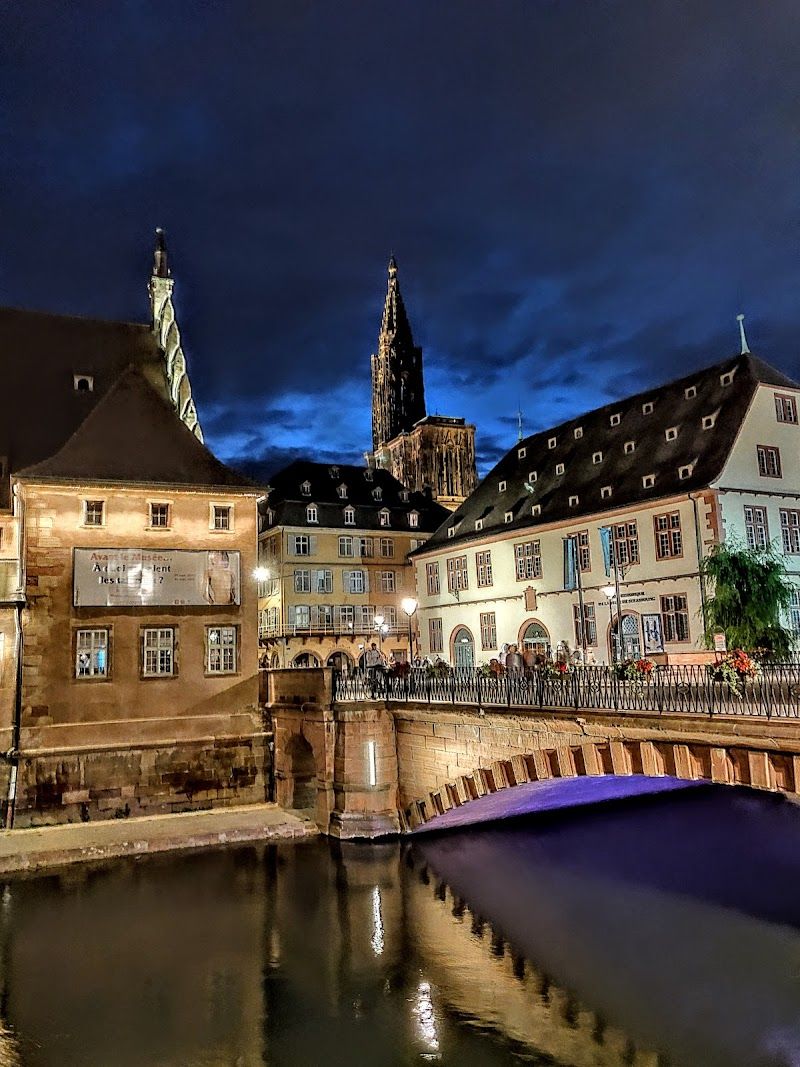
Strasbourg
Petite France
The medieval tanners' quarter at the western tip of the Grande Ile: the most photographed houses in Strasbourg hanging over still canals, the Ponts Couverts towers, and the Barrage Vauban with its free rooftop panorama.
About Petite France
Petite France occupies the southwestern corner of the Grande Ile where the River Ill splits into several channels, and it is the quarter that appears on every photograph of Strasbourg. The half-timbered houses here date from the 16th and 17th centuries, when tanners, millers, and fishermen built their workshops along the water. The timber frames are carved, the window boxes have geraniums in summer, and the reflected images in the still canal water are as good in reality as in photographs. The Ponts Couverts are three medieval towers from the original 14th-century city fortifications, connected by bridges that lost their wooden roofs in the 18th century but kept the name. The Barrage Vauban at the western end of the covered bridges is a 17th-century weir-dam built to allow the city to be flooded in case of siege. The staircase at the far end leads to a free rooftop terrace with the best unobstructed view of the Ponts Couverts and the Petite France quarter. Petite France is the most visited neighbourhood in Strasbourg by a significant margin. The tour groups arrive by 10 AM. The quarter at 8 AM, with the light on the water and no other visitors, is a different experience.
Things to Do
Top experiences in Petite France
Pont du Corbeau
Pont du Corbeau spans the Ill River with a genuinely dark past: this medieval bridge served as Strasbourg's execution site where convicted criminals were drowned in sacks. Today it's one of the best vantage points for photographing the Ponts Couverts towers and the postcard-perfect half-timbered houses of Petite France. The Gothic buildings along Quai des Bateliers create that classic Alsatian riverside scene you see on every Strasbourg postcard. Walking across feels peaceful now, but plaques remind you of its grim history. The bridge itself is narrow stone, nothing fancy, but the views in every direction are spectacular. Water flows underneath while tour boats drift past, and you'll hear multiple languages as visitors pause to snap photos. The medieval atmosphere hits differently when you know people were executed right where you're standing. Most guides oversell this as a major attraction when it's really a 10-minute photo stop. The bridge gets packed during peak hours, especially when river cruises pass through. Early morning or late afternoon light makes the half-timbered reflections pop, but don't make a special trip just for this. Combine it with exploring Petite France properly, and skip the overpriced €15 boat tours that pass underneath.
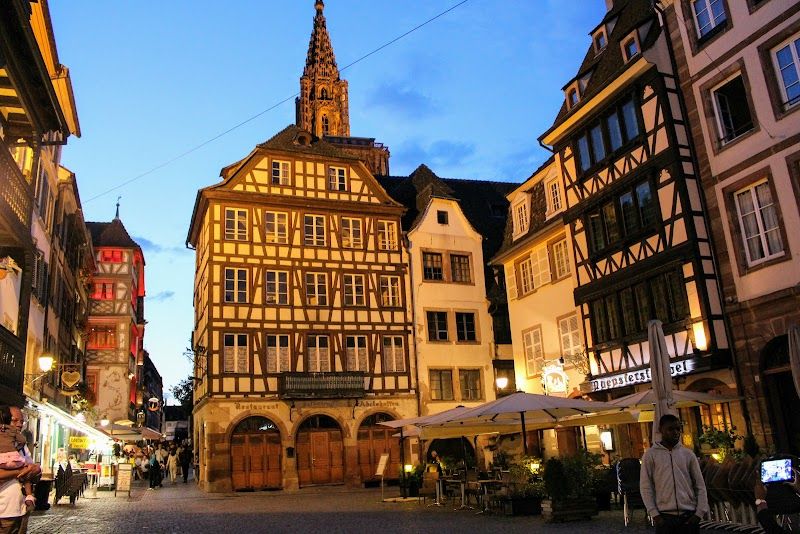
Place du Marché aux Cochons de Lait
Place du Marché aux Cochons de Lait is a postcard-perfect medieval square where half-timbered houses lean inward like they're sharing secrets. The colorful facades date back centuries, with intricate wooden frameworks painted in blues, greens, and warm yellows that pop against white plaster walls. You'll find genuine 16th and 17th-century architecture here, complete with carved details and flower boxes that locals actually maintain. The square feels like a movie set, but it's completely authentic and refreshingly quiet compared to the tourist crowds around the cathedral. Walking into the space, you're surrounded by these towering timber-framed buildings that seem to close in overhead, creating an intimate courtyard effect. The cobblestones are uneven medieval originals, and small cafés spill onto the square with outdoor seating where you can sit among the architecture. Most guidebooks barely mention this spot, which works in your favor since you'll often have it to yourself for photos. The square is tiny, so 15 minutes is plenty unless you're settling in for coffee (expect €3-4 for an espresso at the corner café). Skip it if you're rushed, but if you're wandering Petite France anyway, it's a two-minute detour that delivers more medieval atmosphere than much larger squares.
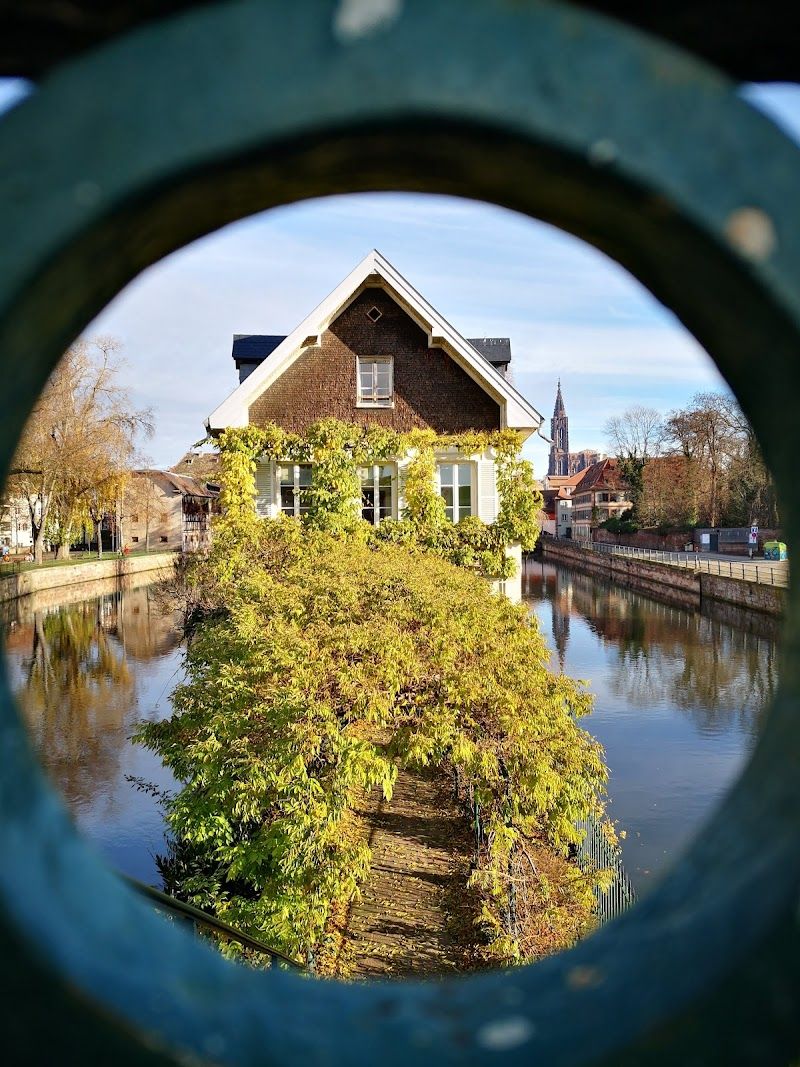
Petite France Quarter
Petite France is Strasbourg's perfectly preserved medieval quarter where half-timbered houses from the 1500s lean over slow-moving canals, creating the postcard reflections you've seen everywhere. This is where tanners, millers, and fishermen lived and worked, and the old guild houses with their carved wooden frames and flower boxes remain exactly as they were centuries ago. The 14th-century Ponts Couverts (three defensive towers connected by bridges) and the Barrage Vauban dam complete the scene with genuine medieval atmosphere. Walking through feels like stepping into a fairy tale, especially when morning light hits the water and reflects the timber-framed facades back at you. The canals move slowly enough that reflections stay sharp, and you can follow the waterways around the entire quarter in about 30 minutes. Climb the free rooftop terrace at Barrage Vauban for the panoramic overview, then wander the cobblestone streets at water level where each corner reveals another perfect view. Most visitors arrive with tour groups around 10 AM and miss the magic entirely. The crowds turn this peaceful quarter into a photo-taking frenzy, and the harsh midday light kills the atmospheric reflections. Come at 8 AM instead when you'll have the canals to yourself and the golden hour lighting that makes those Instagram shots actually worth taking. Skip the tourist restaurants along the main canal and head to Maison des Tanneurs for authentic tarte flambee (EUR 12) in a real 1572 tanning house.
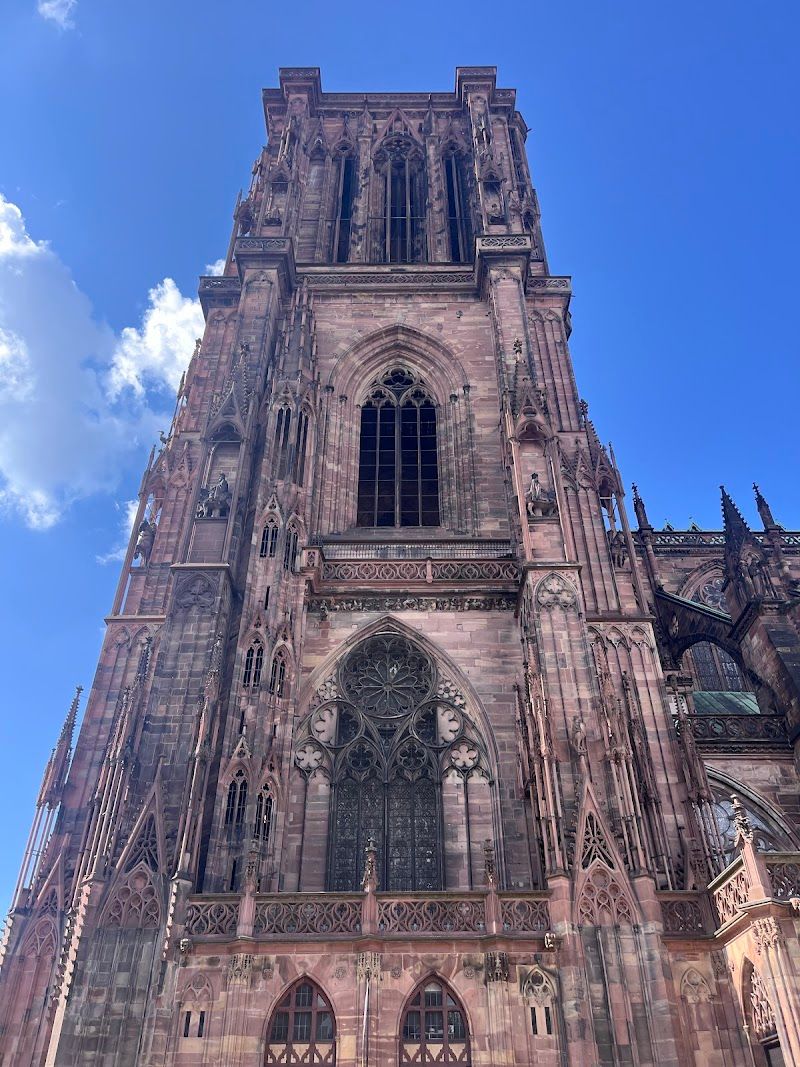
Strasbourg Cathedral and Astronomical Clock
Strasbourg Cathedral dominates the city with its asymmetrical Gothic facade, covered in hundreds of carved figures that look like they're about to step off the stone. You're here for two main attractions: climbing the 332 steps up the north spire for views over Alsace, and watching the famous astronomical clock perform its mechanical theater at 12:30 PM sharp. The clock itself is a marvel of 19th century engineering, with apostles parading past Christ while Death strikes the hours and a rooster crows three times. Inside, the cathedral feels surprisingly intimate despite its massive scale. The light filtering through medieval stained glass creates an otherworldly atmosphere, especially in the rose window above the west entrance. When the astronomical clock springs to life, mechanical figures emerge from hidden compartments as crowds press forward with phones raised. The climb up the spire is a workout, but the spiral staircase opens onto a platform where you can see the Rhine plain stretching toward the Black Forest. Most visitors underestimate the timing here. The clock performance draws huge crowds, so you'll need that EUR 3 ticket sold inside the cathedral, not at the entrance. The spire climb costs EUR 8 and the morning queues are brutal in summer, so go right at 9:30 AM opening or skip it entirely if you're not committed to the workout. Honestly, the exterior facade is more impressive than the interior, and photographing it in golden hour beats fighting crowds inside.
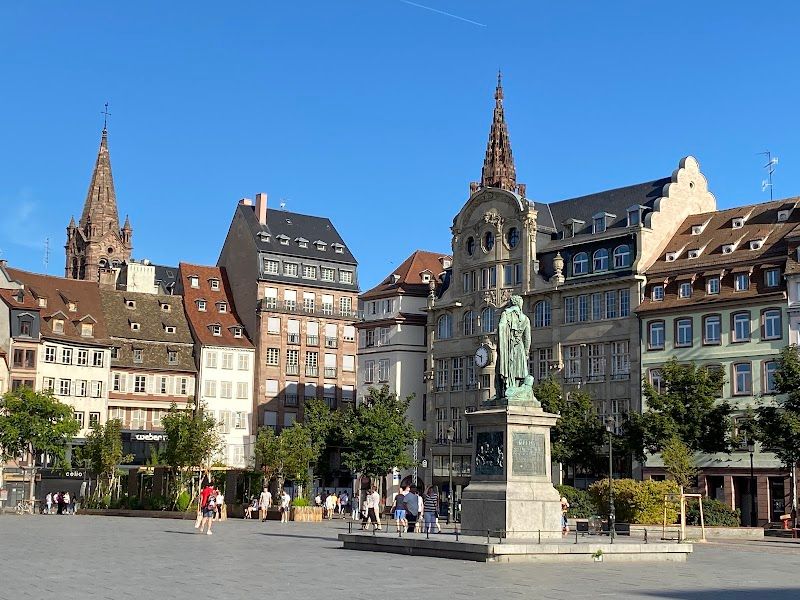
Place Kléber
Place Kléber is Strasbourg's central command center, a massive pedestrian square anchored by General Kléber's statue and the grand Aubette building with its pink sandstone facade. You're here for the famous Christmas market (November 25 to December 30), where 300 wooden chalets create France's oldest holiday market around a towering 30-meter Christmas tree. The rest of the year, it's where locals meet before heading to restaurants or catch trams to other neighborhoods. The square feels different depending when you visit. Mornings are quiet with commuters cutting across to catch trams, while afternoons bring street performers and tourists photographing the statue. During Christmas season, the entire space transforms into a wonderland that smells like vin chaud and roasted chestnuts, though you'll be shoulder to shoulder with crowds. The Aubette's ground floor houses shops and cafes where you can escape the weather. Most guides oversell this as a destination itself, but honestly, it's more of a transit hub with good photo ops. The Christmas market is genuinely spectacular but expect to pay €4-5 for vin chaud and €8-12 for food portions. Skip the overpriced restaurants facing the square and use it as your starting point to explore the more interesting old town streets radiating outward.
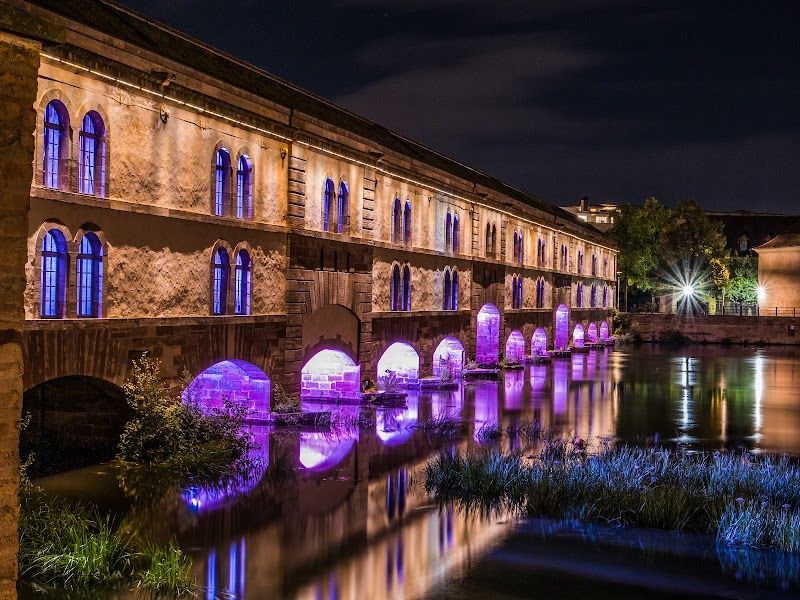
Barrage Vauban
Barrage Vauban is a 17th-century dam that doubles as Strasbourg's best free viewpoint, built by Louis XIV's engineer to flood the city's southern approaches during sieges. You'll climb to a rooftop terrace that delivers spectacular 360-degree views over Petite France's canals, the medieval Ponts Couverts towers, and Strasbourg Cathedral's Gothic spire. The structure spans the River Ill with three massive stone arches, and inside you'll find a small exhibition about Vauban's military engineering. The visit flows naturally: enter through the ground floor, glance at the historical displays (five minutes maximum), then head straight up to the terrace. Up here, the view opens dramatically across the water toward the fairy-tale towers and half-timbered houses of Petite France. Canal boats glide beneath you while tourists pose endlessly at the stone balustrade. The atmosphere feels relaxed and contemplative, especially when afternoon light hits the cathedral's red sandstone facade. Most guides oversell the interior exhibition, which is fairly basic and only in French and German. The real draw is purely that terrace view, so don't feel obligated to linger downstairs. Come in late afternoon when the light is warmest, but avoid weekends when coach tours clog the narrow staircase. The view beats any paid observation deck in the city.
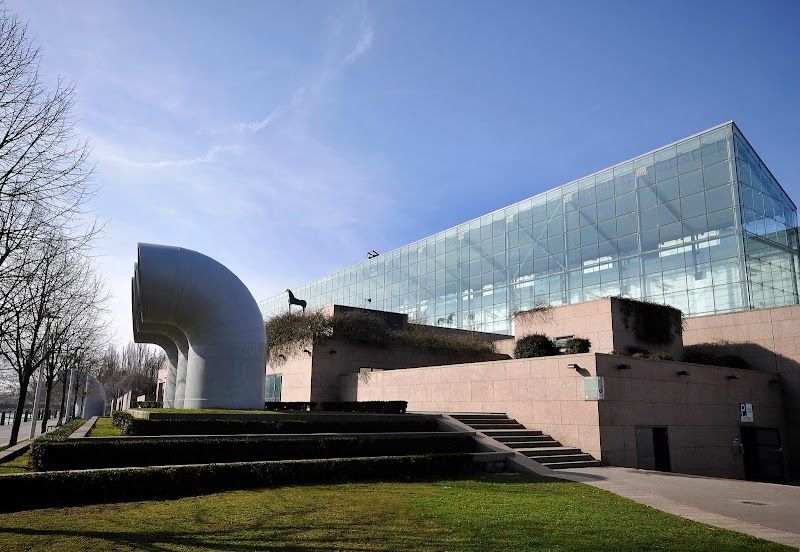
Musée d'Art Moderne et Contemporain de Strasbourg
This sleek modernist museum sits right on the Ill River and houses one of France's best collections of modern art outside Paris. You'll find exceptional works by Kandinsky, Monet, Picasso, and Gustav Klimt, plus an outstanding Jean Arp collection that most people don't expect. The building itself is gorgeous: floor to ceiling windows flood the galleries with natural light, and the rooftop terrace gives you sweeping views over Strasbourg's old town and cathedral spire. The visit flows beautifully across three floors, starting with 19th century works on the ground level and moving up through increasingly contemporary pieces. The Kandinsky room on the second floor is genuinely spectacular, with several of his best abstract compositions displayed together. You'll spend most of your time on the upper floors where the light is best and the river views through the windows create this lovely dialogue between the art and the city outside. Here's what most guides won't tell you: the permanent collection is relatively small, so 90 minutes is plenty unless there's a special exhibition running. Skip the basement contemporary section unless you're really into video installations and conceptual work. At €7 for adults, it's excellent value, but honestly, you can see the best views from the rooftop cafe without buying a museum ticket at all.
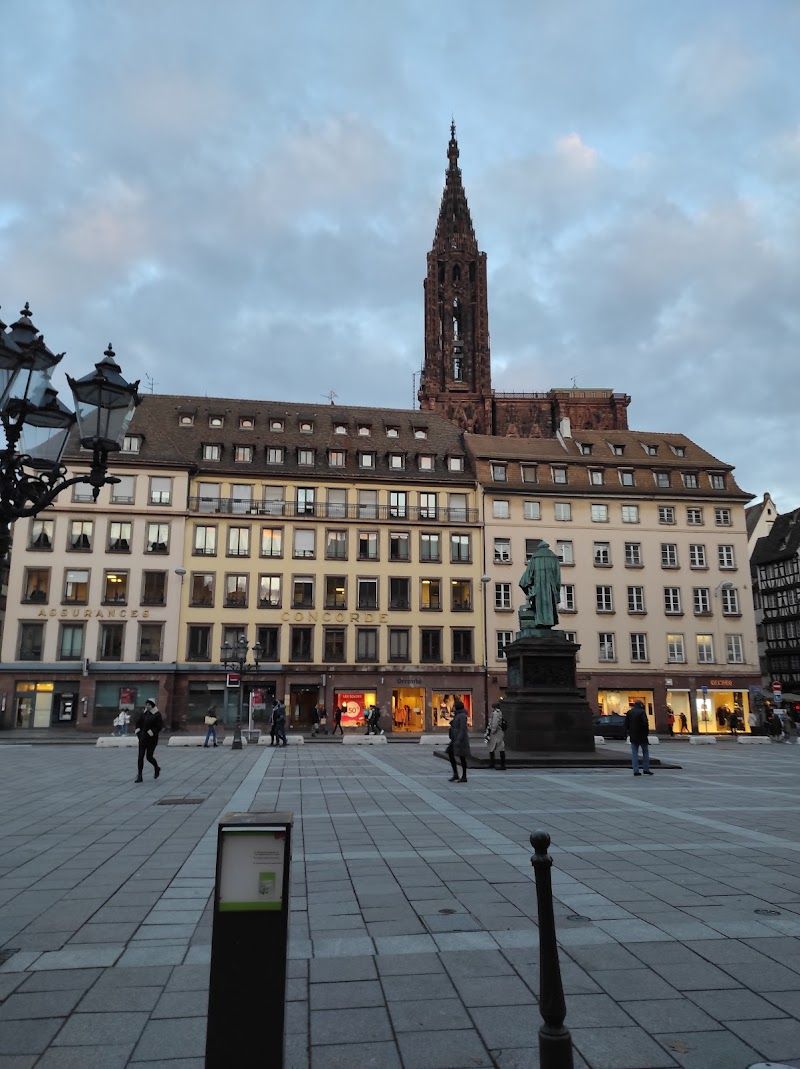
Place Gutenberg
Place Gutenberg sits at the center of Strasbourg's old town, anchored by David d'Angers' bronze statue of Johannes Gutenberg from 1840. The square showcases some of the city's finest architecture: the ornate Maison Kammerzell with its 1589 carved facade dominates one corner, while the Renaissance Chambre de Commerce building (the former city hall) commands another side. Half-timbered Alsatian houses complete the picture, creating one of Strasbourg's most photogenic squares. The cobblestoned space feels intimate despite being surrounded by shops and cafes. You'll find yourself naturally drawn to the Gutenberg statue in the center, where the printing pioneer holds a matrix from his revolutionary press. The square serves as a crossroads for pedestrian streets, so there's constant movement of locals and tourists flowing through. Street performers occasionally set up near the statue, and the outdoor cafe terraces fill up quickly on sunny days. Most guidebooks oversell this as a major attraction when it's really just a pleasant square to pass through. The real draw is the architecture, especially Maison Kammerzell, rather than any deep Gutenberg connection. Skip the overpriced cafes facing the square (coffees run 4-5 EUR) and grab a pretzel from a nearby bakery instead. The lighting hits the carved facades best in mid-morning, making it prime time for photos.
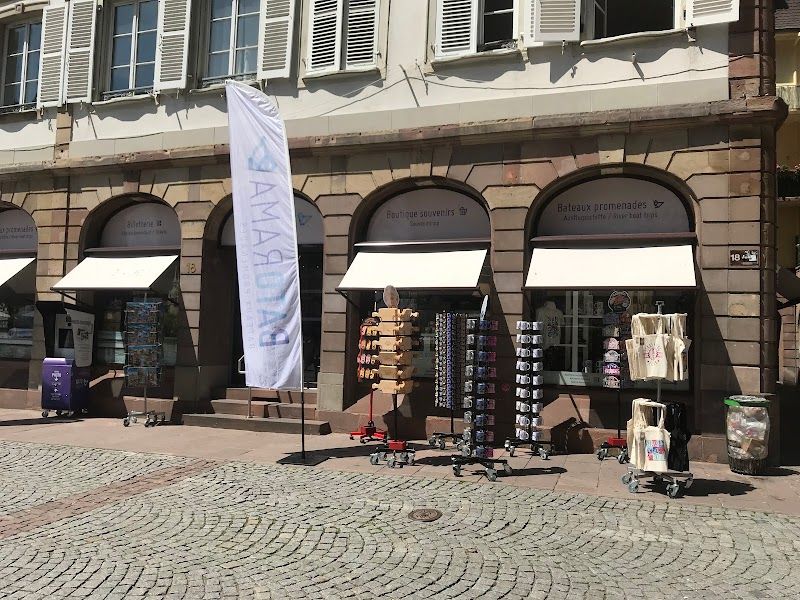
Strasbourg Boat Tour (Batorama)
The Batorama boat tours navigate the canals and river arms of the Grande Ile, offering a 70-minute circuit that covers Petite France from water level, the Ponts Couverts, the modern European Parliament and European Court of Human Rights buildings from the Ill, and the waterfront of the Grande Ile including the Palais Rohan from the river. EUR 14.90 adult, EUR 7.90 child. Boats depart every 30 minutes in season from the Palais Rohan landing on the Quai des Bateliers. The boat circuit is the most efficient way to understand the geography of the city: the Grande Ile is genuinely surrounded by water on all sides, which is clearer from the water than from any map. The European Parliament section (the glass buildings are visible from the river) gives the circuit a contemporary bookend to the medieval cathedral start. The tour uses an audio guide in 13 languages. Covered boats with heated interiors operate in winter. The evening departure (last boat at dusk) has the best light on the cathedral from the water.
Where to Eat
Restaurants and cafes in Petite France
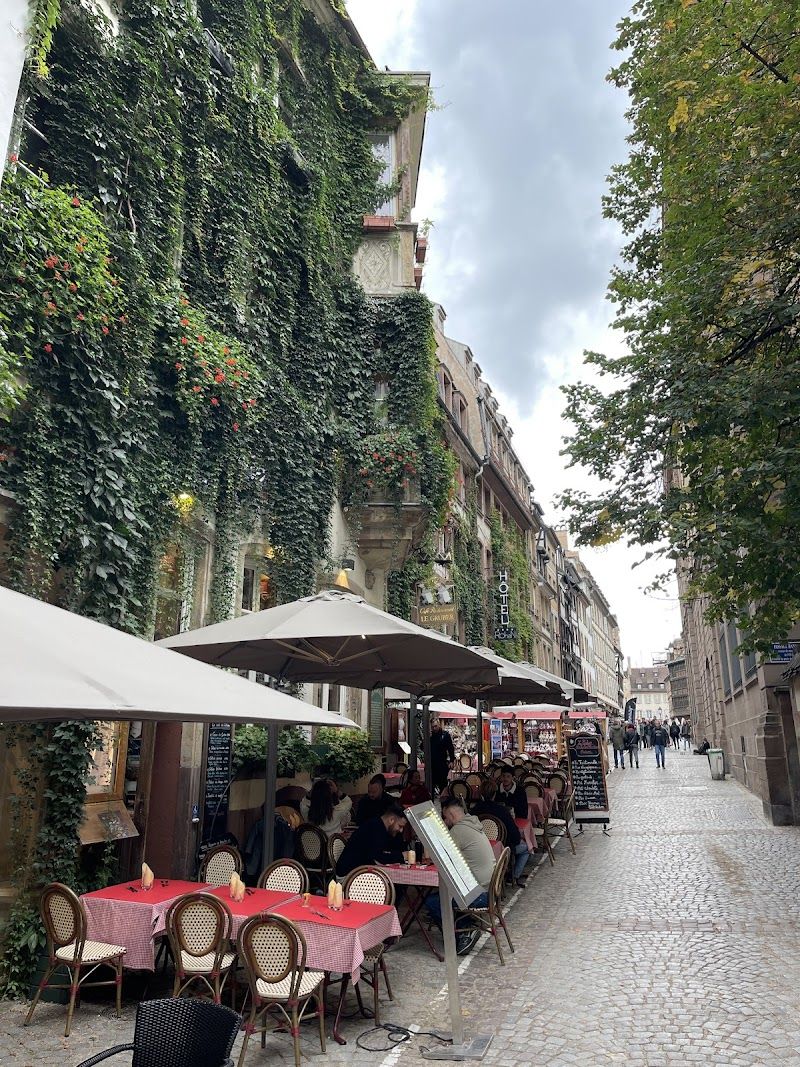
Maison Kammerzell
RestaurantRestaurant located in a 1427 half-timbered building directly facing the cathedral, with elaborate wood carvings throughout the dining rooms. The menu focuses on Alsatian specialties including baeckeoffe slow-cooked in white wine and the house foie gras served with Gewurztraminer jelly. The ground floor brasserie has lower prices than the upstairs restaurant.
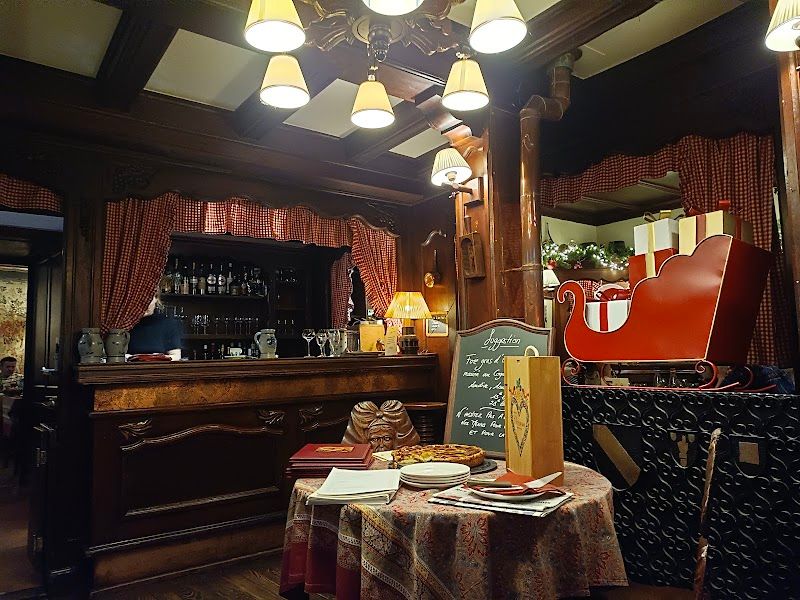
Chez Yvonne
RestaurantClassic winstub with red-checked tablecloths and wood paneling, serving Alsatian standards since 1873. The choucroute garnie arrives with five cuts of pork and boiled potatoes, and the tarte flambee is cooked in a traditional wood oven. Reserve at least two days ahead for dinner service.
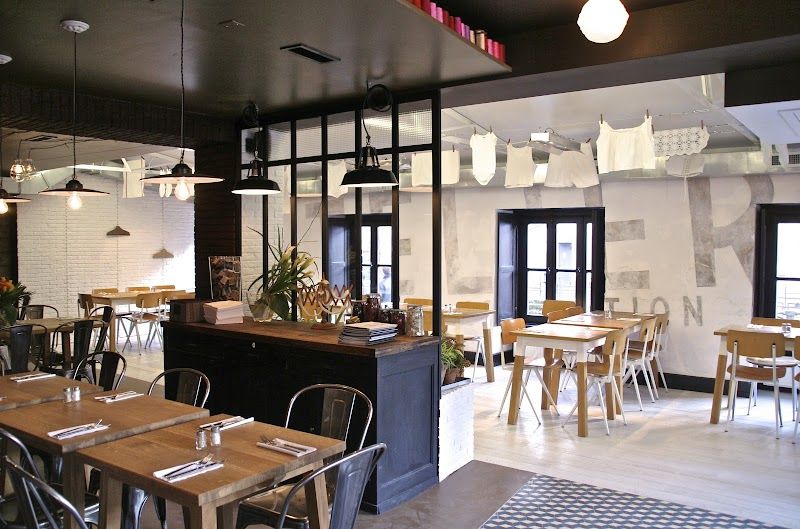
La Corde à Linge
RestaurantPetite France restaurant with terrace tables overlooking the Ill River and the Ponts Couverts. The menu offers Alsatian classics alongside French brasserie dishes, with tarte flambee available all day. The building dates to 1672 and retains original window frames and shutters.
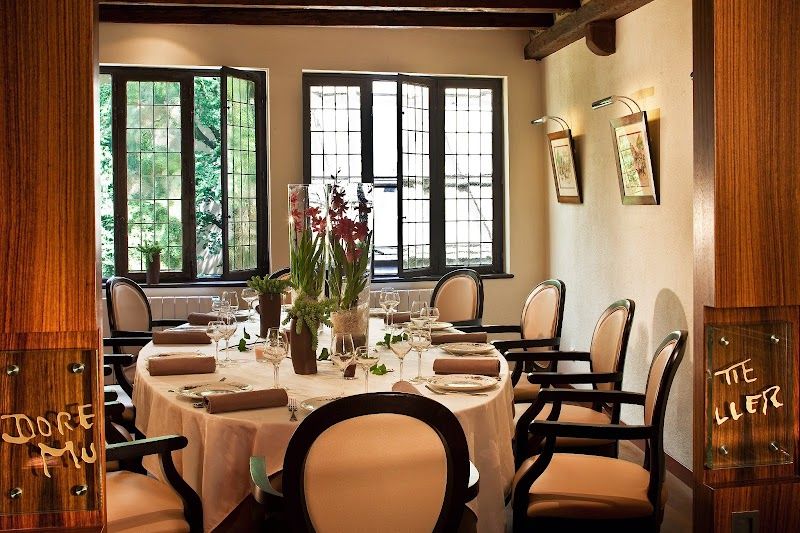
Le Tire-Bouchon
RestaurantAuthentic Alsatian winstub tucked into a narrow medieval street, serving traditional dishes like choucroute and baeckeoffe. The cozy half-timbered interior and excellent local wine list make it a favorite among Strasbourg residents.
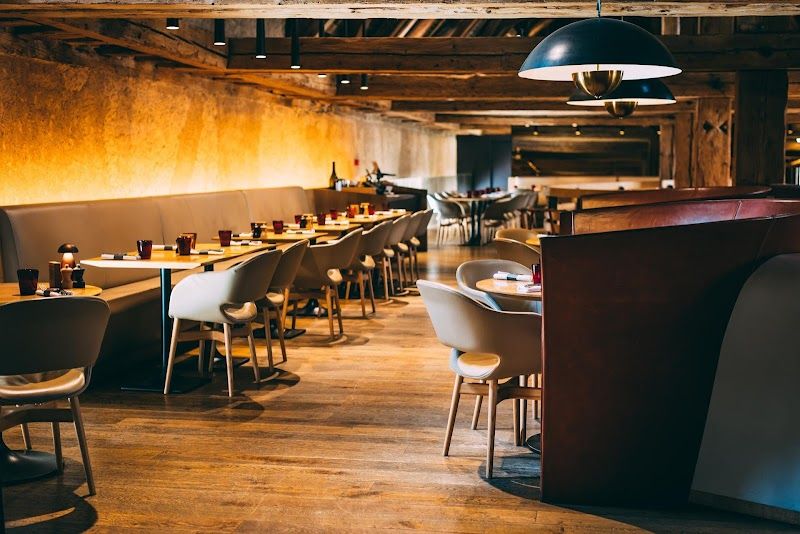
Brasserie Les Haras
RestaurantMarc Haeberlin restaurant in a converted 18th-century royal stables, with original stone arches and a glass-roofed courtyard. The menu includes both Alsatian classics and modern French plates, with the baeckeoffe and sander fish from the Rhine both standouts. The bar serves Meteor beer on tap, the brewery founded in Strasbourg in 1640.
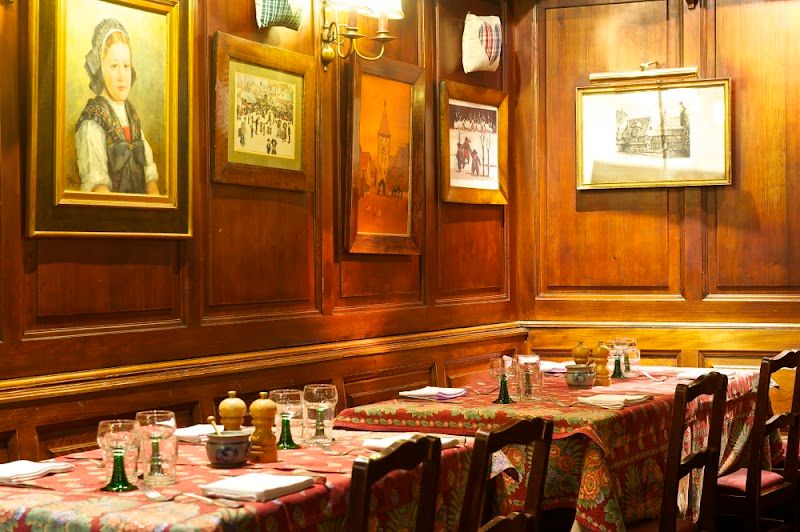
Le Clou
RestaurantPetite France winstub in a 17th-century building with exposed beams and tile floors. The tarte flambee selection includes 15 varieties, from classic onion and bacon to munster cheese with cumin. Portions are generous and prices lower than the tourist spots on the main canal.
Nightlife
Bars and nightlife in Petite France
Getting Here
On Foot
Petite France is pedestrian throughout. A 10-minute walk from the cathedral or the Grande Ile centre.
Insider Tips
Go at 8 AM
Petite France at 8 AM has the canal reflections, the morning light, and almost no other visitors. The same quarter at 11 AM on a Saturday has tour groups filling every bridge. The Barrage Vauban rooftop (free, stairs at the far end of the covered bridges) is worth the 8 AM visit: the view is best when the sky is clear and the water is still.
Barrage Vauban rooftop
The stairs to the rooftop terrace are at the left side of the Barrage Vauban (at the western end of the Ponts Couverts). Entry is free. The view covers the three Ponts Couverts towers, the Petite France rooftops, and the spire of the cathedral in the distance. It is the best panorama in the western part of the city.
Maison des Tanneurs for lunch
The Maison des Tanneurs (1572, a former tanning house, now a restaurant) is on the canal in Petite France. The tarte flambee is EUR 12-14, the choucroute garnie EUR 17-22. The exposed beams and the canal view are part of the experience. Book ahead for weekend lunch.
Nearby Neighborhoods
Continue exploring
Grande Ile & Cathedral
The UNESCO World Heritage island that is the entire centre of Strasbourg: the cathedral, Palais Rohan, the pedestrian shopping squares, the best winstubs, and the Christmas market stalls in December.
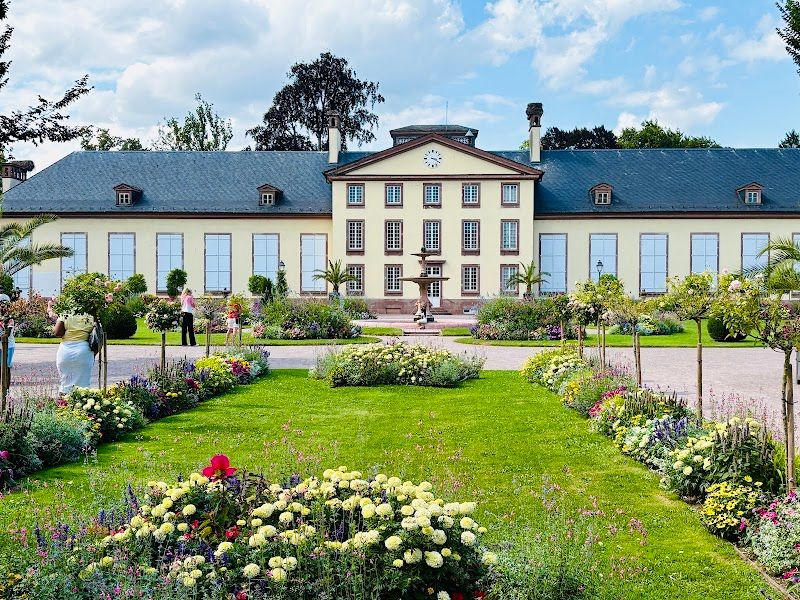
European Quarter
The institutional quarter northeast of the Grande Ile: the European Parliament with its free visitor gallery, the Council of Europe, the Court of Human Rights, and the Parc de l'Orangerie where storks nest every spring.
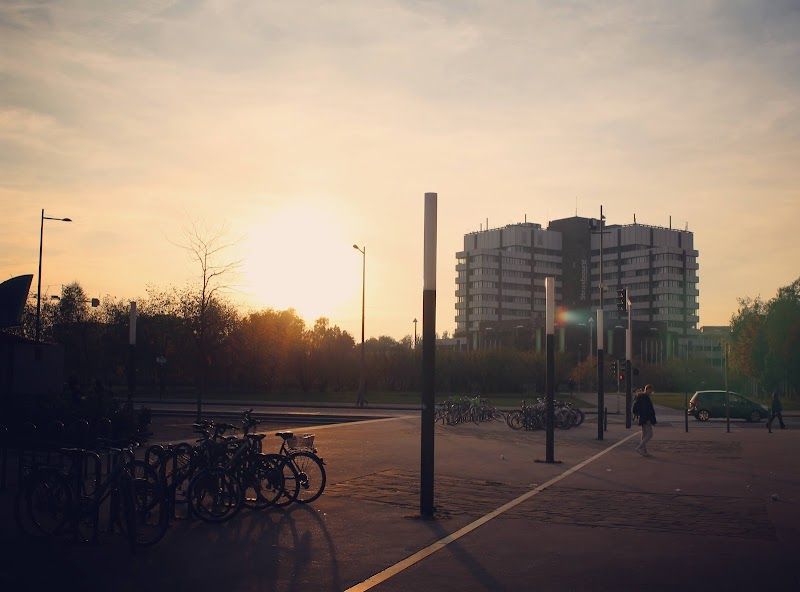
Krutenau & University
The student and bohemian quarter southeast of the Grande Ile: cheaper food, the best bar scene in Strasbourg, MAMAC modern art (EUR 7), and the free botanical garden of the University of Strasbourg.
Plan a trip featuring Petite France
Get a personalized Strasbourg itinerary with Petite France built in.
Start Planning