Turin
Centro & Piazza Castello
The Savoy royal centre: Piazza Castello with the Royal Palace and Palazzo Madama, Caffè Al Bicerin (since 1763), Piazza San Carlo with twin churches and historic cafes, and the Baroque arcades of Via Roma.
About Centro & Piazza Castello
The Centro is Turin's royal and commercial heart, arranged along the Baroque grid that the Savoy dynasty planned and built from the 16th century onward. Piazza Castello is the ceremonial square: the Royal Palace (EUR 15, the Savoy state apartments and armory, the Chapel of the Shroud by Guarino Guarini), Palazzo Madama (EUR 10, medieval castle with Baroque facade, the rooftop terrace has the best view over the square), and the Teatro Regio. Via Roma runs south from Piazza Castello to Piazza Carlo Felice, lined with arcades and upscale shops. Piazza San Carlo is halfway along Via Roma: two identical Baroque churches flank the south end, the equestrian statue of Emanuele Filiberto is in the centre, and the historic cafes (Caffè San Carlo, 1822; Caffè Torino with its famous floor bronze bull) are in the arcades. Caffè Al Bicerin is 5 minutes west on Piazza della Consolata: the bicerin since 1763.
Things to Do
Top experiences in Centro & Piazza Castello
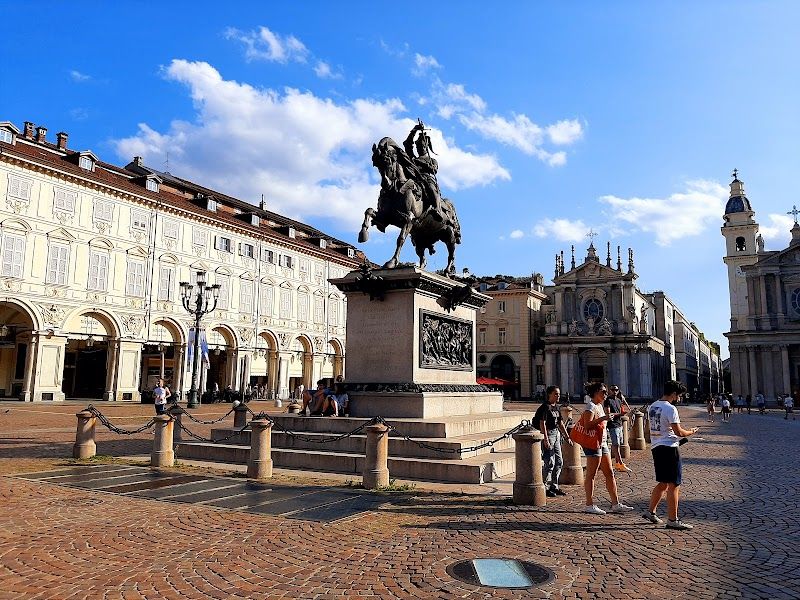
Piazza San Carlo
Piazza San Carlo serves as Turin's outdoor living room, where twin Baroque churches frame the southern end and cafes line elegant arcades that have hosted the city's social elite since the 1700s. You'll find yourself in a perfectly proportioned space where the bronze statue of Emanuele Filiberto commands the center, sword raised toward France after his military victories. The real draw is the cafe culture: historic spots like Caffè San Carlo and Caffè Torino still serve espresso at marble tables where writers, politicians, and locals conduct business. Walking into the piazza feels like entering a stage set where every element was designed for maximum elegance. The morning light hits the yellow ochre facades beautifully, casting long shadows across the geometric stone patterns underfoot. You'll notice how the arcades create natural gathering spots, with small clusters of people reading newspapers over cappuccinos or tourists studying maps. The twin churches of San Carlo and Santa Cristina create a sense of symmetry that makes photographers stop mid stride. Most guides oversell this as a major attraction when it's really best experienced as a coffee stop during a walking tour of central Turin. Skip the overpriced tourist cafes near the statue and head to the smaller spots under the western arcade where locals actually drink. The square gets packed during aperitivo hour (6pm to 8pm), so visit mid morning for the best atmosphere and photos. Expect to pay 1.50 EUR for espresso at the bar, 4 EUR if you sit at a table.
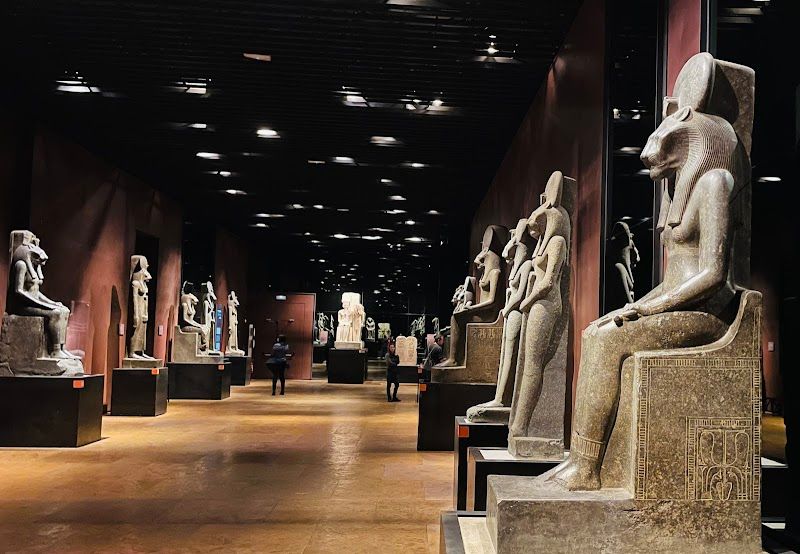
Museo Egizio (Egyptian Museum)
The Museo Egizio holds the world's second largest collection of Egyptian antiquities, with 40,000 objects spanning 4,000 years. You'll see eight royal mummies, the complete intact tomb of architect Kha and Merit from 1400 BC, a 15-meter Book of the Dead papyrus, and the towering 3.17-meter black granite Ramesses II statue. This isn't just another dusty museum: the 2015 renovation created immersive chambers that replicate original tomb environments. You start in the ground floor's soaring gallery surrounded by colossal statues and sarcophagi, then work upward through chronologically arranged rooms. The Tomb of Kha recreation is extraordinary, every cup, chair, and jewelry piece positioned exactly where archaeologists found them in 1906. The lighting is theatrical but respectful, and interactive displays explain hieroglyphics and mummification without dumbing things down. Most guides push you through too quickly, but this collection deserves three hours minimum. Skip the basement storage displays and focus on floors one through three. The EUR 18 entry fee stings, but consider this rivals the Cairo Museum for quality. Book online to avoid weekend queues, and ignore the audio guide: the new wall texts are excellent and faster to navigate.
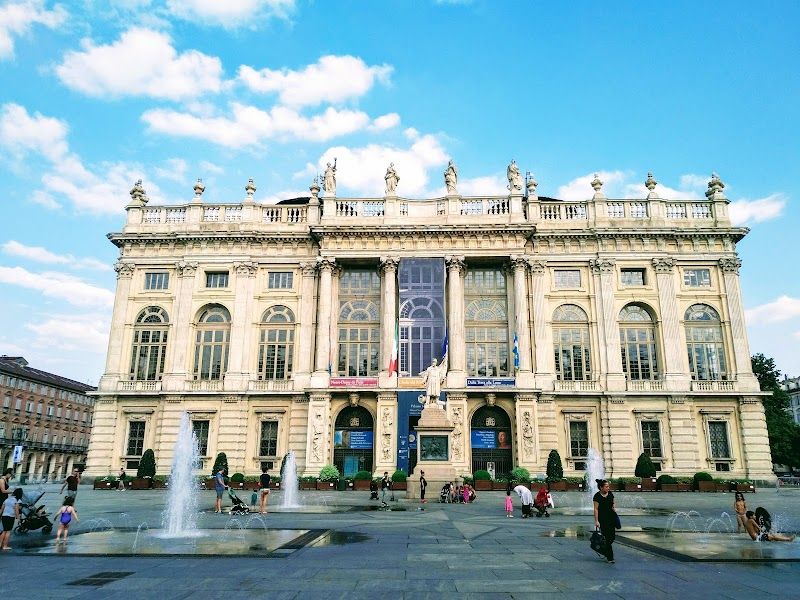
Palazzo Madama
Palazzo Madama stands as Turin's most architecturally schizophrenic building, with a soaring Baroque facade by Juvarra grafted onto a medieval castle that itself was built over Roman gates. Inside, the Museo Civico d'Arte Antica houses Italy's finest collection of decorative arts: think intricate ivory carvings, medieval manuscripts, and enough ornate furniture to fill a dozen palaces. The real prize is the rooftop terrace, which delivers knockout views across Piazza Castello to the Alps when the weather cooperates. You'll start in Juvarra's magnificent marble staircase, easily the most photographed spot here, before wandering through rooms that feel more like a collector's private home than a sterile museum. The medieval sections retain their fortress atmosphere with thick stone walls and narrow windows, while the Baroque rooms practically drip with gilt and crystal. The contrast is jarring and fascinating, like touring two completely different buildings that happen to share the same address. Most guides oversell the art collection, honestly it's good but not spectacular unless you're particularly into decorative arts. The combined ticket with Palazzo Reale costs €15 versus €10 for Madama alone, worth it if you're doing both. Skip the audio guide and head straight to the terrace first, then work your way down. Many visitors miss the medieval foundations in the basement, which are actually more atmospheric than half the fancy rooms upstairs.
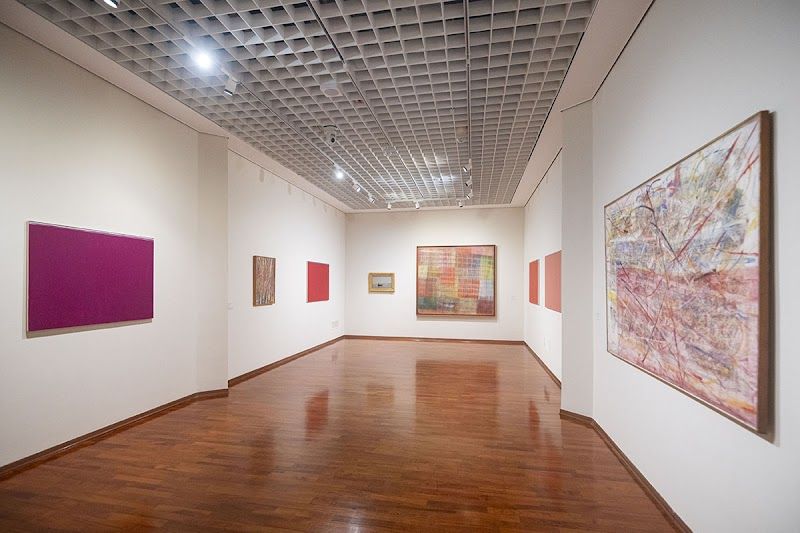
GAM - Galleria Civica d'Arte Moderna e Contemporanea
GAM houses Italy's finest collection of modern and contemporary art in a 1895 neoclassical palace that resembles a Parisian mansion more than a typical museum. You'll find Europe's best Futurist collection here, with explosive works by Balla and Boccioni that practically vibrate off the walls, plus exceptional pieces by Modigliani, de Chirico, and Fontana. The 45,000 works span from 19th-century Romanticism through cutting-edge Arte Povera installations, making this the definitive journey through Italian modernism. The experience flows well across three floors, starting with 19th-century salons on the ground level before ascending to modernist galleries. The second floor Futurist rooms feel electric, while the contemporary installations on the third floor provide breathing space and conceptual depth. The top-floor video art room creates an almost meditative atmosphere, and the sculpture garden out back offers a peaceful contrast to the intensity inside. Most visitors rush through the contemporary floors to reach the famous names, but you're missing the point. The lesser-known Arte Povera works upstairs are often more rewarding than the predictable Modigliani pieces. Entry costs €10 (€8 reduced), and Tuesday evenings until 22:00 offer the best experience with fewer tour groups and dramatic evening lighting. It is suggested to skip the audio guide at €5, the wall texts in English are excellent.
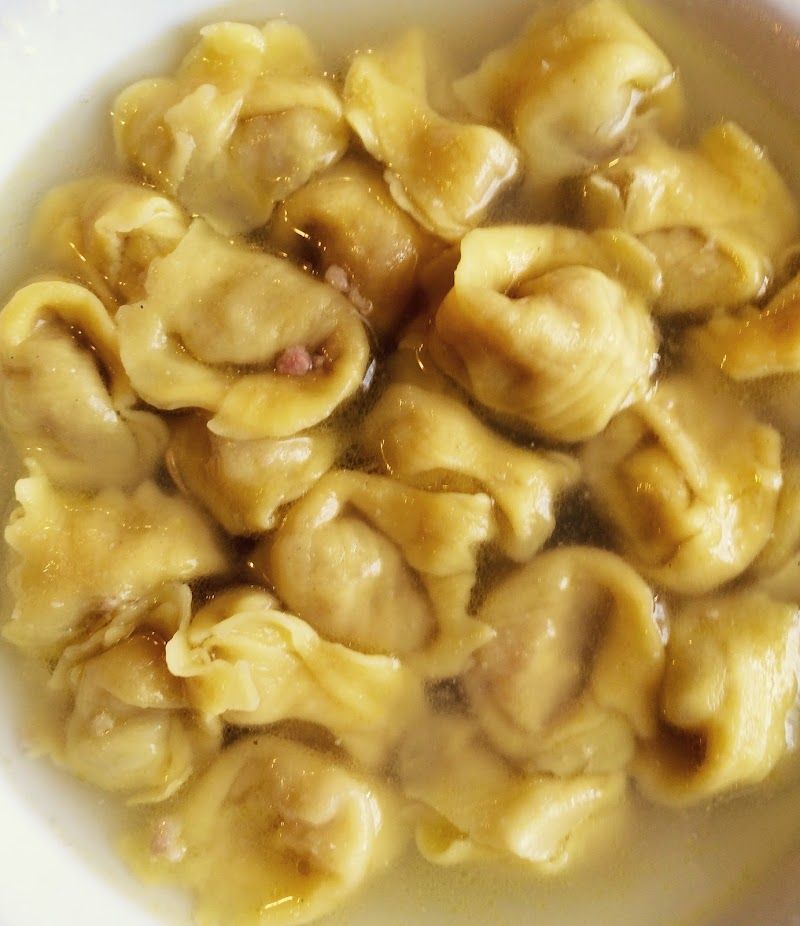
Turin Chocolate and Aperitivo Tour
Turin invented the modern chocolate industry in the 19th century. The city had the technology (new grinding machines), the raw material (cacao from the Savoy colonies), and the chemistry talent to mix cacao paste with Piedmontese hazelnuts and create gianduja, the hazelnut chocolate that became the most replicated confection in the world. Ferrero is from Alba, 60 km south, and Nutella is the commercial descendant of gianduja. The serious chocolate tradition is in Turin's historic chocolate houses: Guido Gobino (the best, his Tourinot is the traditional gianduja shape, Via Lagrange), Baratti e Milano (historic patisserie on Piazza Castello, the hot chocolate is the city standard), Peyrano (the old-school house, the best dark chocolate). Turin also claims to have invented the aperitivo tradition: the combination of a vermouth-based drink and complimentary food that later became the spritz and the Negroni. A guided tour of chocolatiers and historic cafes runs EUR 35-55 per person for 2-3 hours.
Where to Eat
Restaurants and cafes in Centro & Piazza Castello
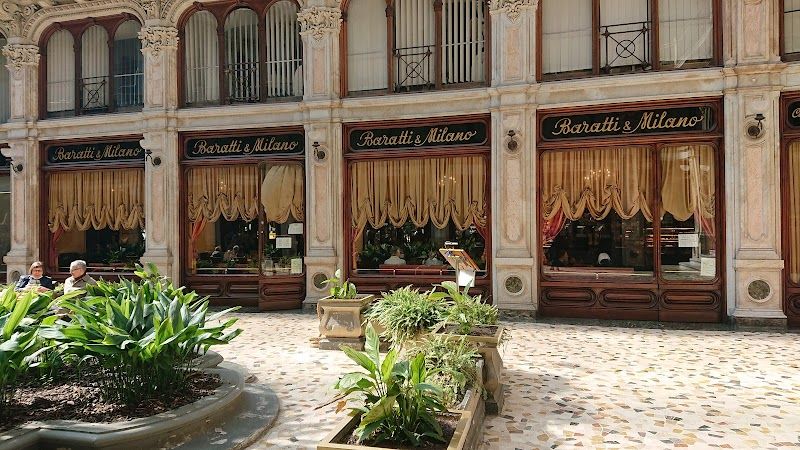
Baratti & Milano
CafeFounded in 1858, this Belle Époque gem serves the finest hot chocolate in Turin (EUR 6.50), thick enough to coat a spoon. The Art Nouveau interior features carved wood paneling, frescoed ceilings, and display cases filled with handmade gianduiotti chocolates. Nietzsche was a regular patron during his Turin years.
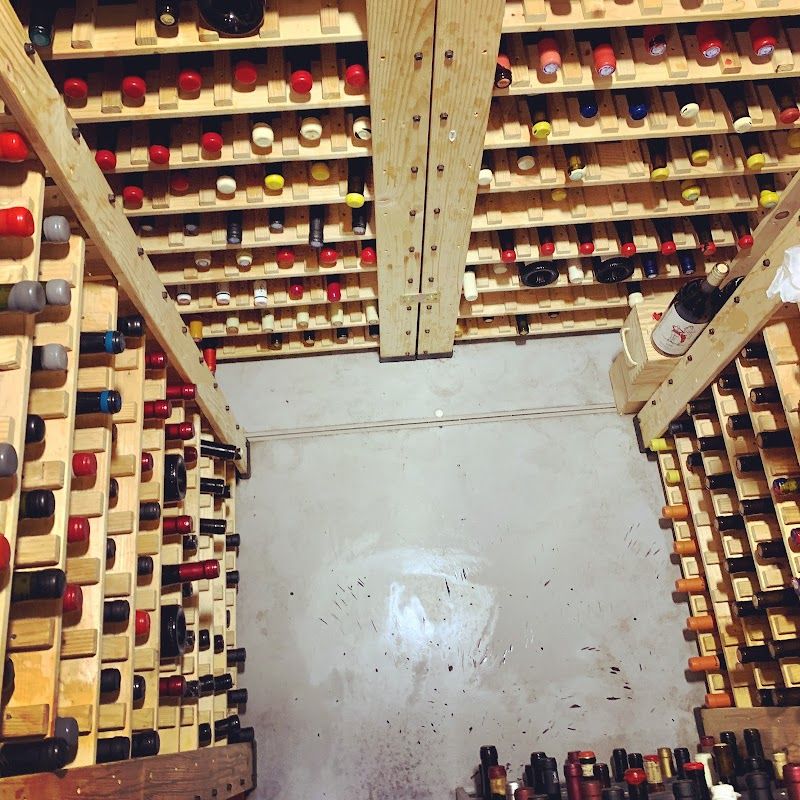
Consorzio
RestaurantA cooperative restaurant run by a group of young producers and chefs serving strictly Piedmontese ingredients. The menu changes daily based on what arrives from member farms, with exceptional agnolotti del plin and a wine list focused on natural Piedmont wines. The dining room feels like eating in someone's well-appointed living room.
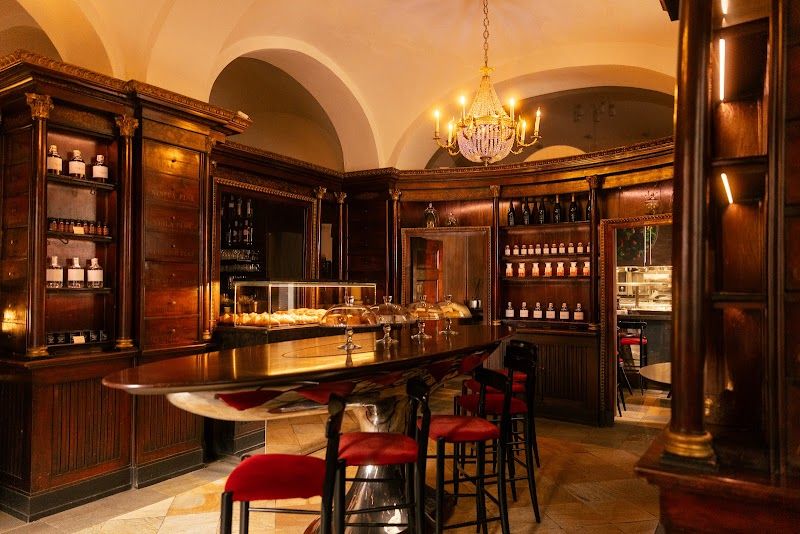
Farmacia del Cambio
RestaurantAn aperitivo bar in a former pharmacy with original 1920s cabinets and glass jars lining the walls. The cocktails use house-made infusions and bitters, and the aperitivo spread includes creative small bites rather than the standard chips and focaccia. The bartenders wear white lab coats as a nod to the pharmaceutical past.
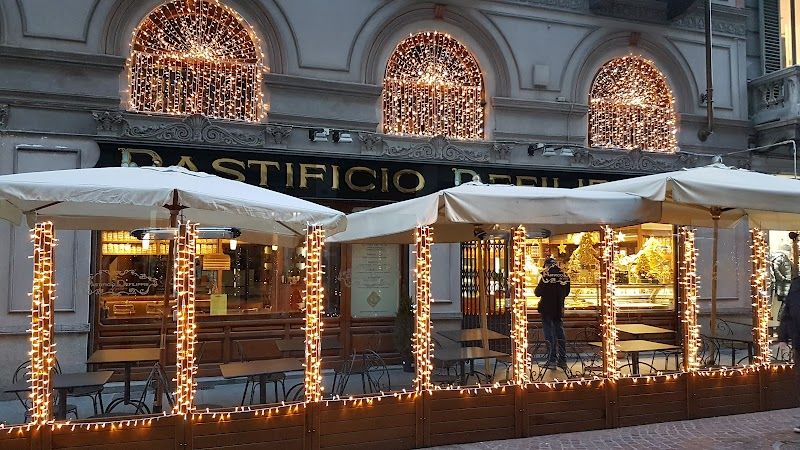
Pastificio Defilippis
RestaurantA former pasta factory converted into a restaurant where you can watch fresh pasta being made through a glass wall. The focus is on filled pastas, especially agnolotti del plin with various seasonal fillings, served in simple preparations that let the pasta quality shine. The industrial-chic space has communal tables and gets busy with a young crowd.
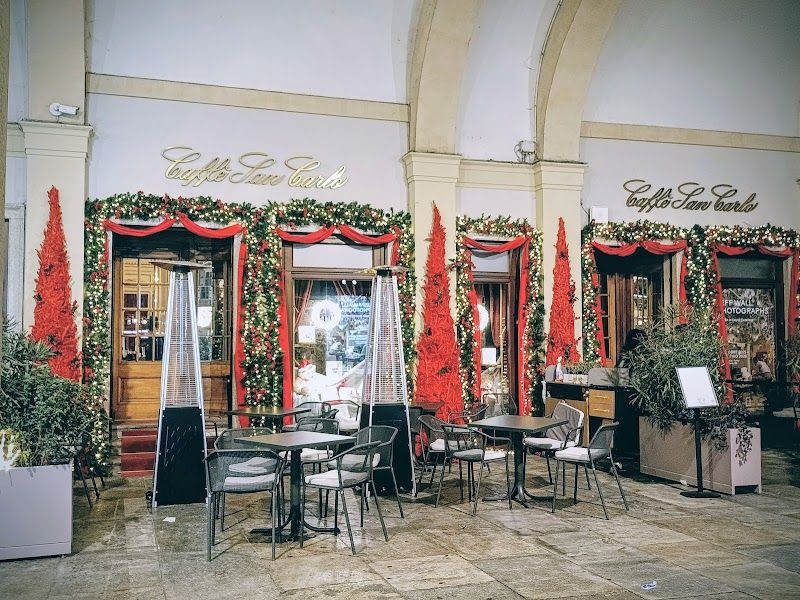
Caffè San Carlo
CafeTurin's most prestigious historic café opened in 1822, featuring a neoclassical interior with gilded mirrors, crystal chandeliers, and marble-topped tables. This was the gathering place for Cavour and Risorgimento leaders plotting Italian unification. Order a bicerin or vermouth Punt e Mes with soda (EUR 9) at the bar, or sit beneath the frescoed ceilings.
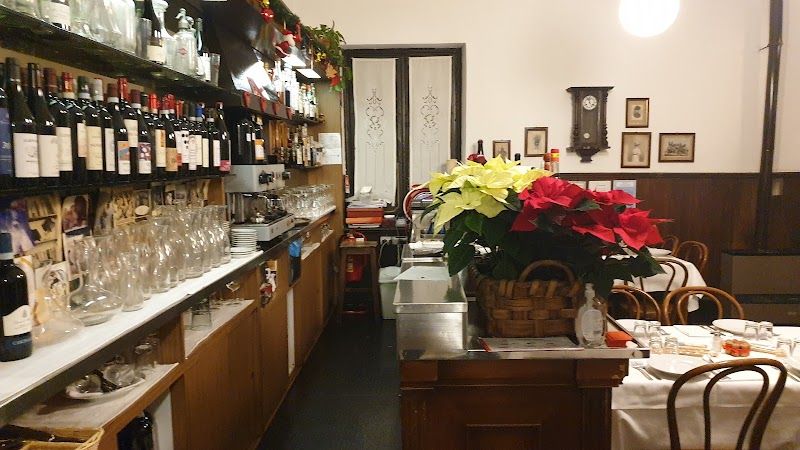
Osteria Antiche Sere
RestaurantA neighborhood osteria in a former carpenter's workshop serving creative takes on Piedmontese dishes. The chef plays with traditional recipes while respecting their essence, like agnolotti stuffed with Jerusalem artichokes or brasato made with Freisa wine instead of Barolo. The brick-vaulted space has exposed beams and mismatched chairs.
Nightlife
Bars and nightlife in Centro & Piazza Castello
Getting Here
Getting There
Metro Line 1: Porta Nuova or Piazza Castello stops
On Foot
Flat Baroque grid, completely walkable. Via Roma (the main axis) runs from Porta Nuova station to Piazza Castello in 15 minutes.
Insider Tips
Chapel of the Holy Shroud
The Cappella della Sindone (Chapel of the Holy Shroud) is accessed from inside the Royal Palace. The Shroud itself is almost never on public display (next exhibition date not yet announced). The chapel is worth visiting regardless: Guarino Guarini's 1668-1694 ceiling is a masterpiece of Baroque spatial engineering, a progressively narrowing dome of interlocking arches. It was damaged by fire in 1997 and fully restored in 2018.
Piazza San Carlo floor trick
The bronze bull embedded in the floor of Piazza San Carlo (under the equestrian statue area) is a local superstition: stepping on it is meant to bring bad luck or good luck depending on who you ask. The more important thing about the piazza is the aperitivo culture in the surrounding bars: from 6 PM the tables under the arcades fill with Torinesi.
Bicerin: drink it correctly
At Caffè Al Bicerin, order a bicerin (EUR 5-7). Do not stir it: the point is the layered experience, espresso through the chocolate and cream. The café is small (10 tables) and fills quickly after 10 AM. Go at opening (8:30 AM) or after 3 PM for a better chance of a table. The church of the Consolata opposite is worth 10 minutes: one of the best Baroque interiors in Turin.
Nearby Neighborhoods
Continue exploring
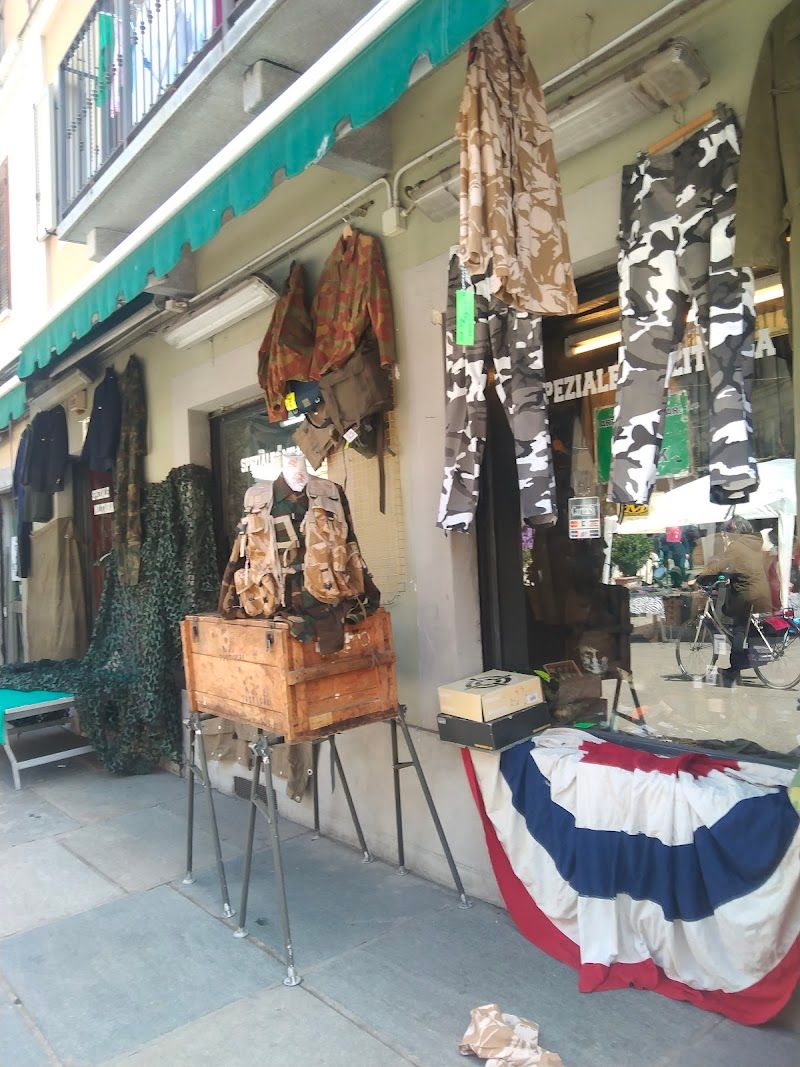
Quadrilatero Romano & Porta Palazzo
The Roman grid neighbourhood: Porta Palazzo (the largest open-air market in Europe, every morning), the best aperitivo density in Turin, trattorias, and the multicultural character from the North African and Eastern European communities.
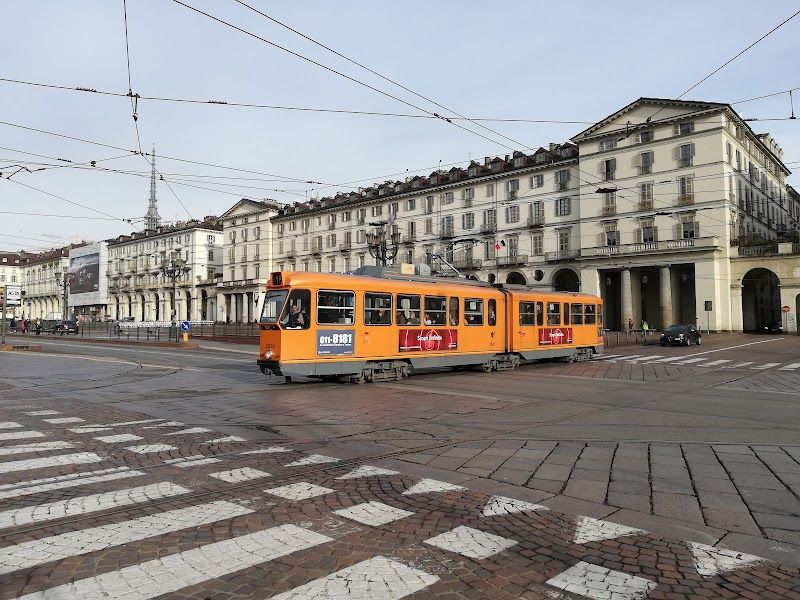
San Salvario & Valentino
The student and multicultural neighbourhood south of the station: cheap eats, craft beer bars, weekend nightlife, and Parco del Valentino along the Po river with the reconstructed medieval village.
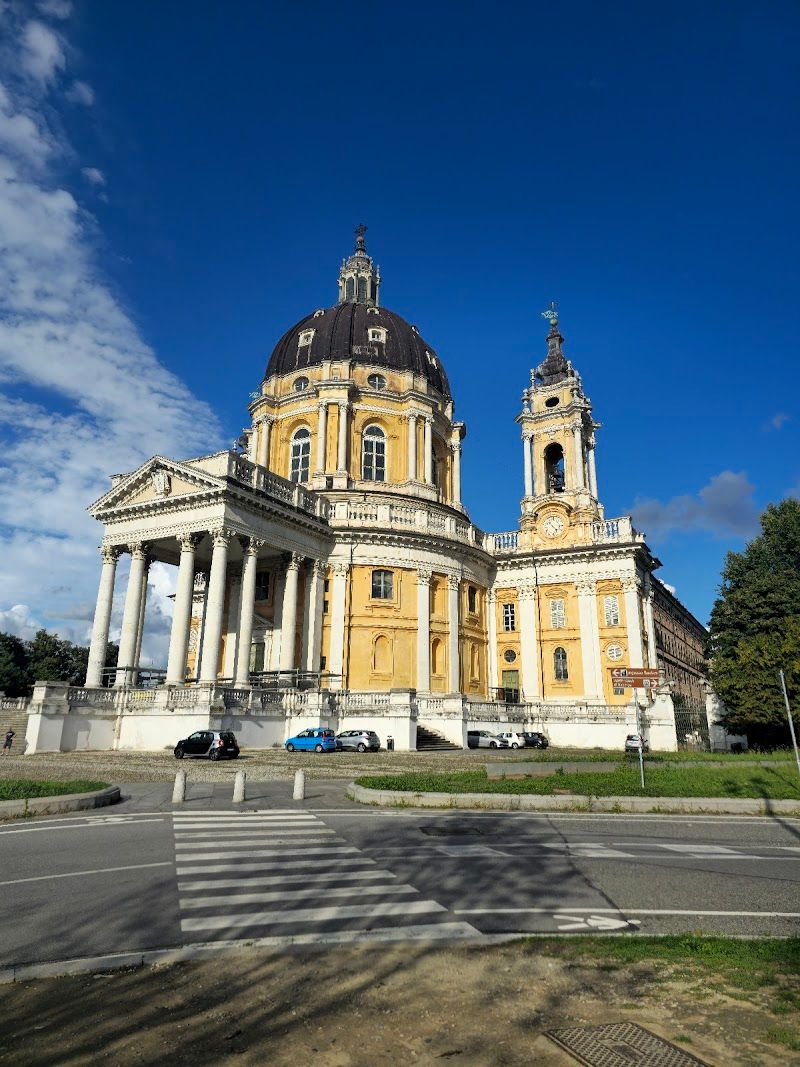
Mole & Vanchiglia
The Mole Antonelliana neighbourhood: the National Cinema Museum inside the 167-metre spire, the world's second-best Egyptian collection a few blocks away, and Vanchiglia emerging as Turin's gallery and natural wine bar district.
Plan a trip featuring Centro & Piazza Castello
Get a personalized Turin itinerary with Centro & Piazza Castello built in.
Start Planning