Turin
Quadrilatero Romano & Porta Palazzo
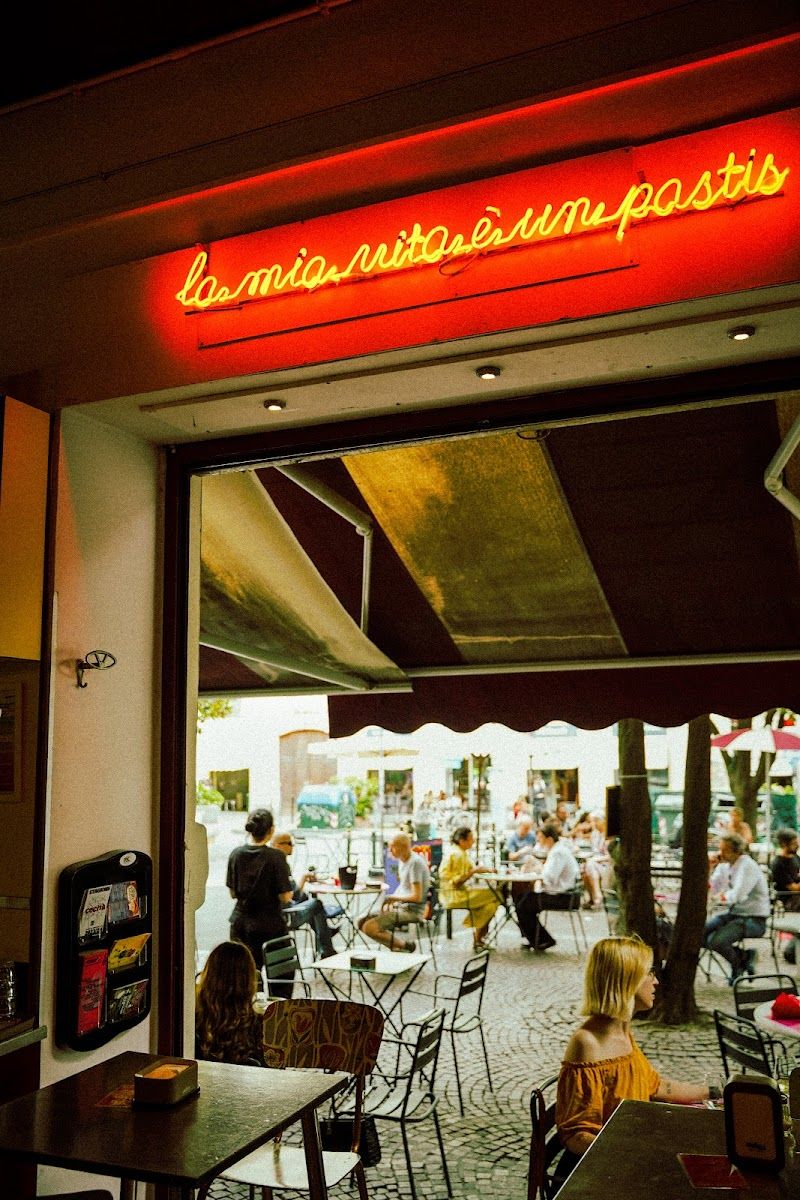
The Roman grid neighbourhood: Porta Palazzo (the largest open-air market in Europe, every morning), the best aperitivo density in Turin, trattorias, and the multicultural character from the North African and Eastern European communities.
About Quadrilatero Romano & Porta Palazzo
The Quadrilatero Romano is Turin's oldest quarter, following the Roman military grid of Augusta Taurinorum. Today it is the aperitivo and restaurant district, with the highest concentration of bars, trattorias, and specialty food shops in the city. Porta Palazzo (Piazza della Repubblica) is at the north end: the largest open-air market in Europe, 800 stalls, open Monday to Saturday mornings. The truffle section in October and November is extraordinary: white truffles from the Langhe and Monferrato hills, sold by weight, the most intense olfactory experience in Italy. The Quadrilatero Romano streets between Via Garibaldi and Via Porta Palatina are where the aperitivo culture is strongest: between 6 and 9 PM, bars set out tables of food with any drink ordered.
Things to Do
Top experiences in Quadrilatero Romano & Porta Palazzo
Porta Palazzo Market
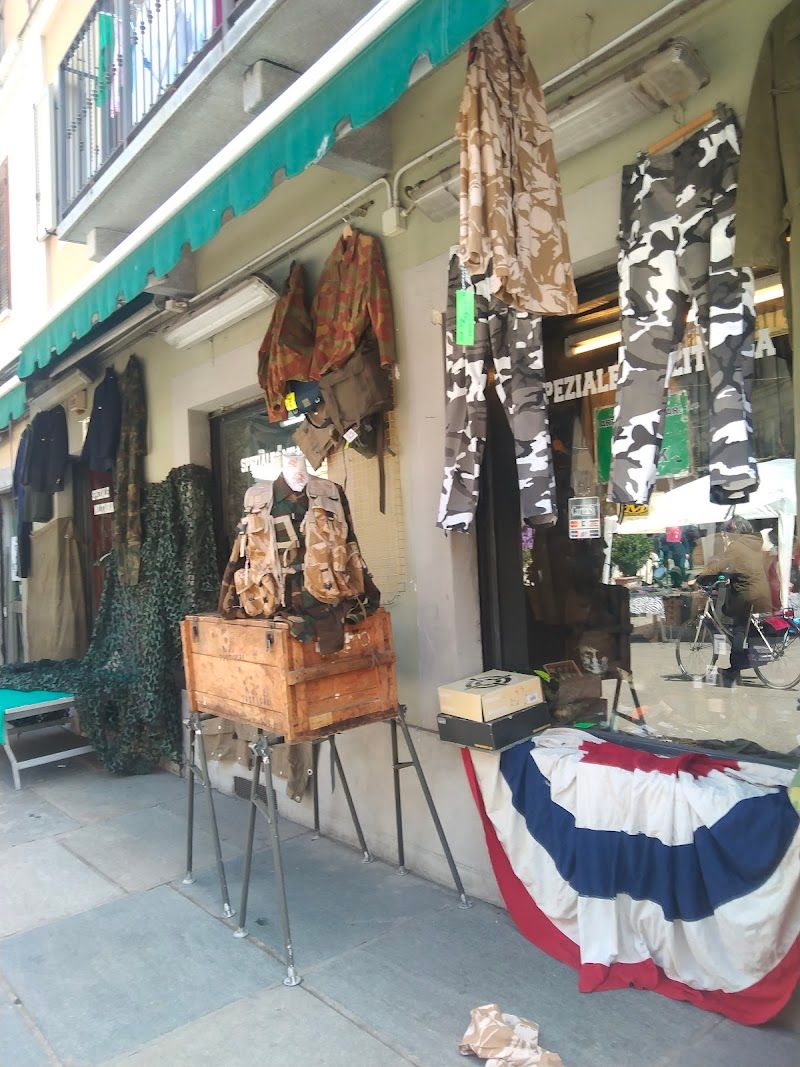
Europe's largest open-air market sprawls across Piazza della Repubblica every morning except Sunday, with 800 stalls covering an entire city block. You'll find extraordinary Piedmontese produce, alpine river fish, artisanal cheeses, and an entire international food section serving Turin's North African and Eastern European communities. The covered market building from 1916 houses the premium delicatessen stalls, while October and November bring Italy's best public truffle display outside Alba. The energy peaks before 9 AM when vendors call out prices and shoppers jostle through narrow aisles between wooden stalls. You can smell roasting coffee, fresh bread, and pungent cheeses from blocks away. The truffle vendors let you handle their precious white specimens, weighing them on antique scales while explaining the differences between Langhe and Monferrato varieties. Street food vendors dish out North African specialties alongside traditional Piemontese fare. Most tourists stick to the obvious produce stalls and miss the real treasures. The covered market's cheese selection rivals anything in France, but costs 30% less than downtown shops. White truffles run EUR 200 to 400 per 100 grams, but you're not obligated to buy after examining them. Skip the touristy perimeter stalls and head straight for the international food section for the city's best couscous and authentic Eastern European specialties.
La Reggia di Venaria Reale
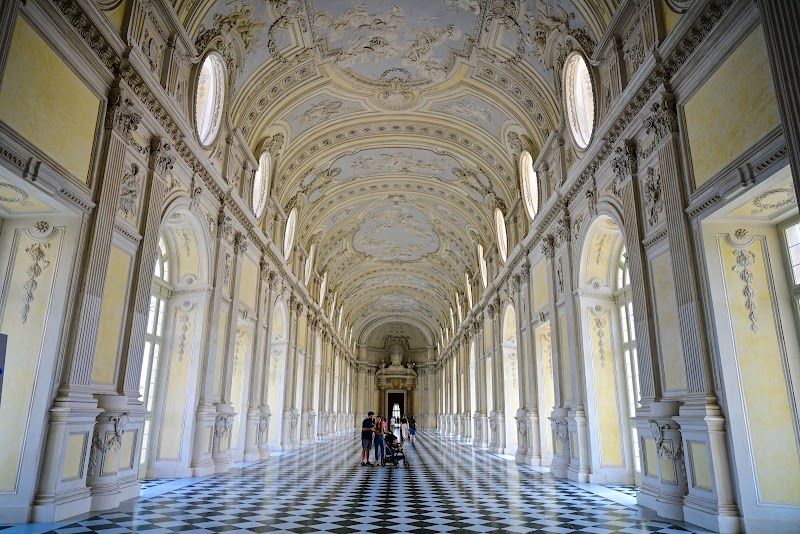
La Reggia di Venaria Reale showcases the absolute peak of Savoy royal excess, with the spectacular Hall of Diana stretching 140 meters of pure baroque theater. You'll walk through gilded galleries where frescoed ceilings soar overhead, and the Bucintoro room displays actual royal carriages that transported kings across Europe. The formal gardens cover 80 hectares with geometric patterns, fountains, and a perfectly restored orangery that rivals anything at Versailles. The palace flows chronologically through centuries of royal life, starting with hunting lodges and escalating to pure architectural megalomania. Each room outdoes the last: marble floors inlaid with precious stones, walls covered in silk tapestries, and mirrors that multiply the grandeur infinitely. The Hall of Diana stops conversations mid-sentence when you enter, its barrel-vaulted ceiling painted with hunting scenes that seem to move in the shifting light. Outside, the gardens unfold in perfect symmetry, with gravel paths leading to hidden grottos and water features. Most guides don't mention that you can easily spend 4 hours here if you're actually interested in royal history. Skip the basement exhibition rooms which feel like filler, and don't bother with the audio guide at €5 since the English descriptions are decent. Entry costs €25, but combined tickets with the gardens run €30. The palace gets surprisingly quiet after 3 PM when tour groups leave.
Palazzo Reale di Torino (Royal Palace) and Piazza Castello
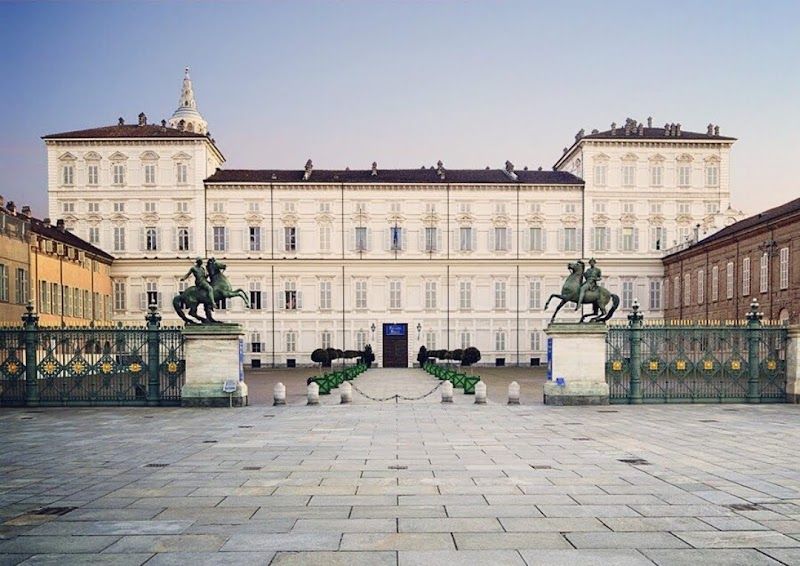
The Royal Palace (Palazzo Reale) is the principal residence of the House of Savoy, the dynasty that ruled Piedmont for seven centuries and became the royal family of unified Italy in 1861. The building faces Piazza Castello from the north, with the main facade on the piazza side. The state apartments (EUR 15) are a procession of over-furnished rooms with Gobelin tapestries, Meissen porcelain, and gilded everything: the standard Baroque royal interior amplified by Savoy wealth and the need to impress visiting monarchs. The Armory (included) has one of the most complete collections of ceremonial arms and armour in Europe. The Chapel of the Holy Shroud (the Cappella della Sindone) is accessed from the palace: the Shroud of Turin is kept here, in a silver casket inside the chapel designed by Guarino Guarini (1668-1694), one of the most spatially complex Baroque interiors in Italy. The Shroud is almost never on public display. The chapel can be visited regardless. Piazza Castello itself is the ceremonial heart of Turin: the Palazzo Madama (medieval castle with Baroque facade, EUR 10, the rooftop terrace view), Palazzo Chiablese, and the Teatro Regio (Turin's opera house) all face the square.
Somewhere Tours & Events
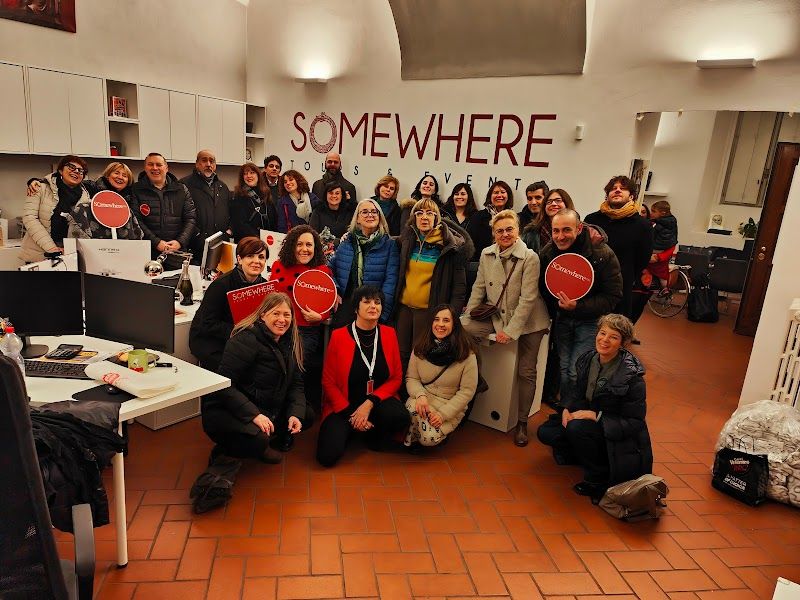
Somewhere Tours & Events runs the most thorough exploration of Turin's baroque transformation, when the Savoy royals essentially rebuilt their capital to rival Paris in the 17th and 18th centuries. You'll walk the entire length of Via Roma's elegant arcades, learning how architects like Filippo Juvarra created those perfectly symmetrical facades and unified porticoes that earned UNESCO protection. The tour connects all four major royal squares: San Carlo, Castello, Carlo Felice, and Carlo Alberto, explaining the political symbolism behind each design. Your guide (usually an architecture student or local historian) keeps a steady pace under the covered walkways, stopping at key viewpoints where the baroque planning becomes obvious. The best moments happen in Piazza San Carlo, where you'll stand in the exact center to appreciate the mathematical precision of the surrounding buildings. The group size stays around 12 people, and the commentary focuses on urban planning rather than general history. You'll finish at Palazzo Reale's exterior, where the tour connects Turin's baroque ambitions to the broader European context. Most walking tours in Turin rush through these squares as quick photo stops, but this one actually explains why they matter architecturally. The 25 EUR price feels reasonable for two hours of detailed commentary, though the tour can drag if your guide gets too academic about building techniques. Skip this if you're only mildly interested in architecture, but it's perfect if you want to understand how royal urban planning actually works.
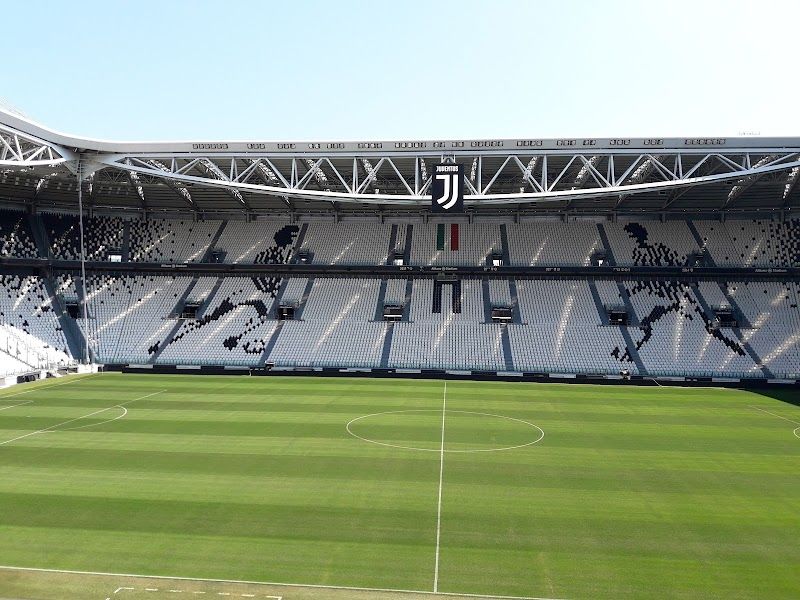
Juventus Museum
The Juventus Museum sits inside the Allianz Stadium and combines a trophy-packed museum with behind-the-scenes stadium access that gets you onto the actual pitch. You'll walk through the players' tunnel, sit in the same locker room where legends like Del Piero suited up, and stand pitch-side where 41,000 fans roar on match days. The museum section displays over a century of silverware, including their numerous Serie A titles and Champions League trophies, with interactive displays that let you relive historic goals and moments. The experience flows from museum to stadium, starting with trophy cases and moving into the bowels of the stadium itself. Standing in the tunnel before emerging onto the pitch gives you genuine goosebumps, especially when you realize this is exactly what Buffon saw before every home match. The locker room feels surprisingly intimate, and the press room where coaches face the media after victories and defeats adds authentic atmosphere. The museum portion can feel a bit corporate, but once you're walking through player areas, the magic kicks in. Most guides don't mention that tickets cost €15 for adults, which is reasonable for what you get. Skip the overpriced audio guide (€5 extra) since the displays have English descriptions. The gift shop prices are predictably inflated, but if you're buying a jersey anyway, the selection here beats most sports stores in central Turin. Book online to guarantee your preferred time slot, especially during football season when tours fill up quickly.
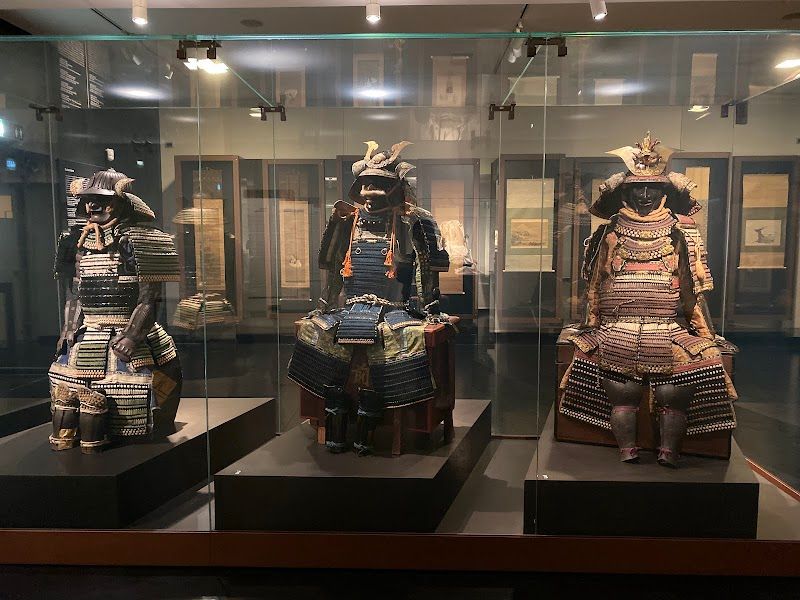
MAO Museo d'Arte Orientale
MAO possesses one of Europe's most impressive Asian art collections inside a beautifully restored 17th century palazzo that feels more intimate than overwhelming. You'll encounter genuine treasures here: 2,000-year-old Gandharan Buddhist sculptures that blend Greek and Indian influences, an exceptional collection of Japanese woodblock prints including works by Hokusai, and Chinese ceramics spanning multiple dynasties. The thematic organization lets you delve deep into specific cultures rather than getting a superficial overview. The experience unfolds across four floors of the Palazzo Mazzonis, where original baroque details frame display cases of ancient artifacts. Each floor focuses on different regions: South Asia's stone sculptures feel monumental in the palazzo's high-ceilinged rooms, while delicate Japanese prints are perfectly lit in smaller galleries. The building itself becomes part of the experience, with original frescoes creating an unexpected dialogue between European and Asian aesthetics. You'll often have entire rooms to yourself, making this feel like a private collection. Most guides don't mention that MAO punches way above its weight internationally but remains blissfully uncrowded because tourists flock to the Egyptian Museum instead. Skip the Islamic collection on the ground floor unless you're specifically interested, it's the weakest section. Focus your time on the second floor's Gandharan sculptures and third floor's Japanese prints. Entry costs €10 but it's free on the first Tuesday of each month if you're under 25.
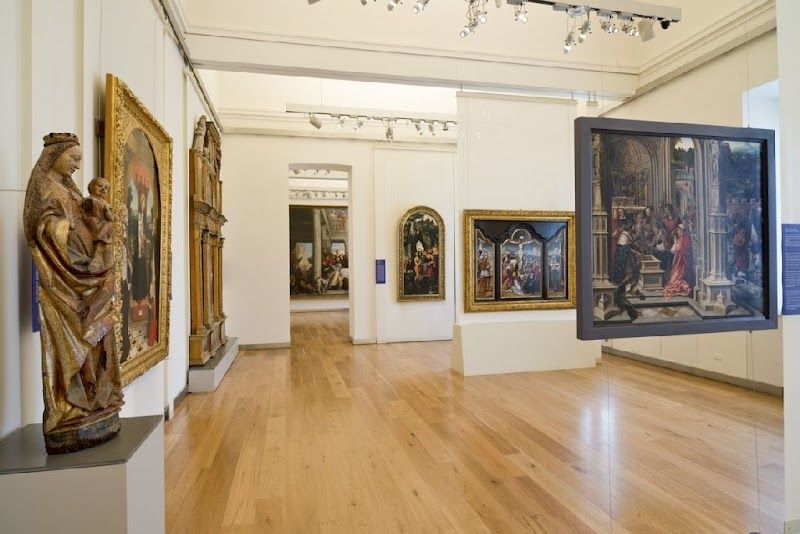
Armeria Reale
The Armeria Reale houses one of Europe's most complete collections of ceremonial weapons and armor, spanning four centuries of military craftsmanship from the 15th to 19th centuries. You'll find everything from complete suits of knightly armor to intricately decorated firearms, plus an exceptional sword collection that includes pieces crafted by master artisans for European royalty. The collection includes armor worn by Charles V and ornate parade weapons that were never meant for battle but rather to display power and wealth. The gallery flows through several interconnected rooms within the Royal Palace complex, each focusing on different periods and weapon types. The atmosphere feels surprisingly intimate for such an extensive collection, with dramatic lighting that makes the polished steel and intricate engravings pop. You'll move from medieval suits of armor that tower over you to delicate Renaissance daggers with handles carved from precious materials. The Beaumont Gallery contains the most spectacular pieces, including ceremonial swords with hilts decorated in gold and precious stones. Most visitors rush through in 30 minutes, which is a mistake since this collection deserves at least 90 minutes to appreciate properly. Entry costs €15 as part of the combined Palazzo Reale ticket, making it excellent value compared to standalone armor museums elsewhere in Europe. Skip the early rooms with basic medieval pieces and head straight to the Beaumont Gallery for the showstoppers, then work backwards if you have time.
Where to Eat
Restaurants and cafes in Quadrilatero Romano & Porta Palazzo
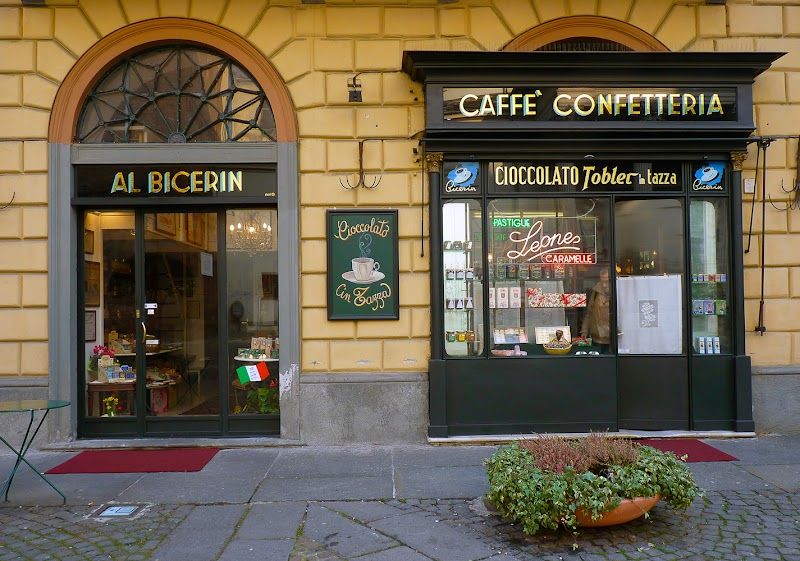
Caffè Al Bicerin
CafeThe bicerin is the signature drink of Turin: a layered glass of espresso, drinking chocolate, and whipped cream. It was invented in the 18th century at Caffè Al Bicerin, and the same café has been serving it from the same address (Via della Consolata, across from the church of the same name) since 1763. The drink is served in a small glass, the layers visible through the side: a base of thick dark chocolate, espresso poured over it, a cap of cream. You do not stir it: you drink it in layers. Gianduja was invented in Turin in 1852, the hazelnut-chocolate mixture that eventually became Nutella (Ferrero is a Piedmontese company from Alba, 60 km south). The city has chocolate heritage that runs deeper than any tourist attraction: the best serious chocolatiers (Guido Gobino, Peyrano, Stratta) are workshops where you can watch production and buy directly. The bicerin at Al Bicerin costs EUR 5-7. The café itself is small (about 10 tables) and atmospheric: unchanged for 260 years, mirrors, marble tables, the same recipe. Alexander Dumas, Cavour, Nietzsche, and Puccini are all documented as having come here.
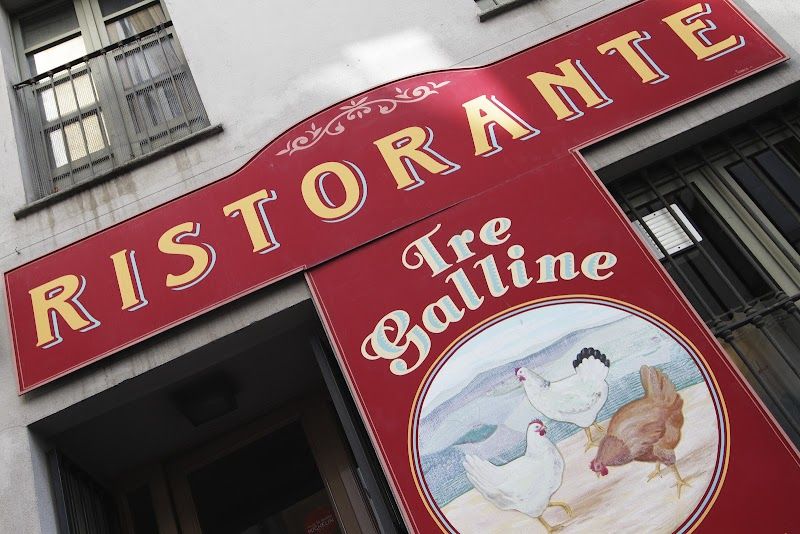
Tre Galline
RestaurantOperating since 1783, this restaurant serves refined Piedmontese cuisine in a series of cozy rooms with vaulted brick ceilings. The menu includes all the classics done properly, from vitello tonnato to finanziera, a rich organ meat stew. The wine cellar has over 400 Piedmont labels.
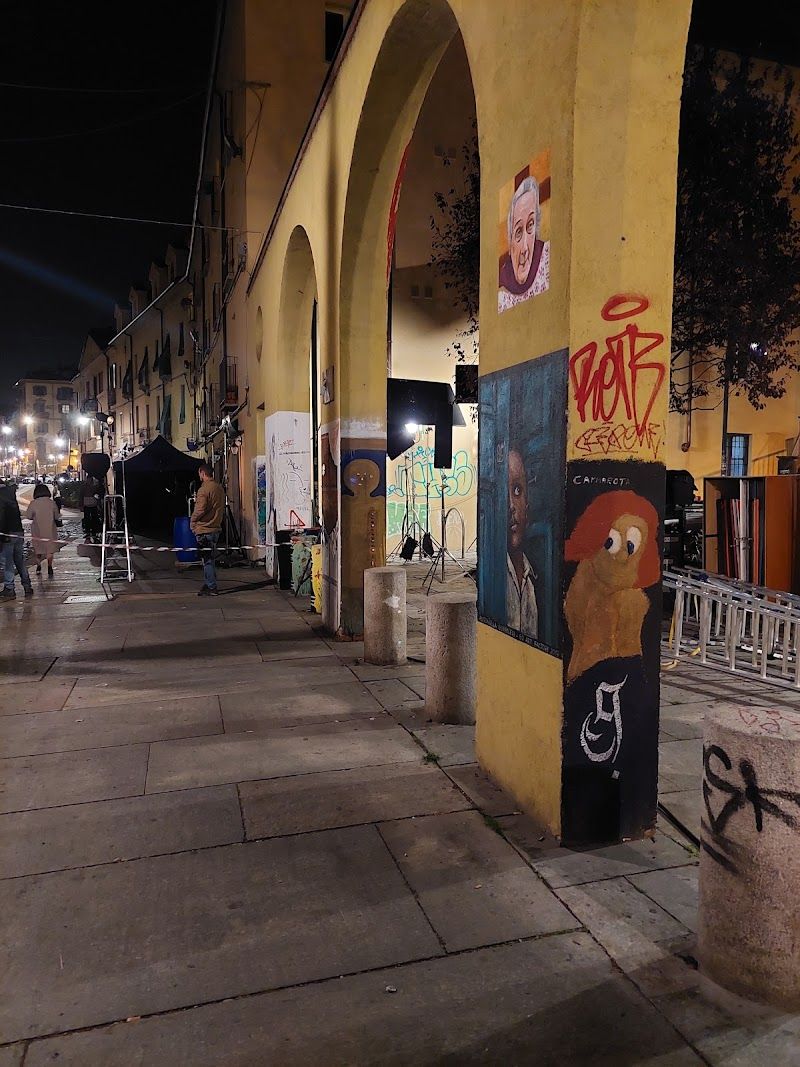
Trattoria Valenza
RestaurantA no-frills family trattoria serving generous portions of classic Piedmontese dishes since 1982. The vitello tonnato here is legendary among locals, and the fritto misto piemontese includes sweet semolina fritters alongside the savoury elements. Expect paper tablecloths, brusque service, and workers from nearby offices at lunch.
Nightlife
Bars and nightlife in Quadrilatero Romano & Porta Palazzo
Getting Here
Getting There
Metro Line 1: Porta Palazzo stop
On Foot
Flat, 10 minutes from Piazza Castello. Via Garibaldi (pedestrianised) is the main route.
Insider Tips
Porta Palazzo best times
Monday to Saturday, opens 6:30 AM, closes around 1:30 PM. Arrive before 9 AM for the best produce and least crowded experience. In October-November the truffle section (the stalls in the north corner near the covered market building) is the most extraordinary thing in Turin: tables of white truffles from the Langhe, the most pungent smell in food, vendors weighing them by the gram.
Aperitivo in the Quadrilatero
The streets between Via della Consolata and Via delle Orfane have the densest aperitivo bar concentration in Turin. Start at 6:30 PM. Order any drink (EUR 8-12) and a table of food appears automatically at the better bars. The food quality varies significantly: the bars on Via Sant'Agostino and Via Porta Palatina tend toward actual cured meats and cheeses rather than chips.
Nearby Neighborhoods
Continue exploring
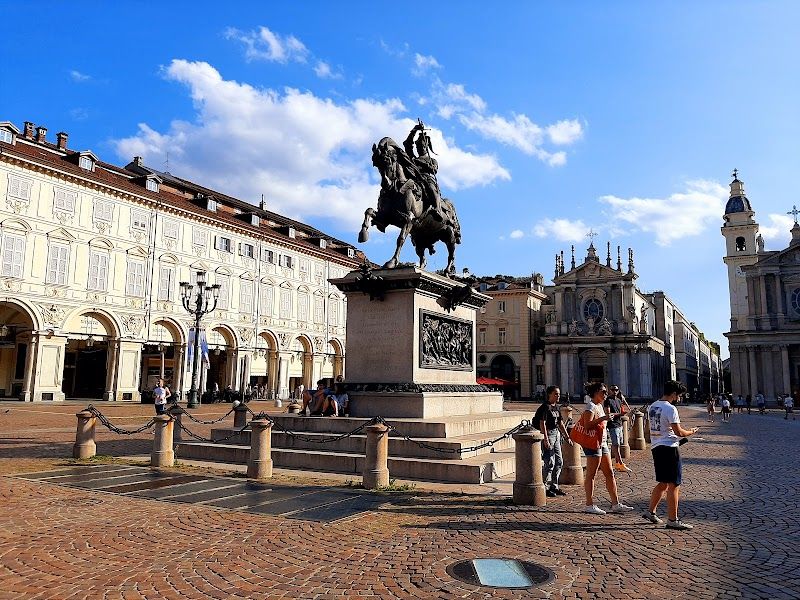
Centro & Piazza Castello
The Savoy royal centre: Piazza Castello with the Royal Palace and Palazzo Madama, Caffè Al Bicerin (since 1763), Piazza San Carlo with twin churches and historic cafes, and the Baroque arcades of Via Roma.
San Salvario & Valentino
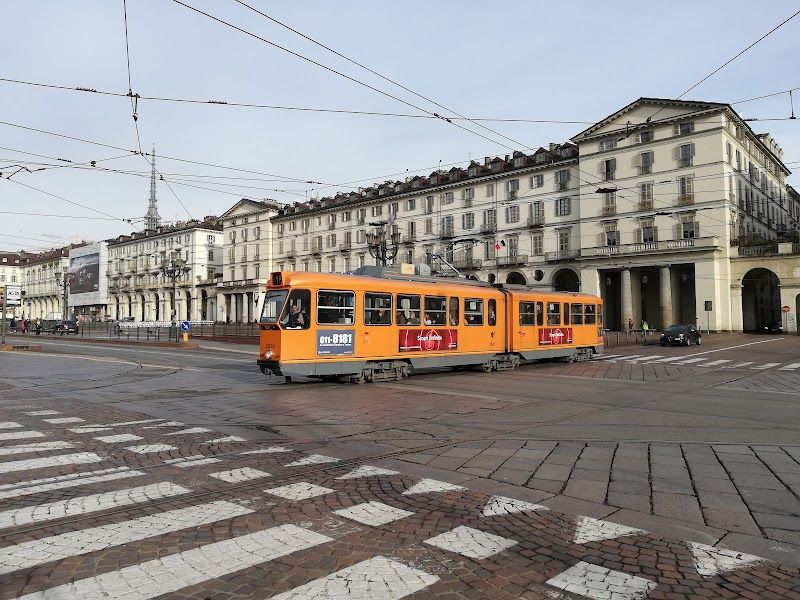
The student and multicultural neighbourhood south of the station: cheap eats, craft beer bars, weekend nightlife, and Parco del Valentino along the Po river with the reconstructed medieval village.
Mole & Vanchiglia
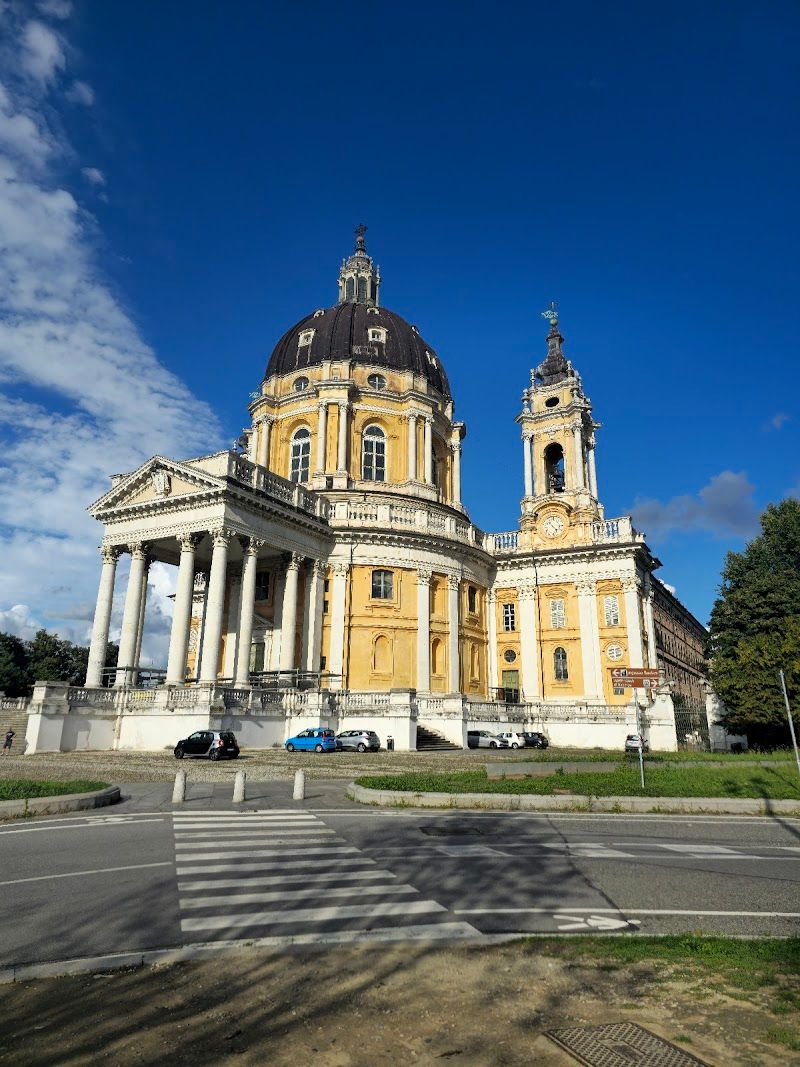
The Mole Antonelliana neighbourhood: the National Cinema Museum inside the 167-metre spire, the world's second-best Egyptian collection a few blocks away, and Vanchiglia emerging as Turin's gallery and natural wine bar district.
Plan a trip featuring Quadrilatero Romano & Porta Palazzo
Get a personalized Turin itinerary with Quadrilatero Romano & Porta Palazzo built in.
Start Planning