Turin
Things to Do
38 attractions, museums, and experiences
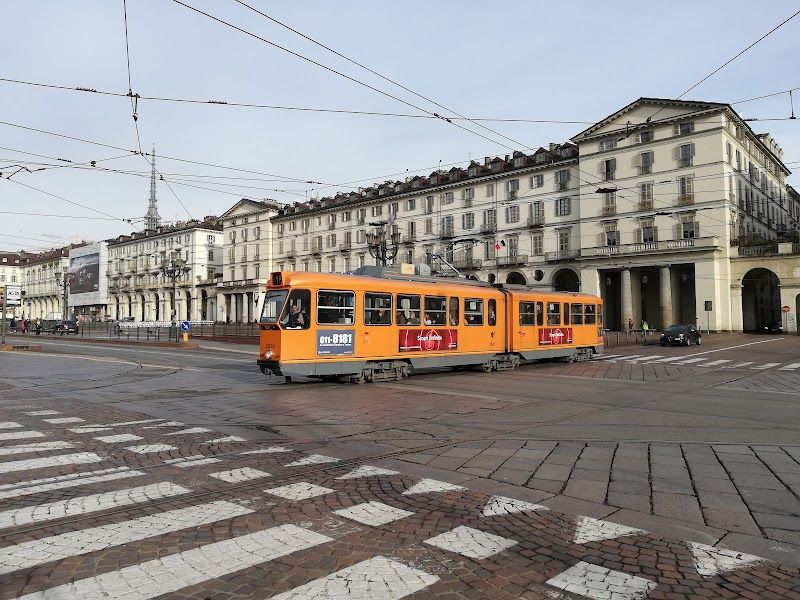
Piazza Vittorio Veneto
This massive Baroque square stretches out like an amphitheater, with its sweeping arcades descending toward the Po River and framing a perfect view of the Gran Madre di Dio church across the water. It's Europe's largest square of its kind, built in the 1800s as Turin's grand entrance from the river. You'll get one of the city's best panoramic shots here, with the Alps rising behind the neoclassical church and the green Collina Torinese hills rolling away to the east. The square feels theatrical, almost like a movie set with its uniform cream colored porticoes curving down toward the river. Late afternoon light hits the arcades beautifully, and you'll see locals settling into the cafe tables under the colonnades as the sun starts to sink. The space opens up dramatically as you walk down from Via Po, and the view across to Gran Madre gets better with each step toward the river side. Most guidebooks make this sound more exciting than it actually is. It's gorgeous for photos and aperitivo, but you don't need more than 20 minutes here unless you're settling in for drinks. The cafes under the arcades charge tourist prices (expect 8-12 EUR for cocktails), but the terrace tables with river views justify the markup. Skip the upper section near Via Po and head straight to the bottom for the best perspective.
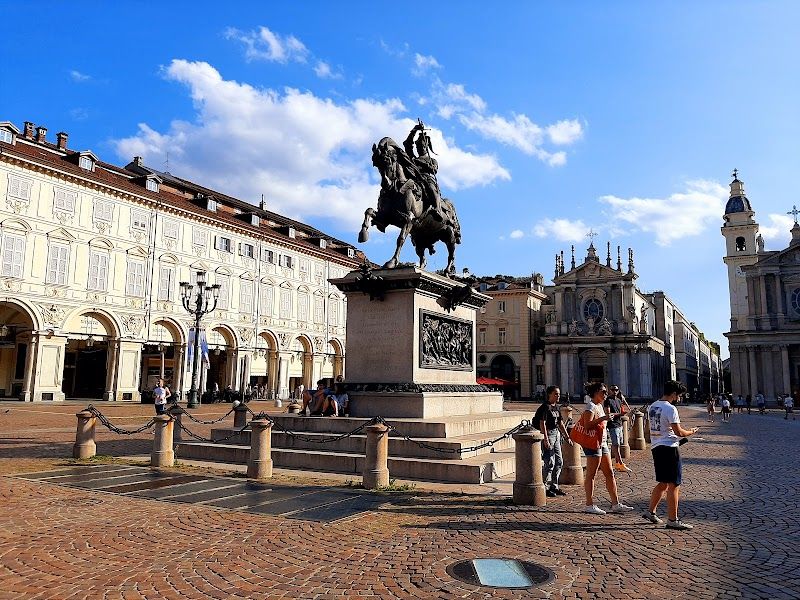
Piazza San Carlo
Piazza San Carlo serves as Turin's outdoor living room, where twin Baroque churches frame the southern end and cafes line elegant arcades that have hosted the city's social elite since the 1700s. You'll find yourself in a perfectly proportioned space where the bronze statue of Emanuele Filiberto commands the center, sword raised toward France after his military victories. The real draw is the cafe culture: historic spots like Caffè San Carlo and Caffè Torino still serve espresso at marble tables where writers, politicians, and locals conduct business. Walking into the piazza feels like entering a stage set where every element was designed for maximum elegance. The morning light hits the yellow ochre facades beautifully, casting long shadows across the geometric stone patterns underfoot. You'll notice how the arcades create natural gathering spots, with small clusters of people reading newspapers over cappuccinos or tourists studying maps. The twin churches of San Carlo and Santa Cristina create a sense of symmetry that makes photographers stop mid stride. Most guides oversell this as a major attraction when it's really best experienced as a coffee stop during a walking tour of central Turin. Skip the overpriced tourist cafes near the statue and head to the smaller spots under the western arcade where locals actually drink. The square gets packed during aperitivo hour (6pm to 8pm), so visit mid morning for the best atmosphere and photos. Expect to pay 1.50 EUR for espresso at the bar, 4 EUR if you sit at a table.
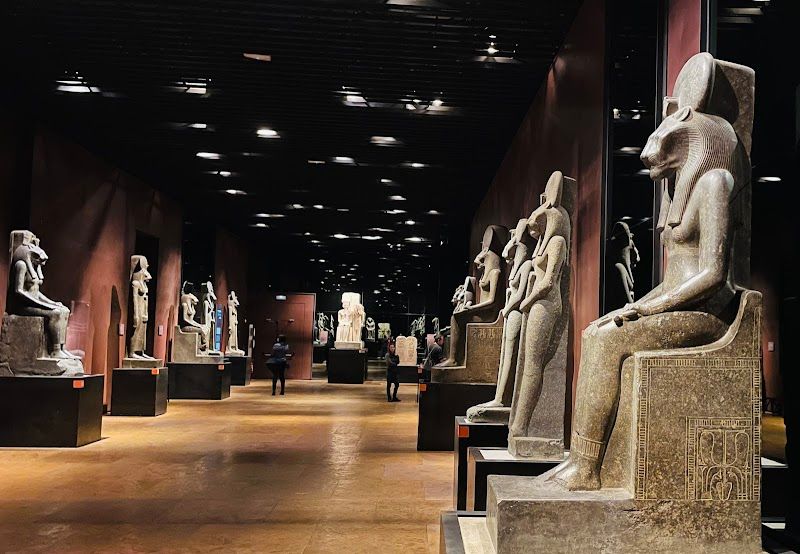
Museo Egizio (Egyptian Museum)
The Museo Egizio holds the world's second largest collection of Egyptian antiquities, with 40,000 objects spanning 4,000 years. You'll see eight royal mummies, the complete intact tomb of architect Kha and Merit from 1400 BC, a 15-meter Book of the Dead papyrus, and the towering 3.17-meter black granite Ramesses II statue. This isn't just another dusty museum: the 2015 renovation created immersive chambers that replicate original tomb environments. You start in the ground floor's soaring gallery surrounded by colossal statues and sarcophagi, then work upward through chronologically arranged rooms. The Tomb of Kha recreation is extraordinary, every cup, chair, and jewelry piece positioned exactly where archaeologists found them in 1906. The lighting is theatrical but respectful, and interactive displays explain hieroglyphics and mummification without dumbing things down. Most guides push you through too quickly, but this collection deserves three hours minimum. Skip the basement storage displays and focus on floors one through three. The EUR 18 entry fee stings, but consider this rivals the Cairo Museum for quality. Book online to avoid weekend queues, and ignore the audio guide: the new wall texts are excellent and faster to navigate.
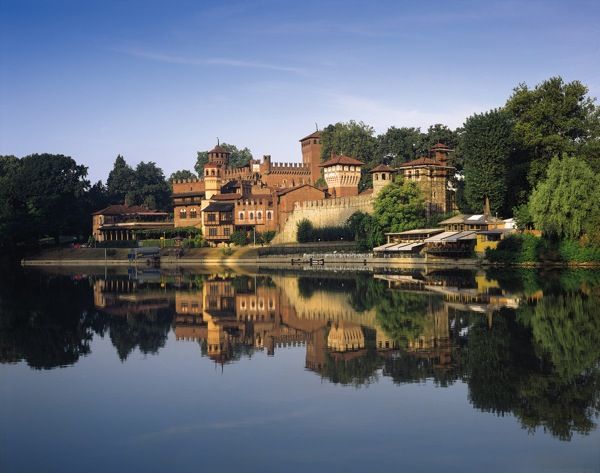
Parco del Valentino
Parco del Valentino stretches for 2.5km along the Po River, combining Turin's largest green space with an authentic recreation of a 15th-century medieval village. You'll find centuries-old plane trees shading wide lawns where locals picnic, plus the University's Botanical Garden with over 2,000 plant species. The highlight is Borgo Medievale, a meticulously crafted 1884 reconstruction complete with working artisan shops, a drawbridge, and castle tower. The park flows naturally from manicured gardens near Corso Vittorio Emanuele II down to wilder riverside paths where joggers and cyclists stream past. Walking through Borgo Medievale feels like stepping onto a film set: costumed blacksmiths hammer away, medieval music drifts from courtyards, and the castle's stone walls smell authentically ancient. The contrast between this theatrical village and families playing football on nearby lawns creates Turin's most surreal juxtaposition. Most guides oversell the Botanical Garden, it's genuinely interesting only if you're into plants. The castle tower costs 5 EUR but delivers panoramic views over the Po and Alps on clear days. Skip the overpriced village cafe and bring a picnic instead. Early morning visits avoid the crowds and catch golden light on the medieval stonework.
Porta Palazzo Market
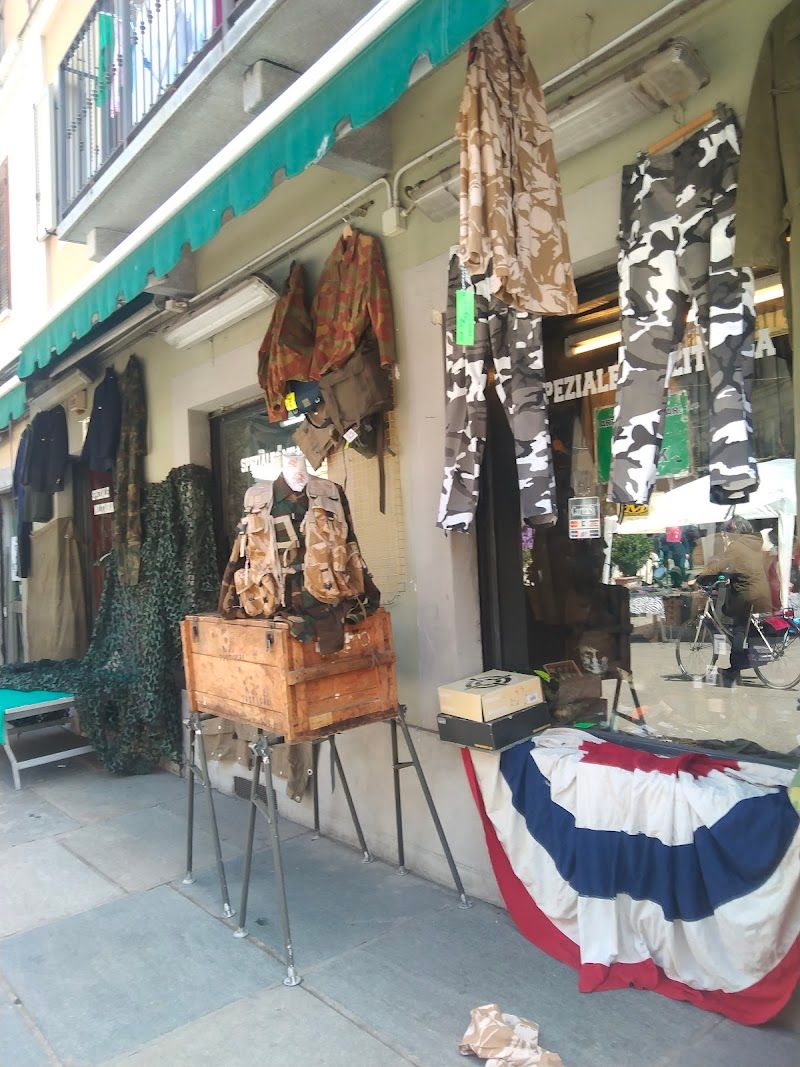
Europe's largest open-air market sprawls across Piazza della Repubblica every morning except Sunday, with 800 stalls covering an entire city block. You'll find extraordinary Piedmontese produce, alpine river fish, artisanal cheeses, and an entire international food section serving Turin's North African and Eastern European communities. The covered market building from 1916 houses the premium delicatessen stalls, while October and November bring Italy's best public truffle display outside Alba. The energy peaks before 9 AM when vendors call out prices and shoppers jostle through narrow aisles between wooden stalls. You can smell roasting coffee, fresh bread, and pungent cheeses from blocks away. The truffle vendors let you handle their precious white specimens, weighing them on antique scales while explaining the differences between Langhe and Monferrato varieties. Street food vendors dish out North African specialties alongside traditional Piemontese fare. Most tourists stick to the obvious produce stalls and miss the real treasures. The covered market's cheese selection rivals anything in France, but costs 30% less than downtown shops. White truffles run EUR 200 to 400 per 100 grams, but you're not obligated to buy after examining them. Skip the touristy perimeter stalls and head straight for the international food section for the city's best couscous and authentic Eastern European specialties.
La Reggia di Venaria Reale
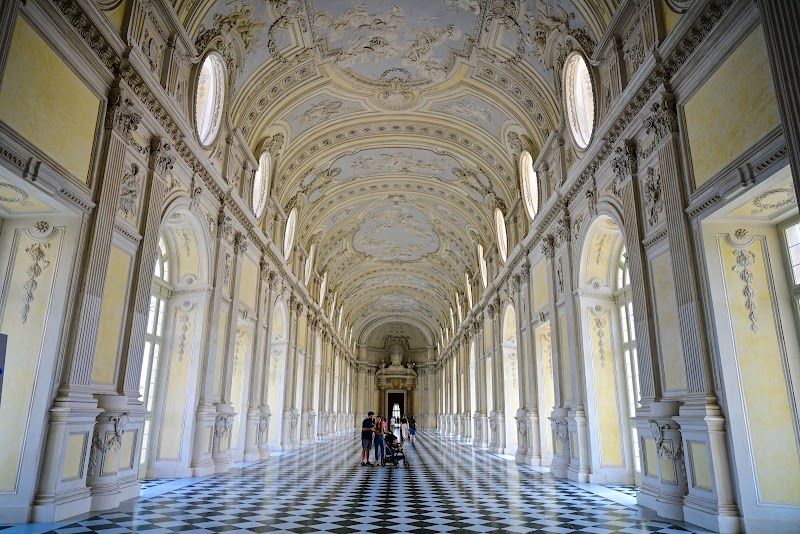
La Reggia di Venaria Reale showcases the absolute peak of Savoy royal excess, with the spectacular Hall of Diana stretching 140 meters of pure baroque theater. You'll walk through gilded galleries where frescoed ceilings soar overhead, and the Bucintoro room displays actual royal carriages that transported kings across Europe. The formal gardens cover 80 hectares with geometric patterns, fountains, and a perfectly restored orangery that rivals anything at Versailles. The palace flows chronologically through centuries of royal life, starting with hunting lodges and escalating to pure architectural megalomania. Each room outdoes the last: marble floors inlaid with precious stones, walls covered in silk tapestries, and mirrors that multiply the grandeur infinitely. The Hall of Diana stops conversations mid-sentence when you enter, its barrel-vaulted ceiling painted with hunting scenes that seem to move in the shifting light. Outside, the gardens unfold in perfect symmetry, with gravel paths leading to hidden grottos and water features. Most guides don't mention that you can easily spend 4 hours here if you're actually interested in royal history. Skip the basement exhibition rooms which feel like filler, and don't bother with the audio guide at €5 since the English descriptions are decent. Entry costs €25, but combined tickets with the gardens run €30. The palace gets surprisingly quiet after 3 PM when tour groups leave.
Basilica di Superga
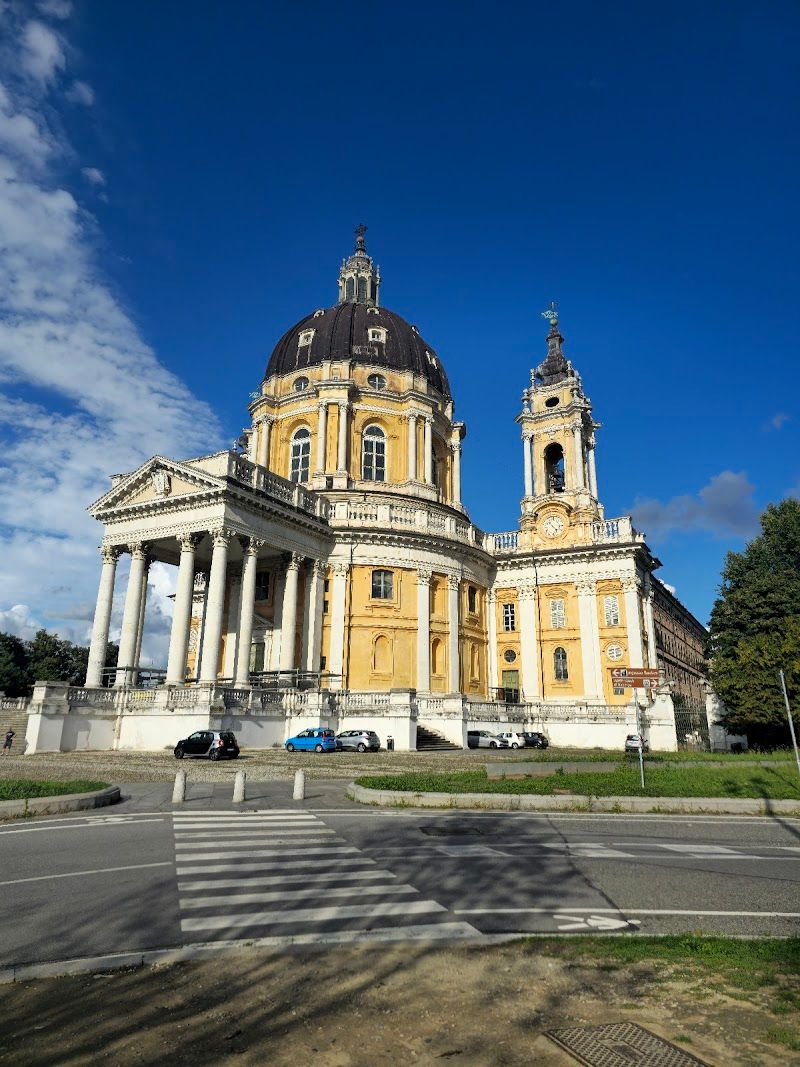
This hilltop Baroque basilica sits 672 meters above Turin, designed by master architect Filippo Juvarra in the 1710s as the Savoy royal family's mausoleum. You'll explore the ornate church interior with its soaring dome, then descend to the crypts where Italian royalty lies buried in marble sarcophagi. The real draw is the panoramic terrace: on clear days you can see the entire Alps arc from Monte Rosa to the Maritime Alps, with Turin's grid spread out below like a map. The historic rack tramway from Sassi takes 20 minutes, climbing through vineyards and forests while the city shrinks behind you. Inside the basilica, the atmosphere shifts from tourist chatter to reverent quiet as you enter the royal tombs. Behind the building, a simple memorial plaque marks where the Grande Torino football team died in 1949 when their plane crashed into the hillside. The contrast between the opulent royal burial chambers and this modest sports memorial feels uniquely Italian. Most visitors rush through the basilica in 30 minutes, but you need at least two hours to appreciate both the architecture and views properly. The tram costs €4 each way, though driving up saves money if you're in a group. Skip the overpriced cafe on site and bring snacks. The basilica interior closes for Mass on Sunday mornings, but the views remain accessible. Weather makes or breaks this trip: on hazy days you'll see nothing but gray soup where the Alps should be.
Palazzo Madama
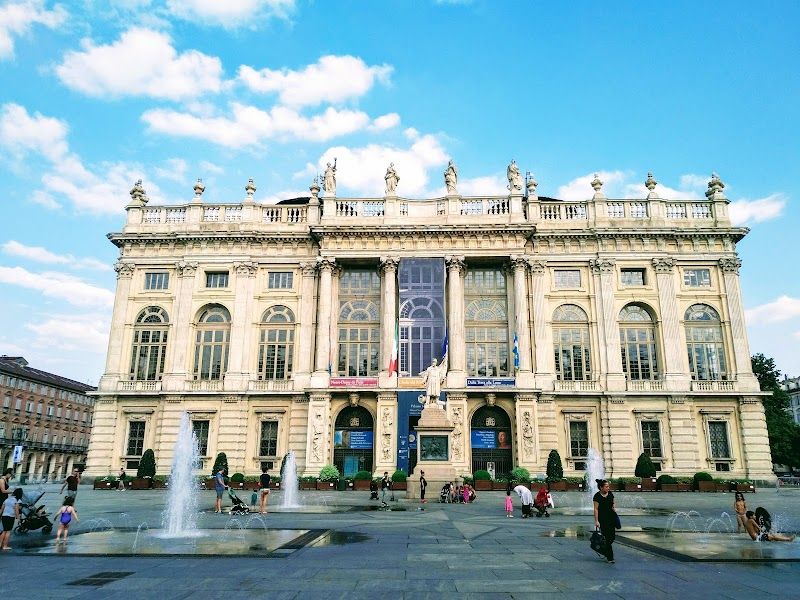
Palazzo Madama stands as Turin's most architecturally schizophrenic building, with a soaring Baroque facade by Juvarra grafted onto a medieval castle that itself was built over Roman gates. Inside, the Museo Civico d'Arte Antica houses Italy's finest collection of decorative arts: think intricate ivory carvings, medieval manuscripts, and enough ornate furniture to fill a dozen palaces. The real prize is the rooftop terrace, which delivers knockout views across Piazza Castello to the Alps when the weather cooperates. You'll start in Juvarra's magnificent marble staircase, easily the most photographed spot here, before wandering through rooms that feel more like a collector's private home than a sterile museum. The medieval sections retain their fortress atmosphere with thick stone walls and narrow windows, while the Baroque rooms practically drip with gilt and crystal. The contrast is jarring and fascinating, like touring two completely different buildings that happen to share the same address. Most guides oversell the art collection, honestly it's good but not spectacular unless you're particularly into decorative arts. The combined ticket with Palazzo Reale costs €15 versus €10 for Madama alone, worth it if you're doing both. Skip the audio guide and head straight to the terrace first, then work your way down. Many visitors miss the medieval foundations in the basement, which are actually more atmospheric than half the fancy rooms upstairs.
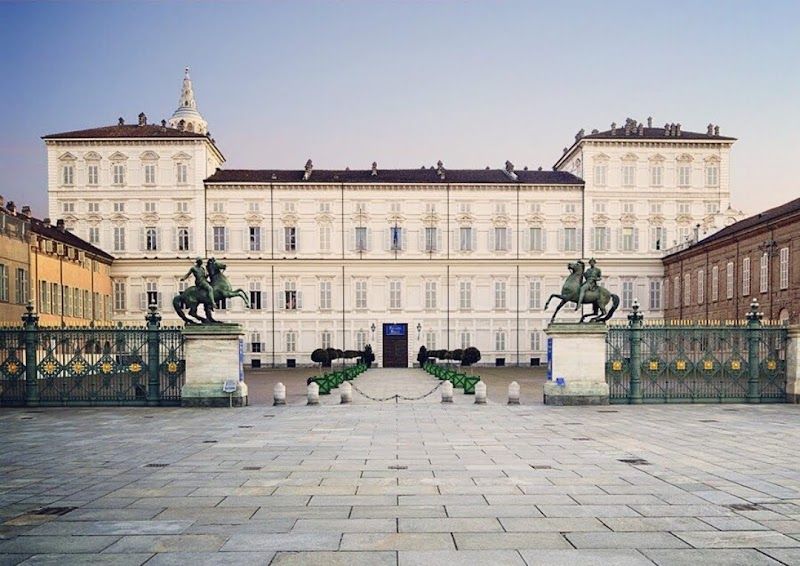
Palazzo Reale di Torino (Royal Palace) and Piazza Castello
The Royal Palace (Palazzo Reale) is the principal residence of the House of Savoy, the dynasty that ruled Piedmont for seven centuries and became the royal family of unified Italy in 1861. The building faces Piazza Castello from the north, with the main facade on the piazza side. The state apartments (EUR 15) are a procession of over-furnished rooms with Gobelin tapestries, Meissen porcelain, and gilded everything: the standard Baroque royal interior amplified by Savoy wealth and the need to impress visiting monarchs. The Armory (included) has one of the most complete collections of ceremonial arms and armour in Europe. The Chapel of the Holy Shroud (the Cappella della Sindone) is accessed from the palace: the Shroud of Turin is kept here, in a silver casket inside the chapel designed by Guarino Guarini (1668-1694), one of the most spatially complex Baroque interiors in Italy. The Shroud is almost never on public display. The chapel can be visited regardless. Piazza Castello itself is the ceremonial heart of Turin: the Palazzo Madama (medieval castle with Baroque facade, EUR 10, the rooftop terrace view), Palazzo Chiablese, and the Teatro Regio (Turin's opera house) all face the square.
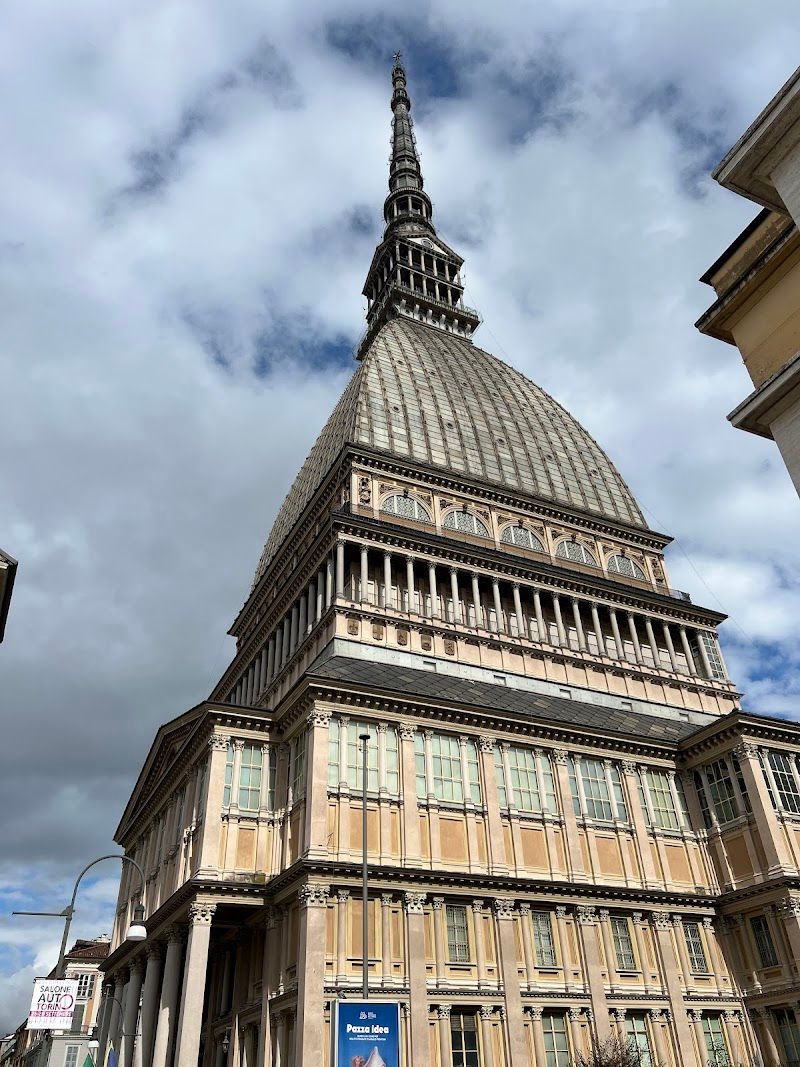
Mole Antonelliana and National Cinema Museum
Turin's strangest architectural story stands 167 meters tall in the city center: the Mole Antonelliana started as a synagogue in 1863, bankrupted the Jewish community who commissioned it, got abandoned mid-construction, then became the city's accidental monument. Today it houses Europe's most creative cinema museum, where you'll explore film history through immersive installations rather than boring chronological displays. The horror cave genuinely startles, the 1930s monster movie room captures Hollywood's golden age perfectly, and the melodrama chapel feels like stepping into a soap opera set. You enter through the base and spiral upward through themed rooms that feel more like theater sets than traditional museum spaces. The installations use original equipment: zoetropes from the 1830s, Lumière brothers' projectors, and contemporary digital displays that respond to your movement. The building's soaring interior amplifies every sound, creating an almost cathedral-like atmosphere that makes the film artifacts feel sacred. The glass panoramic lift shoots through the tower's center to the 85-meter viewing platform, offering Alpine views that extend to Mont Blanc on clear days. Most visitors rush through to reach the lift, but the museum deserves the full two hours even if you're not a film buff. Skip the gift shop (overpriced movie posters) and invest the EUR 8 extra for the lift: the view justifies the cost and the ride itself is thrilling. The EUR 15 museum entry feels steep until you experience how thoughtfully everything's designed. Closed Mondays, and weekend mornings are surprisingly quiet compared to afternoons.
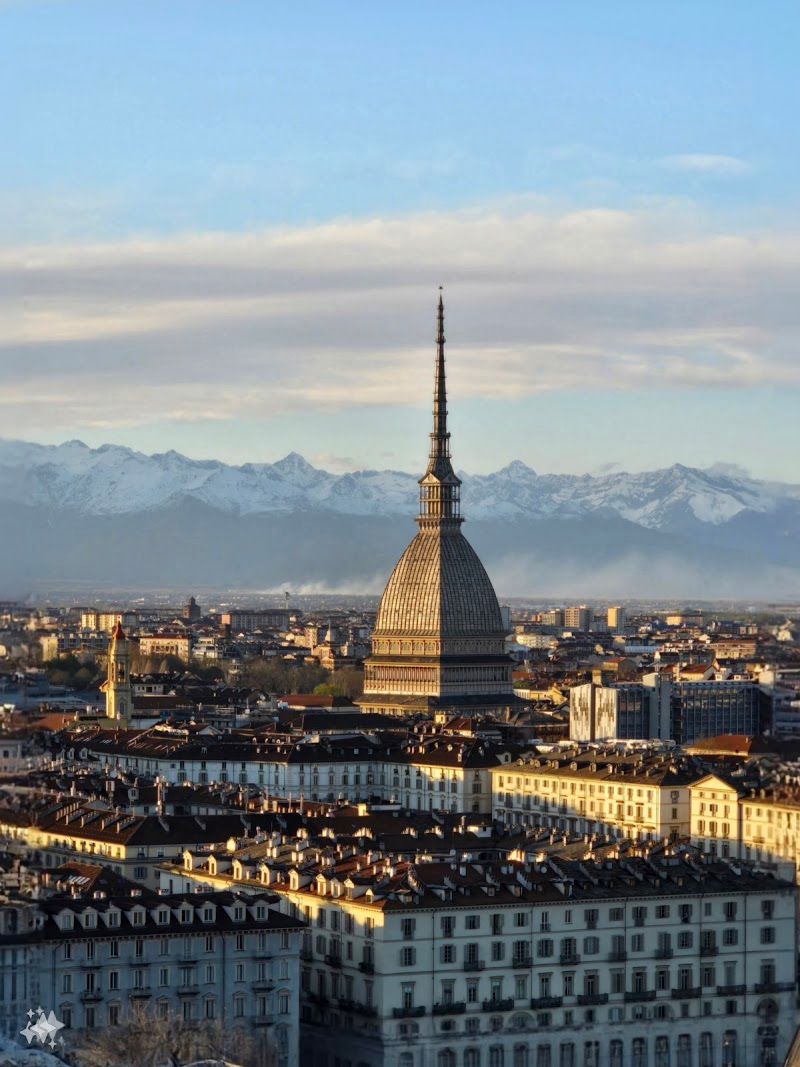
Chiesa di Santa Maria del Monte dei Cappuccini
Take the stone stairway from Via Giovanni Giolitti instead of the main road approach; it's more atmospheric and gives you better glimpses of the view as you climb. Most people crowd the main terrace, but walk around to the left side of the church building for views with fewer people blocking your shots. The small parking area fills up completely by 4 pm on clear days, so either come early morning or use the riverside parking along Lungo Po and walk up.
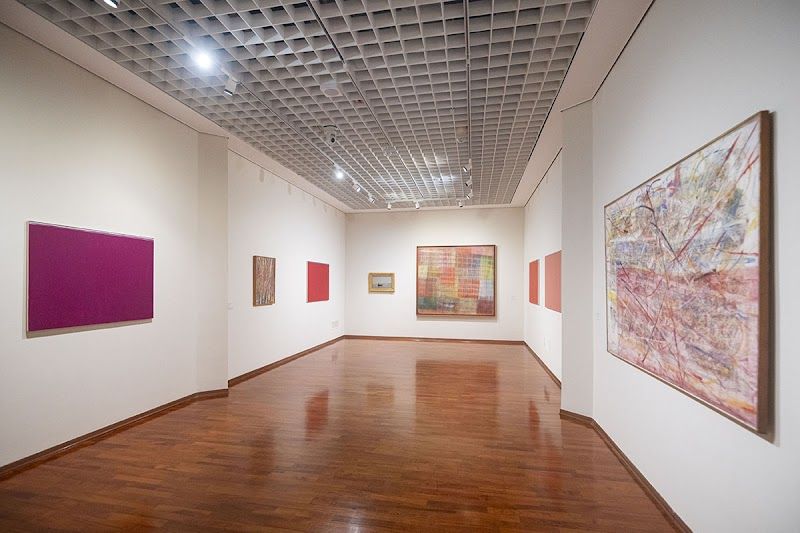
GAM - Galleria Civica d'Arte Moderna e Contemporanea
GAM houses Italy's finest collection of modern and contemporary art in a 1895 neoclassical palace that resembles a Parisian mansion more than a typical museum. You'll find Europe's best Futurist collection here, with explosive works by Balla and Boccioni that practically vibrate off the walls, plus exceptional pieces by Modigliani, de Chirico, and Fontana. The 45,000 works span from 19th-century Romanticism through cutting-edge Arte Povera installations, making this the definitive journey through Italian modernism. The experience flows well across three floors, starting with 19th-century salons on the ground level before ascending to modernist galleries. The second floor Futurist rooms feel electric, while the contemporary installations on the third floor provide breathing space and conceptual depth. The top-floor video art room creates an almost meditative atmosphere, and the sculpture garden out back offers a peaceful contrast to the intensity inside. Most visitors rush through the contemporary floors to reach the famous names, but you're missing the point. The lesser-known Arte Povera works upstairs are often more rewarding than the predictable Modigliani pieces. Entry costs €10 (€8 reduced), and Tuesday evenings until 22:00 offer the best experience with fewer tour groups and dramatic evening lighting. It is suggested to skip the audio guide at €5, the wall texts in English are excellent.
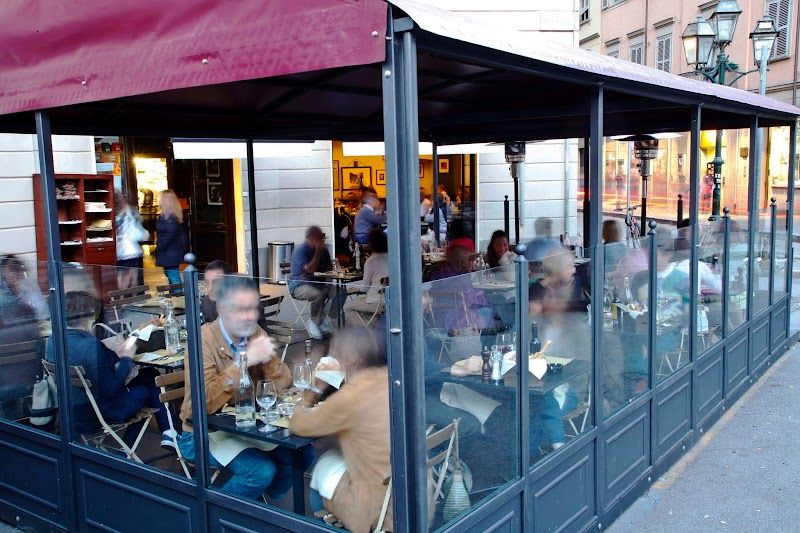
Scannabue Caffè Restaurant
A historic restaurant in an 18th century palazzo known for its bagna cauda in winter and tajarin with butter and sage year-round. The dining room has frescoed ceilings and chandeliers, but the atmosphere stays relaxed rather than stuffy. Their brasato al Barolo is cooked for six hours and falls apart at the touch of a fork.
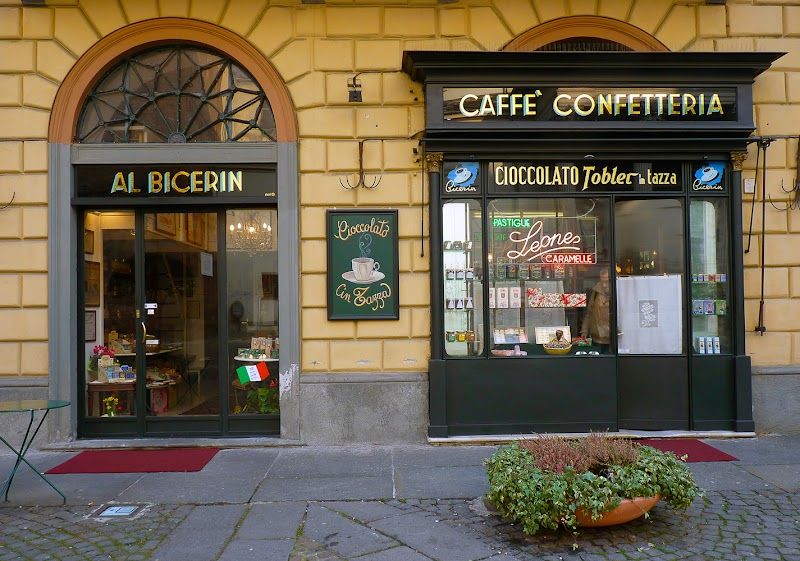
Caffè Al Bicerin
The bicerin is the signature drink of Turin: a layered glass of espresso, drinking chocolate, and whipped cream. It was invented in the 18th century at Caffè Al Bicerin, and the same café has been serving it from the same address (Via della Consolata, across from the church of the same name) since 1763. The drink is served in a small glass, the layers visible through the side: a base of thick dark chocolate, espresso poured over it, a cap of cream. You do not stir it: you drink it in layers. Gianduja was invented in Turin in 1852, the hazelnut-chocolate mixture that eventually became Nutella (Ferrero is a Piedmontese company from Alba, 60 km south). The city has chocolate heritage that runs deeper than any tourist attraction: the best serious chocolatiers (Guido Gobino, Peyrano, Stratta) are workshops where you can watch production and buy directly. The bicerin at Al Bicerin costs EUR 5-7. The café itself is small (about 10 tables) and atmospheric: unchanged for 260 years, mirrors, marble tables, the same recipe. Alexander Dumas, Cavour, Nietzsche, and Puccini are all documented as having come here.
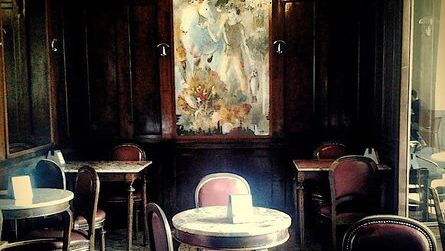
Caffè Elena
One of the best aperitivo spots in Turin, serving elaborate buffets that include pasta dishes, vegetable preparations, and quality charcuterie alongside your EUR 10 drink. The Belle Époque interior has original stucco work and mirrored walls. Popular with university professors and well-dressed locals in their 30s and 40s.
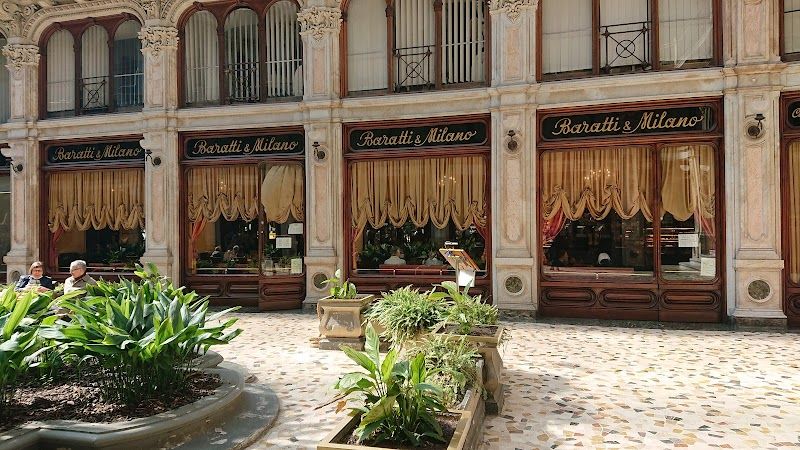
Baratti & Milano
Founded in 1858, this Belle Époque gem serves the finest hot chocolate in Turin (EUR 6.50), thick enough to coat a spoon. The Art Nouveau interior features carved wood paneling, frescoed ceilings, and display cases filled with handmade gianduiotti chocolates. Nietzsche was a regular patron during his Turin years.
Consorzio
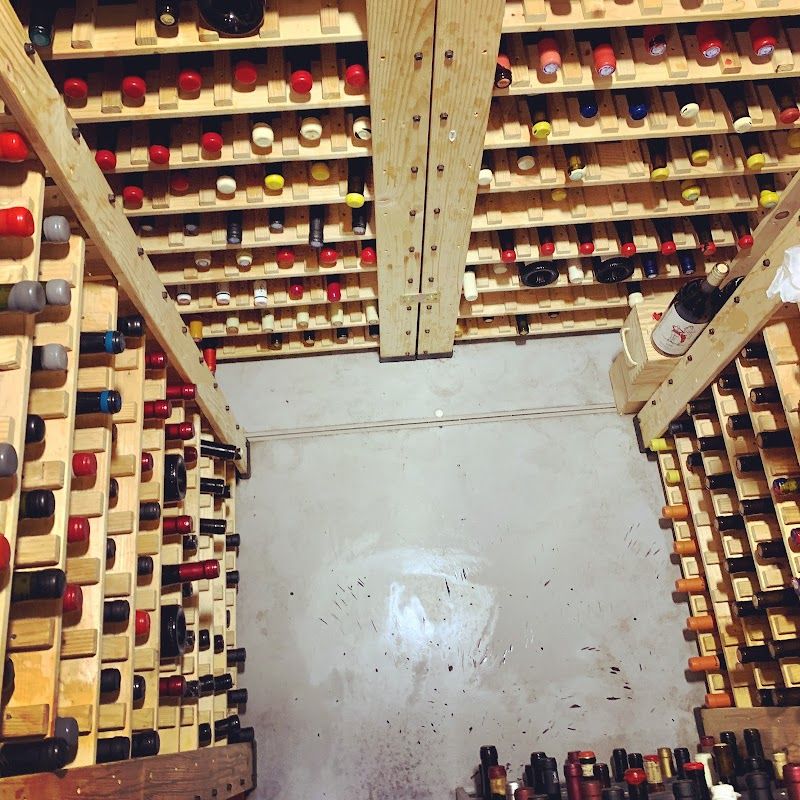
A cooperative restaurant run by a group of young producers and chefs serving strictly Piedmontese ingredients. The menu changes daily based on what arrives from member farms, with exceptional agnolotti del plin and a wine list focused on natural Piedmont wines. The dining room feels like eating in someone's well-appointed living room.
Somewhere Tours & Events
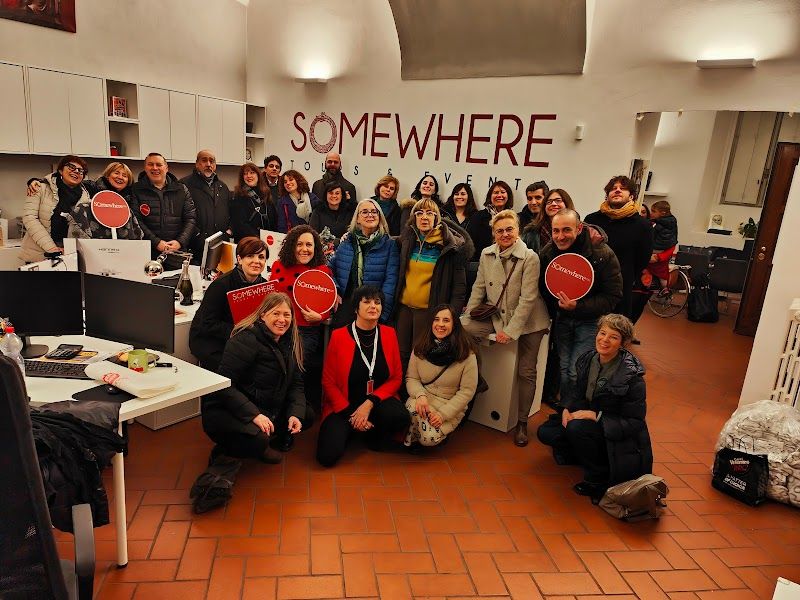
Somewhere Tours & Events runs the most thorough exploration of Turin's baroque transformation, when the Savoy royals essentially rebuilt their capital to rival Paris in the 17th and 18th centuries. You'll walk the entire length of Via Roma's elegant arcades, learning how architects like Filippo Juvarra created those perfectly symmetrical facades and unified porticoes that earned UNESCO protection. The tour connects all four major royal squares: San Carlo, Castello, Carlo Felice, and Carlo Alberto, explaining the political symbolism behind each design. Your guide (usually an architecture student or local historian) keeps a steady pace under the covered walkways, stopping at key viewpoints where the baroque planning becomes obvious. The best moments happen in Piazza San Carlo, where you'll stand in the exact center to appreciate the mathematical precision of the surrounding buildings. The group size stays around 12 people, and the commentary focuses on urban planning rather than general history. You'll finish at Palazzo Reale's exterior, where the tour connects Turin's baroque ambitions to the broader European context. Most walking tours in Turin rush through these squares as quick photo stops, but this one actually explains why they matter architecturally. The 25 EUR price feels reasonable for two hours of detailed commentary, though the tour can drag if your guide gets too academic about building techniques. Skip this if you're only mildly interested in architecture, but it's perfect if you want to understand how royal urban planning actually works.
Cesarine: Cooking Class
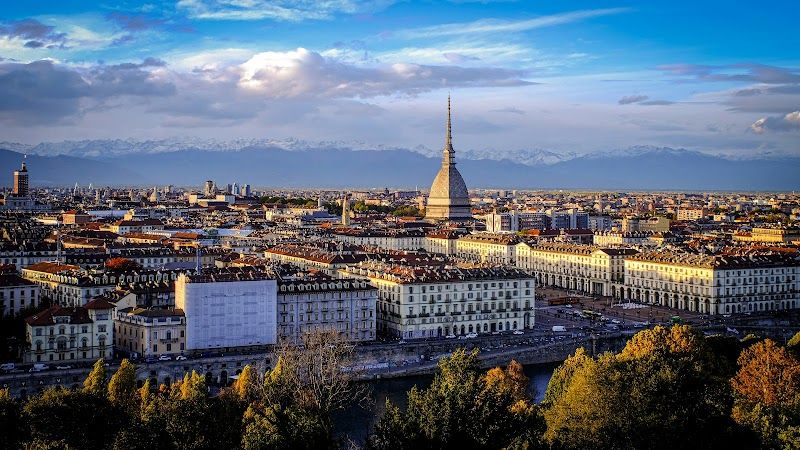
This isn't your typical tourist cooking class. You'll learn authentic Piedmontese dishes in a real home kitchen from passionate cooks who've been making these recipes for decades. The focus is on agnolotti del plin, those delicate hand-pinched pasta parcels that originated right here in Turin, plus vitello tonnato, the region's surprisingly addictive cold veal with tuna sauce. These aren't simplified versions for tourists: you'll master the proper techniques that local families guard jealously. Your host greets you in their actual home, usually a cozy apartment kitchen where three generations have cooked these same dishes. You'll work side by side rolling paper-thin pasta, learning the specific pinching technique that creates agnolotti's signature pleated edge. The atmosphere is intimate and genuinely warm, more like visiting Italian relatives than attending a formal class. The real magic happens during lunch when you sit at the family table, tasting your creations with carefully chosen local wines. Most cooking classes in Turin are overpriced tourist traps, but Cesarine delivers authenticity. Expect to pay around 120-150 EUR per person, which includes ingredients, wine, and the full meal. The hosts vary wildly in English ability, so brush up on basic Italian food vocabulary. Skip the classes in central locations, they're often the most touristy. The best hosts are usually in residential neighborhoods where you'll see how real Torinesi live.
Juventus Museum
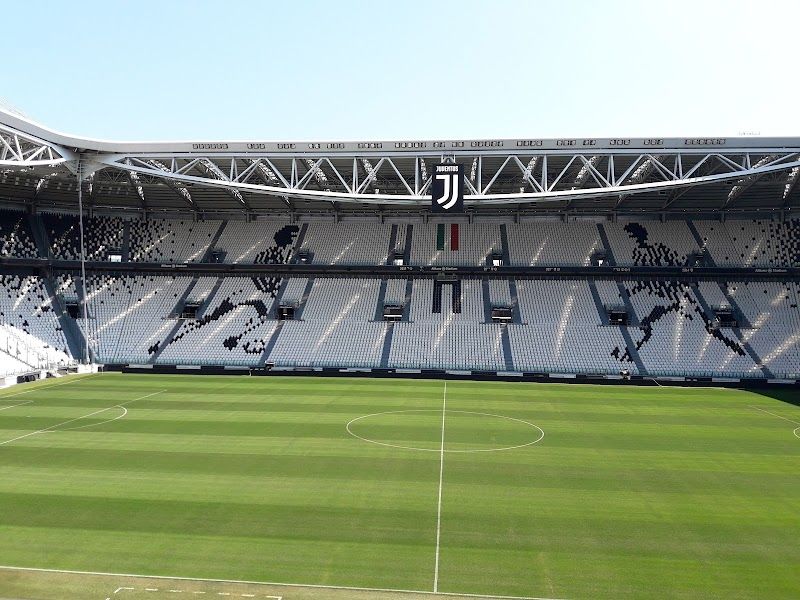
The Juventus Museum sits inside the Allianz Stadium and combines a trophy-packed museum with behind-the-scenes stadium access that gets you onto the actual pitch. You'll walk through the players' tunnel, sit in the same locker room where legends like Del Piero suited up, and stand pitch-side where 41,000 fans roar on match days. The museum section displays over a century of silverware, including their numerous Serie A titles and Champions League trophies, with interactive displays that let you relive historic goals and moments. The experience flows from museum to stadium, starting with trophy cases and moving into the bowels of the stadium itself. Standing in the tunnel before emerging onto the pitch gives you genuine goosebumps, especially when you realize this is exactly what Buffon saw before every home match. The locker room feels surprisingly intimate, and the press room where coaches face the media after victories and defeats adds authentic atmosphere. The museum portion can feel a bit corporate, but once you're walking through player areas, the magic kicks in. Most guides don't mention that tickets cost €15 for adults, which is reasonable for what you get. Skip the overpriced audio guide (€5 extra) since the displays have English descriptions. The gift shop prices are predictably inflated, but if you're buying a jersey anyway, the selection here beats most sports stores in central Turin. Book online to guarantee your preferred time slot, especially during football season when tours fill up quickly.
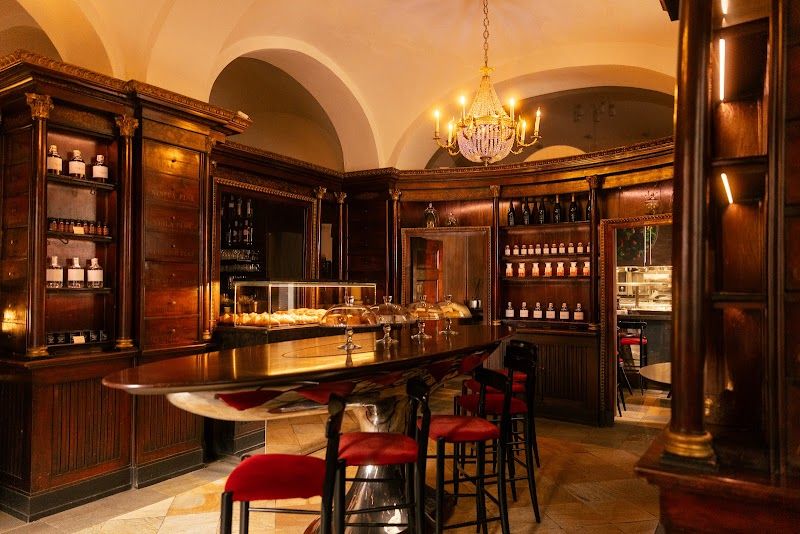
Farmacia del Cambio
An aperitivo bar in a former pharmacy with original 1920s cabinets and glass jars lining the walls. The cocktails use house-made infusions and bitters, and the aperitivo spread includes creative small bites rather than the standard chips and focaccia. The bartenders wear white lab coats as a nod to the pharmaceutical past.
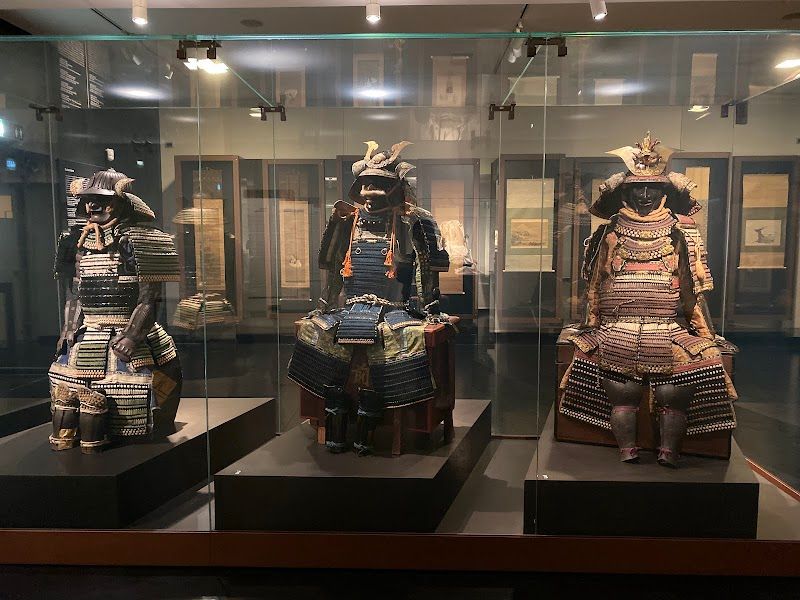
MAO Museo d'Arte Orientale
MAO possesses one of Europe's most impressive Asian art collections inside a beautifully restored 17th century palazzo that feels more intimate than overwhelming. You'll encounter genuine treasures here: 2,000-year-old Gandharan Buddhist sculptures that blend Greek and Indian influences, an exceptional collection of Japanese woodblock prints including works by Hokusai, and Chinese ceramics spanning multiple dynasties. The thematic organization lets you delve deep into specific cultures rather than getting a superficial overview. The experience unfolds across four floors of the Palazzo Mazzonis, where original baroque details frame display cases of ancient artifacts. Each floor focuses on different regions: South Asia's stone sculptures feel monumental in the palazzo's high-ceilinged rooms, while delicate Japanese prints are perfectly lit in smaller galleries. The building itself becomes part of the experience, with original frescoes creating an unexpected dialogue between European and Asian aesthetics. You'll often have entire rooms to yourself, making this feel like a private collection. Most guides don't mention that MAO punches way above its weight internationally but remains blissfully uncrowded because tourists flock to the Egyptian Museum instead. Skip the Islamic collection on the ground floor unless you're specifically interested, it's the weakest section. Focus your time on the second floor's Gandharan sculptures and third floor's Japanese prints. Entry costs €10 but it's free on the first Tuesday of each month if you're under 25.
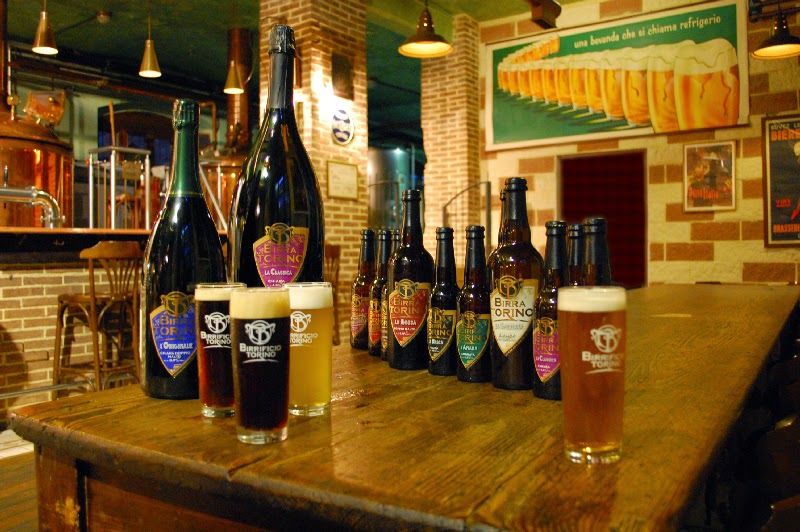
Birrificio Torino
Craft brewery and taproom in Vanchiglia producing artisanal beers with a focus on traditional Italian ingredients and innovative brewing techniques. The industrial-chic space features a rotating selection of house-brewed beers and light food menu.
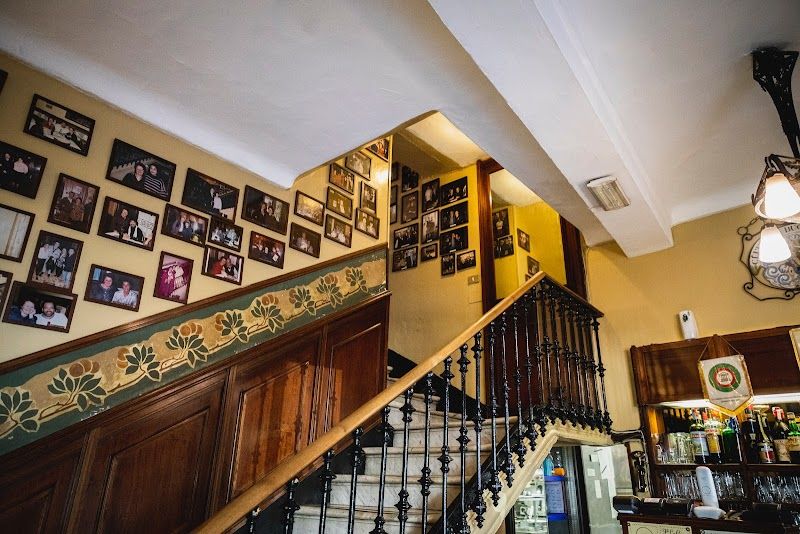
Porto di Savona
A no-reservations trattoria that has been serving the same menu of Piedmontese classics since 1863. The gnocchi al castelmagno on Thursdays draws a dedicated following, and the house wine is poured from large glass demijohns. Expect to wait in line at dinner, but turnover is quick.
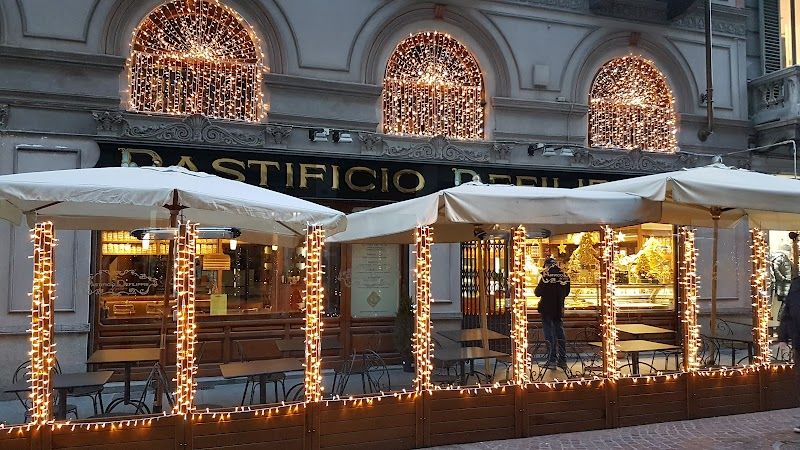
Pastificio Defilippis
A former pasta factory converted into a restaurant where you can watch fresh pasta being made through a glass wall. The focus is on filled pastas, especially agnolotti del plin with various seasonal fillings, served in simple preparations that let the pasta quality shine. The industrial-chic space has communal tables and gets busy with a young crowd.
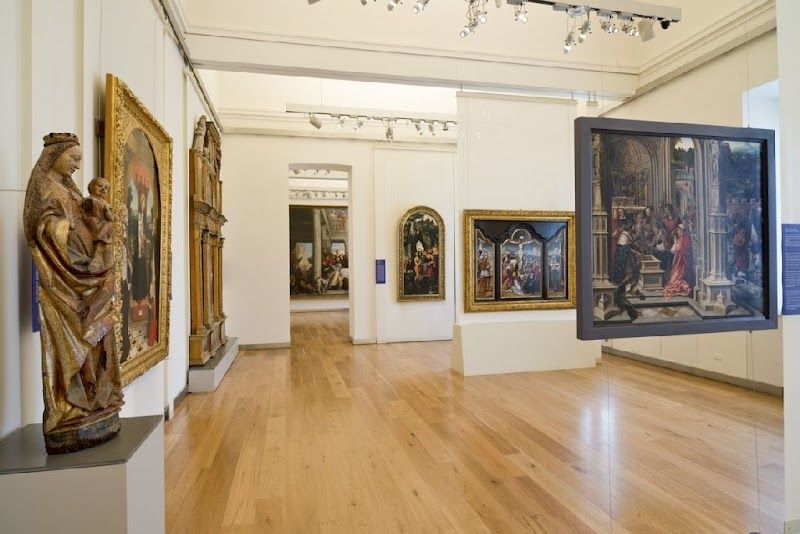
Armeria Reale
The Armeria Reale houses one of Europe's most complete collections of ceremonial weapons and armor, spanning four centuries of military craftsmanship from the 15th to 19th centuries. You'll find everything from complete suits of knightly armor to intricately decorated firearms, plus an exceptional sword collection that includes pieces crafted by master artisans for European royalty. The collection includes armor worn by Charles V and ornate parade weapons that were never meant for battle but rather to display power and wealth. The gallery flows through several interconnected rooms within the Royal Palace complex, each focusing on different periods and weapon types. The atmosphere feels surprisingly intimate for such an extensive collection, with dramatic lighting that makes the polished steel and intricate engravings pop. You'll move from medieval suits of armor that tower over you to delicate Renaissance daggers with handles carved from precious materials. The Beaumont Gallery contains the most spectacular pieces, including ceremonial swords with hilts decorated in gold and precious stones. Most visitors rush through in 30 minutes, which is a mistake since this collection deserves at least 90 minutes to appreciate properly. Entry costs €15 as part of the combined Palazzo Reale ticket, making it excellent value compared to standalone armor museums elsewhere in Europe. Skip the early rooms with basic medieval pieces and head straight to the Beaumont Gallery for the showstoppers, then work backwards if you have time.
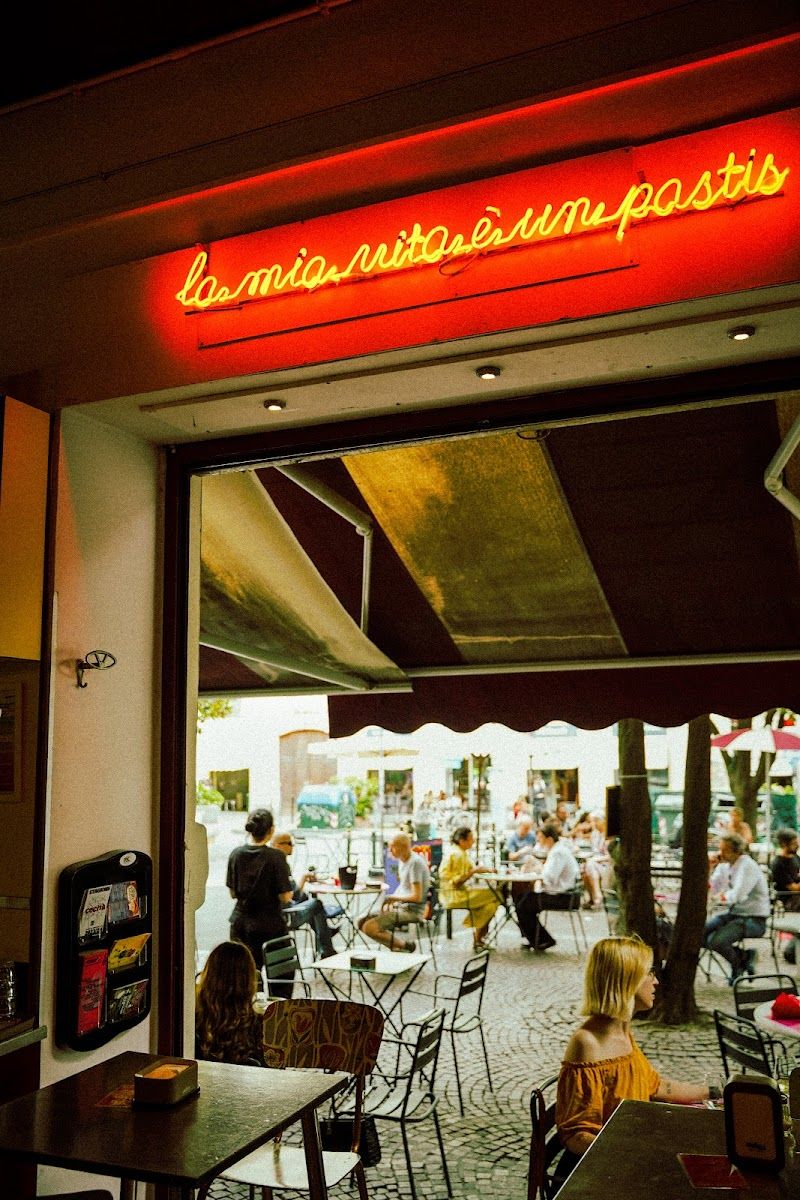
Pastis
The best aperitivo spread in Quadrilatero Romano, where EUR 10 cocktails come with an abundant buffet of house-made focaccia, cured meats, aged cheeses, roasted vegetables, and proper pasta dishes. The intimate brick-vaulted space fills with a local crowd who come for the food as much as the drinks. Try their house Negroni made with Carpano Antica vermouth.
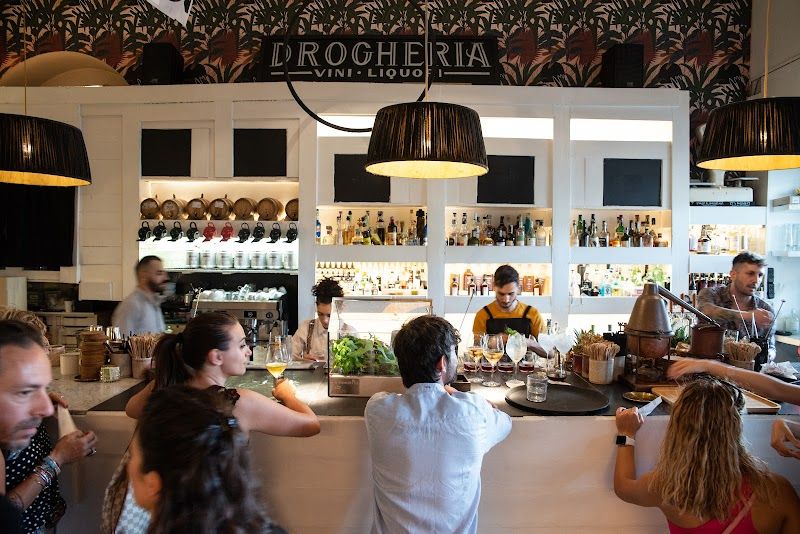
La Drogheria
Historic neighborhood trattoria serving authentic Piedmontese cuisine in a warm, intimate setting. The restaurant is renowned for its handmade tajarin pasta and traditional agnolotti del plin, prepared following generations-old recipes.
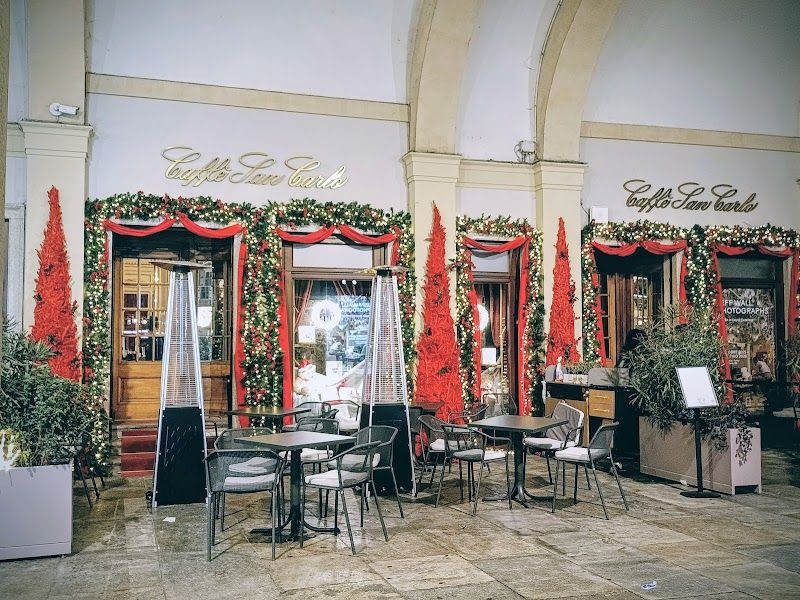
Caffè San Carlo
Turin's most prestigious historic café opened in 1822, featuring a neoclassical interior with gilded mirrors, crystal chandeliers, and marble-topped tables. This was the gathering place for Cavour and Risorgimento leaders plotting Italian unification. Order a bicerin or vermouth Punt e Mes with soda (EUR 9) at the bar, or sit beneath the frescoed ceilings.
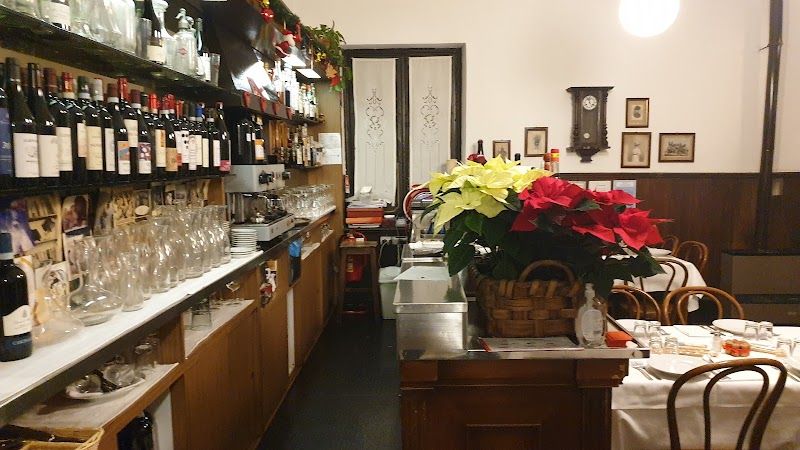
Osteria Antiche Sere
A neighborhood osteria in a former carpenter's workshop serving creative takes on Piedmontese dishes. The chef plays with traditional recipes while respecting their essence, like agnolotti stuffed with Jerusalem artichokes or brasato made with Freisa wine instead of Barolo. The brick-vaulted space has exposed beams and mismatched chairs.
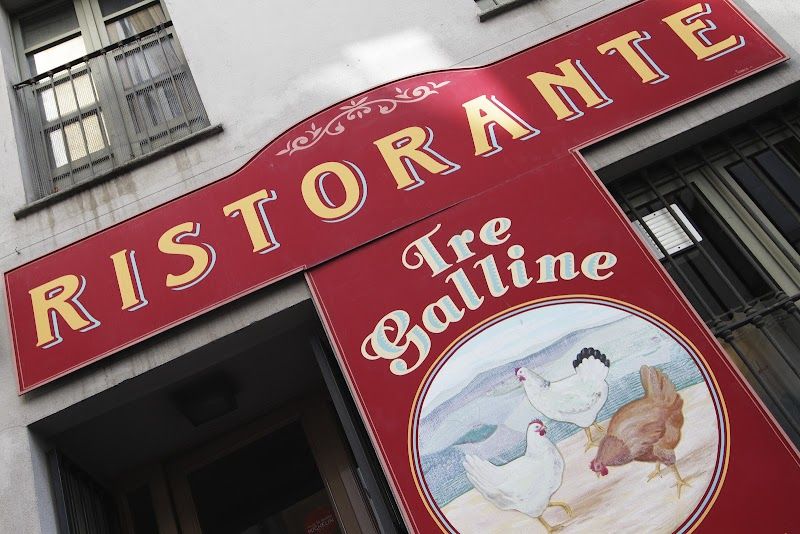
Tre Galline
Operating since 1783, this restaurant serves refined Piedmontese cuisine in a series of cozy rooms with vaulted brick ceilings. The menu includes all the classics done properly, from vitello tonnato to finanziera, a rich organ meat stew. The wine cellar has over 400 Piedmont labels.
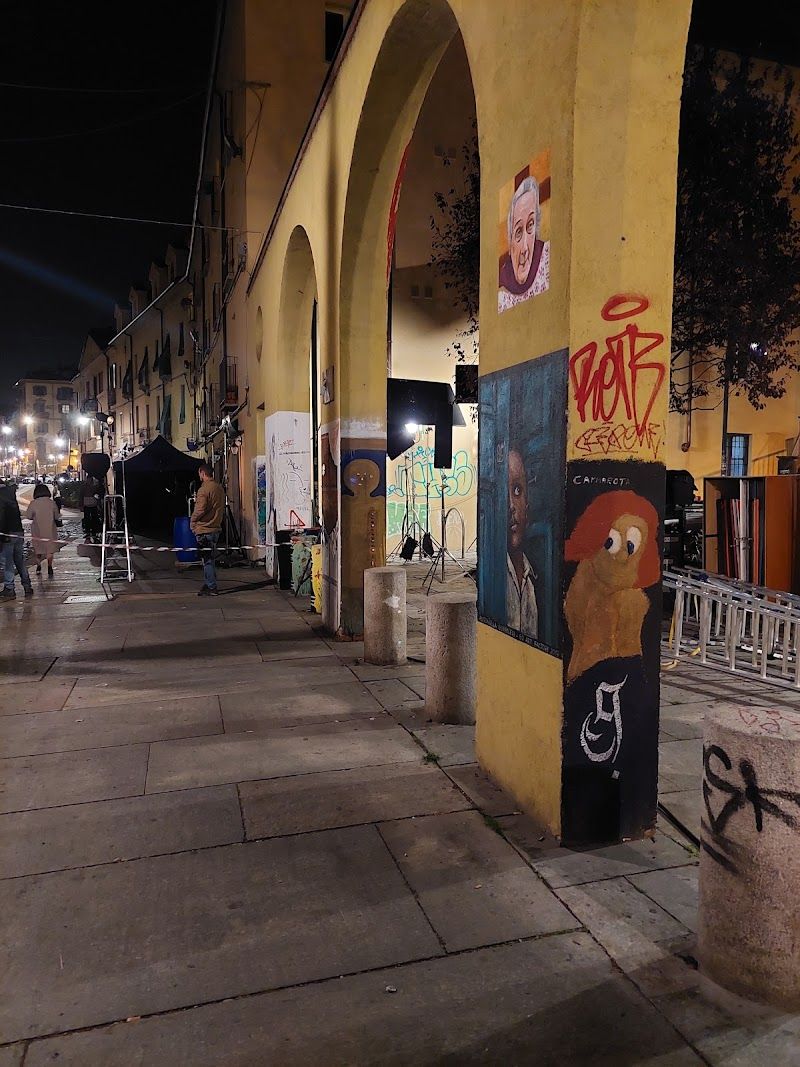
Trattoria Valenza
A no-frills family trattoria serving generous portions of classic Piedmontese dishes since 1982. The vitello tonnato here is legendary among locals, and the fritto misto piemontese includes sweet semolina fritters alongside the savoury elements. Expect paper tablecloths, brusque service, and workers from nearby offices at lunch.
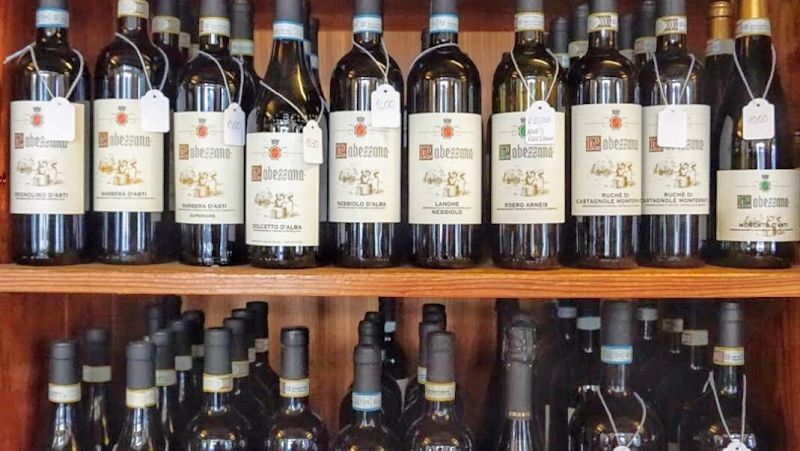
Enoteca Rabezzana
A serious natural wine bar with floor-to-ceiling shelves stocked with exceptional Langhe wines, including a rotating selection of 40 Barolo and Barbaresco labels by the glass (Barolo EUR 10-14, Barbera EUR 6-8). The sommelier will guide you through small producers and pair wines with excellent salumi and cheese boards sourced from Piedmont.
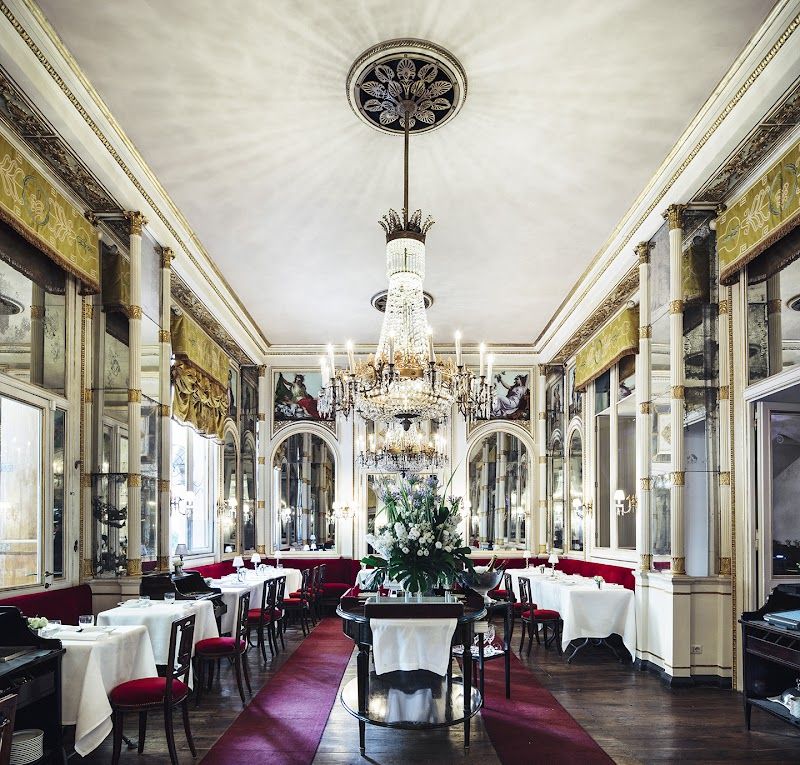
Ristorante del Cambio
A Michelin-starred restaurant in a 19th century palazzo where Cavour had his regular table. The dining room has gilded mirrors, crystal chandeliers, and red velvet banquettes, and the menu reinterprets Piedmontese classics with modern technique. The EUR 90 tasting menu includes truffle supplements in season.
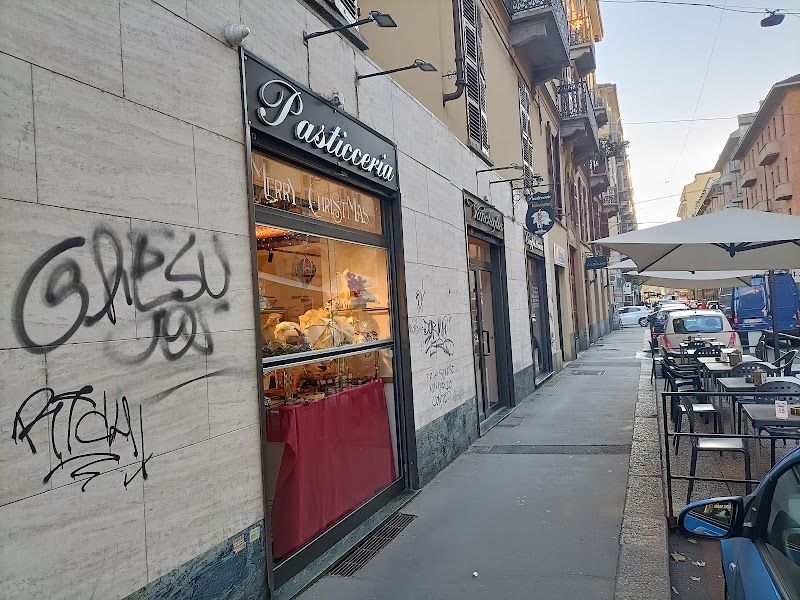
Caffè Vanchiglia
Cozy neighborhood café in the heart of Vanchiglia, known for its excellent coffee and relaxed bohemian atmosphere. Popular with locals for breakfast, aperitivo, and weekend brunch with a creative menu featuring seasonal ingredients.
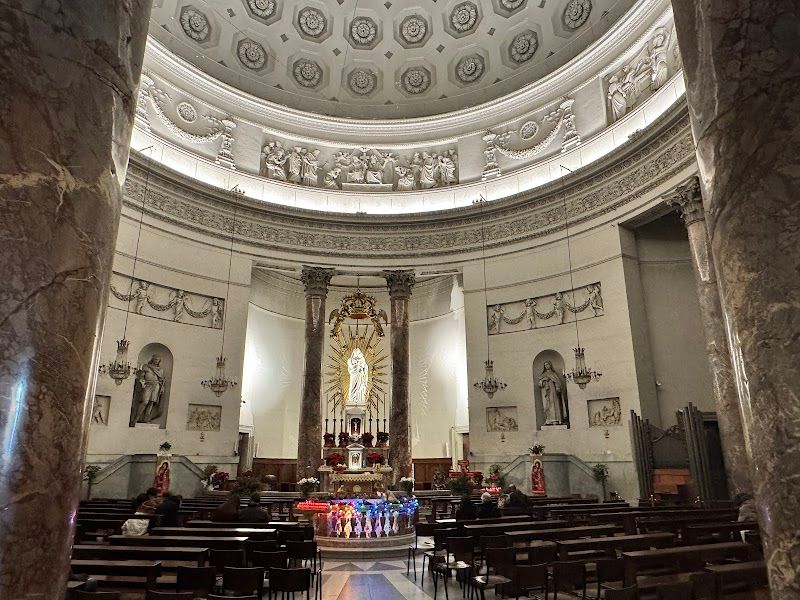
Gran Madre di Dio
Gran Madre di Dio stands like a Roman temple transplanted to Turin's riverbank, its circular colonnade and classical dome deliberately echoing the Pantheon. You'll climb a dramatic staircase flanked by two allegorical statues (Faith holding a chalice, Religion with a cross) that have spawned decades of Holy Grail conspiracy theories among locals. The church itself, built in 1831 to celebrate the return of the Savoy monarchy, offers surprisingly intimate interiors behind its imposing neoclassical facade. The approach is everything here: you cross Ponte Vittorio Emanuele I and immediately see the church rising above you on its elevated piazza. The wide steps create natural gathering spots where locals sit with espresso, while tourists pause to catch their breath. Inside, the circular nave feels unexpectedly cozy compared to Turin's Gothic cathedrals, with warm marble and soft light filtering through the dome. The real drama happens outside, where the statues seem to guard secrets and the river flows past below. Most guides oversell the interior, which you can see in 10 minutes. The exterior and staircase views are the real draw, especially early morning when light hits the colonnade perfectly. Skip paying for postcards at the souvenir stands near the base: they're overpriced at 2 EUR each. The Grail legends are tourist nonsense, but the church's role as a Risorgimento monument gives it genuine historical weight that many visitors miss entirely.
Turin Chocolate and Aperitivo Tour
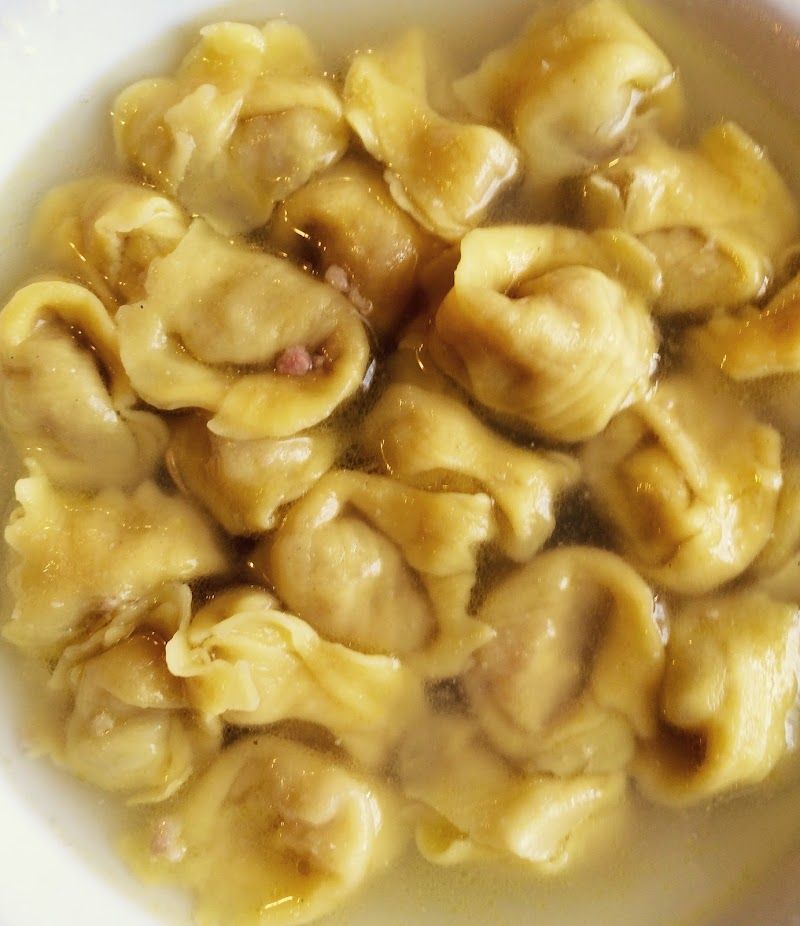
Turin invented the modern chocolate industry in the 19th century. The city had the technology (new grinding machines), the raw material (cacao from the Savoy colonies), and the chemistry talent to mix cacao paste with Piedmontese hazelnuts and create gianduja, the hazelnut chocolate that became the most replicated confection in the world. Ferrero is from Alba, 60 km south, and Nutella is the commercial descendant of gianduja. The serious chocolate tradition is in Turin's historic chocolate houses: Guido Gobino (the best, his Tourinot is the traditional gianduja shape, Via Lagrange), Baratti e Milano (historic patisserie on Piazza Castello, the hot chocolate is the city standard), Peyrano (the old-school house, the best dark chocolate). Turin also claims to have invented the aperitivo tradition: the combination of a vermouth-based drink and complimentary food that later became the spritz and the Negroni. A guided tour of chocolatiers and historic cafes runs EUR 35-55 per person for 2-3 hours.
Langhe Wine Region Day Trip
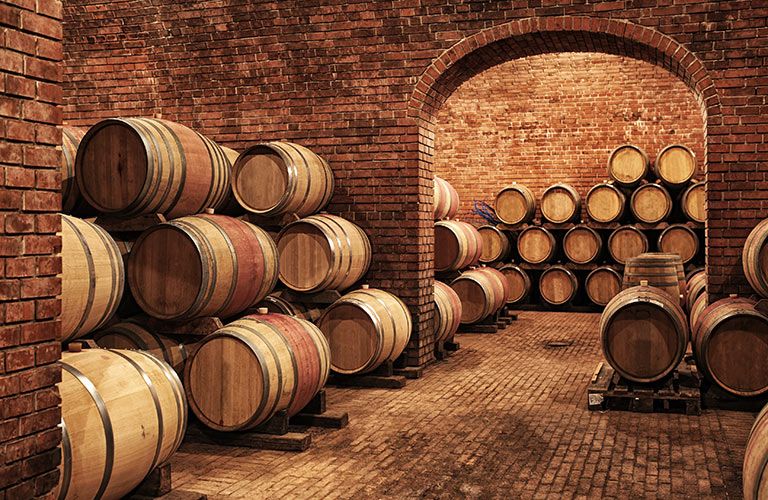
The Langhe is the wine and food landscape south of Turin, 1 hour away and UNESCO-listed since 2014. It produces Barolo (the king of Italian wine: Nebbiolo grape, minimum 3 years aging, EUR 20-60 for a good bottle at the producer, EUR 8-15 for a glass at an enoteca in the village), Barbaresco, Barbera, Dolcetto, Moscato d'Asti, and from October, the white truffles of Alba. The main towns are Barolo (the village the wine is named after, population 700, enoteca del Barolo on the castle square where you can taste 10 different producers by the glass), La Morra (the hilltop village with the best Langhe panorama), Castiglione Falletto, Alba (the truffle capital, the most practical base). The landscape is the Langhe described by Cesare Pavese: rounded hills covered in vine rows, small villages on the summits, fog in the valleys in autumn. Organised day trips from Turin EUR 80-120, or rent a car and drive south on the A6 to Asti and then into the hills. Self-driving means a designated driver.