Valencia
Ciutat Vella
The medieval core: the cathedral with its Holy Grail claim, the Gothic silk exchange, the 1,000-stall Modernisme market, and the medieval towers that still mark the old city gates.
About Ciutat Vella
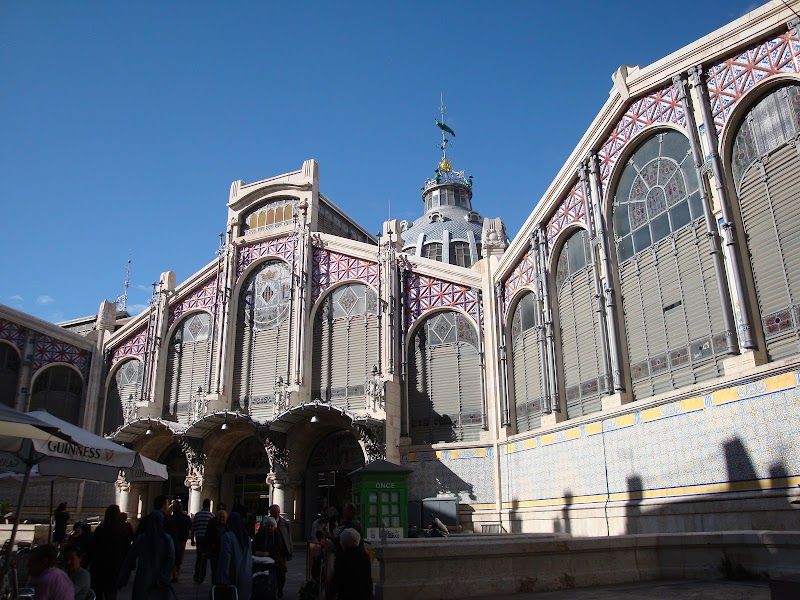
Ciutat Vella (Old Town) is the compact medieval core of Valencia where the density of good things to see per block is higher than anywhere else in the city. The Mercado Central (1,200 stalls, Modernisme building from 1928, open until 3 PM, go before noon) is the best starting point: eat at the stalls, drink fresh horchata, understand what is grown in the Valencia orchards. La Llotja de la Seda (EUR 2) is directly across the plaza and should be visited immediately after: the twisted spiral columns of the Gothic trading hall are the best secular Gothic architecture in Spain. The Cathedral (EUR 9) has the Holy Grail in its right transept and the Micalet tower (EUR 2) for the best view of the old town rooftops. The Torres de Serranos (EUR 2, the medieval gate at the north end of the old town) is the less-visited alternative viewpoint. The Barrio del Carmen, the oldest part of the city, has Roman and Moorish walls incorporated into apartment buildings and a street art scene that has developed over the last 15 years.
Things to Do
Top experiences in Ciutat Vella
Mercado Central Valencia
Mercado Central is Europe's largest fresh food market, housed in a stunning 1928 Modernist building with iron columns, ceramic tiles, and stained glass that casts colored light across 1,000+ stalls. You'll find everything Valencia's top chefs buy: glistening fish, jamón ibérico, citrus varieties that don't exist outside Spain, and the city's best fresh horchata. This isn't a tourist market, it's where locals actually shop, which means genuine quality and real prices. The moment you step inside, the scale hits you: soaring ceilings, endless aisles of produce, and vendors calling out prices in rapid Valencian. The central dome area feels almost cathedral-like, while the fish section near the back buzzes with serious buyers examining the daily catch. The horchata stall by the main entrance draws constant queues of locals getting their thick, fresh tiger nut drink with fartons for dipping. You'll hear more Spanish than English, which is exactly what you want. Most food tours bring groups here around 11am, making it crowded and less authentic. The real magic happens before 10am when chefs are selecting ingredients and vendors are at their chattiest. Skip the overpriced jamón near the entrances and head to the back corners where locals shop. The horchata costs EUR 2.50 to 3 and beats every restaurant version in the city. Don't bother after 2pm when half the stalls start closing early.
Torres de Serranos
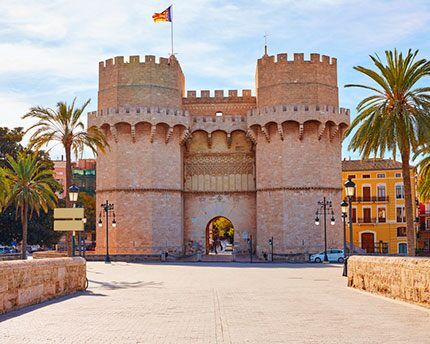
Torres de Serranos stands as Valencia's most impressive medieval gateway, a pair of 33-meter Gothic towers that once protected the northern entrance to the walled city. You'll climb narrow stone staircases inside the towers to reach the rooftop terrace, where you get the best panoramic view in all of Ciutat Vella. The vista stretches across red-tiled rooftops, church spires, and the green ribbon of the former Turia riverbed turned park. The climb takes you through small chambers that once housed guards and prisoners, with thick stone walls and narrow arrow slits that show how seriously Valencia took its defenses. The staircases are genuinely medieval: uneven, narrow, and steep enough to make you appreciate why attacking armies struggled. Once you reach the top, the cityscape opens up dramatically, and you can see clear across to the City of Arts and Sciences in the distance. Entry costs 2 EUR, but it's free on Sundays and holidays when locals pack the place. Most visitors rush straight up and miss the carved heraldic shields and Gothic details on the facade. The towers close at sunset, so don't arrive expecting a night view. Skip this if you're claustrophobic, the staircases are genuinely tight, and there's no elevator.
La Llotja de la Seda (Silk Exchange)
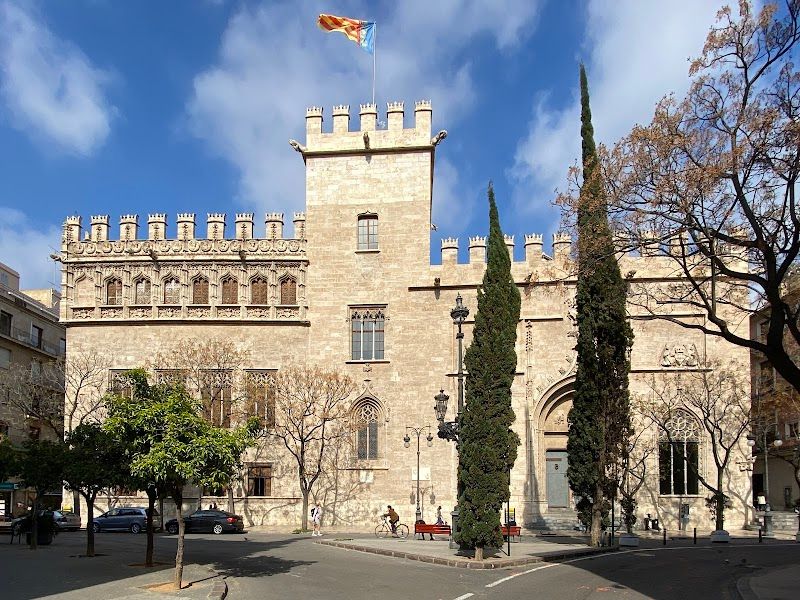
This 15th century silk trading hall showcases the most spectacular Gothic columns you'll see in Spain: nine twisted stone pillars that spiral 17 meters up to intricate fan vaulting. You're walking through Europe's best preserved medieval commercial exchange, where Valencia's silk merchants once conducted business that made this one of the continent's wealthiest cities. The main trading hall (Sala de Contratación) contains those famous twisted columns, while the Torre del Consulado houses the old merchant tribunal, and a peaceful Gothic courtyard with orange trees completes the complex. The moment you enter the main hall, those columns dominate everything. They look like massive stone ropes frozen mid-twist, and the narrow Gothic windows cast shifting shadows that make them appear to move as you walk around. The acoustics are remarkable: whisper at one column and someone across the hall can hear you clearly. The courtyard provides a quiet contrast with its geometric garden layout and the sound of water from the central well. Most visitors spend their time photographing the columns from every angle, and you should too. At €2, this is ridiculously good value for a UNESCO World Heritage site. Most people rush through in 20 minutes, but give yourself the full hour to appreciate how the light changes on those columns. The audio guide costs extra and isn't worth it: the visual impact speaks for itself. Skip the tower climb unless you're obsessed with medieval tribunals. Come right after visiting Mercado Central across the plaza, both represent Valencia's commercial heart perfectly.
Museo de Bellas Artes de Valencia
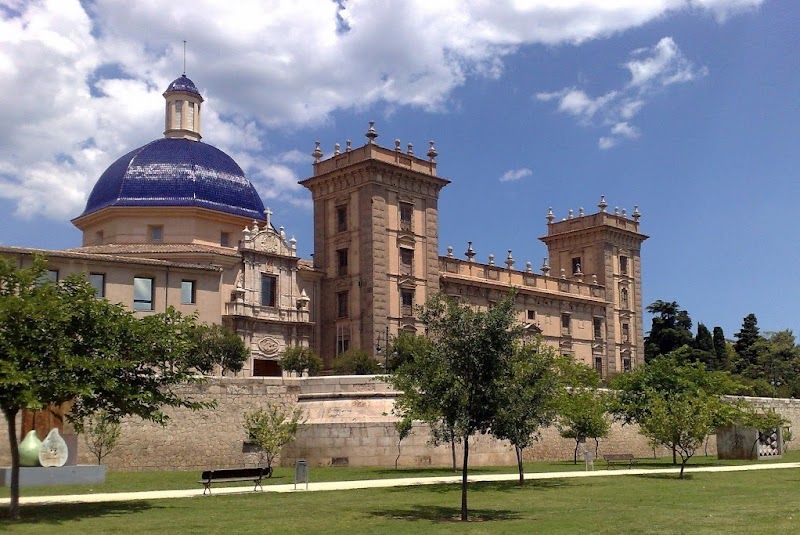
Valencia's fine arts museum houses Spain's finest collection of Valencian Gothic and Golden Age paintings in a beautifully converted 18th-century seminary. You'll find masterpieces by Joaquín Sorolla, whose beach scenes practically glow with Mediterranean light, plus religious works by Juan de Juanes that defined Spanish Renaissance painting. The collection spans six centuries, but the real treasures are the Valencian primitives from the 14th and 15th centuries, many displayed nowhere else in the world. The museum flows chronologically through elegant rooms with high ceilings and natural light that flatters the artwork perfectly. Sorolla's paintings occupy an entire upper floor room where his luminous seaside scenes make you feel the Valencia sun on your skin. The medieval religious paintings might seem repetitive at first, but look closer at the intricate details and rich colors that have survived centuries. The building itself adds atmosphere, with original stone archways and peaceful courtyards breaking up the galleries. Most guides don't mention that entry is completely free, making this one of Europe's best museum bargains. Skip the ground floor contemporary section unless you have extra time, it's forgettable compared to the historical masterpieces upstairs. The audio guide costs 3 EUR and actually adds value, especially for the context behind the Valencian primitives that most visitors walk past without understanding their significance.
Valencia Bikes
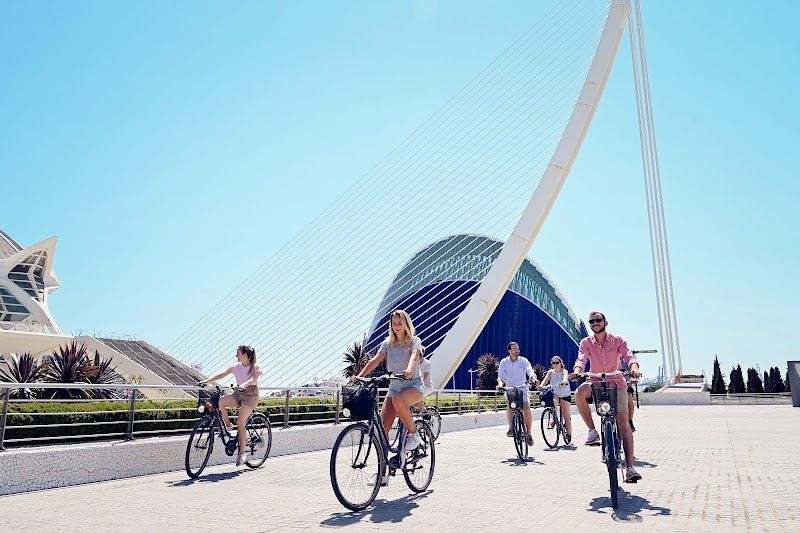
Valencia Bikes runs proper guided tours through the city's genuinely flat terrain, covering three distinct zones: the medieval old town with its cathedral and silk exchange, the converted Turia riverbed gardens, and the beachfront promenade. You'll cycle about 12 kilometers total on dedicated bike lanes and pedestrian areas, with frequent stops for photos and historical context. The guides actually know their stuff about Valencia's Roman origins, Islamic period, and modern transformation. The tour moves at a leisurely pace that works for most fitness levels, though you'll still feel like you're covering real ground. Starting in Ciutat Vella, you'll weave through narrow streets past the Central Market and Lonja before heading into the expansive Turia Gardens where the cycling gets more enjoyable. The final stretch along Malvarosa beach provides Mediterranean views and a chance to understand why Valencia works so well for cyclists. Groups stay around 12 people maximum, so it doesn't feel like a tourist parade. Most bike tour companies in Valencia are interchangeable, but these guys consistently deliver better commentary than average. Skip this if you're already comfortable cycling Valencia independently, the routes aren't particularly secret. Tours cost around 25 EUR and they provide decent hybrid bikes, though serious cyclists might find them sluggish. Book directly to avoid markup fees, and don't bother with the sunset option since you'll miss the architectural details in poor light.
L'Horta de València
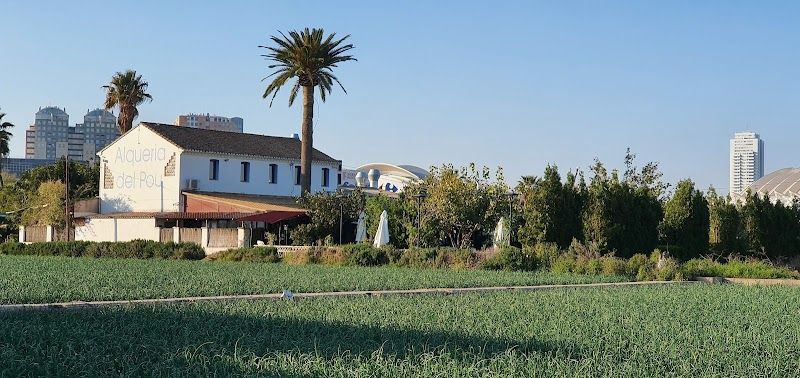
L'Horta de València is the 23,000-hectare agricultural belt that wraps around Valencia, where working farms and citrus groves still operate using a thousand-year-old irrigation system. You'll cycle past orange orchards heavy with fruit, vegetable plots worked by local farmers, and the historic acequias (irrigation canals) that channel water through geometric field patterns. The contrast is striking: one moment you're in urban Valencia, the next you're surrounded by farmland that looks unchanged since Moorish times. The experience feels like time travel on two wheels. You'll follow narrow paths between plots of artichokes, onions, and peppers, hearing only the sound of water flowing through ancient channels and birds calling from orange trees. Local farmers wave from their tractors, roadside stands sell produce for a few euros, and the flat terrain makes cycling effortless. The geometric field patterns create an almost mathematical beauty, especially when viewed from the small bridges crossing the acequias. Most visitors never discover this side of Valencia, which is a shame because it's completely free and more authentic than any museum. Rent a bike in the city center for about 12-15 EUR per day and you can reach the horta in 20 minutes. Skip the northern sections which feel more suburban: focus on the southern routes through Sedaví and Alfafar where the traditional farming landscape remains intact. Early morning visits offer the best light and fewer people.
Turia Gardens Bike Ride
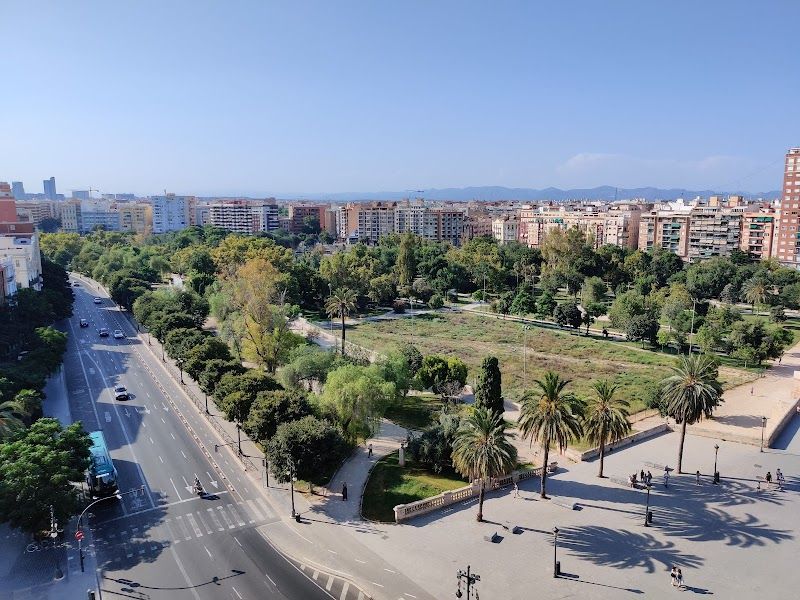
The Jardines del Turia is a 9 km linear park that runs through the centre of Valencia in the bed of the Turia river. After the 1957 flood (the worst in Valencia's history, 81 people killed, 200,000 displaced), the city diverted the river around the urban perimeter. The dried riverbed was converted into a park in the 1980s after citizens successfully defeated a plan to turn it into a motorway. Today it connects the old town to the City of Arts and Sciences in a continuous green corridor with gardens, sports courts, playgrounds, fountains, and the Parque de Gulliver (a giant Gulliver figure on the grass with climbing structures inside). Bikes can be rented at any ValenBisi city bike station (EUR 0.50 for 30 minutes, registration requires a credit card or the app) or from private rental shops near the old town. The full 9 km ride from the Torres de Serranos to the City of Arts and Sciences takes 30-40 minutes at a relaxed pace. The gardens are flat, car-free, and connect the main sights.
Valencia Cathedral and Micalet Tower
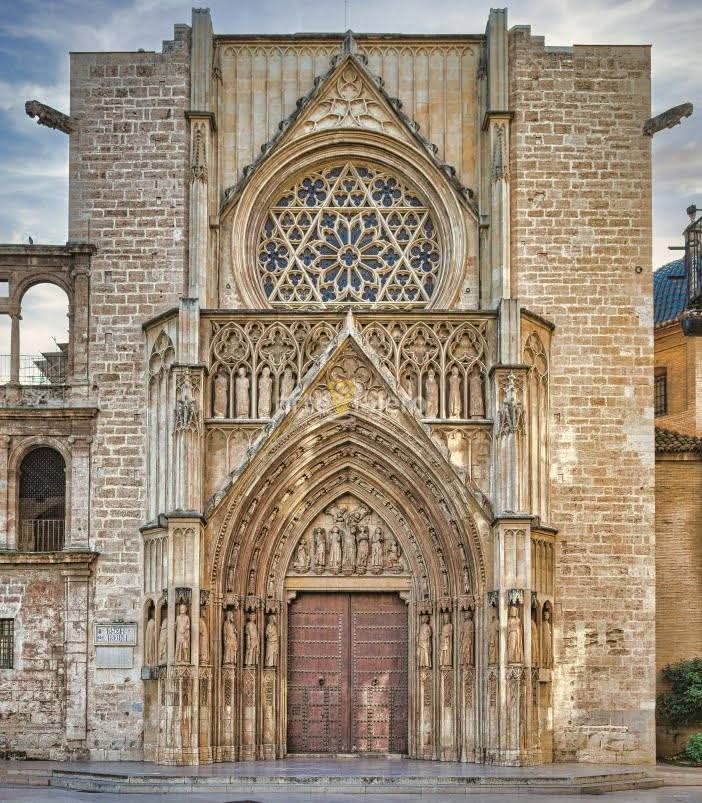
The Valencia Cathedral was built on the site of a former mosque between the 13th and 15th centuries and is a layered Gothic structure with Baroque, Romanesque, and Renaissance elements added over the centuries. The main entry is through the Puerta de los Apostoles (the Gothic doorway facing the Tribunal de las Aguas, which still meets here every Thursday at noon). Inside, the Chapel of the Holy Chalice contains what Valencia claims is the actual Holy Grail: a 1st-century agate cup that was in Valencia from the 11th century. The Micalet Tower (the bell tower, EUR 2) is 51 metres high with a staircase of 207 steps and a platform with 360-degree views over the tiled rooftops and the old city. The tower is octagonal (unlike the square minaret it replaced) and its bells are still rung by hand for major events. Entry to the cathedral is EUR 9.
Parc de Capçalera
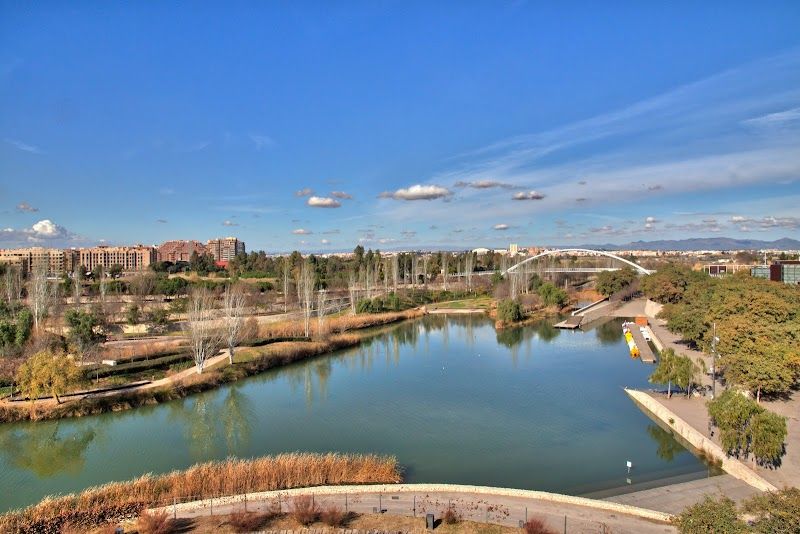
Parc de Capçalera spreads across 13 hectares at the western tip of Valencia's old Turia riverbed, anchoring one end of Europe's longest urban park system. You'll find an artificial lake surrounded by Mediterranean pines, eucalyptus groves, and rolling lawns where locals spread picnic blankets on weekends. The park connects seamlessly to the 9km Turia Gardens greenway that cuts straight through Valencia's heart, making it your launching point for the city's best cycling route. The atmosphere here feels distinctly local compared to touristy spots downtown. Families cycle the wide paths while kids feed ducks at the lake's edge, and you'll hear more Valencian than English. The southern section stays quieter since most visitors gravitate toward Bioparc zoo in the north. Tall palms and citrus trees provide genuine shade during Valencia's scorching summers, and the lake's fountains create a cooling microclimate that drops temperatures noticeably. Most guides mention this park as an afterthought, but it's actually Valencia's best escape from urban heat without leaving the city. Skip the overpriced Bioparc (€23.80 for adults) unless you're traveling with young kids. The free southern parkland delivers the same peaceful atmosphere. Come early morning or late afternoon when locals exercise, the light hits the lake perfectly, and you'll avoid the midday sun that makes the open areas uncomfortable.
Where to Eat
Restaurants and cafes in Ciutat Vella
Horchatería Santa Catalina
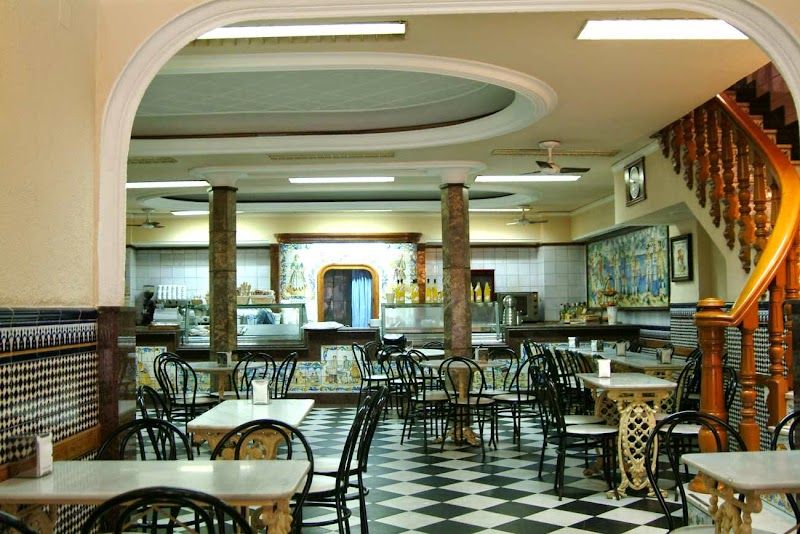
CafeTraditional horchatería serving fresh horchata made daily from local tiger nuts, accompanied by fartons for dipping. The tiled interior dates to the early 20th century and the recipe has remained unchanged for four generations.
Central Bar
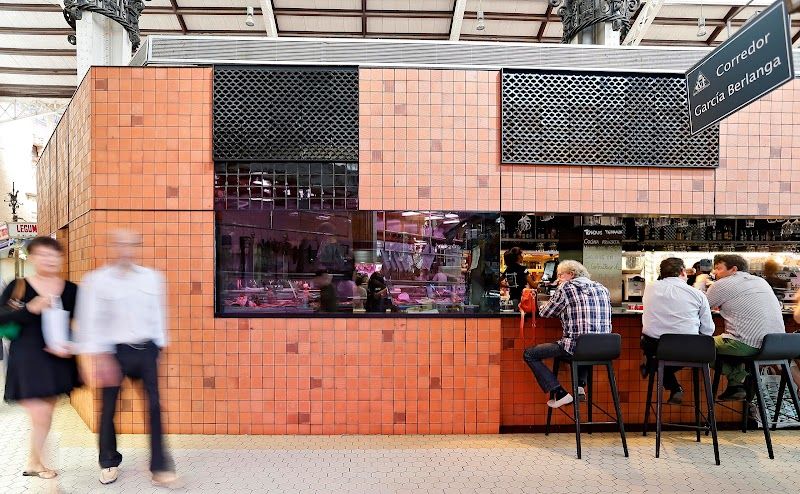
RestaurantTapas counter inside the Mercado Central serving market-fresh ingredients transformed into creative small plates and pintxos. Chef Ricard Camarena operates this casual spot where you can eat standing at the bar or grab a table in the market hall.
Canalla Bistro
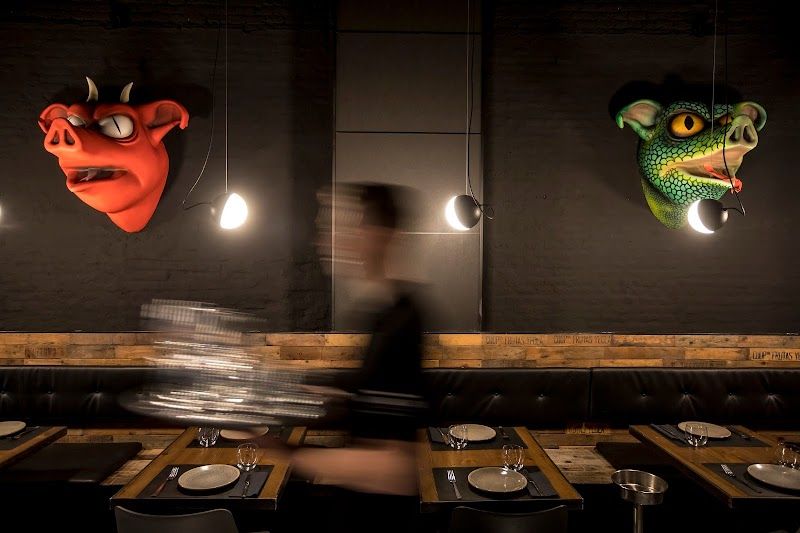
RestaurantModern tapas restaurant by chef Ricard Camarena offering creative small plates that reinterpret Valencian classics with international influences. The open kitchen and industrial design create a casual atmosphere despite the high-quality cooking and technique.
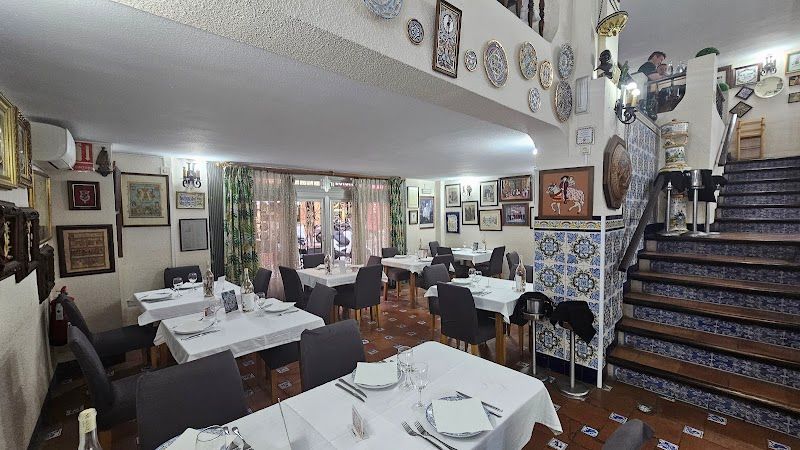
La Riuà
RestaurantTraditional restaurant specializing in paella valenciana and other rice dishes cooked in wood-fired ovens. The dining room is simple and the focus remains entirely on the quality of the rice, which uses bomba rice from the Albufera region.
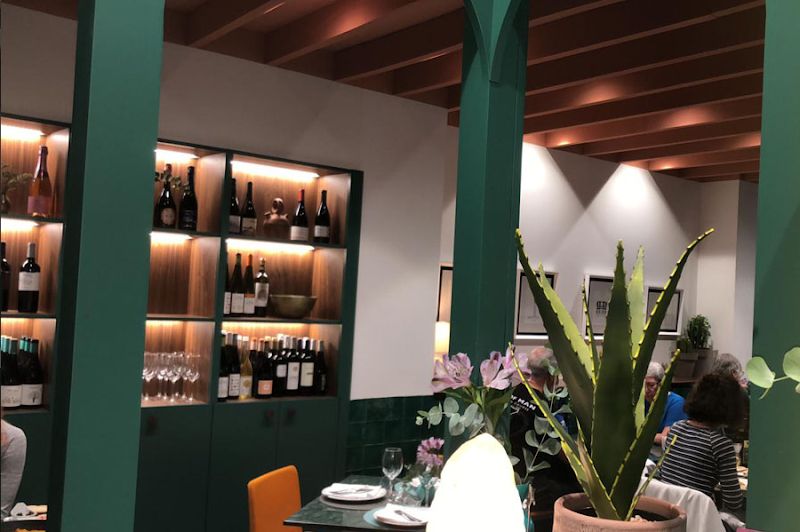
Restaurante Navarro
RestaurantNo-frills paella specialist near the beach serving traditional rice dishes cooked over orange wood fire. The menu focuses exclusively on different rice preparations, with paella valenciana and arroz a banda being the signature dishes.
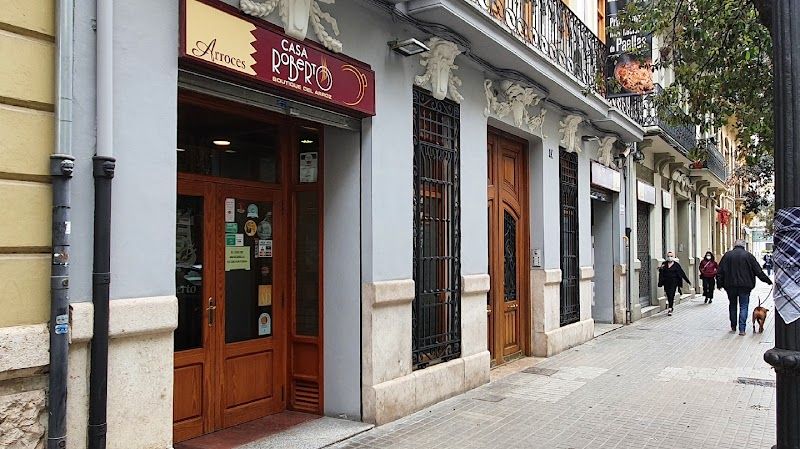
Casa Roberto
RestaurantFamily-run paella restaurant since 1950 serving traditional Valencian rice dishes in a simple dining room with checkered tablecloths. The paella valenciana here follows the authentic recipe with rabbit, chicken, and snails, cooked over orange wood.
Nightlife
Bars and nightlife in Ciutat Vella
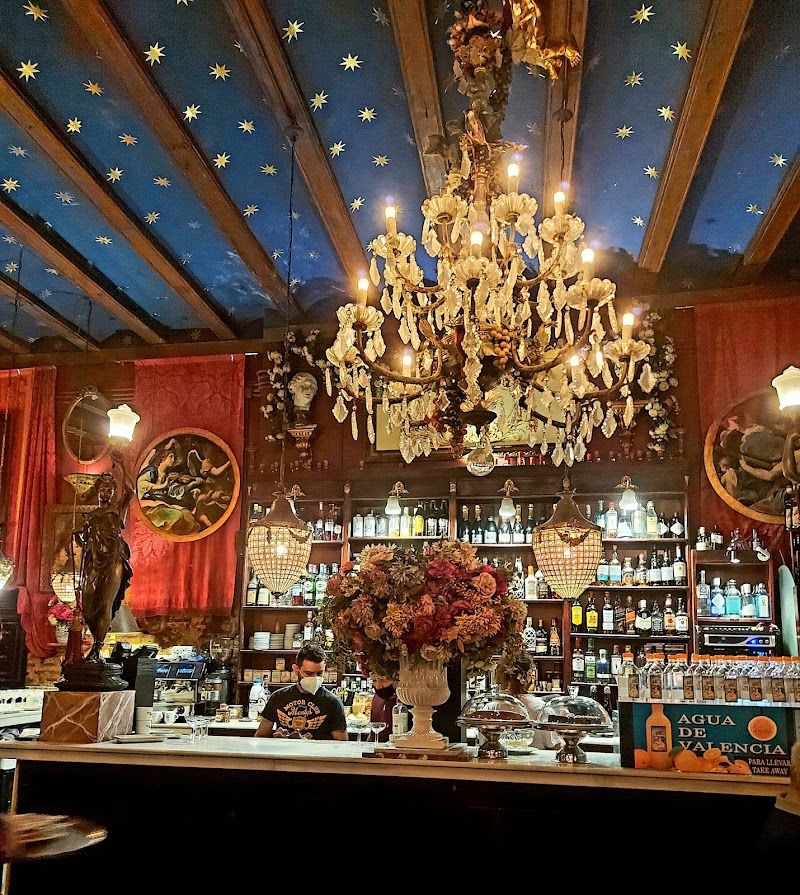
Café de las Horas
NightlifeA baroque-style cocktail bar in a 19th-century palace with velvet drapes, gilt mirrors, and candlelit tables. The Agua de Valencia was invented here in 1959, served in oversized goblets with fresh orange juice and cava. The theatrical interior features cherub statues and religious iconography creating an opulent, almost church-like atmosphere.
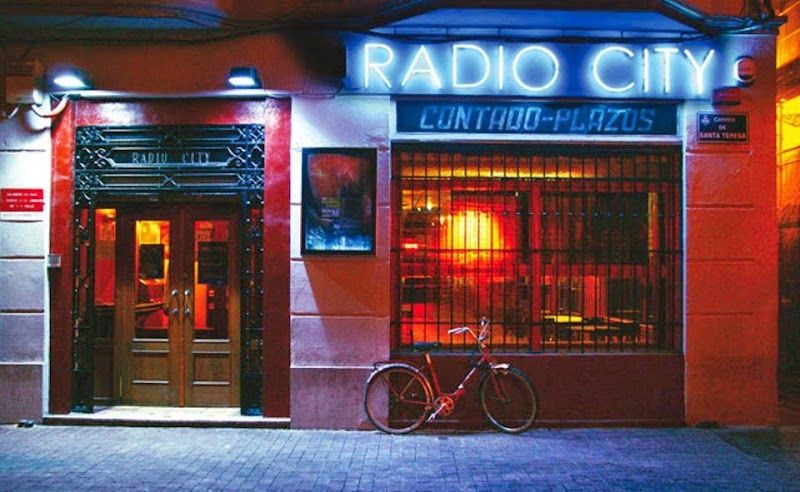
Radio City
NightlifeIconic Ruzafa venue that has been a neighborhood institution since the 1990s, combining a bar, live music stage, and event space. Known for its eclectic programming from indie rock to electronic music and DJ sets. The grungy, authentic atmosphere attracts a diverse crowd of locals and artists.
Getting Here
Getting There
Metro Line 3/5: Colon station (5 min walk). Metro Line 1: Xativa station.
On Foot
Very walkable. The entire old town is about 1 km across.
Insider Tips
Mercado Central before noon
The market opens at 7:30 AM and the best produce is gone by noon. Arrive before 10 AM to see the fish, meat, and vegetable stalls at their fullest. The fresh horchata stall near the main entrance and the juice bars are the best breakfast in Valencia. Budget EUR 15-20 for a proper grazing visit. Saturday is the most active day; Monday is the slowest.
Llotja immediately after the market
La Llotja de la Seda (EUR 2) is directly across from the Mercado Central on the same plaza. The twisted Gothic columns in the main trading hall are the architectural highlight: they look like stone ropes and create different shadow patterns through the narrow windows as the morning progresses. Allow 45 minutes and combine it with the market in a single 2-hour visit.
Tribunal de las Aguas on Thursdays
Every Thursday at noon, the Tribunal de las Aguas (the world's oldest functioning court) meets on the steps of the Cathedral's Apostles door to adjudicate irrigation disputes from the Valencia orchard system. The proceedings last 10-15 minutes and are in Valencian. It is free to watch from the plaza. The court has been meeting here since at least 960 AD.
Nearby Neighborhoods
Continue exploring
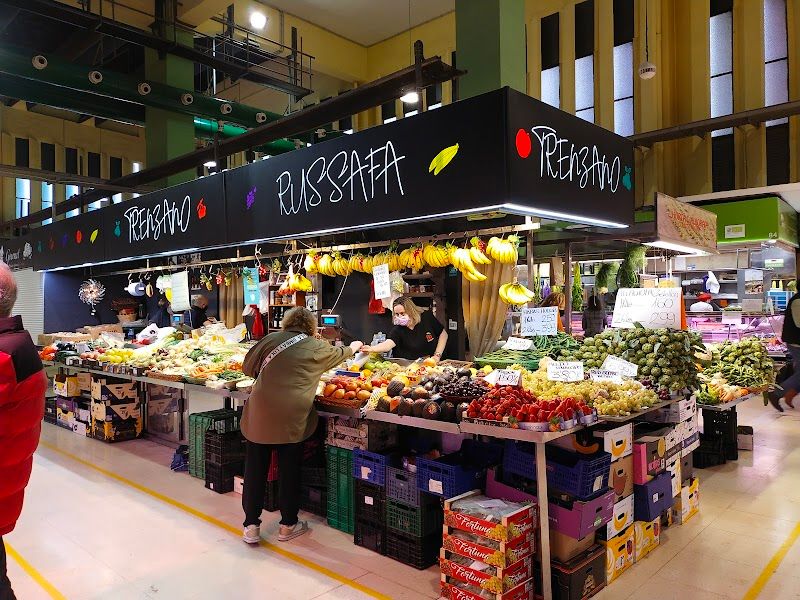
Ruzafa
The creative and restaurant district south of the old town: the highest restaurant density in Valencia, brunch culture, vintage shops, street art, and where Valencia under 40 goes on weekend evenings.
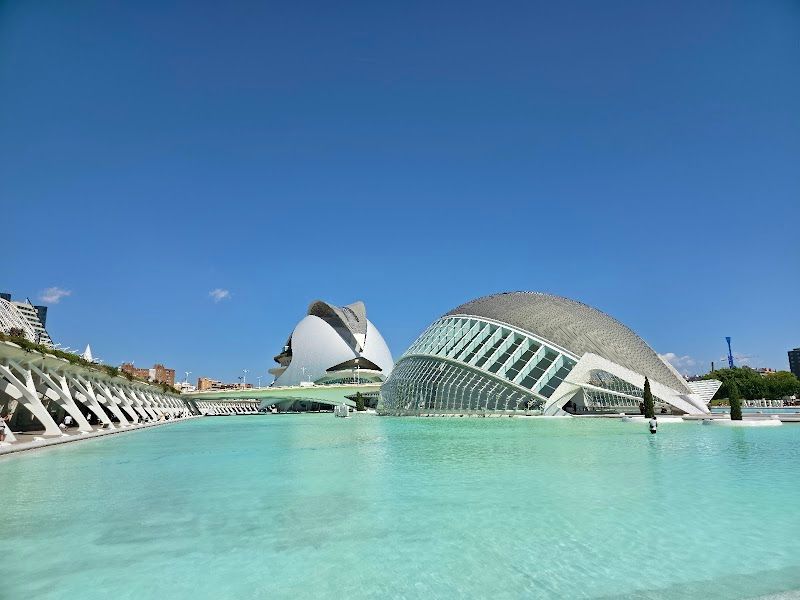
City of Arts & Sciences
Calatrava's futuristic complex in the drained Turia riverbed: white biomorphic structures reflected in shallow pools, the largest aquarium in Europe, and the 9 km linear park that connects it all to the old town.
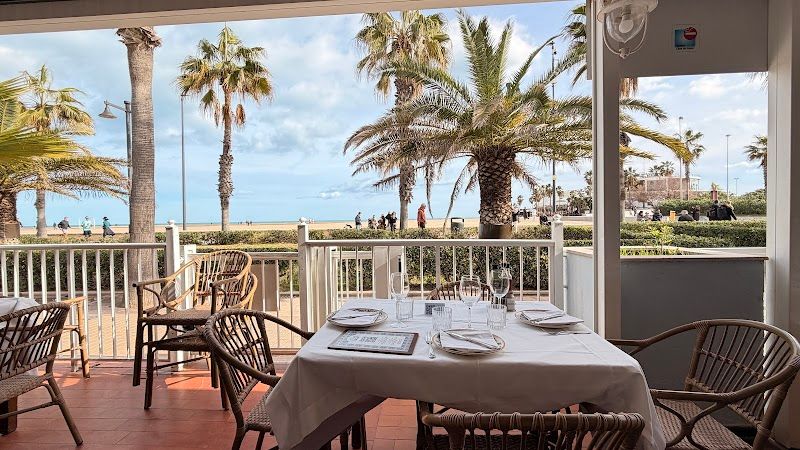
El Cabanyal & La Malvarrosa
The beach district east of the city: a former fishing village with tiled facades and a gentrifying food scene, the main city beach, and the beachfront restaurants where the paella is done correctly.
Plan a trip featuring Ciutat Vella
Get a personalized Valencia itinerary with Ciutat Vella built in.
Start Planning