Valencia
El Cabanyal & La Malvarrosa
The beach district east of the city: a former fishing village with tiled facades and a gentrifying food scene, the main city beach, and the beachfront restaurants where the paella is done correctly.
About El Cabanyal & La Malvarrosa
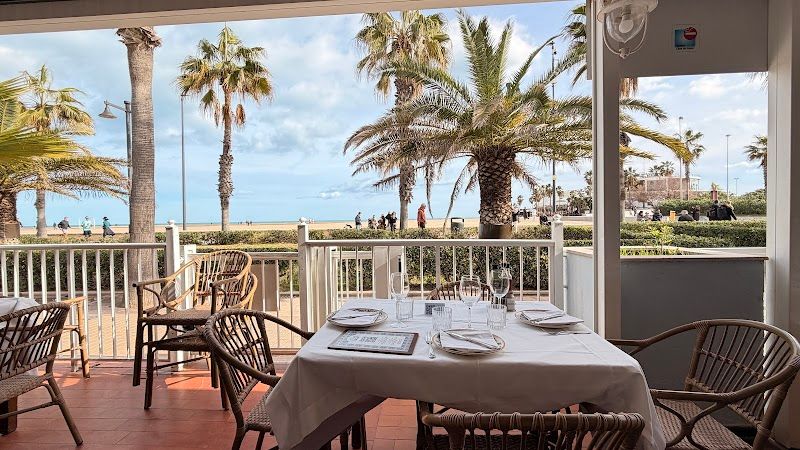
El Cabanyal is a former fishing village annexed by Valencia in 1897 that retained its own street grid, its tiled building facades (Modernisme and popular tile work), and its community identity. The neighbourhood is gentrifying: restaurants that would fit in Ruzafa are opening on Calle Eugenia Viñes alongside the traditional neighbourhood bars and fishing supply shops. La Malvarrosa is the main city beach directly in front: wide, sandy, with a promenade and beach restaurants where paella valenciana is cooked over wood fire at lunchtime. La Pepica (Paseo Neptuno 6) has been open since 1898 and Hemingway ate there. Order by 1:30 PM: the paella takes 30-45 minutes and the best socarrat forms when the fire is managed correctly from the start.
Things to Do
Top experiences in El Cabanyal & La Malvarrosa
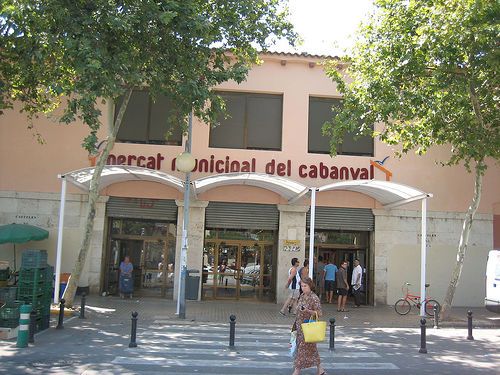
Mercat del Cabanyal
Mercat del Cabanyal sits in a beautiful 1920s modernist building where fishermen's families have sold their catch for generations. You'll find the best seafood in Valencia here: langostinos for €12-15/kg, local dorada at €8-10/kg, and whatever the boats brought in that morning. The stalls reflect El Cabanyal's fishing heritage, with vendors who've worked here for decades and know exactly which fish was caught where. The market feels authentically local, not prettied up for visitors. Fishmongers call out prices in rapid Valencian, elderly neighbors debate the merits of different catches, and the smell of sea salt mingles with fresh bread from the bakery stalls. Bar Mercat inside serves proper working-class almuerzo: grilled sardines, tortilla española, and cold beer for under €8. The modernist iron and glass architecture creates beautiful light patterns across the stalls. Most travel guides oversell Valencia's Mercado Central and completely ignore this place, which works in your favor. The seafood quality here often surpasses the central market because turnover is faster and fishermen sell directly. Skip the few tourist-oriented stalls near the entrance; the real action happens in the back sections where locals shop. Prices drop significantly after 1pm when vendors want to clear stock.
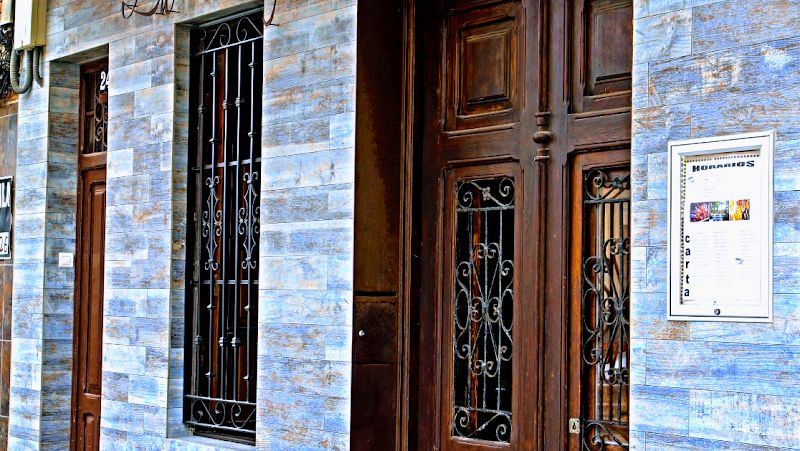
Lonja de Pescadores del Cabanyal
This working fish auction house operates exactly as it has for decades, with local fishermen arriving before dawn to sell their catch to restaurants and markets across Valencia. You'll see the day's haul laid out on ice while buyers inspect red mullet, sea bream, and whatever else the Mediterranean delivered that morning. The early 20th century industrial building perfectly captures El Cabanyal's authentic maritime character, far removed from the sanitized tourist experiences elsewhere in the city. The real action happens between 6am and 8am when the auction floor comes alive with rapid-fire Spanish bidding and the constant scrape of ice across concrete floors. Outside those hours, you can still wander the exterior and peek through windows at the vast auction hall with its soaring metal beams and utilitarian charm. The smell of the sea hangs heavy in the air, mixed with diesel from fishing boats moored nearby. It feels genuinely working class, which is exactly what makes it special. Most travel guides oversell this as a major attraction when it's really a quick cultural glimpse worth 20 minutes max. Unless you're genuinely interested in fish markets or industrial architecture, don't make a special trip. The building looks more impressive from outside than in, and the auction action can be underwhelming if boats didn't have a good night. Pair it with breakfast at a nearby bar rather than visiting solo.
Where to Eat
Restaurants and cafes in El Cabanyal & La Malvarrosa
La Pepica
RestaurantFamily-run paella restaurant since 1898, serving traditional Valencian paella and seafood rice dishes in a dining room decorated with photos of celebrity visitors including Hemingway. The beachfront terrace offers views of the Mediterranean while you wait for your paella to cook.
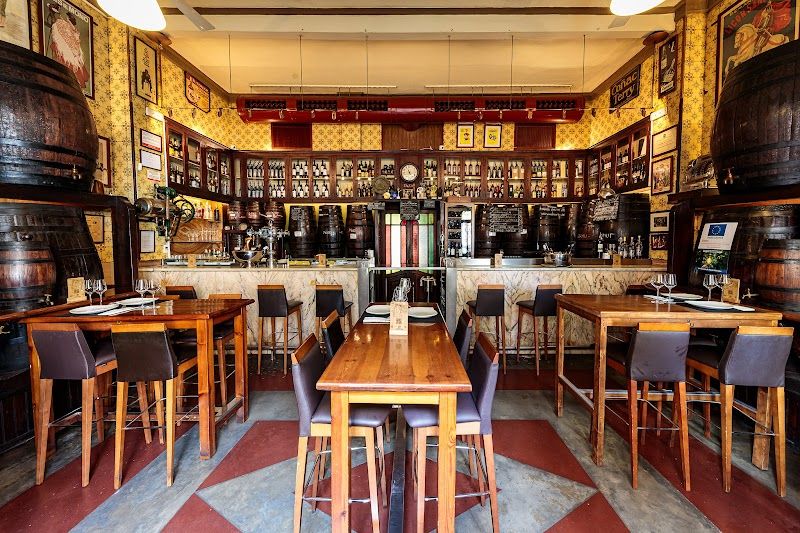
Casa Montaña
RestaurantHistoric tapas bar from 1836 specializing in conservas (tinned seafood), local wines, and traditional Valencian small plates. The wooden bar and tile walls preserve the original atmosphere, while the wine selection focuses on regional producers from Utiel-Requena and Terra Alta.
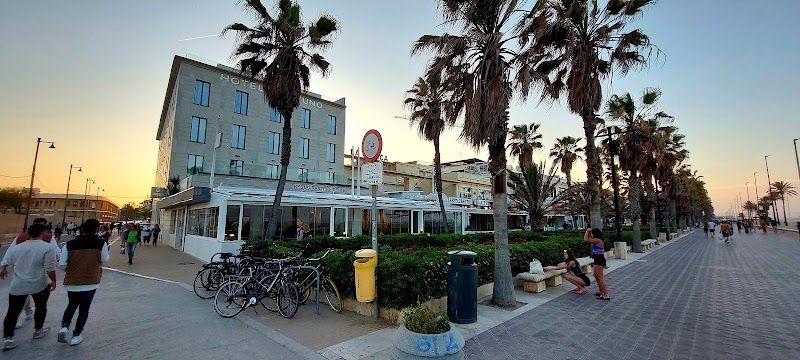
Ubik Cabanyal
CafeIndependent bookstore and cultural space in a beautifully restored corner building in El Cabanyal. Specializes in contemporary literature, local authors, and cultural events including book presentations and readings. The café area serves excellent coffee and provides a cozy atmosphere for reading or working.
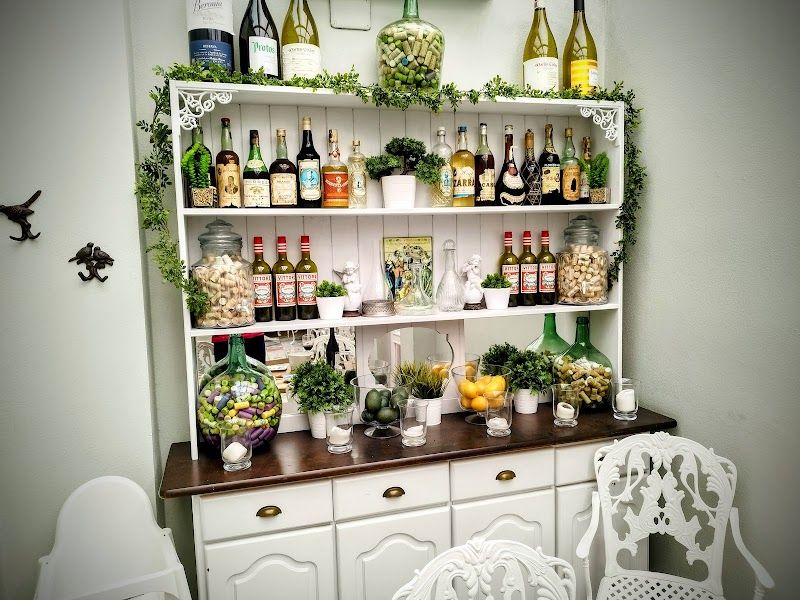
Casa Guillermo
RestaurantTraditional seafood restaurant in the heart of El Cabanyal, famous for its fresh fish and rice dishes. Family-run establishment with a no-frills atmosphere that focuses on quality ingredients and authentic Valencian maritime cuisine. Popular with locals for its grilled fish and seafood paella.
Getting Here
Getting There
Metro Line 4/6: Neptuno or Eugenia Viñes (25 min from old town).
On Foot
Flat. The beach is easy walking from the El Cabanyal metro stop.
Insider Tips
Paella timing is everything
Order by 1:30 PM at the latest to eat by 2:30 PM. Call ahead to reserve a table at La Pepica or Las Arenas on busy Sundays. The socarrat (crispy bottom rice) forms only when the cook manages the wood fire correctly: ask if the paella is cooked over wood (over-wood fire) before ordering. Some restaurants use gas, which is faster but different.
El Cabanyal tiled facades
The streets around Calle de la Reina, Calle Jose Benlliure, and Calle del Progrés have the best concentration of tiled building facades. The tiles range from Modernisme geometric patterns to fishing scenes, religious images, and abstract Art Deco work. The neighbourhood has been partly demolished in previous decades: the surviving tiles are the result of a long community campaign to protect them.
Nearby Neighborhoods
Continue exploring
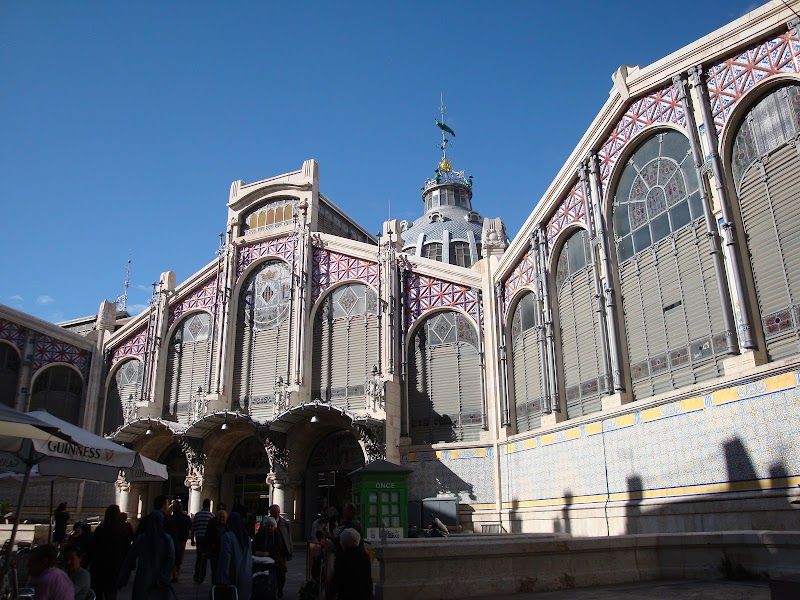
Ciutat Vella
The medieval core: the cathedral with its Holy Grail claim, the Gothic silk exchange, the 1,000-stall Modernisme market, and the medieval towers that still mark the old city gates.
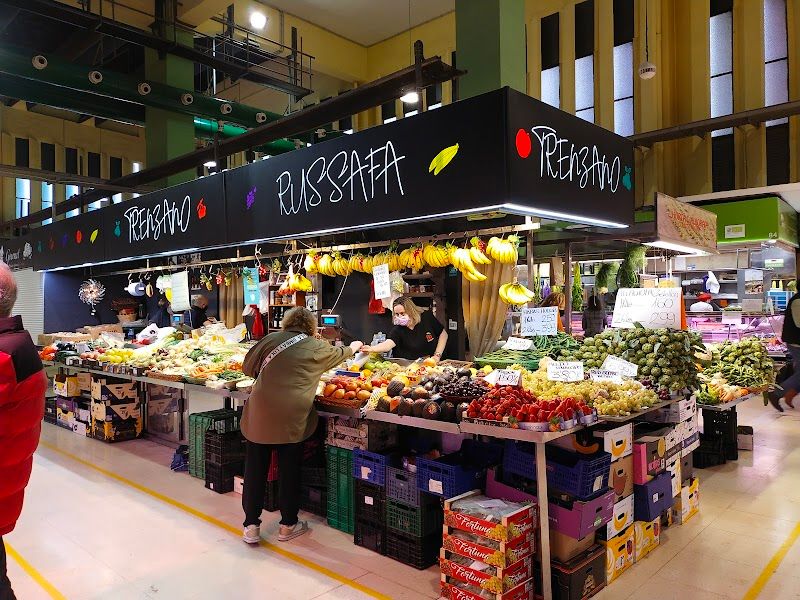
Ruzafa
The creative and restaurant district south of the old town: the highest restaurant density in Valencia, brunch culture, vintage shops, street art, and where Valencia under 40 goes on weekend evenings.
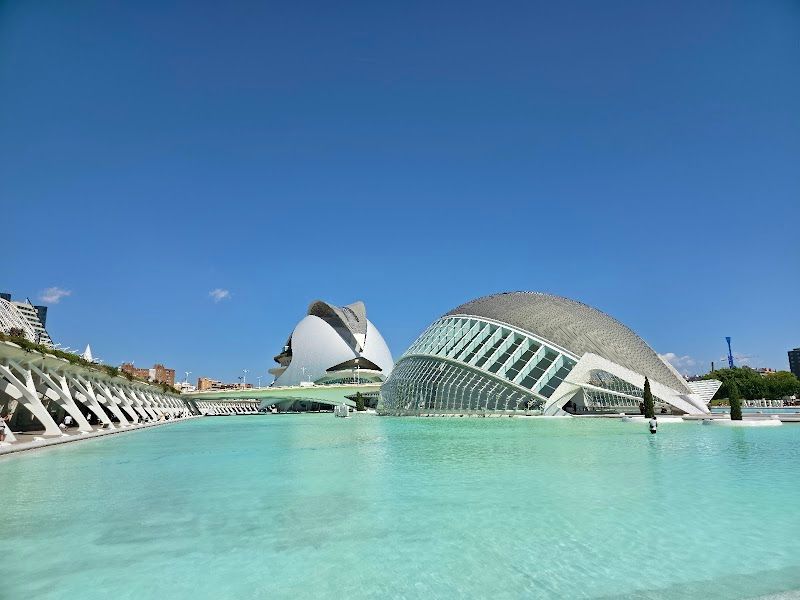
City of Arts & Sciences
Calatrava's futuristic complex in the drained Turia riverbed: white biomorphic structures reflected in shallow pools, the largest aquarium in Europe, and the 9 km linear park that connects it all to the old town.
Plan a trip featuring El Cabanyal & La Malvarrosa
Get a personalized Valencia itinerary with El Cabanyal & La Malvarrosa built in.
Start Planning