2-3 Days in Venice: First-Timer's Itinerary
San Marco, cicchetti crawls, Dorsoduro, the vaporetto, and the islands
How to spend 2-3 days in Venice: the Basilica at opening, Doge's Palace, the Rialto market cicchetti crawl, Dorsoduro art, and a day at Burano. The practical first-timer's guide.
2-3 Days in Venice: First-Timer's Itinerary
Look, Venice is touristy. Ridiculously, overwhelmingly touristy. But it's also genuinely magical in ways that no other city can match. The trick is knowing when to embrace the crowds (San Marco is worth it despite the chaos) and when to slip away into neighborhoods where you'll hear more Italian than English. This itinerary hits the big sights you actually need to see, then gets you eating and drinking like someone who lives here. Three days is enough to see the essentials and start to understand why people have been losing their minds over this place for centuries.
San Marco and San Polo
Your first day throws you into the deep end with the most famous square in Venice, then rescues you with the best eating and drinking the city has to offer. You'll start surrounded by tourists gawking at gold ceilings, then end the day elbow to elbow with locals at tiny wine bars that haven't changed in decades. The contrast is the whole Venice experience in one day.
- Golden mosaics of San Marco
- Cicchetti crawl near Rialto
Morning: San Marco (9:30 AM - 12:30 PM)
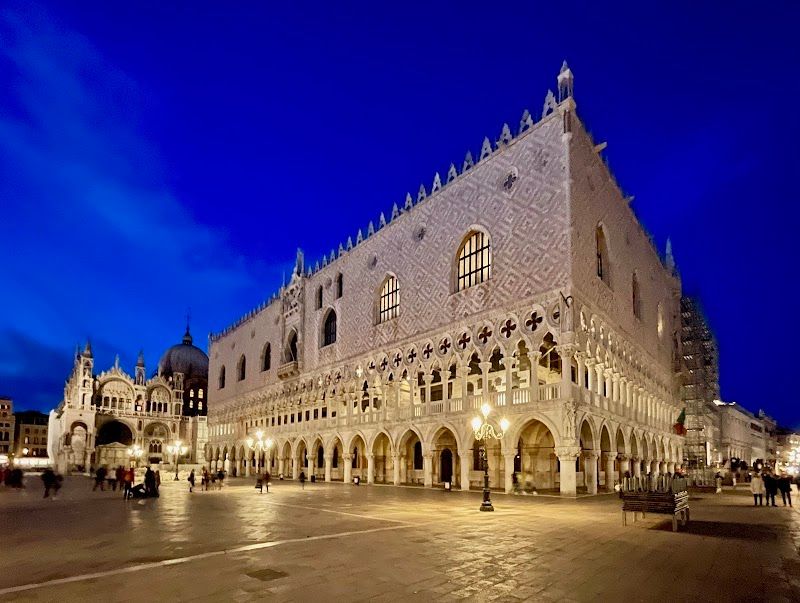
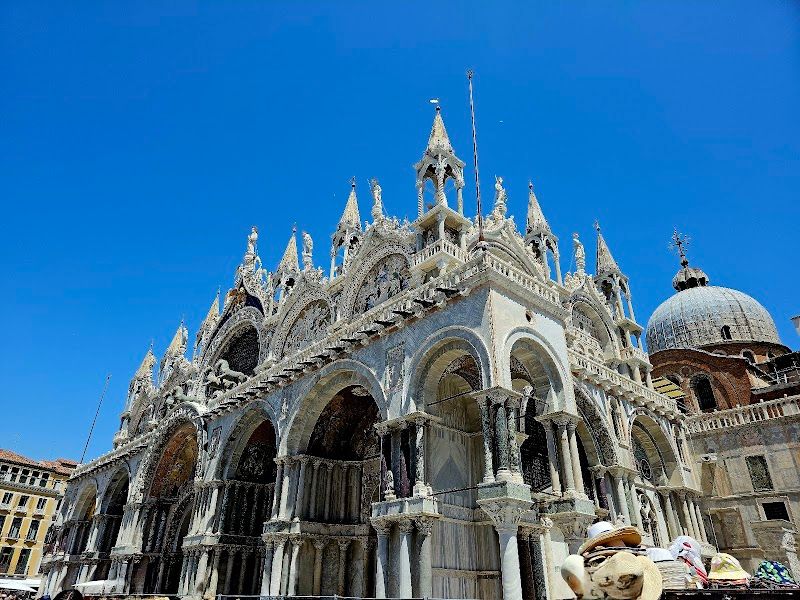
Get to San Marco by 9:30 AM. Yes, it will already have people, but nothing like the afternoon mob scene. Head straight to Basilica di San Marco and join the free entrance queue on the left side of the piazza, not the paid skip-the-line one on the right. Cover your shoulders and knees or they won't let you in. Inside, the gold mosaics are genuinely spectacular, especially the creation scenes in the atrium. Pay the extra EUR 7 for the Pala d'Oro behind the main altar, it's the most intricate piece of medieval goldwork you'll ever see. The museum level (another EUR 5) has the original bronze horses and the best view down into the basilica. Next, walk directly to the Doge's Palace. Book online in advance (EUR 30) and you'll skip the ticket line entirely. The Sala del Maggior Consiglio is absurdly over the top, and Tintoretto's Paradise covering the entire back wall is the largest oil painting in the world. It's also genuinely good, not just big. End with the Campanile if your legs aren't dead yet (EUR 10). The elevator takes you up 99 meters for views across the lagoon that show you just how unlikely this whole city is.
Lunch: Cicchetti Crawl in San Polo (12:30 PM - 2:30 PM)
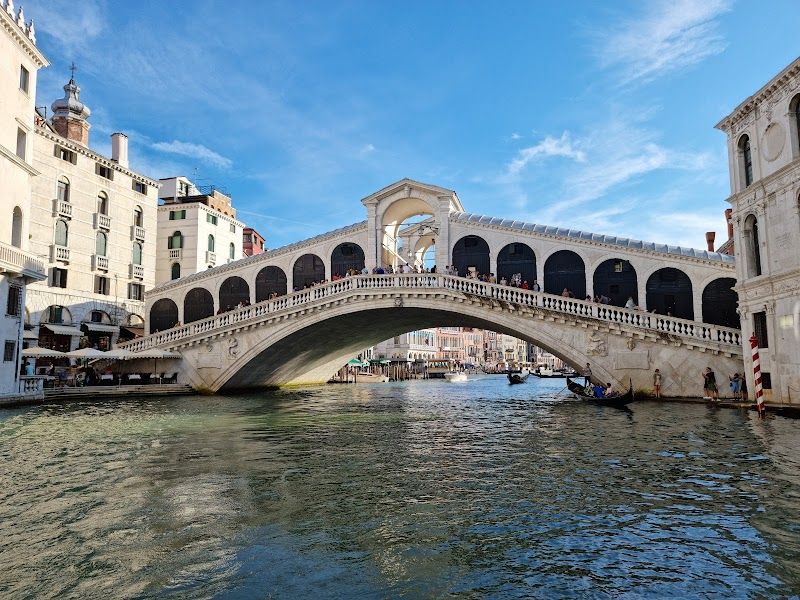
Take vaporetto Line 1 from San Marco to Rialto (4 stops, 15 minutes). Walk across the famous bridge, then head to the market side in San Polo for the cicchetti crawl that will be the best meal of your trip. Start at Al'Arco, a tiny place that fits maybe 10 people and serves the best small plates in Venice. Arrive right at noon when they open or you'll wait. Order an ombra (small glass of local wine) and point to 4-5 different cicchetti. The baccalà mantecato on bread is perfect, and the seasonal vegetables are better than most restaurant mains. Total damage: EUR 10-12. Walk to Cantina Do Spade next, a bit bigger and touristier but still good. Try the polpette (meatballs) and anything with seafood. Then finish at Do Mori, the oldest bacaro in Venice and dark as a cave. The tramezzini (little sandwiches) here are wonderfully old-fashioned. You'll spend about EUR 8-12 at each stop and be completely satisfied.
Afternoon: Frari and Getting Lost (2:30 PM - 6 PM)
Walk to the Frari church (EUR 5), which has Titian's Assumption altarpiece that genuinely stops you in your tracks. It's huge, glowing with color, and positioned so the light hits it perfectly in the afternoon. This is also where Titian is buried, along with the composer Monteverdi. After that, just walk. Head in the general direction of San Marco but take every interesting side street and canal you see. Getting lost in San Polo is the point. The neighborhood has the best everyday Venice life, with locals shopping and kids playing football in the campos. You'll cross dozens of tiny bridges and see how people actually live in this place.
Dinner
End at Osteria alle Testiere in Castello (book ahead, they're tiny). The crudo di ricciola is EUR 18 and worth every cent, and the pasta with sea urchin (EUR 24) tastes like the ocean in the best possible way. Expect to spend EUR 70-80 per person with wine, and expect it to be the best seafood of your life.
Dorsoduro and Cannaregio
Day two takes you away from the postcard Venice into neighborhoods that feel more like a real city. You'll see modern art in a palazzo on the Grand Canal, then spend the evening drinking with locals in the most authentically Venetian part of the city. Cannaregio is where you'll finally understand how this place works as somewhere people actually live, not just visit.
- Peggy Guggenheim's art collection
- Bacaro crawl in Cannaregio
Morning: Peggy Guggenheim Collection (10 AM - 12 PM)
Start at the Peggy Guggenheim Collection (EUR 18, closed Tuesdays). This is modern art in an 18th-century palazzo right on the Grand Canal, which sounds pretentious but actually works perfectly. The Picassos and Pollocks are excellent, but the real reason to come is the sculpture garden and terrace overlooking the Grand Canal. Sit out there with the Marinis and Moores and watch the water taxis go by. It's the most civilized place in Venice. After the museum, walk along the Zattere waterfront facing Giudecca Island. This promenade gets sun all morning and has views across to Palladio's churches. It feels like a completely different city from the narrow alleys of San Marco.
Lunch: Campo Santa Margherita (12 PM - 1:30 PM)
Walk to Campo Santa Margherita, the liveliest square in Dorsoduro. This is where university students hang out, which means cheap spritz (EUR 3-4) and good cicchetti at the bars around the campo. Il Caffè has tables outside and decent tramezzini. The square actually feels like a neighborhood center, not a tourist attraction, which is rare in Venice. Watch the kids play football while you eat.
Afternoon: Choose Your Adventure (1:30 PM - 5 PM)
You have two good options now. The Gallerie dell'Accademia (EUR 12, closed Mondays) has the best collection of Venetian painting anywhere, including Bellini, Giorgione, and more Titian. The Tempest by Giorgione is here, and it's one of those paintings that's much stranger and more compelling than any reproduction suggests. Or skip the art and head to Cannaregio to explore the Jewish Ghetto. The synagogue tours (EUR 8) are genuinely interesting and the area has a completely different feel from the rest of Venice. The Ghetto was the first in the world, and the buildings are taller than anywhere else in Venice because families had to build up instead of out.
Evening: Cannaregio Bacaro Crawl (6:30 PM - 9 PM)
Head to the Fondamenta degli Ormesini in Cannaregio for the evening bacaro crawl. This is local Venice at its best. Start around 6:30 PM when the bars fill up with people finishing work. The spritz here costs EUR 3 (half the price of San Marco) and the cicchetti are EUR 1.50-3 each. Try Paradiso Perduto for live music and a scene, or Al Timon right on the canal where you can drink outside on the fondamenta. The atmosphere is completely different from the tourist areas, louder and more relaxed. You'll hear Italian, see people walking their dogs, and feel like you've found the real city.
Dinner
Stay in Cannaregio for dinner at Osteria L'Orto dei Mori. The sarde in saor (sweet and sour sardines) for EUR 12 is the classic Venetian antipasto, and the bigoli in salsa (thick pasta with anchovy sauce) for EUR 14 is simple and perfect. Total with wine: EUR 45-50 per person.
Burano and Torcello (Optional)
If you have a third day, get out on the lagoon to see where Venice came from. Burano is genuinely pretty despite being completely touristy, and Torcello has some of the most beautiful art in Italy with almost no crowds. It's a full day of boats and islands that shows you Venice was never just one city, but a whole world built on water.
- Colorful houses on Burano
- Byzantine mosaics in Torcello cathedral
Morning: Burano (9 AM - 1 PM)
Take vaporetto Line 12 from Fondamente Nove (45 minutes, EUR 9.50 each way, or get a day pass for EUR 25). Leave early, around 9 AM, to get to Burano before the tour groups arrive. Yes, the brightly colored houses are a tourist attraction, but they're also genuinely beautiful and the island has a real fishing village feel if you walk away from the main drag. The Lace Museum (EUR 5) is only worth it if you're genuinely interested in the craft, but watching the old women still making lace by hand is pretty remarkable. The whole island takes about two hours to see completely.
Lunch on Burano
Eat at Trattoria da Romano if you can get a reservation (book ahead). The risotto di go (goby fish risotto) for EUR 22 is the signature dish and tastes like the lagoon in the best way. If Romano is full, try Gatto Nero, which is almost as good and slightly less touristy. Expect to spend EUR 35-40 per person.
Afternoon: Torcello (1 PM - 4 PM)
Take the 5-minute vaporetto ride to Torcello, which feels like traveling back 1,000 years. This was once a major city, now it's basically just a cathedral, a church, and a few houses. The cathedral has 7th-century Byzantine mosaics that are older and less crowded than San Marco's. The Last Judgment on the back wall is genuinely haunting, and the Madonna and Child in the apse is one of the most beautiful things in Italy. The campanile climb (EUR 5) gives you views across the whole lagoon. The island is almost empty of tourists and completely peaceful.
Practical Tips
Buy vaporetto tickets at the machines, not from people on the street. A 75-minute ticket is EUR 9.50, a day pass is EUR 25.
Restaurants that display tourist menus in multiple languages near San Marco are usually terrible. Walk 5 minutes away and look for places with handwritten menus in Italian.
High tide (acqua alta) happens mostly November through March. Check the city's app for warnings and bring waterproof shoes.
Most churches charge EUR 3-5 entrance with the Chorus Pass (EUR 18 for 16 churches). Buy it if you're seeing more than 4 churches.
ATMs are everywhere but restaurants often prefer cash for small meals. Carry EUR 50-100 in cash.
Venice is completely walkable but prepare for lots of bridges. Pack light and wear comfortable shoes.
Ready to Visit Venice?
Get a personalized itinerary tailored to your travel style and interests.
Plan Your Venice TripMore Venice Guides
First Time in Venice: What You Need to Know
Before you go: the day-tripper entry fee, vaporetto passes explained, acqua alta flood alerts, the cicchetti bacaro crawl, luggage on bridges, and why getting lost is the strategy.
7 min
Where to Eat in Venice: Bacari, Cicchetti & Fish
How to eat in Venice: the cicchetti and bacaro tradition, the Rialto market fish, the sarde in saor and baccalà mantecato, where to find the good restaurants, and which tourist traps to avoid.
8 min