Where to Eat in Venice: Bacari, Cicchetti & Fish
The bacaro crawl, baccalà mantecato, the Rialto fish market, and where not to eat
How to eat in Venice: the cicchetti and bacaro tradition, the Rialto market fish, the sarde in saor and baccalà mantecato, where to find the good restaurants, and which tourist traps to avoid.
THE CICCHETTI CULTURE
Cicchetti are Venice's answer to tapas: small plates served at bacari (wine bars) that cost EUR 1.50-3 each. This is how Venetians actually eat dinner, not the tourist restaurants around San Marco. You stand at the bar, order an ombra (small glass of house wine, EUR 1.50-2.50) or a prosecco (EUR 2-3), eat 4-5 pieces, then move to the next bacaro. The crawl is sacred: hit 3-5 bacari over 2-3 hours, budget EUR 20-30 per person for a proper tour. I've done this every night for a week and never got tired of it. The food is fresh, the wine is cheap, and you'll be shoulder to shoulder with Venetians who've been doing this exact routine for decades.
THE CICCHETTI THEMSELVES
Start with baccalà mantecato, creamed salt cod on bread that should have the texture of mousse and a restrained, not fishy, flavor. This is the most Venetian cicchetto you can order. Sarde in saor are sweet and sour sardines with onions, pine nuts, and raisins, invented when Venetian traders needed food that would last on long sea voyages. The polpette (small fried meatballs) should be slightly wet in the center, never dry. You'll find crostini with prawns, eggs, anchovies, or whatever vegetables are in season, plus simple slices of mozzarella and prosciutto. The key is eating them in the right order: start light with the fish, move to the meatballs, end with cheese. Every bacaro has their own version of these basics, so you can compare as you crawl.
THE BACARO ROUTE
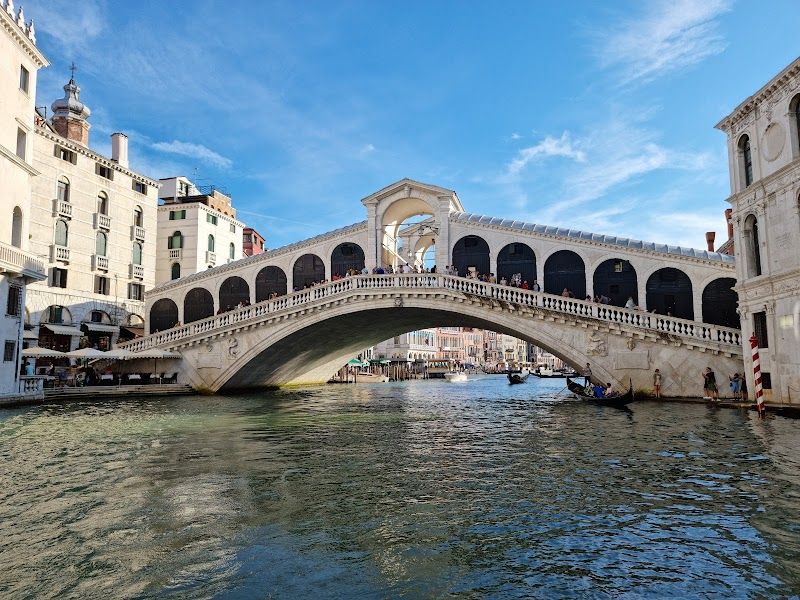
The Rialto route gives you the best variety in the smallest area. Start at Al'Arco (Via dell'Arco 436), which is very small but has the most consistently good cicchetti in Venice. The baccalà mantecato here sets the standard for everywhere else. Walk to Cantina Do Spade (Sotoportego Do Spade 860), operating since 1488, where the polpette are always perfect. End at Do Mori (Calle Do Mori 429), the oldest and darkest bacaro in Venice where copper pots have hung from the ceiling since the 15th century. For atmosphere over variety, take the Cannaregio route along Fondamenta degli Ormesini and Fondamenta della Misericordia. These are walking distance from each other, filled with locals instead of tourists, and 6-9 PM is when everyone shows up after work.
FISH
Venice eats from the lagoon and the Adriatic, not from frozen imports. Spaghetti alle vongole should be made with live local clams, not the preserved ones that taste like rubber. Fritto misto di mare (mixed fried seafood) is only good if the prawns still have their heads on, proving they're fresh. You already know sarde in saor from the cicchetti, but try risotto di go, made with goby fish from the lagoon that tastes earthy and specific to Venice. Bigoli in salsa is thick pasta with anchovy and onion sauce that costs almost nothing and tastes extraordinary. For actual fish restaurants, go to Castello or Cannaregio, never San Marco. The closer you get to the basilica, the worse and more expensive the fish becomes.
WHAT TO AVOID
Skip any restaurant where there's a waiter outside trying to get you to come in, the menu is translated into 8 languages, there are photos of the food, the menu includes spaghetti bolognese, or it faces Piazza San Marco. These are all reliable indicators of tourist traps. Here's the test I use: if you can see the basilica from the restaurant terrace, the food costs twice as much and is half as good as places five minutes away. The restaurants right on the piazza charge EUR 25 for mediocre pasta that costs EUR 12 in Castello. Venetians don't eat in San Marco, and neither should you.
Ready to Visit Venice?
Get a personalized itinerary tailored to your travel style and interests.
Plan Your Venice TripMore Venice Guides
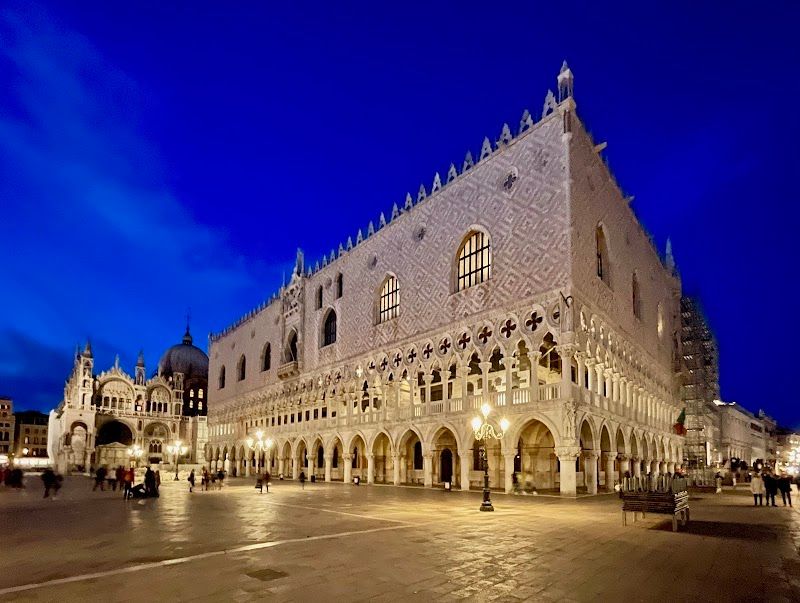
2-3 Days in Venice: First-Timer's Itinerary
How to spend 2-3 days in Venice: the Basilica at opening, Doge's Palace, the Rialto market cicchetti crawl, Dorsoduro art, and a day at Burano. The practical first-timer's guide.
8 min
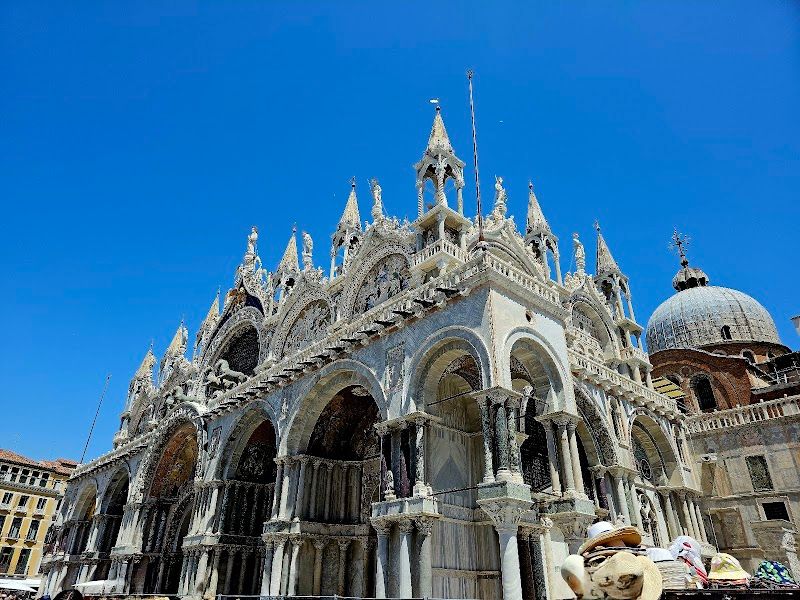
First Time in Venice: What You Need to Know
Before you go: the day-tripper entry fee, vaporetto passes explained, acqua alta flood alerts, the cicchetti bacaro crawl, luggage on bridges, and why getting lost is the strategy.
7 min